Europe offers extraordinary opportunities for those seeking quality living without breaking the bank. While Western European cities continue to see soaring prices, many Eastern and Southern European countries provide comfortable lifestyles at a fraction of the cost.
The landscape of affordable European living has shifted significantly heading into 2026. Remote work opportunities have expanded. Digital nomad visas have become more accessible. Healthcare systems have improved across the continent.
This comprehensive guide examines the ten most budget-friendly European countries for 2026. We analyze actual living costs, quality of life indicators, and practical considerations for making your move.
Stay Updated on European Living Costs
Get monthly insights on cost of living trends, visa updates, and relocation tips delivered to your inbox. Join 15,000+ expats planning their European adventure.
How We Determined the Cheapest Countries to Live in Europe 2026
Our rankings combine multiple data sources to provide accurate cost comparisons. We evaluate each country across several key metrics.
The primary factors include monthly housing costs for one-bedroom apartments in city centers and suburbs. Food expenses cover both grocery shopping and restaurant dining. Transportation costs include public transit passes and fuel prices.
Healthcare accessibility and affordability play crucial roles. We examine both public and private healthcare options. Quality of life indicators include internet speed, safety ratings, and climate conditions.
Housing Costs
Rent prices for apartments in urban and suburban areas, real estate purchase options, and utility expenses including electricity, water, heating, and internet connectivity.
- One-bedroom apartment city center rates
- Suburban housing alternatives
- Average utility bills per month
- Internet and phone service costs
Daily Living Expenses
Comprehensive analysis of food costs, transportation options, healthcare expenses, and entertainment budgets that affect your monthly spending in each country.
- Grocery shopping basket costs
- Restaurant meal prices
- Public transportation passes
- Healthcare insurance premiums
Quality of Life Metrics
Beyond costs, we measure life satisfaction factors including safety, climate, cultural activities, and social integration opportunities for foreigners.
- Safety and crime statistics
- Climate and weather patterns
- Cultural amenities available
- Expat community presence
Visa and Residency
Immigration requirements, digital nomad visa availability, permanent residency pathways, and bureaucratic processes that affect your ability to relocate legally.
- Digital nomad visa programs
- Temporary residency options
- Permanent residency requirements
- Work permit regulations
We consulted current 2026 data from Numbeo, Expatistan, and official government statistics. Real estate platforms provided housing cost information. Expat forums and surveys contributed quality of life insights.
1. Bulgaria: Europe’s Most Affordable Living Destination
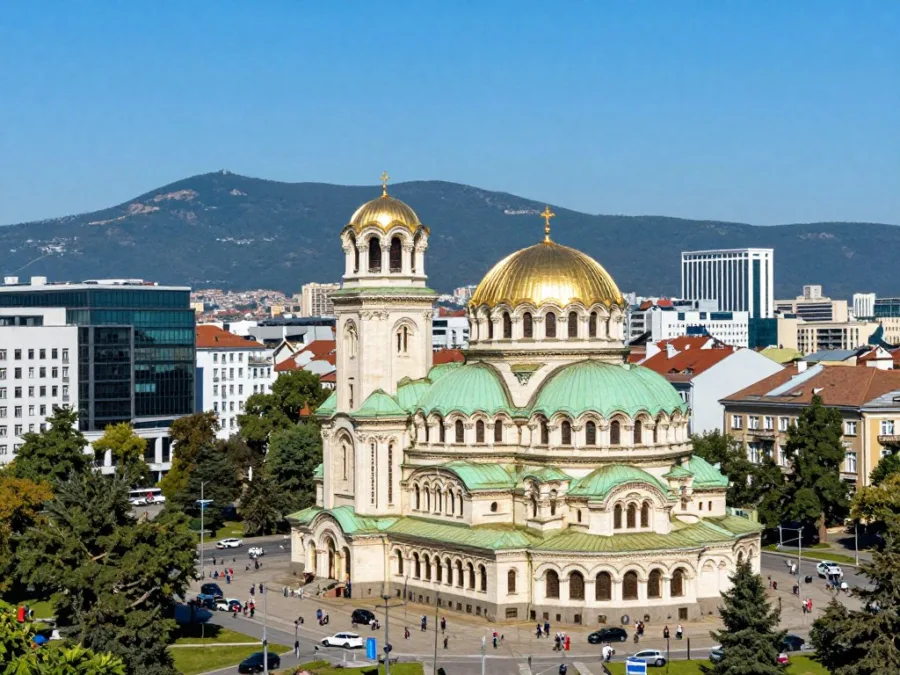
Bulgaria claims the top position as the cheapest country to live in Europe heading into 2026. This Balkan nation combines remarkably low living costs with EU membership benefits and improving infrastructure.
The capital city Sofia offers urban amenities at prices that seem impossible compared to Western Europe. A one-bedroom apartment in the city center costs around $450 per month. Outside the center, expect to pay just $300 monthly.
Monthly Cost Breakdown for Bulgaria
| Expense Category | Average Monthly Cost | Notes |
| One-Bedroom Apartment (Center) | $450 | Sofia prices, other cities cheaper |
| One-Bedroom Apartment (Outside Center) | $300 | Suburban areas |
| Utilities | $85 | Electricity, water, heating, garbage |
| Internet | $12 | High-speed fiber connections |
| Groceries | $200 | Single person, local products |
| Public Transportation | $30 | Monthly pass for all city transport |
| Healthcare Insurance | $65 | Private insurance option |
| Total Estimated Monthly Budget | $1,142 | Comfortable single person lifestyle |
Quality of Life in Bulgaria
Bulgaria offers more than just low prices. The country provides fast internet with average speeds exceeding 100 Mbps. Sofia and Plovdiv feature vibrant cultural scenes with theaters, museums, and music venues.
The climate varies from Mediterranean along the Black Sea coast to continental inland. Summer temperatures reach comfortable levels. Winter brings snow to mountain regions, perfect for budget skiing.
Healthcare quality has improved substantially. Private clinics in Sofia offer modern facilities with English-speaking doctors. Public healthcare remains affordable even without insurance.
Visa and Residency Options
As an EU member, Bulgaria offers straightforward residency for EU citizens. Non-EU nationals can apply for a Type D visa for long-term stays. The digital nomad visa launched in 2024 continues attracting remote workers.
Permanent residency becomes possible after five years of continuous residence. The process requires basic Bulgarian language skills and proof of financial stability. Real estate purchase does not automatically grant residency but strengthens applications.
Advantages
- Lowest overall cost of living in the EU
- Fast internet infrastructure perfect for remote workers
- Black Sea coastline with affordable beach towns
- Growing expat community in major cities
- EU membership provides stability and travel freedom
- Improving healthcare facilities in urban areas
Considerations
- Language barrier outside tourist areas
- Bureaucracy can be challenging to navigate
- Air pollution in Sofia during winter months
- Lower average wages if seeking local employment
- Infrastructure outside major cities needs improvement
2. Romania: Medieval Charm Meets Modern Affordability
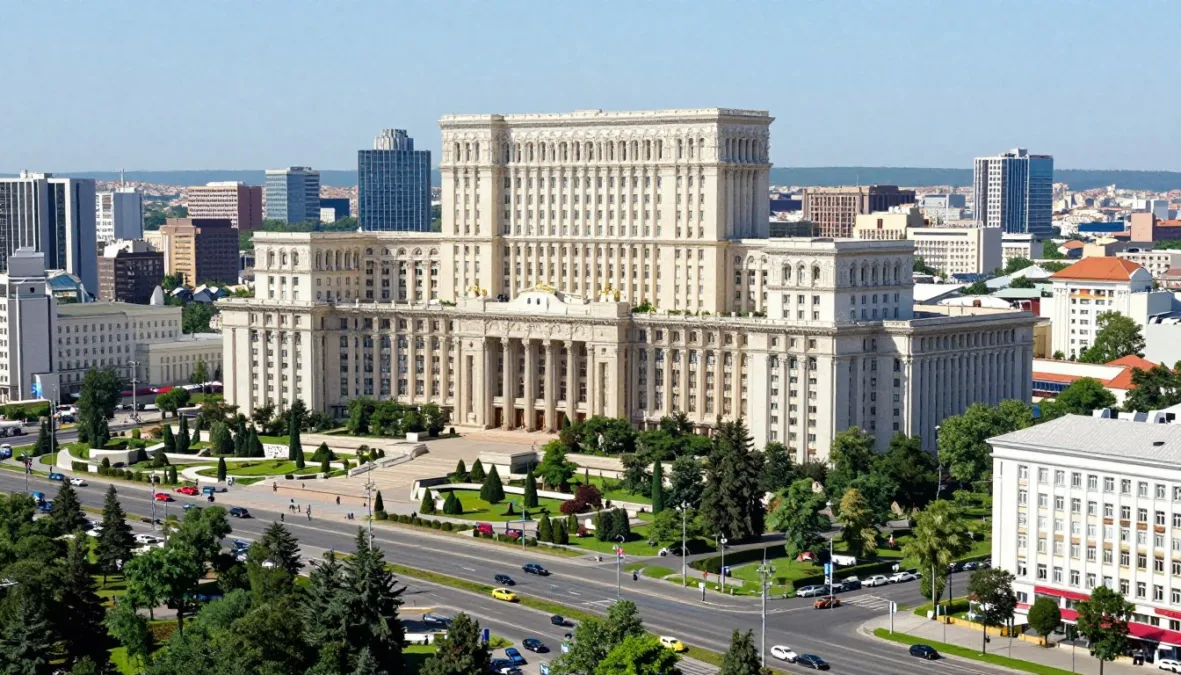
Romania ranks second among the cheapest countries to live in Europe. This Eastern European nation offers stunning landscapes, rich history, and surprisingly modern cities at budget-friendly prices.
Bucharest, the capital, provides metropolitan living for roughly 30% less than Sofia. One-bedroom apartments in desirable neighborhoods cost $400-$500 per month. Smaller cities like Cluj-Napoca and Timisoara offer even lower prices with excellent quality of life.
Understanding Living Costs in Romania
Monthly living expenses for a single person average $900-$1,100 including rent. This budget covers comfortable accommodation, groceries, utilities, transportation, and entertainment. Dining out remains incredibly affordable with restaurant meals costing $8-$12.
Grocery prices favor local products. Fresh vegetables, fruits, and dairy products from Romanian farms cost significantly less than imported alternatives. A weekly grocery shop for one person runs about $40-$50.
Public transportation in cities works efficiently and cheaply. Monthly passes cost around $20. Bucharest’s metro system connects major districts. Buses and trams cover areas the metro doesn’t reach.
Digital Nomad Paradise
Romania has emerged as a top destination for digital nomads and remote workers. Internet speeds rank among Europe’s fastest, averaging 200+ Mbps. Coworking spaces have multiplied across cities, offering professional environments from $100-$150 per month.
The digital nomad visa program allows non-EU remote workers to stay up to 12 months. Requirements include proof of remote employment and minimum monthly income of approximately $3,700. This income threshold seems high but ensures comfortable living with savings potential.
Key Fact: Romania boasts the 5th fastest internet in the world according to 2026 speed tests, making it ideal for remote workers who need reliable connectivity.
Healthcare and Safety
Romania’s healthcare system operates on two tiers. Public healthcare provides basic coverage for residents contributing to the social security system. Private healthcare offers modern facilities with shorter wait times.
Private health insurance costs $50-$80 monthly for comprehensive coverage. Major cities feature international-standard private hospitals with English-speaking medical staff. Dental care costs particularly impress, with treatments running 60-70% cheaper than Western Europe.
Safety levels vary by area. Bucharest and major cities maintain low violent crime rates. Petty theft occurs in tourist areas. Smaller towns and rural areas report minimal crime. Expats generally feel secure throughout the country.
Cultural Richness and Natural Beauty
Romania’s cultural offerings punch above its price point. Medieval towns like Brasov and Sighisoara transport visitors to another era. The painted monasteries of Bucovina showcase unique Byzantine art. Transylvania’s castles fulfill vampire legend fantasies.
Natural diversity impresses nature enthusiasts. The Carpathian Mountains provide hiking, skiing, and wildlife watching. The Danube Delta, Europe’s best-preserved delta, attracts birdwatchers worldwide. Black Sea beaches offer summer relaxation at reasonable prices.
Cities maintain active cultural calendars. Theaters, opera houses, and concert halls present performances at ticket prices of $10-$30. Museums charge minimal entrance fees. Many cultural events are free during summer months.
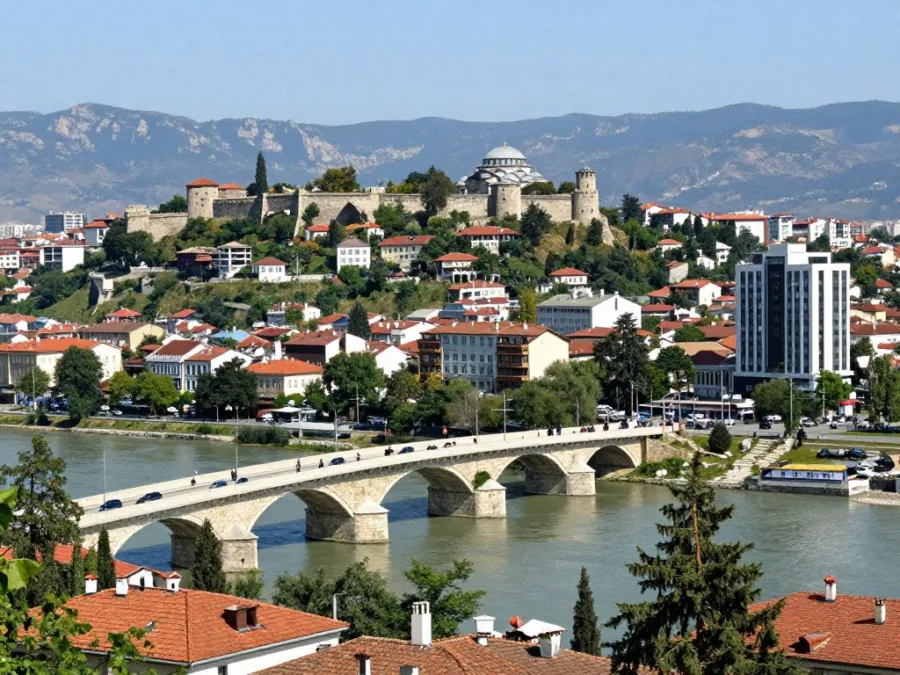
4. Albania: Mediterranean Living on a Budget
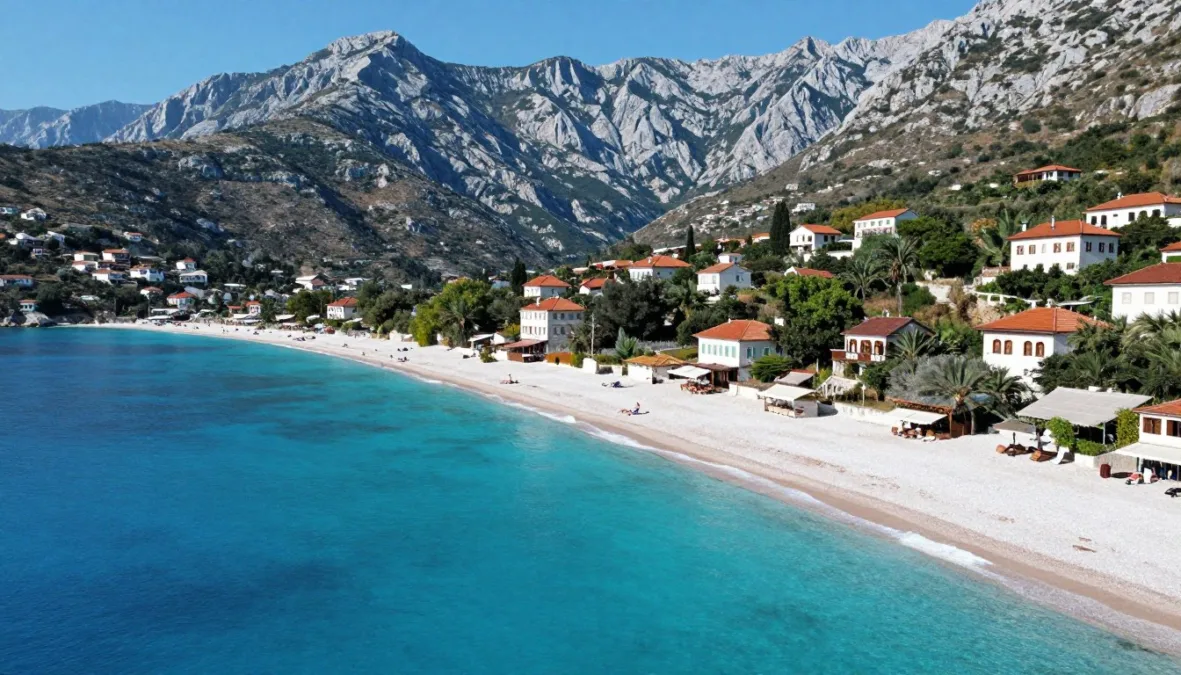
Albania combines stunning Adriatic and Ionian coastlines with mountain ranges and ancient ruins. Living costs rival North Macedonia while offering a Mediterranean climate and improving infrastructure.
Tirana, the colorful capital, has transformed dramatically over recent years. Modern apartments, trendy cafés, and vibrant street art characterize the city center. One-bedroom apartments cost $300-$400 monthly in desirable areas.
Monthly Budget Expectations
A comfortable single person budget totals $800-$1,000 per month including rent. Coastal towns like Saranda and Vlora offer slightly higher prices during summer but remain affordable year-round for residents.
Food expenses stay remarkably low. Local markets overflow with fresh produce, fish, and meat at prices well below EU averages. A weekly grocery budget of $30-$40 provides varied, healthy meals. Restaurants serve generous portions for $7-$12 per person.
Transportation costs minimal amounts. City buses charge $0.40 per ride. Taxis remain affordable for occasional use. Many expats find walkability sufficient in compact city centers. Domestic travel by bus costs very little, making weekend exploration easy.
The Albanian Riviera Appeal
Albania’s southern coastline rivals Greek islands without the tourist prices. Towns like Himara, Dhermi, and Ksamil feature crystal-clear waters and white pebble beaches. Summer tourism brings crowds but shoulder seasons offer tranquility.
The government has invested heavily in coastal road improvements. The drive from Vlora to Saranda showcases dramatic mountain and sea views. Beach clubs and restaurants have upgraded facilities while maintaining reasonable prices.
Inland cities like Berat and Gjirokastër provide UNESCO World Heritage sites and Ottoman architecture. These historic towns offer even cheaper living than coastal areas while maintaining charm and amenities.
Visa and Residency Framework
Albania offers generous visa policies for many nationalities. US citizens can stay 90 days visa-free within a 180-day period. Many other countries enjoy similar arrangements. The digital nomad visa allows remote workers to stay up to one year.
Temporary residence permits require proof of accommodation, health insurance, and financial means. The process has simplified over recent years. Permanent residency becomes possible after five years of temporary residence.
Real estate investment attracts foreign buyers with no restrictions on property ownership. Prices remain low compared to neighboring countries. A beachfront apartment can cost $60,000-$100,000 depending on location and size.
Important Note: Albania is working toward EU membership, which may gradually increase prices but also improve infrastructure and services. Current residents benefit from low costs while enjoying ongoing improvements.
5. Serbia: Balkan Hub with Big City Energy
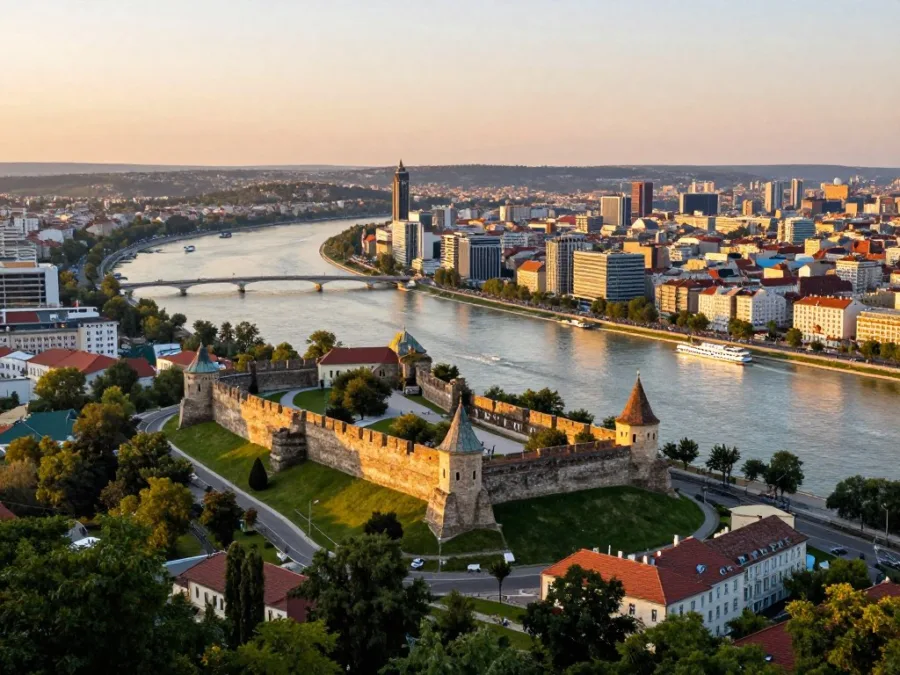
Serbia offers cosmopolitan living in Belgrade combined with affordable smaller cities and picturesque countryside. The country’s central Balkan location provides easy travel to neighboring countries.
Belgrade pulses with energy day and night. The capital features world-class nightlife, diverse dining, and cultural attractions. One-bedroom apartments in central neighborhoods cost $350-$450 monthly. Novi Sad, the second city, offers similar amenities at slightly lower prices.
Cost Analysis for Serbia
Monthly living expenses average $900-$1,100 for a single person including rent in Belgrade. Smaller cities like Nis or Kragujevac reduce this to $700-$850. Food costs remain very affordable with local produce and meat priced well below EU standards.
Dining out provides excellent value. Traditional Serbian restaurants serve hearty meals for $8-$10. The capital’s international dining scene offers options from Asian to Mexican at reasonable prices. Coffee culture dominates social life with café prices of $1-$2.
Public transportation in Belgrade includes buses, trolleybuses, and trams. Monthly passes cost about $25. The city lacks a metro but buses cover all areas efficiently. Taxis charge reasonable rates making them viable for occasional use.
Cultural Scene and Nightlife
Belgrade’s nightlife reputation extends globally. River clubs on the Danube and Sava operate during warmer months. Underground clubs host electronic music events. Live music venues showcase local and international acts. Entry fees and drink prices stay modest compared to Western European clubs.
Cultural institutions include numerous museums, theaters, and galleries. The National Museum houses impressive collections. The Belgrade Philharmonic performs regularly. Many cultural events occur free or charge minimal fees.
EXIT Festival in Novi Sad attracts international music lovers each July. This multi-day event at Petrovaradin Fortress features world-renowned acts. Ticket prices remain far below comparable Western European festivals.
Digital Nomad Infrastructure
Serbia’s digital nomad visa launched in 2021 continues attracting remote workers. The program allows stays up to one year with possibilities for extension. Requirements include proof of remote employment and health insurance.
Coworking spaces have proliferated across Belgrade. Monthly memberships range from $100-$200 depending on location and amenities. Coffee shops with fast internet serve as informal workspaces. Internet speeds average 50-100 Mbps with fiber available in cities.
The time zone (CET) aligns well with European business hours. Overlaps with US East Coast allow morning collaboration. English proficiency in Belgrade reaches good levels among younger professionals and service industry workers.
6. Bosnia and Herzegovina: Where East Meets West
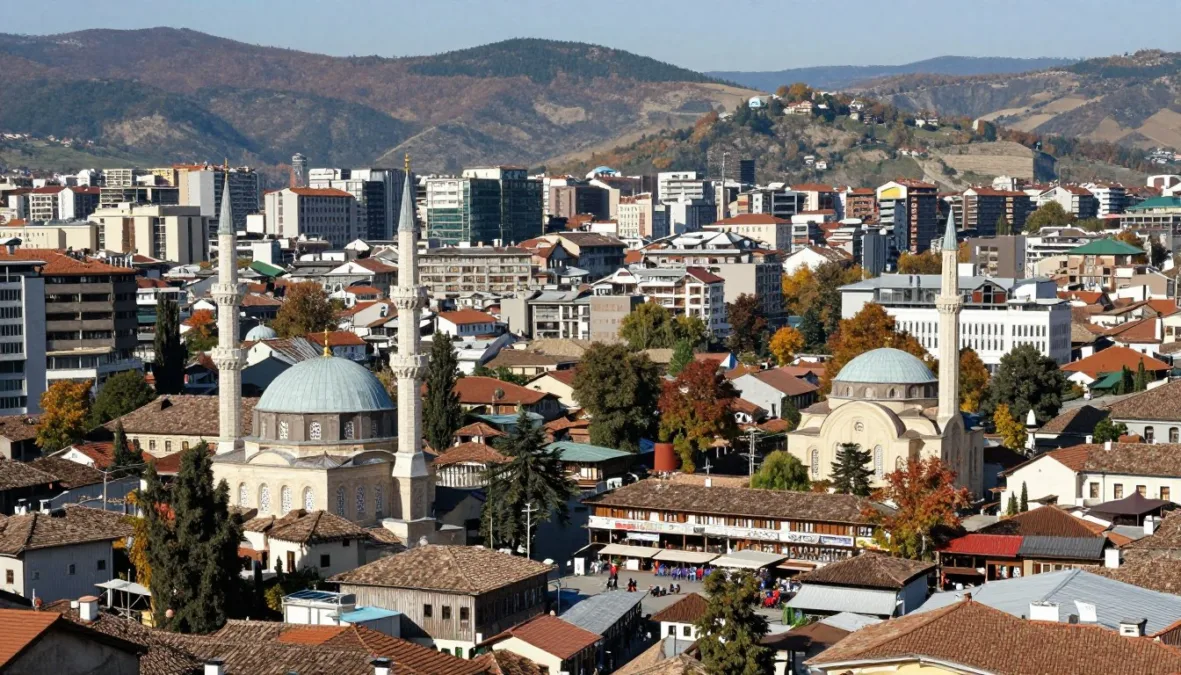
Bosnia and Herzegovina offers remarkable cultural diversity and natural beauty at some of Europe’s lowest prices. The country’s complex history created a unique blend of Ottoman, Austro-Hungarian, and Yugoslav influences.
Sarajevo, nestled in a valley surrounded by mountains, provides urban amenities with easy access to nature. One-bedroom apartments cost $250-$350 monthly. The city’s compact center makes most locations accessible on foot.
Living Expenses Overview
Total monthly costs for comfortable living range from $700-$900 including housing. Food expenses stay very low with traditional markets offering fresh produce, meat, and dairy at minimal prices. A weekly grocery budget of $30-$40 suffices for varied meals.
Traditional Bosnian restaurants serve generous portions for $6-$9 per person. The famous ćevapi (grilled meat) costs just $3-$4 for a filling meal. Coffee culture dominates with Turkish-style coffee served in traditional copper pots for around $1.
Utilities including heating can vary seasonally. Winter heating costs add $50-$80 to monthly expenses. Internet connections cost $20-$30 per month with speeds adequate for remote work in cities. Mobile plans with data run $10-$15 monthly.
Natural Attractions and Outdoor Living
The country’s geography provides year-round outdoor opportunities. Jahorina and Bjelasnica mountains hosted Olympic skiing in 1984. Lift tickets and equipment rental cost a fraction of Alpine resort prices.
Summer brings hiking opportunities across the country. The Neretva River valley offers rafting and kayaking. Kravica waterfalls create a natural swimming area. Most outdoor activities cost little or nothing beyond transportation.
Mostar’s iconic Stari Most bridge symbolizes the country’s reconciliation efforts. The old town attracts tourists but maintains authentic atmosphere. Living costs in Mostar run slightly below Sarajevo levels.
Visa and Residency Considerations
Bosnia and Herzegovina allows many nationalities to visit visa-free for 90 days. Temporary residence permits require proof of accommodation, health insurance, and financial means. The process can be bureaucratically complex.
The country lacks a formal digital nomad visa program. Remote workers typically use tourist visas or establish temporary residence. Permanent residency requires five years of continuous temporary residence and basic language skills.
Real estate prices remain very low. Apartments in Sarajevo cost $1,000-$1,500 per square meter. Property ownership by foreigners requires establishing a local company, adding complexity to purchases.
7. Ukraine: Rebuilding with Resilience and Affordability
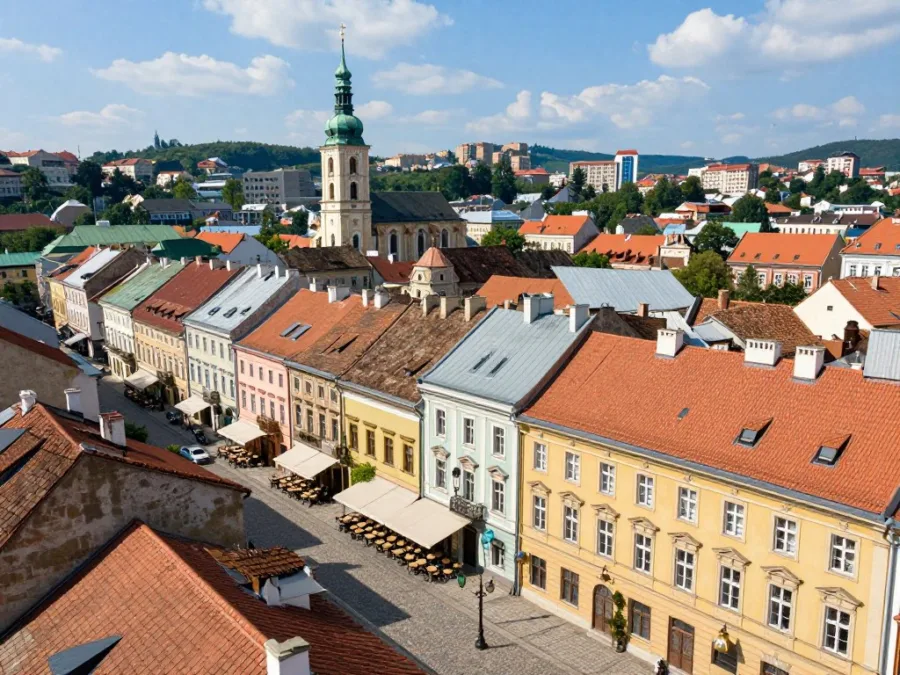
Ukraine’s situation requires careful consideration given ongoing conflicts. Western regions, particularly Lviv, maintain relative stability and continue attracting digital nomads seeking ultra-low costs combined with rich culture.
Lviv, often called “Little Paris of Ukraine,” showcases stunning architecture, thriving café culture, and vibrant arts scene. One-bedroom apartments cost $200-$300 monthly. The city’s western location provides closer proximity to EU borders.
Cost of Living in Stable Regions
Monthly expenses in Lviv total $600-$800 for comfortable living including rent. Kyiv, when stable, offers similar costs with bigger city amenities. Food prices rank among Europe’s absolute lowest with market produce costing very little.
Restaurant meals cost $5-$8 for quality dining. Traditional Ukrainian food provides hearty, filling options. The coffee shop scene has exploded with specialty cafés charging $1-$2 per cup. Local beer costs under $1 in many establishments.
Public transportation operates efficiently and cheaply. Monthly passes cost about $10. Taxis charge minimal rates. Intercity bus and train travel costs very little, though comfort levels vary.
Digital Nomad Considerations
Ukraine’s digital nomad scene developed significantly before 2022 and continues in stable western regions. Internet infrastructure remains solid with fast connections available. Coworking spaces operate in Lviv, Odesa, and other cities charging $50-$100 monthly.
The time zone (EET) works well for European clients and provides overlap with North American East Coast mornings. English proficiency has grown among younger Ukrainians and service industry workers.
Visa-free stays allow many nationalities to visit for 90 days. Temporary residence permits remain available though processing times have increased. The security situation requires monitoring and flexible planning.
Important Security Consideration: The security situation in Ukraine remains fluid. Western regions like Lviv have experienced less direct conflict but travelers should monitor official advisories, maintain comprehensive insurance, and have contingency plans. This destination suits risk-tolerant individuals seeking the absolute lowest costs.
8. Montenegro: Compact Adriatic Paradise
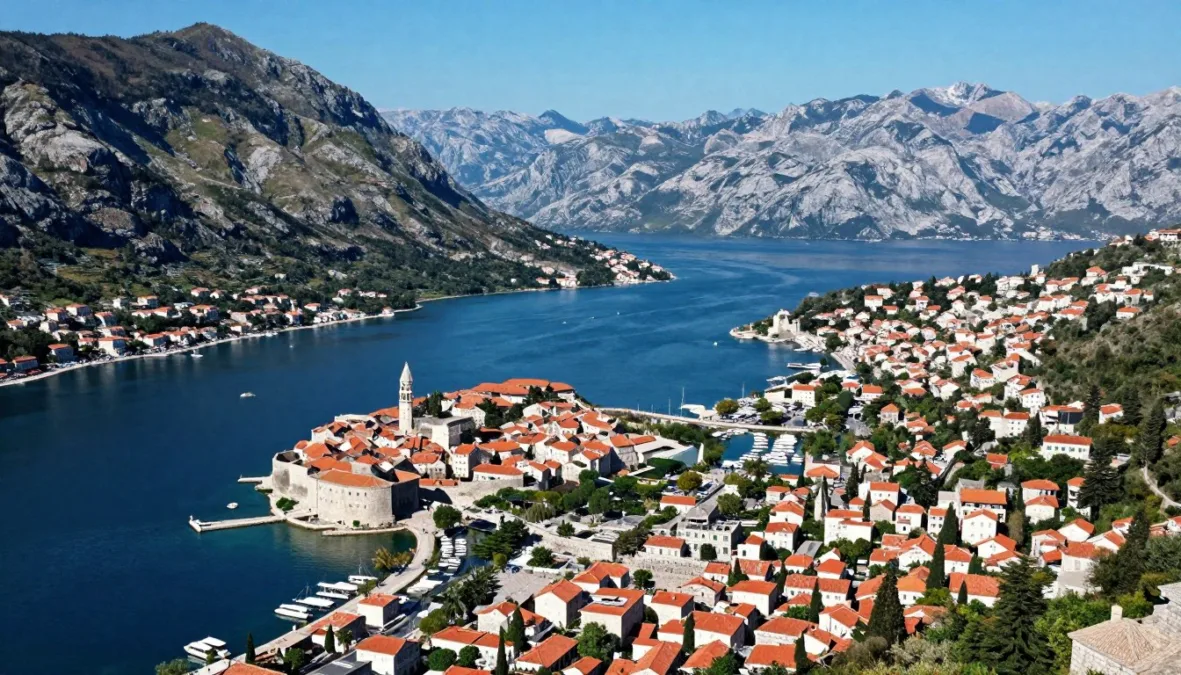
Montenegro combines dramatic Adriatic coastline with mountain wilderness in a compact package. This tiny country offers beaches, skiing, and medieval towns with costs below neighboring Croatia.
Podgorica, the capital, provides modern amenities with affordable living. One-bedroom apartments cost $300-$400 monthly. Coastal towns like Budva and Kotor command higher prices during summer but remain reasonable for year-round residents.
Montenegro Living Costs
Monthly expenses range from $900-$1,200 depending on location and lifestyle. Podgorica offers the best value. Coastal areas cost more but provide Mediterranean climate and beach access. Mountain towns like Kolasin offer budget skiing and hiking.
Food costs stay moderate with local markets supplying fresh produce. Seafood along the coast costs more than inland but remains affordable compared to Western Mediterranean destinations. Restaurants serve meals for $10-$15 per person.
The country uses the euro despite not being an EU member. This simplifies finances for those earning in euros but means no currency advantage. Utilities cost around $80-$100 monthly. Internet connections run $20-$30 with decent speeds in populated areas.
Residency and Tax Benefits
Montenegro offers an attractive tax regime for new residents. Personal income tax rates stay low. The country has become popular with entrepreneurs and remote workers seeking tax optimization.
Temporary residence permits require proof of accommodation, health insurance, and sufficient funds. The digital nomad visa allows remote workers to stay up to one year. Permanent residency becomes possible after five years.
Real estate investment by foreigners faces few restrictions. Coastal properties have appreciated significantly but still offer value compared to similar Western Mediterranean locations. A small apartment in a coastal town starts around $80,000-$120,000.
Lifestyle and Community
The expat community has grown steadily, particularly in coastal areas. English proficiency among younger Montenegrins facilitates communication. The small size means diverse landscapes sit within short drives.
Outdoor enthusiasts find year-round activities. Summer brings beach life, sailing, and water sports. Winter offers skiing in northern mountains. Spring and fall provide ideal hiking weather. National parks protect pristine wilderness.
Cultural events concentrate in summer months along the coast. Music festivals attract international acts. Beach clubs operate during tourist season. Winter brings quieter pace with locals returning to normal routines.
9. Hungary: Thermal Baths and Affordable Elegance
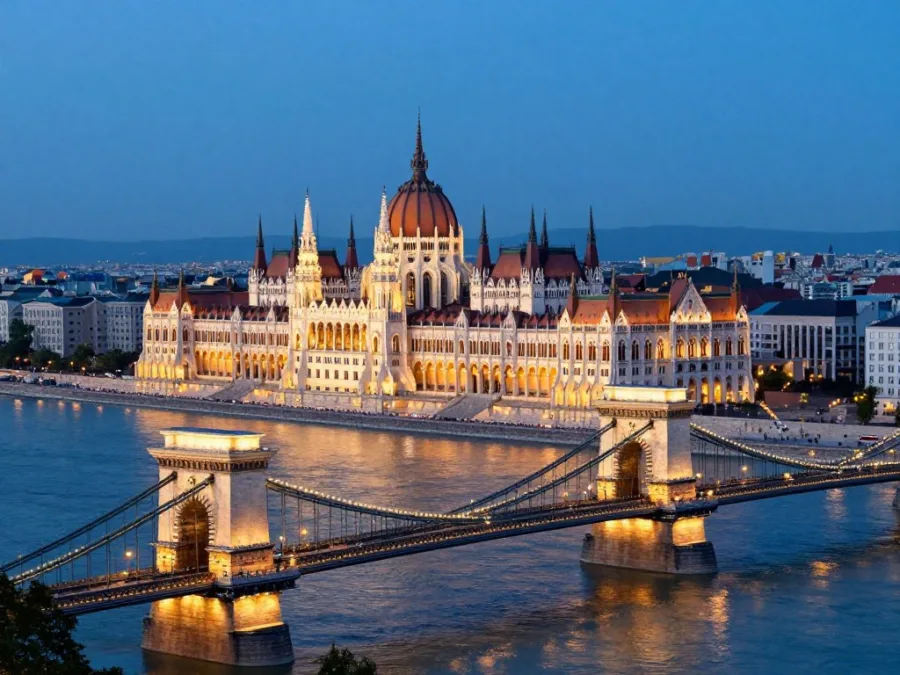
Hungary offers Central European sophistication at Eastern European prices. Budapest ranks among Europe’s most beautiful capitals while maintaining costs well below Vienna or Prague.
The capital features stunning architecture, world-famous thermal baths, and vibrant cultural life. One-bedroom apartments in central Pest cost $450-$600 monthly. Buda neighborhoods and outer districts offer lower prices.
Budapest Cost Breakdown
Monthly living expenses total $1,000-$1,300 for comfortable Budapest living including rent. Smaller cities like Szeged, Pécs, or Debrecen reduce costs to $800-$1,000 monthly while offering quality universities and cultural amenities.
Food costs stay moderate with excellent local produce and meat available. Hungarian cuisine provides hearty, filling meals. Traditional restaurants serve generous portions for $10-$14 per person. The city’s ruin bar scene offers affordable nightlife in unique settings.
Public transportation operates extensively and efficiently. Monthly passes cost about $30 and cover metro, buses, and trams. Budapest’s size makes cycling viable. Many areas feature walkability.
Quality of Life Factors
Hungary’s healthcare system combines public and private options. Public healthcare covers residents contributing to social insurance. Private clinics offer short wait times and English-speaking doctors for $60-$80 monthly insurance premiums.
Thermal baths provide affordable relaxation and health benefits. The famous Széchenyi Baths charge around $20 for full-day access. Many neighborhoods feature local thermal facilities for even less.
Education quality reaches high levels. International schools operate in Budapest for expat families. Hungarian universities attract international students with low tuition fees and quality programs.
Digital Nomad Scene
Budapest’s digital nomad community has flourished. Coworking spaces abound with monthly memberships from $100-$200. Coffee shops with reliable wifi serve as informal workspaces. Internet speeds reach 100+ Mbps in most areas.
The time zone (CET) aligns perfectly with European business hours. English proficiency in Budapest reaches good levels. The startup ecosystem has grown with tech meetups and networking events occurring regularly.
Hungary’s guest investor program allows extended stays for entrepreneurs and remote workers. Temporary residence permits require proof of accommodation, health insurance, and financial means. EU citizens enjoy freedom of movement benefits.
Navigate Visa Requirements with Expert Help
Visa applications can be complex and time-consuming. Our immigration specialists help you understand requirements, prepare documentation, and submit successful applications for digital nomad visas, temporary residence, and permanent residency across Europe.
10. Poland: Modern Infrastructure with Reasonable Costs
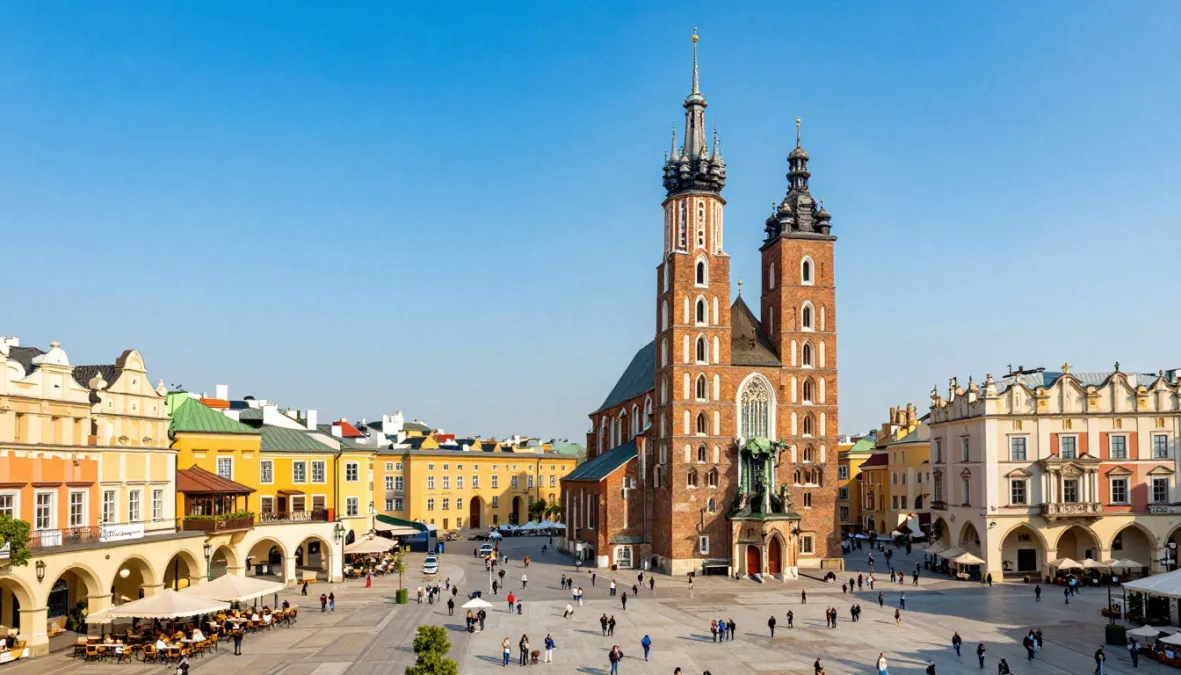
Poland rounds out the top ten with modern infrastructure, strong economy, and costs below Western European levels. Major cities offer metropolitan amenities while smaller towns provide charm and affordability.
Krakow, the cultural capital, showcases medieval architecture and vibrant student life. One-bedroom apartments cost $500-$650 monthly in desirable locations. Warsaw, the capital, runs slightly higher at $600-$750 for similar accommodations.
Polish Living Expenses
Monthly budgets range from $1,100-$1,400 in major cities including rent. Wroclaw, Gdansk, and Poznan offer similar costs with distinct characters. Smaller cities reduce expenses to $900-$1,100 monthly.
Food quality impresses with excellent local produce, dairy, and meat. Grocery budgets of $200-$250 monthly provide varied, healthy eating. Traditional Polish restaurants serve filling meals for $8-$12. The café culture has grown with specialty coffee shops charging $2-$3.
Public transportation systems operate efficiently in cities. Monthly passes cost $25-$35 depending on the city. Warsaw’s metro connects major districts. Other cities rely on extensive bus and tram networks. Intercity trains connect major cities affordably.
Economic Stability and Growth
Poland’s economy ranks among Europe’s strongest performers. This stability translates to reliable services, ongoing infrastructure improvements, and growing job opportunities. The zloty currency provides some buffer against euro fluctuations.
The tech sector has boomed with major companies establishing offices in Warsaw, Krakow, and Wroclaw. Startup scenes flourish. Salaries for skilled workers reach competitive levels while maintaining lower costs than Western Europe.
Real estate markets vary by city. Krakow and Warsaw have seen significant appreciation but still offer value compared to Western capitals. Wroclaw and Gdansk provide growth potential. Property prices range from $2,000-$4,000 per square meter depending on location.
Visa and Residency Framework
As an EU member, Poland offers straightforward residency for EU citizens. The temporary residence permit process for non-EU nationals requires standard documentation including proof of accommodation, health insurance, and financial means.
Permanent residency becomes available after five years of continuous temporary residence. Polish citizenship requires longer residence and language proficiency. The digital nomad visa allows remote workers to stay up to one year with extension possibilities.
Business-friendly regulations attract entrepreneurs. Establishing a Polish company provides residency pathway. The process requires reasonable capital and business plan but offers access to EU markets.
Advantages
- Strong, stable economy within EU framework
- Excellent public transportation infrastructure
- High-quality education and healthcare systems
- Growing tech sector with job opportunities
- Beautiful historic cities with modern amenities
- Central European location for easy travel
- Four distinct seasons with proper winter
Considerations
- Higher costs than Balkan alternatives
- Language barrier outside tourist areas and major cities
- Conservative social policies in some areas
- Bureaucracy can be complex to navigate
- Cold winters may not suit everyone
Comparing the Cheapest Countries to Live in Europe 2026
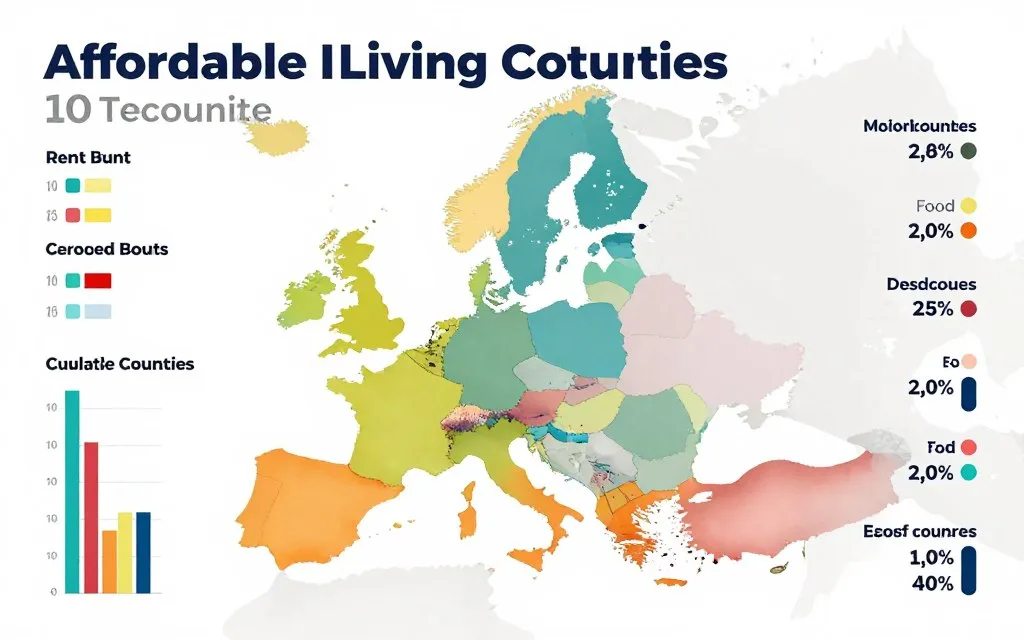
Understanding relative costs across countries helps identify the best fit for your budget and lifestyle preferences. Each destination offers unique advantages beyond pure affordability.
Cost of Living Comparison Table
| Country | Avg Monthly Cost | Rent (1BR Center) | Healthcare | Digital Nomad Visa | EU Member |
| Bulgaria | $1,142 | $450 | Good private options | Yes | Yes |
| Romania | $1,050 | $450 | Improving rapidly | Yes | Yes |
| North Macedonia | $800 | $300 | Basic but affordable | Yes | No |
| Albania | $900 | $350 | Developing | Yes | No |
| Serbia | $1,000 | $400 | Good in cities | Yes | No |
| Bosnia & Herzegovina | $800 | $300 | Basic coverage | No | No |
| Ukraine | $700 | $250 | Affordable | Limited | No |
| Montenegro | $1,050 | $350 | Adequate | Yes | No |
| Hungary | $1,150 | $525 | Quality public/private | Yes | Yes |
| Poland | $1,250 | $575 | Excellent | Yes | Yes |
Climate Comparison
Climate preferences significantly impact quality of life. Mediterranean countries like Albania and Montenegro offer mild winters and hot summers. Continental climates in Hungary, Poland, and Serbia bring four distinct seasons with cold winters.
Balkan countries generally enjoy more sunshine hours annually. Bulgaria’s Black Sea coast provides beach access. Poland and Hungary experience proper winter with snow and cold temperatures that some find invigorating while others struggle with.
Coastal areas throughout the region offer humidity and sea breezes. Inland mountain regions provide alpine climates. Consider your climate tolerance when choosing a destination.
Internet Infrastructure for Remote Workers
Digital nomads prioritize reliable, fast internet. Romania leads globally in internet speeds. Bulgaria offers excellent urban connectivity. Hungary and Poland provide solid infrastructure throughout major cities.
Balkan countries have invested heavily in fiber networks. Even smaller cities now offer adequate speeds for remote work. Mobile data networks provide backup options with affordable unlimited plans available in most countries.
Coworking spaces have proliferated across the region. These spaces offer professional environments, networking opportunities, and reliable connections. Costs range from $50-$200 monthly depending on location and amenities.
Practical Tips for Relocating to Affordable European Countries
Successful relocation requires careful planning beyond choosing a destination. These practical tips help navigate the transition smoothly.
Visa and Legal Requirements
Research visa requirements thoroughly for your nationality. Digital nomad visas have simplified long-term stays but come with income requirements and application processes. EU citizens enjoy freedom of movement within member states.
Temporary residence permits typically require proof of accommodation, comprehensive health insurance, and sufficient financial means. Bank statements showing several months of expenses strengthen applications. Some countries require criminal background checks.
Work closely with immigration lawyers or specialists for complex situations. Many countries offer consultation services to help navigate bureaucracy. Start the process early as approval times vary from weeks to months.
- Research visa requirements for your nationality
- Gather necessary documents and translations
- Secure health insurance coverage
- Open international bank account
- Arrange temporary accommodation
- Learn basic local language phrases
- Join expat forums for insider tips
Before You Move
- Register with local authorities
- Apply for residence permit
- Set up local bank account
- Get local SIM card
- Explore neighborhoods thoroughly
- Find long-term accommodation
- Connect with expat community
First Month Actions
- Take language classes seriously
- Build local friend network
- Understand tax obligations
- Maintain visa compliance
- Engage with local culture
- Plan for visa renewals early
- Keep financial records organized
Long-term Integration
Finding Accommodation
Short-term rentals through Airbnb or Booking.com provide initial bases while you search for permanent housing. This approach allows neighborhood exploration before committing to long-term leases.
Local real estate websites and Facebook groups offer better deals than international platforms. Many landlords prefer direct contact. Expect to provide identification, proof of income, and sometimes references.
Rental contracts vary by country. Some require deposits equal to one or two months’ rent. Utility arrangements differ with some landlords including costs while others require separate contracts. Read agreements carefully and consider translation if needed.
Inspect properties thoroughly before signing. Check water pressure, heating systems, and internet connectivity. Take photos of existing damage to avoid deposit disputes. Understand notice periods for ending leases.
Healthcare Arrangements
Comprehensive health insurance is mandatory for most visa applications and prudent regardless. International health insurance provides coverage across countries and includes medical evacuation.
Many countries require contributing to local healthcare systems for residence permits. This often provides basic coverage at public facilities. Private insurance supplements this with English-speaking doctors and shorter wait times.
Research hospital and clinic locations near your accommodation. Identify English-speaking doctors in advance. Keep copies of medical records and prescriptions. Understand emergency service numbers which vary by country.
Banking and Financial Management
International banks like HSBC or Citibank simplify multi-country banking. Digital banks such as Wise, Revolut, or N26 offer multi-currency accounts with favorable exchange rates and low fees.
Maintain accounts in both your home country and destination. This facilitates income receipt and local expense payments. Research tax implications of foreign accounts and income with professionals familiar with both jurisdictions.
Credit cards with no foreign transaction fees save money on purchases. Notify banks of your relocation to avoid fraud alerts blocking legitimate transactions. Set up online banking before leaving your home country.
Language Learning
English proficiency varies widely across destinations. Major cities generally offer better English communication than rural areas. Learning local language basics shows respect and eases daily life.
Language apps like Duolingo or Babbel provide foundations. In-person classes accelerate learning and provide social opportunities. Many countries offer subsidized language courses for new residents.
Practice consistently even if progress seems slow. Most locals appreciate attempts to speak their language regardless of proficiency. Language skills dramatically improve integration and quality of life.
Building Social Networks
Expat communities provide immediate support networks. Facebook groups, Meetup events, and InterNations gatherings connect newcomers. While helpful initially, balance expat socializing with local integration.
Pursue hobbies and interests to meet like-minded people. Join sports clubs, language exchanges, or volunteer organizations. Coworking spaces offer networking for remote workers.
Learning the local language accelerates relationship building with locals. Many people appreciate foreigners showing genuine interest in their culture. Patience and openness create meaningful connections over time.
Important Considerations and Potential Drawbacks
Affordable European living comes with trade-offs that vary by individual tolerance and priorities. Understanding potential challenges helps set realistic expectations.
Bureaucratic Challenges
Eastern European bureaucracy can frustrate those accustomed to streamlined Western systems. Obtaining residence permits, registering addresses, and accessing services may require multiple office visits and document translations.
Government offices often operate limited hours with language barriers compounding difficulties. Patience and persistence prove essential. Hiring local fixers or lawyers accelerates processes but adds costs.
Digital services are improving across the region but lag behind Western European efficiency. Banking, utilities, and government services may require in-person transactions. Plan extra time for administrative tasks.
Language Barriers
Slavic languages dominate much of Eastern Europe with significant learning curves for English speakers. Albanian uses a unique alphabet. Hungarian’s complexity challenges even dedicated students.
Young people and those in tourism speak better English. Rural areas and older generations rely entirely on local languages. Medical emergencies, legal issues, and complex transactions require translation assistance.
Non-Roman alphabets in Bulgaria, Serbia, and North Macedonia add recognition challenges. Street signs, menus, and documents require extra effort to decipher initially.
Infrastructure Variations
Urban areas generally offer modern infrastructure while rural regions lag behind. Road quality varies dramatically even within countries. Public transportation reaches high standards in cities but limited service in countryside.
Internet connectivity excels in cities but rural areas may have limited options. Power outages occur more frequently than Western Europe though reliability improves steadily. Water quality requires research with bottled water safer in some regions.
Building maintenance standards differ from Western expectations. Older Soviet-era buildings may lack modern insulation or elevators. Newer construction generally meets contemporary standards.
Healthcare Quality Differences
Healthcare quality varies significantly between public and private systems and across regions. Capital cities offer international-standard private hospitals while rural areas have basic facilities.
Public healthcare provides affordable or free care but may involve long wait times and language barriers. Private healthcare delivers faster service with English-speaking doctors but costs more.
Specialist availability concentrates in major cities. Complex medical issues may require travel to capitals or even medical tourism to Western Europe. Comprehensive insurance proves essential.
Cultural Adjustments
Cultural norms differ from Western Europe and North America. Direct communication styles may seem blunt initially. Social hierarchies and formality vary. Gender roles can be more traditional in conservative areas.
Service industry attitudes differ with less emphasis on customer service smiles. This directness isn’t rudeness but cultural difference. Patience and cultural curiosity smooth adjustment.
Some regions maintain conservative social policies. LGBTQ+ acceptance varies widely with major cities more liberal than rural areas. Research local attitudes if personal identity factors into location decisions.
Political and Economic Stability
Political situations vary across the region. EU members offer greater stability through union framework. Non-EU countries face more political uncertainty though most maintain functional democracies.
Currency fluctuations affect purchasing power in non-euro countries. The zloty, lev, dinar, and other currencies can strengthen or weaken against major currencies impacting costs for those earning foreign income.
Economic growth rates vary with some countries modernizing rapidly while others stagnate. This affects employment opportunities, wage growth, and long-term residency appeal.
Can I work remotely while living in these countries?
Yes, most countries now offer digital nomad visas specifically for remote workers. These typically require proof of employment with a foreign company or client base, minimum income thresholds, and health insurance. Some countries allow working on tourist visas short-term though this operates in legal grey areas. Consult immigration lawyers for specific situations.
How do taxes work for expats in these countries?
Tax situations depend on residency status, income sources, and tax treaties between countries. Generally, spending 183+ days annually makes you a tax resident. Many countries tax worldwide income for residents. Digital nomad visas sometimes offer tax exemptions. Professional tax advice proves essential to avoid double taxation and ensure compliance.
Is it safe to live in Eastern Europe as a foreigner?
Major cities in these countries generally maintain low violent crime rates. Petty theft occurs in tourist areas. Political demonstrations occasionally happen but rarely affect foreigners. Research specific neighborhoods and follow basic safety precautions. Most expats report feeling safe. Ukraine’s conflict zone remains the significant exception requiring careful monitoring.
Can I buy property as a foreigner?
Property ownership rules vary by country. EU members generally allow EU citizen purchases freely. Non-EU buyers may face restrictions or require establishing local companies. Bulgaria, Romania, and Hungary allow foreign ownership with some limitations. Bosnia and Albania require company formation. Research specific regulations and work with local lawyers familiar with foreign purchases.
What about education for children?
International schools operate in capital cities offering curricula in English. These charge tuition ranging from $5,000-$15,000 annually, still below Western European international schools. Public schools provide free education but instruction occurs in local languages. Some expat families use this for language immersion. Homeschooling remains legal in most countries.
How do I handle the language barrier?
Start learning basics before arrival using apps and online courses. Enroll in local language classes upon arrival. Many countries subsidize these for new residents. Use translation apps for daily needs initially. Hire translators for important documents or meetings. Young people in cities generally speak English. Patience and consistent practice accelerate learning.
How to Choose the Right Country for Your Needs
Selecting among affordable European countries requires matching destinations to personal priorities. Different factors matter to different people.
Budget Priorities
Those maximizing savings should consider North Macedonia, Bosnia and Herzegovina, or Albania for absolute lowest costs. These destinations allow living well on $700-$900 monthly.
Mid-range budgets of $1,000-$1,200 open Bulgaria, Romania, and Serbia with better infrastructure and larger expat communities. These provide excellent value while maintaining modern amenities.
Higher budgets approaching $1,300-$1,500 access Poland and Hungary. These EU members offer stability, excellent healthcare, and strong economies while remaining affordable relative to Western Europe.
Climate Preferences
Mediterranean climate seekers should focus on Albania, Montenegro, or Bulgaria’s Black Sea coast. These offer mild winters and hot summers with beach access.
Those appreciating four seasons with proper winters find Poland, Hungary, Serbia, and Romania suitable. Snow and cold winters contrast with warm summers.
Mountain enthusiasts can access affordable skiing in Bosnia and Herzegovina, Bulgaria, Serbia, and Romania. Summer hiking opportunities abound across the region.
Digital Nomad Requirements
Remote workers should prioritize internet reliability and coworking infrastructure. Romania leads in connectivity followed by Bulgaria and Hungary. Major cities across the region now support remote work lifestyles.
Time zones matter for client communication. Central European Time (CET) aligns with European business hours and provides morning overlap with US East Coast. Eastern European Time (EET) shifts this one hour.
Visa flexibility affects longer stays. Digital nomad visas in Bulgaria, Romania, Serbia, Albania, Montenegro, and Hungary simplify legal residence. Bosnia and Ukraine offer less formal options.
Healthcare Needs
Those with significant healthcare needs should favor EU members with established systems. Hungary and Poland offer excellent public healthcare. Romania and Bulgaria provide good private options.
Chronic condition management works best in countries with modern private hospitals and English-speaking specialists. Capital cities generally offer best medical care.
Comprehensive international health insurance proves essential regardless of destination. This ensures access to quality care and coverage for medical evacuation if needed.
Family Considerations
Families with children benefit from international schools available in capitals. Poland and Hungary offer most educational options. Bulgaria and Romania provide alternatives in major cities.
Safety concerns favor countries with low crime rates and stable political situations. EU members generally offer most predictability. Research specific neighborhoods thoroughly.
Family-friendly amenities like parks, activities, and healthcare matter. Larger cities provide more options. Smaller towns offer community atmosphere with fewer formal activities.
Long-term Residency Goals
Those planning permanent relocation should consider EU membership paths. Living in Bulgaria, Romania, Hungary, or Poland for five years opens permanent residency and eventual citizenship.
Non-EU countries require longer timelines or different paths to permanent residence. Some offer citizenship through investment or ancestry. Research long-term options matching your goals.
Language learning becomes more important for permanent stays. Choose countries whose languages you’re willing to study seriously. Romance language speakers may find Romanian easier than Slavic alternatives.
Finding Your Perfect Affordable European Home
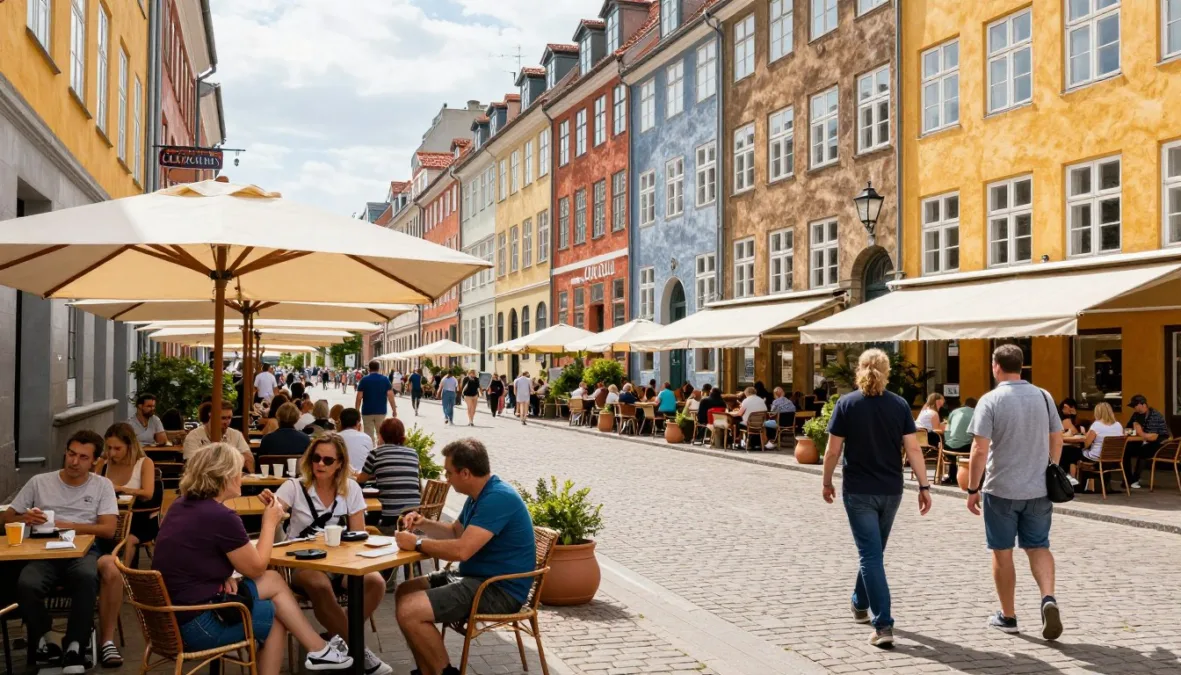
Europe’s most affordable countries offer extraordinary opportunities for those seeking quality of life without financial strain. From Bulgaria’s rock-bottom prices to Poland’s modern infrastructure, options exist for every preference and budget.
The ten countries examined provide monthly living costs ranging from $700 to $1,300. These budgets include comfortable housing, quality food, reliable healthcare, and active social lives. Savings potential increases dramatically compared to Western Europe or North America.
Beyond pure affordability, these destinations deliver rich culture, stunning natural beauty, and welcoming communities. Digital nomad visas have opened doors for remote workers. EU membership provides stability and travel freedom in several countries.
Successful relocation requires honest assessment of priorities. Climate preferences, language challenges, healthcare needs, and long-term goals all factor into choosing the right destination. Visit potential countries before committing to long-term moves.
The cheapest countries to live in Europe 2026 represent diverse options across the continent. Balkan affordability, Romanian speed internet, Hungarian thermal baths, or Polish economic dynamism each appeal to different lifestyles.
Take advantage of current opportunities as these countries continue developing. Prices will likely rise as infrastructure improves and tourism grows. Early adopters benefit from low costs while enjoying ongoing enhancements.
Whether seeking adventure, financial freedom, or lifestyle change, affordable Europe delivers possibilities. Research thoroughly, plan carefully, and embrace the journey toward your European dream.
Ready to Make Your European Move?

Visa & Immigration Assistance
Navigate complex visa requirements with confidence. Our immigration specialists help prepare applications, gather documentation, and ensure compliance for digital nomad visas, temporary residence permits, and permanent residency across Europe.
- Digital nomad visa applications
- Temporary residence permits
- Permanent residency pathways
- Document preparation and translation

Complete Relocation Planning
Simplify your move with comprehensive planning services. We help you find accommodation, set up utilities, open bank accounts, arrange healthcare, and handle all logistics for a smooth transition to your new European home.
- Accommodation search and contracts
- Utility and service setup
- Banking and financial arrangements
- Healthcare enrollment assistance

Financial & Tax Planning
Optimize your finances for international living. Our advisors help with tax compliance, banking solutions, currency management, and financial planning to maximize your budget while ensuring legal compliance in both countries.
- International tax compliance
- Multi-currency banking solutions
- Budget optimization strategies
- Investment and savings planning
Schedule Your Free Consultation
Not sure where to start? Book a free 20-minute consultation with our relocation experts. We’ll discuss your budget, preferences, and goals to recommend the best affordable European destinations for your unique situation.

Priyanka Pandey
Senior Research Editor · Top10Sense
Priyanka specializes in tech, consumer products, and digital trends. She combines hands-on testing, vendor interviews, and database research to create trustworthy “Top 10” rankings. Her work has been referenced by industry blogs and brand report pages.