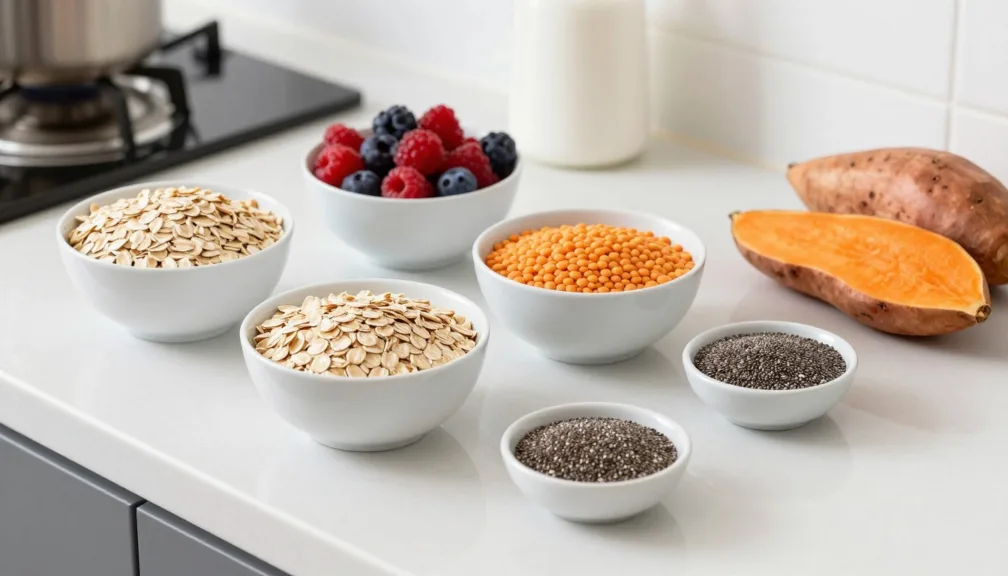

Healthy people share common patterns in how they live each day. These patterns aren’t complicated or expensive. They’re simple choices that add up over time.
Research shows that people who maintain good health follow specific routines. These routines touch every part of life. From what time they wake up to how they handle stress.
The good news? Anyone can adopt these habits. You don’t need special equipment or a lot of time. Small changes lead to big results when you stick with them.
Start Your Health Journey Today
Join thousands who receive weekly, science-backed health tips. Get practical advice you can use right away.
1. Prioritize Quality Sleep Every Night

Sleep isn’t a luxury. It’s a foundation for good health. Healthy people treat sleep as seriously as they treat eating and exercise.
Most adults need seven to nine hours of sleep each night. Research shows that people who get enough sleep have lower risk of heart disease and type 2 diabetes. Their bodies repair and restore during those hours.
Quality matters as much as quantity. Going to bed at the same time each night helps. Your body develops a rhythm. This rhythm makes falling asleep easier.
Why Sleep Matters for Your Health
Your brain clears out waste during sleep. Your heart rate slows down. Blood pressure drops. These changes give your cardiovascular system a break.
Poor sleep affects your mental health too. People who don’t sleep well have higher stress levels. They struggle with focus and memory.
Simple Ways to Improve Sleep
- Keep your bedroom cool and dark
- Avoid screens one hour before bed
- Skip caffeine after 2 PM
- Create a relaxing bedtime routine
- Use your bed only for sleep
A study found people who sleep seven to eight hours per night live longer. They also report better quality of life. Sleep affects everything from your immune system to your mood.
2. Move Your Body Regularly

Exercise doesn’t mean spending hours at a gym. Healthy people simply move more throughout their day. They find ways to stay active that they actually enjoy.
The benefits of physical activity go beyond weight control. Regular movement reduces your risk of chronic disease. It strengthens your heart and improves your mental health.
Research shows that just 30 minutes of moderate activity most days makes a difference. Walking counts. So does gardening, dancing, or playing with your kids.
Key Finding: A recent study found people who walk at least 7,000 steps per day have a significantly lower risk of heart disease compared to those who walk fewer steps.
Types of Exercise That Support Good Health
Aerobic Activities
These get your heart pumping. Walking, jogging, swimming, and cycling all count. They improve cardiovascular health and burn calories.
Start with what feels comfortable. Even 10 minutes at a time helps. You can build up slowly over several weeks.
Strength Training
Building muscle protects your bones. It also boosts your metabolism. You don’t need heavy weights to start.
Body weight exercises work well. Push-ups, squats, and planks strengthen major muscle groups. Two sessions per week show benefits.
People who stay active report feeling better overall. They have more energy during the day. Their stress levels tend to be lower. Physical activity releases chemicals in your brain that improve your mood.
3. Eat Whole, Nutritious Foods
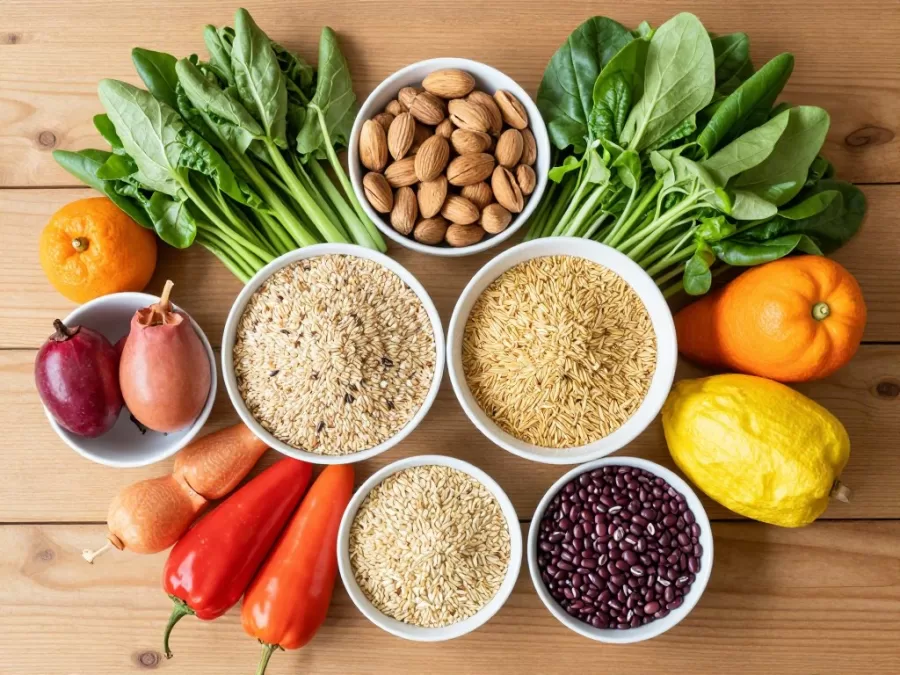
Your diet shapes your health more than almost anything else. Healthy people focus on eating real food. They choose items that come from nature rather than a factory.
Whole foods provide nutrients your body needs. Vegetables, fruits, whole grains, lean proteins, and healthy fats fuel your cells. They help prevent disease and maintain energy throughout the day.
Research shows that people who eat more plants have lower rates of obesity. They also face less risk of type 2 diabetes and heart disease. The fiber in whole foods supports digestion and keeps you feeling full.
Vegetables and Fruits
Aim for variety in colors. Different colors provide different nutrients. Dark leafy greens offer iron and calcium.
- Fill half your plate with produce
- Choose fresh or frozen options
- Eat the rainbow of colors
- Include fruits as natural desserts
Whole Grains
Brown rice, quinoa, and oats provide lasting energy. They contain fiber that helps control blood sugar levels.
- Choose whole grain bread
- Try different ancient grains
- Swap white rice for brown
- Read labels for whole grains
Lean Proteins
Fish, chicken, beans, and tofu build and repair tissues. Protein keeps you satisfied between meals.
- Include fish twice per week
- Try plant-based proteins
- Choose lean cuts of meat
- Add beans to meals
Healthy Fats
Nuts, avocados, and olive oil support brain function. They help your body absorb certain vitamins.
- Use olive oil for cooking
- Snack on unsalted nuts
- Add avocado to meals
- Include fatty fish regularly
Eating well doesn’t mean perfection. Healthy people enjoy treats sometimes. They simply make nutritious choices most of the time. This balance makes healthy eating sustainable for life.
Track Your Progress
Download our free printable habit tracker. Monitor your sleep, exercise, and nutrition easily. See your improvements over time.
4. Stay Hydrated Throughout the Day

Water makes up about 60% of your body weight. Every system in your body depends on it. Healthy people drink water regularly throughout each day.
Most people need about eight glasses of water daily. Your needs might be higher if you exercise or live in a hot climate. Your body loses water through breathing, sweating, and digestion.
Proper hydration helps your body work efficiently. It regulates temperature, cushions joints, and helps remove waste. Even mild dehydration can affect your energy and mood.
Signs You’re Getting Enough Water
- Your urine is pale yellow or clear
- You rarely feel thirsty during the day
- Your skin looks healthy and feels supple
- You have consistent energy levels
- You don’t experience frequent headaches
Research shows that people who drink enough water often eat less at meals. Water fills your stomach. It can prevent overeating when you mistake thirst for hunger.
Helpful Tip: Keep a water bottle with you throughout the day. This simple habit makes it easier to sip regularly. You’ll drink more without thinking about it.
Coffee and tea count toward your daily fluid intake. But water remains the best choice. It has no calories, sugar, or artificial ingredients. Your body absorbs it quickly and easily.
5. Manage Stress Effectively

Stress affects your health in powerful ways. Chronic stress weakens your immune system. It increases your risk of heart disease and other serious conditions.
Healthy people don’t avoid stress completely. That’s impossible. Instead, they develop effective ways to handle it. They have tools that help them stay calm under pressure.
Your body releases cortisol when you feel stressed. Short bursts of cortisol help you respond to challenges. But constant high levels damage your health over time.
Proven Stress Management Techniques
Deep breathing activates your body’s relaxation response. Just a few minutes can lower your heart rate and blood pressure. Try breathing in for four counts, holding for four, and exhaling for four.
Meditation trains your brain to stay present. Studies show that people who meditate regularly have lower stress levels. Even 10 minutes per day makes a difference.
Physical activity burns off stress hormones. A brisk walk can shift your mood. Exercise also releases endorphins that make you feel better.
Spending time in nature reduces stress significantly. Research shows that just 20 minutes outdoors lowers cortisol levels. Parks, gardens, or any green space helps.
Quick Stress Relievers
- Take five deep breaths
- Step outside for fresh air
- Listen to calming music
- Call a supportive friend
- Write in a journal
- Do gentle stretches
Mental health deserves as much attention as physical health. People who manage stress well often seek support when they need it. They talk to friends, family, or professionals. This isn’t weakness. It’s smart self-care.
6. Maintain Strong Social Connections

Humans are social creatures. Strong relationships protect your health in measurable ways. Research shows that people with close friends and family live longer than those who are isolated.
Social connections affect your mental health directly. They provide support during difficult times. They give you people to celebrate with during good times. This emotional support reduces stress and improves overall well-being.
A study found people with strong social ties have a 50% greater chance of living longer. The effect is comparable to quitting smoking. Loneliness and isolation increase risk of heart disease and mental health problems.
Ways to Build and Maintain Relationships
- Schedule regular time with friends and family
- Join groups based on your interests
- Volunteer in your community
- Reach out to old friends
- Be present during conversations
- Offer help when others need it
- Share meals with people you care about
Quality matters more than quantity. A few close relationships provide more benefit than many superficial ones. Healthy people invest time in the connections that matter most to them.
Research Insight: People who eat meals with others tend to make healthier food choices. They also enjoy their food more and feel more satisfied. Social eating combines nutrition with connection.
Even brief social interactions help. Chatting with a neighbor or smiling at a stranger releases feel-good chemicals in your brain. These small moments add up over time.
7. Practice Preventive Healthcare

Prevention stops problems before they start. Healthy people see their doctors regularly, even when they feel fine. They catch potential issues early when they’re easier to treat.
Annual checkups monitor your vital signs. Your doctor checks blood pressure, cholesterol, and blood sugar. These numbers reveal your risk for serious conditions like heart disease and diabetes.
Screening tests detect diseases in early stages. Mammograms, colonoscopies, and skin checks find cancer before symptoms appear. Early detection dramatically improves treatment outcomes.
Essential Preventive Health Measures
| Health Measure | Frequency | Why It Matters |
| Annual Physical Exam | Yearly | Monitors overall health and catches problems early |
| Blood Pressure Check | Every 1-2 years | Prevents heart disease and stroke |
| Cholesterol Screening | Every 4-6 years | Assesses cardiovascular risk |
| Dental Cleaning | Every 6 months | Prevents gum disease and tooth decay |
| Eye Examination | Every 1-2 years | Detects vision problems and eye diseases |
| Skin Check | Yearly | Finds skin cancer in early stages |
Vaccinations protect you and your community. Flu shots reduce your risk of serious illness. Other vaccines prevent diseases that can cause long-term complications.
Dental health connects to your overall health. Gum disease increases your risk of heart problems. Regular cleanings keep your mouth and body healthy.
Don’t ignore symptoms when they appear. Healthy people listen to their bodies. They seek medical advice when something feels wrong. Early treatment prevents minor issues from becoming major ones.
8. Limit Harmful Substances
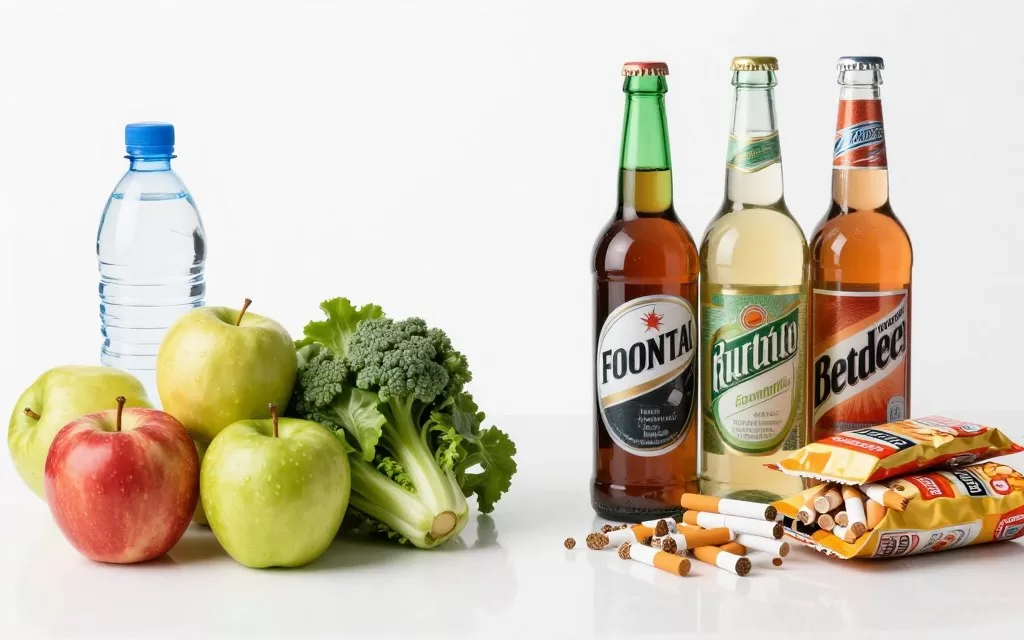
What you avoid matters as much as what you include. Healthy people minimize substances that harm their bodies. They make conscious choices about alcohol, tobacco, and processed foods.
Smoking remains one of the biggest health risks. It damages nearly every organ in your body. Research shows that quitting at any age improves your health. Your risk of disease drops significantly within just a few years.
Excessive alcohol affects your liver, heart, and brain. Moderate drinking means up to one drink per day for women and two for men. Many healthy people choose to drink less or not at all.
Substances That Impact Your Health
Tobacco Products
Smoking causes heart disease, lung disease, and multiple types of cancer. Secondhand smoke harms others around you.
E-cigarettes aren’t safe alternatives. They still contain harmful chemicals. Quitting completely provides the best protection for your health.
Excessive Sugar
Added sugars contribute to obesity and type 2 diabetes. They’re hidden in many processed foods and drinks.
Read labels carefully. Choose whole foods without added sweeteners. Save sugary treats for occasional enjoyment, not daily habits.
Processed foods often contain high levels of sodium, unhealthy fats, and preservatives. These ingredients increase your risk of chronic disease. They also provide empty calories without real nutrition.
Important Note: If you struggle with substance use, professional help is available. Recovery programs, counseling, and medical support can help you make lasting changes. Your health is worth the effort.
Making better choices gets easier with time. Your taste buds adjust. Foods that once seemed bland become flavorful. Your body starts craving nutritious options instead of harmful ones.
9. Maintain a Healthy Weight

Your weight affects your health in multiple ways. Carrying extra pounds increases your risk of heart disease, diabetes, and certain cancers. But healthy weight isn’t about perfection or a specific number.
Body composition matters more than the scale. Muscle weighs more than fat. Someone who exercises regularly might weigh more but be healthier than someone who weighs less but has little muscle.
Research shows that even modest weight loss improves health markers. Losing just 5-10% of your body weight can lower blood pressure and improve blood sugar control. Small changes create significant benefits.
Healthy Approaches to Weight Management
- Focus on habits rather than quick fixes
- Eat when you’re hungry, stop when you’re satisfied
- Choose nutrient-dense foods most of the time
- Stay active in ways you enjoy
- Get enough sleep to regulate hunger hormones
- Manage stress to prevent emotional eating
- Be patient with yourself during the process
Crash diets don’t work long-term. They slow your metabolism and often lead to regaining weight. Healthy people make sustainable changes they can maintain for life.
Pay attention to portion sizes. Restaurant servings are often much larger than necessary. Eating slowly helps you recognize when you’re full.
Keep healthy snacks available. When nutritious options are convenient, you’re more likely to choose them. Prep vegetables, keep fruit visible, and portion out nuts ahead of time.
Track your progress in multiple ways. How do your clothes fit? How do you feel? What can you do now that was harder before? These measures matter more than numbers on a scale.
Celebrate non-scale victories. Better energy, improved mood, and increased strength all show you’re getting healthier. The journey matters as much as the destination.
If you struggle with weight, consider working with professionals. Registered dietitians, personal trainers, and doctors can provide personalized guidance. They help you create a plan that works for your unique situation.
10. Cultivate a Positive Mindset

Your thoughts influence your physical health. Research shows that optimistic people live longer than pessimists. A positive outlook doesn’t mean ignoring problems. It means approaching challenges with hope and resilience.
Mental health and physical health are deeply connected. Chronic negative thinking increases inflammation in your body. It weakens your immune system and raises your risk of heart disease.
Gratitude practices improve your mental and physical well-being. People who regularly express thankfulness sleep better. They experience less pain and feel more energetic throughout the day.
Building a Healthier Mindset
Practice Gratitude
Write down three things you’re grateful for each day. This simple habit shifts your focus toward positive aspects of your life.
Share appreciation with others. Expressing thanks strengthens your relationships and boosts your mood.
Challenge Negative Thoughts
Notice when you’re being overly critical of yourself. Ask if you’d talk to a friend that way. Treat yourself with the same kindness.
Reframe setbacks as learning opportunities. Mistakes help you grow. They don’t define your worth or ability.
Set Meaningful Goals
Having purpose gives your life direction. Set goals that align with your values. Break them into small, achievable steps.
Celebrate progress along the way. Each small win builds momentum and confidence for the next challenge.
Mindfulness keeps you grounded in the present moment. Worrying about the future or dwelling on the past creates unnecessary stress. Focus on what you can control right now.
Laughter truly is good medicine. It reduces stress hormones and triggers the release of endorphins. Spend time with people who make you laugh. Watch comedy. Find humor in everyday situations.
Mental Health Resources: If you’re struggling with your mental health, professional support can help. Therapy provides tools to manage difficult emotions. There’s no shame in seeking help. It’s a sign of strength and self-awareness.
Be patient with yourself as you develop new habits. Change takes time. Some days will be easier than others. What matters is getting back on track after setbacks, not achieving perfection.
Complete Healthy Habits Guide
Want to dive deeper? Download our comprehensive eBook with detailed action plans, meal ideas, exercise routines, and habit-tracking tools. Everything you need to transform these 10 habits into your daily routine.
How to Build These Habits That Last

Knowing what to do is different from actually doing it. Building healthy habits requires strategy and patience. The good news is that research shows specific approaches work better than others.
Start small. Don’t try to change everything at once. Pick one or two habits from this list. Master those before adding more. Small wins build confidence and momentum.
Proven Strategies for Habit Formation
Stack new habits onto existing ones. This technique makes new behaviors easier to remember. For example, do five minutes of stretching right after you brush your teeth each morning.
Make it easy to do the right thing. Keep workout clothes by your bed. Prep healthy snacks on Sunday. Remove obstacles that make healthy choices harder.
The First Week
Focus on consistency over perfection. Do your new habit every day, even if just for a few minutes. This builds the neural pathway in your brain.
Track your progress somehow. A simple checkmark on a calendar works. Seeing your streak of successful days motivates you to continue.
The First Month
Your new habit starts feeling more natural. You’ll still need to think about it, but it requires less effort. Keep going even when motivation dips.
If you miss a day, don’t give up. Resume the next day. One missed day doesn’t erase your progress. What matters is the overall pattern you’re creating.
Find an accountability partner. Tell someone about your goals. Share your progress with them regularly. Knowing someone else is checking in helps you stay committed.
Research shows that it takes an average of 66 days for a new behavior to become automatic. Some habits form faster, others take longer. Be patient with the process.
When Obstacles Appear
- Identify what’s making the habit difficult
- Adjust your approach rather than giving up
- Remember your reasons for making this change
- Ask for support when you need it
- Be compassionate with yourself during setbacks
- Focus on progress, not perfection
Life will throw challenges your way. Sick kids, work stress, travel plans. Healthy people adapt their routines rather than abandoning them completely. Do what you can with the time and energy you have.
Your Path to Better Health Starts Now

These ten healthy habits aren’t secrets. They’re simple practices that create extraordinary results over time. You don’t need to be perfect at all of them. Every positive change you make improves your health.
Think about where you are right now. Which habits do you already practice? Acknowledge those wins. Which areas need the most attention? That’s where to focus your energy first.
Remember that health is a journey, not a destination. There’s no finish line where you’ve “arrived.” Instead, you’re constantly making choices that either support or undermine your well-being.
The people who succeed at staying healthy share one key trait. They keep showing up. They make good choices most of the time. They forgive themselves when they stumble and simply try again.
Your body is remarkably resilient. It responds positively to the care you give it. Better sleep improves your mood. Nutritious food gives you energy. Movement strengthens your heart. Small daily choices compound into significant long-term benefits.
Start today. Not tomorrow, not Monday, right now. Pick one habit from this article. Decide how you’ll practice it today. Take that first small step. Your future self will thank you for the investment you’re making in your health.
Stay Connected on Your Health Journey
Join our community of health-focused individuals. Get weekly tips, research updates, and encouragement delivered straight to your inbox.
You have the power to transform your health. These habits work. Science supports them. Millions of people practice them successfully. Now it’s your turn to experience the benefits of a truly healthy lifestyle.

Priyanka Pandey
Senior Research Editor · Top10Sense
Priyanka specializes in tech, consumer products, and digital trends. She combines hands-on testing, vendor interviews, and database research to create trustworthy “Top 10” rankings. Her work has been referenced by industry blogs and brand report pages.