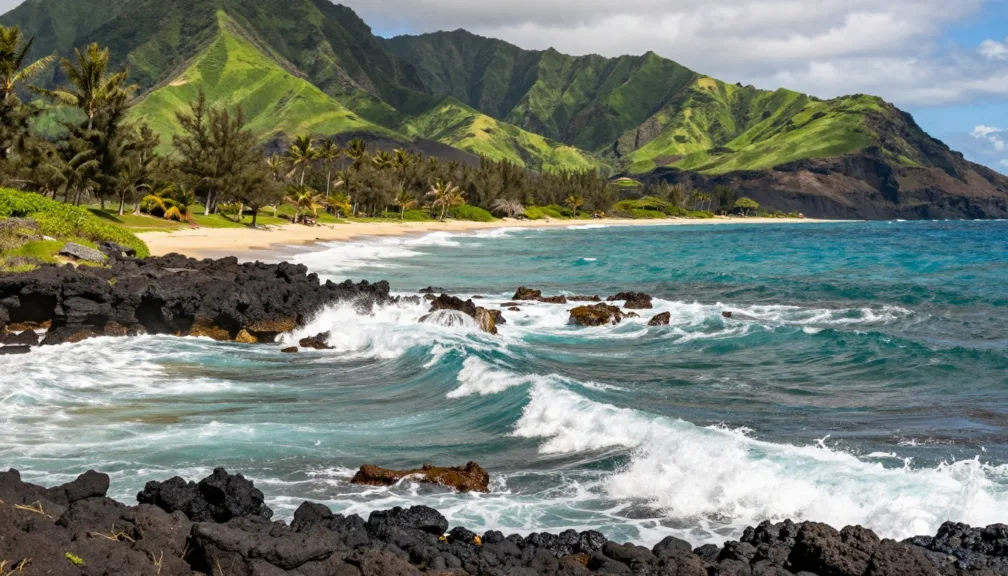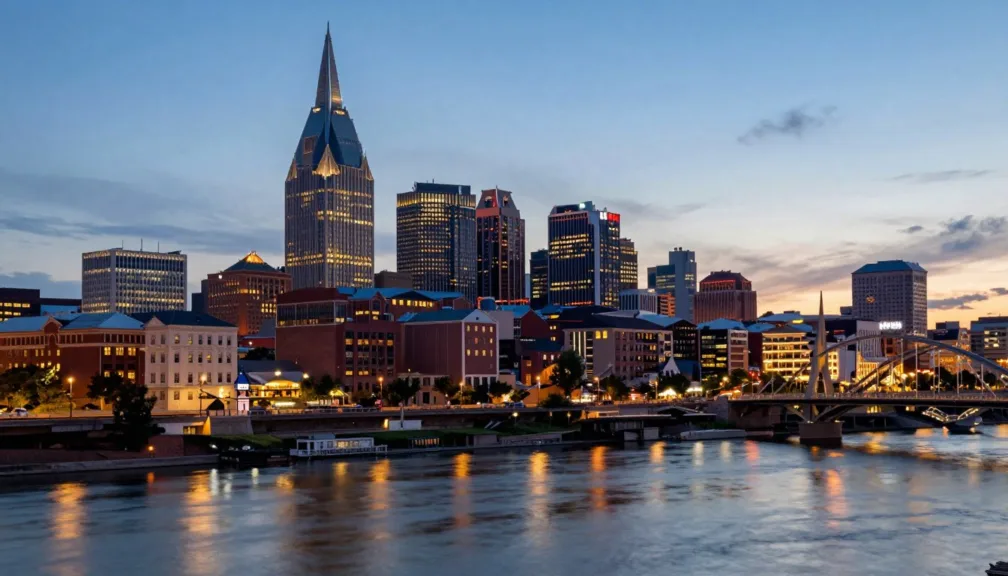
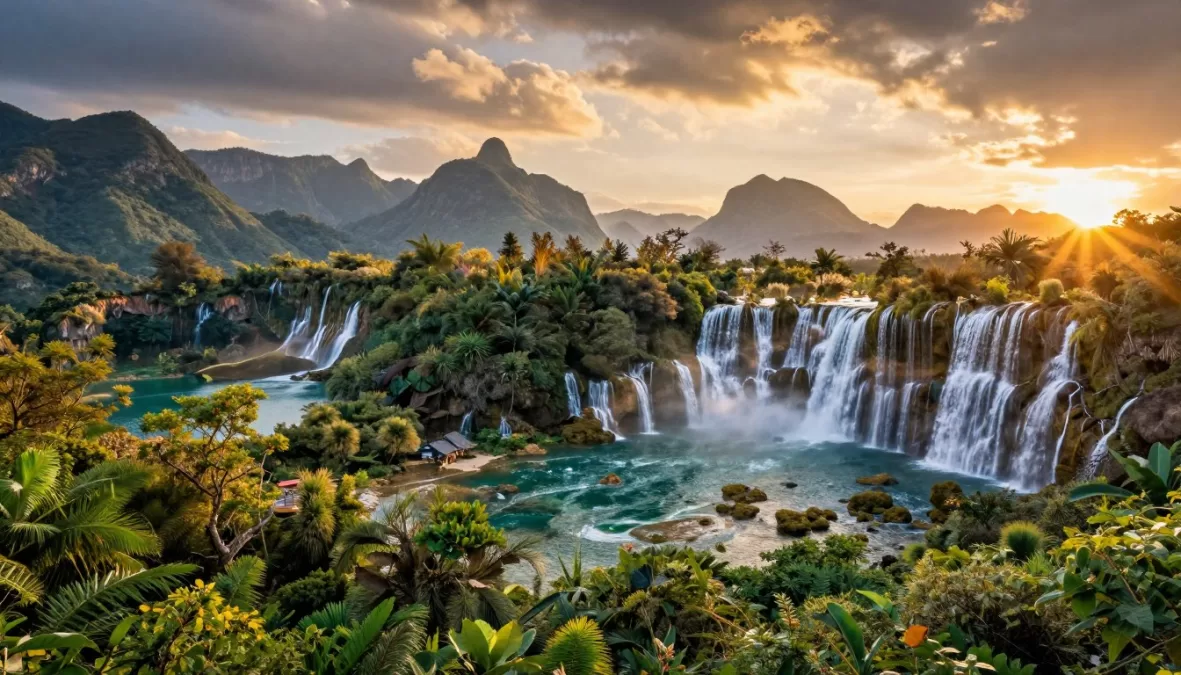
Our world holds extraordinary beauty in every corner. From towering mountains to crystal-clear waters, nature creates scenes that take your breath away. These destinations represent the pinnacle of natural wonder.
Every traveler dreams of experiencing places that feel like paradise. The planet offers countless stunning locations. Each one tells a unique story through its landscape.
This list showcases the most beautiful places on Earth. These are destinations where nature’s artistry reaches its peak. Prepare to discover locations that will transform your view of what beauty means.
Planning to visit these incredible destinations? Get expert tips, hidden gems, and insider knowledge delivered straight to your inbox. Join thousands of travelers who never miss an adventure.
1. Santorini, Greece: Where Azure Waters Meet Whitewashed Dreams
The Magic of the Caldera
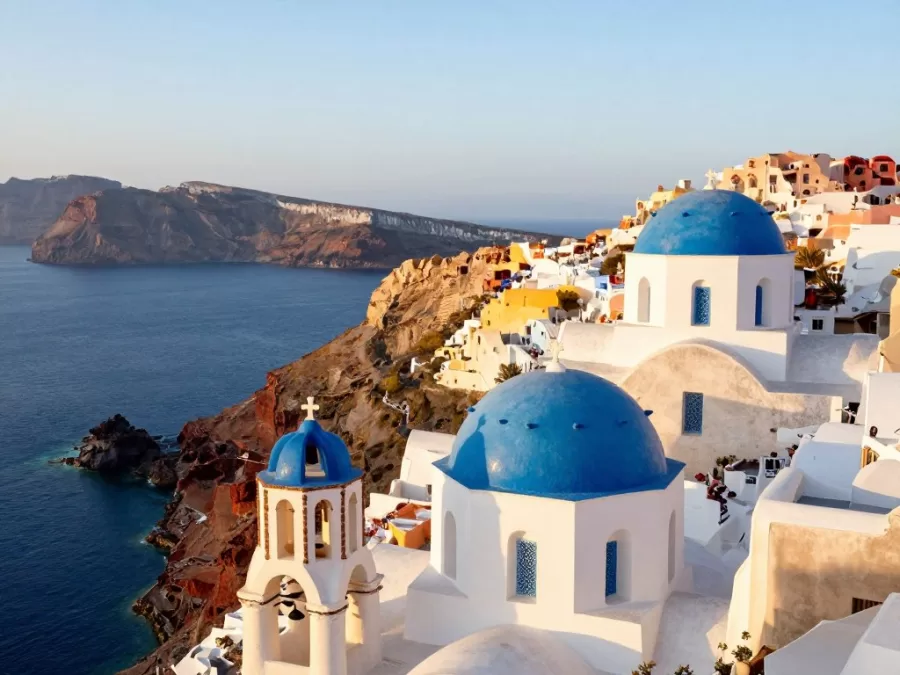
Santorini stands as one of the most beautiful places on Earth. The island rises from the Aegean Sea like a jewel. Its volcanic caldera creates views that seem impossible in the real world.
White buildings cling to cliffs that drop hundreds of feet. Below them, turquoise water sparkles in the Mediterranean sun. The contrast between white architecture and deep blue sea creates magic.
This Greek island formed thousands of years ago. A massive volcanic eruption shaped its unique crescent form. Today, that disaster created one of the planet’s most stunning places.
Oia: The Crown Jewel
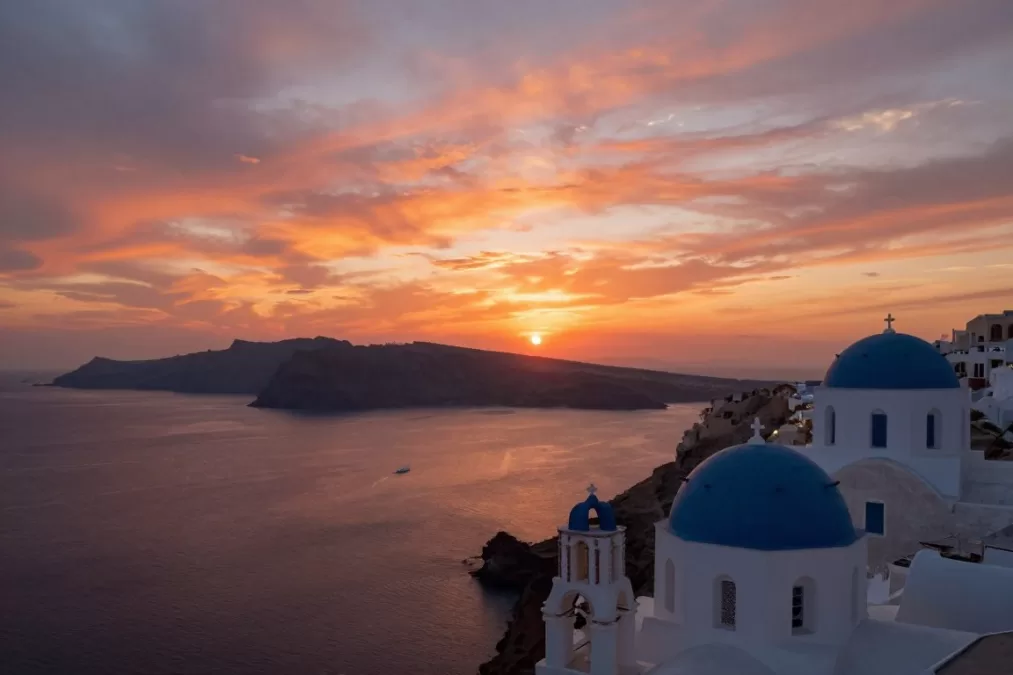
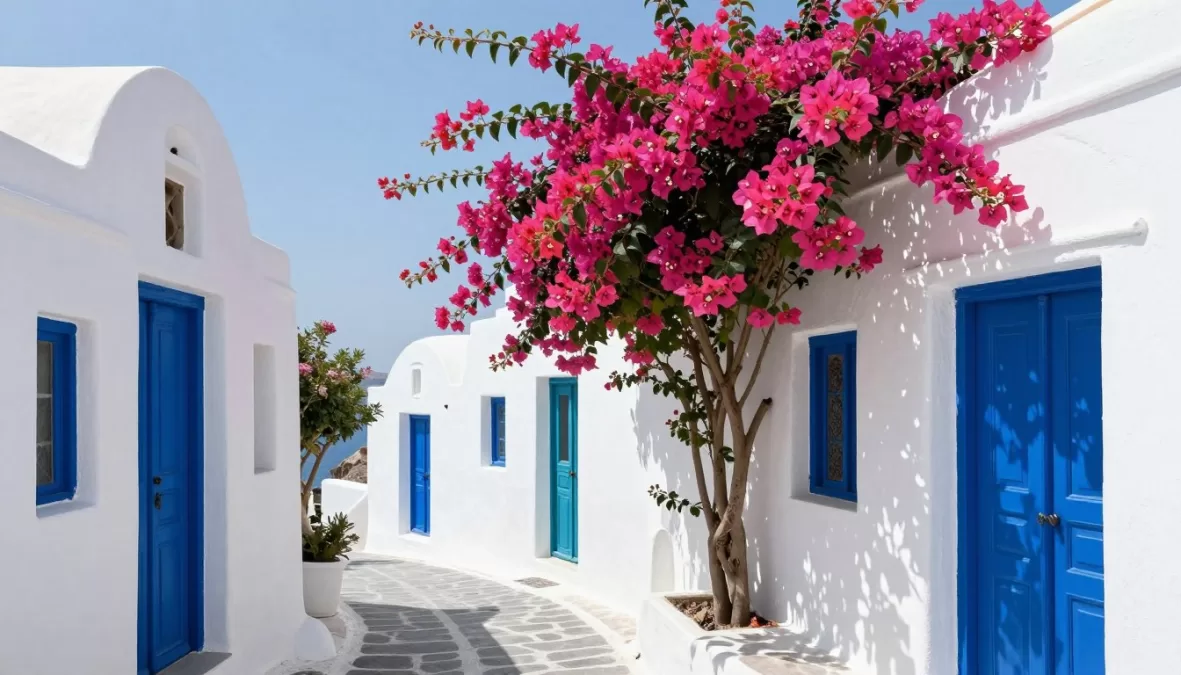
The town of Oia captures hearts instantly. Its narrow streets wind between cave houses and boutique hotels. Every corner offers another picture-perfect moment.
People travel from across the world to watch sunset here. The sun dips below the horizon in a blaze of color. The sky transforms into shades of orange, pink, and purple that feel impossible.
What Makes Santorini Special
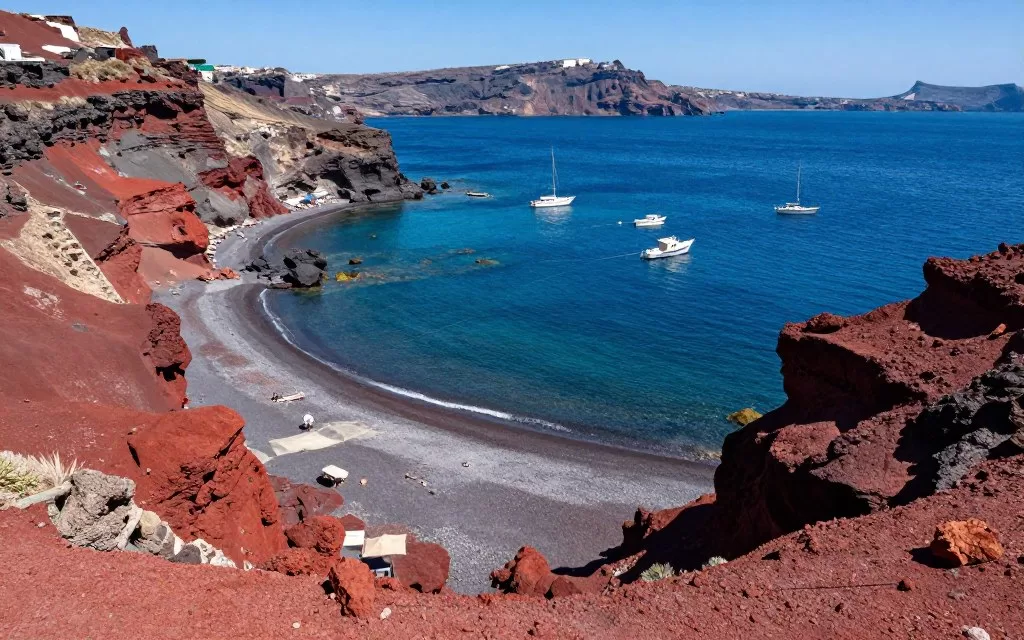
- Volcanic beaches with unique red and black sand
- Ancient ruins dating back thousands of years
- World-class wineries built into cliffsides
- Traditional cave houses offering luxury stays
- Stunning views from every village and town

The Villages That Define Paradise
Beyond Oia, other villages offer their own beauty. Fira serves as the island’s bustling heart. Its streets buzz with life day and night.
Imerovigli sits at the highest point. The views stretch for miles across the caldera. This quiet village lets you escape the crowds while enjoying the same spectacular scenery.
Pyrgos hides away from the coast. This medieval village shows Santorini’s authentic character. Stone houses cluster around a Venetian castle that crowns the hilltop.
Beaches Like Nowhere Else
Santorini’s beaches defy expectations. Red Beach gets its name from iron-rich volcanic cliffs. The crimson rock formations create an otherworldly backdrop for swimming.
Perissa Beach stretches for miles with black sand. The dark volcanic sand absorbs heat from the sun. Crystal-clear water provides relief from the summer warmth.
The Ancient Story
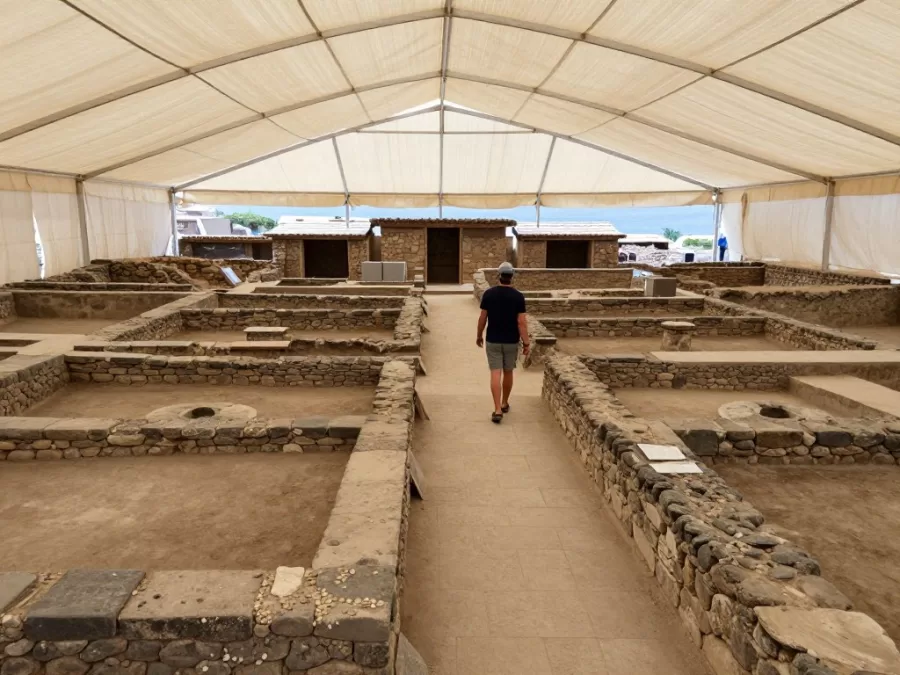
History runs deep beneath Santorini’s beauty. The ancient city of Akrotiri lay buried for centuries. Volcanic ash preserved it perfectly, creating a time capsule of life three thousand years ago.
Some believe Santorini inspired the legend of Atlantis. The volcanic eruption that shaped the island was one of history’s largest. It changed the course of civilizations across the region.
Walking through Akrotiri feels like stepping back in time. The preserved buildings show advanced architecture and art. These ancient people lived in a sophisticated society that valued beauty.
2. Banff National Park, Canada: Turquoise Lakes and Towering Peaks
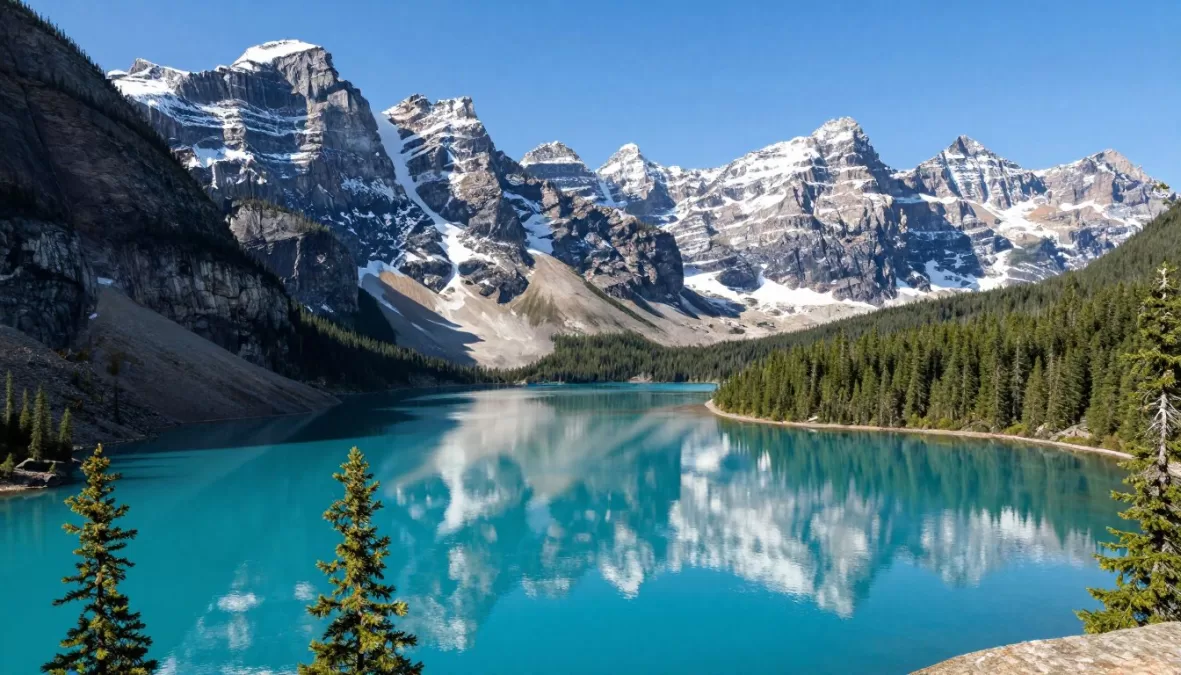
Nature’s Masterpiece in the Rockies
Banff National Park proves Canada holds some of the most beautiful places on Earth. The park spreads across thousands of square miles in the Rocky Mountains. Every view competes for the title of most spectacular.
Glacial lakes shimmer in shades of turquoise that seem painted. The color comes from rock flour suspended in glacial meltwater. This natural phenomenon creates water that looks too vivid to be real.
Mountains rise dramatically from valley floors. Their peaks reach into the clouds year-round. Snow caps these giants even during summer months.
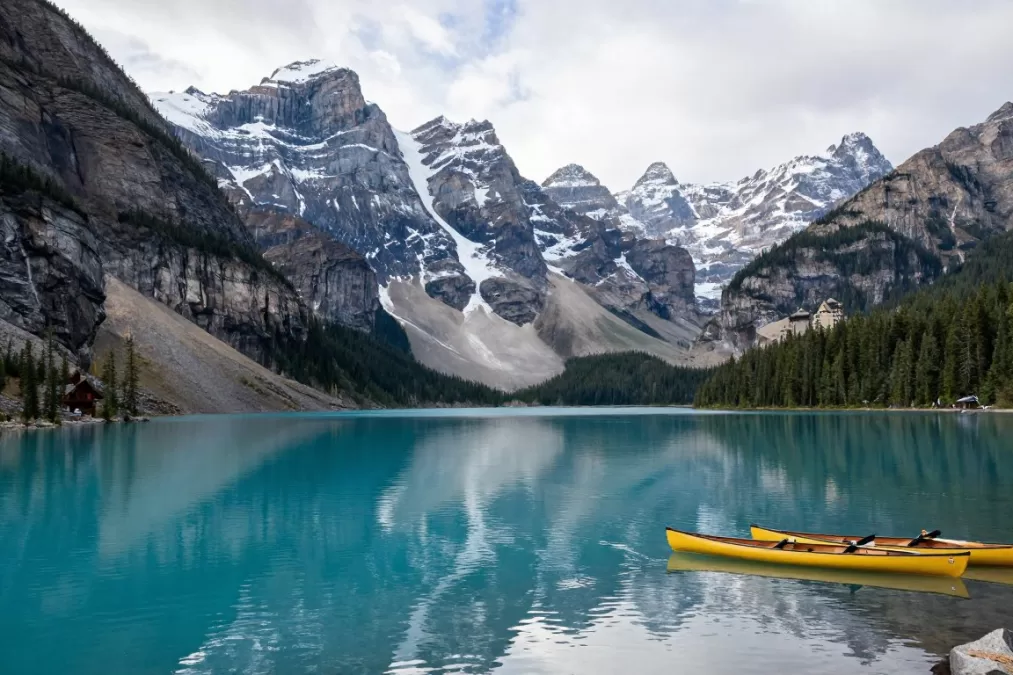
Lake Louise: The Jewel of the Rockies
Lake Louise stands as Banff’s most famous landmark. The lake stretches beneath Victoria Glacier in perfect stillness. On calm days, the water mirrors the surrounding peaks with absolute precision.
The Chateau Lake Louise sits at the water’s edge. This grand hotel has welcomed travelers for over a century. Its presence adds a touch of elegance to the raw natural beauty.
Hiking trails lead away from the lake into wilderness. The Plain of Six Glaciers trail rewards hikers with views of multiple glaciers. Each step reveals new perspectives on this mountain paradise.
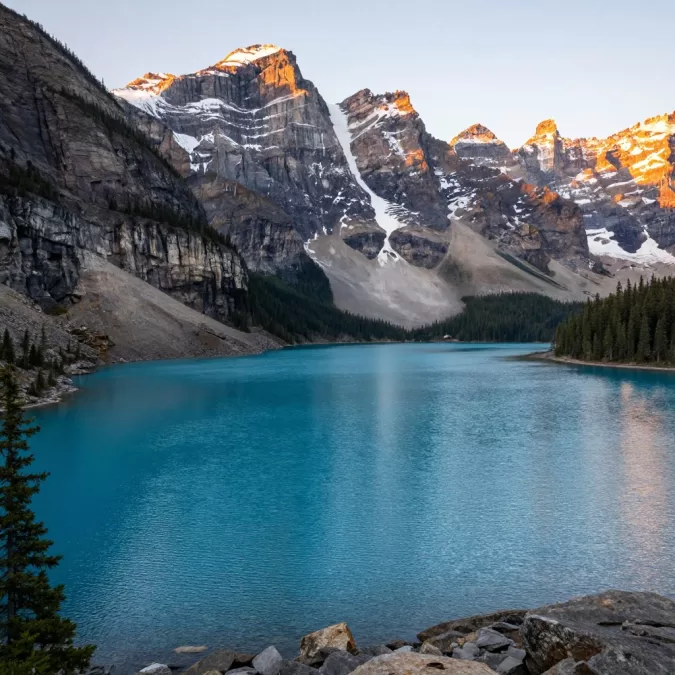
Moraine Lake and the Valley of Ten Peaks
Moraine Lake rivals even Lake Louise for beauty. The lake sits cradled by ten peaks that encircle it. This location appeared on Canadian currency for good reason.
The Rock Pile offers the classic viewpoint. A short climb leads to a vantage point that captures the entire scene. The view has launched thousands of photographs and inspired countless artists.
Morning light transforms the valley into pure magic. The peaks catch the first rays of sun while the valley still sleeps in shadow. This moment of contrast creates photographs that seem almost impossible.
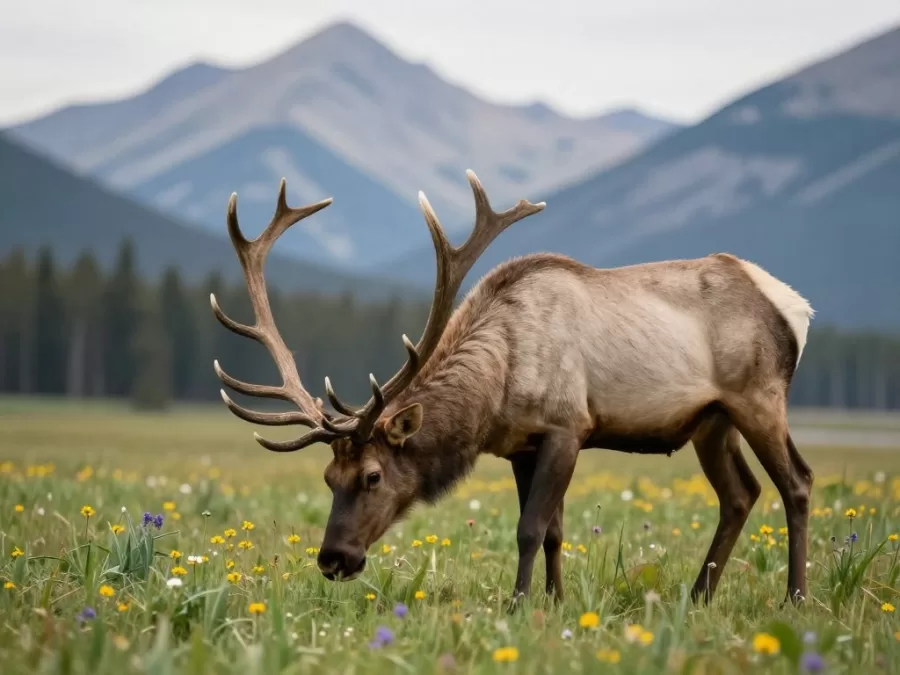
Wildlife in Banff
The park hosts incredible wildlife diversity. Grizzly bears roam the backcountry. Elk graze in meadows near the town.
Mountain goats scale impossible cliffs. Their white coats stand out against dark rock faces. Watching them navigate steep terrain seems to defy gravity.
Wolves and cougars patrol the forests. These predators remain elusive but vital to the ecosystem. Their presence maintains the natural balance that makes Banff special.
Four Seasons of Wonder
Winter transforms Banff into a snow-covered wonderland. Ski resorts offer world-class slopes with views that distract from the skiing. The town sparkles with holiday lights and festive energy.
Spring brings waterfalls roaring to life. Snowmelt creates cascades throughout the park. Wildlife emerges with new offspring, making this an excellent time for animal watching.
Summer sees the valleys burst with wildflowers. Hiking trails open to reveal alpine lakes and mountain passes. Long daylight hours allow endless exploration.
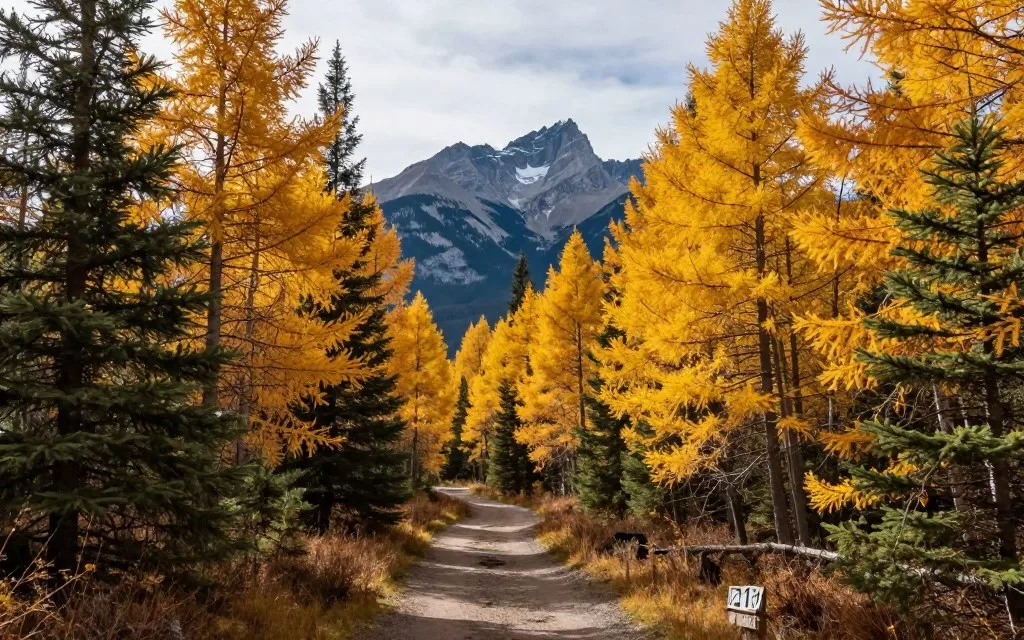
Fall paints the forests in gold and crimson. Larch trees turn brilliant yellow against evergreen forests. The contrast creates some of the year’s most stunning views.
Johnston Canyon and Waterfalls
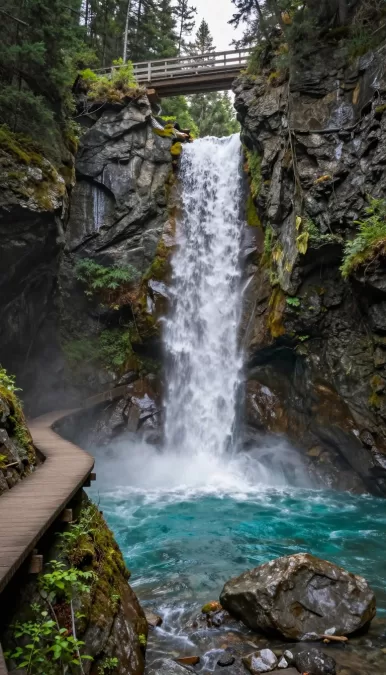
Johnston Canyon offers accessible beauty. Walkways cling to canyon walls above rushing water. The path leads to both lower and upper waterfalls.
The lower falls plunge into a turquoise pool. Mist fills the canyon, creating rainbows on sunny days. The upper falls requires more hiking but rewards with greater power and height.
In winter, the falls freeze into sculptures of ice. The formations grow throughout the cold months. Ice climbers scale these frozen waterfalls in a spectacular display of skill.
Download Your Free Ultimate Travel Planning Guide
Discover insider tips for visiting the world’s most stunning destinations. Get our comprehensive guide packed with practical advice, budget tips, best times to visit, and hidden gems that most tourists miss. Join over 50,000 travelers who plan smarter trips.
3. Patagonia, Argentina & Chile: Land of Endless Horizons
Where the World Feels Wild
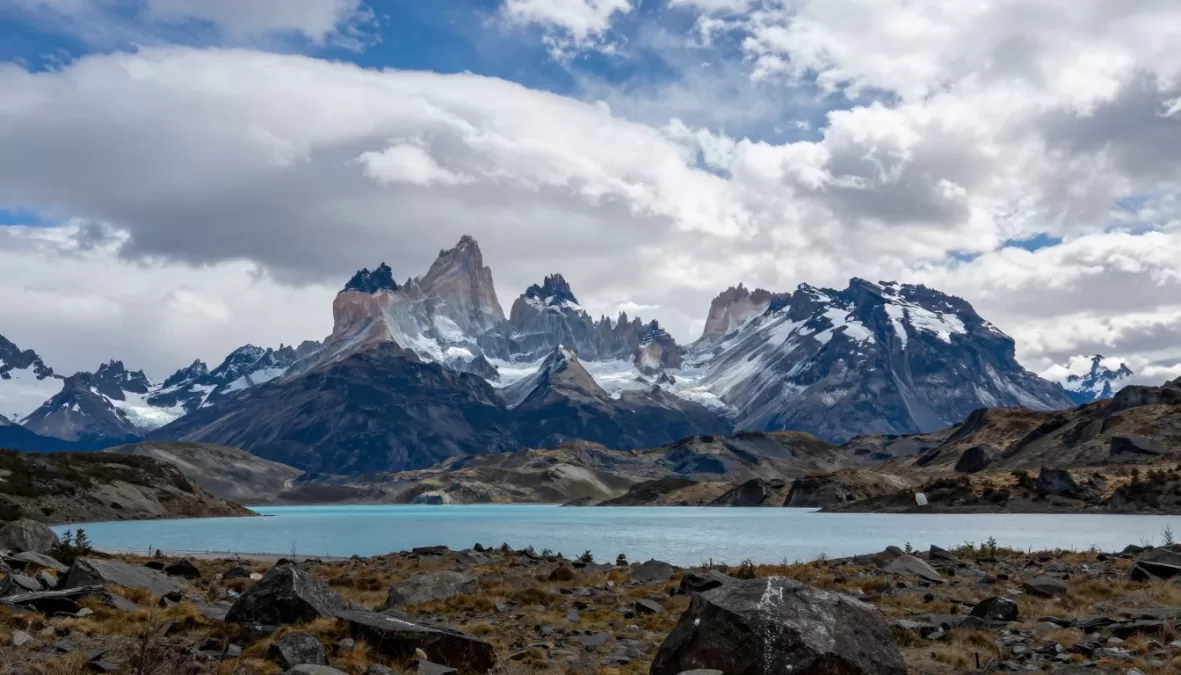
Patagonia stretches across the southern reaches of South America. This region spans both Argentina and Chile. The landscape here feels untouched by time.
Mountains pierce the sky with jagged peaks. Glaciers flow between them like frozen rivers. The scale of everything overwhelms the senses in the best possible way.
Wind shapes the character of Patagonia. It howls across the plains and through the valleys. This constant companion adds drama to every moment spent in this remote region.
Torres del Paine: Icons of Patagonia
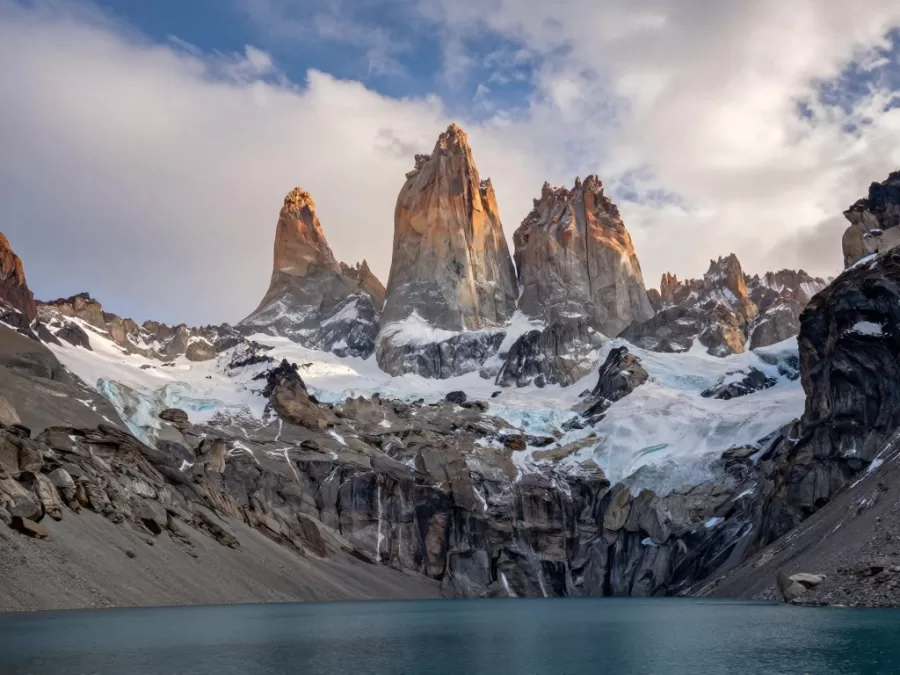
Torres del Paine National Park holds some of Patagonia’s most stunning views. Three granite towers rise abruptly from the landscape. These peaks have become symbols of Chilean Patagonia.
The W Trek takes hikers through the park’s highlights. Each day brings new wonders. Glaciers, turquoise lakes, and mountain passes create an unforgettable journey.
Grey Glacier calves enormous chunks of ice into Grey Lake. The thunderous sound echoes across the water. Watching ice break away from the glacier face inspires awe at nature’s power.
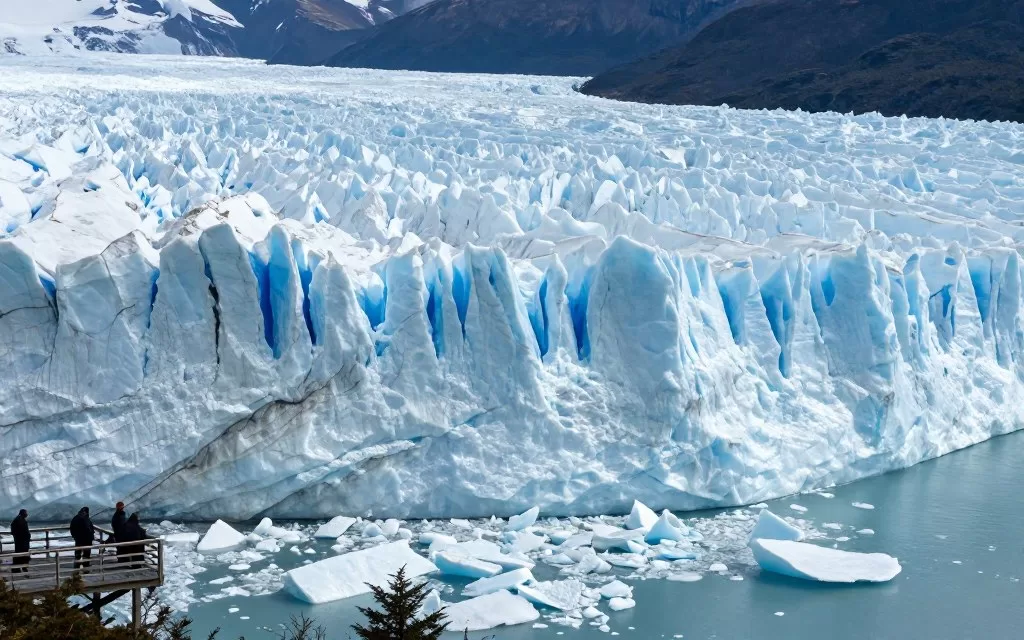
Perito Moreno Glacier
On the Argentine side, Perito Moreno Glacier advances rather than retreating. This makes it rare among the world’s glaciers. The glacier flows into Lake Argentino with spectacular results.
Viewing platforms bring visitors within feet of the ice wall. The glacier rises over two hundred feet above the water. Blue ice glows from within the ancient formations.
The glacier periodically creates a natural dam. Water pressure builds until the ice bridge collapses. This dramatic event draws people from around the world to witness nature’s power.
Patagonian Adventures
- Multi-day trekking through pristine wilderness
- Ice climbing on ancient glacier surfaces
- Wildlife watching including condors and guanacos
- Kayaking among icebergs in glacial lakes
- Photography of some of Earth’s most dramatic landscapes
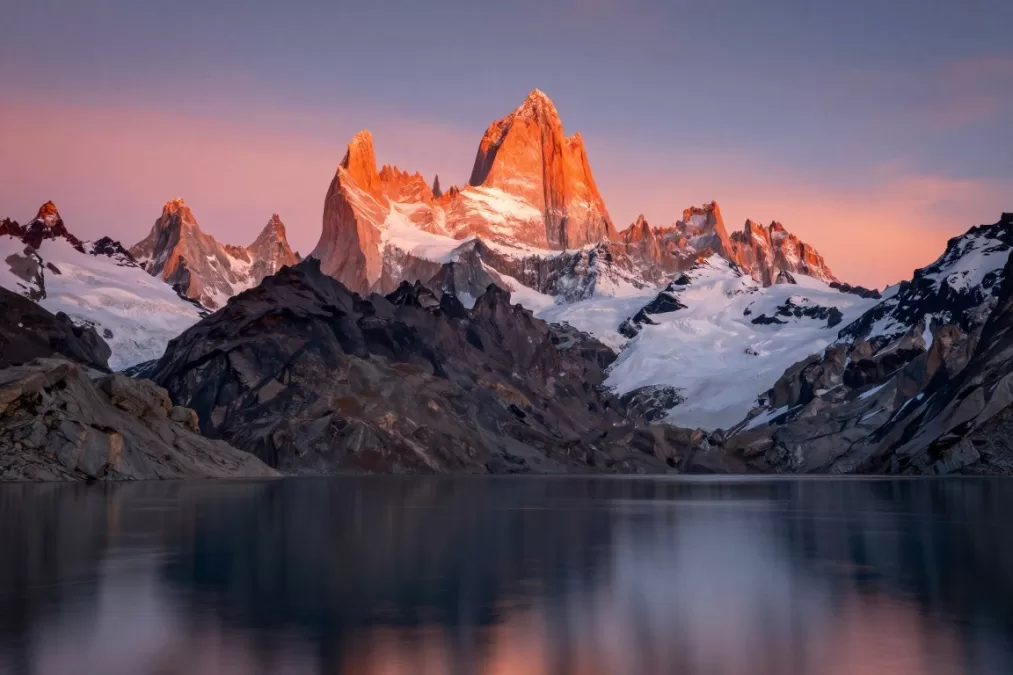
Fitz Roy and El Chaltén
Mount Fitz Roy pierces the sky near El Chaltén. This mountain has earned fame among climbers and photographers alike. Its granite spire seems to touch the clouds.
El Chaltén serves as Argentina’s trekking capital. The small town sits at the base of incredible mountains. Trails lead from town into wilderness within minutes.
Laguna de los Tres offers the classic Fitz Roy view. The trail climbs steeply for hours before revealing the lagoon. The glacial lake sits directly beneath Fitz Roy’s towering peak.
The Patagonian Steppe
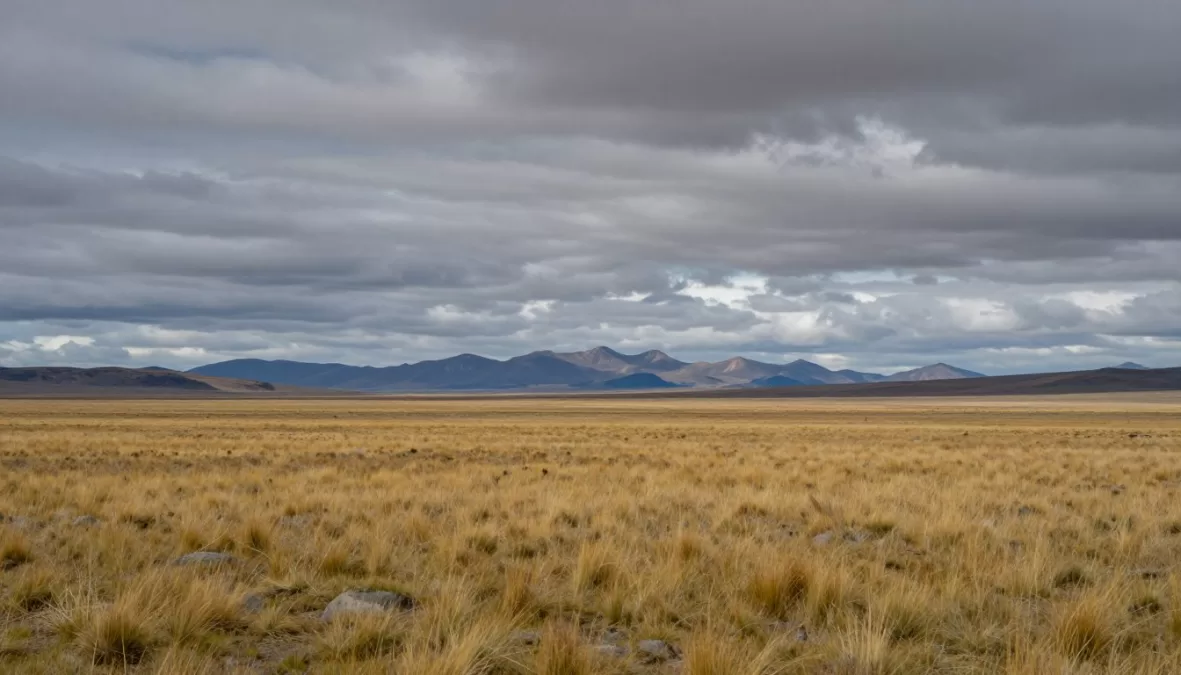
Beyond the mountains, the Patagonian steppe stretches endlessly. This grassland appears desolate at first glance. Closer inspection reveals subtle beauty and remarkable wildlife.
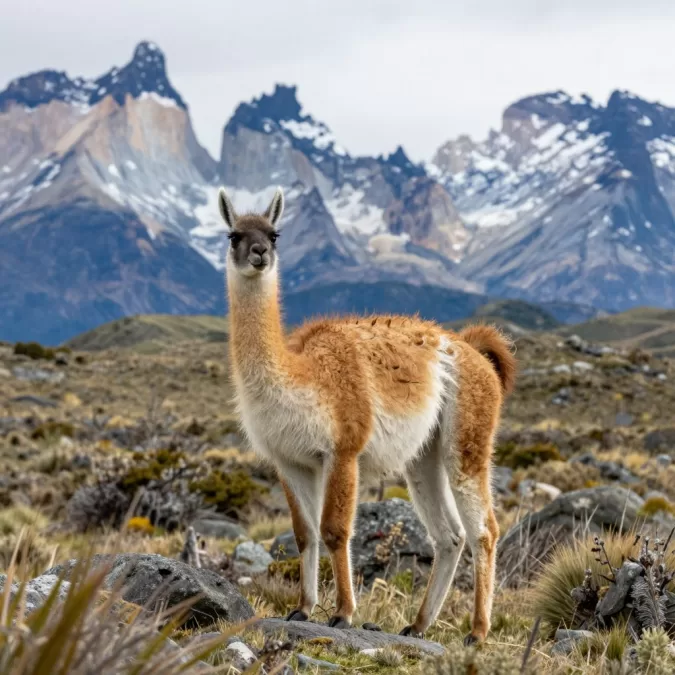
Guanacos roam in herds across the plains. These wild relatives of llamas thrive in the harsh climate. Their graceful movement across the landscape adds life to the vastness.
Condors soar on thermal currents overhead. These massive birds glide effortlessly for hours. Watching them ride the wind showcases nature’s perfect engineering.
Lakes and Forests
The Lake District bridges Patagonia’s two regions. Lakes mirror mountain peaks in perfect stillness. Ancient forests of southern beech trees border the shorelines.
Nahuel Huapi Lake near Bariloche offers resort-town amenities. The lake’s islands and bays create countless exploration opportunities. Mountains rise directly from the water’s edge.
The forests turn brilliant red and orange in autumn. This display of fall color rivals any region on Earth. The combination of lakes, forests, and mountains creates scenes of perfection.
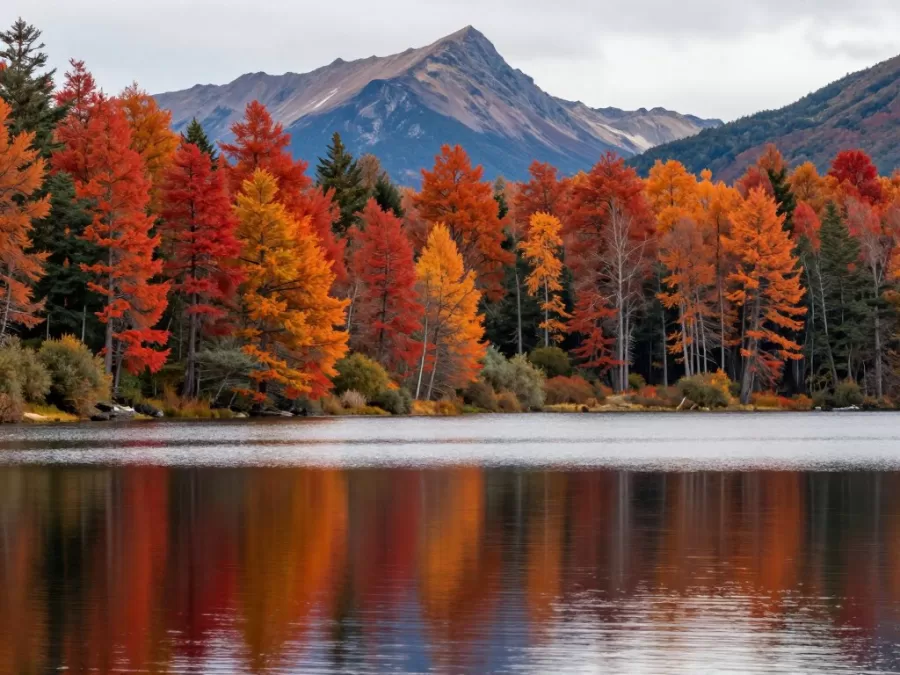
4. Maldives: A Scattered Paradise of Coral Atolls
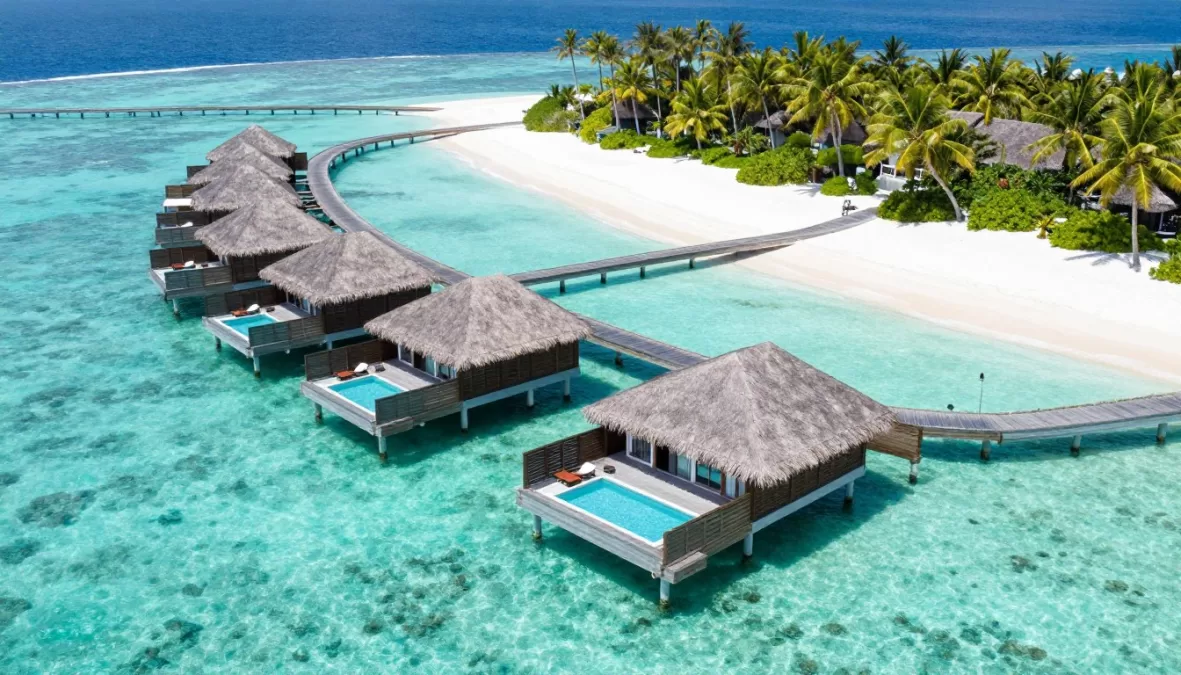
Islands of Dreams
The Maldives represents paradise on Earth for many people. This nation consists of twenty-six atolls scattered across the Indian Ocean. Each atoll contains dozens of islands surrounded by coral reefs.
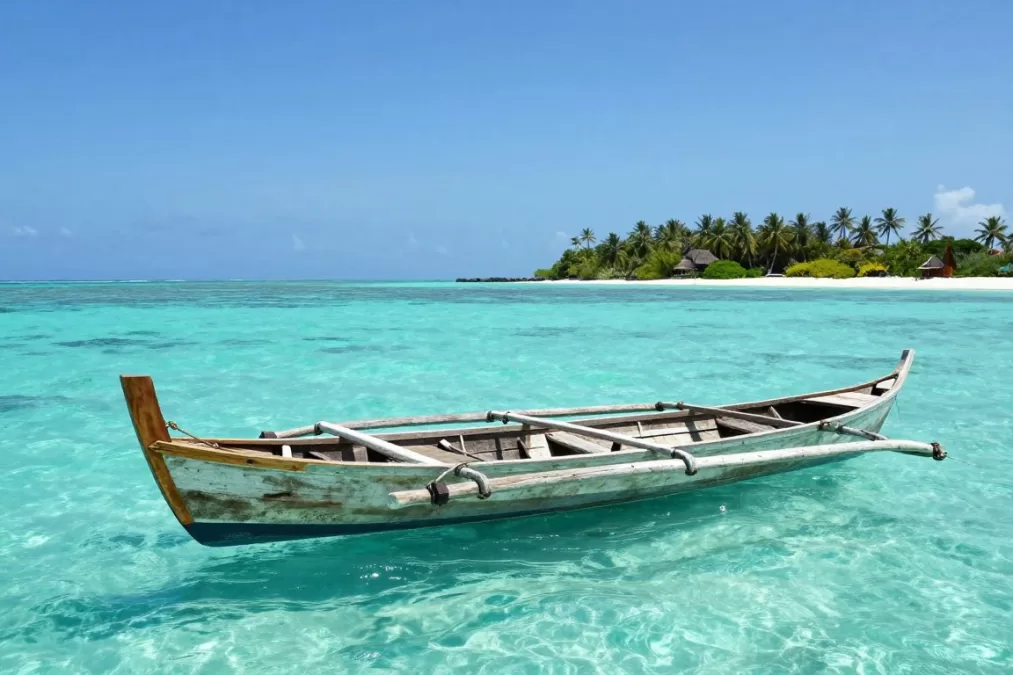
Water here shows every shade of blue imaginable. From pale turquoise to deep navy, the ocean creates an artist’s palette. The clarity allows you to see coral formations and fish from above the surface.
White sand beaches ring each island. The sand feels powder-soft beneath your feet. Palm trees lean over the water, creating the iconic tropical scene that defines island paradise.
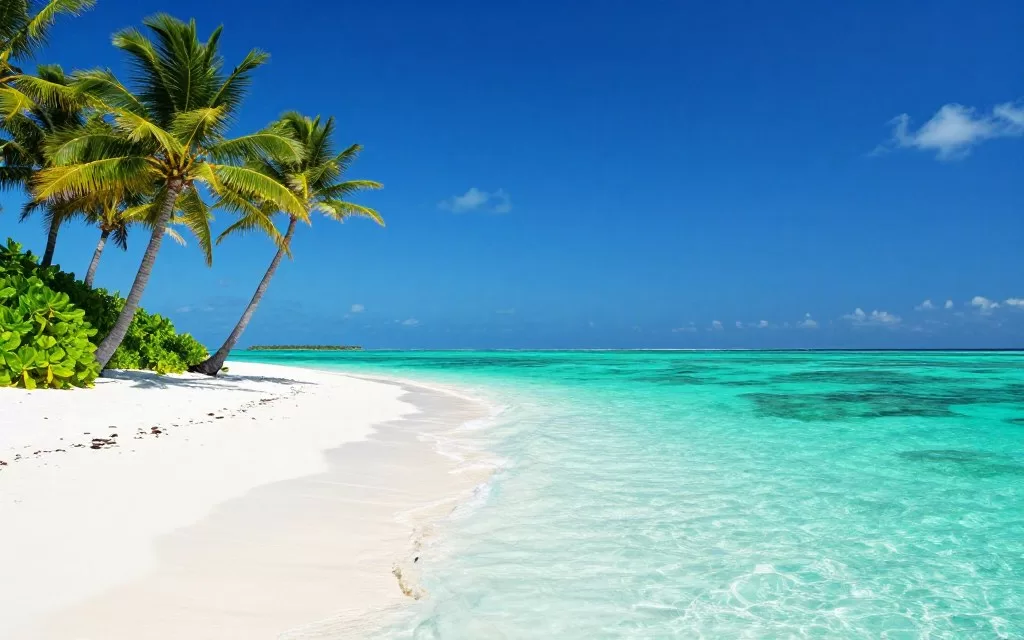
Underwater Wonderland
The Maldives’ beauty extends far beneath the waves. Coral reefs circle each island in vibrant rings. These underwater gardens host incredible marine life diversity.
Snorkeling reveals a different world entirely. Colorful fish dart between coral formations. Sea turtles glide gracefully through the water alongside curious snorkelers.
Manta rays gather at cleaning stations throughout the islands. These gentle giants can have wingspans exceeding twenty feet. Swimming alongside them creates memories that last a lifetime.
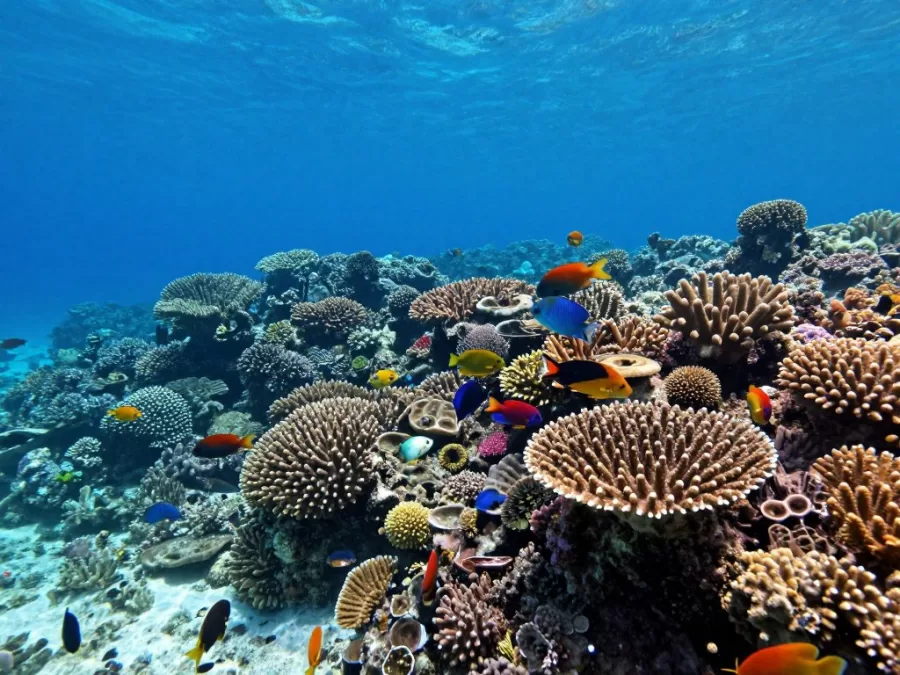
The Overwater Villa Experience
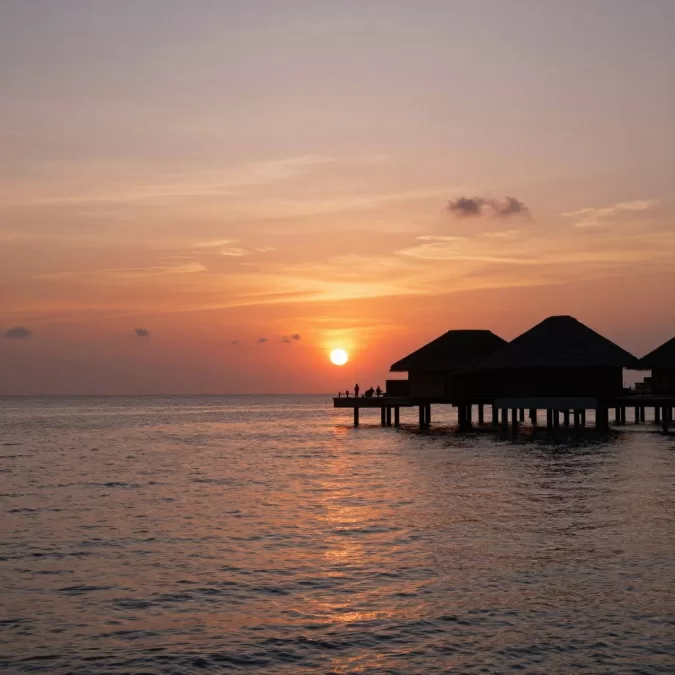
Overwater bungalows have become synonymous with Maldives luxury. These villas extend over the lagoon on stilts. Glass floor panels let you watch fish swim beneath your room.
Private decks lead directly into the water. You can slip from your bedroom into the warm ocean in seconds. This seamless connection with nature defines the Maldives experience.
Sunset from these villas transforms the world into gold and orange. The sun sinks into the ocean on the endless horizon. The sky ignites with color that reflects off the calm water.
Island Activities
Days in the Maldives flow with relaxation and adventure. Morning snorkeling sessions reveal the reef’s secrets. Afternoons invite lounging on pristine beaches.
Diving expeditions explore deeper waters. Channels between atolls host sharks, rays, and schools of fish. These underwater highways teem with marine life.
Night fishing offers a traditional Maldivian experience. Local techniques passed down through generations still catch dinner. The catch often becomes a beach barbecue under the stars.
Bioluminescence: Nature’s Light Show
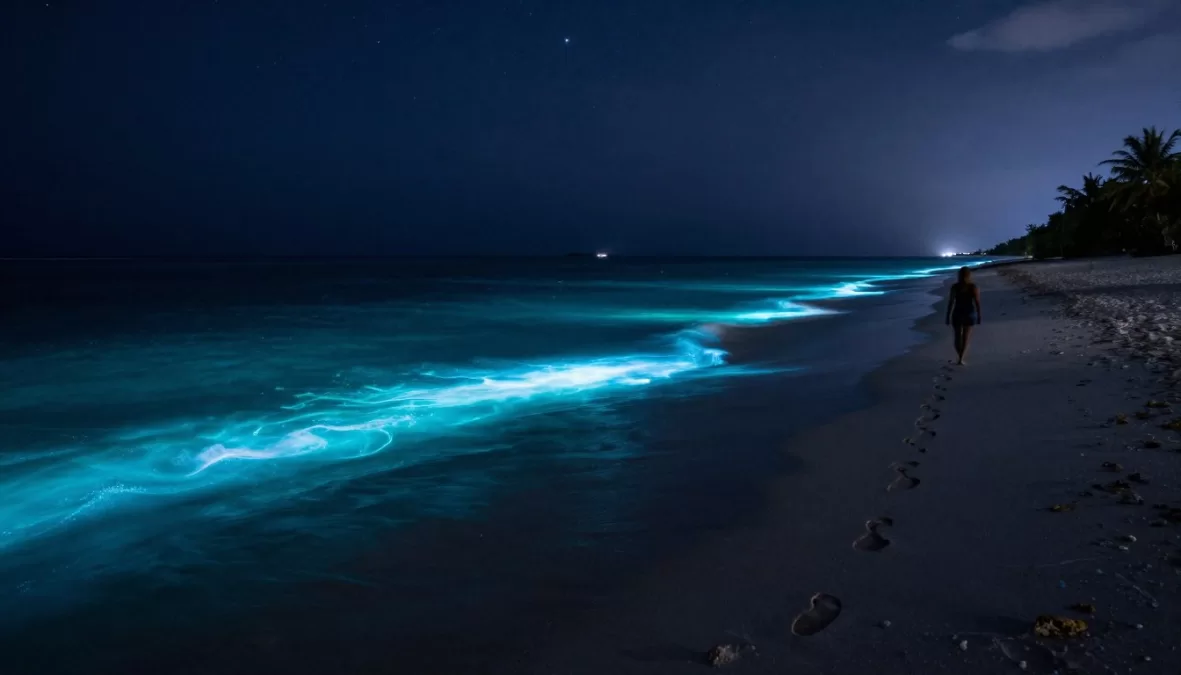
Some Maldives beaches glow at night with bioluminescence. Microscopic organisms light up when disturbed. Walking along the shore leaves glowing footprints in the sand.
Swimming through bioluminescent waters feels magical. Every movement creates sparkles of light. The scientific explanation does nothing to diminish the wonder of the experience.
This phenomenon occurs most strongly during certain seasons. However, it can appear throughout the year. Witnessing it ranks among travel’s most extraordinary moments.
Island Culture and Sustainability
The Maldivian people have called these islands home for centuries. Traditional boat building and fishing remain important cultural practices. Many resorts showcase local craftsmanship and traditions.
Rising sea levels threaten the nation’s existence. The Maldives sits barely above water at its highest points. This makes environmental conservation critical for the country’s future.
Many resorts lead in sustainable tourism practices. Coral restoration projects work to protect reefs. Solar power and desalination reduce environmental impact. Visiting responsibly helps preserve this paradise for future generations.
5. Fiordland, New Zealand: Where Mountains Meet the Sea
Milford Sound and Beyond
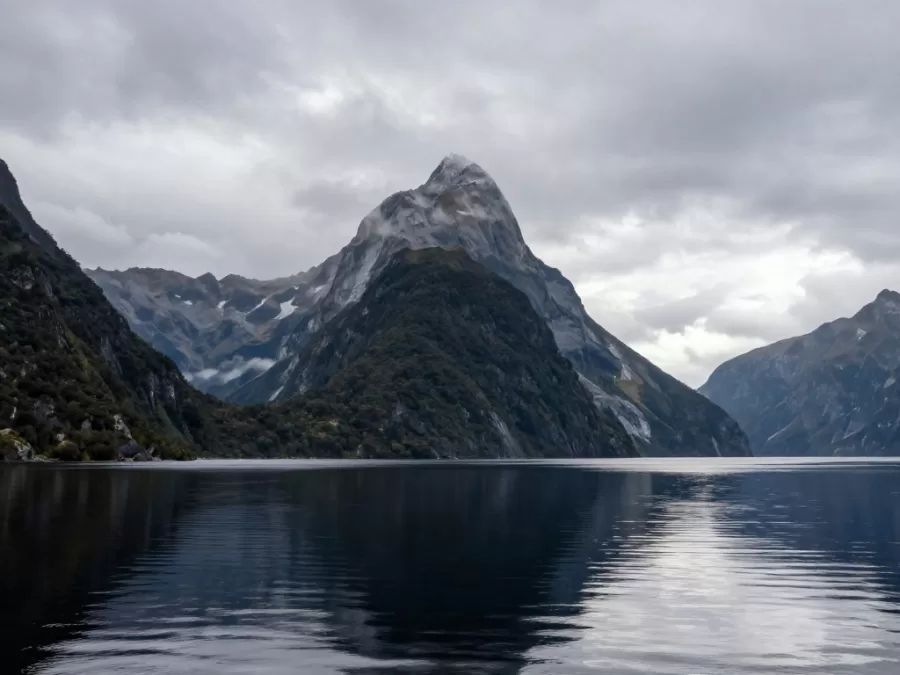
Fiordland occupies the southwestern corner of New Zealand’s South Island. This region contains some of the most beautiful places on Earth. Mountains plunge directly into the sea, creating dramatic fiords.
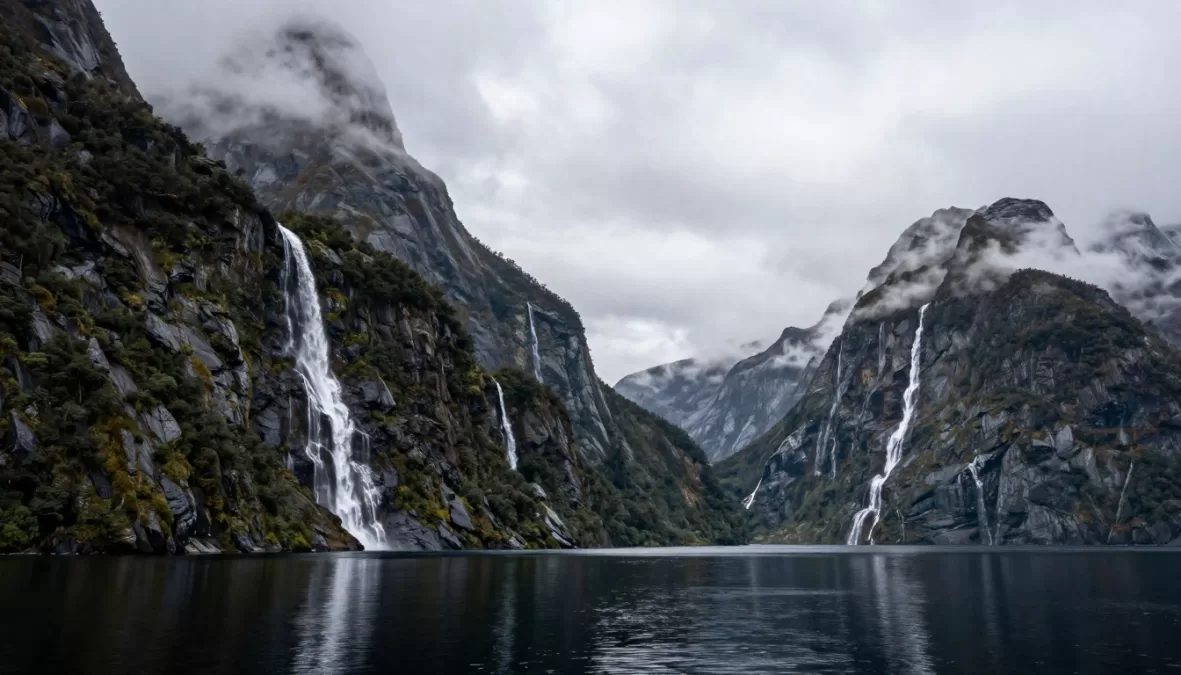
Milford Sound earned the title “eighth wonder of the world” from Rudyard Kipling. Sheer rock walls rise thousands of feet from the water. Waterfalls cascade down these cliffs in spectacular displays.
Rain falls frequently here, making it one of the wettest places on the planet. This creates temporary waterfalls that appear within hours of a storm. The sound of falling water echoes throughout the fiord.
Doubtful Sound: The Quiet Fiord
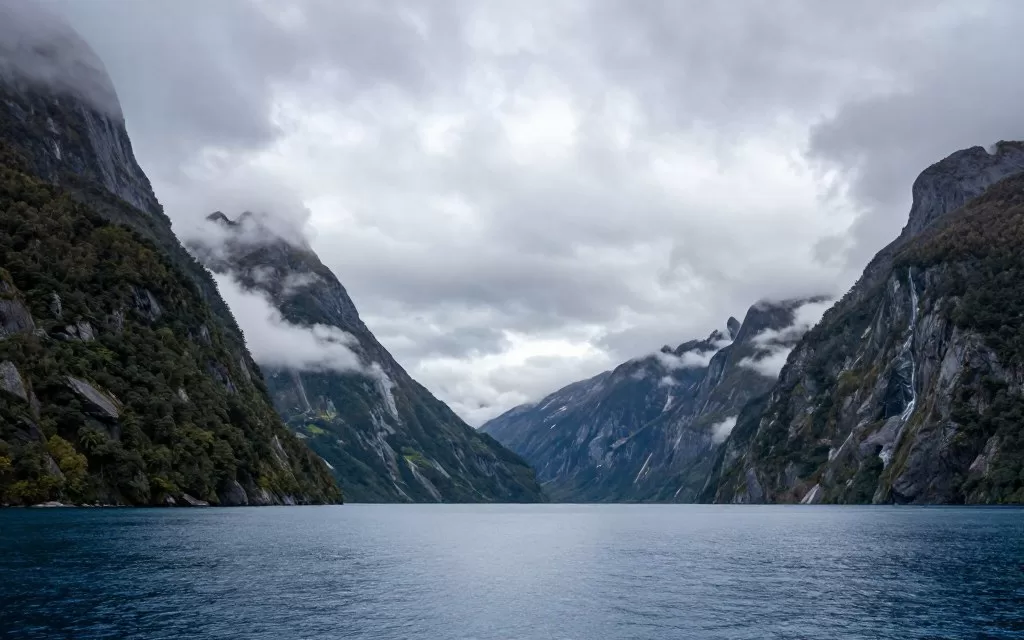
Doubtful Sound offers even greater isolation than Milford. This fiord stretches three times longer and reaches ten times the surface area. Fewer visitors make it here, preserving a sense of wilderness.
The sound’s depth creates an underwater world unlike anywhere else. Freshwater sits atop seawater without mixing. This unique condition allows deep-sea species to live at shallow depths.
Bottlenose dolphins frequent the sound year-round. Fur seals haul out on rocks throughout the fiord. Watching wildlife in this pristine setting emphasizes nature’s perfection.
The Milford Track
The Milford Track ranks among the world’s greatest walks. This four-day hike traverses Fiordland’s heart. Each day brings new landscapes and challenges.
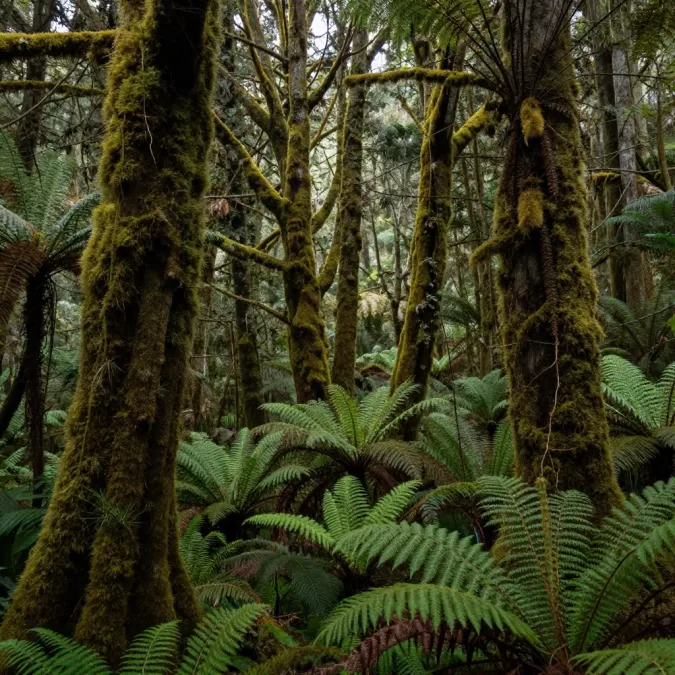
The track crosses mountain passes with views stretching for miles. Alpine meadows burst with wildflowers during summer. Ancient forests of beech trees create cathedral-like spaces.
Mackinnon Pass stands as the route’s highest point. From here, mountains extend in every direction. The panorama showcases why New Zealand protected this area as a national park.
Fiordland’s Natural Wonders
- Fourteen fiords carved by ancient glaciers
- Temperate rainforests with trees over eight hundred years old
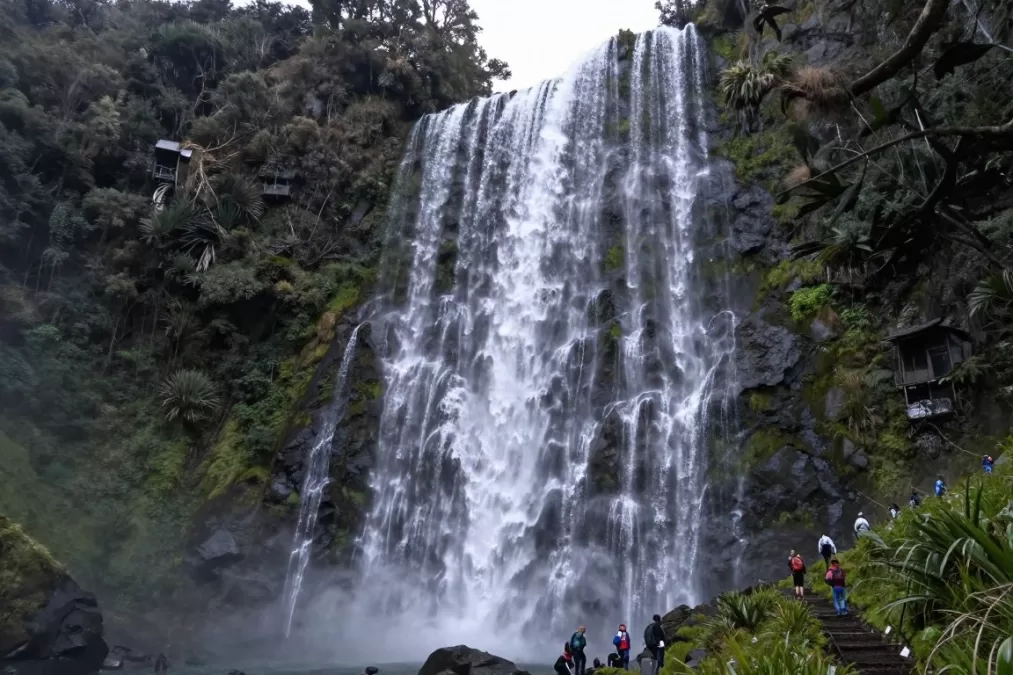
- Over five hundred waterfalls including Sutherland Falls
- Unique wildlife found nowhere else on Earth
- Night sky free from light pollution
Lakes and Waterfalls
Lake Te Anau serves as the gateway to Fiordland. This massive lake’s shoreline stretches for miles. Mountains surround the water, creating reflections that double the beauty.
Glowworm caves honeycomb the limestone beneath the lake. Boat tours venture into these underground passages. Thousands of glowworms create a starry sky effect on cave ceilings.
Sutherland Falls ranks among the world’s tallest waterfalls. Water drops over five hundred meters in three cascades. The falls’ roar can be heard long before they come into view.
Wildlife Paradise
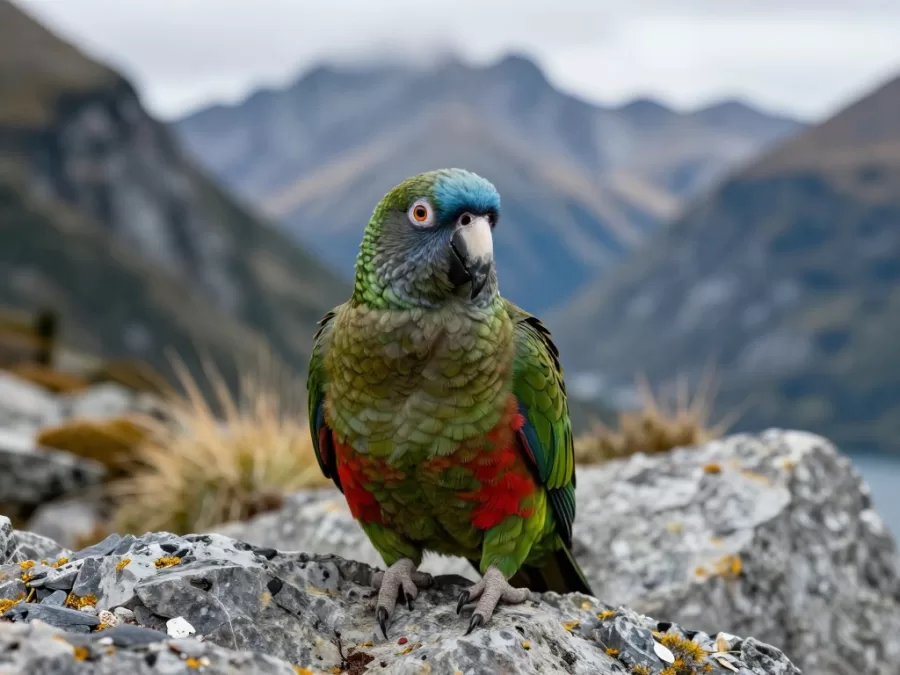
Fiordland hosts species found nowhere else. The takahe, once thought extinct, survives in these valleys. This large flightless bird has brilliant blue and green plumage.
Kea parrots inhabit the high country. These intelligent birds investigate everything with curiosity. Their playful antics and problem-solving abilities delight visitors.
Penguins nest in the coastal fiords. Watching these birds swim through the water reveals their underwater grace. They move with speed and agility that contrasts with their waddling on land.
Ready to Turn Dreams Into Reality?
These incredible destinations await your discovery. Start planning your journey to the world’s most beautiful places today. Our trusted travel partners offer exclusive deals, expert guidance, and seamless booking experiences.
- Compare flights and accommodations from top providers
- Access exclusive traveler discounts and packages
- Get 24/7 customer support for your trip
- Read verified reviews from real travelers
- Book with confidence and flexible cancellation
6. Iceland: Land of Fire and Ice
A Living Planet
Iceland sits on the boundary between tectonic plates. This position creates constant geological activity. The island literally grows wider each year as the plates separate.
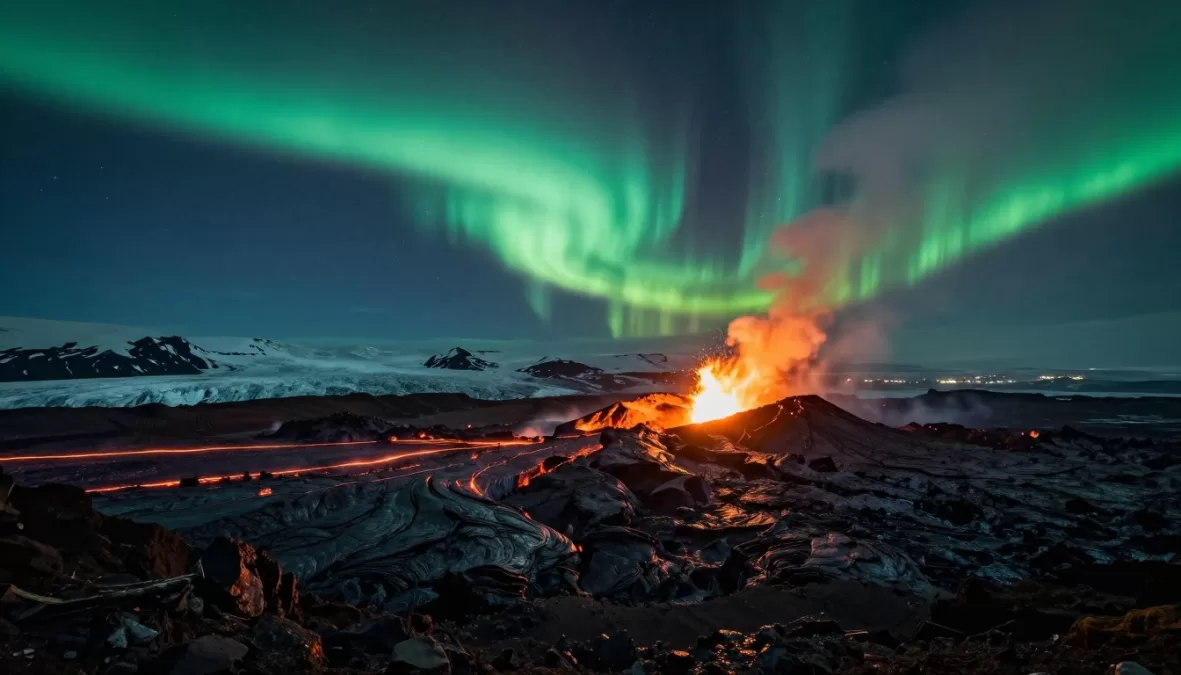
Volcanoes dot the landscape throughout the country. Some lie dormant while others actively shape the land. Eruptions occur regularly, creating new terrain and altering existing features.
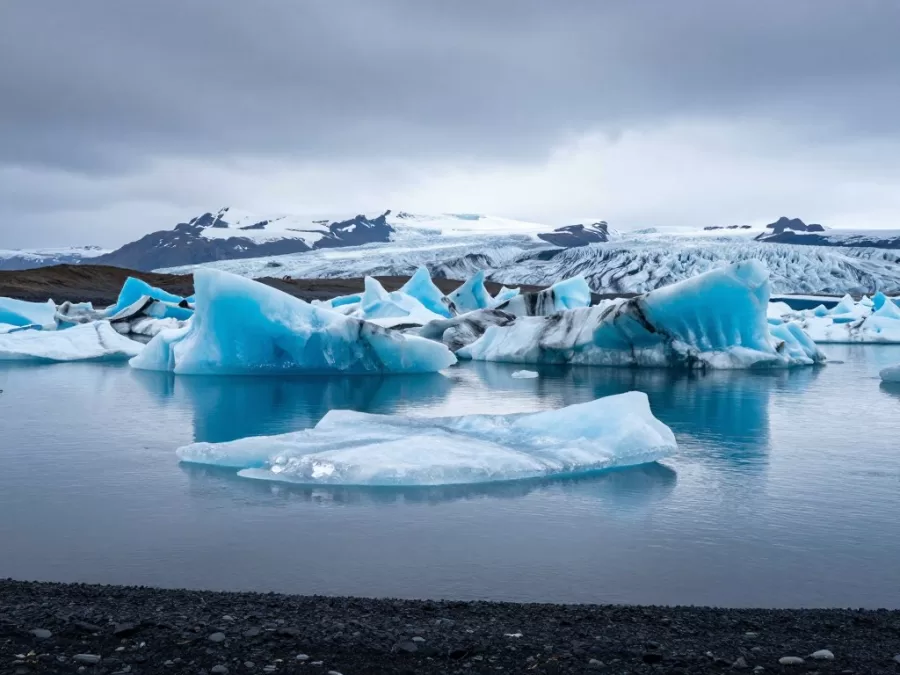
Glaciers cover much of the interior. These massive ice sheets contrast sharply with volcanic fields. The combination of fire and ice gives Iceland its nickname and character.
Waterfalls of Immense Power
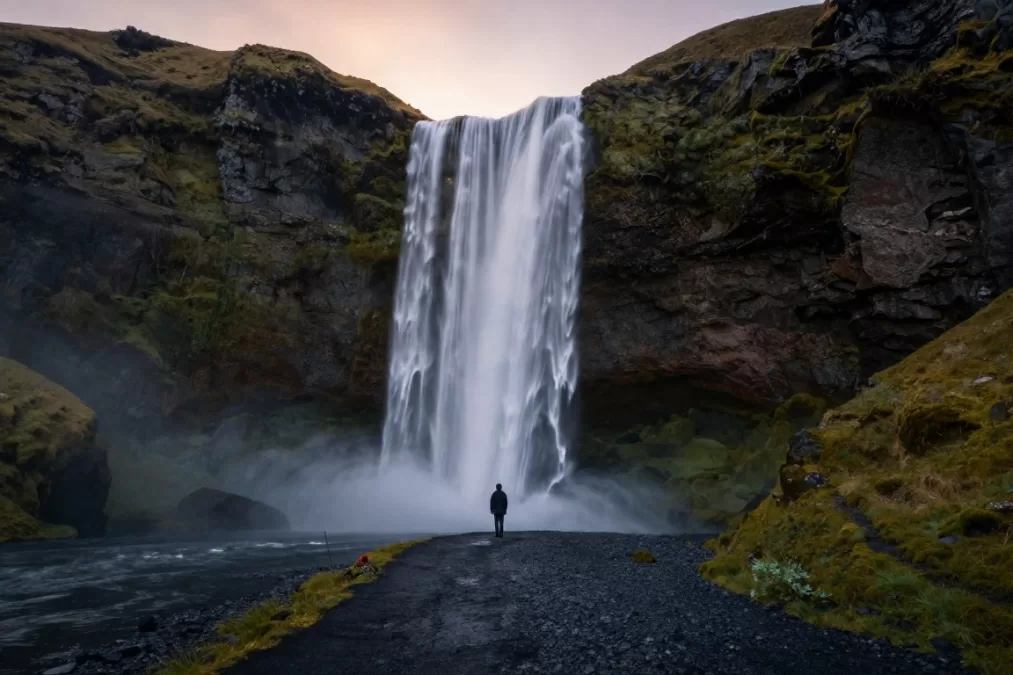
Waterfalls cascade across Iceland with remarkable frequency. Glacial meltwater feeds countless falls. Each one offers its own character and beauty.
Gullfoss falls in two tiers into a dramatic canyon. The name means “golden falls” due to the way light reflects off the water. On sunny days, rainbows arc across the mist.
Seljalandsfoss allows visitors to walk behind the curtain of water. The path leads around and behind the falls. This unique perspective shows the falls from every angle.
The Golden Circle
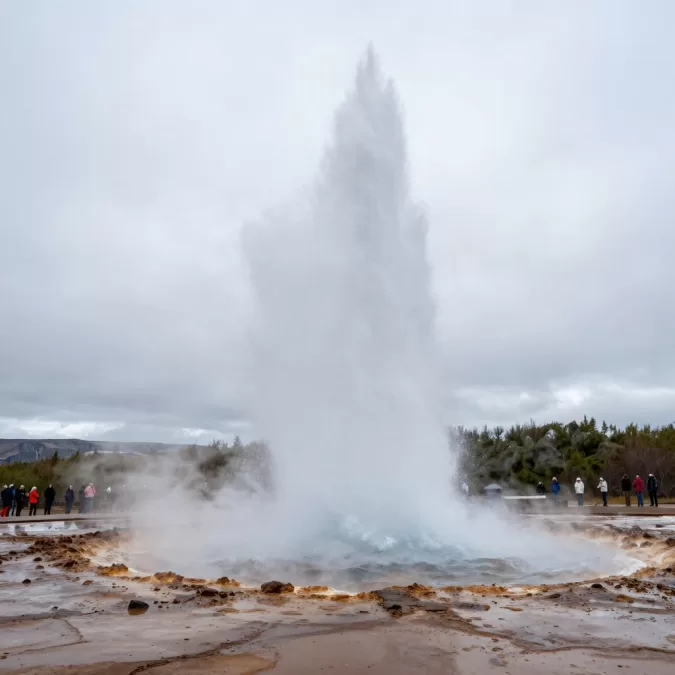
The Golden Circle route connects Iceland’s most accessible wonders. Thingvellir National Park marks where continents drift apart. You can walk between the North American and Eurasian plates.
Geysir gave its name to all geysers worldwide. Though less active now, nearby Strokkur erupts reliably every few minutes. Watching boiling water shoot into the sky never gets old.
Hot springs and geothermal areas color the landscape. Bright blue pools contrast with orange and yellow mineral deposits. Steam rises from vents in the Earth, revealing the power beneath.
Northern Lights Dance
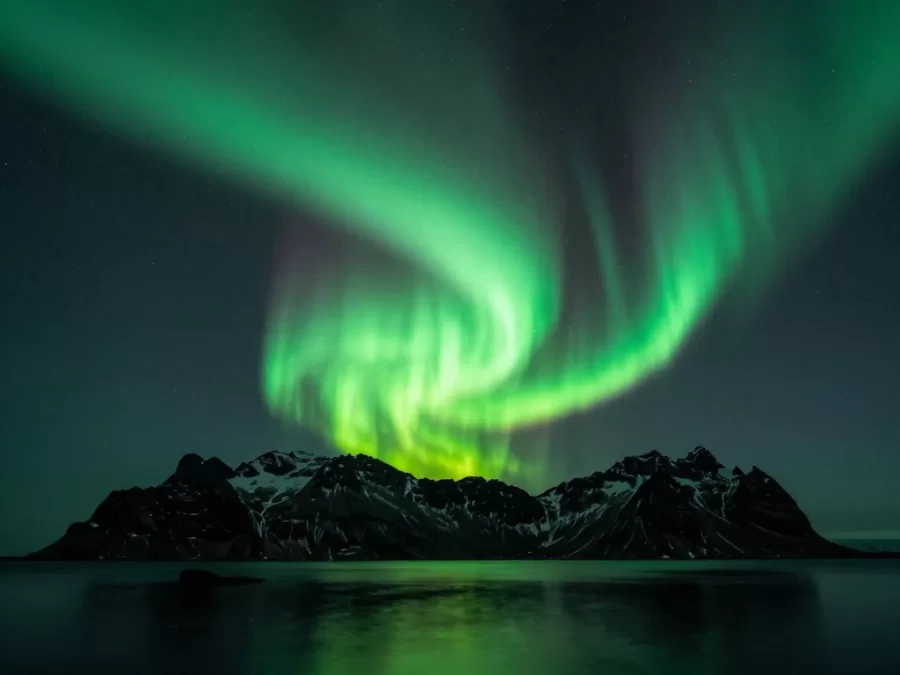
Winter brings the aurora borealis to Iceland’s dark skies. The northern lights dance in curtains of green and purple. This natural light show occurs when solar particles collide with Earth’s atmosphere.
The lights appear most strongly away from city lights. Remote areas offer the darkest skies. Patience rewards viewers with one of nature’s most spectacular displays.
No two aurora displays match exactly. Sometimes they appear as gentle arcs. Other times they pulse and swirl across the entire sky in an energetic dance.
Iceland’s Seasonal Beauty
Summer brings midnight sun to Iceland. The sun barely sets during June and July. This endless daylight allows exploration at any hour.
Winter transforms the landscape into a snow-covered wonderland. Though days are short, the quality of light creates magical conditions. Ice caves form within glaciers, accessible only during cold months.
Fall and spring offer transitions between extremes. These shoulder seasons often have fewer crowds. The changing seasons create unique photographic opportunities.
Black Sand Beaches
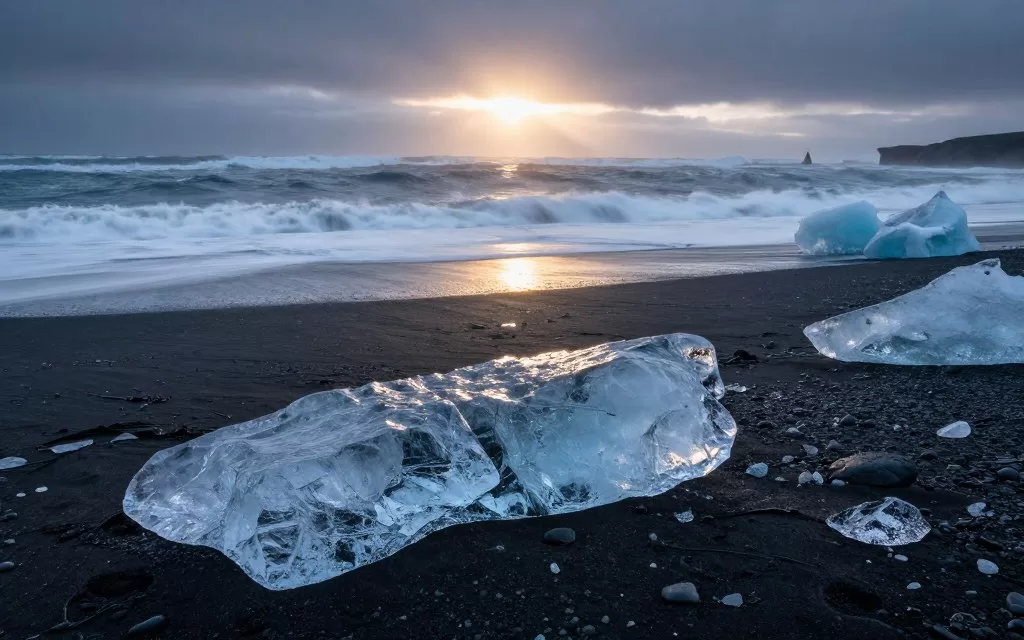
Iceland’s beaches defy expectations. Instead of golden sand, volcanic black sand covers the coast. These dark beaches contrast dramatically with white waves and ice chunks.
Reynisfjara ranks as the most famous black sand beach. Basalt columns rise like organ pipes from the cliffs. Rock formations jut from the ocean offshore.
Diamond Beach gets its name from ice chunks that wash ashore. Glacial ice fragments sparkle like gems on black sand. The contrast creates one of the world’s most photogenic beaches.
Blue Lagoon and Hot Springs
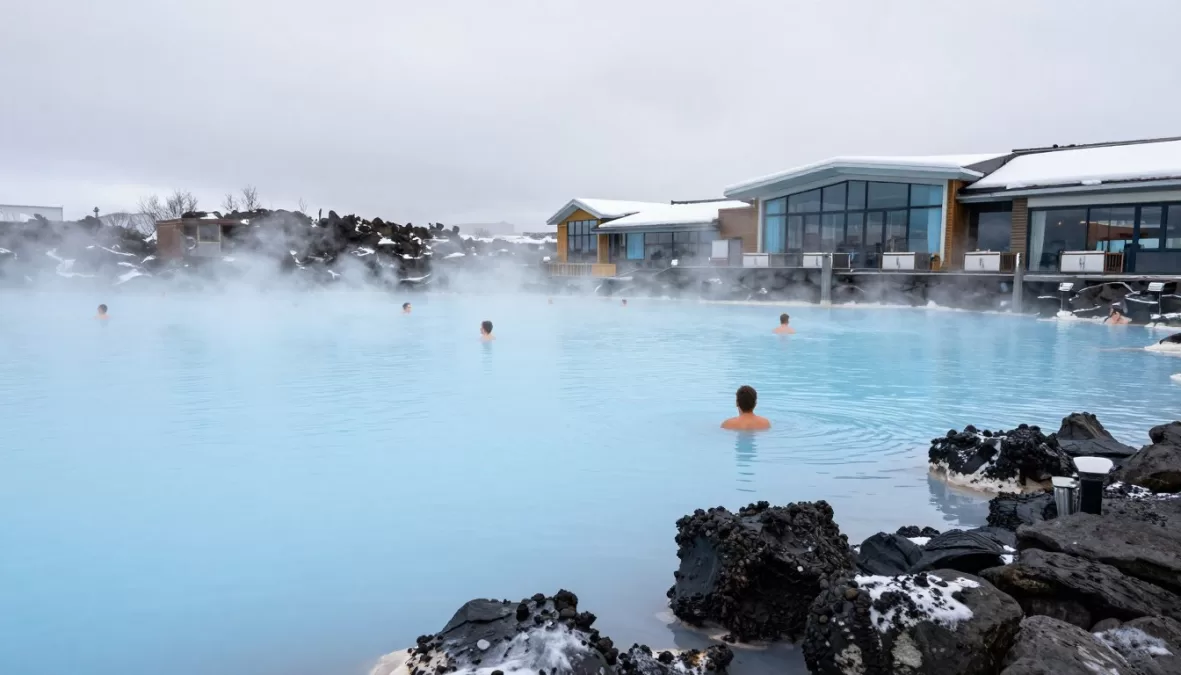
Geothermal energy heats water throughout Iceland. The Blue Lagoon harnesses this for the ultimate spa experience. Milky blue water rich in minerals soothes tired muscles.
Natural hot springs appear in remote locations across the country. Some require hiking to reach. The reward of soaking in naturally heated water surrounded by wilderness justifies any effort.
Even in winter, these hot springs remain comfortable. Floating in warm water while snow falls creates a surreal experience. The contrast between hot water and cold air feels invigorating.
7. Norwegian Fjords: Carved by Ancient Glaciers
Nature’s Masterful Sculptures
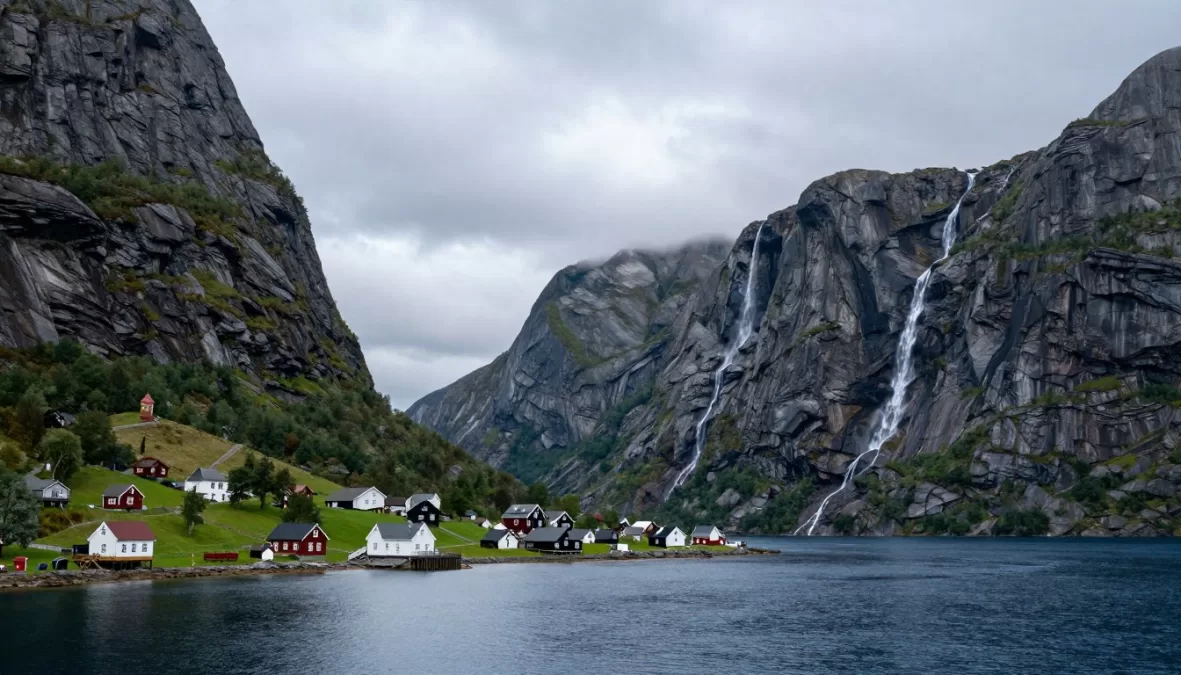
Norway’s fjords rank among the most beautiful places on Earth. These deep inlets cut into the coast for miles. Glaciers carved them over millions of years.
Steep mountains rise directly from the water. Their peaks reach high into the clouds. The scale creates a sense of majesty that photographs struggle to capture.
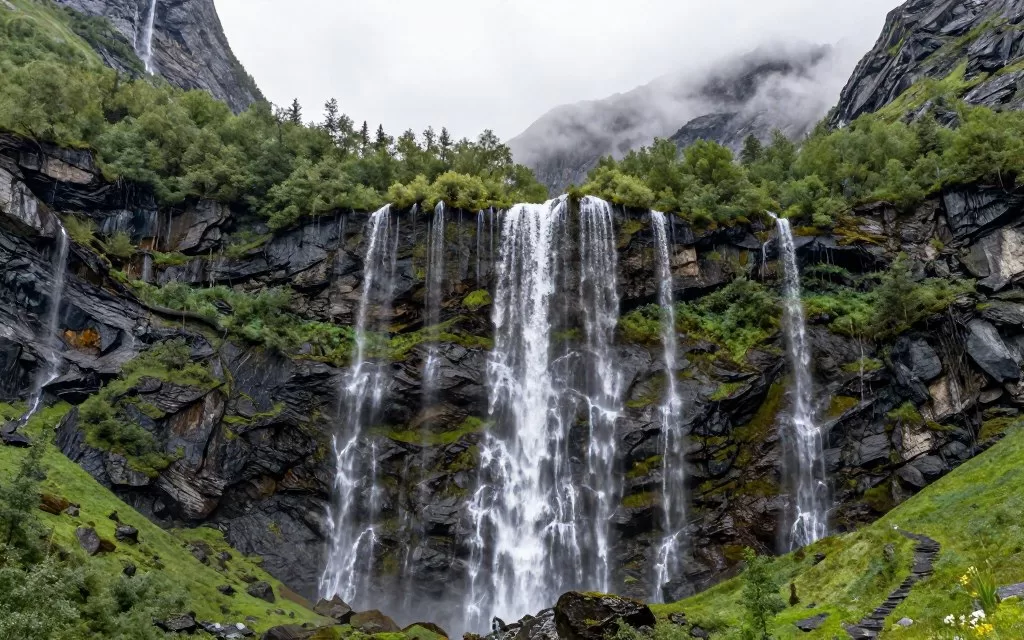
Waterfalls tumble from cliff tops hundreds of feet above. Some fall directly into the fjord. Others cascade down rock faces in multiple tiers.
Geirangerfjord: The Crown Jewel
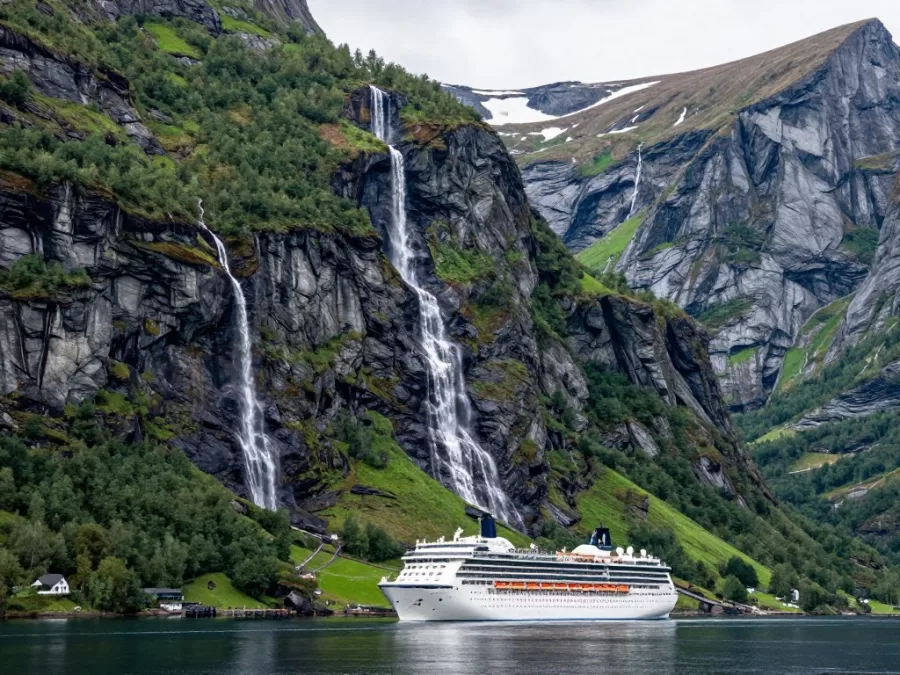
Geirangerfjord stretches for fifteen kilometers inland. UNESCO designated it a World Heritage Site. The fjord embodies Norwegian natural beauty at its finest.
The Seven Sisters waterfall drops from the mountain in seven parallel streams. Across the fjord, the Suitor waterfall responds. Local legend says the suitor tried to court the sisters.
Small farms cling impossibly to steep hillsides. These historic homesteads show human determination. Access came only by boat or mountain paths until recent decades.
Nærøyfjord: Narrow and Mighty
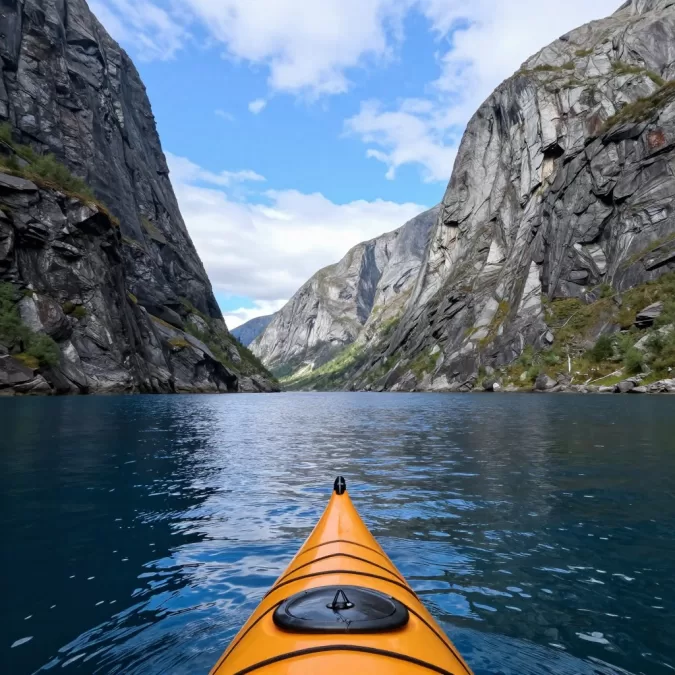
Nærøyfjord narrows to just eight hundred feet at its tightest point. Mountains tower five thousand feet above on both sides. The proportions create an overwhelming sense of scale.
Kayaking here offers an intimate fjord experience. Paddling the calm waters lets you absorb every detail. The silence amplifies the sounds of waterfalls and birdsong.
Seals sun themselves on rocks throughout the fjord. Porpoises occasionally surface nearby. Wildlife thrives in these protected waters.
Fjord Experiences
- Cruise through dramatic waterways on ferries and ships
- Kayak at the base of towering cliffs
- Hike to viewpoints high above the water
- Fish for salmon in fjord tributaries
- Experience midnight sun in summer months
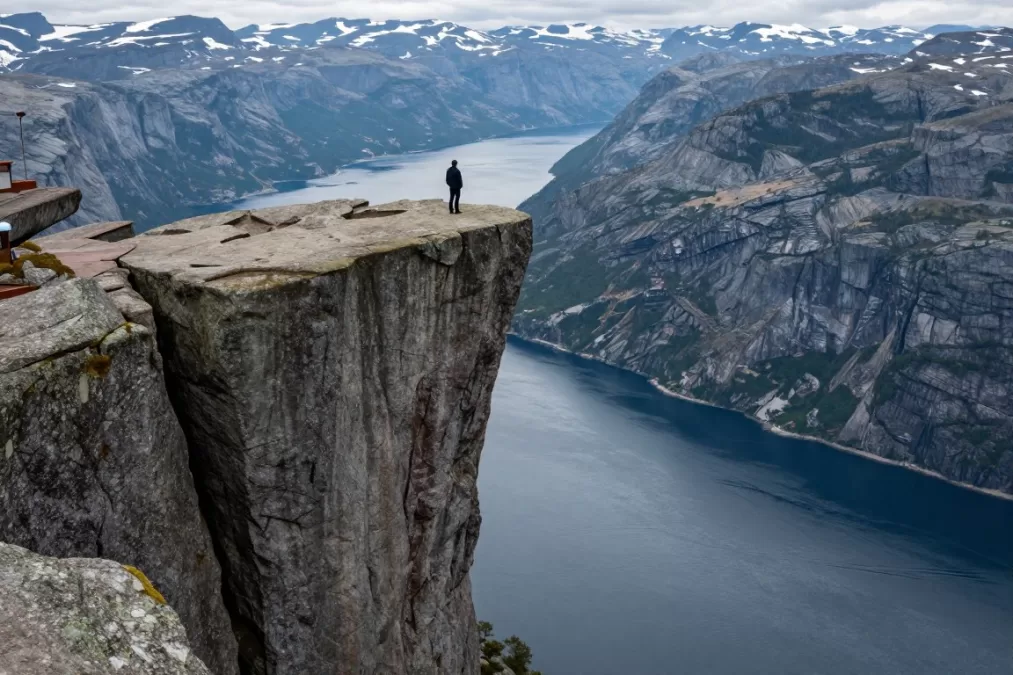
Preikestolen: Pulpit Rock
Preikestolen juts out from the cliff face above Lysefjord. The flat rock platform extends like a stage over the water. Looking down from the edge tests your courage.
The hike to Preikestolen takes about two hours. The trail climbs steadily through varied terrain. The view from the top rewards every step of the journey.
Six hundred meters of sheer cliff face drops to the fjord below. Standing at the edge creates an adrenaline rush. The vast view across Lysefjord extends for miles.
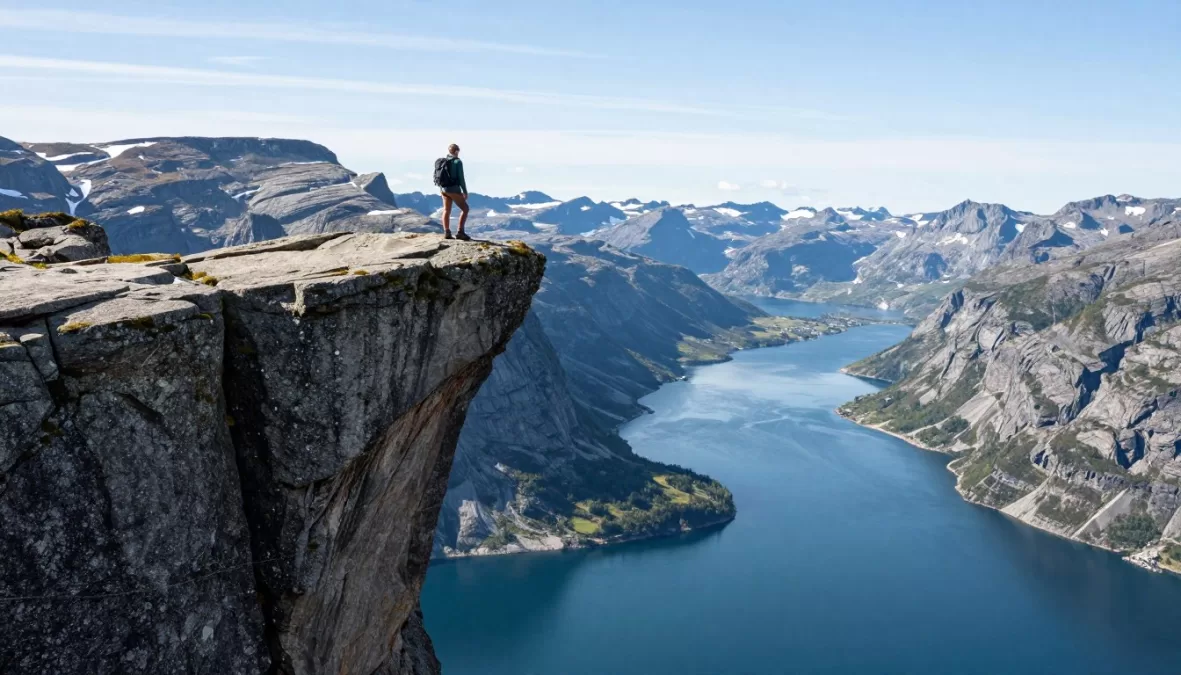
Trolltunga: The Troll’s Tongue
Trolltunga extends horizontally from the mountain like a diving board. This rock formation hangs seven hundred meters above Lake Ringedalsvatnet. The dramatic overhang creates an iconic photo opportunity.
Reaching Trolltunga requires a challenging ten-hour round-trip hike. The trail tests endurance and determination. Weather can change rapidly in the mountains.
The view from Trolltunga encompasses mountains, lakes, and valleys. Standing on the rock slab creates an unforgettable moment. The sense of exposure and beauty combine perfectly.
Life in the Fjords
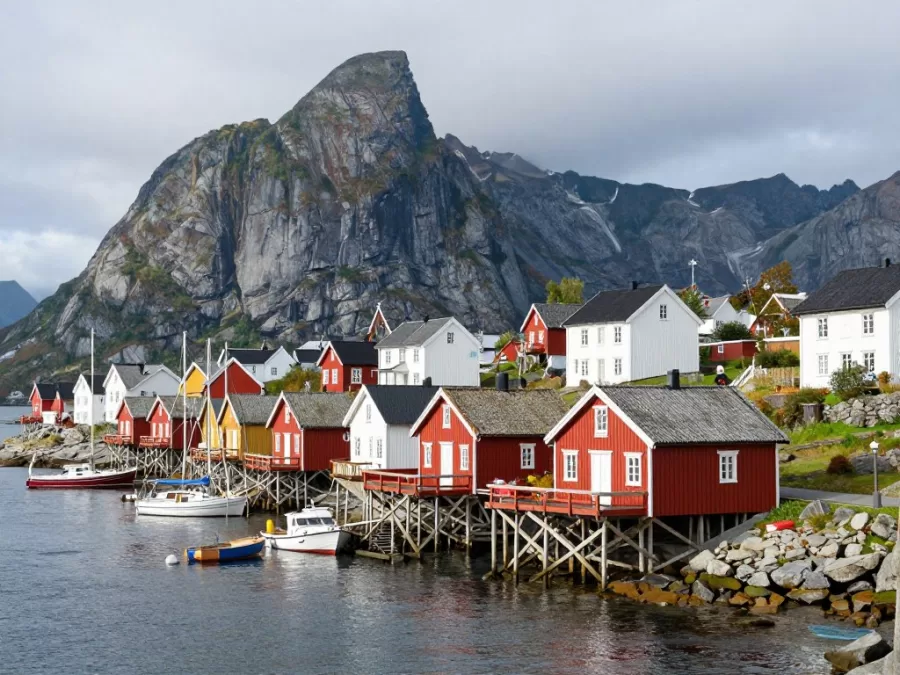
Small villages dot the fjord shores. These communities have thrived here for centuries. Traditional wooden houses painted in bright colors line the waterfront.
Fishing remains vital to fjord life. The waters provide abundant seafood. Local restaurants serve the freshest catch imaginable.
Winter brings snow to the mountains but keeps the fjords mostly ice-free. The Gulf Stream moderates the climate. This allows year-round navigation and habitation despite the northern latitude.
8. Amalfi Coast, Italy: Mediterranean Perfection
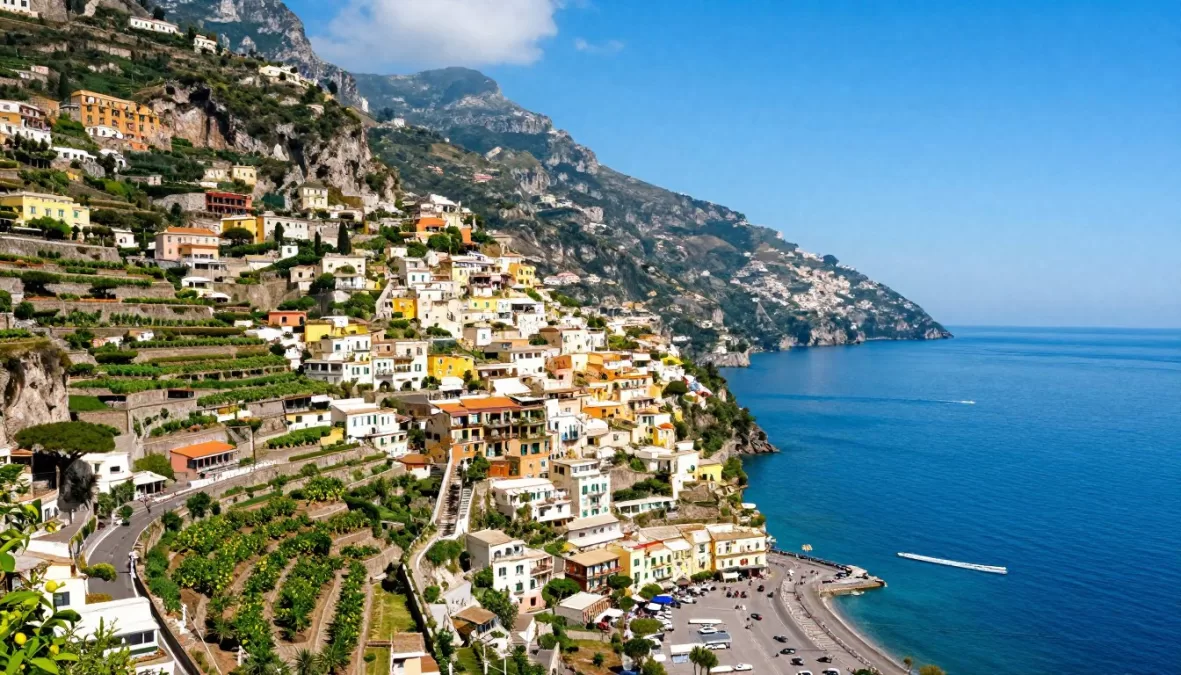
A Coastline of Dreams
The Amalfi Coast stretches along southern Italy’s Sorrentine Peninsula. This coastline combines natural beauty with human artistry. Villages cling to cliffs in defiance of gravity.
The Mediterranean Sea sparkles in shades of azure and turquoise. Rocky cliffs plunge dramatically into clear water. The coast road winds along the edge, offering breathtaking views at every turn.
Terraced gardens cover the steep hillsides. Lemon groves produce the region’s famous citrus. The scent of citrus blossoms fills the air during spring months.
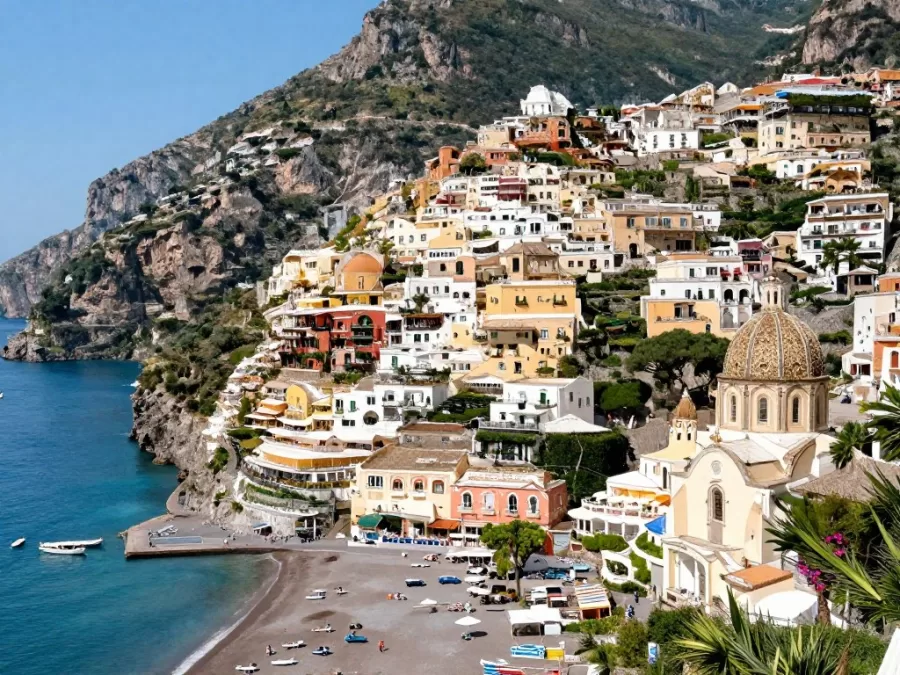
Positano: Vertical Village
Positano cascades down the cliff in layers of pastel-colored buildings. Narrow streets and staircases connect the levels. Every viewpoint offers another postcard-perfect scene.
The town’s beach sits at the base of the vertical village. Colorful umbrellas line the narrow strip of sand. Crystal-clear water invites swimming and lounging.
Boutiques and galleries fill the winding streets. Local artisans create hand-painted ceramics. Fashion boutiques showcase resort wear perfect for the Mediterranean climate.
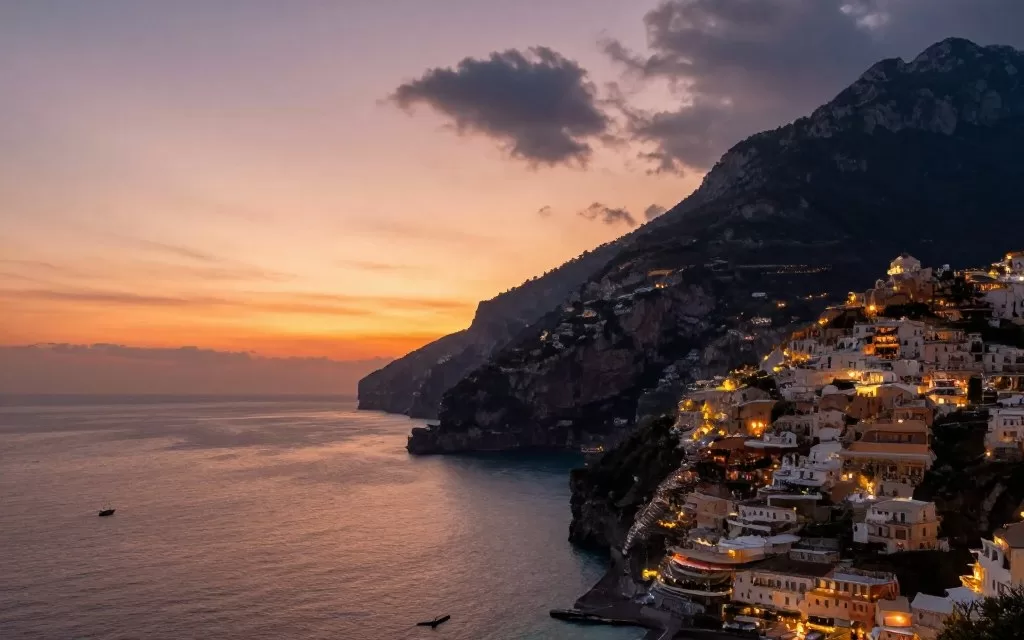
Amalfi: Historic Maritime Power
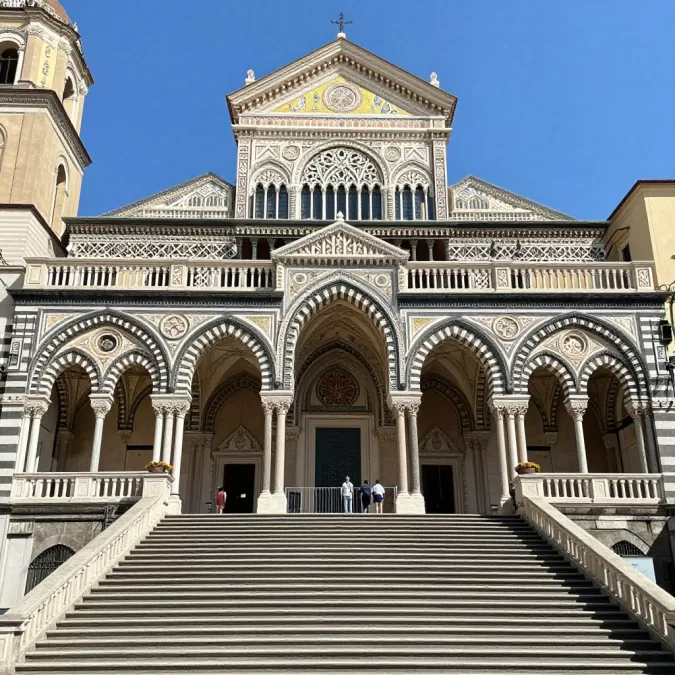
The town of Amalfi gives the coast its name. This historic town once rivaled Venice as a maritime republic. Its cathedral dominates the main piazza with Arab-Norman architecture.
The cathedral’s facade features mosaics that shimmer in the sunlight. Steps lead up to the entrance from the square below. The interior holds treasures accumulated over centuries.
Paper-making has been an Amalfi tradition since medieval times. The Museum of Paper explains this historic craft. You can watch artisans create handmade paper using traditional methods.
Coastal Experiences
Boat tours reveal hidden coves and sea caves. The Emerald Grotto glows with green light. Crystal formations and stalactites create underground beauty.
Hiking the Path of the Gods rewards with panoramic views. This ancient trail connects mountaintop villages. The perspective shows the entire coast laid out below.
Local cuisine celebrates fresh seafood and produce. Restaurants serve pasta with lemons, a regional specialty. Dining on terraces overlooking the sea enhances every meal.
Ravello: Gardens in the Sky
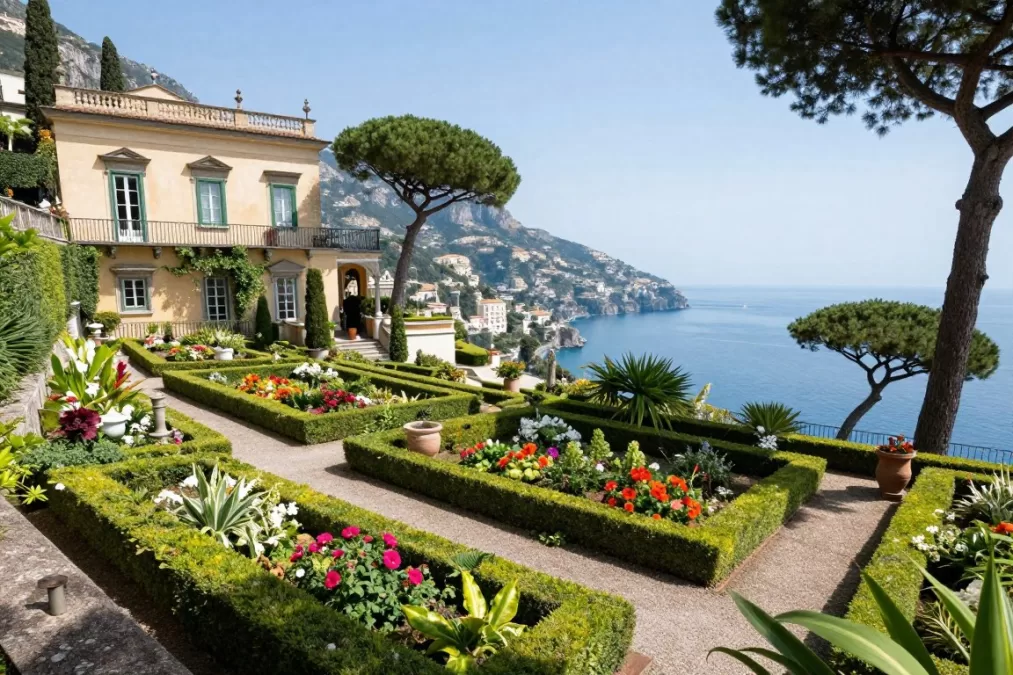
Ravello sits high above the coast on a mountain perch. This quiet town offers respite from coastal crowds. Gardens here rank among Italy’s finest.
Villa Rufolo’s gardens inspired composer Richard Wagner. Terraced gardens frame views across the coastline. Flowers bloom in vibrant profusion throughout the grounds.
Villa Cimbrone features the Terrace of Infinity. Classical statues line this viewpoint high above the sea. The perspective makes you feel suspended between sky and water.
Coastal Road and Villages
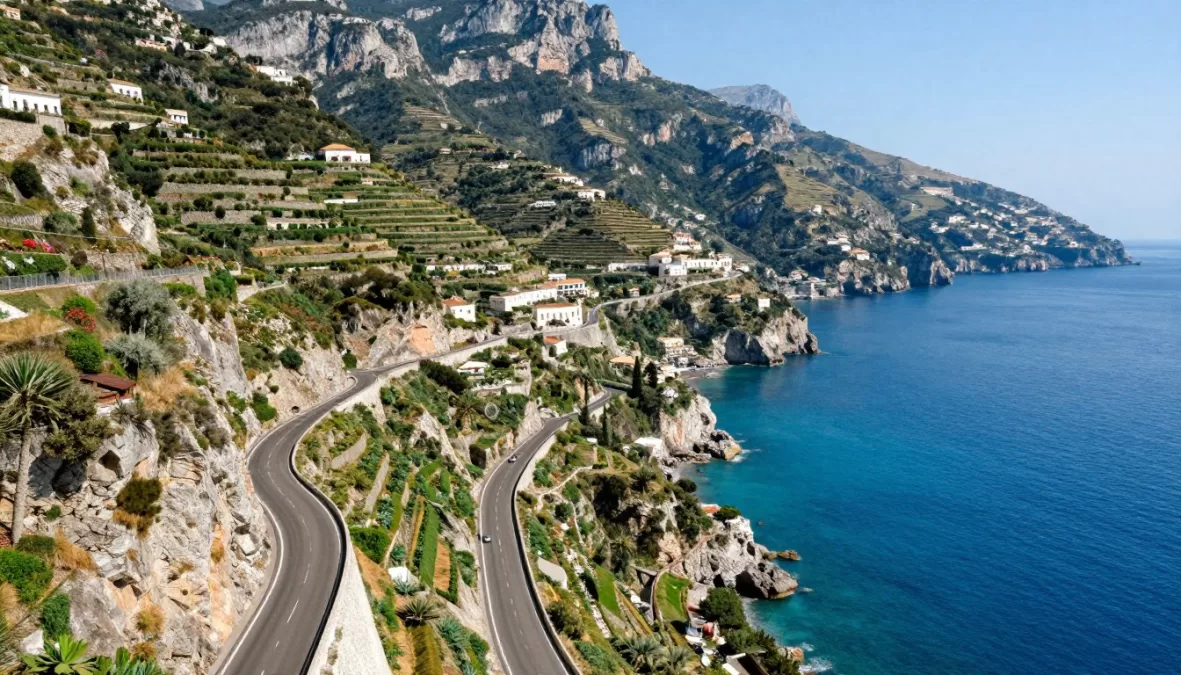
The Amalfi Drive ranks among the world’s most scenic roads. Carved into cliffs, it hugs the coast for miles. Every turn reveals new vistas of sea and mountains.
Praiano offers a quieter alternative to busier towns. This fishing village maintains authentic charm. Sunset views from here are legendary.
Atrani sits tucked in a ravine between Amalfi and Ravello. This tiny village remains largely undiscovered. Its small piazza faces the sea, creating an intimate setting.
Island Escapes
Capri sits just offshore from the Amalfi Coast. This island has attracted visitors since Roman times. The Blue Grotto showcases nature’s light show as sun reflects through underwater cave openings.
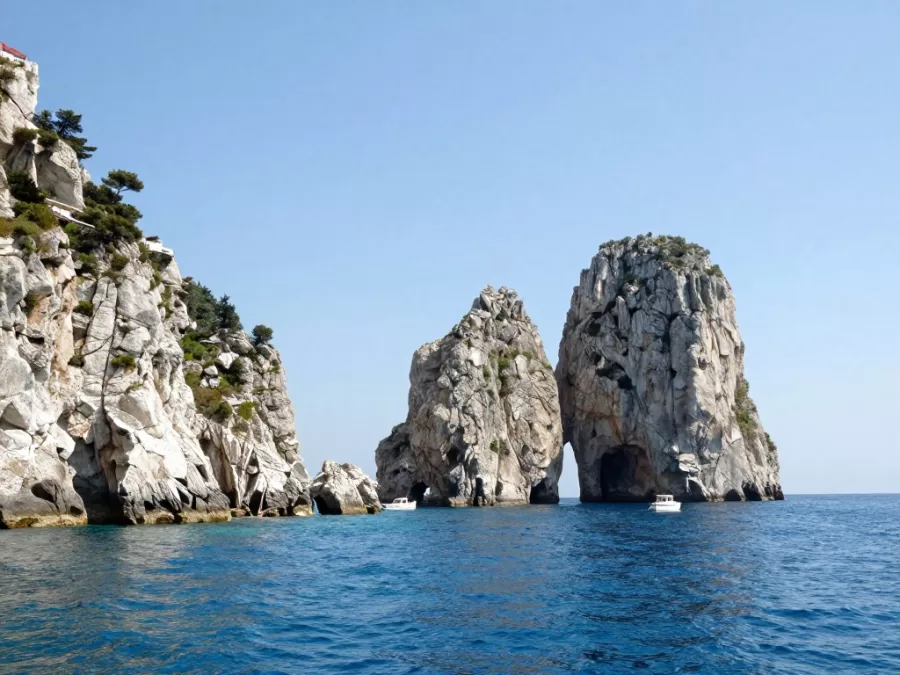
Gardens of Augustus offer spectacular views across the Faraglioni rock formations. These natural stone arches rise from the sea. They’ve become symbols of Capri’s beauty.
Life on Capri moves at a relaxed pace. Cafes in the piazzetta serve espresso and aperitifs. Watching the world go by becomes the perfect afternoon activity.
9. Great Barrier Reef, Australia: Underwater Wonder of the World
Earth’s Largest Living Structure
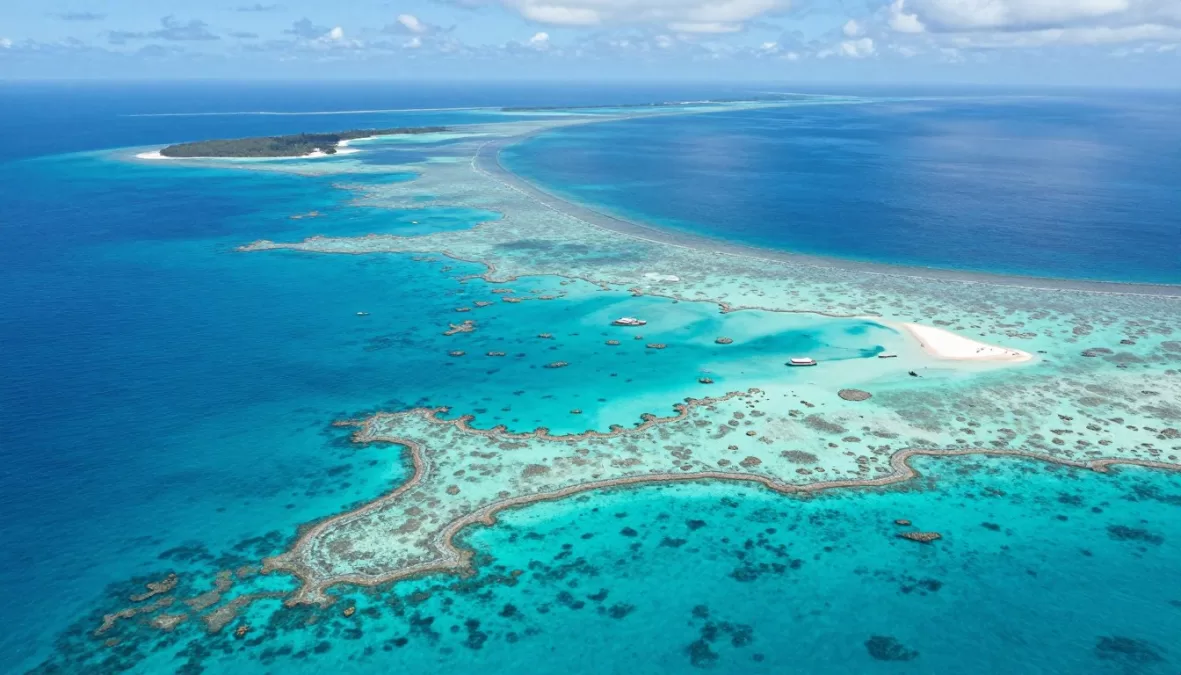
The Great Barrier Reef stretches over two thousand kilometers along Australia’s coast. This living structure can be seen from space. It represents one of the most beautiful places on Earth above and below water.
The reef system contains nearly three thousand individual reefs. These coral formations support extraordinary biodiversity. Scientists estimate over fifteen hundred fish species call the reef home.
Coral polyps built this natural wonder over millions of years. Each tiny organism contributes to the massive structure. The result creates habitat for countless marine species.
Snorkeling and Diving Paradise
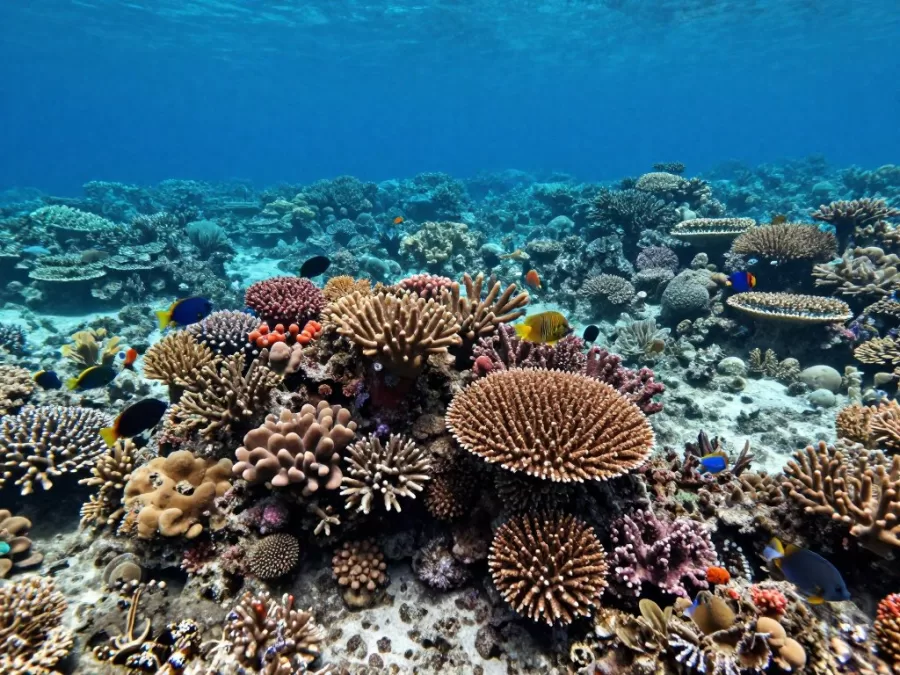
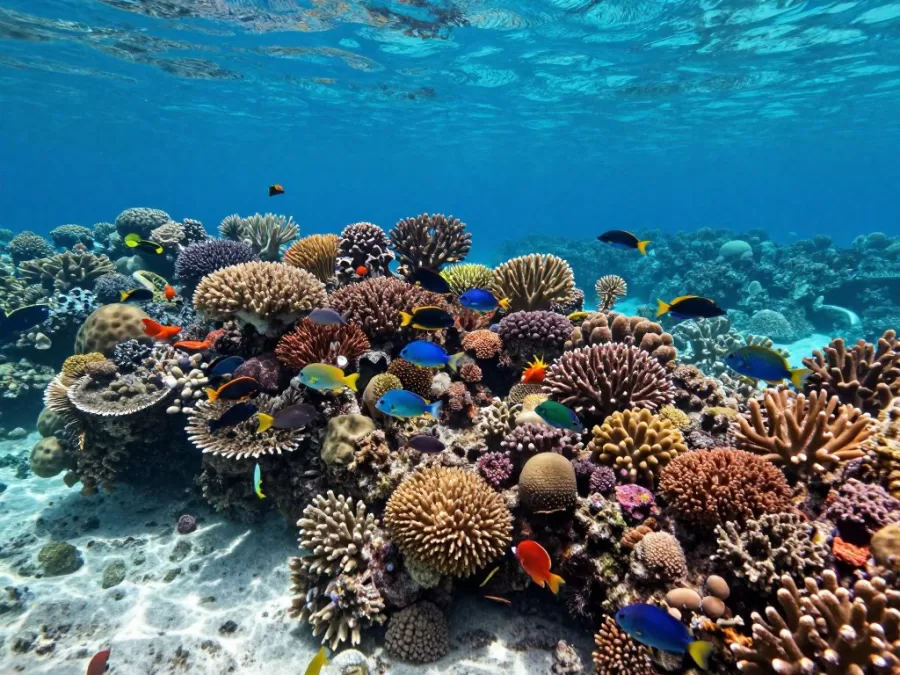
Snorkeling reveals the reef’s beauty to everyone. Clear water provides visibility for dozens of meters. Coral formations rise from the seafloor in fantastic shapes.
Fish in every color imaginable dart through the coral. Parrotfish crunch on coral with their beak-like mouths. Angelfish glide gracefully between formations.
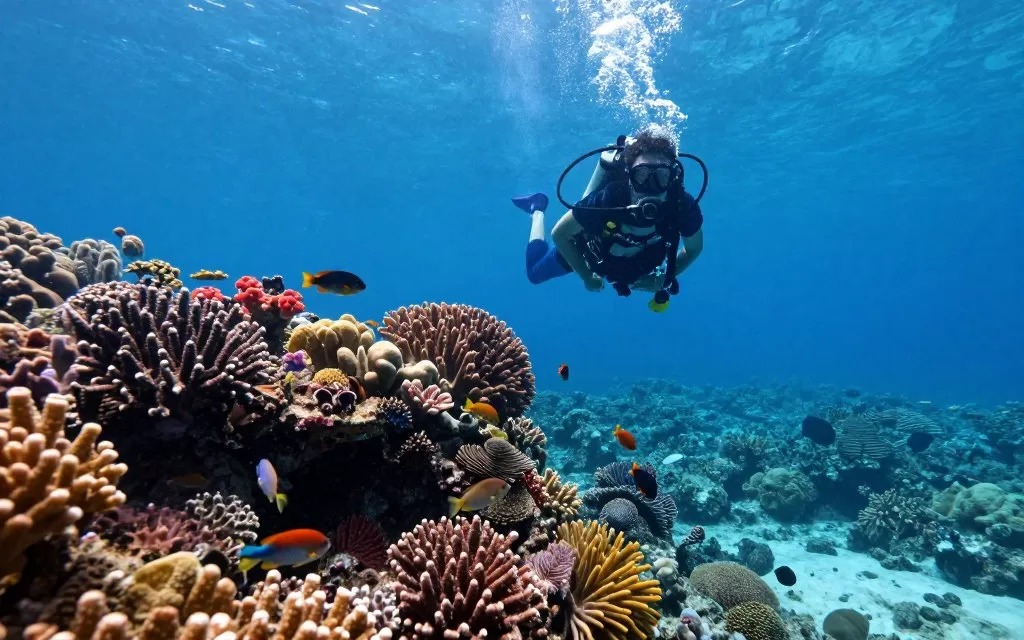
Diving allows exploration of deeper reef sections. Drop-offs plunge into blue depths. Larger species like sharks and rays patrol these deeper waters.
Marine Life Encounters
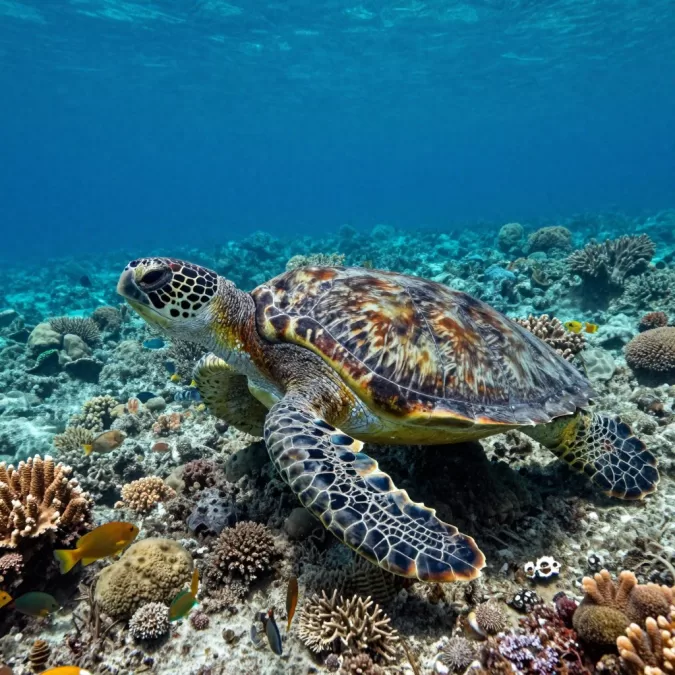
Sea turtles glide through the water with ancient grace. These gentle creatures surface regularly to breathe. Swimming alongside them creates unforgettable memories.
Manta rays soar through the water like underwater birds. Their wingspans can exceed five meters. Watching them feed on plankton showcases nature’s elegance.
During winter months, humpback whales migrate past the reef. These giants sing songs that carry through the water. Whale watching tours offer chances to observe them breaching.
Reef Highlights
- Over four hundred types of coral species
- Six species of sea turtles nesting on reef islands
- Hundreds of bird species on coral cays
- Giant clams weighing over two hundred kilograms
- Night diving revealing bioluminescent organisms
Island Paradises
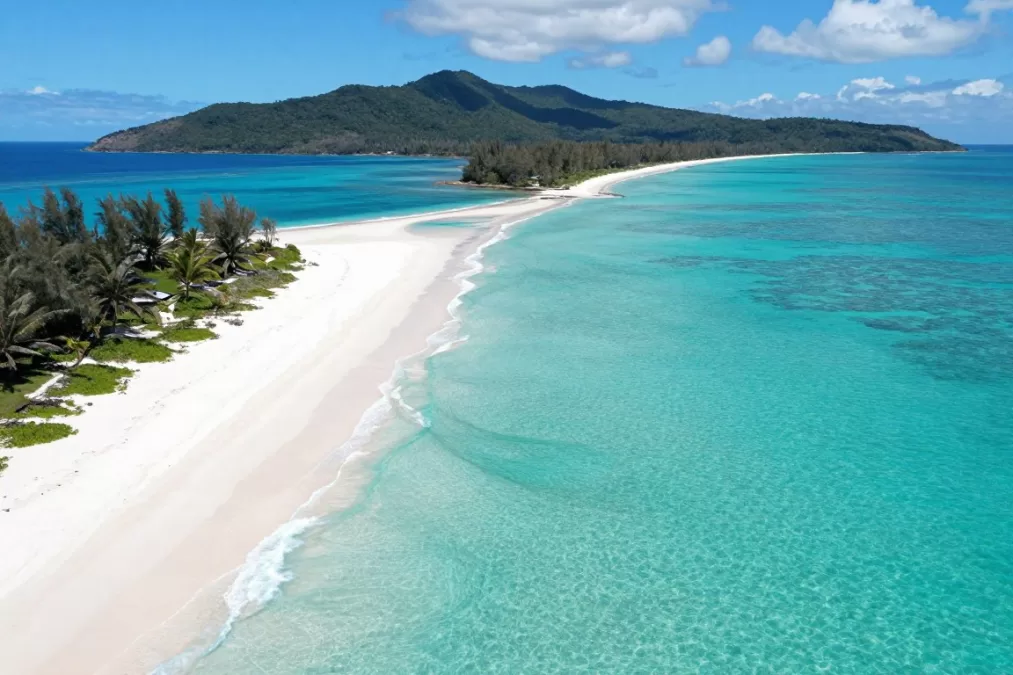
The Whitsunday Islands scatter across the reef region. These islands offer white sand beaches and resort amenities. Whitehaven Beach features sand so pure it squeaks underfoot.
Lady Elliot Island sits at the reef’s southern tip. This coral cay allows walking straight from the beach into the reef. Manta rays visit cleaning stations just offshore.
Lizard Island in the north provides exclusive luxury. Its beaches remain pristine and uncrowded. The island’s reef offers some of the reef system’s best diving.
Heart Reef and Natural Wonders
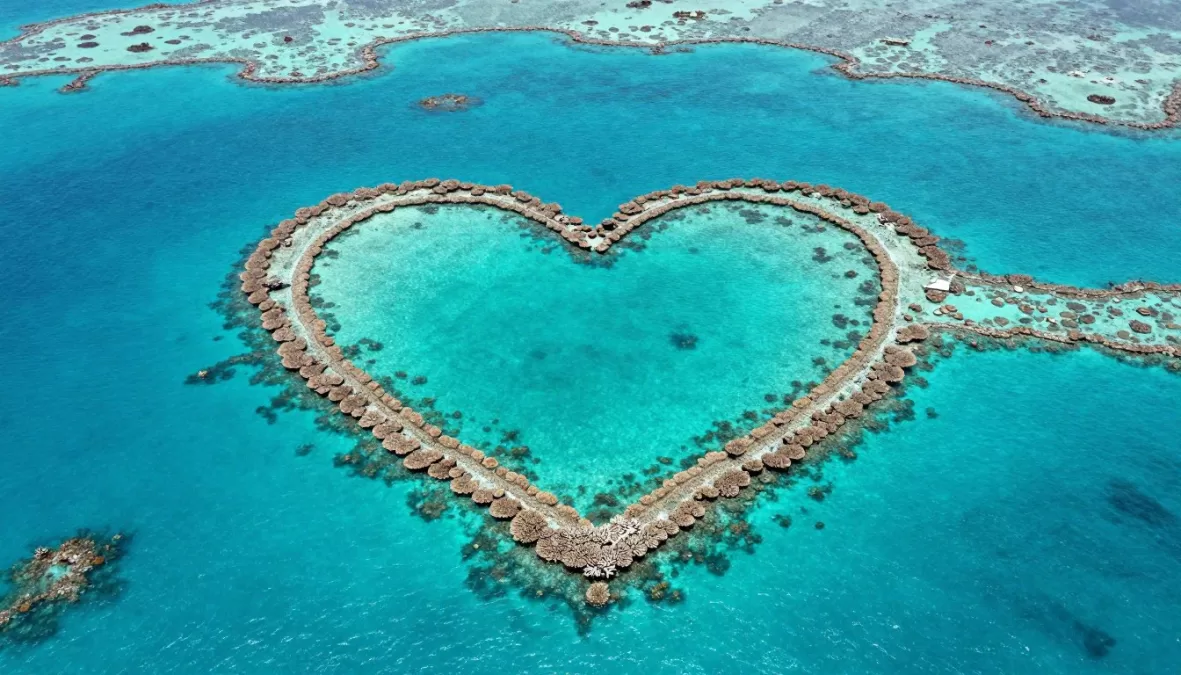
Heart Reef formed naturally in the shape of a heart. This coral formation has become a reef icon. Scenic flights offer the only way to view it from above.
The reef creates its own weather patterns. Clouds form over the warm water. These patterns make the reef visible from space.
Tidal movements expose reef flats at low tide. Rock pools team with trapped marine life. Exploring these pools reveals creatures normally hidden underwater.
Conservation and Future
The reef faces challenges from climate change and ocean warming. Coral bleaching events have damaged sections. Conservation efforts work to protect and restore the reef.
Scientists study the reef constantly to understand its needs. Marine parks protect critical areas. Sustainable tourism practices help minimize human impact.
Visiting the reef responsibly supports its preservation. Choosing reef-safe sunscreen protects coral health. Following guide instructions ensures minimal environmental disturbance. Future generations deserve to experience this natural wonder.
10. Machu Picchu, Peru: Ancient Wonder in the Clouds
The Lost City Revealed
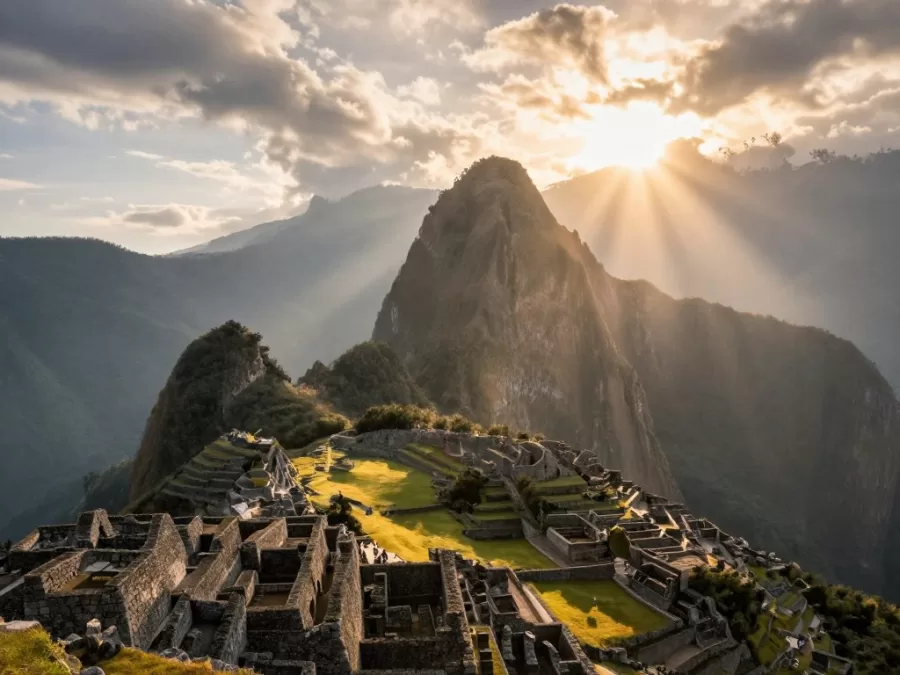
Machu Picchu sits high in the Andes Mountains of Peru. This ancient Inca city remained hidden from the world for centuries. Its discovery in 1911 revealed one of the most beautiful places on Earth.
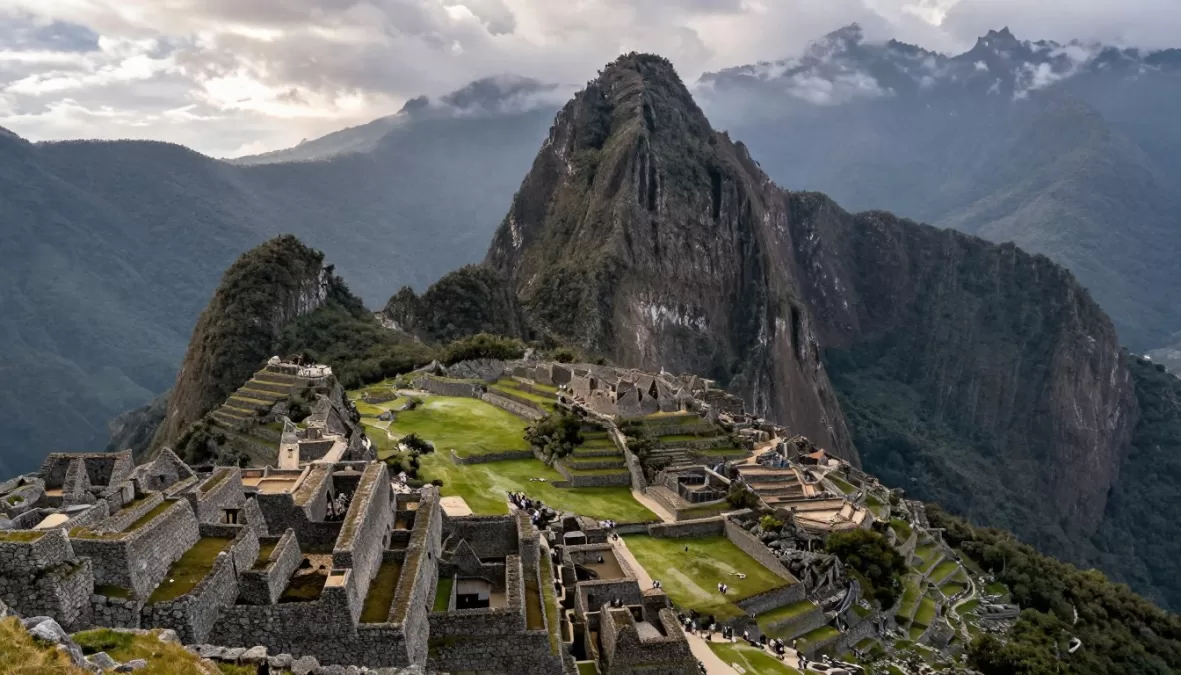
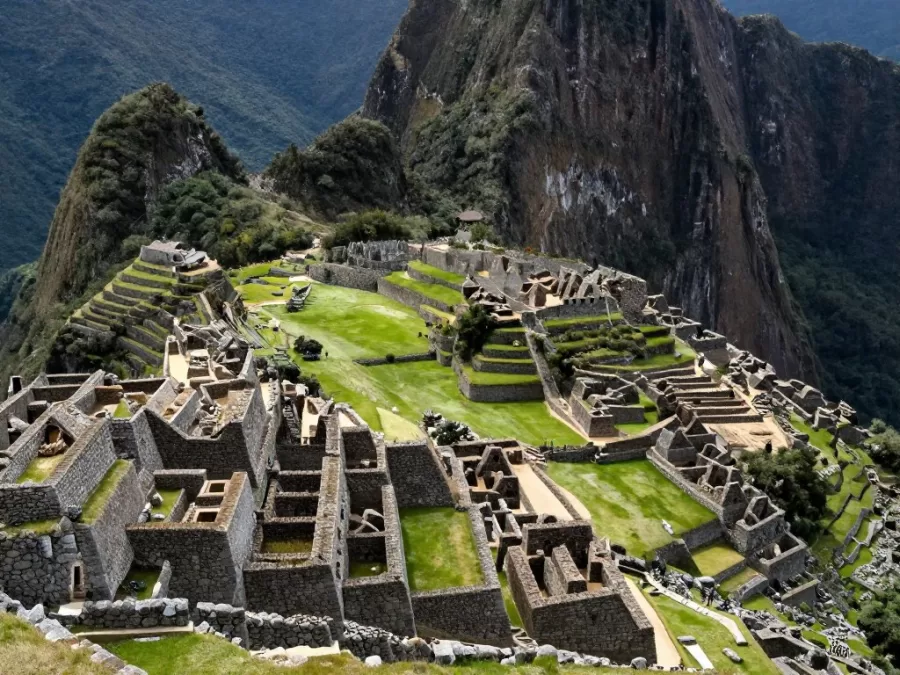
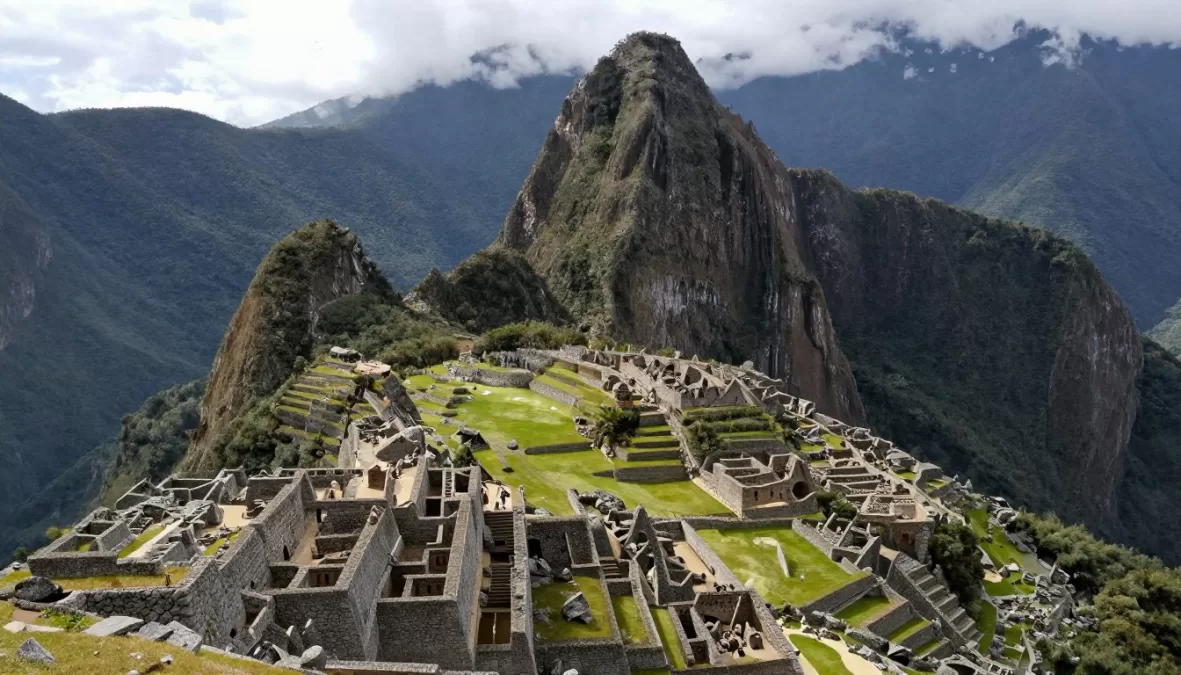
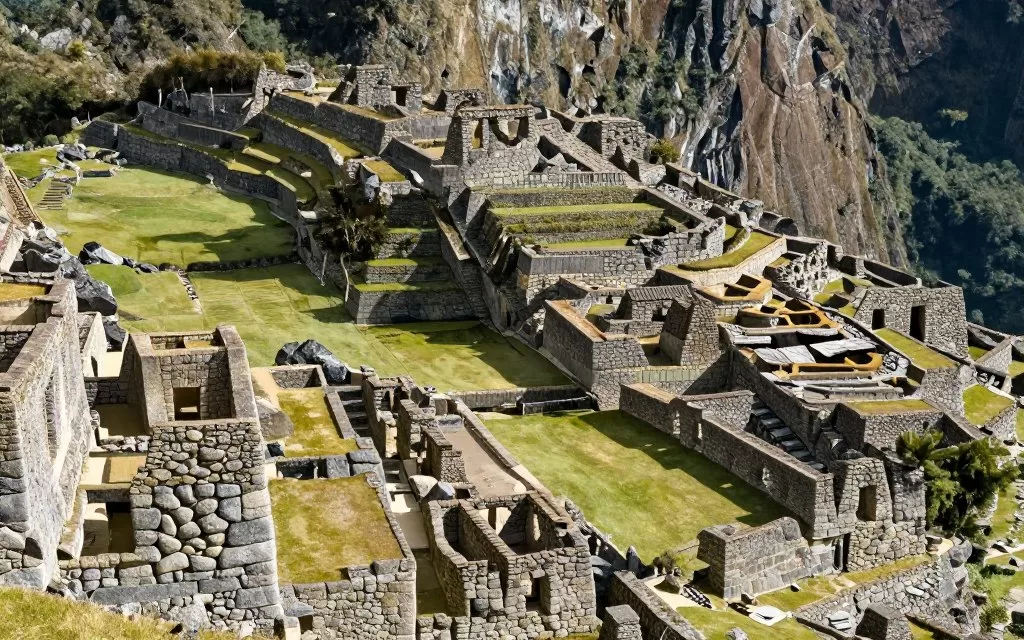
The city clings to a mountain ridge between two peaks. Terraces cascade down the steep slopes. Stone buildings fit together with precision that amazes engineers today.
Morning mist often shrouds the ruins in mystery. As the sun rises, the clouds lift to reveal the full scope. This moment of revelation never loses its power.
The Inca Engineering Marvel
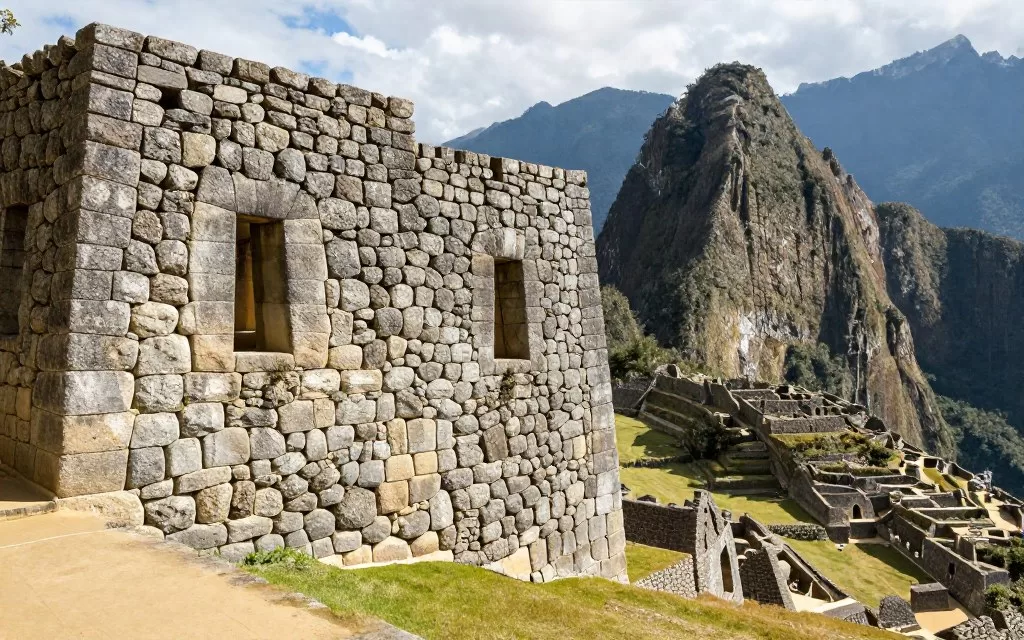
The Inca built Machu Picchu without modern tools or wheels. Stones fit together so tightly that no mortar was needed. This construction technique has survived earthquakes for centuries.
Agricultural terraces provided food for the city’s inhabitants. The irrigation system still functions today. Inca engineers understood water management with sophistication.
The Temple of the Sun aligns with astronomical events. Windows frame specific celestial occurrences. This demonstrates the Inca’s advanced astronomical knowledge.
The Journey to Machu Picchu
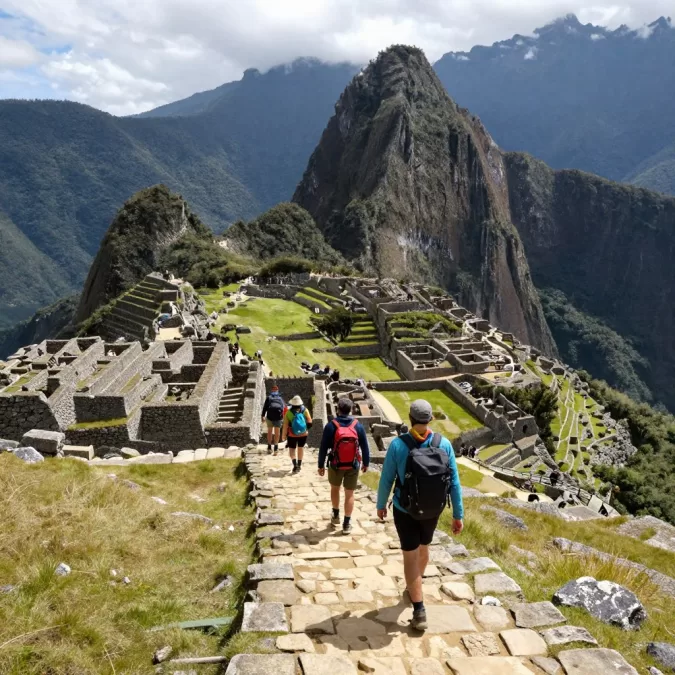
The Inca Trail represents the classic approach to Machu Picchu. This four-day trek follows ancient stone paths. The route crosses mountain passes over four thousand meters high.
Along the way, other Inca ruins dot the landscape. These sites show the extensive network that connected the empire. Each offers its own beauty and historical significance.
The Sun Gate provides the traditional first view of Machu Picchu. Hikers arrive at dawn after days of trekking. Seeing the city emerge from morning mist rewards every difficult step.
Exploring the Site
Huayna Picchu towers above the ruins. Climbing this peak offers aerial views of the entire city. The steep stairs carved into rock test your courage.
The agricultural sector showcases Inca farming innovation. Multiple climate zones existed within the terraces. This allowed cultivation of diverse crops.
Llamas wander freely through the ruins today. These animals share ancestry with those the Inca raised. Their presence adds authenticity to the experience.
The Sacred Valley Context
Machu Picchu sits within the larger Sacred Valley region. This valley held great importance to the Inca. Many archaeological sites spread throughout the area.
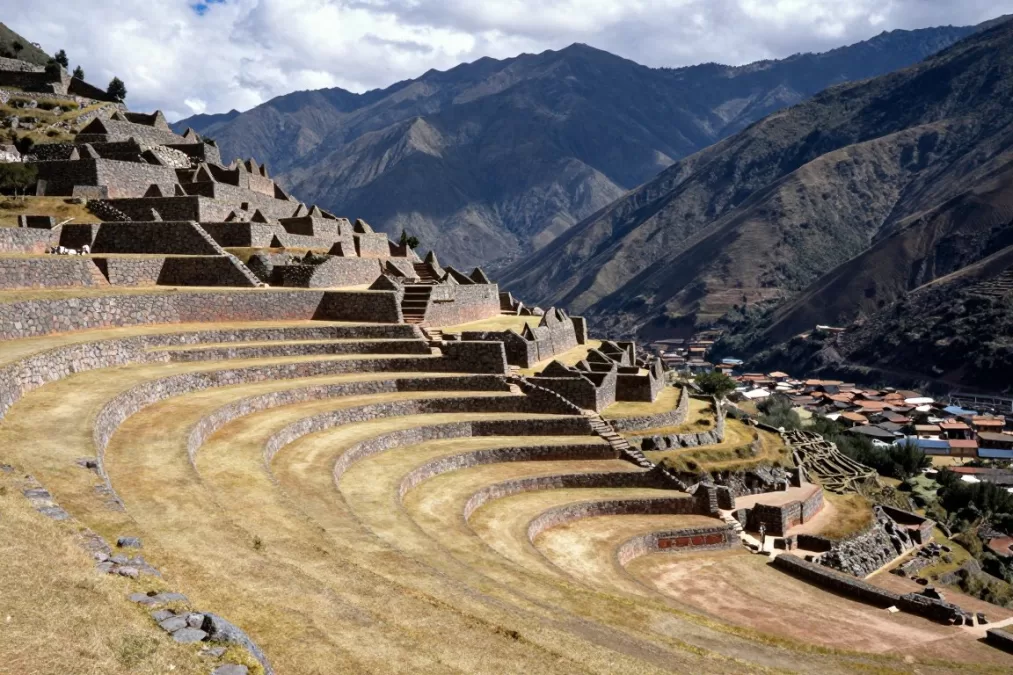
Ollantaytambo served as a royal estate and fortress. Its massive stone terraces rise in geometric precision. The town below maintains its original Inca street layout.
Pisac combines Inca ruins with a vibrant modern market. The hilltop site overlooks the valley. Agricultural terraces curve around the mountain in perfect symmetry.
Mystery and Purpose
Scholars still debate Machu Picchu’s exact purpose. Some believe it served as a royal retreat. Others suggest it held religious significance.
The city was abandoned before Spanish conquest. This preserved it from colonial destruction. The reason for abandonment remains unclear.
Many questions about the site persist. How did they move massive stones? What rituals occurred in the temples? These mysteries add to Machu Picchu’s allure.
Experiencing the Magic
Visiting at sunrise offers the most magical experience. Dawn light illuminates the ruins gradually. The crowds haven’t yet arrived, creating moments of solitude.
Exploring the site takes several hours. Each sector reveals new details and perspectives. The integration of architecture with landscape demonstrates Inca genius.
Standing in the main plaza looking toward Huayna Picchu creates an unforgettable moment. This view has become iconic worldwide. Yet experiencing it in person transcends any photograph.
Preservation for the Future
UNESCO designated Machu Picchu a World Heritage Site. This recognition brings responsibility for preservation. Visitor numbers are carefully controlled to protect the site.
Conservation work continues throughout the year. Experts monitor the structures for stability. Preventive measures protect against erosion and damage.
Sustainable tourism practices ensure Machu Picchu survives for future generations. Respecting the site’s rules helps preserve its integrity. This ancient wonder deserves protection so others can experience its beauty for centuries to come.
Conclusion: Earth’s Beauty Awaits Your Discovery
The most beautiful places on Earth showcase nature’s incredible diversity. From tropical islands to snow-capped mountains, our planet offers endless wonder. Each destination provides unique experiences and unforgettable views.
These ten locations represent just a fraction of Earth’s beauty. Countless other destinations deserve recognition. The world holds more stunning places than any single list can capture.
Travel transforms how we see our world and ourselves. Experiencing these beautiful places creates memories that last forever. The time invested in reaching them pays dividends in joy and inspiration.
Planning your journey to these destinations requires research and preparation. Each location has optimal visiting times and unique considerations. Understanding these details ensures the best possible experience.
Responsible travel helps preserve these places for future generations. Respecting local cultures and environments protects what makes destinations special. Our actions as travelers impact the places we love.
Life feels richer when filled with experiences in beautiful places. The memories created during travel provide joy long after returning home. These destinations remind us of the planet’s majesty and our place within it.
Start planning your journey today. Research your preferred destinations thoroughly. Book accommodations and transportation with reputable providers. Prepare for the adventure of exploring the most beautiful places on Earth.
Your Adventure Begins Now
Download Travel Resources

Get our complete collection of destination guides, packing lists, budget planners, and insider tips. Everything you need to plan the perfect trip to the world’s most beautiful places.
- Comprehensive destination guides
- Customizable packing checklists
- Budget planning templates
- Photography location guides
Start Booking Your Trip

Ready to turn dreams into reality? Our trusted travel partners offer the best deals on flights, hotels, and experiences. Compare prices, read verified reviews, and book with confidence.
- Compare top travel providers
- Exclusive member discounts
- Flexible cancellation policies
- 24/7 customer support
Join Our Travel Community

Connect with thousands of travelers sharing tips, photos, and stories. Get real-time advice, discover hidden gems, and find travel companions for your next adventure.
- Weekly travel inspiration emails
- Exclusive community discounts
- Member photo competitions
- Live Q&A with travel experts
Ready to explore? The world’s most beautiful places await your discovery. Whether you’re seeking adventure in Patagonia, relaxation in the Maldives, or culture at Machu Picchu, your perfect destination is out there. Start planning today and create memories that will last a lifetime. Our planet’s beauty is meant to be experienced, not just admired from afar.

Priyanka Pandey
Senior Research Editor · Top10Sense
Priyanka specializes in tech, consumer products, and digital trends. She combines hands-on testing, vendor interviews, and database research to create trustworthy “Top 10” rankings. Her work has been referenced by industry blogs and brand report pages.