
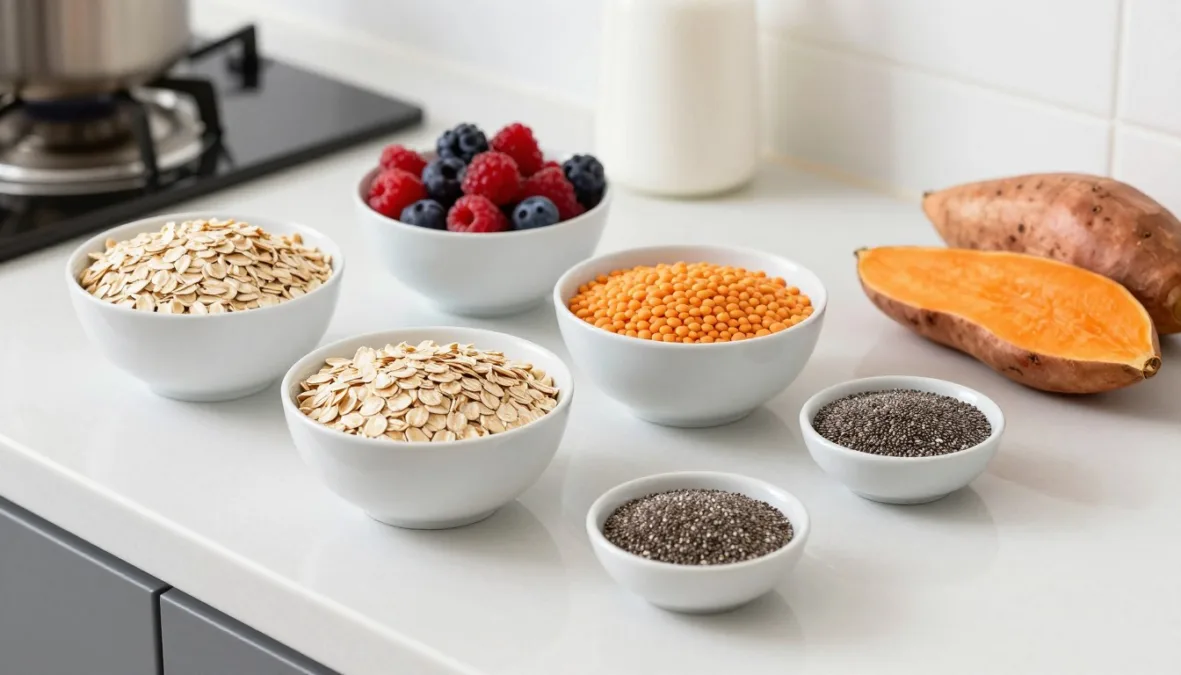
Maintaining digestive comfort and vitality in later years depends heavily on selecting the right nutrient-dense meals. Incorporating gentle, high fiber foods for seniors helps support regular bowel movements, steady cardiovascular function, and balanced blood sugar levels. Wholesome staples such as soft-cooked legumes, tender grains, and stewed produce deliver these essential benefits without irritating sensitive digestive tracts.
Individual nutritional requirements shift over time due to metabolic rates, dental health, physical activity, and existing health conditions. Choosing foods that are affordable, soft in texture, and simple to prepare allows older adults to nourish their bodies with confidence. A thoughtful, gradual approach to daily nutrition creates a dependable foundation for lasting digestive health.
Understanding Dietary Fiber for Older Adults
Dietary fiber consists of non-digestible plant carbohydrates that travel through the gastrointestinal tract, providing physical structure and nourishment for beneficial gut flora. As people age, digestive motility naturally slows down, making the physical presence of dietary bulk vital for maintaining healthy transit times.
Fiber functions in two primary forms, each playing a distinctive role in the body. Soluble fiber dissolves in water to form a gel-like substance inside the gut, which slows carbohydrate digestion and assists in moderating blood glucose spikes. It also binds to bile acids in the intestine, helping the body clear excess cholesterol to support overall heart health. In contrast, insoluble fiber does not dissolve; it attracts moisture into the stool and adds bulk, which stimulates the intestinal wall and promotes timely, predictable bowel movements.
- Forms a smooth gel in the digestive tract to soften stools.
- Slows sugar absorption to assist with blood sugar management.
- Helps bind cholesterol components to promote cardiovascular wellness.
- Commonly found in oats, beans, lentils, peeled apples, and peas.
Soluble Fiber Qualities
- Adds structural bulk to waste to stimulate bowel contractions.
- Accelerates transit time to reduce sluggish digestion.
- Maintains its form through the stomach and small intestine.
- Abundant in whole grains, root vegetable peels, seeds, and greens.
Insoluble Fiber Qualities
Balancing both types of fiber supports comprehensive gastrointestinal wellness. A harmonious mix helps prevent hard stools while avoiding sudden digestive irritation, making daily meals both comforting and nutritionally complete.
Daily Fiber Recommendations and Hydration Guidelines
Establishing an appropriate daily fiber intake provides clear guidance for meal planning, though individual targets vary based on age, sex, and medical history. The Dietary Guidelines for Americans, supported by the U.S. Department of Agriculture and the Academy of Nutrition and Dietetics, outline baseline targets for older adults.
General dietary recommendations suggest that women aged 51 and older aim for approximately 21 grams of dietary fiber per day, while men aged 51 and older should target roughly 30 grams per day. Because these figures represent population-level averages, personal health parameters, metabolic rates, and activity levels may alter ideal daily fiber targets. Working with a registered dietitian or physician provides personal clarity.
Increase dietary fiber gradually over several weeks rather than all at once. Rapidly adding large amounts of roughage can overwhelm the colon, triggering uncomfortable gas, abdominal cramping, and bloating. Adding small portions of soft legumes or cooked fruits every few days gives gut microflora sufficient time to adjust comfortably.
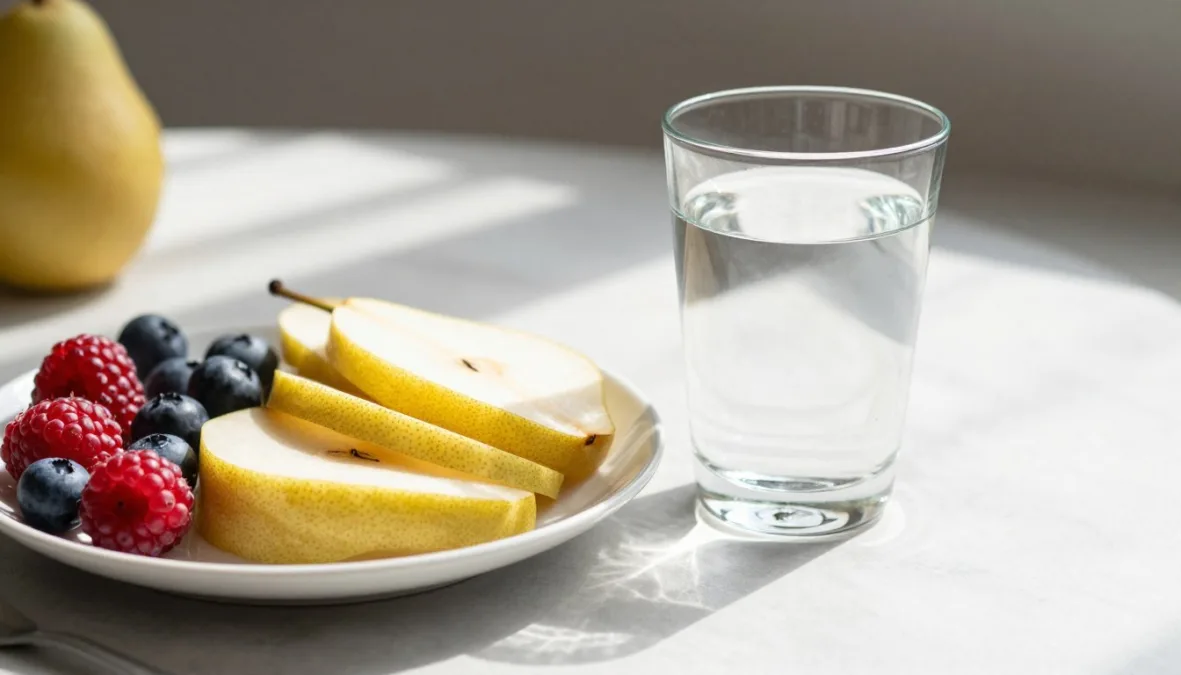
Adequate fluid intake is essential whenever fiber intake increases. Soluble and insoluble fiber require moisture to expand, soften waste, and move efficiently through the intestines. Drinking water, low-sodium broth, or herbal teas throughout the day keeps stool pliable and prevents digestive blockages.
Top 10 High Fiber Foods for Seniors
The best fiber-rich foods for older adults are budget-friendly, easily accessible in conventional grocery stores, simple to chew, and adaptable to various cooking styles. The following ten foods supply significant dietary fiber along with essential vitamins, minerals, and antioxidants.
-
Cooked Oatmeal
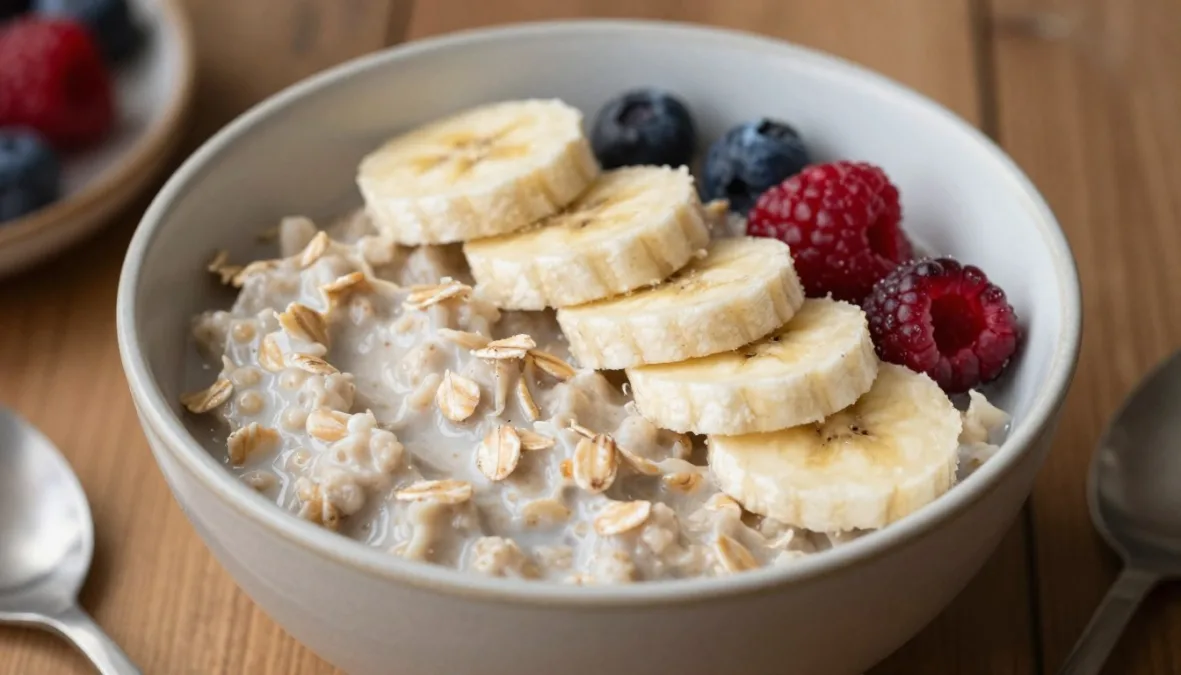
Serving size: 1 cup cooked. Estimated fiber content: 4 grams. Oatmeal is an exceptional source of beta-glucan, a soluble fiber that aids in cholesterol regulation and stabilizes morning blood glucose. Prepare rolled or quick oats with warm milk or fortified plant milk until creamy, stirring in ground cinnamon or mashed ripe bananas for natural sweetness without chewing strain.
-
Cooked Lentils
Serving size: 1/2 cup cooked. Estimated fiber content: 8 grams. Lentils deliver substantial folate, plant-based protein, iron, and potassium to support muscle maintenance and red blood cell production. Simmer brown or red lentils in a vegetable soup or mash them into soft sandwich spreads, which completely eliminates chewing resistance.
-
Chia Seeds
Serving size: 2 tablespoons. Estimated fiber content: 10 grams. These tiny seeds are dense with omega-3 fatty acids, calcium, and soluble mucilage fiber that supports joint and gut health. Stir chia seeds into yogurt, warm porridge, or applesauce, allowing them to soak for several minutes until soft and gel-like to eliminate choking hazards.
-
Ripe Pears
Serving size: 1 medium pear. Estimated fiber content: 5.5 grams. Pears contain both soluble pectin and insoluble fiber, alongside vitamin C and copper to support immune defense. Choose soft, fully ripe varieties such as Bartlett or d’Anjou, peel them if swallowing is difficult, or gently poach pear slices in warm water with a touch of vanilla.
-
Cooked Black Beans
Serving size: 1/2 cup cooked. Estimated fiber content: 7.5 grams. Black beans provide complex carbohydrates, magnesium, and anthocyanin antioxidants that support cardiovascular vitality. Rinse canned low-sodium beans thoroughly, then simmer and mash them into smooth refried beans or blend them into hearty, warm vegetable purees.
-
Baked Sweet Potatoes
Serving size: 1 medium sweet potato. Estimated fiber content: 4 grams. Packed with provitamin A carotenoids, vitamin B6, and potassium, sweet potatoes support vision and blood pressure stability. Bake until the flesh is thoroughly tender and fluffy, scoop out the interior, and mash with a small pat of butter or olive oil for effortless eating.
-
Green Peas
Serving size: 1/2 cup cooked. Estimated fiber content: 4.5 grams. Green peas contain lutein and zeaxanthin for eye health, along with vitamins C and K to maintain bone structure. Cook frozen tender sweet peas in broth until very soft, or blend them into a creamy split pea soup that requires zero chewing effort.
-
Stewed Apples
Serving size: 1 cup sliced, stewed, or unsweetened applesauce. Estimated fiber content: 4 grams. Apples offer pectin fiber and polyphenol compounds that nurture beneficial intestinal bacteria and promote regular elimination. Simmer peeled apple wedges on the stovetop until fork-tender, creating a soothing compote that pairs wonderfully with breakfast or dessert.
-
Cooked Carrots
Serving size: 1 cup sliced, cooked. Estimated fiber content: 4.7 grams. Steamed or boiled carrots provide beta-carotene, biotin, and gentle dietary fiber that supports mucosal lining integrity. Steam carrot rounds until completely soft, or roast them with mild herbs and purée them into velvety dinner sides.
-
Raspberries
Serving size: 1 cup fresh or thawed frozen. Estimated fiber content: 8 grams. Raspberries offer one of the highest fiber-to-calorie ratios among fruits, carrying abundant vitamin C and protective flavonoids. Thaw frozen raspberries into a soft fruit sauce to spoon over cottage cheese, or blend them into smooth shakes to avoid seed discomfort.

Adapting Fiber for Common Senior Eating Challenges
Nutritional needs must always align with practical daily realities. Many older individuals encounter physical obstacles such as dental discomfort, diminished appetite, sensitive digestive systems, or limited physical energy for complex food preparation.
Adjusting the physical texture of wholesome foods allows seniors to enjoy high-fiber benefits without discomfort or mealtime fatigue. Pureeing, mashing, and slow-simmering soften rigid plant fibers, making them gentle on sensitive palates and easy on the digestive tract.
| Challenge | Meal Adjustment | Preparation Method |
| Chewing Strain | Mashed legumes | Simmer beans or lentils until tender, then mash thoroughly with broth. |
| Chewing Strain | Stewed fruits | Peel and poach apples or pears until they yield effortlessly to a spoon. |
| Low Appetite | Nutrient mix | Stir chia seed gel or ground flax directly into small bowls of yogurt. |
| Sensitive Gut | Pureed soups | Blend cooked peas and carrots into smooth broths to reduce gas potential. |
| Low Energy | Canned staples | Use low-sodium canned beans or frozen vegetables that need only quick warming. |
Focusing on smaller, frequent meals throughout the day prevents feelings of fullness from interfering with complete nutrition. Spreading fiber across four or five mini-meals maintains steady digestion and consistent energy levels.

Important Safety Notes and Medical Considerations
While dietary fiber provides significant health benefits, major changes to everyday meal patterns must be managed with care. Underlying medical conditions common in older age can alter how the body processes carbohydrates, fluids, and bulk minerals.
Individuals experiencing swallowing difficulties, clinically known as dysphagia, must avoid dry grains, coarse bran cereals, and loose seeds that pose aspiration risks. Modifying textures with thickeners, blending foods into uniform purées, and following speech pathologist guidelines protects airway safety during meals.
Consult a qualified healthcare professional or registered dietitian before making substantial adjustments to fiber intake. Clinical oversight is critical for individuals managing chronic kidney disease, inflammatory bowel disease, active diverticulitis flare-ups, or severe diabetes requiring strict carbohydrate timing.
High fiber intake can also influence how the body absorbs specific prescription medications, including thyroid hormone replacements, cardiac glycosides, and certain mood stabilizers. Healthcare providers can provide guidance on spacing medications several hours away from fiber-rich meals to avoid interference with therapeutic drug levels.
Frequently Asked Questions About Dietary Fiber for Seniors
How does increasing fiber intake help prevent constipation in older adults?
Dietary fiber absorbs moisture in the digestive tract, increasing stool volume and softening its texture. This added bulk gently stimulates the intestinal muscles, encouraging smooth and regular bowel movements without harsh straining.
Can fiber supplements replace whole high-fiber foods in a senior diet?
Fiber supplements can assist when whole foods are temporarily difficult to consume, but they lack the complete package of vitamins, minerals, and antioxidants found in natural produce. Whole foods provide diverse fiber types that nourish gut microflora more effectively than isolated supplements.
What is the best way to prevent gas and bloating when eating more beans?
Rinsing canned beans thoroughly under running water removes gas-producing oligosaccharide starches from the canning liquid. Starting with small portions of two tablespoons and mashing the beans into soups allows digestive enzymes to adapt gradually.
How much fluid is needed when adding fiber to daily meals?
Fluid intake should match fiber expansion, with water, clear broths, and herbal teas consumed regularly throughout the day. Unless a physician has prescribed a strict fluid restriction for heart or kidney reasons, consistent hydration keeps digestive transit smooth.
Are raw vegetables or cooked vegetables better for older digestive systems?
Cooked vegetables are generally easier for older adults to chew, swallow, and digest than crunchy raw varieties. Cooking softens tough cellulose cell walls, reducing mechanical strain on teeth and decreasing the likelihood of stomach discomfort.
Building a Sustainable High-Fiber Routine
Incorporating gentle, fiber-dense foods into daily meals offers a dependable way to support bowel regularity, cardiovascular strength, and sustained metabolic balance. Transitioning slowly with soft-cooked grains, tender legumes, and stewed produce allows the digestive tract to thrive comfortably. Simple culinary adjustments transform wholesome nutrition into an enjoyable, manageable part of everyday life.

Priyanka Pandey
Senior Research Editor · Top10Sense
Priyanka specializes in tech, consumer products, and digital trends. She combines hands-on testing, vendor interviews, and database research to create trustworthy “Top 10” rankings. Her work has been referenced by industry blogs and brand report pages.