
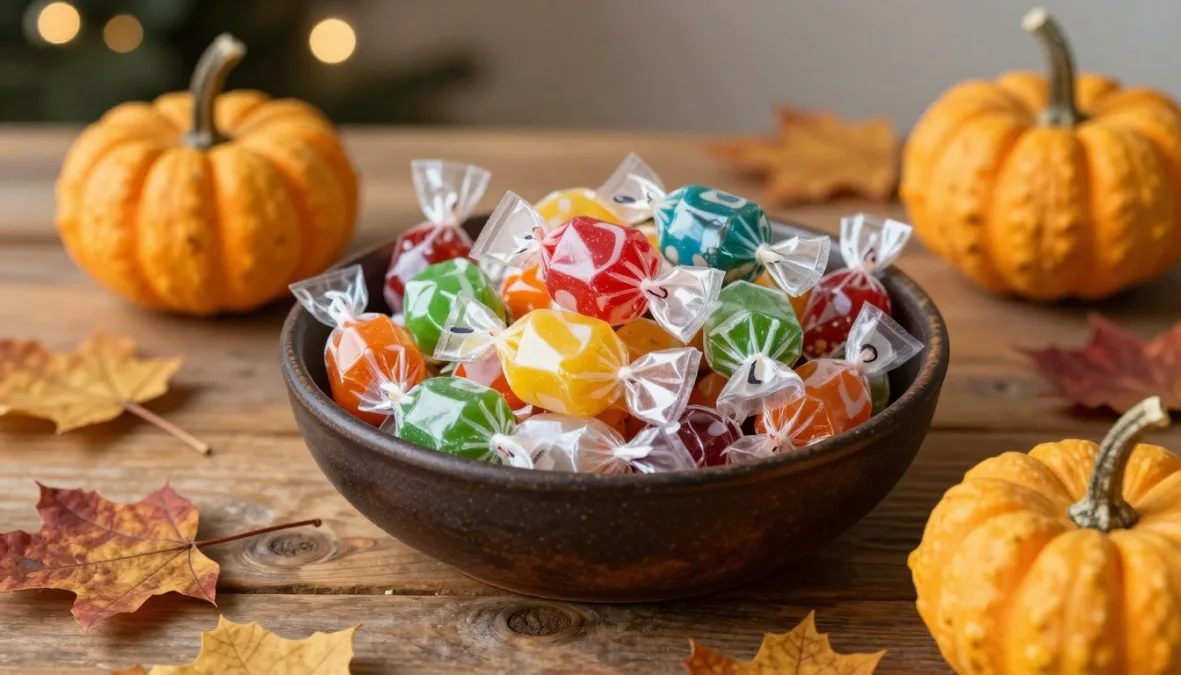
The strongest contenders for America’s favorite holiday treats combine recognizable brand heritage, balanced sweet or tart flavor notes, and convenient individually wrapped portions. Consumer retail behavior shows an enduring national preference for milk chocolate treats paired with peanut butter, followed closely by chewy fruit-flavored sweets and crisp wafer combinations. Looking ahead to the fall season, these staples form the core of household bowls across the country.
Choosing the ideal assortment depends on trick-or-treater demographics, household budget, and the balance between classic chocolate varieties and tart fruit options. Preparing an appealing handout lineup requires balancing timeless crowd favorites with dietary awareness and proper packaging. A balanced selection keeps both neighborhood visitors and household members satisfied throughout the autumn festivities.
Methodology and Confectionery Projections for 2026
Understanding which confections capture the top spots requires examining multi-year retail shipment reports, scanner data from major grocery chains, and annual consumer sentiment surveys. Historical data provided by trade organizations such as the National Confectioners Association offers a steady baseline of consumer purchasing patterns across the United States. Projected trends for the 2026 autumn season evaluate five-year retail sales curves, inflationary packaging shifts, and regional search interest.
Projected standings for the 2026 season combine verified multi-year wholesale volume figures with forward-looking consumer survey indicators. While individual retail volumes fluctuate leading up to October, historical demand establishes the baseline rankings for core brands.
Confectionery manufacturers structure production schedules well in advance, relying on bulk orders placed by national retail distributors. Seasonal projections distinguish established long-term volume leaders from emerging viral novelties that see temporary spikes in autumn interest. Tracking both continuous yearly chocolate sales and seasonal non-chocolate spikes provides a dependable framework for forecasting holiday performance.
1. Reese’s Peanut Butter Cups
Reese’s Peanut Butter Cups remain the dominant confection in the American Halloween landscape. The classic combination of salted peanut butter surrounded by smooth milk chocolate delivers a distinct sweet and savory balance that appeals across all age groups. In addition to standard miniature cups, the seasonal pumpkin-shaped variants enjoy immense popularity due to an elevated peanut butter-to-chocolate ratio.
- Signature flavor profile pairs rich, salty peanut filling with sweet outer milk chocolate.
- Seasonal pumpkin cutouts provide a softer texture without the rigid crimped edge.
- Snack size and miniature wrappings make distribution hygienic and simple.
Household trick-or-treat bowls frequently feature these cups as the primary draw for neighborhood visitors. Retail tracking indicates that variety bags containing peanut butter cups consistently sell out earlier than single-flavor alternatives. Their established presence across school events, trunk-or-treat gatherings, and doorstep bowls solidifies their position at the top of national holiday rankings.
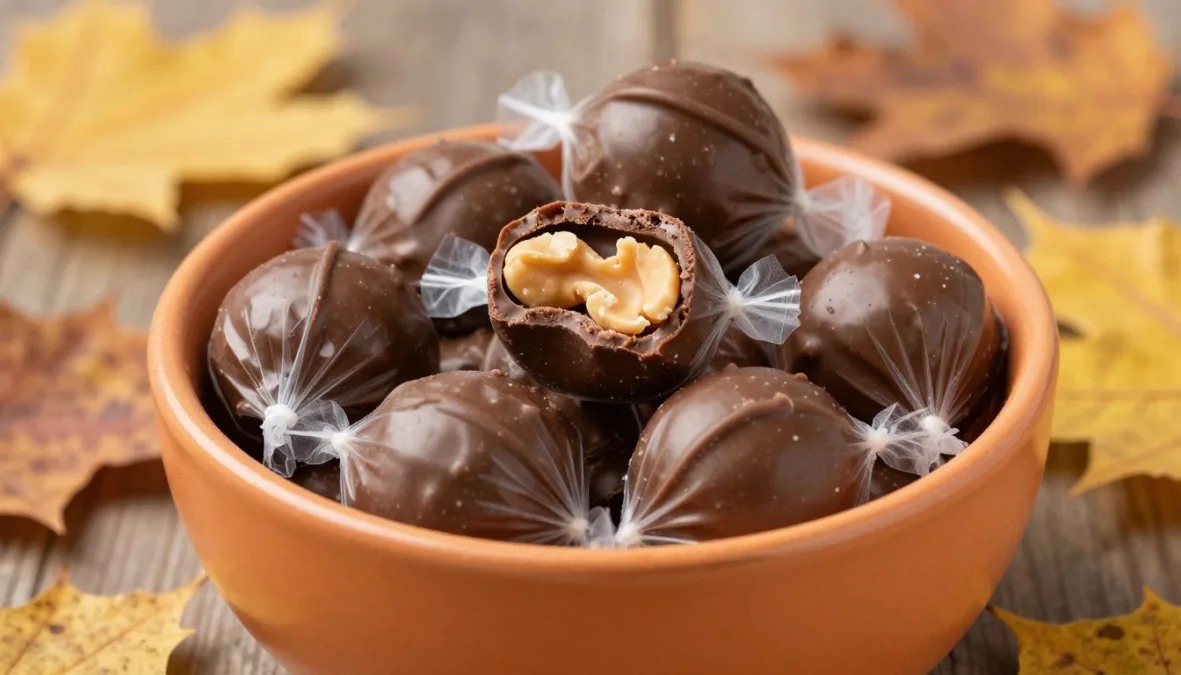
2. M&M’s Plain and Peanut
M&M’s secure an enduring secondary position through unmatched versatility and universal household familiarity. The candy shell provides a signature crunch that shields the interior chocolate from softening during mild autumn evenings. Both the classic milk chocolate and whole peanut variations rank among the fastest-moving items on grocery shelves during the autumn holiday ramp-up.
| Variety | Core Filling | Handout Appeal |
| Milk Chocolate | Solid Cocoa | Classic smooth bite favored by younger trick-or-treaters. |
| Peanut | Whole Roasted Nut | Substantial crunch that balances sweetness with savory roasted notes. |
| Crispy | Toasted Rice Center | Lightweight textured alternative popular in mixed variety bags. |
Fun size pouches allow for rapid distribution while keeping portion sizes moderate for younger children. The hard sugar coating also prevents chocolate from transferring onto costumes and hands during neighborhood walks. Their broad demographic reach and long shelf stability keep them as an essential backbone for household candy supplies.
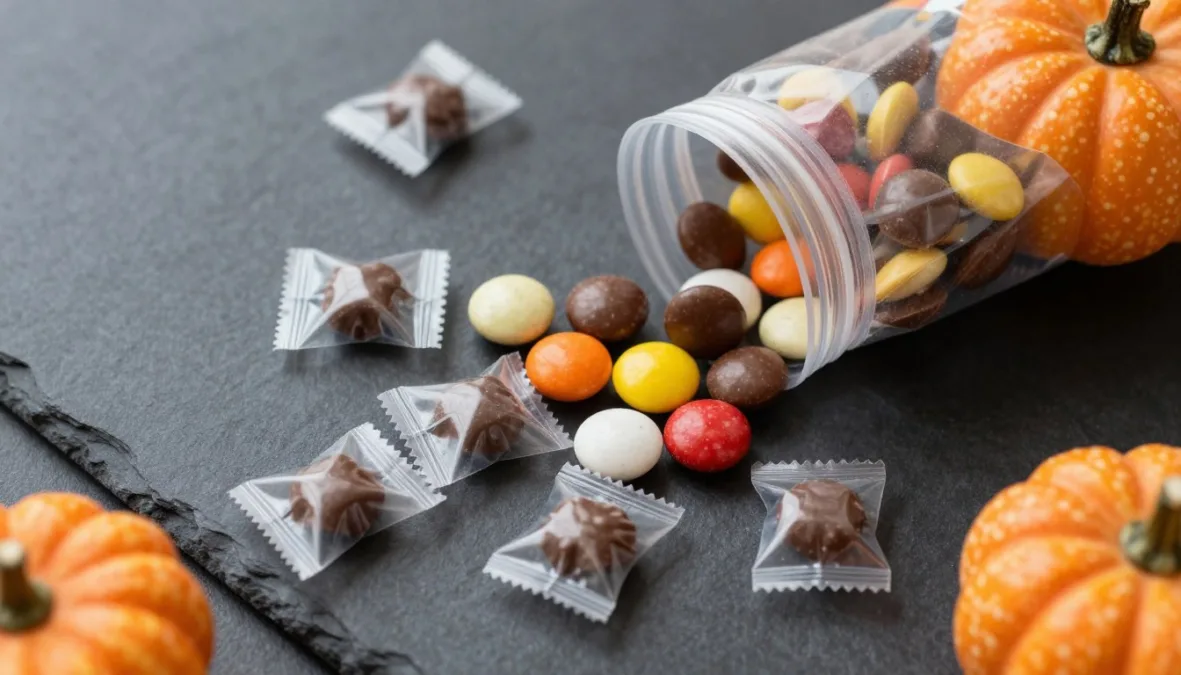
3. Skittles
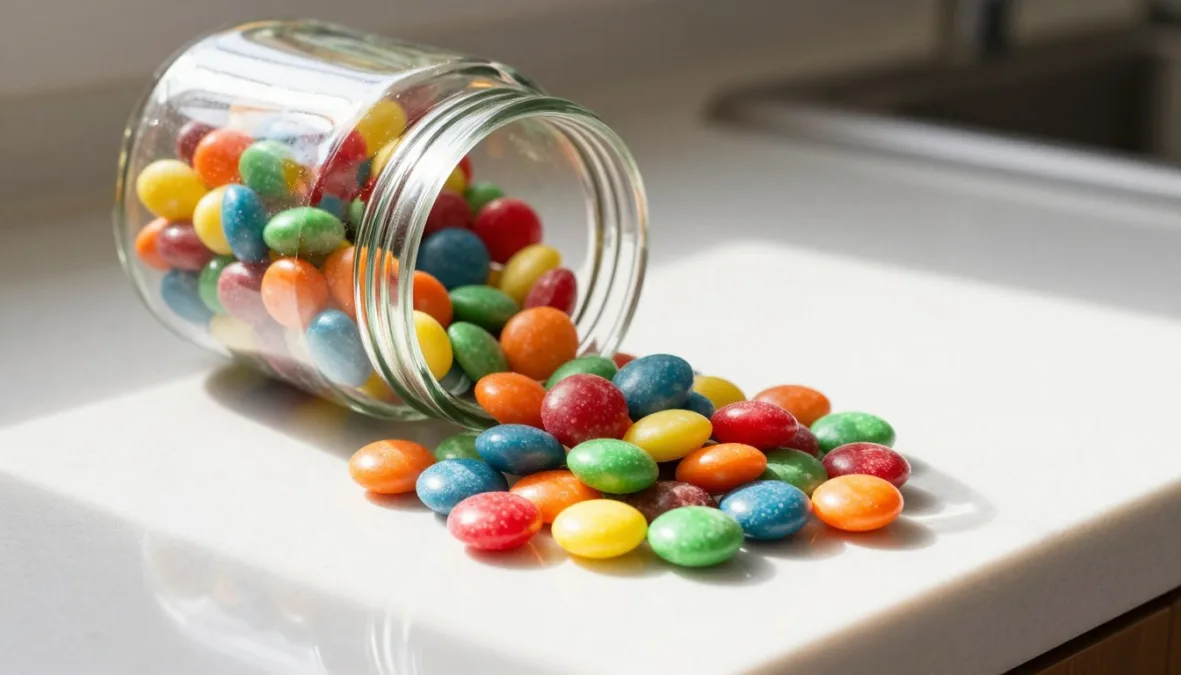
Skittles represent the leading non-chocolate confectionery choice for autumn festivities across North America. The brightly colored, fruit-flavored chews offer an alternative for children and adults who prefer vibrant acidity over rich cocoa. Fun size pouches typically include the original lineup of strawberry, lemon, green apple, orange, and grape flavors.
Advantages
- Completely free from peanut and tree nut ingredients, supporting safer classroom handouts.
- Bite-sized format delivers high flavor variety within each miniature bag.
- Resilient to ambient temperature changes without melting in treat sacks.
Limitations
- Chewy texture can adhere to dental work and sensitive teeth.
- Contains high sugar concentration without protein or dietary fats.
Their substantial presence in variety packs provides necessary balance against heavier chocolate bars. Children often use individual pieces as bargaining chips during post-trick-or-treat candy trading sessions. Continued strong demand across multiple retail channels keeps this chewy classic positioned high on the national confectionery board.
4. Snickers
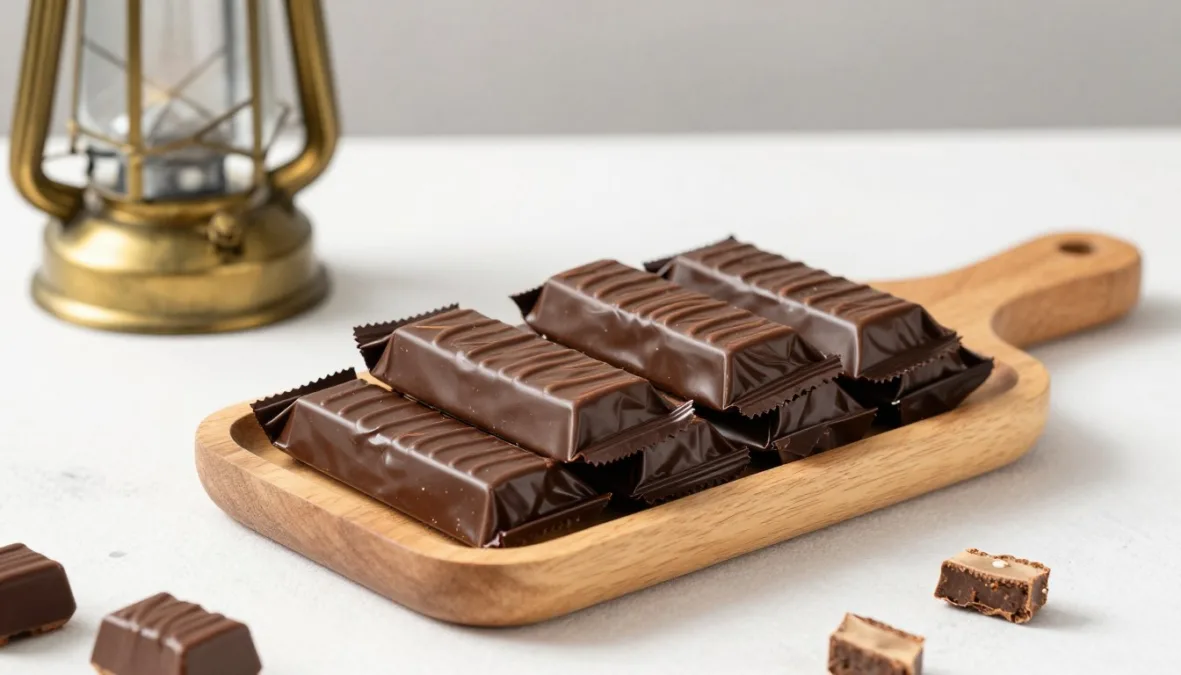
Snickers maintains a celebrated spot among full-bodied chocolate candy bars due to its multi-layered construction. Built with fluffy nougat, buttery caramel, and dense roasted peanuts enrobed in milk chocolate, it offers substantial texture and flavor complexity. The miniature and fun size bars replicate the balance of the standard bar in an easy-to-distribute format.
Snickers bars provide a hearty chew that sets them apart from smooth solid chocolates. The combination of savory roasted legumes and rich dairy caramel creates steady repeat purchases every fall season.
Neighborhood trick-or-treaters view these bars as high-value acquisitions in their holiday hauls. Homes offering fun size or full-size versions earn reputations for generosity among local families. Stable manufacturing distribution networks ensure that these bars remain widely accessible in every standard grocery store across the nation.
5. Sour Patch Kids
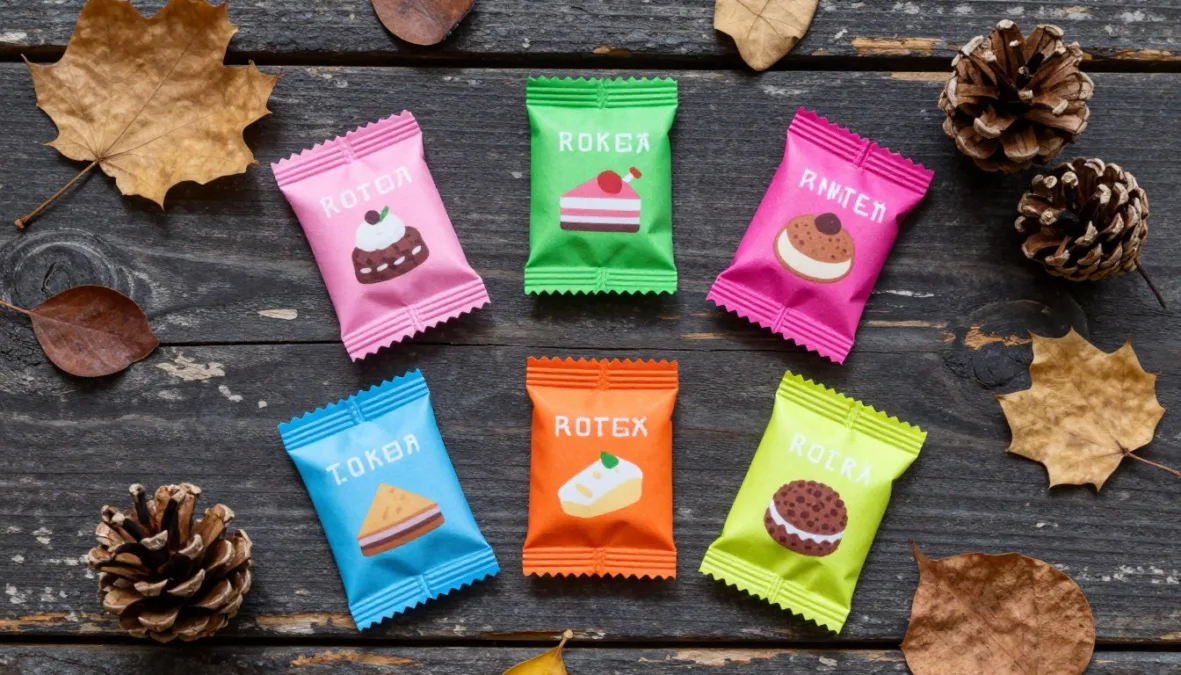
Sour Patch Kids continue an upward sales trajectory, driven by strong appeal among older children, teenagers, and young adults. The confection begins with an overt sour coating powered by citric and tartaric acids before giving way to an underlying sweet gummy core. Their presence in seasonal retail aisles expands annually as consumer palates trend toward bold, contrasting flavor experiences.
| Attribute | Flavor Profile | Seasonal Value |
| Initial Hit | Tart Citric Sugar | Delivers immediate sour burst that appeals to adventurous youth palates. |
| Chew Center | Sweet Gummy Fruit | Soft gelatin-style chew provides a satisfying secondary sweetness. |
| Packaging | Individual Pouches | Compact multi-piece sachets fit neatly into trick-or-treat bags. |
Individually sealed treat bags prevent moisture exposure and keep the sour coating from clumping. The candy’s vibrant branding and memorable taste progression make it one of the most traded items among holiday haulers. Retailers consistently designate prominent endcap displays to meet the projected high demand for these tart treats.
6. Kit Kat
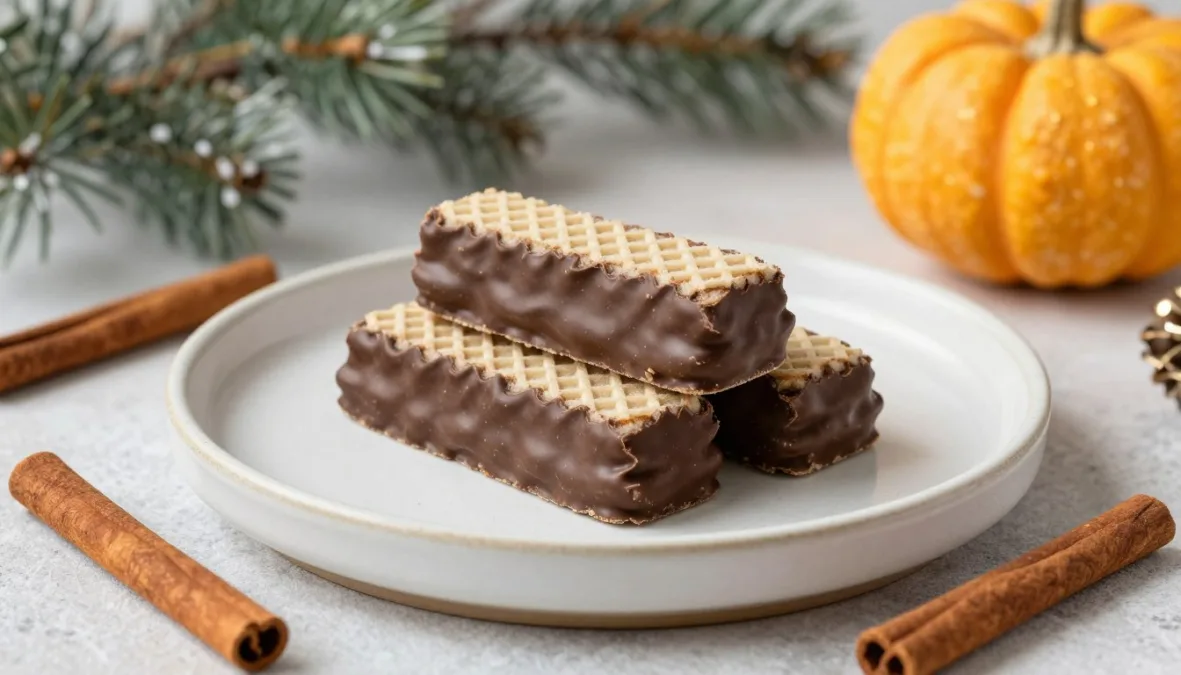
Kit Kat bars hold universal appeal thanks to an airy, crispy wafer core covered in smooth milk chocolate. The distinct snapping sensation when breaking the fingers apart creates an engaging sensory experience. Miniature versions packaged for holiday distribution typically feature two crisp fingers joined together, offering manageable portion control.
Advantages
- Light wafer texture prevents the confection from feeling heavy or overly rich.
- Clean break format makes portion division straightforward and fun.
- Broad acceptance across diverse age groups reduces leftover household waste.
Limitations
- Delicate wafer interior can crush under heavy treat bags if handled roughly.
- Milk chocolate exterior softens under direct warm indoor lighting.
Crispy textures remain highly sought after by trick-or-treaters who experience palate fatigue from dense fudges and chews. Kit Kat consistently ranks high in annual consumer polling as a top-tier trade option. Its dependable recipe and reliable shelf life make it a practical anchor in any holiday candy assortment.
7. Twix
Twix provides a rich textural interplay by layering crunchy shortbread biscuit and gooey caramel beneath a coating of milk chocolate. The combination of crisp biscuit base and elastic caramel delivers a substantial mouthfeel that feels premium in miniature form. Fun size packages generally contain either a single thick bar or two miniature batons.
- Crispy baked shortbread biscuit provides structural snap and buttery undertones.
- Slow-cooked caramel adds stretch and decadent sweetness across the top layer.
- Double-wrapped miniature bars help maintain crunch by protecting biscuits from ambient humidity.
The distinctive gold foil wrapping makes Twix immediately identifiable inside a deep treat sack. Parents and children alike routinely highlight the cookie element as a refreshing departure from standard aerated nougats. Retail sales projections for fall 2026 place Twix squarely within the top echelon of chocolate confections nationwide.
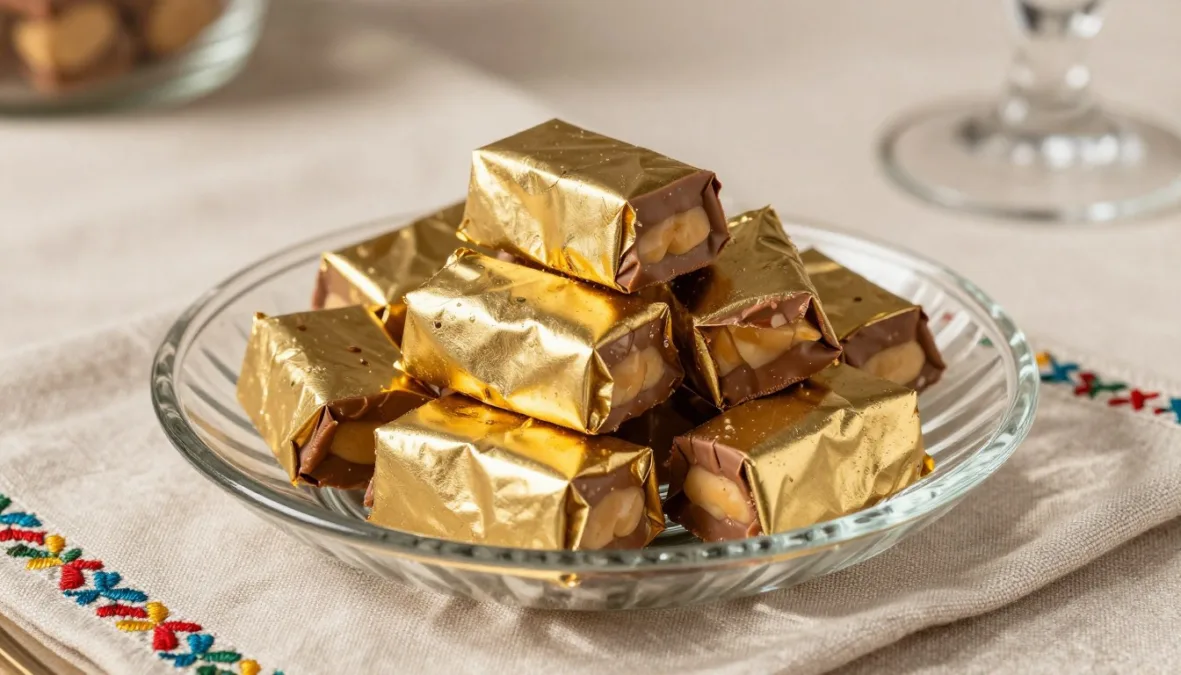
8. Hershey’s Milk Chocolate Bars
Hershey’s Milk Chocolate Bars serve as an iconic cornerstone of American confectionery tradition. Produced with a distinctive farm-fresh milk profile, the bar delivers a familiar, mild chocolate flavor that has defined generations of holiday trick-or-treating. Seasonal assortments often feature themed wrappers showcasing bats, ghosts, and harvest iconography.
The straightforward recipe of standard milk chocolate provides a universally recognized taste. The clean rectangular snap makes these miniature bars easy to break into small bites or repurpose for autumn s’mores.
Beyond standard doorstep handouts, these snack size chocolate bars are frequently utilized in seasonal school parties and family campfire gatherings. The simplicity of solid milk chocolate appeals especially to younger children who dislike crunchy nuts or chewy nougats. Its cultural status and widespread brand trust ensure steady autumn volume year after year.
9. Butterfinger
Butterfinger stands apart in the candy aisle due to its flaky, layered peanut butter core enrobed in a chocolatey coating. The signature crispety, crunchety interior provides a brittle honeycombed texture that dissolves distinctly on the palate. Its vibrant golden-orange filling aligns naturally with the autumn season’s visual themes.
| Element | Composition | Sensory Experience |
| Core | Aerated Peanut Molasses | Distinct flaky crunch that shatters cleanly when bitten. |
| Coating | Compound Chocolate | Smooth outer shell that balances the roasted, salty inner crunch. |
| Aroma | Roasted Legume | Strong toasted peanut scent released immediately upon opening the wrapper. |
The updated recipe implemented in recent years emphasized high-grade peanuts and a richer cocoa exterior, bolstering repeat consumer purchases. Fun size versions provide the full textural impact of the standard bar without becoming unwieldy. The candy retains a devoted base of enthusiasts who prioritize pronounced crunch over soft chewiness.
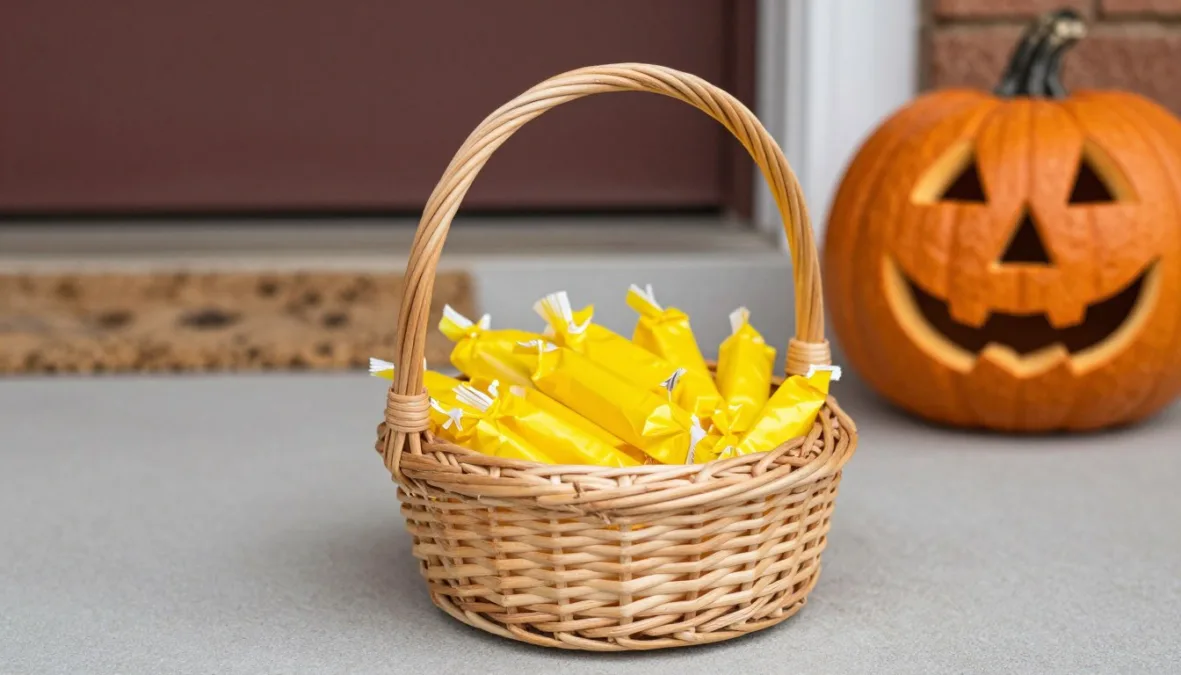
10. Starburst
Starburst fruit chews complete the top ten lineup by delivering concentrated fruit juice flavors in a dense, chewy square. Individually wrapped in wax paper, these squares retain their moisture and soft bite throughout the cool autumn weeks. The traditional original assortment consists of strawberry, cherry, orange, and lemon squares, packaged in convenient two-piece fun size sleeves.
Advantages
- Fruit juice concentrate provides an intense sweet burst that cuts through chocolate fatigue.
- Two-piece packaging allows recipients to enjoy or share individual squares easily.
- Nut-free manufacturing status offers a safer option for neighborhood distribution.
Limitations
- Individual paper wrappers can require extra dexterity for young children to open.
- Firm chewiness can become hard if exposed to cold outdoor temperatures for extended periods.
The red and pink flavor varieties routinely rank among consumer favorites in confectionery surveys, driving secondary trades among trick-or-treaters. Starburst provides an essential non-chocolate pillar that keeps household candy assortments diverse and vibrant. Steady consumer loyalty guarantees its continued presence in holiday retail bundles across the country.
Market Shifts and Confectionery Trends for Fall 2026
Confectionery consumption during autumn holidays reflects changing dietary habits, ingredient sourcing awareness, and evolving taste profiles. While legacy chocolate bars continue to dominate total volume sales, non-chocolate gummy and sour confections capture an expanding share of household expenditures. Modern buyers increasingly look for multi-brand variety packs that combine both categories to satisfy diverse household tastes.
Gummy Expansion
Chewy gummies and sour candies demonstrate the fastest market growth, appealing directly to younger generations seeking intense sensory textures.
Portion Awareness
Miniature and bite-sized formats outsell standard full-size bars in bulk retail, allowing parents to regulate sugar intake over multiple weeks.
Flavor Mashups
Manufacturers increasingly develop limited seasonal collaborations, blending classic peanut butter bases with salted pretzel, coffee, or hot spice notes.
Retail store shelves display these seasonal shifts starting in late summer, giving households extended opportunities to plan their purchases. Value-focused shopping patterns encourage early bulk purchasing to mitigate inflationary pricing pressure on cocoa products. Monitoring these market shifts helps households select candy supplies that remain fresh and sought-after throughout the autumn season.
Strategic Candy Bowl Curation and Portion Formats
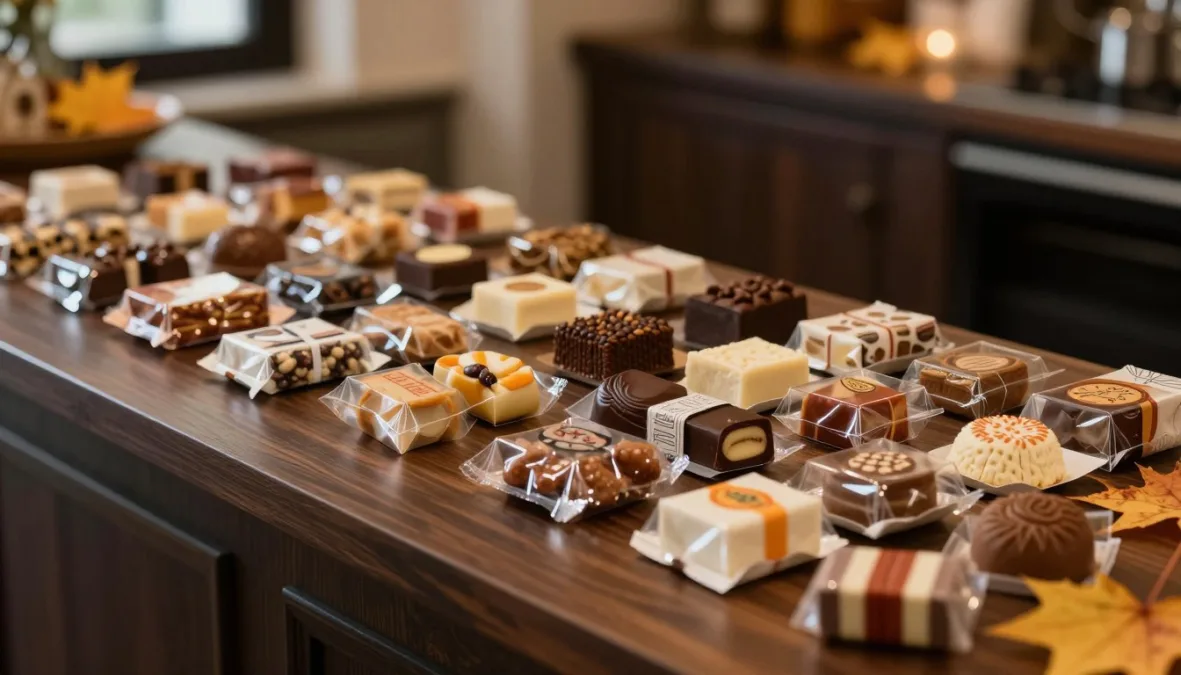
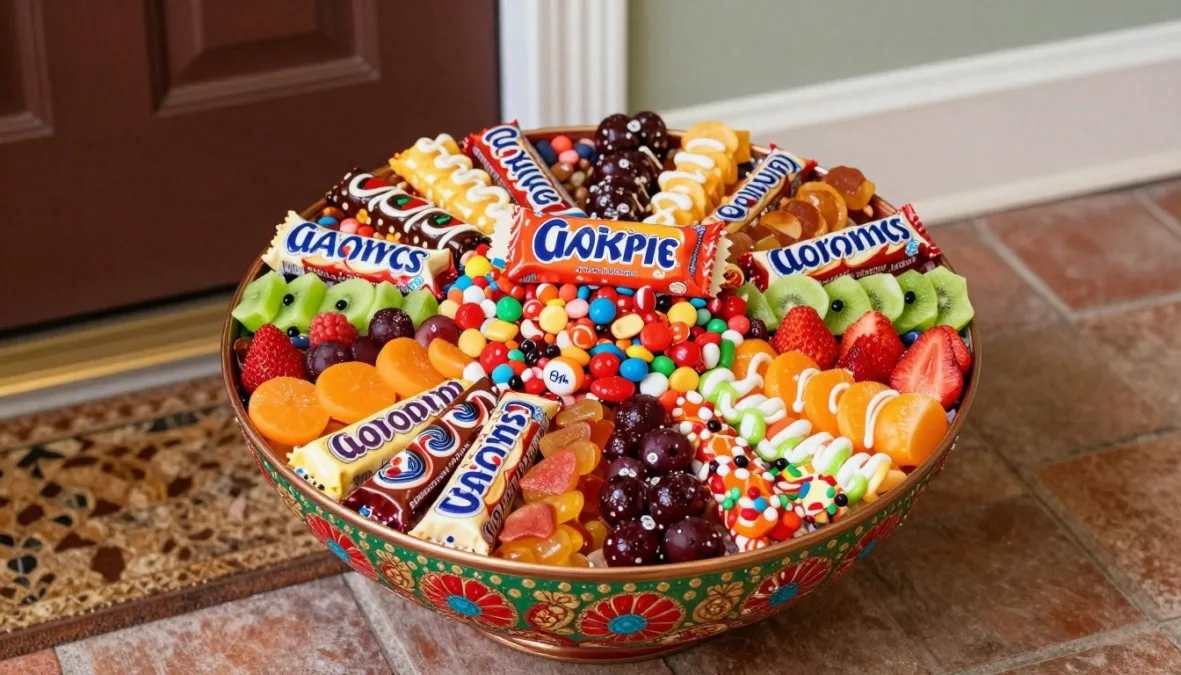
Assembling a well-received treat bowl requires thoughtful balancing of flavors, packaging sizes, and ingredient profiles. Relying exclusively on chocolate leaves out visitors who favor fruity tang, while an all-gummy selection alienates traditionalists seeking peanut butter cups. A successful household distribution bowl typically balances roughly two-thirds chocolate items with one-third fruit or sour options.
Mix chocolate and non-chocolate varieties in separate layers or partitioned bowls to prevent strong fruit aromas from permeating delicate chocolate coatings during storage.
Format selection also influences how quickly neighborhood treat supplies diminish during peak evening hours. While full-size bars make a dramatic impression on trick-or-treaters, fun size and miniature formats offer sustainable portion management for high-traffic streets. Combining several miniature items allows visitors to sample distinct flavor profiles without overwhelming household treat budgets.
Allergen Awareness and Safe Trick-or-Treat Alternatives
Food allergies represent a critical consideration for modern households participating in holiday trick-or-treat traditions. Peanuts, tree nuts, dairy, wheat, and soy rank among the most prevalent allergens found across standard confectionery recipes. Maintaining clear ingredient visibility supports safe snacking for neighborhood children navigating severe dietary restrictions.
Always inspect manufactured fun size packaging for specific allergen processing warnings, as miniature production facilities may differ from standard bar manufacturing plants.
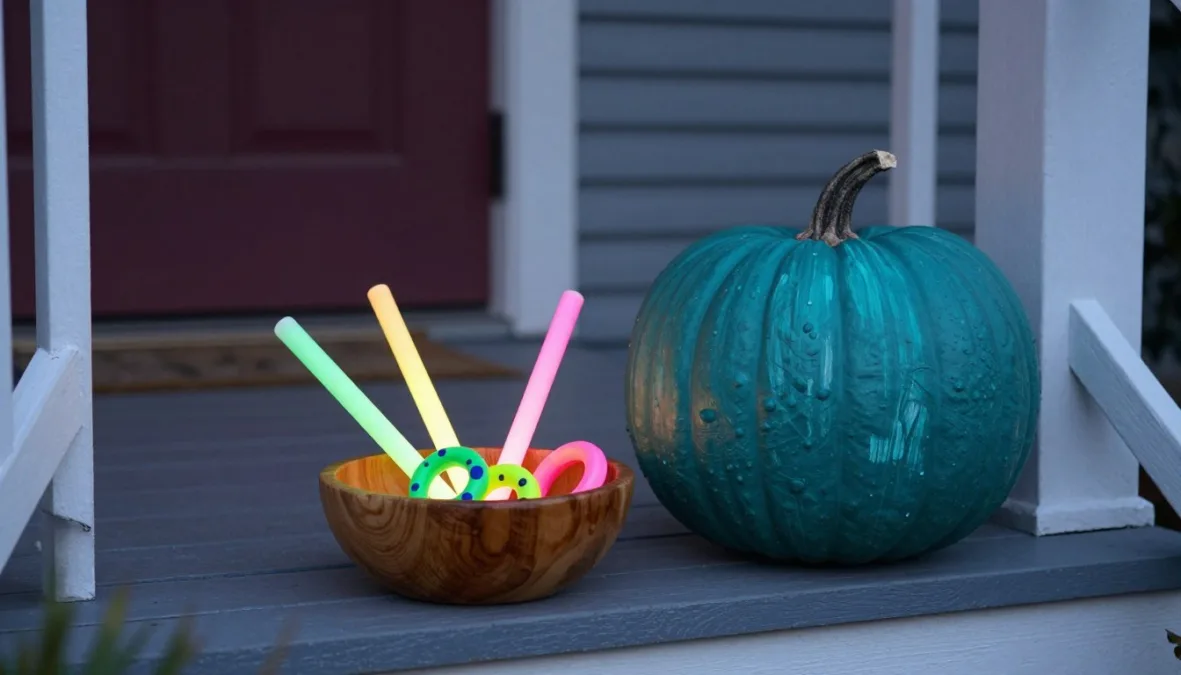
The Teal Pumpkin Project encourages households to offer non-food treats or dedicated allergen-safe candies in a separate bowl. Glow sticks, festive stickers, temporary tattoos, and stamped pencils provide exciting alternatives that eliminate food-related health risks. Placing a teal-painted pumpkin on the front porch signals to local families that allergy-safe options are readily available inside.
Frequently Asked Questions About America’s Favorite Halloween Candy
Which Halloween candy is projected to sell the most in America for 2026?
Reese’s Peanut Butter Cups remain the projected top-selling Halloween candy in America for 2026 based on steady multi-year retail shipment patterns and high consumer preference polling. Their dominance spans both standard fun size cups and popular seasonal pumpkin shapes.
How does non-chocolate candy compare to chocolate in Halloween popularity?
Chocolate confections account for the larger share of total sales volume, but non-chocolate sweets such as Skittles and Sour Patch Kids represent the fastest-growing market segment. Households increasingly buy variety assortments that combine both types to satisfy varied neighborhood preferences.
When is the best time to purchase Halloween candy to balance freshness and selection?
Purchasing candy two to three weeks before October 31 strikes the ideal balance between full retail shelf variety and product freshness. Storing chocolate in a cool, dry pantry away from sunlight helps prevent cocoa bloom and textural degradation.
How can households accommodate trick-or-treaters with food allergies safely?
Households can offer non-food novelties like stickers and glow sticks or select certified allergen-safe sweets kept in a separate container. Displaying a teal pumpkin indicates to visiting families that allergy-friendly items are available.
Building the Ultimate Autumn Confectionery Selection
Stocking a successful holiday candy bowl in 2026 centers on pairing beloved chocolate staples like Reese’s and Snickers with bright, chewy alternatives like Skittles and Sour Patch Kids. Mindful curation that accounts for portion sizes, dietary restrictions, and balanced flavor variety creates an inviting experience for neighborhood visitors. Selecting trusted favorites early allows household hosts to enjoy the autumn festivities with complete seasonal confidence.

Priyanka Pandey
Senior Research Editor · Top10Sense
Priyanka specializes in tech, consumer products, and digital trends. She combines hands-on testing, vendor interviews, and database research to create trustworthy “Top 10” rankings. Her work has been referenced by industry blogs and brand report pages.