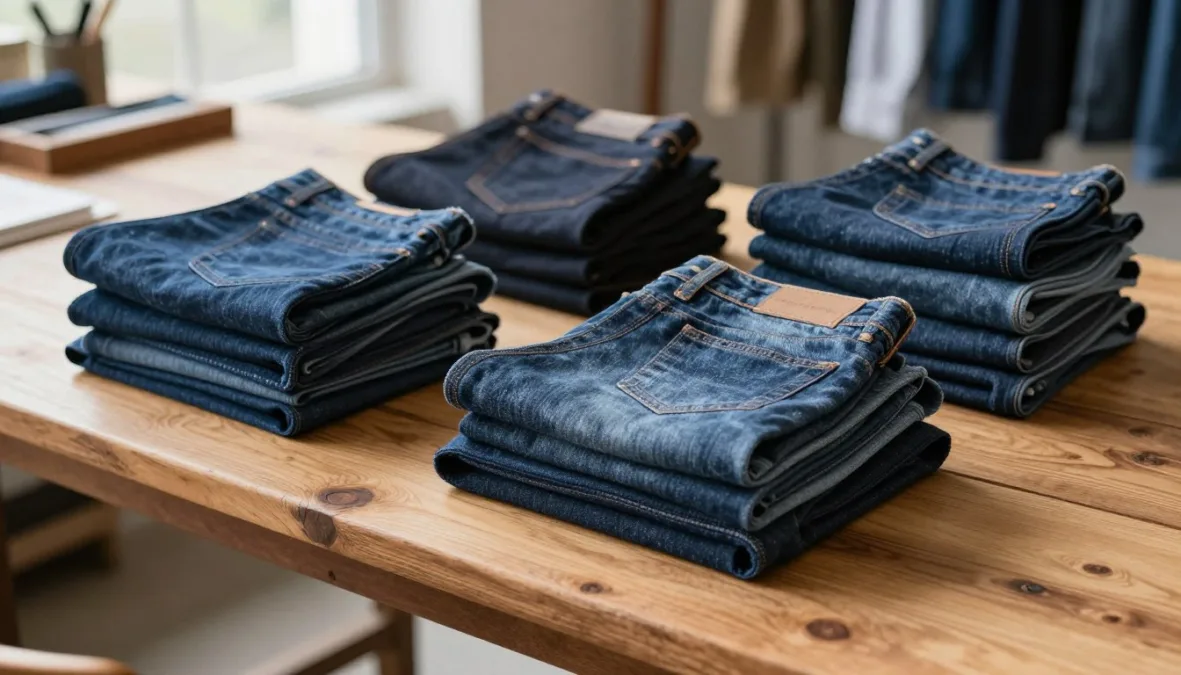
The premier denim manufacturers across the globe distinguish themselves through uncompromising fabric selection, exacting pattern construction, and dedicated textile longevity. Finding the ideal pair of jeans requires balancing structural weave integrity, silhouette balance, and everyday wearing ease. This editorial assessment evaluates the Top 10 Best Jeans Brands in the World 2026 by examining heritage workwear staples, artisanal Japanese selvedge producers, and modern luxury innovators.
Selection for this ranking relies on a balanced appraisal of raw material sourcing, stitching durability, fit consistency, and conscious production practices. Each maker represents distinct regional approaches to spinning cotton, applying indigo dyes, and engineering functional garments. Understanding the history, signature cuts, and material profiles of these leaders clarifies which pair suits specific lifestyle requirements.
Selection Criteria for the 2026 Global Denim Ranking
Every brand included in this global survey was assessed across ten primary performance benchmarks. These factors reflect foundational textile engineering alongside day-to-day wearing satisfaction.
| Evaluation Metric | Focus Area | Quality Indicator |
| Denim Quality | Yarn and Mill Origin | Long-staple cotton and shuttle-loom weaving integrity. |
| Fit and Patterning | Silhouette Balance | Consistent rise proportions and flattering leg lines. |
| Durability | Seam Construction | Reinforced chain-stitching and heavy pocket bags. |
| Craftsmanship | Hardware and Finishes | Custom cast buttons, solid copper rivets, and clean bar-tacks. |
| Sustainability | Environmental Impact | Water-efficient dyeing and circular fabric recycling programs. |
Balancing these attributes separates temporary fashion labels from enduring denim institutions. Evaluating both mass-market heritage giants and boutique textile specialists allows for a complete perspective on global manufacturing standards.
1. Levi’s — United States
Levi’s established modern denim manufacturing when it patented copper-riveted waist overalls in San Francisco during the nineteenth century. The brand maintains international recognition through reliable access, historic cut archives, and cultural resonance that spans workwear, counterculture, and modern casual attire.
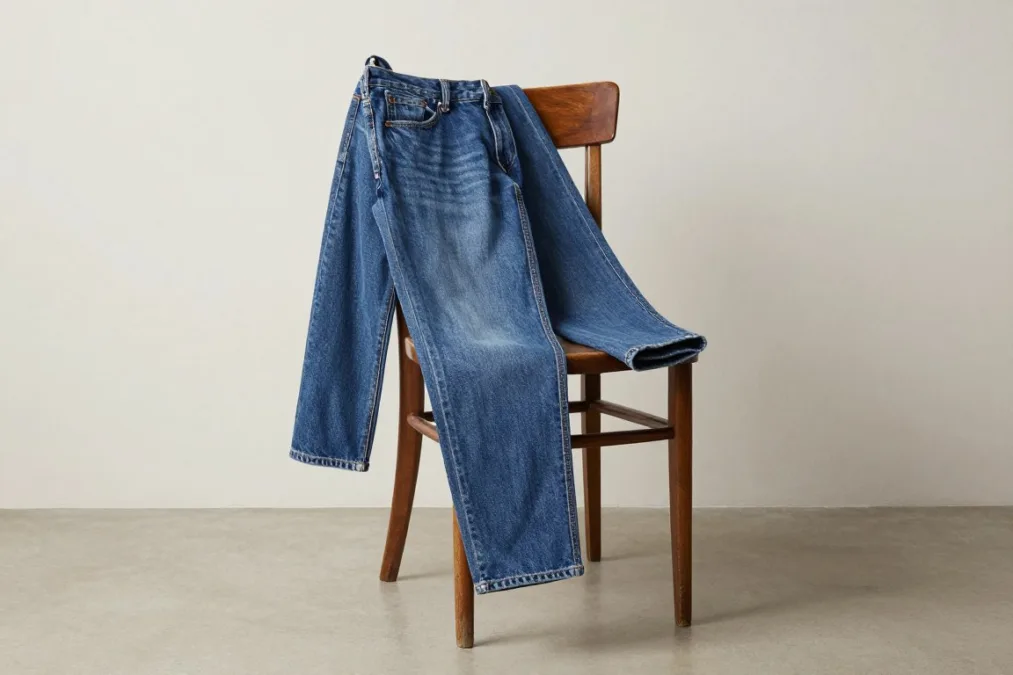
The iconic 501 straight-leg silhouette remains the defining template for five-pocket denim worldwide. In modern collections, the brand pairs archival reproductions from its Vintage Clothing division with accessible core lines, incorporating varying weights of shrink-to-fit cotton and subtle stretch options.
Advantages
- Iconic straight-leg proportions that balance diverse body types.
- Broad spectrum of fabric washes, leg cuts, and price points.
- Exceptional brand provenance with deep historical archival roots.
Limitations
- Fabric composition and country of manufacture vary widely across tiers.
- Mass-market standard lines feature lighter hardware than heritage releases.
Ideal for individuals seeking traditional American style, the brand serves buyers who appreciate time-tested silhouettes. Notable features include the patented copper rivets, the red tab on the back right pocket, and the signature double-arcuate back pocket embroidery.
2. Diesel — Italy
Diesel transformed European denim culture from Breganze, Italy, blending rock-inspired rebellion with precision textile distressing. The brand established a luxury lifestyle approach to jeans, introducing experimental washes, coating techniques, and runway-level presentation.
The brand is recognized for progressive tapered fits, the signature D-Rise baggy cuts, and innovative JoggJeans combinations that merge jersey comfort with woven indigo aesthetics. Heavy enzyme washing, stone washing, and hand-applied abrasions characterize the company’s distinctive design vocabulary.
Diesel pairs Italian tailoring precision with aggressive visual treatments, making it a natural choice for expressive urban wardrobes.
The label serves fashion-forward shoppers who favor modern cuts and statement washes over traditional raw denim minimalism. Notable elements include the distinctive branded fifth-pocket diagonal coin tape, cast hardware, and high-recovery stretch fabrics designed for dynamic movement.
3. Nudie Jeans — Sweden
Nudie Jeans emerged from Gothenburg with a dedicated philosophy centered on raw dry denim and environmental responsibility. The Swedish brand emphasizes natural indigo aging, encouraging wearers to break in untreated cotton over extended periods before washing.
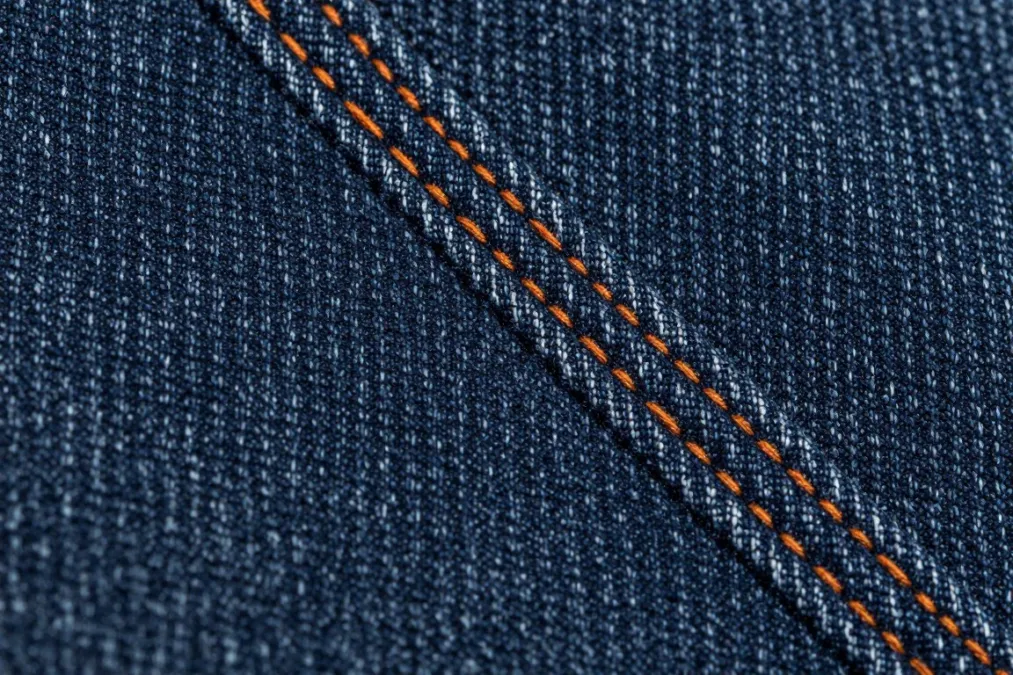
Signature cuts such as the Lean Dean slim taper and the Rad Rufus straight fit demonstrate the company’s command of modern proportions. Collections emphasize pure organic cotton weaves with variable weights suited for daily urban wear.
- Use of certified organic and Fair Trade cotton throughout regular production.
- Lifetime free repair service offered at brand repair shops globally.
- Distinctive multi-row wave embroidery on the back pockets.
- Circular recycling initiatives incorporating post-consumer recycled cotton fibers.
Nudie Jeans represents the preferred choice for eco-conscious purists who prioritize transparency and organic raw textiles. The brand provides detailed production tracking, providing consumers with verifiable insight into supply chain ethics.
4. Edwin — Japan
Edwin played an indispensable role in developing the revered Japanese denim industry from its Tokyo base. Following the importation of American surplus denim after the mid-twentieth century, the company pioneered proprietary domestic weaving and commercial stone-washing techniques.
The label is celebrated for its proprietary “Rainbow Selvedge” denim, woven on traditional low-tension shuttle looms. Signature models such as the ED-55 regular tapered jean and the ED-80 slim fit balance Japanese textile density with European-influenced styling.
Edwin combines traditional Japanese loom craftsmanship with relaxed contemporary cuts suitable for smart-casual wardrobes.
Ideal for denim enthusiasts seeking authentic selvedge fabric without extreme motorcycle weights, Edwin delivers balanced hand-feel and consistent fading. Distinctive elements include heavy leather waist patches, signature arcuates, and durable chain-stitched hems.
5. Wrangler — United States
Wrangler built its formidable reputation in Greensboro, North Carolina, designing purpose-built apparel for rodeo competitors and agricultural laborers. The label prioritizes functional resilience, adopting distinct tailoring elements to accommodate outdoor movement and mechanical work.
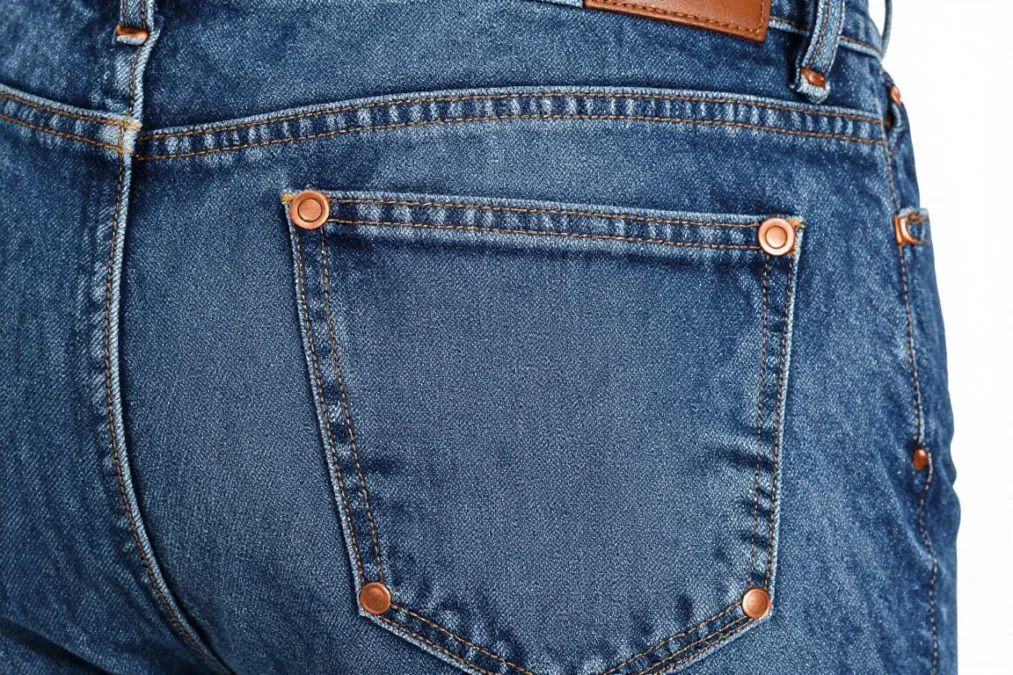
The Cowboy Cut 13MWZ represents an essential milestone in American workwear, featuring a high rise and boot-ready leg profile. The brand is renowned for introducing broken-twill denim, a weave designed specifically to prevent the annoying leg-twist common in traditional directional twills.
Advantages
- Broken-twill denim construction prevents diagonal seam torque.
- Heavyweight cotton canvas and denim provide exceptional tear resistance.
- Accessible pricing paired with work-grade structural integrity.
Limitations
- High-rise western cuts can feel rigid around the waist during initial wears.
- Fashion-forward wash varieties are less prominent than utilitarian finishes.
Designed for agricultural workers, western riders, and vintage functionalists, Wrangler appeals to those demanding utilitarian grit. Notable details include flat rivets that prevent saddle scratching, reinforced rear pockets, and the rope-logo leather patch.
6. A.P.C. — France
A.P.C. introduced an austere, architectural minimalism to Parisian ready-to-wear through its focus on unadorned Japanese raw denim. Founded in Paris, the brand reacted against hyper-distressed trends by delivering immaculate, unwashed stiff indigo trousers.
The Petit New Standard and New Standard cuts represent essential references for slim-straight and tapered raw denim wearers. Constructed using stiff Japanese selvedge fabric, these garments soften gradually to develop high-contrast honeycombs and whiskers tailored to the wearer’s daily movements.
A.P.C. untreated raw denim exhibits noticeable shrinkage and crocking during early wear, requiring patience during the initial break-in period.
The brand caters to minimalist professionals, designers, and creative industry workers who prioritize clean lines and understated branding. Notable features include silver-tone embossed hardware, the absence of exterior pocket stitching, and subtle selvedge ID line detailing along the outseam.
7. G-Star RAW — Netherlands
Headquartered in Amsterdam, G-Star RAW disrupted traditional denim design through its introduction of three-dimensional tailoring and industrial military aesthetics. The Dutch brand views denim through an architectural lens, shaping flat cloth to match human anatomy.
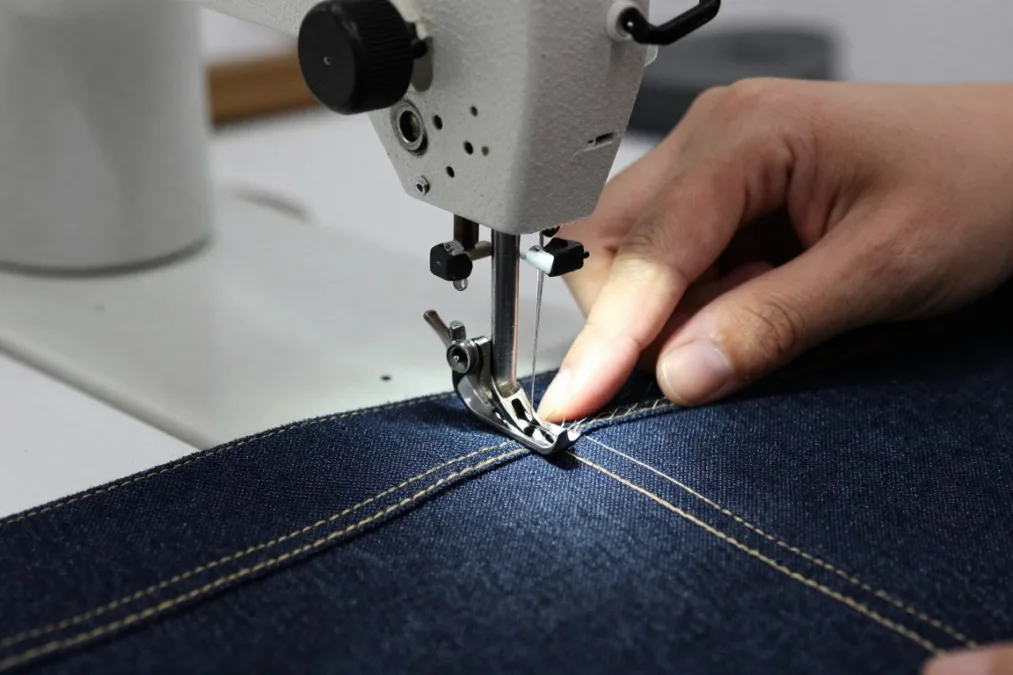
The G-Star Elwood, designed in the late nineties, stands as one of the most recognizable engineered jeans ever created, featuring articulated knee patches and ergonomic heel cuts. Modern collections explore sustainable cradle-to-cradle certified fabrics and unwashed raw textures.
- Patented 3D denim construction incorporating twisted seams and shaped darts.
- Commitment to toxic-free dyeing techniques and recycled ocean plastics.
- Strong presence in contemporary streetwear and technical apparel scenes.
- Durable pocket architecture utilizing reinforced bartack cross-stitching.
Suited for active urban dressers who appreciate structural tailoring and tactile details, G-Star combines utility with bold silhouettes. Signature elements include external thigh stitching, angled utility pockets, and industrial rubberized waist emblems.
8. AG Jeans — United States
AG Jeans emerged in Los Angeles, California, as a collaboration between seasoned denim manufacturing veterans and design innovators. The brand elevated premium American casual wear by mastering authentic vintage wash development through gentle, progressive finishing methods.
The Tellis modern slim and the Graduate tailored leg define the core of the label’s offerings, delivering clean lines without restricting hip mobility. Fabric engineering focuses on luxurious dual-core stretch yarns that maintain shape retention throughout prolonged travel and active workdays.
AG Jeans excels in delivering pre-washed denim that replicates authentic multi-year wear patterns while providing modern, comfortable stretch.
The brand serves executive commuters, creative professionals, and luxury casual wearers who require immediate softness without sacrificing refined lines. Notable characteristics include water-recycling ozone laundering, refined embroidery detailing, and supple leather identification patches.
9. Iron Heart — Japan
Iron Heart was created in Tokyo to supply Japanese motorcycle enthusiasts with clothing capable of resisting wind, pavement friction, and rugged machinery. The brand represents the apex of heavyweight heavyweight selvedge denim manufacturing.
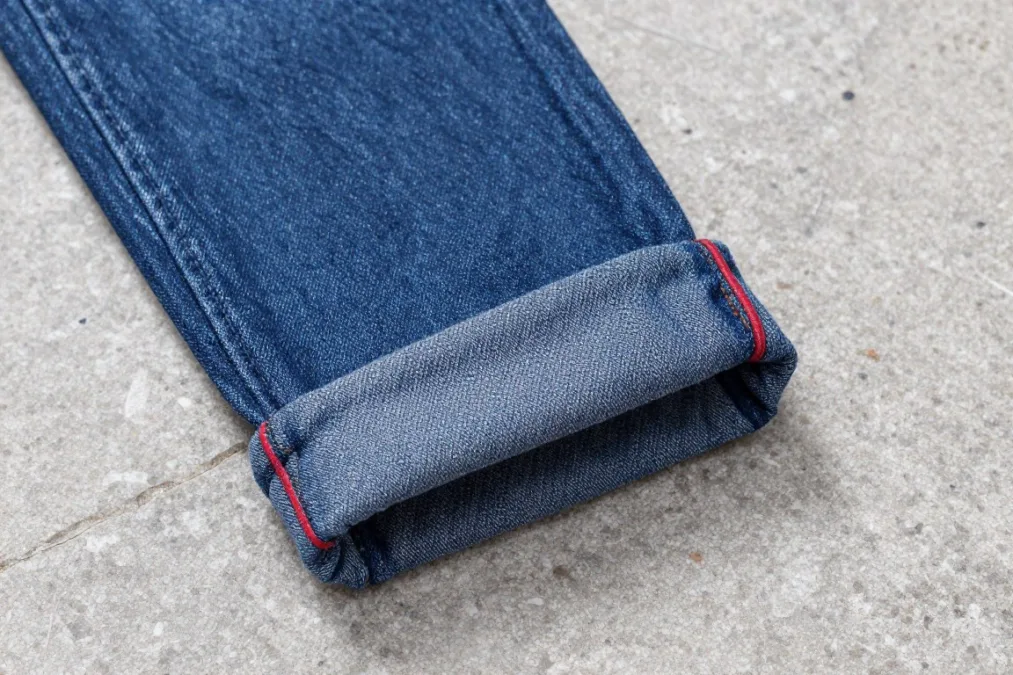
Famous for its signature 21-ounce extra-heavyweight selvedge denim, the label defies conventional stiffness by employing long-staple cotton spun for breathability and softness. Core models like the 634S straight cut and the 777 slim taper handle intense friction without seam breakdown.
Iron Heart utilizes multi-gauge poly-cotton thread stitching, reinforcing critical stress points against heavy mechanical wear.
The brand is the ultimate option for motorcycle riders, heavy-industry craftspeople, and dedicated denim collectors seeking extreme fabric weights. Notable features include lined rear pockets, heavy canvas pocket bags, custom bronze hardware, and the red selvedge ticker.
10. Acne Studios — Sweden
Acne Studios began in Stockholm, releasing one hundred pairs of raw denim jeans with red stitching to creative collaborators before evolving into an international luxury house. The brand merges fine art aesthetics with disciplined Scandinavian tailoring.
The 1996 vintage straight and the 1977 bootcut lead the brand’s contemporary denim selections, pairing nostalgic high rises with forward-thinking fashion silhouettes. Finishes range from washed pastels and deep overdyes to rigid raw indigo.
Advantages
- High-fashion proportions that complement runway and luxury apparel.
- Subtle wash variations with clean, minimal hardware treatments.
- High-grade cotton twills that drape smoothly along the leg.
Limitations
- Positioned at an elevated designer price point compared to utilitarian brands.
- Sizing runs tailored to high-fashion runway proportions.
Ideal for fashion stylists, architectural dressers, and luxury clothing consumers, Acne Studios turns five-pocket trousers into statement garments. Notable identifiers include the pink embossed paper rear patch, refined metal buttons, and proportioned belt loops.
Denim Buying Guide: Choosing the Right Jeans
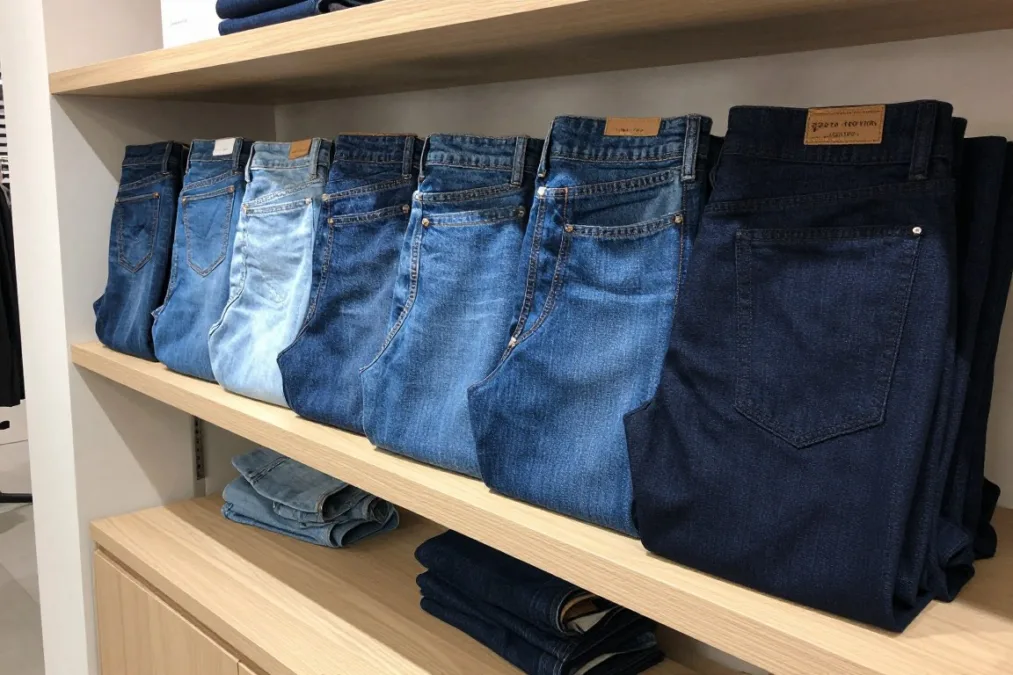
Selecting the proper jeans involves assessing fabric weight, weave behavior, and structural silhouette. Balancing these elements helps buyers choose between daily utilitarian wear, tailored office attire, and artisanal collecting.
- Woven on traditional shuttle looms with self-finished fabric edges.
- Starts stiff and molds specifically to the anatomy over regular wear.
- Develops personalized contrast fading across creased zones.
- Requires deliberate laundering care to manage dye loss and shrinkage.
Raw and Rigid Selvedge
- Treated with industrial enzyme or ozone washes for immediate comfort.
- Incorporates elastane or dual-core filaments for flexibility.
- Maintains a stable shade and uniform texture from first wear.
- Simple household machine laundering without complex soaking steps.
Pre-Washed and Stretch Denim
Weight choices dictate seasonal comfort. Lightweight fabrics under twelve ounces suit warm climates, midweights between twelve and sixteen ounces function as versatile year-round trousers, and heavyweights over seventeen ounces provide superior wind resistance and durability.
Frequently Asked Questions
What is the difference between selvedge denim and regular denim?
Selvedge denim is woven on vintage shuttle looms that produce a clean, self-binding woven edge that will not unravel. Standard denim is woven on modern projectile looms, requiring open overlock stitching along the cut edges of the outseam.
How should raw denim jeans be washed to preserve color?
Raw denim jeans benefit from being turned inside out and soaked in cool water with a mild, bleach-free detergent. Hanging the damp jeans to air dry out of direct sunlight prevents fabric shrinkage and reduces unwanted indigo loss.
Does stretch denim last as long as one hundred percent cotton denim?
One hundred percent cotton denim generally outlasts stretch denim because elastane fibers degrade over time from heat and repeated tension. Pure cotton twill maintains structural tensile strength longer and responds more effectively to patch repairs.
How does broken twill prevent jeans from twisting around the leg?
Broken twill alternates the diagonal direction of the weave in a small zigzag pattern rather than following a continuous right-hand or left-hand direction. This balanced tension stabilizes the fabric and eliminates the rotational torque that causes leg seams to twist forward.
Can raw selvedge jeans be tailored without losing the selvedge seam?
Raw selvedge jeans can be tapered or hemmed successfully when alterations are performed along the inseam rather than the outer selvedge edge. Hemming should be completed using a specialized union special chain-stitch machine to maintain the authentic roping effect.
Summary of the Global Denim Landscape
The global denim market offers diverse solutions ranging from American heritage workwear and Swedish circular sustainability to Japanese heavy-duty selvedge and European luxury tailoring. Selecting the ideal pair depends on individual priorities regarding fabric weight, break-in dedication, and intended setting. Investing in superior textile construction and well-proportioned silhouettes delivers wardrobe longevity and authentic character with every wear.

Priyanka Pandey
Senior Research Editor · Top10Sense
Priyanka specializes in tech, consumer products, and digital trends. She combines hands-on testing, vendor interviews, and database research to create trustworthy “Top 10” rankings. Her work has been referenced by industry blogs and brand report pages.