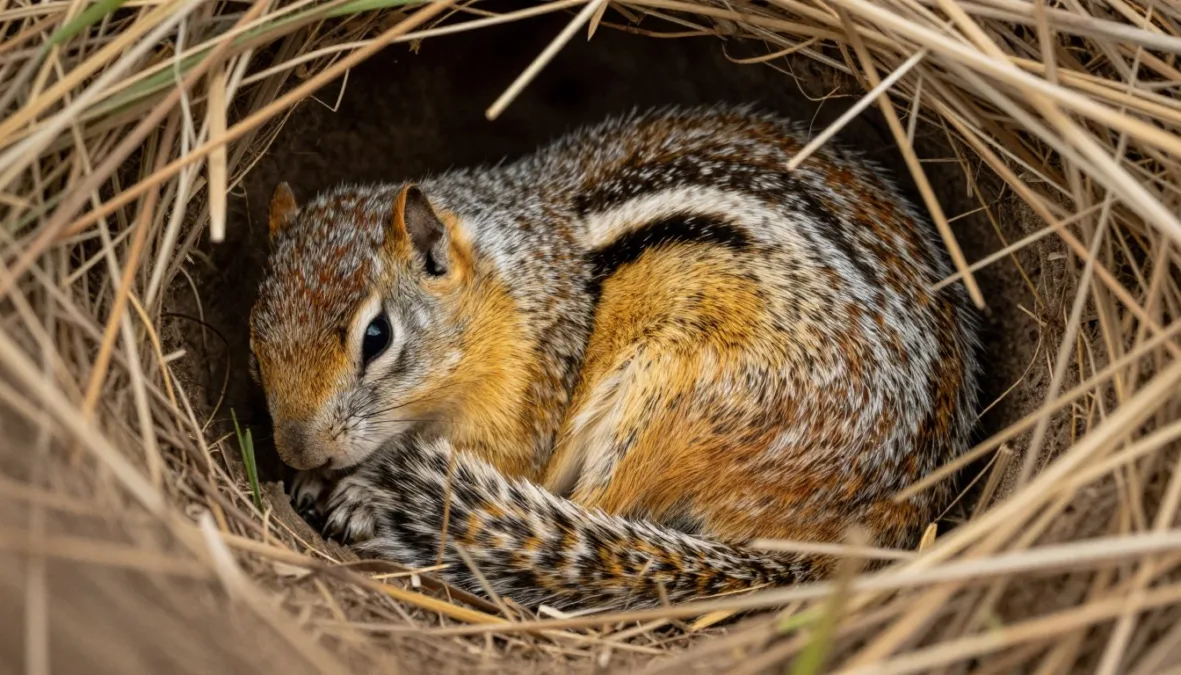
Surviving harsh cold requires extraordinary biological strategies, and animals that hibernate in winter manage seasonal food scarcity by lowering their body functions to minimal levels. True hibernation involves controlled metabolic suppression, decreased heart rate, and a regulated drop in body temperature that allows wildlife to endure freezing weather without feeding.
Different species rely on distinct survival strategies ranging from multi-day torpor bouts to deep winter-long dormancy. Physiological readiness, seasonal food caching, secure underground shelter, and genetic adaptations determine how effectively each animal navigates winter conditions.
How Hibernation and Metabolic Adaptations Work
Hibernation is an active physiological process that allows mammals to drastically cut energetic costs when external temperatures fall and food becomes unavailable. Rather than maintaining a standard warm internal state, a hibernating mammal depresses cellular respiration, slow-walks blood circulation, and resets internal thermoregulation to match cold ambient conditions.
Preparation begins well before the first snowfall through intense hyperphagia, a period of ravenous feeding that builds thick white and brown adipose tissues. Brown fat cells act as specialized thermal engines, generating chemical warmth through non-shivering thermogenesis to protect vital organs during cold snaps and arousal phases.
Metabolic suppression spares internal tissues from starvation by switching energy consumption almost exclusively to stored lipids. Breathing rates plummet to infrequent gasps, blood flow concentrates around the core, and cellular repair processes pause until warmer conditions prompt natural reactivation.
Brown adipose tissue contains high densities of mitochondria, enabling dormant animals to generate rapid cellular warmth and safely restart heart function when emerging from deep winter torpor.
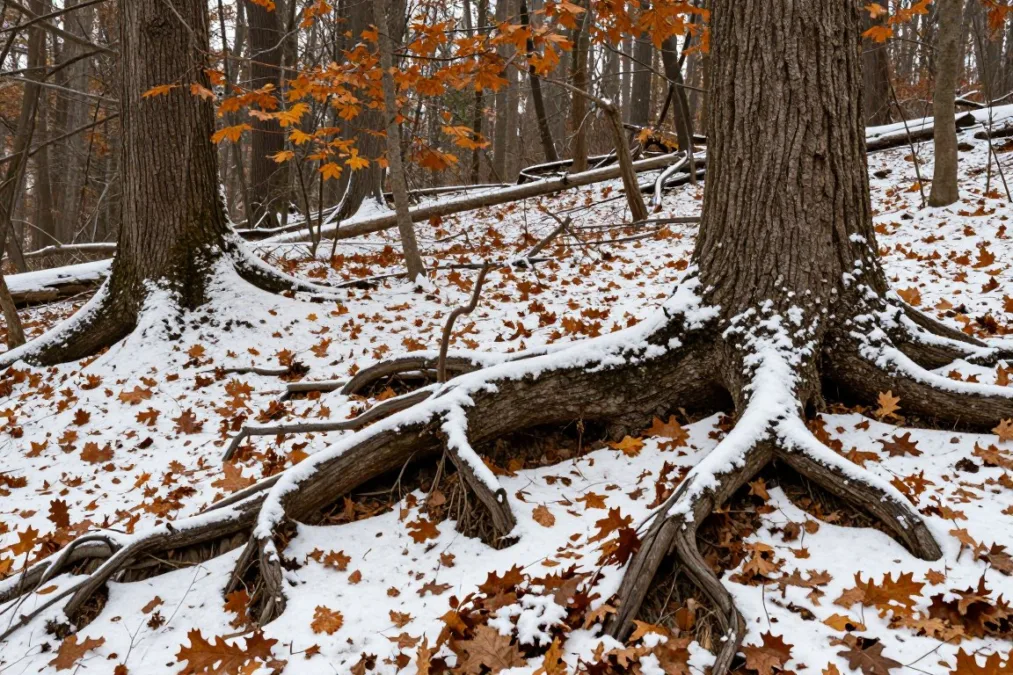
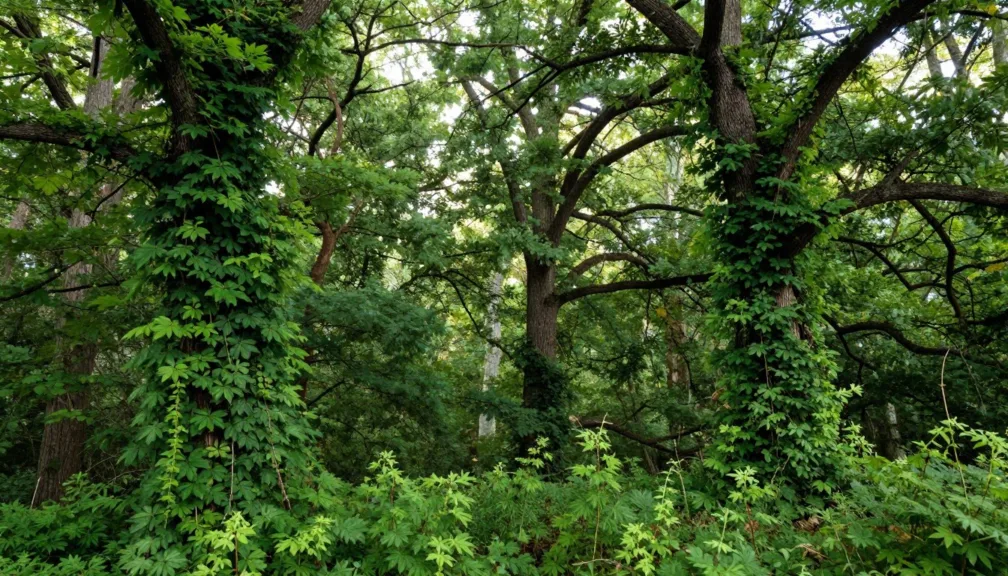
Forest floors and subterranean root networks provide insulated microclimates where hibernating wildlife construct protected winter dens.
Comparing Winter Dormancy Strategies Across Species
Winter dormancy exists across a spectrum rather than a single uniform sleep state. While true hibernators suppress core body temperature to match near-freezing surroundings, other animals utilize daily torpor, metabolic rest, or cold-blooded brumation to survive winter weather.
Understanding these differences clarifies how varied creatures allocate energy and endure extended food shortages. Ectothermic reptiles and amphibians experience brumation governed by ambient temperatures, whereas endothermic mammals regulate their torpor depth through internal hormonal signals and neurochemical switches.
| Dormancy Type | Primary Animal Group | Metabolic Response | Primary Survival Function |
| Deep Hibernation | Small Mammals | Extreme Suppression | Sustains continuous cold dormancy with periodic brief arousals |
| Prolonged Torpor | Medium Mammals | Moderate Reduction | Allows rapid warming during mild winter breaks or disturbances |
| Winter Brumation | Reptiles, Amphibians | Temperature Dependent | Maintains passive tissue survival beneath frozen soil and water |
| Daily Torpor | Birds, Small Rodents | Short Reduction | Saves energy overnight during sudden temporary temperature drops |
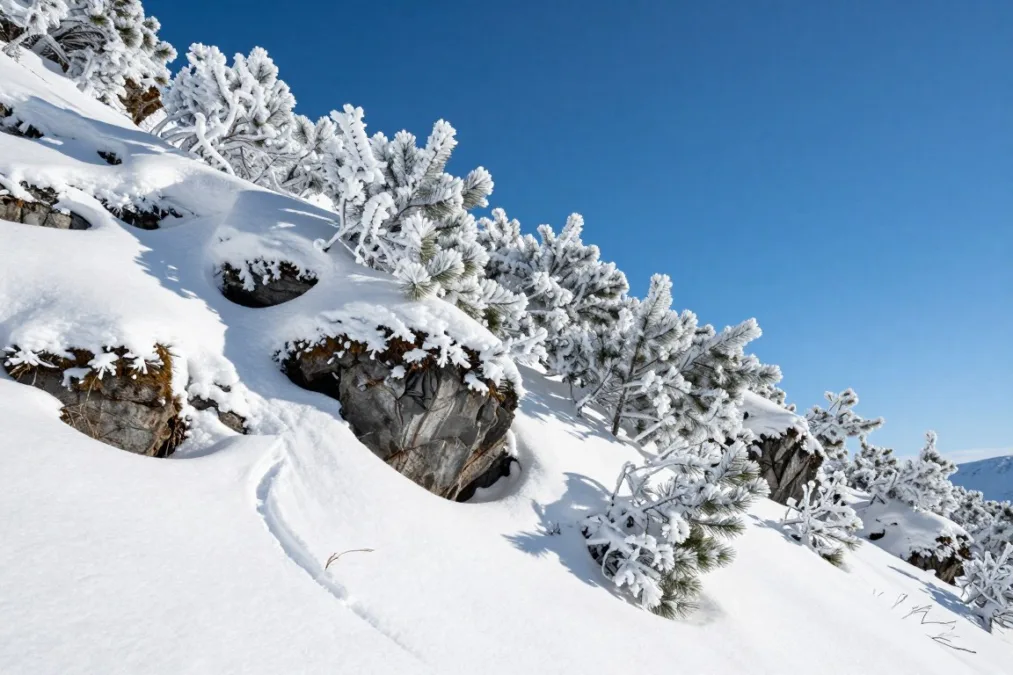
Subterranean boulder fields provide consistent temperatures that insulate overwintering wildlife against bitter wind chill.
Deep Hibernators That Undergo Profound Torpor
Several small mammal species enter the deepest states of physiological depression found in nature. These true hibernators endure sub-zero temperatures, dropping metabolic rates by extraordinary margins while tucked away inside carefully prepared winter quarters.
Because their high surface-area-to-volume ratio causes rapid heat loss, small endotherms cannot remain active through frozen months without exhausting their caloric supplies. Entering deep seasonal dormancy provides an effective biological solution that ensures survival until spring vegetation reappears.
- Subterranean nests shield tiny bodies against rapid shifts in ambient temperatures.
- Periodic interbout arousals allow mammals to briefly restore immune and cellular balance before returning to torpor.
- Core body temperature often stabilizes only slightly above the freezing mark for extended stretches.
1. Arctic Ground Squirrel
The Arctic ground squirrel inhabits northern tundra ecosystems, digging burrows deep into permafrost soils. Before winter arrives, it stores substantial amounts of body fat and lines subterranean chambers with dry lichen and caribou hair. During peak hibernation, its core body temperature drops below freezing without ice crystallization occurring within its blood, making it one of the most resilient true hibernators in North America.
2. Little Brown Bat
Little brown bats spend winter roosting inside humid caves, abandoned mines, and stable rock crevices known as hibernacula. In late summer, these winged mammals feed heavily on flying insects to accumulate fat deposits before clustering tightly together on cave walls. Throughout the cold season, a bat suppresses heart rate to infrequent beats, reducing oxygen use while breathing through delicate skin and lungs at lengthy intervals.
3. European Hedgehog
European hedgehogs frequent woodlands, hedgerows, and suburban gardens, creating winter nests known as hibernacula out of leaf piles, twigs, and moss. In early autumn, hedgehogs forage for beetles and earthworms to establish protective adipose tissue before retreating under garden sheds or compost heaps. Their body temperature drops to match ambient shelter conditions, and their heart rhythm slows to conserve internal energy until warming spring soils stimulate emergence.
4. Hazel Dormouse
Hazel dormice inhabit deciduous woodlands and dense scrub, spending up to three quarters of their lives asleep. Preparation involves feeding heavily on hazelnuts, tree berries, and seeds during late summer to build sufficient lipid stores. They build tightly woven spherical nests on the damp forest floor beneath fallen leaves and moss, where cold, moist air prevents dehydration while their internal metabolism slows down dramatically.
Burrowing Mammals and Rodent Hibernation Cycles
Subterranean rodents construct intricate burrow systems engineered to withstand frozen surface ground. Many species blend deep torpor with cached seed reserves, occasionally stirring from sleep to feed within underground chambers before slipping back into metabolic slumber.
The microclimate inside deep earthen burrows remains remarkably stable compared to open winter fields. Thick layers of insulating snow overhead prevent surface frost from penetrating to the lowest nesting rooms, maintaining safe temperatures for overwintering inhabitants.
Insulating blankets of fresh snow trap geothermal heat within underground burrows, creating a stable thermal boundary that shields small rodents from freezing winds above ground.
5. Yellow-Bellied Marmot
Yellow-bellied marmots reside on high-elevation talus slopes and mountain meadows where winter conditions arrive early and linger into late spring. These large rodents feed continuously on alpine grasses to build heavy fat layers before sealing themselves inside communal burrows called hibernacula. Their heart rate drops to a fraction of normal activity, and family groups huddle together underground to preserve warmth and reduce metabolic expenditures.
6. Meadow Jumping Mouse
Meadow jumping mice inhabit moist fields, marshes, and grassy forest edges across North America, consuming seeds and fungi to accumulate substantial weight before autumn ends. They dig solitary burrows into soil banks or construct small nests beneath rotten logs and leaf litter well below the frost line. During dormancy, a jumping mouse curls into a tight sphere, wraps its long tail around its body, and remains completely immobile for months without waking to feed.
7. European Hamster
European hamsters establish deep burrow complexes across central and eastern European agricultural plains and grasslands. Unlike mammals that depend entirely on body fat, this rodent caches grains, roots, and seeds in specialized storage rooms before sealing entrance tunnels with earth. During winter, it alternates between bouts of multi-day torpor and brief awakenings, during which it snacks on stored food before resuming its suppressed metabolic state.
8. Eastern Chipmunk
Eastern chipmunks inhabit deciduous forests and suburban parks across eastern North America, gathering acorns and seeds inside underground larder chambers. Chipmunks do not accumulate immense fat layers like ground squirrels; instead, they rely on subterranean seed caches to survive winter. They enter repeated bouts of torpor that last several days at a time, waking periodically to eat stored provisions, groom, and rest before returning to dormant states.
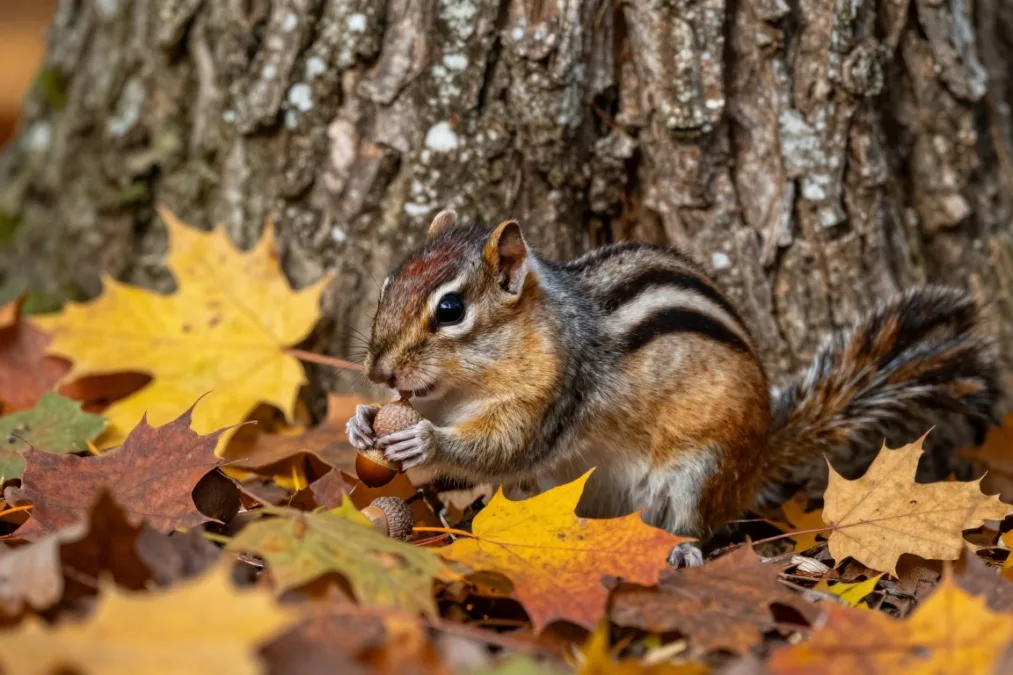
Gathering seeds and nuts in autumn allows cache-dependent rodents to sustain multiple torpor bouts throughout winter.
Large Mammals and Specialized Winter Sleepers
Larger mammals exhibit unique cold-weather strategies that differ fundamentally from the deep torpor of small rodents. Because their substantial body mass retains heat efficiently, they avoid dropping internal temperatures to near freezing, maintaining readiness to defend dens if disturbed.
Specialized metabolic pathways allow these animals to recycle urea into protein and prevent bone mineral loss throughout prolonged periods of dormancy. These physiological adaptations prevent muscular atrophy and sustain vital organ integrity without food or water consumption.
Metabolic Recycling
Internal waste breakdown allows dormant bears to convert urea back into functional proteins, preventing muscle degradation across months of inactivity.
Communal Warmth
Shared winter dens help skunks minimize caloric loss through collective body heat during severe cold spells.
Rapid Arousal
Elevated core temperatures enable larger animals to wake quickly and defend young or territory when external conditions demand action.
9. Black Bear
American black bears inhabit forests across North America, spending months inside protective dens beneath hollow logs, rock cavities, or brush piles. While bears were historically debated as true hibernators due to core temperatures dropping only moderately, scientists recognize bear dormancy as an advanced metabolic adaptation. Their heart rate drops significantly, oxygen consumption decreases by half, and pregnant females even give birth and nurse cubs during their winter denning period without eating, drinking, or defecating.
10. Striped Skunk
Striped skunks occupy open woods, grasslands, and agricultural margins, preparing for winter by putting on heavy fat layers and selecting underground dens often abandoned by other animals. Skunks do not experience continuous true hibernation; instead, they enter prolonged communal torpor, often huddling together in groups of females to retain body heat. During milder winter days, skunks may briefly awaken and wander above ground before returning to dormant rest when freezing temperatures return.
Frequently Asked Questions About Animals That Hibernate in Winter
Do hibernating animals wake up during the winter?
Most true hibernators periodically awaken for brief intervals to adjust body position, eliminate metabolic wastes, or consume cached food. These short interbout arousals require significant energy but support cellular health before the animal returns to deep torpor.
How does a hibernating animal breathe in an underground burrow?
Dormant mammals dramatically reduce cellular oxygen consumption, allowing them to survive on minimal air circulation within sealed chambers. Some aquatic species can absorb dissolved oxygen directly through their skin and mucous membranes while buried under winter mud.
What causes animals to wake up from winter hibernation in the spring?
Rising ground temperatures, shifting day lengths, and internal circadian biological clocks signal the endocrine system to restart full metabolic functions. Rapid activation of brown fat cells generates core warmth, restoring normal heart rates and active foraging behavior.
How low can an animal’s heart rate drop during winter hibernation?
Heart rates in deep hibernators like bats and ground squirrels frequently decline to a tiny fraction of their summer activity levels. This drastic slowdown reduces arterial strain and preserves precious caloric reserves throughout months of cold dormancy.
The Ecological Significance of Winter Dormancy
Winter dormancy represents an indispensable biological adaptation that enables diverse wildlife to navigate freezing temperatures and severe food scarcity. By shifting into specialized metabolic states, animals that hibernate in winter preserve life, maintain regional biodiversity, and emerge prepared to reproduce when spring warmth restores natural ecosystems.

Priyanka Pandey
Senior Research Editor · Top10Sense
Priyanka specializes in tech, consumer products, and digital trends. She combines hands-on testing, vendor interviews, and database research to create trustworthy “Top 10” rankings. Her work has been referenced by industry blogs and brand report pages.