
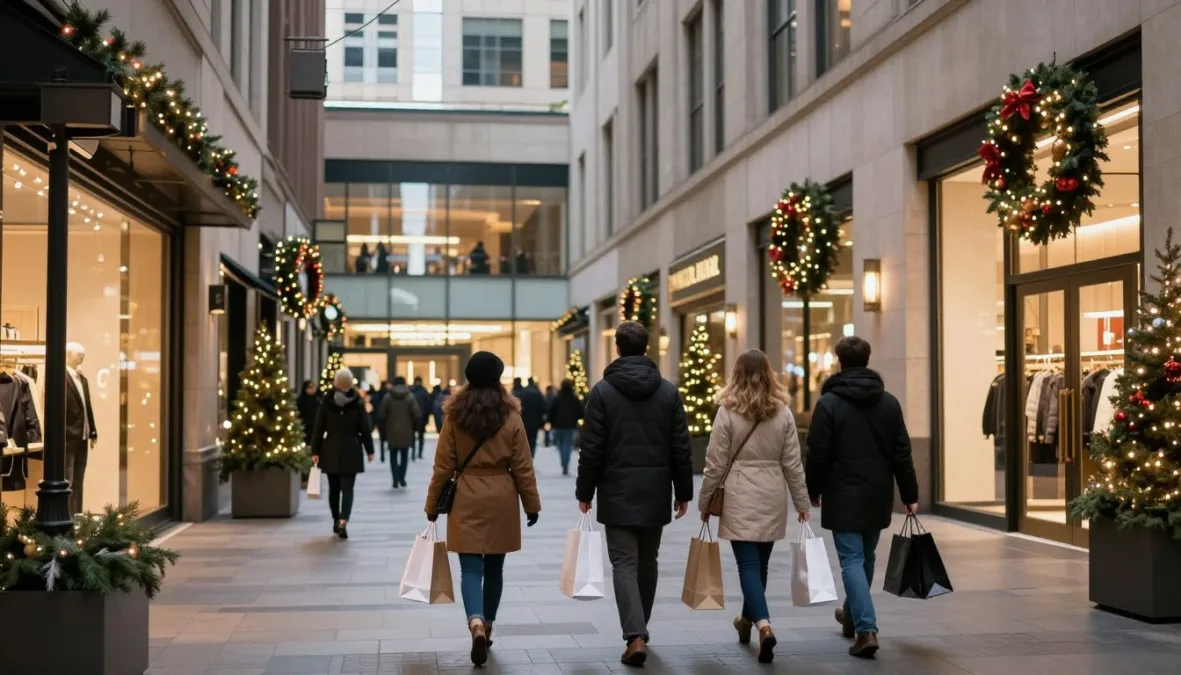
The U.S. holiday shopping trends 2026 highlight a retail environment defined by disciplined consumer budgets, lengthened promotional calendars, and rapid experimentation with generative search tools. American shoppers approach the late-year season by balancing essential household expenses against targeted gift purchases, seeking transparent pricing and verified inventory availability across channels. Retailers confront a marketplace where early discount events compete directly with late-season urgency, requiring precise operational planning across fulfillment networks and digital storefronts.
Economic indicators, wage growth patterns, and technological developments dictate how households allocate discretionary funds between November and December. Understanding the difference between predictive commercial forecasts and observed retail sales figures helps business leaders interpret seasonal momentum with clarity. The following comprehensive assessment breaks down the ten decisive trends shaping consumer behaviors and merchant strategies across the United States throughout the 2026 winter period.
1. Early-Season Promotional Timing and October Pull-Forward
Retail promotional calendars have steadily moved ahead of the traditional Thanksgiving launch point. While November and December remain the formal core of the winter shopping period, major merchants routinely introduce competitive promotional events in mid-to-late October. This schedule shift prompts budget-conscious households to distribute gift expenditures over multiple pay cycles rather than concentrating purchases into a single monthly statement.
Historical research from the National Retail Federation (NRF) documented that more than half of surveyed consumers consistently initiated holiday research or early buying prior to November. For the 2026 season, industry market models project that early-bird activity will represent a foundational planning behavior rather than a reaction to supply chain bottlenecks. Retailers deploy targeted digital circulars, loyalty member preview discounts, and limited-time digital drops throughout early November to secure shopper wallet share before peak promotional saturation sets in.
Classification: Consumer survey data regarding early shopping plans reflects observed intent from historical retail cycles, whereas specific volume estimates for October 2026 revenue distributions remain forward-looking retail economic forecasts.
Early buying patterns favor non-perishable categories such as winter outerwear, boxed toys, decorative home textiles, and packaged personal care gift sets. Shoppers monitor price trends across multiple merchant mobile applications, setting alerts to capture promotional savings weeks before the formal holiday rush begins. Retailers that provide transparent return policies with extended post-holiday windows capture higher consumer confidence during these opening promotional weeks.
2. Cyber Week Anchor: Black Friday and Cyber Monday Spending
The five-day span stretching from Thanksgiving Day through Cyber Monday continues to serve as the critical revenue anchor of the American retail calendar. Although promotional campaigns begin earlier each year, the concentrated discount depth offered across Black Friday and Cyber Monday drives peak transaction volume. Shoppers reserve major capital expenditures for this window, anticipating the steepest advertised price reductions across computing, smart television displays, kitchen appliances, and fashion apparel.
Verified historical benchmarks reported by industry tracking services showed that Cyber Week generated tens of billions of dollars in gross digital transactions, with Cyber Monday maintaining its status as the single largest online spending day of the year. Projections for 2026 indicate sustained year-over-year value expansion, propelled in part by automated price comparison browser extensions and personalized promotional push notifications. In-store store traffic on Black Friday also maintains strong operational relevance as consumers seek immediate item possession and communal holiday outings.
| Shopping Day | Channel Focus | Primary Promotional Drivers | Performance Classification |
| Thanksgiving Day | Digital Dominant | Early digital doorbusters and mobile flash sales | Historical benchmark with 2026 spending forecast |
| Black Friday | Hybrid Channel | High-ticket hardware, doorbusters, and store foot traffic | Verified operational baseline and growth projection |
| Cyber Weekend | Digital & Omnichannel | Apparel clearance, seasonal decor, and home essentials | Projected digital revenue expansion |
| Cyber Monday | E-Commerce Core | Sitewide percentage discounts, tech hardware, and software | Projected peak digital spending volume |
Merchant preparations for this peak demand window require robust digital infrastructure capable of supporting concurrent traffic surges without latency delays. Brick-and-mortar operators align staff schedules to facilitate rapid checkout queues, dedicated order collection counters, and dynamic shelf restocking. The convergence of physical store events and digital promotions underscores the necessity of continuous inventory synchronization across all points of sale.
3. Generative AI and Conversational Search in Gift Research
Generative artificial intelligence has evolved from an exploratory novelty into an active discovery utility for millions of American consumers. Shoppers utilize conversational interfaces and natural language query systems to navigate complex recipient lists, discover unique merchandise, and locate competitive product alternatives within defined financial boundaries. Rather than scanning endless category taxonomy trees, consumers request tailored gift suggestions matching precise recipient ages, hobbies, and personal styles.
Market analysts project that consumer engagement with AI shopping assistants will demonstrate double-digit expansion throughout the 2026 holiday shopping cycle. Retailers integrate large language model agents directly into their mobile apps and desktop portals to assist with sizing advice, gift basket assembly, and delivery timeline calculations. Shoppers also deploy third-party personal chatbots to evaluate specification sheets, parse user reviews for durability signals, and summarize recurring return complaints across brands.

Conversational Product Discovery
Shoppers query conversational assistants with complex, multi-variable requests to find personalized gifts tailored to exact budgets and unique interests.
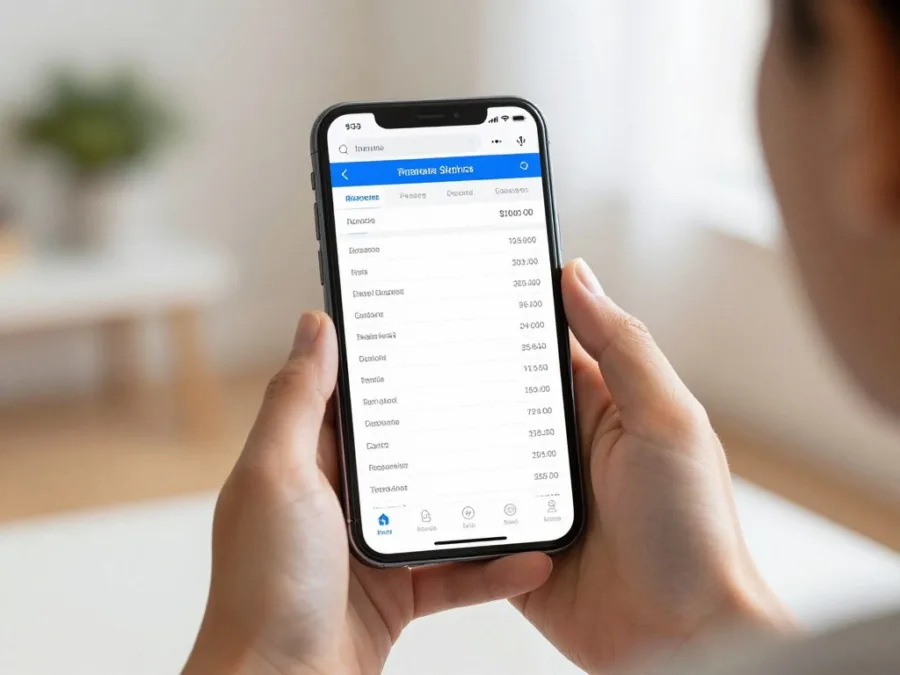
Automated Comparison Engines
Algorithmic tools scan multiple merchant databases to evaluate warranty terms, technical specifications, and shipping fees in real time.
While conversational discovery accelerates ideation, purchase transactions still conclude primarily on established merchant e-commerce platforms or inside physical locations. Reported consumer survey research emphasizes that shoppers value generative summaries for complex technical gear, beauty routines, and artisanal crafts. However, projections indicating fully automated agentic transactions remain in early development stages, with final checkout approval resting firmly with the human purchaser.
4. Value Consciousness and Selective Premium Splurging
Household budgeting strategies for late 2026 reflect a pragmatic approach to discretionary outlays. Consumers demonstrate acute price sensitivity regarding standard baseline items, actively seeking promotional coupons, loyalty rebates, and store-brand alternatives. At the same time, shoppers exhibit a distinct willingness to allocate funds toward meaningful, high-perceived-value statement gifts for immediate family members and close partners.
Retail trade assessments indicate that promotional transparency directly influences brand conversion rates during November and December. Consumers readily abandon full shopping carts when hidden processing surcharges or unexpectedly high shipping fees appear at the final payment screen. Retailers respond by implementing clear tiered discount thresholds, promotional bundles, and transparent checkout pricing summaries that eliminate unexpected transaction costs.
Classification: Observable consumer behavior confirms rising price comparisons via digital aggregators, while retail industry projections estimate the financial balance between private-label adoption and luxury gift outlays for the 2026 season.
This bifurcated spending model requires merchandising teams to present clear product tiering within core departments. Budget-friendly stocking stuffers and accessible gift sets receive prominent merchandising on perimeter endcaps and app landing pages. Concurrently, curated collections of premium audio devices, designer outerwear, and fine jewelry receive prominent digital storytelling to support selective splurge purchases.
5. Expansion of Experiential Gifting and Services
Tangible consumer goods encounter sustained competition from experiential offerings across the winter gifting calendar. A growing segment of American households chooses to invest in shared memories, concert tickets, culinary workshops, travel reservations, and wellness services rather than traditional packaged products. This generational lifestyle priority appeals to consumers who value decluttered living spaces and meaningful shared personal experiences.
Prior seasonal surveys published by the NRF documented consistent demand for gift cards redeemable for dining, entertainment, and specialty personal care services. Forward projections for 2026 indicate that service providers will capture an increased proportion of total discretionary holiday outlays. Retailers with physical storefronts adapt to this trend by bundling merchandise with access to classes, customized styling appointments, or exclusive brand workshops.
- Digital and physical gift cards representing casual dining, specialty coffee houses, and fine dining establishments.
- Tickets and season passes for performing arts venues, sporting events, regional amusement parks, and museum exhibits.
- Subscription services spanning streaming entertainment, cloud gaming access, audiobooks, and monthly gourmet food boxes.
- Personal wellness packages including spa treatments, fitness studio memberships, and guided outdoor recreational excursions.

Experiential giving also solves critical late-season logistical hurdles for procrastinating shoppers. Digital delivery vouchers and downloadable certificates bypass physical shipping constraints, enabling seamless gift delivery even on Christmas Eve. Service merchants benefit from favorable operating cash flow patterns during December, followed by redemption traffic throughout the subsequent first quarter.
6. Mobile Commerce Dominance and Frictionless Checkout
Smartphone transactions represent the primary channel for digital holiday retail sales across the United States. While desktop computers remain relevant for complex research, mobile devices dominate overall browsing sessions and conversion volumes throughout November and December. The integration of native merchant applications, biometric verification protocols, and one-tap digital wallet options has minimized previous friction points associated with mobile purchasing.
Historical commerce tracking confirms that mobile orders accounted for the majority share of digital revenue during past Cyber Week periods. Economic forecasts for 2026 project that smartphone sales will consolidate their market lead, capturing an unprecedented proportion of overall online holiday turnover. Retailers optimize mobile site speeds, simplify navigation menus, and deploy responsive visual search tools to sustain this conversion trajectory.
Digital Wallet Integration
One-touch payment solutions eliminate tedious manual credit card entry on mobile devices, cutting cart abandonment rates during high-velocity flash sales.
Native Retail App Utility
Proprietary retailer applications provide real-time shelf inventory lookups, in-store indoor navigation maps, and exclusive early access to promotional doorbusters.
Social media platform redirects and algorithmic shopping feeds funnel immediate transaction traffic straight to merchant mobile product pages. Shoppers transition from discovering an apparel trend or home decor concept to executing a completed order within seconds. Retail platforms that require complex account creation steps or display slow-loading assets risk immediate bounce rates to competing merchants.
7. Omnichannel Fulfillment and Final Shipping Cutoffs
As parcel carrier capacity tightens in mid-December, omnichannel fulfillment services serve as an indispensable bridge between digital commerce and physical stores. Buy Online, Pick Up In-Store (BOPIS) and contactless curbside collection programs enable shoppers to bypass carrier delays and avoid expedited delivery fees. Retailers convert their physical store footprints into distributed local fulfillment hubs, fulfilling regional online orders from stockroom shelves.
Operational data from past retail seasons demonstrates a dramatic surge in store-pickup adoption starting roughly ten days before Christmas, coinciding with standard ground shipping cutoff deadlines. Predictive supply chain analyses for the 2026 holiday period indicate that merchants with integrated inventory visibility across warehouses and retail outlets will capture higher conversion rates in late December. Consumers prioritize the certainty of confirmed local collection over the potential risks of transit delays.
Classification: Peak shipping deadlines are determined by announced carrier logistics schedules, whereas the proportion of holiday shoppers relying on in-store pickup represents an evolving operational projection based on historical delivery reliability.
Store associate workflows require dedicated training to manage the influx of staging bags, merchandise sorting, and rapid handover procedures during peak December weeks. Retailers establish clearly marked pickup staging zones near primary entrances to prevent congestion around traditional customer service desks. When executed smoothly, in-store pickup visits frequently generate incremental impulse purchases as shoppers browse nearby seasonal merchandise displays.
9. Category Rebalancing: Apparel, Electronics, and Home Goods
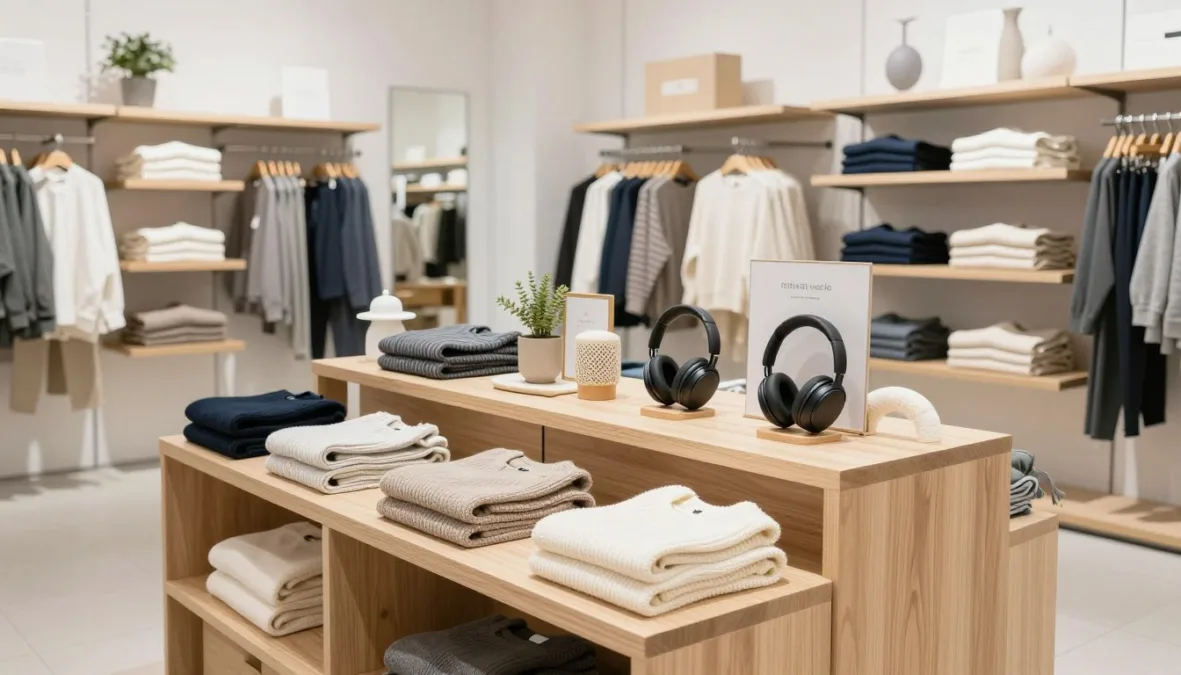
Consumer spending across key holiday merchandise departments exhibits clear cyclical rebalancing throughout the 2026 season. After periods of uneven replacement cycles, consumer electronics and smart home devices experience renewed interest, driven by upgraded processing chips and energy-efficient hardware. Apparel and footwear remain dependable gifting staples, though promotional discounting remains crucial to driving volume sales.
Retail trade surveys published by commercial research firms and consumer behavior analysts project steady expenditure allocations across traditional core departments. Historical baseline sales records confirm that apparel consistently leads overall gifting unit volume, closely followed by personal care items, toys, and small kitchen electronics. In home decor and furnishings, purchasing patterns lean heavily toward practical seasonal accents, entertaining essentials, and modular storage solutions rather than major furniture renovations.
| Merchandise Category | Expected Demand Level | Primary Promotional Strategy | Observed Performance Factor |
| Apparel & Footwear | High Volume | Tiered percentage discounts and buy-one-get-one promotions | Consistent unit volume leader across holiday demographics |
| Consumer Electronics | Selective Splurge | Limited doorbusters, trade-in rebates, and hardware bundles | High dollar volume driven by product upgrade cycles |
| Toys & Gaming | Concentrated Peak | Early holiday layaway, exclusive franchise sets, and digital gift cards | Strong family prioritization despite household budget pressures |
| Home & Entertaining | Moderate Steady | Seasonal kitchenware bundles and entertaining tabletop displays | Purchasing driven by hosting schedules and personal gifting |
Merchandisers manage inventory levels tightly to avoid excessive margin erosion during late-December markdown clearance periods. Dynamic pricing software enables retailers to adjust promotional discounts in response to regional competitor stock positions and real-time velocity metrics. Retailers who maintain balanced category stock avoid deep distress discounting while satisfying shopper demand across essential product lines.
10. Late-Stage Purchasing and Super Saturday Brick-and-Mortar Footprint
Despite the proliferation of early discount promotions and digital shopping channels, a substantial portion of the American holiday retail market completes purchases in the final days preceding Christmas. Super Saturday—the final Saturday before Christmas Day—represents an immense in-store shopping surge. Consumers flock to regional shopping malls, department stores, and local retail corridors to resolve remaining gift lists and acquire last-minute entertaining provisions.
NRF consumer research routinely records millions of shoppers utilizing the final week before the holiday to finish gift procurement. Projections for late December 2026 suggest that brick-and-mortar storefronts will capture heightened foot traffic from consumers who have passed standard delivery shipping windows. Physical stores offer shoppers absolute certainty of physical possession, eliminating anxiety regarding lost transit packages or porch delivery delays.
- Curated grab-and-go gift displays positioned adjacent to high-traffic checkout lanes and store entrances.
- Extended operational hours during the final week to accommodate shifting consumer work and family schedules.
- Complimentary or low-cost gift wrapping stations that enhance the convenience of physical store visits.
- Real-time shelf inventory availability displayed on store mobile apps to guide local shopper navigation.
Retail operations during this late-stage push emphasize rapid shelf restocking, organized line management, and streamlined register operations. Store managers prioritize customer service desk staffing to process returns, exchanges, and gift card sales efficiently. By providing a clean, accessible physical browsing experience, brick-and-mortar stores solidify their vital role in closing out the holiday shopping season successfully.
Frequently Asked Questions
When do most American consumers begin holiday shopping in 2026?
Historical retail surveys show that more than half of shoppers begin browsing and purchasing before November. However, the heaviest concentration of consumer spending remains focused between Thanksgiving Day and Cyber Monday, with a secondary surge occurring on Super Saturday in late December.
How does economic forecasting differ from reported retail holiday sales?
Economic forecasting relies on predictive models, consumer sentiment indices, and historical trend projections compiled before and during the season. Reported retail holiday sales represent audited transaction data and government commerce figures compiled and published after the retail period concludes.
What role will artificial intelligence play in consumer holiday shopping during 2026?
Consumers utilize conversational artificial intelligence to generate personalized gift recommendations, compare complex product technical specifications, and locate competitive prices across multiple merchants. Retailers deploy generative tools to power on-site customer service chatbots and provide tailored product pairing suggestions.
Why is in-store pickup critical during late December?
In-store pickup services allow shoppers to purchase items online after standard parcel shipping deadlines have passed without paying expedited delivery surcharges. This fulfillment method provides immediate product certainty and eliminates risks associated with carrier transit delays.
Which merchandise categories typically drive the highest unit volume during the holidays?
Apparel, footwear, toys, and personal care gift sets consistently lead overall unit volume across holiday retail channels. High-value categories such as consumer electronics and major kitchen appliances drive substantial dollar volume during peak promotional days like Black Friday and Cyber Monday.
Navigating the 2026 Holiday Retail Landscape
The 2026 holiday shopping season demands strategic agility from retailers and informed discipline from consumers across the United States. Success across November and December relies on integrating transparent promotional timing, dependable omnichannel fulfillment services, and intuitive digital discovery tools. By understanding the distinction between predictive market forecasts and verified consumer habits, market participants can navigate the winter retail corridor with operational clarity and commercial resilience.

Priyanka Pandey
Senior Research Editor · Top10Sense
Priyanka specializes in tech, consumer products, and digital trends. She combines hands-on testing, vendor interviews, and database research to create trustworthy “Top 10” rankings. Her work has been referenced by industry blogs and brand report pages.




8. Creator-Led Discovery and Native Social Shopping
Social media networks have transformed from passive advertising channels into integrated transaction hubs where product discovery and final purchase happen in a continuous flow. Short-form video creators, digital stylists, and niche subject matter specialists curate gift guides tailored to specific demographics, lifestyle aesthetics, and price brackets. Consumers actively look to these community figures for authentic unboxing impressions, styling demonstrations, and honest durability reviews.
Market projections for 2026 outline significant expansion in gross transaction value generated through native social checkout systems. Rather than following external links to separate browser windows, shoppers increasingly complete transactions directly inside social applications using stored payment credentials. Livestream shopping demonstrations and interactive product showcases gain heightened engagement during major discount holidays such as Singles’ Day, Black Friday, and Cyber Monday.
Native Social Checkout
Direct Merchant Webstore
Small and mid-sized direct-to-consumer brands rely heavily on creator collaborations to bypass traditional media placement costs. Meanwhile, national department store chains and mass merchandisers contract top-tier digital personalities to host live holiday broadcast events. This shift highlights how decentralized community influence increasingly guides seasonal demand generation across consumer markets.