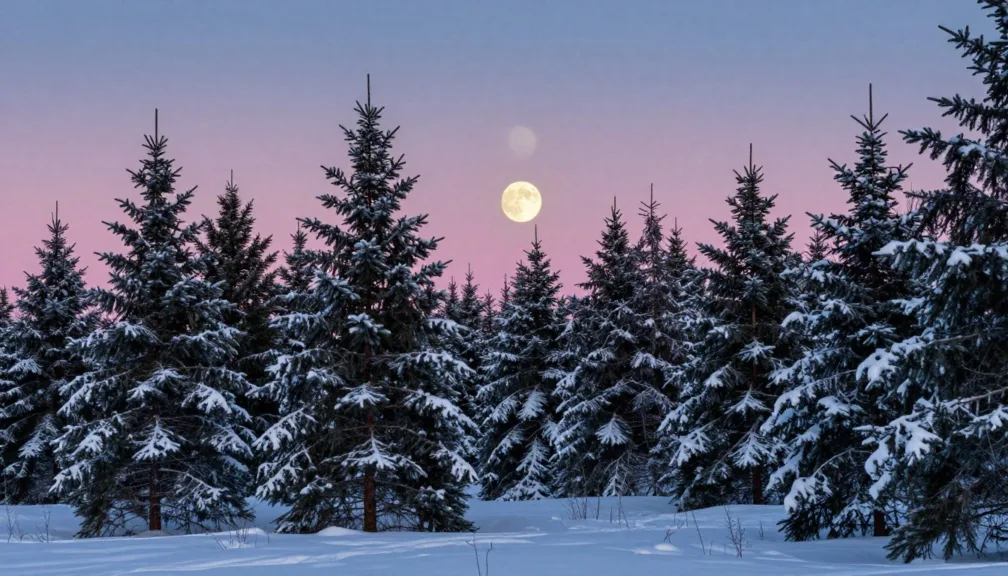
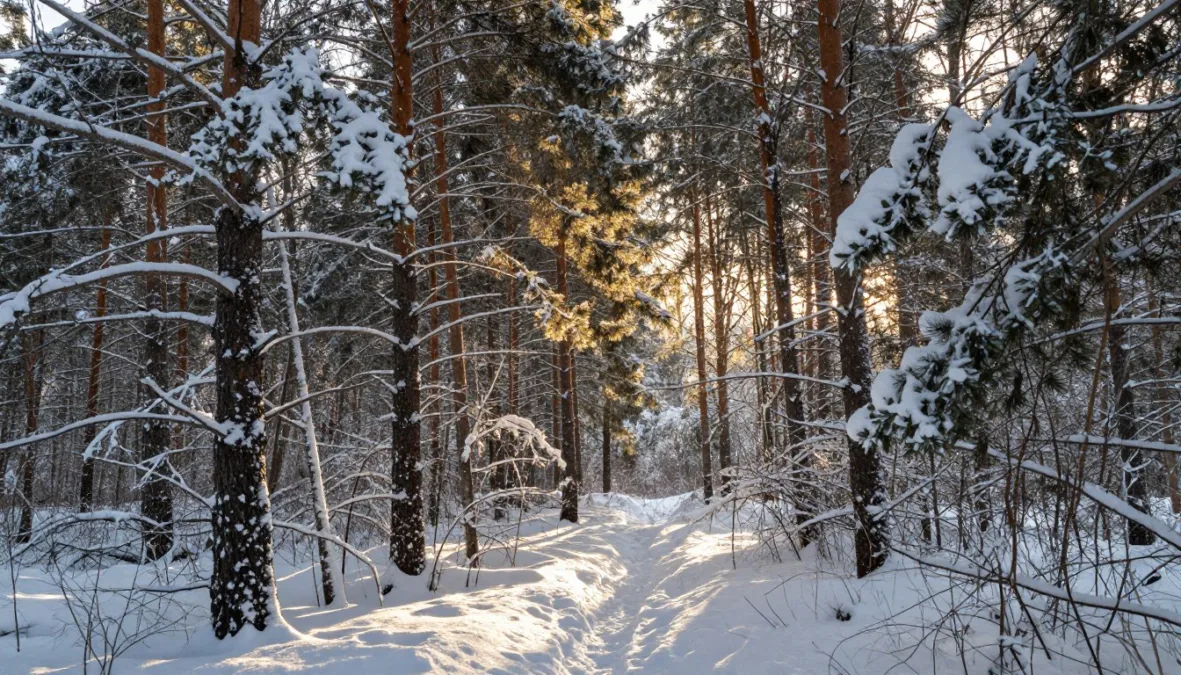
The winter solstice marks the exact astronomical moment when a hemisphere tilts farthest away from the Sun, producing the shortest period of daylight and the longest night of the calendar year. Rather than lasting an entire day, the event happens in a single instant dictated by celestial mechanics. Exploring foundational winter solstice facts clarifies how planetary orientation, orbital speed, and latitude shape our seasonal calendar.
Geographic position determines how this phenomenon is experienced across the globe. Observers at higher northern latitudes notice dramatic drops in daylight hours, while equatorial zones detect minimal seasonal fluctuation. Understanding the underlying astronomy dispels common assumptions about orbital distance, local sunset schedules, and temperature patterns.
Fact 1: The Solstice Occurs at a Precise Moment on December 21, 2026
The December solstice is an instantaneous event rather than a 24-hour occurrence. In 2026, the northern winter solstice takes place on Monday, December 21, at precisely 20:50 Coordinated Universal Time (UTC). Local clocks register this moment differently depending on time zone boundaries across the globe.
In the United States, the event corresponds to 3:50 PM Eastern Standard Time, 2:50 PM Central Standard Time, 1:50 PM Mountain Standard Time, and 12:50 PM Pacific Standard Time on December 21. Observers located in time zones far to the east, including parts of East Asia, Australia, and New Zealand, will mark the astronomical moment on the calendar morning of Tuesday, December 22, 2026. This precise instant represents the Sun reaching its southernmost celestial declination directly above the Tropic of Capricorn.
The exact timing of the solstice shifts slightly each calendar year because Earth’s orbital period lasts approximately 365.24 days, requiring the leap year adjustment to keep human calendars aligned with solar cycles.
Fact 2: Axial Tilt Explains the Shortest Day in the Northern Hemisphere
Earth’s axial tilt governs the dramatic reduction in daylight hours across the Northern Hemisphere in December. The planet rotates on an axis tilted roughly 23.4 degrees relative to its orbital plane around the Sun. When the North Pole points directly away from the Sun, solar rays strike the northern half of the planet at their shallowest angle.
Because the Sun rises lower above the horizon, its path across the sky traces a much shorter arc compared to summer months. This compact trajectory reduces the time between sunrise and sunset to its yearly minimum for all northern observers. The degree of daylight reduction depends directly on northern latitude:
- Locations near the equator experience negligible variation, maintaining nearly twelve hours of daylight year-round.
- Mid-latitude areas, such as the central United States, receive roughly nine hours of daylight during the event.
- Regions approaching the Arctic Circle observe the solar disc barely skim the horizon for a brief span of pale twilight.

Fact 3: The Earliest Sunset Happens Weeks Before the Solstice
A widespread assumption holds that the shortest day of the year must coincide with both the earliest sunset and the latest sunrise. In reality, the earliest sunset across mid-northern latitudes occurs in early December, while the latest sunrise does not arrive until early January. This timing discrepancy arises from the complex relationship between true solar time and standard clock time.
Solar noon, the exact moment the Sun reaches its highest point in the sky, rarely occurs at exactly 12:00 PM on civil clocks. Two distinct astronomical factors create this discrepancy, mathematically described by the equation of time. First, Earth travels along an elliptical orbit rather than a perfect circle, accelerating as it nears the Sun in early January. Second, Earth’s equator is tilted relative to the orbital plane, which causes the Sun’s apparent eastward progression to vary throughout the year.
| Phenomenon | General Timing | Primary Driving Mechanism |
| Earliest Sunset | Early December | Earlier solar noon combined with seasonal solar declination drop. |
| Winter Solstice | December 21, 2026 | Peak axial tilt away from the Sun, yielding shortest total daylight. |
| Latest Sunrise | Early January | Later solar noon shifting daily sunrise times forward on civil clocks. |
Because solar noon shifts progressively later on civil clocks throughout December, both sunrise and sunset get pushed incrementally later day by day. This shift causes the afternoon sunset to bottom out early in the month before beginning to stay light later, even while morning sunrises continue to grow darker past the solstice.
Fact 4: The Southern Hemisphere Experiences Its Longest Day
While northern regions observe the winter solstice, the Southern Hemisphere simultaneously experiences the summer solstice. Because Earth is an integrated sphere, tilting the North Pole away from the Sun inherently angles the South Pole directly toward it. This seasonal symmetry creates opposite daylight conditions across the two halves of the planet.
South of the equator, December 21 marks the day with the greatest number of daylight hours and the highest solar trajectory of the year. Regions south of the Antarctic Circle experience the midnight sun, with continuous daylight illuminating the ice sheets for twenty-four hours.
Northern Hemisphere Conditions
Minimal daylight hours, low solar elevation angles, and the arrival of astronomical winter define northern territories.
Southern Hemisphere Conditions
Maximum daytime duration, peak solar intensity at the Tropic of Capricorn, and the onset of astronomical summer characterize southern regions.

Fact 5: The Shortest Day Is Rarely the Coldest Day
Although the winter solstice provides the least incoming solar radiation of any day in the Northern Hemisphere, it is rarely the coldest date on the calendar. Mid-latitude regions generally experience their lowest daily temperatures several weeks later, typically in January or February. This delayed thermal reaction is known scientifically as seasonal lag.
Earth’s land masses, atmospheres, and vast ocean bodies store substantial heat accumulated over the preceding summer and autumn. Even after the Sun’s daily heating falls to its minimum level on the solstice, the planet continues to lose more heat to outer space each night than it absorbs during the day. Temperatures continue declining until incoming solar energy finally exceeds outgoing thermal radiation later in winter.
Water possesses exceptionally high specific heat capacity, meaning oceans cool down very slowly and exert a moderating influence that extends the winter temperature delay across coastal regions.
Fact 6: Midday Shadows Reach Their Longest Length of the Year
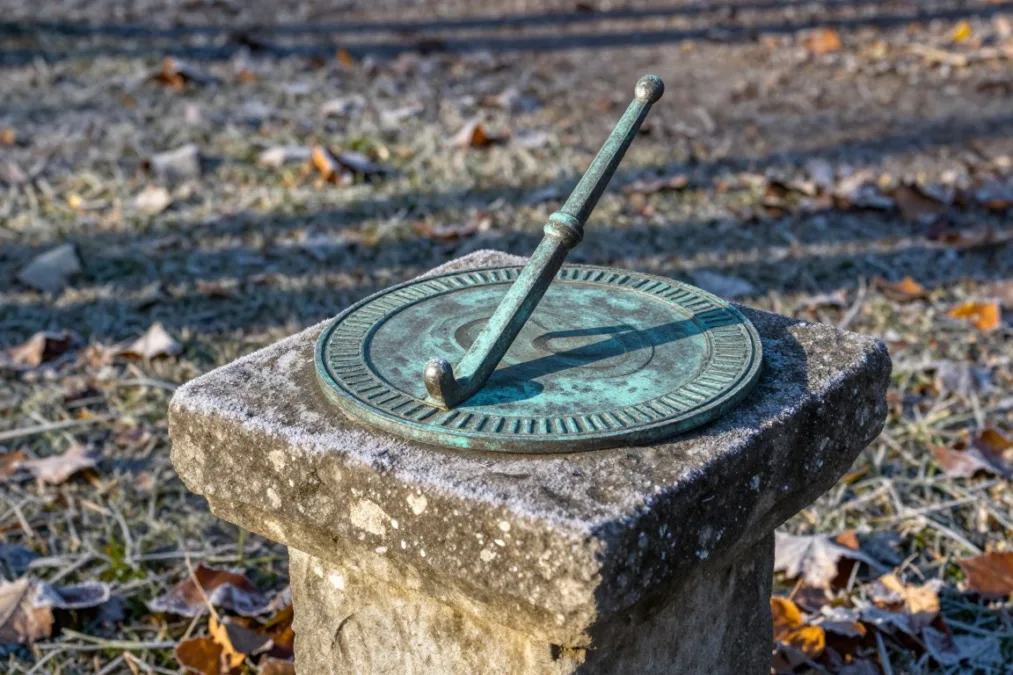
At local solar noon on the winter solstice, shadows cast by upright objects stretch to their greatest annual length anywhere north of the Tropic of Cancer. Because the Sun reaches its lowest midday altitude above the horizon on this date, incoming light hits vertical surfaces at an extreme, acute angle. The resulting shadow projection can measure several times the actual height of the object casting it.
Architects, urban planners, and solar energy designers pay close attention to solstice shadow lengths when mapping building spacing and solar panel placement. Structures must be designed to avoid casting perpetual winter shadows on neighboring properties or blocking rooftop photovoltaic arrays during periods of already limited sunlight.
Low Solar Altitude
The solar disc reaches only its minimum apex across the southern sky, keeping daylight beams flat across the terrain.
Extensive Shadow Cast
Vertical posts and trees project horizontal shadows that extend farther across the ground than on any other calendar day.

Fact 7: Earth Is Closer to the Sun in December Than in June
A frequent misconception assumes that winter occurs because Earth has traveled farther away from the Sun in space. In truth, the planet reaches perihelion, its closest point to the Sun along its elliptical path, in early January, just two weeks after the December solstice. Earth is actually millions of miles closer to the solar surface in December than it is during the northern summer in July.
The slight change in orbital distance produces only a minor impact on seasonal temperatures compared to the overwhelming influence of axial tilt. Sunlight spread across an inclined surface distributes its thermal energy over a much wider geographic footprint, drastically reducing the concentration of heat absorbed per square meter in the northern hemisphere.
- Earth reaches its closest solar distance (perihelion) in early January.
- Distance variations cause only small changes in total incoming solar irradiance.
Orbital Distance Factor
- The Northern Hemisphere points 23.4 degrees away from the solar disc in December.
- Tilt dictates daylight duration and solar elevation angles, driving global seasons.
Axial Tilt Factor
Fact 8: Ancient Structures Mark the Solstice with Precision
Civilizations across the ancient world built monumental stone complexes specifically calibrated to capture the sunrise or sunset of the December solstice. By tracking solar movements, ancient societies could maintain dependable agricultural calendars and anticipate seasonal transitions. These structures demonstrate advanced geometric calculation and observational astronomy.
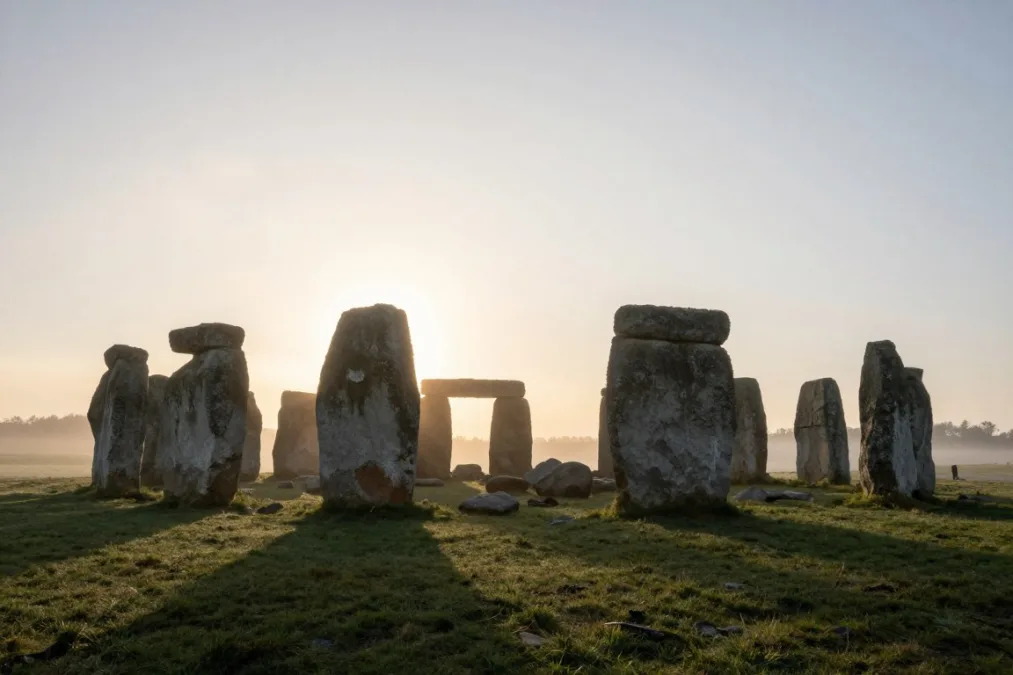
At Stonehenge in England, the massive sarsen stones frame the exact position of the setting sun on the winter solstice. In Ireland, the 5,000-year-old passage tomb at Newgrange features an engineered roof box that allows a narrow beam of dawn sunlight to illuminate the inner burial chamber for a brief period on solstice mornings. Similar alignments appear at the Karnak temple complex in Egypt and prehistoric ceremonial sites across the Americas.
At Newgrange, the inner stone chamber remains completely dark throughout the year until the winter solstice sunrise channels sunlight down a nineteen-meter passage to strike the rear wall.
Fact 9: The Arctic Circle Enters Continuous Twilight and Darkness
Areas positioned north of the Arctic Circle, located at approximately 66.5 degrees north latitude, experience the polar night during the winter solstice. In these extreme northern territories, the Sun never rises fully above the horizon on December 21. The duration and depth of darkness increase the closer one travels toward the geographic North Pole.
While communities directly on the Arctic Circle still observe several hours of blue twilight around midday as the Sun skirts just beneath the horizon, higher latitudes experience complete solar absence. At the North Pole itself, the Sun dips beneath the horizon at the September equinox and does not emerge again until the March equinox, plunging the polar cap into months of continuous nocturnal conditions.
Atmospheric refraction bends sunlight slightly upward near the horizon, allowing observers just north of the Arctic Circle to glimpse a brief sliver of the solar disc even when geometry predicts total darkness.
Fact 10: Solstice Traditions Worldwide Celebrate the Return of Light
Because the winter solstice represents the turning point after which days begin to lengthen, cultures across historical eras have commemorated the date with festivals of renewal. These celebrations focused on lighting fires, gathering community stores, and anticipating the eventual return of warmth and agricultural fertility. Many modern holiday traditions trace their origins to these ancient midwinter observances.
Historical observances established symbolic rituals to combat the darkest days of the year, several of which persist in modified cultural forms today:
- The Roman festival of Saturnalia featured feasting, gift exchanges, and temporary social equality in late December.
- Ancient Scandinavian Yule traditions centered on burning massive oak logs and decorating dwellings with evergreen boughs to symbolize resilience.
- The East Asian Dongzhi festival celebrates the balance of opposing cosmic forces and the gradual expansion of positive yang energy through shared meals.

Frequently Asked Questions About the Winter Solstice
What date does the winter solstice occur in December 2026?
The winter solstice occurs on Monday, December 21, 2026, at 20:50 UTC worldwide. Local clock dates in parts of East Asia and Oceania fall on the morning of December 22 due to regional time zone differences.
Why does daylight duration vary based on latitude?
Daylight duration depends on latitude because Earth is a sphere tilted on its axis, meaning the Sun’s daily arc climbs higher near the equator and stays lower near the poles. Higher northern latitudes tilt farther away from incoming solar rays, resulting in significantly shorter daylight paths across the sky.
Does the winter solstice mean days immediately get noticeable longer?
Daylight begins increasing immediately after the solstice, but the daily gain starts at only a few seconds per day. The rate of daily daylight addition accelerates gradually through January and reaches its fastest pace at the March equinox.
Why is the earliest sunset not on the winter solstice?
The earliest sunset precedes the winter solstice because the solar day does not match 24 hours on a standard clock during December. Earth’s elliptical orbit and axial tilt push solar noon slightly later each day, causing afternoon sunsets to bottom out weeks before the shortest overall day.
Is the winter solstice the day Earth is farthest from the Sun?
No, Earth is actually near its closest point to the Sun during the December solstice, reaching perihelion in early January. Seasonal temperatures are dictated by axial tilt and solar angles rather than orbital distance from the Sun.
Looking Forward Past the Shortest Day
The winter solstice represents a pivotal milestone in the astronomical calendar, anchoring seasonal shifts through planetary tilt and orbital mechanics. Understanding why daylight levels change and why sunset timing diverges from the solstice clarifies the broader rhythms of our solar system. Following the December 2026 solstice, daylight hours will steadily expand across the northern hemisphere until reaching their peak in June.

Priyanka Pandey
Senior Research Editor · Top10Sense
Priyanka specializes in tech, consumer products, and digital trends. She combines hands-on testing, vendor interviews, and database research to create trustworthy “Top 10” rankings. Her work has been referenced by industry blogs and brand report pages.