
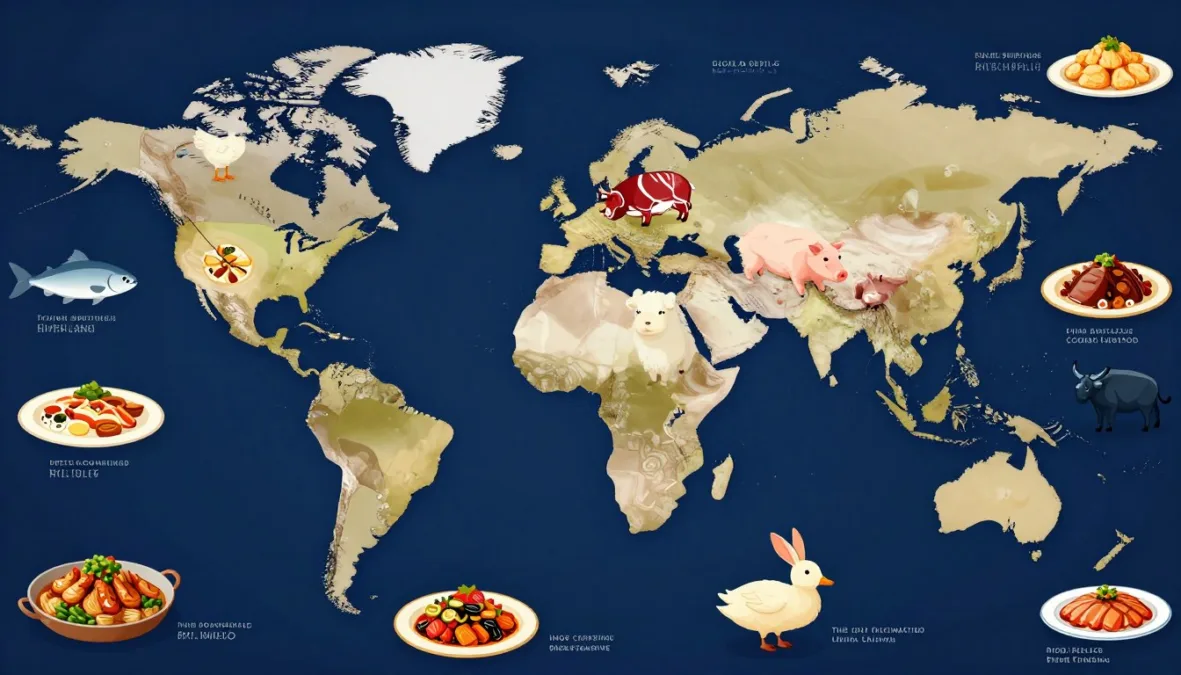
Every day, billions of people around the world make choices about what meat to consume. These decisions shape global farming practices, culinary traditions, and entire industries. Understanding which animals are most commonly eaten reveals fascinating insights into cultural preferences, economic factors, and nutritional priorities across different regions.
The global meat consumption landscape has evolved dramatically over the years. What people eat varies significantly from one country to another, influenced by religious beliefs, economic development, and local availability. Some meats dominate worldwide markets, while others remain regional specialties tied to specific traditions.
This comprehensive guide explores the top 10 animals eaten in the world. You’ll discover consumption statistics, regional preferences, health considerations, and the cultural significance behind each choice. Whether you’re a food enthusiast, culinary student, or simply curious about global eating habits, this article provides valuable insights into what feeds our planet.
Get Your Free Global Meat Cooking Guide
Download our comprehensive guide with perfect cooking temperatures, preparation methods, and timing charts for all 10 most consumed meats worldwide. Join 50,000+ food enthusiasts mastering global cuisine.
1. Chicken: The World’s Most Consumed Meat
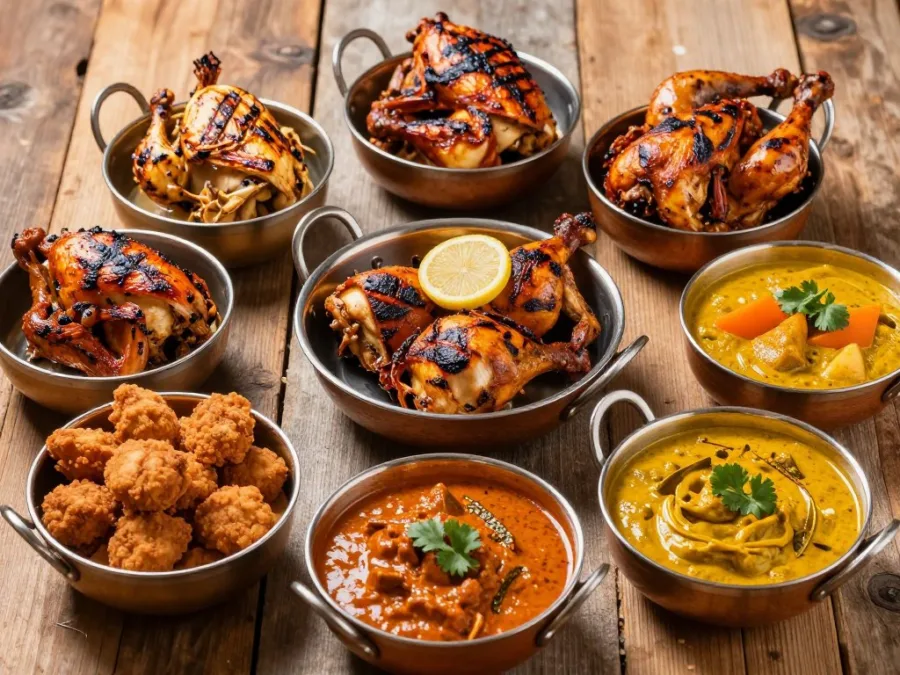
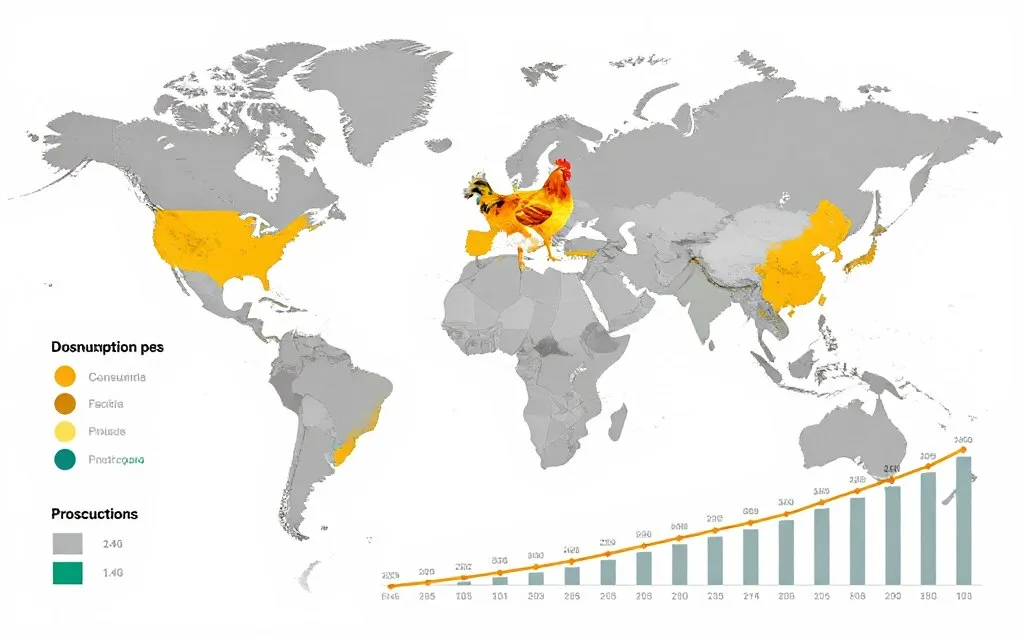
Chicken stands as the most consumed meat in the world, with global production exceeding 130 million tons annually. This remarkable dominance reflects chicken’s versatility, affordability, and broad acceptance across diverse cultures and religions. Unlike beef or pork, chicken faces fewer religious restrictions, making it accessible to wider populations.
The poultry industry has experienced explosive growth over recent decades. Countries like the United States, China, and Brazil lead in both production and consumption. The United States alone consumes over 100 pounds of chicken per person each year, demonstrating its central role in American cuisine.
Why Chicken Dominates Global Meat Consumption
Several factors contribute to chicken’s position as the top choice. The relatively short farming cycle means chickens reach market weight in just six to seven weeks. This efficiency translates to lower costs for consumers compared to beef or lamb, which require significantly longer raising periods.
Chicken meat offers exceptional versatility in cooking. From grilled breasts to fried wings, slow-cooked stews to quick stir-fries, chicken adapts to virtually every culinary tradition. This adaptability has helped chicken integrate seamlessly into cuisines around the world, from Chinese stir-fries to Indian curries to Southern fried chicken.
Health considerations also drive chicken consumption. White meat portions, particularly breast meat, provide lean protein with lower fat content than many red meats. This nutritional profile appeals to health-conscious consumers seeking protein sources that align with modern dietary recommendations.
Chicken Consumption Benefits
- Affordable protein source accessible globally
- Quick cooking times suit modern lifestyles
- Lean meat options support healthy eating
- Widely accepted across religious dietary laws
- Versatile ingredient for countless dishes
- Sustainable farming practices developing rapidly
Regional Chicken Consumption Patterns
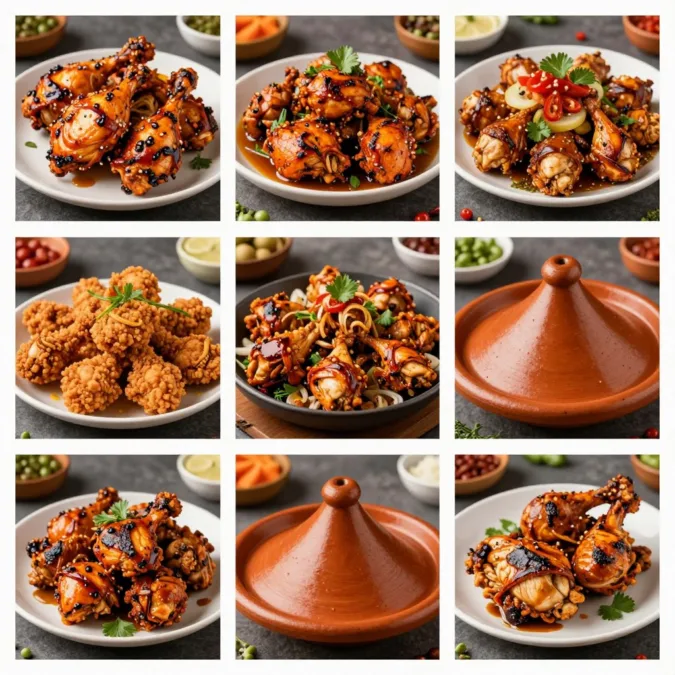
Consumption patterns vary dramatically by region. Asian countries have seen the most dramatic increases in chicken consumption, driven by rising incomes and urbanization. China has become both the world’s largest producer and consumer, with chicken playing an increasingly important role in daily meals as the country’s economy has grown.
In the United States, chicken consumption has more than doubled since the 1970s, surpassing beef as the preferred meat. Americans consume chicken in countless forms, from fast-food nuggets to upscale restaurant preparations. The variety of cuts available makes chicken suitable for every meal and budget.
Middle Eastern cuisines showcase chicken in traditional dishes that have been prepared for centuries. Grilled chicken kebabs, roasted whole birds with aromatic spices, and slow-cooked chicken stews represent just a few examples. These culinary traditions continue to influence global food trends.
African nations increasingly rely on chicken as populations grow and urbanization accelerates. Chicken farming provides both nutrition and economic opportunities in developing regions. Local and imported chicken meet growing demand across the continent.
The Future of Chicken Production
The poultry industry continues evolving to meet sustainability challenges. Innovations in farming practices aim to reduce environmental impact while maintaining production efficiency. Free-range and organic chicken options respond to consumer demand for more ethical meat production.
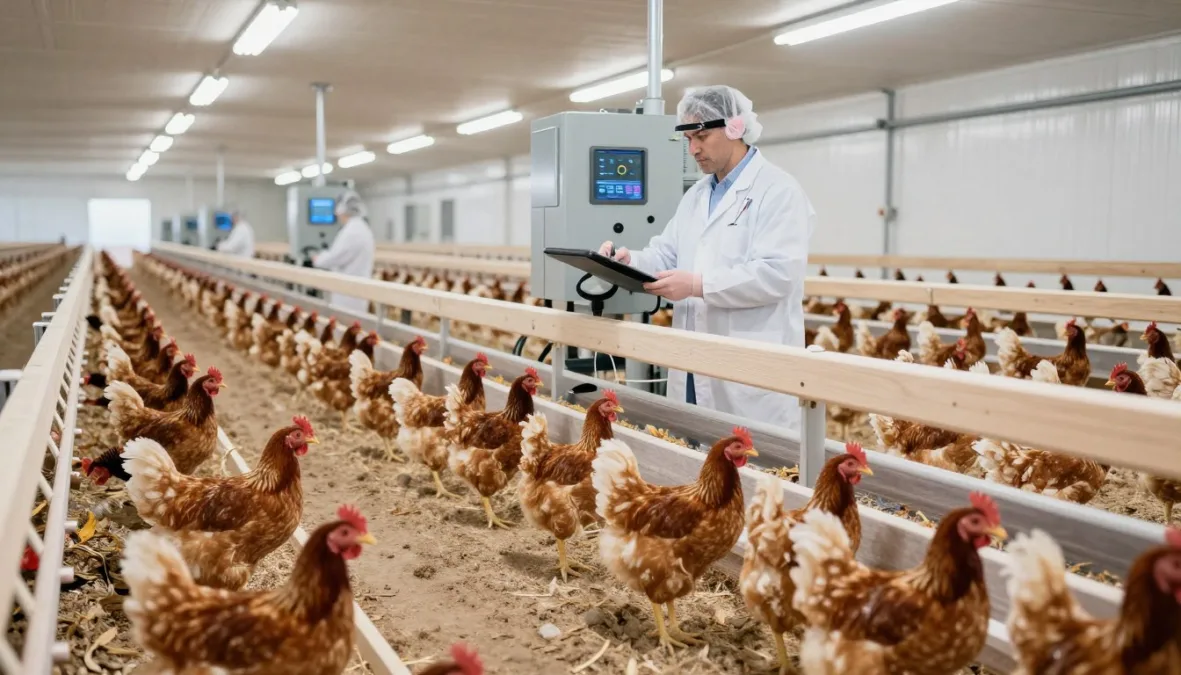
Technology plays an expanding role in chicken farming. Automated systems monitor bird health, optimize feed conversion, and improve living conditions. These advances help producers meet growing global demand while addressing animal welfare concerns.
2. Pork: A Traditional Favorite Across Continents
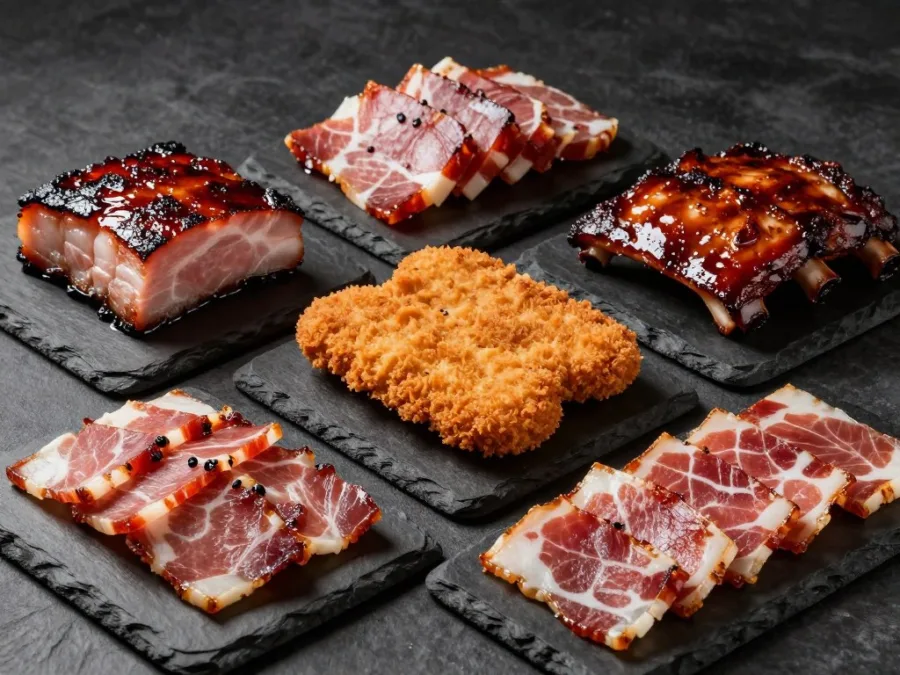
Pork ranks as the second most consumed meat globally, with annual production reaching approximately 120 million tons. This widely consumed meat has deep roots in culinary traditions across Asia, Europe, and the Americas. Pork’s popularity stems from its flavor versatility, economical production, and the variety of cuts available from a single animal.
China dominates both pork production and consumption, accounting for roughly half of global totals. Pork has been central to Chinese cuisine for thousands of years, appearing in everything from dumplings to stir-fries. The cultural significance of pork in Chinese cooking cannot be overstated, with the meat featuring in celebratory meals and everyday dishes alike.
Pork Consumption Around the World
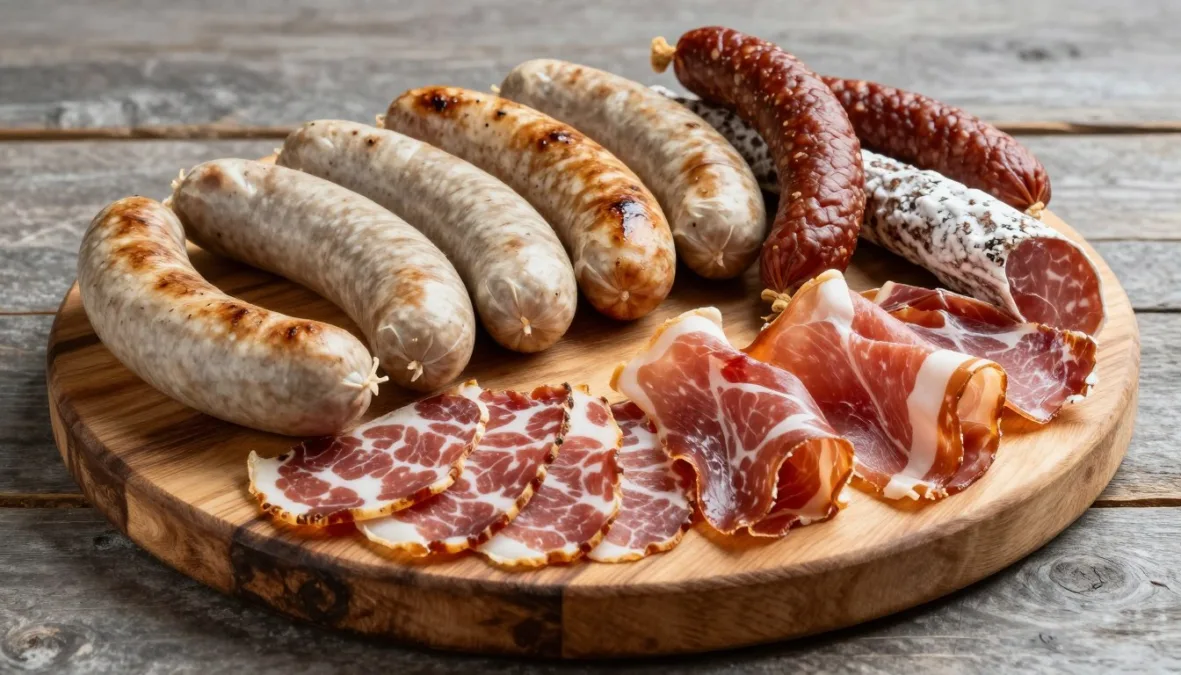
European countries maintain strong pork consumption traditions dating back centuries. Germany, Spain, and Italy have developed renowned pork products that define their culinary identities. German sausages, Spanish jamón, and Italian prosciutto showcase how different regions transform pork into prized delicacies.
The United States ranks among the top pork producers and consumers globally. American cuisine features pork in countless preparations, from breakfast bacon to slow-smoked barbecue. Regional variations like Carolina pulled pork and Kansas City ribs demonstrate pork’s adaptability to local tastes and cooking methods.
Latin American countries incorporate pork into traditional dishes that blend indigenous and European influences. Carnitas in Mexico, lechón in Puerto Rico, and various pork stews throughout South America illustrate the meat’s integration into diverse culinary traditions. These dishes often serve as centerpieces for celebrations and family gatherings.
Global Pork Production Leaders
China produces over 50 million tons annually, followed by the European Union with approximately 25 million tons, and the United States with around 12 million tons. These three regions account for the vast majority of global pork production, with smaller contributions from Brazil, Russia, and Vietnam.
Why Pork Remains Popular
Pig farming efficiency contributes significantly to pork’s widespread consumption. Pigs convert feed to meat more efficiently than cattle, requiring less land and resources. A pig reaches market weight in approximately six months, making pork production economically attractive for farmers worldwide.
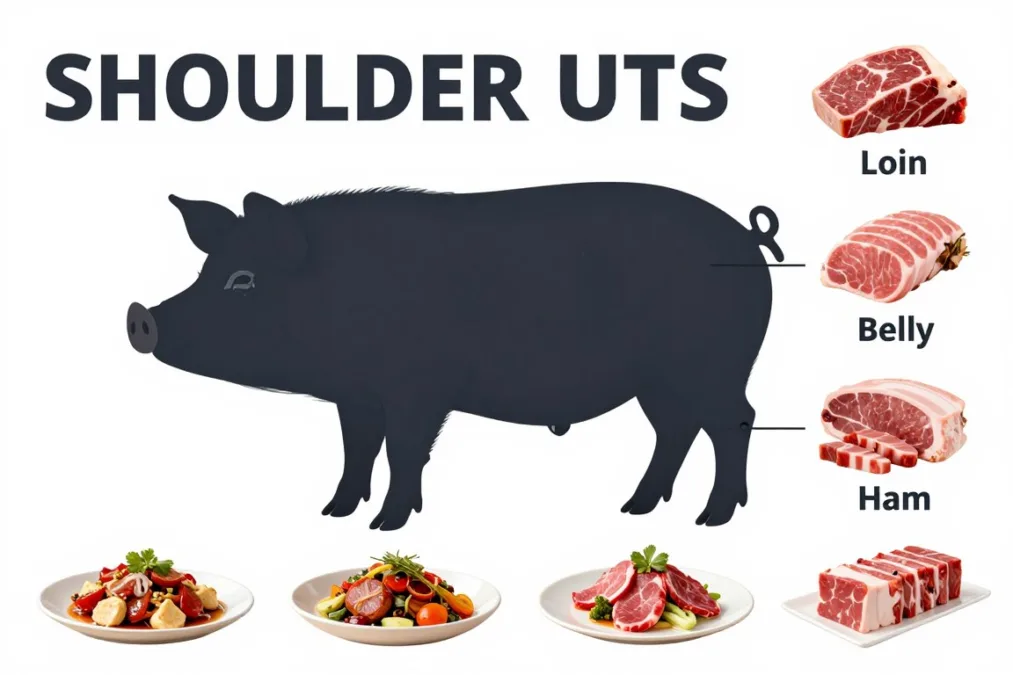
The variety of cuts and products derived from pork increases its appeal. A single pig provides everything from tender loin cuts to flavorful belly meat, ribs, and shoulders suitable for different cooking methods. This diversity allows pork to serve multiple culinary purposes from a single animal.
Flavor profiles in pork range from mild to rich depending on the cut and preparation. This versatility allows pork to absorb marinades and spices effectively, making it suitable for countless flavor combinations. Chefs worldwide appreciate pork’s ability to complement both subtle and bold seasonings.
Cultural and Religious Considerations
Religious dietary laws significantly impact pork consumption patterns globally. Islamic and Jewish dietary restrictions prohibit pork consumption, affecting markets in predominantly Muslim and Jewish regions. These restrictions explain why pork consumption remains low in Middle Eastern and North African countries despite its global popularity.
In regions without religious restrictions, pork consumption often correlates with cultural traditions passed down through generations. Family recipes featuring pork connect people to their heritage, sustaining demand across demographic changes. Holiday meals in many cultures prominently feature pork dishes as symbols of celebration and abundance.
3. Beef: The Protein Powerhouse
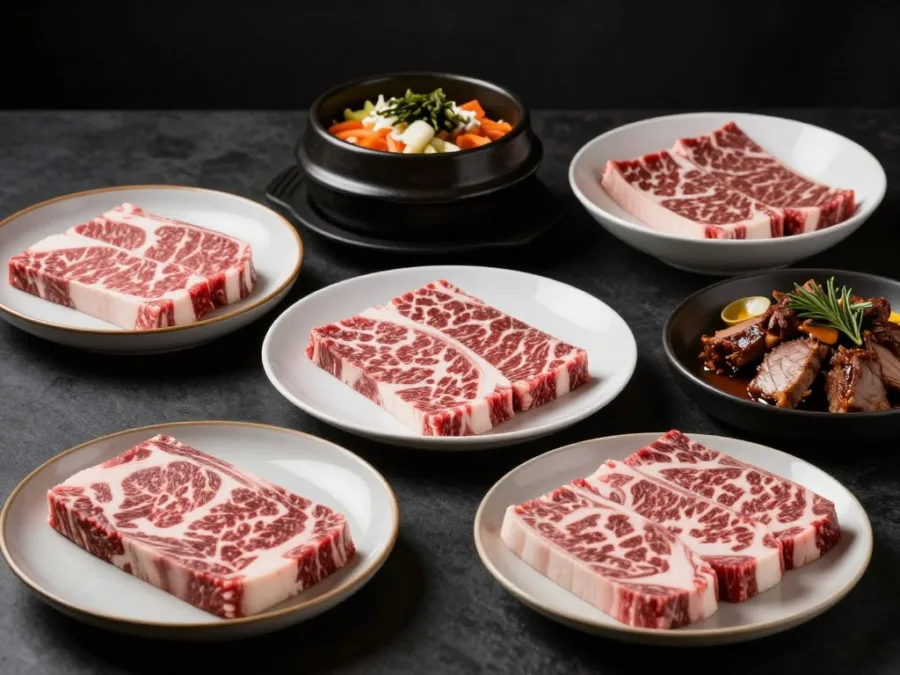
Beef ranks third among the most consumed meats globally, with annual production around 72 million tons. This meat holds a special place in many cultures, often associated with prosperity, celebration, and high-quality nutrition. Beef consumption patterns reflect economic development, with wealthier nations typically consuming more beef per capita.
The United States leads beef consumption globally, with Americans eating approximately 58 pounds per person annually. American cattle ranching traditions and the cultural significance of beef in American cuisine, from burgers to steaks, drive this high consumption rate. The country’s vast grasslands and grain production support a massive beef industry.

Global Beef Consumption Patterns
South American countries, particularly Argentina, Brazil, and Uruguay, maintain strong beef consumption traditions. Argentine asado culture exemplifies beef’s central role in social gatherings and national identity. Brazil combines large-scale beef production with domestic consumption, making it both a major exporter and consumer.
European beef consumption varies by country, with traditional beef dishes defining regional cuisines. French beef bourguignon, British roast beef, and Italian bistecca alla fiorentina showcase beef’s versatility in European cooking. These dishes often use specific cattle breeds raised using traditional methods.
Asian beef consumption has grown significantly as economies develop. Countries like China, Japan, and South Korea have increased beef imports to meet rising demand. Japanese wagyu and Korean hanwoo represent premium beef categories commanding high prices due to specialized breeding and raising techniques.
Top Beef Consuming Nations
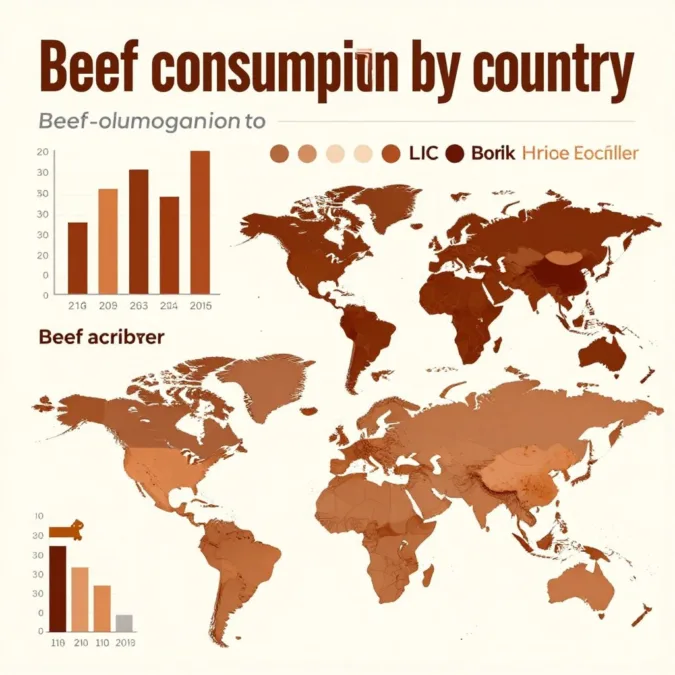
- United States (58 lbs per capita annually)
- Argentina (55 lbs per capita annually)
- Brazil (42 lbs per capita annually)
- Australia (36 lbs per capita annually)
- European Union (average 24 lbs per capita)
Nutritional Value and Health Considerations
Beef provides essential nutrients including high-quality protein, iron, zinc, and B vitamins. Red meat serves as one of the best sources of heme iron, which the body absorbs more efficiently than plant-based iron sources. These nutritional benefits contribute to beef’s popularity despite health debates surrounding red meat consumption.
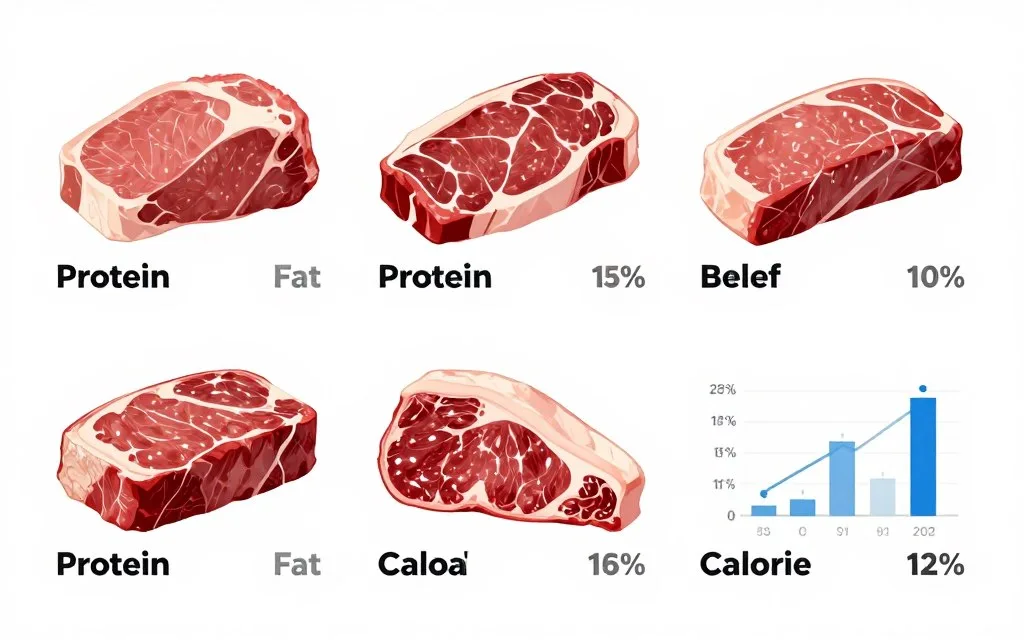
Different cuts offer varying nutritional profiles. Lean cuts like sirloin and tenderloin provide protein with less fat, while marbled cuts like ribeye offer richer flavor with higher fat content. Understanding these differences helps consumers make informed choices based on dietary goals.
Health recommendations regarding beef consumption emphasize moderation and choosing lean cuts. Organizations like the World Health Organization suggest limiting red meat intake while acknowledging its nutritional contributions. Grass-fed beef has gained popularity among health-conscious consumers seeking alternatives to grain-fed options.
Environmental Impact and Sustainability
Beef production faces scrutiny for its environmental impact. Cattle ranching requires substantial land and water resources while producing greenhouse gas emissions. These concerns have sparked discussions about sustainable beef production methods and consumption reduction in developed nations.
Innovative farming practices aim to reduce beef’s environmental footprint. Rotational grazing, improved feed efficiency, and regenerative agriculture techniques show promise for more sustainable beef production. Some ranchers adopt these methods to meet consumer demand for environmentally responsible meat.
The beef industry continues evolving to address sustainability challenges while meeting global demand. Technology improvements in breeding, feeding, and processing enhance efficiency. Alternative proteins and lab-grown meat emerge as potential complements to traditional beef production, though conventional beef remains dominant.
Discover Global Meat Recipes
Join our community of food enthusiasts exploring culinary traditions worldwide. Receive weekly recipes, cooking tips, and cultural insights about meat preparation from every continent.
4. Fish and Seafood: The Ocean’s Harvest
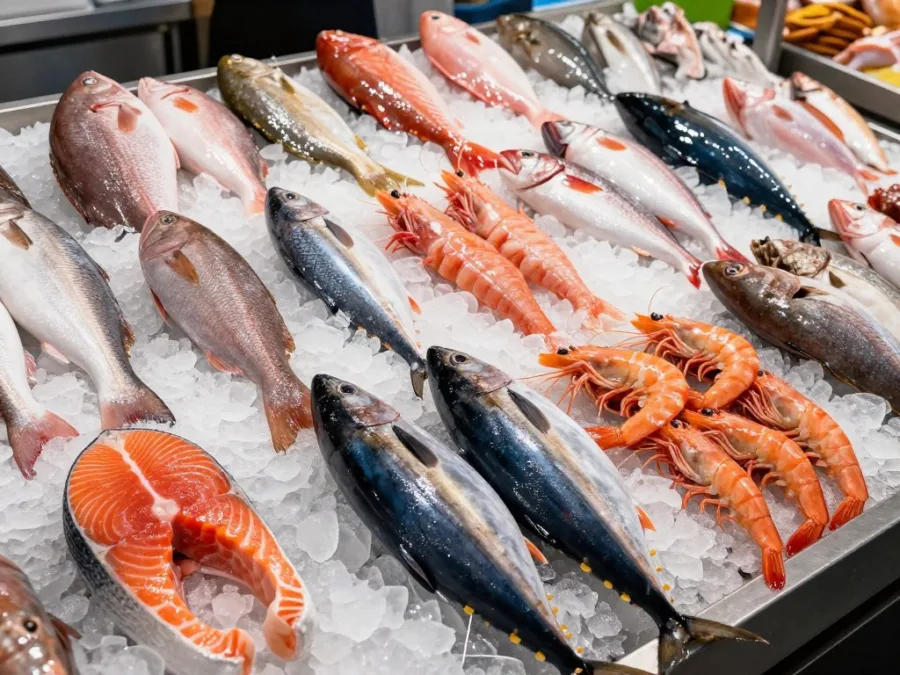
Fish and seafood represent a massive protein source consumed worldwide, with annual global catches and aquaculture production exceeding 170 million tons. This category includes countless species from tiny sardines to massive tuna, plus shellfish and other marine life. Coastal populations have relied on fish as a primary protein source for millennia.
Asia dominates fish consumption, accounting for approximately 70% of global totals. Countries like China, Japan, Indonesia, and the Philippines integrate fish into daily meals rather than treating it as an occasional protein choice. Rice and fish combinations form dietary staples across much of Asia.
Popular Fish Species Consumed Globally
Salmon ranks among the most consumed fish worldwide, prized for its flavor, nutritional value, and versatility. Both wild-caught and farm-raised salmon supply global markets. Norway, Chile, and Scotland lead in salmon farming, while Alaska provides substantial wild salmon harvests.

Tuna drives a multi-billion dollar global industry, consumed fresh in sushi and sashimi or canned for convenient meals. Different tuna species serve different markets, with bluefin commanding premium prices in Japanese markets while skipjack supplies most canned tuna production.
Cod has sustained northern European and North American fisheries for centuries. Fish and chips in Britain, bacalhau in Portugal, and various cod preparations across Scandinavia demonstrate this fish’s cultural importance. Overfishing concerns have led to careful management of cod stocks in recent decades.
Shrimp leads global seafood consumption in the shellfish category. Farm-raised shrimp from Asia supplies most global demand, while wild-caught shrimp remains important in Gulf Coast states and other coastal regions. Shrimp’s mild flavor and quick cooking time contribute to its popularity.
Most Consumed Fish Species
- Salmon (wild and farmed)
- Tuna (multiple species)
- Cod and related whitefish
- Tilapia (primarily farmed)
- Pollock (often in processed products)
Top Shellfish Consumed
- Shrimp and prawns
- Crab (various species)
- Lobster (premium markets)
- Clams and mussels
- Oysters (fresh and farmed)
Health Benefits of Fish
- Omega-3 fatty acids for heart health
- High-quality lean protein
- Essential vitamins and minerals
- Lower calories than many meats
- Brain development support
Aquaculture Revolution
Fish farming has transformed global seafood supply over the past fifty years. Aquaculture now provides more fish than wild capture fisheries, with production continuing to grow. China leads aquaculture production, raising numerous species in ponds, tanks, and coastal waters.

Tilapia exemplifies aquaculture success, growing from a minor species to one of the most farmed fish globally. This hardy fish adapts well to farming, grows quickly, and offers mild-flavored meat appealing to diverse palates. Tilapia farming provides income for small-scale farmers in developing countries.
Challenges in aquaculture include disease management, environmental concerns, and feed sustainability. Responsible farming practices address these issues through better site selection, improved feeding strategies, and disease prevention. Certification programs help consumers identify sustainably farmed seafood.
Cultural Significance of Fish
Japanese cuisine elevates fish to an art form, with sushi and sashimi showcasing raw fish preparation skills developed over centuries. The Tokyo fish market handles billions of dollars in seafood annually, supplying restaurants and markets across Japan and beyond.
Mediterranean diets feature fish prominently, contributing to health benefits associated with these eating patterns. Grilled whole fish, fish stews, and seafood pastas represent traditional preparations that remain popular. The Mediterranean Sea has supported fishing communities for thousands of years.
Nordic countries maintain strong fish consumption traditions, with herring, salmon, and cod featuring in traditional dishes. Preservation techniques like smoking, salting, and pickling developed to store fish through long winters. These traditional preparations continue alongside modern cooking methods.
5. Lamb and Mutton: A Traditional Choice
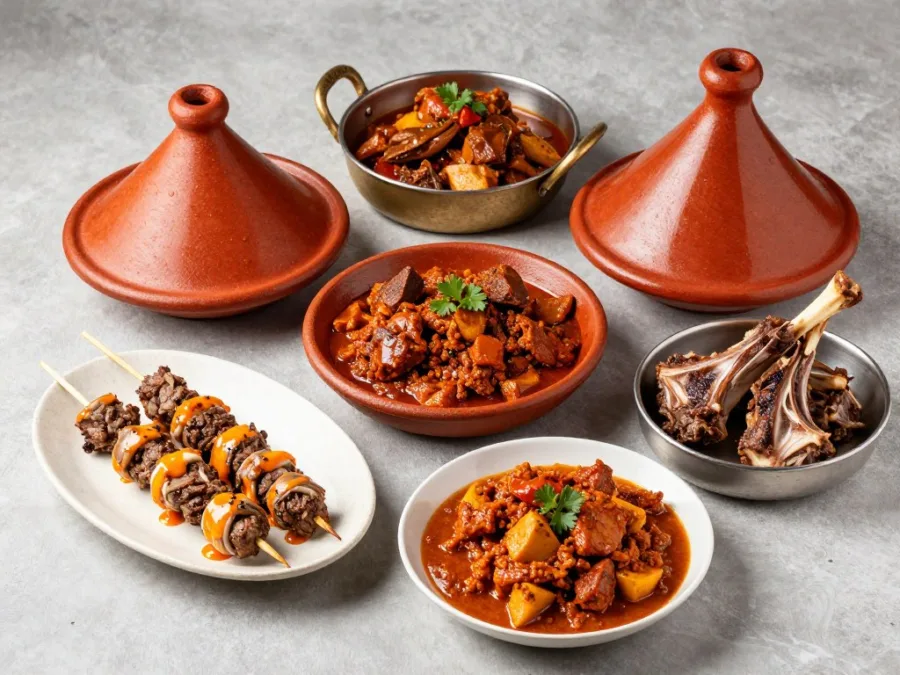
Lamb and mutton together account for approximately 15 million tons of annual global meat production. While smaller than chicken, pork, or beef production, sheep meat holds cultural and religious significance in many regions. Lamb comes from young sheep while mutton refers to meat from older animals, with lamb generally preferred for its tenderness.
Australia and New Zealand lead in lamb production and consumption per capita. These countries have developed sheep farming into major industries, with lamb featuring prominently in national cuisines. Vast grasslands provide ideal conditions for raising sheep, supporting large flocks and export markets.
Regional Lamb Consumption Patterns
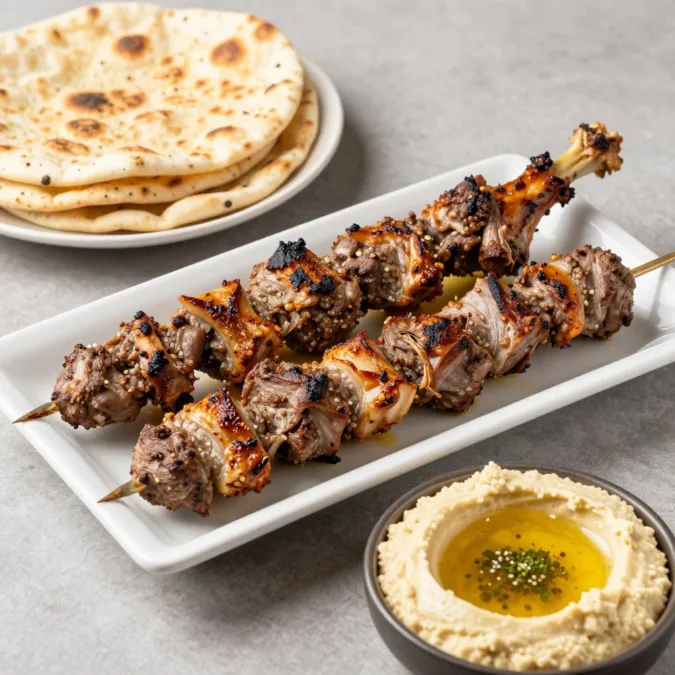
Middle Eastern countries consume significant amounts of lamb, integrating it into traditional dishes served for centuries. Lamb kebabs, slow-roasted whole lambs, and various stewed preparations appear throughout the region. Religious celebrations often feature lamb as the centerpiece of festive meals.
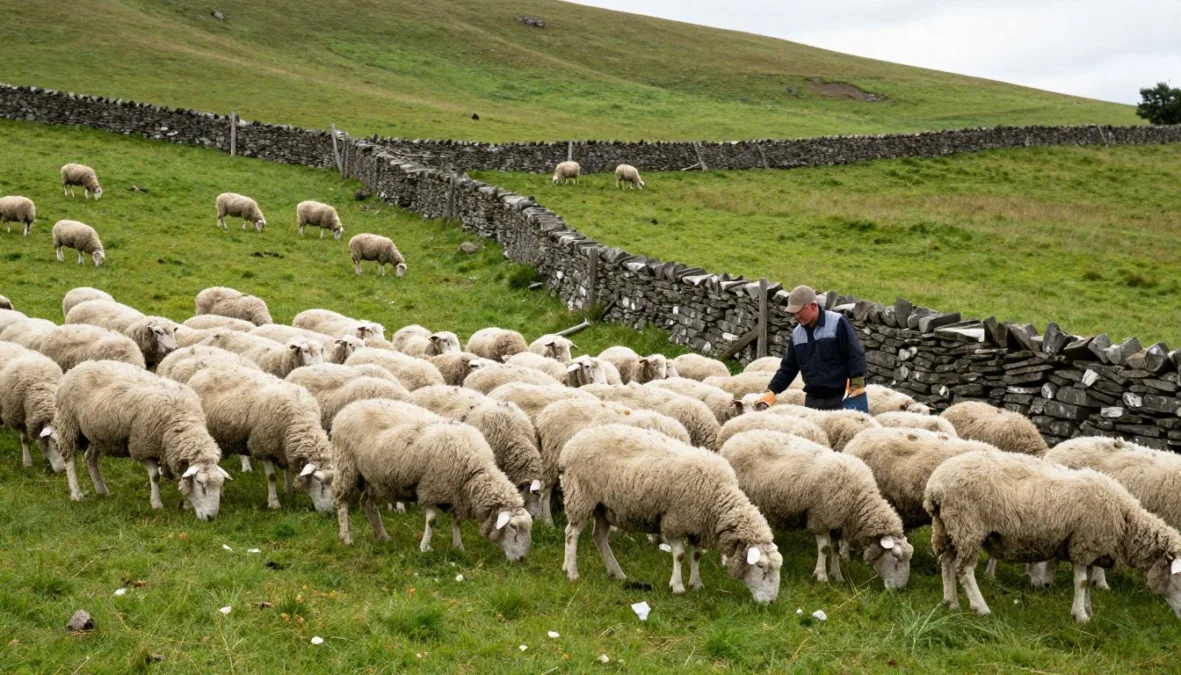
Mediterranean cuisines incorporate lamb in distinctive ways. Greek moussaka, Turkish lamb doner, and Moroccan tagines showcase how different cultures prepare this meat. Herbs like rosemary, oregano, and mint complement lamb’s distinctive flavor in these traditional recipes.
Indian cuisine features lamb in numerous regional specialties. Dishes like rogan josh from Kashmir, lamb biryani, and various curries demonstrate lamb’s versatility with bold spices. Goat meat often substitutes for or mixes with lamb in Indian cooking, with both called “mutton” in local markets.
European countries maintain lamb consumption traditions, particularly in the United Kingdom, France, and Spain. British roast lamb with mint sauce, French lamb chops, and Spanish cordero asado represent classic preparations. Spring lamb holds special significance, often served during Easter celebrations.
Why Lamb Remains Popular
Lamb offers a distinctive flavor profile that sets it apart from other meats. This characteristic taste appeals to those seeking alternatives to more common proteins. The meat pairs exceptionally well with bold seasonings, allowing for creative culinary applications.
Sheep farming suits various climates and terrains, including regions where cattle struggle. This adaptability means sheep provide protein in areas with limited agricultural options. Small-scale farmers often raise sheep alongside other livestock.
Religious and cultural traditions sustain lamb demand in specific markets. Islamic celebrations like Eid al-Adha feature lamb prominently, creating predictable demand patterns. These cultural connections ensure continued lamb consumption across generations.
Lamb Production and Trade
New Zealand exports most of its lamb production, supplying markets across Asia, Europe, and North America. The country’s grass-fed lamb earns premium prices for quality and flavor. New Zealand farming practices emphasize animal welfare and environmental sustainability.
Australia combines domestic consumption with substantial exports, ranking among the world’s largest lamb producers. Australian lamb reaches markets from the United States to China, with different cuts and preparations suiting various cultural preferences. The industry contributes significantly to Australia’s agricultural economy.
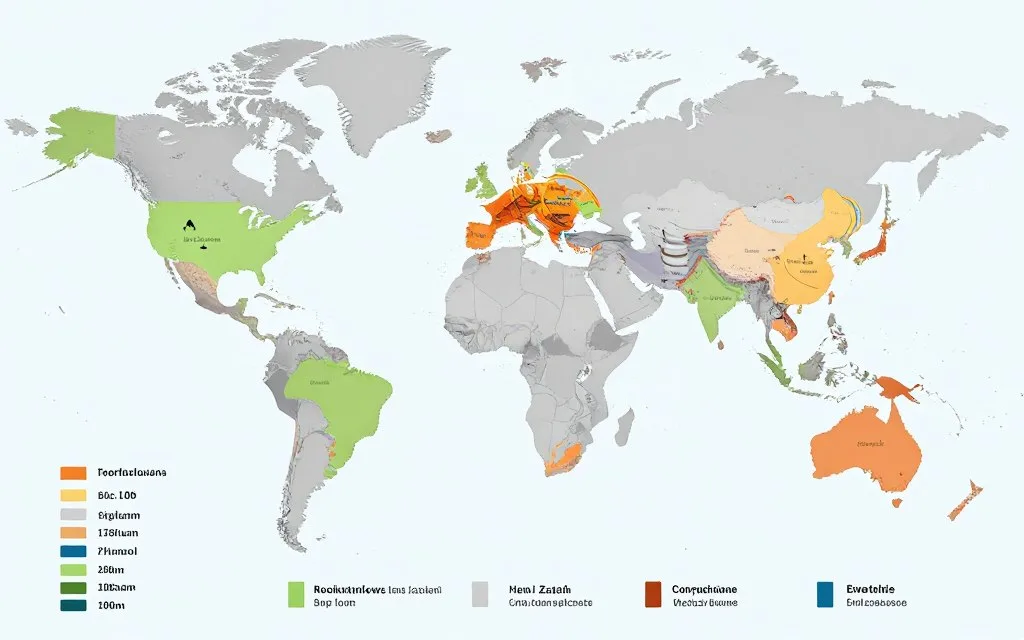
The Middle East and North Africa import significant lamb quantities to supplement domestic production. Growing populations and strong cultural demand exceed local supply capacity in many countries. These imports support food security while maintaining culinary traditions.
Nutritional Profile of Lamb
Lamb provides high-quality protein along with essential nutrients including vitamin B12, zinc, and iron. The meat contains conjugated linoleic acid, particularly in grass-fed varieties, which some research suggests offers health benefits. These nutritional attributes position lamb as a valuable protein source.
Different cuts offer varying fat contents and cooking applications. Lamb shoulder works well for slow cooking, while loin and rack cuts suit quick grilling or roasting. Understanding these differences helps consumers select appropriate cuts for their cooking methods and dietary preferences.
6. Goat Meat: The World’s Most Widely Consumed Red Meat
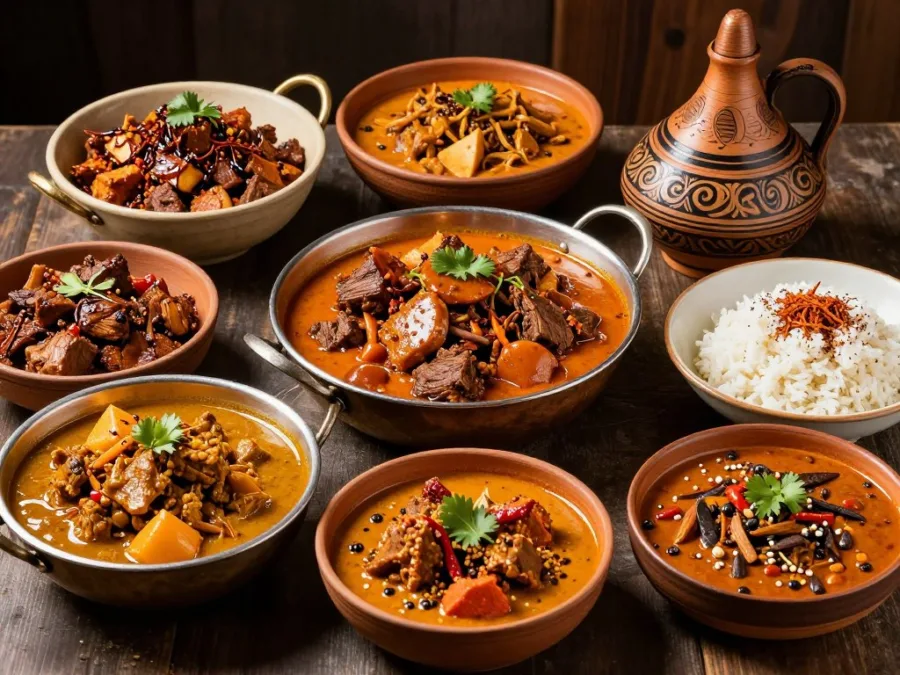
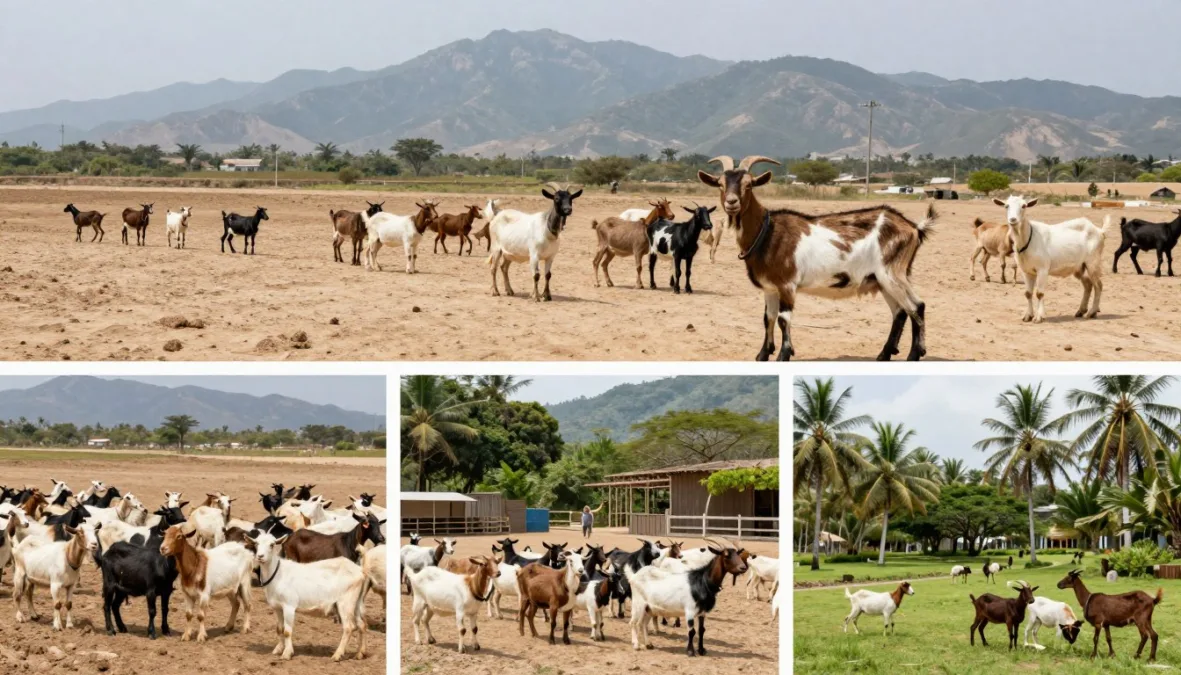
Goat meat represents the most widely consumed red meat globally when measured by the number of people who eat it regularly, though total volume remains smaller than beef or pork. Approximately 6 million tons of goat meat are produced annually worldwide. Goats adapt to harsh climates where other livestock struggle, making goat meat accessible in regions with limited agricultural resources.
Asia and Africa account for the vast majority of goat meat consumption. In many developing countries, goat provides affordable protein for families raising a few animals. The low cost of goat farming compared to cattle ranching makes this meat economically important for small-scale farmers and rural communities.
Cultural Importance of Goat Meat
Caribbean cuisines feature goat prominently, with curry goat ranking among the most beloved dishes in Jamaica and Trinidad. This preparation combines Indian spices with local cooking traditions, creating a unique fusion that has spread to diaspora communities worldwide. Goat also appears in traditional stews and jerk preparations.
Pakistani and Indian cuisines include numerous goat meat specialties. Karahi gosht, nihari, and various biryani preparations showcase goat’s compatibility with complex spice blends. Goat often appears in wedding feasts and celebration meals, holding cultural significance beyond everyday consumption.
Middle Eastern and North African cuisines incorporate goat in traditional dishes passed down through generations. Slow-cooked goat stews, grilled goat kebabs, and whole roasted kids appear in various regional cuisines. Bedouin traditions particularly value goat for its ability to thrive in desert conditions.
Mexican cuisine features goat in birria, a celebratory dish originating in Jalisco. This spiced stew has gained international popularity, particularly through birria tacos. The dish exemplifies how traditional goat preparations adapt to contemporary food trends while maintaining cultural authenticity.
Goat Meat Advantages
Goat meat contains less fat and calories than beef, pork, or chicken while providing comparable protein. The meat offers a slightly gamey flavor that appeals to adventurous eaters seeking alternatives to common proteins. Goats require less space and resources than cattle, making them practical for small farms. Their browsing habits can help manage vegetation in areas where cattle cannot graze effectively.
Why Goat Meat Remains Underutilized
Despite its global popularity, goat meat remains relatively uncommon in Western countries like the United States. Limited availability in mainstream markets and unfamiliarity with preparation methods create barriers to adoption. Most American goat meat comes from retired dairy goats rather than animals raised specifically for meat.
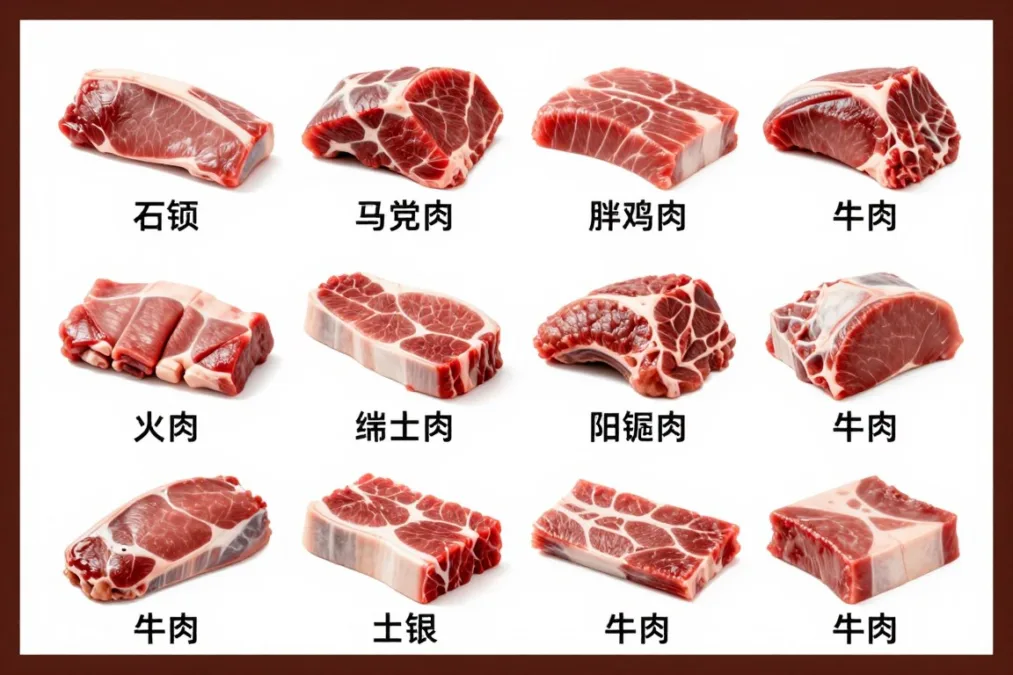
Cultural perceptions influence goat meat acceptance in different markets. In regions where goat farming lacks tradition, consumers often view it as exotic rather than mainstream. Changing these perceptions requires education about goat meat’s benefits and expanded availability in retail channels.
The goat meat market shows growth potential as consumers seek sustainable and alternative proteins. Restaurants featuring global cuisines introduce diners to goat preparations, gradually building familiarity. Farmers markets and specialty butchers increasingly stock goat meat for adventurous home cooks.
Goat Farming Sustainability
Goats excel at converting marginal forage into high-quality protein. They eat vegetation that other livestock reject, including brush and weeds. This browsing behavior makes goats valuable for land management while producing meat with minimal feed inputs.
Small-scale goat farming provides income for families in developing countries without requiring large land holdings or capital investments. A few goats can supply a family’s protein needs while generating income through sales of surplus animals. This accessibility makes goat farming an important poverty-reduction tool.
Environmental benefits of goat farming include lower greenhouse gas emissions per kilogram of meat compared to cattle. Goats’ smaller size and efficient digestion contribute to this advantage. As sustainability becomes increasingly important, these factors may drive expanded goat production.
7. Turkey: The Poultry Alternative
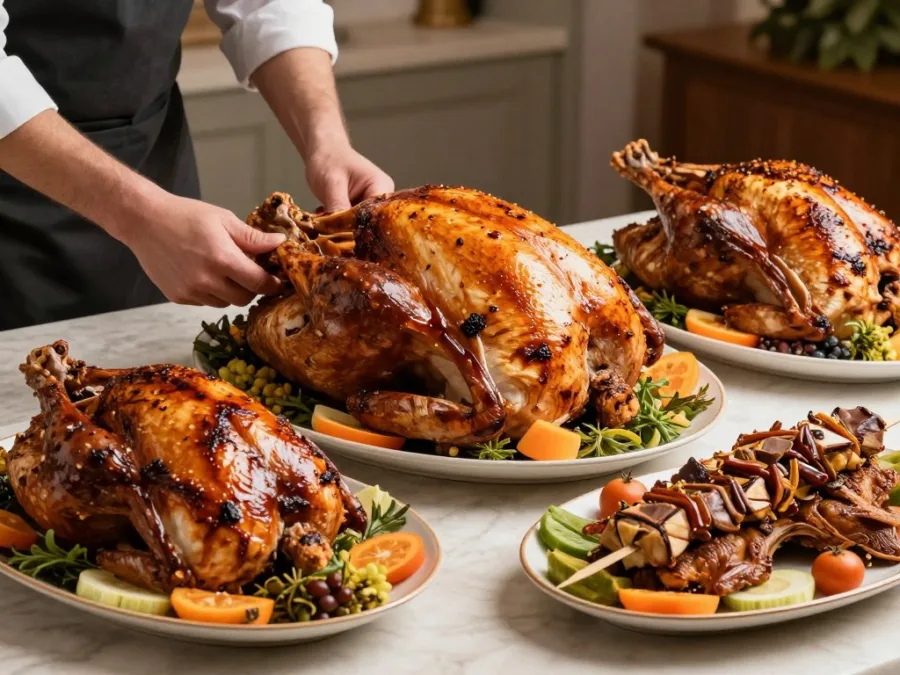
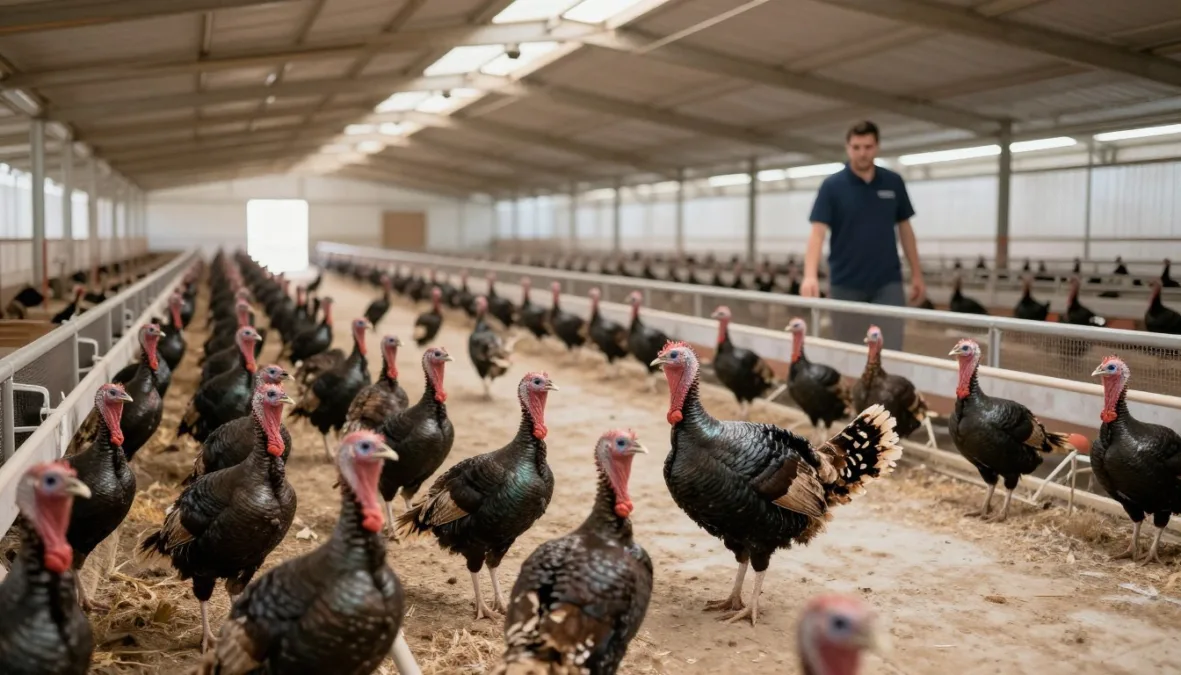
Turkey production reaches approximately 6 million tons annually, making it a significant but smaller player compared to chicken. This large bird holds special cultural significance in certain countries, particularly the United States where turkey consumption centers on Thanksgiving and Christmas celebrations. Turkey offers an alternative to chicken with similar nutritional benefits.
The United States dominates turkey production and consumption, raising over 200 million birds annually. Americans consume an average of 16 pounds of turkey per person each year, with consumption spiking dramatically during November and December. This seasonal pattern distinguishes turkey from year-round proteins like chicken.
Turkey in American Culture
Thanksgiving traditions make turkey synonymous with American holiday meals. An estimated 45 million turkeys are consumed during Thanksgiving week alone. The holiday’s cultural importance ensures turkey’s continued prominence despite its limited role in everyday meals for most Americans.
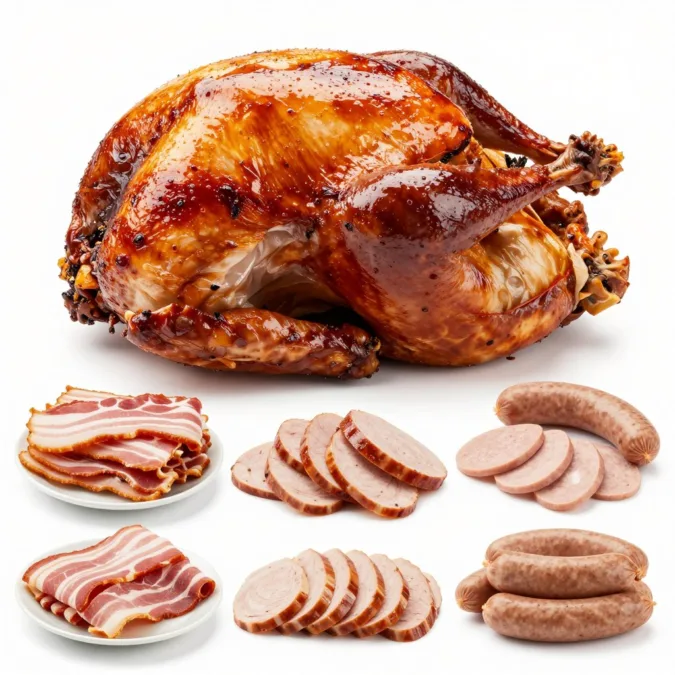
Beyond whole roasted birds, turkey appears in various processed forms. Ground turkey offers a leaner alternative to ground beef in burgers, tacos, and meatballs. Turkey bacon and turkey sausage appeal to health-conscious consumers seeking lower-fat breakfast options. Deli turkey slices dominate sandwich meat sales.
The transition from primarily whole-bird sales to year-round turkey products has stabilized the industry. Manufacturers have successfully positioned turkey as a healthy protein choice beyond holiday meals. This marketing evolution supports consistent production rather than extreme seasonal fluctuations.
Turkey Consumption Patterns
- Seasonal peaks during November-December holidays
- Ground turkey as beef substitute growing
- Deli turkey for sandwiches year-round staple
- Turkey bacon as breakfast alternative
- Whole birds for special occasions
- Turkey sausage in health-conscious markets
Turkey Production Outside America
European countries raise turkeys primarily for Christmas celebrations, creating similar seasonal demand patterns. Germany, France, and the United Kingdom maintain significant turkey industries. European preferences lean toward smaller birds compared to American tastes, with different breeds raised accordingly.
Israel has developed substantial turkey consumption, with turkey becoming more popular than chicken in recent decades. Turkey farming suits Israeli conditions, and the meat’s kosher status ensures religious acceptability. Israeli per capita turkey consumption rivals American levels.
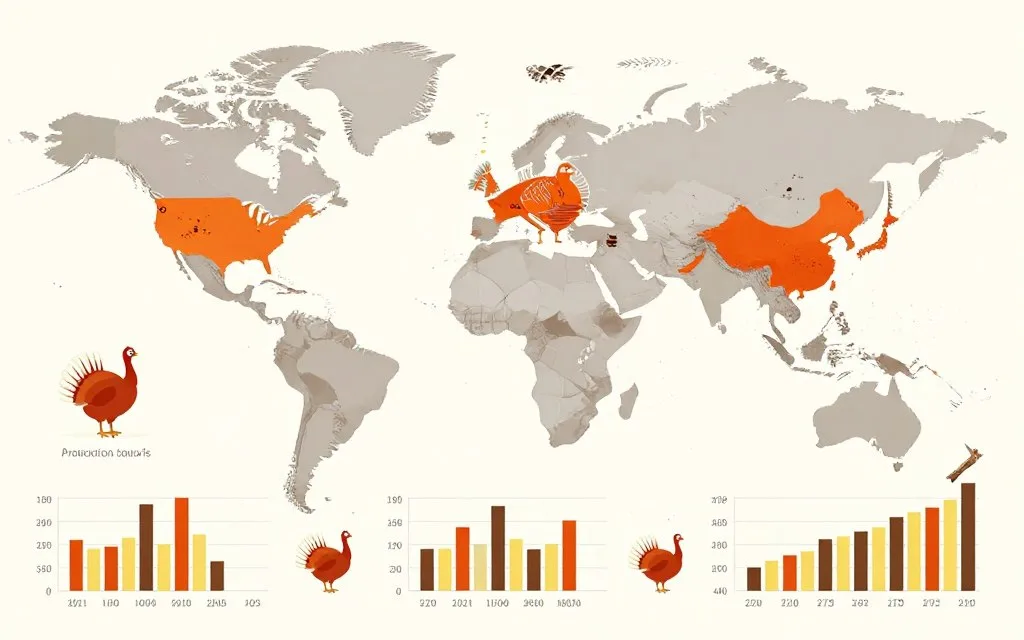
Latin American countries show growing turkey interest, particularly for processed products. Mexico produces turkeys for both domestic use and export markets. Traditional preparations exist alongside modern turkey products in expanding markets.
Nutritional Benefits of Turkey
Turkey breast provides one of the leanest protein sources available, with minimal fat and high protein content. A serving delivers essential nutrients including niacin, vitamin B6, and selenium. These nutritional advantages position turkey as an excellent choice for health-focused diets.
Dark turkey meat contains more fat than breast meat but still offers leaner nutrition than many red meats. The richer flavor of dark meat appeals to those who find breast meat too dry. Different cuts suit various cooking methods and taste preferences.
Turkey contains tryptophan, an amino acid often credited with post-meal drowsiness during Thanksgiving. While turkey does contain this compound, the quantities don’t significantly differ from other poultry. The sleepiness Americans experience after Thanksgiving dinner more likely results from overall meal size and carbohydrate content.
Master Meat Cooking Techniques
Download our complete guide featuring 100+ recipes using the world’s most popular meats. Learn cooking methods, flavor pairings, and cultural preparations from every continent. Perfect for home cooks and food enthusiasts.
8. Duck: The Gourmet Choice
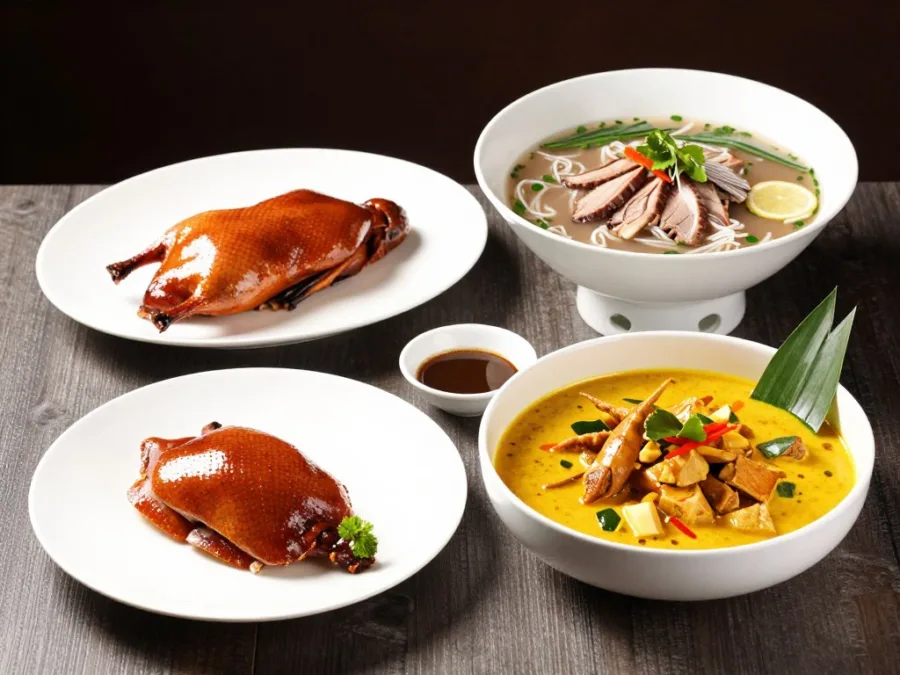
Duck production totals approximately 5 million tons annually worldwide, making it less common than chicken or turkey but important in specific cuisines. Duck’s rich flavor and higher fat content distinguish it from other poultry. Chinese cuisine drives the majority of global duck consumption, though duck appears in culinary traditions worldwide.
China produces and consumes over 75% of the world’s duck meat. Peking duck stands as one of China’s most famous dishes, with preparation techniques refined over centuries. The crispy skin and succulent meat represent culinary artistry, making Peking duck a must-try experience for food enthusiasts visiting Beijing.
Duck in Asian Cuisines
Chinese cooking incorporates duck in countless preparations beyond Peking duck. Duck soup, braised duck, and tea-smoked duck demonstrate the versatility valued in Chinese culinary traditions. Duck eggs also play important roles, with salted duck eggs appearing as popular accompaniments to rice porridge.

Vietnamese cuisine features duck in pho and other traditional dishes. The meat’s rich flavor complements aromatic broths and fresh herbs central to Vietnamese cooking. Street vendors and restaurants throughout Vietnam offer duck dishes as alternatives to chicken or beef preparations.
Thai curries and stir-fries incorporate duck, particularly in upscale restaurants. Red curry duck and stir-fried duck with basil showcase how Thai seasonings enhance duck’s natural flavors. Bangkok’s Chinatown district features numerous shops specializing in roasted duck displayed hanging in windows.
Indonesian and Malaysian cuisines include duck in rendang and other coconut-based preparations. The meat absorbs complex spice pastes during slow cooking, creating deeply flavored dishes. Duck satay appears in some regions as a premium alternative to chicken satay.
Famous Duck Dishes
- Peking Duck (China)
- Duck Confit (France)
- Duck à l’Orange (France)
- Roast Duck (Hong Kong style)
- Duck Pho (Vietnam)
Duck Characteristics
- Higher fat content than chicken
- Rich, distinctive flavor profile
- Crispy skin when properly prepared
- All dark meat throughout
- Pairs well with fruit sauces
Cooking Methods
- Roasting for crispy skin
- Confit for tender preservation
- Braising in aromatic liquids
- Smoking for depth of flavor
- Grilling for outdoor cooking
Duck in European Cuisine
French cuisine elevates duck to gourmet status through preparations like confit de canard and magret de canard. Duck confit preserves duck legs in their own fat, creating tender meat that stores well. Magret refers to duck breast, often served medium-rare like steak.
Duck à l’orange represents classic French cooking, pairing rich duck with bright citrus sauce. This dish exemplifies French techniques of balancing flavors through complementary ingredients. The preparation requires skill to achieve properly cooked meat with perfectly balanced sauce.
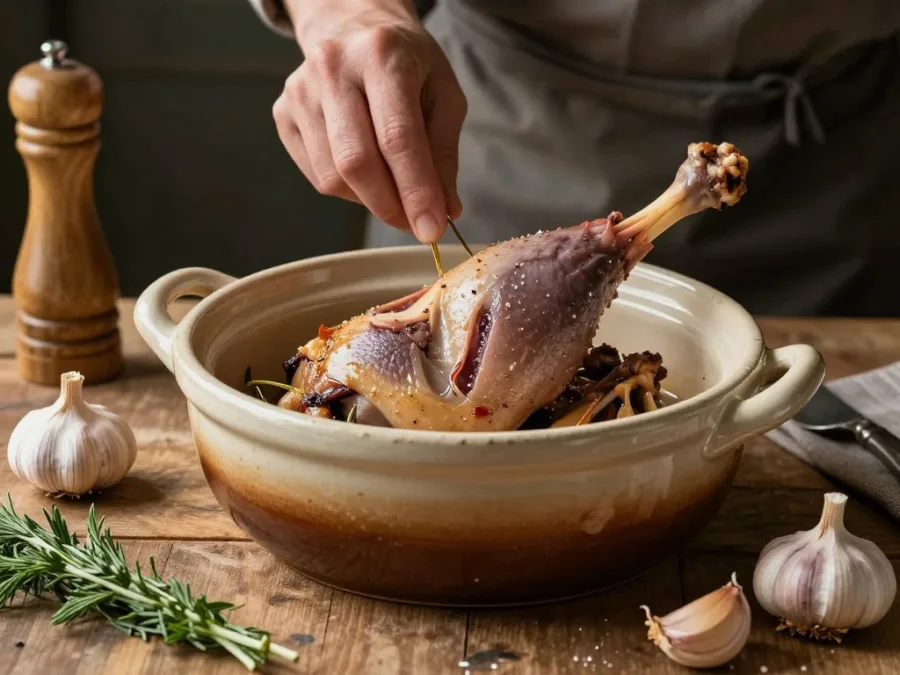
British cuisine includes duck in traditional roasts and pies. Aylesbury duck, a specific breed, earned reputation for quality meat. While less common than chicken in British homes, duck appears on restaurant menus as a premium option.
Eastern European cuisines prepare duck with fruit accompaniments and hearty sides. Czech and Polish duck with apples or plums showcase traditional flavor combinations. These preparations often appear during holiday meals and special occasions.
Duck Farming and Production
Duck farming requires different management than chicken production. Ducks need water access for proper feather maintenance and natural behaviors. Commercial duck farms balance these needs with production efficiency, creating systems that keep ducks healthy while maximizing output.
Foie gras production, though controversial, represents a significant segment of duck farming in France and other countries. This delicacy comes from specially fattened duck or goose livers. Animal welfare concerns have led some regions to ban foie gras production while it remains prized in others.
Duck eggs provide another product from duck farming operations. Larger than chicken eggs with richer yolks, duck eggs appeal to bakers and consumers seeking alternatives. Asian markets particularly value duck eggs for both fresh consumption and preservation.
9. Rabbit: A Sustainable Protein Source
Rabbit meat production reaches approximately 1.5 million tons annually, making it a niche protein compared to mainstream meats. However, rabbit holds importance in specific regional cuisines and shows potential as a sustainable protein source for the future. Rabbit farming requires minimal space and resources while producing lean, nutritious meat.
China leads global rabbit production, raising rabbits both for meat and fur. European countries including Spain, France, and Italy maintain strong rabbit consumption traditions. In these regions, rabbit appears regularly in home cooking and restaurant menus rather than being considered exotic.
Rabbit in European Culinary Traditions
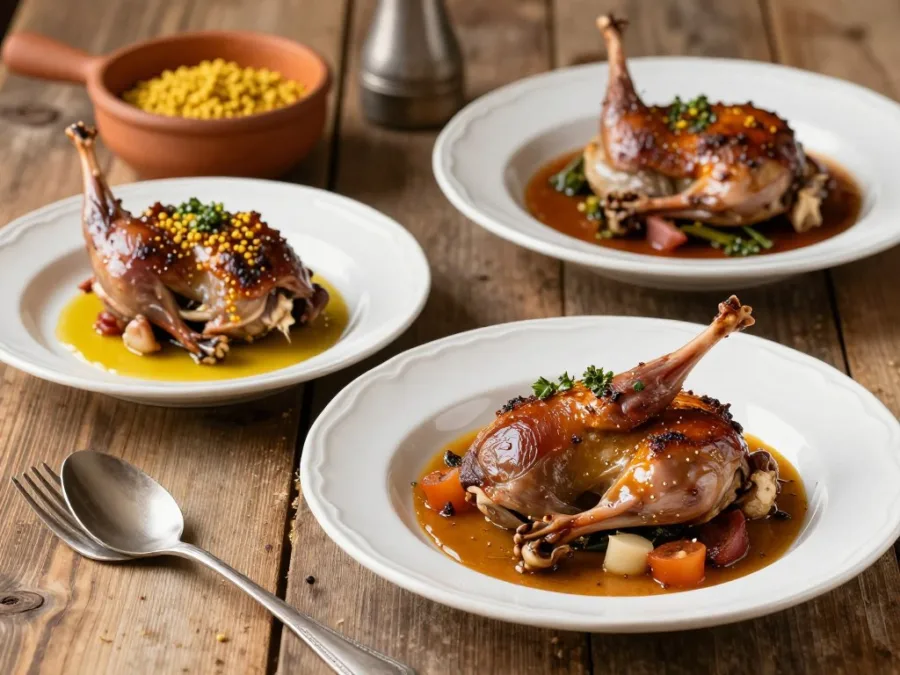
French cuisine features rabbit in classic preparations that showcase the meat’s delicate flavor. Lapin à la moutarde combines rabbit with mustard sauce, while rabbit stews appear in regional cooking throughout France. French chefs treat rabbit with the same respect as other fine meats.
Spanish cuisine includes rabbit in paella and other rice dishes. Conejo al ajillo, rabbit with garlic, represents a traditional preparation found across Spain. Rabbit hunting traditions in rural Spain contribute to both sport and local food supplies.
Italian cooking incorporates rabbit in various regional specialties. Tuscan rabbit cacciatore, Ligurian rabbit with olives, and Venetian sweet and sour rabbit demonstrate regional diversity. These dishes often use wild rabbit, prized for stronger flavor than farm-raised varieties.
British cuisine historically included rabbit, particularly during wartime when other meats were scarce. Though less common today, traditional rabbit pie and stew recipes persist. Some British restaurants feature rabbit as they revive historical dishes and promote local, sustainable ingredients.
Why Rabbit Deserves More Attention
Rabbit offers exceptional nutritional value with very lean meat high in protein. The meat contains less fat and cholesterol than chicken while providing comparable protein levels. Rabbit also supplies significant amounts of vitamin B12, iron, and other essential nutrients.
Farming rabbits requires minimal space compared to cattle or pigs. A small backyard can support enough rabbits to supply a family’s meat needs. Feed conversion efficiency means rabbits produce more protein per pound of feed than most livestock.
Environmental benefits include low water usage and minimal greenhouse gas emissions. Rabbits produce less waste than larger animals while converting feed to meat efficiently. These sustainability advantages position rabbit as a climate-friendly protein option.
Cultural Perceptions of Rabbit Meat
American and British markets show resistance to rabbit consumption despite its benefits. Many people view rabbits as pets rather than food animals, creating psychological barriers to consumption. This perception contrasts sharply with European and Asian attitudes where rabbit is simply another meat option.
Changing these perceptions requires education and exposure. Restaurants introducing rabbit dishes help familiarize diners with proper preparation. Farmers markets offering rabbit connect consumers directly with producers, building understanding of rabbit farming practices.
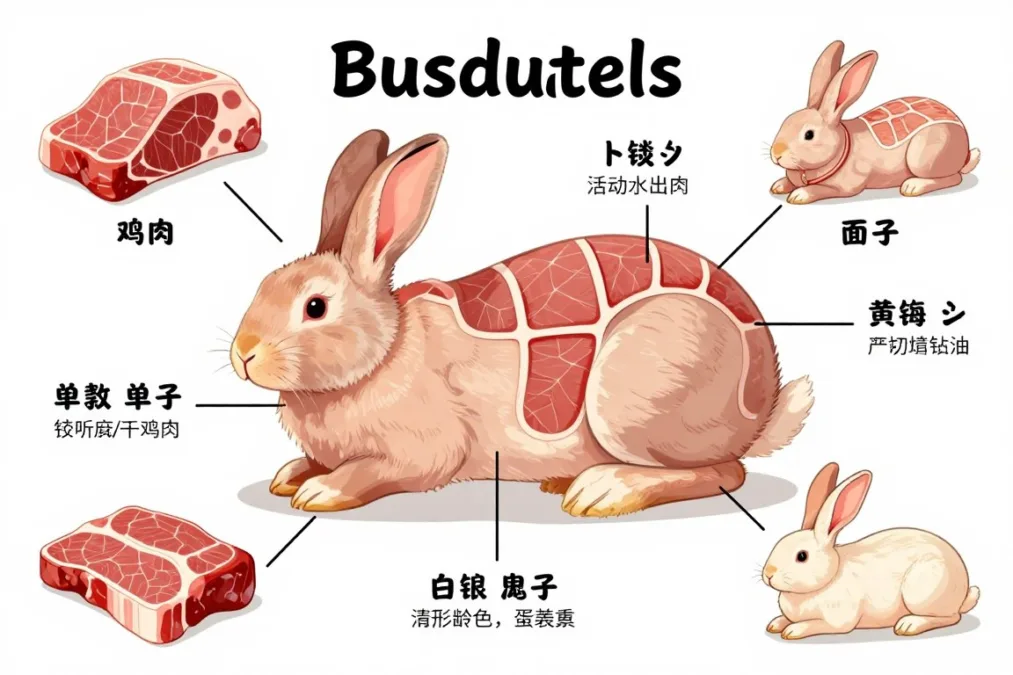
The name “rabbit” itself may hinder acceptance in some markets. Some producers use terms like “coney” or simply describe it as “white meat” to avoid associations with pet rabbits. Marketing strategies continue evolving to find effective approaches for different audiences.
Rabbit Production Methods
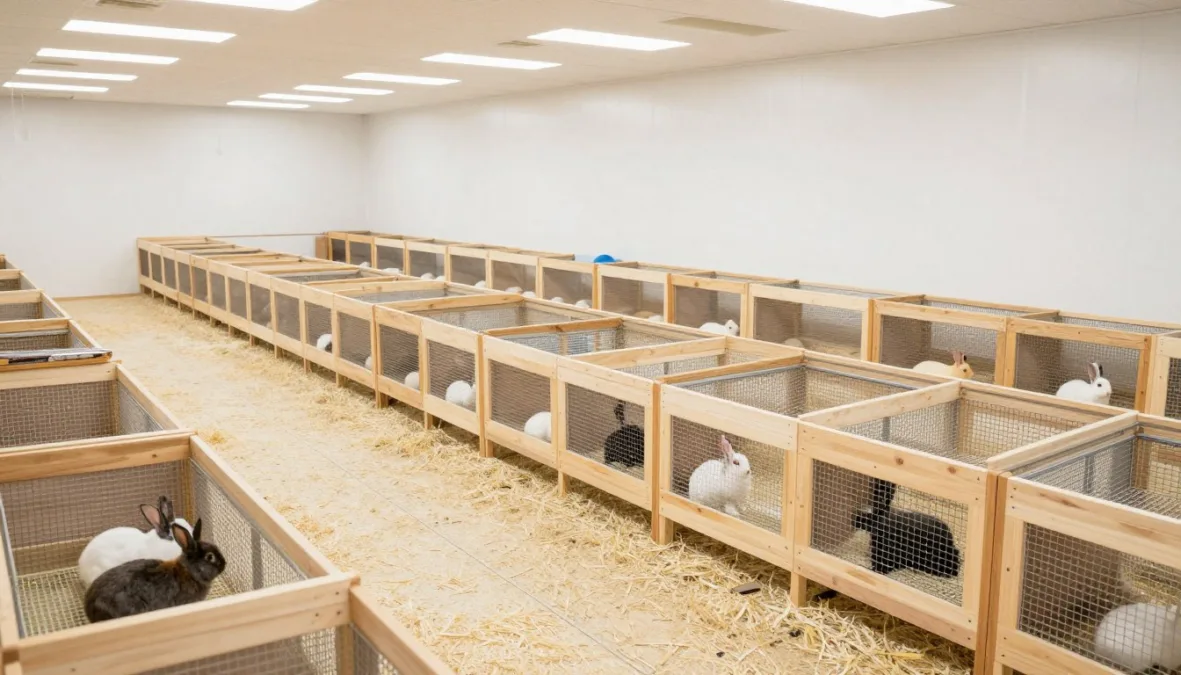
Commercial rabbit farming uses cage systems or colony housing depending on scale and philosophy. Cages allow for easier management and disease control, while colony systems provide more natural behaviors. Small-scale farmers often choose methods based on available space and resources.
Heritage breed preservation efforts maintain genetic diversity in rabbit populations. Breeds like the Silver Fox and American Chinchilla were developed specifically for meat production. These heritage varieties offer advantages including disease resistance and adaptability to various climates.
Dual-purpose rabbit farming produces both meat and fur, maximizing value from each animal. While controversial in some markets, this approach remains economically important in regions where rabbit fur finds ready markets. Angora rabbits provide wool while also eventually producing meat.
10. Buffalo and Water Buffalo: Regional Importance
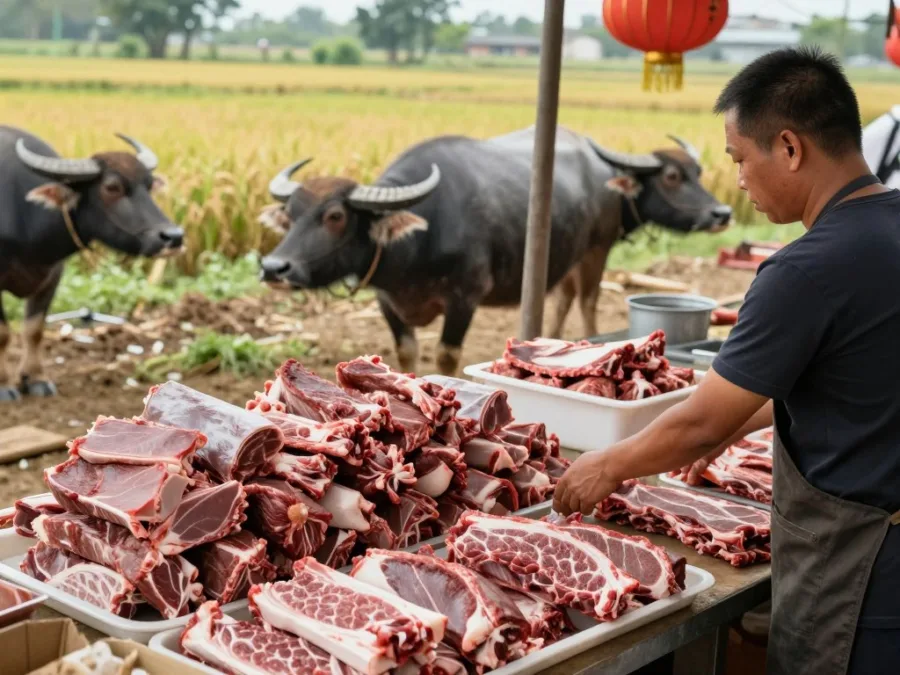
Water buffalo and their American cousins provide approximately 4 million tons of meat annually worldwide. While less known in Western markets, water buffalo plays crucial roles in Asian agriculture and food systems. These animals serve dual purposes, providing labor for farming while also supplying milk and meat.
India maintains the world’s largest water buffalo population, with the animals integrated into rural agricultural systems. Buffalo milk produces paneer, ghee, and other dairy products central to Indian cuisine. When dairy buffaloes reach the end of productive life, they enter the meat supply chain.
Water Buffalo in Asian Food Systems
Southeast Asian countries including Thailand, Vietnam, and the Philippines rely on water buffalo for both agriculture and food. In rice-growing regions, buffalo plow fields and provide transportation before eventually serving as meat sources. This integrated approach maximizes the animals’ economic value.
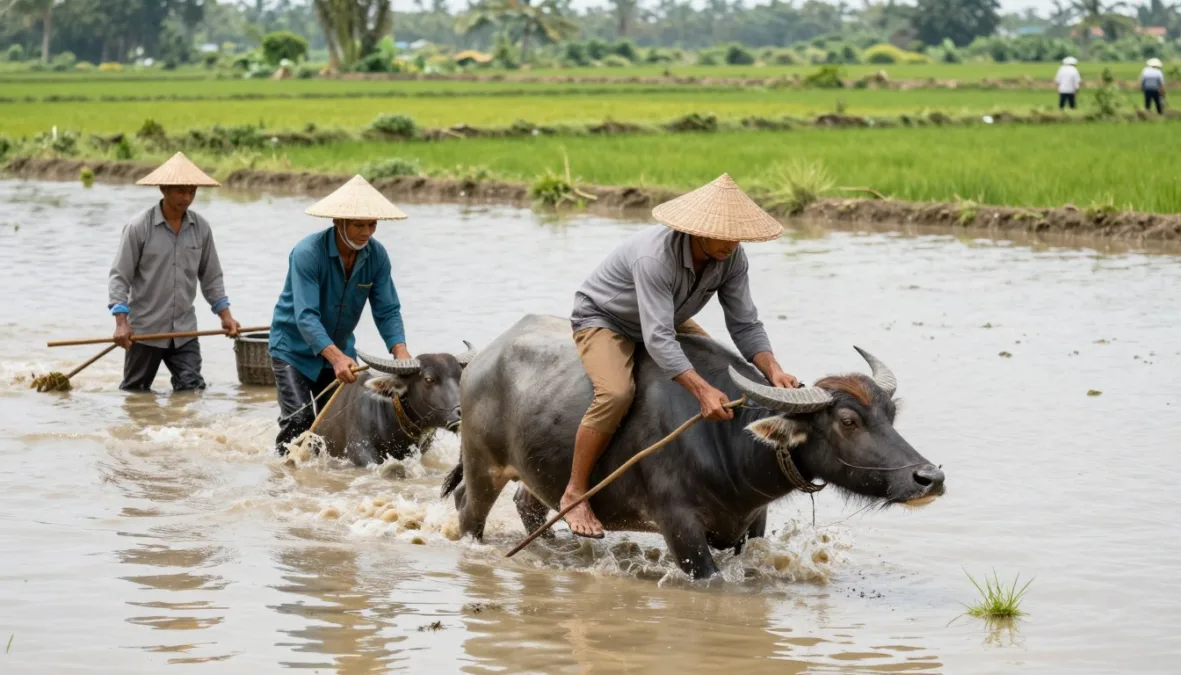
Indonesian and Malaysian cuisines feature water buffalo meat in rendang and other slow-cooked dishes. The meat’s texture suits long cooking times that break down tougher fibers. Buffalo meat absorbs complex spice pastes well, creating deeply flavored traditional dishes.
Chinese cuisine includes water buffalo meat primarily in southern regions where the animals are more common. Buffalo meat appears in stir-fries, soups, and braised preparations. The meat costs less than beef in these markets, making it accessible to budget-conscious consumers.
Philippine cuisine incorporates buffalo meat in various traditional preparations. The meat appears in stews, grilled dishes, and as dried jerky. Buffalo racing festivals in some regions celebrate the animals’ cultural importance beyond their practical uses.
Water Buffalo Advantages
Water buffalo adapt well to tropical climates where European cattle struggle with heat and humidity. They thrive in wetland environments, making them ideal for rice-growing regions. Buffalo milk contains higher fat and protein than cow’s milk, producing richer dairy products. The animals demonstrate disease resistance and hardiness, requiring less veterinary intervention than cattle in many environments. Buffalo meat provides lean protein similar to beef but with less fat and cholesterol.
American Bison: A Different Buffalo
American bison, often called buffalo in the United States, represents a completely different species from Asian water buffalo. Bison nearly faced extinction in the 19th century but have recovered through conservation and ranching efforts. Bison meat has gained popularity as a premium, lean alternative to beef.

Bison ranching operates primarily in the American West and Canada. The animals require large grazing areas and produce less meat per animal than cattle. However, bison meat commands premium prices due to its nutritional profile and association with heritage and sustainability.
Nutritionally, bison provides very lean meat with less fat than even skinless chicken breast. The meat contains high levels of iron, vitamin B12, and omega-3 fatty acids. These characteristics appeal to health-conscious consumers seeking alternatives to conventional beef.
Restaurants featuring bison burgers, steaks, and other preparations introduce consumers to the meat’s slightly sweet, rich flavor. The taste resembles beef but with subtle differences that enthusiasts appreciate. Proper cooking techniques prevent drying out this very lean meat.
Water Buffalo Uses
- Agricultural labor in rice paddies
- Milk production for dairy products
- Meat after productive life ends
- Manure for fertilizing fields
- Cultural and ceremonial roles
- Income source for small farmers
Bison Meat Benefits
- Lower fat than chicken breast
- High protein content
- Rich in iron and B vitamins
- Omega-3 fatty acids from grass feeding
- No growth hormones used
- Sustainable grassland management
Conservation and Sustainable Production
Water buffalo conservation efforts focus on maintaining genetic diversity and supporting smallholder farmers. Development organizations promote improved buffalo management to enhance both milk and meat production. These programs help rural communities increase food security and income.
American bison represent a conservation success story, rebounding from fewer than 1,000 animals to over 500,000 today. Most bison now live on private ranches rather than public lands. This private ownership model has driven population recovery while providing economic incentives for conservation.
Both water buffalo and bison farming demonstrate how traditional livestock can support sustainable food systems. These animals thrive on grasslands unsuitable for crop production, converting vegetation humans cannot eat into high-quality protein. Their role in sustainable agriculture deserves greater recognition.
Global Meat Consumption Trends and Future Outlook
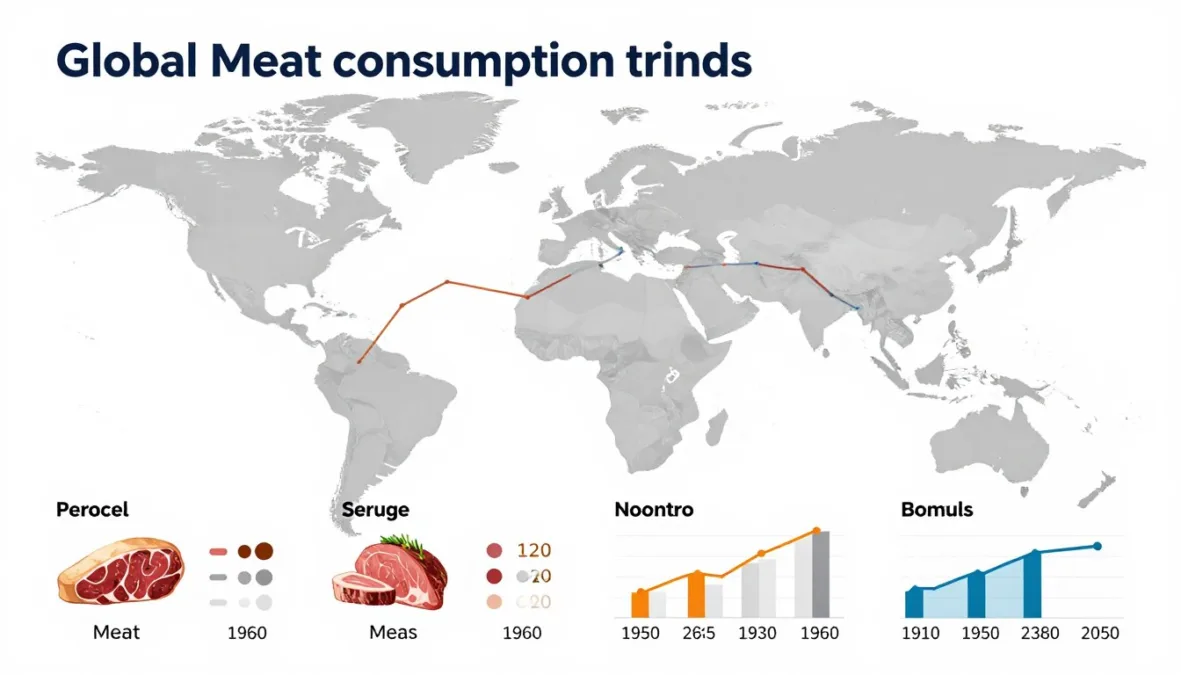
Global meat consumption has increased dramatically over the past fifty years, driven by population growth, rising incomes, and urbanization. These trends show no signs of slowing, particularly in developing countries where meat consumption remains below Western levels but continues rising steadily.
The shift from traditional diets based primarily on grains and vegetables to diets including more meat represents one of the most significant nutritional transitions in human history. This change brings both benefits in terms of nutrition and challenges related to sustainability and environmental impact.
Regional Consumption Patterns
Developed countries generally show stable or slightly declining per capita meat consumption. Environmental awareness, health concerns, and animal welfare considerations influence some consumers to reduce meat intake. However, total consumption remains high compared to global averages.
Developing Asian countries drive the majority of growth in global meat consumption. As incomes rise, families that previously ate meat only occasionally now include it in daily meals. This pattern has repeated across countries as they develop economically, from Japan and South Korea in previous decades to China, Vietnam, and India more recently.
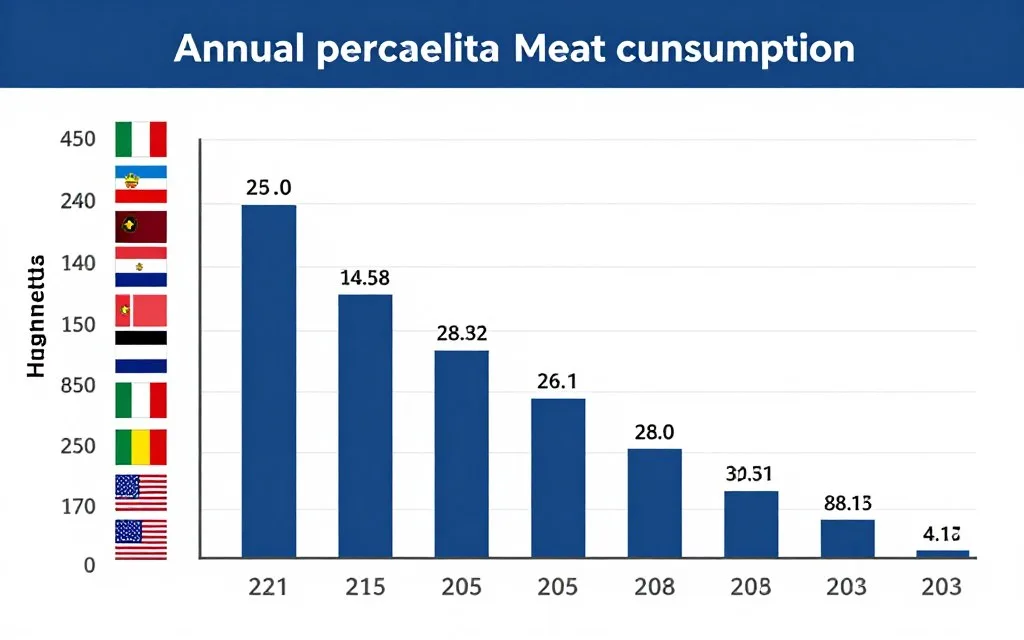
African countries show the lowest per capita meat consumption globally but represent significant growth potential. Population increases combined with economic development suggest substantial demand growth in coming decades. This presents both opportunities and challenges for food security and environmental sustainability.
Latin American countries maintain relatively high meat consumption, particularly beef in countries like Argentina and Uruguay. Cultural preferences and domestic production capacity support these consumption levels. Brazil combines high domestic consumption with massive exports, particularly of chicken and beef.
Factors Increasing Consumption
- Rising global incomes
- Urban population growth
- Improved cold chain infrastructure
- Fast food expansion
- Protein nutrition awareness
- Cultural status of meat
Factors Limiting Growth
- Environmental concerns
- Health recommendations
- Animal welfare awareness
- Religious dietary restrictions
- Resource constraints
- Climate change impacts
Future Developments
- Alternative protein growth
- Improved production efficiency
- Cellular agriculture emergence
- Sustainable farming practices
- Regional production shifts
- Consumer preference changes
Health Considerations and Recommendations
Health organizations provide varying recommendations regarding meat consumption. Most suggest moderate intake as part of balanced diets rather than complete elimination or excessive consumption. The focus increasingly centers on choosing lean meats, appropriate portion sizes, and balancing meat with plant-based foods.
Red meat consumption specifically faces scrutiny due to studies linking high intake with certain health risks. However, research continues evolving, and recommendations acknowledge that lean red meat in moderation can contribute to healthy diets. The key lies in balance and variety rather than extreme positions.
Poultry and fish generally receive more favorable health recommendations than red meat. These proteins provide excellent nutrition with lower saturated fat in most cases. Fish particularly earns praise for omega-3 fatty acids and other beneficial nutrients not found in land animals.
Processed meats face stronger health warnings than fresh meat. Preservation methods like smoking, curing, and adding nitrates associate with health concerns. Public health guidance consistently recommends limiting processed meat consumption regardless of the animal source.
Environmental Impact and Sustainability
Meat production’s environmental footprint varies significantly by animal and production method. Beef generally requires the most resources and produces the highest greenhouse gas emissions per kilogram. Chicken and pork produce lower emissions, while fish farming’s impact depends heavily on specific practices.
Sustainable production methods can significantly reduce environmental impact. Regenerative agriculture, improved feed efficiency, and better manure management all contribute to more sustainable meat production. These practices demonstrate that production methods matter as much as the type of meat.
Alternative proteins including plant-based meats and cellular agriculture represent potential game-changers for future protein supply. While currently small market segments, these technologies could substantially reduce meat production’s environmental footprint if they achieve widespread adoption and consumer acceptance.
The future likely includes a mix of conventional meat, improved sustainable production, and alternative proteins rather than complete replacement of traditional meat. Consumer preferences, economics, and technological development will determine the ultimate balance among these protein sources.
Stay Updated on Global Food Trends
Join our community exploring culinary traditions and food sustainability worldwide. Receive weekly insights, recipes, and expert analysis on global meat consumption, alternative proteins, and sustainable eating practices.
Cooking Methods and Preparation Tips for Global Meats

Understanding proper cooking methods for different meats ensures optimal flavor, texture, and food safety. Each meat type benefits from specific preparation techniques based on its characteristics. Mastering these methods allows home cooks to recreate global dishes authentically.
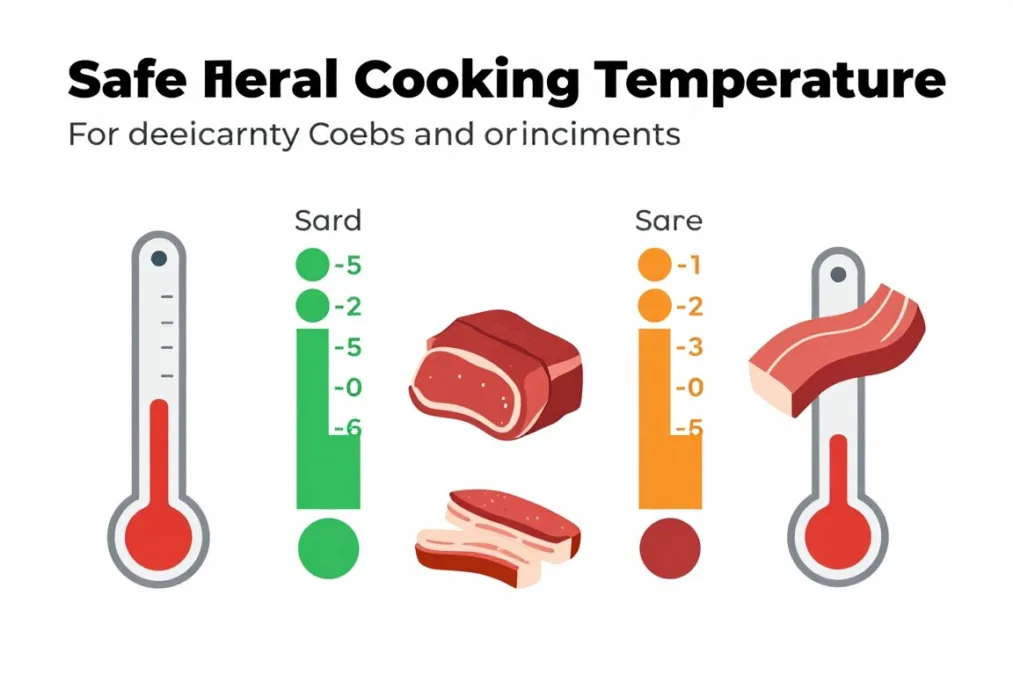
Temperature control plays a crucial role in meat preparation. Undercooking risks food safety while overcooking creates tough, dry meat. Investing in a reliable meat thermometer removes guesswork and consistently produces properly cooked results across all meat types.
Poultry Cooking Techniques
Chicken and turkey require cooking to internal temperatures of 165°F throughout to ensure safety. This applies to all parts, though dark meat often benefits from slightly higher temperatures to break down connective tissue. Resting meat after cooking allows juices to redistribute, improving moisture and flavor.
Grilling works excellently for chicken pieces, providing char and smoke flavor. Marinating before grilling adds moisture and flavor while protecting against drying. Indirect heat cooking prevents burning while ensuring thorough cooking of larger pieces.
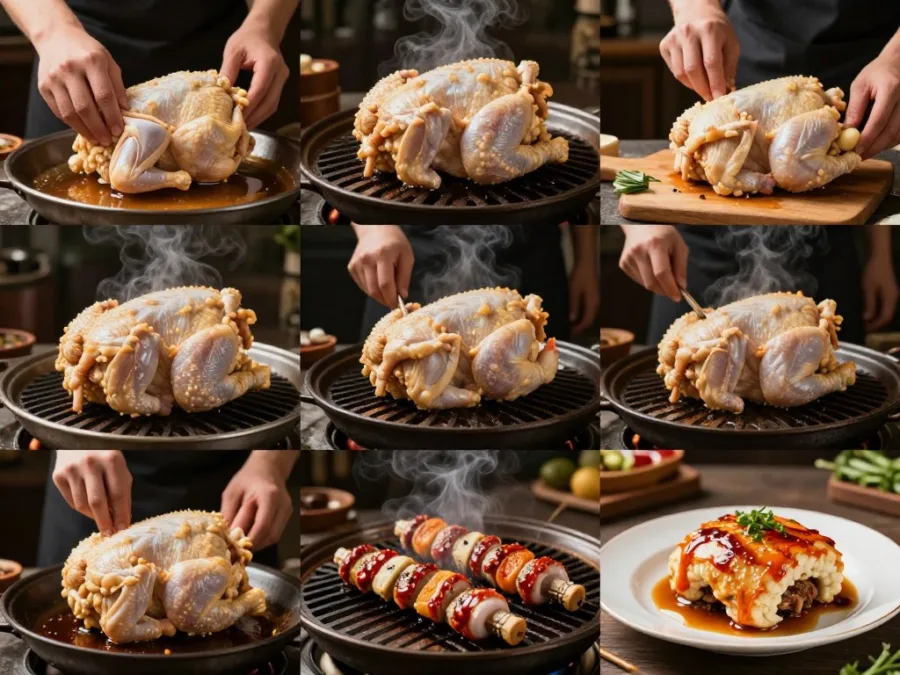
Roasting whole birds produces impressive presentations for celebrations. Properly seasoning under the skin, trussing for even cooking, and allowing adequate resting time all contribute to success. Duck requires different treatment, with scoring the skin and using high heat to render fat creating the desired crispness.
Braising and stewing suit tougher poultry cuts, transforming them into tender dishes through slow, moist cooking. These methods work particularly well with duck legs and turkey thighs. Adding aromatic vegetables and liquids creates flavorful sauces alongside the meat.
Red Meat Preparation
Beef steaks benefit from high-heat cooking methods that create flavorful crusts while maintaining desired internal doneness. Resting after cooking allows temperature carryover and juice retention. Different cuts require different approaches, with tender cuts suited to quick cooking and tougher cuts needing slow methods.
Pork safety no longer requires cooking to 160°F as previously recommended. Modern guidelines suggest 145°F followed by rest time, producing juicier pork chops and roasts. Pork shoulder and ribs still benefit from low, slow cooking that breaks down connective tissue into gelatin.
Lamb pairs beautifully with bold seasonings and high-heat cooking. Leg of lamb benefits from roasting, while chops excel on the grill. Middle Eastern preparations often use slower cooking with aromatic spices, creating tender meat that falls from the bone.
Goat meat requires patience and moisture to overcome natural toughness. Slow braising, currying, or stewing transforms goat into tender, flavorful dishes. Marinades containing acidic ingredients help tenderize the meat before cooking.
Quick Cooking Methods
High-heat techniques for tender cuts produce fast, flavorful results with proper timing and temperature control.
- Grilling over direct heat for steaks and chops
- Pan-searing for quick crust development
- Stir-frying for small pieces at high heat
- Broiling for quick top-heat cooking
Slow Cooking Methods
Low-temperature, extended cooking transforms tougher cuts into tender, succulent dishes with deep flavors.
- Braising in liquid for tough cuts
- Slow roasting for even cooking
- Smoking for flavor and tenderness
- Pressure cooking for quick tenderizing
Marinating Techniques
Proper marinating adds flavor and can tenderize meat through acidic or enzymatic action over appropriate time periods.
- Acidic marinades for tenderizing (2-8 hours)
- Oil-based for moisture retention
- Dry rubs for surface flavor
- Enzymatic marinades (limit to 2 hours)
Resting and Carving
Post-cooking techniques significantly impact final texture and presentation of cooked meats.
- Rest large cuts 15-20 minutes
- Rest steaks 5-10 minutes
- Carve against the grain
- Use sharp knives for clean cuts
Fish and Seafood Cooking
Fish requires gentle cooking to preserve delicate texture and moisture. Overcooking quickly ruins fish, turning it dry and rubbery. Most fish reaches proper doneness at 145°F, though some preparations like tuna steaks often use lower temperatures for medium-rare results.
Baking and roasting suit whole fish and thick fillets, providing even heat and easy monitoring. Wrapping fish in parchment or foil creates steam that keeps moisture in while infusing flavors from added herbs and aromatics.
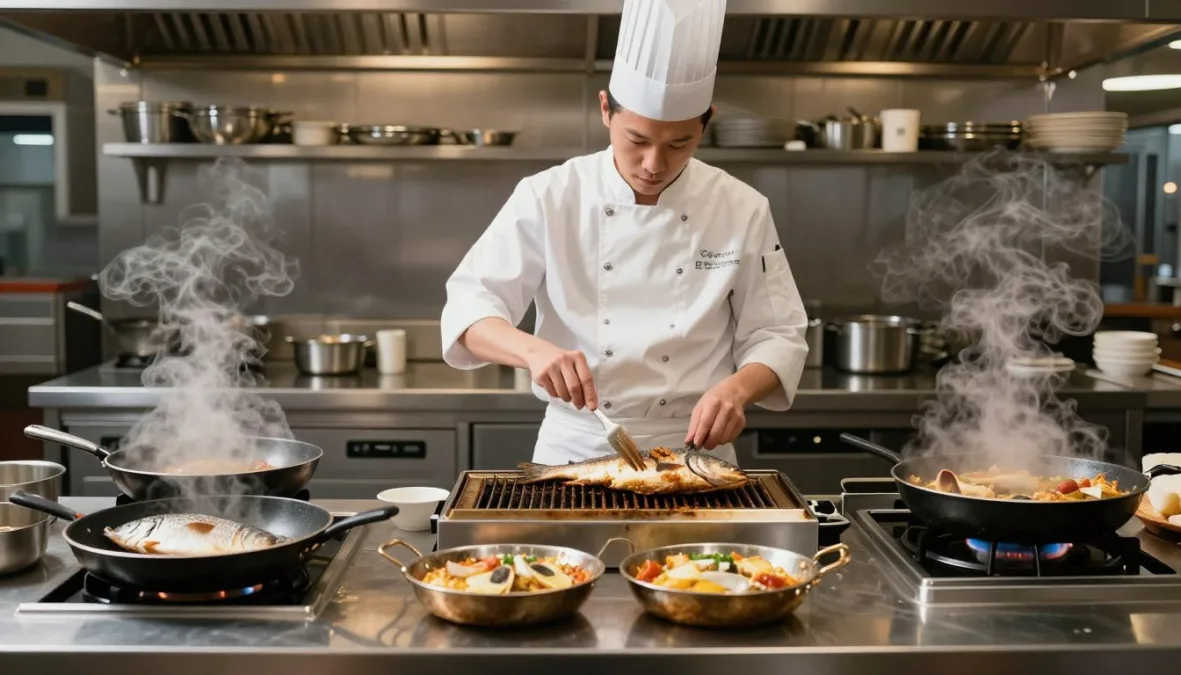
Pan-searing creates excellent results with fish fillets, producing crispy skin and moist flesh. Starting skin-side down in a hot pan with adequate fat prevents sticking. Pressing gently with a spatula during initial cooking keeps skin flat against the pan for even crisping.
Steaming preserves delicate flavors while cooking fish gently. Asian preparations often steam whole fish with ginger and scallions, creating light, healthy dishes. Steaming works particularly well for white fish varieties with mild flavors.
Global Spice and Seasoning Combinations
Different cultures have developed signature spice combinations that define their meat preparations. Understanding these traditional pairings helps recreate authentic flavors at home. Experimenting with global seasonings expands cooking repertoires and introduces new taste experiences.
Middle Eastern za’atar, baharat, and ras el hanout add complex flavors to lamb and chicken. These spice blends typically include cumin, coriander, cinnamon, and other warm spices. Application methods range from dry rubs to marinades incorporating yogurt or oil.
Asian five-spice powder combines star anise, cloves, cinnamon, Sichuan pepper, and fennel seeds. This blend works beautifully with pork and duck, providing sweet, warm, and slightly numbing flavors characteristic of Chinese cooking. Thai and Vietnamese seasonings add lemongrass, fish sauce, and fresh herbs for bright, complex flavors.
Latin American adobo and sofrito bases provide foundation flavors for countless meat dishes. Adobo typically combines vinegar, garlic, and spices, while sofrito uses aromatic vegetables sautéed to create depth. These fundamental preparations appear across Caribbean and Latin American cuisines.
Cultural Significance and Traditions Around Meat Consumption

Meat consumption carries deep cultural significance extending beyond simple nutrition. Celebratory meals, religious rituals, and social gatherings around the world feature meat as central elements. Understanding these traditions provides insight into how food connects people to heritage and community.
Many cultures reserve certain meats for special occasions, elevating these meals to ceremonial status. The expense and preparation time involved make these dishes markers of celebration and respect. Families pass recipes down through generations, maintaining connections to ancestral foodways.
Religious and Ceremonial Meat Uses
Islamic Eid al-Adha celebrates Abraham’s willingness to sacrifice his son through the ritual slaughter of animals, typically sheep or goats. Families share the meat with relatives, friends, and those in need, embodying principles of charity and community. This tradition connects millions of Muslims worldwide to their faith annually.
Jewish Passover seder includes lamb shank as a symbolic element representing the Passover sacrifice. While not consumed during the ceremony, its presence maintains connection to ancient Temple practices. Kosher slaughter methods reflect religious laws governing meat preparation.

Hindu traditions regarding meat vary significantly by region and community. While many Hindus practice vegetarianism, others consume specific meats while avoiding beef due to cattle’s sacred status. Regional festivals may include goat or chicken prepared according to local customs.
Christian Easter and Christmas traditions often feature lamb or ham as centerpiece dishes. These choices carry both religious symbolism and seasonal appropriateness, connecting modern celebrations to historical practices. Regional variations reflect local availability and cultural preferences.
Social and Community Aspects
Barbecue culture in the American South represents more than cooking methods; it embodies community identity and social connection. Whole-animal barbecues for weddings, church fundraisers, and community events bring people together. Regional styles create distinct identities tied to specific areas and traditions.
Argentine asado transcends mere grilling to become a social institution. The asador (grill master) holds respected position, and the slow cooking process creates time for conversation and connection. This tradition strengthens social bonds while celebrating quality beef.

Korean barbecue eating customs emphasize communal dining and shared experiences. Grilling meat at the table allows everyone to participate in cooking while conversation flows. Side dishes and wrapping meats in lettuce leaves create interactive, engaging meals that strengthen relationships.
Pacific Island luaus feature whole roasted pigs as celebration centerpieces. The underground cooking method and ceremonial presentation honor guests while demonstrating cultural identity. These gatherings maintain traditions while adapting to contemporary contexts.
Meat in Coming-of-Age Traditions
Many cultures mark transitions to adulthood with special meat dishes or hunting traditions. First successful hunts represent important milestones in indigenous cultures worldwide. Ceremonial feasts following these achievements recognize the young person’s new status within the community. These traditions connect individuals to cultural heritage while teaching responsibility and respect for animals and nature.
Status and Hospitality
Serving meat to guests demonstrates hospitality and respect across cultures. The expense and preparation involved signal that hosts value their visitors. In many traditional societies, offering meat shows status and generosity, with specific cuts reserved for honored guests.
Wedding feasts worldwide prominently feature meat dishes, with quantity and quality reflecting family resources and celebration importance. Multiple meat courses or whole roasted animals indicate major celebrations. These displays fulfill social expectations while creating memorable experiences.
Business meals in many cultures include premium meats as signals of successful negotiations or important relationships. Wagyu beef dinners in Japan or prime steakhouse meals in America serve as more than sustenance; they communicate respect and serious intent.
Changing Traditions and Modern Adaptations
Traditional meat-centric celebrations increasingly accommodate diverse dietary preferences. Modern families may offer vegetarian alternatives alongside traditional dishes, respecting both heritage and individual choices. This flexibility maintains celebration spirit while acknowledging changing values.
Sustainability concerns influence how some communities approach traditional meat consumption. Choosing locally raised animals, smaller portions, or less frequent meat celebrations represents one adaptation strategy. These changes attempt to preserve tradition while addressing modern concerns.

Urban migration challenges maintenance of traditional meat preparation methods requiring space and time. Adaptations using modern cooking equipment allow city dwellers to approximate traditional flavors in apartment kitchens. Recipe modifications preserve essential character while accommodating practical constraints.
The global exchange of culinary traditions introduces new meat preparations to different cultures. Korean fried chicken in America, Mexican tacos worldwide, and American burgers throughout Asia demonstrate how meat dishes travel and adapt. These exchanges create fusion cuisines while sometimes sparking renewed interest in traditional preparations.
Economic Impact of the Global Meat Industry

The global meat industry represents one of the world’s largest economic sectors, valued at over $1 trillion annually. This massive industry provides employment for hundreds of millions of people across farming, processing, distribution, and retail. Understanding meat’s economic impact reveals its importance beyond nutrition and culture.
Employment in meat production spans from smallholder farmers raising a few animals to workers in massive processing facilities. Rural communities worldwide depend on livestock farming as primary income sources. This economic foundation supports entire regions where alternative employment may be limited.
Production and Processing Economics
Economies of scale drive modern meat production toward larger operations. Industrial farming can produce meat more cheaply than traditional small-scale methods, creating economic pressures on family farms. This consolidation trend affects rural economies and farming communities globally.
Processing facilities represent significant capital investments and major employers in many regions. Towns built around meat processing plants depend heavily on these operations for economic stability. Closures or disruptions in processing capacity create ripple effects throughout local economies.
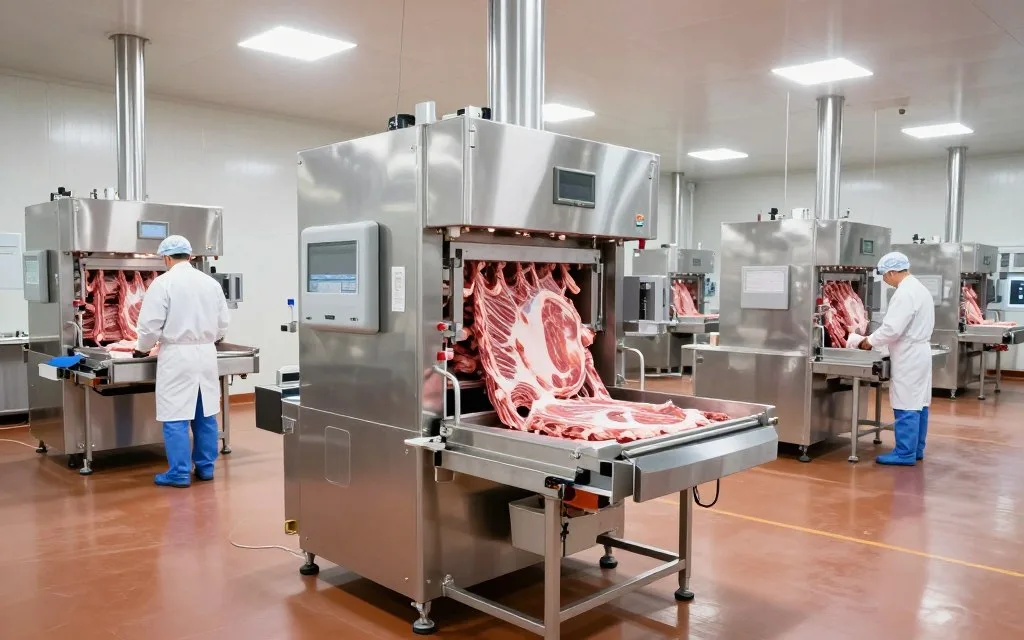
Feed production for livestock creates additional economic activity. Corn, soybeans, and other feed crops support farming communities supplying the meat industry. This interconnection means meat industry changes affect crop farmers and related agricultural sectors.
Technology investments in meat production continue growing. Automation, data analytics, and precision agriculture tools increase efficiency while requiring new skills and capital. These advances reshape employment patterns and competitive advantages in meat production.
Major Meat Producing Countries
- China (pork, poultry production leader)
- United States (diverse meat production)
- Brazil (beef and chicken exporter)
- European Union (diverse production)
- India (buffalo meat, poultry)
- Russia (growing domestic production)
- Mexico (poultry, pork production)
International Meat Trade
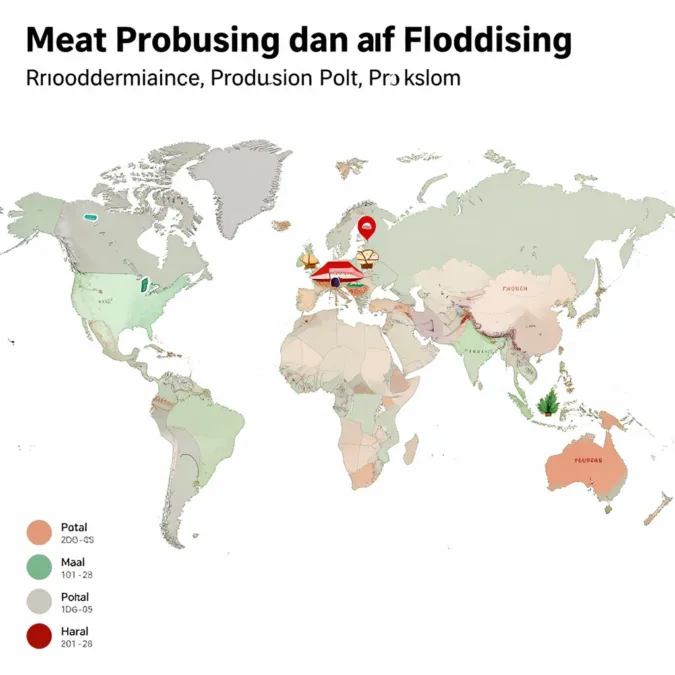
Global meat trade exceeds $150 billion annually, connecting producing and consuming nations. Brazil, Australia, and the United States lead beef exports, while Brazil, the United States, and European nations dominate poultry exports. This trade addresses supply and demand imbalances across regions.
Trade agreements and tariffs significantly impact meat flows between countries. Negotiations over market access can determine economic viability for producers. Political relationships and food safety regulations intertwine with economic factors in international meat trade.
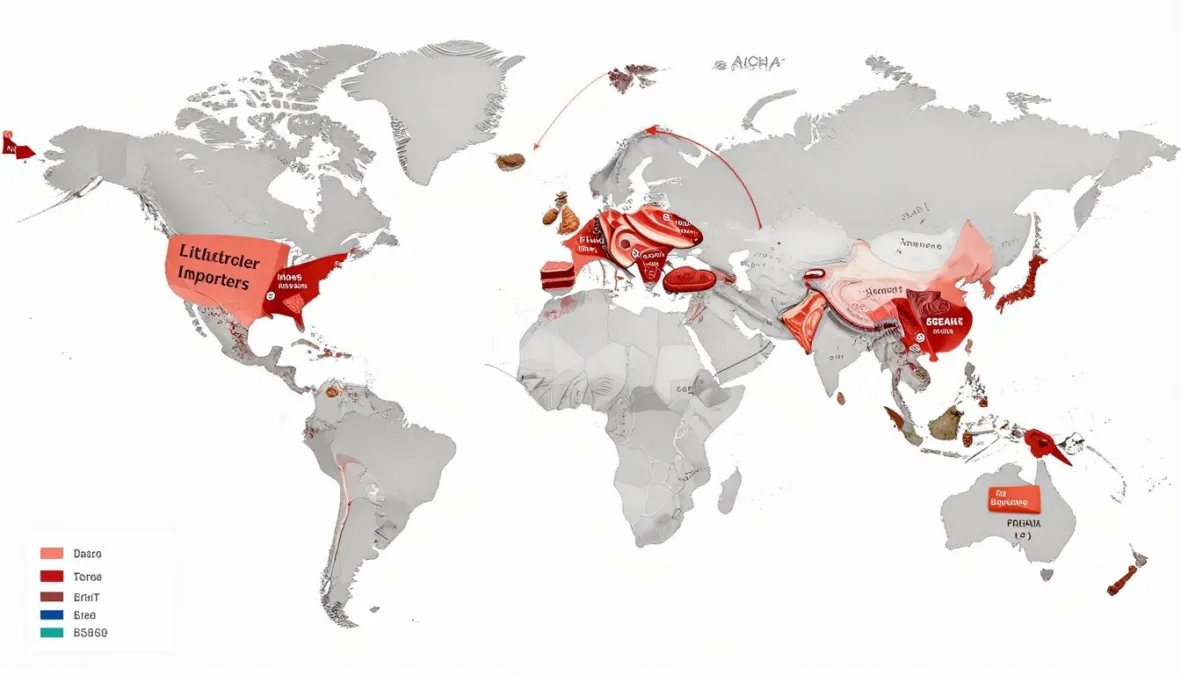
China’s growing meat imports reshape global markets. The country’s demand for pork, beef, and chicken influences prices and production decisions worldwide. African swine fever outbreaks in China created global pork market disruptions, demonstrating interconnected supply chains.
Developing countries increasingly participate in meat trade both as producers and consumers. African nations import poultry while some develop export capabilities for specific products. This evolution reflects changing economic circumstances and dietary transitions.
Retail and Restaurant Sectors
Grocery stores and butcher shops employ millions globally in meat retail. The shift toward pre-packaged meat changes skills required and job nature in this sector. Online grocery shopping further transforms meat retail, requiring new logistics and handling capabilities.
Restaurants worldwide depend on reliable meat supplies to maintain menu offerings. The foodservice sector purchases approximately 30% of meat production in developed countries. Restaurant industry health directly affects meat demand and pricing.
Fast food chains drive significant meat demand through standardized products requiring massive, consistent supplies. These operations influence breeding, feeding, and processing to meet specific requirements. The scale of purchases gives major chains substantial influence over production standards.
Meat Industry Employment Statistics
The global meat industry employs an estimated 30-40 million people directly in production and processing. Including related sectors like feed production, equipment manufacturing, and distribution, the total employment impact exceeds 100 million jobs worldwide. In many developing countries, livestock farming provides primary income for rural families, representing economic stability for entire communities.
Economic Challenges and Opportunities
Price volatility challenges both producers and consumers. Feed costs, disease outbreaks, and weather fluctuations create unpredictable conditions for livestock farmers. Managing these risks requires financial sophistication and access to insurance or support programs.
Alternative proteins represent both threats and opportunities for the traditional meat industry. Some meat companies invest in plant-based and cellular agriculture technologies, hedging against market shifts. Others focus on differentiating conventional meat through quality, sustainability, or ethical production.
Consumer demand for premium, sustainably produced meat creates market opportunities. Grass-fed beef, heritage breed pork, and free-range chicken command price premiums. These niche markets allow smaller producers to compete on quality rather than volume.
Export market development offers growth potential for efficient producers. Countries like Brazil and Australia continuously work to access new markets. Meeting varied import requirements for food safety, animal health, and sustainability standards requires ongoing investment and adaptation.
Health and Nutritional Aspects of Meat Consumption
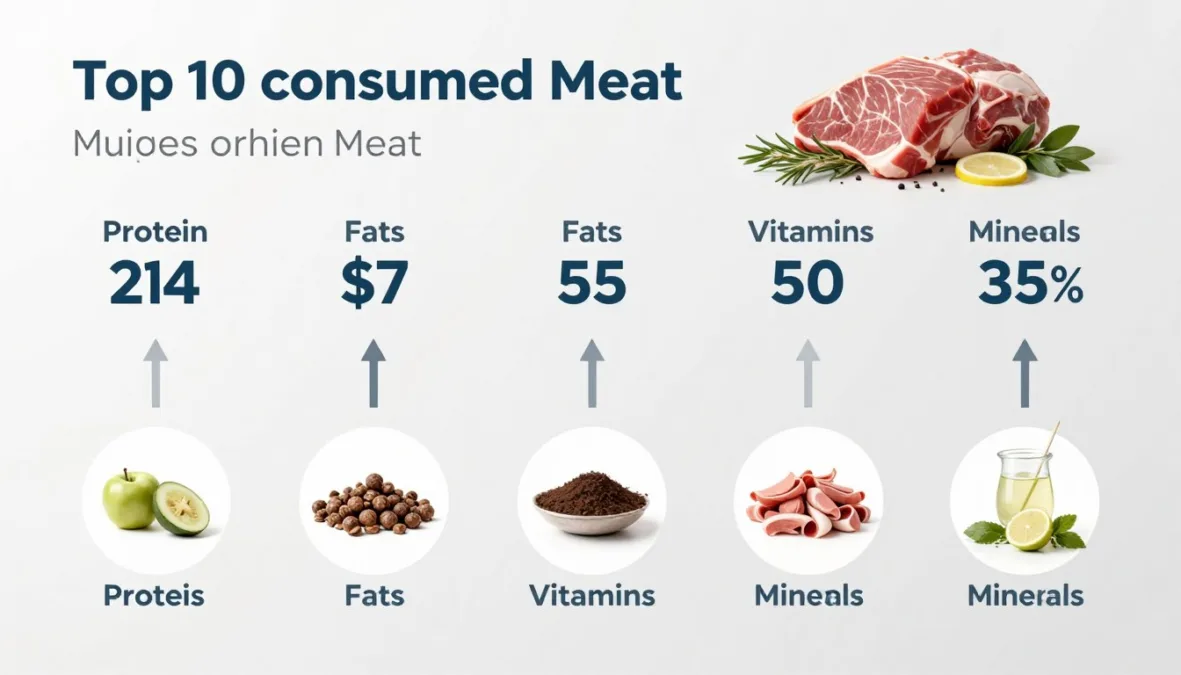
Meat provides essential nutrients difficult to obtain in adequate amounts from plant sources alone. High-quality protein, vitamin B12, iron, and zinc represent key nutritional contributions. Understanding these benefits helps make informed dietary decisions balancing nutrition with health recommendations.
Protein quality in meat exceeds most plant sources, providing all essential amino acids in proportions matching human needs. This complete protein supports muscle maintenance, immune function, and countless bodily processes. Athletes and active individuals particularly benefit from meat’s protein density and bioavailability.
Essential Nutrients in Meat
Vitamin B12 exists naturally only in animal products, making meat important for preventing deficiency. This vitamin supports nerve function, red blood cell formation, and DNA synthesis. Strict vegetarians require supplementation or fortified foods to meet B12 needs, while meat eaters easily obtain adequate amounts.
Heme iron from meat absorbs more efficiently than non-heme iron from plants. This superior absorption helps prevent iron deficiency anemia, particularly important for women of reproductive age. A small amount of meat in mixed meals enhances iron absorption from all sources present.
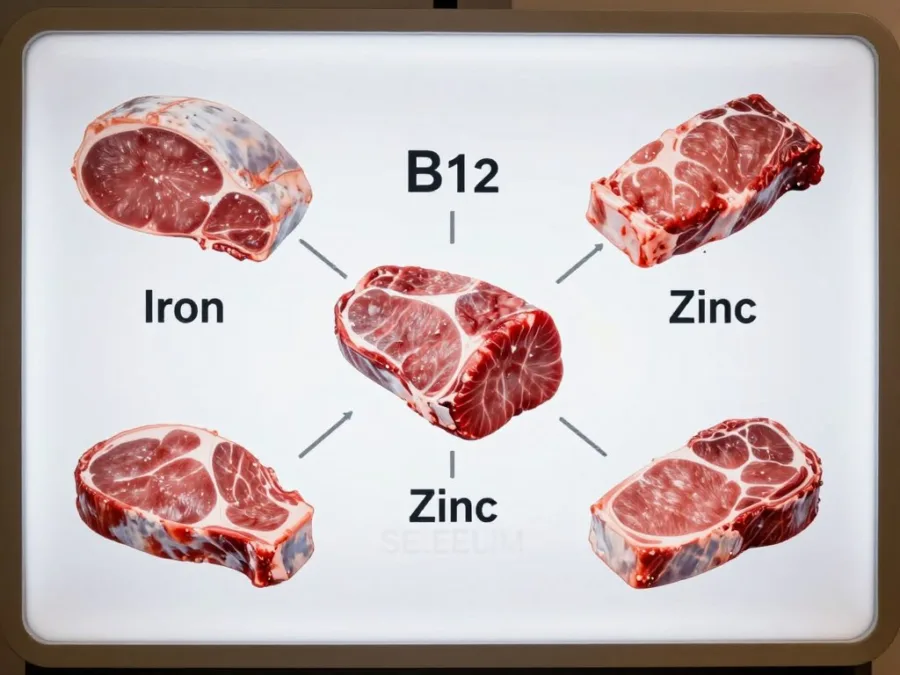
Zinc supports immune function, wound healing, and protein synthesis. Meat provides highly bioavailable zinc compared to plant sources. Oysters contain exceptional zinc levels, while red meat and poultry offer good amounts. Adequate zinc intake supports overall health and development.
Omega-3 fatty acids in fish provide cardiovascular and brain health benefits. Salmon, mackerel, and sardines offer particularly high levels. These essential fats reduce inflammation and support cognitive function throughout life. Regular fish consumption associates with numerous health benefits in population studies.
Protein Content (per 100g)
- Chicken breast: 31g
- Beef (lean): 26g
- Pork loin: 27g
- Lamb: 25g
- Salmon: 25g
- Turkey: 29g
Key Vitamins in Meat
- Vitamin B12 (all meats)
- Vitamin B6 (poultry, fish)
- Niacin (chicken, turkey)
- Vitamin D (fatty fish)
- Vitamin A (liver)
- Riboflavin (beef, lamb)
Essential Minerals
- Iron (red meat, liver)
- Zinc (beef, lamb, oysters)
- Selenium (fish, poultry)
- Phosphorus (all meats)
- Potassium (fish, poultry)
- Magnesium (fish, poultry)
Health Considerations and Recommendations
Processed meats face stronger health warnings than fresh meat. Studies link high consumption of bacon, sausages, and deli meats with increased disease risk. Preservation methods and additives contribute to these concerns. Health organizations recommend limiting processed meat intake significantly.
Red meat consumption requires moderation according to most health guidelines. While providing valuable nutrition, high intake associates with certain health risks in some studies. Recommendations typically suggest limiting red meat to several times weekly while emphasizing lean cuts.
Cooking methods significantly impact meat’s health effects. Grilling and frying at high temperatures create potentially harmful compounds. Gentler cooking methods like roasting, braising, and poaching produce fewer of these compounds. Marinating meat before grilling may reduce harmful compound formation.
Lean meat choices support healthy eating patterns. Skinless poultry, fish, and lean cuts of beef and pork provide protein and nutrients with less saturated fat. Trimming visible fat before cooking further reduces fat content. These simple choices improve meat’s nutritional profile.
Meat in Various Dietary Patterns
Mediterranean diet research shows health benefits from moderate meat consumption alongside abundant plant foods. This pattern emphasizes fish and poultry over red meat while including plenty of vegetables, fruits, and whole grains. The balance and variety contribute to observed health outcomes.
Low-carbohydrate diets often feature meat prominently as a primary protein and fat source. These eating patterns demonstrate that meat-inclusive diets can support weight loss and metabolic health when total diet quality is considered. Individual responses vary, making personalized approaches important.
Balanced omnivorous diets incorporating moderate meat alongside diverse plant foods provide nutritional adequacy for most people. This flexible approach allows for cultural food preferences while meeting nutritional needs. The key lies in portion control and overall dietary pattern quality.
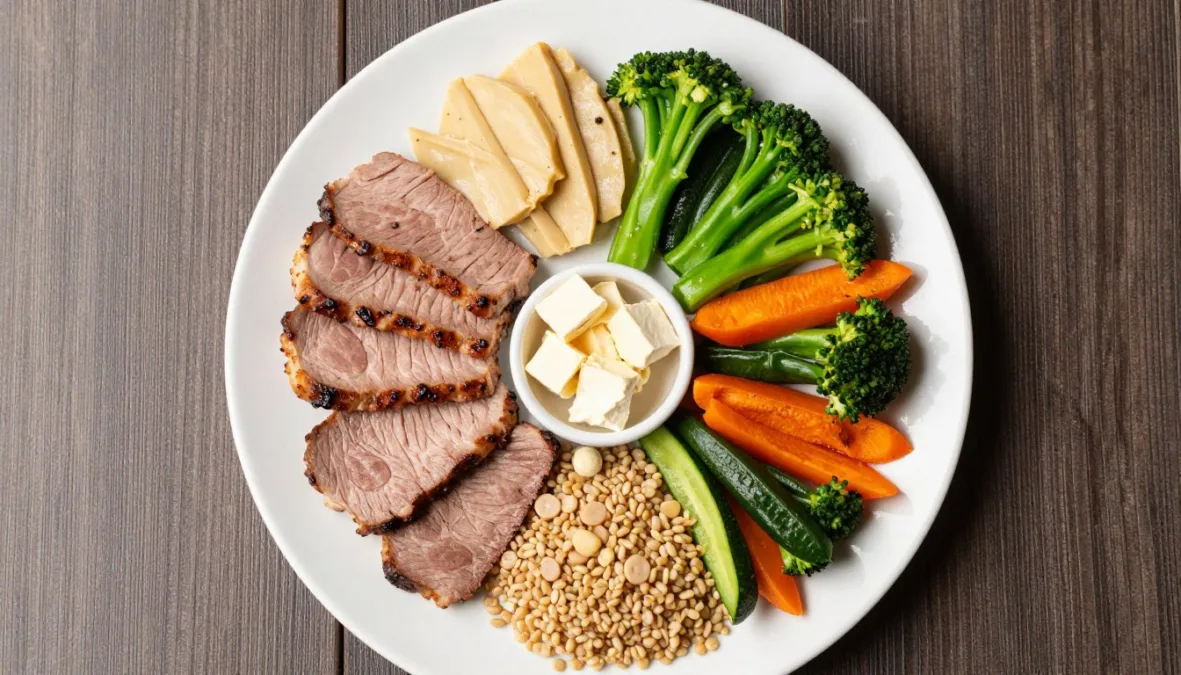
Athletic diets often include substantial meat for protein needs supporting training and recovery. Athletes require more protein than sedentary individuals, making meat’s protein density valuable. Timing protein intake around training optimizes its benefits for muscle adaptation and performance.
Special Populations and Meat Consumption
Pregnant women benefit from meat’s iron, B12, and protein content. These nutrients support fetal development and maternal health. However, avoiding undercooked meat and limiting certain fish types due to mercury concerns remains important during pregnancy.
Children require adequate protein and micronutrients for growth and development. Meat provides concentrated nutrition in portions appropriate for small appetites. Iron from meat helps prevent anemia common in young children, supporting cognitive development and energy levels.
Elderly individuals may struggle meeting protein needs due to reduced appetites and difficulty chewing. Meat’s nutrient density helps ensure adequate intake. Tender preparations and ground meats accommodate changing physical abilities while maintaining nutrition.
People with specific health conditions may need to modify meat consumption. Those with kidney disease often require protein restriction, while individuals with iron overload disorders must limit red meat. Medical nutrition therapy should guide these specific situations.
Conclusion: The Future of Global Meat Consumption
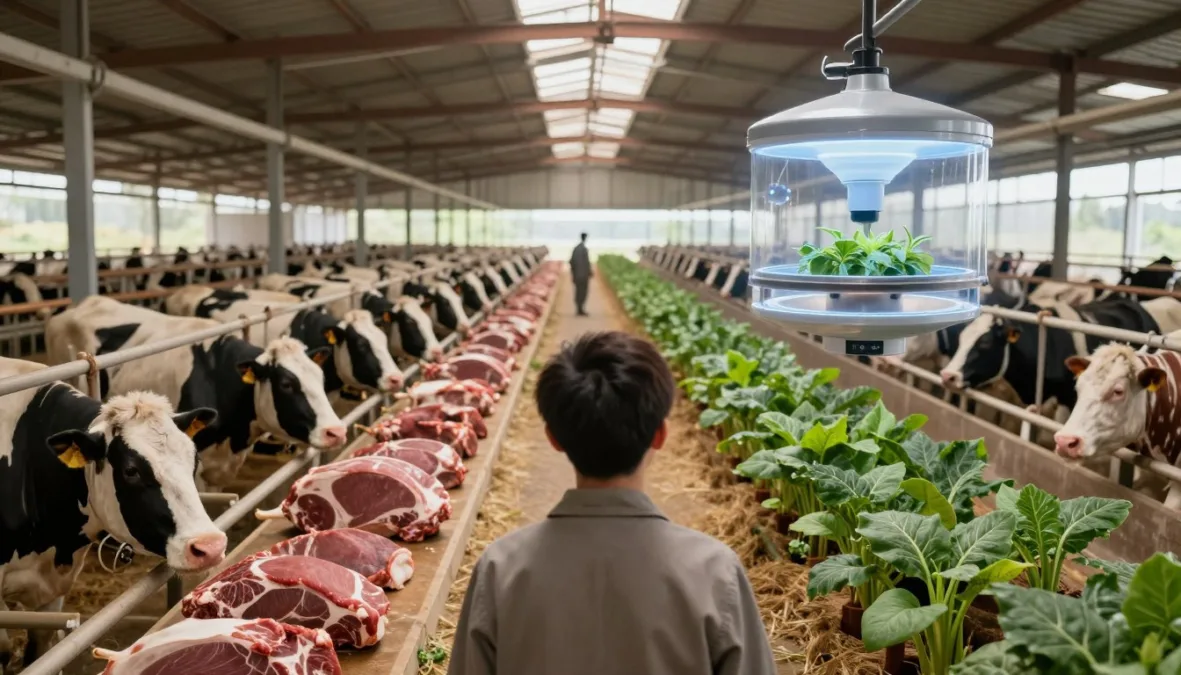
The top 10 animals eaten in the world reflect humanity’s diverse culinary traditions, nutritional needs, and cultural values. From chicken’s global dominance to regional specialties like rabbit and water buffalo, each meat plays unique roles in food systems worldwide. Understanding these patterns provides insight into how food connects us to culture, economics, and the environment.
Chicken, pork, and beef will likely maintain their positions as the most consumed meats globally for the foreseeable future. However, the balance among different meats continues shifting based on economic development, health awareness, and environmental concerns. Regional preferences will persist even as globalization expands access to diverse proteins.
Sustainability challenges demand innovations in meat production. Improved farming efficiency, reduced environmental impact, and better animal welfare standards represent necessary evolutions. The industry must adapt to meet growing demand while addressing legitimate concerns about resource use and climate impact.
Alternative proteins will claim increasing market share without completely replacing traditional meat. Plant-based meats, cellular agriculture, and other innovations offer additional protein sources complementing rather than eliminating conventional meat. Consumer choice will expand to include diverse options serving different preferences and values.

Cultural traditions surrounding meat consumption will adapt while maintaining essential character. Families will continue gathering around celebratory meals featuring traditional dishes even as everyday eating patterns evolve. The emotional and social connections to food transcend purely nutritional considerations.
Education about meat production, nutrition, and cooking helps consumers make informed choices aligned with their values. Understanding where food comes from, how to prepare it properly, and how it fits into healthy diets empowers better decision-making. This knowledge supports both personal health and broader sustainability goals.
The global meat industry faces challenges and opportunities as it evolves to meet changing demands. Success will require balancing efficiency with sustainability, nutrition with ethics, and tradition with innovation. Those willing to adapt while maintaining quality will thrive in the changing landscape.
Individual meat consumption choices reflect personal values, health goals, cultural background, and economic circumstances. No single approach suits everyone. Respecting diverse perspectives while making personally appropriate choices represents a balanced attitude toward this complex topic.
Key Takeaways
The top 10 animals eaten in the world provide essential nutrition for billions of people while supporting massive industries and cultural traditions. Chicken leads global consumption followed by pork, beef, fish, lamb, goat, turkey, duck, rabbit, and buffalo. Each meat offers unique nutritional benefits, cultural significance, and production characteristics. Future meat consumption will balance traditional production with sustainable practices and alternative proteins, creating diverse options for global populations.
Looking forward, the relationship between humans and meat will continue evolving as it has throughout history. Technology, environmental awareness, and changing values will shape this evolution. However, meat’s role in human nutrition and culture ensures its continued importance even as the specific forms and production methods change.
Whether you’re a dedicated meat eater, someone reducing consumption, or simply curious about global food systems, understanding the top 10 animals eaten in the world provides valuable perspective. These insights connect personal food choices to broader patterns affecting billions of people, countless animals, and our shared environment.
Continue Your Culinary Journey
Download our comprehensive guide featuring detailed cooking instructions, nutritional information, and traditional recipes for all 10 most consumed meats worldwide. Plus, receive weekly updates on global food trends, sustainable eating practices, and exclusive cooking tips from professional chefs.

Priyanka Pandey
Senior Research Editor · Top10Sense
Priyanka specializes in tech, consumer products, and digital trends. She combines hands-on testing, vendor interviews, and database research to create trustworthy “Top 10” rankings. Her work has been referenced by industry blogs and brand report pages.