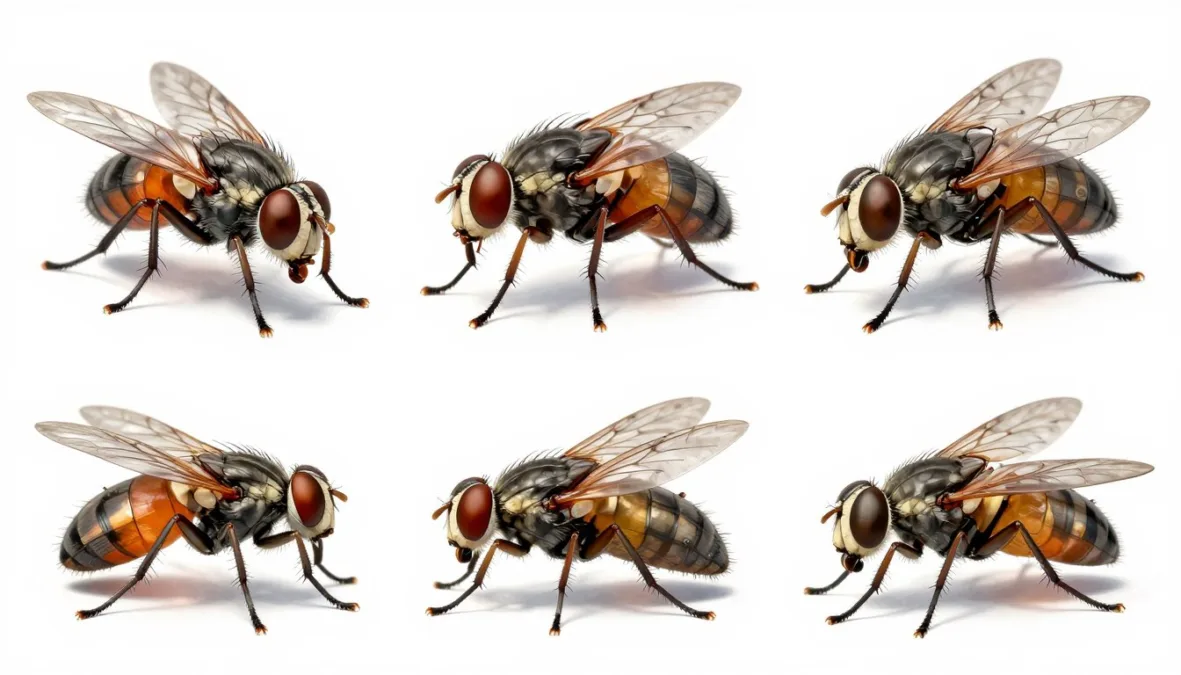
Flies represent one of the most widespread insect groups across the world. While many species remain harmless, certain types pose serious threats to human health and animal welfare. These dangerous flies transmit deadly diseases, deliver painful bites, and create significant public health challenges.
Understanding which fly species present the greatest risks helps protect your family and pets. This comprehensive guide examines the top 10 most dangerous flies, their geographic locations, disease transmission capabilities, and identifying characteristics that make them particularly hazardous.
1. Tsetse Fly: Africa’s Sleeping Sickness Carrier
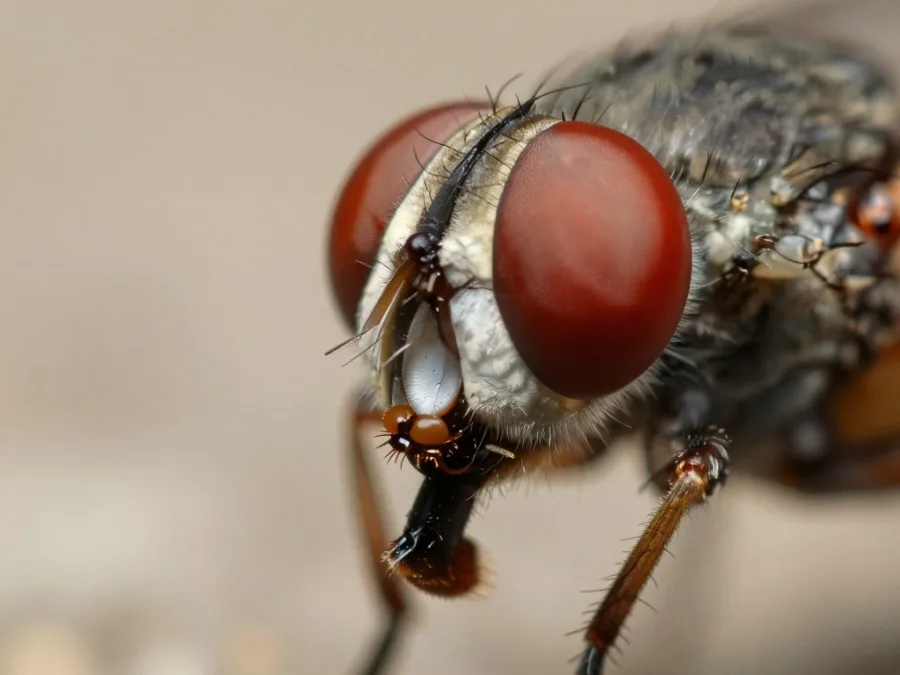
The tsetse fly ranks among the most dangerous insects affecting humans and animals in sub-Saharan Africa. This blood-feeding pest transmits African trypanosomiasis, also known as sleeping sickness, which threatens millions of people each year.
Tsetse flies measure between 6 to 15 millimeters in length and possess a distinctive folded wing pattern when resting. Unlike common house flies, tsetse flies feed exclusively on blood from mammals. Both male and female adults require blood meals to survive.
These dangerous flies transmit parasites through their bites. The disease progresses through two stages, initially causing fever and headaches. Without treatment, the infection invades the central nervous system, leading to severe neurological symptoms and potentially death.
Tsetse flies inhabit 36 African countries, placing approximately 70 million people at risk. The insects prefer shaded areas near rivers and vegetation where they hunt for hosts. If you suspect tsetse fly presence in your area, contact pest control immediately for proper identification.
Identification Features
Tsetse flies display several unique characteristics that distinguish them from other fly species.
- Folded wings that overlap completely when at rest
- Long proboscis extending forward from head
- Brown to yellowish body coloration
- Hatchet-shaped cell visible in wing center
Disease Impact
The health consequences of tsetse fly bites create severe complications for affected populations.
- Sleeping sickness affects central nervous system
- Symptoms include confusion and sleep disturbances
- Fatal without medical intervention
- Livestock disease reduces food security
Geographic Range
Tsetse flies occupy specific regions across the African continent where environmental conditions support populations.
- Sub-Saharan Africa primary habitat
- Woodlands and savanna ecosystems
- Areas with adequate shade and moisture
- Near water sources and vegetation
Prevention Methods
Protecting yourself from tsetse fly bites requires specific precautions when traveling through endemic areas.
- Wear long sleeves and neutral colored clothing
- Apply insect repellent to exposed skin
- Avoid shaded areas during peak activity
- Use bed nets treated with insecticide
2. Bot Fly: Parasitic Larvae Developer
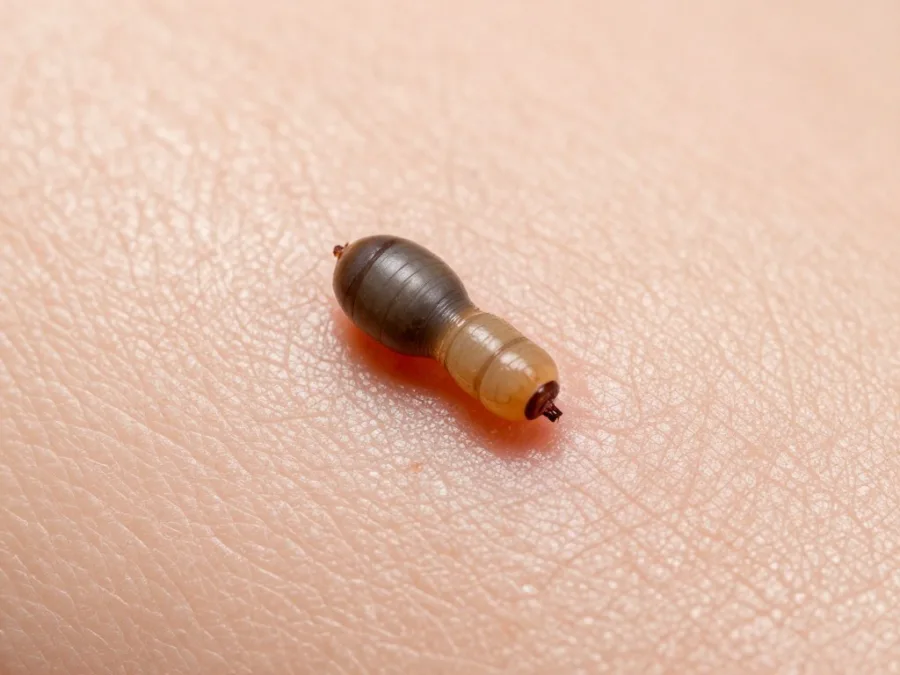
Bot flies represent unique parasitic insects that develop their larvae inside living mammals. Several species target humans, creating painful infestations that require medical attention for proper removal.
These flies don’t bite directly. Instead, they capture mosquitoes or other insects and lay eggs on their bodies. When the carrier insect lands on human skin, bot fly eggs hatch and larvae burrow into tissue. The developing larvae create breathing holes in the skin while feeding on surrounding tissue.
Bot fly infestations cause intense discomfort as larvae grow beneath the skin. Infected individuals often feel movement under their skin surfaces. The breathing holes may discharge fluid and become infected with bacteria without proper treatment.
Central and South America contain the highest concentrations of human bot fly populations. The species also known as torsalo presents the greatest threat to humans in these regions. Travelers to tropical areas should protect exposed skin and monitor for unusual bumps or sensations.
3. Sand Fly: Leishmaniasis Vector
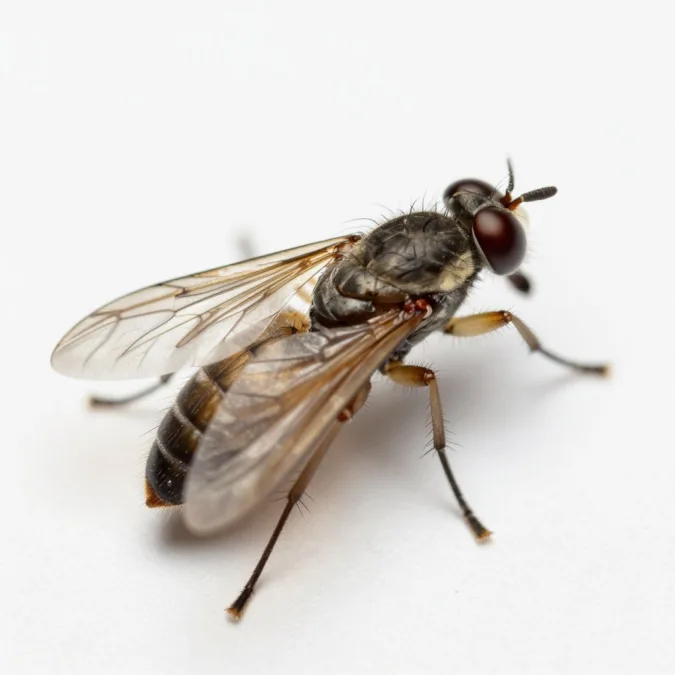
Sand flies measure only 2 to 3 millimeters in length but transmit serious diseases affecting millions worldwide. These tiny insects spread leishmaniasis, a parasitic disease that damages skin, internal organs, and immune system function.
Female sand flies require blood meals to produce eggs. During feeding, infected flies inject Leishmania parasites into host bodies. The disease manifests in three forms: cutaneous leishmaniasis causing skin sores, mucocutaneous affecting mucous membranes, and visceral leishmaniasis targeting internal organs.
These dangerous flies breed in organic matter including animal burrows, termite mounds, and cracks in walls. Sand fly populations thrive in tropical and subtropical regions across Africa, Asia, Europe, and the Americas. The insects feed primarily during evening hours and nighttime.
Leishmaniasis affects approximately 12 million people globally each year. The visceral form proves fatal without treatment. Protecting your home from sand fly infestations requires eliminating breeding sites and using fine mesh screens on windows.
Concerned About Dangerous Fly Identification?
Professional pest control experts can accurately identify fly species in your area and recommend appropriate protection measures. Don’t risk exposure to disease-carrying insects.
4. Black Fly: River Blindness Transmitter
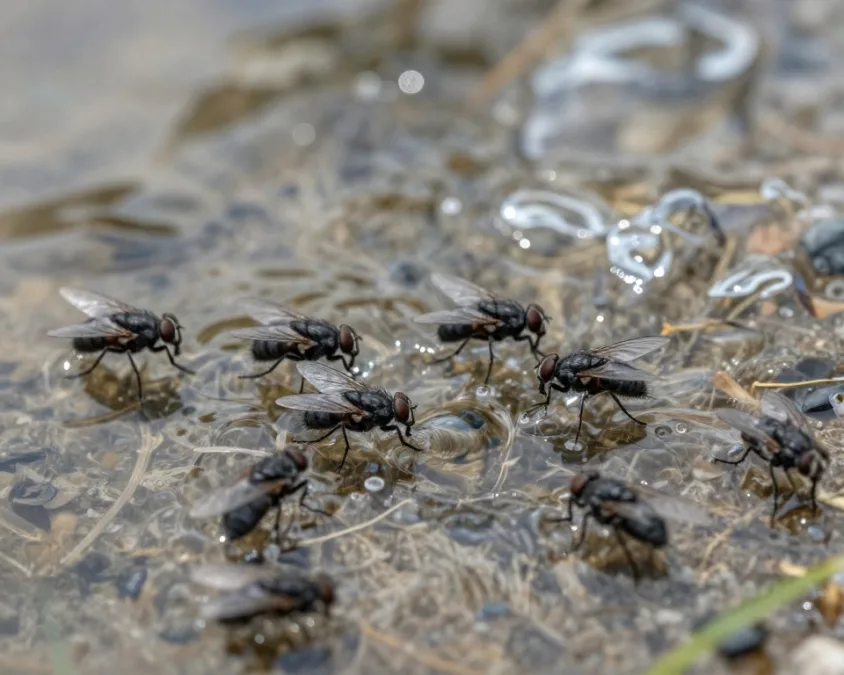
Black flies, also known as buffalo gnats, measure 1 to 5 millimeters and deliver painful bites that cause severe reactions. Beyond immediate bite discomfort, certain species transmit onchocerciasis, commonly called river blindness.
Female black flies slash skin with blade-like mouthparts rather than piercing like mosquitoes. They inject anticoagulants that prevent blood clotting during feeding. This feeding method creates intense irritation and swelling around bite sites. Some individuals experience severe allergic reactions requiring medical treatment.
River blindness occurs when infected black flies transfer parasitic worms during blood meals. Larvae migrate through skin tissue and mature into adult worms. These parasites produce millions of microfilariae that cause severe itching, skin damage, and eye lesions leading to blindness.
Black fly populations concentrate near fast-flowing streams and rivers where they lay eggs on submerged rocks and vegetation. The insects attack in large numbers during daylight hours. Africa and Latin America report the highest infection rates, with millions at risk annually.
5. Stable Fly: Painful Livestock Pest
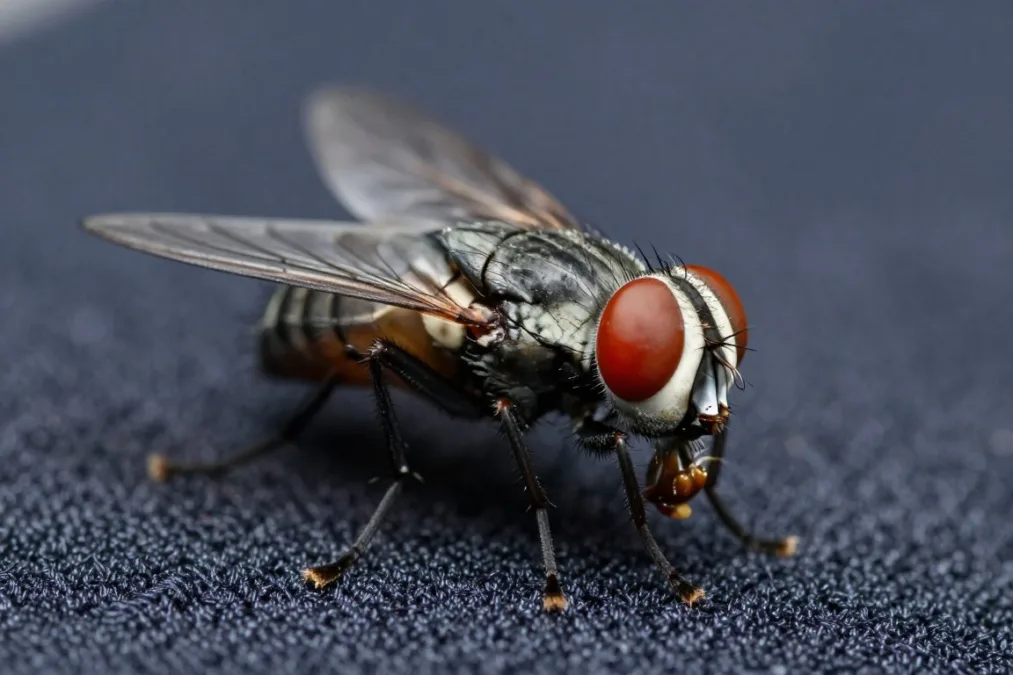
Stable flies look like common house flies but deliver powerful bites that penetrate skin and clothing. Both male and female stable flies feed on blood, unlike house flies that consume only liquid food sources.
These insects possess sharp, bayonet-like mouthparts that pierce through skin. Stable flies typically bite around ankles and lower legs of humans. The bites cause immediate sharp pain followed by persistent itching and swelling. Multiple bites create significant discomfort and distraction.
Stable flies breed in decaying vegetation, particularly rotting hay and straw mixed with animal waste. Coastal areas with piles of seaweed also support large populations. Adults emerge and immediately seek blood meals, feeding multiple times daily.
Agricultural operations suffer major economic losses from stable fly infestations. The pests reduce livestock weight gain and milk production while increasing stress on animals. Humans working or recreating near breeding sites experience constant harassment from biting flies.
Urgent Fly Problem? Call Now:
6. Horse Fly: Aggressive Blood Feeder
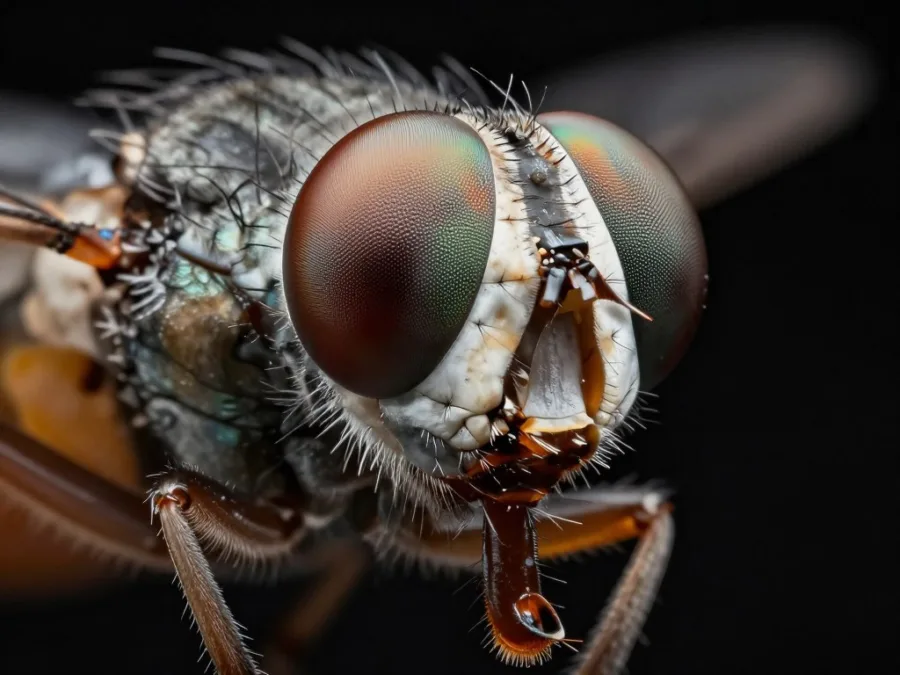
Horse flies rank among the largest biting fly species, with some measuring over 25 millimeters in length. Female horse flies slash skin with scissor-like mouthparts to create pools of blood for feeding. These aggressive insects pursue hosts persistently and deliver extremely painful bites.
The bite wound from horse flies often bleeds profusely due to anticoagulant compounds in fly saliva. Bites swell rapidly and remain painful for several days. Some individuals develop severe allergic reactions to horse fly bites requiring immediate medical attention.
Horse flies transmit several diseases including equine infectious anemia and tularemia. The mechanical transfer of pathogens occurs when flies move between infected and healthy hosts. Large populations create significant nuisance problems in areas near wetlands and forests.
These flies breed in aquatic and semi-aquatic environments where larvae develop in mud or shallow water. Adults emerge during warm months and actively hunt for blood meals during daylight hours. Horse flies detect hosts through visual cues, movement, and carbon dioxide emissions.
7. Deer Fly: Persistent Circling Biter
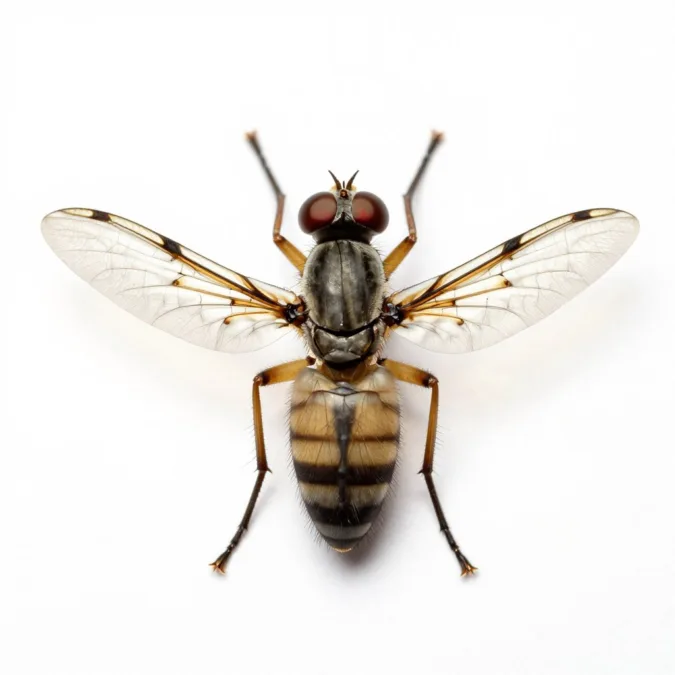
Deer flies display distinctive banded or spotted wing patterns and brightly colored eyes. These insects circle around heads persistently before landing to bite. The circling behavior creates extreme annoyance even before actual bites occur.
Female deer flies cut skin with blade-like mouthparts similar to horse flies but typically target the head, neck, and shoulders. Bites produce immediate pain and often result in significant swelling. The wounds may develop into secondary bacterial infections without proper care.
Deer flies transmit tularemia, also known as rabbit fever, to humans through contaminated bites. The bacterial infection causes skin ulcers, swollen lymph nodes, and flu-like symptoms. Without antibiotic treatment, tularemia can spread to lungs and other organs.
Wetland areas, forests, and fields provide ideal deer fly habitat. Larvae develop in moist soil near water edges. Adult flies emerge in late spring and remain active through summer months. The insects detect movement and dark colors, aggressively pursuing potential hosts.
Protect Your Home from Dangerous Flies
Professional pest control services provide comprehensive fly prevention and elimination solutions. Our experts assess your property, identify fly species, and implement targeted control measures to keep your family safe from dangerous insects.
8. Blow Fly: Disease Spreading Scavenger
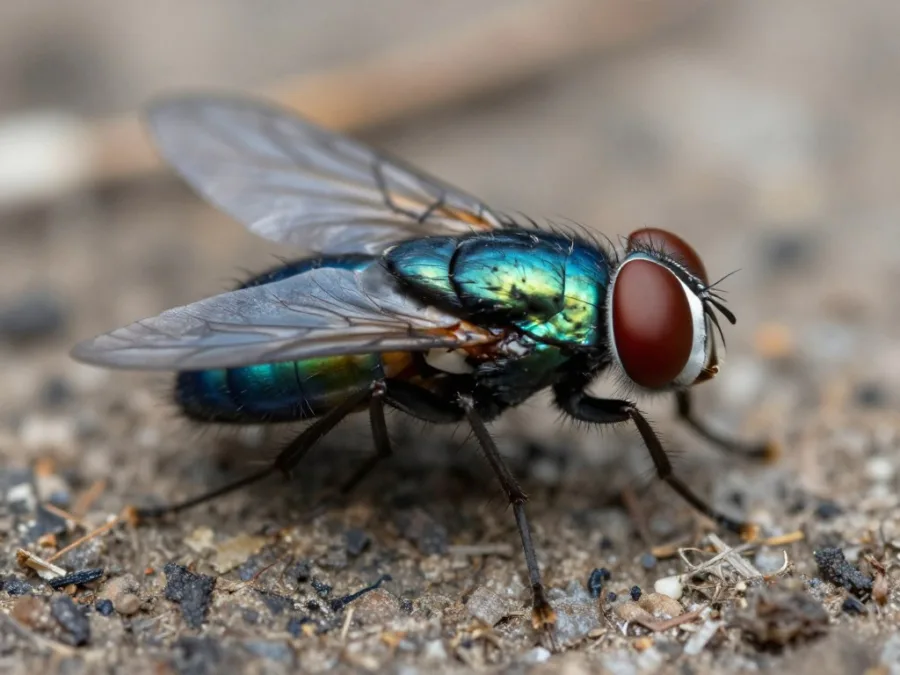
Blow flies, recognizable by their metallic blue, green, or bronze bodies, breed in decaying organic matter and animal carcasses. These insects spread numerous pathogens by landing on food surfaces after visiting contaminated sources.
Female blow flies lay eggs directly on decomposing tissue, open wounds, or soiled areas. Larvae hatch within hours and feed on the organic material. The rapid development cycle produces large numbers of adults that disperse to find new food sources and egg-laying sites.
These flies transmit bacteria including Salmonella, E. coli, and Staphylococcus by contaminating food preparation surfaces and stored food items. Blow flies also cause myiasis when they lay eggs in open wounds on humans or animals. Larvae then consume living tissue, creating serious medical complications.
Blow fly infestations indicate sanitation problems or hidden animal carcasses. Large numbers inside homes suggest dead animals in walls, attics, or crawl spaces. Eliminating breeding sources and maintaining proper food storage prevents blow fly problems and reduces disease transmission risks.
9. Flesh Fly: Living Tissue Invader
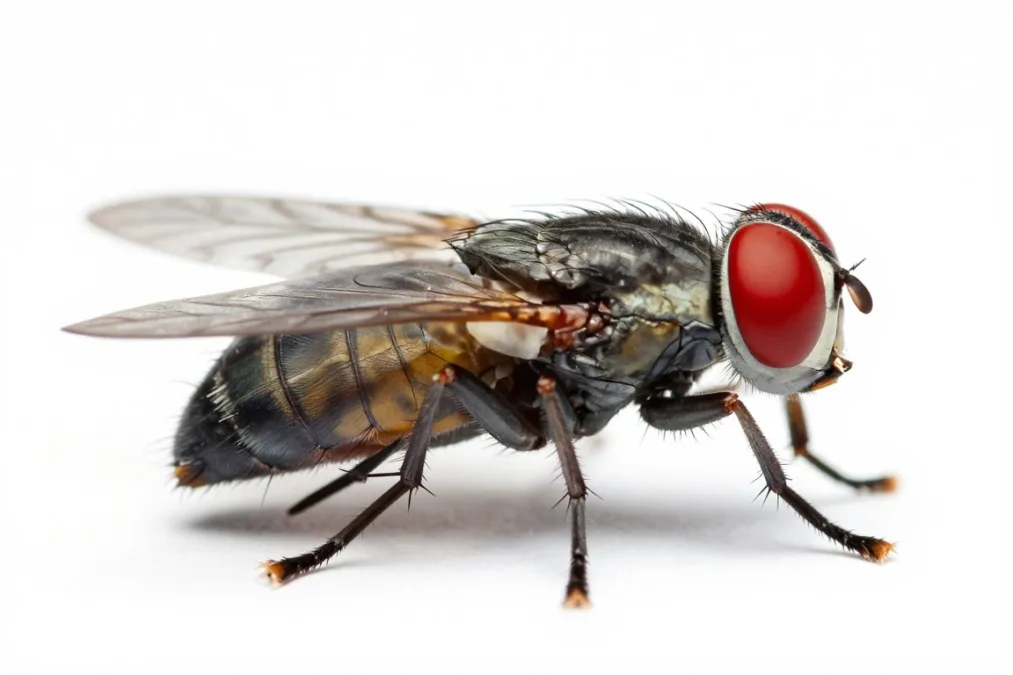
Flesh flies resemble house flies but display distinctive black and gray striped patterns on their bodies. Unlike most fly species that lay eggs, female flesh flies deposit live larvae directly onto food sources, including living tissue.
These insects create medical concerns when larvae enter wounds, eyes, ears, or nasal passages. The condition called myiasis develops as larvae burrow into tissue and feed on living cells. Infestations cause pain, tissue damage, and potential secondary infections requiring surgical removal.
Flesh flies typically target carrion and animal waste for larval development. However, they also deposit larvae on improperly stored food, particularly meat products. The presence of flesh fly larvae in food indicates contamination and potential health hazards.
Outdoor areas with poor sanitation attract flesh flies seeking breeding sites. The insects enter buildings through damaged screens and open doors. Proper wound care and maintaining clean environments reduce flesh fly attraction and infestation risks for humans and animals.
10. Fruit Fly: Food Contamination Specialist
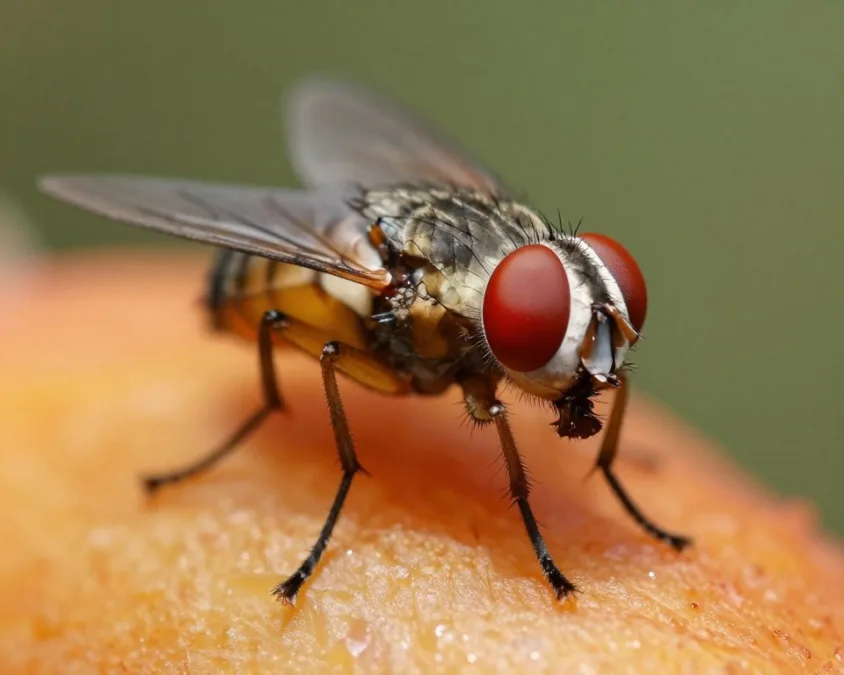
Fruit flies measure only 3 to 4 millimeters but create significant food safety and nuisance problems. These small insects breed rapidly in fermenting fruits, vegetables, and sugary liquids. A single female produces up to 500 eggs during her short lifespan.
The primary danger from fruit flies comes through food contamination rather than bites or direct disease transmission. Flies land on decaying matter, pick up bacteria and yeasts on their bodies, then transfer these microorganisms to fresh food surfaces when they land.
Fruit fly infestations spread quickly in homes, restaurants, and food processing facilities. Larvae develop in as little as one week under optimal conditions. Large populations overwhelm control efforts and create persistent problems without addressing breeding sources.
These insects carry and spread bacteria including E. coli and Listeria that cause foodborne illness. The contamination occurs when flies walk across food preparation areas and stored produce. Eliminating overripe fruit, cleaning drains, and properly storing food prevents fruit fly populations from establishing in indoor spaces.
How to Identify Dangerous Fly Species
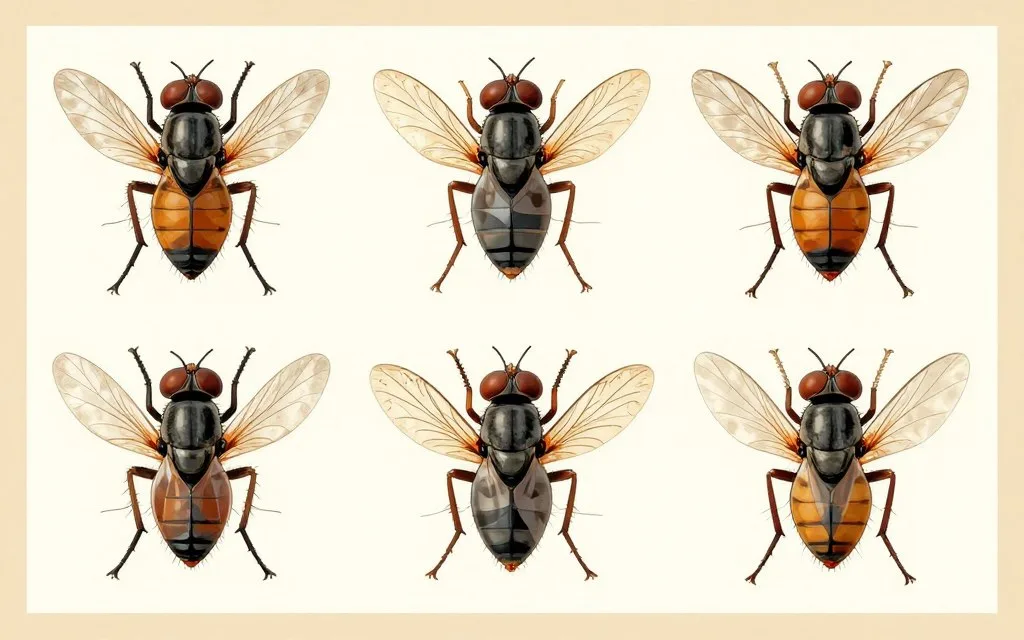
Accurate identification helps determine appropriate control measures and health risks. Each dangerous fly species displays unique characteristics visible to careful observers.
Physical Features
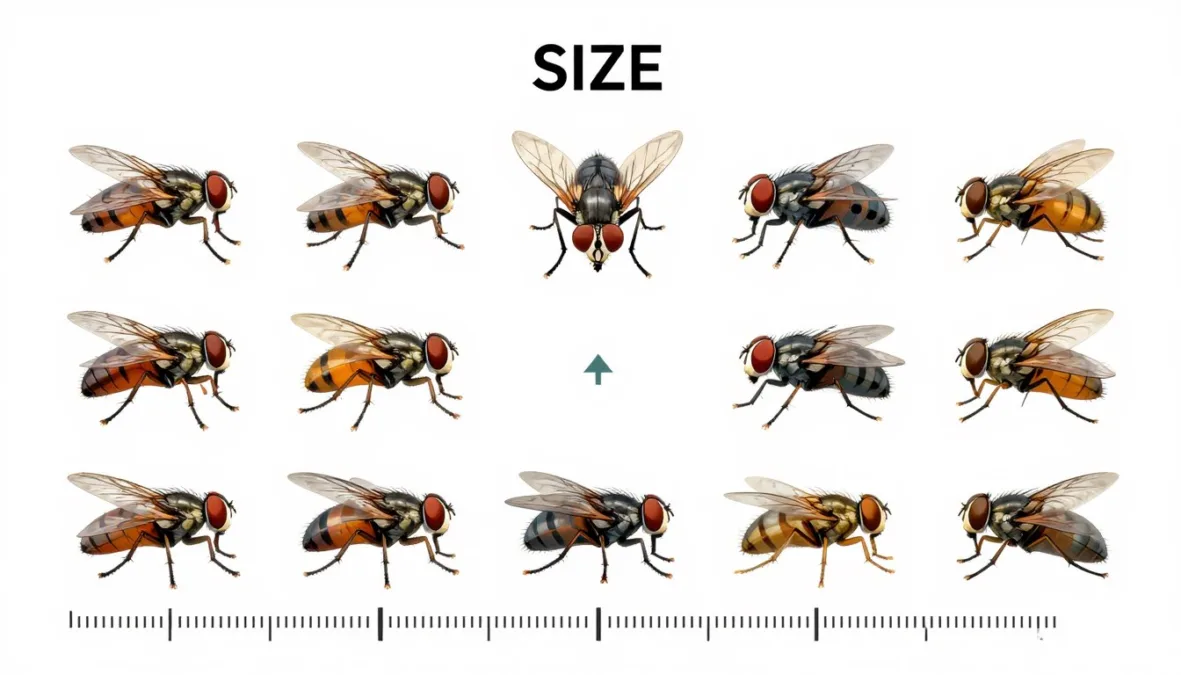
Size variations range from tiny sand flies measuring 2 millimeters to large horse flies exceeding 25 millimeters. Body coloration provides important identification clues.
- Metallic blue or green indicates blow flies
- Striped patterns suggest flesh or stable flies
- Tan bodies with red eyes identify fruit flies
- Folded wings characterize tsetse flies
- Banded wings mark deer flies
Behavior Patterns
Observing fly behavior helps narrow species identification when physical features remain unclear.
- Circling flight around heads indicates deer flies
- Hovering near fruits suggests fruit flies
- Persistent biting behavior shows stable flies
- Activity near water points to black flies
- Presence around waste indicates blow flies
Prevention and Control Strategies
Protecting yourself and your property from dangerous flies requires implementing multiple prevention strategies. Effective control combines habitat modification, physical barriers, and professional pest management services.
Environmental Management
Eliminating breeding sites reduces fly populations before they become established problems.
- Remove standing water from property
- Dispose of garbage in sealed containers
- Clean up animal waste promptly
- Store food in airtight containers
- Repair damaged screens and seals
Personal Protection
Individual precautions minimize exposure to biting flies and disease transmission.
- Apply EPA-registered insect repellents
- Wear long sleeves in infested areas
- Avoid outdoor activities during peak fly times
- Use protective netting when necessary
- Treat clothing with permethrin
Professional Control
Expert pest management provides comprehensive solutions for persistent fly problems.
- Species-specific treatment programs
- Targeted application of control products
- Regular monitoring and prevention
- Integrated pest management approaches
- Long-term population reduction

Health Impacts of Dangerous Flies
The diseases transmitted by dangerous flies affect millions of people worldwide each year. Understanding health risks helps prioritize protection measures and recognize symptoms requiring medical attention.
Disease Transmission Methods
Flies spread pathogens through several mechanisms. Biological transmission occurs when parasites develop inside fly bodies before transfer to new hosts. Mechanical transmission happens when flies carry bacteria on their bodies and mouthparts between contaminated and clean surfaces.
Vector-Borne Diseases
Certain fly species serve as vectors for serious parasitic and bacterial infections.
Secondary Health Effects
Beyond direct disease transmission, fly infestations create additional health concerns.
- Allergic reactions to bites and saliva
- Bacterial infections in bite wounds
- Psychological stress from persistent harassment
- Sleep disruption from nighttime activity
- Reduced quality of life in heavily infested areas
- Economic impacts from livestock disease
Seek immediate medical attention if you develop: fever following fly bites, swelling that spreads rapidly, signs of skin infection, neurological symptoms, or unexplained lumps under skin surfaces.
Global Distribution of Dangerous Fly Species
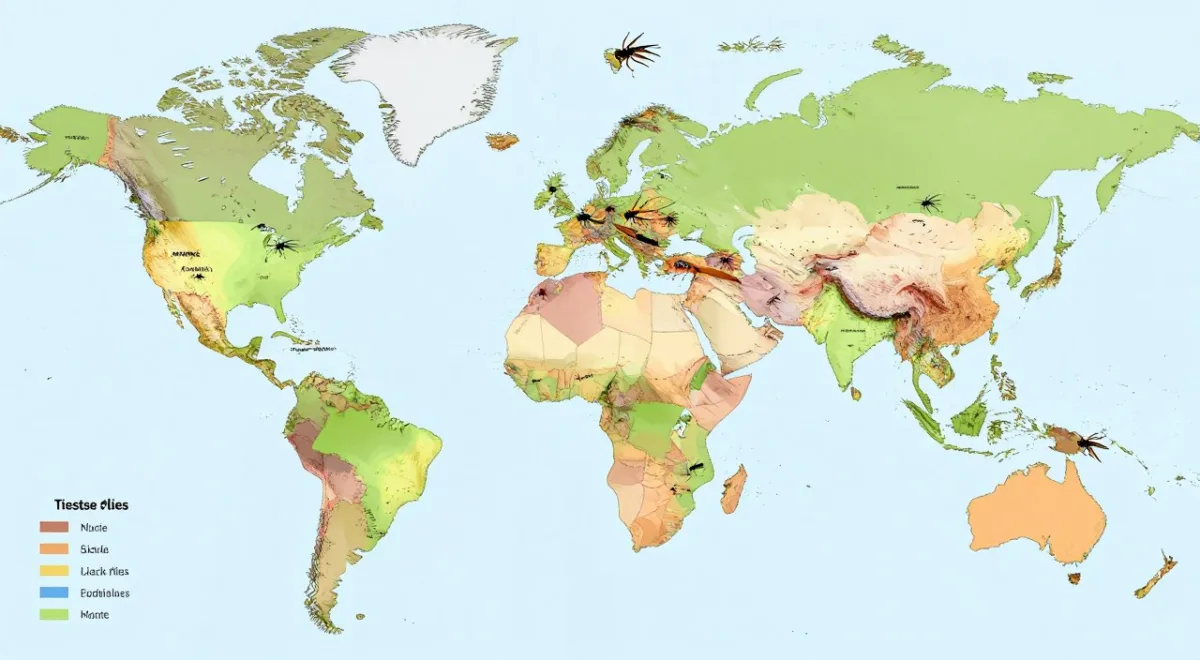
Dangerous fly species occupy specific geographic regions based on climate, habitat requirements, and host availability. Tropical and subtropical areas support the greatest diversity of harmful fly populations.
- Tsetse flies throughout sub-Saharan regions
- Sand flies in North and East Africa
- Black flies near major river systems
- Stable flies in agricultural zones
Africa Risk Areas
- Bot flies in Central and South America
- Black flies in temperate and tropical zones
- Sand flies across South and Central America
- Horse and deer flies continent-wide
Americas Risk Areas
- Sand flies throughout Mediterranean regions
- Black flies in Middle East areas
- Stable flies in agricultural regions
- Fruit flies in urban environments worldwide
Asia & Europe Risk Areas
Frequently Asked Questions About Dangerous Flies
What makes a fly species dangerous to humans?
How can I tell if a fly bite requires medical attention?
What time of year are dangerous flies most active?
Do all biting flies transmit diseases?
Can dangerous flies infest homes like other pests?
Get Professional Fly Control Today
Protecting your family from dangerous flies requires expert knowledge and targeted control strategies. Professional pest management services identify specific fly species threatening your property and implement comprehensive solutions.

Schedule Your Free Consultation
Our certified pest control specialists provide thorough property inspections, accurate fly identification, and customized treatment plans. We use integrated pest management approaches that target specific fly species while minimizing environmental impact.
Available 24/7 for Emergency Service
Why Choose Professional Fly Control?
- Accurate species identification and risk assessment
- Targeted treatment methods for specific fly types
- Elimination of breeding sites and entry points
- Ongoing monitoring and prevention programs
- Safe application of control products
- Guaranteed results with follow-up service
- Protection for your family and pets
- Peace of mind from expert care
Service Areas
We provide comprehensive fly control services throughout the United States. Our network of certified technicians serves residential, commercial, and agricultural properties in all major metropolitan areas and rural communities.
- Same-day emergency response available
- Licensed and insured technicians
- Environmentally responsible methods
- 100% satisfaction guarantee
Conclusion
Dangerous flies present serious health threats through disease transmission, painful bites, and parasitic infestations. The ten species covered in this guide affect millions of people worldwide each year. Understanding identification features, geographic distribution, and associated risks helps you protect your family from these harmful insects.
Effective protection combines personal precautions, environmental management, and professional pest control when needed. Monitor your property for breeding sites, maintain proper sanitation, and seek expert assistance for persistent fly problems. Taking action today prevents tomorrow’s health complications from dangerous fly species.

Priyanka Pandey
Senior Research Editor · Top10Sense
Priyanka specializes in tech, consumer products, and digital trends. She combines hands-on testing, vendor interviews, and database research to create trustworthy “Top 10” rankings. Her work has been referenced by industry blogs and brand report pages.