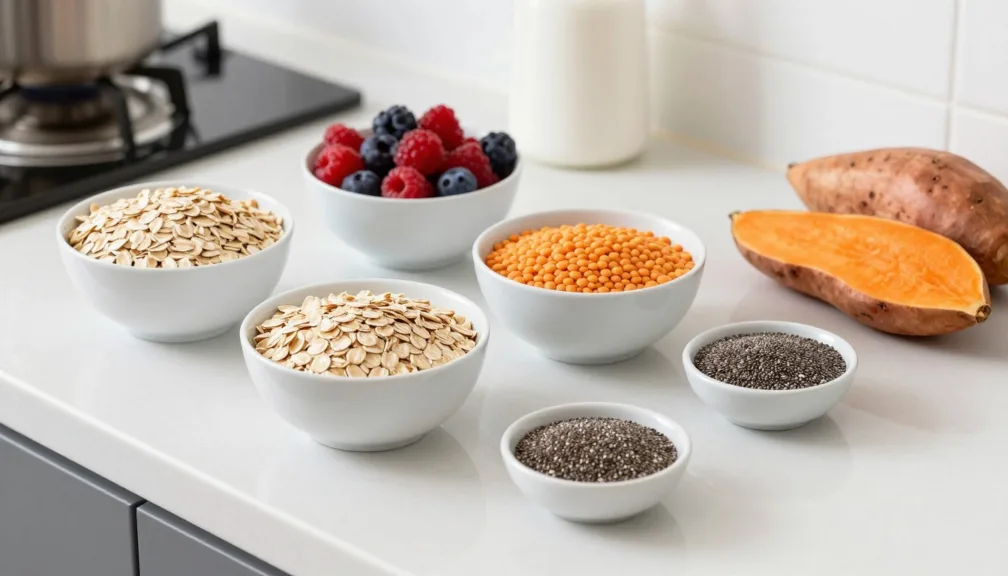
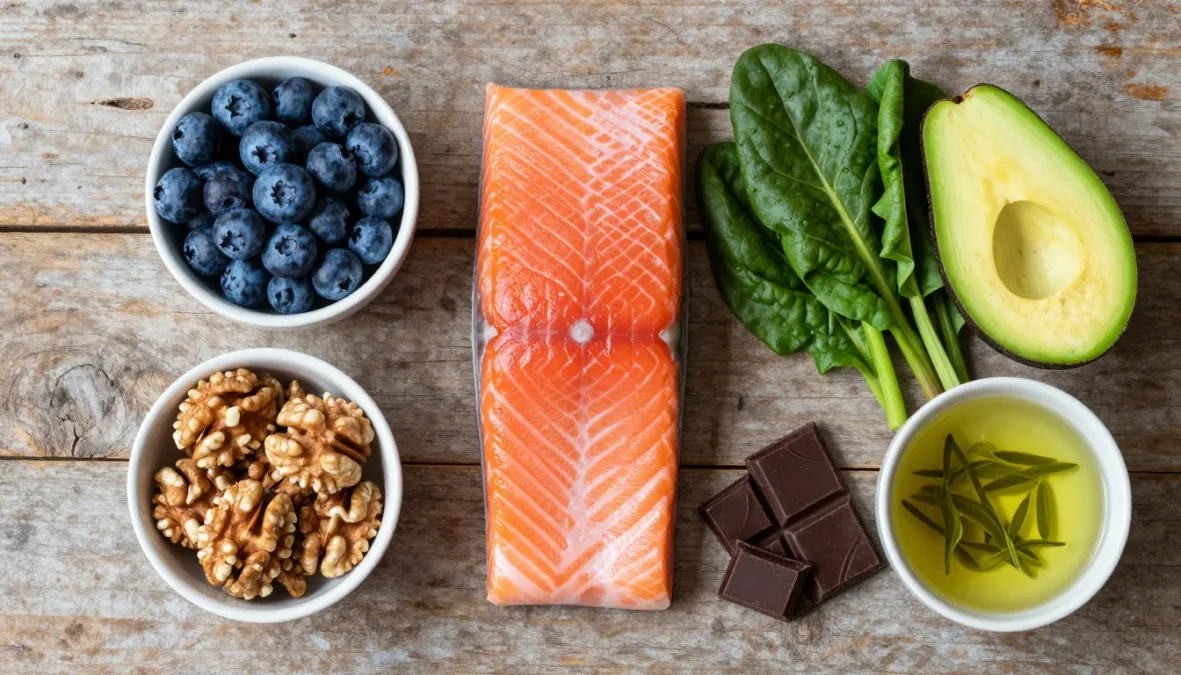
Your brain works around the clock. It manages your thoughts, movements, breathing, and heartbeat without taking breaks. This constant activity requires a steady supply of fuel from the foods you eat. The right nutrition can protect your brain cells, improve memory, and reduce your risk of cognitive decline.
Research shows that certain foods contain nutrients that support brain health in powerful ways. These foods provide omega-3 fatty acids, antioxidants, vitamins, and minerals. Your food choices today can influence your brain function tomorrow and for years to come.
This guide explores the top 10 foods for good brain function. Each food on this list offers specific benefits backed by scientific research. You’ll learn what makes these foods special and how they protect your brain.
Why Nutrition Matters for Brain Health
Your brain uses about 20% of your body’s energy. This small organ weighs only three pounds but demands significant nutritional resources. The quality of your diet directly affects brain structure and function.
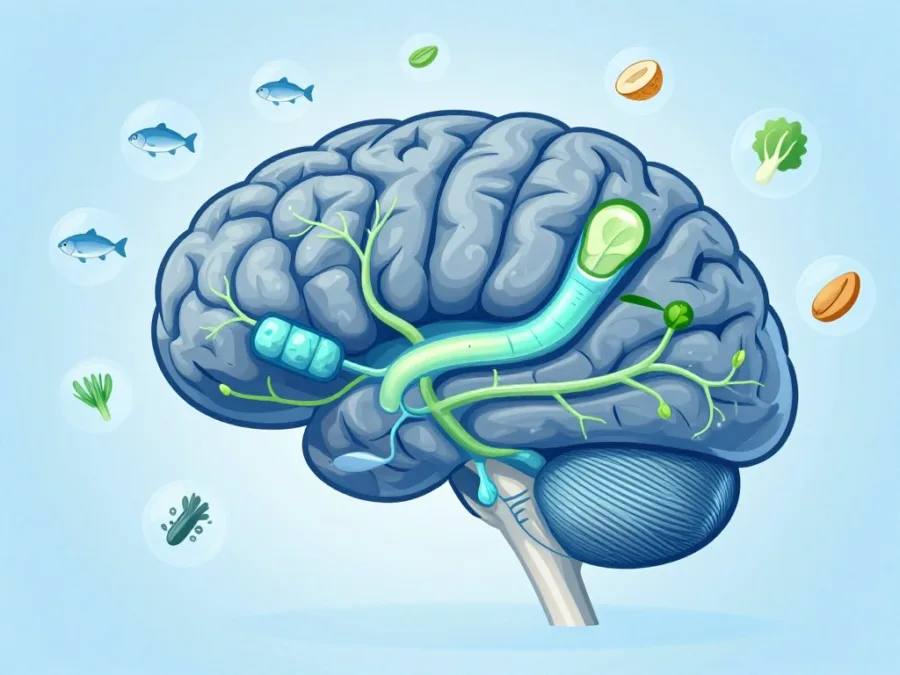
Poor nutrition can lead to brain inflammation. This inflammation damages cells and disrupts normal brain function. Over time, these changes may increase your risk of developing cognitive problems.
Good nutrition does the opposite. The right foods reduce inflammation, protect brain cells from damage, and support the growth of new neurons. Some nutrients even help your brain create new connections between cells.
Important Note: Brain health starts with consistent healthy eating patterns. Single foods or supplements cannot replace a balanced diet rich in whole foods and nutrients.
The Brain-Diet Connection
Research suggests that diet affects brain health through several pathways. Nutrients influence neurotransmitter production, blood flow to the brain, and cellular energy production. They also affect the health of blood vessels that supply oxygen to brain tissue.
Studies link certain dietary patterns with better cognitive function. People who eat more fruits, vegetables, fish, and whole grains tend to perform better on memory tests. They also show slower rates of cognitive decline as they age.
The Mediterranean diet demonstrates these benefits particularly well. This eating pattern emphasizes fish, olive oil, nuts, and vegetables. Research shows it may help protect against Alzheimer disease and other forms of dementia.
1. Fatty Fish: Omega-3 Powerhouse

Fatty fish tops the list of brain foods for good reason. Fish like salmon, trout, and sardines contain high levels of omega-3 fatty acids. Your brain uses these fats to build brain and nerve cells.
About 60% of your brain consists of fat. Half of that fat comes from omega-3 fatty acids. These essential fats play crucial roles in learning and memory. Your body cannot make omega-3s, so you must get them from food.
How Omega-3s Support Brain Function
Omega-3 fatty acids benefit your brain in multiple ways. They reduce inflammation throughout the nervous system. This protection may help slow age-related mental decline and ward off Alzheimer disease.
Research shows that people who eat fish regularly have more gray matter in their brains. Gray matter contains the nerve cells that control decision-making, memory, and emotion. Higher amounts of gray matter correlate with better cognitive function.
Best Fatty Fish Choices
- Salmon (wild-caught or farmed)
- Mackerel
- Sardines
- Herring
- Trout
Recommended Intake
Health experts recommend eating fish at least twice per week. Each serving should be about 3 to 4 ounces. This amount provides sufficient omega-3 fatty acids for brain health benefits.
If you don’t eat fish, consider plant-based omega-3 sources like flaxseeds, chia seeds, and walnuts. However, these provide a different type of omega-3 that your body must convert before use.
The Science Behind the Benefits
A study published in the Journal of Nutrition found that higher fish consumption correlates with reduced risk of cognitive decline. Participants who ate fish weekly showed better performance on cognitive tests than those who rarely consumed fish.
Another study suggests that omega-3 supplementation may help improve memory in older adults. However, research shows that getting omega-3s from whole foods like fish provides additional nutrients that supplements cannot match.
2. Blueberries: Antioxidant Champions
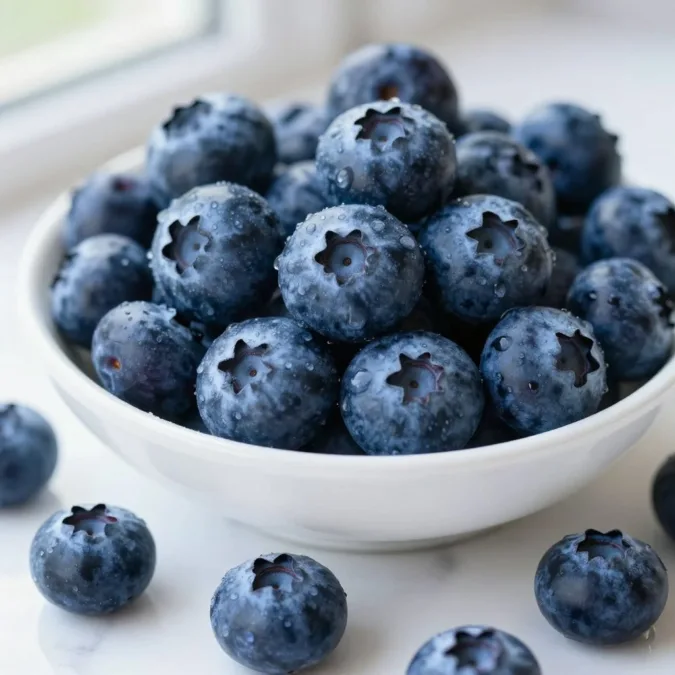
Blueberries deliver powerful brain-protecting compounds called anthocyanins. These antioxidants give blueberries their deep blue color. They also provide significant health benefits for your brain and entire body.
Antioxidants fight oxidative stress and inflammation. Both of these processes contribute to brain aging and neurodegenerative diseases. The antioxidants in blueberries concentrate in the brain and help improve communication between brain cells.
Memory and Cognitive Benefits
Research shows that blueberries may help improve memory and delay short-term memory loss. One study found that older adults who consumed blueberry juice daily showed improvements in memory function after just 12 weeks.
The compounds in blueberries appear to accumulate in brain areas responsible for intelligence. This concentration may help protect these critical regions from age-related damage. Animal studies suggest these berries may also help reduce the effects of conditions like Alzheimer disease.
Daily Serving Suggestion: Aim for one cup of fresh or frozen blueberries several times per week. Add them to yogurt, oatmeal, smoothies, or eat them plain as a snack.
Beyond Blueberries
Other berries also provide brain health benefits. Strawberries, blackberries, and raspberries all contain beneficial compounds. However, research suggests blueberries offer the highest concentration of brain-protective antioxidants.
Studies indicate that regular berry consumption may delay cognitive aging by up to two and a half years. This benefit comes from the anti-inflammatory and antioxidant effects that berries provide to the nervous system.
3. Broccoli: Vitamin K Superstar
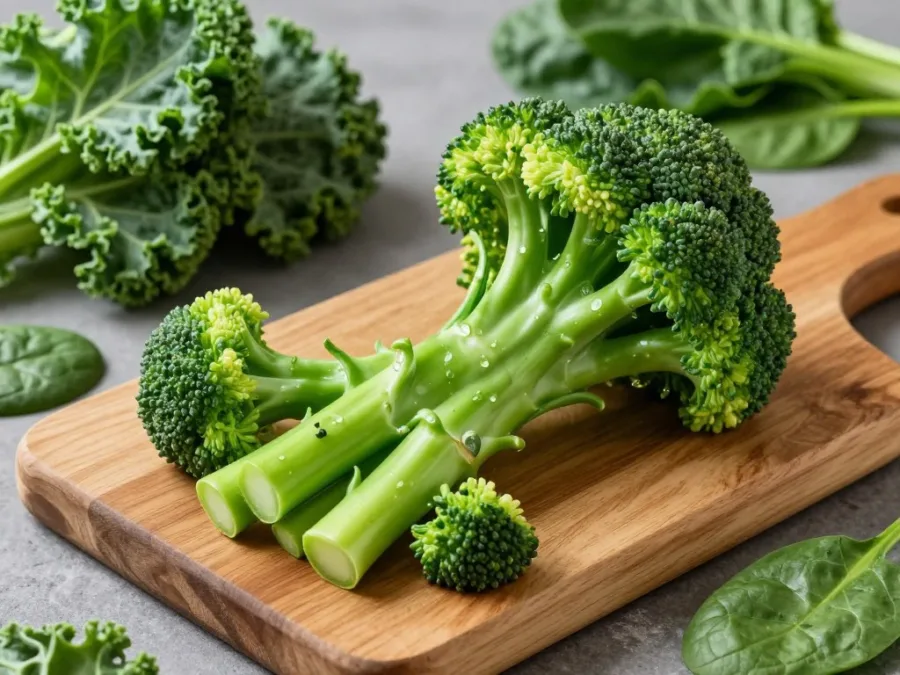
Broccoli stands out among vegetables for brain health. This cruciferous vegetable packs high amounts of vitamin K and other beneficial compounds. One cup of cooked broccoli provides more than 100% of your daily vitamin K needs.
Vitamin K plays essential roles in forming sphingolipids. These are a type of fat densely packed into brain cells. Research shows that higher vitamin K intake correlates with better memory and cognitive function in older adults.
Additional Brain-Protective Compounds
Broccoli contains powerful antioxidants beyond vitamin K. It provides sulforaphane, a compound with strong anti-inflammatory effects. This substance may help protect the brain from damage and reduce the risk of neurodegenerative diseases.
Studies suggest that sulforaphane may help reduce oxidative stress in the brain. It also appears to support the production of antioxidant enzymes. These enzymes provide ongoing protection against cellular damage.
Key Nutrients
- Vitamin K
- Sulforaphane
- Vitamin C
- Folate
- Fiber
Preparation Tips
Light steaming preserves the most nutrients in broccoli. Overcooking can destroy beneficial compounds. Steam broccoli for just three to four minutes to maintain its nutritional value.
You can also eat broccoli raw in salads or with dips. Raw broccoli provides maximum vitamin C and other heat-sensitive nutrients. Aim for at least three servings of cruciferous vegetables per week.
Research Findings
A study in the journal Nutrients found that vitamin K intake correlates with better cognitive performance. Participants with higher vitamin K levels showed improved memory and processing speed compared to those with lower levels.
Research also suggests that the antioxidants in broccoli may help protect brain cells from damage. These protective effects could potentially reduce the risk of developing conditions like Alzheimer disease and other forms of dementia.
4. Pumpkin Seeds: Mineral-Rich Brain Fuel
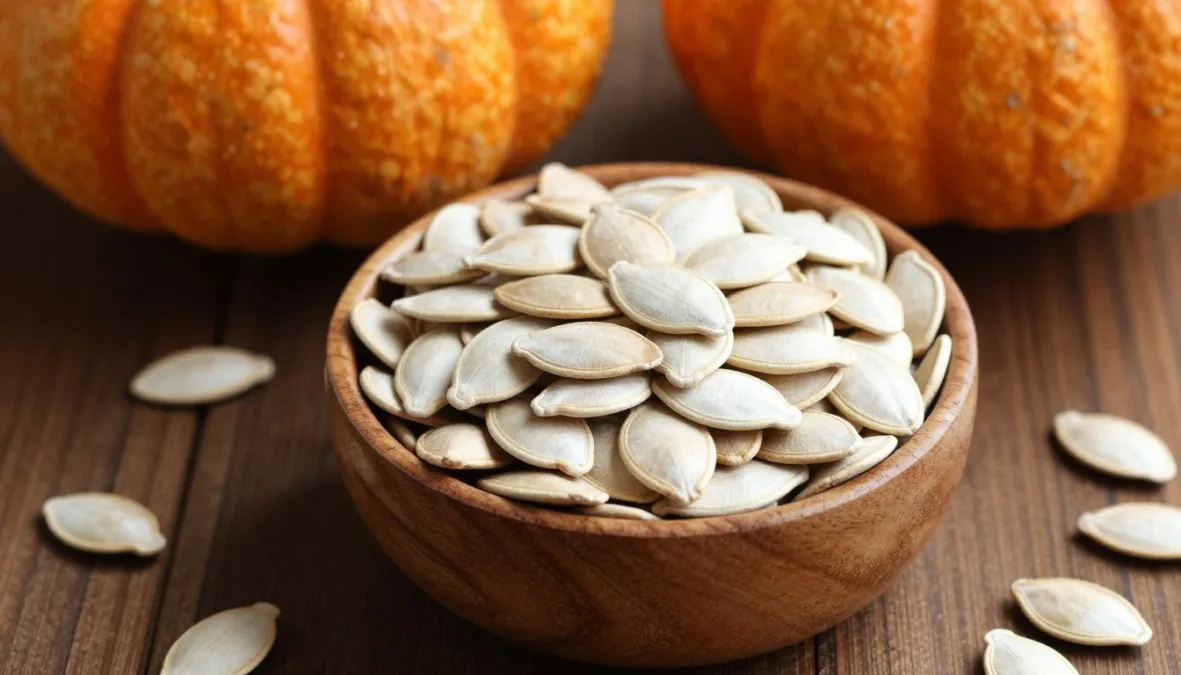
Pumpkin seeds contain powerful antioxidants and essential minerals. These small seeds pack zinc, magnesium, copper, and iron. Each of these minerals plays important roles in brain health and function.
Just one ounce of pumpkin seeds provides significant amounts of these brain-supporting nutrients. The combination of minerals in pumpkin seeds may help protect your brain from damage and support optimal cognitive function.
Key Minerals and Their Brain Benefits
Zinc supports nerve signaling in your brain. This mineral concentrates in brain regions involved in emotion and memory. Research shows that zinc deficiency can contribute to neurological conditions and impaired brain function.
Magnesium plays crucial roles in learning and memory. Low magnesium levels link to many neurological diseases, including migraines, depression, and epilepsy. Getting enough magnesium may help reduce the risk of these conditions.
Copper helps control nerve signals in the brain. When copper levels become imbalanced, it may increase the risk of neurodegenerative disorders. Iron deficiency can lead to brain fog and impaired cognitive function.
Zinc Benefits
Supports nerve signaling and memory formation in the brain
Magnesium Benefits
Essential for learning and memory processes
Iron Benefits
Prevents brain fog and supports oxygen delivery
How to Include Pumpkin Seeds
Add pumpkin seeds to salads, yogurt, or oatmeal. You can also eat them roasted as a snack. One to two ounces per day provides substantial mineral content for brain health.
Research suggests that the nutrients in pumpkin seeds work together synergistically. This means the combination of minerals may provide greater benefits than any single nutrient alone.
5. Dark Chocolate: Flavonoid-Rich Treat
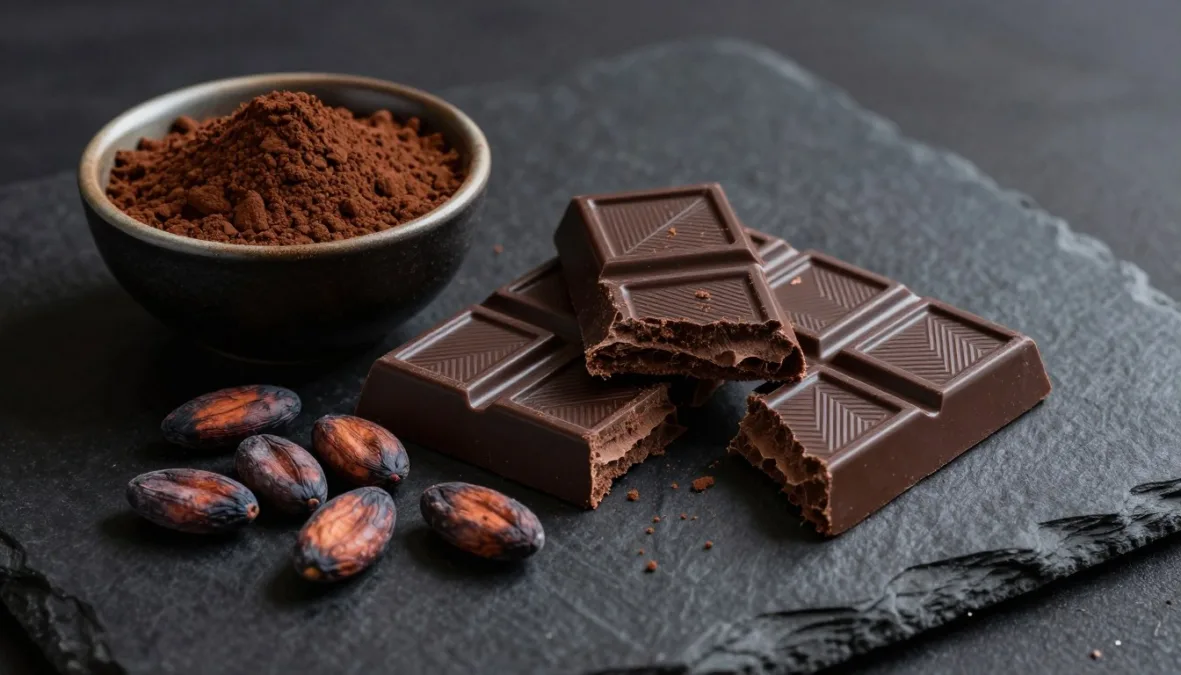
Dark chocolate contains several brain-boosting compounds. These include flavonoids, caffeine, and antioxidants. Flavonoids are plant compounds with powerful antioxidant and anti-inflammatory effects.
The flavonoids in chocolate concentrate in brain areas involved in learning and memory. Research shows these compounds may help improve cognitive function and slow age-related mental decline.
Cognitive and Mood Benefits
Studies suggest that dark chocolate may help improve memory, attention span, and reaction time. One study found that people who ate dark chocolate performed better on spatial memory tests than those who did not.
Dark chocolate may also boost mood and brain function through its effect on blood flow. The flavonoids in chocolate can help increase blood flow to the brain. Better blood flow means more oxygen and nutrients reach brain cells.
Moderation Matters: Choose dark chocolate with at least 70% cocoa content. Limit portions to one to two ounces per day due to calorie and sugar content. Higher cocoa percentages provide more flavonoids and less sugar.
Scientific Evidence
A study in the journal Appetite found that chocolate consumption correlates with better cognitive performance. Participants who ate chocolate regularly scored higher on various cognitive tests compared to those who rarely consumed it.
Research also suggests that dark chocolate may help protect against cognitive decline. The antioxidants in cocoa appear to reduce oxidative stress in the brain. This protection could potentially lower the risk of developing neurodegenerative diseases.
Get Your Personalized Brain Health Assessment
Discover which foods work best for your unique brain health needs. Our nutrition specialists will create a customized plan based on your health goals, dietary preferences, and lifestyle.
6. Nuts: Healthy Fats for Brain Power
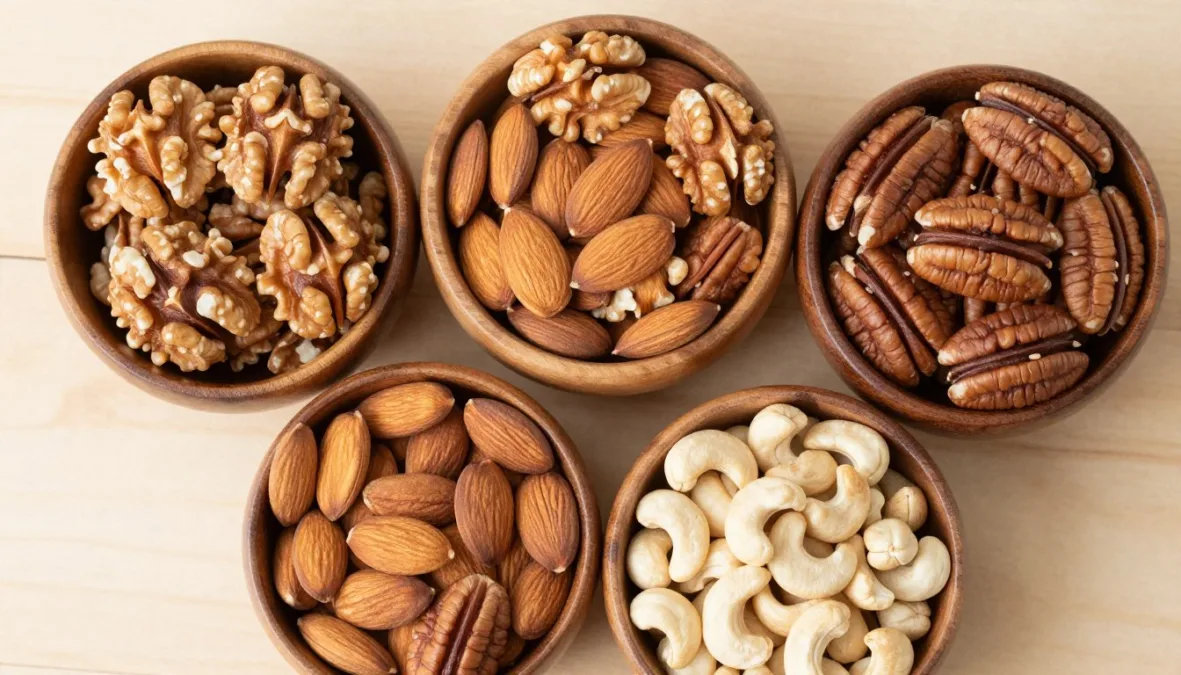
Nuts provide numerous nutrients that support brain health. They contain healthy fats, antioxidants, and vitamin E. Regular nut consumption links to better heart health, which directly benefits brain function.
Research shows that eating nuts may improve cognitive function and help prevent neurodegenerative diseases. The vitamin E in nuts appears to protect cell membranes from oxidative stress. This protection may help slow mental decline as you age.
Walnuts Lead the Pack
Walnuts deserve special mention among brain-healthy nuts. They contain high amounts of omega-3 fatty acids, particularly alpha-linolenic acid. This plant-based omega-3 supports brain health and may help reduce inflammation.
Studies suggest that walnuts may help improve memory and cognitive function. One study found that regular walnut consumption improved performance on cognitive tests in older adults. Walnuts also appear to promote better mood and mental health.
Top Brain-Healthy Nuts
- Walnuts (highest in omega-3s)
- Almonds (rich in vitamin E)
- Hazelnuts (contain vitamin E)
- Pecans (antioxidant-rich)
- Cashews (provide magnesium)
Serving Guidelines
Aim for a small handful of nuts each day. This equals about one ounce or a quarter cup. This amount provides brain-healthy fats without excessive calories.
Choose raw or dry-roasted nuts over those cooked in oil. Avoid nuts with added salt or sugar. Mix different types of nuts to get a variety of nutrients and health benefits.
The Research Evidence
A study in the Journal of Nutrition, Health and Aging found that nut consumption correlates with better cognitive function. Older adults who ate nuts regularly showed improved memory and thinking skills compared to non-consumers.
Research also suggests that vitamin E from nuts may help protect against Alzheimer disease. One study found that higher vitamin E intake from foods correlates with reduced risk of developing this condition.
7. Oranges: Vitamin C Protection
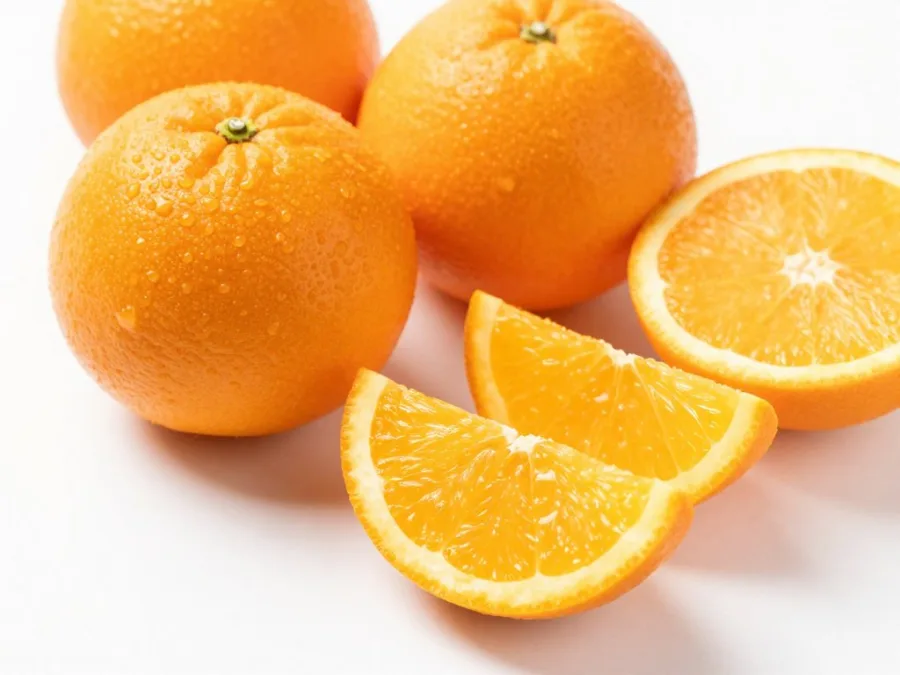
One medium orange provides all the vitamin C you need in a day. This essential vitamin plays key roles in preventing mental decline. Vitamin C is a powerful antioxidant that fights free radicals that damage brain cells.
Research shows that adequate vitamin C intake supports brain health as you age. Higher blood levels of vitamin C correlate with better performance on tasks involving focus, memory, attention, and decision speed.
How Vitamin C Protects Your Brain
Vitamin C helps prevent oxidative stress in the nervous system. This protection may reduce your risk of developing age-related mental decline, depression, and Alzheimer disease. The brain requires high concentrations of vitamin C to function properly.
Studies suggest that vitamin C may also support the production of neurotransmitters. These chemical messengers help brain cells communicate with each other. Proper neurotransmitter function is essential for mood, memory, and cognitive performance.
Other Vitamin C Sources: Bell peppers, strawberries, tomatoes, and broccoli also provide excellent amounts of vitamin C. Eating a variety of these foods ensures adequate intake for brain protection.
Research Findings
A study published in Nutrients found that vitamin C deficiency links to impaired cognitive function. Participants with low vitamin C levels showed poorer performance on memory and thinking tests compared to those with adequate levels.
Research also suggests that vitamin C may help protect against cognitive decline. One study found that higher vitamin C intake correlates with reduced risk of developing dementia in older adults.
8. Eggs: Choline-Rich Brain Food

Eggs provide several nutrients tied to brain health. The yolk contains choline, vitamin B12, folate, and vitamin B6. Choline stands out as particularly important for cognitive function and brain development.
Your body uses choline to create acetylcholine. This neurotransmitter helps regulate mood and memory. Research shows that higher choline intake links to better memory and mental function.
The Importance of Choline
Many people do not get enough choline in their diet. One egg provides about 147 milligrams of choline, which is roughly 27% of the recommended daily intake for men and 35% for women. Adequate choline intake supports brain health throughout life.
Studies suggest that higher choline consumption correlates with better cognitive performance. One study found that people with higher choline intake performed better on memory tests. They also showed a lower risk of developing dementia.
B Vitamins in Eggs
- Vitamin B12 (supports nerve health)
- Folate (aids brain development)
- Vitamin B6 (helps mood regulation)
Brain Benefits
B vitamins may help slow the progression of mental decline in older adults. Research shows that these vitamins help reduce homocysteine levels. High homocysteine correlates with increased risk of Alzheimer disease and other forms of dementia.
Scientific Support
A study in the American Journal of Clinical Nutrition found that choline intake associates with better cognitive function. Participants with higher choline consumption showed improved performance on verbal and visual memory tests.
Research also suggests that B vitamins in eggs may help protect brain health. One study found that B vitamin supplementation helped slow brain shrinkage in older adults with mild cognitive impairment.
9. Green Tea: Brain-Boosting Beverage

Green tea contains caffeine and L-theanine, two compounds that benefit brain function. The caffeine in green tea provides a gentler boost than coffee. It improves alertness, performance, memory, and focus without causing jitters.
L-theanine is an amino acid that crosses the blood-brain barrier. It increases the activity of neurotransmitters that promote relaxation. The combination of caffeine and L-theanine produces improved brain function compared to either compound alone.
Antioxidant Power
Green tea contains powerful antioxidants called catechins. These compounds help protect the brain from damage and may reduce the risk of neurodegenerative diseases. Research shows that green tea consumption links to improved cognitive function.
Studies suggest that green tea may help improve memory and attention. The polyphenols in green tea appear to protect brain cells and reduce the risk of Alzheimer disease and Parkinson’s disease.
Brewing Tips: Steep green tea for two to three minutes in water that is 160-180°F. Avoid boiling water, which can make the tea bitter and destroy some beneficial compounds. Aim for two to three cups per day for optimal brain benefits.
Research Evidence
A study in the journal Psychopharmacology found that green tea improves cognitive function. Participants who consumed green tea showed enhanced memory and attention compared to those who did not drink it.
Research also suggests that regular green tea consumption may help protect against cognitive decline. One study found that older adults who drank green tea daily had lower rates of mental decline than those who drank it less frequently.
10. Leafy Greens: Nutrient-Dense Brain Protectors
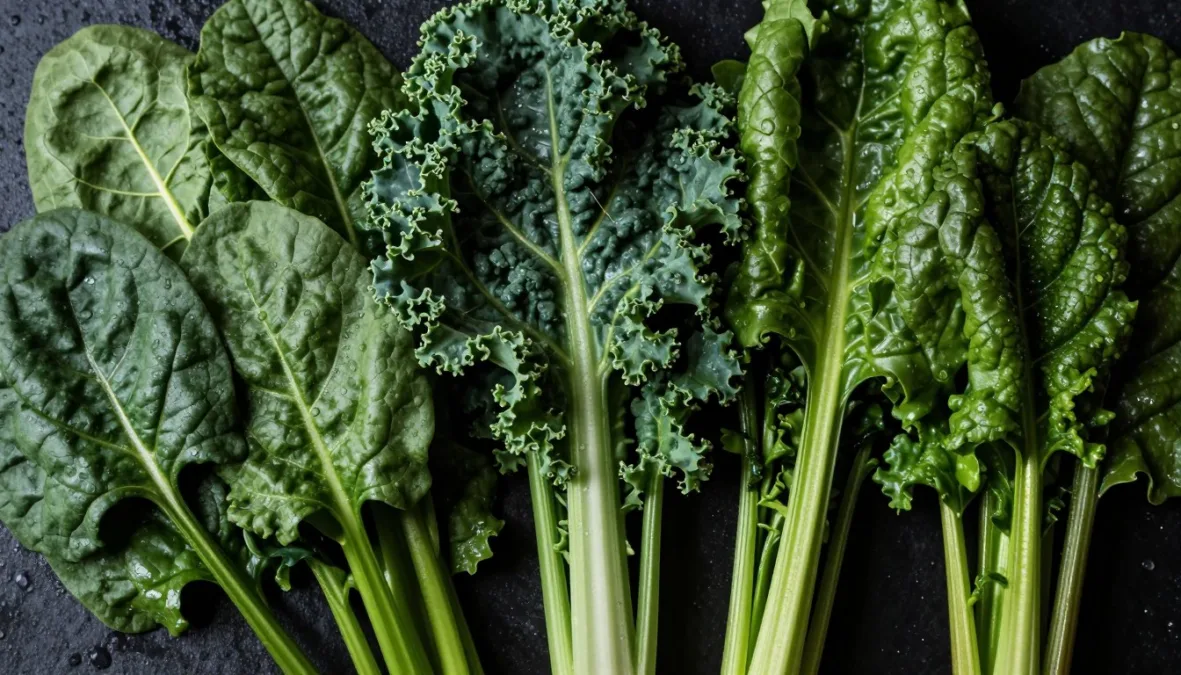
Leafy greens like kale, spinach, collards, and broccoli pack brain-healthy nutrients. These vegetables contain vitamin K, lutein, folate, and beta carotene. Research shows that these plant-based foods may help slow cognitive decline.
One study found that eating just one serving of leafy greens per day helps slow mental decline. People who ate leafy greens regularly showed cognitive abilities of someone 11 years younger compared to those who rarely ate these vegetables.
Key Nutrients in Leafy Greens
Vitamin K supports brain health by helping form sphingolipids. These fats are essential components of brain cell membranes. Higher vitamin K intake correlates with better memory and cognitive status in older adults.
Lutein is a powerful antioxidant that concentrates in brain tissue. Research shows that lutein levels in the brain relate to cognitive performance. Higher lutein levels link to better processing speed and memory function.
Folate helps reduce homocysteine levels in the blood. High homocysteine increases the risk of cognitive impairment and Alzheimer disease. Getting enough folate from leafy greens may help protect against these conditions.
Best Choices
- Kale
- Spinach
- Collard greens
- Swiss chard
Serving Size
Aim for at least one serving of leafy greens daily. One serving equals one cup raw or half cup cooked greens.
Preparation Tips
Add greens to smoothies, salads, soups, or sauté them as a side dish. Light cooking can increase nutrient absorption.
Supporting Research
A study in the journal Neurology followed older adults for five years. Researchers found that those who ate one to two servings of leafy greens daily showed slower cognitive decline. The difference was equivalent to being 11 years younger in cognitive age.
Research also suggests that the nutrients in leafy greens work together synergistically. This combination may provide greater brain protection than any single nutrient alone. The anti-inflammatory and antioxidant effects of these vegetables support overall nervous system health.
Other Foods That Support Brain Health
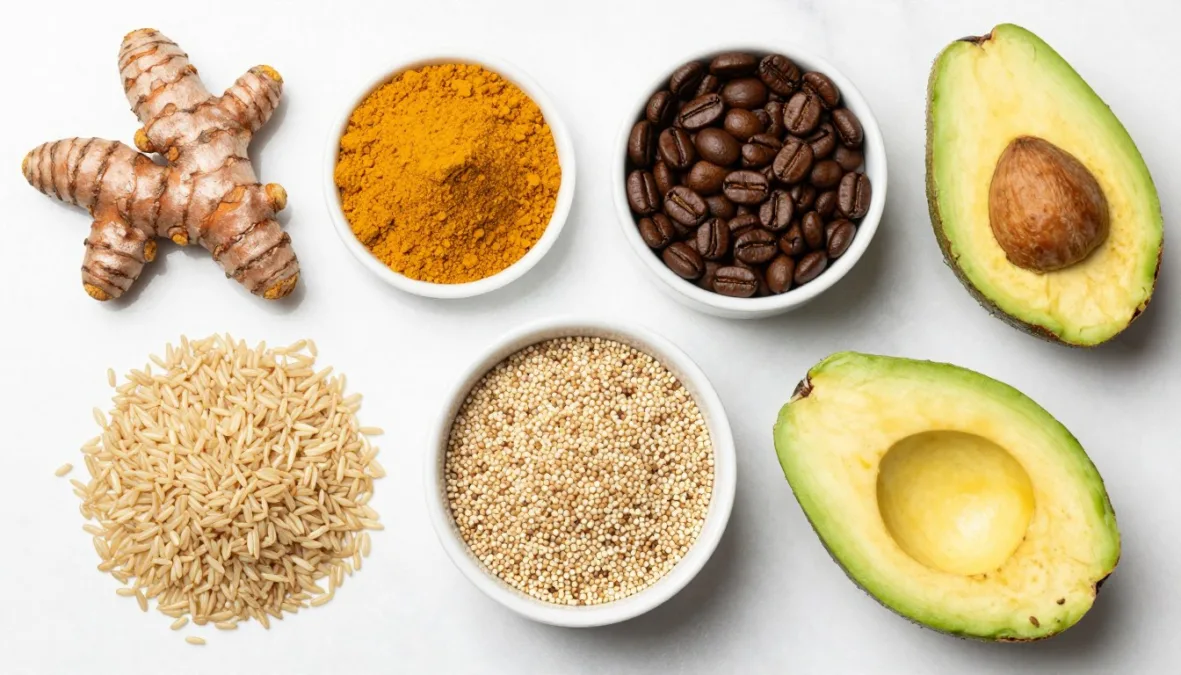
While the top 10 foods for good brain function provide excellent benefits, other foods also support cognitive health. Adding variety to your diet ensures you get a wide range of brain-protective nutrients.
Turmeric
This bright yellow spice contains curcumin, a compound with strong anti-inflammatory and antioxidant benefits. Research shows that curcumin may improve memory and help new brain cells grow. It may also boost mood and ease depression symptoms.
Coffee
Coffee provides caffeine and antioxidants that support brain function. The caffeine improves alertness, mood, and concentration. Research suggests that coffee consumption may help protect against Alzheimer disease and Parkinson’s disease.
Whole Grains
Whole grains provide glucose, which the brain uses for energy. They also contain B vitamins that support nervous system health. Choose oats, barley, quinoa, and brown rice for sustained energy and brain support.
Avocados
Rich in healthy fats that support brain function and blood flow.
- Contain monounsaturated fats
- Provide vitamin E and K
- Support healthy blood pressure
- May improve cognitive function
Beets
Contain nitrates that improve blood flow to the brain.
- Enhance oxygen delivery
- Support mental performance
- Provide antioxidants
- May improve reaction time
Red Wine
Contains resveratrol, an antioxidant with brain benefits.
- Moderation is key (one glass per day)
- May protect memory
- Provides anti-inflammatory effects
- Supports heart and brain health
Tomatoes
Provide lycopene, a powerful antioxidant for brain protection.
- Fight free radical damage
- May reduce dementia risk
- Support cellular health
- Cooking increases lycopene availability
Brain-Healthy Dietary Patterns
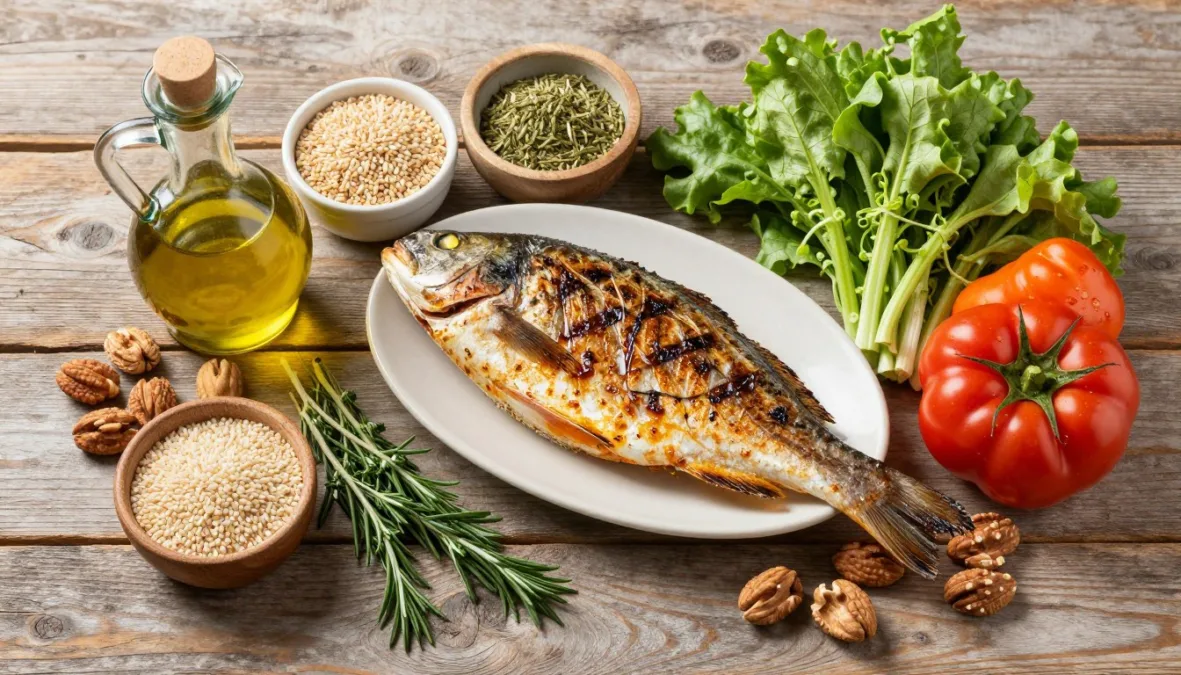
Individual foods matter, but your overall eating pattern plays an even bigger role in brain health. Research shows that certain dietary approaches provide comprehensive brain protection and support cognitive function.
Mediterranean Diet
The Mediterranean diet consistently ranks as one of the best eating patterns for brain health. This diet emphasizes fish, olive oil, vegetables, fruits, whole grains, and nuts. It limits red meat and processed foods.
Studies suggest that people who follow a Mediterranean diet show slower rates of cognitive decline. They also have lower risks of developing Alzheimer disease. The combination of healthy fats, antioxidants, and anti-inflammatory compounds provides powerful brain protection.
MIND Diet
The MIND diet combines the Mediterranean diet with the DASH diet. MIND stands for Mediterranean-DASH Intervention for Neurodegenerative Delay. This eating pattern specifically targets brain health and dementia prevention.
Research shows that people who follow the MIND diet closely may reduce their risk of Alzheimer disease by up to 53%. Even moderate adherence to this diet provides significant benefits. The MIND diet emphasizes leafy greens, berries, nuts, fish, and olive oil.
- Leafy greens (6+ servings per week)
- Other vegetables (1+ serving per day)
- Berries (2+ servings per week)
- Nuts (5+ servings per week)
- Whole grains (3+ servings per day)
- Fish (1+ serving per week)
- Poultry (2+ servings per week)
- Olive oil (primary cooking oil)
- Wine (1 glass per day, optional)
Foods to Emphasize
- Red meat (less than 4 servings per week)
- Butter and margarine (less than 1 tablespoon per day)
- Cheese (less than 1 serving per week)
- Pastries and sweets (less than 5 servings per week)
- Fried or fast food (less than 1 serving per week)
Foods to Limit
Anti-Inflammatory Eating
Inflammation in the brain contributes to cognitive decline and neurodegenerative diseases. An anti-inflammatory diet can help protect your brain. This approach emphasizes whole foods rich in antioxidants and omega-3 fatty acids.
Foods that fight inflammation include fatty fish, berries, leafy greens, nuts, and olive oil. These foods reduce inflammation throughout the body, including the nervous system. Lower inflammation levels correlate with better cognitive function and reduced risk of brain diseases.
Lifestyle Factors That Enhance Brain Health

Diet plays a crucial role in brain health, but other lifestyle factors also matter significantly. Combining good nutrition with these habits provides comprehensive brain protection and support.
Physical Exercise
Regular physical activity benefits your brain as much as your body. Exercise increases blood flow to the brain and stimulates the release of growth factors. These substances support brain cell health and the growth of new blood vessels in the brain.
Research shows that aerobic exercise may help reverse age-related brain shrinkage. Studies suggest that people who exercise regularly maintain better cognitive function as they age. Even moderate activity like brisk walking provides significant benefits.
Quality Sleep
Sleep plays essential roles in brain health and memory consolidation. During sleep, your brain clears out toxins that accumulate during waking hours. Poor sleep quality or insufficient sleep can impair cognitive function and increase dementia risk.
Adults need seven to nine hours of sleep per night for optimal brain health. Consistent sleep schedules and good sleep hygiene support better cognitive performance. Research shows that chronic sleep deprivation may increase the risk of developing Alzheimer disease.
Mental Stimulation
Keeping your brain active helps maintain cognitive function. Activities like reading, puzzles, learning new skills, and social interaction stimulate the brain. This mental exercise may help build cognitive reserve, which protects against age-related decline.
Studies suggest that people who engage in mentally stimulating activities throughout life show slower cognitive decline. Learning new things creates new neural connections in the brain. These connections support brain health and may help compensate for age-related changes.
Exercise Goals
Aim for 150 minutes of moderate aerobic activity per week, plus strength training twice weekly.
Sleep Hygiene
Maintain consistent sleep schedules, avoid screens before bed, and create a dark, cool sleep environment.
Mental Activities
Read daily, learn new skills, play strategy games, and maintain strong social connections.
Stress Management
Chronic stress damages brain structure and function. High stress levels can impair memory, increase inflammation, and accelerate cognitive decline. Managing stress effectively protects your brain health.
Stress-reduction techniques like meditation, deep breathing, and yoga benefit brain function. Research shows that these practices may help reduce inflammation, improve memory, and enhance overall cognitive performance.
Should You Take Brain Health Supplements?
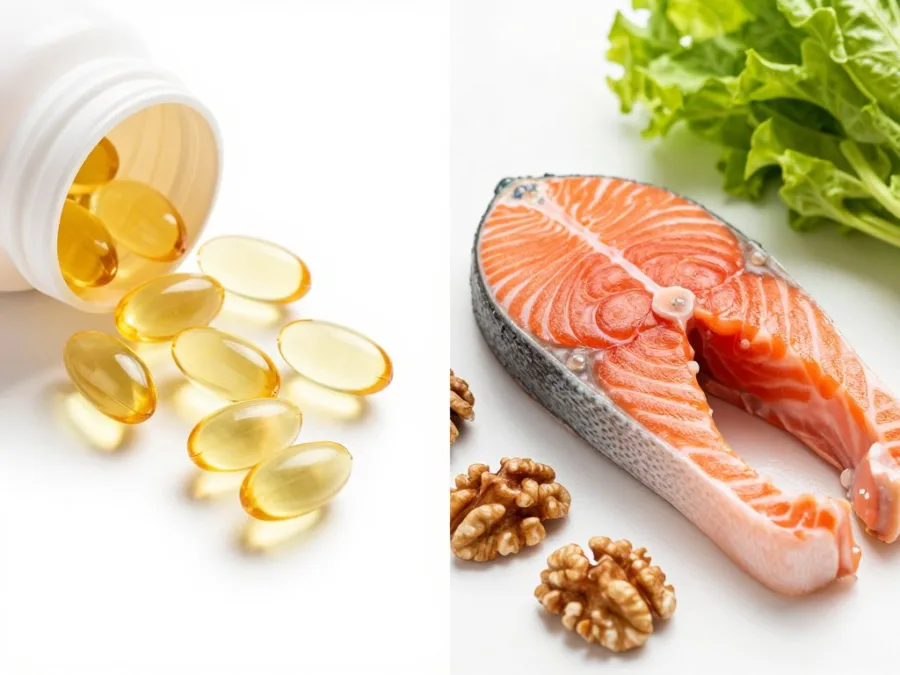
Many supplements claim to boost brain function and memory. However, research shows that getting nutrients from whole foods provides superior benefits. Food contains combinations of nutrients that work together in ways that supplements cannot replicate.
The Whole Food Advantage
Whole foods provide fiber, vitamins, minerals, and beneficial compounds that supplements lack. The nutrients in food interact synergistically to support health. This complexity makes whole foods more effective than isolated nutrients in supplements.
Research suggests that antioxidants from food sources protect brain health better than antioxidant supplements. Food-based nutrients appear more bioavailable, meaning your body can use them more effectively. The protective effects of diet come from the combination of many nutrients, not single compounds.
Food Sources
- Contain multiple beneficial nutrients
- Nutrients work synergistically
- Better absorption and bioavailability
- Provide fiber and other compounds
- Lower risk of toxicity
- Supported by stronger research
Supplements
- Contain isolated nutrients
- May not be well absorbed
- Lack the complexity of whole foods
- Can interact with medications
- Risk of excessive intake
- Not regulated as strictly as drugs
When Supplements May Help
Some people may benefit from specific supplements. Those with diagnosed deficiencies, certain medical conditions, or dietary restrictions might need supplementation. However, you should always consult with a healthcare provider before starting any supplement regimen.
Omega-3 supplements may help people who do not eat fish. Vitamin B12 supplements benefit some older adults who have trouble absorbing this nutrient from food. Vitamin D supplementation might help those with limited sun exposure or deficiency.
Creating a Brain-Healthy Meal Plan
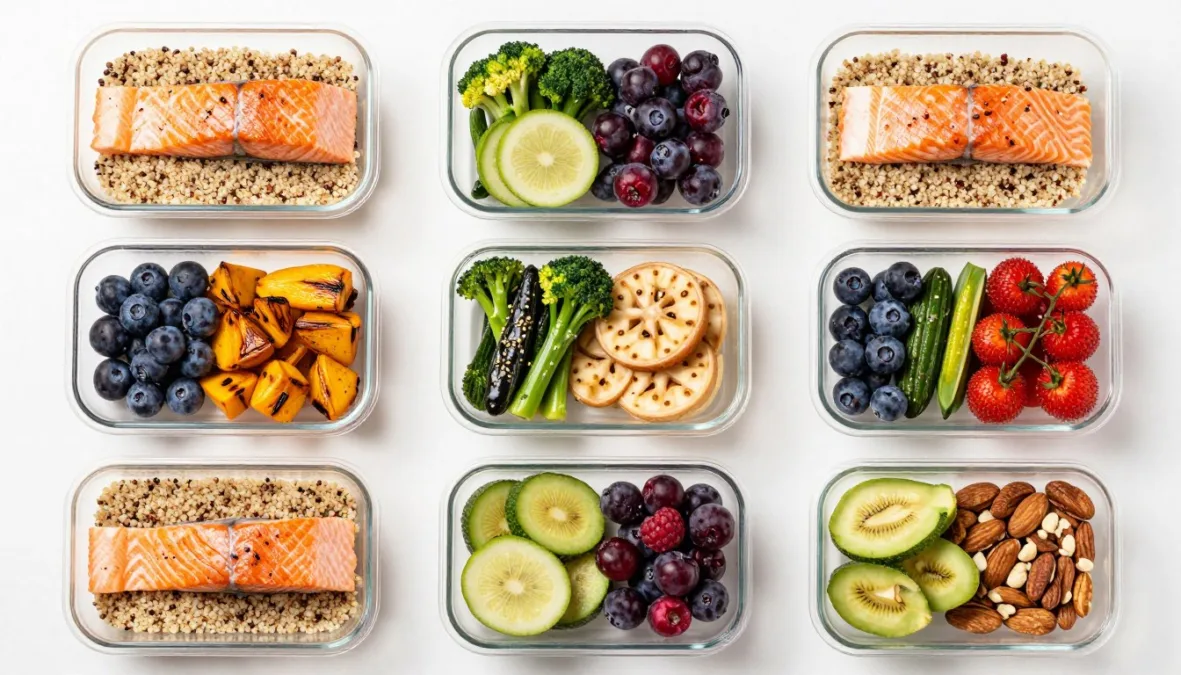
Incorporating brain-healthy foods into your daily routine does not require complicated meal plans. Simple strategies can help you eat more of the top 10 foods for good brain function regularly.
Daily Eating Framework
Start each day with a brain-boosting breakfast. Include eggs for choline, berries for antioxidants, or oatmeal with walnuts for omega-3s. Add leafy greens to lunch through salads or smoothies. Include fatty fish in at least two dinners per week.
Snack on nuts, dark chocolate, or fresh fruit between meals. These snacks provide sustained energy and brain-supporting nutrients. Keep your meals colorful by including various vegetables. Different colors indicate different beneficial compounds.
Breakfast Ideas
- Scrambled eggs with spinach and whole grain toast
- Oatmeal topped with blueberries and walnuts
- Smoothie with leafy greens, berries, and flaxseeds
- Greek yogurt with mixed nuts and orange slices
Lunch Options
- Salmon salad with mixed greens and olive oil
- Kale and quinoa bowl with roasted vegetables
- Turkey wrap with avocado and leafy greens
- Lentil soup with whole grain bread
Dinner Choices
- Grilled salmon with roasted broccoli and brown rice
- Stir-fried vegetables with tofu and quinoa
- Baked chicken with sweet potato and green beans
- Mediterranean fish with tomatoes and olive oil
Practical Tips for Success
Plan your meals for the week ahead. This planning helps ensure you include brain-healthy foods regularly. Shop with a list based on your meal plan to avoid impulse purchases of less healthy options.
Prepare foods in advance when possible. Wash and chop vegetables on weekends. Cook grains and proteins in batches. These preparations make it easier to eat well during busy weekdays.
Keep brain-healthy snacks readily available. Store nuts in portion-sized containers. Wash berries and keep them visible in your refrigerator. Having healthy options easily accessible makes better choices more convenient.
Common Questions About Brain-Healthy Eating
How quickly will I notice improvements in brain function?
Some benefits appear within weeks, while others develop over months or years. You may notice improved focus and energy within a few weeks of better eating. Long-term benefits like reduced risk of cognitive decline require sustained healthy eating patterns over months and years. Consistency matters more than perfection.
Can diet reverse existing cognitive decline?
Diet changes can help slow progression and may improve some symptoms of mild cognitive impairment. However, diet alone cannot reverse advanced neurodegenerative diseases. Research shows that combining healthy eating with other lifestyle changes provides the best outcomes. Early intervention offers the most benefits.
Are organic foods better for brain health?
Research does not show significant brain health differences between organic and conventional produce. The most important factor is eating enough fruits and vegetables, regardless of whether they are organic. If budget allows, prioritize organic versions of foods you eat most frequently. Focus first on increasing overall consumption of brain-healthy foods.
What about genetically modified foods?
Current scientific evidence does not indicate that genetically modified foods harm brain health. Major health organizations worldwide consider approved GM foods safe. The nutritional content of GM and non-GM versions of the same food is typically similar. Choose foods based on their nutrient content rather than GM status.
How does alcohol affect brain health?
Moderate alcohol consumption may provide some benefits, particularly red wine. However, excessive alcohol intake damages brain cells and increases dementia risk. If you drink, limit consumption to one glass per day for women and two for men. Those who do not drink should not start for brain health benefits.
Can I eat too much of brain-healthy foods?
Balance and moderation remain important even with healthy foods. Nuts and fatty fish provide benefits but also contain calories. Dark chocolate offers antioxidants but includes sugar and fat. Eat these foods as part of a varied diet rather than focusing excessively on any single food. Variety ensures you get a wide range of nutrients.
Taking Action for Brain Health

The top 10 foods for good brain function provide powerful protection for your cognitive health. These foods deliver omega-3 fatty acids, antioxidants, vitamins, and minerals that support brain structure and function. Regular consumption of these foods may help reduce your risk of cognitive decline and neurodegenerative diseases.
Research shows that diet affects brain health throughout life. The choices you make today influence your cognitive function tomorrow and in the years ahead. No single food provides complete protection, but a varied diet rich in these brain-healthy options offers comprehensive benefits.
Start by adding one or two brain-healthy foods to your diet this week. Include fatty fish twice weekly. Snack on berries and nuts. Add leafy greens to your meals. These small changes build over time into significant health benefits.
Remember that brain health involves more than diet alone. Combine good nutrition with regular exercise, quality sleep, mental stimulation, and stress management. This comprehensive approach provides the best protection for your cognitive function and overall brain health.
Your brain deserves the best fuel you can provide. Make brain-healthy eating a priority starting today. The investment in good nutrition pays dividends in better memory, sharper thinking, and reduced disease risk for years to come.

Priyanka Pandey
Senior Research Editor · Top10Sense
Priyanka specializes in tech, consumer products, and digital trends. She combines hands-on testing, vendor interviews, and database research to create trustworthy “Top 10” rankings. Her work has been referenced by industry blogs and brand report pages.