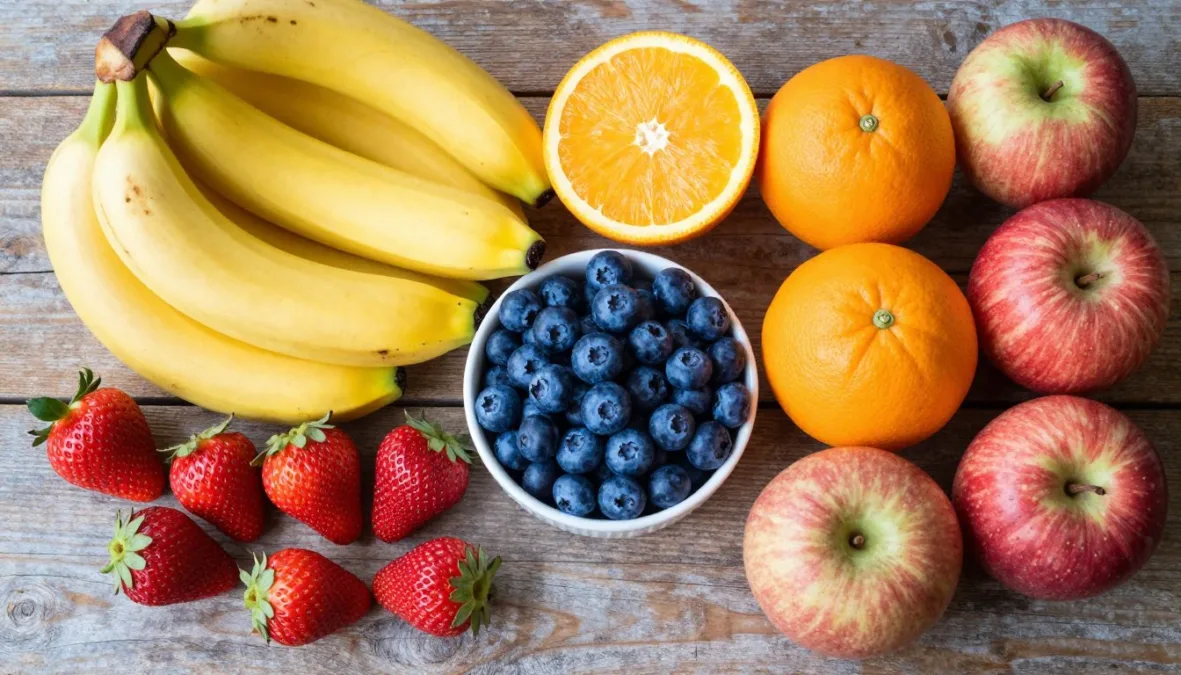
Feeling tired throughout the day affects your productivity and mood. Many people reach for coffee or energy drinks when fatigue hits. However, nature offers better solutions through fruits that provide sustained energy without the crash.
Fruits contain natural sugars, fiber, and essential nutrients. These components work together to boost energy levels effectively. Your body processes fruit sugars differently than processed sugars.
This article explores ten powerful fruits that help prevent fatigue. You’ll discover how each fruit supports your body’s energy production. We’ll also share practical ways to incorporate these foods into your daily meals.
Start Your Energy Transformation Today
Join thousands who’ve discovered natural energy solutions. Get weekly recipes, nutrition tips, and exclusive meal plans delivered to your inbox.
How Fruits Boost Energy Naturally
Your body converts food into energy through complex metabolic processes. Fruits provide the raw materials your cells need for optimal function. Understanding this connection helps you make better nutrition choices.
The Science Behind Natural Energy
Carbohydrates in fruit break down into glucose. This glucose fuels your brain and muscles throughout the day. Fiber slows sugar absorption to prevent blood sugar spikes.
Vitamins and minerals act as catalysts in energy production. B vitamins help convert food into usable energy. Iron carries oxygen to your cells for sustained vitality.
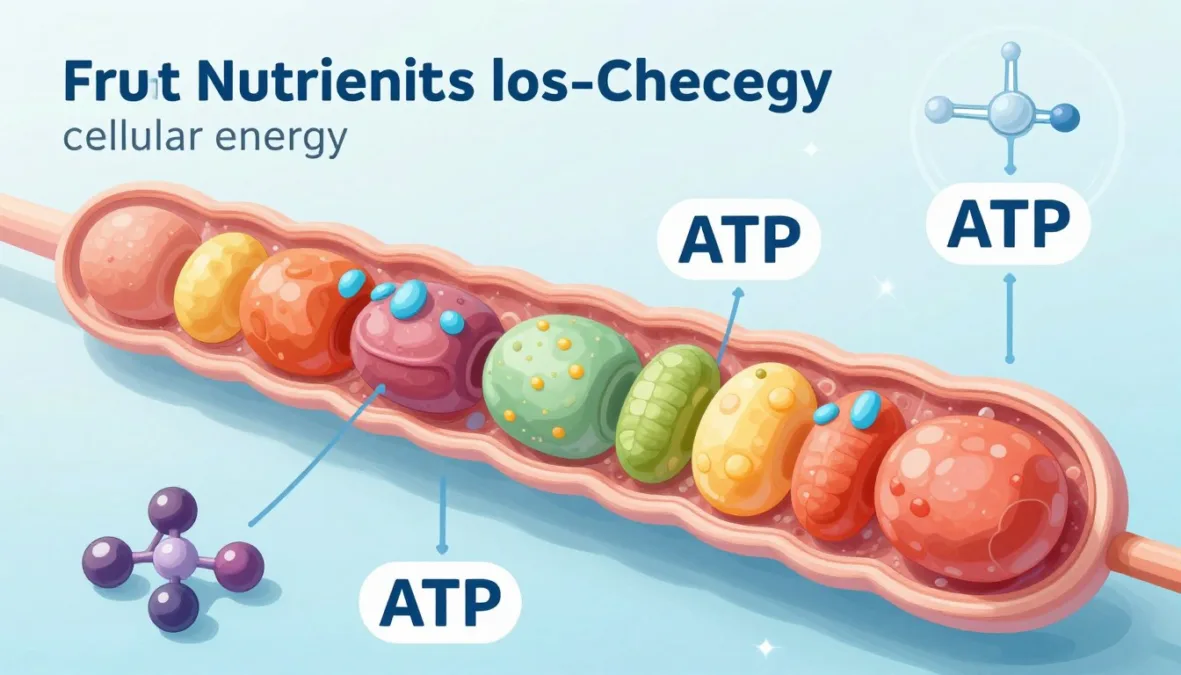
Antioxidants in fruits reduce oxidative stress on your body. This protection helps maintain consistent energy levels. Your cells function more efficiently when protected from damage.
Why Fruit Beats Processed Sugar
Whole fruits contain fiber that regulates sugar absorption. This prevents the energy crash associated with candy or sodas. Your blood sugar remains stable for hours.
Natural Fruit Benefits
Fruits provide sustained energy through their unique nutritional composition.
- Fiber slows sugar absorption
- Vitamins support metabolism
- Minerals enhance cellular function
- Antioxidants reduce fatigue
Processed Sugar Drawbacks
Refined sugars cause rapid spikes followed by energy crashes.
- Quick blood sugar spike
- Rapid insulin response
- Energy crash within hours
- Increased fatigue over time
Long-Term Health Impact
Regular fruit consumption supports overall wellness and vitality.
- Improved metabolic health
- Better mood regulation
- Enhanced physical performance
- Reduced inflammation
Practical Implementation
Simple strategies make fruit consumption easy and effective.
- Morning fruit smoothies
- Mid-afternoon fruit snacks
- Pre-workout energy boost
- Post-meal dessert alternative
The combination of natural sugars and nutrients creates optimal fuel. Your body receives steady energy without harmful effects. This makes fruit the superior choice for preventing fatigue.
Bananas: The Ultimate Energy Fruit
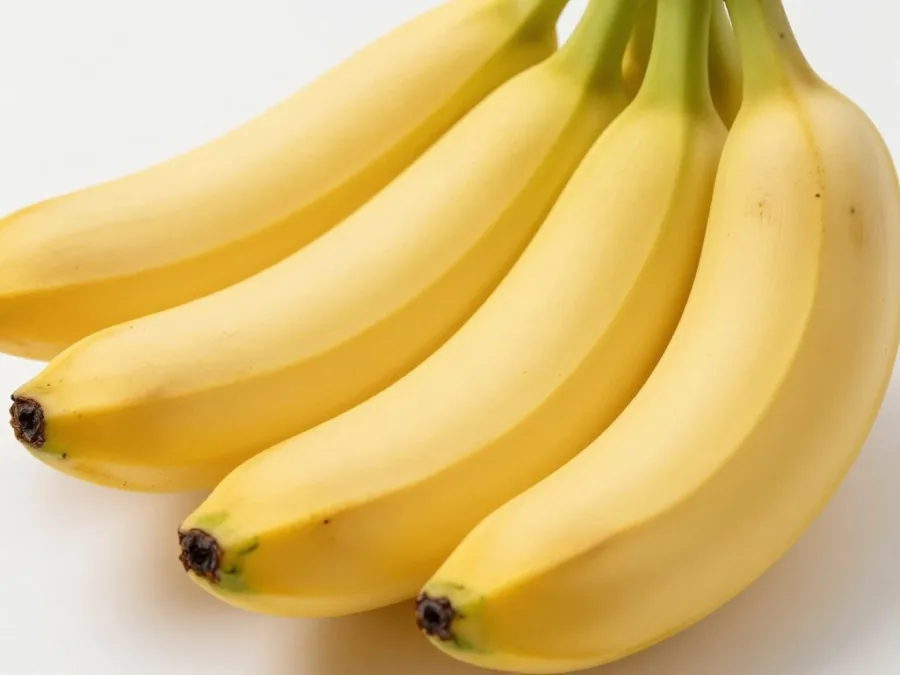
Bananas rank as one of nature’s perfect energy foods. Athletes worldwide choose bananas for quick, sustained fuel. The fruit provides an ideal balance of carbohydrates and essential minerals.
Nutritional Profile for Energy
A medium banana contains approximately 27 grams of carbohydrates. These carbs include natural sugars and resistant starch. The fiber content helps regulate how your body processes these sugars.
| Nutrient | Amount per Medium Banana | Energy Benefit |
| Carbohydrates | 27g | Primary fuel source |
| Potassium | 422mg | Muscle function support |
| Vitamin B6 | 0.4mg | Metabolism booster |
| Fiber | 3.1g | Sustained release |
Potassium supports proper muscle function during physical activity. Vitamin B6 helps your body convert protein into energy. These nutrients work synergistically to boost energy levels.
Best Times to Eat Bananas
Morning consumption provides steady energy for your day ahead. The natural sugars give you an immediate boost. Fiber ensures this energy lasts until your next meal.
Pre-workout bananas fuel your exercise sessions effectively. Many athletes eat one banana 30 minutes before training. Post-workout consumption helps restore depleted glycogen stores.
Berries: Antioxidant-Rich Energy Boosters
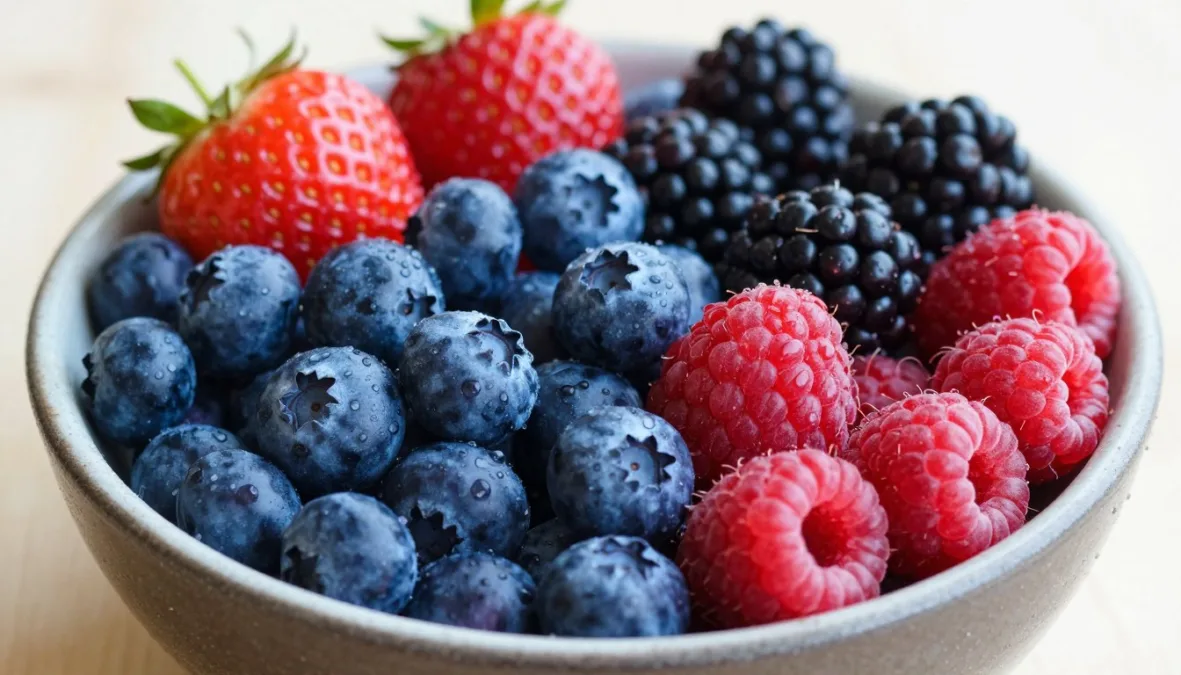
Berries pack tremendous nutritional value in small packages. These colorful fruits help boost energy while fighting oxidative stress. Their unique compounds support both physical and mental vitality.
Why Berries Combat Fatigue
Blueberries contain powerful antioxidants called anthocyanins. These compounds reduce oxidative stress in your cells. Less cellular damage means more efficient energy production.
Strawberries provide vitamin C that supports immune function. A strong immune system prevents illness-related fatigue. The vitamin also helps your body absorb iron more effectively.
Raspberries offer excellent fiber content for stable blood sugar. One cup provides 8 grams of dietary fiber. This helps prevent the afternoon energy crash many people experience.
Incorporating Berries Into Your Diet
Add berries to your morning oatmeal or yogurt. This creates a balanced breakfast with sustained energy. The combination of protein, carbs, and antioxidants works perfectly.
Blend frozen berries into smoothies for convenient nutrition. Frozen varieties retain their nutritional value exceptionally well. Mix different berry types to maximize health benefits.
Create homemade trail mix with dried berries and nuts. This portable snack provides energy during busy days. The mix of healthy fats and natural sugars prevents fatigue effectively.
Oranges: Vitamin C Powerhouses for Vitality
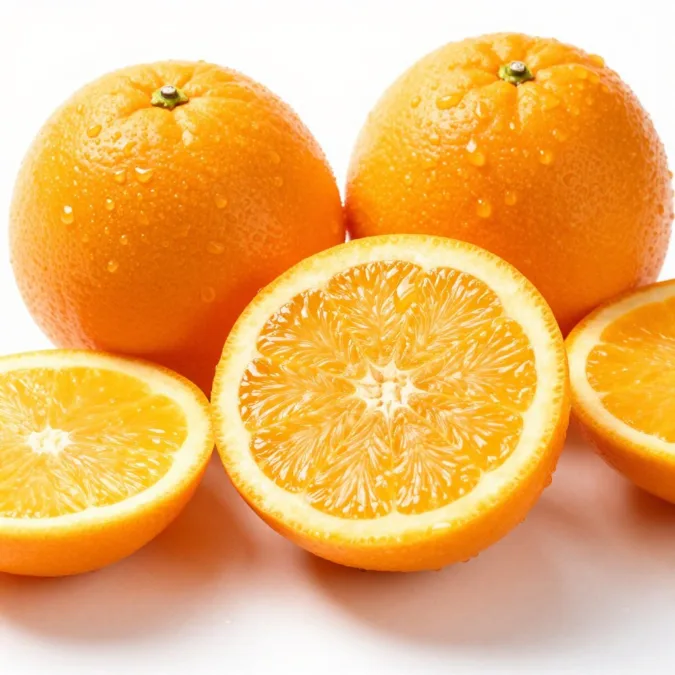
Oranges deliver exceptional nutrition for energy and health. One medium orange provides over 100% of your daily vitamin C needs. This vitamin plays crucial roles in energy metabolism.
How Oranges Support Energy Production
Vitamin C helps your body produce carnitine. This compound transports fatty acids into mitochondria for energy. Without adequate vitamin C, fat metabolism becomes less efficient.
The natural sugars in oranges provide immediate energy. Fiber slows absorption to maintain steady blood sugar levels. This prevents the rapid spike and crash of processed sugars.
Folate in oranges supports red blood cell formation. More red blood cells mean better oxygen delivery throughout your body. Improved oxygen transport directly enhances energy and reduces fatigue.
Creative Ways to Enjoy Oranges
Drink fresh-squeezed orange juice with breakfast. Homemade juice contains more nutrients than store-bought versions. Consume it alongside protein for balanced nutrition.
Add orange segments to salads for refreshing flavor. The citrus brightens greens while adding vitamin C. This makes healthy meals more enjoyable and energizing.
Apples: Fiber-Rich Sustained Energy
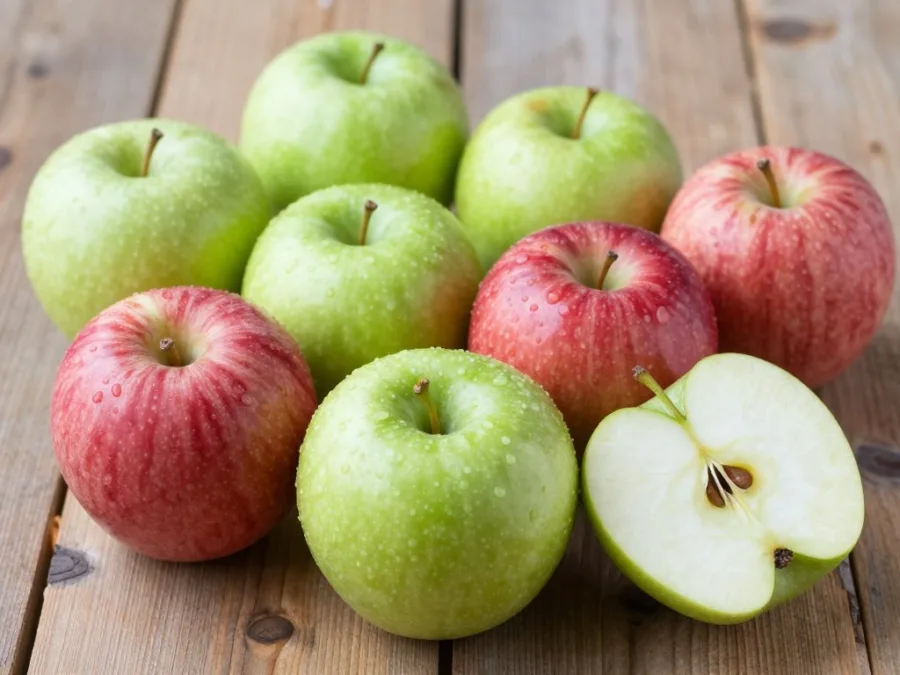
Apples offer perfect portable energy for active lifestyles. The combination of soluble and insoluble fiber provides unique benefits. Each apple contains approximately 95 calories of pure nutrition.
The Fiber Advantage
Soluble fiber in apples slows digestion significantly. This creates steady glucose release into your bloodstream. You maintain consistent energy for several hours after eating.
Pectin, a specific fiber type in apples, feeds beneficial gut bacteria. These bacteria produce compounds that support energy metabolism. A healthy gut microbiome enhances overall vitality.
- 4 grams fiber per medium apple
- Natural quercetin antioxidants
- Portable and convenient
- Low glycemic index rating
- Hydrating water content
- Satisfying crunch and texture
Apple Energy Benefits
- Granny Smith for tartness
- Honeycrisp for sweetness
- Fuji for balanced flavor
- Gala for mild taste
- Pink Lady for complexity
- Cosmic Crisp for storage
Best Apple Varieties
- Eat with skin for maximum fiber
- Pair with almond butter
- Slice for easy snacking
- Add to morning oatmeal
- Include in lunch boxes
- Use in energy-boosting smoothies
Preparation Tips
The natural sugars in apples include fructose and glucose. These sugars provide quick energy without causing crashes. Fiber ensures gradual absorption for sustained vitality.
Maximizing Apple Benefits
Always eat the skin to get maximum fiber content. Most antioxidants concentrate just beneath the peel. Washing removes pesticides while preserving valuable nutrients.
Combine apple slices with protein sources for balanced snacks. Nut butter, cheese, or yogurt complement apples perfectly. This combination sustains energy even longer than fruit alone.
Free 7-Day Energy-Boosting Meal Plan
Transform your energy levels with our expertly crafted meal plan. Includes recipes, shopping lists, and timing strategies for maximum vitality all week long.
Instant PDF download. No credit card required. Join 15,000+ energy-conscious readers.
Watermelon: Hydrating Energy Source
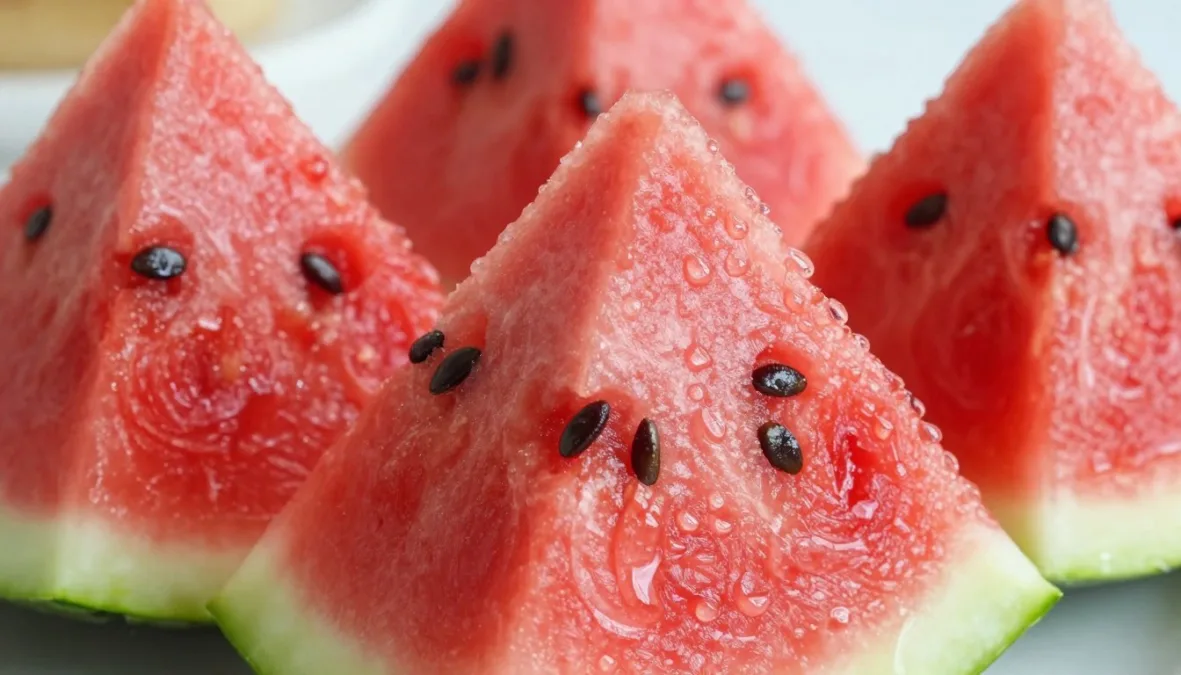
Watermelon provides energy through hydration and natural sugars. The fruit contains 92% water content. Proper hydration directly impacts your energy levels throughout the day.
Hydration and Energy Connection
Even mild dehydration reduces physical and mental performance. Water supports every cellular function in your body. Watermelon delivers both fluids and electrolytes naturally.
The amino acid citrulline in watermelon improves blood flow. Better circulation means more oxygen reaches your muscles and brain. This enhances both physical stamina and mental clarity.
Lycopene gives watermelon its red color while fighting inflammation. Reduced inflammation means less fatigue and better recovery. Your body maintains higher energy when inflammation stays low.
Best Times for Watermelon Consumption
Eat watermelon before or after exercise for optimal benefits. Pre-workout consumption provides hydration and quick energy. Post-workout eating helps restore fluids and reduce muscle soreness.
Summer heat increases dehydration risk significantly. Watermelon becomes especially valuable during hot weather. The natural sugars provide energy while water content prevents fatigue.
Dates: Concentrated Natural Energy

Dates provide the most concentrated energy among common fruits. These sweet fruits contain natural sugars in high concentrations. They’ve fueled desert travelers for thousands of years.
Nutritional Density for Energy
A single medjool date contains about 66 calories. Most calories come from natural sugars like glucose and fructose. The fiber content helps moderate sugar absorption despite high sweetness.
| Component | Amount per 3 Dates | Percentage Daily Value |
| Calories | 200 | 10% |
| Carbohydrates | 54g | 18% |
| Fiber | 5g | 20% |
| Potassium | 500mg | 14% |
Potassium supports muscle function during physical activity. Magnesium in dates helps convert food into usable energy. B vitamins further enhance energy metabolism throughout your body.
Using Dates for Energy
Eat two or three dates before intense workouts. The quick-digesting sugars provide immediate fuel for exercise. Athletes often choose dates over commercial sports drinks.
Add chopped dates to homemade trail mix recipes. Combine them with nuts and seeds for balanced nutrition. This combination delivers both quick and sustained energy effectively.
Blend dates into smoothies for natural sweetness. They eliminate the need for added sugars or sweeteners. The fiber slows absorption to prevent blood sugar spikes.
Grapes: Quick Natural Energy Boost
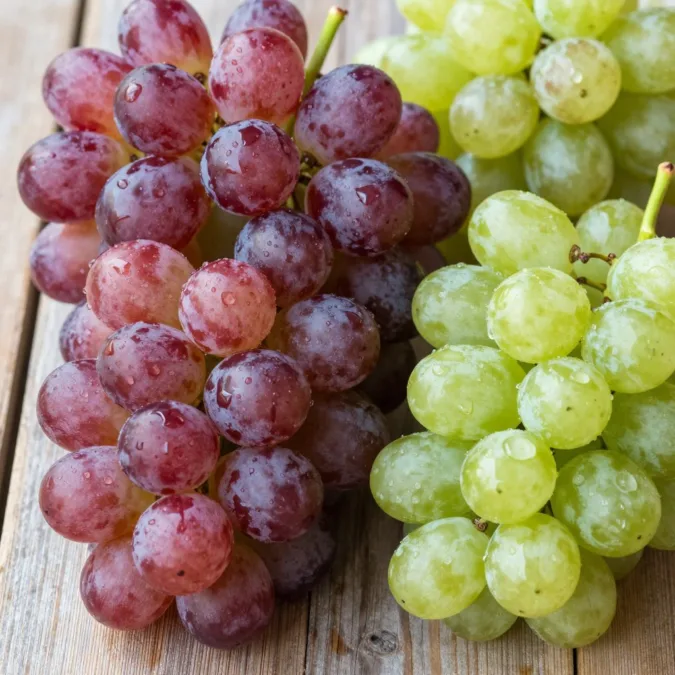
Grapes offer convenient energy in bite-sized packages. Both red and green varieties provide excellent nutrition. The natural sugar content delivers quick fuel when needed.
Resveratrol and Energy
Red grapes contain resveratrol, a powerful antioxidant compound. This substance improves mitochondrial function in your cells. Better mitochondria mean more efficient energy production.
The glucose in grapes enters your bloodstream relatively quickly. This provides fast energy for your brain and muscles. Fiber in grape skins helps moderate this absorption.
Grapes contain multiple B vitamins that support metabolism. These vitamins help convert carbohydrates into usable energy. Adequate B vitamin intake prevents certain types of fatigue.
Practical Grape Consumption
Freeze grapes for refreshing summer snacks. Frozen grapes provide cooling effects while delivering energy. This makes them perfect for hot days or post-workout recovery.
Add grapes to chicken or tuna salad recipes. The sweetness balances savory flavors beautifully. This creates satisfying meals that sustain energy for hours.
Mangoes: Tropical Energy Powerhouse
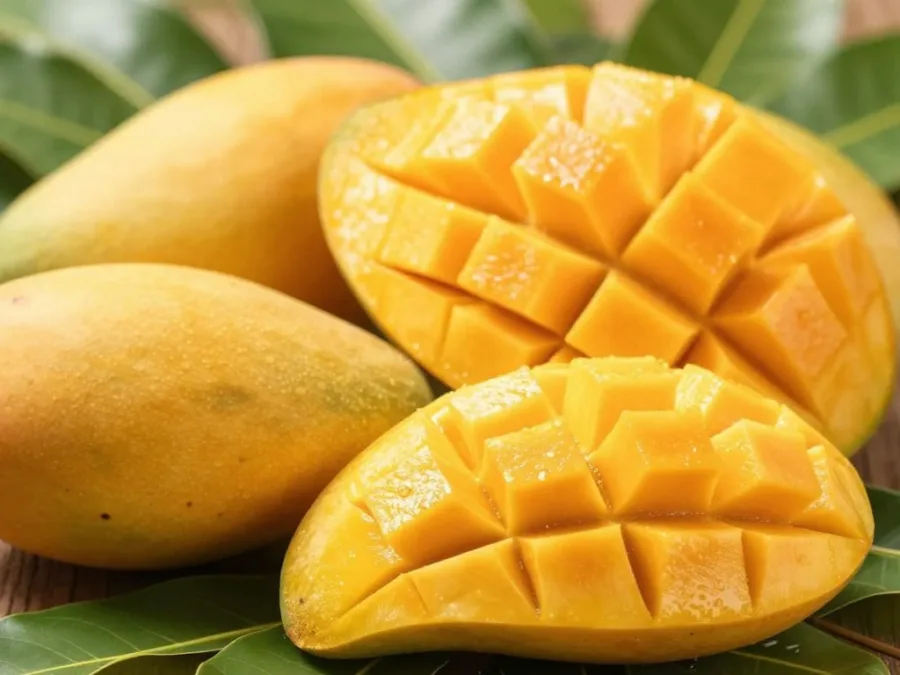
Mangoes deliver tropical flavor alongside substantial nutrition. One cup of mango provides 100 calories of quality energy. The vitamin and mineral content supports multiple body functions.
Vitamin A and Energy Metabolism
Mangoes rank among the best sources of vitamin A. This vitamin supports healthy vision and immune function. Strong immunity prevents illness-related fatigue and energy drain.
The vitamin C content in mangoes enhances iron absorption. Better iron absorption means improved oxygen transport. Your cells receive more oxygen for energy production.
Mango Benefits
- High vitamin A content
- Good vitamin C levels
- Contains digestive enzymes
- Natural sweetness satisfies cravings
- Provides steady energy release
Considerations
- Higher sugar content than berries
- Requires careful portion control
- Can be messy to eat
- Short shelf life when ripe
- Seasonal availability varies
Digestive enzymes in mangoes improve nutrient absorption. Better digestion means your body extracts more energy from foods. This maximizes the nutritional value of your meals.
Adding Mangoes to Your Diet
Blend frozen mango into breakfast smoothies. The creamy texture creates satisfying drinks without dairy. Add protein powder for complete meal replacement options.
Dice fresh mango into salsa for unique flavors. Combine with tomatoes, onions, and cilantro. This topping adds nutrition and energy to grilled chicken or fish.
Kiwi: Small Fruit, Big Energy Impact
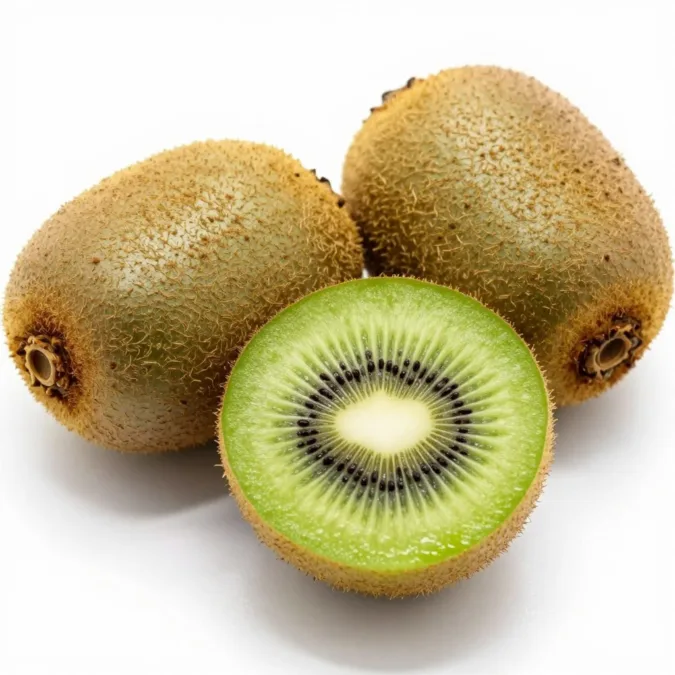
Kiwis pack impressive nutrition into small packages. Two kiwis provide more vitamin C than an orange. This makes them exceptionally valuable for energy and health.
Nutrient Density Advantage
Kiwis contain high levels of vitamin E and K. Vitamin E protects cells from oxidative damage. Less cellular damage translates to better energy production.
The fiber content in kiwis supports digestive health. Good digestion ensures your body absorbs nutrients efficiently. Better absorption means more available energy from all foods.
Serotonin in kiwis may improve sleep quality naturally. Better sleep leads to higher daytime energy levels. Many people report feeling more refreshed after adding kiwis to their diet.
Easy Kiwi Incorporation
Simply cut kiwis in half and scoop with a spoon. This eliminates the need for peeling. The skin is edible and contains additional fiber.
Add sliced kiwi to morning yogurt or oatmeal. The tartness complements sweeter breakfast foods. This creates balanced meals with sustained energy release.
Pineapple: Enzyme-Rich Energy Fruit
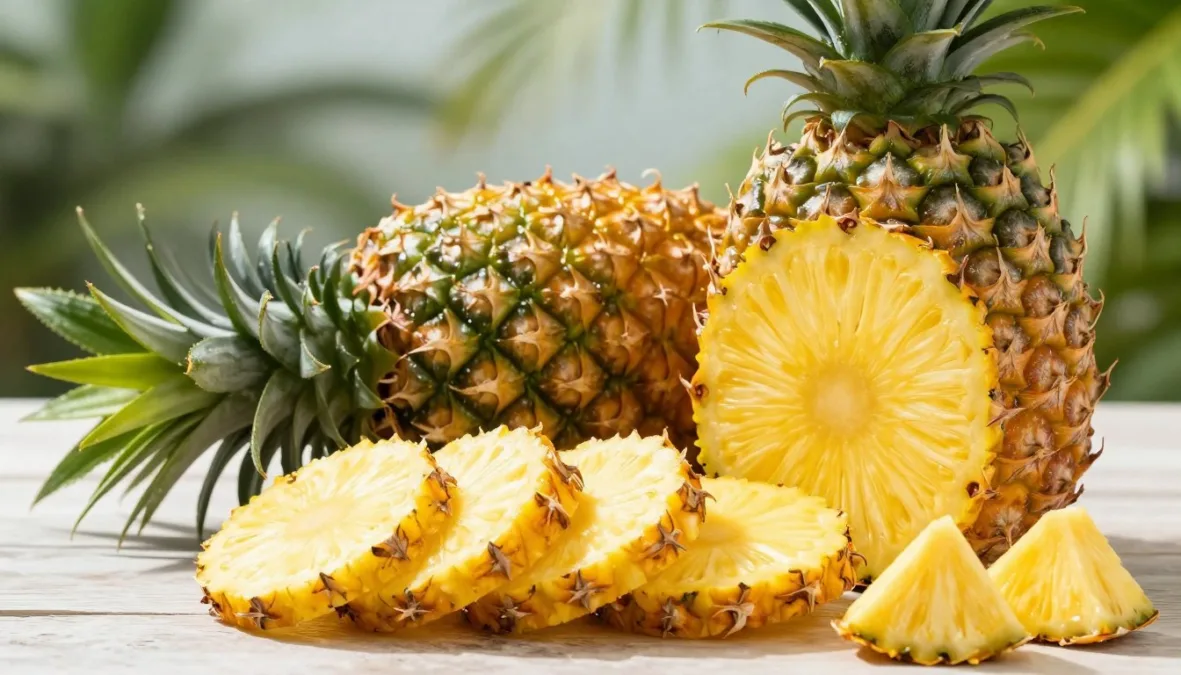
Pineapple contains unique enzymes that support digestion and energy. The bromelain enzyme breaks down proteins efficiently. This improves nutrient absorption from all protein sources.
Bromelain Benefits
Bromelain reduces inflammation throughout your body. Less inflammation means faster recovery from exercise. Quicker recovery allows you to maintain consistent activity levels.
The manganese in pineapple supports energy metabolism. This mineral helps process carbohydrates and proteins effectively. Adequate manganese intake prevents metabolic fatigue.
Optimal Pineapple Consumption
Eat fresh pineapple after protein-heavy meals. The bromelain helps digest meat and dairy products. This prevents the sluggish feeling from large meals.
Grill pineapple rings for unique desserts or side dishes. Heat caramelizes the natural sugars for enhanced flavor. This makes healthy eating more enjoyable and sustainable.
Blend pineapple into post-workout smoothies with protein powder. The combination supports muscle recovery and energy restoration. Add coconut water for additional electrolytes.
Combining Fruits for Maximum Energy
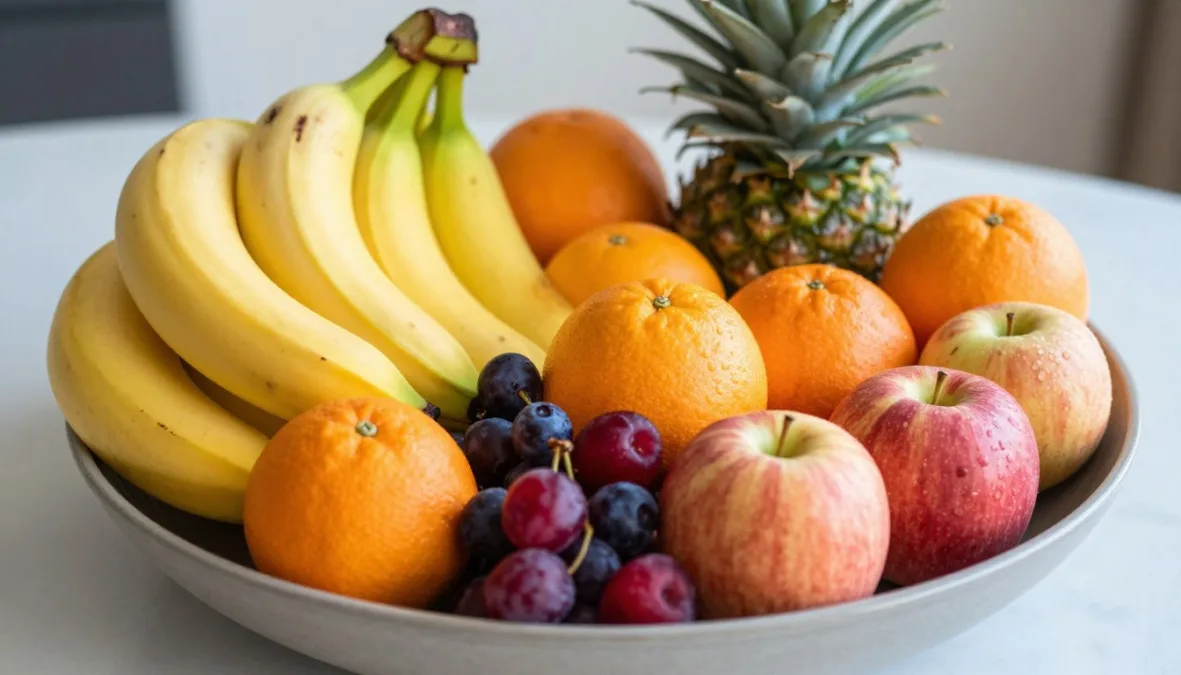
Strategic fruit combinations enhance energy benefits significantly. Different fruits provide complementary nutrients and effects. Understanding these synergies helps you create optimal eating patterns.
Morning Energy Combinations
Combine bananas with berries in morning smoothies. Bananas provide quick energy while berries offer antioxidants. This combination prevents mid-morning fatigue effectively.
Pair apples with oranges for balanced breakfast nutrition. The fiber from apples complements vitamin C from oranges. Both fruits work together to sustain energy until lunch.
Quick Energy Pairings
- Grapes with dates for rapid fuel
- Watermelon with berries for hydration
- Pineapple with mango for tropical boost
- Kiwi with oranges for vitamin C power
Sustained Energy Pairings
- Apples with bananas for fiber and carbs
- Berries with kiwi for antioxidant protection
- Oranges with mango for vitamin combination
- Dates with apples for balanced release
Pre-Workout Fruit Strategies
Eat easily digestible fruits 30-60 minutes before exercise. Bananas and dates provide quick fuel without causing digestive issues. Save high-fiber fruits for other times of day.
Combine fruits with small amounts of protein for endurance activities. Add a tablespoon of almond butter to apple slices. This combination sustains energy during longer workouts.
Afternoon Energy Solutions
Combat afternoon fatigue with strategic fruit snacking. Choose fruits with moderate fiber to prevent blood sugar crashes. Apples, oranges, and berries work particularly well at this time.
Create fruit and nut combinations for satisfying snacks. The healthy fats in nuts complement fruit sugars perfectly. This prevents the 3 PM energy slump many people experience.
Timing Your Fruit Consumption for Optimal Energy
When you eat fruit matters as much as which fruit you choose. Your body’s energy needs vary throughout the day. Strategic timing maximizes the benefits from each fruit type.
Morning Fruit Guidelines
Start your day with easily digestible fruits. Bananas, berries, and melons provide gentle energy after overnight fasting. Your stomach handles these foods well on relatively empty digestive systems.
Avoid very high-fiber fruits immediately upon waking. Give your digestive system time to activate fully. Save apples and pears for mid-morning snacks instead.
- Watermelon for hydration
- Papaya for gentle digestion
- Berries with yogurt
- Bananas for quick energy
Early Morning (6-8 AM)
- Apples for sustained energy
- Oranges for vitamin C
- Grapes for brain fuel
- Kiwi for nutrient boost
Mid-Morning (9-11 AM)
- Dates for energy lift
- Mango for satisfaction
- Pineapple for digestion
- Mixed berries for focus
Afternoon (2-4 PM)
Pre and Post Exercise Timing
Consume simple sugars 30-60 minutes before workouts. Bananas, grapes, and dates provide optimal pre-exercise fuel. Avoid high-fiber options that may cause digestive discomfort.
Eat protein-rich fruits after intense training sessions. Dried fruits combined with nuts support muscle recovery. The natural sugars help restore depleted glycogen stores.
Evening Fruit Considerations
Choose lower-sugar fruits in evening hours. High sugar intake before bed may disrupt sleep quality. Berries and kiwi make better evening choices than tropical fruits.
Avoid fruit consumption within two hours of bedtime. Late fruit eating can cause digestive discomfort overnight. Your body needs time to process food before sleep.
Creating Your Energy-Boosting Meal Plan
Successful energy management requires thoughtful meal planning. Incorporating fruits strategically throughout your day maintains consistent vitality. Simple planning prevents the common mistake of skipping important nutrients.
Daily Fruit Intake Recommendations
Aim for 2-3 servings of fruit daily for optimal energy. One serving equals approximately one medium fruit or one cup of berries. Distribute these servings across different meals and snacks.
Vary your fruit choices throughout the week. Different fruits provide different nutritional profiles. Rotation ensures you receive a full spectrum of vitamins and minerals.
| Meal Time | Best Fruit Choices | Serving Size | Energy Duration |
| Breakfast | Bananas, berries, oranges | 1 medium fruit or 1 cup | 2-3 hours |
| Mid-Morning Snack | Apples, grapes, kiwi | 1 medium fruit | 1-2 hours |
| Lunch | Oranges, mango, pineapple | 1 cup chunks | 2-3 hours |
| Afternoon Snack | Dates, berries, watermelon | 2-3 dates or 1 cup | 1-2 hours |
| Pre-Workout | Bananas, dates, grapes | 1 medium or 1/2 cup | 30-60 minutes |
Weekly Shopping Strategy
Purchase a variety of fresh and frozen fruits weekly. Frozen options provide convenience without sacrificing nutrition. Stock both for maximum flexibility in meal preparation.
Choose fruits at different ripeness stages for the week. Some should be ready to eat immediately. Others can ripen over several days for later consumption.
Preparation and Storage Tips
Wash and prep fruits immediately after shopping. Cut melons and pineapples into ready-to-eat portions. Store in clear containers at eye level in your refrigerator.
Freeze overripe bananas for future smoothies. Blend frozen berries into morning drinks or yogurt. Proper storage prevents waste and ensures fruit availability.
The Hydration-Energy Connection
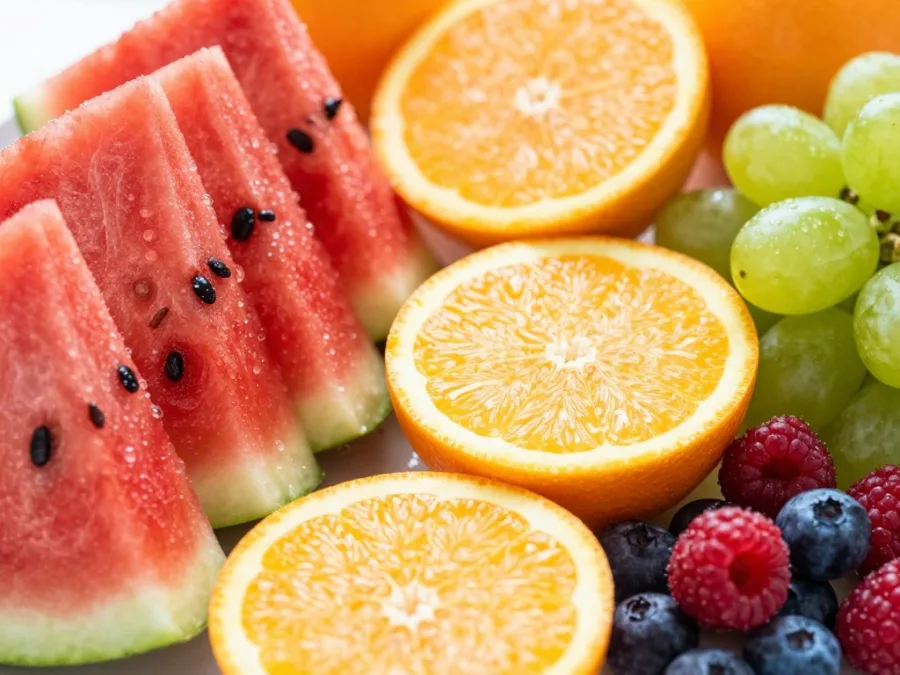
Proper hydration significantly impacts your energy levels throughout the day. Many fruits contribute to your daily fluid intake. Water-rich fruits provide hydration alongside essential nutrients.
Water Content in Energy Fruits
Watermelon contains 92% water, making it exceptionally hydrating. Oranges provide about 87% water content. These fruits help you meet hydration needs naturally.
Dehydration reduces physical performance by up to 30%. Mental function also declines with insufficient fluid intake. Even mild dehydration causes noticeable fatigue and reduced concentration.
“Proper hydration is fundamental to energy production. When you’re dehydrated, your blood volume decreases, making your heart work harder to pump oxygen and nutrients to your cells.”
Combining Fruits with Water
Add fruit slices to your water for natural flavor. Lemon, orange, and berry-infused water encourages increased consumption. Better hydration directly improves energy levels.
Eat water-rich fruits between meals as hydrating snacks. This strategy maintains fluid balance throughout the day. Consistent hydration prevents the energy dips from dehydration.
Why Choose Fruit Over Energy Drinks
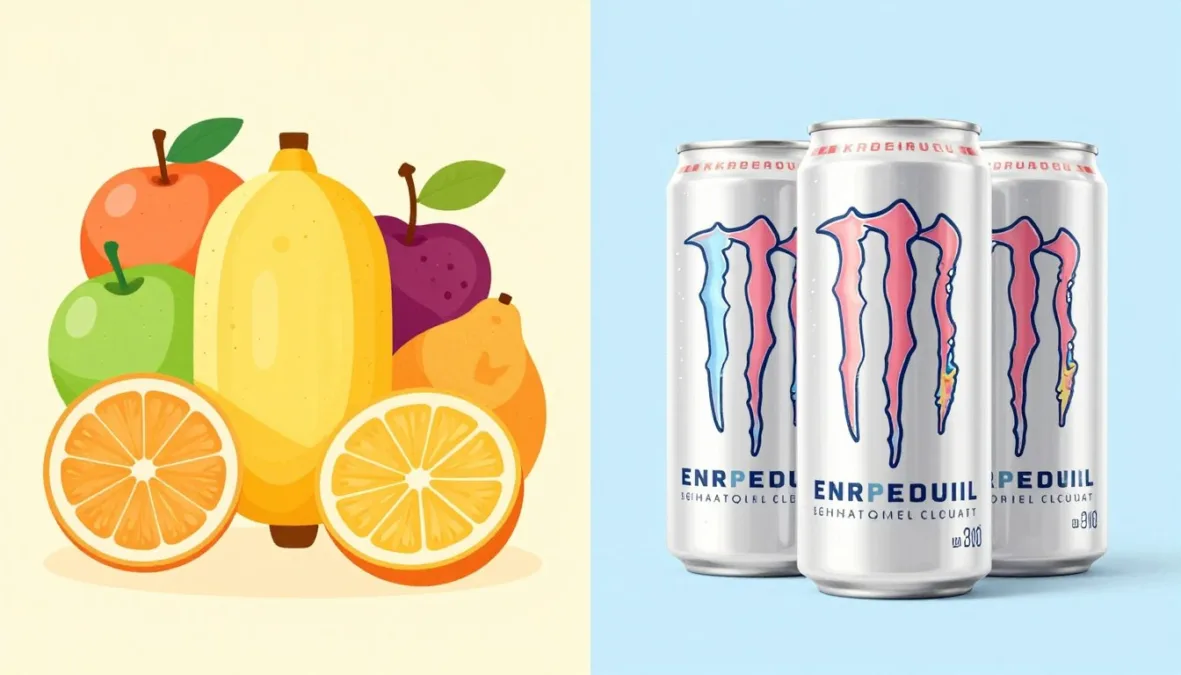
Energy drinks promise quick vitality but come with significant drawbacks. Fruits provide sustainable energy without negative side effects. Understanding these differences helps you make informed choices.
The Energy Drink Problem
Most energy drinks contain excessive caffeine and added sugars. The initial boost quickly leads to an energy crash. Your body experiences stress from the rapid spike and drop.
Artificial ingredients in energy drinks may cause various health issues. Heart palpitations, anxiety, and sleep disruption are common complaints. Long-term use can lead to caffeine dependence.
Natural Fruit Energy
- Sustained energy release
- No artificial ingredients
- Additional vitamins and minerals
- Supports overall health
- No crash or jitters
- Hydrating properties
Energy Drink Concerns
- Rapid energy crash
- High caffeine content
- Excessive added sugars
- Artificial additives
- Potential health risks
- Dehydrating effects
Long-Term Health Comparison
Regular fruit consumption supports cardiovascular health and reduces disease risk. Energy drinks offer no long-term health benefits. The choice becomes clear when considering overall wellness.
Fruits provide essential nutrients your body needs daily. Energy drinks contain empty calories without nutritional value. Investing in whole foods creates lasting health improvements.
Common Questions About Fruits and Energy
Can eating too much fruit cause energy crashes?
Whole fruits rarely cause energy crashes due to their fiber content. The fiber slows sugar absorption, preventing rapid blood sugar spikes. However, consuming excessive amounts of dried fruits or fruit juice without fiber may lead to crashes. Stick to recommended serving sizes of 2-3 whole fruits daily for optimal results.
Should I eat fruit before or after workouts?
Both timing strategies offer benefits depending on your goals. Eat easily digestible fruits like bananas or dates 30-60 minutes before exercise for quick energy. After workouts, combine fruits with protein to restore glycogen and support muscle recovery. Listen to your body and adjust timing based on how you feel during activities.
Are dried fruits as effective as fresh fruits for energy?
Dried fruits provide concentrated energy but lack the water content of fresh options. They offer more calories and sugars per serving, making portion control important. Fresh fruits provide better hydration and typically more vitamin C. Use dried fruits strategically for concentrated energy needs, such as during endurance activities or in homemade trail mix.
Can fruits help with afternoon fatigue at work?
Yes, strategic fruit consumption effectively combats afternoon energy slumps. The combination of natural sugars, fiber, and nutrients provides sustained energy without the crash of coffee or candy. Keep apples, oranges, or berries at your desk for convenient snacking. Pair fruit with a small handful of nuts for even longer-lasting energy throughout your afternoon.
How do fruits compare to coffee for energy?
Fruits provide energy through nutrition rather than stimulation. Coffee offers a quick caffeine boost but doesn’t address underlying nutritional deficiencies. Fruits supply vitamins, minerals, and natural sugars that support sustained energy production. Many people find combining a moderate amount of coffee with fruit provides optimal morning energy without afternoon crashes.
What’s the best fruit for immediate energy needs?
Bananas and dates provide the quickest energy boost among common fruits. Their easily digestible sugars enter your bloodstream rapidly. Grapes also offer fast-acting energy due to their high glucose content. For sustained energy over several hours, choose apples or pears with their higher fiber content.
Integrating Energy Fruits Into Your Lifestyle
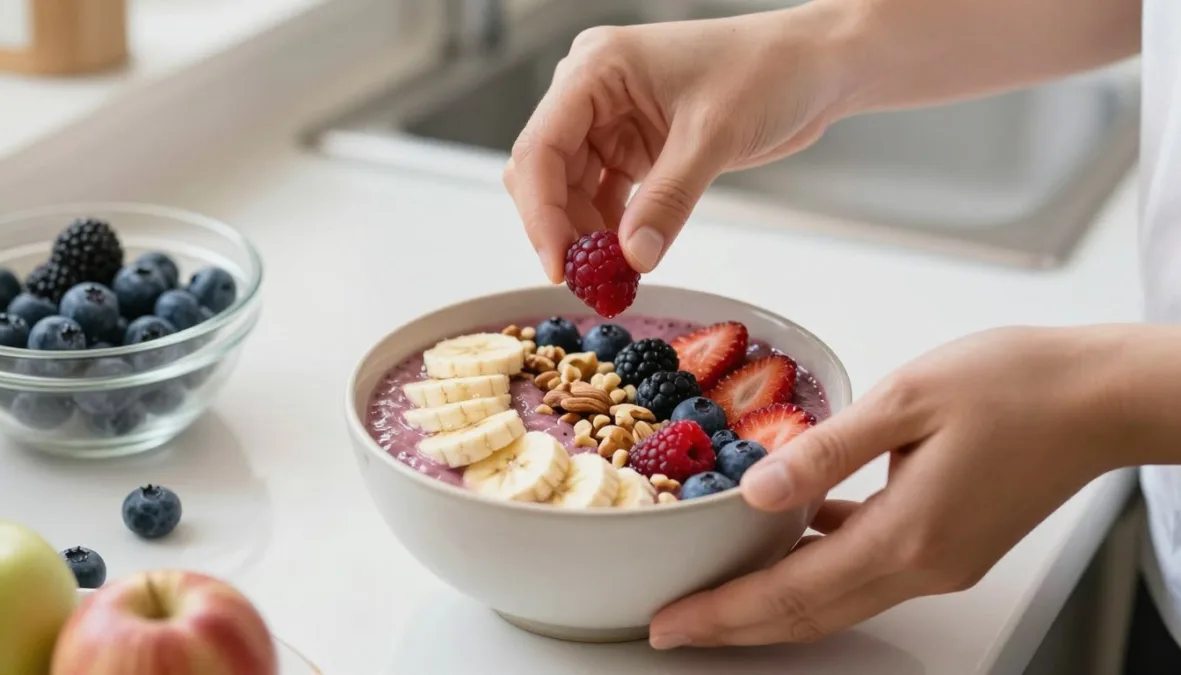
Sustainable energy management requires consistent habits and practical strategies. Small changes in daily routines create significant improvements over time. The key lies in making fruit consumption convenient and enjoyable.
Building Sustainable Habits
Place fruit bowls in visible locations throughout your home. Visual reminders increase consumption naturally. Keep ready-to-eat options at eye level in your refrigerator.
Prep fruit portions during weekly meal preparation sessions. Wash berries, slice melons, and portion dates into containers. This preparation removes barriers to healthy eating during busy moments.
Social and Family Integration
Share fruit-based snacks with family members and coworkers. Social eating increases adherence to healthy habits. Create friendly competitions around daily fruit consumption goals.
Involve children in fruit selection and preparation. Kids who help choose and prepare foods eat them more willingly. This builds lifelong healthy eating patterns for the entire family.
Travel and On-the-Go Strategies
Pack portable fruits like apples, bananas, and oranges for travel. These fruits withstand transportation without refrigeration. Small containers of berries or grapes also travel well in coolers.
Research fruit availability at your destinations when traveling. Most locations offer fresh fruit at grocery stores or markets. Planning prevents reliance on convenience foods that drain energy.
Transform Your Energy Levels Starting Today
You’ve learned about the top 10 fruits for sustained energy and vitality. Now it’s time to put this knowledge into action and experience the benefits yourself.
Join our community of 25,000+ readers who’ve boosted their natural energy. Exclusive tips, recipes, and meal plans delivered weekly.
Your Path to Natural, Sustained Energy
Natural energy starts with the foods you choose to fuel your body. The top 10 fruits for energy provide comprehensive nutrition that supports vitality throughout your day. Each fruit offers unique benefits that work together for optimal health.
Bananas deliver quick energy with sustained release through fiber. Berries provide antioxidant protection while boosting energy levels. Oranges supply vitamin C essential for energy metabolism and immune function.
Apples offer portable convenience with excellent fiber content. Watermelon hydrates while providing natural sugars for quick fuel. Dates concentrate energy in small packages perfect for active lifestyles.
Grapes deliver fast-acting glucose for immediate needs. Mangoes combine tropical flavor with substantial vitamin content. Kiwis pack impressive nutrition into compact sizes.
Pineapple supports digestion through unique enzymes while reducing inflammation. Together, these fruits create a complete toolkit for managing your energy naturally. The variety ensures you receive diverse nutrients supporting every aspect of health.
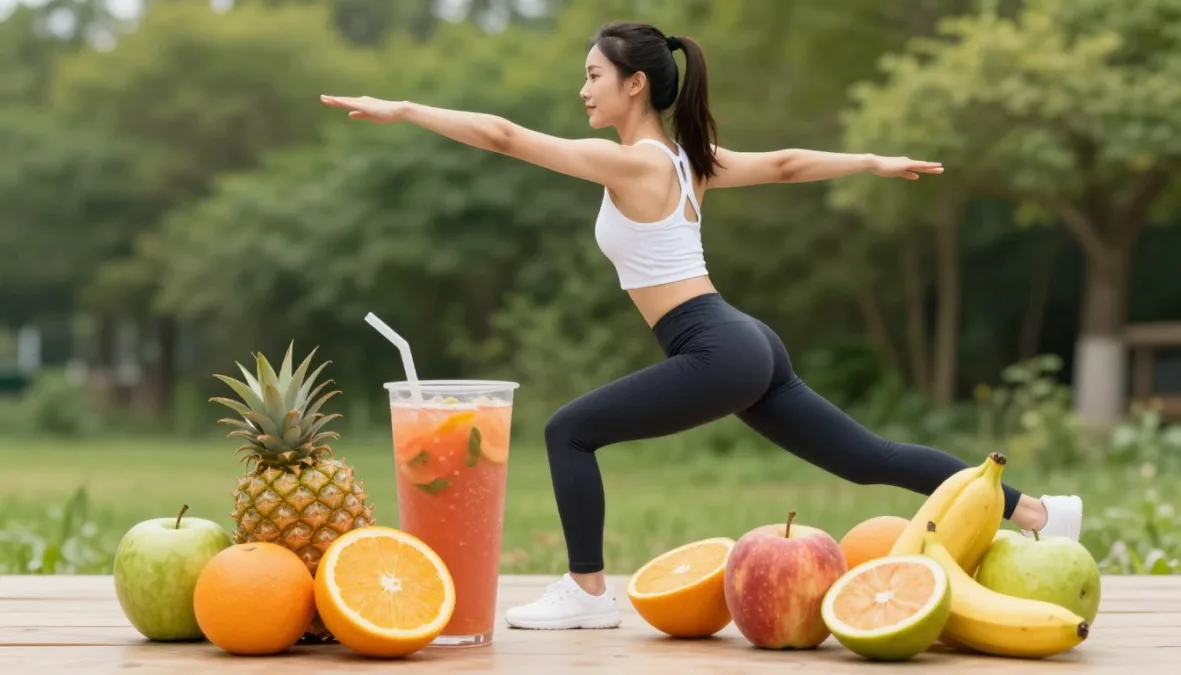
Implementation matters more than knowledge alone. Start by adding one or two new fruits to your weekly shopping list. Gradually increase variety as you discover which options work best for your body and preferences.
Pay attention to how different fruits affect your energy at various times. Your body provides valuable feedback through energy levels and digestion. Adjust your choices based on these personal responses for customized nutrition.
Remember that sustainable energy comes from consistent habits rather than occasional efforts. Small daily improvements create remarkable results over weeks and months. Your investment in natural nutrition pays dividends in energy, health, and overall quality of life.
The power to transform your energy lies in simple, natural choices. These ten fruits offer proven solutions to prevent fatigue and maintain vitality. Your journey to better energy starts with your next meal or snack.

Priyanka Pandey
Senior Research Editor · Top10Sense
Priyanka specializes in tech, consumer products, and digital trends. She combines hands-on testing, vendor interviews, and database research to create trustworthy “Top 10” rankings. Her work has been referenced by industry blogs and brand report pages.