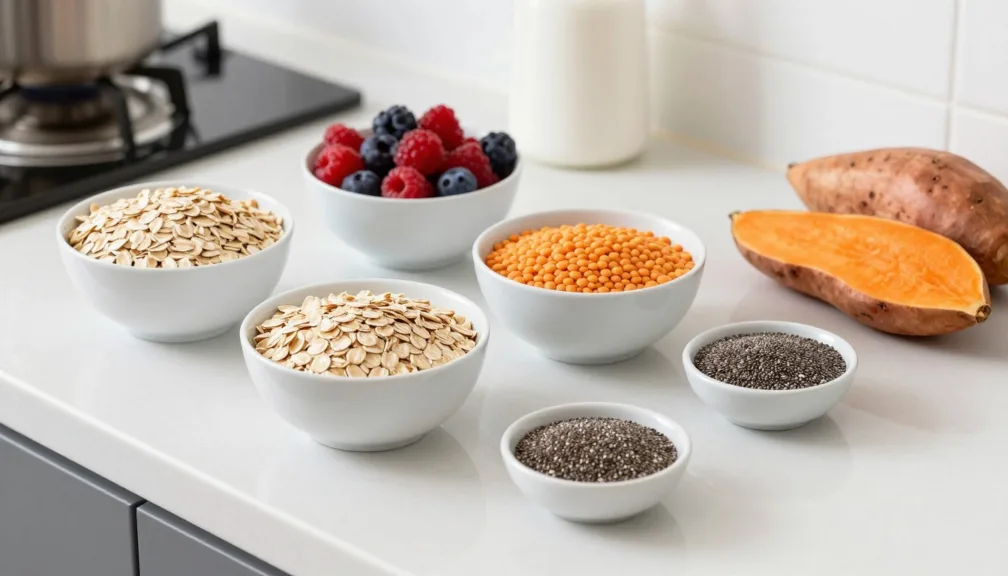
Finding healthy snacks for kids that they will actually eat can feel like solving a daily puzzle. Parents face this challenge every single day. You want to give your children nutritious options that fuel their growing bodies. At the same time, you need snacks that kids love and ask for again.
The good news is that healthy snacking does not have to be complicated. Simple, wholesome ingredients can create delicious treats. Kids get the nutrients they need for energy, growth, and brain development. You get peace of mind knowing they are eating well.
This guide shares ten fantastic snack ideas that check all the boxes. Each option delivers essential nutrients. Every snack includes practical tips you can use right away. These ideas work for busy families who need quick solutions that kids will enjoy.
Why Healthy Snacking Matters for Growing Kids

Children have smaller stomachs than adults. They cannot eat large amounts of food at one time. This means kids need regular snacks between meals. These snack times provide crucial opportunities to deliver important nutrients.
Healthy snacks help maintain steady energy levels throughout the day. Kids stay focused at school and during activities. Proper nutrition supports their immune system. It helps build strong bones and muscles. Brain development depends on consistent nutrient intake.
Poor snack choices can lead to energy crashes. Too much sugar causes kids to feel tired and cranky. Empty calories fill them up without providing real nutrition. This creates a cycle where kids feel hungry again quickly.
Important Note: The early years set the foundation for lifelong eating habits. When you introduce nutritious snacks now, kids learn to choose better options later. They develop taste preferences for whole foods instead of processed items.
Making snack time count means choosing foods with real nutritional value. Focus on whole ingredients that offer protein, fiber, healthy fats, and essential vitamins. These nutrients work together to keep kids satisfied longer. They provide sustained energy for learning and play.
Essential Principles for Choosing Kids Snacks
Not all snacks are created equal. Some key principles can guide your choices. These guidelines help you select options that truly benefit your children.
Balance Macronutrients
The best snacks combine different types of nutrients. This balance keeps kids satisfied and energized.
- Pair protein with carbohydrates for lasting energy
- Include healthy fats to support brain function
- Add fiber to promote healthy digestion
- Combine food groups for complete nutrition
Watch Added Sugars
Many packaged snacks contain excessive amounts of sugar. Reading labels helps you make informed decisions.
- Look for snacks with less than five grams of added sugar
- Choose naturally sweet options like fruit
- Avoid high-fructose corn syrup when possible
- Check ingredient lists for hidden sugar names
Prioritize Whole Foods
Whole foods provide more nutrients than heavily processed options. They contain natural fiber and vitamins.
- Select fresh fruits and vegetables first
- Choose whole grains over refined versions
- Pick minimally processed dairy products
- Read ingredients and look for real food
Consider Convenience
Realistic snack choices fit into busy family schedules. Planning ahead makes healthy eating easier.
- Prep snacks in advance when you have time
- Keep grab-and-go options readily available
- Choose portable snacks for activities and travel
- Stock your pantry with healthy staples
The Top 10 Healthy Snacks for Kids
These ten snack options deliver outstanding nutrition. Kids love the taste and texture of each choice. Parents appreciate how simple they are to prepare and serve.
1. Apple Slices with Nut Butter
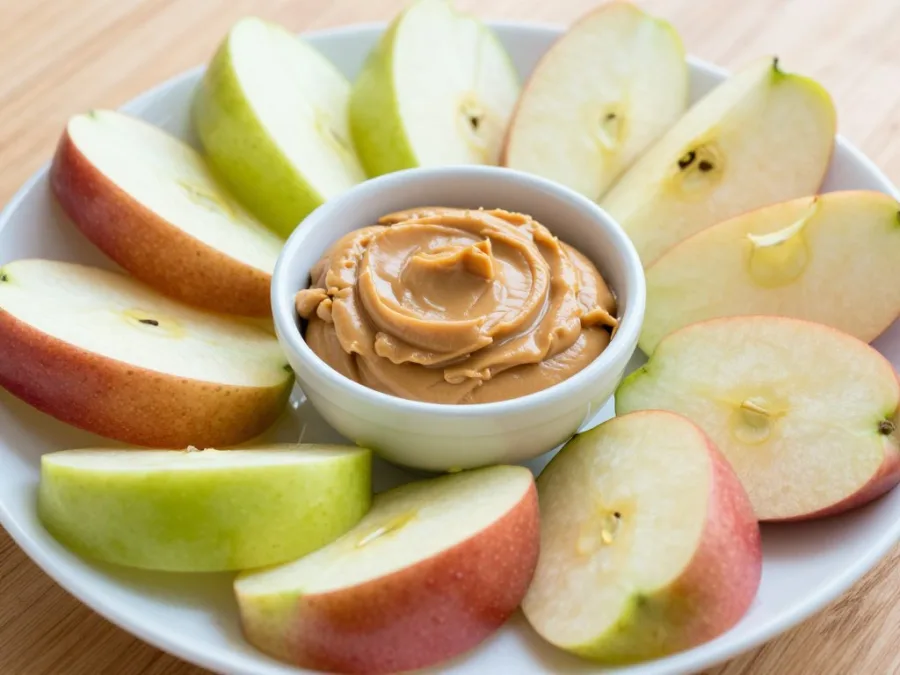
This classic combination remains a favorite for good reason. Fresh apple slices provide natural sweetness and satisfying crunch. The fruit delivers fiber and vitamin C. Nut butter adds protein and healthy fats.
Kids love dipping apple slices into creamy nut butter. This snack keeps them full between meals. The protein helps maintain steady blood sugar levels. Healthy fats support brain development and function.
Nutritional Benefits
- High in fiber for digestive health
- Rich in protein from nut butter
- Contains healthy monounsaturated fats
- Provides vitamin C and potassium
- Natural sugars for quick energy
Serving Suggestions
Slice one medium apple into eight wedges. Serve with two tablespoons of peanut butter or almond butter. For variety, try different apple types. Granny Smith offers tartness while Honeycrisp provides extra sweetness.
Keep cut apples from browning by tossing them in lemon juice. Store pre-sliced apples in the refrigerator for up to three days. Pack this snack in lunch boxes with an ice pack.
Allergy Alternative: If your child has a nut allergy, substitute sunflower seed butter or pumpkin seed butter. These alternatives provide similar nutrients without tree nuts or peanuts.
2. Greek Yogurt with Fresh Berries
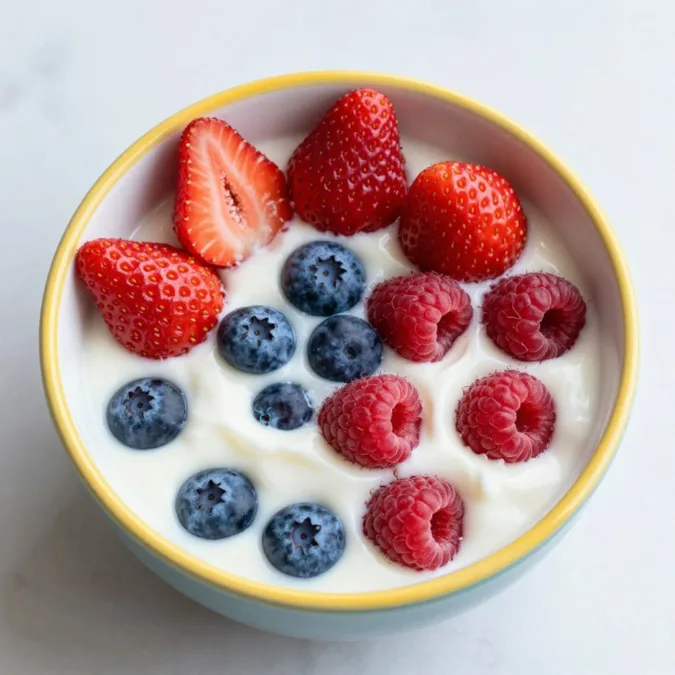
Greek yogurt stands out as one of the most nutritious dairy options. It contains twice the protein of regular yogurt. The thick, creamy texture appeals to kids. Fresh berries add natural sweetness and important antioxidants.
This snack provides probiotics that support gut health. Calcium builds strong bones and teeth. The combination of protein and fruit creates a balanced option. Kids get energy that lasts throughout their activities.
Why This Works
- Doubles protein content compared to regular yogurt
- Probiotics promote healthy digestion
- Calcium supports growing bones
- Berries provide antioxidants and vitamins
- Low in added sugars when chosen carefully
Preparation Tips
Choose plain Greek yogurt and add your own fruit. Flavored versions often contain excessive sugar. Mix in a handful of blueberries, strawberries, or raspberries. Add a drizzle of honey if extra sweetness is needed.
Create a yogurt bar at home. Let kids choose their own toppings. Options might include different berries, a sprinkle of granola, or a few dark chocolate chips. This approach gives children some control while keeping choices healthy.
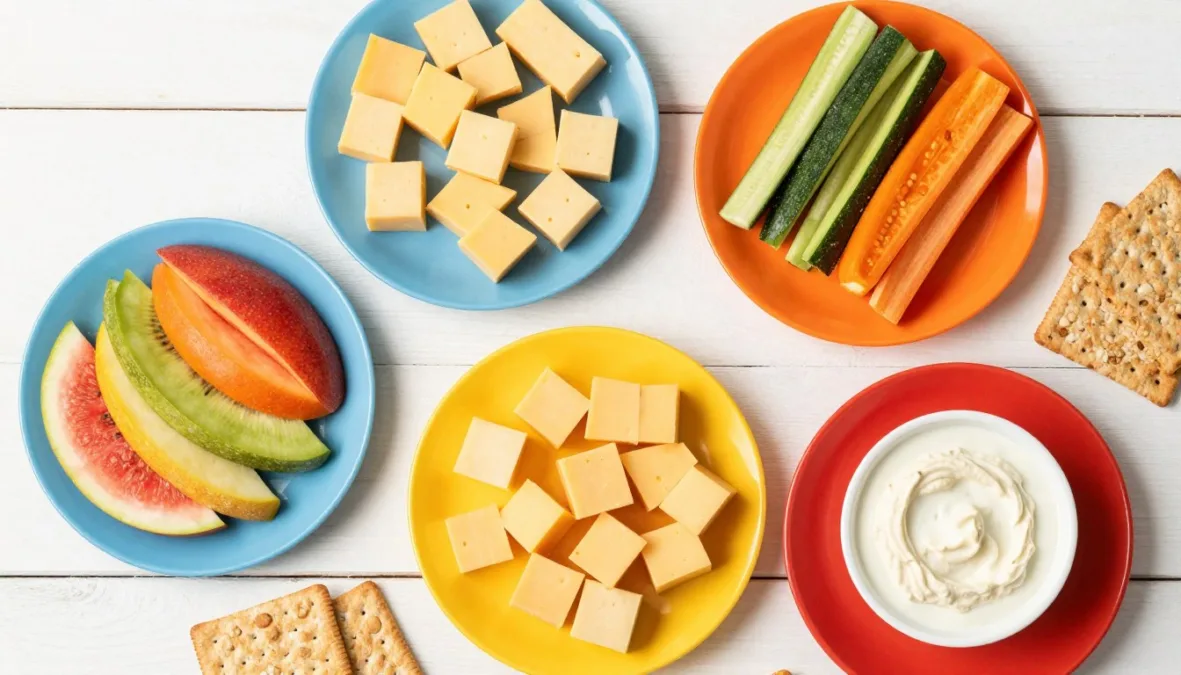
3. Cheese Cubes with Whole Grain Crackers
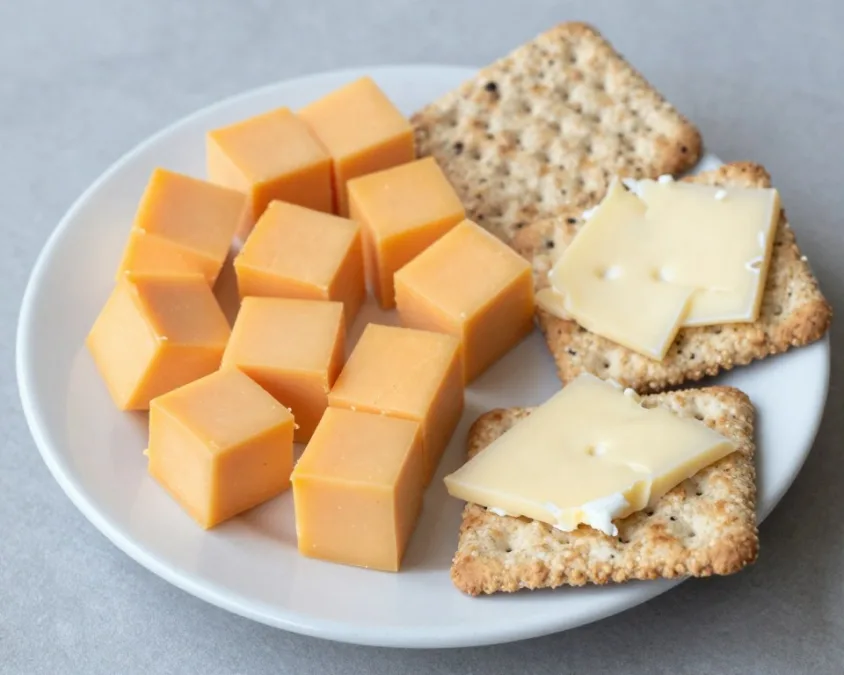
Cheese delivers protein and calcium in a form kids recognize and enjoy. Whole grain crackers add fiber and complex carbohydrates. Together, they create a satisfying snack that provides sustained energy.
This option works perfectly for busy families. You can prepare it quickly and pack it easily. Kids can eat it at home or on the go. The familiar flavors make it a reliable choice that most children accept readily.
Nutritional Highlights
- Excellent source of calcium and protein
- Whole grains provide B vitamins
- Fiber supports digestive health
- Phosphorus helps build strong bones
- Vitamin A supports vision and immunity
Smart Selections
Look for crackers made with whole wheat flour as the first ingredient. Check that they contain at least two grams of fiber per serving. Avoid crackers with partially hydrogenated oils.
Choose natural cheese over processed cheese products. Cheddar, mozzarella, and Colby Jack work well. Cut cheese into small cubes for younger kids. Serve five to six crackers with one ounce of cheese.
4. Veggie Sticks with Hummus
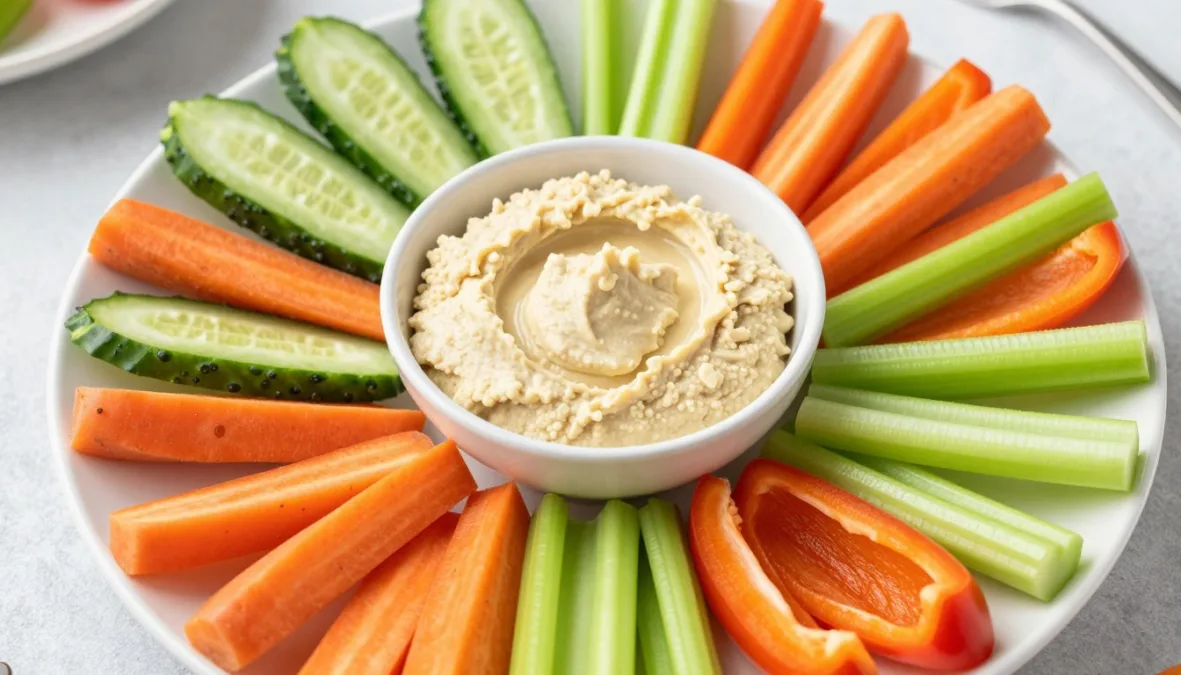
Getting kids to eat vegetables becomes easier with a tasty dip. Hummus provides protein and fiber from chickpeas. The creamy texture and mild flavor appeal to young palates. Crunchy veggies add vitamins and minerals.
This snack introduces children to a variety of vegetables. Carrots offer beta-carotene for eye health. Bell peppers provide vitamin C. Cucumbers add hydration. Each vegetable contributes unique nutrients.
Health Benefits
- High fiber content from vegetables and chickpeas
- Plant-based protein supports growth
- Rich in vitamins A and C
- Low in calories but high in nutrients
- Healthy fats from tahini and olive oil
Making It Kid-Friendly
Cut vegetables into fun shapes using small cookie cutters. Create veggie trains or rainbow arrangements. Let kids help prepare the vegetables. They are more likely to eat foods they helped make.
Offer a variety of veggies to find favorites. Carrot sticks, cucumber rounds, bell pepper strips, and cherry tomatoes work well. Start with mild-flavored vegetables. Gradually introduce stronger tastes as kids become more adventurous.
5. Banana with Peanut Butter
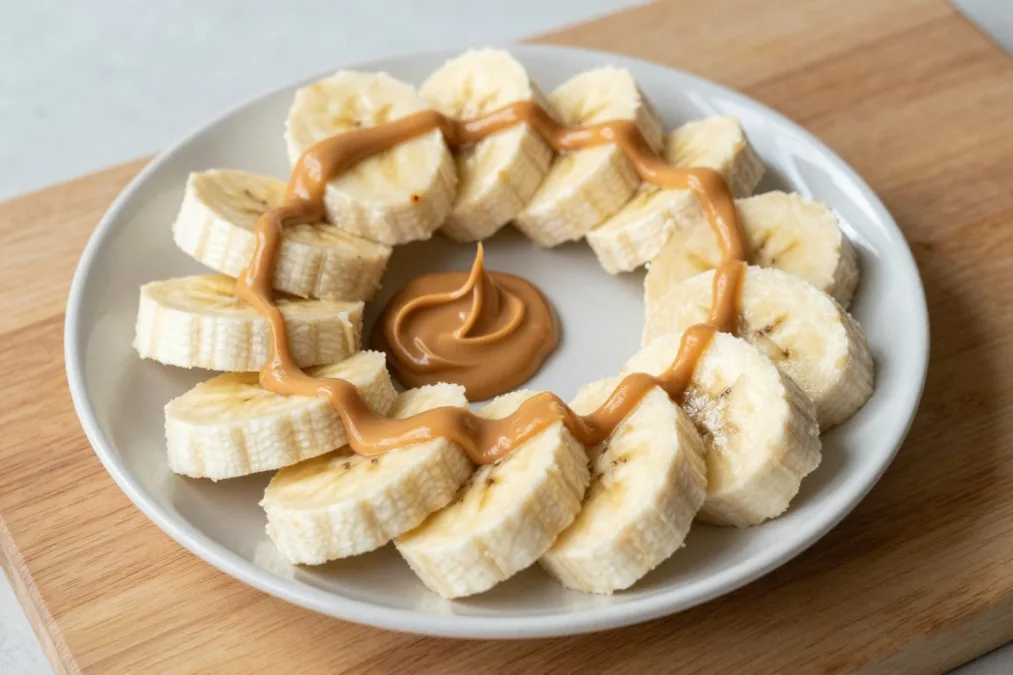
Bananas rank among the most portable and convenient fruits. They come in their own natural wrapper. The soft texture works well for younger children. Peanut butter adds protein that balances the natural fruit sugars.
This combination provides quick energy from the banana. The protein in peanut butter helps kids feel satisfied longer. Potassium supports muscle function and heart health. This snack works perfectly before or after physical activities.
Nutritional Power
- Potassium supports heart and muscle function
- Vitamin B6 aids brain development
- Protein from peanut butter promotes satiety
- Natural sugars provide quick energy
- Magnesium supports bone health
Creative Serving Ideas
Slice the banana and spread peanut butter between two slices for a sandwich. Freeze banana slices after spreading with peanut butter for a cool treat. Cut banana into coins and let kids dip each piece.
Try making banana roll-ups. Spread peanut butter on a whole wheat tortilla. Place a banana at one edge and roll it up. Slice into one-inch pieces. Kids love the fun presentation and easy-to-eat format.
Free Printable Snack Planning Guide
Download our comprehensive weekly snack planner with shopping lists, prep tips, and 50 mix-and-match healthy snack ideas. Make snack time stress-free for the whole year.
Instant PDF download. No credit card required.
6. Homemade Trail Mix
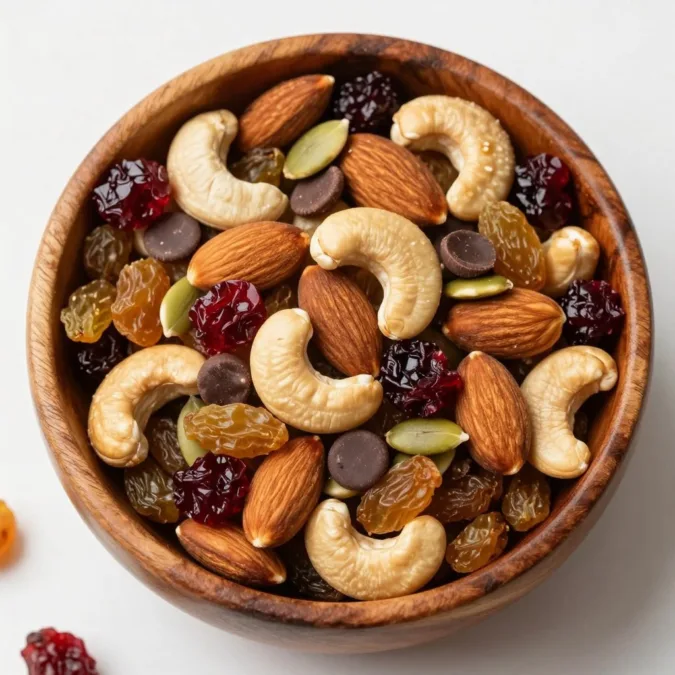
Store-bought trail mix often contains too much sugar and candy. Making your own version at home lets you control the ingredients. Combine nuts, seeds, dried fruit, and a few treats. This creates a balanced snack with lasting power.
Trail mix offers incredible convenience. You can make a big batch and portion it into small containers. Kids can grab a serving whenever they need a quick snack. The variety of textures and flavors keeps it interesting.
Nutritional Components
- Healthy fats from nuts support brain function
- Protein helps maintain steady energy
- Fiber aids digestion and satiety
- Iron from seeds supports blood health
- Natural sugars from dried fruit provide quick energy
Building the Perfect Mix
Start with a base of unsalted almonds, cashews, or walnuts. Add pumpkin seeds or sunflower seeds for crunch. Include dried fruit like raisins, cranberries, or chopped apricots. Toss in a small amount of dark chocolate chips for a treat.
Keep portions appropriate for kids. One-quarter cup makes a good serving size. Store trail mix in airtight containers. It stays fresh for several weeks at room temperature. Pack individual portions in small bags for easy grabbing.
Choking Hazard Alert: Whole nuts and seeds pose choking risks for children under four years old. Chop nuts finely or choose ground versions for younger kids. Always supervise young children during snack time.
7. Hard-Boiled Eggs
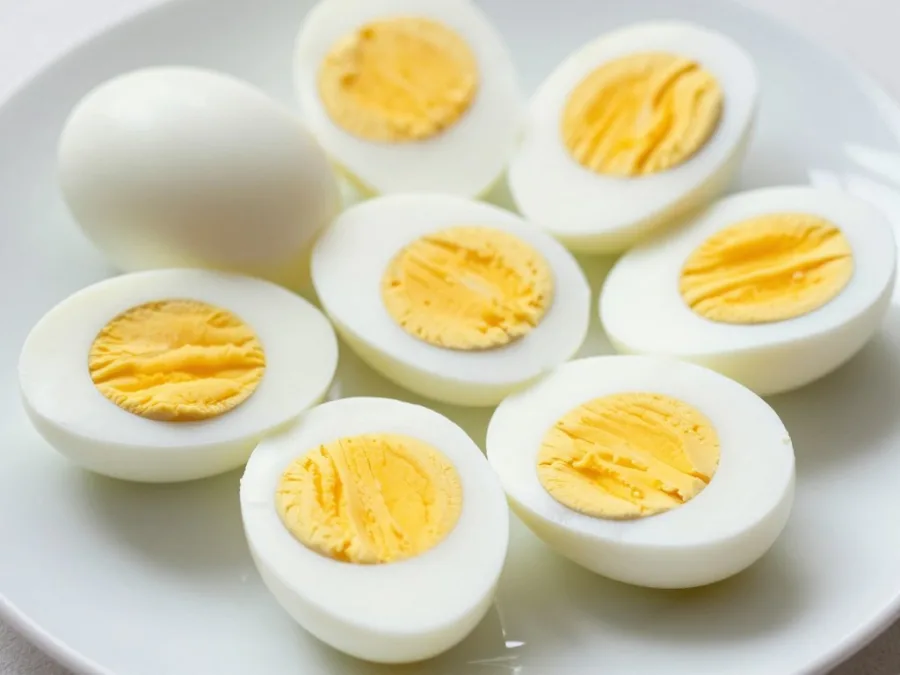
Eggs represent one of nature’s most complete protein sources. They contain all nine essential amino acids. One large egg provides six grams of protein. The yolk holds important nutrients like choline for brain development.
Hard-boiled eggs are incredibly convenient. Cook a batch at the beginning of the week. Store them in the refrigerator for quick snacks. Kids can eat them plain or with a sprinkle of salt. They provide sustained energy without added sugar.
Nutritional Excellence
- Complete protein with all essential amino acids
- Choline supports brain development and memory
- Vitamin D promotes calcium absorption
- Lutein and zeaxanthin support eye health
- B vitamins aid energy metabolism
Preparation and Storage
Place eggs in a pot and cover with cold water. Bring to a boil, then remove from heat. Cover and let sit for twelve minutes. Transfer to ice water to stop cooking. This method produces perfectly cooked eggs every time.
Store hard-boiled eggs in their shells for up to one week. Mark them with a pencil to distinguish from raw eggs. Peel just before eating to maintain freshness. Serve with a small amount of salt or everything bagel seasoning for flavor.
8. Whole Grain Toast with Avocado
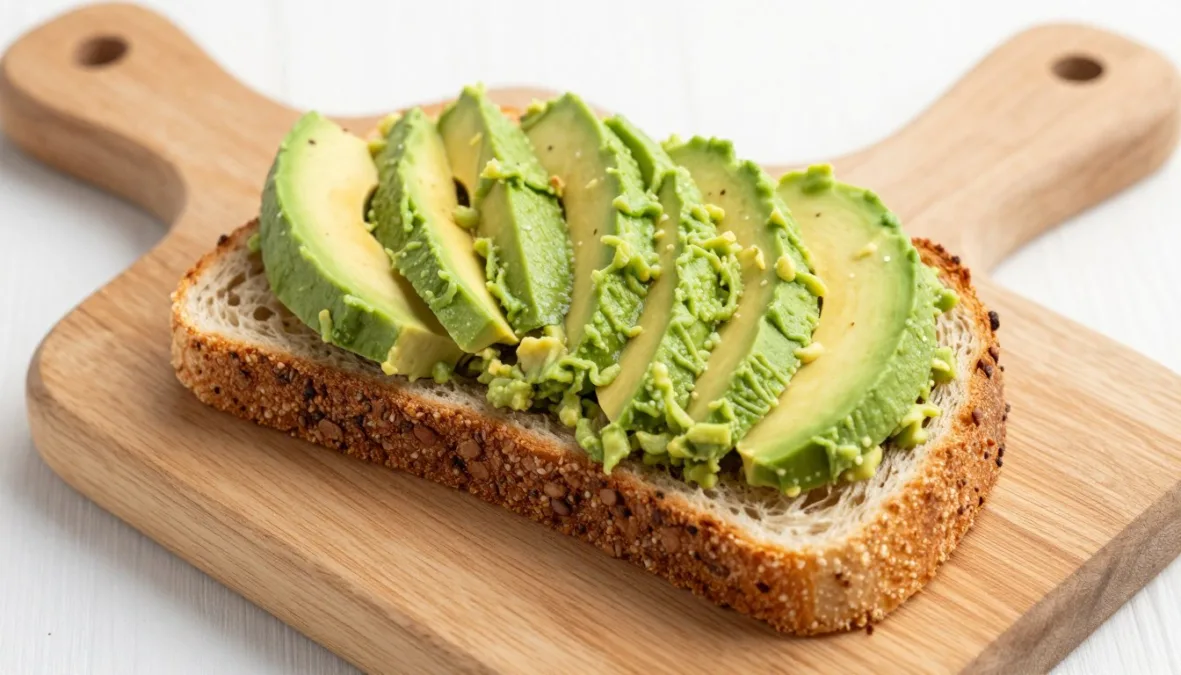
Avocado toast is not just for adults. Kids benefit from the healthy fats in avocados. These fats support brain development and help absorb fat-soluble vitamins. Whole grain bread adds fiber and complex carbohydrates.
The creamy texture of mashed avocado appeals to many children. It spreads easily on toast. You can cut the toast into strips for younger kids. This makes it easier to handle and less messy to eat.
Health Advantages
- Monounsaturated fats support heart health
- Fiber promotes healthy digestion
- Potassium regulates blood pressure
- Folate supports cell growth and development
- Vitamin E acts as an antioxidant
Making It Appealing
Toast whole grain bread until golden and crispy. Mash half an avocado with a fork. Spread it evenly on the toast. Add a tiny sprinkle of salt to enhance flavor. Cut into strips or triangles for easy eating.
Get creative with toppings. Add sliced cherry tomatoes for extra vitamins. Sprinkle with everything bagel seasoning. Place a hard-boiled egg slice on top for additional protein. Let kids help mash the avocado to increase their interest.
9. Cottage Cheese with Fruit
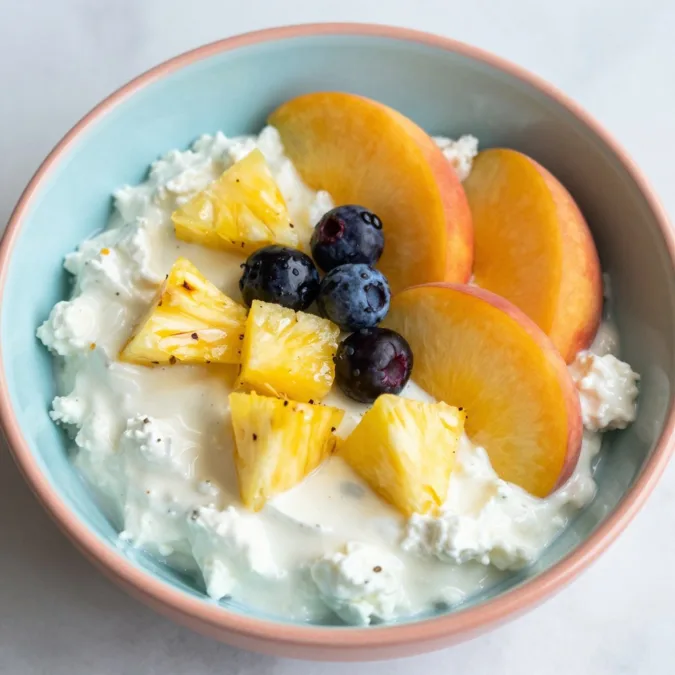
Cottage cheese provides an excellent source of protein and calcium. The mild flavor pairs well with sweet fruits. This combination creates a balanced snack that satisfies both nutritional needs and taste preferences.
The soft curds work well for kids who are still developing chewing skills. Cottage cheese contains probiotics that support gut health. Pairing it with fruit adds natural sweetness and important vitamins. This snack keeps kids full between meals.
Nutritional Benefits
- High protein content supports growth
- Calcium builds strong bones and teeth
- Probiotics promote digestive health
- Low in sugar when paired with fresh fruit
- B vitamins support energy production
Fruit Pairing Ideas
Pineapple chunks add tropical sweetness and vitamin C. Sliced peaches provide vitamin A and natural sugar. Berries contribute antioxidants and fiber. Melon balls offer hydration along with vitamins.
Choose full-fat cottage cheese for children under two. Older kids can have low-fat versions. Mix fruit directly into the cottage cheese or serve it on the side. Let children decide how much fruit to add to each bite.
10. Air-Popped Popcorn

Popcorn is a whole grain that kids love. Air-popped popcorn contains fiber and very few calories. It provides a satisfying crunch without added oils or butter. This makes it a healthier alternative to chips and other salty snacks.
Three cups of air-popped popcorn contain only about one hundred calories. It delivers four grams of fiber. Kids can eat a generous portion while still getting good nutrition. The fun texture and familiar taste make it an easy sell.
Why Popcorn Works
- Whole grain provides fiber and B vitamins
- Low in calories for the volume
- Polyphenols act as antioxidants
- Satisfying crunch appeals to kids
- Easy to season in healthy ways
Healthy Preparation Methods
Use an air popper to make popcorn without oil. This keeps it as healthy as possible. If you prefer stovetop popping, use a small amount of coconut oil. Avoid microwave popcorn bags that contain artificial flavors and excessive salt.
Season popcorn with creative flavors. Try a sprinkle of parmesan cheese. Add cinnamon for a sweet version. Use nutritional yeast for a cheesy flavor without dairy. A light spray of olive oil helps seasonings stick.
Age Consideration: Popcorn poses a choking hazard for children under four years old. Reserve this snack for older kids who can chew thoroughly. Always supervise young children during snack time.
Smart Strategies for Snack Preparation and Storage
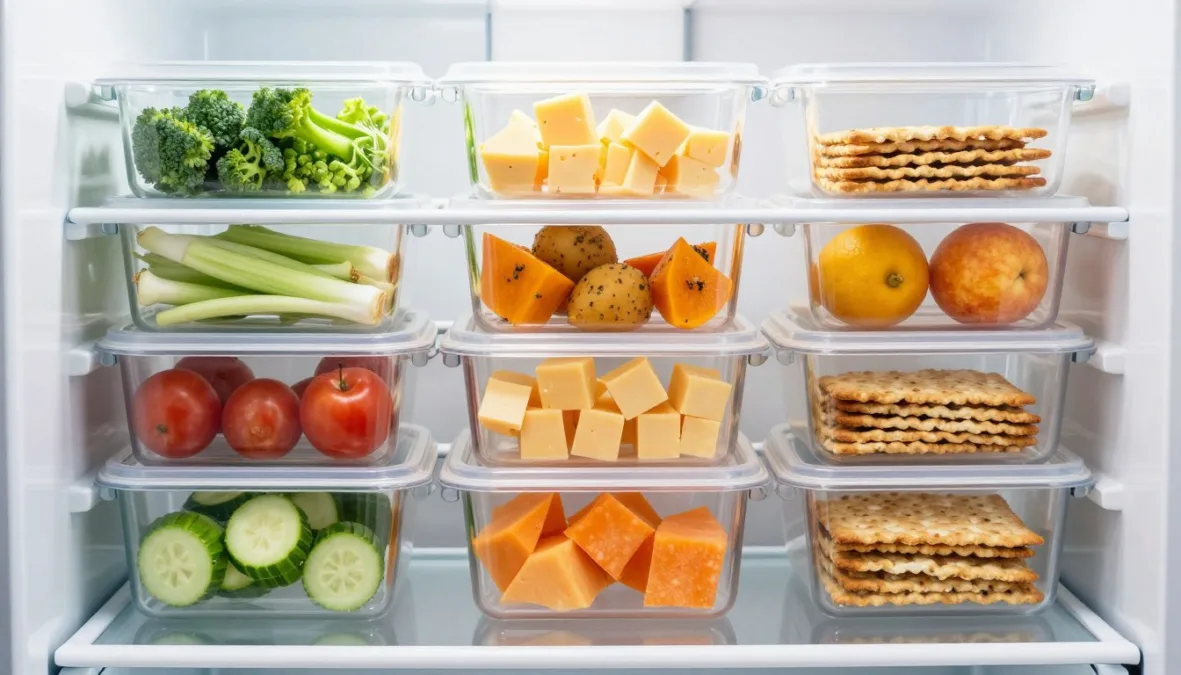
Planning ahead makes healthy snacking much easier. Set aside time each week to prepare snacks. This investment saves time and stress during busy weekdays. Kids have immediate access to good choices.
Weekly Prep Routine
Choose one day for snack preparation. Sunday afternoon works well for many families. Wash and cut fresh vegetables. Store them in containers with a damp paper towel to maintain crispness. Portion trail mix into individual bags.
Prepare hard-boiled eggs for the week. Wash and portion fresh berries. Cut cheese into cubes. These steps take about thirty minutes. They set you up for success all week long.
Storage Tips
- Use glass containers for better freshness
- Label containers with prep dates
- Keep cut fruit in airtight containers
- Store nuts and seeds in cool, dry places
- Refrigerate dairy-based snacks promptly
Portion Control
- Pre-portion snacks into single servings
- Use small containers or reusable bags
- Teach kids appropriate serving sizes
- Avoid eating directly from large packages
- Create snack stations kids can access
Creating a Snack Station
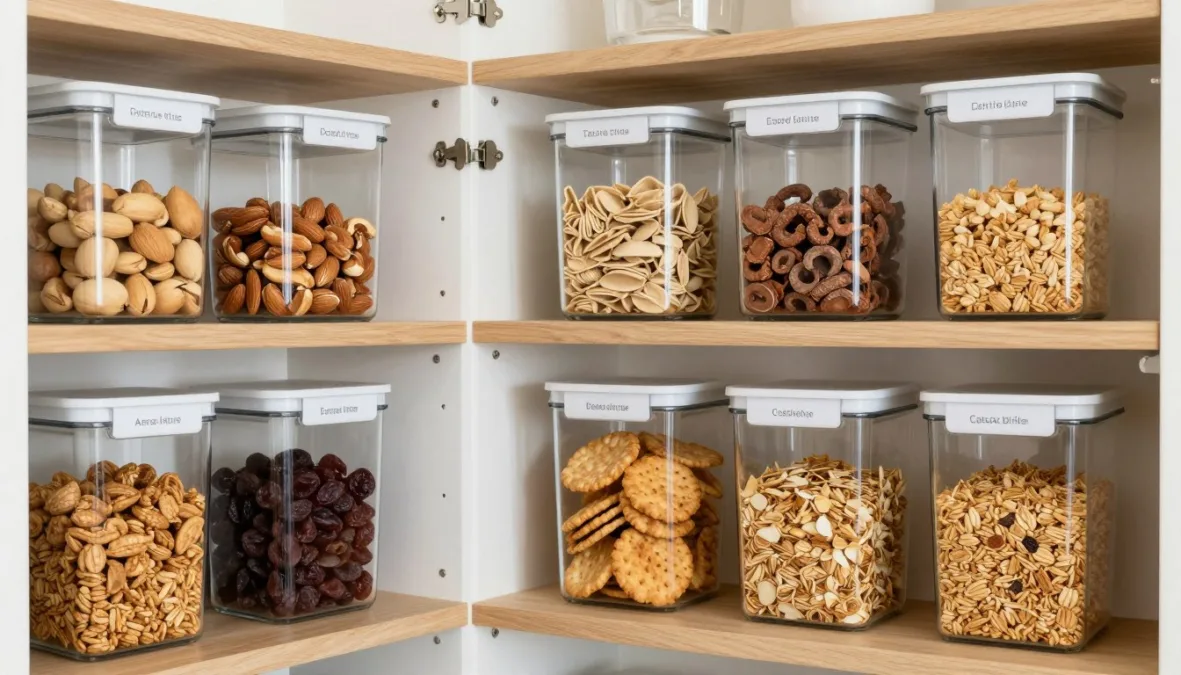
Designate one shelf or drawer for healthy snacks. Stock it with pre-portioned options kids can grab independently. This promotes autonomy while maintaining healthy boundaries. Kids feel empowered to make their own choices.
Include a variety of options in the snack station. Rotate selections weekly to prevent boredom. Keep fresh fruit in a visible bowl on the counter. Place cut veggies at eye level in the refrigerator. Make healthy choices the easiest choices.
Handling Picky Eaters and Food Resistance

Many parents struggle with picky eaters. Children naturally go through phases of food preferences. Understanding this helps reduce mealtime battles. Several strategies can help expand a child’s palate over time.
The Exposure Approach
Research shows kids often need multiple exposures to new foods. They may need to see a food ten to fifteen times before trying it. Keep offering healthy options without pressure. Do not force kids to eat anything.
Place new foods alongside familiar favorites. Let children observe without obligation. They may surprise you by trying something new when they feel ready. Patience works better than pressure.
Expert Insight: Children learn eating habits by watching others. Eat the same healthy snacks you want your kids to try. Model positive attitudes toward nutritious foods. Avoid making negative comments about vegetables or other healthy options.
Making Food Fun
Presentation matters for kids. Arrange foods in fun patterns or shapes. Use cookie cutters to create stars or hearts from cheese. Build veggie trains or fruit rainbows. These simple touches increase appeal significantly.
Let children help prepare snacks. Kids are more likely to eat foods they helped make. Assign age-appropriate tasks. Younger children can wash produce. Older kids can measure ingredients or arrange items on plates.
- Offer new foods repeatedly without pressure
- Make healthy snacks easily accessible
- Involve kids in food preparation
- Create fun presentations and arrangements
- Model healthy eating habits yourself
- Praise trying new foods without forcing
- Keep mealtimes positive and relaxed
Do These Things
- Forcing kids to clean their plates
- Using dessert as a reward for eating vegetables
- Making separate meals for picky eaters
- Bribing kids to try new foods
- Expressing frustration about food choices
- Labeling children as picky eaters
- Creating battles around food
Avoid These Mistakes
Portable Snack Ideas for Active Families
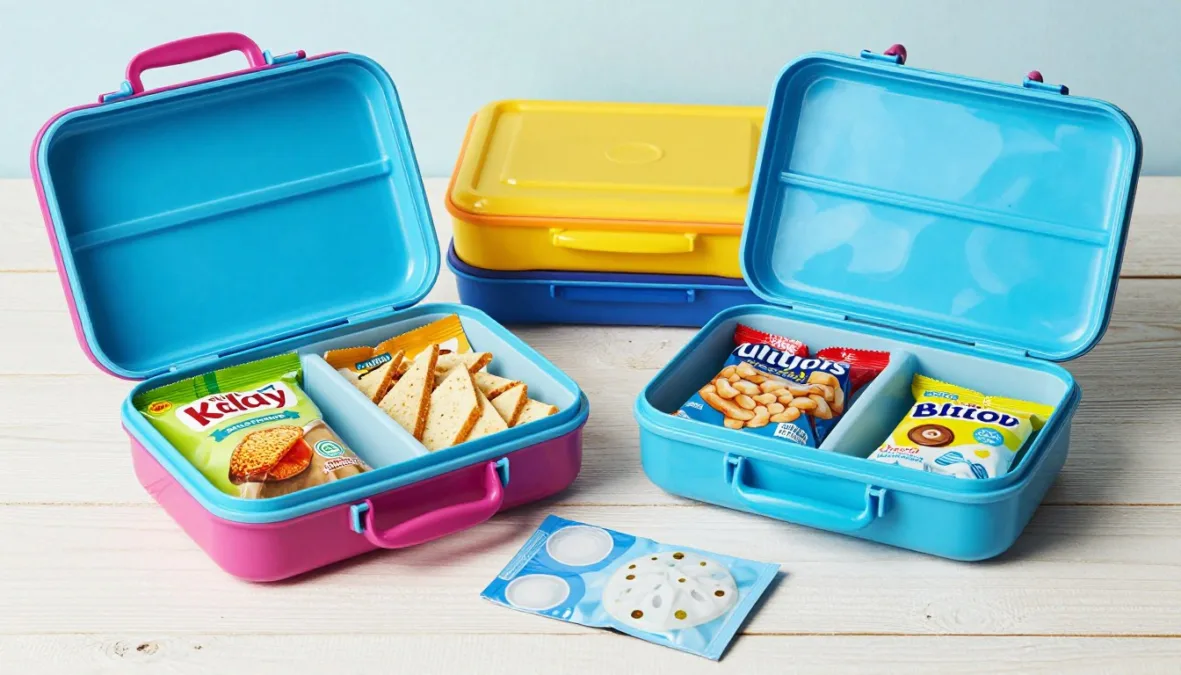
Busy families need snacks that travel well. Sports practices, school events, and road trips require portable options. These snacks maintain quality outside the refrigerator. They survive being tossed in backpacks and lunch boxes.
Room Temperature Champions
Some snacks thrive at room temperature. Whole fruit like apples, bananas, and oranges need no refrigeration. Individual nut butter packets pair perfectly with whole grain crackers. Homemade granola bars hold up well in lunch boxes.
Trail mix travels exceptionally well. Divide it into small containers or bags. Dried fruit provides concentrated nutrition in a portable form. Whole grain crackers with shelf-stable cheese portions work for quick energy. Popcorn in small bags makes a light, crunchy option.
Cold Snack Solutions
Some snacks require cooling but still travel successfully. Invest in a good insulated lunch bag. Add ice packs to keep foods at safe temperatures. This opens up many more snack possibilities.
Pack yogurt tubes that freeze overnight and thaw by snack time. Include cut vegetables with hummus in separate containers. Cheese sticks stay fresh for several hours with proper cooling. Hard-boiled eggs travel well when kept cold.
Essential Packing Supplies
- Insulated lunch bags in fun colors
- Reusable ice packs in various sizes
- Small containers with tight lids
- Reusable snack bags and pouches
- Napkins and wet wipes for cleanup
Food Safety Guidelines
- Keep cold foods below forty degrees Fahrenheit
- Discard perishables left out over two hours
- Pack foods in separate sealed containers
- Include multiple ice packs for longer trips
- Pre-chill insulated bags before packing
Time-Saving Hacks
- Prep snacks the night before outings
- Keep backup snacks in your car
- Use washable containers for easy cleanup
- Create a snack packing station at home
- Rotate selections to prevent boredom
Making Healthy Snacks Affordable
Some people believe healthy eating costs too much. Smart shopping strategies make nutritious snacks affordable for any budget. Planning and preparation reduce costs significantly. Focus on whole foods instead of expensive packaged items.
Cost-Effective Shopping Tips
Buy fruits and vegetables in season. Seasonal produce costs less and tastes better. Frozen fruits and vegetables offer excellent nutrition at lower prices. They are picked at peak ripeness and frozen immediately. This preserves nutrients effectively.
Purchase larger containers of plain yogurt instead of individual cups. Buy blocks of cheese and cut them yourself. Whole nuts cost less than pre-portioned packs. Make your own trail mix instead of buying premade versions. These simple swaps save considerable money over time.
| Snack Option | Budget Version | Cost Savings | Prep Time |
| Trail Mix | Buy ingredients in bulk and mix at home | Save up to sixty percent | Ten minutes |
| Yogurt Cups | Buy large containers and portion yourself | Save up to fifty percent | Five minutes |
| Pre-Cut Vegetables | Buy whole vegetables and cut them | Save up to seventy percent | Fifteen minutes |
| Snack Bars | Make homemade granola bars | Save up to sixty-five percent | Twenty minutes |
| Individual Nut Butter | Buy jar and portion into small containers | Save up to fifty-five percent | Five minutes |
Reducing Food Waste
Food waste drains family budgets. Plan snacks around what you already have. Use produce before it spoils. Turn overripe bananas into frozen treats. Blend soft berries into smoothies. Creativity prevents waste and saves money.
Store foods properly to extend freshness. Keep berries in the refrigerator in their original containers. Wrap cut vegetables in damp paper towels. Freeze bread if you will not use it quickly. These habits maximize your grocery investment.
Building Lifelong Healthy Eating Habits

The snack choices you make now shape your child’s future relationship with food. Early experiences create lasting preferences. Children who grow up eating nutritious snacks continue those habits as adults. This foundation supports lifelong health.
Teaching Food Appreciation
Help kids understand where food comes from. Visit farmers markets together. Grow simple vegetables or herbs at home. These experiences create connections between food and nature. Children develop appreciation for whole foods.
Discuss nutrition in age-appropriate ways. Explain how different foods help their bodies. Talk about how protein builds muscles. Describe how calcium strengthens bones. This knowledge empowers kids to make informed choices.
Benefits of Early Nutrition Education
- Children make better food choices independently
- Kids develop positive relationships with all foods
- Understanding nutrition reduces anxiety about eating
- Children become adventurous eaters over time
- Healthy habits continue into adulthood
- Kids can identify hunger versus boredom
Common Pitfalls to Avoid
- Labeling foods as good or bad creates guilt
- Restricting treats increases their appeal
- Too much nutrition talk causes food anxiety
- Forcing vegetables creates negative associations
- Using food as rewards disrupts natural hunger cues
- Excessive focus on weight damages body image
Creating Positive Food Environments
Make mealtimes and snack times pleasant. Avoid distractions like television during eating. Sit together when possible. These moments build family connections. They also help kids tune into their hunger and fullness signals.
Trust children to regulate their own intake. Offer healthy options and let them decide how much to eat. This approach prevents power struggles. It teaches kids to listen to their bodies. They learn natural portion control.
Common Questions About Healthy Snacks for Kids
How many snacks should kids eat each day?
Most children benefit from one to three snacks daily, depending on their age and activity level. Younger kids with smaller stomachs need more frequent eating opportunities. School-age children typically do well with one mid-morning snack and one afternoon snack. Listen to your child’s hunger cues rather than following rigid schedules. Active kids involved in sports may need additional snacks to fuel their activities.
What if my child only wants cookies and crackers?
Start by improving the quality of the crackers and cookies available. Choose whole grain crackers with minimal ingredients. Offer cookies made with oats, nuts, and dried fruit. Gradually introduce new options alongside familiar favorites. Do not completely ban preferred snacks, as this often increases their appeal. Instead, expand choices slowly while making nutritious options readily available and appealing.
How can I get my kids to eat more vegetables?
Start with mild-flavored veggies like cucumbers and bell peppers. Offer a favorite dip to make them more appealing. Let kids help grow vegetables in a garden or containers. Children who watch vegetables grow often become more willing to try them. Cut vegetables into fun shapes or arrange them creatively. Keep offering without pressure. Multiple exposures increase acceptance over time.
Are packaged snacks ever okay?
Some packaged snacks provide good nutrition and convenience. Look for options with short ingredient lists containing recognizable foods. Choose snacks with whole grains listed first. Check that they contain minimal added sugars and healthy fats. Read labels carefully. Many packaged snacks marketed to kids contain excessive sugar and artificial ingredients. Select wisely and use packaged snacks as occasional convenience items rather than daily staples.
What about food allergies and restrictions?
Many healthy snack options work for various dietary restrictions. For nut allergies, substitute sunflower seed butter or pumpkin seed butter. Dairy-free kids can enjoy hummus, fruit, vegetables, and many other whole foods. Gluten-free families have numerous options including fruits, vegetables, nuts, seeds, cheese, and yogurt. Rice cakes and corn-based snacks work for gluten restrictions. Always read labels carefully and consult with your pediatrician about specific dietary needs.
How do I handle snack requests close to mealtime?
Establish clear snack timing guidelines that work for your family. Many families stop snacks one to two hours before meals. If kids request food close to dinner, offer raw vegetables or a small piece of fruit. These options provide nutrition without spoiling appetite. Explain that a meal is coming soon. Consistency with timing helps kids learn to wait. Their hunger will be appropriate for the upcoming meal.
Seasonal Snack Variations Throughout the Year
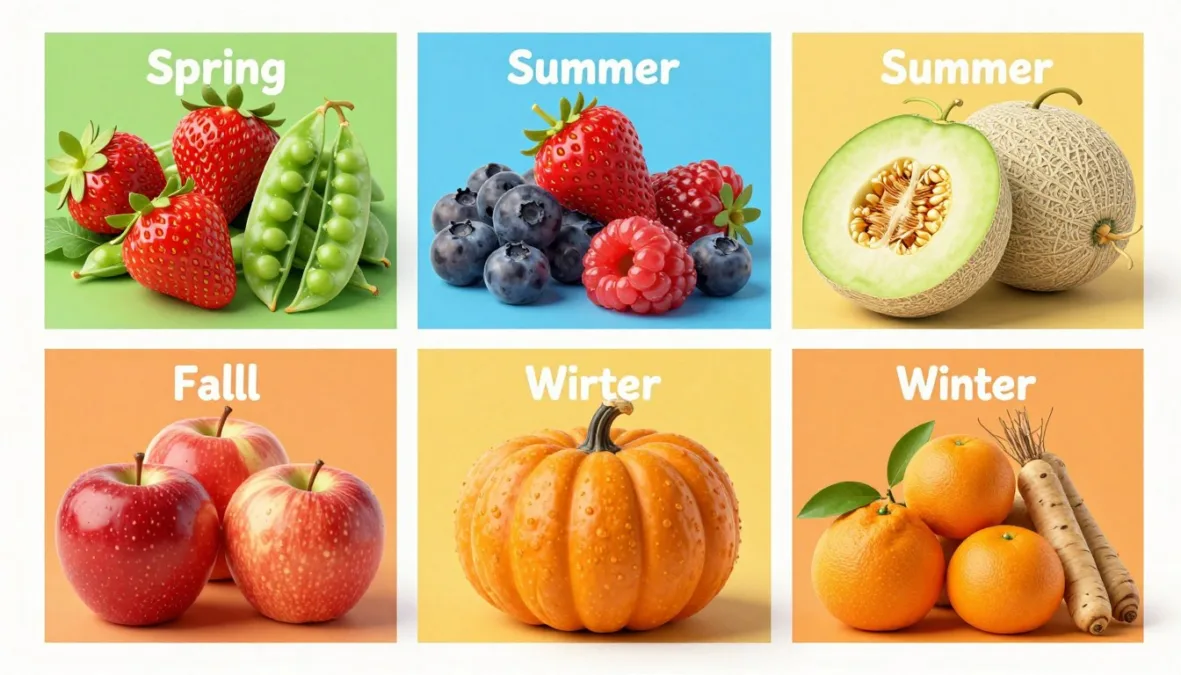
Taking advantage of seasonal produce makes snacks more affordable and flavorful. Fruits and vegetables taste best when naturally ripe. Buying in season reduces costs significantly. Each season offers unique snacking opportunities.
Spring and Summer Options
Warm months bring abundant fresh produce. Berries reach peak sweetness in late spring and summer. Watermelon provides hydration on hot days. Cherry tomatoes make perfect bite-sized snacks. Fresh peaches and plums offer natural candy sweetness.
Take advantage of farmers market abundance. Many markets offer samples that introduce kids to new fruits and vegetables. The experience of shopping at markets makes kids more interested in trying new foods. Plus, you support local farmers and get the freshest possible produce.
Fall and Winter Choices
Cooler months feature different produce. Apples and pears provide excellent fall snacking. Citrus fruits peak in winter, offering vitamin C when kids need immune support. Root vegetables make satisfying roasted snacks. Pomegranate seeds add fun texture and antioxidants.
Frozen fruits work beautifully during winter months. They retain excellent nutrition and cost less than out-of-season fresh options. Blend frozen berries into smoothies. Use frozen mango chunks for tropical flavor year-round. Keep a variety of frozen fruits on hand for consistent access to nutrients.
Spring Favorites
- Fresh strawberries
- Sugar snap peas
- Asparagus spears
- Green beans
Summer Stars
- Watermelon chunks
- Blueberries
- Cherry tomatoes
- Cucumber slices
Fall Options
- Apple varieties
- Pear slices
- Grapes
- Roasted pumpkin seeds
Winter Picks
- Clementines
- Pomegranate seeds
- Kiwi fruit
- Roasted root veggies
Transitioning from Processed to Whole Food Snacks
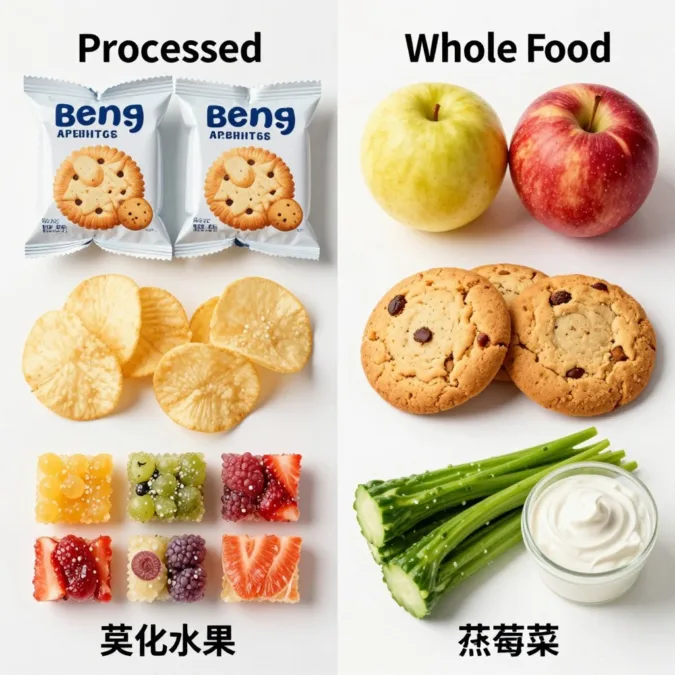
Many families currently rely on packaged, processed snacks. Making the switch to whole foods can feel overwhelming. A gradual approach works better than drastic changes. Small steps lead to lasting results.
The Gradual Replacement Method
Do not throw out all processed snacks at once. This creates resistance and rebellion. Instead, replace one processed snack per week with a whole food option. Start with snacks kids already tolerate. Swap fruit snacks for fresh berries. Trade chips for popcorn. Replace cookies with homemade versions.
Improve the quality of packaged items you keep. Choose crackers made with whole grains. Select granola bars with recognizable ingredients. Read labels carefully. This intermediate step moves toward better nutrition without requiring complete home preparation.
Week-by-Week Transition Plan
- Week one: Replace afternoon fruit snacks with fresh fruit
- Week two: Swap morning granola bar for yogurt with berries
- Week three: Change chip option to air-popped popcorn
- Week four: Replace packaged cheese crackers with cheese and whole grain crackers
- Week five: Substitute juice boxes for water with fruit slices
- Week six: Change cookies to homemade oat-based version
- Week seven: Replace candy with trail mix containing dark chocolate chips
- Week eight: Swap flavored yogurt for plain yogurt with honey and fruit
Managing Expectations and Setbacks
Change takes time. Some weeks will go smoothly. Others will feel challenging. Kids may resist new options initially. This is completely normal. Continue offering without pressure. Maintain patience throughout the process.
Special occasions still allow treats. Birthday parties and holidays can include traditional favorites. Balance matters more than perfection. The goal is establishing healthier patterns most of the time. Occasional indulgences fit within a healthy overall approach.
Creating a Healthier Future One Snack at a Time
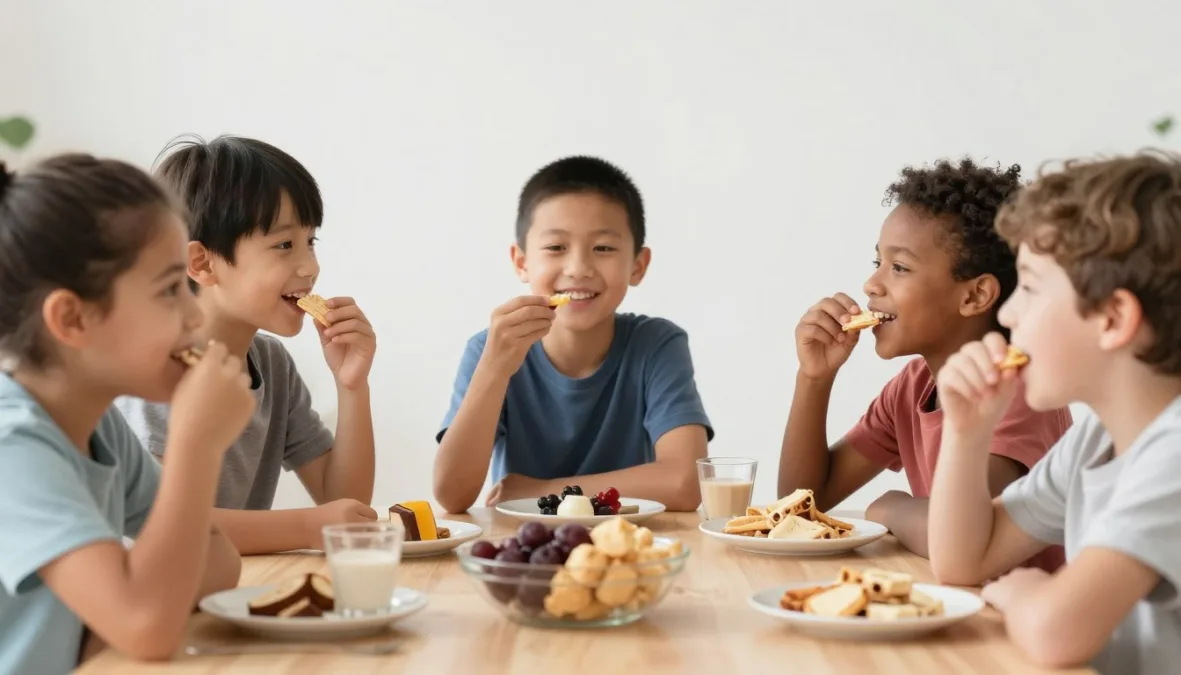
Healthy snacking does not require perfection. It simply means making better choices most of the time. The ten snack options shared here provide excellent starting points. Each offers real nutrition that supports growing bodies and developing minds.
Small changes create meaningful results. Replacing one processed snack with a whole food option makes a difference. Over time, these changes add up. Your kids get more nutrients. They develop preferences for real food. Everyone benefits from improved energy and health.
Remember that feeding kids is a journey. Some days will go better than others. Focus on progress rather than perfection. Keep offering nutritious options. Model healthy eating yourself. Create positive food experiences. These efforts shape your children’s lifelong relationship with food.
Start with one or two snacks from this list. Master those before adding more. Build confidence through small successes. Soon, healthy snacking becomes your family’s natural routine. Your kids will develop tastes for nutritious foods. They will carry these preferences into adulthood.
Start Your Healthy Snacking Journey Today
Join our community of parents committed to raising healthy eaters. Get instant access to our complete healthy snacking toolkit including meal planners, shopping lists, and over 100 kid-approved snack recipes.
Bonus: New subscribers receive our exclusive “30-Day Healthy Snack Challenge” with daily ideas and motivation to transform your family’s snacking habits.
The journey to healthier snacking starts with a single choice. Every nutritious snack you offer plants seeds for lifelong wellness. Your efforts today create benefits that extend far into the future. Kids who learn to love whole foods carry this knowledge throughout their lives.
Trust the process. Be patient with yourself and your children. Celebrate small victories along the way. Before long, reaching for fruit instead of candy becomes automatic. Choosing vegetables over chips feels natural. These habits become part of who your family is.
You have everything you need to succeed. Armed with these ten healthy snack ideas and practical strategies, you can confidently nourish your kids. They will thrive on the nutrition you provide. Start today with one simple snack. Your family’s healthier future begins right now.

Priyanka Pandey
Senior Research Editor · Top10Sense
Priyanka specializes in tech, consumer products, and digital trends. She combines hands-on testing, vendor interviews, and database research to create trustworthy “Top 10” rankings. Her work has been referenced by industry blogs and brand report pages.