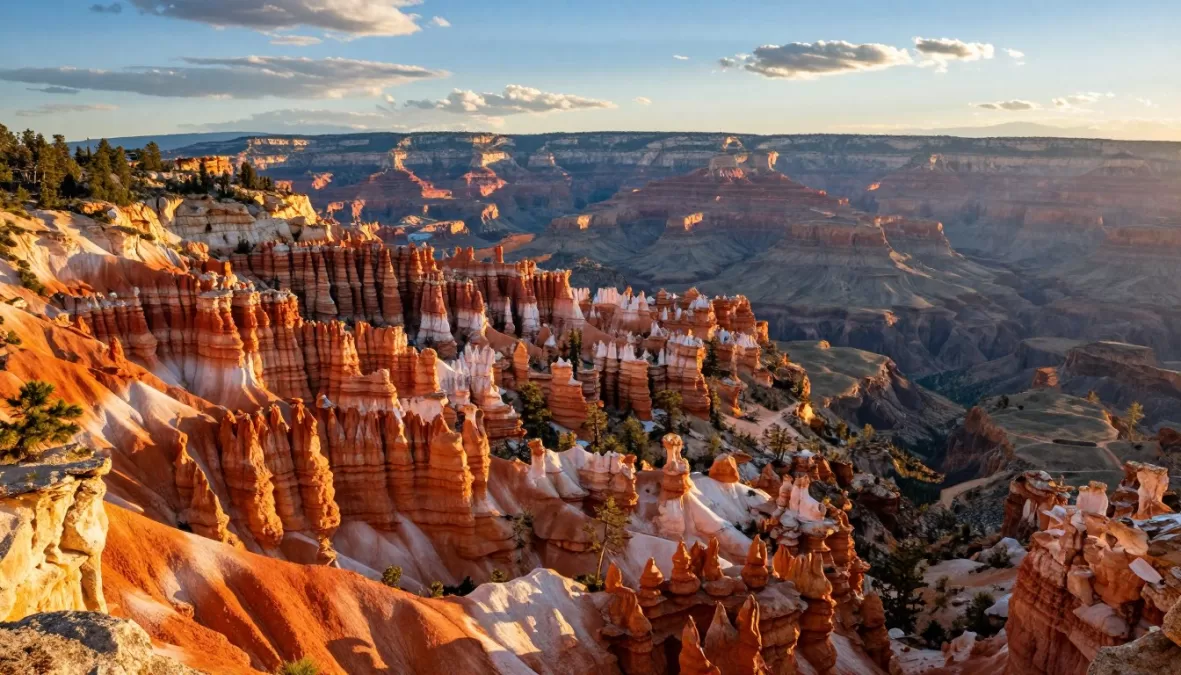

America’s national parks represent some of the most breathtaking natural wonders in the world. From towering granite cliffs to vast desert landscapes, these protected areas showcase the incredible diversity of our planet.
Planning a visit to the national parks can feel overwhelming. With 63 designated national parks across the United States, choosing where to start your adventure requires careful consideration.
This comprehensive guide highlights the top 10 national parks in USA that offer unforgettable experiences for every type of traveler. Whether you seek challenging hikes, stunning photography opportunities, or peaceful moments in nature, these parks deliver extraordinary memories.
Download Your Free Planning Guide
Get our comprehensive National Parks Planning Guide with detailed itineraries, packing lists, and insider tips for all 10 parks featured in this article.
1. Grand Canyon National Park: The Crown Jewel of American Landscapes

The Grand Canyon stands as one of the most iconic natural wonders on Earth. This massive gorge carved by the Colorado River over millions of years stretches 277 miles long and reaches depths of over a mile.
Visitors experience overwhelming awe when first glimpsing the canyon’s vast expanse. The sheer scale defies comprehension until you stand at the rim yourself.
What Makes Grand Canyon National Park Unique
Grand Canyon National Park showcases geological history spanning nearly two billion years. The exposed rock layers reveal Earth’s ancient past in stunning detail.

The South Rim welcomes visitors year-round with easy access and spectacular viewpoints. This section receives the most traffic but offers unparalleled infrastructure and viewing opportunities.
The North Rim provides a more remote experience with cooler temperatures and fewer crowds. Open only from mid-May through mid-October, this area offers unique perspectives on the canyon.
Best Activities and Must-See Attractions
Rim Trail Highlights
The Rim Trail offers accessible walking paths along the canyon edge with numerous viewpoints perfect for all fitness levels.
- Mather Point sunrise viewing
- Yavapai Geology Museum
- Grand Canyon Village historic district
- Desert View Watchtower
Challenging Hikes
Experienced hikers tackle trails descending into the canyon for closer encounters with this geological masterpiece.
- Bright Angel Trail
- South Kaibab Trail
- Rim-to-Rim crossing
- North Kaibab Trail
Scenic Drives
Driving routes provide access to remote viewpoints and showcase the canyon from different perspectives throughout the day.
- Desert View Drive
- Hermit Road
- Cape Royal Road (North Rim)
- Point Imperial Road
Adventure Activities
Beyond hiking, the Grand Canyon offers unique ways to experience this natural wonder from different vantage points.
- Mule rides into canyon
- Colorado River rafting
- Helicopter tours
- Backcountry camping

Practical Visitor Information
The South Rim remains open 24 hours daily throughout the year. The North Rim operates seasonally from May 15 to October 15, weather permitting.
Entry fees for Grand Canyon National Park cost $35 per vehicle for a seven-day pass. Annual passes and other options provide better value for frequent visitors.
Best Time to Visit: Spring (March-May) and fall (September-November) offer ideal weather conditions with moderate temperatures and fewer summer crowds. Summer brings extreme heat, especially in the inner canyon. Winter provides solitude but requires preparation for snow and ice.
Accommodation Options Near Grand Canyon
Grand Canyon Village offers several lodging options directly within the national park. Reservations fill up months in advance, especially during peak summer season.

Tusayan, located just outside the South Rim entrance, provides numerous hotels and restaurants. This gateway town offers convenience with slightly lower prices than in-park lodging.
Camping provides an affordable way to stay near the canyon. Mather Campground and Trailer Village accommodate RVs and tent campers with modern facilities.

Plan Your Grand Canyon Adventure
Ready to experience the majesty of the Grand Canyon? Book your accommodation, tours, and activities now to secure the best options for your visit.
2. Yellowstone National Park: America’s First National Park

Yellowstone earned designation as the world’s first national park in 1872. This groundbreaking decision established a model for conservation that spread across the globe.
The park spans 2.2 million acres across Wyoming, Montana, and Idaho. This vast wilderness contains more geothermal features than anywhere else on Earth.
Geothermal Wonders and Wildlife
Over 10,000 geothermal features dot Yellowstone’s landscape. Hot springs, geysers, mudpots, and fumaroles create an otherworldly environment unlike anywhere else.

Old Faithful remains the park’s most famous attraction. This reliable geyser erupts approximately every 90 minutes, shooting water up to 180 feet high.
The Grand Prismatic Spring dazzles visitors with its rainbow colors. Measuring 370 feet across, this hot spring ranks as the largest in the United States.
Abundant Wildlife Viewing Opportunities
Yellowstone National Park protects one of the largest intact ecosystems in the temperate zone. Nearly 300 species of birds call this park home during various seasons.

Grizzly bears and black bears roam throughout Yellowstone. Visitors should maintain safe distances and follow all bear safety protocols.
The Lamar Valley offers exceptional wildlife watching year-round. Early morning and evening hours provide the best chances to spot wolves, elk, and bison.
Key Wildlife Species
- Gray wolves (reintroduced in 1995)
- Grizzly and black bears
- American bison herds
- Elk and pronghorn
- Bighorn sheep
- Moose in wetland areas

Exploring Yellowstone’s Diverse Landscapes
The park’s road system forms a figure-eight pattern called the Grand Loop. This 142-mile route connects major attractions and provides access to different park regions.

Yellowstone Lake covers 136 square miles at 7,733 feet elevation. This high-altitude lake remains cold year-round but offers boating and fishing opportunities in summer.
The Grand Canyon of the Yellowstone features stunning yellow and orange rock walls. The Yellowstone River plunges over two major waterfalls within this dramatic gorge.
Best Times and Seasons to Visit
Summer months from June through August attract the largest crowds. All roads stay open and wildlife viewing reaches peak activity levels.
Shoulder Season Advantages: May and September offer fewer crowds with pleasant weather. Many animals remain active, and most facilities stay open. Spring brings baby animals, while fall showcases rutting elk and changing leaves.
Winter transforms Yellowstone into a snow-covered wonderland. Only the north entrance road remains open to vehicles, but snowcoach and snowmobile tours provide access to interior areas.

Accommodation and Camping
Nine lodges operate within Yellowstone National Park during summer months. Old Faithful Inn, built in 1904, offers rustic charm with modern conveniences.
Twelve campgrounds provide over 2,000 campsites throughout the park. Five campgrounds accept reservations, while others operate on a first-come basis.
Gateway towns surrounding Yellowstone offer additional lodging options. West Yellowstone, Gardiner, and Cody provide hotels, restaurants, and services just outside park boundaries.

Book Your Yellowstone Experience
Secure your lodging and reserve your spot for guided tours in America’s first national park. Early booking ensures the best selection of accommodations and activities.
3. Yosemite National Park: California’s Granite Masterpiece

Yosemite National Park captivates visitors with its towering granite cliffs and giant sequoia trees. Located in California’s Sierra Nevada mountains, this park protects 750,000 acres of wilderness.
Glaciers carved Yosemite Valley thousands of years ago. The result is a dramatic U-shaped valley surrounded by some of the world’s most recognizable rock formations.
Iconic Landmarks and Rock Formations
El Capitan rises 3,000 feet from the valley floor in one continuous granite face. Rock climbers from around the world come to test their skills on this legendary monolith.

Half Dome stands as Yosemite’s most distinctive peak. This granite dome rises nearly 5,000 feet above the valley floor with its unique shape visible for miles.
Tunnel View provides the classic Yosemite panorama. From this viewpoint, visitors see El Capitan, Half Dome, and Bridalveil Fall in one sweeping vista.
Spectacular Waterfalls Throughout the Seasons
Yosemite Falls ranks as North America’s tallest waterfall at 2,425 feet. Peak flow occurs in May when snowmelt creates thunderous cascades.

Bridalveil Fall flows year-round with water that appears to float in the breeze. This 620-foot waterfall creates a misty veil effect that inspired its name.
Vernal Fall and Nevada Fall reward hikers with close-up waterfall experiences. The Mist Trail passes directly beside Vernal Fall, drenching adventurous visitors in spray.
Major Waterfalls
Yosemite’s waterfalls range from seasonal streams to year-round cascades that shape the park’s character.
- Yosemite Falls (2,425 feet)
- Bridalveil Fall (620 feet)
- Vernal Fall (317 feet)
- Nevada Fall (594 feet)
Best Viewing Times
Waterfall flow varies dramatically by season, with spring offering the most spectacular displays.
- Peak flow: April-June
- Moderate flow: March, July
- Low flow: August-October
- Some dry by late summer
Photography Tips
Capturing Yosemite’s waterfalls requires planning for the best light and conditions throughout the day.
- Morning light on falls
- Moonbow opportunities
- Long exposure techniques
- Spring rainbow chances
Access Points
Different trails and viewpoints offer unique perspectives on each waterfall throughout the park.
- Easy valley floor views
- Moderate hiking trails
- Challenging climbs
- Wheelchair-accessible spots
Giant Sequoias and Ancient Forests
Mariposa Grove contains over 500 mature giant sequoias. The Grizzly Giant stands as one of the largest trees on Earth at approximately 1,800 years old.

The Tuolumne Grove and Merced Grove offer quieter alternatives to Mariposa Grove. These smaller groves require hiking but reward visitors with more solitude.
High Country Adventures and Tioga Road
Tioga Road crosses Yosemite’s high country from west to east. This scenic route reaches elevations over 9,000 feet and typically opens in late May or June.

Tuolumne Meadows sits at 8,600 feet elevation. This subalpine meadow blooms with wildflowers in summer and serves as a base for backcountry exploration.
Olmsted Point offers stunning views of Half Dome’s backside. Glacially polished granite surrounds this high-elevation viewpoint along Tioga Road.
Planning Your Yosemite Visit
Yosemite Valley experiences heavy congestion during summer months. A reservation system now limits daily entry during peak season from May through September.
Reservation Requirements: Day-use reservations are required for Yosemite Valley during peak hours (6 AM to 4 PM) from May through September. Book your reservation well in advance through the official National Park Service website.
Entry fees cost $35 per vehicle for a seven-day pass. The park remains open year-round, though Tioga Road closes in winter due to snow.
Four lodges operate within Yosemite Valley year-round. The Ahwahnee stands as the most luxurious option with its grand architecture and fine dining.

Thirteen campgrounds throughout the park accommodate tent and RV campers. Valley campgrounds require reservations up to five months in advance.

Reserve Your Yosemite Adventure
Don’t miss out on experiencing this granite wonderland. Secure your entry reservation, lodging, and camping spots for an unforgettable Yosemite experience.
4. Zion National Park: Utah’s Red Rock Paradise

Zion National Park showcases towering red sandstone cliffs that rise over 2,000 feet above the canyon floor. The Virgin River carved this stunning canyon over millions of years.
Located in southwestern Utah, Zion attracts over 4 million visitors annually. The park’s unique geology creates some of the most dramatic landscapes in the United States.
The Main Canyon and Scenic Drive
Zion Canyon forms the park’s centerpiece with sheer cliff walls in shades of cream, pink, and red. A shuttle system transports visitors through the canyon during peak season from March through November.

The Court of the Patriarchs features three massive peaks named Abraham, Isaac, and Jacob. This viewpoint offers easy access to one of Zion’s most photographed scenes.
Weeping Rock demonstrates Zion’s unique hydrology. Water seeps through sandstone and emerges from cliff faces, creating hanging gardens of ferns and wildflowers.
World-Famous Hiking Adventures
Angels Landing ranks among America’s most thrilling hikes. The final half-mile follows a narrow ridge with chains for support and 1,000-foot drops on both sides.

The Narrows takes hikers through the Virgin River itself. Walking upstream through water between towering 1,000-foot walls creates an unforgettable experience.
Permit Alert: Angels Landing now requires advance permits obtained through a lottery system. The Narrows requires monitoring of weather and river conditions. Flash floods can occur rapidly during monsoon season from July through September.
Observation Point provides panoramic views of Zion Canyon from above. This challenging 8-mile round-trip hike gains 2,148 feet in elevation.
Popular Hiking Trails
- Angels Landing (5.4 miles, strenuous)
- The Narrows (varies, moderate to strenuous)
- Observation Point (8 miles, strenuous)
- Emerald Pools (1.2-3 miles, easy to moderate)
- Canyon Overlook (1 mile, moderate)
- Watchman Trail (3.3 miles, moderate)

Kolob Canyons: The Hidden Gem
Kolob Canyons sits in a separate section accessed from Interstate 15. This quieter area showcases finger canyons with brilliant red rock formations.

The Kolob Arch trail leads to one of the world’s largest natural arches. This remote backcountry hike spans 14 miles round-trip through pristine wilderness.
Best Seasons and Weather Considerations
Spring from March through May brings moderate temperatures and blooming wildflowers. This season offers ideal hiking conditions before summer heat arrives.
Summer temperatures regularly exceed 100°F in the canyon. Early morning hikes provide the best strategy for avoiding extreme heat.

Fall months from September through November deliver pleasant weather and stunning autumn colors. Cottonwood trees turn brilliant gold against red canyon walls.
Winter offers solitude with occasional snow dusting the red rocks. Trails at lower elevations remain accessible, while higher routes may require traction devices.
Lodging and Gateway Towns
Zion Lodge stands as the only lodging within the park. This historic property offers cabins and motel rooms in the heart of Zion Canyon.
Springdale sits directly outside the park’s south entrance. This charming town provides numerous hotels, restaurants, and outfitters within walking distance of the park.

Three campgrounds serve park visitors with over 300 campsites total. South and Watchman Campgrounds accept advance reservations, while Lava Point operates first-come, first-served.

Start Your Zion Journey
Experience the majesty of Zion’s towering red cliffs and world-class hiking. Reserve your permits, accommodations, and plan your adventure to Utah’s most visited national park.
5. Great Smoky Mountains National Park: America’s Most Visited Park

Great Smoky Mountains National Park straddles the border between North Carolina and Tennessee. This park receives over 12 million visitors each year, making it America’s most visited national park.
The Smokies earned their name from the bluish mist that often blankets the mountains. This natural fog results from vegetation releasing water vapor.
Biodiversity and Ancient Forests
The park protects over 800 square miles of wilderness. Scientists have documented over 19,000 species living within park boundaries, with estimates suggesting many more await discovery.

Old-growth forests cover significant portions of the Smokies. Some trees have stood for over 400 years, creating one of the most diverse temperate forests on Earth.
Wildflower displays attract botanists and nature lovers throughout spring and summer. Over 1,500 flowering plant species bloom at different elevations and seasons.
Scenic Drives and Historic Sites
Cades Cove features an 11-mile loop road through a historic mountain valley. Preserved homesteads, churches, and a working grist mill tell stories of early Appalachian settlers.

Newfound Gap Road bisects the park and crosses the state line at 5,046 feet elevation. This route provides access to numerous trailheads and viewpoints.
The Roaring Fork Motor Nature Trail winds through old-growth forest past historic buildings. This one-way loop road offers a peaceful escape from main park roads.
Hiking Trails for All Abilities
Over 800 miles of trails crisscross the Smoky Mountains National Park. Routes range from easy nature walks to challenging backcountry adventures.
Easy Family Trails
Accessible paths allow visitors of all ages to experience the beauty of the Smokies without strenuous hiking.
- Laurel Falls (2.6 miles)
- Grotto Falls (2.6 miles)
- Cataract Falls (0.8 miles)
- Spruce-Fir Trail (0.5 miles)
Moderate Adventures
These trails offer rewarding views and experiences with manageable difficulty for active hikers.
- Alum Cave to Bluffs (4.4 miles)
- Charlies Bunion (8 miles)
- Rainbow Falls (5.4 miles)
- Chimney Tops (4 miles)
Challenging Peaks
Serious hikers tackle these demanding trails to reach the highest summits and remote areas.
- Mount LeConte via Alum Cave (11 miles)
- Clingmans Dome (1 mile but steep)
- Gregory Bald (11.3 miles)
- Mount Cammerer (11.1 miles)
Waterfall Hikes
The Smokies feature numerous waterfalls accessible via scenic hiking trails through lush forests.
- Abrams Falls (5 miles)
- Ramsey Cascades (8 miles)
- Hen Wallow Falls (4.4 miles)
- Mouse Creek Falls (4 miles)

Wildlife Watching Opportunities
Black bears roam throughout Great Smoky Mountains National Park. Approximately 1,500 bears live within park boundaries, making sightings relatively common.

White-tailed deer frequently appear in Cades Cove and other open areas. Early morning and evening provide the best chances for wildlife observation.
Synchronous fireflies create magical displays each June. Thousands of lightning bugs flash in unison for approximately two weeks annually.
Seasonal Highlights Throughout the Year
Spring wildflowers bloom from March through May at different elevations. Peak bloom times vary by location and weather patterns each year.

Fall foliage typically peaks in mid-October. The changing leaves create a patchwork of red, orange, and yellow across the mountainsides.
Winter brings occasional snowfall to higher elevations. Clingmans Dome Road closes in winter, but lower-elevation areas remain accessible.
No Entrance Fee and Easy Access
Great Smoky Mountains National Park charges no entrance fee. This policy makes the park uniquely accessible compared to most major national parks.
Free Access: The Smokies remain one of the few national parks without an entrance fee, though parking fees apply at some popular trailheads. This accessibility contributes to the park’s status as the most-visited in the system.
Ten developed campgrounds offer over 1,000 campsites. Five campgrounds accept reservations, while others operate first-come, first-served.
LeConte Lodge provides the only indoor lodging within park boundaries. Accessible only by hiking trail, this rustic mountain retreat requires advance reservations months ahead.

Gatlinburg and Pigeon Forge flank the park’s Tennessee entrance. These gateway towns offer abundant lodging, dining, and entertainment options.

Explore the Smokies
Discover America’s most visited national park with its ancient forests, diverse wildlife, and stunning mountain vistas. Reserve your campsite or nearby lodging for an unforgettable Smoky Mountains experience.
Compare Parks & Build Your Perfect Itinerary
Not sure which parks to visit or how to plan your route? Use our interactive park comparison tool to match your interests, available time, and travel style with the perfect national park adventure. Get personalized recommendations and create a custom itinerary.
6. Rocky Mountain National Park: Colorado’s Alpine Wonderland

Rocky Mountain National Park showcases the grandeur of Colorado’s highest peaks. The park encompasses 415 square miles of mountain wilderness just 90 minutes from Denver.
Trail Ridge Road climbs to 12,183 feet elevation, making it America’s highest continuous paved road. This scenic byway crosses the Continental Divide and opens seasonal windows into alpine tundra ecosystems.
High-Altitude Adventures and Ecosystems
Over one-third of Rocky Mountain National Park sits above treeline. Alpine tundra dominates at elevations above 11,500 feet where only hardy plants survive harsh conditions.

The park protects 72 named peaks rising over 12,000 feet. Longs Peak stands tallest at 14,259 feet, attracting thousands of summit-seekers annually.
Five distinct ecosystems exist within park boundaries. Visitors can experience montane, subalpine, and alpine zones all in a single day trip.
Iconic Lakes and Waterways
Bear Lake serves as the park’s most popular destination. This glacially-carved lake offers an easy loop trail with spectacular mountain reflections.

The Colorado River begins its 1,450-mile journey to the Gulf of California within park boundaries. Visitors can stand at the headwaters of this mighty river.
Alberta Falls provides an accessible waterfall hike near Bear Lake. The Glacier Creek cascades 30 feet over granite rocks just 0.6 miles from the trailhead.
Wildlife in the Rockies
Elk herds roam meadows throughout Rocky Mountain National Park. Fall rutting season brings dramatic bugling calls that echo across valleys.

Bighorn sheep inhabit rocky slopes and high-altitude terrain. These sure-footed animals can often be spotted near Sheep Lakes and along Trail Ridge Road.
Moose populations have rebounded in recent decades. The Kawuneeche Valley on the park’s west side offers the best moose viewing opportunities.
Common Wildlife Species
- Elk (largest population)
- Bighorn sheep
- Moose
- Mule deer
- Black bears
- Mountain lions (rarely seen)
- Marmots and pikas
- Golden eagles

Popular Hiking Destinations
The park maintains over 355 miles of hiking trails. Routes range from flat lakeside strolls to challenging summit attempts.
Sky Pond via Glacier Gorge offers one of the park’s most scenic hikes. This 9-mile round-trip passes five lakes and climbs through boulder fields to a pristine alpine tarn.

Emerald Lake Trail connects three stunning alpine lakes. This 3.6-mile round-trip from Bear Lake trailhead ranks among Colorado’s most photographed hikes.
Longs Peak summit attempt requires an early alpine start and 15 miles of challenging hiking. Only experienced hikers should attempt this technical Class 3 scramble.
Trail Ridge Road Scenic Drive
Trail Ridge Road typically opens in late May and closes with the first major snowfall in October. This 48-mile route crosses the Continental Divide at 12,183 feet.

Multiple pullouts along Trail Ridge Road provide opportunities to explore alpine tundra. Interpretive signs explain this fragile ecosystem found only at high elevations.
The Alpine Visitor Center sits at 11,796 feet elevation. This facility offers exhibits, a gift shop, and breathtaking views of the surrounding peaks.
Best Times to Visit and Seasonal Considerations
Summer from June through August brings mild temperatures and full access to high-elevation areas. This peak season also means larger crowds and required timed entry permits.
Timed Entry Requirement: From late May through mid-October, visitors need timed entry permits for Bear Lake Road corridor and the entire park during certain hours. Reserve permits in advance through the official Recreation.gov website.
September and early October offer stunning fall colors as aspens turn golden. Elk rutting season creates additional wildlife viewing excitement.

Winter transforms the park into a snow-covered wonderland. Trail Ridge Road closes, but lower elevation areas remain accessible for snowshoeing and wildlife watching.
Lodging and Camping Options
No lodges exist within Rocky Mountain National Park boundaries. The town of Estes Park sits at the main east entrance with abundant hotels and restaurants.
Five campgrounds provide nearly 600 campsites throughout the park. Moraine Park and Glacier Basin accept reservations, while others operate first-come, first-served.

Grand Lake on the park’s west side offers a quieter alternative to Estes Park. This small mountain town provides access to the Kawuneeche Valley section.

Reserve Your Rocky Mountain Adventure
Experience Colorado’s premier alpine national park with its towering peaks, pristine lakes, and abundant wildlife. Secure your timed entry permit and camping or lodging reservations today.
7. Acadia National Park: Where Mountains Meet the Sea

Acadia National Park protects rugged coastline along Maine’s Atlantic shore. This unique park combines rocky beaches, forested mountains, and pristine lakes on Mount Desert Island.
Cadillac Mountain rises 1,530 feet directly from the sea. From October through March, this summit receives the first sunrise in the United States.
Coastal Beauty and Granite Peaks
The Park Loop Road provides a 27-mile scenic drive past Acadia’s highlights. This route connects beaches, mountains, forests, and historic sites in one journey.

Thunder Hole creates dramatic wave action when seas run high. Atlantic swells crash into a narrow inlet, producing thunderous booms and spray shooting 40 feet high.
Sand Beach offers one of the few sandy beaches along Maine’s rocky coast. The crescent-shaped beach sits between granite headlands with mountains as a backdrop.
Cadillac Mountain Sunrise Experience
Watching sunrise from Cadillac Mountain ranks among Acadia’s most popular activities. The summit provides 360-degree views across Frenchman Bay and the Atlantic Ocean.

Vehicle reservations are required for sunrise viewing from May through October. The summit road fills to capacity quickly during peak season.
Sunrise Reservations: Reserve your Cadillac Summit Road vehicle permit up to 90 days in advance through Recreation.gov. Alternative sunrise viewing locations include Blue Hill Overlook and Great Head Trail if summit permits are unavailable.
Hiking Trails and Carriage Roads
Acadia National Park maintains 158 miles of hiking trails. Routes explore granite peaks, coastal cliffs, forests, and inland lakes.
The Precipice Trail challenges experienced hikers with iron rungs and ladders up sheer cliff faces. This strenuous route gains 1,000 feet in less than a mile.

Beehive Trail offers another thrilling climb with exposed sections and iron rungs. The summit rewards hikers with panoramic views of Sand Beach and the coastline.
Popular Hiking Trails
Acadia’s diverse trails accommodate all skill levels from easy walks to challenging mountain climbs.
- Ocean Path (4 miles, easy)
- Jordan Pond Path (3.3 miles, easy)
- Beehive Trail (1.4 miles, strenuous)
- Precipice Trail (2 miles, strenuous)
Carriage Road System
John D. Rockefeller Jr. donated 45 miles of carriage roads perfect for biking, walking, and horseback riding.
- Around Jordan Pond (5.5 miles)
- Witch Hole Pond Loop (3.2 miles)
- Eagle Lake Loop (6 miles)
- Parkman Mountain Loop (7 miles)
Summit Hikes
Multiple peaks offer rewarding climbs with summit views across Mount Desert Island and beyond.
- Cadillac Mountain (7.4 miles)
- Pemetic Mountain (3.5 miles)
- Sargent Mountain (5.2 miles)
- Penobscot Mountain (5 miles)
Coastal Trails
Trails along Acadia’s shoreline showcase dramatic Atlantic coastline and unique maritime ecosystems.
- Great Head Trail (1.7 miles)
- Ship Harbor Trail (1.3 miles)
- Wonderland Trail (1.4 miles)
- Seaside Path (2 miles)
Jordan Pond and Tea House Tradition
Jordan Pond sits in a glacially-carved valley surrounded by mountains. The crystal-clear water and mountain backdrop create one of Acadia’s most photographed scenes.

The Jordan Pond House serves popovers and tea continuing a tradition dating back over a century. Afternoon tea on the lawn overlooks the pond and mountains.
A 3.3-mile loop trail circles Jordan Pond. This relatively flat path provides accessible hiking with stunning water and mountain views throughout.
Seasonal Highlights and Best Times
Fall foliage typically peaks in early to mid-October. The combination of colorful leaves, rocky coastline, and mountain views creates exceptional photography opportunities.

Summer from June through August brings warm weather and full park access. This peak season means larger crowds and required vehicle reservations for Cadillac Mountain.
Spring arrives late in coastal Maine. May and June offer fewer crowds with blooming wildflowers and migrating birds.
Gateway Town of Bar Harbor
Bar Harbor serves as Acadia’s primary gateway town. This charming coastal village offers hotels, restaurants, outfitters, and shops within minutes of park entrances.

The free Island Explorer shuttle operates from late June through Columbus Day. This bus system connects Bar Harbor with park destinations and trailheads.
Camping and Accommodations
Two campgrounds within Acadia National Park offer nearly 500 campsites. Blackwoods Campground accepts reservations, while Seawall operates first-come, first-served.
Bar Harbor provides the widest selection of lodging from budget motels to luxury resorts. Many properties offer ocean views and easy park access.

Book Your Acadia Coastal Adventure
Discover where mountains meet the sea at Acadia National Park. Reserve your Cadillac Mountain sunrise permit, accommodations in Bar Harbor, and start planning your Maine coastal experience.
8. Grand Teton National Park: Dramatic Peaks and Pristine Lakes

Grand Teton National Park showcases some of North America’s most dramatic mountain scenery. The Teton Range rises abruptly from Jackson Hole valley floor with no foothills to diminish their impact.
The park protects 310,000 acres in northwestern Wyoming. Grand Teton peak reaches 13,775 feet, dominating the skyline with its distinctive profile.
The Teton Range and Jackson Hole Valley
Twelve peaks in the Teton Range exceed 12,000 feet in elevation. These young mountains continue to rise as the valley floor simultaneously drops along fault lines.

Jackson Hole valley stretches 48 miles long and up to 15 miles wide. This high-elevation valley sits at approximately 6,800 feet with the Tetons forming its western wall.
The Snake River winds through Jackson Hole creating riparian habitat. This river supports diverse wildlife and offers scenic float trips with mountain backdrops.
Pristine Alpine Lakes
Jenny Lake sits directly beneath the Teton peaks. This glacially-carved lake offers boating, swimming, and serves as a trailhead for popular mountain hikes.

Cascade Canyon trail begins at Jenny Lake and climbs into high alpine terrain. This popular route gains elevation gradually while providing spectacular mountain views.
Leigh Lake and String Lake offer quieter alternatives to busy Jenny Lake. These connected waters provide peaceful paddling with fewer crowds.
Wildlife in Grand Teton National Park
Moose frequent the willow flats along the Snake River. Early morning provides the best opportunities to observe these massive animals feeding.

Black bears and grizzly bears both inhabit the park. Proper food storage and bear safety awareness remain essential for all visitors.
Pronghorn antelope migrate through Jackson Hole during seasonal movements. These swift animals can reach speeds up to 60 miles per hour.
Notable Wildlife Species
- Moose (abundant in wetlands)
- Black and grizzly bears
- Elk herds
- Pronghorn antelope
- Bison (reintroduced)
- Wolves
- Bald eagles
- River otters

Hiking and Mountaineering
Grand Teton National Park offers over 200 miles of hiking trails. Routes range from flat valley walks to technical mountaineering ascents.
Hidden Falls and Inspiration Point rank among the park’s most popular short hikes. A boat shuttle across Jenny Lake shortens the approach to this waterfall.

Paintbrush Canyon-Cascade Canyon loop creates an epic 19-mile circuit. This challenging trail crosses 10,720-foot Paintbrush Divide with stunning alpine scenery.
Climbing Grand Teton peak requires technical mountaineering skills. Most climbers hire guides and spend multiple days completing this challenging ascent.
Scenic Drives and Viewpoints
Teton Park Road runs 20 miles along the mountain base. This route provides constant views of the Teton Range with numerous pullouts and trailhead access.

The outer loop drive follows Highway 191 and Highway 26 through sagebrush flats. This route offers different perspectives on the mountains and abundant wildlife habitat.
Signal Mountain Summit Road climbs to panoramic overlooks. The viewpoint provides 360-degree views of Jackson Hole, the Tetons, and Jackson Lake.
Best Seasons for Visiting
Summer from June through September offers full access to trails and roads. Warm days and cool nights create ideal conditions for hiking and camping.
Peak Season: July and August bring the warmest weather and largest crowds. Arrive early at popular trailheads to secure parking. Shoulder seasons of June and September offer fewer visitors with pleasant conditions.
Fall transforms the valley with golden aspens contrasting against evergreens. September brings elk bugling and excellent wildlife photography opportunities.

Winter access becomes limited with most park roads closed. Cross-country skiing and snowshoeing provide winter recreation options on groomed trails.
Lodging Options Inside and Near the Park
Jackson Lake Lodge offers rooms with stunning Teton views. This mid-century modern hotel features floor-to-ceiling windows framing the mountain range.
Jenny Lake Lodge provides a luxury experience with gourmet dining. This intimate property includes guided horseback rides and mountain bikes.

Six campgrounds within Grand Teton National Park accommodate tent and RV camping. Jenny Lake Campground operates first-come, first-served and fills early each day.
The town of Jackson sits 13 miles south of the park. This resort town offers extensive lodging, dining, and shopping with easy park access.

Plan Your Grand Teton Adventure
Experience dramatic mountain scenery and pristine wilderness at Grand Teton National Park. Reserve your lodging, plan your hiking routes, and prepare for an unforgettable Wyoming mountain experience.
9. Glacier National Park: The Crown of the Continent

Glacier National Park preserves over one million acres of pristine Montana wilderness. This park earned the nickname “Crown of the Continent” for its remarkable ecosystem diversity and stunning mountain landscapes.
The park shares an international boundary with Canada’s Waterton Lakes National Park. Together they form Waterton-Glacier International Peace Park, the world’s first international peace park established in 1932.
Going-to-the-Sun Road Epic Journey
Going-to-the-Sun Road spans 50 miles crossing the Continental Divide at Logan Pass. This engineering marvel took 11 years to complete and offers one of North America’s most scenic drives.

The road typically opens in late June or early July after crews clear massive snowdrifts. Vehicle restrictions limit large RVs on portions of this narrow mountain highway.
Logan Pass sits at 6,646 feet offering alpine wildflower meadows and mountain goat viewing. The visitor center provides information and serves as a trailhead for popular hikes.
Glaciers and Alpine Lakes
Twenty-six named glaciers remain within park boundaries. These ice masses continue shrinking due to climate change, with projections suggesting complete disappearance within decades.

Over 700 lakes dot Glacier’s landscape. Many offer stunning turquoise and blue colors from glacial flour suspended in the water.
Lake McDonald stretches 10 miles long as the park’s largest lake. Colorful rocks line the shore, polished smooth by ancient glaciers.
Spectacular Hiking Adventures
Glacier National Park maintains over 700 miles of hiking trails. These routes explore every corner of the park’s diverse wilderness.
The Highline Trail follows the Continental Divide from Logan Pass. This spectacular 11.8-mile one-way hike traverses the Garden Wall with constant mountain views.

Iceberg Lake trail leads to a cirque lake where icebergs float even in summer. This 9.7-mile round-trip hike showcases wildflower meadows and mountain goat habitat.
Grinnell Glacier trail allows visitors to stand beside one of the park’s remaining glaciers. The 10.6-mile round-trip journey reveals the dramatic changes occurring to these ice masses.
Classic Day Hikes
These popular trails showcase Glacier’s most spectacular scenery within a single day’s adventure.
- Highline Trail (11.8 miles)
- Iceberg Lake (9.7 miles)
- Grinnell Glacier (10.6 miles)
- Avalanche Lake (4.6 miles)
Easier Nature Walks
Accessible trails allow visitors of varying abilities to experience Glacier’s beauty without strenuous hiking.
- Trail of the Cedars (0.7 miles)
- Hidden Lake Overlook (3 miles)
- Running Eagle Falls (0.6 miles)
- St. Mary Falls (2.4 miles)
Backcountry Routes
Multi-day backpacking trips explore remote wilderness areas accessible only by foot.
- Northern Highline (53 miles)
- Belly River trails
- Nyack-Coal Creek Loop (35 miles)
- Dawson-Pitamakan Loop (18 miles)
Waterfall Hikes
Numerous trails lead to spectacular waterfalls cascading through Glacier’s mountain landscape.
- Virginia Falls (3.6 miles)
- Apikuni Falls (2 miles)
- Redrock Falls (3.8 miles)
- Florence Falls (11 miles)
Wildlife and Wilderness Experience
Grizzly bears roam throughout Glacier National Park. The park supports one of the healthiest grizzly populations in the lower 48 states.

Mountain goats inhabit high-altitude areas throughout the park. These sure-footed animals frequently appear along Going-to-the-Sun Road and at Logan Pass.
Gray wolves have reestablished themselves in Glacier’s ecosystem. Though rarely seen, their presence helps maintain ecological balance.
Best Times and Seasons
Summer from July through September provides the only window when Going-to-the-Sun Road remains fully open. Peak wildflower season occurs in July at high elevations.
Vehicle Reservations Required: From May 27 through September 10, vehicle reservations are mandatory for the Going-to-the-Sun Road corridor and North Fork area during peak hours. Reserve tickets well in advance through Recreation.gov.
Fall brings brilliant larch trees turning gold in late September. These deciduous conifers create spectacular color displays in select areas of the park.

Winter closes most park roads but opens opportunities for cross-country skiing. The park transforms into a snow-covered wilderness with far fewer visitors.
Lodging and Historic Lodges
Many Glacier Hotel overlooks Swiftcurrent Lake with stunning mountain views. This historic Swiss-style lodge operates from June through September.
Lake McDonald Lodge features rustic charm on the park’s largest lake. Built in 1913, this historic property showcases classic national park lodge architecture.

Thirteen campgrounds throughout the park provide over 1,000 campsites. Fish Creek and St. Mary Campgrounds accept reservations, while most operate first-come, first-served.
The gateway towns of West Glacier and St. Mary offer additional lodging options. These small communities provide services just outside park entrances.

Explore the Crown of the Continent
Discover pristine wilderness, dramatic mountain scenery, and incredible wildlife at Glacier National Park. Reserve your vehicle entry permit, lodging, and prepare for an unforgettable Montana adventure.
10. Olympic National Park: Three Parks in One

Olympic National Park protects nearly one million acres across Washington’s Olympic Peninsula. This remarkable park encompasses three distinct ecosystems: rugged Pacific coastline, temperate rainforests, and glacier-capped mountains.
The park’s isolation created unique evolutionary conditions. Several plant and animal species exist nowhere else on Earth.
Ancient Temperate Rainforests
The Hoh Rainforest receives up to 140 inches of rainfall annually. This creates one of the largest temperate rainforests in the United States.

Massive Sitka spruce and western hemlock trees tower over 200 feet tall. Some of these giants have stood for over 500 years.
The Quinault Rainforest on the park’s southwest side offers another temperate forest experience. This area features the world’s largest Sitka spruce tree.
Rugged Pacific Coastline
Olympic National Park protects 73 miles of wild Pacific Ocean shoreline. Sea stacks, tide pools, and sandy beaches create dramatic coastal scenery.

Rialto Beach features towering sea stacks and huge driftwood logs. Hole-in-the-Wall rock formation creates a natural arch accessible at low tide.
Ruby Beach showcases colorful rocks and tide pools teeming with marine life. This easily accessible beach provides opportunities to explore intertidal zones.
The coastal wilderness section requires backpacking for access. This 20-mile stretch from Third Beach to Oil City offers primitive coastal camping.
Hurricane Ridge Mountain Views
Hurricane Ridge rises 5,242 feet above sea level offering panoramic mountain vistas. This area provides the park’s most accessible high-elevation experience.

A paved road climbs 17 miles from Port Angeles to Hurricane Ridge. The visitor center operates year-round with winter access dependent on snow conditions.
Hurricane Hill trail offers an accessible 3.2-mile round-trip hike. The gradual climb leads to 360-degree views including glimpses of Vancouver Island on clear days.
Alpine Lakes and Mountain Adventures
Over 60 named glaciers crown Olympic’s highest peaks. Mount Olympus at 7,980 feet supports the park’s largest glacial system.

The Seven Lakes Basin requires backpacking but rewards hikers with pristine alpine lakes. This high country destination showcases subalpine meadows and mountain views.
Sol Duc Hot Springs offers natural thermal pools within the park. A short hike from the resort leads to spectacular Sol Duc Falls.
Diverse Ecosystems
- Temperate rainforests (Hoh, Quinault)
- Rocky Pacific coastline
- Glacier-capped mountains
- Subalpine meadows
- Old-growth forests
- Mountain lakes and rivers
- Tide pools and marine habitats

Wildlife Across Varied Habitats
Roosevelt elk thrive in Olympic’s rainforests. These massive animals can weigh up to 1,000 pounds and frequently appear in the Hoh Rainforest area.

Black bears inhabit forests throughout the park. Coastal areas sometimes attract bears searching for spawning salmon.
Marine mammals frequent the coastal waters. Gray whales migrate past offshore during spring and fall, while sea otters inhabit kelp forests near shore.
Best Times to Visit Each Ecosystem
Summer from July through September offers the driest weather and best access to high country. Hurricane Ridge roads remain fully open and alpine meadows bloom with wildflowers.
Seasonal Access: Hurricane Ridge Road stays open year-round when conditions permit, but winter access requires chains or four-wheel drive. Most coastal areas remain accessible year-round, while some mountain roads close seasonally from November through May.
Fall brings spawning salmon to coastal streams. September and October offer excellent opportunities to observe this natural phenomenon.

Winter storms create dramatic coastal viewing. Massive waves crash against sea stacks, though visitors should maintain safe distances from the surf.
Lodging Options and Gateway Towns
Lake Crescent Lodge overlooks the park’s deepest lake. This historic property built in 1915 operates from May through October.
Sol Duc Hot Springs Resort provides rustic cabins and access to thermal pools. The resort operates seasonally from spring through fall.

Port Angeles serves as the main gateway to Olympic National Park. This coastal city offers extensive lodging, dining, and supplies.
Sixteen campgrounds throughout the park provide over 900 campsites. Kalaloch Campground on the coast accepts reservations and offers year-round ocean camping.

Experience Three Parks in One
Explore rainforests, mountains, and coastline at Olympic National Park. Plan your visit to Washington’s most diverse national park and discover ecosystems found nowhere else on Earth.
Essential Planning Tips for Your National Park Adventure

Successful national park visits require advance planning. Popular parks now implement reservation systems and capacity limits during peak seasons.
Understanding entry requirements, best visiting times, and essential preparations helps maximize your park experience. These practical tips apply across all national parks featured in this guide.
Entry Fees and Annual Pass Options
Most national parks charge entrance fees ranging from $30 to $35 per vehicle. These fees grant seven consecutive days of access to the park.
National Parks Annual Pass
The America the Beautiful Annual Pass costs $80 and provides access to all federal recreation sites for 12 months. This pass pays for itself after visiting just three national parks.
- Valid at all 63 national parks
- Covers up to 4 adults per vehicle
- Includes federal recreation sites
- Can be purchased online or at park entrances

Senior passes for citizens 62 and older cost $80 for a lifetime pass or $20 annually. Military members and their families receive free annual passes.
Reservation Systems and Timed Entry
Many top national parks now require advance reservations during peak season. These systems help manage crowding and protect park resources.
| National Park | Reservation Period | What Requires Reservation | Booking Window |
| Yosemite | May-September | Day use entry 6 AM-4 PM | Up to 7 days advance |
| Glacier | May 27-Sept 10 | Going-to-the-Sun Road, North Fork | 120 days advance + day-before |
| Rocky Mountain | May-October | Bear Lake Road corridor, full park entry | Up to 90 days advance |
| Acadia | May-October | Cadillac Summit Road sunrise | 90 days advance |
| Zion | April-November | Angels Landing permits | Lottery system, apply 3 months ahead |
Always check official National Park Service websites for current reservation requirements. Systems change based on park conditions and visitor management needs.
Best Times to Avoid Crowds
Shoulder seasons offer the best balance between good weather and manageable crowds. Late May to mid-June and September through early October provide ideal conditions at most parks.

Weekdays see significantly fewer visitors than weekends. Planning midweek visits during summer can reduce congestion even during peak season.
Early morning and late afternoon provide quieter experiences. Arriving before 8 AM or after 4 PM helps avoid the midday crowds at popular destinations.
What to Pack for National Park Visits
Weather can change rapidly in mountain environments. Layered clothing allows adaptation to varying conditions throughout the day.
- Sturdy hiking boots or shoes
- Daypack (20-30 liters)
- Water bottles (2-3 liters capacity)
- Sun protection (hat, sunglasses, sunscreen)
- First aid kit
- Headlamp or flashlight
- Map and compass or GPS
Essential Gear
- Moisture-wicking base layer
- Insulating mid-layer (fleece or puffy jacket)
- Waterproof rain jacket
- Quick-dry hiking pants
- Warm hat and gloves (even in summer for high elevations)
- Extra socks
- Lightweight camp shoes
Clothing Layers
- High-energy snacks and trail mix
- Lunch items for day hikes
- Water purification tablets or filter
- Electrolyte replacement drinks
- Bear-proof food containers if camping
- Insulated water bottles for cold weather
- Portable stove if backcountry camping
Food and Hydration
Safety Considerations and Wildlife Encounters
Bear safety requires proper food storage and awareness. All food, toiletries, and scented items must be stored in bear-proof containers or lockers.
Wildlife Safety Rules: Maintain minimum distances from all wildlife – 100 yards from bears and wolves, 25 yards from other large animals like elk, bison, and moose. Never feed wildlife. Store all food properly. Make noise while hiking in bear country. Carry bear spray in grizzly habitat and know how to use it.
Altitude sickness affects visitors at high-elevation parks. Drink extra water, avoid alcohol, and ascend gradually to allow acclimatization.

Weather preparedness prevents dangerous situations. Check forecasts before hiking and turn back if conditions deteriorate.
Accommodation Booking Strategies
In-park lodges fill up months in advance for peak season. Book as early as possible when reservations open, typically 13 months ahead.
Camping reservations for popular campgrounds require similar advance planning. Set reminders for when booking windows open at Recreation.gov.
Booking Timeline: Make lodging reservations 12-13 months in advance for peak summer season. Campground reservations open 6 months ahead for most parks. Check cancellation lists regularly as many people change plans closer to their visit dates.
Gateway towns outside park boundaries offer more flexibility. These communities provide abundant lodging options often bookable with less advance notice.
Leave No Trace Principles
All visitors share responsibility for protecting national parks. Following Leave No Trace principles preserves these natural wonders for future generations.
Plan Ahead and Prepare
Research your destination, understand regulations, and prepare for extreme weather and emergencies.
- Check park alerts and conditions
- Know park regulations
- Prepare for weather extremes
- Schedule visits to avoid crowds
Dispose of Waste Properly
Pack out everything you bring in and use designated facilities for human waste.
- Pack out all trash and litter
- Use toilet facilities when available
- Pack out toilet paper
- Properly dispose of wastewater
Respect Wildlife
Observe animals from safe distances and never feed or approach wildlife.
- Maintain proper viewing distances
- Never feed animals
- Store food and trash securely
- Control pets at all times
Stay on Designated Trails
Walking on established paths protects fragile vegetation and prevents erosion.
- Hike on marked trails only
- Don’t shortcut switchbacks
- Camp in designated areas
- Protect water sources

Seasonal Guide: When to Visit Each National Park
Each season offers unique advantages for visiting America’s top national parks. Understanding seasonal patterns helps you choose the perfect time for your adventure based on your priorities.

Spring Season Adventures (March-May)
Spring brings wildflower blooms, baby wildlife, and moderate temperatures. Water levels peak from snowmelt, creating spectacular waterfall displays.
| National Park | Spring Highlights | Challenges | Best For |
| Yosemite | Peak waterfall season, dogwood blooms | High country snow, Tioga Road closed | Waterfall photography, valley hiking |
| Grand Canyon | Mild temperatures, wildflowers | Occasional snow at rim, North Rim closed | Rim hiking, photography |
| Zion | Perfect hiking weather, blooming desert | Flash flood risk in Narrows | Hiking before summer heat |
| Great Smoky Mountains | Wildflower pilgrimage peak | Unpredictable weather, crowds | Wildflower viewing, moderate temps |
| Olympic | Migrating birds, Hurricane Ridge opens | Continued rain, high country snow | Rainforest when most lush |
Summer Peak Season (June-August)
Summer provides full park access with all roads and facilities open. Warm weather allows high-elevation exploration but brings the largest crowds.

High-elevation parks like Rocky Mountain and Glacier reach their prime in summer. Alpine meadows bloom with wildflowers creating spectacular displays.
Desert parks including Grand Canyon and Zion experience extreme heat. Early morning starts become essential for comfortable hiking.
Fall Color Season (September-November)
Autumn delivers spectacular foliage, comfortable temperatures, and reduced crowds. Wildlife becomes more active as animals prepare for winter.
Best Fall Foliage Parks
These parks showcase the most dramatic autumn color displays worth planning visits around.
- Great Smoky Mountains (mid-October)
- Acadia (early October)
- Rocky Mountain (late September)
- Grand Teton (late September)
Fall Wildlife Viewing
Autumn brings rutting season and animal activity as wildlife prepares for winter months.
- Elk bugling in Rockies (September)
- Salmon runs in Olympic (October)
- Bear activity before hibernation
- Migrating birds along coasts
Weather Advantages
Fall weather patterns create ideal conditions for outdoor activities across most parks.
- Moderate temperatures
- Lower humidity
- Clear, stable weather
- Comfortable hiking conditions
Shoulder Season Benefits
September and October offer practical advantages beyond just scenery and weather improvements.
- Significantly fewer crowds
- Lower accommodation rates
- No reservation requirements
- Better wildlife photography

Winter Wonderland Season (December-February)
Winter transforms national parks into snow-covered wonderlands with dramatic landscapes. Visitor numbers drop significantly, offering solitude and unique experiences.
Some parks like Yellowstone become accessible primarily by snowcoach or snowmobile. Winter opens opportunities for cross-country skiing, snowshoeing, and wildlife viewing.

Southern and desert parks offer pleasant winter weather. Grand Canyon, Zion, and lower elevations of Great Smoky Mountains remain accessible with comfortable temperatures.
Capturing Your National Park Experience: Photography Tips
National parks provide endless photography opportunities. Understanding basic techniques helps preserve memories of your adventures.

Golden Hour Magic
The hour after sunrise and before sunset produces the best natural light. Warm, directional light enhances colors and creates dramatic shadows.
Blue hour immediately before sunrise and after sunset offers soft, even lighting. This period works excellently for landscape photography when harsh midday sun fades.
Best Times for Different Shots
- Sunrise: Mountains, lakes, wildlife
- Midday: Waterfalls, forests, close-ups
- Sunset: Panoramas, silhouettes, reflection shots
- Blue hour: Cityscapes, star trails preparation
- Night: Stars, Milky Way, northern lights

Composition Techniques
The rule of thirds creates balanced, engaging images. Position key elements along imaginary lines dividing your frame into thirds horizontally and vertically.
Foreground interest adds depth to landscape photos. Include rocks, flowers, or other elements in the foreground to lead the viewer’s eye into the scene.

Leading lines guide viewers through your photograph. Trails, rivers, or fence lines naturally draw attention toward your main subject.
Wildlife Photography Ethics and Tips
Telephoto lenses allow photography from safe, respectful distances. Never approach wildlife to get closer shots.
Wildlife Photography Ethics: Use a 200-400mm lens minimum for wildlife. Never bait or harass animals for photos. If an animal changes behavior because of your presence, you’re too close. Respect closure areas designed to protect sensitive wildlife. Remember that the animal’s welfare always takes priority over getting a photo.
Early morning and late evening provide the best wildlife activity. Animals tend to be most active during cooler parts of the day.

Essential Camera Settings for Landscapes
Smaller apertures from f/8 to f/16 maximize depth of field. This keeps both foreground and background elements sharp in landscape photos.
Lower ISO settings reduce digital noise. Use ISO 100-400 whenever possible, increasing only in low light situations.
Tripods enable sharp images in low light. They also allow longer exposures for creative effects like silky waterfalls.
Honorable Mentions: Other Remarkable National Parks Worth Visiting
While the top 10 national parks in USA featured above represent must-visit destinations, numerous other parks deserve recognition. These additional parks offer unique experiences and stunning landscapes.

Desert Wonders Beyond the Top Ten
Bryce Canyon National Park showcases thousands of hoodoos in shades of orange and red. These distinctive rock spires create an amphitheater of stone unlike anywhere else in the world.

Death Valley National Park holds the record as the hottest, driest place in North America. Despite extreme conditions, the park features surprising diversity from salt flats to mountain peaks.
Capitol Reef National Park protects the Waterpocket Fold, a 100-mile wrinkle in the Earth’s crust. This lesser-known park offers solitude and stunning desert scenery without the crowds.
Unique Geological Features
Arches National Park contains over 2,000 natural stone arches. Delicate Arch stands as Utah’s most iconic landmark visible on the state’s license plates.

Canyonlands National Park offers vast desert wilderness divided into distinct districts. The Island in the Sky mesa provides expansive overlooks across the Colorado River canyon system.
Big Bend National Park sits along the Rio Grande in remote West Texas. This park combines desert, river, and mountain environments with exceptional dark skies for stargazing.
Volcanic and Geothermal Parks
Mount Rainier National Park features an active volcano rising 14,410 feet. Subalpine wildflower meadows bloom spectacularly during brief summer months.

Crater Lake National Park protects America’s deepest lake at 1,943 feet. The intensely blue water fills the caldera of an ancient volcano.
Hawaii Volcanoes National Park showcases active volcanism where visitors witness Earth’s creative forces. Lava flows continue to add new land to the Big Island.
Ancient Civilizations and Cultural Sites
Mesa Verde National Park preserves remarkable cliff dwellings built by ancestral Puebloans. These structures constructed over 700 years ago demonstrate sophisticated architecture and engineering.

Carlsbad Caverns National Park features massive underground chambers. The Big Room stretches nearly 4,000 feet long as one of the world’s largest cave chambers.
Lesser-Known Gems
North Cascades National Park offers rugged mountain wilderness with over 300 glaciers. This park sees far fewer visitors despite scenery rivaling more famous destinations.
Kenai Fjords National Park protects coastal fjords and tidewater glaciers in Alaska. Boat tours provide access to calving glaciers and abundant marine wildlife.

White Sands National Park features 275 square miles of gypsum sand dunes. These brilliant white sands create an otherworldly landscape in New Mexico.
Black Canyon of the Gunnison National Park showcases a narrow, steep canyon carved through dark metamorphic rock. The dramatic gorge drops over 2,000 feet in places.

Capitol Reef National Park
Explore the 100-mile Waterpocket Fold and discover pioneer history in this uncrowded Utah gem. Fruit orchards and petroglyphs add cultural dimensions to stunning geology.

Death Valley National Park
Experience extremes at the hottest, lowest, and driest place in North America. Stunning contrasts from salt flats to snow-capped peaks create unforgettable desert scenery.

North Cascades National Park
Discover the American Alps with over 300 glaciers and dramatic mountain scenery. This remote park offers solitude and pristine wilderness just hours from Seattle.
Start Your National Park Journey Today

America’s national parks protect extraordinary natural wonders and diverse ecosystems. From the Grand Canyon’s vast chasm to Olympic’s coastal rainforests, these parks showcase our planet’s remarkable beauty.
The top 10 national parks in USA featured in this guide represent the crown jewels of the National Park Service. Each park offers unique experiences that create lifelong memories.
Planning and preparation ensure the best possible visit. Understanding entry requirements, making advance reservations, and choosing optimal seasons maximizes your park experience.
Whether you seek challenging mountain hikes, peaceful nature walks, or spectacular photography opportunities, these national parks deliver. The diversity of landscapes means every visitor finds something that speaks to their interests.

Start with one park and let it inspire you to explore others. Many visitors discover a passion for national parks that leads to a lifetime of adventures across the entire system.
The 63 national parks across the United States protect our natural heritage for current and future generations. Visiting these special places connects us with nature and reminds us of the importance of conservation.
Your national park adventure awaits. Choose a destination from this guide, make your reservations, and prepare to experience some of the most spectacular landscapes on Earth.
Ready to Explore America’s National Parks?
Take the next step in planning your unforgettable national park adventure. Whether you need help choosing the perfect park, creating a custom itinerary, or booking your entire trip, we’re here to help make your national park dreams a reality.
Need personalized trip planning assistance?
Our national park experts are ready to help plan your perfect adventure

Remember that visiting national parks supports their preservation. Entrance fees and donations fund conservation efforts, trail maintenance, and educational programs that protect these treasures.
Practice Leave No Trace principles during every visit. Your respectful behavior ensures these magnificent places remain pristine for those who follow.
The memories you create exploring America’s national parks will last forever. These experiences reconnect us with nature, inspire wonder, and remind us of the world’s incredible beauty.
Begin planning your journey through the top 10 national parks in USA today. Adventure, discovery, and natural wonders await in these protected wilderness areas.

Priyanka Pandey
Senior Research Editor · Top10Sense
Priyanka specializes in tech, consumer products, and digital trends. She combines hands-on testing, vendor interviews, and database research to create trustworthy “Top 10” rankings. Her work has been referenced by industry blogs and brand report pages.