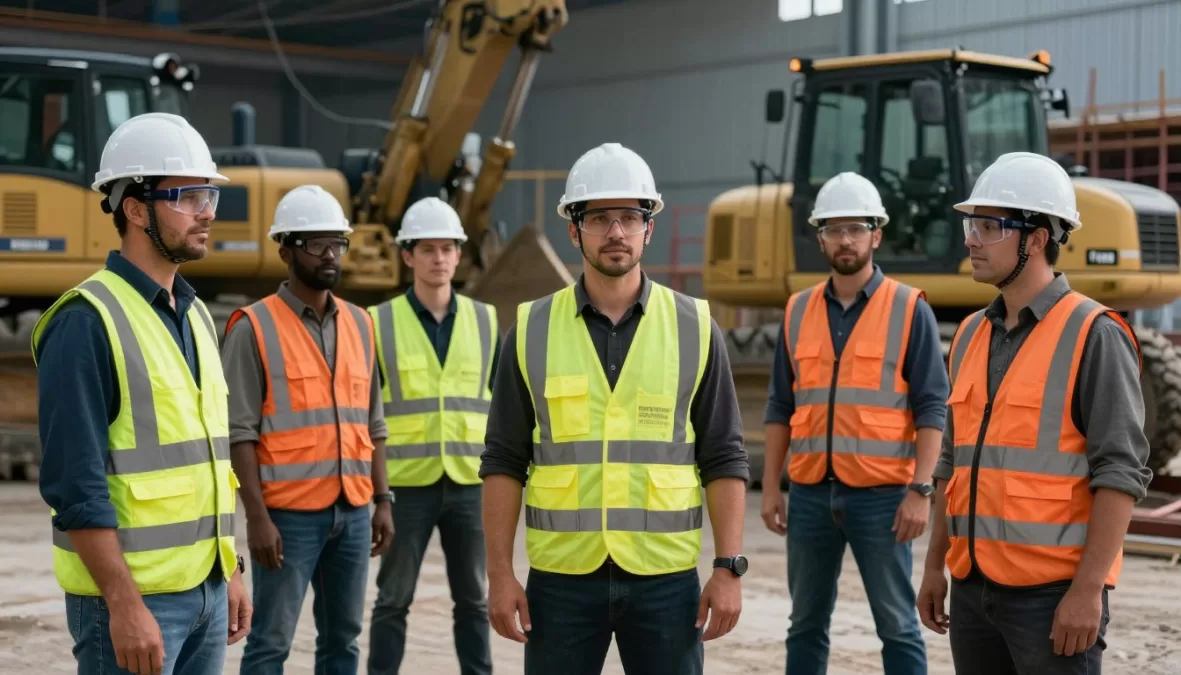
Every day, millions of workers around the globe clock into jobs that carry extraordinary risks. While most of us face minimal danger in our daily work, certain occupations demand that employees confront life-threatening hazards as part of their routine.
The most dangerous jobs in the world share common threads. They involve exposure to extreme conditions, heavy machinery, hazardous materials, or treacherous environments. Understanding these risks helps us appreciate the sacrifices these workers make.
This comprehensive guide examines the top ten most dangerous jobs globally. We’ll explore the specific hazards each occupation presents, examine injury and fatality statistics, and discuss the safety measures that help protect these brave individuals.
From towering construction sites to deep ocean floors, these professions push human endurance to its limits. The workers who fill these roles deserve recognition for the essential services they provide despite the dangers they face daily.
Understanding What Makes a Job Dangerous
Before exploring specific occupations, we need to understand how danger is measured in workplace settings. Safety experts use several key metrics to assess occupational risk levels.
Fatality rates represent the most critical measurement. These statistics track deaths per 100,000 workers annually. Jobs with rates exceeding five deaths per 100,000 workers are considered extremely hazardous.
Injury rates provide another important indicator. These numbers reveal non-fatal workplace injuries that cause lost work time. High injury rates often signal dangerous working conditions even when fatalities remain relatively low.
Key Risk Factors in Dangerous Occupations
Several factors contribute to making certain jobs particularly dangerous. Working at heights creates fall risks that account for a significant percentage of workplace fatalities. Construction sites and maintenance work frequently involve elevated platforms.
Heavy machinery operation poses constant danger. Equipment malfunctions, operator errors, or inadequate safety protocols can cause severe injuries or death. Workers must maintain extreme vigilance around moving parts and powered equipment.
Environmental hazards include extreme weather, toxic substances, and unpredictable natural conditions. Workers in these environments face risks that can change rapidly and without warning.
Physical Hazards
- Falls from heights and unprotected edges
- Struck by heavy objects or equipment
- Caught in or between machinery
- Electrical shock and burns
- Extreme temperature exposure
Chemical and Environmental Risks
- Toxic substance inhalation or contact
- Fire and explosion hazards
- Oxygen-deficient atmospheres
- Radiation exposure in certain industries
- Biological hazards in specific settings
The Role of Occupational Safety Health Standards
Organizations worldwide work to reduce workplace dangers. The Occupational Safety and Health Administration establishes critical standards that protect American workers. Similar agencies operate in countries across the globe.
These regulatory bodies mandate specific safety measures for high-risk jobs. Employers must provide personal protective equipment, implement safety training programs, and maintain safe working conditions. Compliance with these standards significantly reduces accidents and fatalities.
Despite these protections, dangerous jobs remain inherently risky. The following sections detail the ten most dangerous jobs in the world, examining why each occupation carries such extreme risk.
10. Structural Iron and Steel Workers
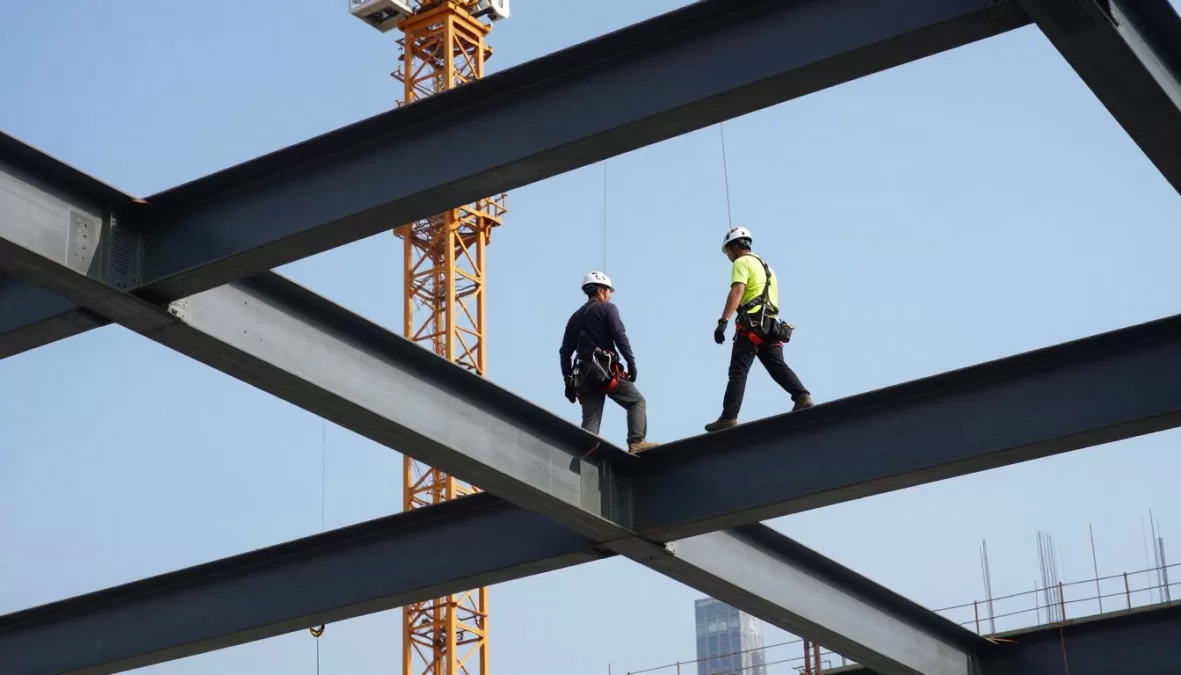
Structural iron and steel workers build the skeletal frameworks of buildings, bridges, and other large structures. These workers operate hundreds of feet above ground, installing and connecting steel beams that form the backbone of modern construction.
The fatality rate for this occupation reaches approximately 25 deaths per 100,000 workers annually. This makes it one of the deadliest construction trades. The primary cause of death involves falls from elevated work platforms.
Specific Hazards and Risks
Working at extreme heights represents the most obvious danger. Iron workers regularly operate on narrow beams with limited fall protection. Even with safety harnesses, the risk of fatal falls remains high. Weather conditions like wind and rain dramatically increase these risks.
Heavy materials handling creates additional hazards. Steel beams weighing thousands of pounds must be maneuvered into precise positions. Equipment failures or coordination mistakes can cause these materials to fall or strike workers below.
The work environment itself presents challenges. Construction sites are inherently chaotic, with multiple trades working simultaneously. This creates opportunities for accidents involving dropped objects, equipment collisions, and communication failures.
Critical Safety Fact: Falls account for approximately 60% of all fatalities among structural iron and steel workers. Proper fall protection systems could prevent the majority of these deaths.
Essential Safety Measures for Iron Workers
Fall protection represents the most critical safety measure. Workers must use personal protective equipment including full-body harnesses, lanyards, and anchor points. Regular inspection of this equipment prevents failures that could prove fatal.
Safety training programs teach workers proper techniques for working at heights. This includes understanding fall hazards, using safety equipment correctly, and recognizing dangerous conditions. Ongoing training helps workers stay current with best practices.
Site safety protocols require careful planning before work begins. This includes identifying fall hazards, establishing safe access routes, and ensuring proper equipment placement. Communication systems help coordinate activities and warn of dangers.
- Mandatory use of fall protection systems above six feet
- Daily inspection of safety harnesses and equipment
- Weather monitoring to suspend work during high winds
- Safety nets and guardrails where practical
- Regular safety meetings addressing current site hazards
9. Roofers
Roofers install, repair, and maintain roof systems on residential and commercial buildings. This trade combines exposure to heights with challenging working surfaces and weather-dependent conditions. The nature of the work surface makes this occupation particularly hazardous.
Statistics reveal that roofers face a fatality rate of approximately 48 deaths per 100,000 workers. This makes roofing one of the most dangerous jobs in construction. Falls represent the overwhelming majority of these fatalities.
Why Roofing Ranks Among the Deadliest Jobs
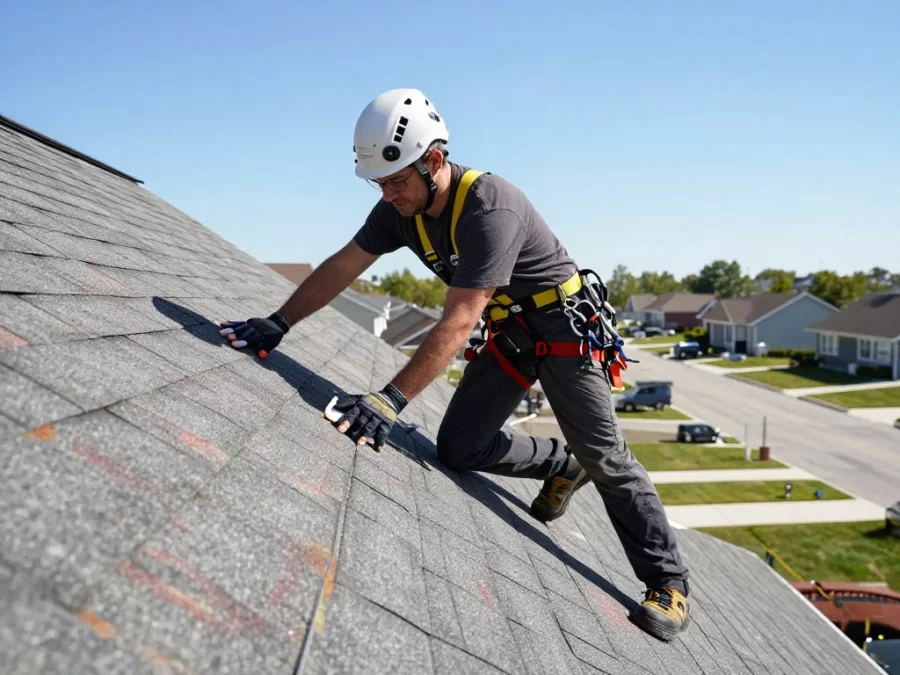
The sloped and often unstable work surface creates constant fall danger. Unlike other construction workers who may work on stable platforms, roofers must navigate surfaces that can be steep, slippery, or structurally compromised. Weather conditions significantly impact surface conditions.
Heat exposure represents another serious hazard. Roofing materials and dark surfaces absorb tremendous heat during summer months. Workers face risk of heat exhaustion, heat stroke, and dehydration. These conditions can impair judgment and increase accident risk.
Material handling on roofs presents unique challenges. Heavy bundles of shingles, rolls of roofing felt, and equipment must be transported across unstable surfaces. This increases the risk of losing balance and falling.
Common Injuries and Accidents
Falls cause the majority of serious injuries and fatalities. Roofers may fall from the roof edge, through skylights or roof openings, or from ladders and scaffolding used to access the roof. Even falls from single-story buildings can prove fatal.
Slips and trips occur frequently on roof surfaces. Loose materials, power cords, tools, and debris create tripping hazards. Morning dew, rain, or frost can make surfaces dangerously slippery even on moderate slopes.
Tool-related injuries affect roofers regularly. Power tools like nail guns, cutting implements, and hot materials used in certain roofing applications can cause severe injuries. Proper tool handling training reduces these incidents.
Protective Equipment and Safety Protocols
Personal protective equipment for roofers includes specialized fall protection gear. This encompasses safety harnesses with roof anchors, guardrail systems, and safety nets. The specific system depends on roof configuration and work requirements.
Safety training emphasizes hazard recognition and prevention. Workers learn to identify weak spots in roofing structures, properly secure fall protection, and work safely on various roof types. Emergency response procedures prepare workers for accident scenarios.
Weather monitoring plays a crucial role in roofing safety. Work should cease during high winds, rain, snow, or ice conditions. Heat safety protocols include frequent breaks, hydration requirements, and monitoring for heat illness symptoms.
8. Aircraft Pilots and Flight Engineers

Aviation professionals face unique dangers that combine mechanical complexity, weather unpredictability, and human factors. While commercial airline pilots enjoy relatively strong safety records, certain aviation sectors experience significantly higher risk levels. Agricultural pilots, helicopter pilots, and those flying in remote areas face the greatest dangers.
The fatality rate varies considerably by aviation sector. Bush pilots and agricultural aviation workers experience rates exceeding 60 deaths per 100,000 workers. These figures far exceed those of commercial airline pilots, whose profession has become remarkably safe through technological advances and strict protocols.
High-Risk Aviation Sectors
Agricultural aviation represents one of the most dangerous jobs in flying. Crop dusters operate at extremely low altitudes, often just feet above crops or terrain. They face risks from power lines, terrain obstacles, and mechanical failures that leave little time for recovery.
Helicopter operations carry inherent risks due to mechanical complexity. Helicopter pilots working in logging, emergency medical services, or offshore oil operations face challenging conditions. They often operate in confined areas with limited escape options if problems arise.
Bush flying and remote area operations lack the support infrastructure of major airports. Pilots must navigate challenging terrain, land on unimproved surfaces, and manage emergencies without immediate assistance. Weather information may be limited or unavailable.
Primary Causes of Aviation Accidents
Mechanical failures account for a portion of aviation accidents. Engine failures, control system malfunctions, or structural problems can lead to crashes. Regular maintenance and pre-flight inspections help prevent many mechanical issues.
Weather-related accidents remain a significant factor. Pilots may encounter sudden storms, icing conditions, or low visibility. Pressure to complete missions can lead to poor decisions about weather-related risks.
Human error contributes to many aviation accidents. Fatigue, poor decision-making, inadequate training, or failure to follow procedures can have catastrophic results. The aviation industry continuously works to reduce human error through improved training and procedures.
Safety Statistics: Commercial airline travel remains one of the safest forms of transportation, with approximately 0.07 deaths per billion miles traveled. However, other aviation sectors face dramatically higher risks, making pilot profession one of the dangerous jobs overall.
Safety Measures in Aviation
Rigorous training standards help prepare pilots for emergencies. Flight training includes extensive emergency procedure practice, instrument flying, and decision-making scenarios. Recurrent training ensures skills remain sharp throughout a pilot’s career.
Aircraft maintenance programs follow strict regulatory requirements. Regular inspections, component replacements, and detailed record-keeping help prevent mechanical failures. Maintenance personnel undergo extensive training and certification.
Safety equipment in aircraft includes emergency locator beacons, survival gear, and redundant systems for critical functions. Helicopters may include emergency flotation systems or terrain avoidance technology depending on their mission profile.
Essential Workplace Safety Resources
Protect yourself or your employees with comprehensive safety equipment guides. Download our free personal protective equipment selection guide covering all high-risk occupations. Learn which protective equipment is required for specific hazards and how to properly maintain safety gear.
7. Refuse and Recyclable Material Collectors
Garbage collectors perform essential work that most people rarely consider dangerous. Yet this occupation consistently ranks among the most dangerous jobs in America and worldwide. These workers face multiple serious hazards during their daily routes.
The fatality rate for refuse collectors reaches approximately 44 deaths per 100,000 workers. This rate exceeds that of many obviously dangerous professions. The combination of traffic exposure, heavy machinery, and hazardous materials creates a uniquely dangerous work environment.
Traffic-Related Dangers
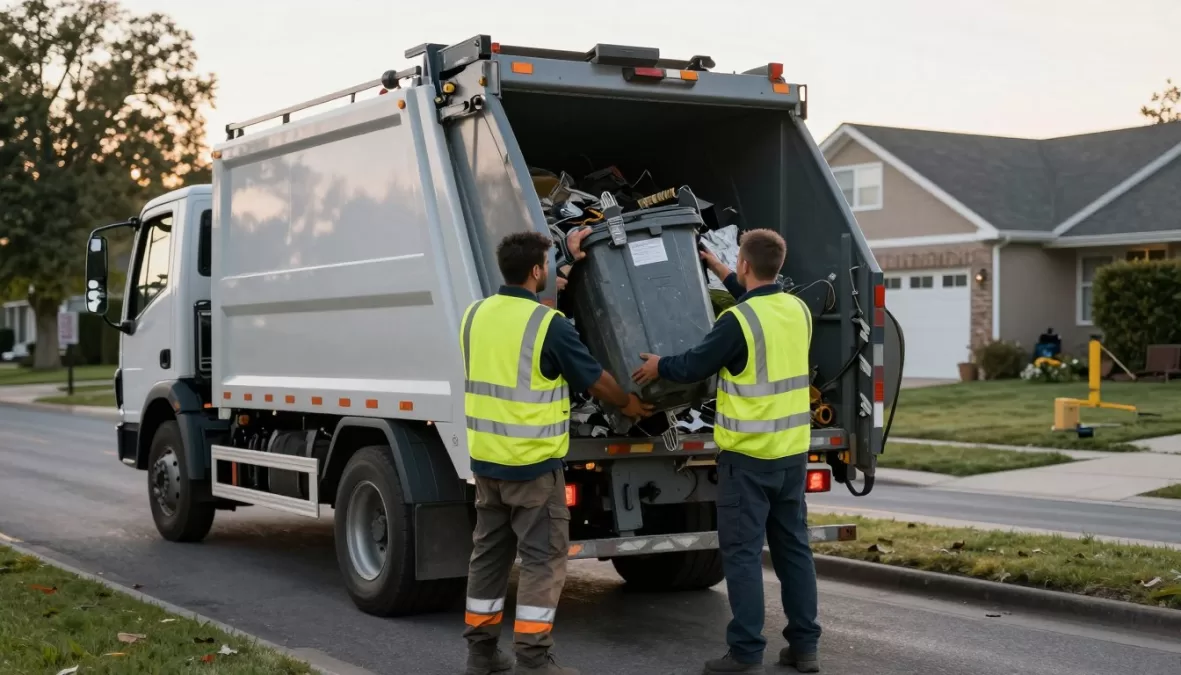
Vehicle accidents cause the majority of fatalities among garbage collectors. Workers spend their entire shift on or near busy roads. They frequently dismount and remount collection trucks, exposing them to passing traffic.
Distracted drivers pose a constant threat. Despite the size and visibility of collection trucks, motorists regularly fail to notice stopped collection vehicles. Workers on foot are particularly vulnerable to being struck by passing cars.
Working in darkness increases risks substantially. Many collection routes begin before dawn or extend into evening hours. Reduced visibility makes workers harder to see, even when wearing reflective clothing.
Equipment and Material Hazards
Collection truck mechanisms pose significant injury risks. The hydraulic compaction systems can cause severe crushing injuries. Workers must exercise extreme caution around moving parts and follow strict safety protocols.
Heavy lifting contributes to chronic injuries and acute accidents. Collectors handle thousands of pounds of materials daily. Improper lifting techniques lead to back injuries, while awkward or overweight containers can cause falls or muscle strains.
Hazardous materials appear regularly in residential and commercial waste. Sharp objects, broken glass, needles, and chemical containers can cause injuries. Workers often have no advance warning of dangerous items hidden in bags or containers.
Health Risks and Exposure
Biological hazards present ongoing health risks. Garbage collectors may encounter medical waste, animal carcasses, human waste, and other biohazardous materials. These exposures can lead to infections and diseases.
Weather exposure affects collectors year-round. They work in extreme heat, cold, rain, and snow. These conditions contribute to heat illness in summer and hypothermia risk in winter. Slippery surfaces from ice or rain increase fall risks.
Repetitive motion injuries develop over time. The constant lifting, carrying, and truck mounting take a toll on joints and muscles. Many workers develop chronic pain conditions from years of physical demands.
Safety Measures for Collection Workers
- High-visibility clothing mandatory for all workers
- Traffic safety training including defensive techniques
- Proper lifting technique instruction and reinforcement
- Puncture-resistant gloves to prevent sharps injuries
- Regular equipment maintenance to prevent mechanical failures
- Route planning to minimize exposure to high-speed traffic
- Vaccination programs for biological hazard protection
Safety training programs address the specific hazards of waste collection. Workers learn traffic safety awareness, proper equipment operation, and hazard recognition. Regular safety meetings reinforce these critical lessons.
6. Logging Workers
Logging consistently ranks as one of the most dangerous jobs in the world. These workers harvest timber in remote forest locations using powerful equipment and working with massive trees. The combination of heavy machinery, unpredictable tree behavior, and isolated work locations creates extraordinary danger.
Fatality statistics for logging workers are sobering. The occupation experiences approximately 111 deaths per 100,000 workers annually. This rate places logging among the deadliest professions globally. The majority of these deaths result from being struck by falling trees or equipment.
Tree Felling Dangers
Falling trees represent the primary hazard in logging operations. Even experienced fallers cannot always predict how a tree will fall. Factors like internal decay, wind, tree lean, and nearby vegetation affect fall direction. When trees fall unexpectedly, workers in the vicinity face potentially fatal impact.
Widow makers pose a constant threat. These are loose branches, tops, or portions of trees that can fall without warning. They may remain lodged in canopy after cutting operations. Workers must constantly watch overhead while focusing on ground-level tasks.
Spring poles create sudden violent reactions. These occur when trees or limbs are under tension from being bent or trapped. When cut, they can snap with tremendous force, striking nearby workers.
Equipment-Related Hazards
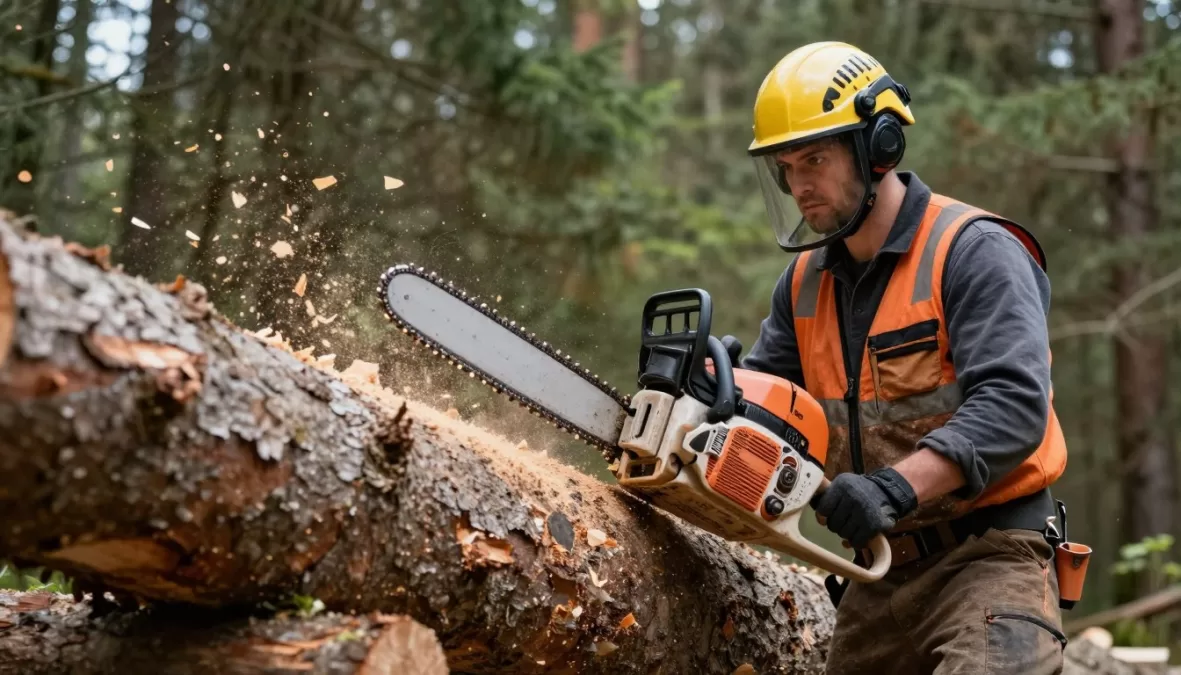
Chainsaws cause numerous injuries despite safety features. The powerful cutting chains can cause severe lacerations if they contact the operator or nearby workers. Kickback occurs when the chain tip strikes an object, throwing the saw toward the operator.
Heavy machinery accidents account for many fatalities. Logging equipment includes feller bunchers, skidders, and loaders that weigh many tons. Operators face rollover risks on steep terrain. Workers on foot can be struck by moving equipment or caught in cable systems.
Log handling presents crushing hazards. Logs can roll unexpectedly, particularly on slopes. Workers can be struck by moving logs or caught between logs and equipment. The weight involved makes these accidents often fatal.
Environmental and Location Factors
Remote work locations complicate emergency response. Logging operations typically occur in areas far from medical facilities. Serious injuries that might be survivable with rapid treatment can prove fatal when help is delayed.
Terrain challenges increase accident risk. Loggers work on steep slopes, uneven ground, and in dense vegetation. These conditions make escape from falling trees difficult and increase the likelihood of slips and falls.
Weather impacts are significant. Rain makes surfaces slippery and reduces visibility. Wind makes tree behavior unpredictable and increases the chance of branches falling. Cold weather affects equipment operation and worker dexterity.
Required Safety Equipment
Logging workers must use comprehensive protective equipment to minimize injury risks.
- Hard hats with face shields for head and face protection
- Cut-resistant chainsaw chaps or pants
- Steel-toed logging boots with ankle support
- Eye and hearing protection for all operations
- High-visibility clothing for equipment operator awareness
Critical Safety Protocols
Operational procedures help prevent accidents in logging operations.
- Establishing safe zones beyond tree fall radius
- Clear communication systems for all crew members
- Regular equipment inspection and maintenance
- Weather monitoring and work suspension criteria
- Emergency response plans for remote locations
Training and Certification Requirements
Safety training for loggers addresses the unique hazards of forestry work. Workers learn proper tree felling techniques, equipment operation, and hazard recognition. Ongoing training keeps skills current as equipment and techniques evolve.
Certification programs verify competency in safe work practices. Many regions require loggers to complete formal training before working independently. These programs significantly reduce accidents among properly trained workers.
5. Fishers and Related Fishing Workers
Commercial fishing represents one of the most dangerous jobs in any industry. Fishers work in one of the harshest environments on Earth, facing constant danger from the ocean itself. The combination of heavy equipment, violent weather, and isolation from assistance creates extreme hazards.
Commercial fishing has a fatality rate of approximately 99 deaths per 100,000 workers. Drowning accounts for the vast majority of these deaths. Vessel disasters, falls overboard, and onboard injuries contribute to the high death toll.
Vessel-Related Dangers
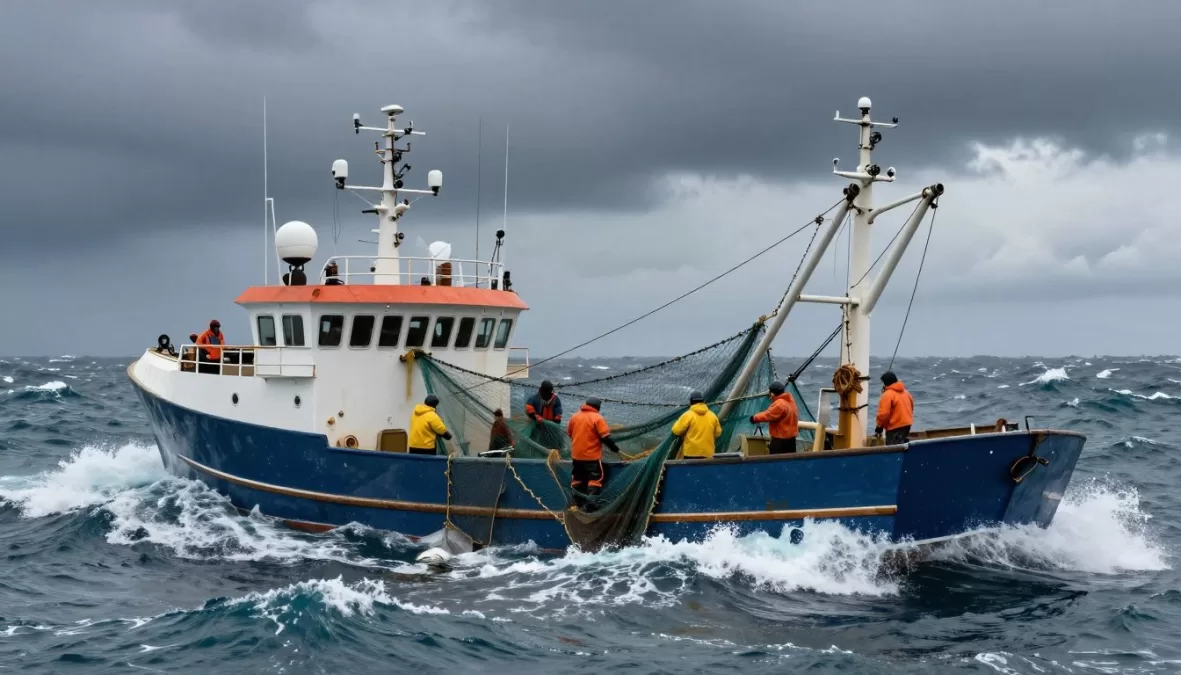
Vessel sinkings and capsizing cause many fishing fatalities. Commercial fishing boats operate in severe weather conditions that would keep other vessels in port. Overloading, stability problems, or structural failures can lead to rapid sinking.
Falls overboard represent a constant threat. Fishers work on slippery, moving decks in all weather conditions. Safety railings may be minimal to allow fishing operations. Once in the water, survival time is limited, especially in cold water.
Onboard equipment creates numerous hazards. Winches, cables, and heavy fishing gear can strike workers or cause entanglement. The power required to haul nets full of fish can easily cause severe injury if workers become caught in operating equipment.
Weather and Sea Conditions
Severe weather exposes fishing crews to extreme danger. Storms can develop rapidly at sea, creating massive waves and high winds. Vessels may be too far from port to seek shelter when conditions deteriorate.
Cold water immersion kills quickly. Water temperatures in many fishing areas allow only minutes of survival after falling overboard. Even with flotation devices, hypothermia can prove fatal before rescue arrives.
Fatigue impairs judgment and increases accident risk. Fishing operations often continue around the clock during productive periods. Sleep deprivation affects decision-making ability and physical coordination when both are most critical.
Isolation and Emergency Response Challenges
Remote locations prevent rapid emergency response. Fishing vessels may operate hundreds of miles from shore. Medical emergencies or injuries requiring advanced care cannot receive treatment for days.
Communication limitations can delay assistance. While modern vessels have radio and satellite communication, equipment failures or severe weather can disrupt communications. Distress calls may not be received or rescue may be impossible in extreme conditions.
Limited medical resources on vessels complicate injury management. Fishing boats typically lack medical personnel or advanced equipment. Crew members must provide first aid for potentially life-threatening injuries with minimal training and supplies.
Survival Equipment Requirements: All commercial fishing vessels must carry life rafts, personal flotation devices, immersion suits, and emergency position-indicating radio beacons. Despite these requirements, many fatalities occur when equipment is not properly maintained or crew members cannot access safety gear in emergencies.
Industry-Specific Safety Measures
Personal protective equipment for fishers includes flotation devices, immersion suits for cold water protection, and non-slip footwear. However, workers often resist using safety equipment that they perceive as hindering their work efficiency.
Safety training programs address marine-specific hazards. Topics include man-overboard prevention and recovery, emergency procedures, survival techniques, and proper equipment use. Many fishers lack formal safety training, particularly in smaller operations.
Vessel stability and maintenance directly impact safety. Regular inspections, proper loading practices, and watertight integrity checks help prevent sinkings. Unfortunately, economic pressures sometimes lead to deferred maintenance or unsafe operational decisions.
- Mandatory use of personal flotation devices when on deck
- Regular safety drills including man-overboard and abandon-ship procedures
- Weather monitoring and voyage planning to avoid severe conditions
- Proper maintenance of life-saving and communication equipment
- Crew rest requirements to prevent fatigue-related accidents
- Emergency position-indicating beacons for vessel location tracking
Workplace Safety Training Resources
Enhance your safety knowledge with professional training materials. Access comprehensive safety training guides covering hazard recognition, emergency procedures, and industry-specific protocols. Whether you’re an employer or worker in a high-risk occupation, proper safety training can save lives.
4. Aircraft Maintenance Technicians
Aircraft maintenance technicians work in environments that combine multiple hazards. These skilled workers service, repair, and inspect aircraft to ensure flight safety. Despite their critical role in aviation safety, their own occupation ranks among the most dangerous jobs.
Fatality rates for aircraft maintenance workers vary by specific role and work environment. Workers servicing larger aircraft face greater risks. The combination of confined spaces, toxic substances, and heavy equipment creates numerous opportunities for serious accidents.
Chemical and Fuel Hazards
Aviation fuel exposure presents serious health and safety risks. Jet fuel and aviation gasoline are highly flammable and toxic. Skin contact can cause chemical burns. Inhalation of fuel vapors can lead to respiratory problems and neurological effects.
Hydraulic fluids used in aircraft systems are hazardous materials. These fluids operate under extreme pressure. When lines fail, fluid can inject through skin, causing severe injury. The fluids themselves are toxic and can cause long-term health problems.
Solvents and cleaning agents expose workers to toxic chemicals. Maintenance requires using strong cleaners to remove contaminants and prepare surfaces. Many of these substances cause immediate health effects and may contribute to chronic conditions.
Physical Dangers in Maintenance Work
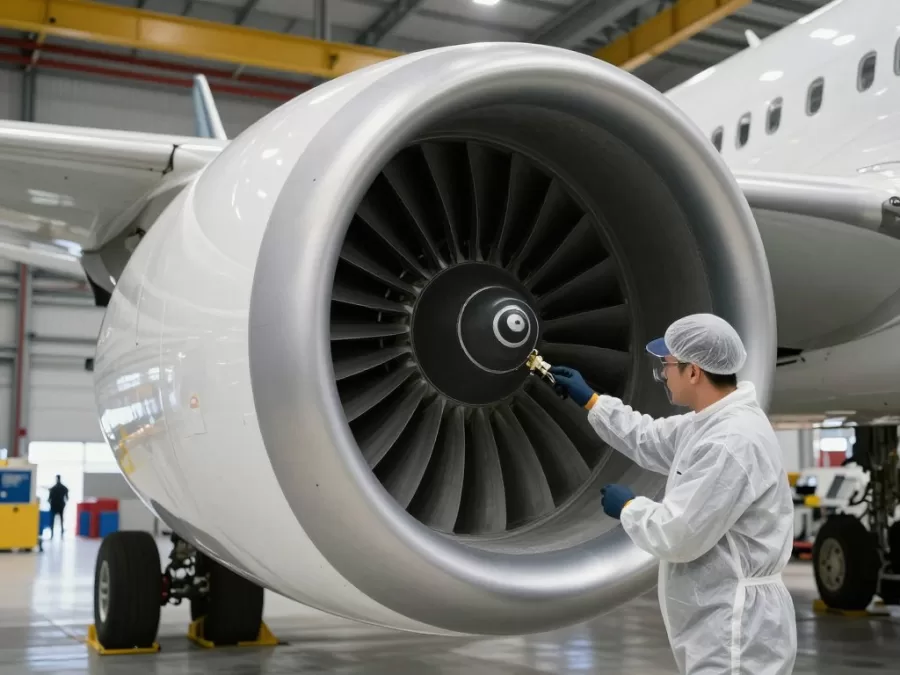
Working around aircraft engines poses extreme danger. Jet engines can start unexpectedly if not properly secured. Technicians have been killed by being drawn into engine intakes or struck by engine exhaust.
Falls from aircraft or maintenance platforms cause injuries and fatalities. Technicians must access all parts of aircraft, often working at significant heights. Ladders, platforms, and aircraft surfaces can be slippery from fuel, oil, or weather conditions.
Heavy components and equipment create crushing hazards. Aircraft parts like engines, landing gear, and control surfaces weigh hundreds or thousands of pounds. Moving these components requires specialized equipment. Failures can cause severe crushing injuries.
Confined Space Risks
Aircraft fuel tanks represent dangerous confined spaces. Technicians must enter tanks for inspection and repair. These spaces may contain insufficient oxygen and hazardous atmospheres. Without proper safety protocols, confined space entry can prove fatal.
Cargo holds and other enclosed areas pose similar risks. Limited ventilation allows toxic vapors to accumulate. Emergency exit may be difficult if problems arise. Workers require specialized training before entering any confined space.
Electrical and Pressure Hazards
Aircraft electrical systems carry significant voltage. Maintenance work may require energizing systems for testing. Electrical shock can cause severe burns or cardiac arrest. Proper lockout/tagout procedures prevent unexpected electrical hazards.
Pressurized systems and components create explosion risks. Hydraulic systems, pneumatic systems, and landing gear struts contain high-pressure fluids or gases. Improper maintenance procedures can cause violent releases of pressure.
Occupational Safety Standards: Aircraft maintenance facilities must comply with strict occupational safety health regulations. These include requirements for ventilation systems, personal protective equipment, confined space entry procedures, and hazardous materials handling. Employers must provide comprehensive safety training addressing aviation-specific hazards.
Essential Safety Measures
Personal protective equipment requirements vary by task. Eye protection, hearing protection, and respiratory protection are standard. Chemical-resistant gloves protect against fuel and fluids. Fall protection is mandatory when working at heights.
Lockout/tagout procedures prevent equipment from being energized during maintenance. All energy sources must be controlled before work begins. This includes electrical, hydraulic, pneumatic, and mechanical energy.
Confined space entry protocols require atmospheric testing, ventilation, and continuous monitoring. A standby person must remain outside to assist if problems occur. Emergency rescue equipment must be immediately available.
- Comprehensive chemical safety training for all maintenance workers
- Proper ventilation systems in hangars and work areas
- Regular inspection of all safety equipment and tools
- Confined space entry permits and atmospheric testing
- Fall protection systems for elevated work
- Emergency response procedures and equipment
- Hearing protection in high-noise environments
3. Electrical Power Line Installers and Repairers
Electrical power line workers maintain the infrastructure that delivers electricity to homes and businesses. These workers face extreme danger from high-voltage electricity, heights, and weather exposure. The occupation consistently ranks among the most dangerous jobs in America.
Power line workers experience approximately 19 deaths per 100,000 workers annually. Electrocution causes the majority of these fatalities. Contact with energized lines delivers thousands of volts, typically causing instant death or severe burns.
Electrical Hazards
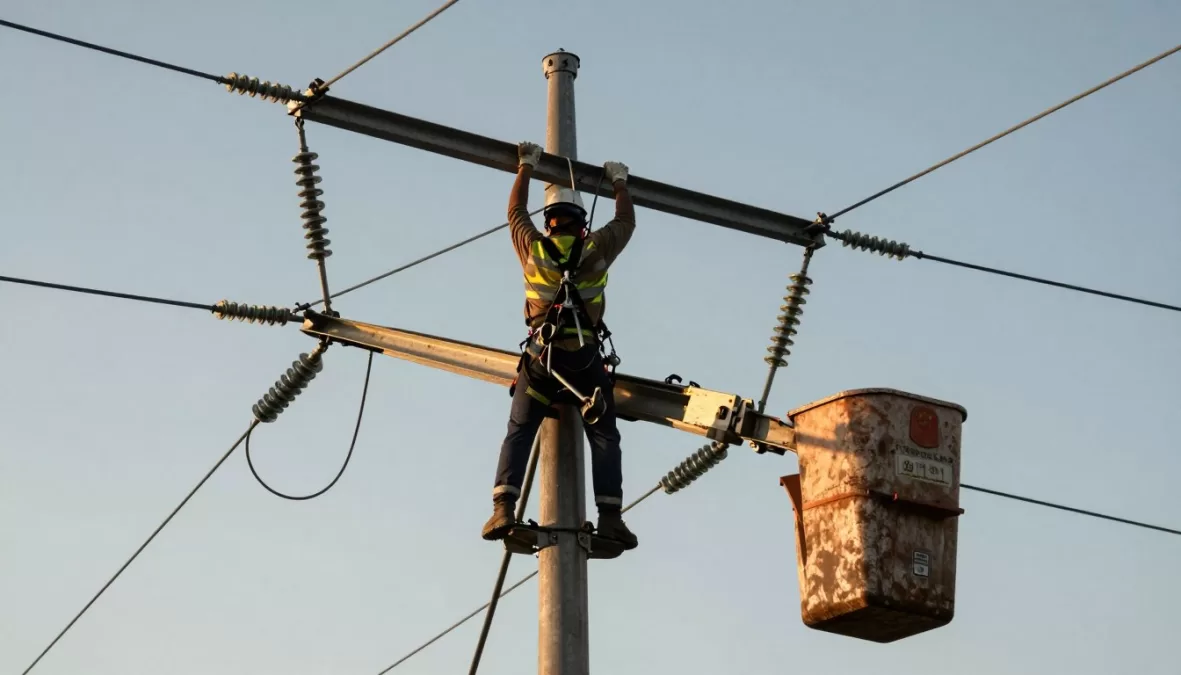
High-voltage electricity represents the primary danger. Transmission lines carry voltages up to 765,000 volts. Even distribution lines serving neighborhoods carry 7,200 volts or more. Contact with these voltages is usually fatal.
Electricity can arc through air without direct contact. When workers approach energized lines too closely, electricity can jump the gap. This occurs suddenly and without warning. Proper clearance distances are critical but not always maintained.
Secondary electrocution risks complicate rescue efforts. When a worker contacts an energized line, their body becomes electrified. Would-be rescuers can be electrocuted by touching the victim. Specialized rescue techniques and equipment are required.
Falls and Height-Related Dangers
Power line workers operate at extreme heights. Transmission towers can exceed 100 feet tall. Workers on poles regularly work 40-50 feet above ground. Falls from these heights are usually fatal even with safety equipment.
Climbing structures present continuous fall risk. Workers must climb poles or towers while carrying tools and equipment. Weather conditions like ice, rain, or wind increase the difficulty and danger of climbing work.
Bucket truck failures cause fall injuries. Hydraulic malfunctions, structural failures, or stability problems can cause the bucket to drop suddenly. Workers may be thrown from the bucket or struck by failing components.
Weather-Related Hazards
Storm response work is particularly dangerous. Power line workers must restore electricity during and immediately after severe weather. Damaged lines, fallen trees, and flooding create additional hazards beyond normal work conditions.
Lightning poses an obvious threat. Lineworkers often must work in conditions where lightning risk is present. Metal poles and towers attract lightning strikes. Workers have been killed by lightning while on structures.
Extreme temperatures affect worker safety and judgment. Summer heat combined with heavy protective clothing can cause heat illness. Winter cold reduces dexterity and can lead to frostbite. Both conditions increase accident risk.
Protective Equipment Requirements
- Voltage-rated gloves and sleeves for electrical protection
- Fall protection harnesses and positioning equipment
- Arc-rated clothing to protect against electrical arc flash
- Hard hats with electrical insulation rating
- Insulated tools rated for voltage levels encountered
- Eye protection including arc flash shields
Critical Safety Protocols
- De-energizing lines before work when possible
- Maintaining minimum approach distances from energized equipment
- Equipment grounding and bonding procedures
- Pre-job safety briefings for all crew members
- Weather monitoring and work suspension criteria
- Regular inspection and testing of protective equipment
Training and Qualification
Extensive training prepares lineworkers for the hazards they face. Programs typically last several years and combine classroom instruction with supervised field work. Workers must demonstrate competency before working independently.
Ongoing safety training addresses changing conditions and new equipment. Regular refresher training reinforces critical safety procedures. Accident investigation findings inform training improvements.
Apprenticeship programs provide structured learning. New workers learn from experienced linemen while developing skills. This mentorship helps transfer safety culture and practical knowledge.
2. Underground Miners and Mining Machine Operators
Mining operations extract valuable minerals from deep beneath the Earth’s surface. Underground mining ranks among the most dangerous jobs due to the hostile environment, heavy machinery, and constant risk of catastrophic accidents. Workers face dangers from ground collapse, explosions, and toxic atmospheres.
Fatality rates in underground mining vary by commodity and region. Coal mining historically has higher rates than metal mining. Developing countries experience significantly higher mining fatalities than developed nations with strict safety regulations.
Ground Instability and Collapse
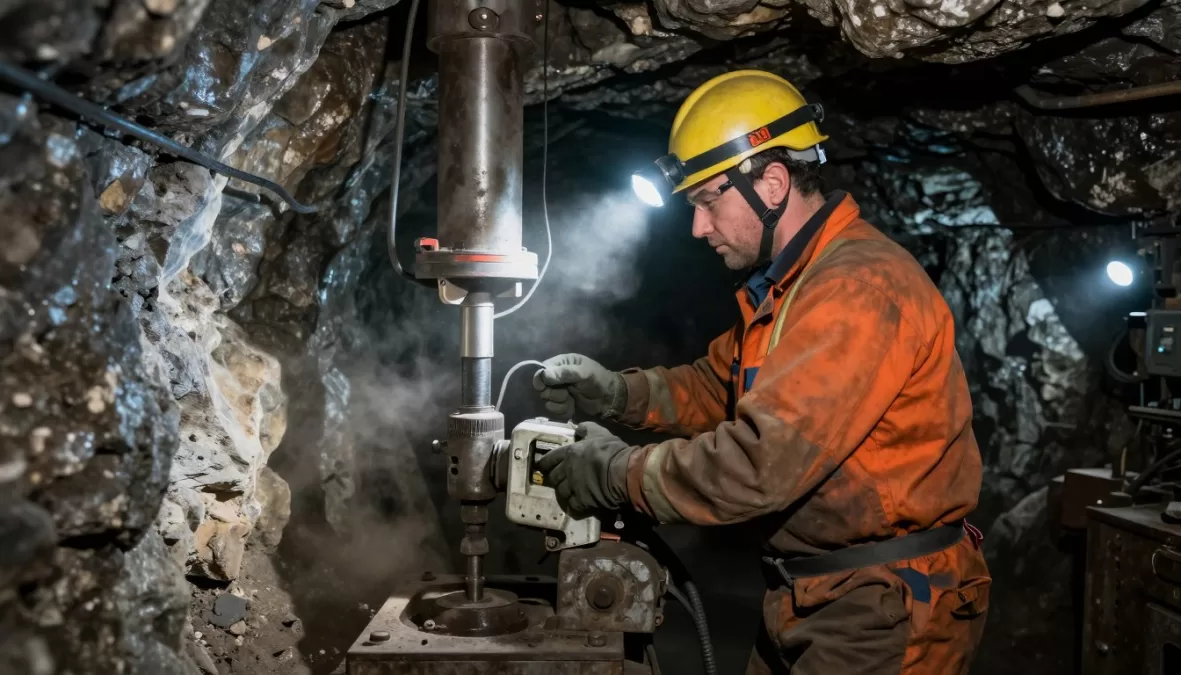
Roof falls represent the leading cause of death in underground mining. The rock above mining areas is under tremendous pressure. When support fails or ground conditions deteriorate, thousands of tons of rock can collapse instantly.
Ground control becomes more difficult with depth. Deeper mines experience higher rock stresses that make ground stability harder to maintain. Even properly supported areas can fail if geological conditions change unexpectedly.
Pillar failures cause catastrophic collapses. Mining operations leave rock pillars to support the roof. If pillars are too small or rock quality is poor, they can fail suddenly. These failures can trigger massive collapses affecting large areas.
Explosion and Fire Hazards
Methane gas explosions have killed hundreds of miners in single incidents. Coal seams naturally contain methane that is released during mining. If concentrations reach explosive levels and encounter an ignition source, devastating explosions result.
Coal dust explosions can propagate throughout mines. Fine coal dust suspended in air is explosive. An initial small explosion can disturb accumulated dust, creating a massive secondary explosion that travels through mine workings.
Mine fires create deadly smoke and toxic gases. Fires in underground mines are extremely difficult to extinguish. Smoke and combustion products can kill miners far from the fire location. Evacuation must occur rapidly before escape routes become impassable.
Atmospheric Hazards
Oxygen deficiency occurs in poorly ventilated areas. As mining proceeds, oxygen is consumed by equipment and oxidation of rock. Without adequate ventilation, oxygen levels drop to dangerous levels. Workers lose consciousness without warning.
Toxic gases accumulate in underground environments. Carbon monoxide from equipment exhaust, hydrogen sulfide from geological sources, and nitrogen dioxide from blasting can reach lethal concentrations. These gases may be odorless and undetectable without monitoring equipment.
Dust exposure causes chronic lung diseases. Miners inhale silica dust, coal dust, and other mineral particles. Long-term exposure causes irreversible lung damage. While not immediately fatal, these conditions eventually prove deadly.
Mining Disaster Statistics: Major mining disasters, while less frequent than in the past, still occur globally. The worst mining accident in history killed over 1,500 workers in a single explosion. Modern safety measures have dramatically reduced large-scale disasters in developed nations, but risks remain significant.
Heavy Machinery Dangers
Mining equipment operates in confined spaces with limited visibility. Continuous miners, roof bolters, shuttle cars, and other heavy machinery can strike workers or pin them against mine walls. The noise level makes voice communication difficult.
Mobile equipment causes numerous injuries and fatalities. Operators may not see workers on foot, particularly in low-light conditions. Backing accidents, collisions, and workers being struck by equipment occur regularly.
Equipment maintenance exposes workers to additional hazards. Mechanics must work on massive machines in confined spaces. Hydraulic systems, electrical components, and moving parts create multiple injury mechanisms.
Comprehensive Safety Measures
Ground control plans address roof support requirements. Systematic rock bolting, screen installation, and pillar design help prevent collapses. Regular inspections identify deteriorating conditions before failures occur.
Ventilation systems control atmospheric hazards. Powerful fans move fresh air through mine workings and exhaust contaminated air. Methane monitoring systems provide continuous surveillance for explosive gas concentrations.
Emergency preparedness includes evacuation plans and refuge chambers. Self-contained self-rescuers provide emergency breathing air. Refuge chambers offer safe areas where miners can survive until rescue. Regular emergency drills practice evacuation procedures.
- Comprehensive atmospheric monitoring for gases and oxygen levels
- Mandatory refuge chambers for emergency shelter
- Self-contained self-rescuer devices for all underground workers
- Rock dusting to reduce coal dust explosion risk
- Proximity detection systems on mobile equipment
- Emergency communication and tracking systems
- Regular safety inspections by trained personnel
- Rescue teams trained and equipped for mine emergencies
Free Workplace Safety Checklist
Download our comprehensive workplace safety checklist designed for high-risk occupations. This practical tool helps identify hazards, verify safety measures are in place, and ensure compliance with occupational safety health standards. Perfect for safety managers, supervisors, and workers who want to improve their safety awareness.
1. Construction Laborers and Site Workers
Construction workers face more workplace fatalities than any other occupation in raw numbers. While the fatality rate per worker is lower than some specialized dangerous jobs, the sheer size of the construction workforce means these workers account for the most workplace deaths globally.
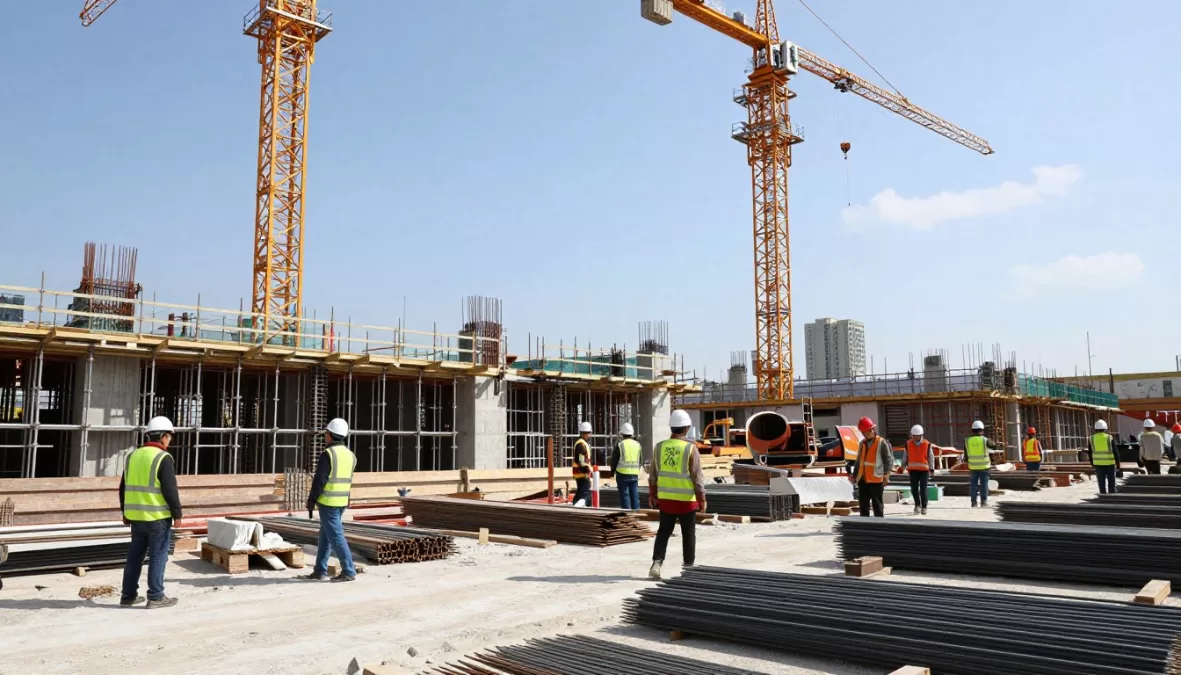
Construction sites combine nearly every workplace hazard imaginable. Workers face fall risks, heavy machinery dangers, electrical hazards, struck-by incidents, and caught-in/between accidents. The dynamic nature of construction sites means hazards change daily as work progresses.
The Fatal Four in Construction
Falls cause the highest number of construction deaths. Workers fall from scaffolds, ladders, roofs, and structural steel. Despite fall protection requirements, many workers still work without proper safety equipment. Even short falls can prove fatal.
Struck-by accidents kill hundreds of construction workers annually. Falling objects, swinging loads, and vehicle strikes account for these fatalities. Construction sites have multiple activities occurring simultaneously, creating constant overhead and ground-level strike hazards.
Caught-in or caught-between incidents trap workers. Trench collapses bury workers in seconds. Workers can be caught between equipment and structures, crushed by collapsing materials, or trapped in machinery. These accidents often prove fatal before rescue can occur.
Electrocutions kill construction workers who contact energized lines or equipment. Overhead power lines pose particular danger to equipment operators. Damaged electrical cords and improper grounding cause additional electrocution deaths.
Specialized Construction Hazards
Excavation and trenching work creates unique dangers. Soil can weigh over 100 pounds per cubic foot. A collapsing trench wall can bury a worker in seconds. Victims typically die from suffocation before rescue can occur.
Demolition operations expose workers to collapse risks. Weakened structures can fall unexpectedly. Asbestos and other hazardous materials released during demolition create additional health risks. Workers may encounter unexpectedly energized electrical systems.
Confined space entry in construction presents atmospheric and physical hazards. Manholes, tanks, and underground utilities may contain toxic gases or oxygen-deficient atmospheres. Entry and exit can be difficult, complicating rescue if problems occur.
Heavy Equipment and Machinery Risks
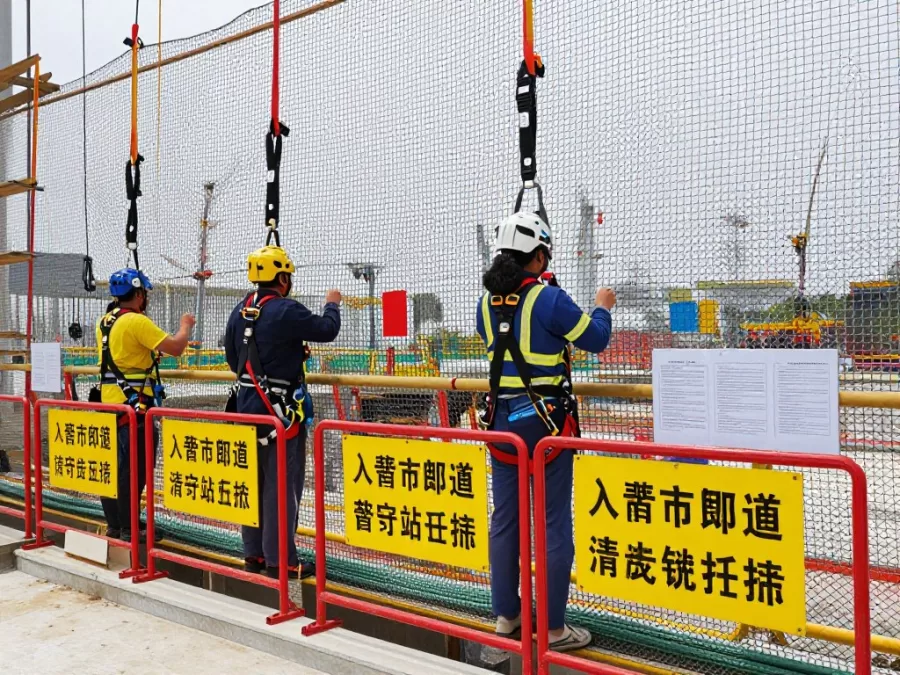
Heavy machinery operates throughout construction sites. Excavators, bulldozers, cranes, and loaders create multiple hazards. Limited visibility from operator positions means workers on foot may not be seen. Backing accidents kill workers regularly.
Crane operations involve extreme loads at significant heights. Crane collapses, load drops, and workers struck by crane booms cause fatalities. Proper crane operation requires skilled operators, rigorous inspections, and careful load planning.
Power tools and equipment cause injuries daily. Saws, grinders, nail guns, and other powered equipment can cause severe injuries. Improper use, lack of guards, and inadequate training contribute to these accidents.
Materials Handling Hazards
Construction materials pose multiple hazards. Rebar, lumber, pipe, and other materials must be moved and stored safely. Improper storage leads to materials falling or collapsing. Manual handling of heavy materials causes chronic injuries.
Concrete and masonry work exposes workers to chemical burns. Wet concrete is caustic and can burn skin. Masonry workers face ergonomic hazards from repetitive lifting and awkward postures. Silica dust from cutting creates long-term health risks.
Weather and Environmental Factors
Outdoor work exposes construction workers to weather extremes. Summer heat causes numerous cases of heat illness and several deaths annually. Workers may not recognize heat illness symptoms until conditions become critical.
Cold weather presents hypothermia and frostbite risks. Workers must maintain dexterity while wearing protective clothing. Ice and snow create slip and fall hazards. Cold metal and tools can cause contact frostbite.
Lightning strikes construction sites and equipment operators. Tall structures and cranes attract lightning. Workers on steel structures or operating equipment with booms are particularly vulnerable. Work should cease when lightning threatens.
Construction Industry Statistics: Construction accounts for approximately 20% of all workplace fatalities despite representing only 5% of the workforce. This disproportionate death toll reflects the multiple serious hazards present on construction sites. Small contractors with fewer than 20 employees account for the majority of construction deaths.
Comprehensive Safety Program Requirements
Fall protection systems must be used whenever workers are exposed to falls of six feet or more. This includes guardrails, safety nets, and personal fall arrest systems. Workers must be trained on proper use and inspection of fall protection equipment.
Excavation safety requires protective systems for trenches deeper than five feet. This includes sloping, shoring, or trench boxes. A competent person must inspect excavations daily and after any condition changes.
Electrical safety programs address power line clearances, ground-fault protection, and equipment grounding. Workers must be trained to recognize electrical hazards. Lockout/tagout procedures prevent unexpected energization during maintenance.
- Site-specific safety plans addressing identified hazards
- Daily safety briefings before work begins
- Proper fall protection for all elevated work
- Competent person oversight of high-hazard operations
- Personal protective equipment for all workers
- Equipment inspection and maintenance programs
- Emergency action plans and first aid availability
- Safety training for all workers before site assignment
- Hazard communication for chemical exposures
- Heat illness prevention programs for summer months
The Role of Safety Culture
Effective construction safety requires more than rules and equipment. A strong safety culture where workers feel empowered to stop work when they identify hazards prevents many accidents. Management commitment to safety must be genuine and consistent.
Worker participation in safety planning improves outcomes. Workers performing the tasks often identify hazards that others miss. Regular safety meetings provide forums for raising concerns and sharing safety information.
Enforcement of safety rules must be consistent. Allowing shortcuts or unsafe practices eventually leads to accidents. Supervisors must model safe behavior and address violations immediately.
Essential Occupational Safety Measures Across All Dangerous Jobs
While each dangerous job has unique hazards, certain fundamental safety measures apply across all high-risk occupations. Understanding and implementing these universal principles significantly reduces workplace injuries and fatalities.
Personal Protective Equipment Fundamentals
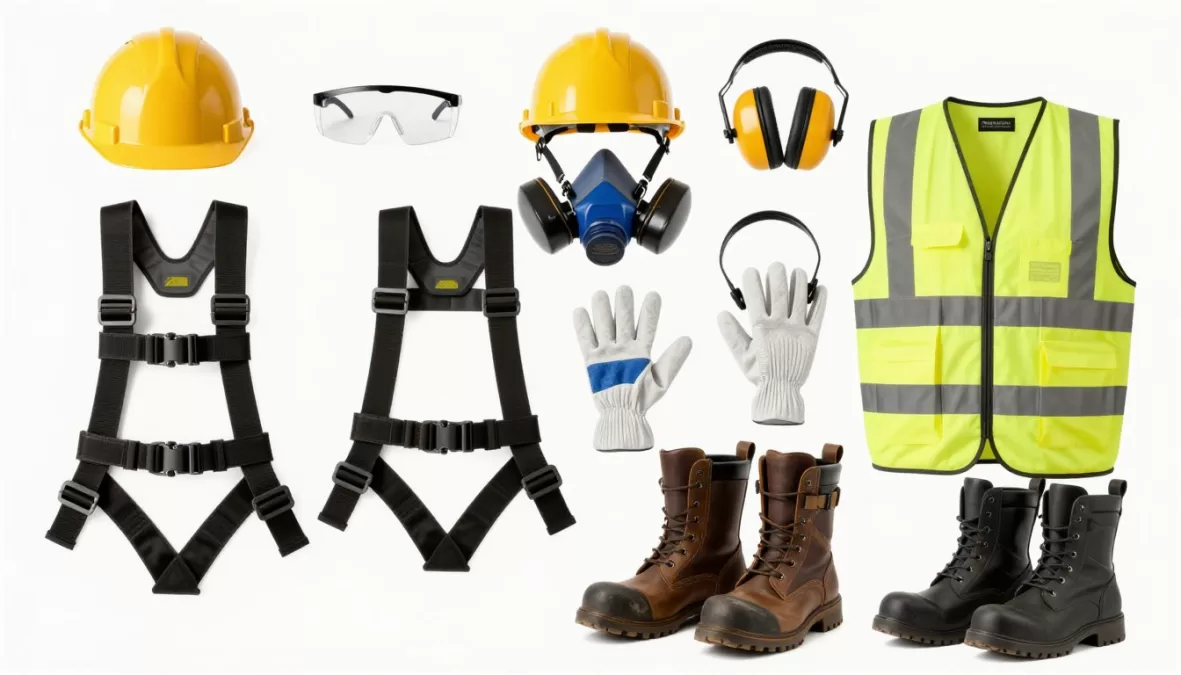
Personal protective equipment serves as the last line of defense against workplace hazards. While engineering controls and safe work practices should eliminate or minimize risks, PPE protects workers when other measures cannot fully control hazards.
Head protection prevents traumatic brain injuries and skull fractures. Hard hats are required on virtually all construction sites and many industrial facilities. Different types of hard hats provide protection against falling objects, side impacts, or electrical hazards.
Eye and face protection prevents the majority of eye injuries. Safety glasses, goggles, and face shields protect against flying particles, chemical splashes, and harmful radiation. Proper selection depends on specific hazards present.
Respiratory protection addresses airborne contaminants. Dust masks, respirators, and supplied-air systems protect against particles, gases, and oxygen-deficient atmospheres. Fit testing ensures proper protection. Medical evaluation confirms workers can safely use respirators.
Hand protection includes a wide variety of gloves for different hazards. Cut-resistant gloves protect against sharp materials. Chemical-resistant gloves prevent skin contact with hazardous substances. Insulated gloves protect electrical workers. Proper glove selection requires understanding specific hazards.
Foot protection prevents crush injuries and penetration wounds. Steel-toed boots protect against impact and compression. Puncture-resistant soles prevent nails and sharp objects from penetrating. Electrical hazard boots protect against shock.
Body protection addresses various risks. High-visibility clothing ensures workers can be seen by equipment operators. Fire-resistant clothing protects against flash fires. Chemical-resistant suits prevent skin contact with hazardous materials.
Safety Training Requirements
Comprehensive safety training addresses job-specific hazards. Workers must understand the risks they face and how to protect themselves. Training should occur before workers begin hazardous tasks and periodically thereafter.
New worker orientation covers basic safety rules and emergency procedures. This initial training establishes safety expectations and familiarizes workers with site-specific hazards. Documentation proves training occurred.
Task-specific training teaches safe procedures for hazardous operations. This includes equipment operation, fall protection use, confined space entry, and other high-risk activities. Hands-on practice under supervision helps develop competency.
Refresher training reinforces safety knowledge and introduces new information. Annual or more frequent training keeps safety awareness high. Incident investigations often reveal training gaps that refresher programs address.
Engineering Controls
Engineering solutions provide the most effective hazard control by eliminating or containing dangers.
- Machine guards that prevent contact with moving parts
- Ventilation systems that remove airborne contaminants
- Fall protection anchors and guardrail systems
- Ground fault circuit interrupters for electrical safety
- Noise controls including enclosures and dampening
Administrative Controls
Policies and procedures reduce hazard exposure through work practice modifications.
- Job rotation to limit exposure duration
- Work scheduling to avoid peak hazard periods
- Mandatory rest breaks in extreme conditions
- Permit systems for high-hazard work
- Safety inspections and audits
Emergency Preparedness and Response
Emergency action plans prepare workplaces for potential incidents. Plans address evacuation procedures, emergency contacts, and responsibilities. Regular drills ensure workers know what to do when emergencies occur.
First aid and medical response capabilities must match workplace hazards. Remote locations need more extensive medical supplies and trained personnel. Communication systems allow rapid contact with emergency services.
Rescue capabilities address specific hazards. Confined space rescue teams, high-angle rescue equipment, and water rescue capabilities may be necessary. Response plans must consider realistic rescue scenarios for the work environment.
The Role of Safety Health Administration and Regulations
Government regulations establish minimum safety standards for dangerous occupations. The Occupational Safety and Health Administration in the United States and equivalent agencies worldwide create and enforce workplace safety rules. These regulations have dramatically reduced workplace fatalities since their implementation.
OSHA Standards and Enforcement
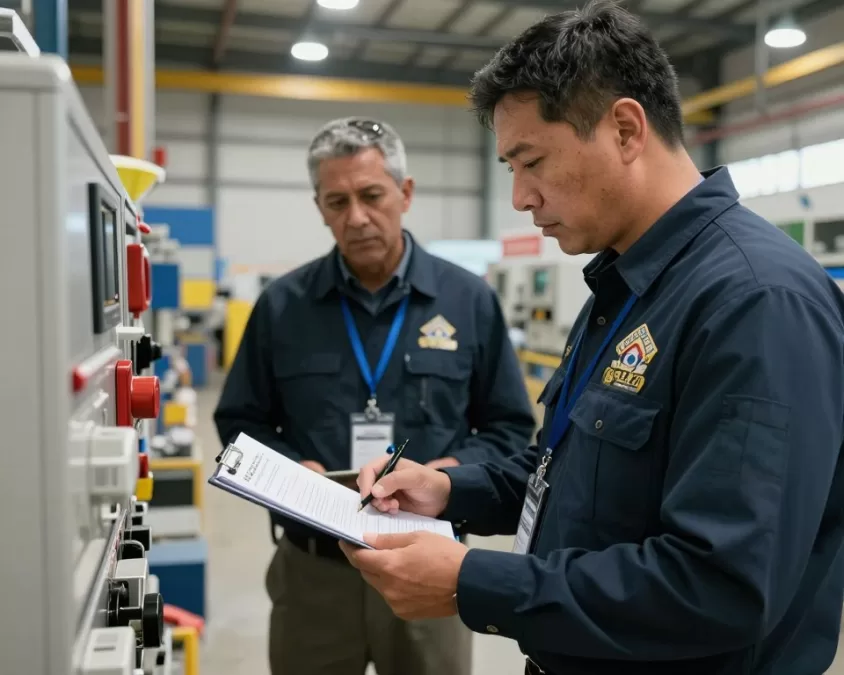
OSHA standards address specific hazards and industries. General industry standards apply to most workplaces. Construction standards address site-specific hazards. Maritime and agriculture standards cover those specialized industries.
Enforcement through inspections identifies violations. OSHA inspectors visit workplaces in response to complaints, accidents, or targeted initiatives. Citations and penalties for violations encourage compliance.
The General Duty Clause requires employers to provide workplaces free from recognized serious hazards. This applies even when specific standards don’t exist. Employers must address hazards that could cause death or serious physical harm.
Worker Rights and Protections
Workers have the right to report unsafe conditions without retaliation. Whistleblower protections prevent employers from punishing workers who raise safety concerns. Workers can request OSHA inspections when they believe serious hazards exist.
Access to exposure and medical records helps workers understand risks they’ve encountered. Employers must maintain records of workplace injuries and illnesses. Workers can review these records to understand safety performance.
Refusing unsafe work is protected in extreme circumstances. When workers face imminent danger that could cause death or serious injury, they can refuse work. This right has specific requirements and should be exercised only when danger is immediate and severe.
International Safety Standards
The International Labour Organization establishes global safety standards. While not directly enforceable, ILO conventions influence national safety regulations worldwide. Many countries model their safety regulations after ILO recommendations.
Developed nations generally have strong safety regulations and enforcement. These countries experience lower workplace fatality rates than developing nations. However, significant risks remain even in highly regulated environments.
Developing countries often lack comprehensive safety regulations or enforcement resources. This contributes to higher workplace fatality rates. International organizations work to improve safety standards and practices in these regions.
Global Statistics and Trends in Workplace Safety
Understanding workplace safety statistics helps identify progress and remaining challenges. Global workplace fatality data reveals which occupations and regions face the greatest risks.
Worldwide Workplace Fatality Data
The International Labour Organization estimates that over 2.3 million workers die from work-related causes annually. This includes approximately 350,000 deaths from workplace accidents. The remainder result from occupational diseases contracted through work exposures.
Construction accounts for the largest share of workplace accidents globally. Mining, agriculture, fishing, and transportation also contribute significantly to workplace death totals. These industries consistently rank among the most dangerous jobs.
Workplace fatality rates vary dramatically by region. Developing nations experience rates up to ten times higher than developed countries. This reflects differences in regulations, enforcement, technology, and economic pressures.
Positive Trends in Workplace Safety
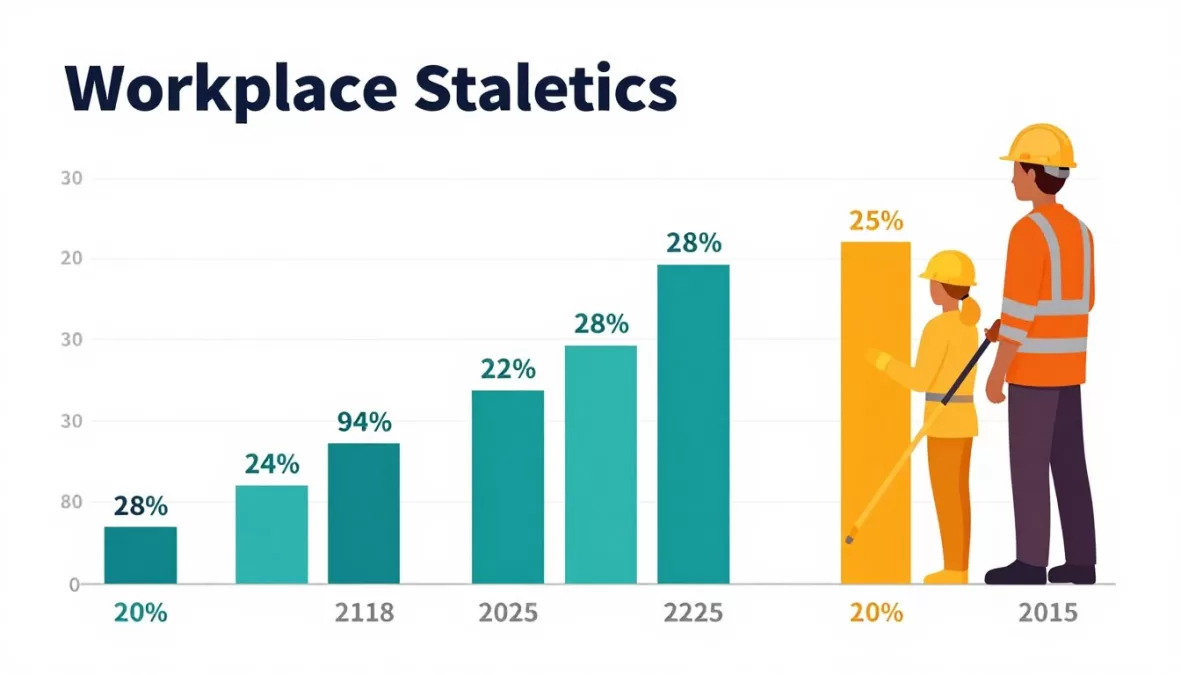
Workplace fatality rates have declined significantly over the past century. Developed nations have achieved dramatic reductions through regulation, technology, and cultural changes. This demonstrates that workplace risks can be effectively managed.
Technology improvements have eliminated some hazardous tasks. Automation and robotics now perform work that previously exposed humans to extreme danger. Remote operation allows workers to control equipment from safe locations.
Safety culture improvements have changed workplace attitudes. Workers and employers increasingly view safety as a core value rather than a regulatory burden. This cultural shift reduces risk-taking and unsafe behaviors.
Continuing Challenges
Economic pressures sometimes conflict with safety priorities. Small businesses may lack resources for comprehensive safety programs. Competitive pressures can tempt employers to cut safety corners.
New technologies create new risks. Emerging industries may not have established safety standards. Workers and regulators must adapt to rapidly changing workplace hazards.
Gig economy and contract work complicate safety responsibility. When multiple employers share worksites, safety accountability becomes unclear. Temporary and contract workers may receive inadequate safety training.
Protecting Those Who Work in Dangerous Jobs
The most dangerous jobs in the world provide essential services that society depends upon. Construction workers build our infrastructure. Fishers provide food. Miners extract materials for manufacturing. Electrical workers maintain power systems. These workers accept significant personal risk to perform necessary work.
Understanding workplace hazards represents the first step toward prevention. Each dangerous occupation has specific risks that require targeted safety measures. Fall protection prevents construction deaths. Proper ground control reduces mining fatalities. Vessel stability and survival equipment save fishers’ lives.
Technology and regulation have dramatically reduced workplace fatalities over time. Modern safety equipment, engineering controls, and regulatory oversight prevent accidents that previously killed thousands of workers. Continued improvement remains possible through sustained focus on occupational safety.
Worker training and safety culture may be the most important factors. Well-trained workers who understand hazards and use proper protective measures avoid many accidents. Workplaces where safety is genuinely valued experience fewer injuries than those where production takes priority.
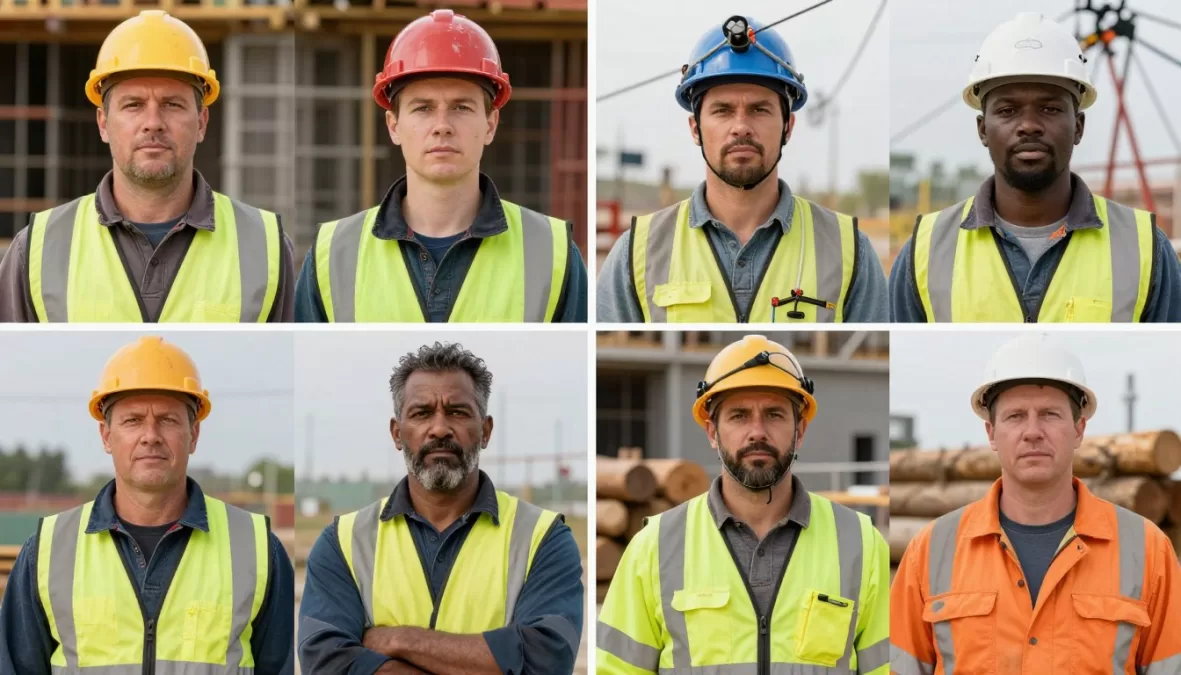
Personal protective equipment provides critical defense against workplace hazards. Hard hats, safety harnesses, protective clothing, and respiratory protection save lives daily. However, equipment only works when workers use it properly and consistently.
Emergency preparedness saves lives when accidents occur. Trained first responders, readily available rescue equipment, and practiced emergency procedures mean workers survive incidents that might otherwise prove fatal. Remote operations especially need comprehensive emergency plans.
Regulatory enforcement ensures minimum safety standards are maintained. Workplace inspections identify hazards and motivate compliance. Strong penalties for violations demonstrate that worker safety must be taken seriously.
Individual workers bear some responsibility for their own safety. Following established procedures, using provided safety equipment, and reporting hazards help prevent accidents. Workers should never feel pressured to compromise their safety.
The dangerous jobs examined in this article will continue to be necessary. Society cannot function without construction, mining, electrical infrastructure, food production, and the other high-risk occupations discussed. Rather than eliminating these jobs, we must continue improving their safety.
Everyone benefits when workplace safety improves. Workers return home uninjured. Families don’t suffer the loss of loved ones. Employers avoid accident costs and liability. Society maintains essential services without unnecessary loss of life.
Recognizing the contributions and sacrifices of workers in dangerous occupations is important. These individuals face risks that most workers never encounter. They deserve appreciation, fair compensation, and most importantly, the safest possible working conditions.
The continuing reduction in workplace fatalities proves that progress is possible. With sustained commitment to occupational safety health principles, implementation of effective safety measures, and cultural prioritization of worker protection, dangerous jobs can become significantly safer while remaining economically viable.
Comprehensive Workplace Safety Resource Center
Access our complete collection of workplace safety resources. Find detailed safety guides for specific occupations, downloadable checklists, training materials, and regulatory compliance information. Whether you’re a safety professional, employer, or worker in a high-risk occupation, these resources provide valuable information to improve workplace safety.
OSHA Safety Hotline – Report Workplace Hazards
Additional Safety Resources:
- National Institute for Occupational Safety and Health (NIOSH) – Research and recommendations
- OSHA Training Institute – Formal safety training programs
- National Safety Council – Safety advocacy and education
- Industry-specific safety associations – Specialized guidance for your occupation
- State-level occupational safety programs – Local resources and regulations

Priyanka Pandey
Senior Research Editor · Top10Sense
Priyanka specializes in tech, consumer products, and digital trends. She combines hands-on testing, vendor interviews, and database research to create trustworthy “Top 10” rankings. Her work has been referenced by industry blogs and brand report pages.