Nature has gifted our world with countless adorable creatures that never fail to bring smiles to people’s faces. From fluffy mammals to tiny marsupials, cute animals capture our hearts and remind us why conservation efforts matter so deeply. Today, we’re exploring the most irresistibly adorable animals that call Earth home.
These creatures have evolved unique features that humans find particularly appealing. Large eyes, soft fur, playful behaviors, and endearing mannerisms all contribute to their cuteness factor. But beyond their appearance, each animal on this list plays a vital role in their ecosystem.
Whether you’re seeking a break from your daily routine or simply love learning about wildlife, this curated collection will introduce you to species that exemplify nature’s charm. Get ready to discover what makes each creature uniquely adorable.
1. Giant Panda: China’s Black and White Treasure
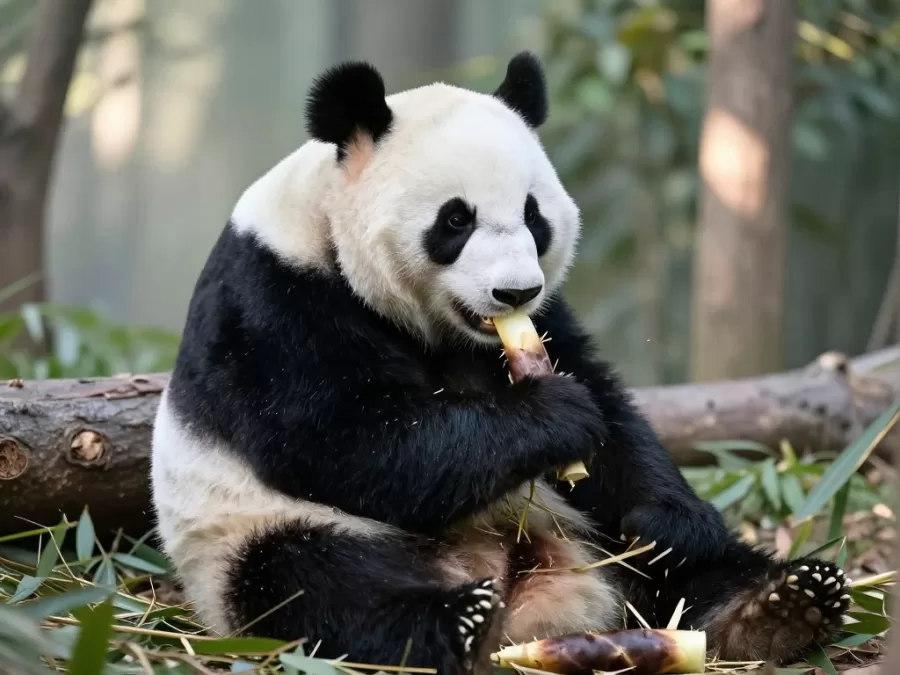
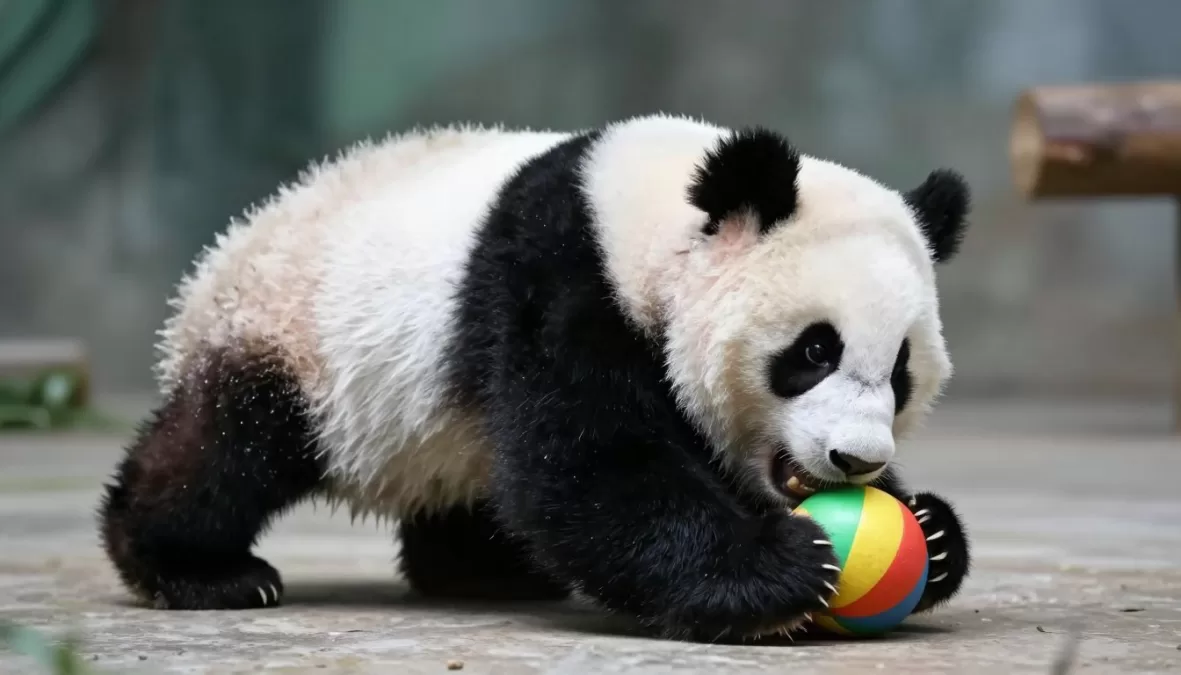
The giant panda stands as one of the most recognizable and beloved cute animals in the world. Native to the mountain forests of China, these gentle bears spend up to 14 hours each day eating bamboo. Their distinctive black and white coloring serves as camouflage in their forest habitat.
Adult pandas weigh between 220 to 330 pounds, yet they maintain an undeniably adorable appearance. Baby pandas are especially cute, weighing just 3 to 5 ounces at birth. They remain pink, blind, and helpless for several weeks before developing their iconic markings.
Conservation efforts have helped increase wild panda populations in recent years. Today, approximately 1,800 pandas live in their natural habitat. Organizations like the World Wildlife Fund work tirelessly to protect these adorable animals and their bamboo forests.
Why Giant Pandas Capture Hearts Worldwide
Several factors contribute to the giant panda’s universal appeal. Their round faces feature large black patches around their eyes, creating a baby-like appearance that triggers nurturing instincts in humans. This phenomenon, called neoteny, makes people naturally drawn to pandas.
Giant pandas also display playful behaviors that endear them to audiences. Video footage shows them tumbling down hills, climbing trees, and engaging in gentle roughhousing. These social creatures form strong bonds within their family groups.
Giant Panda Conservation Success Story
The giant panda’s journey from endangered to vulnerable status represents a remarkable conservation achievement. Decades of dedicated work by Chinese authorities and international organizations have protected crucial habitat areas. Breeding programs have also contributed to population recovery.
However, challenges remain for these cute animals. Climate change threatens bamboo forests, their primary food source. Habitat fragmentation continues to separate panda populations. Continued conservation support ensures these adorable creatures thrive for future generations.
- Over 1,800 giant pandas currently live in the wild across China’s mountain ranges
- Pandas consume 26 to 84 pounds of bamboo daily to meet their nutritional needs
- Female pandas are only fertile for 24 to 72 hours each year
- Baby pandas are born completely helpless and depend entirely on their mothers
- Adult pandas spend most of their time alone except during breeding season
Help Protect These Adorable Species
Giant pandas and countless other cute animals face habitat loss and climate threats. Your support helps fund critical conservation programs that protect endangered species and their ecosystems. Every contribution makes a real difference in wildlife preservation efforts.
2. Red Panda: The Firefox of the Himalayas
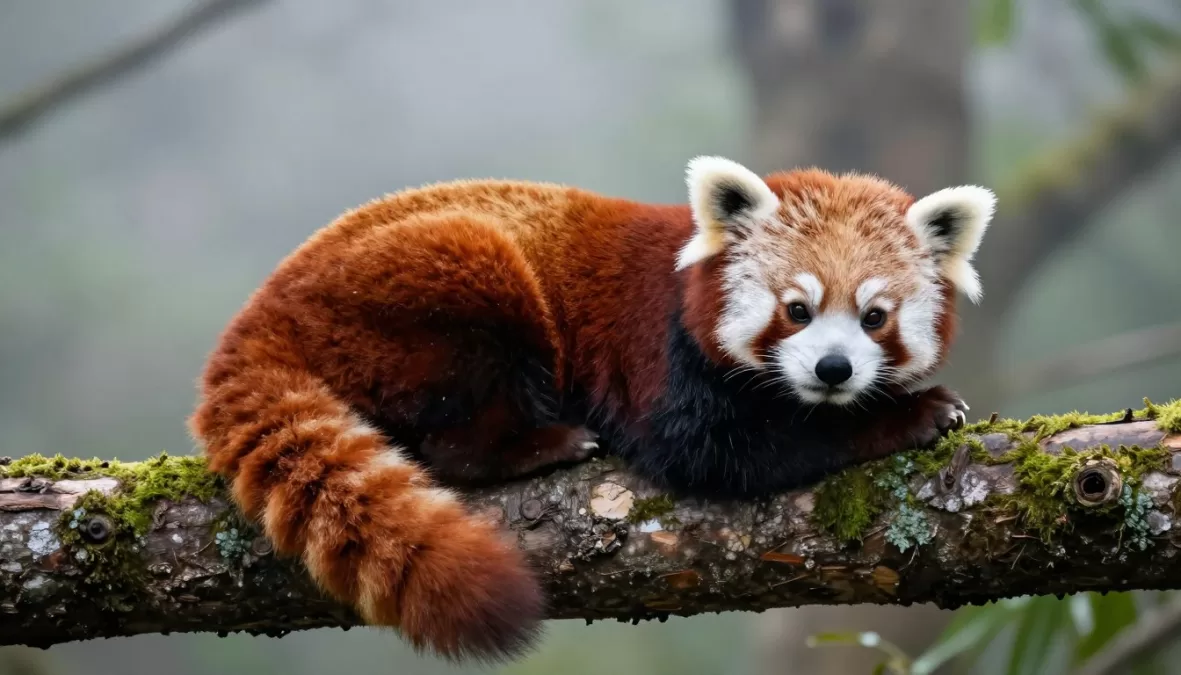
Red pandas rank among the most charming cute animals found in the Eastern Himalayas and southwestern China. Despite their name, these creatures are not closely related to giant pandas. They belong to their own unique family and share more characteristics with raccoons and weasels.
These adorable animals sport thick reddish-brown fur that provides insulation against cold mountain temperatures. Their bushy, ringed tails help them maintain balance while climbing trees and serve as warm blankets during rest periods. Adults typically weigh between 8 to 17 pounds.
Red Panda Physical Characteristics
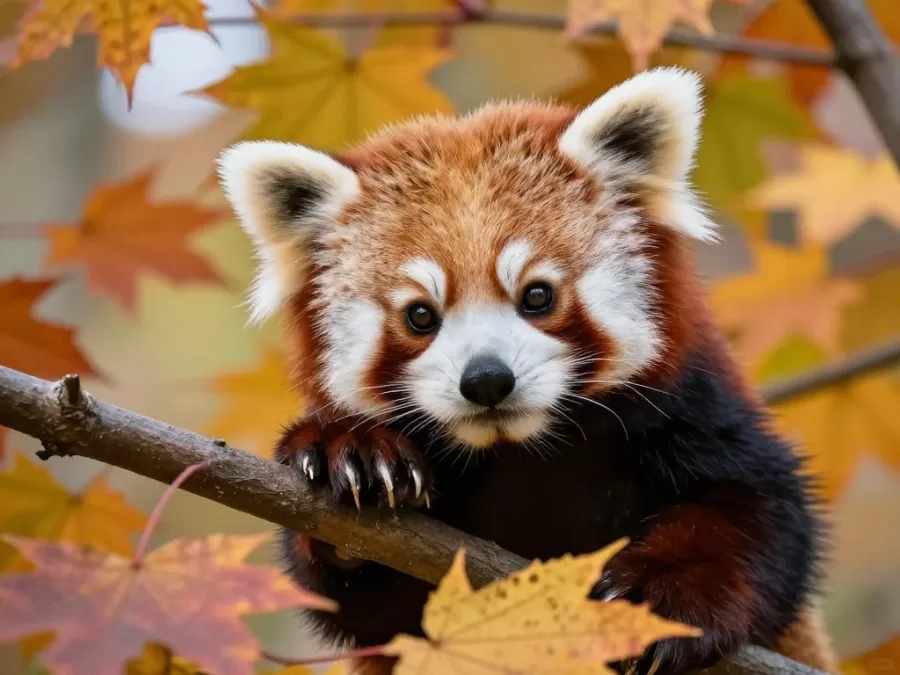
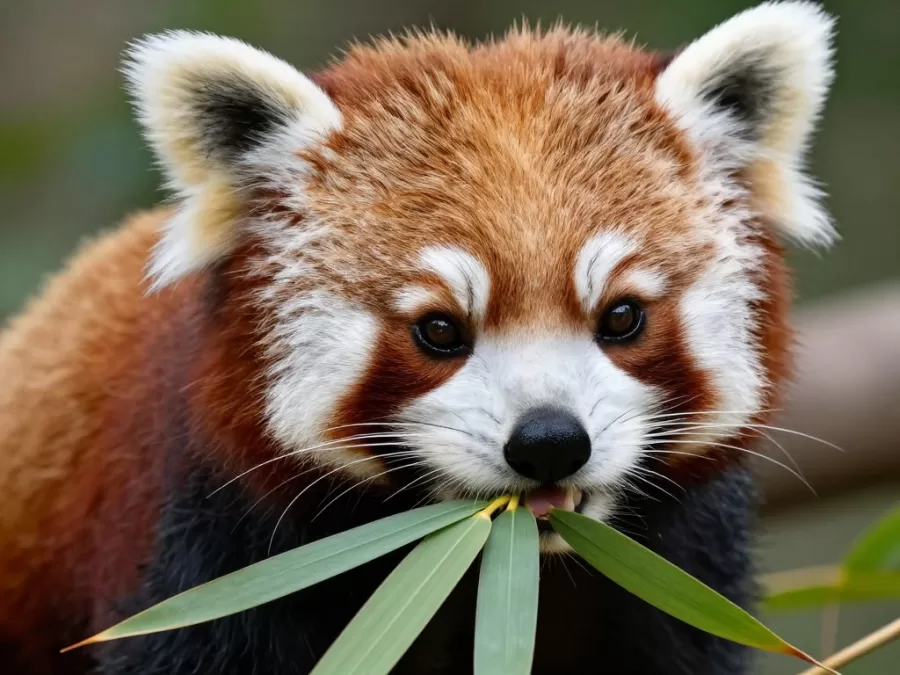
Red pandas possess several distinctive features that contribute to their cuteness. White markings grace their faces, creating unique patterns similar to fingerprints. Their large, pointed ears stand erect, giving them an alert, curious appearance that people find irresistible.
These arboreal mammals have semi-retractable claws that enable excellent climbing abilities. They spend most of their time in trees, using their strong limbs to navigate branches. Red pandas are most active during dawn and dusk hours.
Habitat and Behavior Patterns
Red pandas inhabit temperate forests with dense bamboo undergrowth throughout the Himalayas. They require specific habitat conditions including moderate temperatures and abundant food sources. Unfortunately, their habitat range continues shrinking due to deforestation.
These solitary creatures communicate through vocalizations and scent marking. Red pandas produce various sounds including squeals, twitters, and huffs. During breeding season, they become more social and seek out potential mates within their territory.
Red pandas are classified as endangered species with populations declining across their range. Conservation organizations estimate fewer than 10,000 individuals remain in the wild. Habitat protection and breeding programs work to ensure their survival for future generations of people to admire.
3. Fennec Fox: The Desert’s Cutest Resident
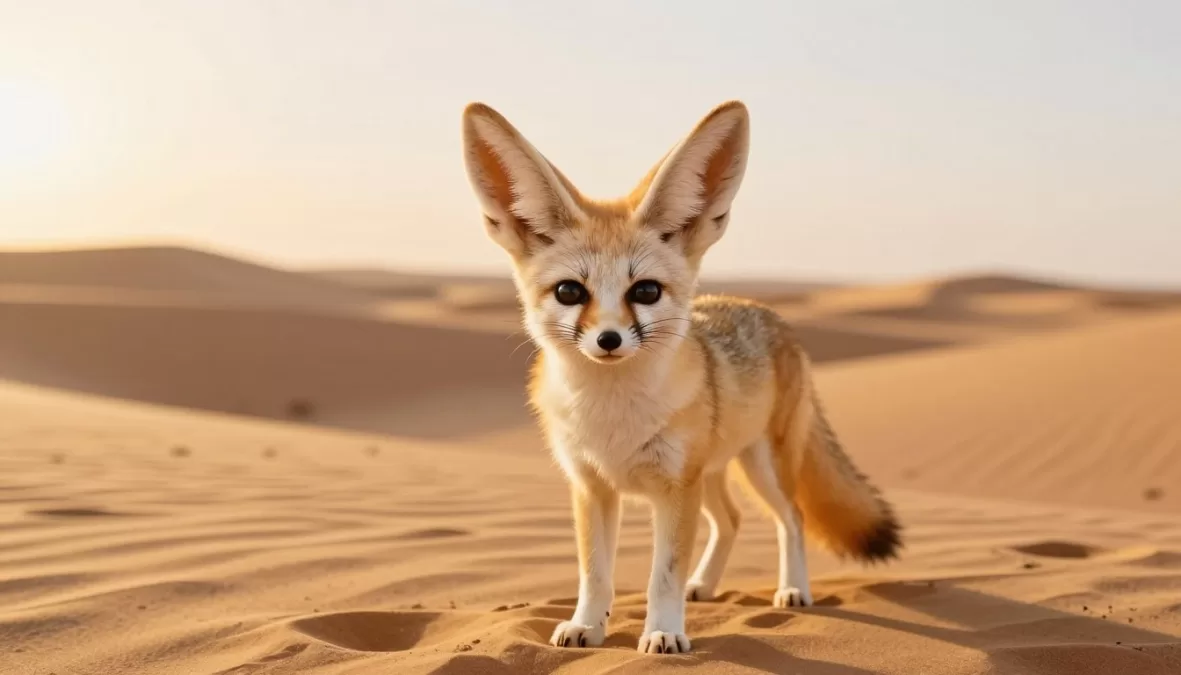
The fennec fox claims the title of smallest fox species and one of the cutest animals adapted to desert life. These tiny canids inhabit the sandy deserts of North Africa, where extreme temperatures and limited water sources challenge survival. Their extraordinary adaptations make them perfectly suited to harsh desert conditions.
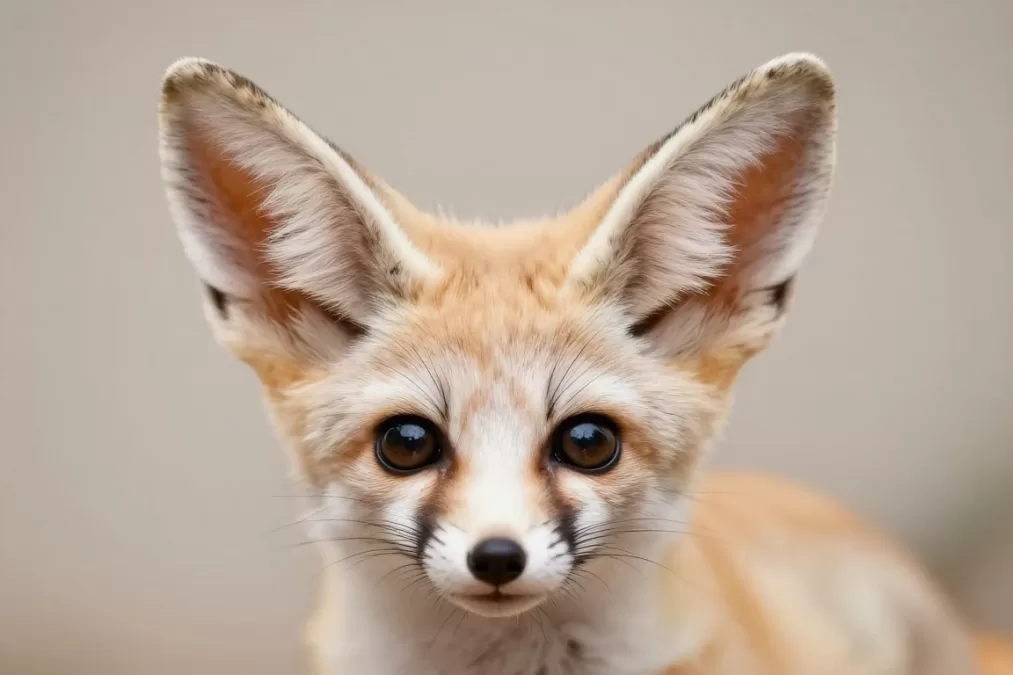
Adults weigh just 2 to 3.5 pounds and measure about 8 inches tall at the shoulder. Their most distinctive feature consists of disproportionately large ears that can reach 6 inches in length. These remarkable ears serve multiple purposes beyond their undeniable cuteness factor.
Remarkable Desert Adaptations
Fennec fox ears function as highly efficient cooling systems in scorching desert heat. Blood vessels near the skin surface release excess body heat, helping regulate temperature. The ears also provide exceptional hearing, allowing foxes to detect prey moving beneath sand.
Their thick, cream-colored fur offers insulation against both daytime heat and nighttime cold. Fur on their feet protects paw pads from burning sand while providing traction on shifting dunes. These social creatures live in small family groups within underground dens.
Fennec foxes are omnivores that consume insects, small rodents, eggs, and desert plants. They obtain most required water from food sources rather than drinking directly. This adaptation allows them to survive in environments where water remains scarce throughout the year.
These nocturnal hunters emerge after sunset to search for food across desert landscapes. Their excellent night vision and acute hearing make them effective predators. During daylight hours, they retreat to cool underground burrows to escape intense heat.
Fennec Fox Social Structure and Life
Unlike many fox species, fennec foxes exhibit strong social bonds within family units. Parents form monogamous pairs and work together raising offspring. Kits remain with parents for extended periods, learning essential survival skills before establishing their own territories.
These adorable animals communicate through various vocalizations including barks, purrs, and growls. They also use scent marking to define territory boundaries and convey information to other fennec foxes. Social grooming strengthens family bonds within the group.
- Fennec fox ears can measure up to one-quarter of their total body length
- They can survive without drinking water for extended periods by extracting moisture from food
- Fennec foxes can leap up to 2 feet high and 4 feet forward despite their small size
- Their kidney structure concentrates urine to conserve precious water in desert environments
- Family groups typically consist of a breeding pair and their offspring from multiple seasons
4. Sea Otter: Nature’s Floating Teddy Bear
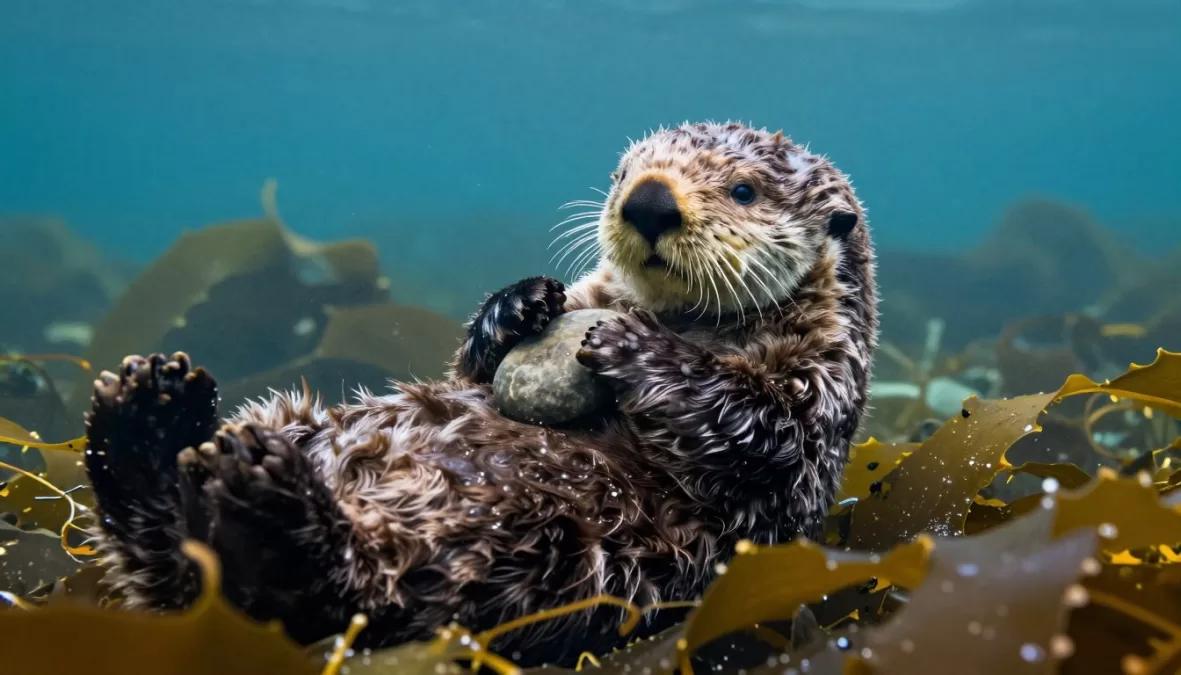
Sea otters represent some of the most endearing marine cute animals inhabiting coastal waters of the northern Pacific Ocean. These charismatic mammals captivate people with their playful behaviors and tool-using abilities. They belong to the weasel family and possess the densest fur of any animal on Earth.
Adults typically weigh between 50 to 100 pounds, with males significantly larger than females. Their thick fur contains up to one million hairs per square inch, providing essential insulation in cold ocean water. Unlike other marine mammals, sea otters lack blubber and rely entirely on their fur for warmth.
Remarkable Tool-Using Abilities
Sea otters demonstrate impressive intelligence through their use of rocks as tools to crack open shellfish. They place stones on their chests while floating and strike hard-shelled prey against them repeatedly. This behavior ranks among the most sophisticated tool use observed in the animal kingdom.
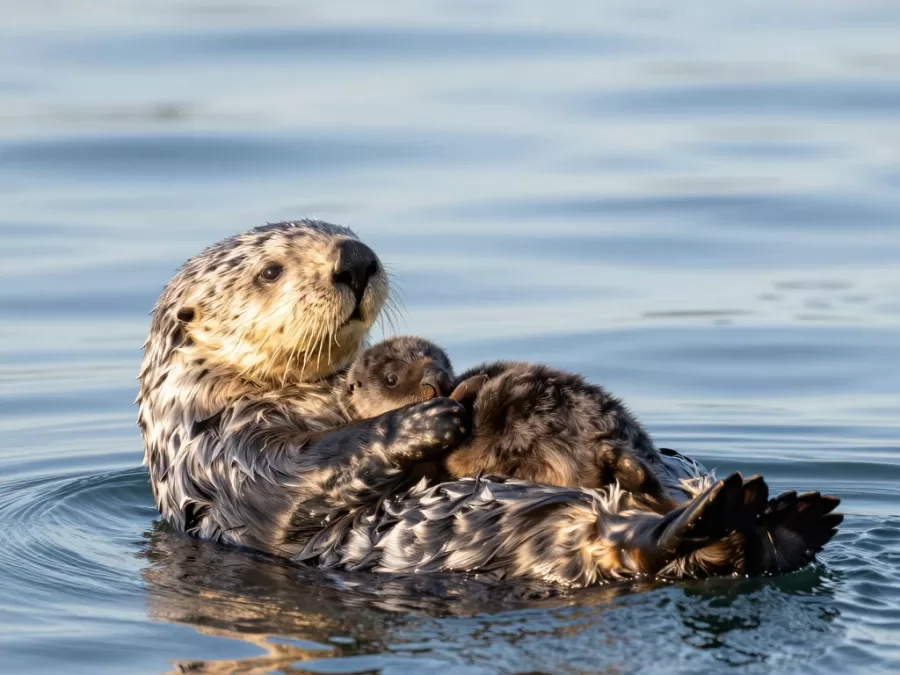
These social creatures often hold paws while sleeping to prevent drifting apart in ocean currents. They form groups called rafts that can include dozens of individuals. This behavior not only looks adorable but serves important survival purposes in marine environments.
Sea otters consume approximately 25% of their body weight daily to maintain their high metabolism. Their diet consists primarily of sea urchins, crabs, clams, and various shellfish species. This voracious appetite plays a crucial role in maintaining healthy kelp forest ecosystems.
Ecological Importance and Conservation
Sea otters serve as keystone species in kelp forest ecosystems along the Pacific coast. By controlling sea urchin populations, they prevent overgrazing that would destroy kelp forests. These underwater forests provide habitat for countless other species and protect coastlines from erosion.
Historical fur trade nearly drove sea otters to extinction by the early 1900s. Conservation efforts and legal protections have helped populations recover in some regions. However, these adorable animals still face threats from oil spills, fishing gear entanglement, and habitat degradation.
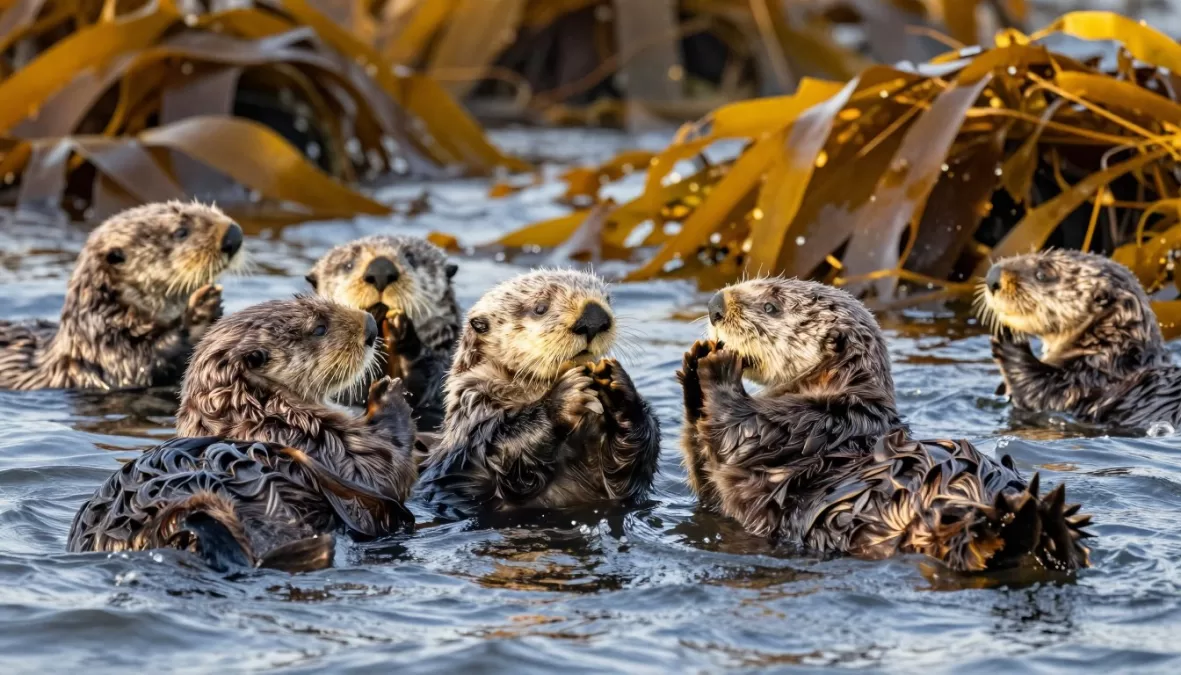
Current conservation challenges include expanding sea otter populations into historically occupied habitat areas. Organizations work to reduce human-otter conflicts and protect crucial marine environments. Public education programs highlight the species’ importance to ocean health and ecosystem balance.
5. Penguin: Antarctica’s Tuxedo-Wearing Charmers
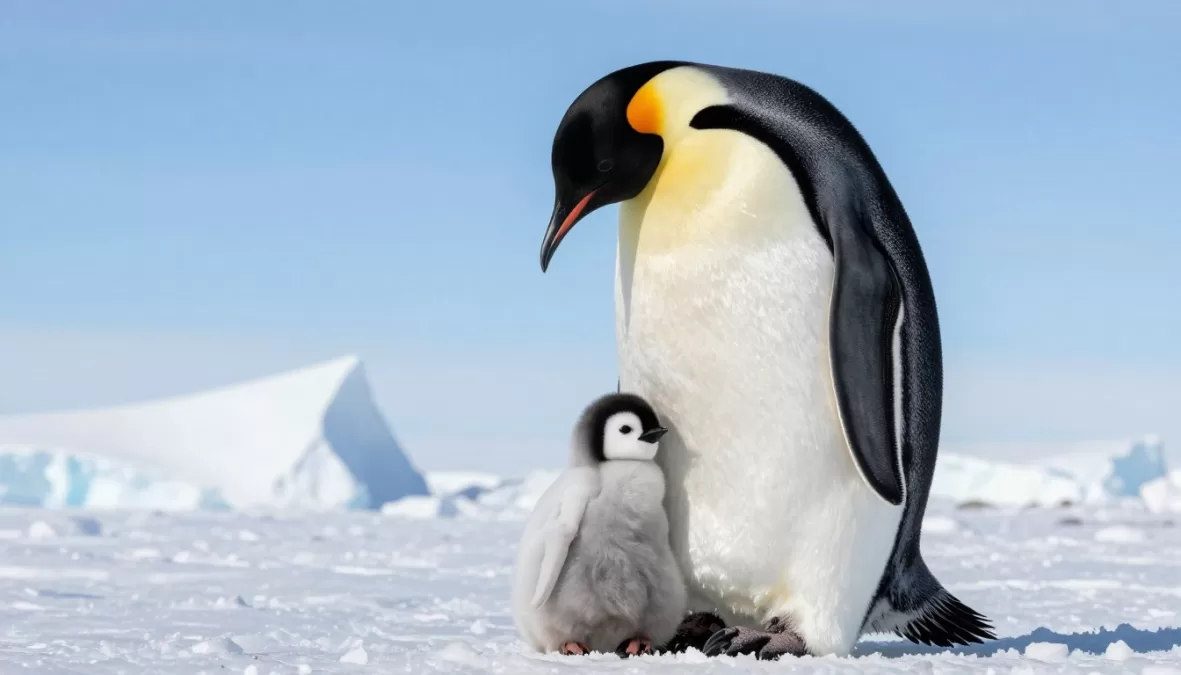
Penguins rank among the most universally beloved cute animals, with their distinctive black and white plumage resembling formal attire. These flightless birds inhabit the Southern Hemisphere, with the majority of species found in Antarctica and surrounding islands. Their waddling walk and upright posture contribute significantly to their charm.
Eighteen penguin species exist today, ranging from the tiny Little Blue Penguin weighing just 2 pounds to the Emperor Penguin reaching 90 pounds. All species share common characteristics including streamlined bodies adapted for swimming and dense feathers providing waterproof insulation.
Penguin Adaptations for Life in Water
Despite losing the ability to fly, penguins evolved into exceptional swimmers. They use their flipper-like wings to “fly” through water at speeds up to 22 miles per hour. Their torpedo-shaped bodies minimize drag while their webbed feet serve as rudders for precise steering.
Penguins possess specialized glands that filter salt from seawater, allowing them to drink ocean water safely. Their black backs and white bellies provide camouflage in water through countershading. This coloration protects them from predators viewing from above or below.
These social creatures live in large colonies that can number thousands or even millions of individuals. Colony life provides protection from predators and harsh weather conditions. Penguins recognize their mates and chicks through unique vocal calls among the cacophony of colony sounds.
Remarkable Parenting Behaviors
Penguin species display extraordinary dedication to raising their young in harsh Antarctic conditions. Emperor penguins, for example, endure winter temperatures dropping to minus 40 degrees while incubating eggs. Males fast for up to 120 days while balancing eggs on their feet beneath warm brood pouches.
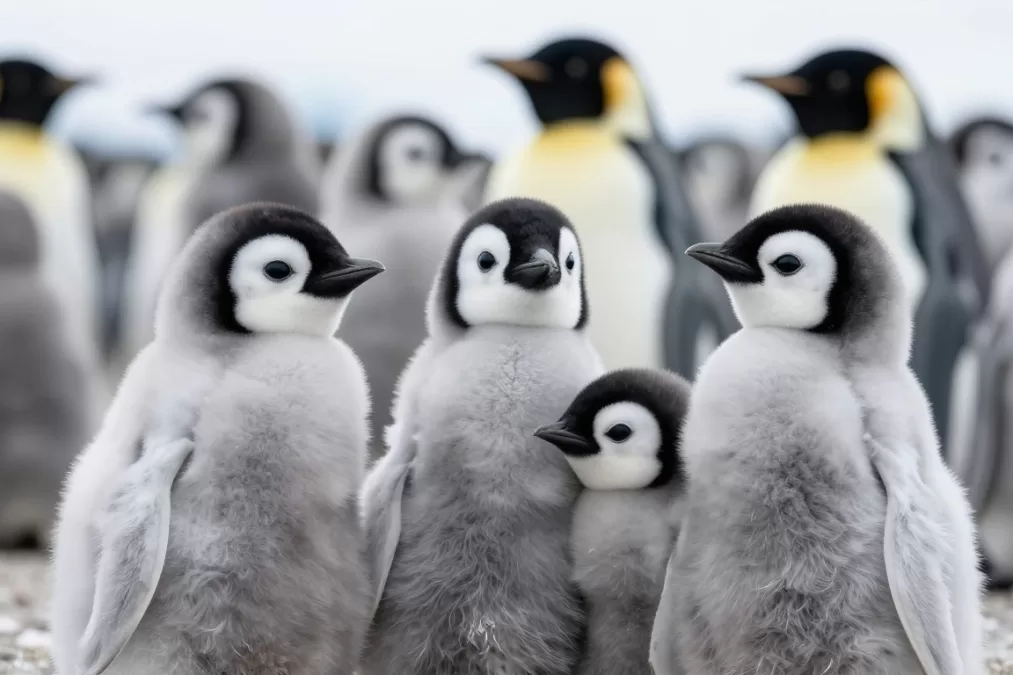
Both parents typically share childcare responsibilities, taking turns foraging at sea and caring for chicks. They recognize their offspring among thousands of similar-looking baby penguins through distinctive calls. This remarkable parental investment ensures high survival rates for penguin chicks.
Baby penguins, called chicks, appear particularly adorable with their fluffy gray down feathers. They gather in groups called crèches while parents hunt at sea. This communal childcare system protects vulnerable chicks from predators and extreme weather until they develop waterproof adult plumage.
Antarctic Wildlife Expedition
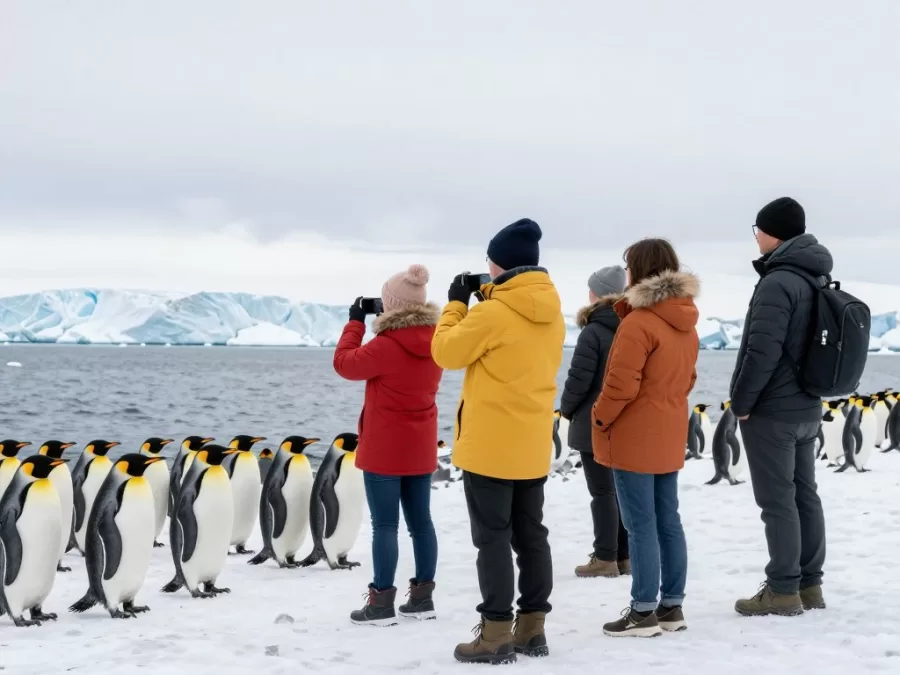
Experience the world’s cutest animals in their natural habitat. Our carefully curated wildlife tours bring you face-to-face with penguins, seals, and other Antarctic species while supporting conservation efforts. Expert guides ensure responsible wildlife viewing that protects these precious ecosystems.
- Small group sizes for personalized experiences
- Expert naturalist guides with decades of experience
- Conservation-focused tourism supporting local protection efforts
- Professional photography opportunities with optimal wildlife access
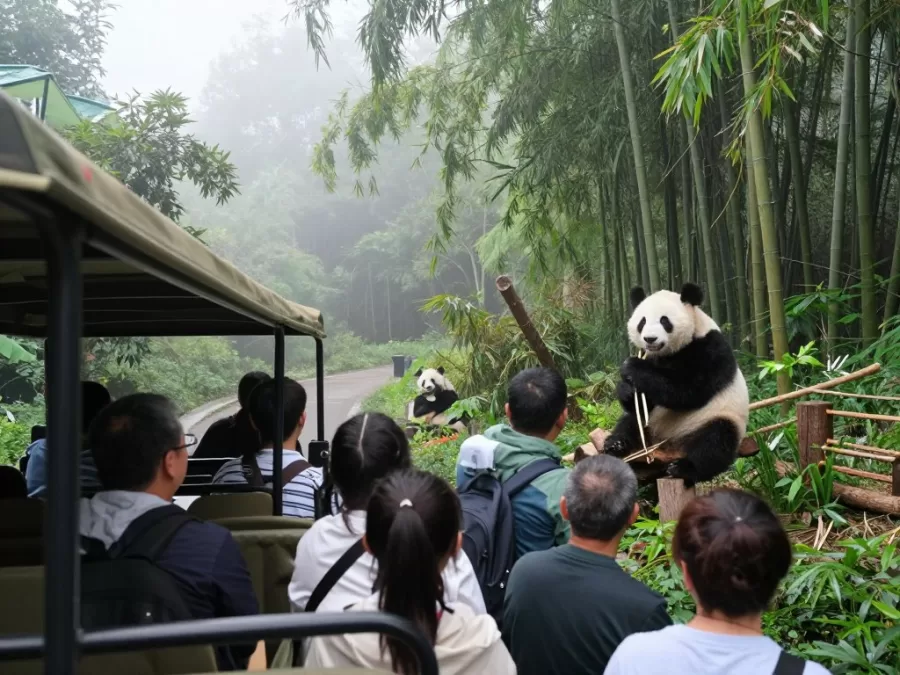
Asian Wildlife Adventure
Journey through Asia’s most spectacular wildlife reserves to encounter giant pandas, red pandas, and countless other adorable species. Our tours combine luxury accommodations with authentic wildlife experiences in China, Nepal, and India. Contribute to conservation while creating memories that last a lifetime.
- Exclusive access to premier panda conservation centers
- Himalayan treks to red panda habitat zones
- Cultural experiences combined with wildlife viewing
- Portion of tour fees support local conservation programs
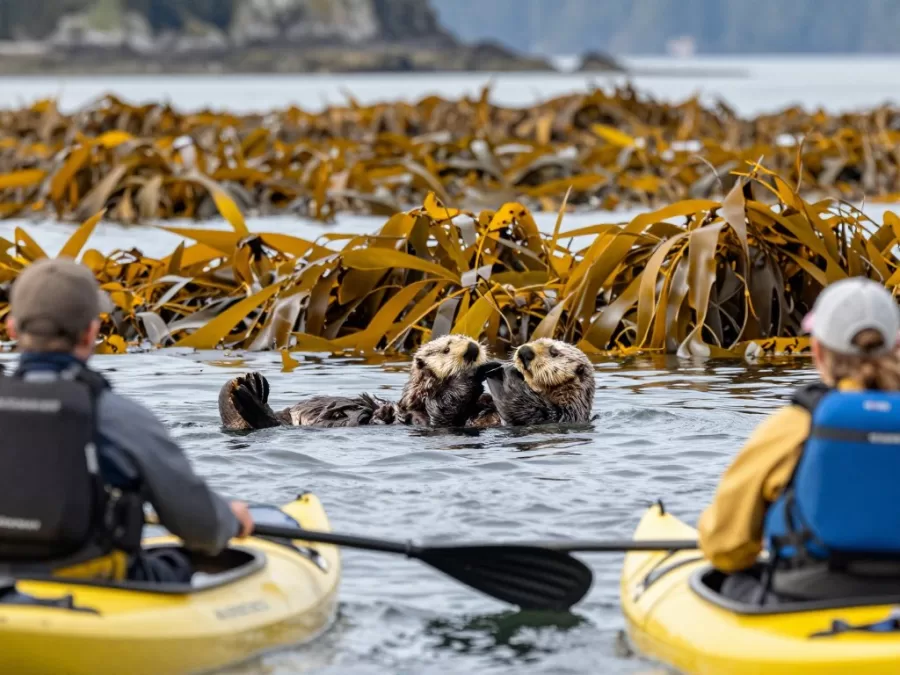
Marine Wildlife Experience
Discover sea otters, seals, and marine life along North America’s spectacular Pacific coast. Our eco-conscious tours provide intimate wildlife encounters while supporting ocean conservation. Perfect for families and wildlife enthusiasts seeking unforgettable cute animal experiences in pristine coastal environments.
- Kayak tours through sea otter habitat
- Marine biologist-led educational programs
- Whale watching and coastal wildlife spotting
- Sustainable tourism practices protecting marine ecosystems
6. Koala: Australia’s Eucalyptus-Loving Icon
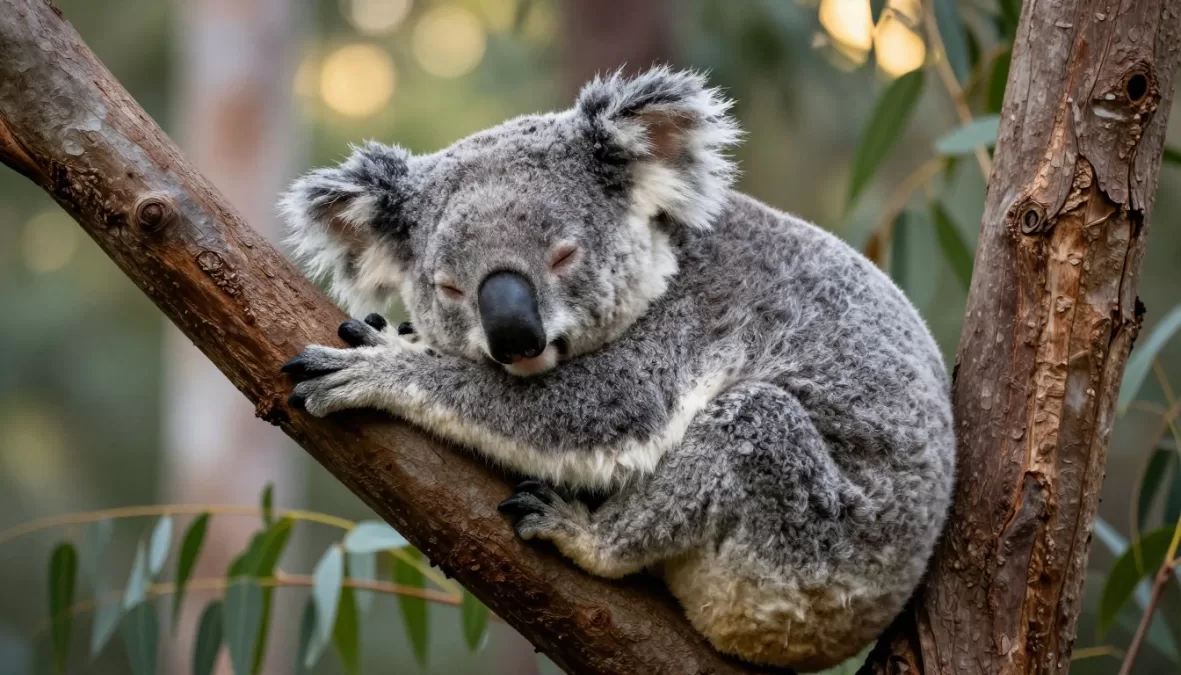
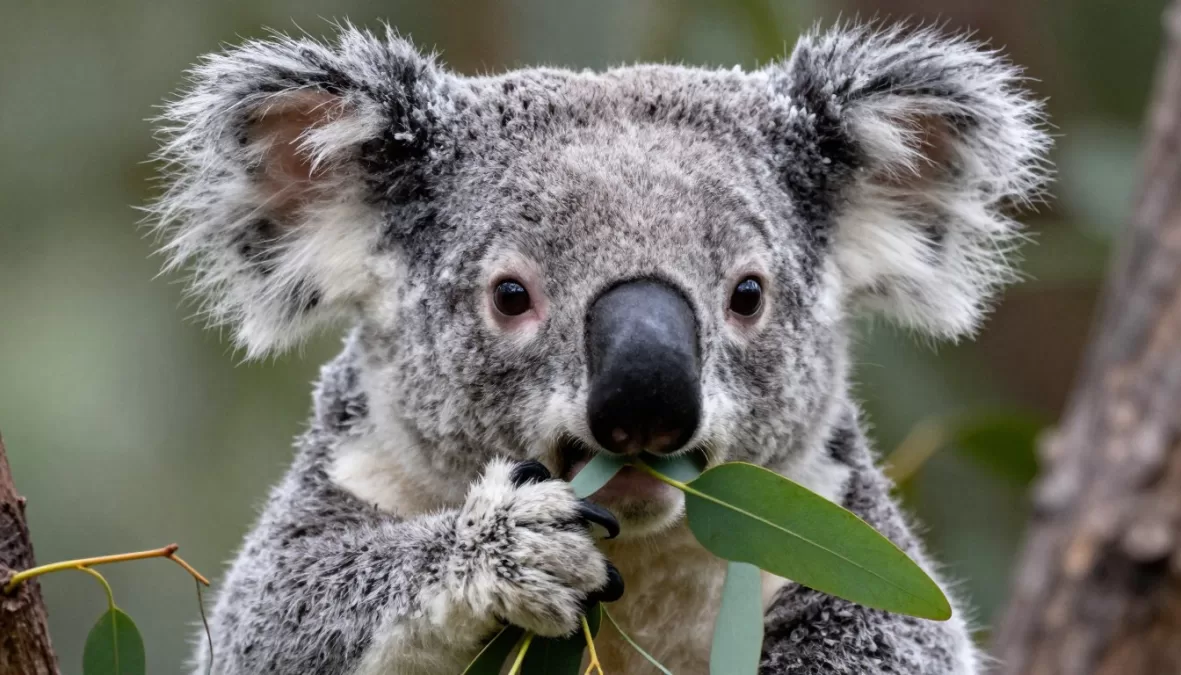
Koalas stand as one of Australia’s most recognizable cute animals and national symbols. These arboreal marsupials spend up to 22 hours daily sleeping in eucalyptus trees. Their sleepy demeanor, fluffy ears, and round faces create an irresistibly cuddly appearance that captivates people worldwide.
Adult koalas weigh between 9 to 33 pounds, with males considerably larger than females. They possess thick, soft gray fur that protects them from temperature extremes and rain. Their large, leathery noses help them select the most nutritious eucalyptus leaves from over 600 available species.
Specialized Eucalyptus Diet
Koalas are one of the few mammals capable of surviving on eucalyptus leaves exclusively. These leaves contain toxic compounds and provide minimal nutrition. Koalas possess specialized digestive systems with extra-long intestines that break down tough plant fibers and neutralize toxins.
Their low-energy diet necessitates extensive rest periods to conserve energy for digestion. Koalas have evolved slow metabolisms that allow them to survive on this nutrient-poor food source. They obtain most required water from eucalyptus leaves rather than drinking directly.
Each koala consumes approximately 1 to 2 pounds of eucalyptus leaves daily. They use their keen sense of smell to identify leaves with higher moisture content and fewer toxins. Different eucalyptus species provide varying nutritional value throughout seasons.
Koala Life Cycle and Reproduction
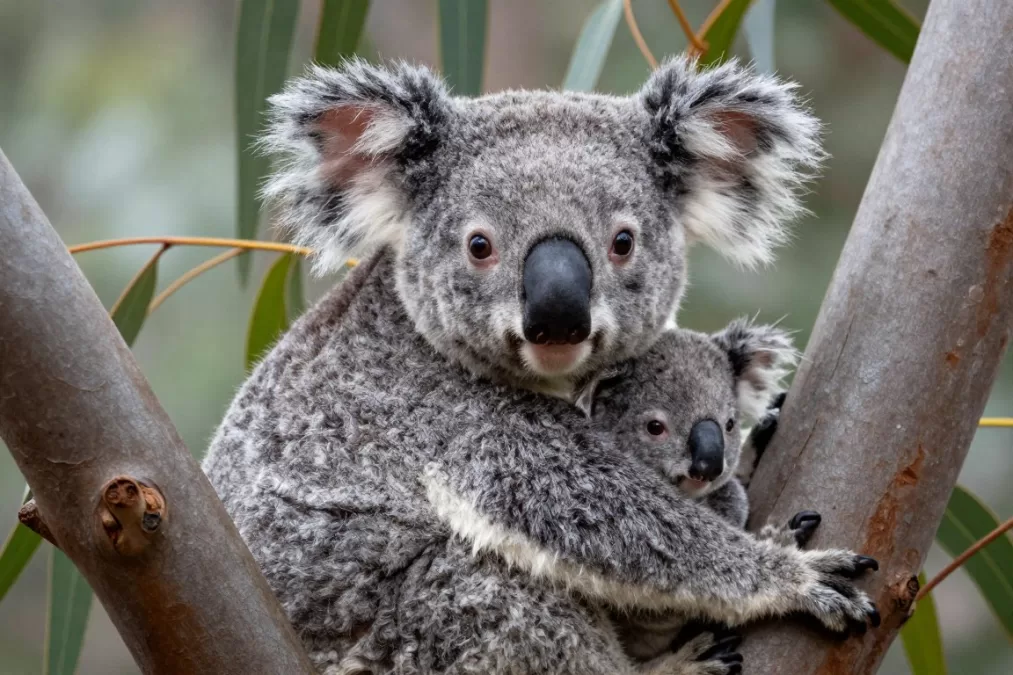
Female koalas give birth to a single joey after a 35-day gestation period. Newborns measure less than an inch long and weigh under one gram. The underdeveloped joey crawls into the mother’s pouch where it continues developing for six months.
Young koalas emerge from the pouch but continue riding on their mothers’ backs for several more months. During this time, they consume a special substance called pap that contains partially digested eucalyptus. This prepares their digestive systems to process eucalyptus leaves independently.
Conservation Challenges Facing Koalas
Koala populations face significant threats from habitat loss, disease, and climate change. Deforestation removes crucial eucalyptus forests while bushfires destroy remaining habitat. Chlamydia disease affects many wild populations, causing blindness and infertility in these adorable animals.
Climate change impacts eucalyptus trees, reducing leaf nutritional quality and water content. Longer, more intense droughts stress koala populations already struggling with limited resources. Conservation organizations work to protect habitat corridors and establish disease treatment programs.
Recent bushfire seasons in Australia have devastated koala populations in some regions. Rescue and rehabilitation efforts help injured animals while habitat restoration projects replant eucalyptus forests. Public awareness campaigns educate people about threats facing these iconic cute animals.
7. Hedgehog: The Spiny Ball of Adorableness
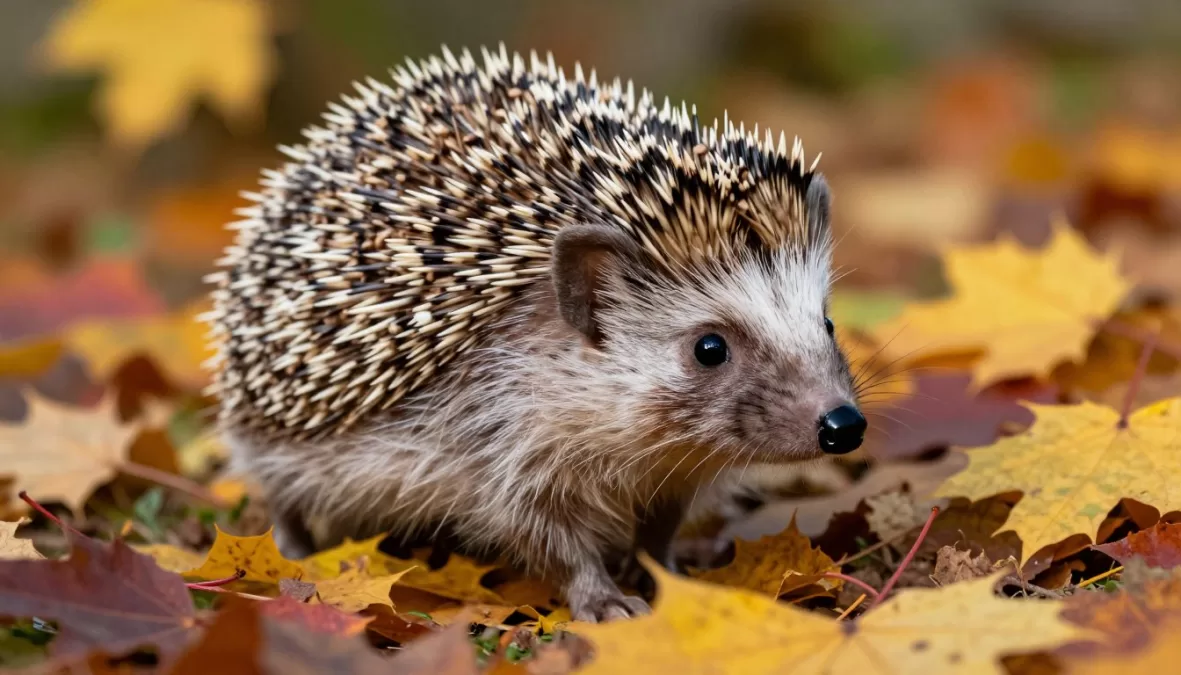
Hedgehogs charm their way into hearts worldwide with their spiny backs and tiny faces. These small mammals inhabit Europe, Asia, Africa, and New Zealand through introduction. Their defensive behavior of rolling into tight balls when threatened creates an irresistibly cute appearance that makes them popular pets in many regions.
Seventeen species of hedgehogs exist across diverse habitats from deserts to forests. Adults typically weigh between 14 to 39 ounces depending on species. Their backs feature approximately 5,000 to 7,000 modified hairs called quills that provide protection from predators.
Unique Defensive Adaptations
Hedgehog quills consist of hollow hairs stiffened with keratin, the same protein found in human nails. Each quill attaches to a muscle allowing the hedgehog to raise them when threatened. Unlike porcupine quills, hedgehog spines do not detach and remain firmly connected to the animal’s body.
When danger approaches, hedgehogs curl into tight balls by contracting powerful muscles along their backs and sides. This defensive posture protects their vulnerable faces, bellies, and feet behind a fortress of spines. Most predators find this prickly ball too difficult to attack and eventually give up.
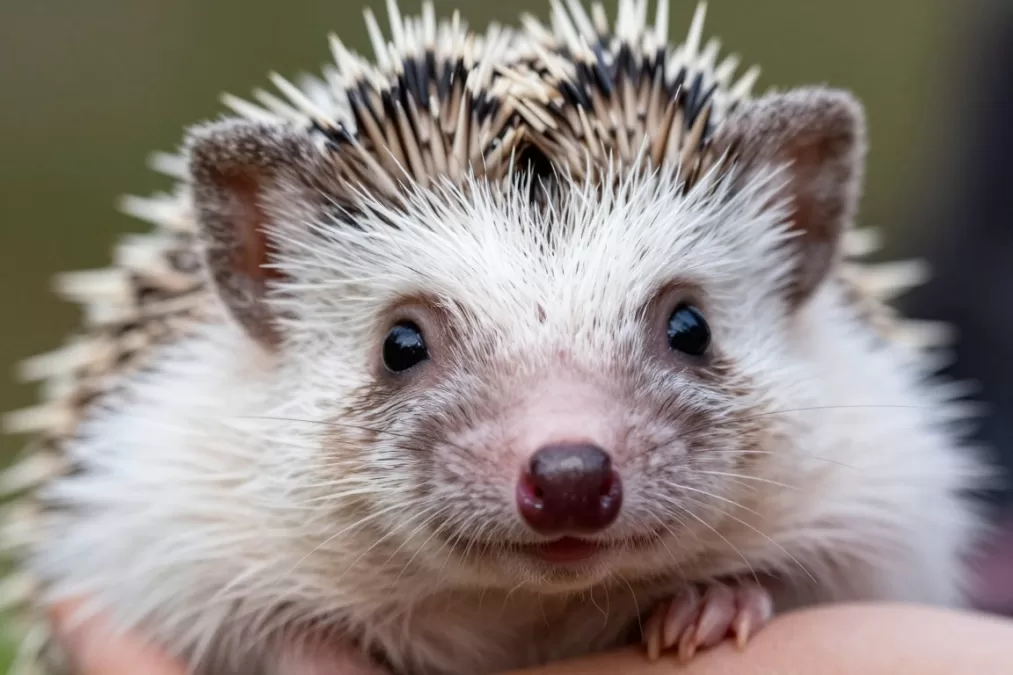
Despite their spiny armor, hedgehogs possess soft faces with cute button noses and tiny eyes. Their feet feature five toes with sharp claws for digging. These nocturnal creatures emerge after sunset to hunt for insects, worms, snails, and other small prey items.
Hedgehog Behavior and Habitat
Hedgehogs are primarily solitary animals that only seek out company during breeding season. They communicate through various sounds including snuffles, grunts, and high-pitched squeals. Males perform elaborate courtship rituals involving circling females for hours before mating.
These creatures build nests called hibernaculums using leaves, grass, and other vegetation. In colder climates, hedgehogs hibernate during winter months when food becomes scarce. Their body temperature drops significantly and heart rate slows to conserve energy until spring arrives.
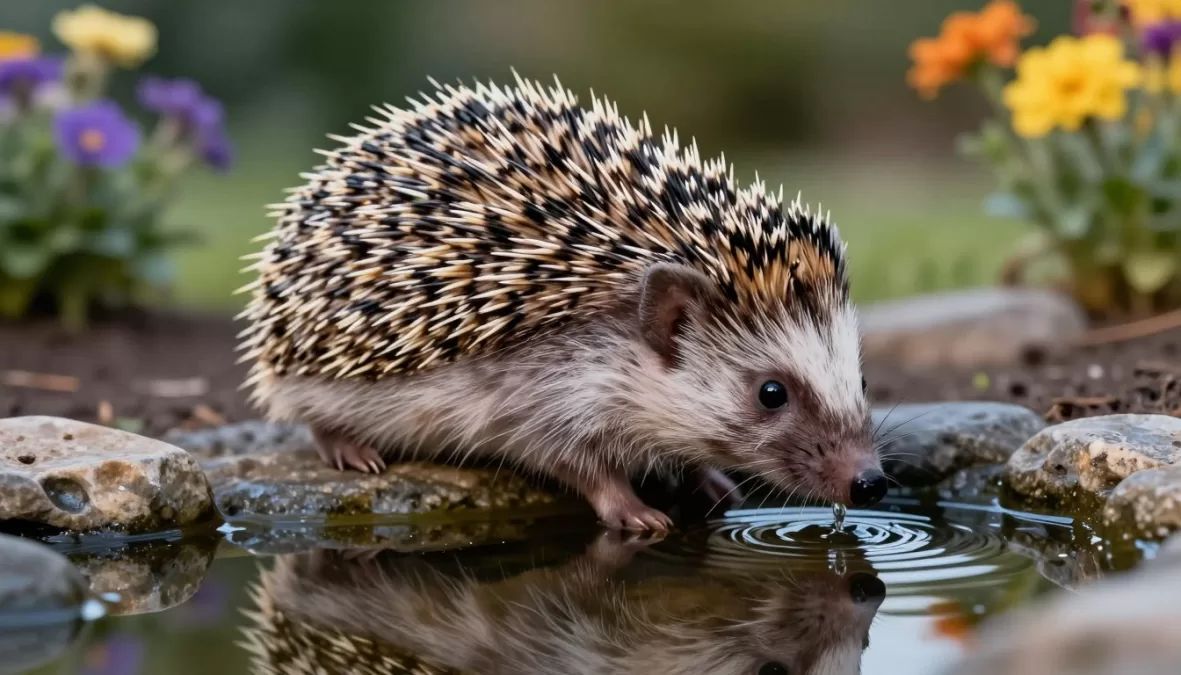
Baby hedgehogs, called hoglets, are born blind and helpless with soft, flexible spines. These initial quills lie flat beneath skin to protect the mother during birth. Within hours, the first spines emerge followed by a second coat of darker quills within weeks. Hoglets remain with mothers for approximately six weeks before venturing out independently.
- Hedgehogs can run up to 6 feet per second despite their short legs
- They are immune to many snake venoms that would kill other animals
- Hedgehogs perform “self-anointing” by spreading frothy saliva on their spines
- Their diet includes beetles, caterpillars, earthworms, and slugs
- Some species can live up to 10 years in captivity with proper care
8. Quokka: The Happiest Animal on Earth
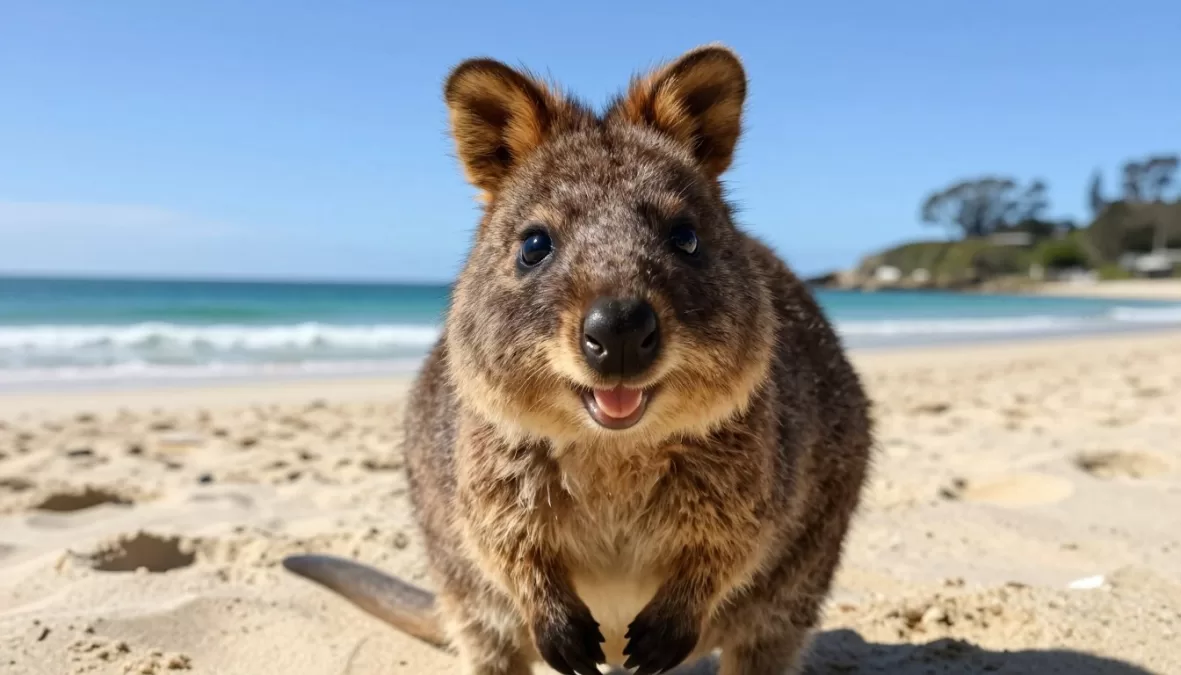
Quokkas have earned their reputation as the world’s happiest cute animals through their perpetual smile-like facial expressions. These small marsupials inhabit a limited range in Western Australia, primarily on Rottnest Island and smaller nearby islands. Their friendly demeanor and photogenic faces have made them social media sensations.
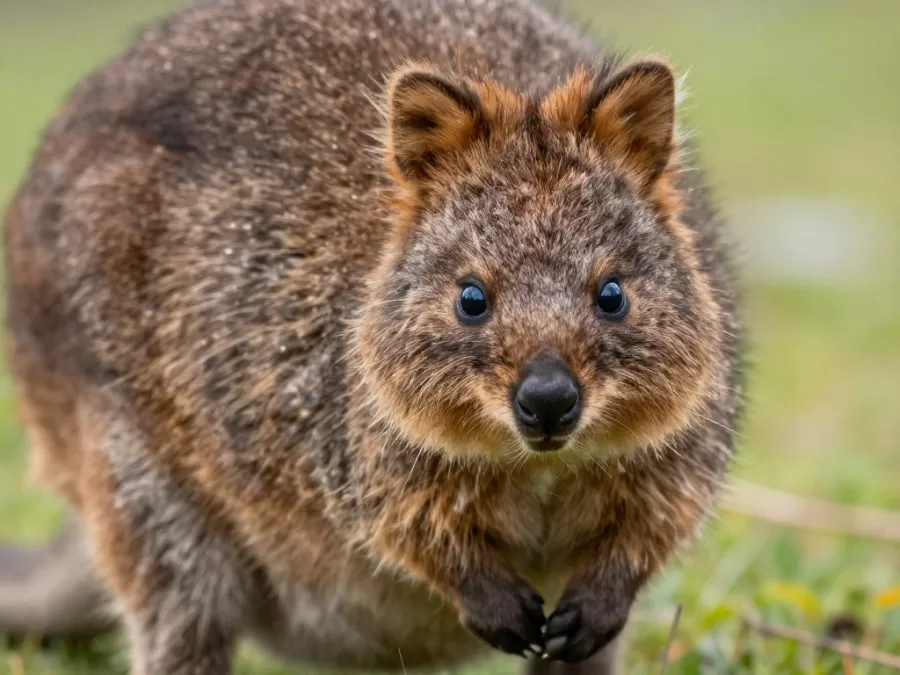
Adult quokkas weigh between 5 to 11 pounds and measure about 16 to 21 inches in body length. Their short, coarse fur appears brownish-gray with lighter coloring on the underside. A thick, tapering tail measuring 10 to 12 inches helps them balance while hopping through vegetation.
Quokka Social Behavior and Diet
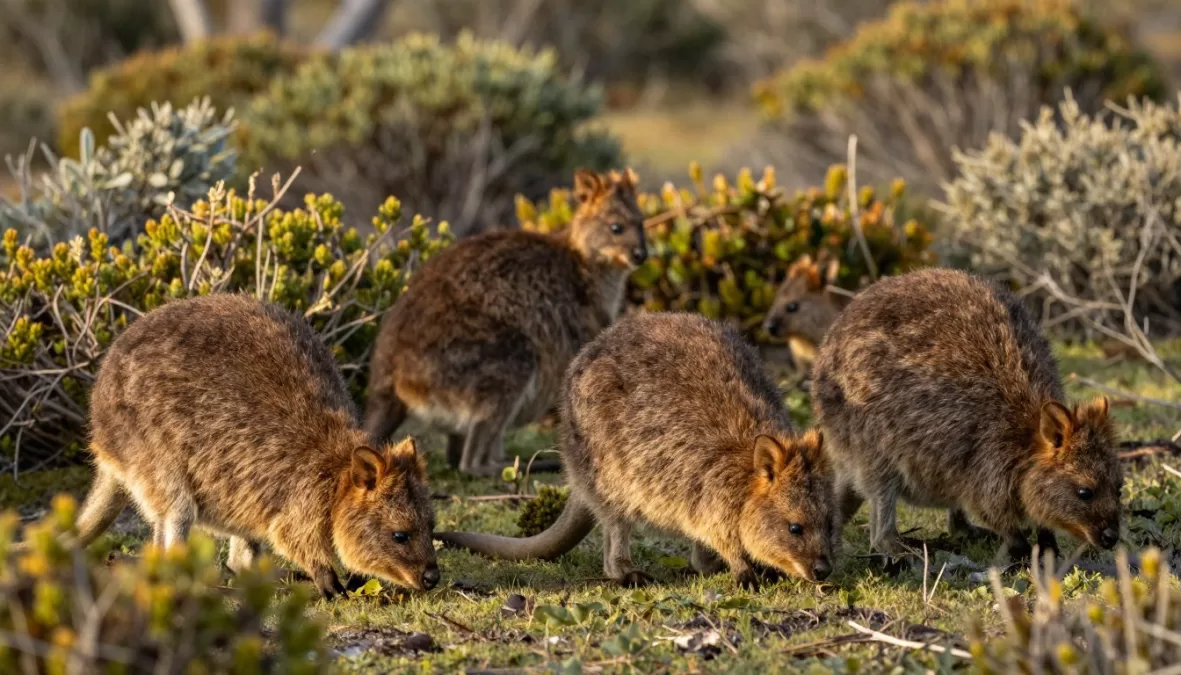
Unlike many marsupials, quokkas display surprisingly social behavior and show little fear of humans. They live in small family groups with defined territories. This unusual friendliness makes them popular with tourists, though feeding or touching wild quokkas is prohibited to protect both animals and people.
Quokkas are herbivores that consume various plants, grasses, leaves, and bark. They can climb trees to reach fresh growth and fruits. Like camels, quokkas can survive for extended periods without water by obtaining moisture from vegetation. This adaptation helps them thrive in Australia’s dry climate.
These nocturnal marsupials spend daylight hours resting in shaded areas beneath dense vegetation. They emerge at dusk to forage for food across their territory. Quokkas create networks of trails through thick brush that multiple individuals use regularly.
Conservation Status and Tourism Impact
Quokkas are classified as vulnerable species with populations declining in mainland Australia due to habitat loss and predation by introduced species. Rottnest Island provides a crucial refuge where they thrive without natural predators. Approximately 10,000 to 12,000 quokkas inhabit this protected island sanctuary.
Tourism to Rottnest Island has increased dramatically as quokkas gained fame through social media “quokka selfies.” While this attention raises awareness about conservation, it also creates challenges. Authorities strictly enforce rules against feeding or touching quokkas to prevent health issues and maintain their natural behaviors.
Conservation efforts focus on protecting quokka habitat and controlling introduced predators on the mainland. Breeding programs work to establish new populations in predator-free areas. Public education emphasizes responsible wildlife viewing that protects these adorable animals while allowing people to appreciate their charm.
Capture Cute Animal Moments Forever
Whether you’re planning wildlife adventures or photographing animals in your backyard, quality equipment helps you document adorable creatures. Professional wildlife photographers recommend these essential tools for capturing stunning animal images.

Wildlife Photography Camera Kit
Professional-grade camera systems designed specifically for capturing cute animals in their natural habitats. These kits include camera bodies, telephoto lenses, and essential accessories for stunning wildlife photographs.
- Fast autofocus for tracking moving animals
- Weather-sealed construction for outdoor durability
- High-resolution sensors capturing fine fur details
- Telephoto lenses for safe wildlife distances

Complete Wildlife Field Guides
Comprehensive field guides help identify and understand cute animals in various habitats worldwide. These expertly written books provide detailed species information, behavioral insights, and conservation status updates.
- Detailed species descriptions with range maps
- High-quality photographs for accurate identification
- Behavioral information and habitat preferences
- Conservation status and protection efforts

Premium Wildlife Observation Equipment
Professional binoculars and spotting scopes enable safe wildlife viewing from appropriate distances. These optical instruments bring cute animals closer without disturbing their natural behaviors or habitats.
- Crystal-clear optics for detailed animal observation
- Waterproof and fog-proof construction
- Lightweight designs for extended field use
- Wide field of view for tracking movement
9. Slow Loris: The Big-Eyed Nocturnal Charmer
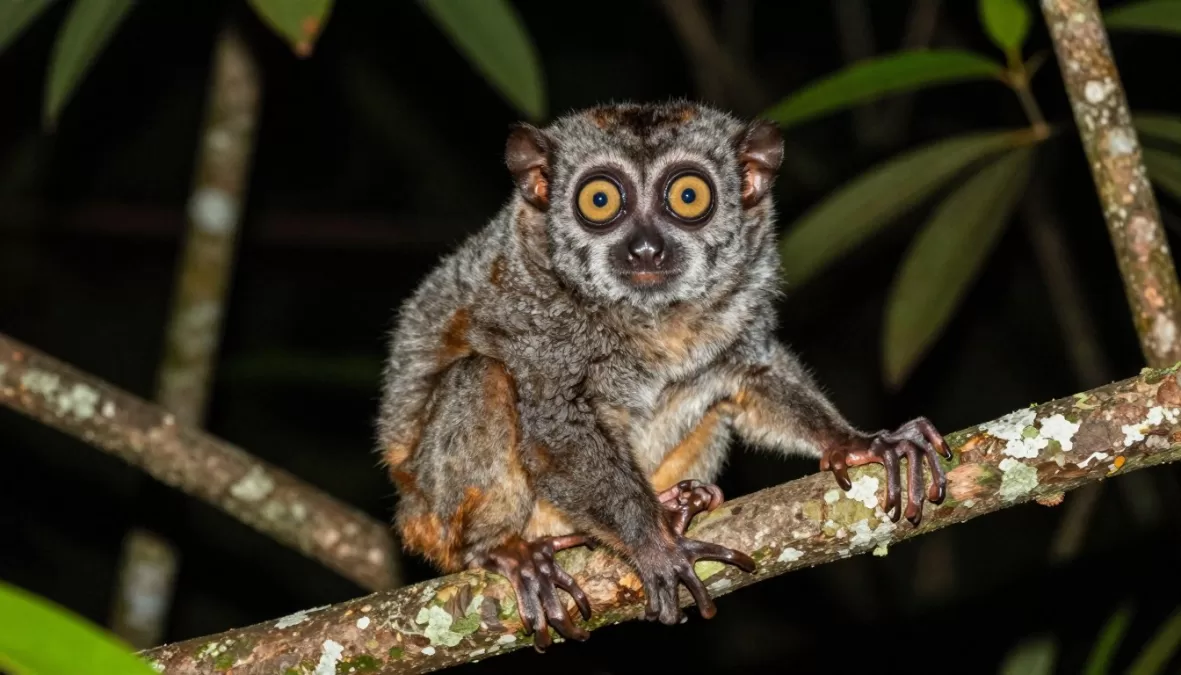
Slow lorises possess some of the largest eyes relative to body size among all cute animals. These small primates inhabit tropical forests across Southeast Asia. Their enormous eyes adapt them perfectly to nocturnal life, allowing them to navigate through dark forest canopies with precision.
Eight slow loris species exist, with adults weighing between 9 to 26 ounces depending on species. Their soft, dense fur ranges from reddish-brown to gray with distinctive facial markings. Slow lorises move through trees with deliberate, careful movements that inspired their common name.
Unique Adaptations and Behaviors
Slow lorises represent the only venomous primate species on Earth. Glands near their elbows secrete toxins that they mix with saliva before applying to their fur. This defense mechanism protects them from predators and parasites. Mothers also apply venom to offspring before leaving them to forage.
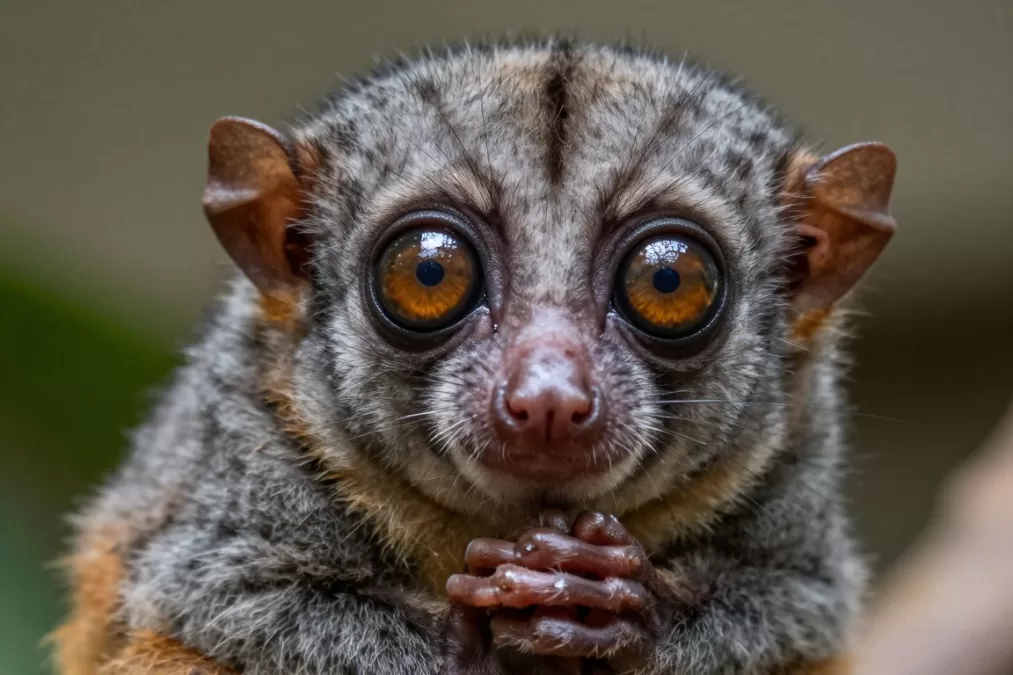
Their powerful grip allows them to hang from branches for extended periods without fatigue. Specialized blood vessels in their hands and feet prevent numbness during long climbs. Slow lorises can remain motionless for hours, making them effective ambush predators of insects.
These solitary creatures communicate through scent marking and ultrasonic vocalizations inaudible to human ears. Males establish territories that overlap with several females. During breeding season, they become more vocal and active in seeking mates throughout the forest canopy.
Conservation Crisis and Illegal Pet Trade
All slow loris species face severe threats from habitat destruction and the illegal pet trade. Their cute appearance makes them targets for wildlife traffickers who capture them from forests. Videos of slow lorises being tickled or kept as pets actually depict stressed, abused animals displaying defensive behaviors.
The pet trade involves horrific cruelty including tooth removal to prevent venomous bites. This procedure causes infections, prevents natural feeding behaviors, and often leads to death. Conservation organizations work tirelessly to combat wildlife trafficking and educate people about the suffering behind cute animal videos.
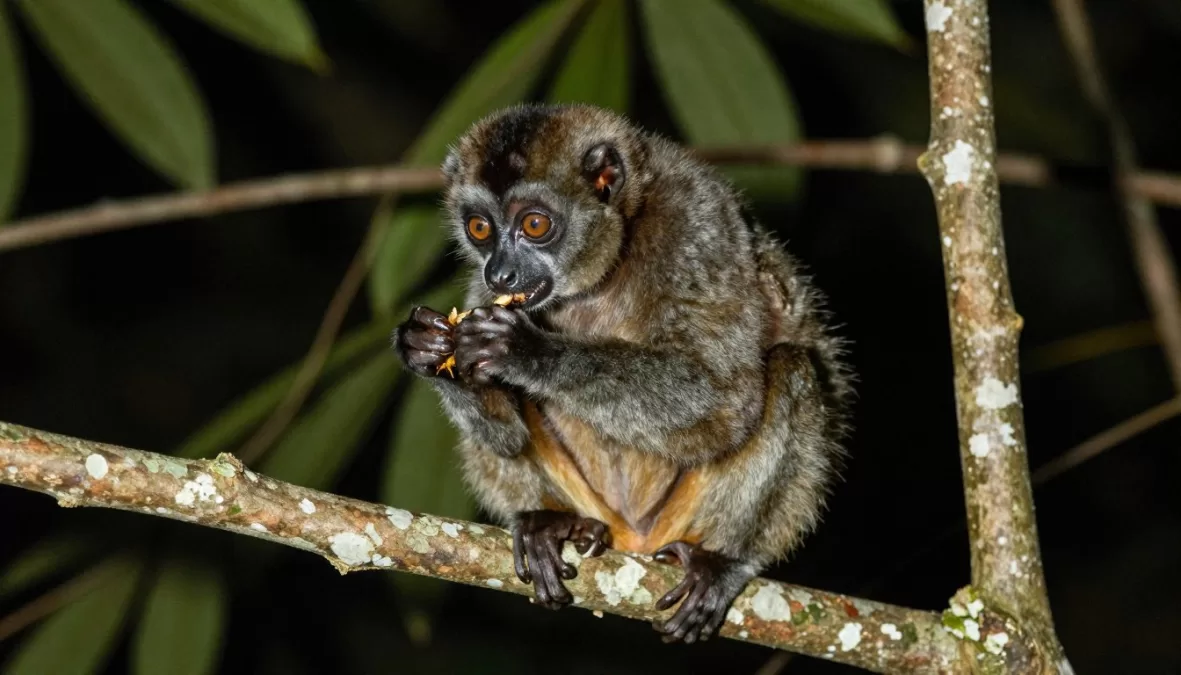
Habitat loss accelerates as tropical forests disappear for agriculture and development. Slow loris populations decline across their range despite legal protections. Successful conservation requires habitat preservation, anti-trafficking enforcement, and public awareness about the harm caused by the exotic pet trade.
Several species are classified as endangered or critically endangered with populations continuing to decline. Conservation breeding programs work to maintain genetic diversity while wild populations recover. The greatest hope for these adorable animals lies in protecting their forest homes and ending the pet trade entirely.
10. Meerkat: The Sentry of the African Desert
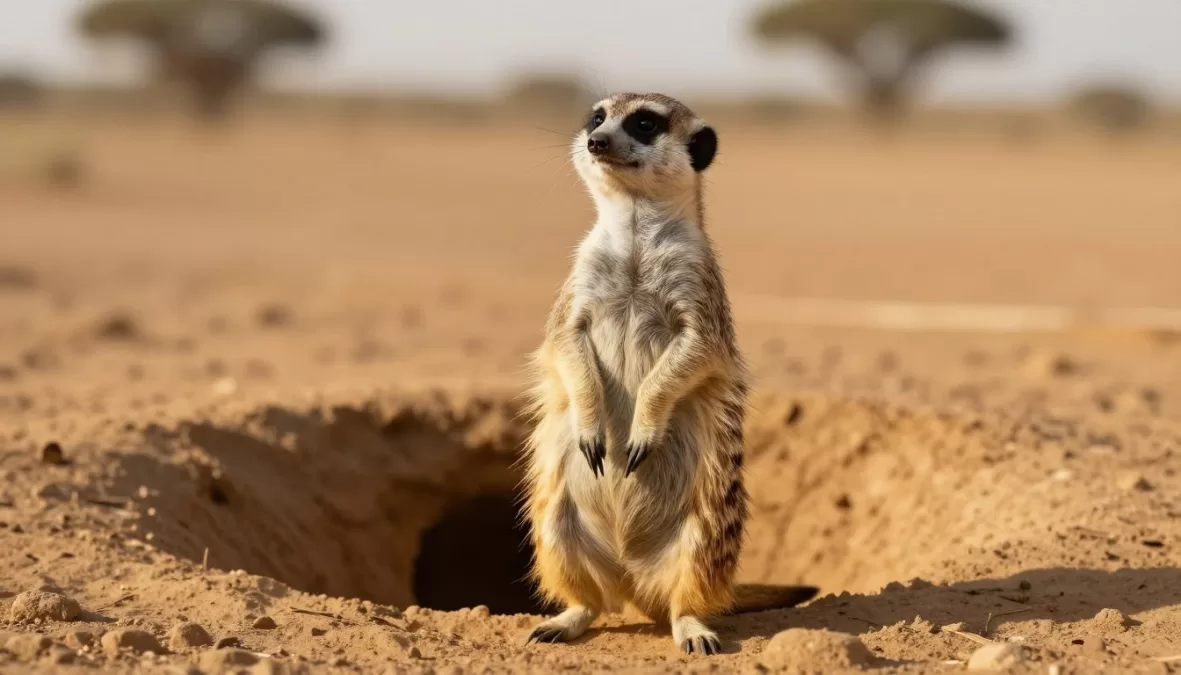
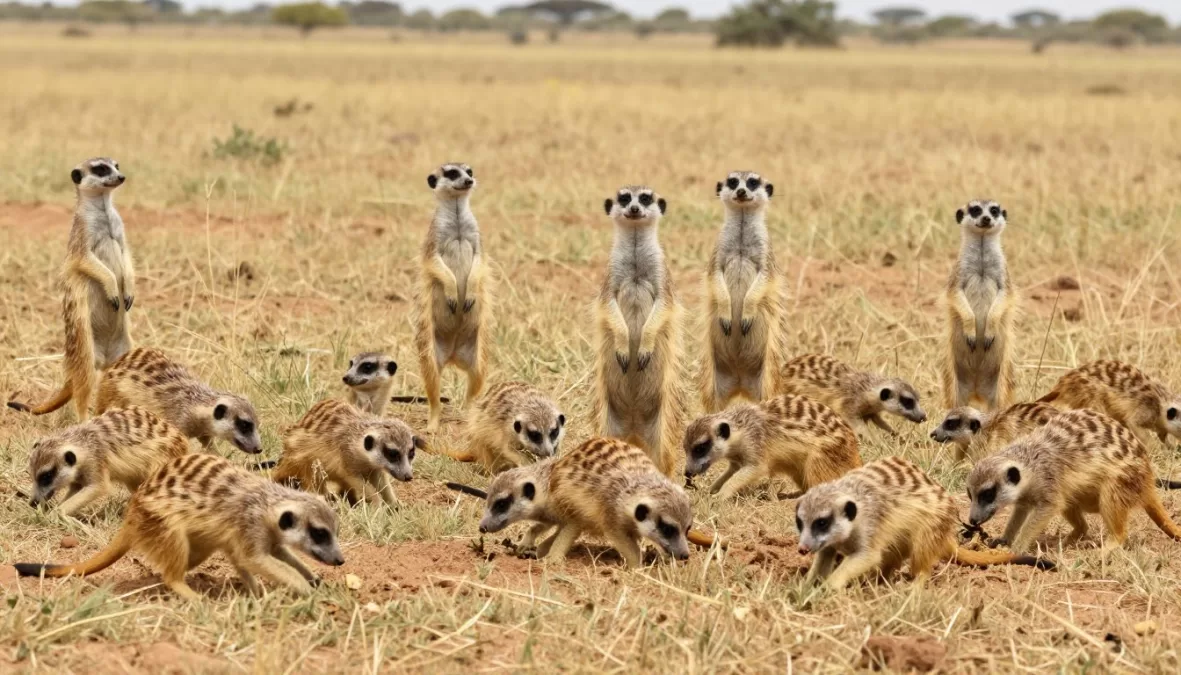
Meerkats rank among the most social and organized cute animals inhabiting the deserts and grasslands of southern Africa. These small carnivores belong to the mongoose family and live in complex social structures called mobs or gangs. Their upright standing posture and cooperative behaviors make them endlessly entertaining to observe.
Adult meerkats weigh approximately 1.5 to 2 pounds and measure about 10 to 14 inches in body length. Their tan or gray fur features darker bands across their backs. Dark patches around their eyes reduce glare from bright desert sun while their small, rounded ears can close to keep out sand during digging.
Complex Social Structure and Cooperation
Meerkat groups typically consist of 20 to 50 individuals with strict social hierarchies. A dominant breeding pair leads the mob while other members fulfill specific roles including babysitting, teaching, and sentinel duties. This cooperative behavior increases survival chances in harsh desert environments where predators abound.
Sentinel meerkats take turns standing guard on elevated positions while the group forages. They produce specific alarm calls identifying different predator types and threat levels. Other meerkats respond appropriately, either freezing, fleeing to burrows, or mobbing smaller predators together as a defensive unit.
These social creatures spend considerable time grooming each other, strengthening group bonds. Play fighting among juveniles teaches hunting skills and establishes social relationships. Meerkats demonstrate remarkable cooperation rarely seen in animal species of their size.
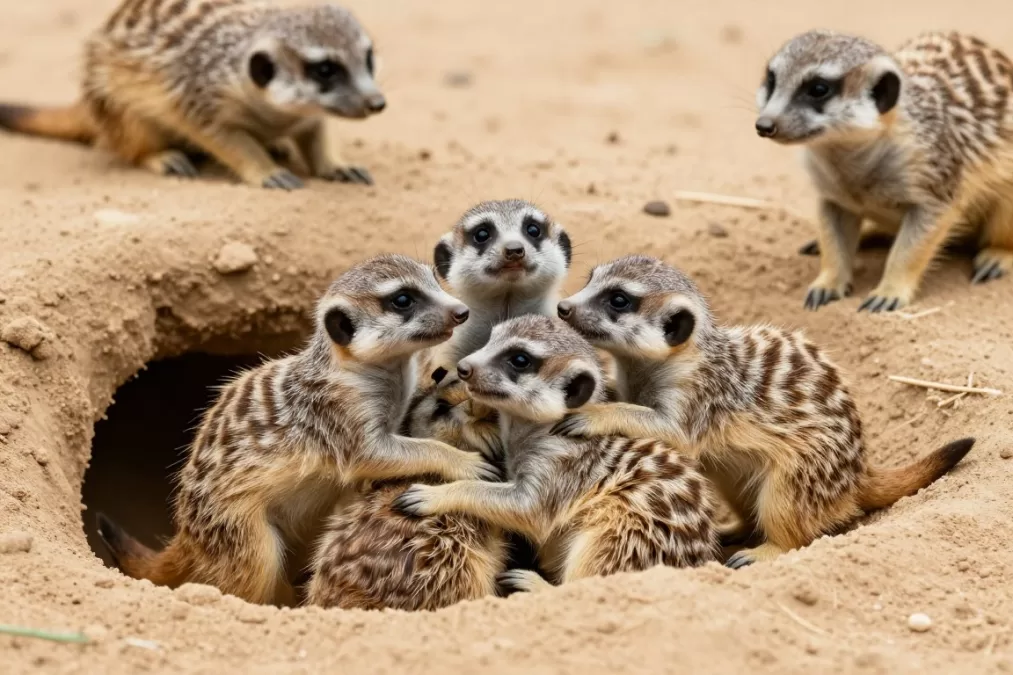
Meerkat Parenting and Education
The entire mob participates in raising pups born to the dominant female. Babysitters remain at the burrow protecting youngsters while others hunt. These caregivers sacrifice their own feeding opportunities to guard vulnerable pups from predators and harsh weather conditions.
Meerkats teach their young through carefully structured lessons. Adults bring injured prey to pups, allowing them to practice killing techniques safely. As juveniles improve their skills, adults provide increasingly challenging prey items. This teaching behavior demonstrates sophisticated knowledge transfer within meerkat society.
Adaptation to Desert Life
Meerkats possess numerous adaptations for surviving in arid environments. Their burrow systems extend several feet underground with multiple entrances, providing escape routes and climate-controlled living spaces. Underground temperatures remain relatively stable while surface conditions fluctuate wildly between day and night.
These social creatures are primarily insectivorous but also consume small vertebrates, eggs, and plant material. Their diet varies seasonally based on food availability in the desert ecosystem. Meerkats can survive without drinking water by obtaining moisture from their prey and occasional fruits.
Dark bands on their bellies serve a unique purpose in temperature regulation. Meerkats sunbathe in the early morning, standing upright to expose their bellies to warm sunlight. This behavior helps them reach optimal body temperature quickly after cold desert nights before beginning daily foraging activities.
- Meerkats can dig through sand equivalent to their body weight in just seconds
- They possess partial immunity to scorpion and snake venom found in their habitat
- Mobs maintain up to five different burrow systems within their territory
- Sentinel meerkats typically stand guard for about one hour before being replaced
- Pups begin foraging with the mob at approximately three to four weeks old
Honorable Mentions: More Irresistibly Cute Animals
While our top ten showcases some of Earth’s most adorable creatures, countless other cute animals deserve recognition. The animal kingdom brims with species displaying endearing characteristics that captivate human hearts and remind us of nature’s incredible diversity.
Arctic Fox
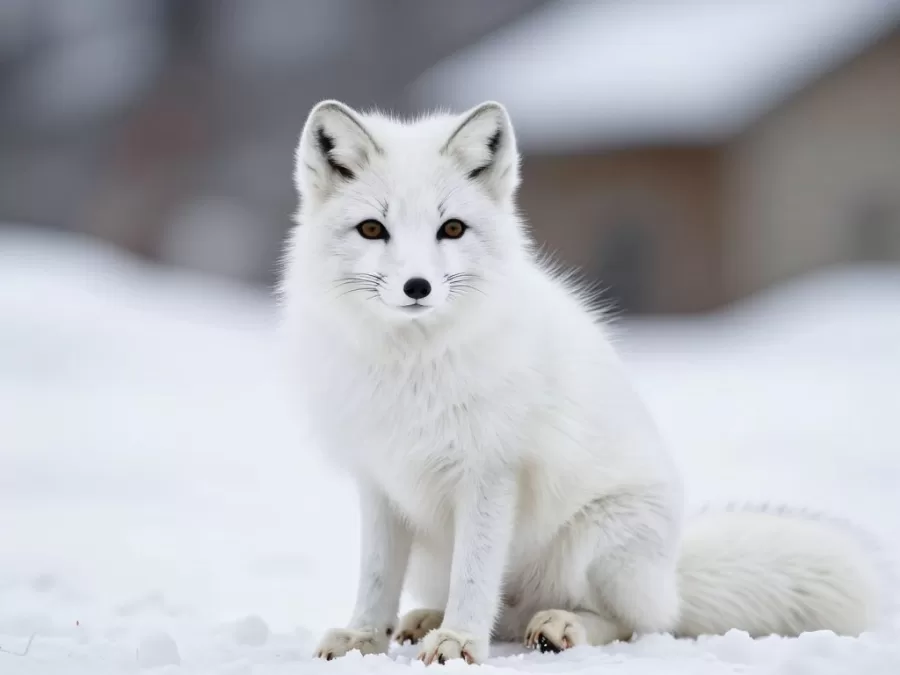
These compact canids inhabit Arctic tundra regions across the Northern Hemisphere. Their thick white winter coats provide camouflage and insulation against extreme cold. Arctic foxes demonstrate remarkable adaptations including fur-covered foot pads and the ability to survive temperatures down to negative 70 degrees.
Sugar Glider
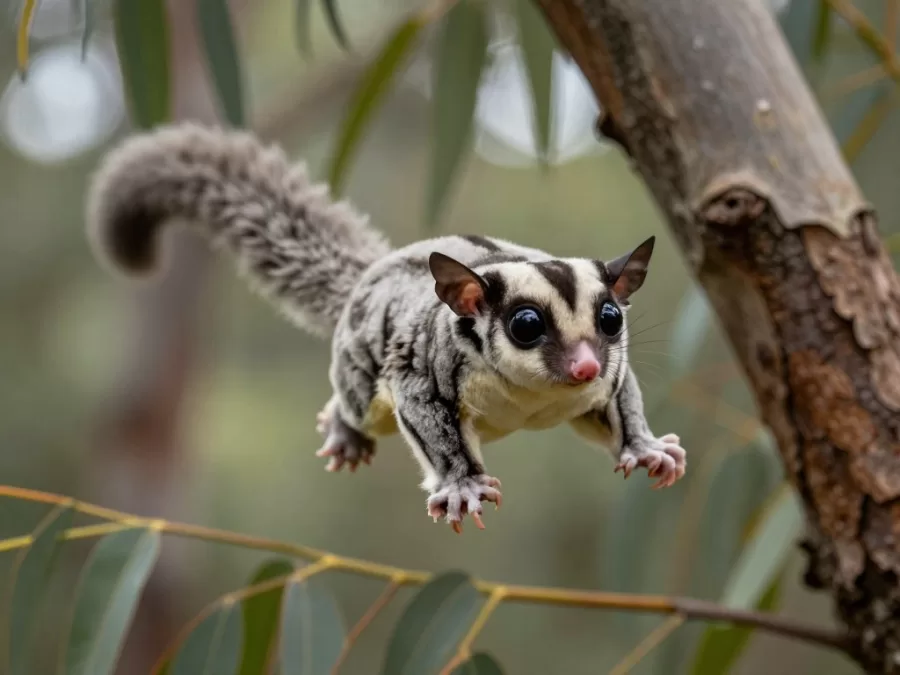
These tiny marsupials native to Australia, New Zealand, and Indonesia possess gliding membranes stretching from wrists to ankles. Sugar gliders can glide over 150 feet between trees using their membranes as parachutes. Their large eyes, soft fur, and social nature make them incredibly endearing.
Baby Elephant
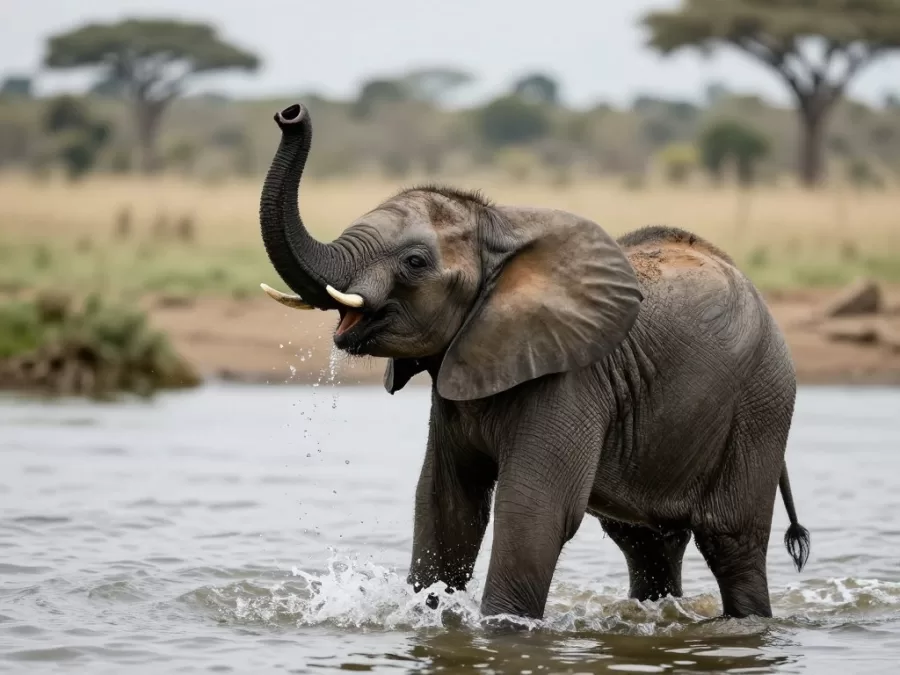
Young elephants display remarkably playful and curious behaviors that make them universally beloved. Baby elephants often appear clumsy as they learn to control their trunks. They form strong family bonds within matriarchal herds where aunts and sisters help raise calves cooperatively.
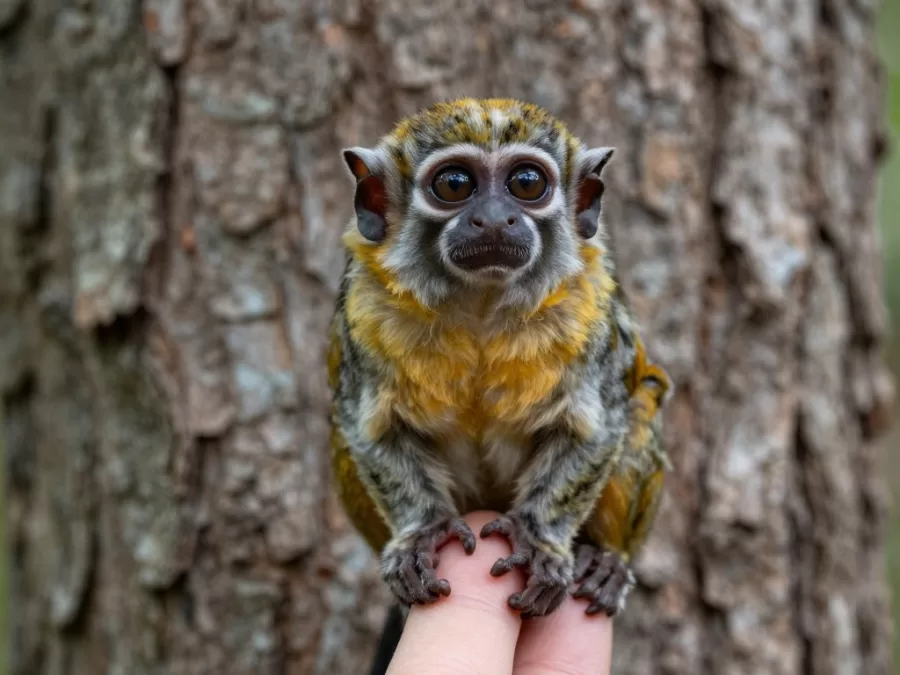
Pygmy Marmoset
As the world’s smallest monkey species, pygmy marmosets weigh just 3 to 5 ounces as adults. These South American primates live in Amazon rainforest canopies. They feed primarily on tree sap which they access by gouging holes in bark with specialized teeth.
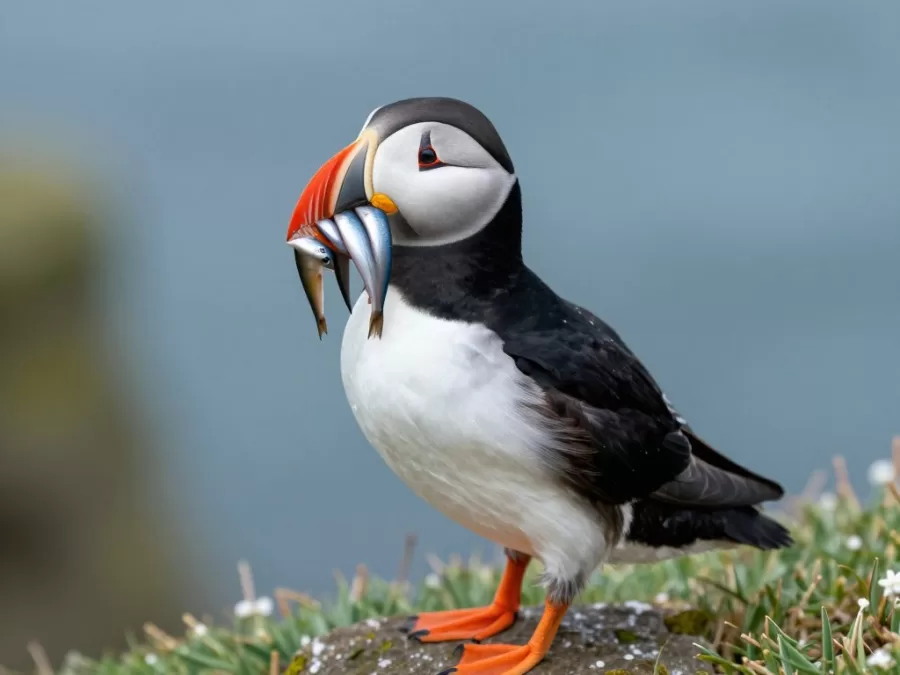
Puffin
These seabirds inhabit North Atlantic and North Pacific coastal regions. Puffins display colorful beaks during breeding season that fade to duller tones in winter. Their clown-like facial markings and waddling walk on land create an undeniably charming appearance that delights observers.
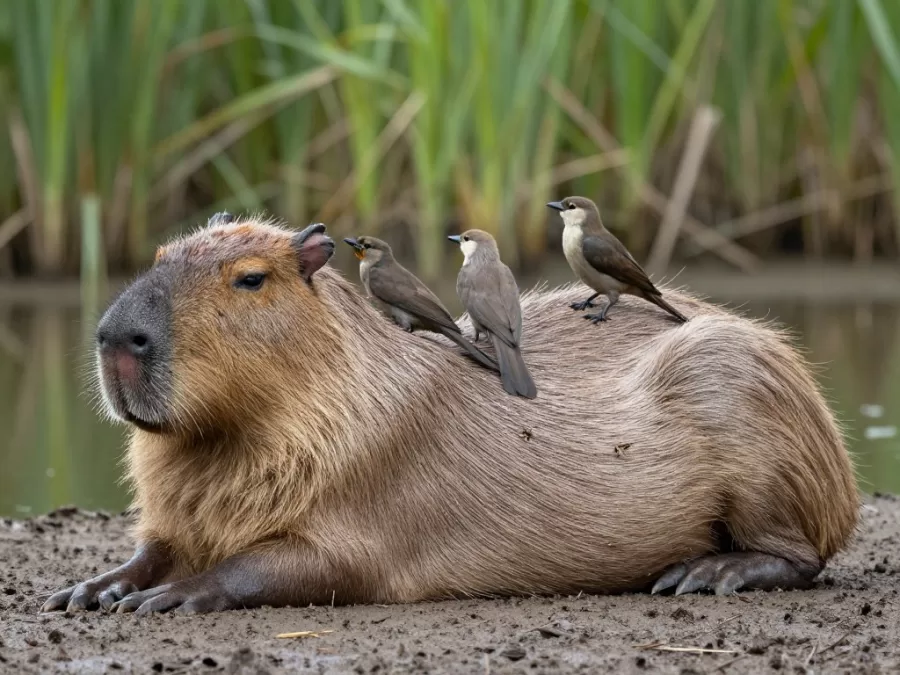
Capybara
The world’s largest rodent species, capybaras inhabit wetlands across South America. Despite their size, reaching up to 140 pounds, they maintain a gentle, docile temperament. Capybaras live in social groups and often form unusual friendships with other species, adding to their charm.
The Science Behind Cuteness: Why We Love These Animals
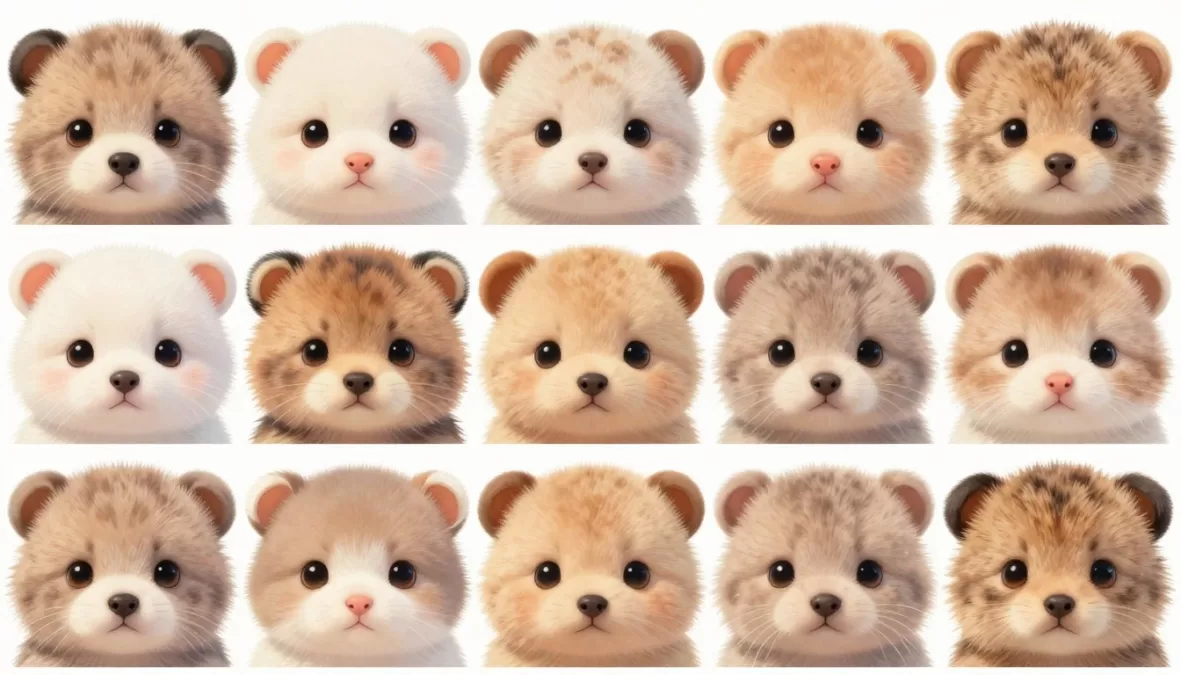
Scientists have studied the human response to cute animals extensively, revealing fascinating insights into why certain creatures trigger such strong emotional reactions. The concept of “cuteness” is not merely subjective but involves specific biological and psychological mechanisms that evolved over millions of years.
Baby Schema and Evolutionary Response
Konrad Lorenz, an Austrian ethologist, first identified the “baby schema” or “Kindchenschema” in 1943. This concept describes specific physical features that trigger nurturing responses in humans. These characteristics include proportionally large heads, big eyes, small noses, chubby limbs, and soft, rounded body contours.
When humans encounter animals displaying these features, our brains release dopamine and oxytocin, chemicals associated with pleasure and bonding. This neurological response evolved to ensure parents care for their helpless offspring. However, the same response activates when we see baby animals or adults retaining juvenile features.
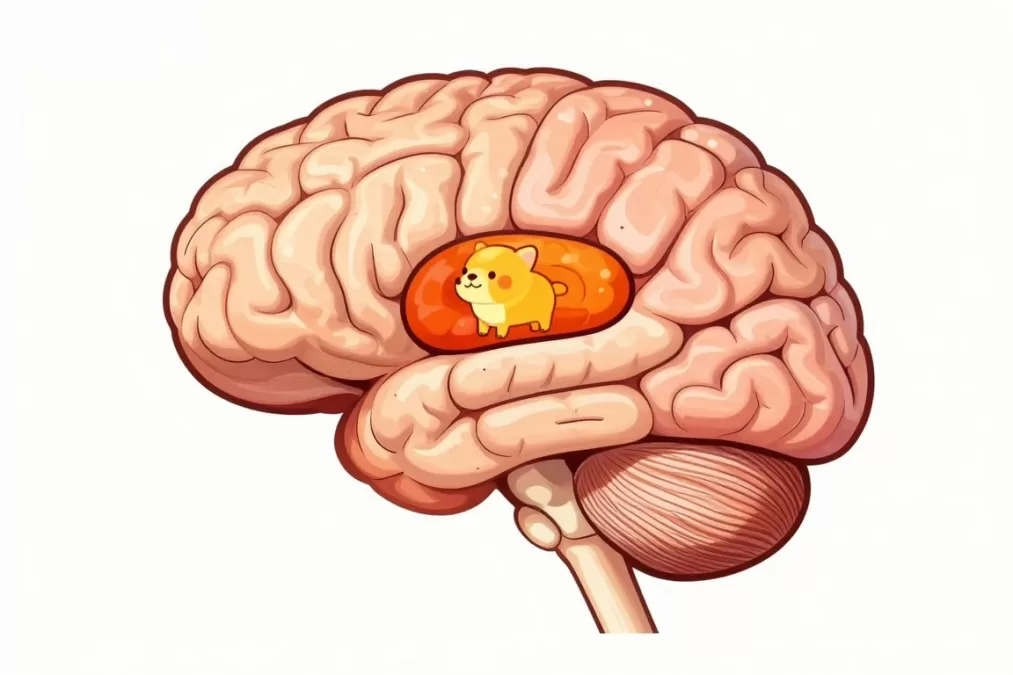
Research using functional MRI scans shows that viewing images of cute animals activates the brain’s reward centers. The nucleus accumbens and orbitofrontal cortex, regions associated with pleasure and decision-making, show increased activity. This explains why people feel compelled to look at and share pictures of adorable animals.
The evolutionary advantage of this response becomes clear when considering infant survival. Babies requiring extended parental care benefit from features that trigger protective instincts. Animals that retain these features throughout life or display them prominently receive similar positive reactions from humans.
Cross-Species Appeal and Conservation Implications
The human response to cuteness extends across species boundaries, affecting conservation efforts and public engagement. Cute animals receive disproportionate attention and funding compared to less charismatic species. Organizations leverage this “cute factor” to raise awareness about broader environmental issues.
However, this bias creates challenges for conservation prioritization. Less adorable but equally important species may struggle to gain public support. Scientists and conservationists work to balance using charismatic animals as ambassadors while ensuring all species receive necessary protection regardless of appearance.
Interesting Fact: Studies show that people are more likely to support conservation efforts and donate money when campaigns feature cute animals with baby-like features. This “cuteness bias” significantly influences funding distribution in wildlife protection programs worldwide.
Cultural Perspectives on Animal Cuteness
While certain features trigger universal cuteness responses across cultures, specific animal preferences vary by region and cultural context. Animals familiar within a culture often receive more positive attention than exotic species. Personal experiences and media exposure also shape individual perceptions of what animals are considered cute.
Social media has amplified the spread of cute animal content, creating global phenomena around certain species. This increased visibility can benefit conservation but also drives problematic exotic pet trade for species like slow lorises. Understanding the complex relationship between cuteness perception and animal welfare remains crucial.
Why Protecting Cute Animals Matters for Ecosystems
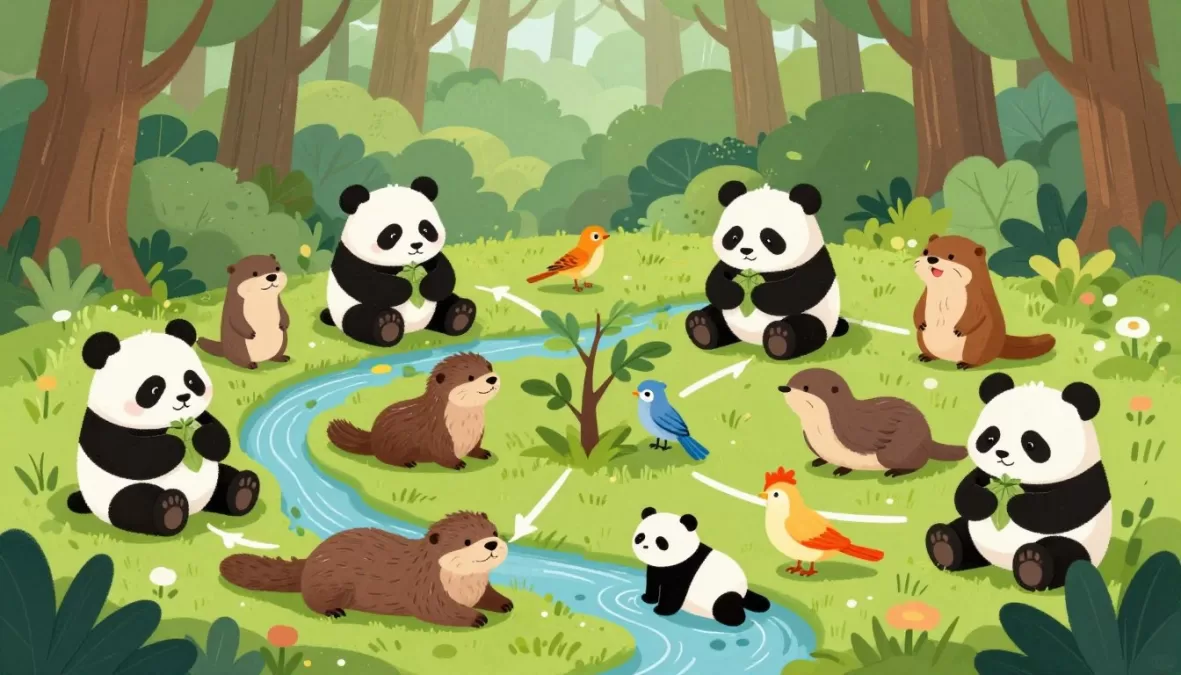
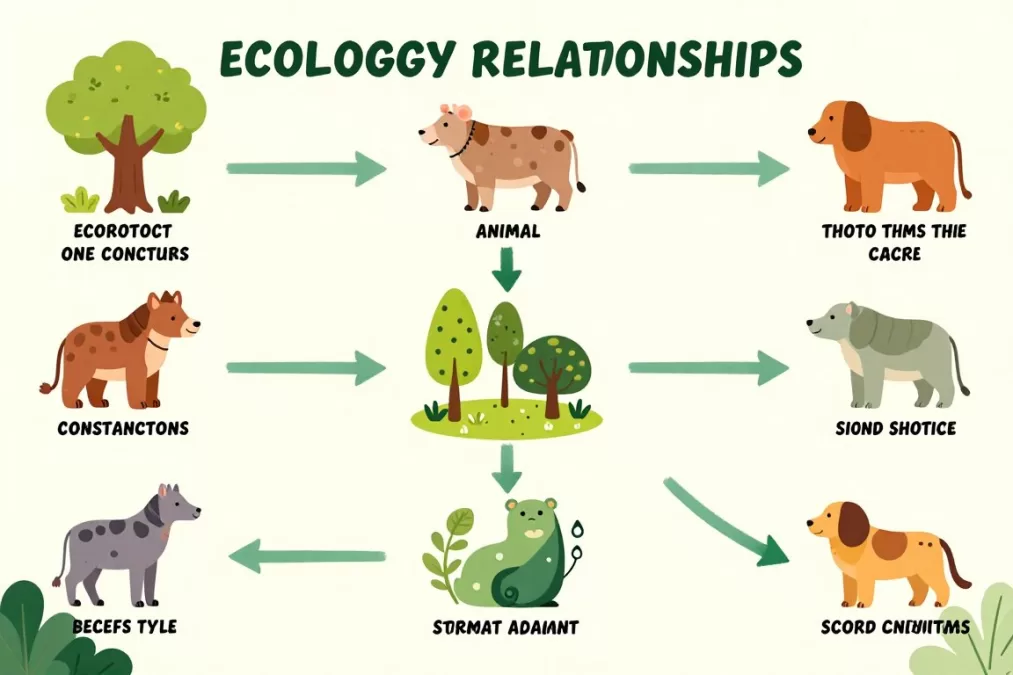
Beyond their ability to warm hearts, many cute animals serve critical ecological roles within their habitats. Conservation efforts protecting charismatic species often benefit entire ecosystems through umbrella effects. Understanding these broader connections emphasizes why preserving adorable wildlife matters for planetary health.
Keystone Species and Ecosystem Engineers
Several animals featured in this article function as keystone species whose presence significantly impacts their ecosystems. Sea otters, for example, control sea urchin populations that would otherwise devastate kelp forests. These underwater forests provide habitat for hundreds of other species and protect coastlines from storm damage.
Giant pandas play similar roles in Chinese mountain forests. Their foraging behaviors help distribute seeds and maintain bamboo forest health. Protecting panda habitat preserves ecosystems supporting countless other plant and animal species. The conservation value extends far beyond the species itself.
Elephants, though only briefly mentioned in our honorable mentions, demonstrate ecosystem engineering at a grand scale. They create water holes used by numerous species, disperse seeds across vast distances, and maintain savanna grasslands through their feeding habits. Protecting baby elephants ensures these ecological services continue.
Even smaller cute animals contribute significantly to ecosystem health. Meerkats control insect and small vertebrate populations in African deserts. Hedgehogs consume massive quantities of garden pests, providing natural pest control. These ecological services have measurable value to both nature and human communities.
Conservation Challenges and Success Stories
Many adorable animals face severe population declines despite their charismatic appeal. Habitat loss remains the primary threat across species, from deforestation affecting red pandas to wetland drainage impacting water-dependent creatures. Climate change compounds these challenges by altering ecosystems faster than species can adapt.
However, targeted conservation efforts have achieved remarkable success stories. Giant panda populations have increased following decades of habitat protection and breeding programs. Southern sea otter numbers have rebounded from near-extinction through legal protections and conservation initiatives. These successes demonstrate that dedicated effort produces real results.
Conservation Success Metrics: Over the past 50 years, giant panda populations have increased by 17%, southern sea otters have grown from 50 individuals to over 3,000, and some penguin colonies have stabilized through marine protected areas. These achievements prove that conservation works when properly funded and implemented.
Future conservation efforts must address interconnected challenges including climate change, habitat fragmentation, and human-wildlife conflict. Innovative approaches combining traditional protection with community engagement show promise. Technology enables better monitoring and enforcement while education programs build local conservation support.
Support Global Wildlife Conservation Today
The cute animals featured in this article need your help to survive and thrive. Your contribution supports habitat protection, anti-poaching efforts, breeding programs, and community conservation initiatives worldwide. Every dollar makes a tangible difference in protecting Earth’s most adorable creatures and the ecosystems they inhabit.
Where Your Donation Goes:
- Habitat acquisition and protection programs
- Anti-poaching patrols and enforcement technology
- Species monitoring and research initiatives
- Community education and sustainable development
- Wildlife rehabilitation and veterinary care
Proven Conservation Partners:
- World Wildlife Fund – Global species protection
- Wildlife Conservation Society – Habitat preservation
- Conservation International – Ecosystem approach
- The Nature Conservancy – Land protection
- International Union for Conservation of Nature
100% of designated donations go directly to conservation programs. Tax-deductible receipts provided for all contributions.
How to Enjoy Cute Animals Responsibly
Our fascination with adorable wildlife comes with responsibility. Ethical wildlife viewing and photography ensure animals remain healthy and wild while allowing people to appreciate their beauty. Following established guidelines protects both animals and their habitats for future generations.
Principles of Ethical Wildlife Observation
Maintain Safe Distances
Always observe cute animals from appropriate distances using binoculars or telephoto lenses. Approaching too closely causes stress and may trigger defensive behaviors or habitat abandonment.
- Use optical equipment instead of approaching closely
- Follow park and wildlife refuge distance guidelines
- Never attempt to touch or feed wild animals
- Respect barriers and restricted areas protecting sensitive habitat
Minimize Disturbance
Reduce your impact on wildlife by keeping quiet, moving slowly, and avoiding sudden movements. Patient observers see more natural behaviors without disturbing animals.
- Silence mobile devices and avoid loud conversations
- Stay on designated trails to protect habitat
- Limit group sizes for less disturbance
- Observe breeding and nesting areas from extra distance
Never Feed Wildlife
Feeding cute animals creates dangerous dependencies, alters natural behaviors, spreads disease, and often leads to human-wildlife conflicts resulting in animal deaths.
- Secure all food and trash properly
- Understand that fed animals become problem animals
- Report others who feed wildlife to authorities
- Educate friends and family about feeding dangers
Support Ethical Tourism
Choose tour operators and facilities committed to animal welfare and conservation. Avoid attractions exploiting wildlife for entertainment or profit.
- Research operators’ conservation credentials
- Avoid facilities offering direct contact with wild animals
- Support sanctuaries focused on rehabilitation
- Report abusive situations to relevant authorities
Social Media and Wildlife Content
Sharing cute animal photos and videos on social media spreads appreciation for wildlife but requires careful consideration. Some viral content actually depicts stressed, abused, or illegally captured animals. Learning to recognize harmful content helps protect vulnerable species from exploitation.
Warning Signs of Animal Exploitation: Videos showing slow lorises being tickled (a defensive stress response), exotic animals in homes (often illegally obtained), or direct handling of wild animals often represent abuse. Avoid sharing such content, which drives demand for illegal wildlife trade.
When sharing wildlife content, include educational information about the species, conservation challenges, and how people can help. This transforms entertainment into advocacy, building support for protection efforts. Always credit photographers and ensure images depict animals in natural conditions without harmful interference.
Frequently Asked Questions About Cute Animals
What makes an animal cute to humans?
Animals appear cute when they display “baby schema” features including large eyes, round faces, small noses, chubby bodies, and playful behaviors. These characteristics trigger nurturing responses in human brains by activating reward centers and releasing feel-good chemicals like dopamine. Evolution designed this response to ensure parental care for helpless infants, but it extends to animals displaying similar features. Additionally, soft fur, clumsy movements, and social behaviors enhance perceived cuteness.
Why should we care about conserving cute animals?
Conserving adorable animals protects entire ecosystems through umbrella effects. Many cute animals serve as keystone species whose presence maintains habitat health for countless other organisms. Sea otters protect kelp forests, pandas preserve mountain ecosystems, and elephants shape savanna landscapes. Additionally, charismatic species generate public engagement and funding that benefits broader conservation efforts. Protecting cute animals often means protecting biodiversity hotspots containing thousands of less visible species.
Are cute animals safe to keep as pets?
Most wild cute animals make terrible pets despite their adorable appearance. Species like slow lorises, fennec foxes, and sugar gliders have complex needs that cannot be met in typical homes. Many require specialized diets, extensive space, specific social structures, and environmental conditions impossible to replicate. Additionally, the exotic pet trade drives illegal wildlife trafficking causing immense suffering. Some domesticated animals like hedgehogs can be kept responsibly with proper research, but wild species should remain in nature where they belong.
Which cute animals are most endangered?
Several adorable species face critical endangerment including all slow loris species, several penguin species, red pandas, and some sea otter populations. Giant pandas recently improved from endangered to vulnerable status, demonstrating conservation success. Habitat loss, climate change, illegal trade, and human-wildlife conflict threaten these species. Quokkas are vulnerable with declining populations, while many hedgehog species face serious threats. Conservation status changes regularly based on population surveys and environmental conditions, emphasizing the need for ongoing protection efforts.
How can I help protect cute animals?
You can support conservation through several actions: donate to reputable wildlife organizations focusing on habitat protection; choose sustainable products that don’t harm animal habitats; never support the exotic pet trade; practice ethical wildlife viewing; share educational content on social media; reduce your carbon footprint to combat climate change; volunteer with local conservation groups; and advocate for stronger environmental protections. Even small actions like using reusable products, supporting conservation-minded companies, and educating others create positive impacts for adorable animals worldwide.
Where can I see these cute animals in the wild?
Many cute animals can be observed in their natural habitats through responsible wildlife tourism. Giant pandas live in protected reserves throughout China’s mountain provinces. Penguins inhabit Antarctica, South Africa, Australia, New Zealand, and South America depending on species. Sea otters can be seen along California, Alaska, and Pacific Northwest coasts. Red pandas live in Nepal, Bhutan, India, and China’s Himalayan regions. Quokkas are found primarily on Rottnest Island, Australia. Always choose ethical tour operators committed to conservation and animal welfare when planning wildlife viewing adventures.
Do cute animals know they’re cute?
Animals do not possess self-awareness regarding their cuteness from a human perspective. However, many species have evolved features and behaviors that elicit positive responses from their own kind or other species. Baby animals display characteristics that trigger parental care from adults. Some animals have learned that certain behaviors result in positive human reactions, though they don’t understand the concept of “cuteness” as humans experience it. Their adorable features primarily evolved for survival purposes like thermoregulation, predator evasion, or social bonding within their species.
Are baby animals always cuter than adults?
Baby animals typically display more pronounced cute features including proportionally larger eyes and heads, softer bodies, and clumsy movements that trigger stronger nurturing responses. However, some species like quokkas, red pandas, and fennec foxes retain juvenile-appearing features throughout life, maintaining their cuteness as adults. Neoteny, the retention of juvenile traits into adulthood, explains why certain adult animals appear exceptionally cute. Ultimately, cuteness perception varies among individuals and cultures, with some people finding mature animals equally or more appealing than youngsters based on personal preferences and experiences.
Celebrating Earth’s Most Adorable Inhabitants

The cute animals featured throughout this article represent just a small fraction of Earth’s incredible biodiversity. From giant pandas munching bamboo in Chinese forests to tiny quokkas smiling on Australian islands, these adorable creatures remind us of nature’s beauty and complexity. Each species has evolved unique adaptations that allow them to thrive in specific environments while capturing human hearts.
Beyond their entertainment value, these animals serve critical ecological roles maintaining healthy ecosystems. Sea otters protect kelp forests, meerkats control desert pest populations, and penguins indicate ocean health through their presence and behaviors. Understanding these connections emphasizes why conservation efforts protecting charismatic species benefit entire environments and countless less visible organisms.
The conservation challenges facing many cute animals reflect broader environmental crises including habitat destruction, climate change, and human-wildlife conflict. However, success stories like giant panda recovery demonstrate that dedicated protection efforts produce tangible results. Every person can contribute to conservation through donations, responsible consumer choices, ethical wildlife viewing, and spreading awareness about threats facing adorable animals.
As we’ve explored throughout this article, the science behind cuteness reveals fascinating insights into human psychology and evolutionary biology. Our instinctive response to baby-like features ensures vulnerable infants receive necessary care. This same mechanism creates emotional connections with animals, potentially driving conservation support and environmental stewardship.
Looking forward, protecting cute animals and their habitats requires balancing human needs with wildlife conservation. Sustainable development, habitat corridors, community-based conservation, and innovative technologies offer hope for coexistence. The future of adorable species depends on choices we make today regarding consumption, land use, and environmental priorities.
Whether you encounter these creatures through wildlife tourism, conservation volunteering, or simply enjoying images and videos, remember that appreciation should inspire action. Support organizations working to protect endangered species, choose sustainable products, and share educational content that raises awareness. Together, we can ensure future generations experience the joy of encountering Earth’s cutest animals in thriving wild populations.
“In the end, we will conserve only what we love, we will love only what we understand, and we will understand only what we are taught.”
The adorable animals featured in this article serve as ambassadors for broader conservation causes. Their cuteness opens doors to conversations about habitat protection, climate action, and sustainable living. By leveraging human affection for these creatures, conservation organizations build support for protecting all biodiversity, not just the most photogenic species.
As you continue your journey exploring the world’s cute animals, remember that each species represents millions of years of evolution and plays unique roles in their ecosystems. Their survival depends on habitat protection, climate stability, and human willingness to share the planet responsibly. Your choices, however small they may seem, contribute to collective conservation outcomes that determine whether these adorable creatures thrive or disappear.
Thank you for taking time to learn about Earth’s most adorable inhabitants. May their charm inspire you to become a conservation advocate, supporting efforts that protect wildlife and wild places for all species, now and for generations to come. The planet’s cutest animals need our help—and they’re counting on people like you to ensure their survival.

Priyanka Pandey
Senior Research Editor · Top10Sense
Priyanka specializes in tech, consumer products, and digital trends. She combines hands-on testing, vendor interviews, and database research to create trustworthy “Top 10” rankings. Her work has been referenced by industry blogs and brand report pages.