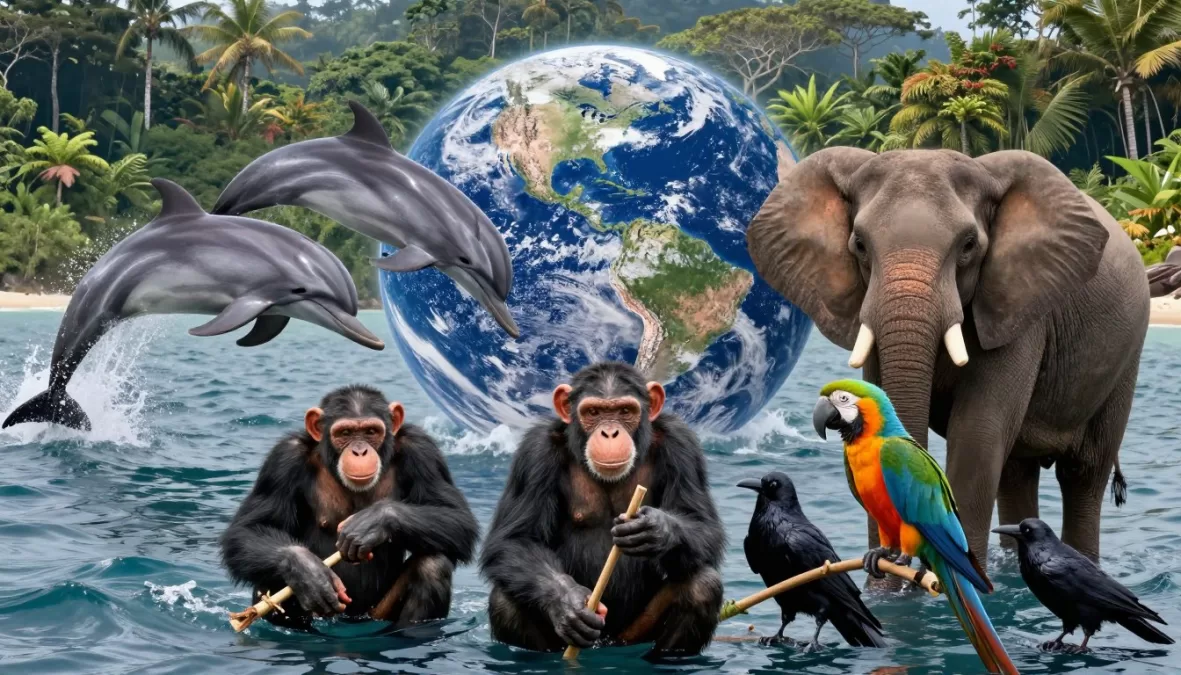
The animal kingdom constantly surprises us with remarkable displays of intelligence. While humans often consider themselves the pinnacle of cognitive ability, research reveals that many species possess extraordinary mental capabilities. From using tools to recognizing mirrors, animals demonstrate problem-solving skills that challenge our understanding of consciousness.
Scientists have spent years studying animal intelligence through various methods. These creatures show complex social structures and learning abilities that rival our own in certain ways. Some species can communicate with hundreds of words, while others solve problems we might struggle with ourselves.
This comprehensive exploration examines the top ten smartest animals based on scientific research and documented behaviors. Each creature on this list demonstrates unique cognitive abilities that have fascinated researchers worldwide. Understanding these intelligent animals helps us appreciate the diverse forms intelligence can take across different species.
1. Chimpanzees: Our Closest Intelligent Relatives
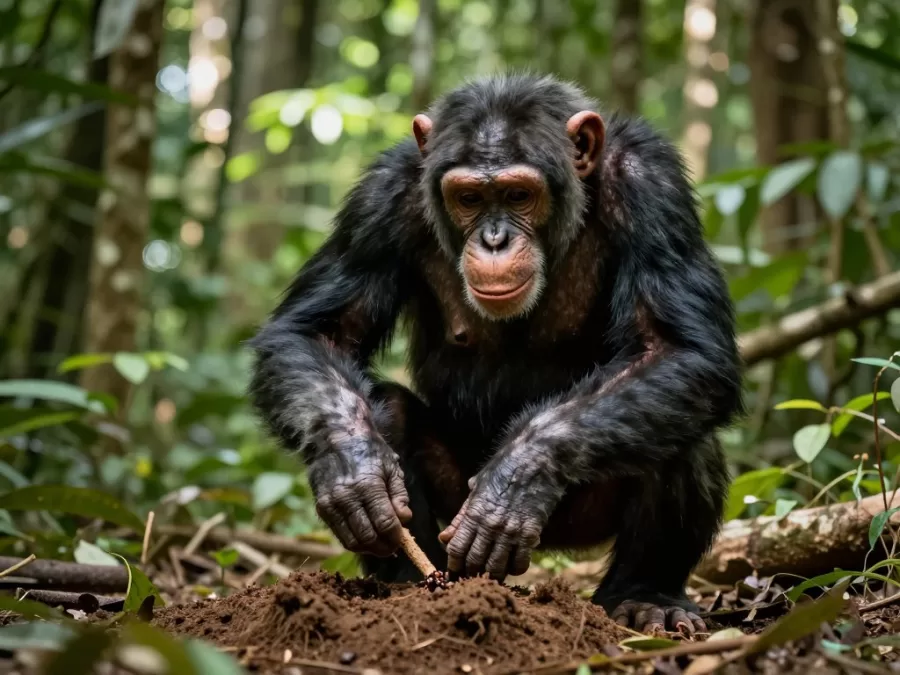
Chimpanzees consistently rank among the smartest animals on our planet. These highly intelligent primates share approximately 98% of their DNA with humans. Their cognitive abilities mirror ours in ways that continue to astound researchers and scientists studying animal behavior.
Research shows that chimps use tools extensively in their daily lives. They fashion sticks to extract termites from mounds and use stones to crack open nuts. This tool-using behavior demonstrates planning and problem-solving abilities that few other species possess.
Cognitive Capabilities of Chimpanzees
Chimpanzees display remarkable memory skills that sometimes surpass human ability. In laboratory settings, young chimps have outperformed people in short-term memory tests. They can remember complex sequences of numbers displayed briefly on screens.
These apes demonstrate self-awareness by recognizing mirrors and understanding their reflection. Studies reveal they experience emotions similar to humans, including grief, joy, and empathy. Groups of chimps form complex social structures with distinct personalities and relationships.
Communication among chimps involves a sophisticated system of gestures and vocalizations. They can learn sign language and understand hundreds of words when taught by researchers. Some individuals have even taught these skills to their offspring without human intervention.
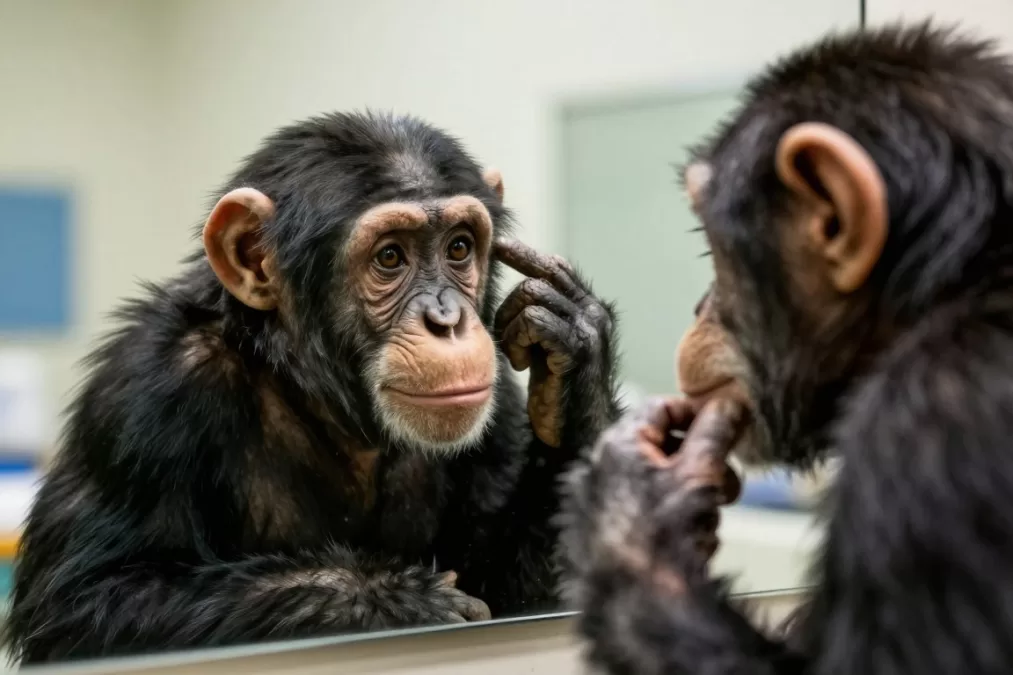
Intelligence Highlight: Chimpanzees plan for future events, a cognitive ability once thought unique to humans. They collect and store tools for later use, demonstrating foresight and abstract thinking.
Social Intelligence and Problem Solving
The social intelligence of chimpanzees rivals the most complex human societies. Pack members maintain relationships through grooming, sharing food, and cooperative hunting strategies. They form alliances and understand hierarchies within their groups.
Chimps exhibit behaviors suggesting they understand the minds of others. They deceive competitors, console distressed pack members, and coordinate group activities. These skills require the ability to predict how other individuals might think or react.
Wild chimpanzees pass knowledge through generations, creating distinct cultural practices. Different groups develop unique ways of using tools and processing food. This cultural transmission demonstrates learning that goes beyond instinct.
2. Dolphins: Masters of Marine Intelligence
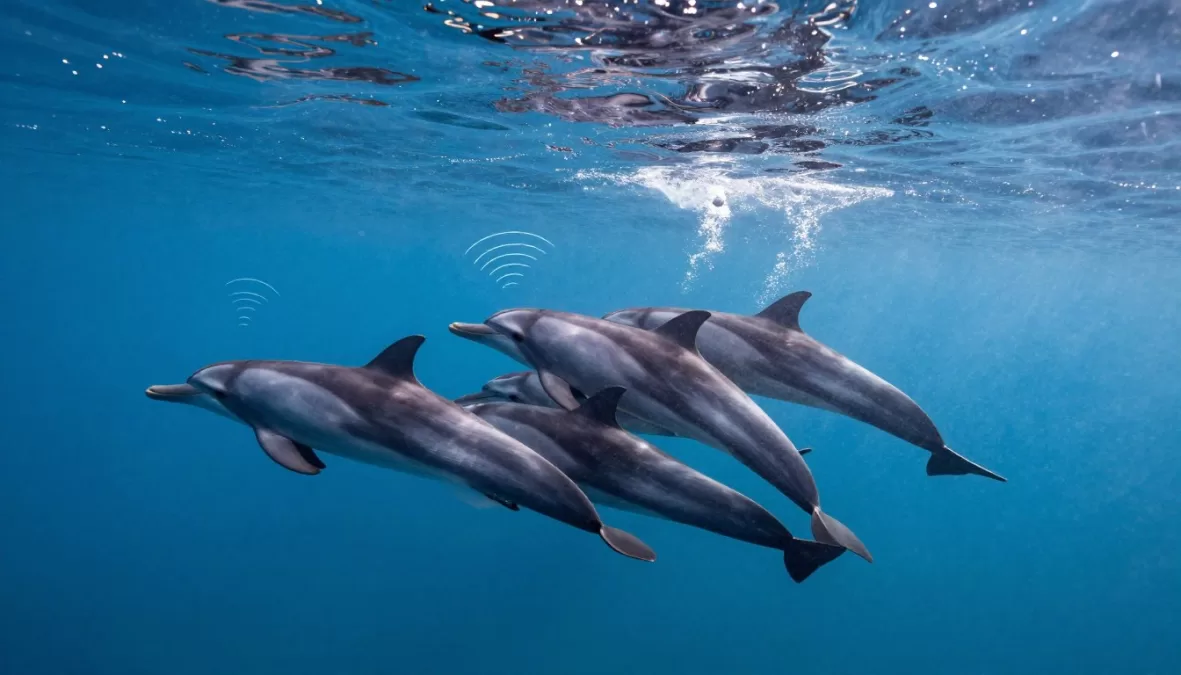
Dolphins possess some of the largest brains in the animal kingdom relative to body size. These marine mammals demonstrate intelligence that has captivated researchers for decades. Their cognitive abilities rival those of great apes in many fascinating ways.
Studies show dolphins can recognize mirrors and display self-awareness like only a few other species. They understand abstract concepts and can follow complex instructions from trainers. Research reveals their brains contain specialized cells previously found only in humans and great apes.
Communication and Language Skills
The communication system dolphins use represents one of nature’s most sophisticated languages. Each dolphin develops a unique signature whistle that functions like a name. Other dolphins use these whistles to call specific individuals within their pod.
These intelligent animals coordinate hunting strategies through elaborate vocal exchanges. They work together to herd fish into tight balls, taking turns feeding while others maintain the formation. This cooperation requires understanding, planning, and communication beyond simple instinct.
Problem-Solving Abilities
Dolphins solve problems creatively using available resources in their environment. They’ve been observed using marine sponges as tools to protect their snouts while foraging on the seafloor. Mothers teach this behavior to their offspring, creating a learned tradition passed through generations.
In captivity, dolphins quickly learn complex tricks and behaviors. They understand human gestures and can respond to new commands after just a few demonstrations. Their ability to learn and adapt shows remarkable cognitive flexibility.
Wild dolphins display playful behaviors that suggest imagination and creativity. They create bubble rings for entertainment, surf on waves, and engage in elaborate social games. These activities serve no survival purpose but demonstrate cognitive complexity beyond basic needs.
Research Finding: Dolphins can understand symbolic representations and grasp grammatical rules. In laboratory studies, they’ve demonstrated the ability to comprehend sentence structure and respond appropriately to novel commands.
3. Elephants: Giants with Extraordinary Memory
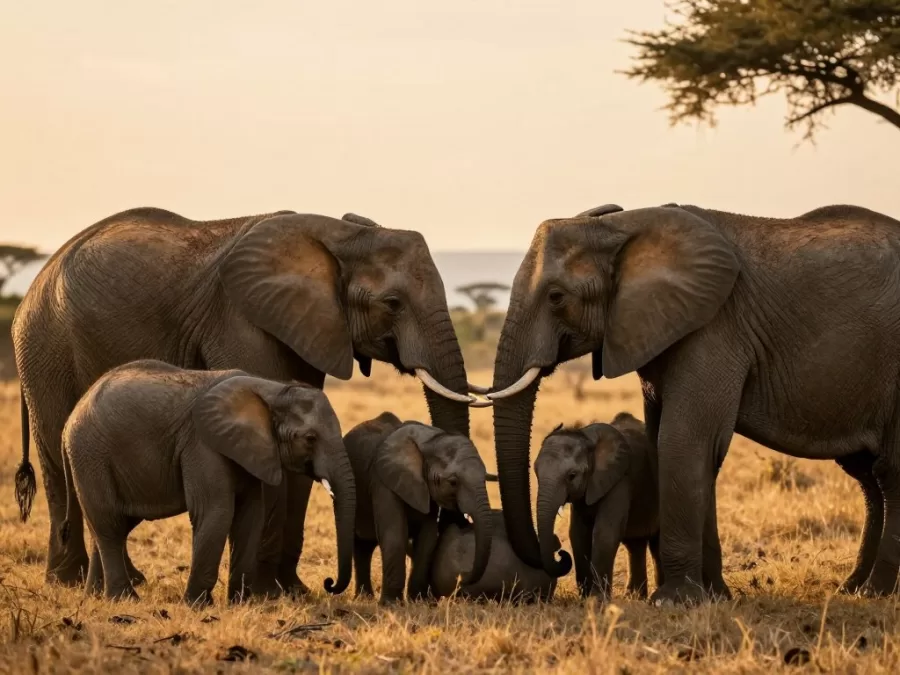
Elephants possess the largest brains of any land animal, weighing up to 11 pounds. These magnificent creatures demonstrate intelligence that manifests in emotional depth, social complexity, and problem-solving skills. Their cognitive abilities have earned them recognition as one of nature’s most intelligent species.
The famous saying about elephant memory holds scientific truth. Research confirms elephants remember individuals, locations, and events for decades. They can recall the location of water sources during droughts and recognize the voices of hundreds of other elephants.
Emotional Intelligence and Empathy
Elephants display emotions in ways that mirror human feelings remarkably. They mourn their dead, sometimes returning to burial sites years later. Groups gather around deceased members, touching the bones gently with their trunks in what appears to be a grieving ritual.
These gentle giants show empathy toward other species, not just their own kind. Documented cases show elephants helping trapped animals and showing concern for injured creatures. They comfort distressed pack members through physical touch and vocalizations.
Tool Use and Innovation
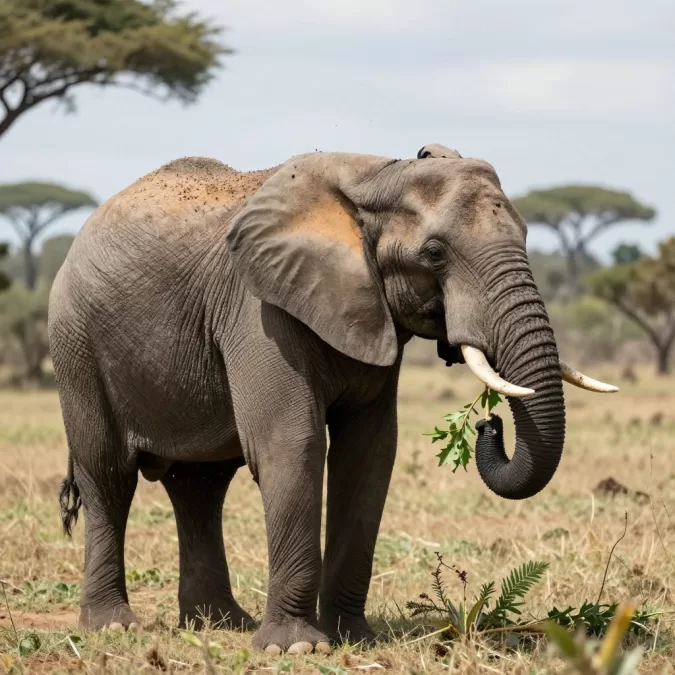
Elephants regularly use tools in creative ways. They break off branches to use as fly swatters and scratch their backs with sticks. Some individuals have been observed dropping large rocks on electric fences to disable them.
Self-Awareness Tests
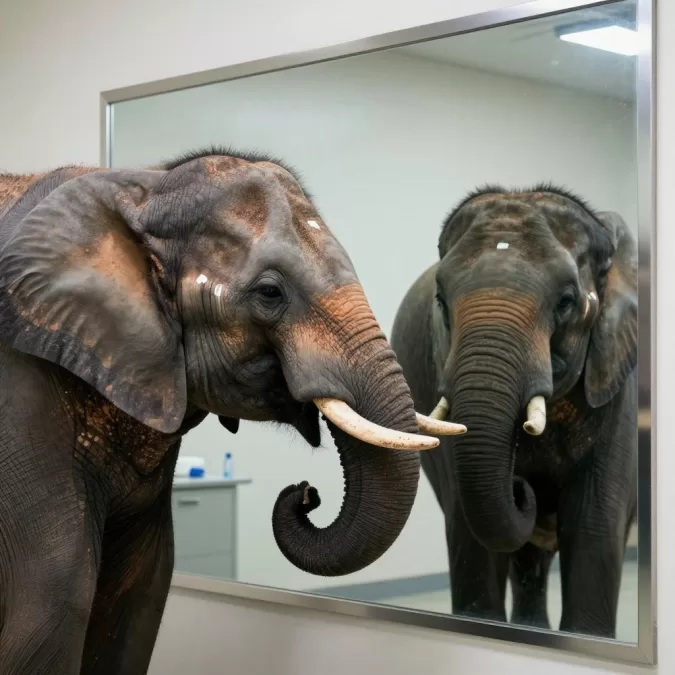
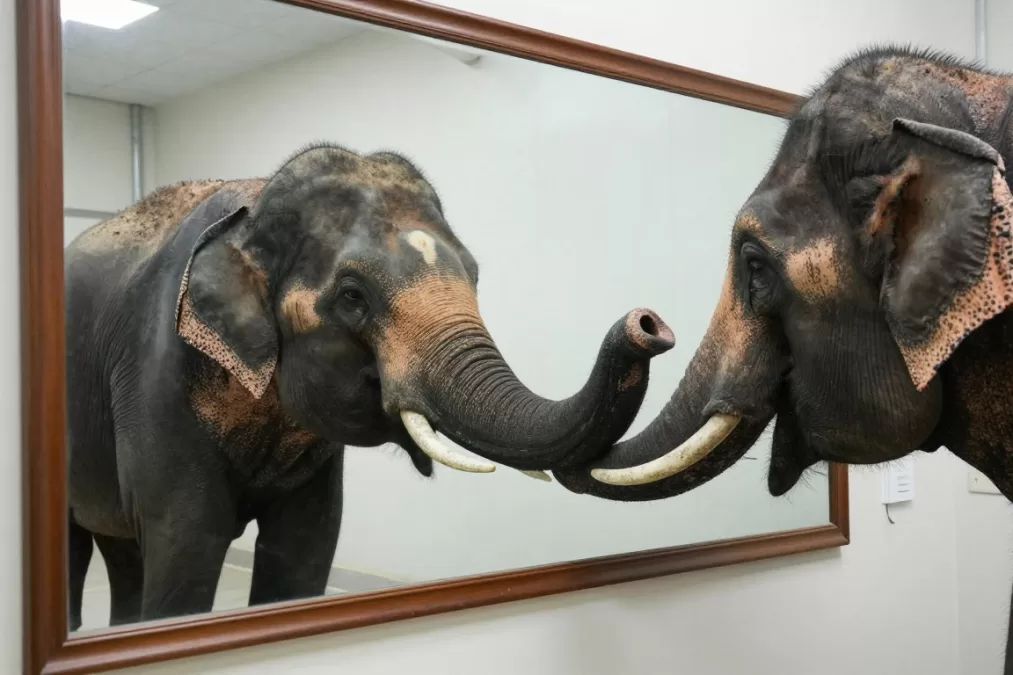
Elephants recognize mirrors and understand they’re viewing themselves rather than another elephant. They’ve passed the mirror self-recognition test, examining marks placed on their bodies that they can only see in reflection.
Social Cooperation
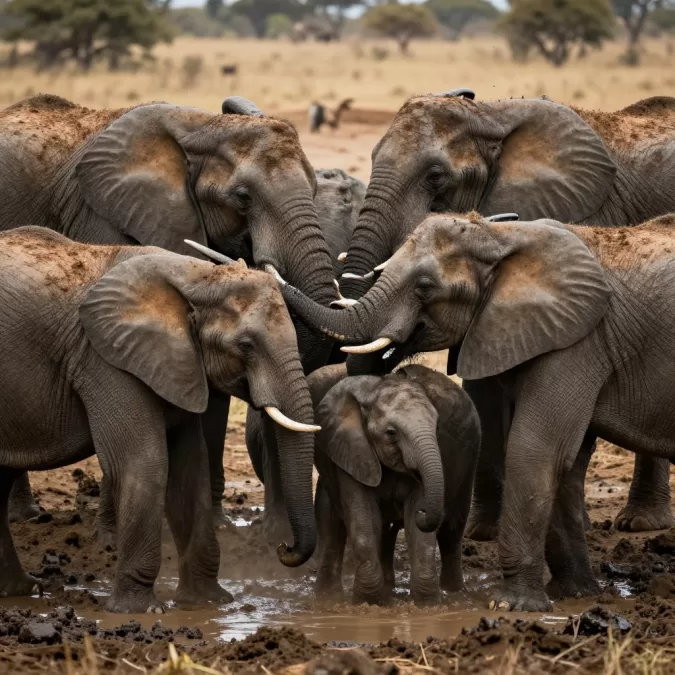
Groups work together to solve problems requiring cooperation. They coordinate to rescue trapped members and help injured individuals walk. Their social bonds and collaborative abilities demonstrate advanced cognitive processing.
Elephants modify their environment in sophisticated ways. They dig wells during dry seasons, creating water sources that benefit other species. This behavior shows understanding of cause and effect along with planning for future needs.
Recommended Reading
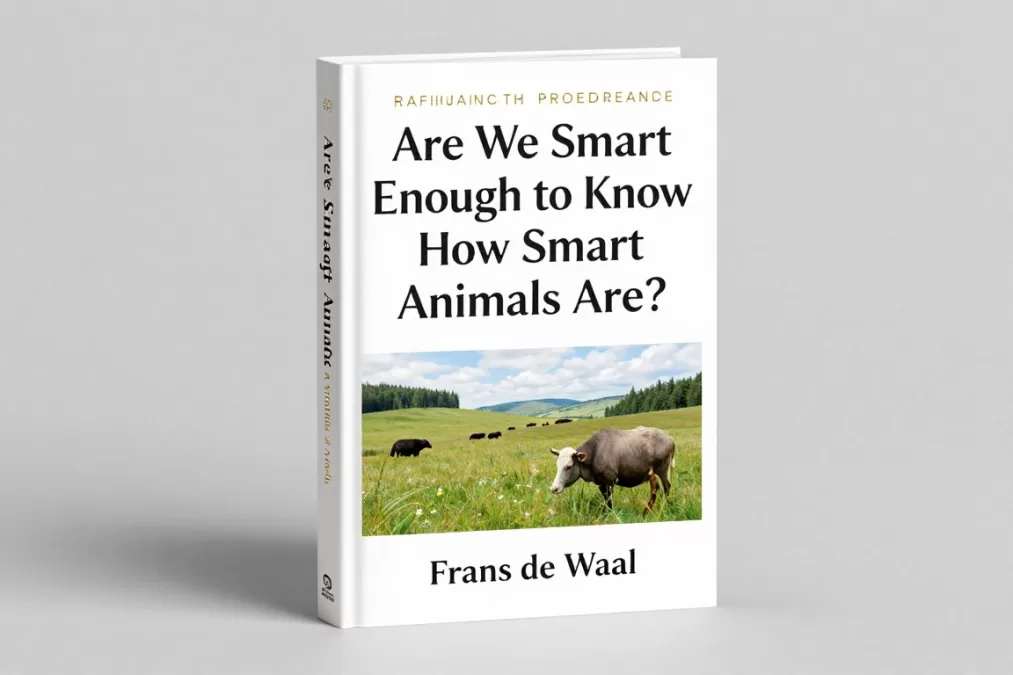
Dive deeper into animal cognition with this groundbreaking book by renowned primatologist Frans de Waal. Explore fascinating research about how animals think and challenge your assumptions about intelligence.
Why Animal Intelligence Matters
Understanding how different species think helps us appreciate the diversity of life on Earth. Each intelligent animal offers unique insights into cognitive evolution and the many paths intelligence can take.
Research into animal cognition also raises important questions about animal welfare and rights. As we recognize the mental complexity of other creatures, we must consider our ethical responsibilities toward them.
Studying these brilliant creatures pushes the boundaries of science. Every discovery about how animals solve problems or communicate teaches us something new about the brain, consciousness, and the nature of intelligence itself.
4. Crows and Ravens: Feathered Einsteins
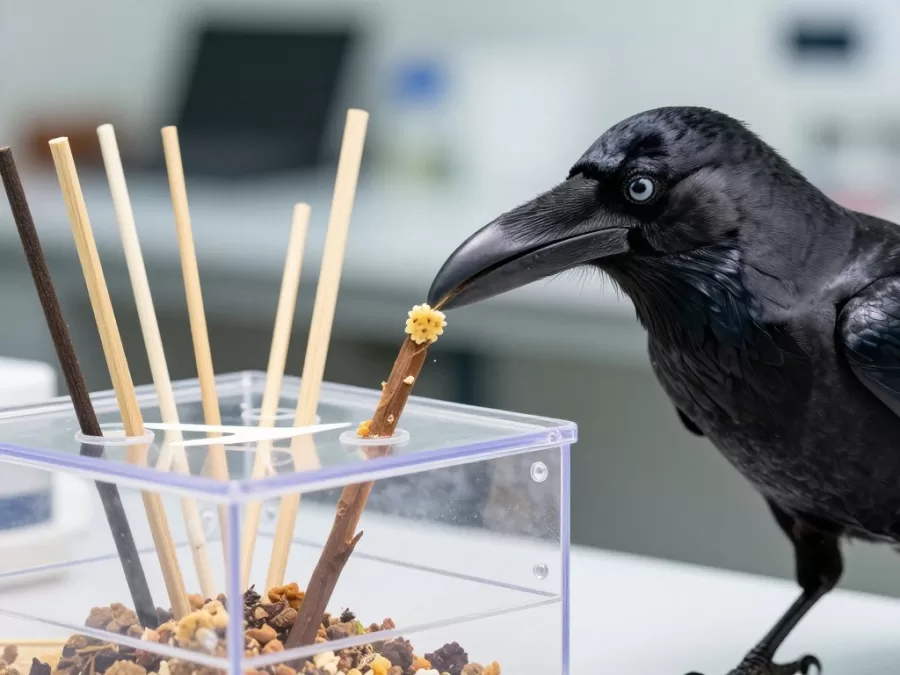
Crows and ravens possess problem-solving abilities that rival those of primates. Despite having brains no larger than a human thumb, these birds demonstrate intelligence that challenges our understanding of cognition. Their mental capabilities continue to surprise researchers worldwide.
Studies reveal crows can solve multi-step problems requiring planning ahead. They use tools in ways that demonstrate understanding of cause and effect. Some species fashion hooks from twigs to extract insects from tree bark, showing remarkable innovation.
Tool Creation and Use
New Caledonian crows create sophisticated tools from various materials. They select specific branches and modify them to suit different tasks. Research shows they understand the properties of materials and choose appropriate tools for specific jobs.
These intelligent birds improve their tools through trial and error. They remember which tools worked best and refine their techniques over time. Young crows learn tool-making skills from their parents, demonstrating cultural transmission of knowledge.
Memory and Recognition
Crows remember human faces for years and can distinguish between people who have threatened them versus those who haven’t. They warn other crows about dangerous individuals, spreading information throughout their community.
Research demonstrates crows hold grudges and can plan revenge. They’ve been observed working together to mob people who previously captured them for research. This behavior shows both memory and social coordination.
Ravens display insight problem-solving that was once thought unique to humans and apes. They can predict future needs and plan accordingly. In experiments, ravens selected and saved tools they would need later rather than choosing immediate rewards.
Remarkable Behavior: Urban crows have learned to use passing cars to crack nuts. They place nuts in crosswalks and wait for vehicles to run over them, then retrieve the contents during red lights.
Social Intelligence
These birds form complex social relationships within their groups. They play tricks on each other and appear to have a sense of humor. Young ravens engage in games that serve no survival purpose but demonstrate cognitive flexibility and creativity.
Crows understand the concept of bartering and can assess the value of different objects. In experiments, they’ve traded items with researchers to get better rewards. This economic behavior suggests they grasp abstract concepts of value and exchange.
5. Orangutans: Strategic Forest Thinkers
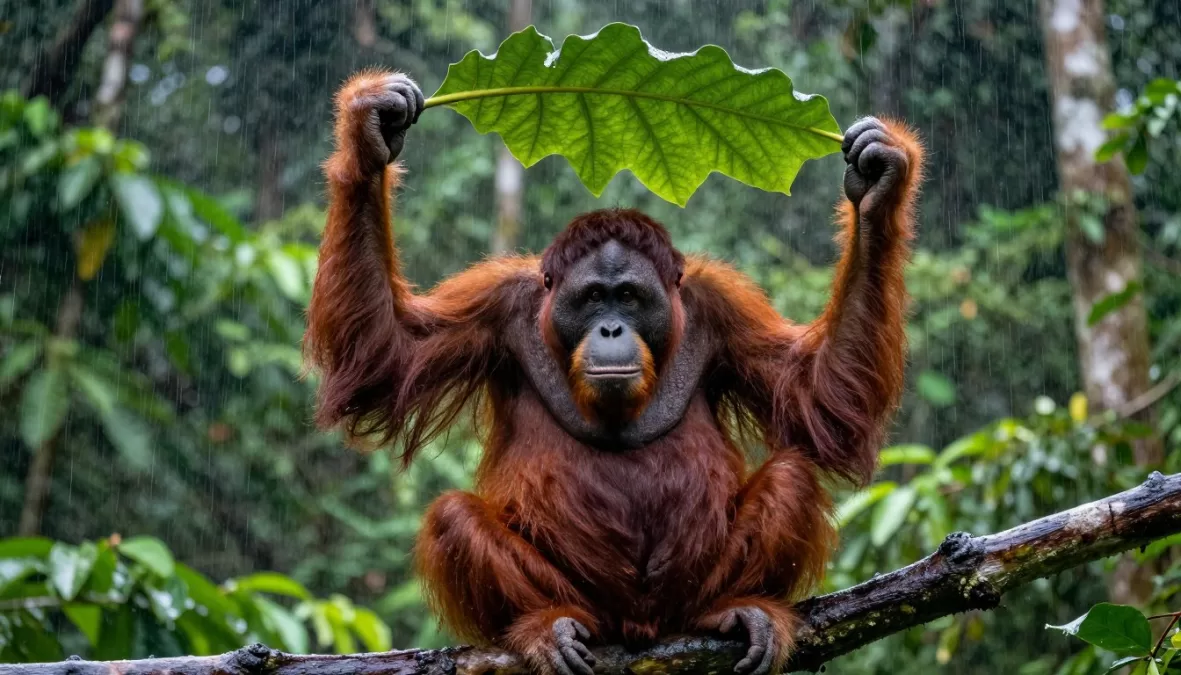
Orangutans demonstrate intelligence through their incredible problem-solving skills and tool use. These great apes spend most of their lives in trees, developing spatial reasoning abilities that help them navigate complex forest environments. Their cognitive capabilities match those of other highly intelligent primates.
Research shows orangutans plan their travel routes in advance, considering factors like food availability and weather. They communicate their travel plans to other group members through vocalizations. This forward planning demonstrates abstract thinking and temporal reasoning.
Innovation and Tool Mastery
Wild orangutans use tools in at least 54 different ways according to long-term studies. They fashion leaf gloves to handle spiny fruits and use sticks to extract insects from tree holes. Some populations use leaves as napkins or rain hats, showing cultural variations between groups.
These apes demonstrate remarkable mechanical understanding. Captive orangutans have picked locks, assembled simple structures, and figured out how to use human tools after observation. Their ability to understand how objects work shows sophisticated cognitive processing.
Cognitive Strengths
- Exceptional memory for locations and individuals
- Advanced tool creation and modification skills
- Strong spatial reasoning and navigation abilities
- Cultural transmission of learned behaviors
- Problem-solving through observation and imitation
Research Limitations
- Solitary nature makes social intelligence harder to study
- Declining wild populations limit research opportunities
- Slow reproduction rates affect generational studies
- Arboreal lifestyle complicates field observations
Orangutans show self-medication behaviors, selecting specific plants to treat ailments. They understand the medicinal properties of certain leaves and bark. This knowledge passes from mothers to offspring through years of observation and learning.
Communication among orangutans involves a complex system of gestures and vocalizations. They can learn symbolic communication systems and understand pointing gestures from humans. Some individuals have learned to use sign language to express wants and describe objects.
6. Pigs: Surprisingly Sophisticated Minds
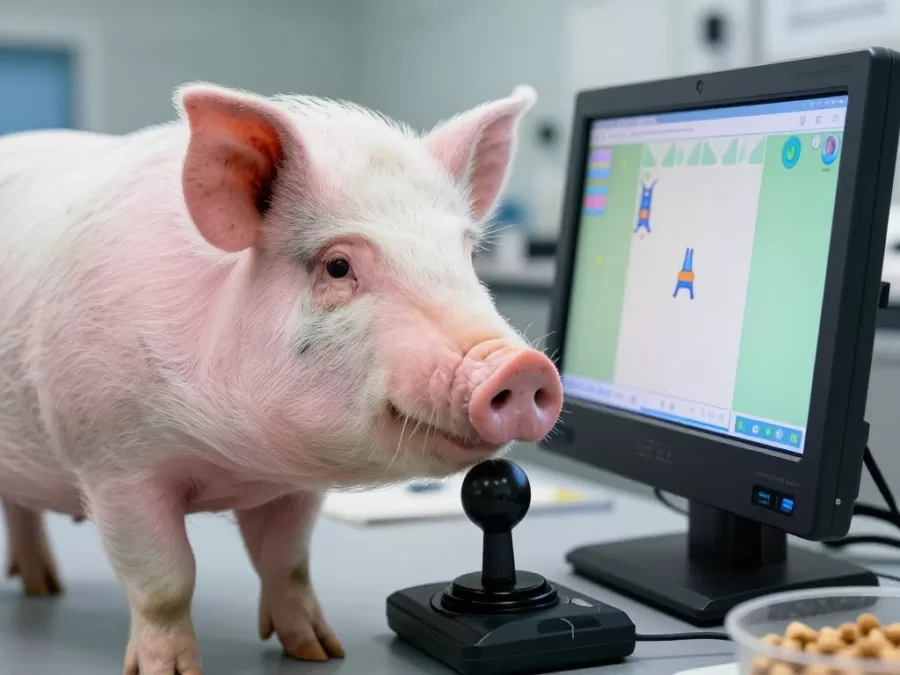
Pigs consistently surprise researchers with their intelligence and emotional complexity. These often underestimated animals possess cognitive abilities comparable to dogs and even young children. Scientific studies reveal that pigs can solve problems, learn quickly, and demonstrate remarkable memory skills.
Research demonstrates pigs can learn tasks faster than dogs in many situations. They understand mirror reflections and use this knowledge to find hidden food. When shown food in a mirror, pigs quickly figure out they need to turn around to locate the actual item.
Social and Emotional Intelligence
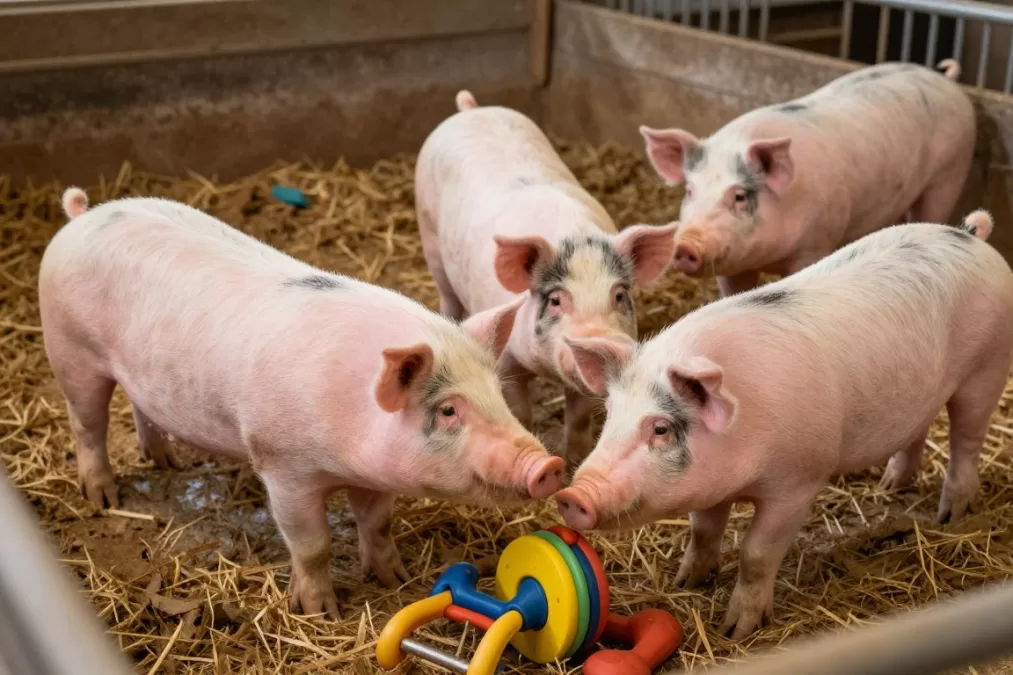
Pigs form close bonds with other individuals and show empathy toward their group members. They remember interactions with both people and other pigs for years. These social creatures recognize different individuals and adjust their behavior based on past experiences.
Studies show pigs experience a wide range of emotions including joy, fear, and sadness. They play games with each other and show excitement when anticipating positive events. Young pigs engage in playful behavior that helps develop social and cognitive skills.
Learning and Memory
Pigs excel at learning through observation and can understand symbolic language. In research settings, they’ve learned to use joysticks with their snouts to play simple video games. Their ability to grasp abstract concepts demonstrates sophisticated cognitive processing.
These intelligent animals remember complex routines and can navigate mazes after a single trial. They understand that actions lead to consequences and modify their behavior accordingly. Pigs have even shown the ability to deceive other pigs when food is involved.
Problem-solving comes naturally to pigs in various environments. They figure out how to open latches, work together to accomplish tasks, and find innovative ways to access food. Their adaptability and quick learning make them one of the smartest domestic animals.
Explore Animal Intelligence Documentaries
Watch stunning documentaries featuring the world’s most intelligent animals. Learn from expert researchers and witness incredible cognitive behaviors in the wild and research facilities.
7. Octopuses: Intelligent Invertebrates
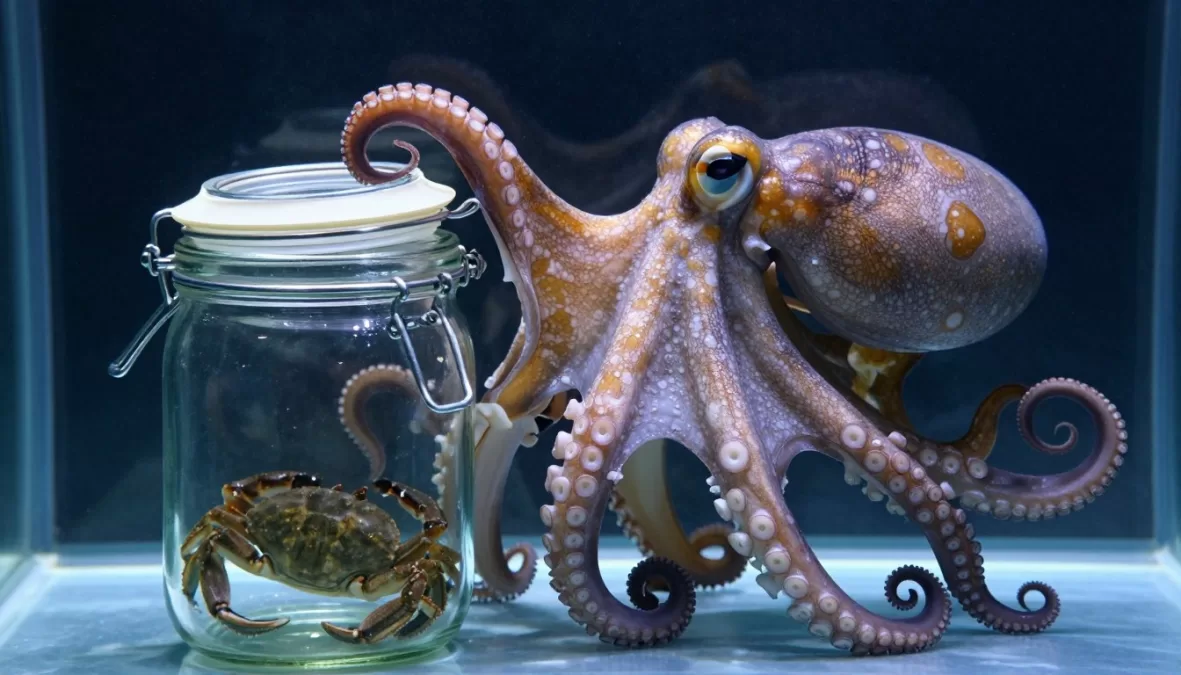
Octopuses represent the pinnacle of invertebrate intelligence. These remarkable creatures possess problem-solving abilities that rival many vertebrates despite having evolved intelligence on a completely different evolutionary path. Their distributed nervous system and cognitive capabilities challenge our understanding of how brains work.
Each octopus arm contains neurons that allow independent decision-making. The arms can solve problems, taste, and manipulate objects even when separated from the brain. This decentralized intelligence represents a fundamentally different way of processing information compared to other intelligent animals.
Tool Use and Escape Artists
Wild octopuses collect coconut shells and assemble them into portable shelters. They carry these shells across the ocean floor and reassemble them when needed. This planning behavior and tool use was once thought impossible for invertebrates.
Captive octopuses have become famous for their escape abilities. They can squeeze through tiny openings, unscrew jars from the inside, and navigate complex mazes. Some individuals have been observed sneaking out of tanks at night to raid neighboring aquariums for food, then returning before morning.
Camouflage Masters
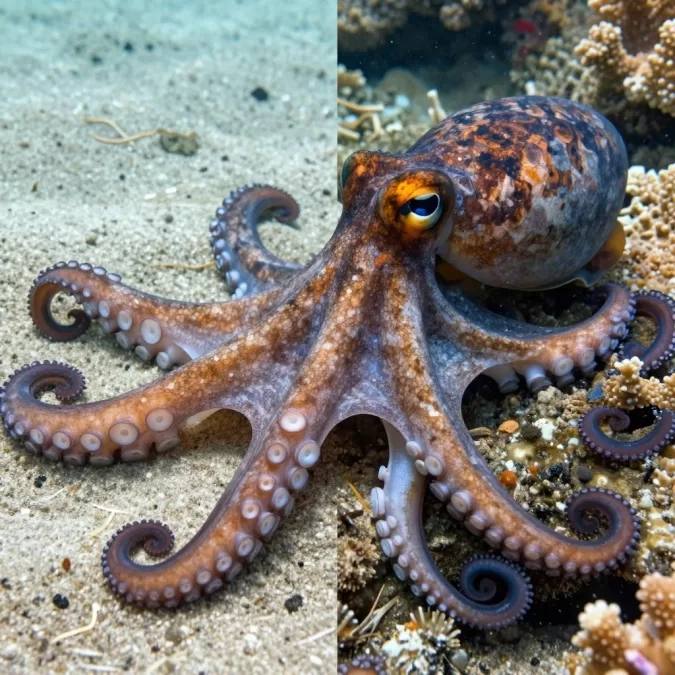
Octopuses change their skin color and texture in milliseconds to match surroundings. This requires processing visual information and controlling millions of pigment cells simultaneously, demonstrating remarkable neural coordination and environmental awareness.
Learning Ability
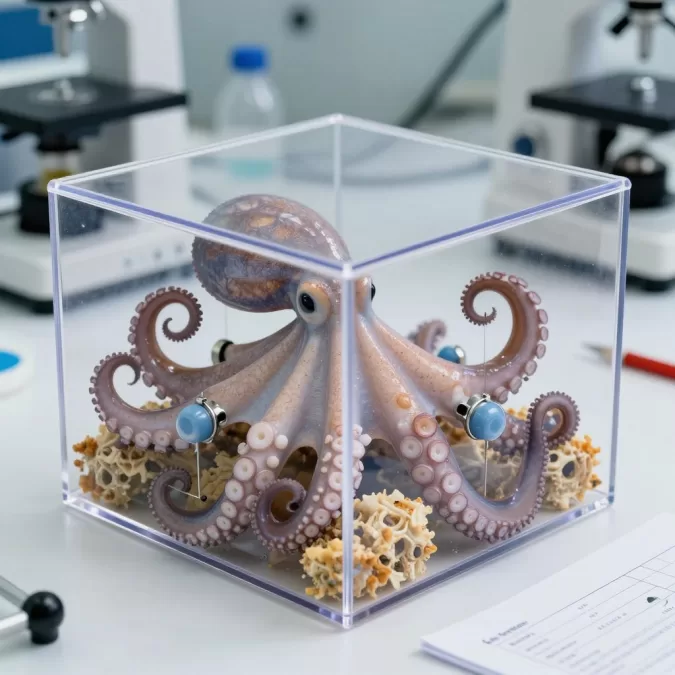
These creatures learn through observation and remember solutions to problems for months. They can distinguish between different people and show preferences for individuals who treat them well, demonstrating both memory and social cognition.
Playful Behavior
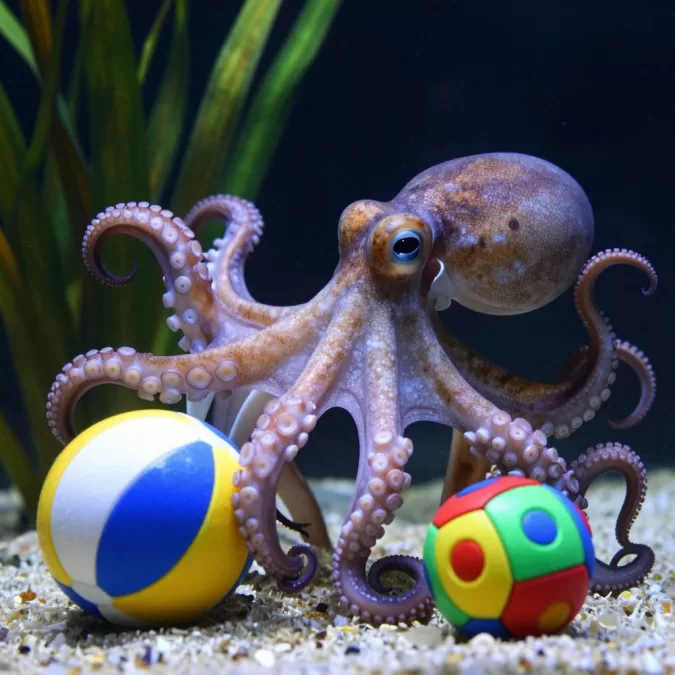
Octopuses engage in play behavior with no survival purpose, bouncing objects back and forth across their tanks. This playfulness suggests curiosity and cognitive complexity beyond basic survival instincts.
Research reveals octopuses have personality traits including boldness, aggressiveness, and shyness. They recognize individual humans and respond differently to people based on past interactions. Some show curiosity while others display caution when encountering new situations.
Fascinating Fact: Despite being colorblind, octopuses perfectly match their environment’s colors. Scientists believe their skin may contain light-sensing proteins that bypass the eyes entirely, allowing direct color sensing.
8. Parrots: Vocal Virtuosos with Cognitive Depth
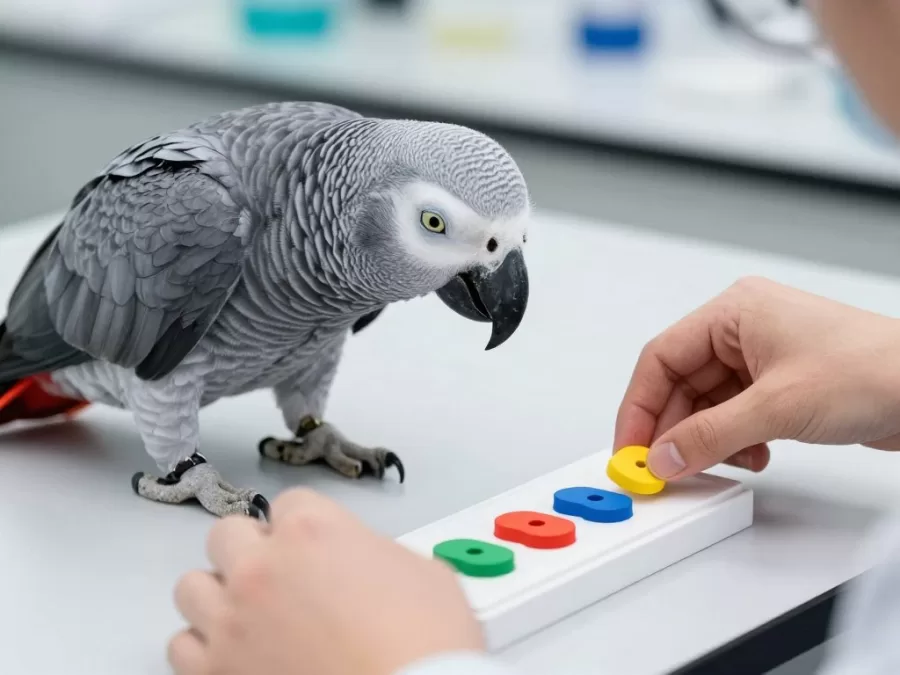
Parrots demonstrate intelligence that extends far beyond their famous ability to mimic human speech. These colorful birds possess problem-solving skills, numerical understanding, and emotional intelligence that place them among the smartest animals. Research with African grey parrots has revealed cognitive abilities comparable to young children.
The famous African grey parrot Alex learned over 150 words and could identify objects, colors, and shapes. He understood concepts like bigger, smaller, same, and different. Alex could count up to six and showed zero comprehension, demonstrating abstract mathematical thinking previously thought impossible for birds.
Communication Beyond Mimicry
Parrots don’t just repeat words mindlessly. Research shows they use language contextually and combine words to create new meanings. They ask questions, make requests, and express preferences through learned vocabulary. This linguistic ability suggests they understand the symbolic nature of language.
Wild parrots have distinct dialects that vary between regions. Young birds learn their flock’s specific calls from parents and other group members. This cultural transmission of communication patterns demonstrates social learning similar to human language acquisition.
Problem Solving Skills
Studies show parrots can solve complex puzzles requiring multiple steps. They understand cause and effect relationships and can delay gratification for better rewards. Kea parrots from New Zealand work together to solve problems, demonstrating both individual intelligence and cooperative abilities.
These birds show remarkable tool use in both wild and captive settings. They manipulate objects to reach food and have been observed using sticks to scratch themselves. Their dexterity combined with problem-solving skills allows them to tackle challenges in creative ways.
Social and Emotional Intelligence
Parrots form strong pair bonds and show jealousy when their chosen partners interact with others. They demonstrate empathy by comforting distressed flock members. Research reveals they experience emotions including joy, sadness, and frustration.
These social creatures understand fairness and react to inequitable situations. In experiments, parrots refused to participate in tasks when they observed others receiving better rewards for the same work. This sense of fairness was once considered uniquely human.
Parrots can plan for the future and understand delayed consequences. They save favorite foods for later and remember where they’ve hidden treats. Their memory extends to recalling people and events from years past, showing long-term memory capabilities.
9. Dogs: Socially Savvy Companions
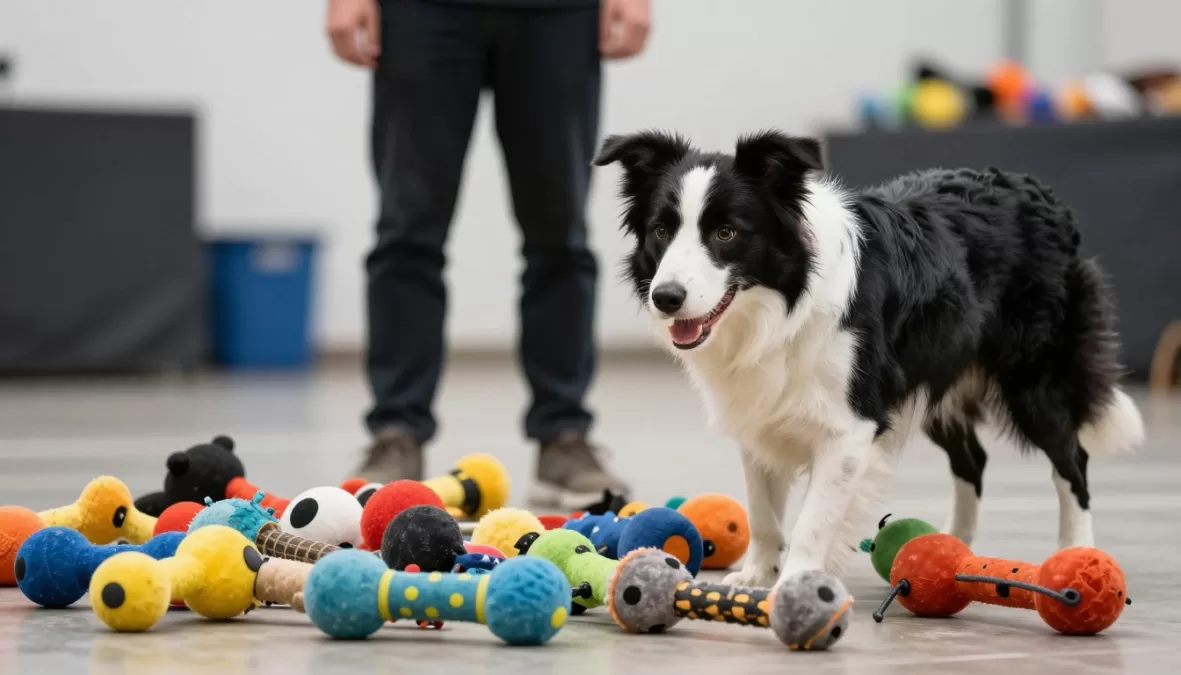
Dogs have evolved alongside humans for thousands of years, developing unique cognitive abilities specialized for understanding people. While they may not solve complex puzzles like some other intelligent animals, their social intelligence and ability to communicate with humans sets them apart in the animal kingdom.
Research demonstrates dogs can understand hundreds of words when properly trained. Border collies have shown the ability to learn over 1,000 object names and retrieve specific items on command. This linguistic comprehension rivals that of great apes in human language studies.
Reading Human Communication
Dogs excel at interpreting human gestures and facial expressions better than any other species. They understand pointing, follow eye gaze, and respond to emotional cues in human voices. Even wolf puppies raised by humans don’t develop these skills, suggesting dogs evolved specifically to read human communication.
Studies show dogs distinguish between intentional and accidental human actions. They respond differently when people deliberately refuse to give them food versus accidentally dropping it. This ability to understand human intentions demonstrates sophisticated social cognition.
- Emotional Intelligence: Dogs recognize emotions in human faces and voices
- Cooperative Problem Solving: They seek human help when faced with unsolvable tasks
- Memory Skills: Remember people and places for years
- Learning Ability: Quick to learn through observation and imitation
- Social Understanding: Navigate complex social situations with humans and other dogs

Different breeds show varying cognitive strengths. Working breeds excel at problem-solving and following commands. Herding dogs demonstrate strategic thinking when managing livestock. Each breed’s intelligence reflects the specific tasks humans selected them to perform over generations.
Dogs show episodic memory, remembering specific events from their past. They recall where they buried toys, remember walking routes, and recognize people they haven’t seen in years. This memory ability helps them navigate their social and physical environment effectively.
10. Rats: Underestimated Geniuses
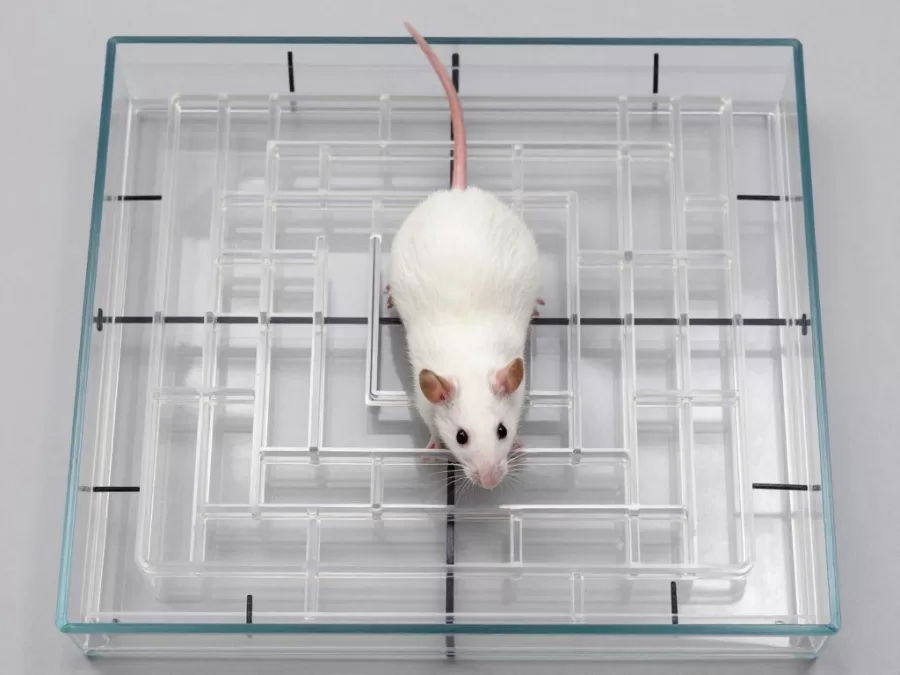
Rats possess remarkable intelligence that has made them invaluable to scientific research. These small rodents demonstrate cognitive abilities that surprise most people unfamiliar with their mental capabilities. Their problem-solving skills, memory, and social intelligence rival much larger animals on this list.
Research shows rats can learn complex tasks quickly and remember solutions for extended periods. They navigate mazes efficiently, often finding optimal routes after just a few trials. Studies reveal they understand abstract concepts and can apply learned rules to new situations.
Social Intelligence and Empathy
Rats form close social bonds and show genuine empathy toward other rats. In experiments, rats consistently freed trapped companions even when they could keep food rewards for themselves. They prioritize helping their friends over personal gain, demonstrating altruistic behavior.
These social creatures communicate through ultrasonic vocalizations humans cannot hear. They express joy, fear, and contentment through different sound frequencies. Research reveals they even laugh when tickled, showing emotional experiences more complex than previously thought.
Learning and Memory
Rats possess excellent spatial memory and can remember complex routes through environments. They use landmarks to navigate and create mental maps of their surroundings. This cognitive mapping ability helps them efficiently find food and avoid dangers.
Studies demonstrate rats understand cause and effect relationships. They can learn from observation without direct experience. When rats watch others solve problems, they apply those solutions when faced with similar challenges.
Metacognition
Remarkably, rats show metacognition—knowing what they know. In tests, rats could decline difficult trials when they felt uncertain about the answer. This self-awareness of their own knowledge represents sophisticated cognitive processing rare in the animal kingdom.
These intelligent rodents engage in mental rehearsal, mentally replaying experiences to consolidate memories. Brain scans show rats “daydream” about places they’ve been and food they’ve found, suggesting they reflect on past experiences.
Intelligence Highlight: Rats can be trained to detect landmines and tuberculosis through their excellent sense of smell combined with their learning ability. Their intelligence makes them ideal for tasks requiring both training and independent decision-making.
Rats demonstrate flexibility in problem-solving and adapt strategies when situations change. They learn from mistakes and adjust their behavior accordingly. This cognitive flexibility allows them to thrive in diverse environments from laboratories to cities worldwide.
Comparing Intelligence Across Species
| Animal | Tool Use | Self-Awareness | Social Complexity | Problem Solving | Communication |
| Chimpanzees | Advanced | Yes | Very High | Exceptional | Complex |
| Dolphins | Moderate | Yes | Very High | Advanced | Sophisticated |
| Elephants | Moderate | Yes | Very High | Advanced | Complex |
| Crows/Ravens | Advanced | Possible | High | Exceptional | Moderate |
| Orangutans | Advanced | Yes | Moderate | Exceptional | Moderate |
| Pigs | Limited | Yes | High | Advanced | Moderate |
| Octopuses | Moderate | Unknown | Low | Exceptional | Limited |
| Parrots | Limited | Possible | High | Advanced | Exceptional |
| Dogs | Minimal | Limited | High | Moderate | Advanced |
| Rats | Minimal | Possible | High | Advanced | Moderate |
This comparison highlights how intelligence manifests differently across species. No single animal excels in every category. Each species has evolved cognitive abilities suited to its specific ecological niche and survival needs.
How Scientists Measure Animal Intelligence
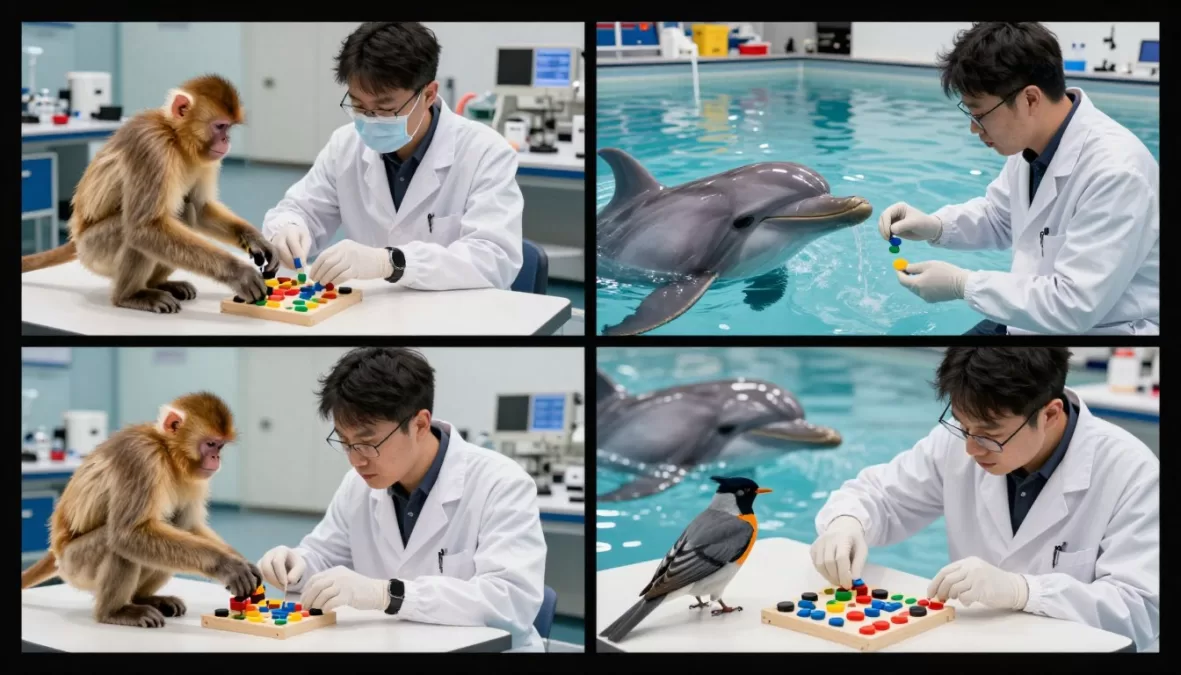
Measuring intelligence across different species presents unique challenges for researchers. Scientists cannot use a single test to compare abilities across diverse animals. Instead, they design species-specific tests that reveal cognitive capabilities while accounting for each animal’s physical and sensory differences.
Brain size alone doesn’t determine intelligence. The ratio of brain to body size, called encephalization quotient, provides better insights. However, even this measure has limitations. Brain structure and neuron density matter more than simple size comparisons across different species.
Common Intelligence Tests
- Mirror self-recognition tests for self-awareness
- Problem-solving tasks with multiple solution paths
- Delayed gratification experiments testing impulse control
- Social cognition tests measuring understanding of others
- Tool use observations in natural and controlled environments
- Memory tests including spatial and episodic recall
- Learning speed measurements across different tasks
- Innovation tests observing novel behavior creation
Challenges in Cross-Species Comparison
Different animals perceive the world through unique sensory systems. Dogs rely heavily on smell while birds depend on vision. These differences make designing fair comparison tests extremely difficult. A test designed for visual learners may not accurately measure a species that learns primarily through other senses.
Researchers must consider evolutionary history when interpreting results. An animal might fail a test not because it lacks intelligence but because the task doesn’t align with its natural behaviors. Squirrels excel at spatial memory tests related to nut caching but might struggle with other memory tasks.
Research Insight: Scientists now recognize multiple types of intelligence rather than ranking animals on a single scale. Each species has evolved cognitive strengths suited to its specific survival needs and environmental challenges.
Modern research focuses on understanding what animals can do rather than comparing them to humans. This approach reveals the incredible diversity of cognitive abilities in nature. Each intelligent animal offers unique insights into how brains solve problems and process information.
Honorable Mentions: Other Highly Intelligent Animals
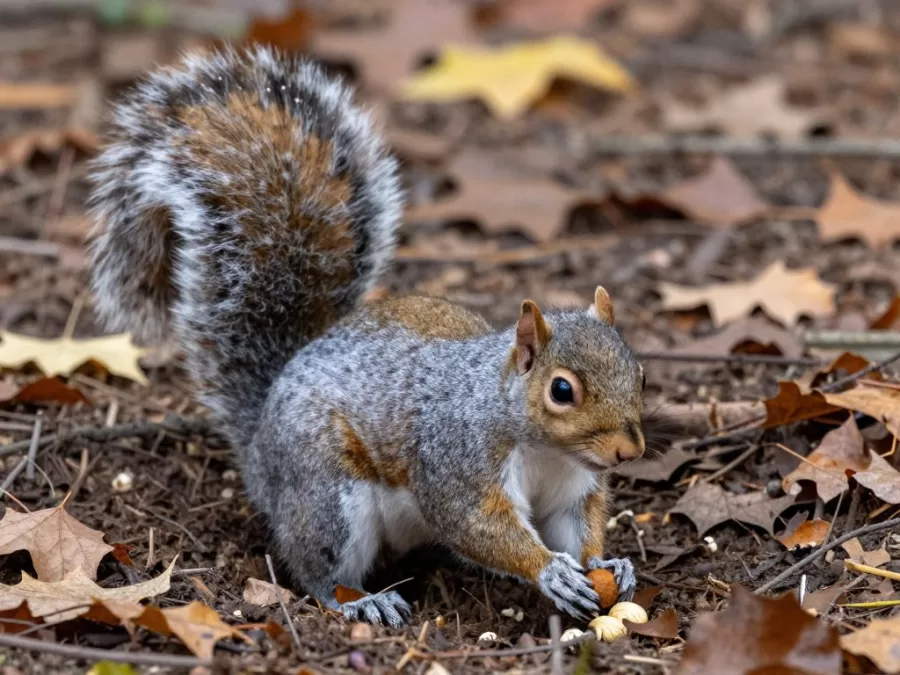
Squirrels
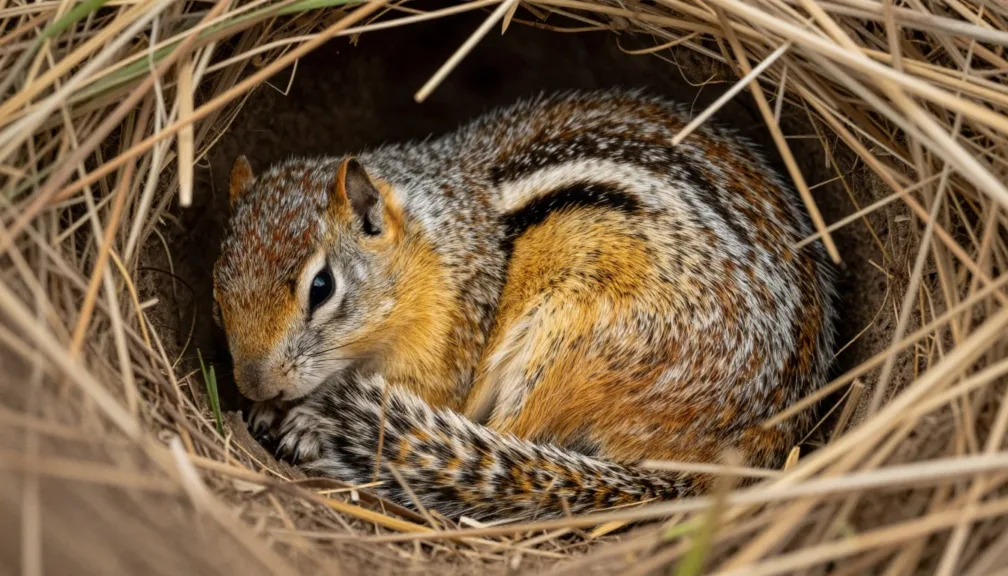
These rodents possess exceptional spatial memory for locating thousands of buried nuts. They use deceptive tactics to protect their food caches from thieves. Squirrels plan for future needs by storing food during abundant seasons.
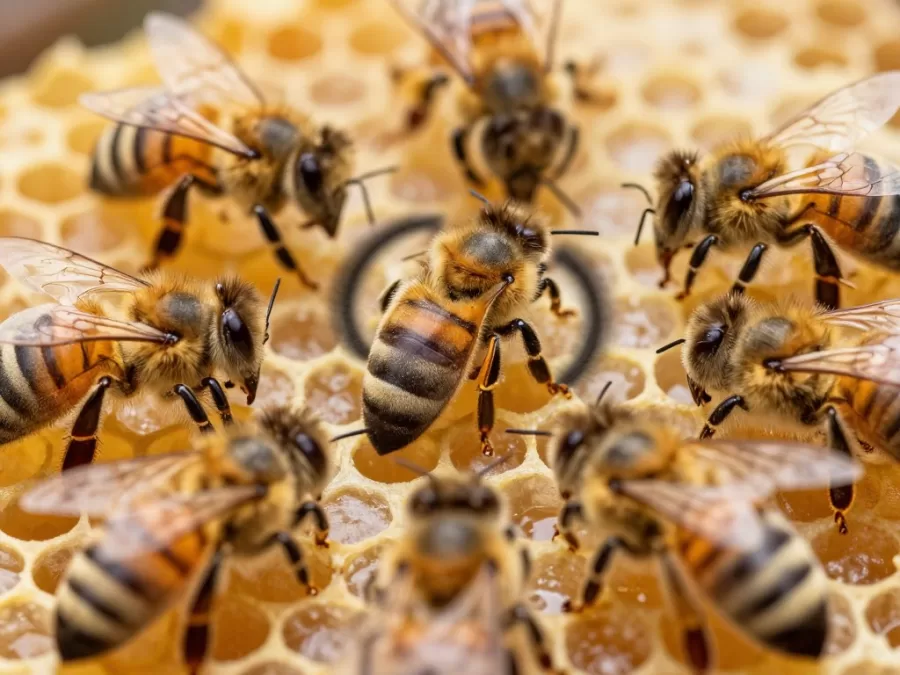
Bees
Honeybees communicate complex information through dance and can learn abstract concepts. They recognize mirrors and understand numerical concepts. Their collective intelligence allows colonies to solve problems no individual could tackle alone.
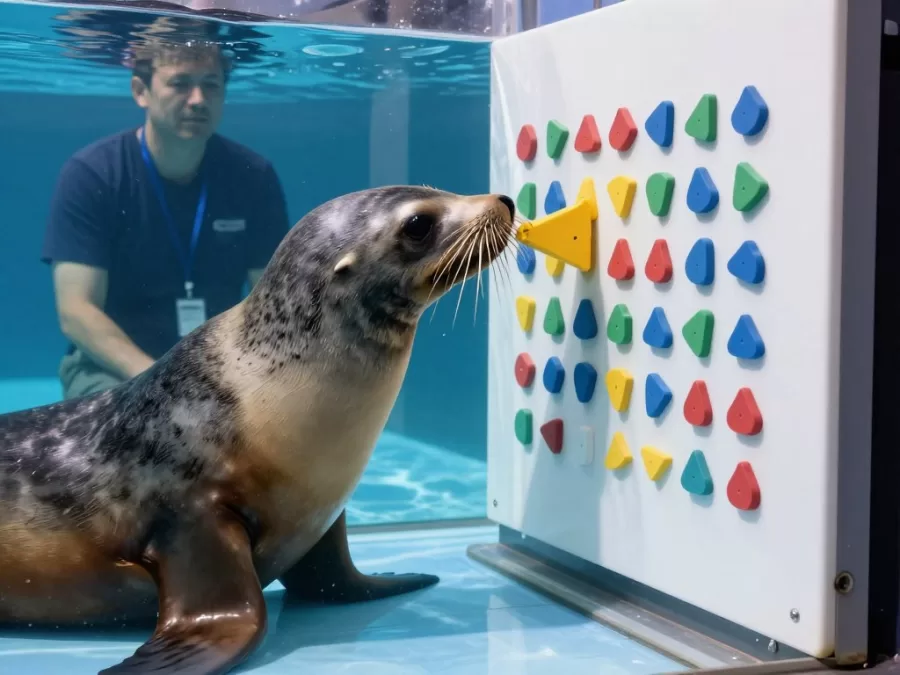
Sea Lions
These marine mammals demonstrate logical reasoning and can follow complex directions. Research shows they understand symbolic relationships and can apply learned concepts to new situations. Sea lions exhibit long-term memory lasting decades.
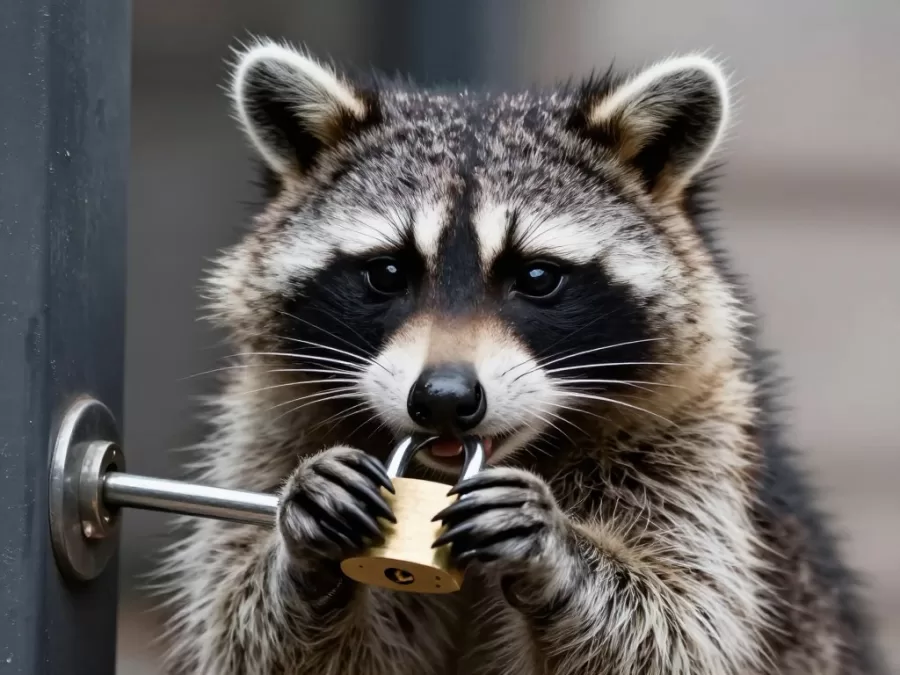
Raccoons
Known for their problem-solving abilities and dexterous paws, raccoons can open complex locks. They remember solutions to problems for years. These adaptable creatures thrive in diverse environments through their intelligence and resourcefulness.

Horses
Horses read human emotions through facial expressions and body language. They possess excellent memory and can learn complex tasks. Research reveals they engage in sophisticated social communication within their herds.

Cats
Domestic cats learn through observation and can solve problems independently. They understand object permanence and navigate complex social situations. Cats communicate with humans in ways they don’t use with other cats, showing adaptive intelligence.
Many other species demonstrate remarkable intelligence that researchers continue to discover. The more we study animal cognition, the more we find sophisticated mental abilities across diverse species. Intelligence has evolved in countless ways throughout the animal kingdom.
The Evolution of Intelligence in the Animal Kingdom
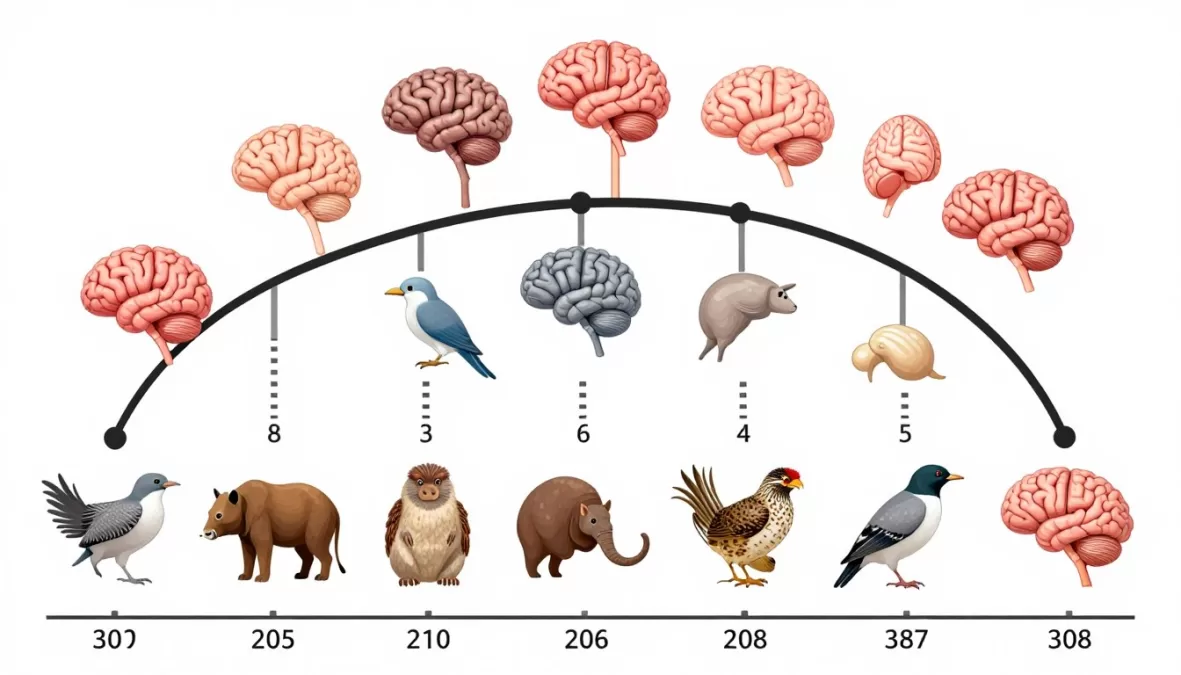
Intelligence evolved independently multiple times throughout Earth’s history. Different lineages developed cognitive abilities to solve survival challenges specific to their environments. This convergent evolution explains why distantly related animals like octopuses and primates both show sophisticated problem-solving despite very different brain structures.
Social living drove the evolution of intelligence in many species. Animals living in complex social groups needed to track relationships, remember individuals, and predict behavior. This social complexity selected for larger brains and enhanced cognitive abilities over millions of years.
Environmental Pressures and Cognitive Development
Food acquisition strategies influenced intelligence evolution significantly. Animals that cache food developed superior spatial memory. Predators evolved planning abilities to coordinate hunts. Species facing variable food sources developed flexible problem-solving skills to adapt to changing conditions.
The need to avoid predators also drove cognitive evolution. Prey animals developed abilities to recognize threats, remember dangerous locations, and communicate warnings. This evolutionary arms race between predators and prey pushed both groups toward greater intelligence.
Brain Structure and Function
Different animals evolved distinct brain architectures to support intelligence. Mammals developed the neocortex for advanced processing. Birds evolved a different brain structure that achieves similar cognitive results through a completely different organization. These parallel solutions show multiple paths to intelligence.
The brain represents a massive energy investment for animals. Human brains consume 20% of our energy despite being only 2% of body weight. This high cost means intelligence only evolves when the survival benefits outweigh the energy expenditure.
Cultural Transmission
Many intelligent animals pass knowledge between generations through teaching and observation. This cultural evolution allows rapid adaptation without genetic changes. Young animals learn from experienced individuals, building on previous generations’ accumulated wisdom.
Cultural traditions vary between different populations of the same species. These behavioral differences demonstrate that learning and culture play crucial roles in expressing intelligence. Environment shapes how cognitive abilities develop and manifest in individuals.
Future research will continue revealing the diverse forms intelligence takes across species. Understanding how different animals think enriches our appreciation of cognitive evolution. Each discovery challenges our assumptions about what intelligence means and how it develops.
Conservation Implications of Animal Intelligence
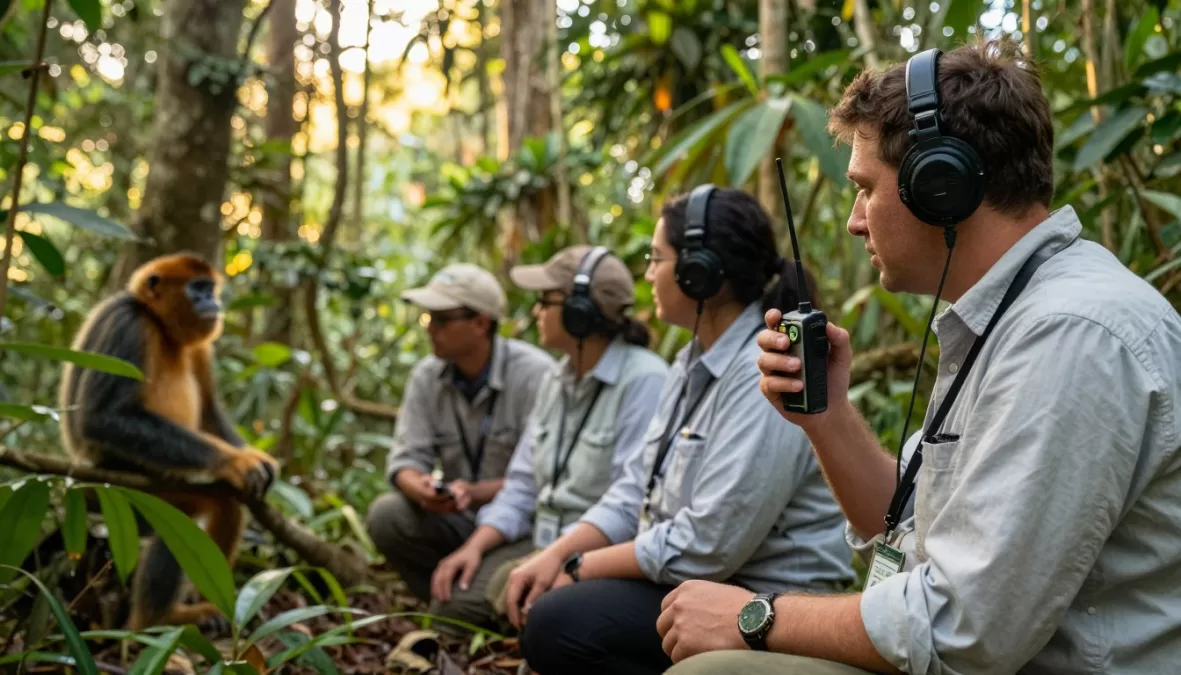
Recognizing animal intelligence carries profound implications for conservation efforts worldwide. Understanding that many species possess complex cognitive abilities changes how we approach their protection. These creatures aren’t just biological machines but thinking, feeling beings deserving ethical consideration in conservation planning.
Intelligent animals suffer more in captivity and habitat loss situations. Their cognitive abilities mean they experience stress, trauma, and emotional pain from environmental destruction. Conservation strategies must account for the psychological needs of highly intelligent species, not just their physical survival requirements.
Ethical Considerations
Research into animal intelligence raises questions about our treatment of other species. Animals that recognize mirrors, solve complex problems, and show empathy challenge traditional views about human uniqueness. These discoveries increasingly influence laws and policies regarding animal welfare.
Captive intelligent animals require environmental enrichment to maintain psychological health. Zoos and research facilities now design enclosures that provide mental stimulation and opportunities for natural behaviors. This recognition of cognitive needs represents a shift in how institutions care for animals.
Critical Issue: Many of the world’s most intelligent animals face extinction threats. Habitat destruction, poaching, and climate change endanger species like orangutans, elephants, and various parrot species. Losing these creatures means losing unique forms of intelligence forever.
Education and Awareness
Public education about animal intelligence builds support for conservation efforts. People who understand cognitive complexity in other species become more invested in their protection. Documentaries, research publications, and educational programs play crucial roles in spreading awareness.
Understanding intelligence helps predict how animals will respond to conservation interventions. Intelligent species can learn to avoid threats, adapt to new conditions, and benefit from human assistance. This knowledge improves the effectiveness of protection strategies and rehabilitation programs.
- Intelligent animals serve as flagship species for conservation
- Their cognitive abilities make them indicators of ecosystem health
- Protection of intelligent species often preserves entire habitats
- Research on animal cognition informs better management practices
- Understanding intelligence helps design effective enrichment programs
- Conservation success depends on addressing psychological needs

The future of conservation must integrate our growing understanding of animal cognition. Protecting intelligent animals means preserving not just species but the unique cognitive abilities they’ve evolved. Each loss diminishes the diversity of intelligence on our planet.
Download Your Free Complete Guide to Animal Intelligence
Get instant access to our comprehensive 50-page guide featuring detailed research, stunning photography, and fascinating insights about the world’s most intelligent animals. Includes bonus sections on animal communication, cognitive testing methods, and conservation efforts.
Intelligence vs. Instinct: Understanding the Difference
Distinguishing between learned intelligence and innate instinct challenges researchers studying animal behavior. Many impressive animal behaviors result from evolutionary programming rather than individual learning. Understanding this difference helps us accurately assess cognitive abilities across species.
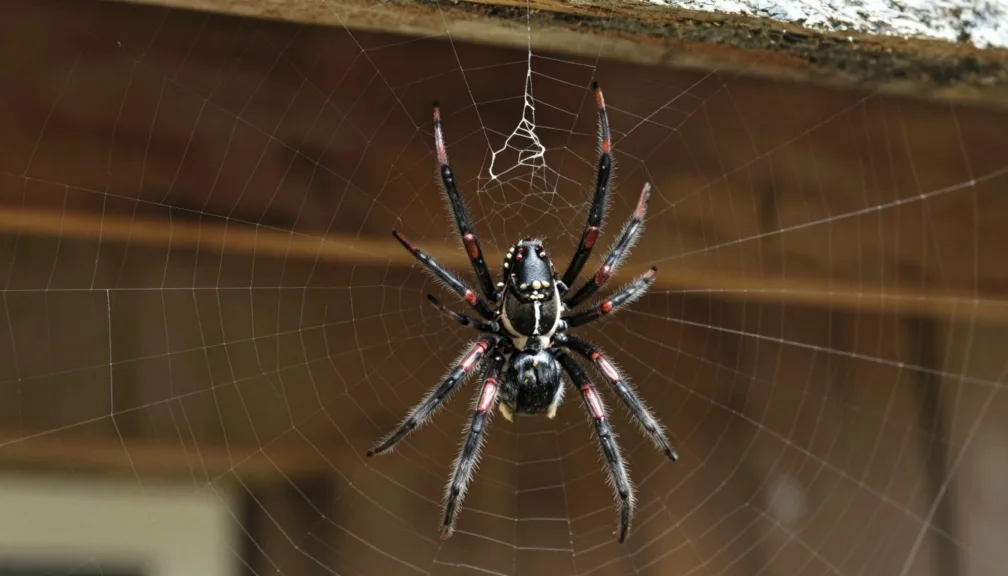
Instinctive behaviors appear fully formed without learning or practice. Birds build species-specific nests without instruction. Spiders spin perfect webs on their first attempt. These complex behaviors demonstrate genetic programming, not individual intelligence or problem-solving ability.
Markers of True Intelligence
- Learning from experience and modifying behavior
- Solving novel problems not encountered before
- Applying knowledge to new situations
- Demonstrating flexibility in approach methods
- Improving performance through practice
- Teaching behaviors to others
- Innovating new solutions independently
- Understanding cause-and-effect relationships
Characteristics of Instinct
- Performed correctly without prior experience
- Consistent across all individuals of a species
- Triggered by specific environmental cues
- Difficult or impossible to modify
- Present from birth or specific developmental stage
- Requires no teaching or observation
- Rigid and predictable in execution
- Serves specific survival functions
Most animals combine both instinct and intelligence in their behavior. A bird’s nest-building might be instinctive, but choosing the safest location requires learning and assessment. Separating these components helps researchers understand what represents genuine cognitive ability versus evolutionary programming.
The Intelligence Spectrum
Animal intelligence exists on a spectrum rather than as a simple present-or-absent trait. Even relatively simple creatures show some learning capacity. The question becomes not whether an animal is intelligent but how much flexibility and complexity its cognitive abilities demonstrate.
Researchers focus on behavioral flexibility as a key intelligence indicator. Intelligent animals adapt their behavior when environments change. They try different approaches when initial attempts fail. This adaptability separates true problem-solving from rigid instinctive responses.
Scientific Perspective: Intelligence likely evolved from instinct through gradual increases in behavioral flexibility. Animals that could modify instinctive responses gained survival advantages in changing environments. This evolutionary process created the diverse cognitive abilities we observe today.
Comparing Human and Animal Intelligence
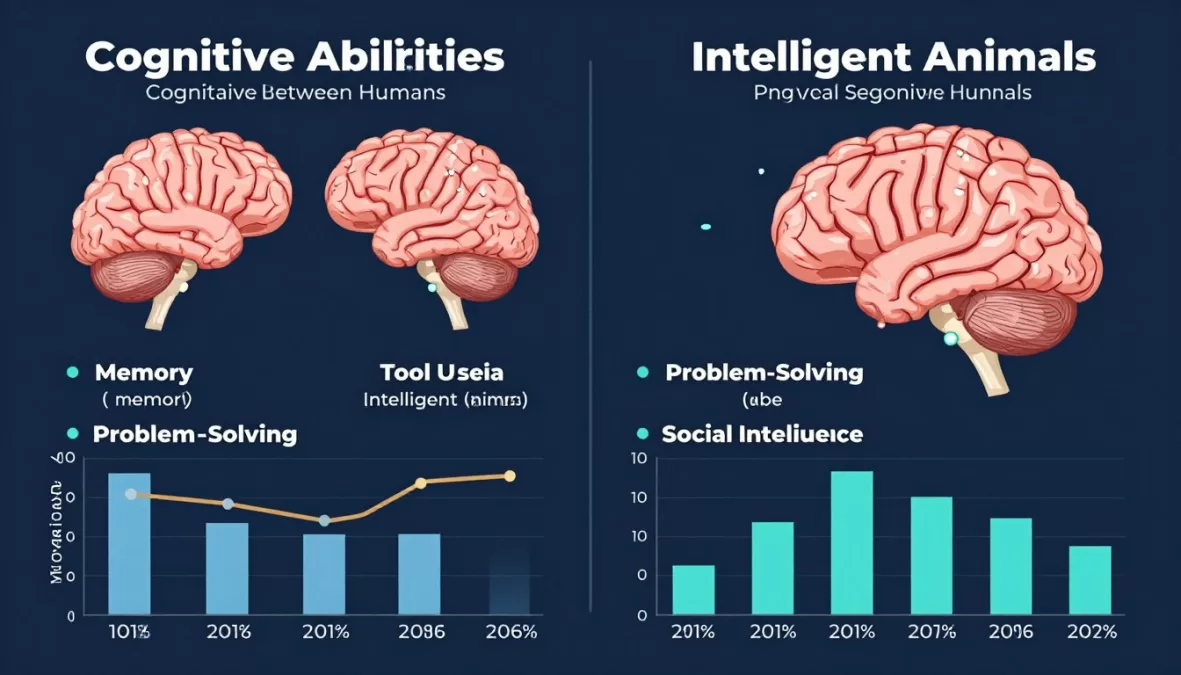
Humans often assume our intelligence surpasses all other species in every way. However, research reveals that many animals outperform humans in specific cognitive tasks. Understanding these differences helps us appreciate the diverse forms intelligence takes rather than viewing it as a simple hierarchy.
Chimpanzees outperform people in short-term visual memory tests. Migratory birds navigate using Earth’s magnetic field in ways humans cannot comprehend without technology. Octopuses solve certain spatial problems faster than human subjects. These examples show intelligence manifests differently across species.
Unique Human Cognitive Abilities
Humans excel at abstract thinking and symbolic reasoning. Our language allows us to discuss concepts that don’t physically exist and plan for distant future scenarios. We build on knowledge across generations through writing and complex cultural transmission.
Our ability to understand others’ mental states—called theory of mind—reaches extraordinary sophistication. Humans predict what others think, believe, and intend with remarkable accuracy. While some animals show basic theory of mind, humans apply this ability across complex social situations.
Human Cognitive Strengths
- Abstract and symbolic thinking
- Complex language with infinite combinations
- Long-term planning spanning years or decades
- Cumulative cultural knowledge
- Advanced theory of mind
- Mathematical and scientific reasoning
- Creating and using complex tools
Areas Where Animals Excel
- Specific memory tasks (location, visual)
- Sensory processing beyond human capability
- Instinctive navigation abilities
- Rapid pattern recognition
- Certain problem-solving scenarios
- Adaptation to specific environments
Lessons from Animal Intelligence
Studying how other species think teaches us about different solutions to cognitive challenges. Animals evolved intelligence suited to their specific needs and environments. These alternative approaches to thinking expand our understanding of what cognition can achieve.
Recognizing animal intelligence challenges human exceptionalism and encourages humility. We share this planet with many remarkable minds, each adapted to solve different problems. Appreciating this cognitive diversity enriches our view of life and consciousness.
Research into animal cognition also helps us understand human brain evolution. By comparing our abilities with those of other species, scientists trace how human intelligence developed. Every discovery about animal minds illuminates something about our own cognitive heritage.
Frequently Asked Questions About Animal Intelligence
What is the smartest animal after humans?
Chimpanzees are generally considered the smartest animals after humans, sharing 98% of our DNA. They use tools, solve complex problems, recognize mirrors, and demonstrate self-awareness. However, dolphins and elephants also rank extremely high in intelligence, with each species showing unique cognitive strengths.
How do scientists measure intelligence in animals?
Scientists use species-specific tests including problem-solving tasks, memory assessments, tool use observations, mirror self-recognition tests, and social cognition experiments. Researchers design tests appropriate for each species’ physical abilities and natural behaviors. Brain structure analysis and encephalization quotient also provide insights into cognitive capacity.
Can animals really use tools like humans do?
Yes, many animals use tools effectively. Chimpanzees fashion sticks for termite fishing, crows create hooks from wire, dolphins use sponges for foraging, and orangutans employ leaves as gloves and umbrellas. Some species even modify tools to improve their function, demonstrating understanding of tool properties and problem-solving ability.
Do intelligent animals experience emotions like humans?
Research strongly suggests that highly intelligent animals experience complex emotions. Elephants mourn their dead, dolphins appear to play for enjoyment, and rats demonstrate empathy by helping trapped companions. Brain scans reveal similar emotional centers in many species. While we cannot know exactly what animals feel, evidence indicates they experience emotions comparable to human feelings.
Why are birds like crows so intelligent despite small brains?
Brain size alone doesn’t determine intelligence. Crows and ravens have extremely high neuron density, particularly in brain regions responsible for complex thinking. Their brain structure differs from mammals but achieves similar cognitive results through efficient organization. This demonstrates that intelligence can evolve through different biological architectures.
Can animals learn and teach each other like humans do?
Many intelligent animals demonstrate teaching behaviors and cultural transmission. Orcas teach hunting techniques to their young, chimpanzees show offspring how to use tools, and some bird species pass songs across generations. These learned behaviors vary between different populations of the same species, creating distinct cultural traditions not based on genetics.
Are octopuses really as smart as they seem?
Octopuses demonstrate remarkable intelligence for invertebrates, solving complex puzzles, escaping from enclosures, and using tools. They possess distributed intelligence with neurons throughout their arms that can make decisions independently. While their intelligence differs fundamentally from vertebrate cognition, their problem-solving abilities rival many mammals.
Do pigs really have intelligence comparable to dogs?
Yes, research confirms pigs match or exceed dogs in many cognitive tests. They learn tricks faster, solve problems more quickly, and demonstrate mirror self-recognition. Pigs show empathy, form complex social bonds, and possess excellent long-term memory. Their intelligence often surprises people unfamiliar with pig cognition research.
What makes dolphins’ intelligence special?
Dolphins possess large, complex brains with structures similar to humans and great apes. They demonstrate self-awareness, understand symbolic language, cooperate in sophisticated ways, and show evidence of cultural transmission. Their communication system includes unique signature whistles that function like names. Dolphins also display creativity, playfulness, and problem-solving abilities that rank among the highest in the animal kingdom.
How does animal intelligence affect conservation efforts?
Recognizing animal intelligence transforms conservation approaches. Intelligent animals require environmental enrichment in captivity and suffer more from habitat loss due to their cognitive awareness. Understanding their mental complexity influences welfare laws, protection policies, and rehabilitation strategies. Conservation efforts increasingly consider psychological needs alongside physical survival requirements for highly intelligent species.
Understanding Intelligence Across Species
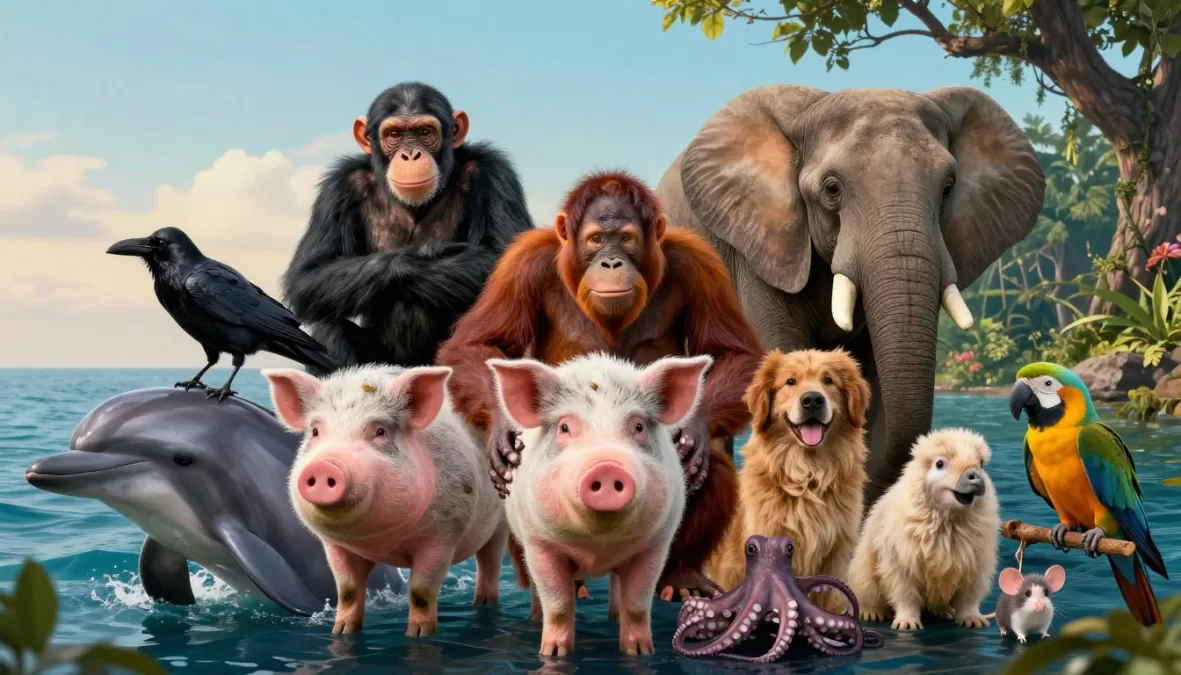
The smartest animals in the world demonstrate that intelligence takes many forms across different species. From tool-using chimps to problem-solving octopuses, nature has evolved diverse cognitive abilities suited to each creature’s survival needs. These remarkable animals challenge our assumptions about consciousness and thinking.
Research continues to reveal new dimensions of animal intelligence. Each discovery expands our understanding of cognition beyond human-centered definitions. The creatures discussed here represent just a fraction of the intelligent life sharing our planet.
Appreciating animal intelligence carries implications for how we treat other species. Recognizing their cognitive abilities and emotional experiences should influence conservation efforts, animal welfare policies, and our ethical responsibilities. These thinking, feeling creatures deserve our respect and protection.
The study of animal cognition teaches us humility while expanding our knowledge. We share Earth with minds that solve problems in ways we never imagined. Understanding these diverse forms of intelligence enriches our appreciation for the complexity and wonder of life in the animal kingdom.

Priyanka Pandey
Senior Research Editor · Top10Sense
Priyanka specializes in tech, consumer products, and digital trends. She combines hands-on testing, vendor interviews, and database research to create trustworthy “Top 10” rankings. Her work has been referenced by industry blogs and brand report pages.