The fitness industry continues to evolve at a rapid pace. What worked last year may not deliver the same results today. New research, technology, and cultural shifts reshape how people approach health and wellness.
The year 2026 brings groundbreaking changes. These aren’t just passing fads. They represent fundamental shifts in how we train, recover, and optimize our bodies. From data-driven workouts to community-focused programs, these trends reflect what fitness enthusiasts truly need.
Understanding these movements helps you stay ahead. Whether you’re a seasoned athlete or just starting your fitness journey, these trends offer proven methods to achieve your goals. Let’s explore what’s actually working in gyms, studios, and training facilities across the country.
Stay Ahead of Fitness Trends
Get monthly insights and expert guidance delivered straight to your inbox. Join thousands who are transforming their fitness journey.
Wearable Technology and Data-Driven Training
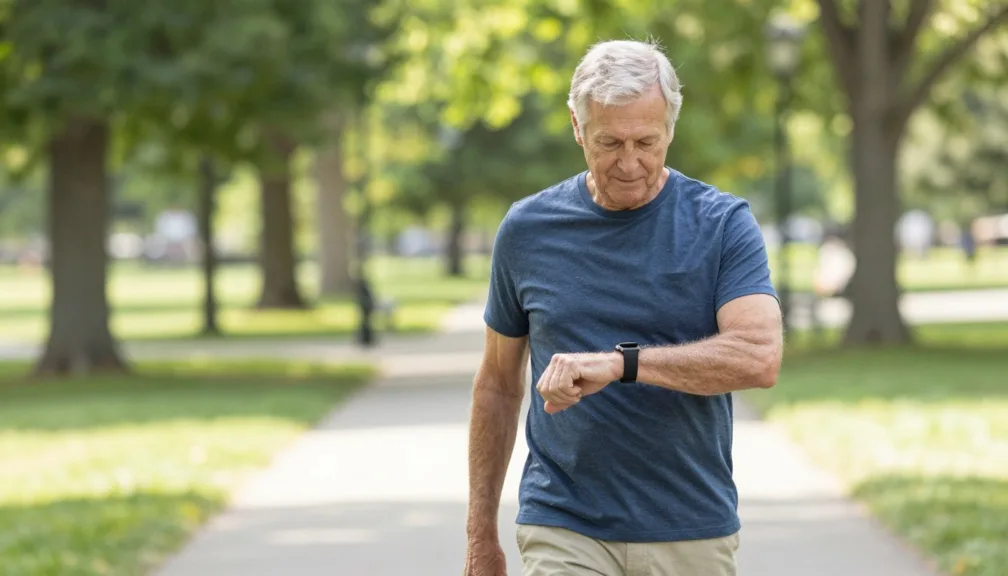
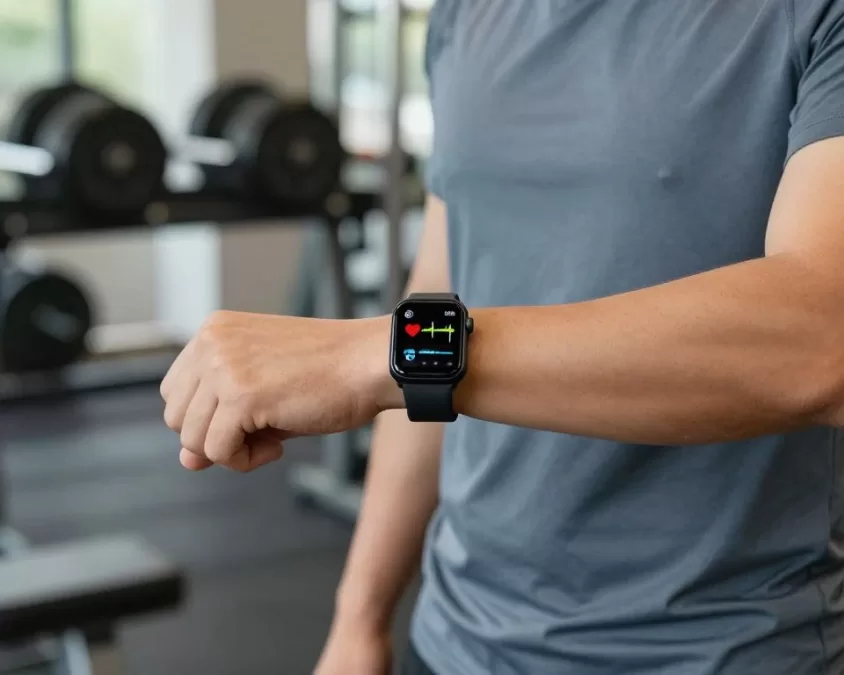
Fitness wearables have moved beyond simple step counting. Modern devices track heart rate variability, sleep quality, recovery metrics, and stress levels. This data transforms how people approach training sessions.
Advanced wearables now provide real-time coaching during workouts. They alert you when to push harder or ease back. This technology prevents overtraining while maximizing results. Athletes and everyday fitness enthusiasts benefit from insights once available only in sports labs.
How Data Transforms Your Workouts
Heart rate variability tells you when your body has recovered enough for intense training. Sleep tracking reveals how rest affects performance. Stress monitoring helps you adjust workout intensity based on daily demands.
Trainers now use this data to create personalized programming. They adjust volume and intensity based on objective metrics rather than guesswork. This approach reduces injury risk while improving results.
Key Metrics Tracked
- Heart rate and heart rate variability
- Sleep duration and quality phases
- Training load and recovery status
- Caloric expenditure during sessions
- Movement patterns and form analysis
- Stress levels throughout the day
Benefits for Training
Data-driven training removes guesswork from fitness programs. You know exactly when to increase intensity and when to focus on recovery. This precision leads to faster progress and fewer setbacks.
Professional athletes have used these tools for years. Now, everyone can access similar technology. The democratization of performance data represents one of the most significant changes in the fitness industry.
Choosing the Right Wearables
Not all wearables deliver the same value. Some focus on basic activity tracking. Others provide comprehensive health analytics. Your choice depends on your fitness goals and budget.
Popular options include chest strap monitors for accurate heart rate data. Wrist-based devices offer convenience for daily wear. Ring-style wearables provide sleep tracking without bulk. Consider what metrics matter most for your training style.
Personalized AI Coaching
Artificial intelligence has revolutionized personal training access. AI coaching platforms analyze your movement patterns, progress, and preferences. They create customized programs that adapt as you improve.
These systems don’t replace human trainers. Instead, they make professional guidance accessible to more people. AI coaches provide instant feedback on form and technique. They adjust workouts based on how you perform each exercise.
Real-Time Form Correction
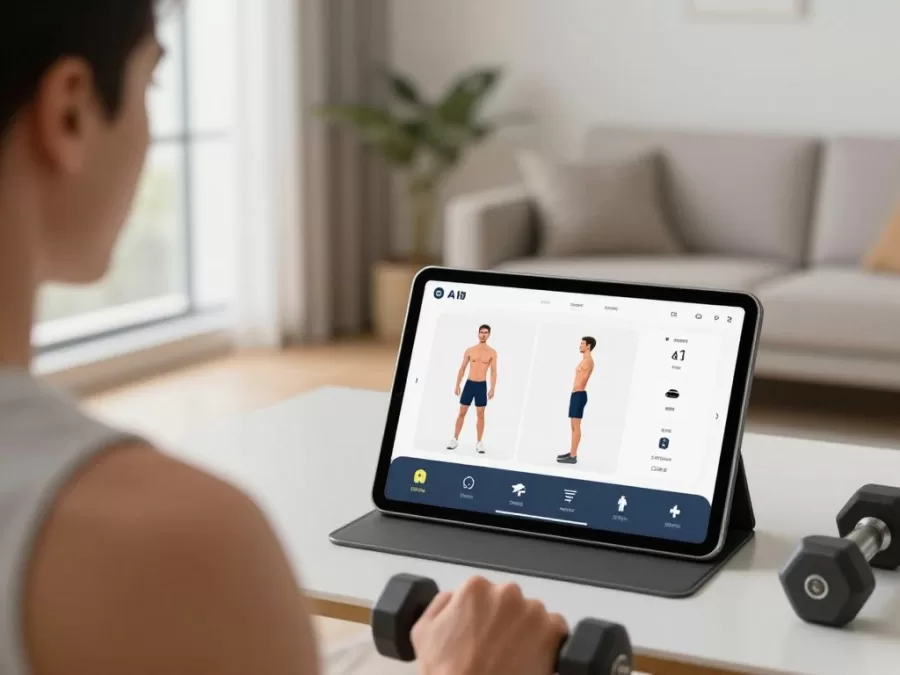
Camera-based AI systems watch your movement during workouts. They identify form issues that could lead to injury. The technology provides immediate cues to correct your technique.
This feature proves especially valuable for people training alone. You get the benefits of trainer oversight without scheduling sessions. The system learns your movement patterns and provides increasingly personalized feedback over time.
Adaptive Programming Intelligence
AI platforms track every workout session. They note which exercises you perform well and which challenge you. Based on this data, programs automatically adjust difficulty levels.
If you miss a workout, the system recalibrates your schedule. It maintains progressive overload while accounting for life’s interruptions. This flexibility helps people stay consistent despite busy schedules.
Important Note: AI coaching works best when combined with periodic human trainer check-ins. Technology provides consistency, but experienced coaches offer motivation and nuanced adjustments that algorithms can’t replicate.
Recovery Science and Optimization
The fitness industry now recognizes that recovery matters as much as training. Athletes and trainers prioritize rest, sleep, and restoration techniques. This shift reflects growing research on how the body adapts to stress.
Recovery tools have become mainstream. Compression therapy, cold plunges, and infrared saunas appear in gyms everywhere. These aren’t luxury add-ons. They’re essential components of effective training programs.

Essential Recovery Modalities
Sleep remains the foundation of recovery. No technology replaces adequate rest. However, several tools enhance the recovery process when used properly.
Compression therapy improves circulation and reduces muscle soreness. Athletes use it between training sessions to speed recovery. Cold water immersion reduces inflammation after intense workouts. Heat therapy promotes blood flow and relaxation.
Active Recovery Methods
- Low-intensity movement sessions
- Foam rolling and self-massage
- Stretching and mobility work
- Swimming and water-based activity
- Yoga and breathwork practices
Passive Recovery Tools
- Compression boots and sleeves
- Cold plunge and ice baths
- Infrared sauna sessions
- Massage guns and percussion therapy
- Sleep optimization strategies
Building a Recovery Protocol
Effective recovery doesn’t require expensive equipment. Start with fundamentals. Prioritize seven to nine hours of quality sleep. Stay hydrated throughout the day. Eat adequate protein to support muscle repair.
Add recovery tools based on your training intensity. If you train hard multiple times per week, compression therapy helps. Cold water exposure benefits high-volume training programs. Heat therapy works well for stress reduction and mobility improvement.
Monitoring Recovery Status
Wearables track recovery metrics throughout the day. Heart rate variability indicates nervous system status. Resting heart rate reveals overall recovery. Sleep scores show rest quality.
Pay attention to subjective measures too. Energy levels, mood, and motivation provide valuable feedback. Combine objective data with how you feel. This approach creates a complete picture of your recovery needs.
Master the Science of Fitness Trends 2026
Download our comprehensive guide covering all 10 trends with implementation strategies, scientific backing, and practical workout templates you can use immediately.
Strength Training for Older Adults
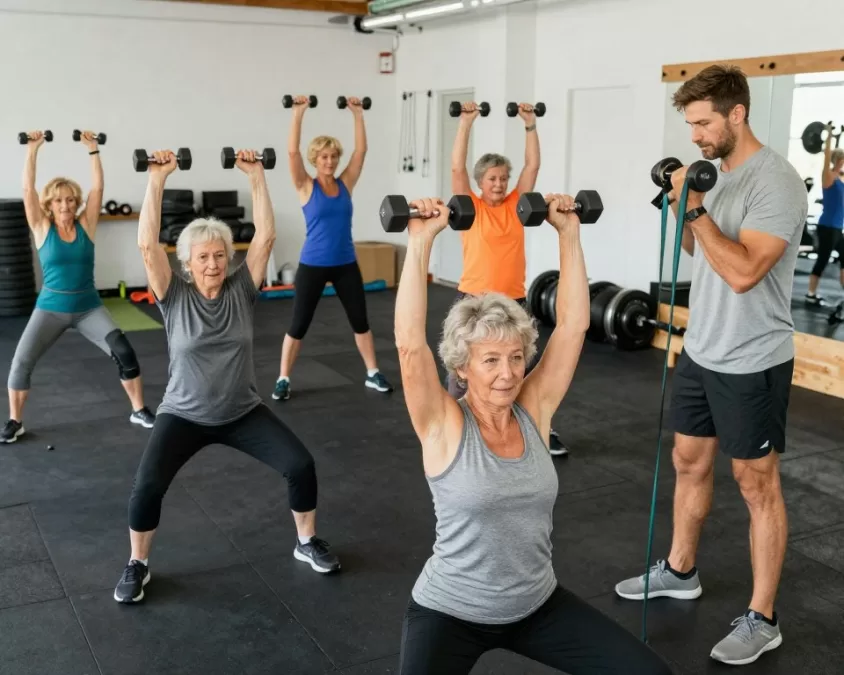
The fitness industry has recognized that strength training benefits people of all ages. Programs designed specifically for older adults have multiplied. These focus on maintaining muscle mass, bone density, and functional independence.
Research consistently shows that resistance training combats age-related muscle loss. It improves balance and reduces fall risk. Older adults who strength train maintain higher quality of life and independence longer.
Age-Appropriate Programming
Effective programs for older adults differ from traditional strength training. They emphasize controlled movements and proper form. Progressive resistance builds strength safely over time.
Trainers focus on functional movements that translate to daily life. Exercises mimic getting up from chairs, carrying groceries, and climbing stairs. This practical approach motivates participants and delivers real-world benefits.
Key Components of Senior Fitness Programs
- Supervised sessions with certified trainers
- Emphasis on balance and stability work
- Progressive resistance appropriate for fitness level
- Functional movement patterns for daily activities
- Social connection and community support
- Regular assessment and program adjustments
- Fall prevention and bone health focus
Many gyms now offer specialized classes for adults over sixty. These programs create supportive communities where participants encourage each other. The social aspect proves as valuable as the physical benefits.
Results typically appear within weeks. Participants report improved energy, better sleep, and increased confidence. Chronic pain often decreases as muscles strengthen and support joints more effectively.
Safety Considerations
Proper screening ensures safe participation. Medical clearance may be necessary for those with certain conditions. Trainers should have certifications in senior fitness programming.
Start conservatively and progress gradually. Focus on mastering movement patterns before adding significant resistance. This approach builds a strong foundation while minimizing injury risk.
Hybrid Training Models
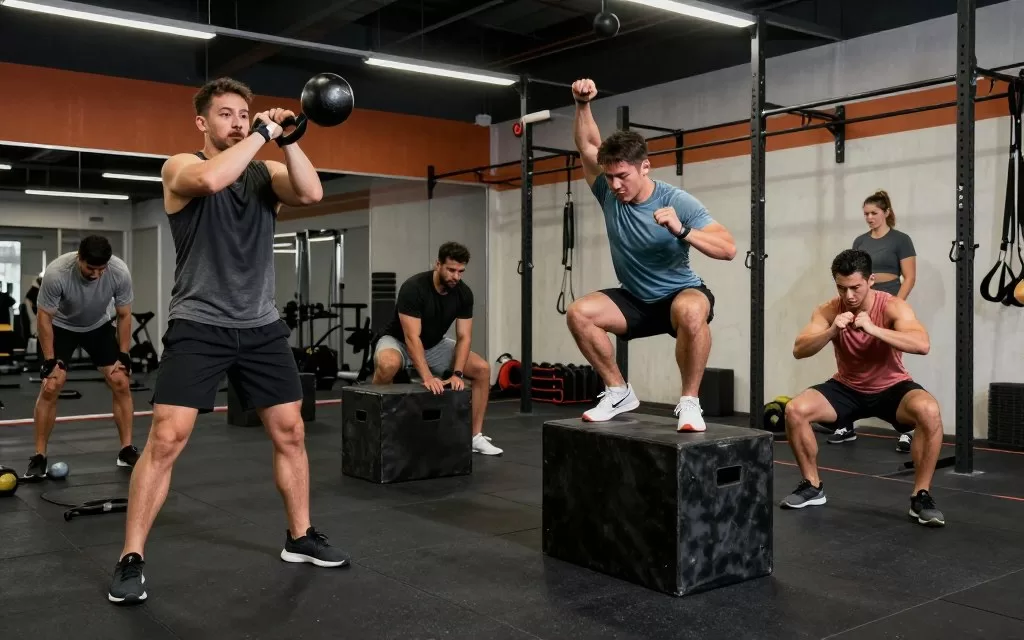
The line between different training methods continues to blur. Hybrid programs combine strength work, cardiovascular conditioning, and mobility training. This approach delivers comprehensive fitness development in less time.
Traditional workout splits focused on one quality per session. Modern programs integrate multiple training goals. You might perform strength exercises with minimal rest to elevate heart rate. This efficiency appeals to busy professionals.
Popular Hybrid Approaches
High-intensity interval training remains popular but has evolved. Modern versions incorporate more strength elements. Circuit training combines resistance exercises with cardio bursts.
Functional fitness programs blend all movement patterns. They develop strength, power, endurance, and mobility simultaneously. This well-rounded approach prevents weaknesses that lead to injury.
Benefits of Integrated Training
Hybrid models save time without sacrificing results. You address multiple fitness qualities in each session. This efficiency fits modern lifestyles better than traditional bodybuilding splits.
The variety keeps workouts interesting. Mixing training styles prevents boredom and mental burnout. Your body adapts to diverse stimuli, leading to better overall fitness.
| Training Style | Primary Focus | Time Commitment | Best For |
| HIIT with Strength | Power and conditioning | 30-45 minutes | Fat loss and muscle maintenance |
| Functional Fitness | All-around capacity | 45-60 minutes | General fitness and athleticism |
| Circuit Training | Muscular endurance | 30-40 minutes | Beginners and time-crunched individuals |
| Concurrent Training | Strength and endurance | 60-75 minutes | Athletes and advanced trainees |
Designing Effective Hybrid Programs
Balance remains crucial in hybrid training. Don’t sacrifice strength development for cardio, or vice versa. Structure programs to address weaknesses while maintaining strengths.
Consider your primary goals. If building muscle matters most, emphasize strength work with cardio finishers. If endurance is the priority, structure sessions differently. Customization ensures hybrid training serves your specific needs.
Experience Fitness Trends 2026 Firsthand
Try cutting-edge training programs at a facility near you. Get 7 days free access to hybrid training, recovery tools, and expert coaching. No commitment required.
Questions? Call us at 1 (800) 555-0199
Mental Health and Fitness Integration
The connection between physical and mental health has moved to the forefront. Gyms and trainers now address stress, anxiety, and emotional well-being alongside physical goals. This holistic approach recognizes that true wellness encompasses mind and body.
Exercise has always benefited mental health. What’s new is the intentional integration of mental wellness practices into training programs. Breathwork, meditation, and mindfulness complement physical workouts.

Stress Reduction Through Movement
Different types of exercise affect stress differently. High-intensity work provides an outlet for pent-up energy. Lower-intensity movement calms the nervous system. Smart programming includes both.
Trainers now assess stress levels before sessions. If someone arrives overwhelmed, the workout adjusts accordingly. This flexibility prevents training from becoming another stressor.
Mind-Body Training Practices
Yoga and Pilates have gained respect in mainstream fitness. These practices build strength and flexibility while promoting mental clarity. Many athletes incorporate them for balance and injury prevention.
Breathwork has emerged as a powerful tool. Specific breathing patterns calm anxiety or boost energy. Learning to control breath improves workout performance and daily stress management.
Physical Benefits
- Reduced cortisol and stress hormones
- Improved sleep quality and duration
- Better heart rate variability
- Enhanced immune system function
- Increased energy throughout the day
Mental Benefits
- Decreased anxiety and depression
- Improved mood and emotional regulation
- Enhanced focus and cognitive function
- Greater sense of accomplishment
- Stronger resilience to stress
Creating Supportive Fitness Environments
Gyms increasingly recognize their role in mental health support. Staff receive training to identify signs of struggle. Facilities create welcoming spaces where people feel safe being vulnerable.
Community matters more than ever. Group training provides social connection that combats isolation. People find accountability partners and genuine friendships through fitness.
Group Training and Community Focus
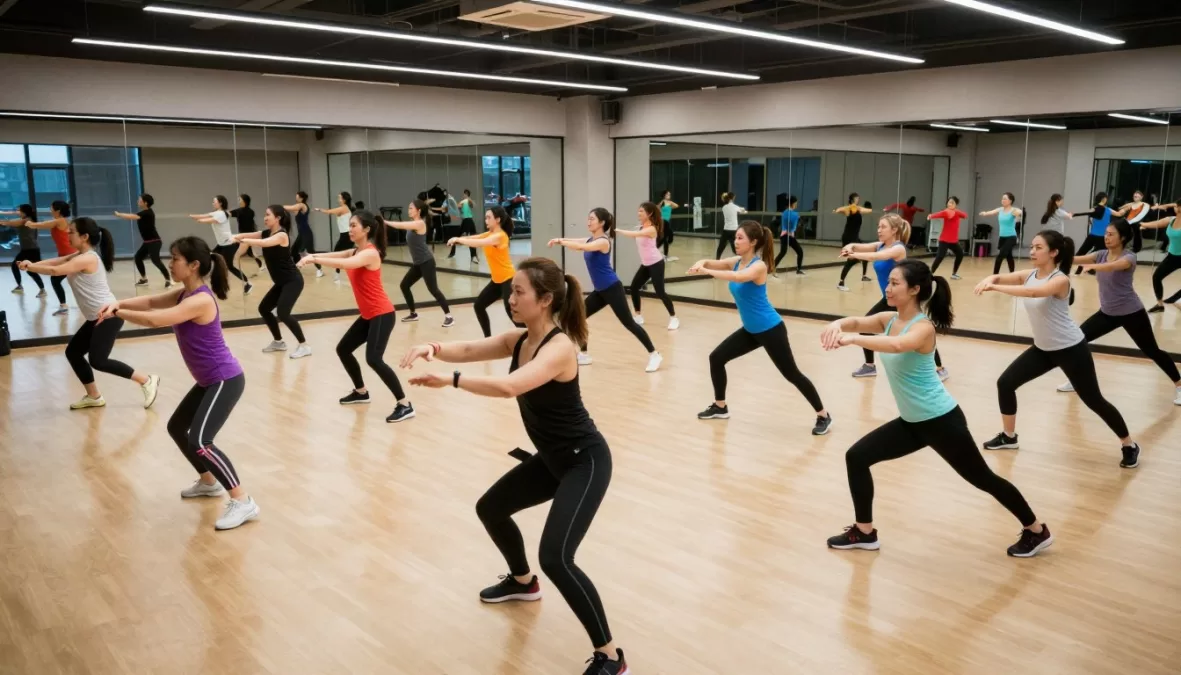
Solo gym sessions still have their place. However, group training continues growing in popularity. The community aspect provides motivation that individual workouts often lack.
Group classes create accountability. When others expect you to show up, you’re more likely to attend. The energy of training alongside others pushes you harder than you might push yourself alone.
Evolution of Group Fitness
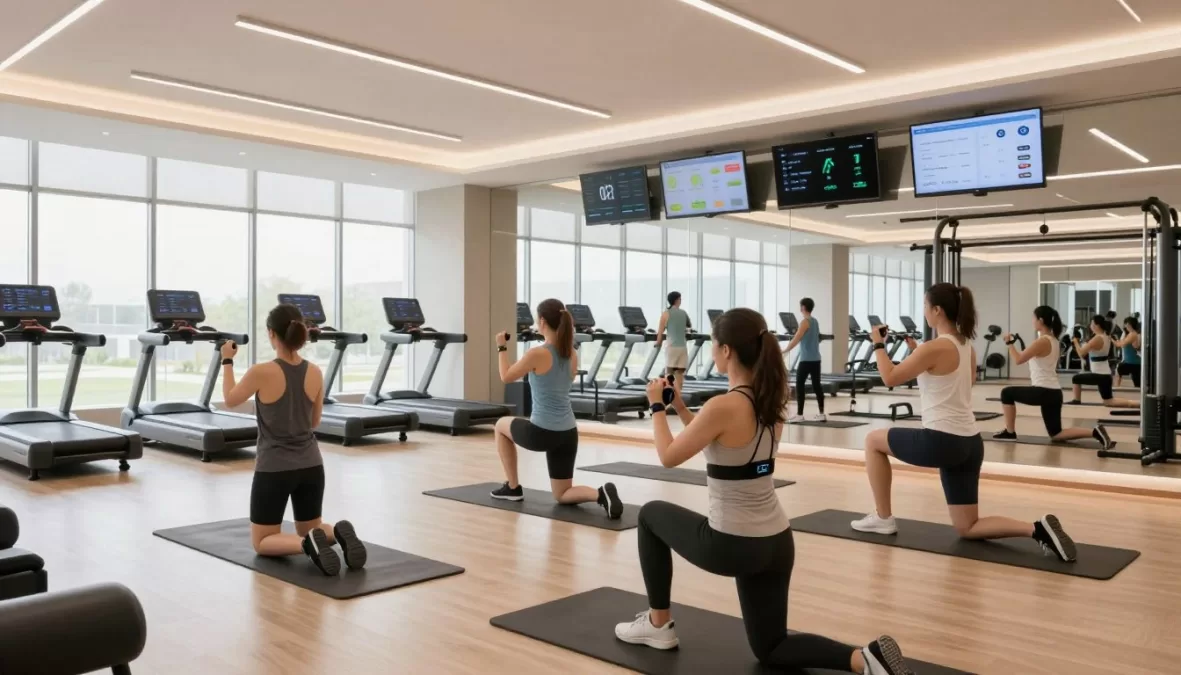
Group training has evolved beyond basic aerobics classes. Modern programs include strength training, high-intensity intervals, and sport-specific conditioning. Quality instruction ensures proper form despite the group setting.
Technology enhances group experiences. Heart rate monitoring systems display everyone’s effort on screens. This gamification element motivates participants while allowing trainers to ensure appropriate intensity for each person.
Types of Successful Group Programs
Boutique Fitness Studios
Specialized studios focus on specific training methods. They create tight-knit communities around shared interests. Premium pricing reflects the personalized attention within a group setting.
Large Format Classes
These accommodate twenty or more participants. They deliver efficient workouts with high energy. The scale allows for competitive pricing while maintaining quality instruction.
Small Group Training
Sessions with four to eight people balance individual attention with community benefits. Trainers can correct form while maintaining the group dynamic that drives motivation.
Building Strong Fitness Communities
Successful programs extend beyond workout time. They organize social events, challenges, and support systems. Members genuinely care about each other’s progress and well-being.
Online platforms complement in-person training. Private groups share workout results, recipes, and encouragement. This connection helps people stay committed even when they can’t attend sessions.
The Psychology of Group Training
Humans are social creatures. Working out with others taps into our need for belonging. The shared struggle of difficult workouts creates bonds that extend beyond the gym.
Group settings also leverage social comparison. Seeing others work hard inspires you to match their effort. This phenomenon, called social facilitation, consistently improves performance.
Functional Fitness and Movement Quality
Aesthetics no longer dominate fitness goals. People want bodies that move well and feel good. Functional training develops strength and mobility that transfers to real life activities.
This trend emphasizes movement patterns over isolated muscle work. Programs train pushing, pulling, squatting, hinging, carrying, and rotating. These fundamental movements appear in daily activities and sports.
Core Principles of Functional Training
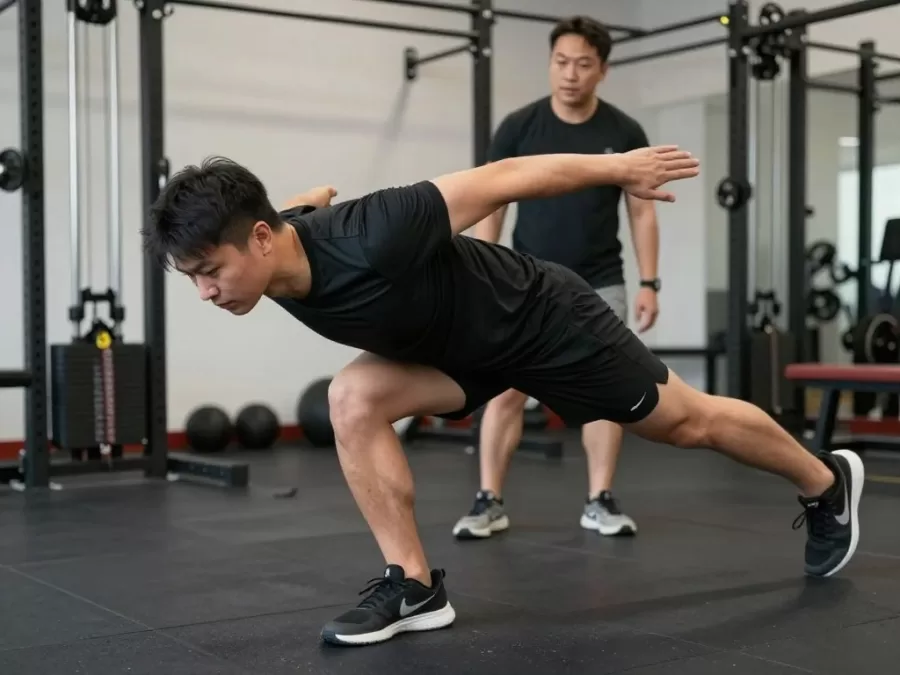
Movement quality takes priority over load. Perfect a pattern with bodyweight before adding resistance. This approach builds proper mechanics that prevent injury and improve performance.
Functional programs include all planes of motion. Most daily activities involve rotation and lateral movement, not just forward-back motion. Three-dimensional training creates robust, resilient bodies.
Essential Movement Patterns
Primary Patterns
- Squat – sitting and standing movements
- Hinge – bending and lifting from ground
- Push – pressing objects away from body
- Pull – bringing objects toward body
- Carry – transporting loads while moving
- Rotate – twisting and turning movements
Each pattern has countless variations. Squats include back squats, front squats, goblet squats, and single-leg versions. Variety prevents overuse injuries and addresses different strength qualities.
Programming balances these patterns throughout the week. This ensures complete development without overtraining specific movements. The result is a well-rounded physique capable of handling diverse physical demands.
Assessment and Progression
Functional training begins with movement screening. Trainers identify limitations and imbalances. Programs address these issues while building on strengths.
Progression follows a logical path. Master bodyweight movements before adding load. Perfect bilateral exercises before attempting single-leg or single-arm variations. This systematic approach builds lasting strength.
Benefits Beyond the Gym
Functional fitness directly improves daily life. Carrying groceries becomes easier. Playing with children doesn’t leave you sore. Yard work and home projects cause less strain.
Athletes benefit from enhanced performance. Better movement patterns increase power and reduce injury risk. The carry-over to sports makes functional training valuable for competitive and recreational athletes alike.
Mobility and Flexibility Training
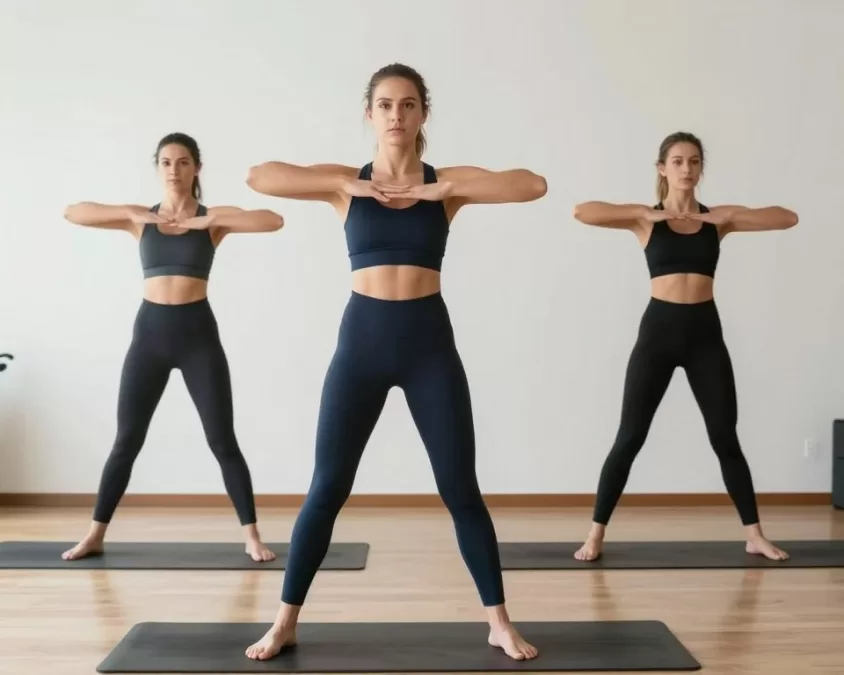
Flexibility work has moved from afterthought to priority. People recognize that mobility enables better performance and longevity. Dedicated mobility sessions now fill gym schedules alongside strength and cardio classes.
The distinction between mobility and flexibility matters. Flexibility is passive range of motion. Mobility is controlled range with strength throughout. Both play important roles in fitness programming.
Why Mobility Matters
Limited mobility restricts your training. If you can’t squat deeply with good form, you miss potential muscle development. Poor shoulder mobility prevents safe overhead pressing. Addressing these limitations unlocks better performance.
Mobility also protects against injury. Joints that move well distribute forces properly. Restricted movement creates compensation patterns that overload certain tissues. Regular mobility work maintains healthy movement throughout life.
Effective Mobility Practices
Dynamic warm-ups prepare the body for training. They take joints through full ranges while activating muscles. This approach beats static stretching before workouts.
Dedicated mobility sessions improve long-term capacity. These focus on problem areas specific to your body and training style. Consistency matters more than duration. Ten minutes daily outperforms hour-long sessions once weekly.
Dynamic Mobility
- Activates muscles while stretching
- Improves joint health and lubrication
- Enhances neuromuscular control
- Prepares body for training demands
- Builds usable range of motion
Static Stretching
- Can temporarily reduce power output
- Less effective before strength training
- May increase injury risk if done cold
- Doesn’t teach movement control
- Best reserved for cool-downs
Mobility Tools and Techniques
Foam rollers and massage balls address tissue quality. Self-myofascial release reduces tension and improves recovery. Use these tools on sore or tight areas before mobility work.
Resistance bands assist in achieving greater range of motion. They provide gentle traction that allows joints to move more freely. This technique, called joint distraction, helps restore mobility quickly.
Programming Mobility Work
Include mobility exercises in your warm-up routine. Address major joints and movement patterns you’ll use during the workout. This primes your body for optimal performance.
Schedule longer mobility sessions on recovery days. Focus on areas that limit your training. Hips, thoracic spine, and ankles commonly need extra attention. Progress gradually, as mobility improvements take time.
Get Your Personalized Fitness Assessment
Discover which 2026 fitness trends align with your goals, body type, and lifestyle. Our certified coaches provide customized recommendations during a complimentary 30-minute consultation.
Nutrition Precision and Customization
Generic meal plans no longer satisfy informed fitness enthusiasts. People want nutrition strategies tailored to their metabolism, training schedule, and goals. Technology now makes this level of customization accessible.
Nutrition tracking apps have become sophisticated. They integrate with wearables to account for activity levels. Some use artificial intelligence to suggest meal timing and macronutrient distribution based on your training.

Personalized Nutrition Approaches
Macronutrient ratios now vary based on training phases. Heavy strength training periods require more protein and carbohydrates. Recovery phases might reduce overall calories while maintaining protein intake.
Nutrient timing has regained attention with better research. Post-workout nutrition supports recovery when timed properly. Pre-training meals provide energy without causing digestive distress. These details matter for serious athletes and dedicated enthusiasts.
Technology-Enabled Nutrition Tracking
Modern apps eliminate the tedium of manual food logging. Barcode scanning and photo recognition speed up tracking. This convenience improves compliance with nutrition plans.
Integration with fitness wearables creates complete health pictures. Apps adjust calorie targets based on actual expenditure. This dynamic approach prevents under or overeating that stalls progress.
Tracking Benefits
- Awareness of actual food intake
- Identification of nutritional gaps
- Accountability for goals
- Data for adjusting strategies
- Education about food composition
Beyond Tracking
- Sustainable eating habits
- Intuitive hunger recognition
- Flexible food choices
- Social eating confidence
- Long-term behavior change
Working with Nutrition Professionals
Technology supplements but doesn’t replace expert guidance. Registered dietitians provide insights that apps cannot. They account for medical conditions, food sensitivities, and psychological relationships with eating.
Many trainers now collaborate with nutrition professionals. This team approach addresses all aspects of health and performance. Clients benefit from coordinated strategies rather than conflicting advice.
Sustainable Nutrition Practices
The best nutrition plan is one you can maintain. Extreme restrictions rarely work long-term. Focus on gradual improvements that become lifestyle habits.
Prioritize whole foods while allowing flexibility. Perfection isn’t necessary for results. Consistency with reasonably good choices outperforms sporadic perfect eating followed by binges.
Outdoor and Nature-Based Training
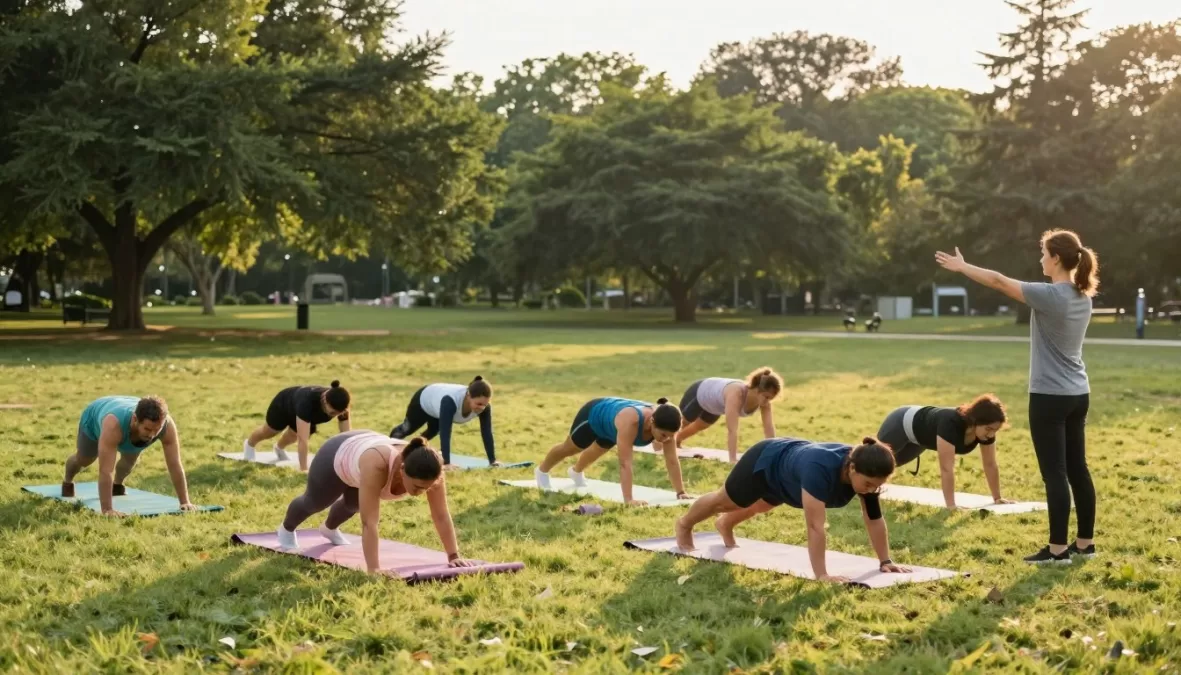
The pandemic accelerated outdoor training popularity. This trend continues as people recognize the mental and physical benefits of exercising in nature. Fresh air, natural terrain, and changing environments enhance traditional workouts.
Outdoor training isn’t just running or hiking. Creative coaches design complete strength and conditioning programs using parks, trails, and open spaces. This approach combines fitness with stress reduction benefits of nature exposure.
Benefits of Outdoor Training
Natural environments provide mental restoration that indoor gyms cannot replicate. Studies show that outdoor exercise reduces stress more effectively than indoor workouts. Connection with nature improves mood and mental clarity.
Variable terrain challenges balance and stability. Uneven ground recruits stabilizer muscles that smooth gym floors don’t engage. This diversity builds more robust fitness and reduces overuse injury risk.
Popular Outdoor Training Formats
Bootcamp-style classes thrive in outdoor settings. They use bodyweight exercises, running intervals, and partner drills. The group dynamic combined with fresh air creates energizing experiences.
Trail running and hiking build cardiovascular fitness while exploring nature. These activities feel less like exercise and more like adventure. The mental benefits keep people consistent with training.
Seasonal Training Tip: Adapt outdoor workouts to weather conditions. Summer sessions might focus on water-based activities. Winter programs can include snowshoeing or modified indoor-outdoor combinations. Year-round outdoor training builds resilience and prevents weather from derailing fitness goals.
Equipment and Preparation
Outdoor training requires minimal equipment. Resistance bands, suspension trainers, and your bodyweight handle most exercises. This simplicity makes outdoor workouts accessible and portable.
Consider environmental factors. Sun protection, hydration, and appropriate clothing matter. Check weather forecasts and have backup plans. Safety awareness ensures outdoor training remains enjoyable year-round.
Creating Outdoor Workout Spaces
Parks with fitness equipment have multiplied. These outdoor gyms provide free access to basic strength training tools. Communities recognize the value of supporting active lifestyles through infrastructure.
Many people create home outdoor training areas. Simple additions like pull-up bars or kettlebells transform backyards into effective workout spaces. This investment pays dividends in convenience and consistency.
Embracing the Future of Fitness
The fitness trends of 2026 reflect a maturing industry. Technology enhances training without replacing fundamental principles. Recovery receives appropriate attention alongside hard work. Mental health integration recognizes that wellness encompasses more than physical appearance.
These trends share common themes. Personalization matters more than one-size-fits-all approaches. Community and connection drive long-term adherence. Quality movement takes priority over arbitrary metrics. Science informs programming rather than pseudoscience and marketing hype.
You don’t need to adopt every trend. Select approaches that align with your goals, preferences, and lifestyle. The best fitness program is one you’ll actually follow consistently over years.
Technology provides tools, but your effort determines results. Wearables track metrics, but you must do the work. AI coaches suggest workouts, but you choose to show up. Community provides support, but you build the habits.
Start with one or two trends that resonate most. Maybe that’s joining a group training class for accountability. Perhaps it’s investing in a quality wearable to track recovery. Or it could be prioritizing mobility work you’ve previously neglected.
The fitness industry will continue evolving. New research will refine current approaches. Different technologies will emerge. Stay curious and open to improvement while maintaining consistency with proven fundamentals.
Your fitness journey is uniquely yours. These trends provide options and insights. Take what serves you and ignore what doesn’t. Progress comes from sustained effort, not chasing every new method that appears.
Ready to Transform Your Fitness in 2026?
Choose your path forward based on the trends that match your goals and lifestyle. We’re here to support your journey with expert guidance, proven programs, and a community that cares about your success.
Have questions? Our fitness advisors are ready to help.
Available Monday-Friday, 7 AM – 7 PM EST
For Fitness Professionals
Stay ahead of industry changes with continuing education and certification programs covering the latest training methodologies.
- Advanced certification courses
- Specialization in senior fitness
- AI coaching integration training
- Recovery science education
For Gym Members
Access comprehensive programs that incorporate these cutting-edge trends into your training routine with expert supervision.
- Group training classes
- Personal coaching sessions
- Recovery facility access
- Nutrition guidance programs
For Home Exercisers
Build an effective home fitness routine using minimal equipment while staying connected to coaching support and community.
- Online training programs
- Virtual coaching sessions
- Equipment recommendations
- Progress tracking tools
For Older Adults
Discover age-appropriate strength training programs designed specifically to maintain independence and quality of life.
- Specialized senior programs
- Fall prevention training
- Bone density support
- Social fitness communities

Priyanka Pandey
Senior Research Editor · Top10Sense
Priyanka specializes in tech, consumer products, and digital trends. She combines hands-on testing, vendor interviews, and database research to create trustworthy “Top 10” rankings. Her work has been referenced by industry blogs and brand report pages.