

Healthcare quality varies dramatically across the globe. Some nations have built remarkable systems that provide excellent care to their citizens and residents. These countries invest heavily in medical infrastructure and technology.
Understanding what makes a healthcare system truly exceptional requires looking at multiple factors. Quality of care matters most to patients seeking treatment. Accessibility ensures everyone can receive services when needed. Cost efficiency protects families from financial hardship.
This comprehensive guide examines the world’s leading healthcare systems. We’ll explore what sets these countries apart and why they consistently rank at the top. Whether you’re considering relocation or simply curious about global health standards, this analysis provides valuable insights.
How We Evaluate the Best Healthcare Systems
Ranking healthcare systems requires a comprehensive approach. International organizations use specific metrics to assess performance. These measurements help us understand which countries truly excel.
Life expectancy serves as a primary indicator of healthcare system success. Countries with higher life expectancy typically have better preventive care and treatment options. Infant mortality rates reveal the quality of maternal and neonatal services.
Healthcare spending per capita shows investment levels in medical services. However, higher spending doesn’t always guarantee better outcomes. Efficiency matters as much as investment volume.
Key Healthcare System Metrics
Quality Indicators
These measurements assess the standard of medical care provided to patients throughout the healthcare system.
- Life expectancy at birth
- Infant and maternal mortality rates
- Disease prevention success rates
- Patient safety records
Accessibility Factors
These elements determine how easily residents can obtain medical services when they need them most.
- Universal coverage availability
- Wait times for procedures
- Geographic distribution of services
- After-hours care access
Cost Efficiency
These factors evaluate how healthcare systems manage expenses while maintaining high-quality care standards.
- Healthcare costs as percentage of GDP
- Out-of-pocket expenses for residents
- Insurance coverage rates
- Administrative cost management
Innovation Markers
These aspects reflect how healthcare systems adopt new technologies and treatment methods for better outcomes.
- Medical technology adoption rates
- Research and development investment
- Digital health integration
- Pharmaceutical innovation
Patient satisfaction surveys provide direct feedback about healthcare experiences. These surveys measure communication quality with healthcare professionals. They also assess wait times and overall service delivery.
Health outcomes for chronic diseases indicate system effectiveness. Countries that manage diabetes, heart disease, and cancer well demonstrate strong healthcare capabilities. Preventive care programs reduce disease burden and improve public health.
The 10 Countries with the Best Healthcare Systems
These nations have earned their positions through consistent excellence. Each country offers unique strengths in healthcare delivery. Their systems serve as models for healthcare reform worldwide.
1. Switzerland: Premium Healthcare Excellence

Switzerland consistently ranks as having one of the world’s best healthcare systems. The country combines universal coverage with private insurance plans. Every resident must purchase health insurance from competing private insurers.
The Swiss healthcare system delivers exceptional quality care. Patients enjoy short wait times for medical procedures. Healthcare professionals receive extensive training and maintain high professional standards.
Swiss Healthcare Strengths
Medical technology in Switzerland ranks among the world’s most advanced. Hospitals invest in cutting-edge equipment and treatment methods. The country’s pharmaceutical industry contributes to medical innovation globally.
Healthcare costs in Switzerland are notably high. Citizens pay substantial premiums for private health insurance. However, the government provides subsidies for low-income residents to ensure universal access.
Advantages
- Exceptional quality of medical care
- Minimal wait times for procedures
- Advanced medical technology
- Universal healthcare coverage
- Highly trained healthcare professionals
Considerations
- High healthcare costs for residents
- Expensive insurance premiums
- Complex insurance system
- Significant out-of-pocket expenses
Life expectancy in Switzerland exceeds 83 years. This longevity reflects the effectiveness of the healthcare system. Preventive care programs help citizens maintain good health throughout their lives.
2. Norway: Comprehensive Public Healthcare

Norway operates a comprehensive public healthcare system funded through taxation. All residents receive healthcare services with minimal direct costs. The system prioritizes equality and accessibility across the entire population.
The Norwegian healthcare system emphasizes preventive care and public health initiatives. Regular health screenings help detect diseases early. Mental health services receive the same priority as physical healthcare.
Key Features of Norwegian Healthcare
- Universal coverage through public healthcare system
- Strong focus on preventive care programs
- Integrated mental health services
- Comprehensive primary care network
- Advanced medical research facilities
- High-quality medical education standards
Healthcare professionals in Norway receive excellent training and compensation. This attracts talented medical staff and ensures high-quality care. The country maintains strict standards for medical licensing and continuing education.
Wait times for non-emergency procedures can be longer than in private systems. However, urgent medical needs receive immediate attention. The system prioritizes patients based on medical necessity rather than ability to pay.
Norway invests heavily in medical research and innovation. The country contributes to global advances in healthcare technology. Norwegian institutions collaborate internationally on medical breakthroughs and treatment development.
3. Netherlands: Balanced Healthcare Model

The Netherlands uses a unique healthcare model combining universal coverage with private insurance. All residents must purchase health insurance from private companies. The government regulates insurance plans to ensure comprehensive coverage.
Dutch healthcare emphasizes primary care as the foundation of the health system. General practitioners serve as gatekeepers for specialized services. This approach reduces unnecessary specialist visits and healthcare costs.
Healthcare System Structure
- General practitioner consultations
- Hospital care and treatments
- Prescription medications
- Mental health services
- Medical devices and aids
Basic Insurance Coverage
- Efficient primary care network
- High patient satisfaction rates
- Advanced digital health records
- Strong preventive care focus
- Excellent health outcomes
System Strengths
- Telehealth service expansion
- Integrated care pathways
- Chronic disease management
- Patient-centered care models
- Healthcare technology adoption
Innovation Areas
The Dutch system achieves excellent health outcomes while controlling costs. Healthcare spending remains moderate compared to other developed nations. Efficiency and coordination between healthcare providers contribute to cost management.
Patient satisfaction in the Netherlands ranks among the highest globally. Residents appreciate the quality of care and accessibility of healthcare services. The system balances patient choice with coordinated care delivery effectively.
4. Australia: Dual Healthcare System

Australia operates a dual healthcare system combining public and private sectors. Medicare provides universal public healthcare coverage for all citizens and permanent residents. Private health insurance offers additional options and reduced wait times.
The public healthcare system covers hospital treatments and medical services. Patients receive care without direct charges in public hospitals. Medicare also subsidizes consultations with healthcare professionals in private practice.
Australian Healthcare Benefits
Universal Public Coverage
Medicare ensures all residents access essential healthcare services. The system provides comprehensive hospital care and medical treatments without financial barriers.
- Free public hospital treatment
- Subsidized GP consultations
- Prescription medication assistance
Private Insurance Options
Private health insurance complements public coverage. Policyholders enjoy shorter wait times and choice of healthcare professionals for elective procedures.
- Reduced wait times
- Choice of specialist
- Private hospital access
Quality Medical Care
Australia maintains high standards for medical education and practice. Healthcare professionals undergo rigorous training and ongoing professional development requirements.
- Highly trained doctors
- Modern medical facilities
- Advanced treatment options
Health outcomes in Australia rank among the world’s best. Life expectancy exceeds 83 years for both men and women. The country excels in cancer treatment and chronic disease management.
Geographic challenges affect healthcare accessibility in remote areas. The government implements programs to deliver services to rural and isolated communities. Flying doctor services and telehealth initiatives bridge distance gaps.
5. Germany: Statutory Health Insurance Model

Germany operates one of the world’s oldest healthcare systems. Statutory health insurance covers approximately 90% of the population. The system combines mandatory insurance with private options for high earners.
Healthcare quality in Germany maintains consistently high standards. Medical facilities feature advanced technology and equipment. German hospitals specialize in various medical fields and attract international patients.
German Healthcare Excellence
- Comprehensive statutory health insurance for all employees and families
- Extensive network of hospitals and specialized medical centers nationwide
- Short wait times for most medical procedures and specialist consultations
- High-quality medical education producing skilled healthcare professionals
- Advanced medical research facilities contributing to global innovations
- Strong pharmaceutical industry supporting drug development and availability
The German system provides universal coverage while maintaining choice. Patients can select their healthcare providers and specialists freely. This competition encourages quality improvement and patient satisfaction.
Healthcare costs remain reasonable despite high-quality services. The insurance system spreads costs across the entire population. Employers and employees share premium contributions equally in most cases.
Compare International Health Insurance Plans
Planning to live, work, or retire in one of these countries? Ensure you have the right health insurance coverage for your destination. Access comprehensive insurance plans that work across multiple countries with best healthcare systems.
6. New Zealand: Universal Public Healthcare

New Zealand provides universal healthcare through a publicly funded system. All citizens and permanent residents access free or subsidized medical care. The system emphasizes equity and accessibility across diverse communities.
Primary care forms the backbone of New Zealand’s healthcare system. General practitioners serve as first points of contact for medical issues. The country maintains a strong network of community health services.
Healthcare System Characteristics
Did You Know? New Zealand’s healthcare system places special emphasis on indigenous Māori health. Dedicated programs address health disparities and cultural healthcare needs. This inclusive approach serves as a model for other nations with indigenous populations.
Health outcomes in New Zealand demonstrate system effectiveness. Life expectancy continues to increase steadily. Cancer survival rates compare favorably with other developed countries.
Wait times for elective procedures can vary by region. Emergency care receives immediate attention regardless of ability to pay. The system prioritizes urgent medical needs while managing resource allocation.
Mental health services receive increasing focus and funding. The government recognizes mental health as equally important as physical health. Expanded services aim to improve access and reduce treatment barriers.
7. Sweden: Decentralized Healthcare Excellence

Sweden operates a decentralized public healthcare system managed at regional levels. Tax funding supports comprehensive healthcare services for all residents. The system provides universal coverage with minimal out-of-pocket costs.
Swedish healthcare emphasizes equality and patient rights. All residents receive the same standard of care regardless of income. Patient safety and quality improvement drive system development and reforms.
Swedish Healthcare Advantages
Sweden invests heavily in preventive care and public health programs. Regular health screenings help detect diseases early when treatment proves most effective. Vaccination programs achieve high coverage rates protecting public health.
Medical research and innovation receive substantial support in Sweden. The country contributes significantly to medical advances globally. Swedish institutions collaborate internationally on cutting-edge healthcare research.
Digital health integration in Sweden leads European efforts. Electronic health records connect healthcare providers seamlessly. Patients access their medical information and book appointments through digital platforms.
Healthcare professionals in Sweden enjoy good working conditions and competitive compensation. This attracts skilled medical staff and supports retention. Continuing education requirements ensure professionals maintain current knowledge.
8. Japan: Universal Health Insurance System

Japan achieves universal coverage through mandatory health insurance. All residents must enroll in either employer-based or community-based insurance plans. The system combines public and private insurance elements effectively.
Japanese healthcare excels in longevity and health outcomes. Life expectancy in Japan ranks among the world’s highest at over 84 years. Low infant mortality rates demonstrate excellent maternal and child healthcare.
Japanese Healthcare Features
System Structure
The Japanese healthcare system operates through multiple insurance schemes. Employers provide insurance for workers and their families. Self-employed individuals and retirees join community-based insurance programs.
Government regulation ensures affordable healthcare costs for all residents. Price controls on medical procedures and medications keep expenses manageable. Patients pay only a small percentage of total healthcare costs.
Quality Indicators
- Highest life expectancy globally
- Lowest infant mortality rates
- Excellent cancer survival rates
- Advanced medical technology
- Comprehensive preventive care
- Efficient healthcare delivery
- High patient satisfaction
Medical technology in Japan ranks among the most advanced worldwide. Hospitals utilize cutting-edge diagnostic and treatment equipment. Robotic surgery and precision medicine continue advancing rapidly.
Preventive care receives strong emphasis in Japanese healthcare culture. Regular health check-ups are common and encouraged by employers. This focus on prevention contributes to excellent health outcomes.
An aging population presents challenges for Japan’s healthcare system. The country develops innovative solutions for elderly care. These approaches offer lessons for other nations facing similar demographic shifts.
9. South Korea: Rapid Healthcare Development

South Korea has rapidly developed one of Asia’s best healthcare systems. National Health Insurance provides universal coverage for all citizens. The system achieves remarkable results with efficient resource management.
Healthcare accessibility in South Korea surpasses many developed nations. Patients access medical services quickly with minimal wait times. The country maintains a high density of healthcare professionals and facilities.
South Korea Healthcare Strengths
| Category | Performance | Key Achievements |
| Universal Coverage | 99% Population | Comprehensive National Health Insurance program covering virtually all residents |
| Medical Technology | World-Leading | Advanced diagnostic equipment and treatment facilities throughout country |
| Healthcare Costs | Affordable | Low out-of-pocket expenses with comprehensive insurance coverage |
| Health Outcomes | Excellent | High life expectancy and low infant mortality rates |
| Access to Care | Outstanding | Short wait times and high provider density per capita |
South Korea excels in medical technology adoption and innovation. Hospitals feature state-of-the-art equipment and facilities. The country serves as a destination for medical tourism attracting international patients.
Digital health initiatives in South Korea lead global developments. Electronic medical records achieve near-universal coverage. Telemedicine services expand healthcare access to remote areas effectively.
Healthcare costs remain remarkably affordable despite high quality. The national insurance system negotiates prices with healthcare providers. This approach controls costs while maintaining comprehensive coverage and service quality.
10. Denmark: Patient-Centered Healthcare

Denmark operates a tax-funded universal healthcare system. All residents receive free healthcare services at the point of use. The system prioritizes patient-centered care and satisfaction.
Primary healthcare serves as the foundation of Danish medical services. General practitioners coordinate patient care and referrals. This approach ensures continuity of care and efficient resource utilization.
Danish Healthcare Model Benefits
- Completely free healthcare services for all residents without charges
- Strong emphasis on patient rights and shared decision-making processes
- Comprehensive primary care network with assigned family doctors
- High patient satisfaction scores and positive healthcare experiences
- Excellent health outcomes and preventive care programs
- Well-integrated mental health services within overall healthcare system
Denmark invests significantly in healthcare quality and safety. Continuous improvement programs enhance patient care standards. Healthcare professionals participate in regular training and skill development.
Digital health solutions in Denmark advance patient care. Electronic prescriptions and health records streamline healthcare delivery. Patients communicate with healthcare providers through secure digital platforms.
Mental health receives appropriate attention and resources in Danish healthcare. Services integrate with physical healthcare for comprehensive treatment. Early intervention programs address mental health issues proactively.
Wait times for certain procedures can extend longer than desired. The system prioritizes medical urgency when scheduling treatments. Emergency and urgent care receive immediate attention without delay.
Get Personalized Healthcare Coverage for Your Destination
Ready to move to one of these countries with excellent healthcare systems? Secure comprehensive health insurance coverage tailored to your specific needs and destination country. Our healthcare specialists help you navigate international insurance plans and find the perfect coverage.
Speak with an international health insurance specialist
Common Factors in Top Healthcare Systems
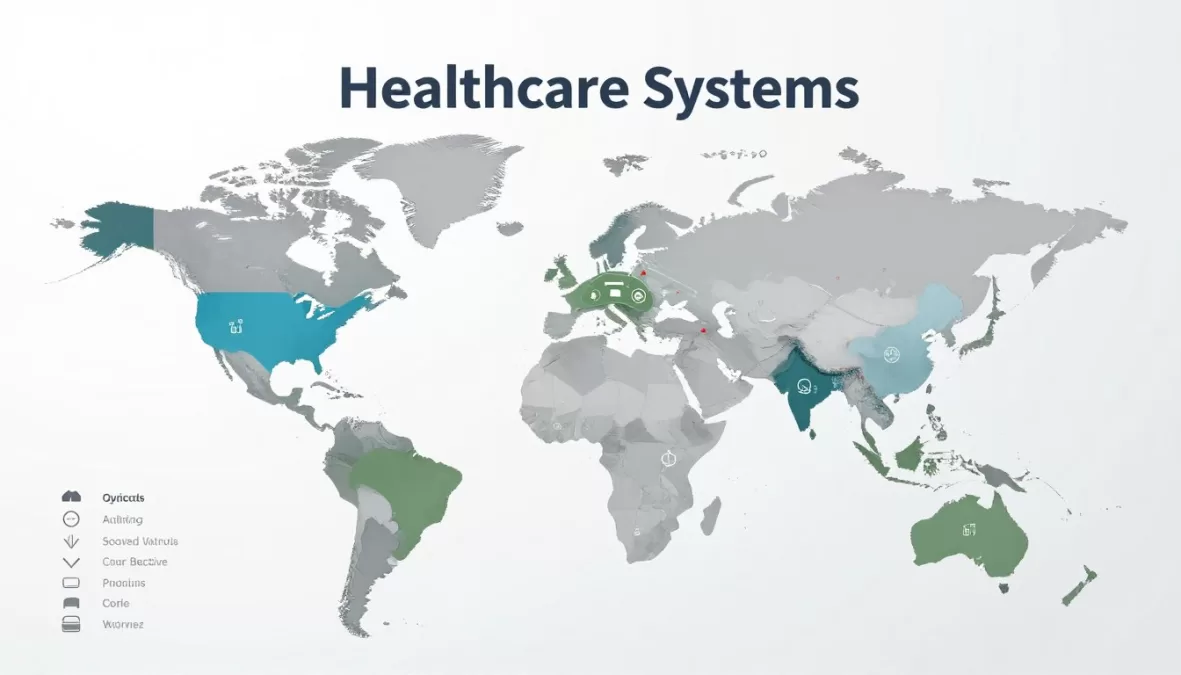
These leading healthcare systems share several key characteristics. Understanding these commonalities reveals what makes healthcare systems truly effective. Countries can learn from these examples to improve their own systems.
Universal Coverage Foundation
Every top-ranking healthcare system provides universal coverage. All residents access healthcare services regardless of employment or income status. This fundamental principle ensures health equity across populations.
Universal coverage takes different forms across countries. Some use public systems funded through taxation. Others mandate private insurance with government regulation. Both approaches achieve comprehensive population coverage effectively.
Investment in Prevention
Leading healthcare systems prioritize preventive care programs. Regular screenings detect diseases early when treatment proves most effective. Vaccination programs protect public health from infectious diseases.
Public health initiatives address lifestyle factors affecting health outcomes. Education programs promote healthy behaviors and disease prevention. These investments reduce long-term healthcare costs while improving population health.
Quality Healthcare Professionals
Top healthcare systems attract and retain skilled medical professionals. Competitive compensation and good working conditions support recruitment. Rigorous training standards ensure healthcare professionals maintain expertise.
Continuing education requirements keep healthcare professionals current with medical advances. Professional development opportunities support career growth. This investment in human capital directly improves patient care quality.
Technology Integration
Advanced medical technology characterizes excellent healthcare systems. Modern diagnostic equipment enables accurate disease detection. Treatment technologies improve outcomes and reduce recovery times.
Digital health systems enhance healthcare delivery efficiency. Electronic health records improve care coordination between providers. Telemedicine expands access to healthcare services for remote populations.
Patient-Centered Approach
Top-performing systems prioritize patient needs and preferences. Shared decision-making involves patients in their care plans. Patient satisfaction metrics drive quality improvement initiatives.
Cultural competency ensures healthcare serves diverse populations effectively. Language services and culturally appropriate care improve health outcomes. These approaches recognize healthcare extends beyond medical treatment alone.
Frequently Asked Questions About Healthcare Systems
What makes a healthcare system rank among the best in the world?
The best healthcare systems combine several key elements. Universal coverage ensures all residents access medical care. High-quality healthcare professionals provide excellent treatment. Advanced medical technology enables accurate diagnosis and effective treatment. Preventive care programs maintain population health. Affordable costs protect families from financial hardship. Patient satisfaction reflects positive healthcare experiences. Strong health outcomes demonstrate system effectiveness.
How do countries fund universal healthcare systems?
Countries use different funding models for universal healthcare coverage. Tax-funded systems collect revenue through general taxation. Social insurance models require mandatory contributions from employers and employees. Regulated private insurance systems mandate coverage purchase from competing insurers. Some countries combine multiple funding sources. Government regulation ensures affordable premiums and comprehensive coverage regardless of funding model.
Do private health insurance options exist in countries with public healthcare?
Yes, private health insurance complements public healthcare in many countries. Private insurance offers additional benefits beyond public coverage. Policyholders may access shorter wait times for elective procedures. Private insurance provides choice of healthcare providers and private hospital rooms. Some systems allow high earners to opt out of public insurance entirely. However, public systems ensure everyone receives essential healthcare services.
How do wait times compare across different healthcare systems?
Wait times vary significantly between healthcare systems and procedure types. Emergency care receives immediate attention in all top healthcare systems. Urgent medical needs typically have short wait times. Elective procedures may have longer waits in purely public systems. Countries with private insurance options often offer faster access for policyholders. Systems prioritize patients based on medical urgency rather than payment ability. Overall wait times reflect resource availability and healthcare demand.
Can foreigners and expats access healthcare in these countries?
Access to healthcare for foreigners depends on residency status and country policies. Permanent residents typically receive the same healthcare rights as citizens. Temporary residents may need private health insurance coverage. Some countries require proof of health insurance for visa approval. Emergency care is generally available to everyone regardless of residency status. Expats should research specific requirements for their destination country. Many purchase international health insurance plans for comprehensive coverage.
What role does preventive care play in successful healthcare systems?
Preventive care forms a cornerstone of effective healthcare systems. Regular health screenings detect diseases early when treatment proves most successful. Vaccination programs prevent infectious disease outbreaks. Health education promotes lifestyle choices that reduce disease risk. Preventive services cost less than treating advanced diseases. Population health improves when prevention receives adequate focus and resources. Top healthcare systems invest substantially in preventive care programs.
Conclusion: Learning from Healthcare Excellence
These ten countries demonstrate that excellent healthcare is achievable. Each system offers unique strengths while sharing common success factors. Universal coverage ensures no one faces barriers to essential medical care.
Investment in healthcare infrastructure and professionals pays long-term dividends. Quality healthcare systems improve population health and increase life expectancy. They protect families from financial hardship due to medical expenses.
Countries can learn valuable lessons from these healthcare system leaders. Adapting successful elements to local contexts improves healthcare delivery. Political will and sustained investment remain essential for healthcare system development.
Whether you’re considering relocation or simply interested in global health, these systems provide inspiration. They prove that societies can provide high-quality healthcare to entire populations. The best healthcare systems prioritize people over profits and prevention over treatment.
Speak with a Healthcare Coverage Specialist
Planning your move to a country with excellent healthcare? Get expert guidance on international health insurance plans. Our specialists help you understand coverage options, compare insurance plans, and secure the protection you need for living abroad.
Understanding global healthcare systems helps make informed decisions about health coverage. Whether traveling, relocating, or retiring abroad, knowing healthcare options matters. These ten countries set the standard for healthcare excellence worldwide.

Priyanka Pandey
Senior Research Editor · Top10Sense
Priyanka specializes in tech, consumer products, and digital trends. She combines hands-on testing, vendor interviews, and database research to create trustworthy “Top 10” rankings. Her work has been referenced by industry blogs and brand report pages.