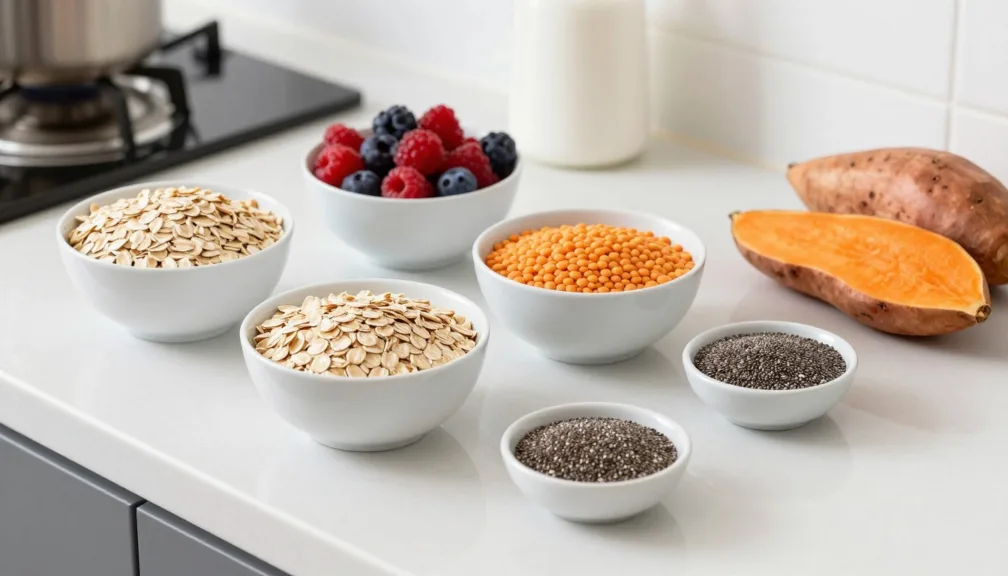
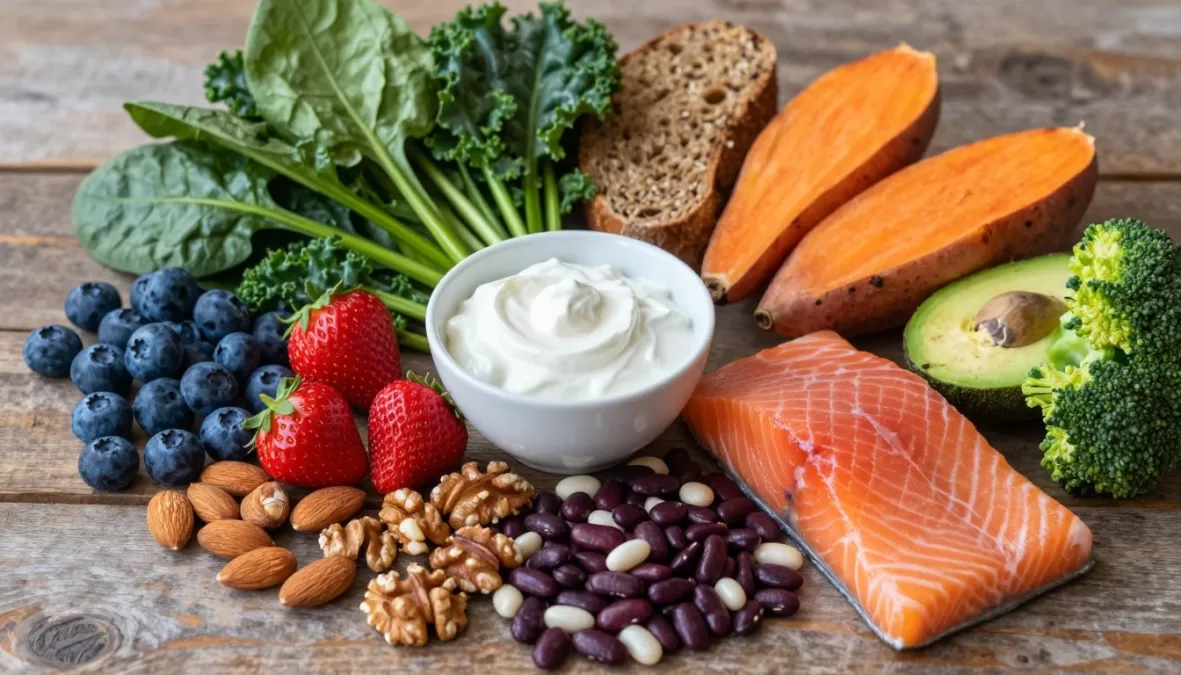
What makes a food truly healthy? The answer lies in nutrient density. The healthiest foods deliver maximum vitamins, minerals, fiber, and beneficial compounds with minimal calories. These nutritional powerhouses support your heart, strengthen your immune system, and reduce disease risk.
Your body needs specific nutrients to function optimally. This guide explores ten foods that science confirms as essential for good health. Each food provides unique benefits that can transform your diet and wellbeing.
Get Weekly Nutrition Tips
Join 50,000+ readers who receive expert nutrition advice and healthy recipes every week. Start making better food choices today.
1. Leafy Green Vegetables
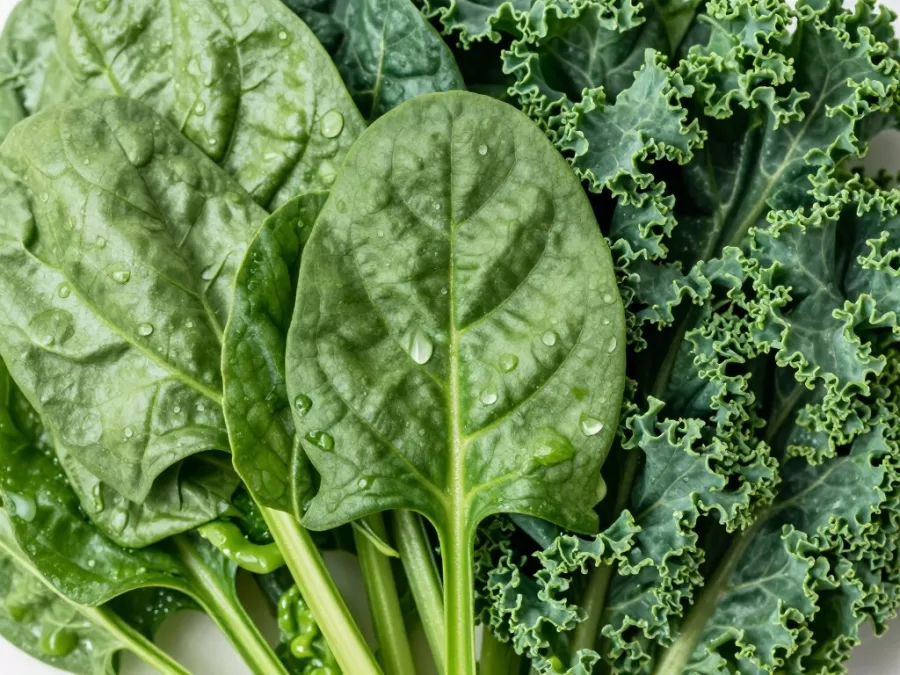
Spinach, kale, and Swiss chard rank among nature’s most nutrient-dense foods. These greens provide exceptional amounts of vitamins A, C, and K. A single cup of cooked spinach delivers more than your daily vitamin K needs.
Dark leafy greens contain powerful antioxidants that protect your cells from damage. Research shows regular consumption reduces heart disease risk by up to 16%. The fiber content supports digestive health and helps maintain healthy blood sugar levels.
Key Nutrients in Leafy Greens
- Vitamin K for bone health and blood clotting
- Folate supporting cell growth and DNA production
- Iron essential for oxygen transport in blood
- Calcium strengthening bones and teeth
- Magnesium regulating muscle and nerve function
How to Add Greens to Your Diet
Start your day with a green smoothie mixing spinach with fruit. Add fresh greens to salads for lunch. Sauté kale with garlic as a nutritious side dish. Toss spinach into soups and pasta during the last minute of cooking.
Buy pre-washed greens to save preparation time. Store them properly in the refrigerator to maintain freshness. Frozen greens work perfectly for cooked dishes and retain most nutrients.
2. Berries
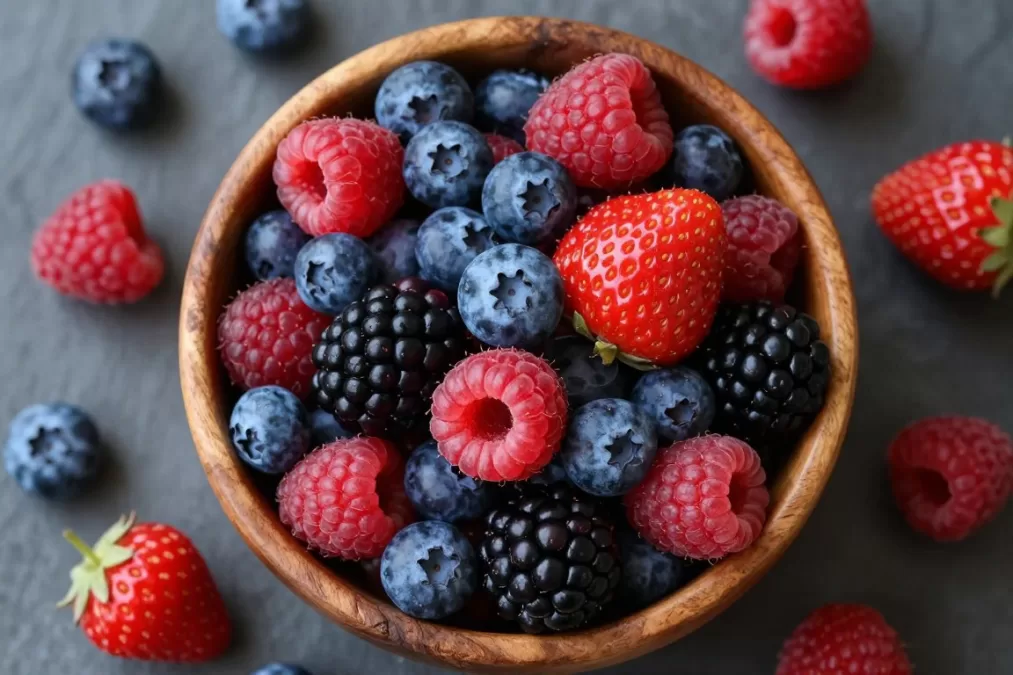
Blueberries, strawberries, and raspberries pack extraordinary antioxidant power. These small fruits contain anthocyanins that give them their rich colors. Studies link berry consumption to improved brain function and memory.
Berries deliver high fiber with relatively low sugar compared to other fruits. One cup of strawberries provides more vitamin C than an orange. The combination of vitamins, minerals, and plant compounds makes berries exceptional for heart health.
Health Benefits of Berries
Regular berry intake reduces inflammation throughout your body. The antioxidants protect against cellular damage linked to aging and disease. Research indicates berries may lower blood pressure and improve cholesterol levels.
Berries support weight management due to their fiber content and low calorie density. They help regulate blood sugar levels despite their natural sweetness. The polyphenols in berries boost immune system function.
Simple Ways to Eat More Berries
- Add fresh berries to morning yogurt or oatmeal
- Blend frozen berries into smoothies for quick nutrition
- Top salads with strawberries for sweet contrast
- Keep dried berries as a portable snack option
- Bake berries into whole grain muffins or bread
3. Fatty Fish

Salmon, mackerel, and sardines provide omega-3 fatty acids essential for health. Your body cannot produce these fats, making dietary sources crucial. Two servings of fatty fish per week significantly reduce heart disease risk.
Omega-3s fight inflammation and support brain function. Studies show these fatty acids may reduce depression and anxiety symptoms. Fish also delivers high-quality protein with all essential amino acids your body needs.
Nutritional Profile of Fatty Fish
A single serving of salmon provides your entire daily vitamin D requirement. This nutrient supports bone health and immune function. Fish also contains selenium, an important mineral for thyroid function and DNA production.
The protein in fish builds and repairs body tissues. Unlike red meat, fish provides protein without saturated fat that can raise cholesterol. Wild-caught fish typically contains fewer contaminants than farm-raised varieties.
Omega-3 Benefits
These essential fatty acids support multiple body systems and reduce chronic disease risk.
- Reduces triglyceride levels in blood
- Lowers blood pressure naturally
- Decreases inflammation markers
- Supports cognitive function and memory
Preparation Methods
Healthy cooking techniques preserve nutrients while creating delicious meals.
- Bake salmon with herbs and lemon
- Grill mackerel with minimal oil
- Add canned sardines to salads
- Steam fish to retain moisture
4. Nuts and Seeds
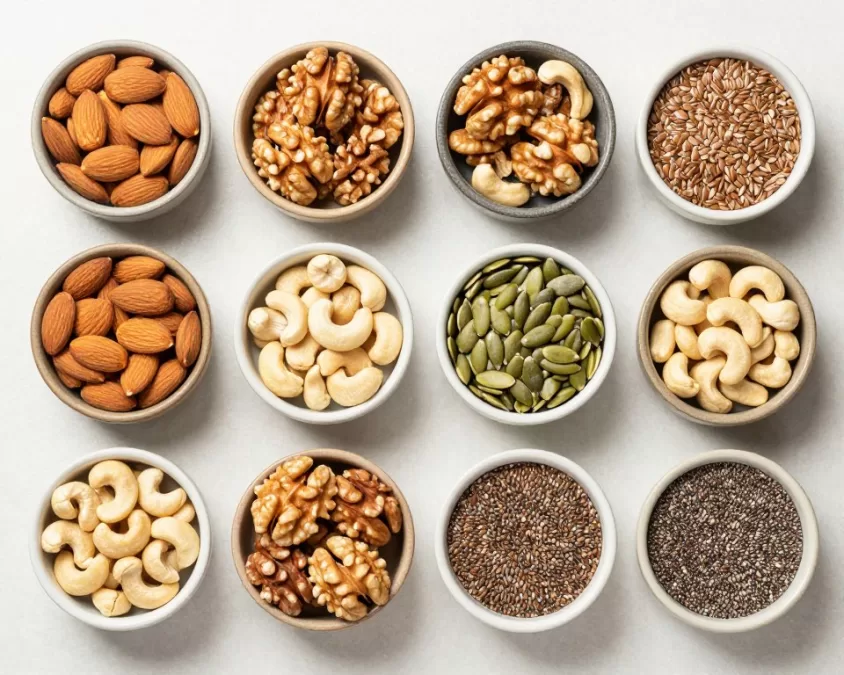
Almonds, walnuts, and chia seeds offer concentrated nutrition in small packages. These foods contain healthy fats, protein, and fiber that promote satiety. Despite their calorie density, nuts support weight management when eaten in moderation.
Research shows daily nut consumption reduces heart disease risk by 30%. The combination of unsaturated fats, fiber, and minerals improves cholesterol profiles. Nuts also stabilize blood sugar levels after meals.
Nutrient Powerhouses
Walnuts provide more omega-3 fatty acids than any other nut. Almonds deliver vitamin E, protecting cells from oxidative damage. Chia seeds expand in liquid, creating a filling snack that supports digestive health.
Seeds and nuts contain magnesium essential for over 300 biochemical reactions. The fiber content feeds beneficial gut bacteria. Eating a variety ensures you receive diverse minerals and plant compounds.
Smart Snacking Strategies
- Portion nuts into small containers for controlled snacking
- Sprinkle seeds over yogurt or salads for extra crunch
- Choose raw or dry-roasted varieties without added oils
- Make homemade trail mix with nuts and dried fruit
- Use nut butters as spreads on whole grain bread
5. Legumes

Beans, lentils, and chickpeas provide plant-based protein rivaling meat sources. These versatile foods combine protein with fiber for sustained energy. One cup of cooked beans delivers 15 grams of protein and half your daily fiber needs.
Legumes stabilize blood sugar due to their low glycemic index. The soluble fiber binds cholesterol, helping remove it from your body. Regular bean consumption reduces heart disease and type 2 diabetes risk.
Complete Nutritional Package
Beans supply iron essential for carrying oxygen in blood. They provide folate crucial during pregnancy for fetal development. The resistant starch in legumes feeds healthy gut bacteria and improves digestive function.
Lentils cook quickly compared to other beans, making them convenient for busy schedules. Canned beans offer nutrition equal to dried varieties when rinsed to remove excess sodium. The fiber content promotes feelings of fullness that support weight management.
Download Your Free 7-Day Meal Plan
Get simple recipes featuring all 10 healthiest foods. Includes shopping list and prep tips for busy lifestyles.
6. Whole Grains
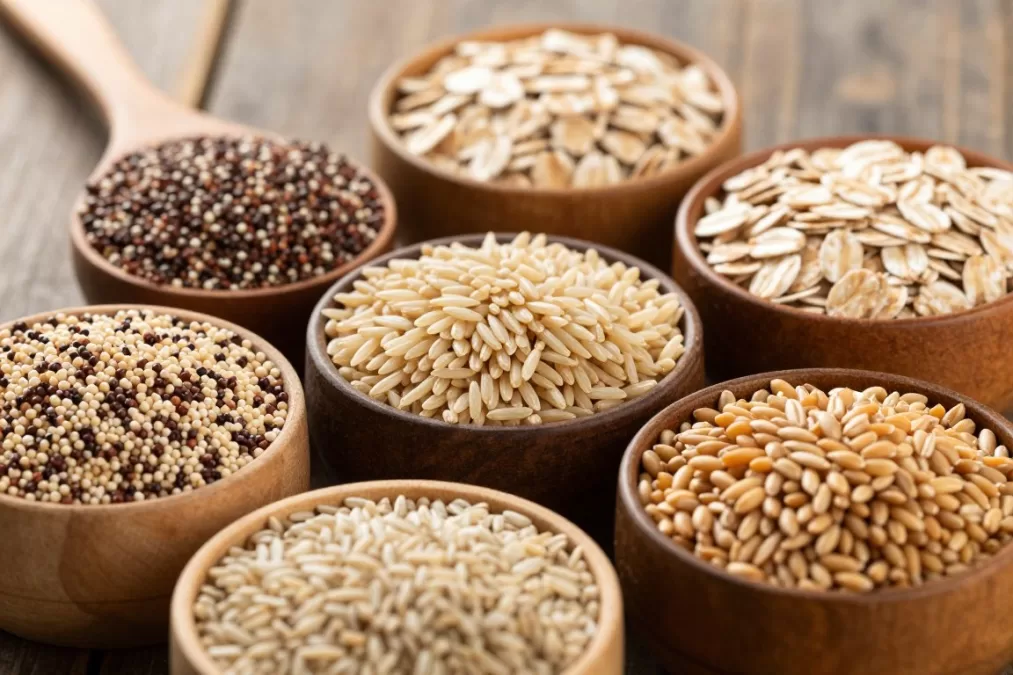
Quinoa, brown rice, and oats retain their bran and germ during processing. These components contain the grain’s most valuable nutrients. Whole grains provide B vitamins that convert food into energy your body can use.
The fiber in whole grains slows digestion and prevents blood sugar spikes. Studies show people who eat whole grains have lower rates of heart disease and stroke. Replacing refined grains with whole varieties improves overall diet quality.
Why Whole Grains Matter
Refined grains lose 25% of protein and up to 95% of nutrients during processing. Whole grains maintain all three parts of the kernel. This preservation provides fiber, protein, vitamins, and minerals working together for health benefits.
Oats contain beta-glucan fiber that reduces LDL cholesterol levels. Quinoa provides all nine essential amino acids, making it a complete protein. Brown rice delivers manganese important for bone development and wound healing.
Easy Whole Grain Swaps
- Choose whole wheat bread instead of white bread
- Replace white rice with brown rice or quinoa
- Start mornings with steel-cut oats rather than sugary cereal
- Use whole grain pasta for better nutrition
- Snack on air-popped popcorn, a whole grain treat
7. Yogurt

Greek yogurt and traditional varieties contain live bacterial cultures benefiting gut health. These probiotics support digestion and strengthen immune function. One serving provides up to 20 grams of protein for muscle maintenance and repair.
Yogurt delivers calcium and vitamin D working together for bone strength. The protein content makes it more satisfying than many breakfast options. Choose plain yogurt to avoid added sugars found in flavored varieties.
Probiotic Power
The beneficial bacteria in yogurt improve the balance of microorganisms in your digestive system. Research links probiotic consumption to reduced inflammation and better mental health. These living cultures may enhance nutrient absorption from other foods.
Regular yogurt consumption supports lactose digestion even in people with mild intolerance. The fermentation process breaks down much of the lactose naturally present in milk. This makes yogurt easier to digest than other dairy products for many individuals.
Maximizing Yogurt Benefits
Look for labels stating “contains live and active cultures” to ensure probiotic content. Greek yogurt offers twice the protein of regular yogurt with less sugar. Add your own fruit and nuts rather than buying pre-sweetened varieties.
Use yogurt as a base for smoothies to add protein and probiotics. Replace sour cream or mayonnaise with plain yogurt in recipes. Mix yogurt with herbs and spices for a healthy vegetable dip or salad dressing.
8. Cruciferous Vegetables
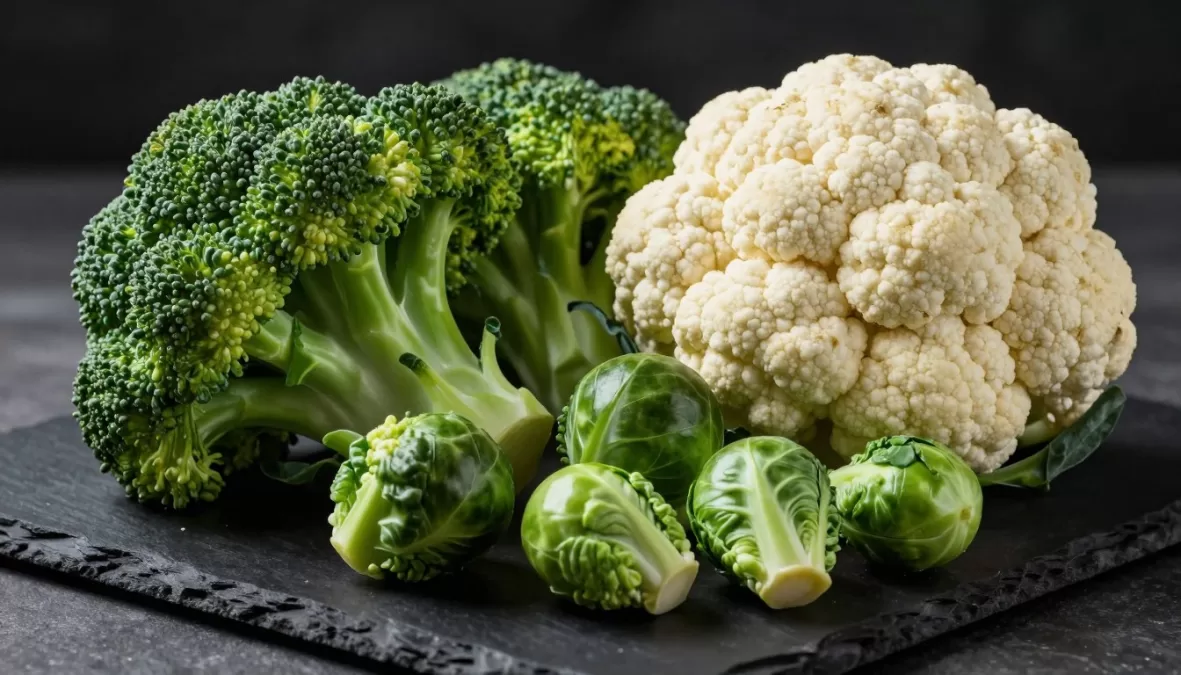
Broccoli, cauliflower, and Brussels sprouts contain unique compounds that support detoxification. These vegetables provide sulforaphane, a substance with potential cancer-fighting properties. Research shows regular consumption may reduce certain cancer risks.
Cruciferous vegetables deliver vitamin C for immune support and skin health. They provide vitamin K essential for blood clotting and bone metabolism. The fiber content aids digestive health and promotes beneficial gut bacteria growth.
Protective Plant Compounds
These vegetables contain glucosinolates that break down into active compounds during chewing and digestion. Studies suggest these substances may inhibit cancer cell development. The antioxidants protect against cellular damage from free radicals.
Broccoli provides folate important for red blood cell formation. Brussels sprouts deliver kaempferol, a flavonoid with anti-inflammatory effects. The combination of nutrients and plant compounds makes these vegetables nutritional superstars.
Cooking Tips
Proper preparation preserves nutrients while improving taste and digestibility.
- Steam broccoli lightly to retain nutrients
- Roast Brussels sprouts with olive oil
- Eat raw cauliflower for maximum enzymes
- Avoid overcooking which destroys vitamins
Serving Ideas
Creative preparations make these vegetables more appealing and enjoyable.
- Add steamed broccoli to pasta dishes
- Make cauliflower rice as a low-carb option
- Shred Brussels sprouts for salads
- Blend into soups for hidden nutrition
9. Sweet Potatoes

Sweet potatoes provide exceptional amounts of beta-carotene, which your body converts to vitamin A. This nutrient supports vision, immune function, and skin health. One medium sweet potato exceeds your daily vitamin A needs.
These root vegetables offer complex carbohydrates that digest slowly and maintain steady energy. The fiber content supports digestive health and promotes fullness. Despite their sweetness, sweet potatoes have a lower glycemic index than white potatoes.
Nutritional Advantages
Sweet potatoes deliver potassium essential for heart health and blood pressure regulation. They provide vitamin C supporting collagen production for healthy skin. The anthocyanins in purple varieties offer additional antioxidant benefits.
The combination of fiber and resistant starch feeds beneficial gut bacteria. This supports immune function and may reduce inflammation. Sweet potatoes also contain manganese important for bone health and metabolism.
Preparation Methods
- Bake whole for maximum nutrient retention
- Cube and roast with herbs and spices
- Mash as a nutritious side dish alternative
- Slice thin and bake into healthy chips
- Add to soups and stews for natural sweetness
Stay Updated on Nutrition Science
Receive evidence-based nutrition tips and healthy recipes weekly. Join readers who’ve transformed their eating habits.
10. Avocados
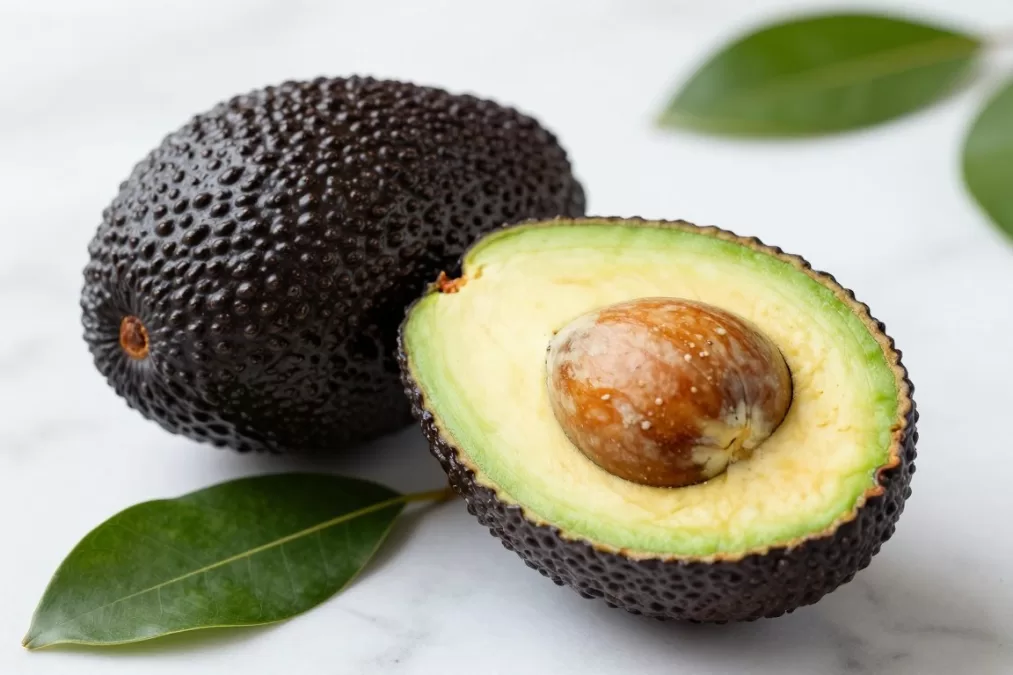
Avocados stand apart from most fruits by providing healthy fats instead of carbohydrates. These monounsaturated fats support heart health and help absorb fat-soluble vitamins. Half an avocado delivers nearly 7 grams of fiber for digestive support.
Studies show avocado consumption improves cholesterol levels and reduces inflammation markers. The fruit provides potassium in amounts exceeding bananas. This mineral helps regulate blood pressure and supports proper muscle function.
Unique Nutritional Profile
Avocados contain lutein and zeaxanthin, antioxidants concentrated in eye tissue. These compounds protect against age-related vision problems. The healthy fats in avocados increase absorption of carotenoids from vegetables eaten at the same meal.
Despite being calorie-dense, avocados support weight management through their satiety effect. The combination of fat and fiber keeps you feeling full longer. Research indicates people who eat avocados regularly have lower body weight and waist circumference.
Adding Avocados to Meals
Spread mashed avocado on whole grain toast for a nutritious breakfast. Add sliced avocado to salads for creamy texture without dairy. Blend into smoothies for richness and healthy fats that slow sugar absorption.
Use avocado as a butter substitute in baking to reduce saturated fat. Make guacamole with fresh vegetables for a nutrient-rich snack. Choose avocados at different ripeness stages to ensure you always have one ready to eat.
Building a Healthier Diet
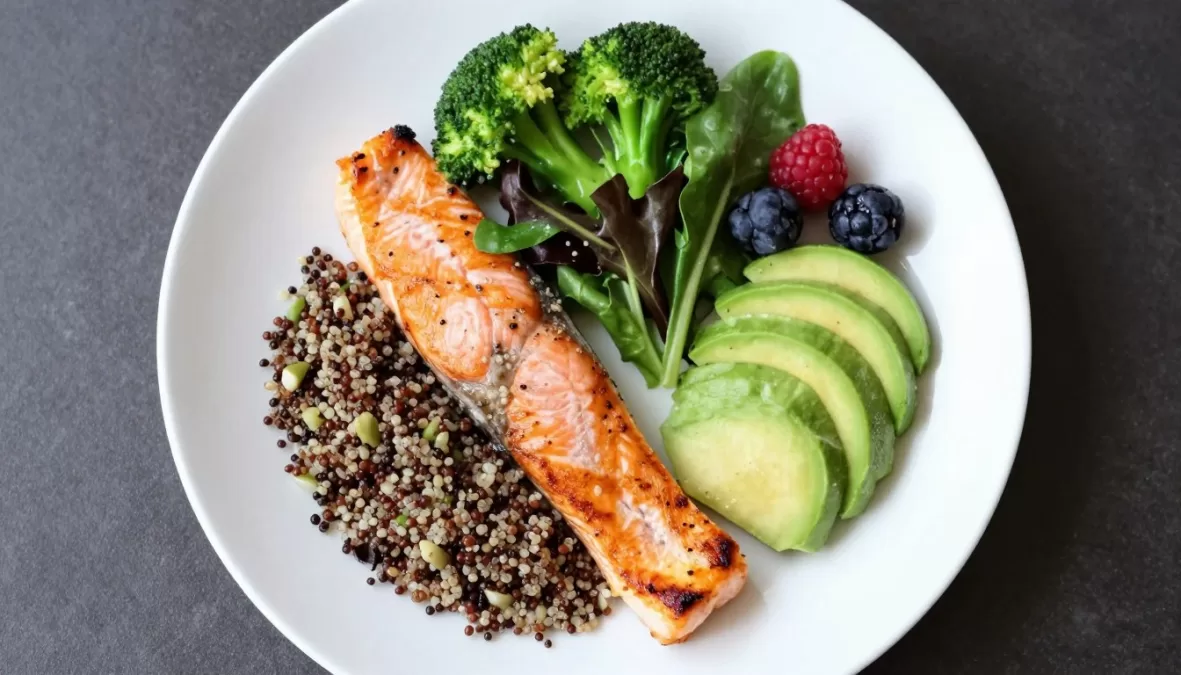
Incorporating these ten healthiest foods creates a foundation for optimal nutrition. You don’t need to eat all of them every day. Focus on variety throughout the week to ensure diverse nutrient intake.
Start small by adding one new food each week. Replace less nutritious options gradually rather than overhauling your entire diet overnight. This sustainable approach leads to lasting changes that benefit your long-term health.
Practical Implementation Steps
Plan meals around these nutritious foods to simplify shopping and preparation. Keep frozen vegetables and canned beans for quick meal additions. Batch cook whole grains on weekends to save time during busy weekdays.
Experiment with new recipes to discover enjoyable ways to prepare these foods. Many people avoid healthy options simply because they don’t know how to make them taste good. Proper seasoning and cooking techniques transform nutritious ingredients into delicious meals.
Creating Balanced Meals
- Combine protein sources with vegetables and whole grains
- Include healthy fats at each meal for satiety and nutrient absorption
- Fill half your plate with vegetables at lunch and dinner
- Choose whole food snacks like nuts, yogurt, and fruit
- Drink water throughout the day to support all body functions
Remember: The best diet is one you can maintain long-term. These healthiest foods provide the nutrients your body needs, but perfection isn’t required. Consistent effort toward better food choices creates meaningful health improvements over time.
Your Path to Better Health
These ten foods represent the pinnacle of nutritional excellence. Each provides unique benefits supporting different aspects of health. Together, they create a comprehensive approach to nourishing your body.
Small, consistent changes produce remarkable results. Adding more vegetables to your meals, choosing whole grains, and including healthy fats transforms your diet quality. Your body responds to better nutrition with increased energy, improved health markers, and reduced disease risk.
Start today by incorporating just one of these healthiest foods into your routine. Build from there at your own pace. The journey toward optimal health begins with a single nutritious choice.
Ready for Personalized Nutrition Guidance?
Connect with certified nutritionists who create custom meal plans based on your health goals, preferences, and lifestyle. Get expert support for lasting dietary changes.

Priyanka Pandey
Senior Research Editor · Top10Sense
Priyanka specializes in tech, consumer products, and digital trends. She combines hands-on testing, vendor interviews, and database research to create trustworthy “Top 10” rankings. Her work has been referenced by industry blogs and brand report pages.