
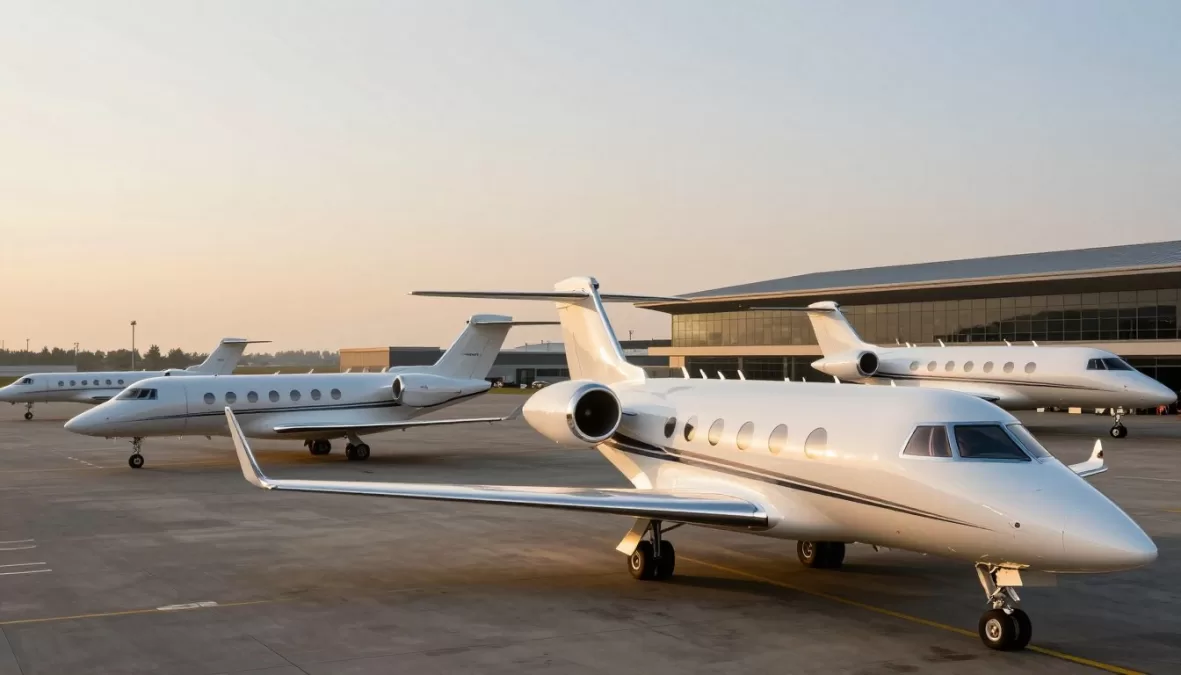
The world of private aviation represents the ultimate expression of luxury and technological achievement. For billionaires and corporations seeking unparalleled comfort, these magnificent aircraft redefine air travel.
Private jets have evolved far beyond simple transportation. Today’s most expensive private jets blend cutting-edge aerospace engineering with opulent interiors that rival five-star hotels.
This comprehensive guide explores the ten most extraordinary aircraft money can buy. Each plane showcases remarkable features that justify price tags reaching hundreds of millions of dollars.
Speak With Aviation Experts
Considering private jet charter or purchase? Our specialists provide personalized guidance tailored to your unique travel requirements and preferences.
Understanding the Ultra-Luxury Private Jet Market
The market for expensive private jets caters to an exclusive clientele. These aircraft serve business magnates, heads of state, and ultra-high-net-worth individuals who demand absolute excellence.
Modern business jets incorporate technologies originally developed for military and commercial aviation. The cabin experience mirrors luxury yachts, featuring bedrooms, dining areas, and office space.
Range capabilities have transformed global travel. Today’s long-range aircraft connect distant cities without refueling stops, making worldwide business operations seamless.
Why Billionaires Choose Private Aviation
- Complete privacy and security for sensitive business discussions
- Time efficiency with flexible scheduling and direct routing
- Customized cabin environments matching personal preferences
- Access to smaller airports closer to final destinations
- Reduced travel fatigue through superior comfort systems
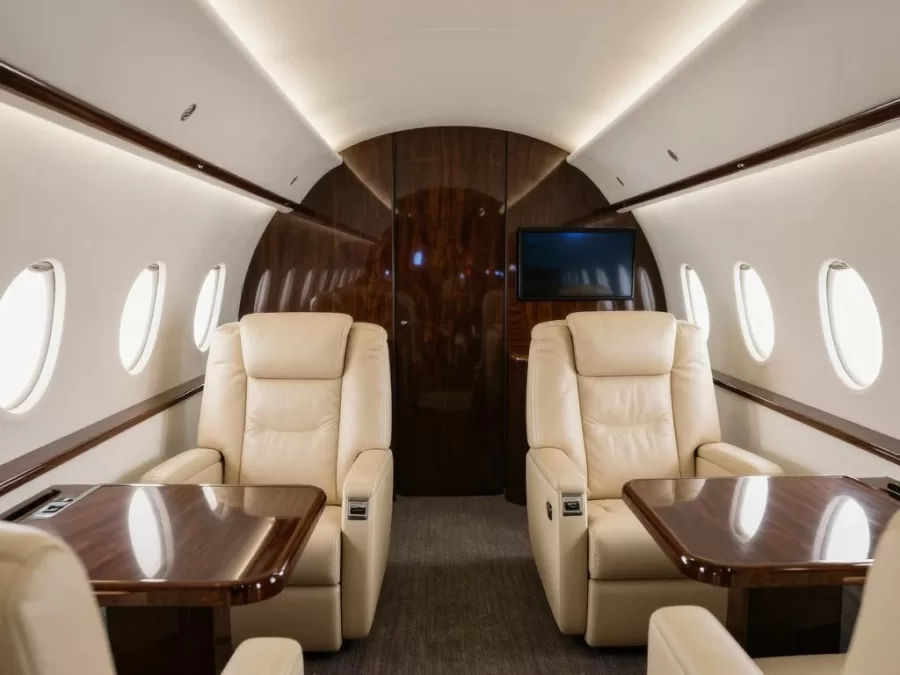
Price considerations extend beyond the aircraft purchase. Operating costs include crew salaries, maintenance, insurance, hangar fees, and fuel expenses reaching millions annually.
These investments deliver unmatched convenience. Passengers depart on their schedule, traveling directly between preferred airports while maintaining complete control over their environment and guest experience.
1. Boeing 747-8 VIP – The Flying Palace
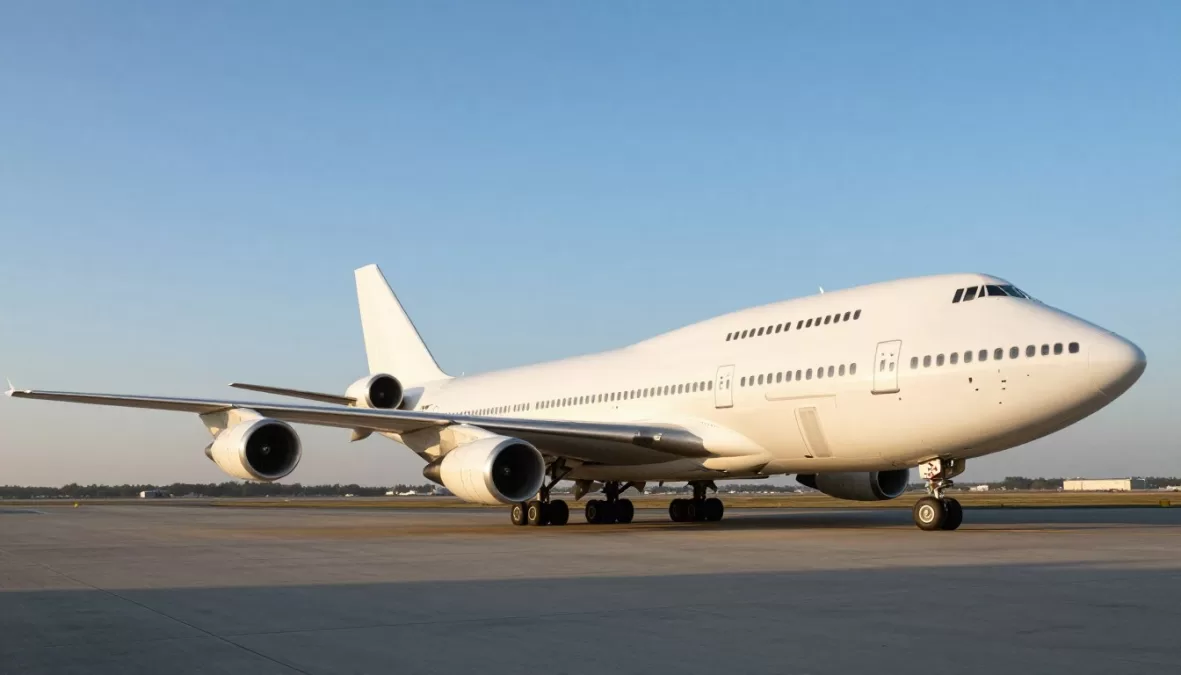
The Boeing 747-8 VIP stands as the largest and most expensive private jet available. This converted commercial airliner offers an astounding 4,786 square feet of interior space across multiple levels.
Billionaire owners transform this aircraft into airborne mansions. The cabin accommodates full bedrooms with king-size beds, spacious dining rooms seating twelve guests, private offices, and even dedicated conference areas.
Technical Specifications
| Specification | Details |
| Base Price | $400+ million (after customization) |
| Maximum Range | 8,000 nautical miles |
| Passenger Capacity | Up to 100 passengers (typically 50-80 configured) |
| Cabin Length | 225 feet |
| Cruise Speed | Mach 0.855 |
| Engines | Four General Electric GEnx-2B67 turbofans |
Luxury Features and Interior Design
The Boeing 747-8 VIP interior showcases unparalleled opulence. Master bedrooms feature ensuite bathrooms with full-size showers crafted from Italian marble and gold fixtures.
Guest accommodations span multiple private bedrooms, each appointed with premium leather furnishings and personal entertainment systems. The main dining area rivals fine restaurants, with custom cabinetry and seating for formal gatherings.
Cabin Zones
- Presidential suite with king bedroom and marble bathroom
- VIP guest bedrooms with ensuite facilities
- Executive conference room with video conferencing
- Formal dining room with chef-prepared meals
- Lounge areas with entertainment systems
- Medical room with advanced equipment
- Security command center
- Crew rest areas and galley
Premium Amenities
- Satellite communications worldwide
- Advanced air filtration systems
- Custom lighting creating ambiance
- Temperature control for each zone
- Noise reduction technology
- Onboard office connectivity
This Boeing business jet serves government heads and the wealthiest individuals globally. The aircraft essentially functions as Air Force One for private citizens, offering unprecedented space and luxury at altitude.
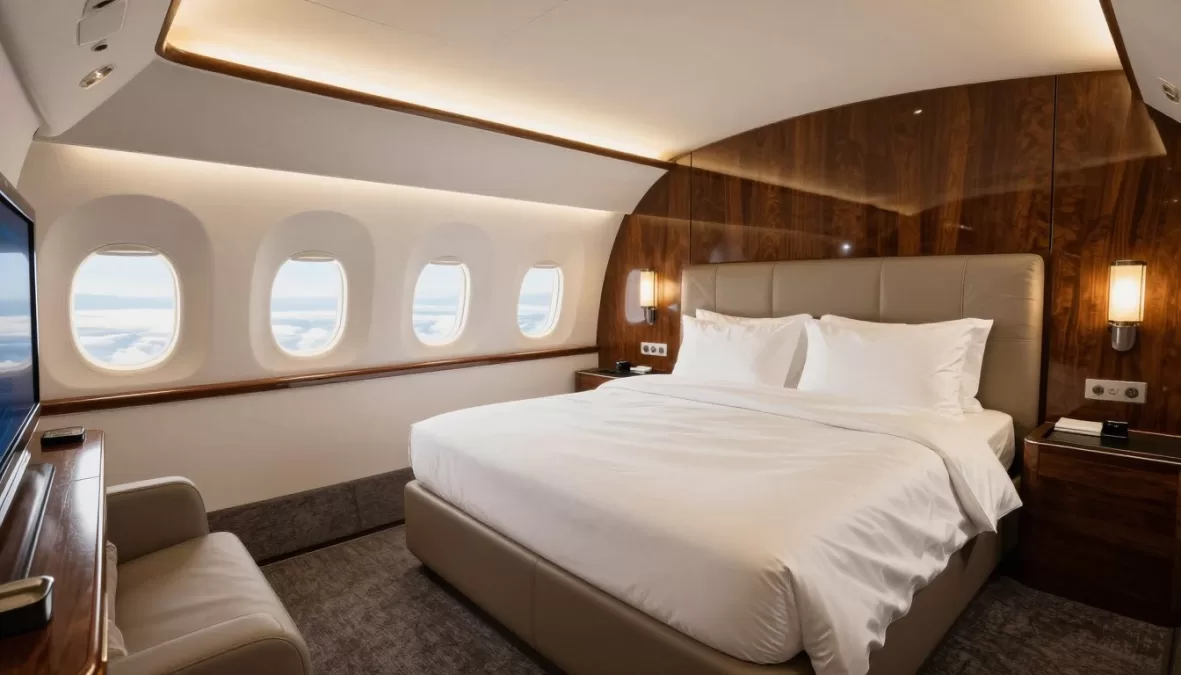
2. Airbus A380 Custom – European Gigantism
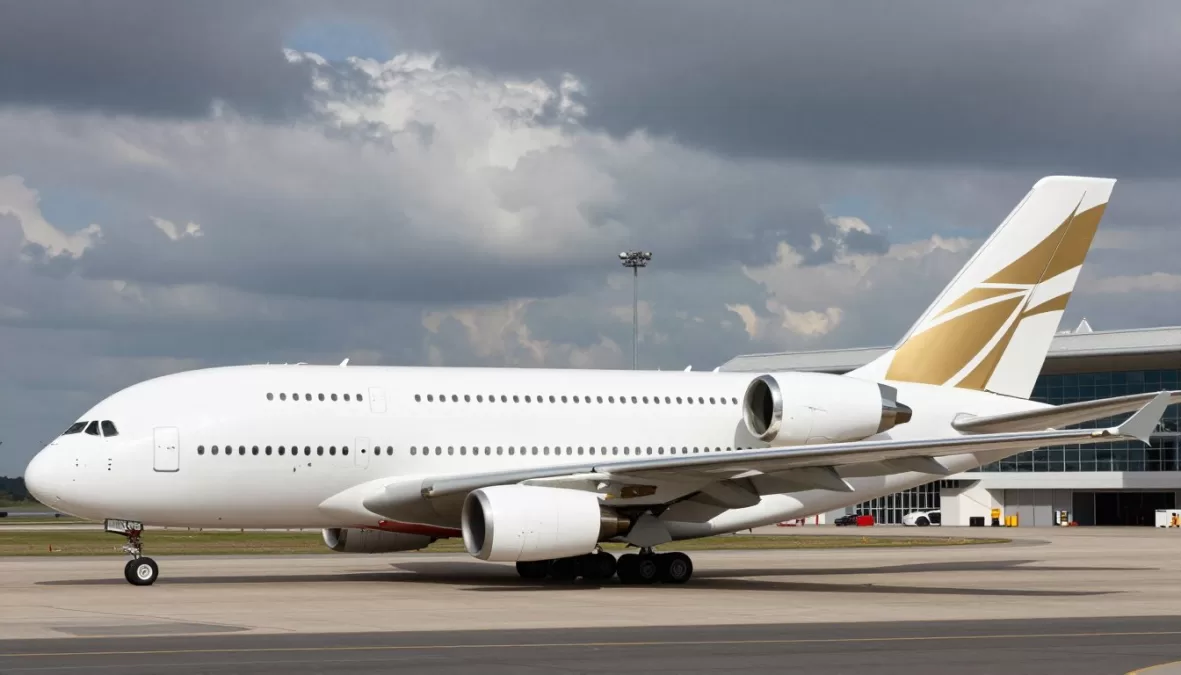
The Airbus A380 represents the pinnacle of European aerospace engineering. When configured as a private jet, this double-deck giant offers approximately 5,000 square feet of customizable interior space.
Only a handful of these aircraft exist as private jets. The conversion cost alone exceeds the base aircraft price, with total investments reaching $500-600 million for fully appointed interiors.
Aircraft Capabilities
The Airbus ACJ A380 cruises at altitudes above typical air traffic. This positioning ensures smoother rides while the advanced wing design reduces turbulence impact significantly.
Range capabilities extend beyond 8,000 nautical miles. The aircraft connects virtually any two cities globally, making direct flights from Dubai to Los Angeles or Singapore to London routine operations.
Upper Deck Layout
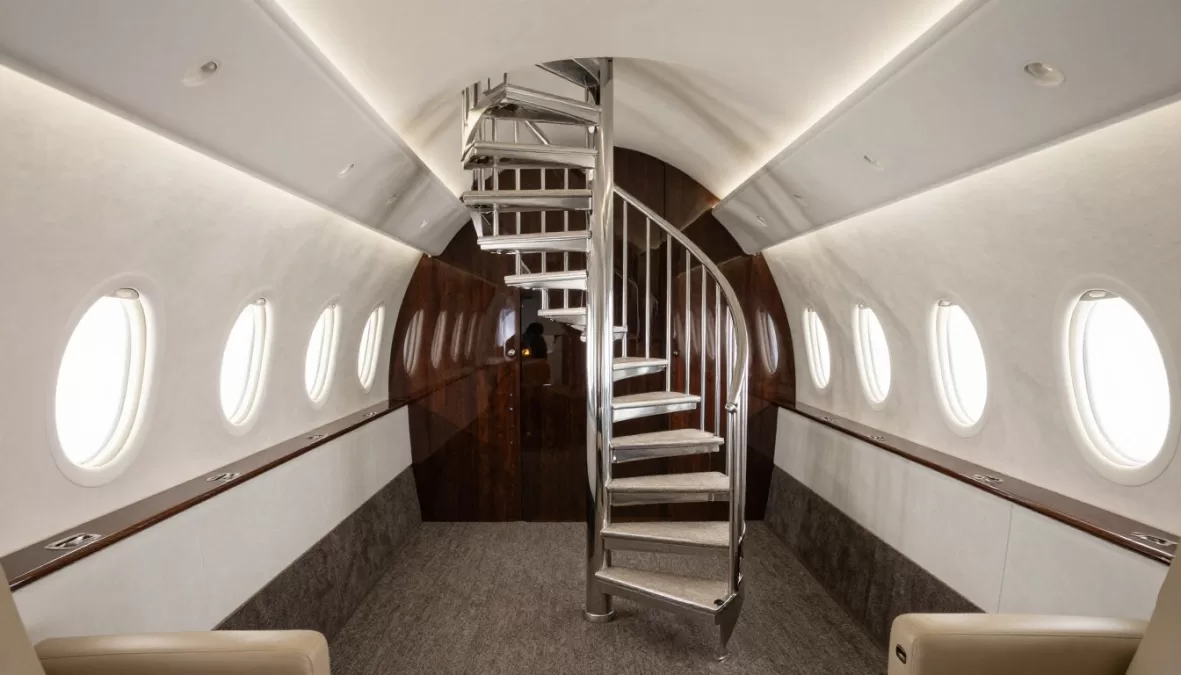
The upper level typically houses private quarters. Master suites span the forward section, while guest bedrooms occupy mid-cabin positions.
- Master bedroom suite
- VIP guest rooms
- Private lounge areas
- Executive offices
Main Deck Configuration
Lower deck spaces accommodate larger gathering areas. Dining rooms, conference facilities, and entertainment zones utilize the generous width available.
- Formal dining room
- Cinema lounge
- Conference center
- Wellness area
Special Features
Custom installations include elements never seen in commercial aviation. Some owners install Turkish baths, prayer rooms, or even small garages.
- Spa facilities
- Gymnasium space
- Medical suite
- Security center
The Ultimate Status Symbol
Owning an Airbus A380 private jet signals extraordinary wealth. Operating costs approach $30,000 per flight hour, limiting ownership to sovereigns and billionaires with substantial resources.
The cabin altitude remains lower than smaller jets. Advanced pressurization systems maintain comfort equivalent to 5,000 feet elevation, reducing passenger fatigue on ultra-long flights.
3. Boeing 787 Dreamliner VIP – Modern Innovation
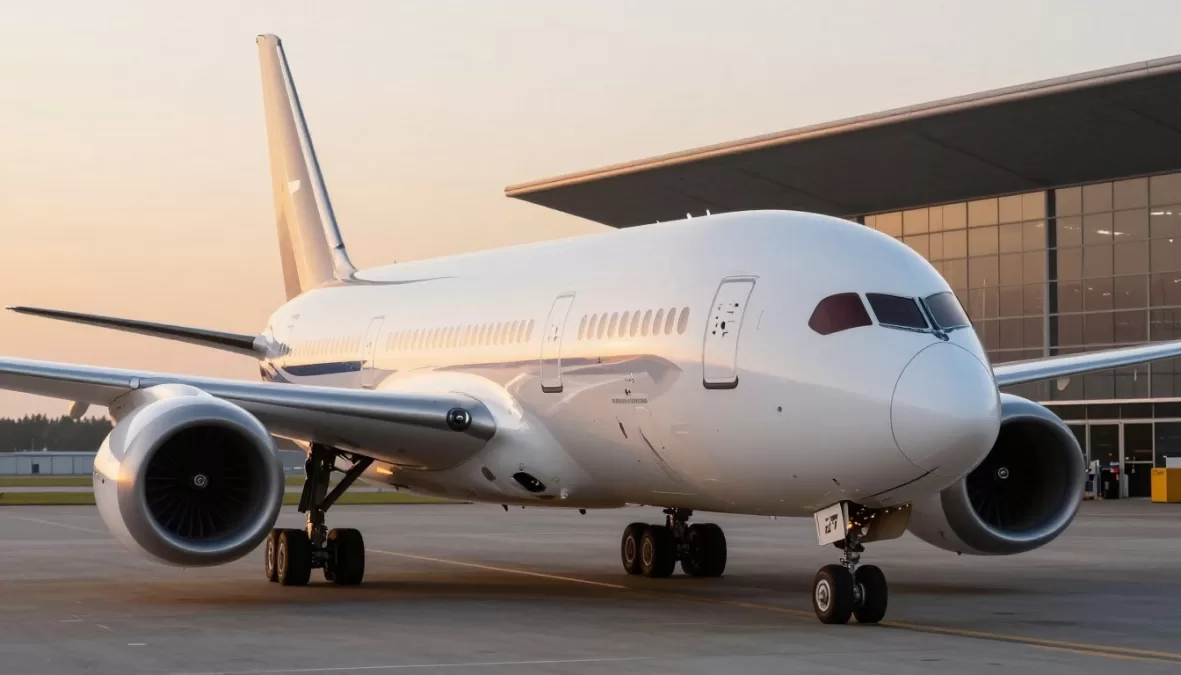
The Boeing Business Jet 787 combines cutting-edge technology with spacious comfort. This aircraft offers 2,400 square feet of cabin space featuring the latest aerospace innovations.
Unlike older aircraft, the Dreamliner construction utilizes advanced composite materials. These reduce weight while improving fuel efficiency and extending range capabilities significantly.
Revolutionary Technology
Cabin pressurization systems maintain altitude equivalent to 6,000 feet versus 8,000 feet in conventional jets. Lower cabin altitude reduces jet lag and improves passenger well-being during extended flights.
The windows measure 65% larger than traditional aircraft. Electrochromic dimming technology replaces physical shades, allowing passengers to adjust transparency electronically while maintaining outside views.
- Enhanced air filtration removing odors and bacteria
- Humidity control preventing dry cabin conditions
- LED lighting systems mimicking natural circadian rhythms
- Quieter cabin through advanced noise suppression
- Smoother ride quality from wing flex design
- Higher cruise altitude avoiding weather and traffic
Pricing and Specifications
A Boeing 787 VIP costs approximately $300-350 million fully customized. The price includes the base aircraft plus extensive interior modifications matching owner specifications.
| Feature | Specification |
| Maximum Range | 9,800 nautical miles |
| Typical Configuration | 40-50 passengers |
| Cabin Width | 18 feet |
| Cabin Height | 7.5 feet |
| Operating Cost | $18,000-22,000 per hour |
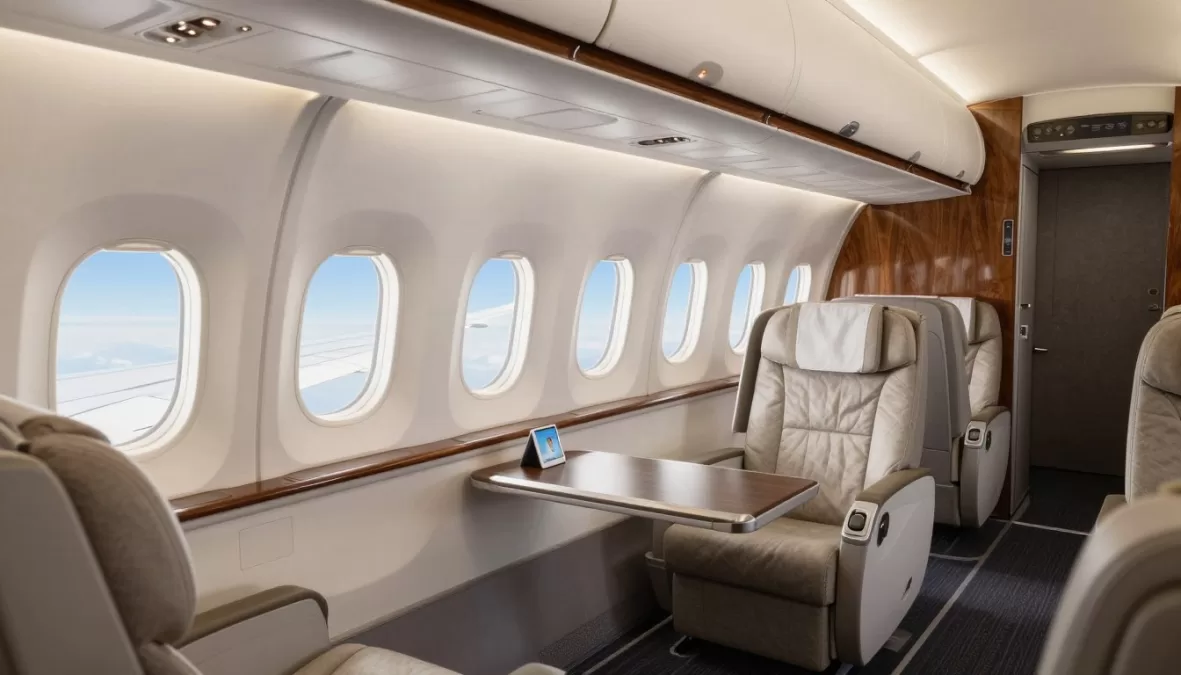
The aircraft serves as mobile headquarters for global business operations. Owners configure interiors with executive offices featuring full connectivity, allowing productive work throughout intercontinental journeys.
Request Personalized Charter Quote
Interested in experiencing these magnificent aircraft? Our charter specialists arrange flights aboard the world’s finest private jets, tailored to your specific travel needs and schedule.
- Access to global fleet of luxury aircraft
- Competitive transparent pricing
- 24/7 concierge support services
- Customized catering and ground transportation
4. Airbus ACJ350 – Long-Range Champion
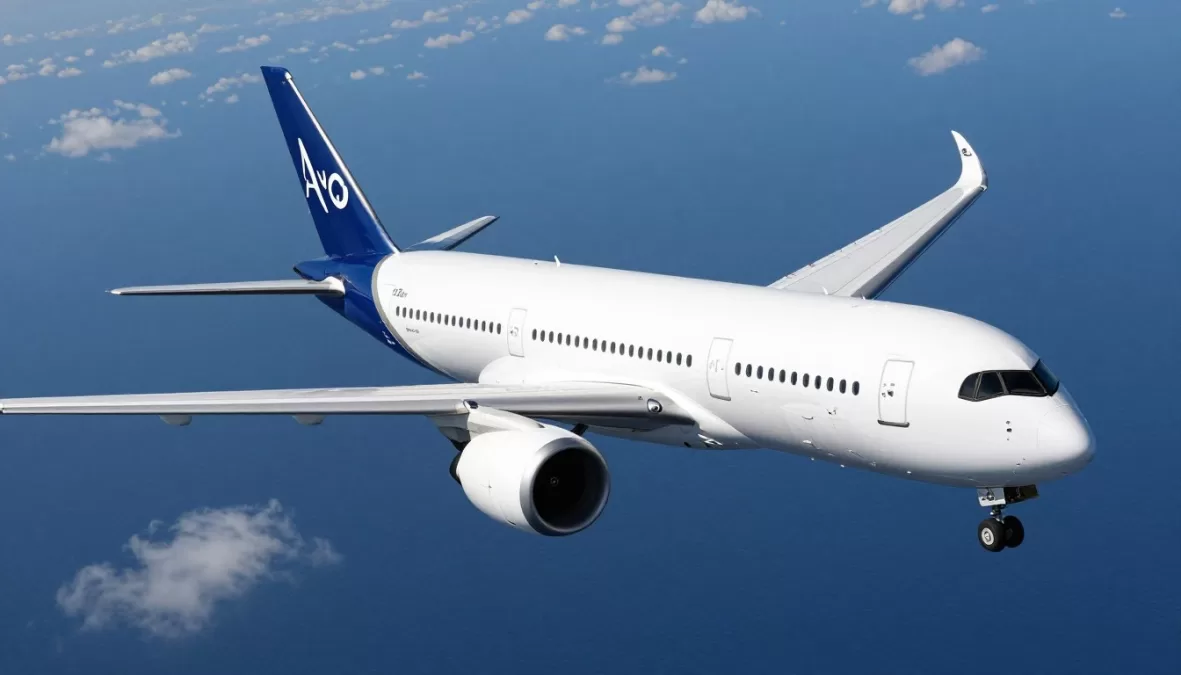
The Airbus ACJ350 represents the newest generation of ultra-long-range business jets. This aircraft delivers exceptional range exceeding 11,000 nautical miles, connecting virtually any two points worldwide nonstop.
Advanced aerodynamics create exceptional fuel efficiency. The aircraft operates more economically than comparable jets while maintaining superior performance across all flight parameters.
Engineering Excellence
The ACJ350 incorporates the latest aerospace materials. Carbon composite construction reduces weight by approximately 14% compared to traditional aluminum designs.
Wing design optimization improves lift-to-drag ratios. These aerodynamic enhancements translate directly into extended range capabilities and reduced operating costs over the aircraft lifecycle.
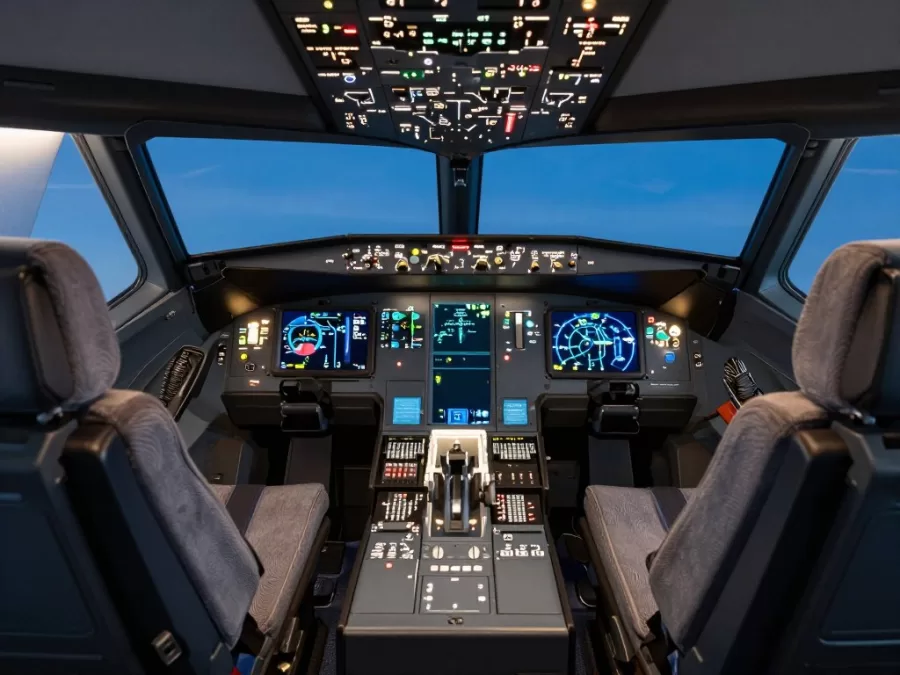
Advanced Systems
Cabin technology surpasses previous generations significantly. Environmental controls maintain optimal temperature and humidity throughout all zones independently.
The pressurization system keeps cabin altitude at 5,800 feet during cruise. This lower altitude enhances passenger comfort substantially, particularly during flights exceeding ten hours duration.
Connectivity systems provide global high-speed internet access. Passengers conduct video conferences, stream content, and maintain business operations seamlessly regardless of location.
Interior Customization
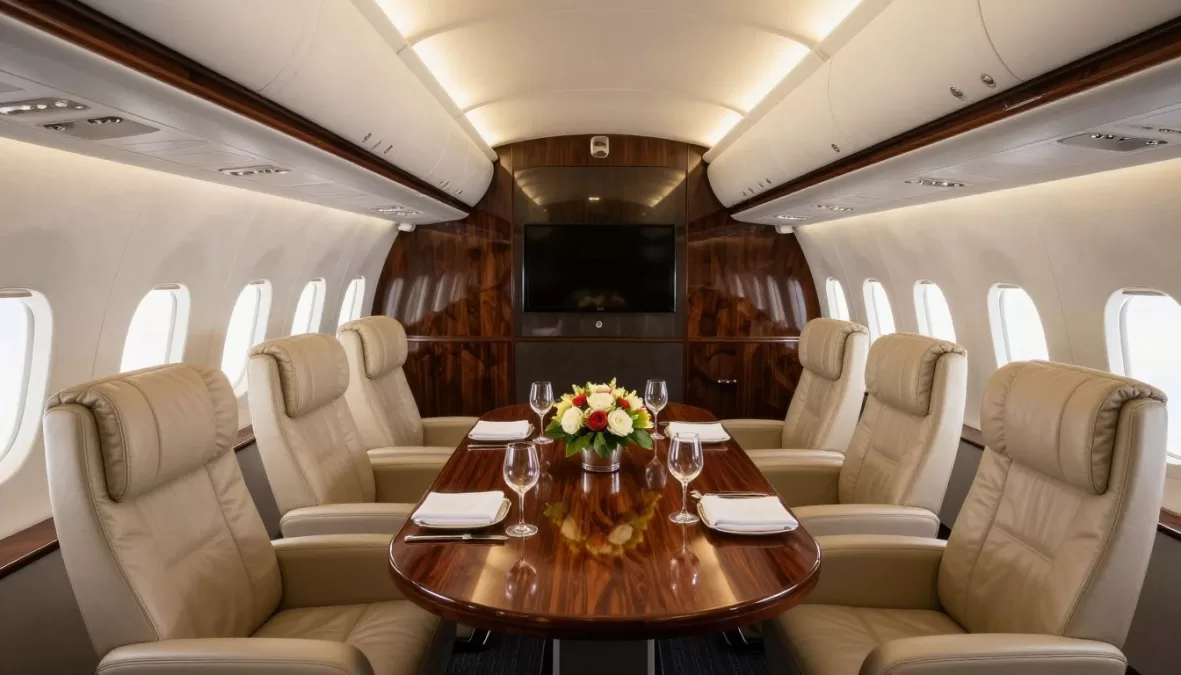
The Airbus ACJ350 offers 2,760 square feet of cabin space for custom configuration. Typical layouts include multiple private suites, a formal dining area, and dedicated office space.
Master bedroom suites feature king-size beds and ensuite bathrooms with showers. Guest cabins provide privacy and comfort with individually controlled entertainment and environmental systems.
- Spacious cabin width of 18.5 feet throughout
- Ceiling height reaching 7.9 feet for unrestricted movement
- Quiet cabin with industry-leading noise suppression
- Large windows providing natural light and views
- Flexible floor plan accommodating unique requirements
- Premium materials including exotic woods and leathers
The aircraft costs approximately $320-380 million with full VIP completion. Operating expenses approach $16,000 per flight hour including fuel, maintenance, crew, and insurance costs.
5. Gulfstream G700 – Business Aviation Perfection
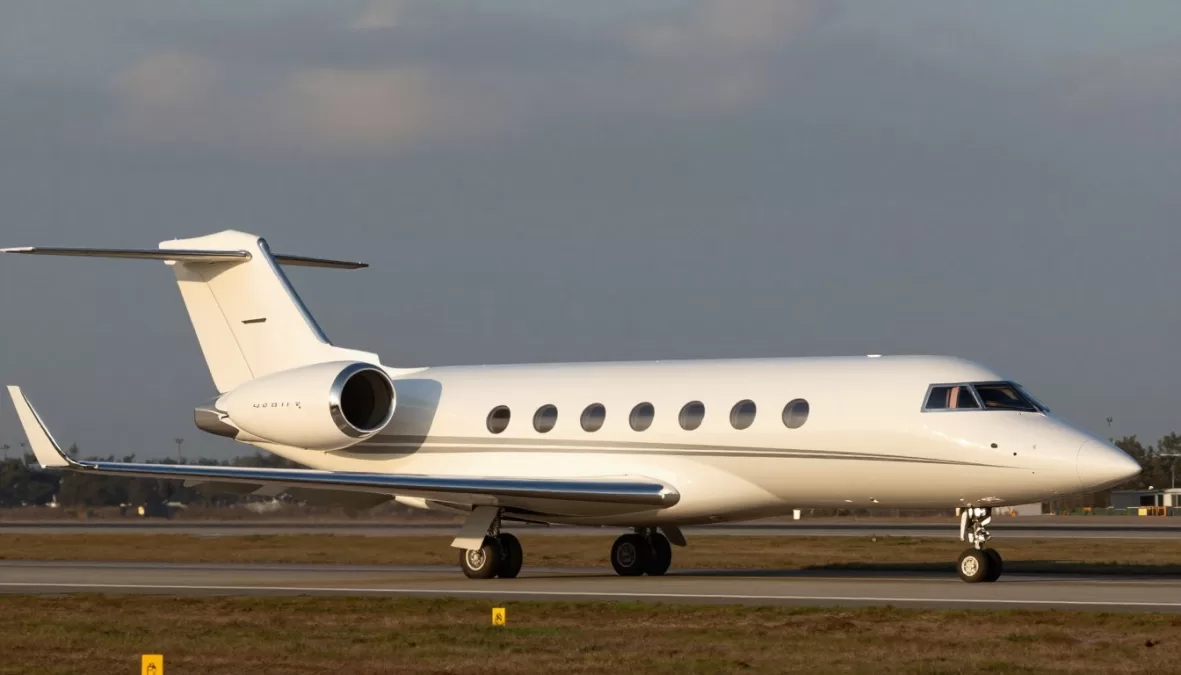
The Gulfstream G700 stands as the flagship of business jet manufacturing. This aircraft combines the longest range in its class with the largest cabin dimensions available among purpose-built business jets.
Gulfstream pioneered many innovations now standard across the industry. The G700 continues this tradition, incorporating technologies that redefine passenger experience expectations.
Performance Capabilities
The Gulfstream G700 achieves remarkable range of 7,500 nautical miles at Mach 0.85. This performance connects New York to Beijing or Los Angeles to Sydney without refueling stops.
Speed capabilities impress equally. The aircraft cruises at Mach 0.925, making it among the fastest civilian jets operating today.
| Specification | Value |
| Base Price | $75 million |
| Cabin Length | 56.9 feet |
| Cabin Width | 8.2 feet |
| Cabin Height | 6.3 feet |
| Passengers | Up to 19 |
| Baggage Capacity | 195 cubic feet |
Interior Innovation
The cabin features five distinct living areas adaptable to passenger preferences. Forward sections typically house master suites or executive conference rooms.
Panoramic oval windows measure 28 inches tall, the largest in business aviation. Natural light floods the cabin while advanced window shades adjust electronically to passenger preference.
Living Spaces
- Master suite option
- Executive seating areas
- Conference room setup
- Dining configuration
- Entertainment lounge
Comfort Systems
- 100% fresh air system
- Plasma ionization
- Whisper-quiet cabin
- Circadian lighting
- Climate zones
Technology
- Jet Connex Ka-band WiFi
- 4K displays throughout
- Wireless charging
- Cabin management apps
- Video conferencing
The Gulfstream G700 maintains cabin altitude at just 4,850 feet when flying at 41,000 feet. This industry-leading pressurization dramatically reduces fatigue on long flights.
Noise levels remain remarkably low throughout all phases of flight. Passengers conduct conversations naturally without raising voices, enhancing the overall experience and comfort.
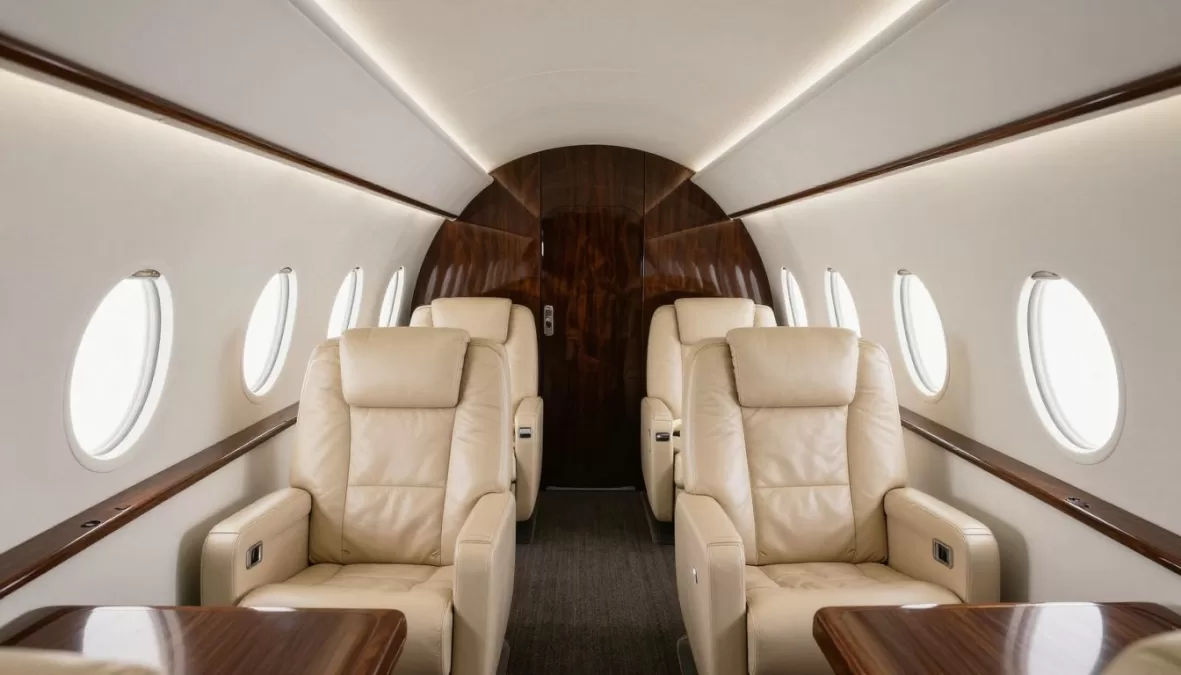
6. Bombardier Global 7500 – Canadian Excellence
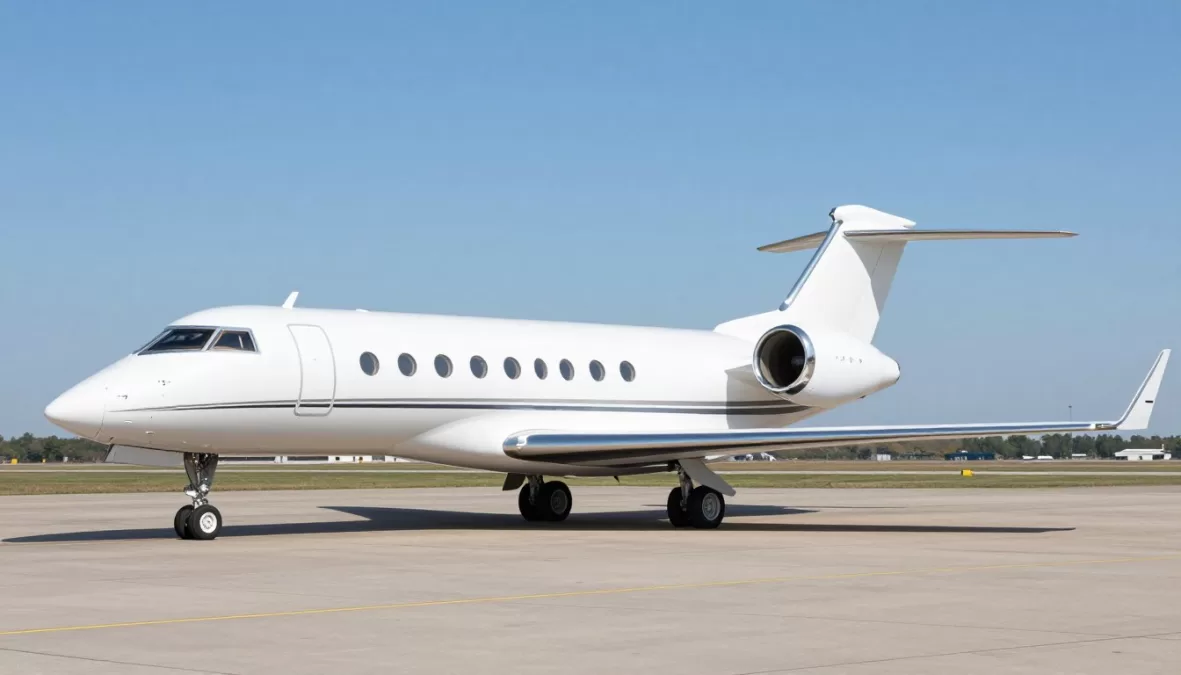
The Bombardier Global 7500 holds the distinction of offering the longest range of any purpose-built business jet. This Canadian masterpiece flies 7,700 nautical miles nonstop, connecting distant city pairs previously requiring refueling stops.
The aircraft entered service after extensive development focused on passenger comfort. Every system received optimization to enhance the flying experience for demanding clientele.
Groundbreaking Range
The Global 7500 connects Singapore to San Francisco, Dubai to New York, or Hong Kong to London without intermediate stops. This capability transforms business travel by eliminating schedule complications and travel time.
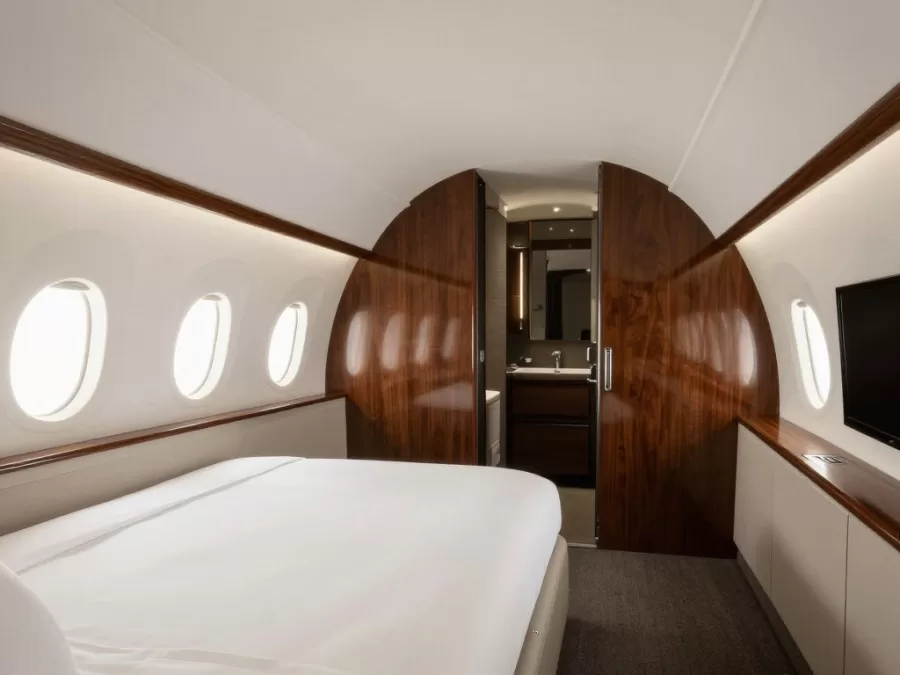
Four distinct cabin zones provide unprecedented privacy and flexibility. The revolutionary design includes a full bedroom suite at the rear of the aircraft, a first for purpose-built business jets.
Cabin Innovations
The master suite features a permanent bed that never requires conversion from seating. A standalone shower complements the private lavatory, delivering hotel-quality facilities at altitude.
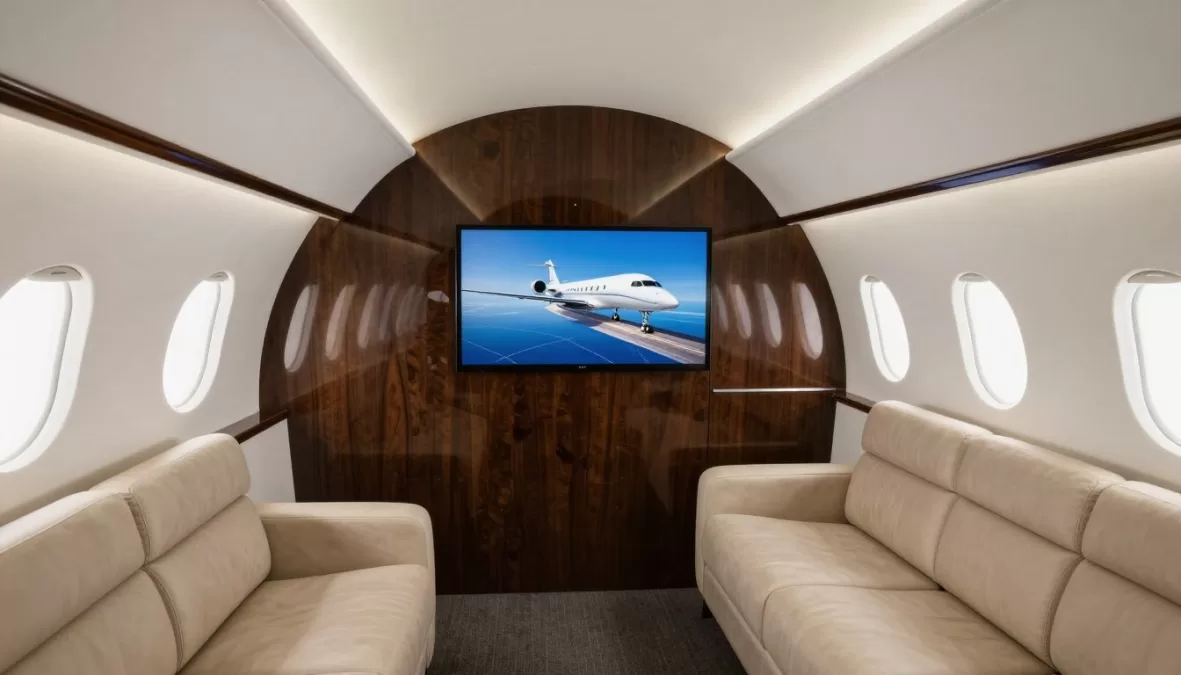
The entertainment suite incorporates a full-size sofa and 4K monitor. This space transforms into a guest bedroom when needed, with the sofa converting into a comfortable sleeping surface.
Four-Zone Layout
- Entry area with wardrobe and refreshment center
- Conference or dining suite with seating for six
- Entertainment lounge with media center
- Master bedroom suite with ensuite bathroom
Advanced Technology
The Bombardier Global 7500 incorporates the Nuage seat, designed specifically for this aircraft. The revolutionary design provides exceptional comfort through all flight phases using advanced ergonomics.
The Soleil lighting system automatically adjusts to reduce jet lag. Programmed scenarios simulate sunrise and sunset patterns, helping passengers maintain circadian rhythms during ultra-long flights.
- Ka-band connectivity for global high-speed internet
- Nice Touch cabin management system controlling all functions
- Smooth ride through turbulence with wing design
- Lower cabin altitude of 4,850 feet reducing fatigue
- Exceptional baggage capacity of 195 cubic feet
The aircraft costs approximately $73 million, positioning it competitively against other ultra-long-range jets. Operating costs remain reasonable given the exceptional capabilities delivered.
Connect With Private Aviation Specialists
Our team of aviation experts provides confidential consultation services for aircraft acquisition, charter operations, and fleet management. We help you navigate the complex world of private aviation.
7. Dassault Falcon 10X – French Sophistication
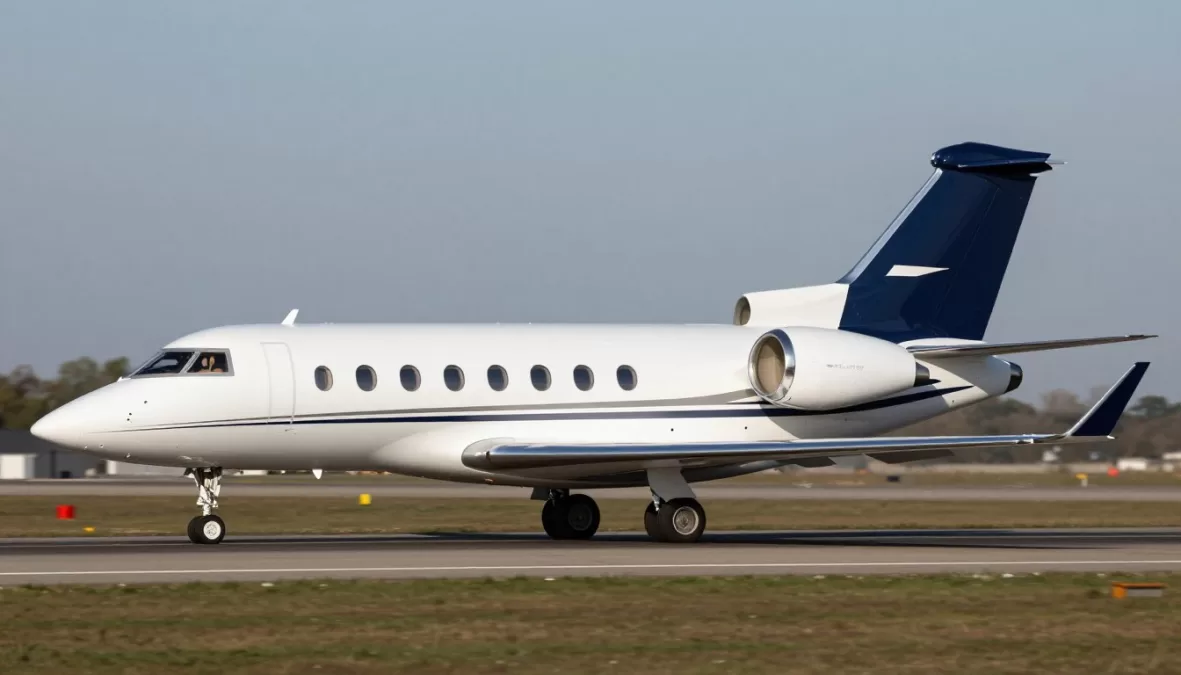
The Dassault Falcon 10X represents French aerospace excellence. This upcoming aircraft promises to deliver the largest cabin in business aviation combined with impressive range and performance.
Dassault brings decades of fighter jet expertise to civilian aviation. The resulting aircraft incorporates technologies ensuring exceptional handling characteristics and efficiency.
Cabin Excellence
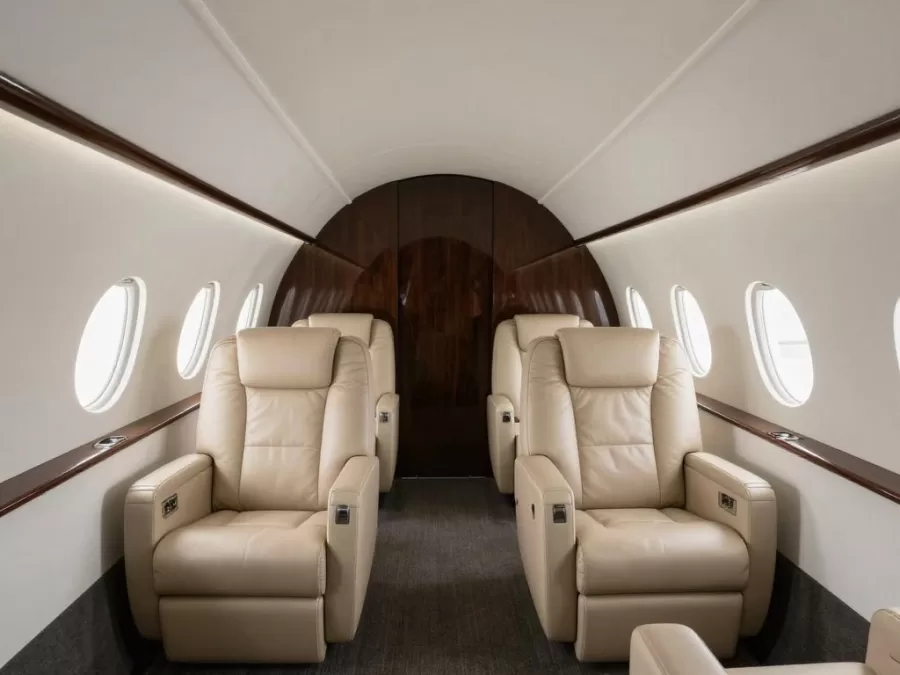
The Falcon 10X boasts cabin dimensions exceeding all competitors. At 6.9 feet tall and 9.1 feet wide, the interior provides unprecedented space for movement and customization.
The 53-foot cabin length accommodates up to four separate living areas. Owners customize layouts matching specific requirements, from multiple bedrooms to extensive office facilities.
Design Highlights
The aircraft features 38 extra-large windows, the most in its category. Natural light enhances the sense of space while providing spectacular views during flight.
Dassault designed the cabin with a nearly flat floor. This configuration maximizes usable space while simplifying furniture placement and passenger movement throughout the aircraft.
- Customizable four-zone layout
- Full-height wardrobe and baggage areas
- Galley designed for gourmet meal preparation
- Multiple lavatory options including shower
Performance and Range
The Falcon 10X will cruise at Mach 0.925, making it among the fastest business jets available. This speed advantage saves valuable time on transcontinental and intercontinental routes.
Range projections indicate 7,500 nautical miles at normal cruise speed. This capability enables nonstop flights from Los Angeles to Geneva or New York to Shanghai.
| Feature | Specification |
| Expected Price | $75+ million |
| Maximum Range | 7,500 nautical miles |
| Cabin Volume | 2,780 cubic feet |
| Passenger Capacity | Up to 19 |
| Baggage Space | 240 cubic feet accessible in flight |
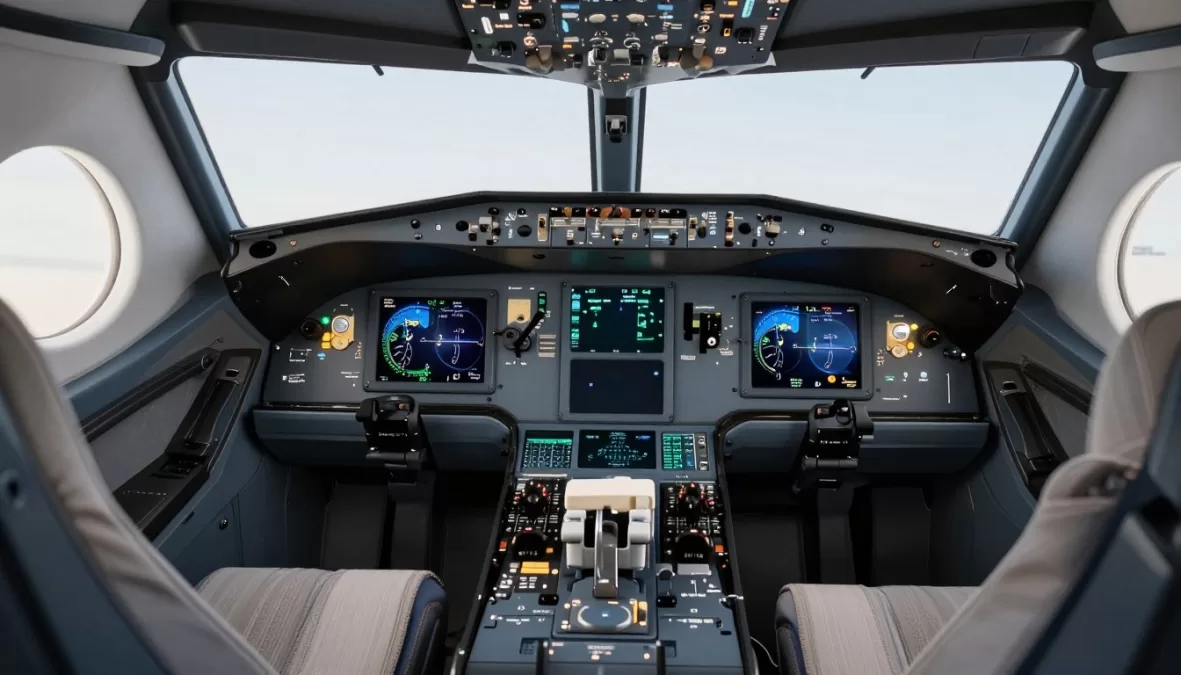
Advanced FalconEye combined vision system enhances safety. This technology provides synthetic and enhanced vision capabilities, improving operations in challenging weather conditions.
The aircraft promises exceptional short-field performance. Dassault engineering enables operations from airports with shorter runways, expanding destination options significantly.
8. Boeing 747-400 Custom – Classic Luxury
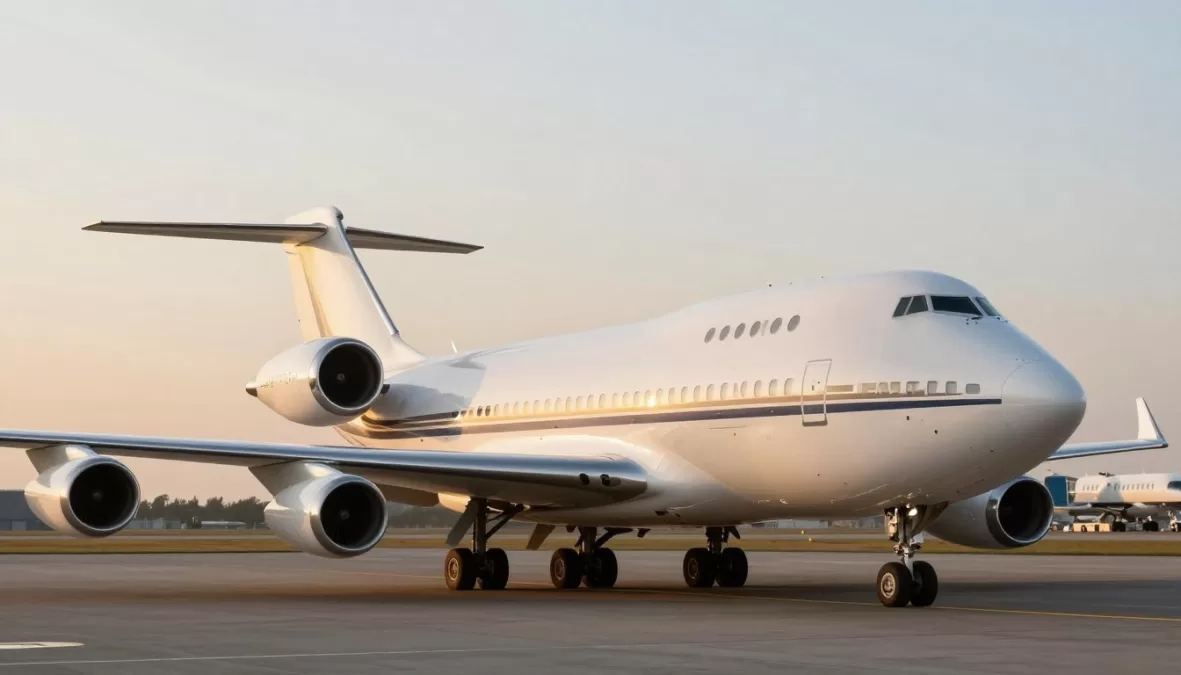
The Boeing 747-400 remains iconic in private aviation despite newer models. Several billionaires maintain these classic aircraft, valuing the distinctive upper deck and massive interior space.
While the 747-8 VIP offers newer technology, the 747-400 provides similar space at lower acquisition cost. Many wealthy individuals prefer investing in interior customization rather than latest airframe technology.
Iconic Design
The distinctive hump houses an elegant upper deck area. This exclusive space typically becomes owner private quarters, offering unmatched views and separation from main cabin activities.
Total interior space approaches 4,000 square feet across both levels. This area accommodates multiple bedrooms, extensive lounge areas, formal dining rooms, and dedicated office space.
Typical Configuration
- Upper deck master suite with panoramic views
- Main deck guest accommodations with private bathrooms
- Spacious dining room seating twelve guests comfortably
- Executive conference room with presentation technology
- Multiple lounge areas for relaxation and entertainment
- Crew rest facilities ensuring fresh, alert staff
Luxury Appointments
- Marble bathrooms with gold fixtures throughout
- Hand-carved wood paneling and cabinetry
- Custom leather seating and beds
- Persian carpets and fine art displays
- Advanced entertainment systems everywhere
- Climate control for each individual zone
Investment Considerations
A Boeing 747-400 custom conversion costs $200-250 million total. This includes aircraft acquisition plus complete interior transformation matching owner specifications.
Operating expenses remain substantial at approximately $25,000 per flight hour. These costs cover fuel, maintenance, crew salaries, insurance, and hangar fees.
The aircraft requires experienced flight crews and significant support infrastructure. Owners typically employ full-time maintenance teams ensuring aircraft readiness and regulatory compliance.
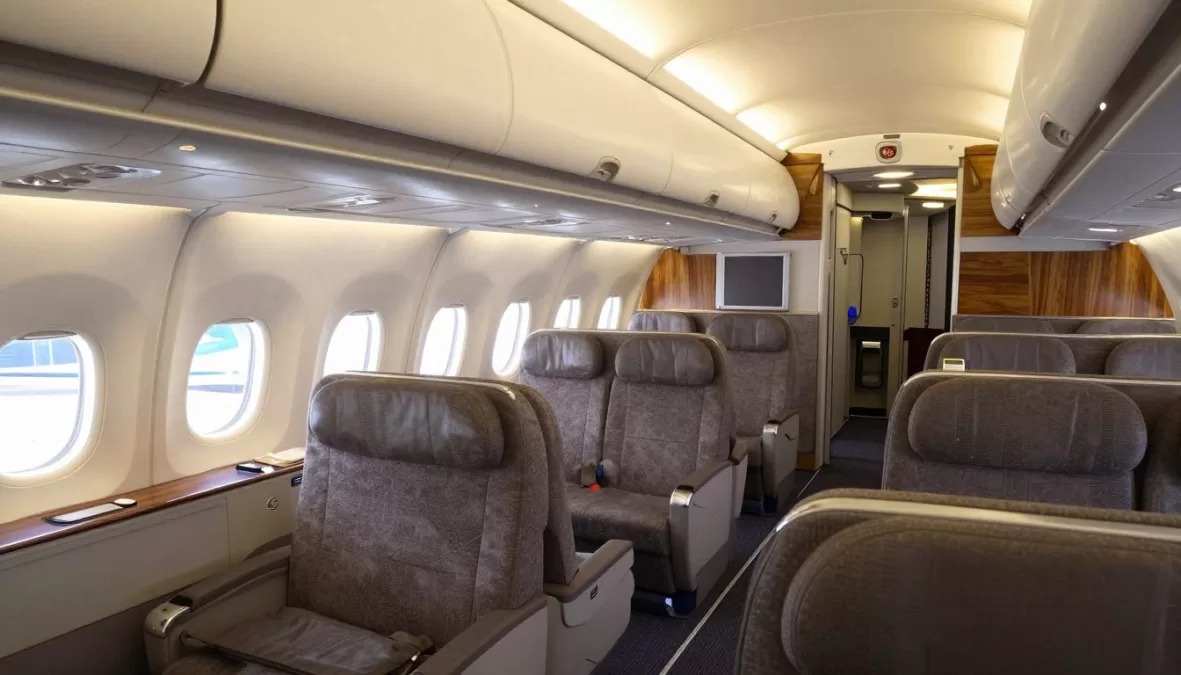
Range capabilities extend to 7,300 nautical miles with typical VIP configuration. This enables direct flights across most major routes while carrying substantial passenger and baggage loads.
Despite age, these aircraft remain popular among certain buyers. The combination of space, iconic design, and established reliability creates enduring appeal in the ultra-luxury market.
9. Airbus ACJ330neo – Efficient Spaciousness
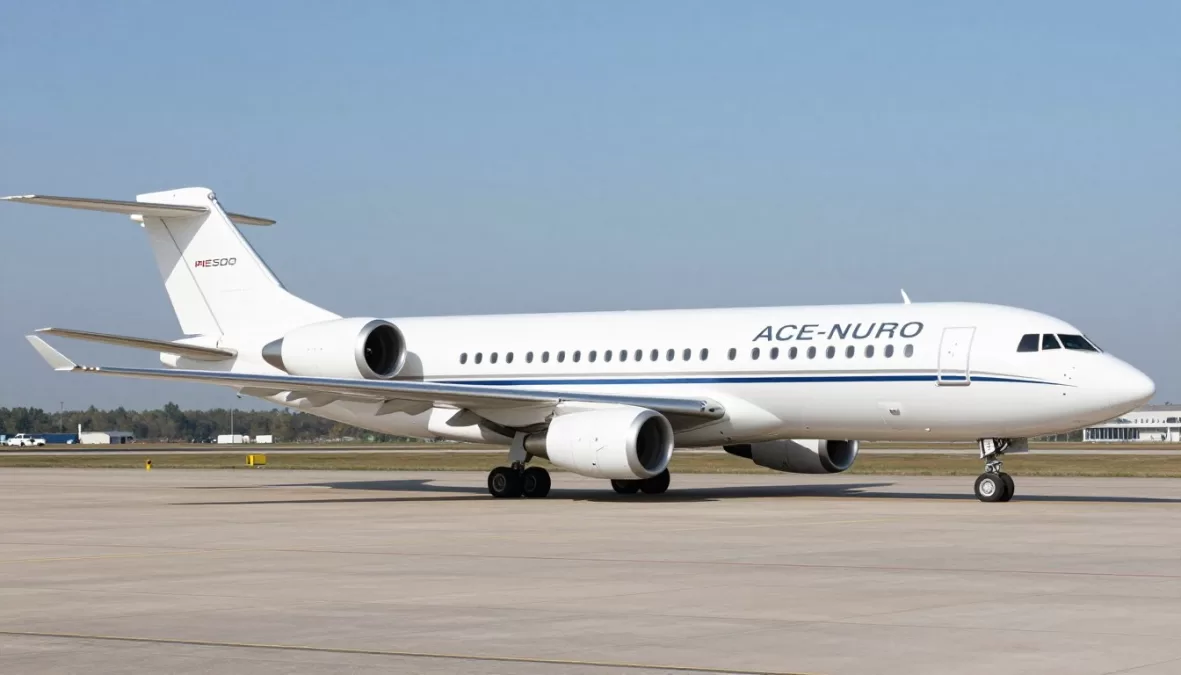
The Airbus ACJ330neo brings latest-generation efficiency to the VIP market. This widebody aircraft offers exceptional economics while providing generous cabin space for customization.
The “neo” designation indicates new engine options. These powerplants deliver substantially improved fuel efficiency compared to previous generation models while reducing emissions.
Balanced Performance
The ACJ330neo achieves range exceeding 10,000 nautical miles. This capability connects nearly any two cities globally without refueling, including challenging routes like Sydney to London.
Operating costs remain lower than comparable widebody aircraft. The efficient engines and aerodynamic improvements translate directly into reduced hourly expenses over the aircraft lifecycle.
Technical Data
- 2,500 sq ft cabin space
- 10,200 nautical mile range
- Up to 25 passengers typically
- Advanced Rolls-Royce engines
- Excellent fuel efficiency
Interior Flexibility
- Multiple bedroom options
- Spacious conference facilities
- Formal dining capability
- Entertainment lounge areas
- Wellness room possibilities
Modern Systems
- Latest cabin management technology
- High-speed satellite connectivity
- Advanced air purification
- LED mood lighting throughout
- Individual zone climate control
Market Position
The Airbus ACJ330neo costs approximately $250-300 million with full VIP completion. This positions it as a mid-range option among widebody private jets.
The aircraft appeals to buyers seeking substantial space without maximum cost. Corporate flight departments appreciate the balance between capability and economics.
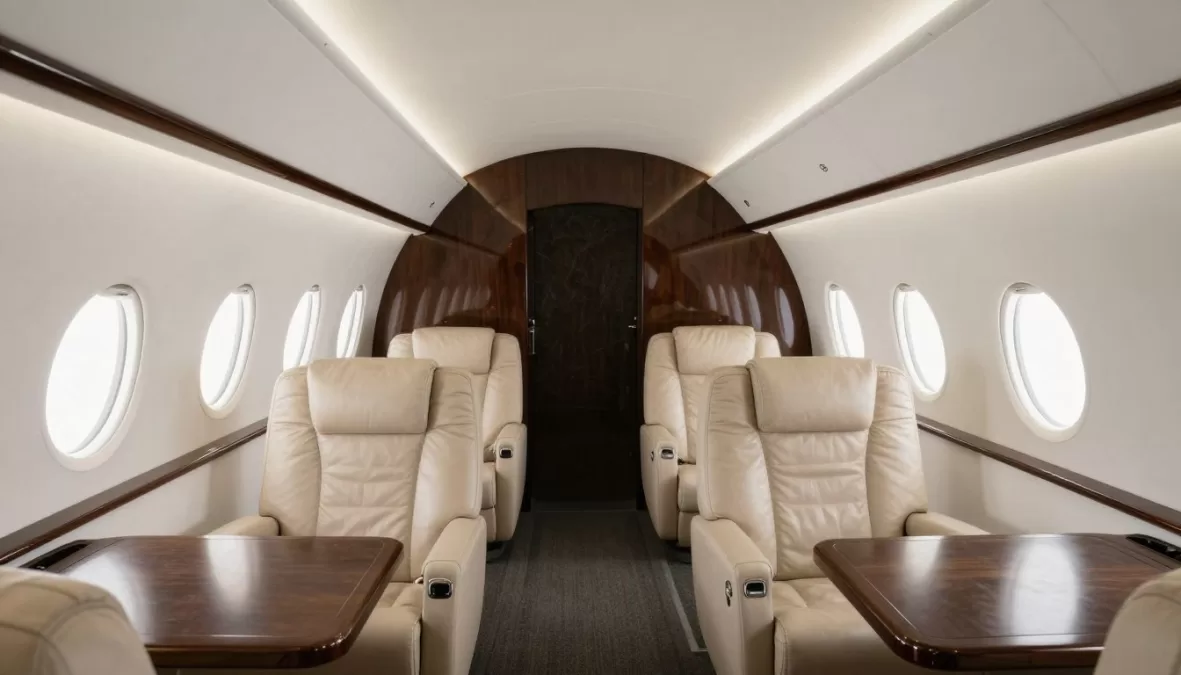
Cabin width of 17.5 feet provides excellent comfort and layout flexibility. Designers create multiple distinct zones while maintaining open, uncluttered aesthetics throughout the aircraft.
The aircraft serves government leaders, royal families, and corporate executives requiring reliable global transportation. Its combination of range, space, and efficiency makes it ideal for frequent international operations.
10. Embraer Lineage 1000E – Brazilian Artistry
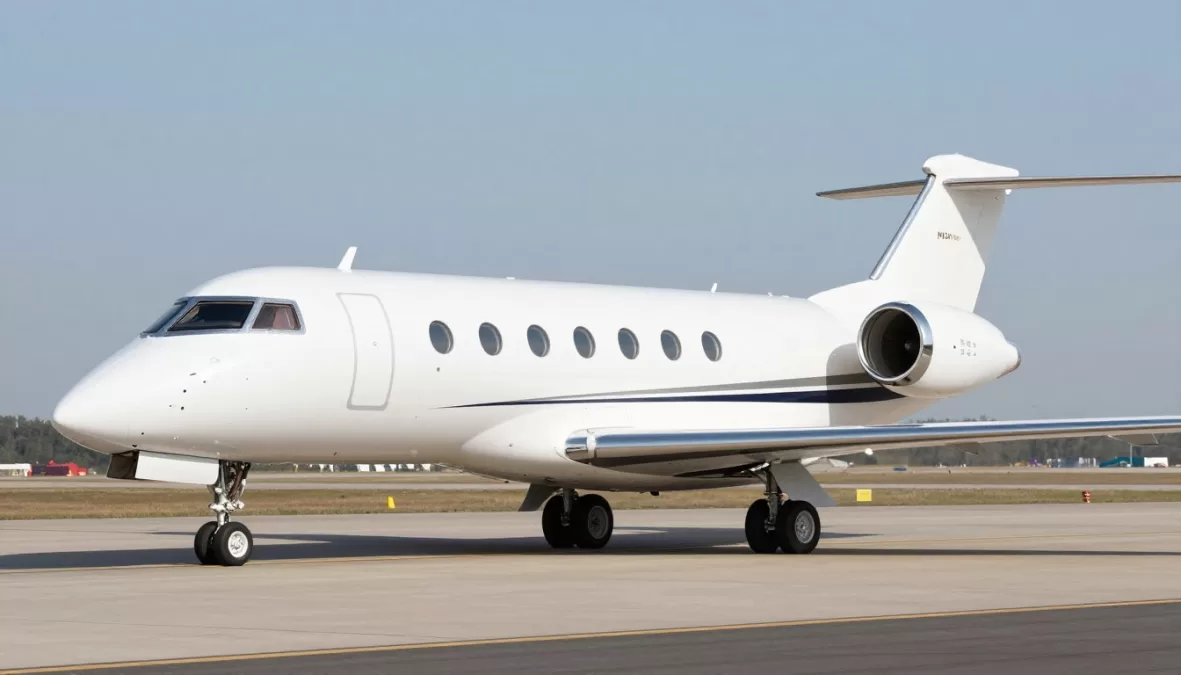
The Embraer Lineage 1000E brings Brazilian design excellence to private aviation. This aircraft offers impressive cabin space within a more manageable size compared to widebody conversions.
Embraer carved a niche providing executive aircraft combining substantial space with practical operating characteristics. The Lineage 1000E represents the pinnacle of this philosophy.
Cabin Design Philosophy
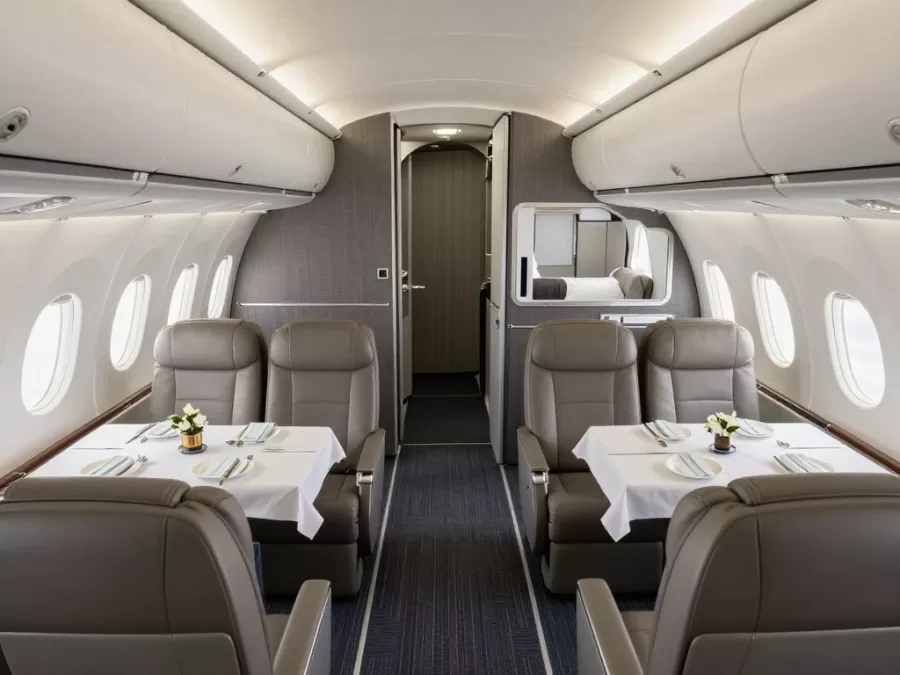
The aircraft features five distinct cabin zones separated by solid dividers. This layout provides exceptional privacy and allows simultaneous activities without interference.
Total cabin length reaches 84 feet, unusually generous for a narrow-body business jet. Combined with 7-foot height, the interior feels remarkably spacious throughout.
Zone Configuration
- Forward lounge with entertainment center and refreshment area
- Conference room with dining table converting for meetings
- Private office or additional guest area with workstations
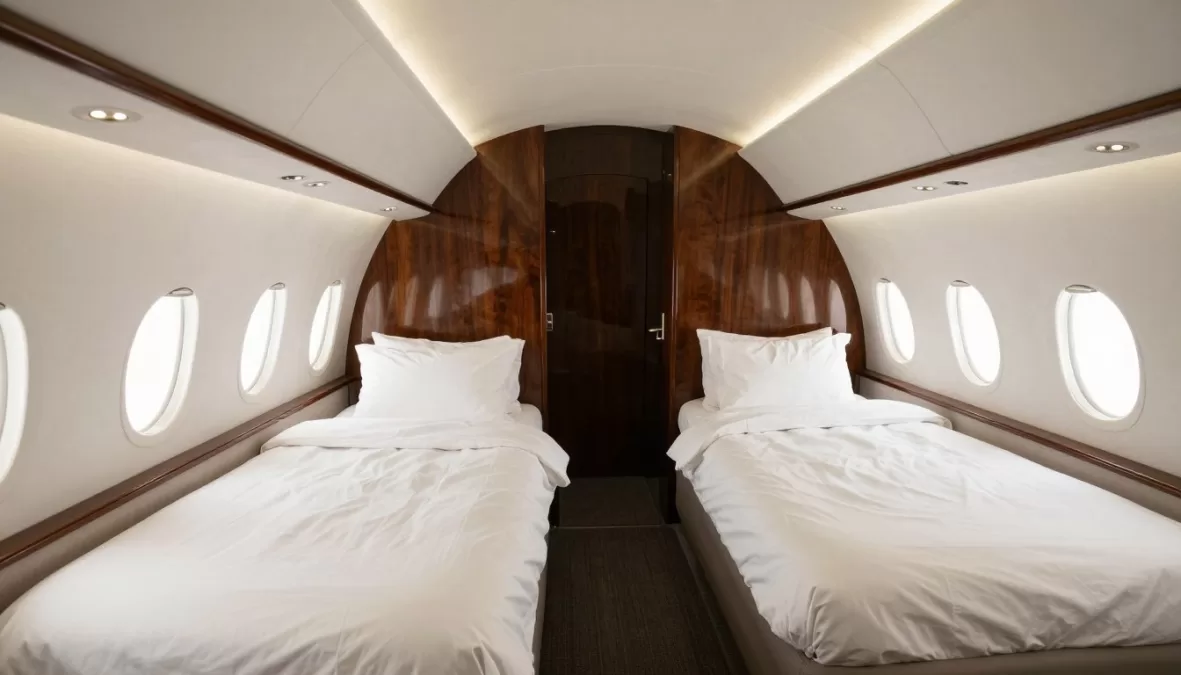
- Master bedroom suite with queen-size bed and wardrobe
- Luxury bathroom with standing shower and premium fixtures
The walk-around queen bed represents unusual luxury in this aircraft category. Most competitors offer beds requiring climbing over sleeping partners.
Performance and Value
The Embraer Lineage 1000E achieves range of 4,600 nautical miles. While shorter than ultra-long-range jets, this covers many important business routes effectively.
The aircraft excels in hot-and-high conditions. Brazilian engineering focused on performance from challenging airports, useful for accessing exclusive destinations worldwide.
| Specification | Details |
| Base Price | $53 million |
| Cabin Height | 6.7 feet |
| Cabin Width | 7.1 feet |
| Baggage Capacity | 443 cubic feet |
| Typical Passengers | 12-19 |
Operating costs remain reasonable for this size aircraft, approximately $6,000-8,000 per flight hour. This makes the Lineage 1000E attractive for frequent operators prioritizing efficiency.
The massive baggage capacity accommodates extended trips. Forward and aft compartments remain accessible during flight, unusual convenience in business aviation.
Begin Your Private Aviation Journey
Whether you’re considering aircraft ownership, charter services, or seeking expert guidance on private aviation solutions, our experienced team provides personalized consultation tailored to your unique requirements.
Available 24/7 for urgent inquiries and immediate charter needs
Understanding Ownership and Operating Costs
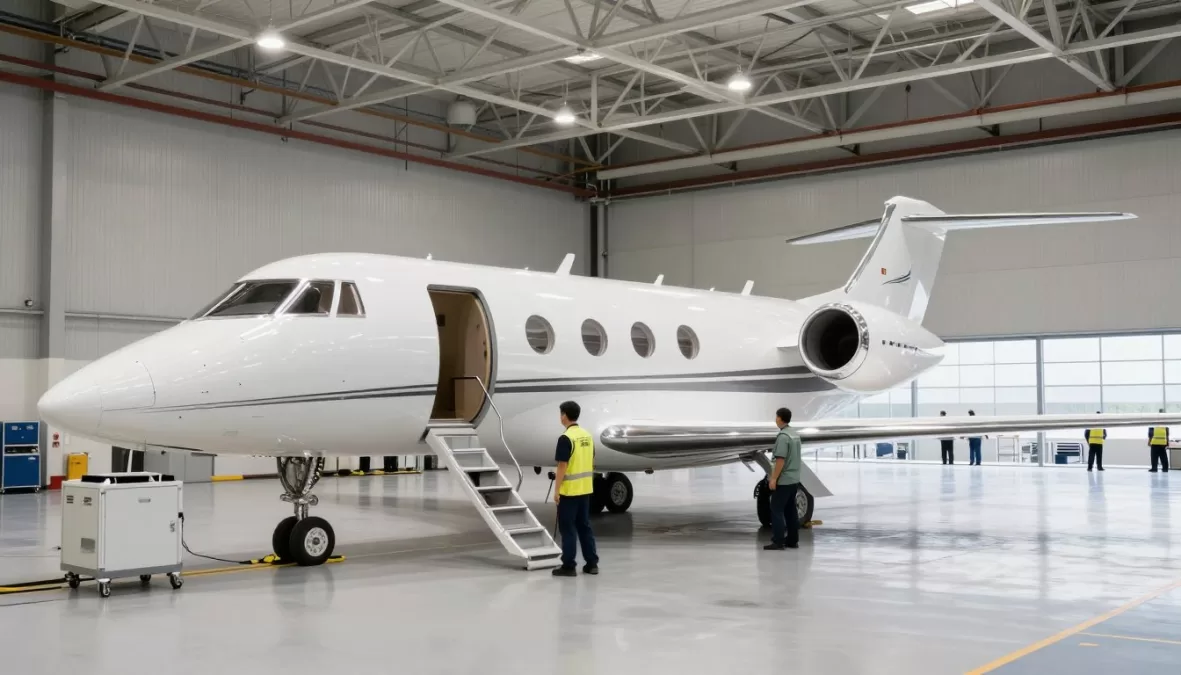
Owning expensive private jets extends far beyond purchase price. Annual operating costs often reach millions of dollars depending on aircraft size and utilization patterns.
Fixed costs occur regardless of flight hours. These include crew salaries, insurance premiums, hangar rental, and regulatory compliance expenses that continue year-round.
Annual Fixed Expenses
- Flight crew salaries and benefits for pilots and attendants
- Comprehensive insurance coverage for hull and liability
- Hangar space rental at primary base location
- Regular maintenance inspections mandated by regulations
- Administrative costs including accounting and management
- Technology subscriptions for navigation and communication
Variable Operating Costs
Flight-hour costs scale with actual usage. Fuel represents the largest variable expense, particularly for larger aircraft consuming thousands of gallons per flight hour.
Maintenance reserves accumulate based on flight hours. These funds ensure aircraft remain in excellent condition, with major overhauls occurring at manufacturer-specified intervals.
Per-Flight-Hour Costs
- Jet fuel at current market rates
- Engine and airframe maintenance reserves
- Landing and handling fees at airports
- Crew expenses during trips
- Catering and passenger services
- Ground transportation coordination
Additional Considerations
- Aircraft depreciation over time
- Upgrades maintaining modern standards
- Regulatory compliance modifications
- Interior refurbishment periodically
- Technology system updates
- Emergency repair contingencies
Management Options
Professional aircraft management companies handle operational complexities. These firms employ experienced teams managing all aspects from crew hiring to maintenance scheduling.
Many owners charter their aircraft when not personally using it. This arrangement offsets ownership costs while ensuring the plane remains mission-ready and crews stay current.
Industry Insight: Experts suggest aircraft should fly minimum 200-300 hours annually to justify ownership economics. Lower utilization often makes charter programs more cost-effective for occasional travelers.
Key Factors When Selecting Private Jets
Choosing among the most expensive private jets requires careful evaluation. Multiple factors influence which aircraft best serves specific needs and operational requirements.
Mission Profile Analysis
Route requirements determine necessary range capabilities. Buyers identify their most frequent city pairs and ensure selected aircraft completes these missions comfortably.
Passenger load varies by use case. Family travel requires fewer seats than corporate transport, while entertaining clients demands specific cabin configurations.
Critical Decision Factors
- Range requirements for typical routes
- Passenger capacity needs regularly
- Runway performance at preferred airports
- Cabin size for comfort and productivity
- Operating cost sustainability long-term
- Resale value and market demand
- Manufacturer support network globally
- Crew type rating availability
New Versus Pre-Owned
Factory-new aircraft offer latest technology and full warranty coverage. Buyers customize every detail matching personal preferences from the beginning.
Pre-owned jets provide immediate availability at reduced prices. Depreciation significantly impacts aircraft values, creating opportunities for savvy buyers.
Fractional Ownership and Charter
Fractional programs allow purchasing aircraft shares. Owners receive guaranteed access to specific aircraft types without full ownership responsibilities.
Charter services eliminate ownership entirely. This option suits occasional users who prefer paying only for actual flight time rather than maintaining dedicated aircraft.
Expert Recommendation: Aviation consultants typically suggest charter or fractional programs for those flying under 150 hours annually. Between 150-400 hours, fractional ownership often makes financial sense. Above 400 hours yearly, full ownership usually provides better economics and flexibility.
Technology Shaping Modern Private Aviation
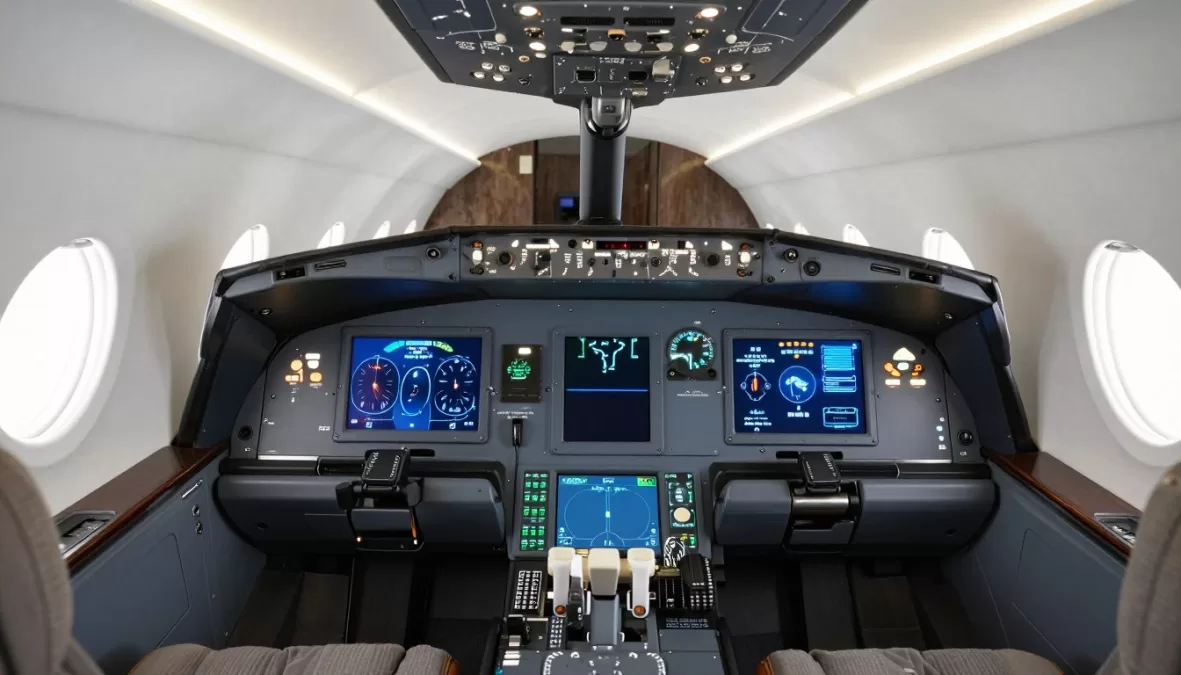
Modern private jets incorporate remarkable technological advances. Systems once exclusive to military aircraft now enhance civilian private aviation safety and comfort.
Connectivity and Communication
Satellite-based internet provides global high-speed connectivity. Passengers conduct video conferences, stream content, and maintain business operations seamlessly regardless of location.
Ka-band systems deliver speeds rivaling ground-based connections. This technology enables productive work and entertainment throughout flights spanning multiple time zones.
Safety Enhancements
Enhanced vision systems combine synthetic and enhanced views. Pilots navigate safely in challenging weather conditions that previously required flight delays or cancellations.
Automatic dependent surveillance-broadcast improves air traffic awareness. This system provides precise aircraft positioning information, enhancing safety in congested airspace.
Cabin Technology
- 4K entertainment displays
- Wireless device charging
- Smart cabin control apps
- Voice-activated systems
- Integrated communication
Comfort Systems
- Advanced air filtration
- Humidity control technology
- Circadian lighting programs
- Reduced cabin altitude
- Active noise cancellation
Operational Tech
- Predictive maintenance
- Real-time weather data
- Optimized flight planning
- Fuel efficiency systems
- Enhanced autopilot
Sustainable Aviation
Environmental concerns drive innovation in business aviation. Manufacturers focus on efficiency improvements reducing fuel consumption and emissions substantially.
Sustainable aviation fuel becomes increasingly available. This alternative reduces carbon footprint significantly while requiring no aircraft modifications.
Future developments include hybrid-electric propulsion systems. Several manufacturers explore these technologies for shorter-range business aircraft, promising dramatic efficiency gains.
Interior Design and Luxury Amenities
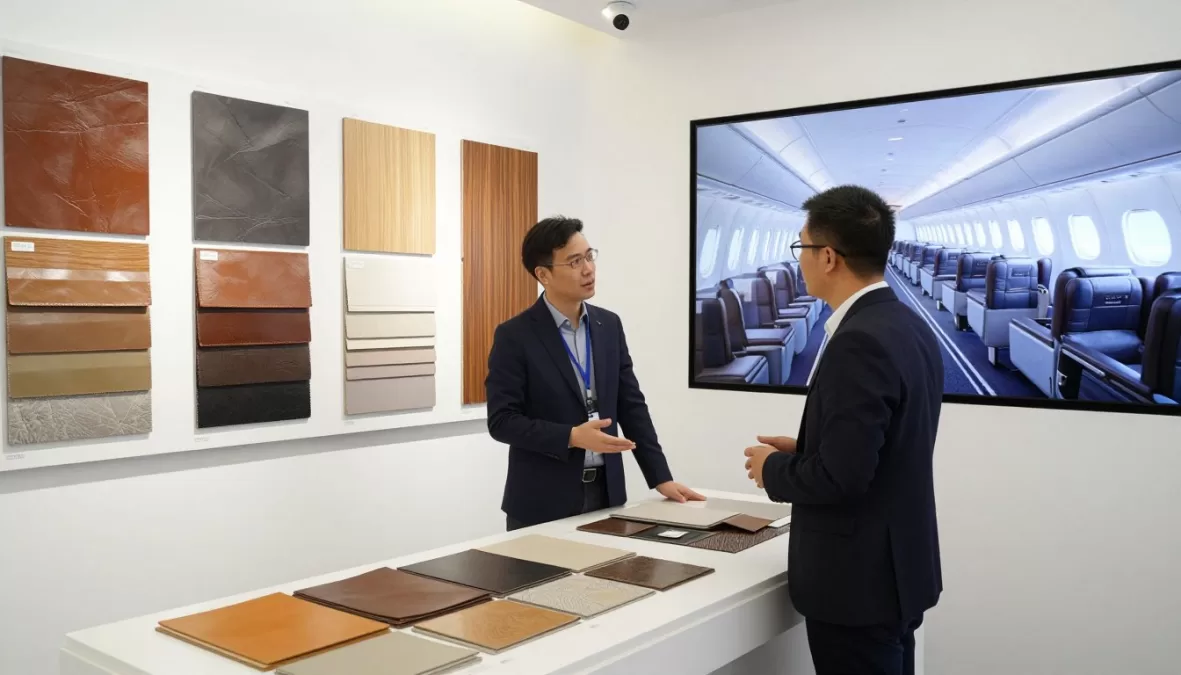
Interior customization defines the personality of expensive private jets. Owners work with specialized design firms creating unique environments reflecting personal taste and functional requirements.
Materials and Craftsmanship
Premium materials transform aircraft cabins into flying residences. Exotic woods from sustainable sources provide warmth and elegance throughout interior spaces.
Leather selection receives meticulous attention. The finest hides undergo processing maintaining natural characteristics while ensuring durability under aviation conditions.
- Hand-selected wood veneers featuring natural grain patterns
- Premium leather from specialized aviation suppliers
- Stone surfaces including marble and onyx in bathrooms
- Metal accents using gold, platinum, or brushed aluminum
- Custom fabrics resistant to fading and wear
- Handcrafted carpets and custom floor coverings
Functional Luxury
Design balances aesthetics with practical requirements. Storage solutions maximize space utilization while maintaining clean visual lines throughout the cabin.
Lighting design creates appropriate atmospheres for different activities. Systems adjust color temperature and intensity supporting productivity, dining, or relaxation.
Entertainment Systems
State-of-the-art audiovisual equipment transforms cabins into personal theaters. Multiple zones feature independent systems allowing simultaneous different activities.
- 4K and 8K display screens throughout
- Surround sound audio systems
- Gaming console integration
- Satellite television reception
- Media server storing content
Comfort Features
Ergonomic considerations ensure passenger well-being. Seating systems adapt to individual preferences while maintaining support throughout long flights.
- Adjustable sleep surfaces with memory foam
- Climate-controlled seat cushions
- Massage functionality in seating
- Individual air nozzle controls
- USB and wireless charging throughout
Galley and Dining
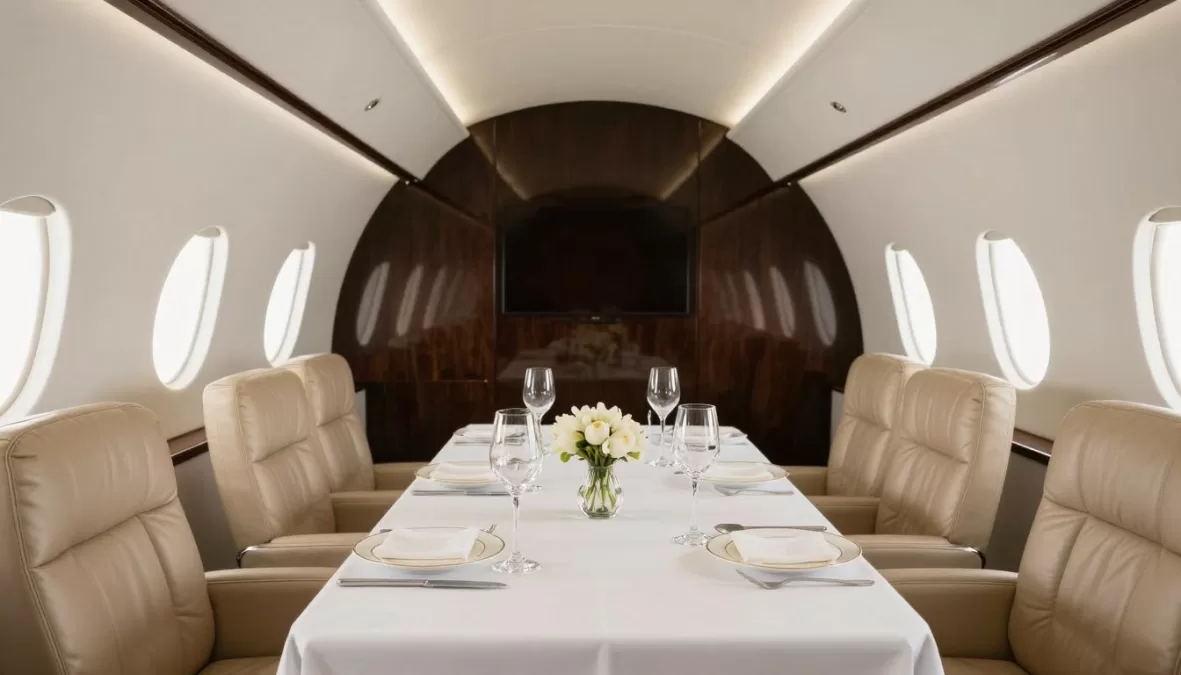
Professional galleys enable gourmet meal preparation at altitude. Chefs create restaurant-quality dining experiences using specialized aviation equipment.
Dining areas feature custom tables and premium place settings. Crystal glassware and fine china elevate the culinary experience matching ground-based luxury establishments.
How These Jets Compare to Air Force One
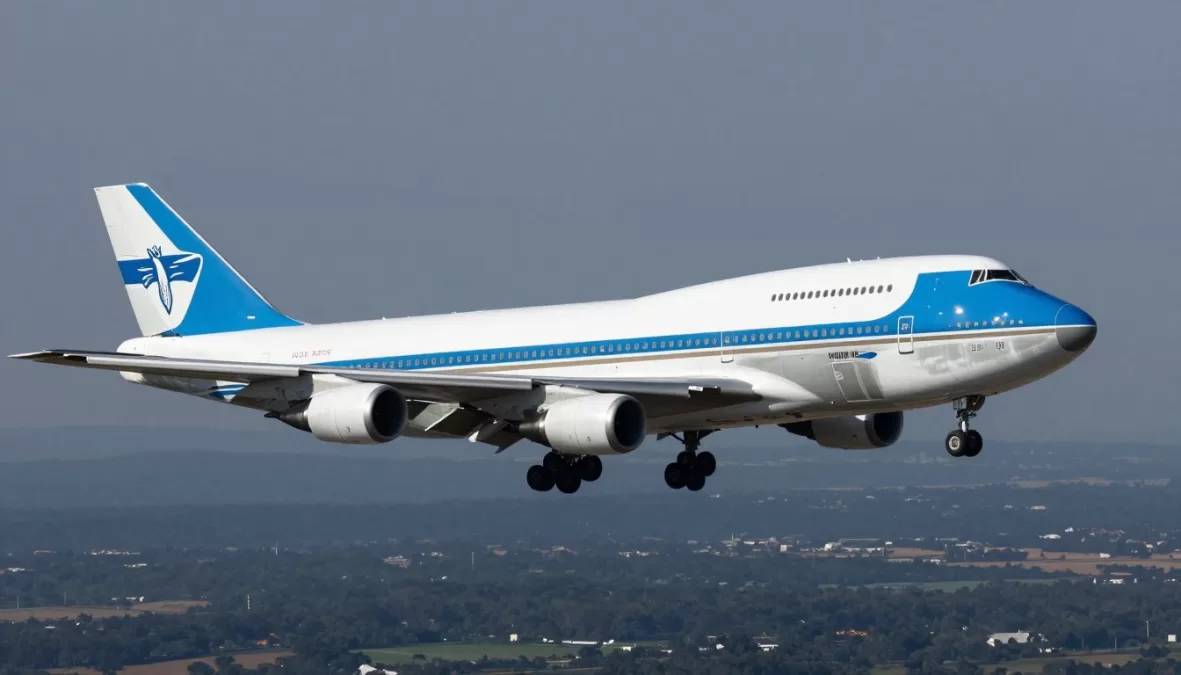
Air Force One represents the most famous aircraft in private aviation history. The Boeing 747-200B serving as Air Force One showcases remarkable capabilities developed specifically for presidential transportation.
While private jets emphasize luxury, Air Force One prioritizes security and communication. The aircraft functions as an airborne command center capable of managing national security operations globally.
Unique Air Force One Features
The presidential aircraft incorporates advanced defensive systems. These classified capabilities protect against various threats, ensuring safe transportation for the commander-in-chief.
Communication systems connect to military and civilian networks worldwide. The president maintains complete command authority regardless of location or circumstances.
Security Elements
- Advanced defensive countermeasures
- Hardened electronics against electromagnetic pulses
- Secure communication channels globally
- Medical facilities with surgical capability
- Self-sufficiency for extended operations
- Classified security technologies
Operational Capabilities
- Mid-air refueling for unlimited range
- Conference rooms for senior staff
- Press area for traveling journalists
- Presidential office and bedroom suite
- Large galleys serving dozens of passengers
- Dedicated Secret Service compartments
Cost Comparisons
Operating Air Force One costs approximately $200,000 per flight hour. This includes security, support aircraft, and comprehensive logistics required for presidential travel.
The next generation Air Force One will utilize Boeing 747-8 aircraft. These planes undergo extensive modifications adding classified systems far exceeding commercial or private VIP configurations.
Private billionaire jets prioritize different features. While lacking military-grade security, these aircraft often surpass Air Force One in luxury appointments and personalized amenities.
Current Market Trends in Private Aviation
The market for most expensive private jets continues evolving. Several factors influence buyer preferences and manufacturer development priorities in the luxury aviation segment.
Growing Demand for Ultra-Long-Range
Buyers increasingly prioritize nonstop global connectivity. Aircraft capable of flying 7,500+ nautical miles dominate recent sales, enabling direct travel between distant business centers.
This trend drives manufacturers to extend range capabilities. The newest models achieve remarkable distances previously requiring commercial airline connections or refueling stops.
Market Dynamics
Economic growth in emerging markets expands the buyer pool. Asian and Middle Eastern clients increasingly purchase the most expensive private jets available.
Pre-owned aircraft values remain strong for well-maintained examples. The lengthy production times for new aircraft drive demand for quality used planes.
Charter markets grow as introduction to private aviation. Many eventual owners begin with charter services before committing to aircraft purchases.
Customization Expectations
Buyers demand increasing personalization. Standard configurations rarely satisfy clients seeking unique expressions of taste and requirement.
Completion centers employ hundreds of craftspeople. These specialists translate owner visions into functional reality, often requiring years completing single aircraft.
Technology Integration
Connectivity requirements mirror ground-based expectations. Passengers expect seamless internet access matching office or home environments regardless of location.
Entertainment systems integrate with personal devices. Wireless screen mirroring, device charging, and content streaming represent baseline expectations rather than premium features.
Market Forecast: Industry analysts project continued strong demand for ultra-long-range business jets through 2030. Manufacturers maintain multi-year order backlogs, with some models sold out through 2027.
Environmental Impact and Sustainability Initiatives

Environmental concerns increasingly influence private aviation. The industry recognizes responsibilities regarding carbon emissions and actively pursues sustainability improvements.
Sustainable Aviation Fuel
SAF reduces lifecycle carbon emissions substantially. This alternative fuel produces up to 80% fewer emissions compared to conventional jet fuel.
Major airports expand SAF availability. Private aviation operators increasingly specify sustainable fuel, despite premium pricing compared to traditional options.
- SAF compatibility with existing aircraft without modifications
- Production from renewable sources including waste materials
- Reduced particulate emissions improving local air quality
- Growing availability at major business aviation airports
- Industry commitments increasing SAF production capacity
Efficiency Improvements
Modern engines deliver remarkable efficiency gains. The latest turbofans consume 15-25% less fuel than previous generations while producing fewer emissions.
Aerodynamic refinements reduce drag substantially. Winglets, optimized fuselage shapes, and advanced materials all contribute to improved environmental performance.
Carbon Offset Programs
Many operators offer carbon offset options. These programs fund projects reducing greenhouse gases equivalent to flight emissions.
Forest conservation and renewable energy projects receive substantial support. Private aviation contributions help finance initiatives with measurable environmental benefits.
Industry Commitment: Business aviation organizations pledge achieving net-zero carbon emissions by 2050. This ambitious goal requires continued technological advancement, increased SAF production, and potentially revolutionary propulsion systems.
Schedule Your Confidential Consultation
Ready to explore private aviation options tailored to your specific needs? Our experienced consultants provide personalized guidance on aircraft selection, charter services, and ownership structures. Discover the solution that perfectly matches your travel requirements and budget.
Why Choose Our Aviation Services?
- Over 25 years experience in private aviation consulting
- Access to global fleet of luxury aircraft
- Confidential, personalized service for discerning clients
- Transparent pricing with no hidden fees
- Comprehensive support from flight planning to ground transportation
Conclusion: The Pinnacle of Private Aviation
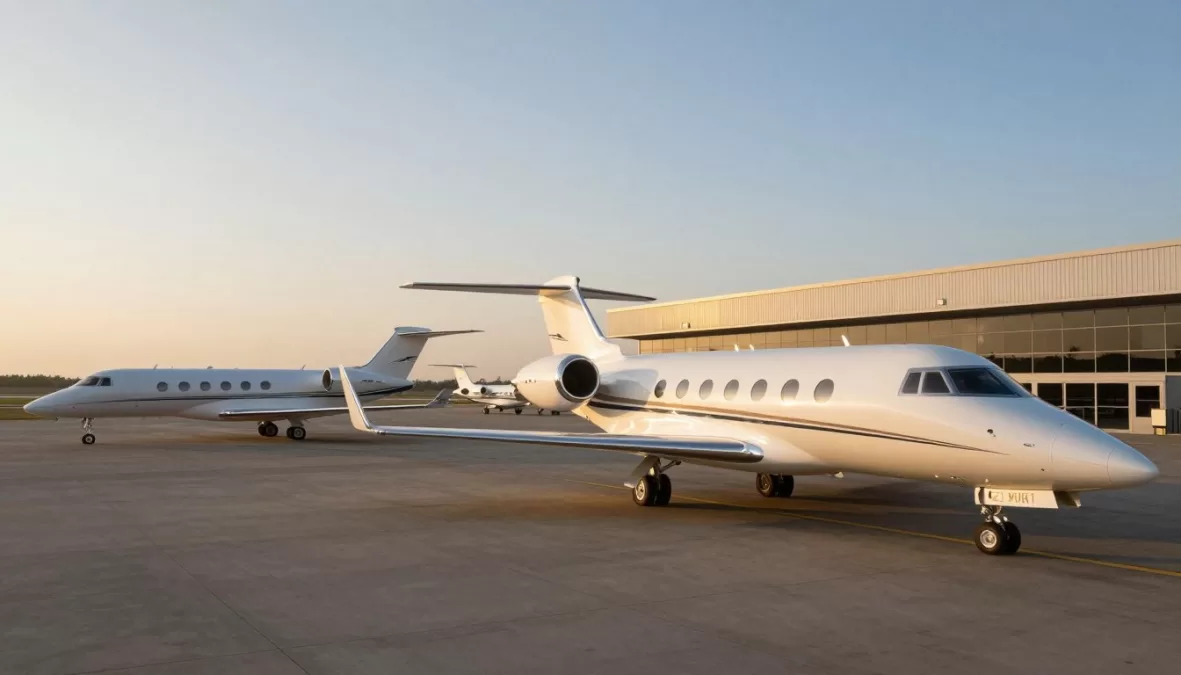
The world of most expensive private jets represents extraordinary achievement in aerospace engineering and luxury design. These magnificent aircraft deliver capabilities and comfort levels unimaginable just decades ago.
From the massive Boeing 747-8 VIP to the efficient Gulfstream G700, each aircraft offers unique advantages. Buyers select based on specific mission profiles, personal preferences, and operational requirements.
Technology continues advancing rapidly. Future generations promise even greater range, efficiency, and passenger comfort while addressing environmental concerns through sustainable innovations.
The investment required extends far beyond purchase price. Operating these aircraft demands substantial ongoing expenses and professional management ensuring safety and regulatory compliance.
For those with resources to access this elite transportation category, private jets deliver unmatched benefits. The ability to travel on personal schedules, maintain privacy, and arrive refreshed transforms business operations and personal life quality.
The market remains robust despite global economic fluctuations. Demand for ultra-luxury aircraft continues growing as wealth concentrates and global business operations expand across multiple continents.
Whether through ownership, fractional programs, or charter services, private aviation accessibility expands. More individuals experience the remarkable convenience and luxury these extraordinary aircraft provide.
The jets profiled represent the absolute pinnacle of private aviation in 2026. Each aircraft showcases what becomes possible when engineering excellence meets unlimited budgets and uncompromising quality demands.

Priyanka Pandey
Senior Research Editor · Top10Sense
Priyanka specializes in tech, consumer products, and digital trends. She combines hands-on testing, vendor interviews, and database research to create trustworthy “Top 10” rankings. Her work has been referenced by industry blogs and brand report pages.