
The landscape of global brand value continues to shift dramatically. In 2026, the world’s most valuable brands represent unprecedented market power. These companies command consumer loyalty and investor confidence like never before.
Brand strength now drives economic success more than physical assets. The top brands leverage technology, customer experience, and innovation to maintain their market position. Understanding these leaders provides insight into broader business trends.
This comprehensive analysis examines the top 10 most valuable brands worldwide. We explore their valuations, growth trajectories, and the factors driving their success. The data reveals important patterns across industries and regions.
Stay Ahead of Brand Trends
Get weekly insights on the world’s most valuable brands, market shifts, and brand strategy delivered directly to your inbox.
Understanding Brand Valuation Methodology
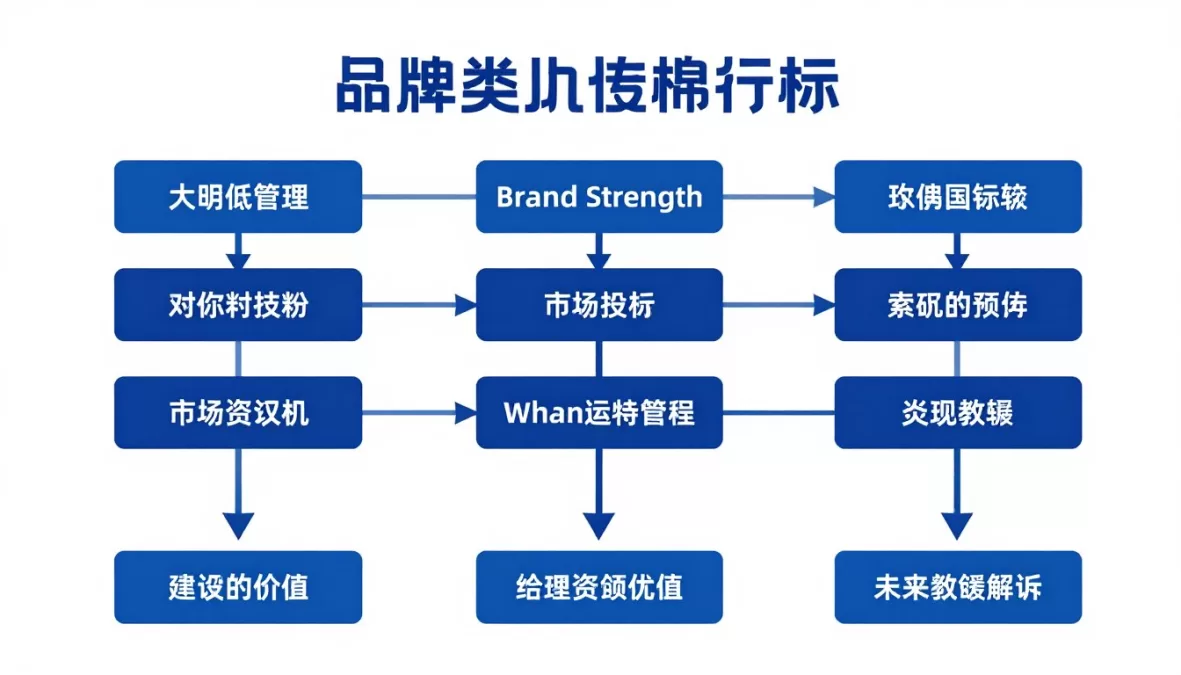
Brand valuation requires sophisticated analysis of multiple data points. Leading research firms use proprietary methodologies to assess brand worth. These approaches combine financial performance with brand strength metrics.
The valuation process examines revenue generation directly attributable to brand power. Analysts calculate the premium consumers pay for branded products versus generic alternatives. This brand premium reflects true market value.
Financial forecasting plays a central role in brand assessment. Experts project future earnings specifically tied to brand equity. These projections consider market position, growth potential, and competitive advantages.
Brand strength analysis evaluates emotional connection and customer loyalty. Researchers measure awareness, preference, and advocacy across target markets. Strong brands command pricing power and resist competitive pressure.
Financial Metrics
- Revenue attributed to brand value
- Profit margins and pricing power
- Market share and growth rates
- Return on brand investment
Brand Strength Indicators
- Customer loyalty and retention rates
- Brand awareness and consideration
- Emotional connection scores
- Competitive differentiation
- Innovation perception
Risk assessment factors into final valuations significantly. Analysts evaluate market volatility, regulatory exposure, and competitive threats. Lower risk profiles increase overall brand value calculations.
The Top 10 Most Valuable Brands in 2026
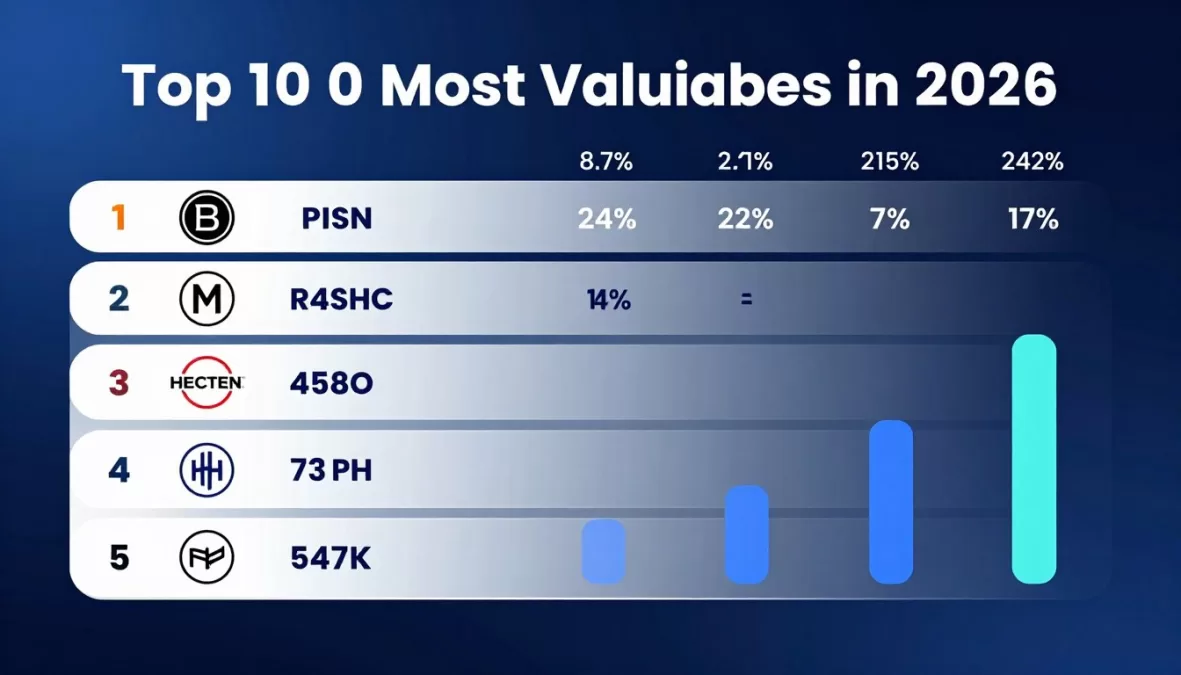
The 2026 rankings showcase technology dominance across the global economy. Tech giants occupy seven of the top ten positions. Their brand value reflects platform power and ecosystem control.
Combined value of the top ten brands exceeds two trillion dollars. This represents a twelve percent increase from the previous year. Growth accelerated despite economic uncertainty in several major markets.
Regional performance shows interesting variation across different markets. North American brands maintain strong positions but face growing competition. Asian brands demonstrate the fastest growth trajectories in recent years.
1. Apple
Brand Value: $516.6 billion
Change: +15% year-over-year
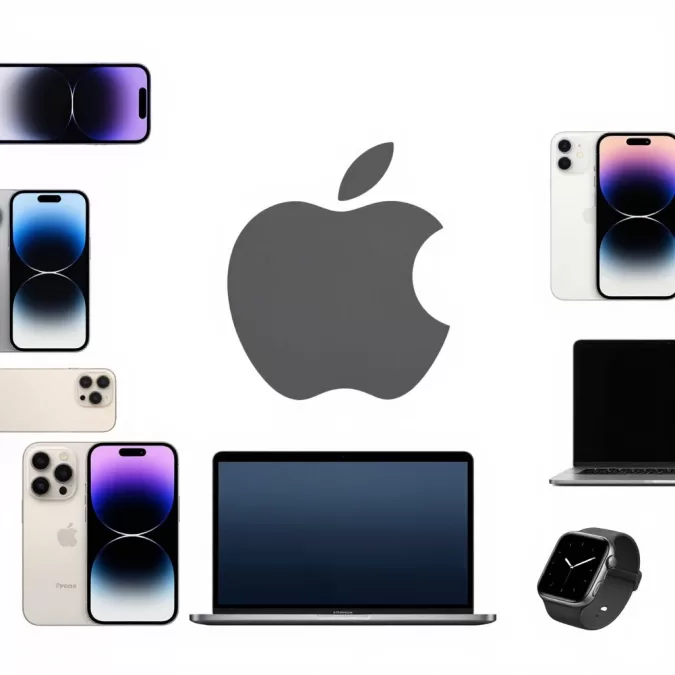
Apple maintains its position as the world’s most valuable brand. The company’s ecosystem strategy creates unmatched customer loyalty. Hardware, services, and software integration drive sustained growth.
Innovation in health technology and augmented reality expands market opportunities. The services segment now generates over $100 billion annually. Premium pricing power remains exceptionally strong across all product categories.
2. Microsoft
Brand Value: $340.4 billion
Change: +18% year-over-year
Microsoft demonstrates remarkable brand strength through cloud leadership. Azure dominates enterprise infrastructure markets worldwide. The transition to subscription models stabilizes revenue streams.
AI integration across product lines positions Microsoft for continued growth. Enterprise customers value reliability and security above alternatives. Gaming division adds consumer appeal to enterprise foundation.

3. Google
Brand Value: $333.4 billion
Change: +9% year-over-year
Google maintains dominance in search and digital advertising markets. The brand benefits from deeply embedded consumer habits. Android platform extends reach across mobile devices globally.
Cloud computing growth accelerates as enterprises adopt multi-cloud strategies. YouTube continues expanding as an entertainment and information platform. AI capabilities enhance core search and advertising products.

4. Amazon
Brand Value: $308.9 billion
Change: +13% year-over-year
Amazon exemplifies diversified brand power across multiple sectors. E-commerce dominance combines with cloud infrastructure leadership. Prime membership creates sticky customer relationships.
AWS generates the majority of company profits despite smaller revenue share. Logistics network creates competitive barriers for rivals. Advertising business emerges as third major growth driver.
5. Samsung
Brand Value: $99.7 billion
Change: +7% year-over-year
Samsung leads global consumer electronics through innovation and scale. Semiconductor division provides critical components across industries. Display technology maintains premium market position.
Smartphone market share faces pressure but remains substantial worldwide. Home appliance integration with smart home platforms drives growth. Research and development investment exceeds most competitors significantly.
Download the Complete 2026 Brand Valuation Report
Access 50+ pages of detailed analysis, methodology, regional breakdowns, and industry trends in our comprehensive PDF report.
6. Walmart
Brand Value: $113.8 billion
Change: +11% year-over-year
Walmart combines physical retail scale with growing digital capabilities. Omnichannel strategy bridges online and offline shopping experiences. Value positioning resonates during economic uncertainty.
Supply chain efficiency creates sustainable competitive advantages. Marketplace expansion challenges Amazon’s e-commerce dominance. Health services and financial products diversify revenue streams.

7. Facebook (Meta)
Brand Value: $101.2 billion
Change: +5% year-over-year
Meta maintains massive user engagement across multiple social platforms. Facebook, Instagram, and WhatsApp connect billions daily. Advertising targeting capabilities remain industry-leading despite privacy changes.
Metaverse investments represent long-term strategic positioning. Reality Labs division shows early traction in virtual reality markets. Reels compete directly with short-form video platforms.

8. ICBC
Brand Value: $69.5 billion
Change: +8% year-over-year
Industrial and Commercial Bank of China leads global banking by assets. Digital transformation accelerates customer acquisition and retention. International expansion continues across Belt and Road markets.
Fintech integration modernizes traditional banking services rapidly. Mobile banking adoption rates exceed Western competitors. Government backing provides stability and strategic advantages.
9. Huawei
Brand Value: $65.2 billion
Change: +6% year-over-year
Huawei demonstrates resilience despite international market challenges. 5G infrastructure dominance positions company for connectivity growth. Domestic market strength compensates for Western restrictions.
Cloud services expansion targets enterprise customers aggressively. Smartphone market share recovers in key Asian markets. Research investment maintains technological competitive edge.

10. Verizon
Brand Value: $67.4 billion
Change: +4% year-over-year
Verizon leads United States wireless market through network quality. 5G deployment drives premium positioning and pricing power. Business services diversify beyond consumer mobile offerings.
Fiber infrastructure investments support long-term growth strategy. Network reliability creates strong customer retention rates. Media properties add content differentiation to connectivity services.
Industry Trends Shaping Brand Value
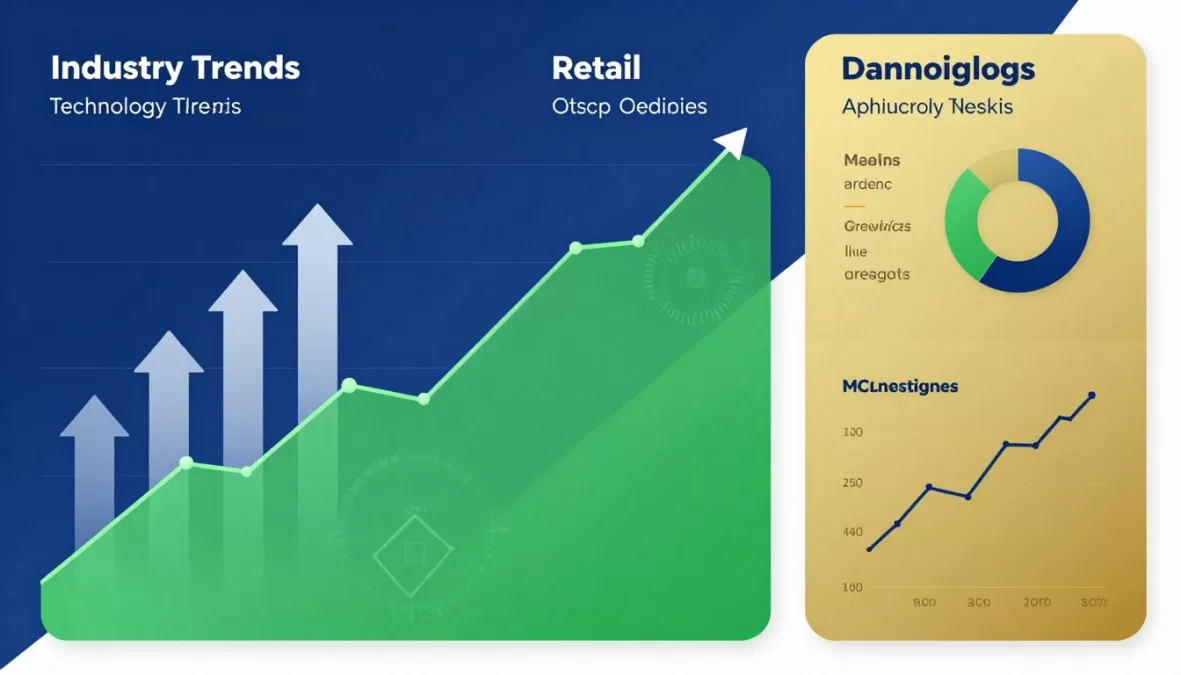
Technology sector dominance reflects fundamental economic shifts toward digital services. Software, cloud computing, and platform businesses generate higher margins than traditional industries. This profitability translates directly into brand value growth.
Consumer brands face pressure from changing shopping behaviors and preferences. E-commerce adoption accelerated dramatically over recent years. Traditional retail brands must invest heavily in digital transformation.
Financial services brands navigate regulatory complexity and fintech disruption. Banks balance stability with innovation demands from younger customers. Payment platforms challenge traditional banking relationships.
Technology Sector
Technology brands average 14% annual growth rates. Platform effects create winner-take-most dynamics. Cloud services drive recurring revenue models.
- AI integration across all products
- Subscription business models
- Ecosystem lock-in strategies
- Global scale advantages
Retail Sector
Retail brands show 8% average growth. Omnichannel capabilities determine competitive success. Supply chain efficiency creates cost advantages.
- Same-day delivery expectations
- Personalization through data
- Private label expansion
- Sustainability focus
Financial Services
Financial brands grow at 6% annually. Digital transformation accelerates rapidly. Mobile-first approaches dominate strategies.
- Embedded finance opportunities
- Cryptocurrency integration
- Open banking requirements
- Security and trust premium
Regional growth patterns vary significantly across global markets. Asia-Pacific brands show strongest growth momentum overall. North American brands maintain highest absolute values. European brands face regulatory and competitive headwinds.
Emerging markets present both opportunities and challenges for global brands. Middle class expansion drives demand for premium products. Local competitors understand cultural nuances better than international players.
What Makes These Brands Valuable
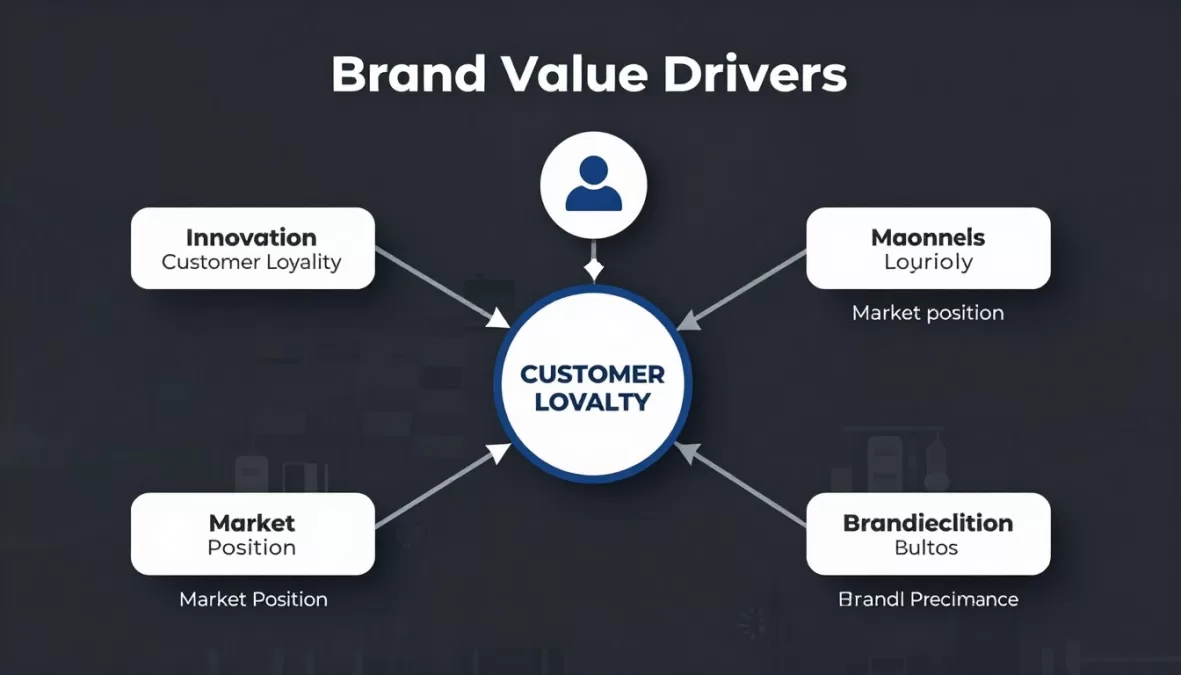
Customer loyalty creates predictable revenue streams and pricing power. Strong brands command premium prices without losing market share. Repeat purchase rates exceed 70% for top-tier consumer brands.
Innovation perception drives future growth expectations significantly. Brands viewed as innovative attract talent and investment capital. Market leaders invest heavily in research and development consistently.
Market position determines competitive advantage and growth potential. Category leaders benefit from network effects and scale economies. Dominant positions create barriers to entry for competitors.
Brand awareness reaches near-universal levels for top global brands. Recognition translates into consideration during purchase decisions. Marketing efficiency improves dramatically with established awareness.
Economic Moats
The most valuable brands possess sustainable competitive advantages. These economic moats protect market position over time. Warren Buffett’s concept applies directly to brand valuation.
- Network effects in platform businesses
- Switching costs from integrated ecosystems
- Intangible assets including patents and data
- Cost advantages from scale operations
- Regulatory licenses and approvals
Customer Experience Excellence
Superior customer experience differentiates leading brands consistently. Every touchpoint reflects brand values and promises. Experience drives loyalty more than product features alone.
Data analytics enable personalization at massive scale. Brands anticipate customer needs before explicit requests. Seamless omnichannel experiences meet evolving expectations.
Customer service quality builds emotional connections beyond transactions. Quick resolution of issues builds trust over time. Social media responsiveness demonstrates brand accessibility.
Regional Brand Performance Analysis
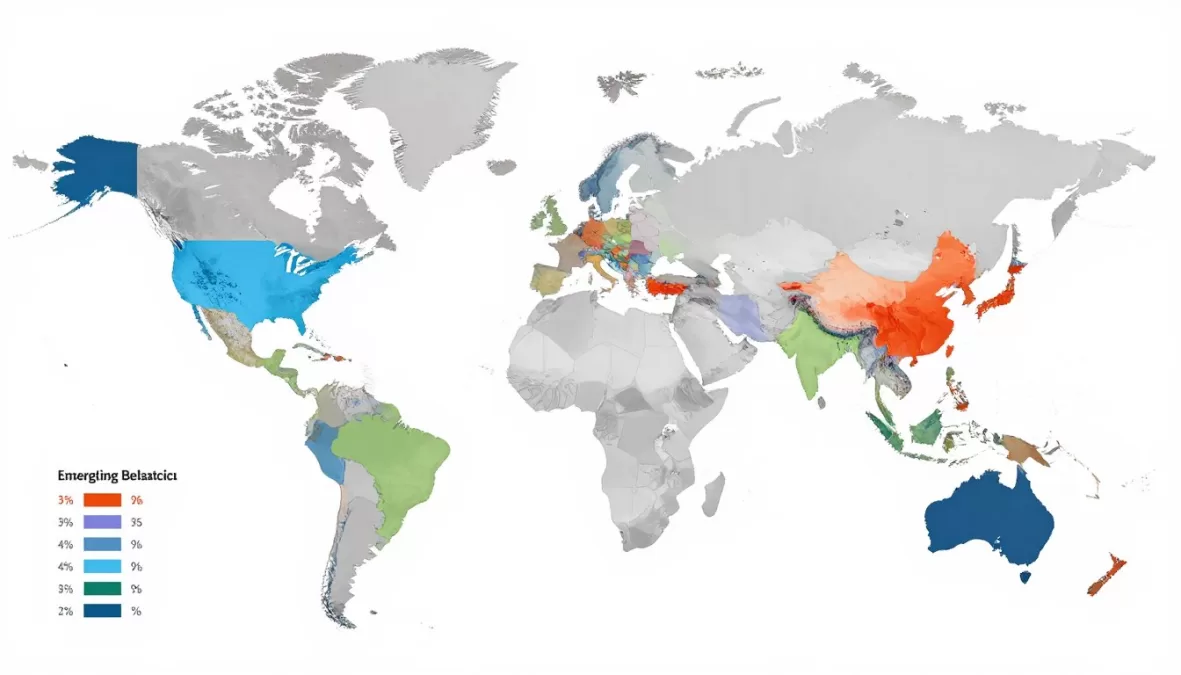
North American brands account for 52% of total top-100 brand value. United States dominates with technology and consumer goods leaders. Canadian brands show steady growth but smaller absolute numbers.
European brands represent 23% of global brand value in rankings. Luxury goods and automotive sectors demonstrate particular strength. Regulatory environment impacts growth rates compared to other regions.
Asia-Pacific brands grow fastest among all regions globally. Chinese brands show exceptional momentum across multiple sectors. Japanese and South Korean brands maintain strong positions.
| Region | Share of Top 100 Value | Average Growth Rate | Top Industry | Emerging Leaders |
| North America | 52% | 10.2% | Technology | Fintech, AI Services |
| Asia-Pacific | 21% | 13.7% | E-commerce | Electric Vehicles, Gaming |
| Europe | 23% | 6.4% | Luxury Goods | Sustainable Fashion, Fintech |
| Latin America | 2% | 8.9% | Retail | Digital Banking, Food Delivery |
| Middle East & Africa | 2% | 7.5% | Telecommunications | E-commerce, Payments |
Emerging markets show increasing brand development sophistication. Local champions compete effectively against global giants. Market understanding and cultural relevance provide competitive advantages.
Cross-border brand expansion requires careful strategic planning. Cultural adaptation balances with global brand consistency. Successful international brands localize while maintaining core identity.
Marketing and Advertising Investment Trends
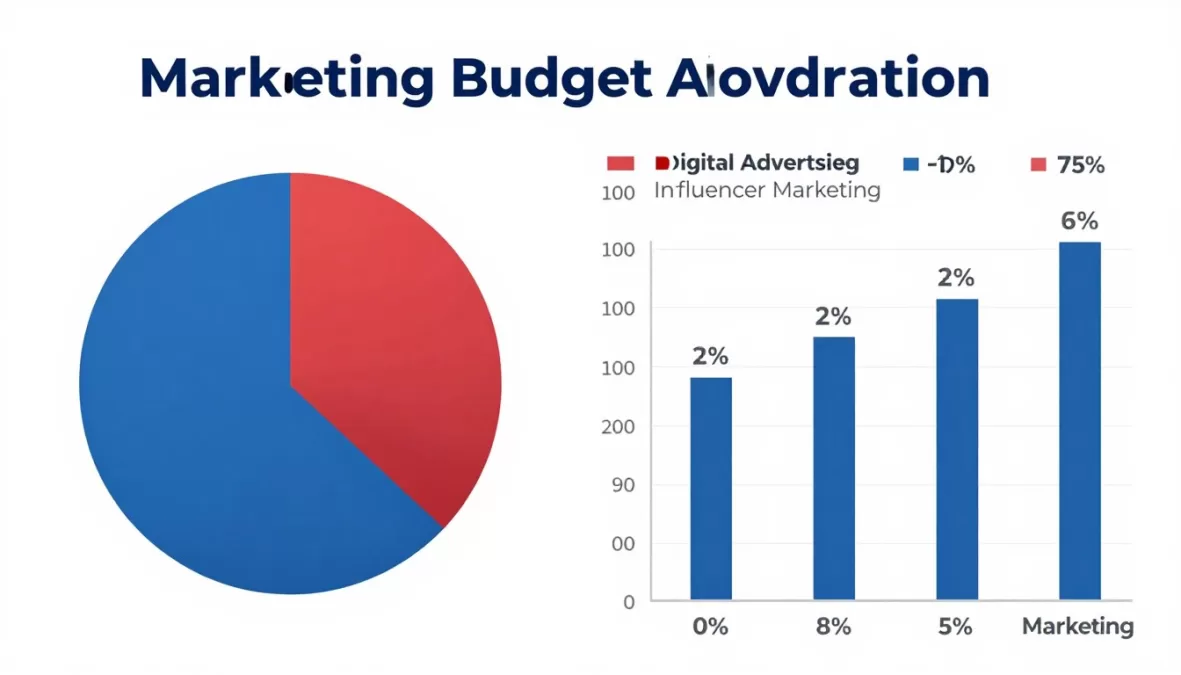
Top brands invest heavily in marketing to maintain market position. Average marketing spend exceeds 8% of revenue for consumer-facing brands. Technology companies typically spend lower percentages due to organic growth.
Digital advertising dominates marketing budgets across all categories. Social media platforms capture increasing share of advertising spend. Performance marketing enables precise ROI measurement and optimization.
Digital Channel Evolution
Digital channels now represent 67% of total marketing investment. Search advertising remains critical for demand capture. Social media builds brand awareness and drives engagement.
- Programmatic advertising automation
- Video content dominance
- Influencer partnership growth
- Mobile-first creative strategies
- Shoppable content integration
Content Marketing Power
Content marketing builds authority and organic reach efficiently. Educational content attracts potential customers early in journey. Brands become media companies creating valuable content.
Video content generates highest engagement rates consistently. Short-form video platforms drive discovery and virality. Long-form content establishes thought leadership positioning.
Community building creates loyal brand advocates organically. User-generated content provides authentic social proof. Brand communities reduce customer acquisition costs significantly.
Traditional advertising maintains relevance for specific objectives. Television reaches mass audiences for awareness campaigns. Out-of-home advertising supports local market penetration.
Performance measurement sophistication increases across all channels. Attribution modeling connects marketing activities to sales outcomes. Machine learning optimizes budget allocation in real-time.
Consumer Demand and Behavior Patterns
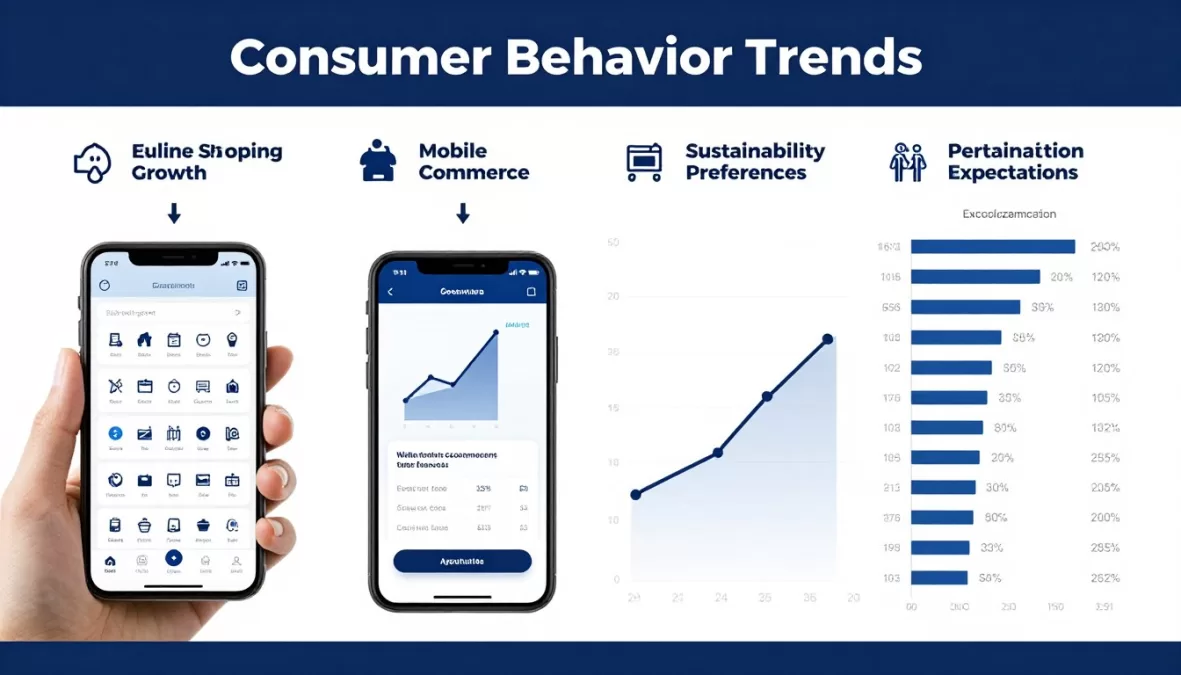
Consumer expectations evolve rapidly across all markets worldwide. Instant gratification demands challenge traditional fulfillment models. Same-day delivery becomes standard expectation rather than premium service.
Sustainability concerns influence purchasing decisions increasingly. Younger consumers prioritize environmental and social responsibility. Brands demonstrate commitment through transparent reporting and actions.
Digital-First Behaviors
- Mobile commerce exceeds 50% of online sales
- Social commerce integration growing rapidly
- Voice shopping adoption increasing
- Augmented reality try-before-buy
- Subscription preference for convenience
Value Expectations
- Personalization as standard service
- Price transparency across channels
- Quality over quantity preference
- Loyalty program participation
- Payment flexibility demands
Trust Factors
- Data privacy as purchase criterion
- Authentic brand communication
- Social responsibility demonstration
- Customer review influence
- Transparent business practices
Personalization expectations reach new sophistication levels continuously. Consumers expect brands to remember preferences and history. Data-driven recommendations influence purchase decisions significantly.
Experience economy shifts spending patterns toward services and events. Consumers value memorable experiences over material possessions. Brands create experiential marketing to build emotional connections.
Future Outlook: Brand Value Predictions
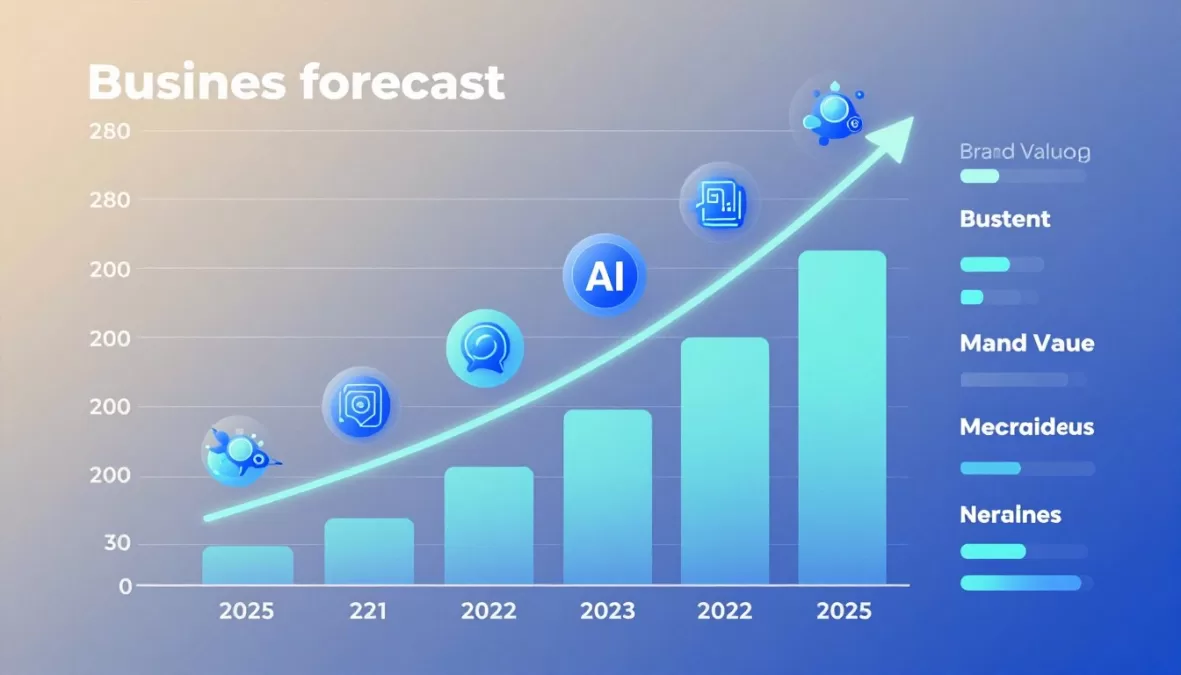
Brand value growth accelerates over the next five years. Technology brands continue dominating the highest valuations. New categories emerge as significant contributors to rankings.
Artificial intelligence integration becomes critical competitive factor. Brands leveraging AI for customer experience gain advantages. Automation improves efficiency while enabling personalization at scale.
Emerging Brand Categories
New brand categories will enter top rankings by 2030. Electric vehicle manufacturers challenge traditional automotive brands. Renewable energy companies build valuable consumer brands.
- Climate technology solutions
- Health and wellness platforms
- Education technology services
- Space technology ventures
- Synthetic biology companies
- Quantum computing leaders
Competitive Dynamics
Market concentration may increase as platforms strengthen. Antitrust regulation could fragment dominant players. Regional champions challenge global brand dominance.
Direct-to-consumer models disrupt traditional retail relationships. Vertical integration becomes strategic imperative for control. Brand partnerships create new value through collaboration.
Ecosystem strategies determine long-term competitive positioning. Brands expand beyond core categories strategically. Platform economics reward scale and network effects.
Sustainability becomes central to brand value creation. Environmental performance impacts investor and consumer decisions. Carbon neutrality transforms from advantage to requirement.
Metaverse and virtual experiences create new brand opportunities. Digital goods and virtual real estate gain economic value. Brands establish presence in emerging virtual worlds.
Key Prediction: By 2030, at least three brands focused primarily on sustainability or climate solutions will enter the global top 100 most valuable brands list. This represents a fundamental shift in how markets value corporate purpose alongside profit.
Conclusion: Understanding Brand Value in 2026
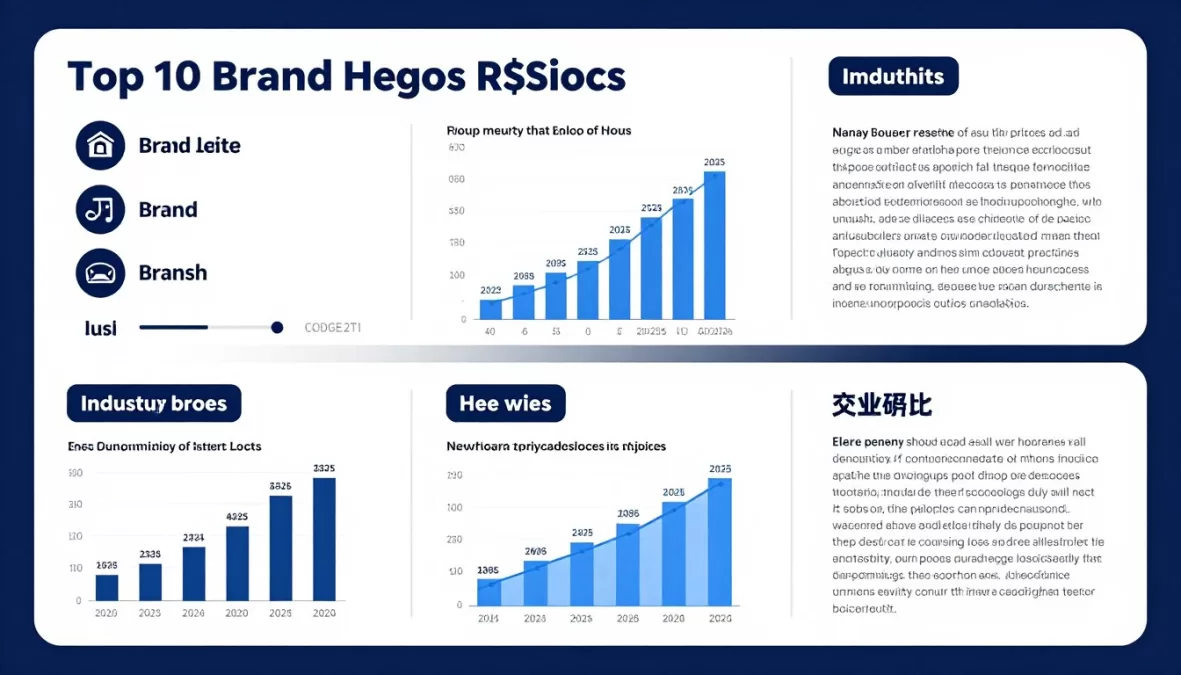
The most valuable brands in 2026 demonstrate clear success patterns. Technology dominance reflects broader economic transformation globally. Platform businesses with recurring revenue models command premium valuations.
Customer loyalty and brand strength drive sustainable competitive advantages. Companies investing in experience and innovation maintain leadership positions. Market leaders balance current performance with future growth investments.
Regional growth dynamics shift toward Asia-Pacific markets. Chinese brands show exceptional momentum across multiple categories. North American brands maintain highest absolute values but face competition.
Future brand value depends on adaptation to changing consumer expectations. Sustainability, personalization, and technological innovation determine competitive success. Brands balancing profit with purpose will outperform peers.
Get the Complete 2026 Brand Valuation Report
Download our comprehensive 50-page analysis featuring detailed rankings, methodology, industry deep-dives, regional breakdowns, and five-year forecasts.

Brand Strategy Guide
Learn proven strategies the world’s most valuable brands use to build and maintain market leadership. Comprehensive frameworks and case studies included.
Industry Reports
Access detailed sector analysis covering technology, retail, financial services, and more. Understand market dynamics and competitive positioning.
Market Analysis Tools
Utilize professional-grade tools for brand tracking, competitive analysis, and market research. Data-driven insights for strategic decisions.
Understanding the world’s most valuable brands provides strategic insights for business leaders. These companies set standards that others follow. Their success demonstrates the power of strong brands in modern economy.

Priyanka Pandey
Senior Research Editor · Top10Sense
Priyanka specializes in tech, consumer products, and digital trends. She combines hands-on testing, vendor interviews, and database research to create trustworthy “Top 10” rankings. Her work has been referenced by industry blogs and brand report pages.