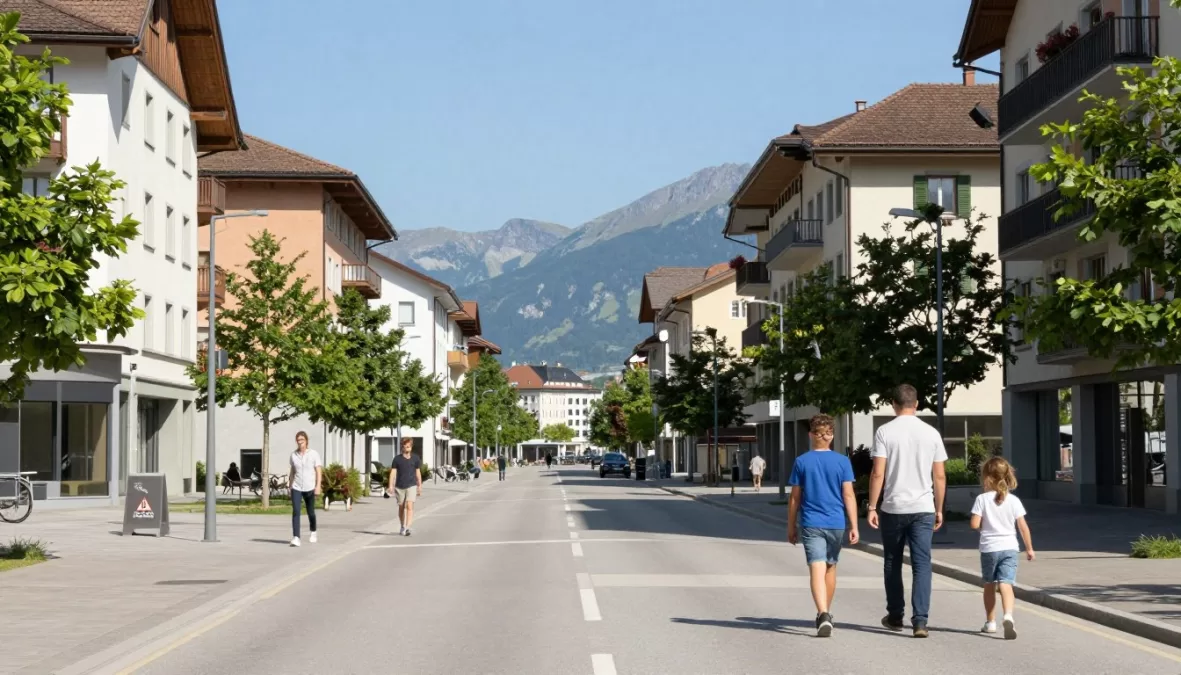
Safety has become the number one priority for people considering relocation in today’s uncertain world. With rising crime rates in many urban areas, political instability, and increasing natural disasters, more individuals and families are seeking countries that offer genuine security and peace of mind.
The safest places to live in the world 2026 are determined by multiple factors. These include crime statistics, political stability, healthcare system quality, natural disaster risk, and overall quality of life metrics. Understanding these elements helps you make informed decisions about where to build your future.
This comprehensive guide examines the top 10 safest countries world rankings for 2026. We analyze data from the Global Peace Index, World Health Organization, and various security research organizations. Each destination receives detailed evaluation covering practical relocation information you need to know.
Stay Updated on Global Safety Rankings
Join 50,000+ readers who receive monthly updates on the safest countries, emerging safety trends, and relocation insights delivered to your inbox.
What Makes a Place Safe to Live: Key Safety Factors Explained
Safety encompasses far more than just low violent crime rates. The safest countries world rankings consider multiple interconnected factors that determine overall security and wellbeing for residents.
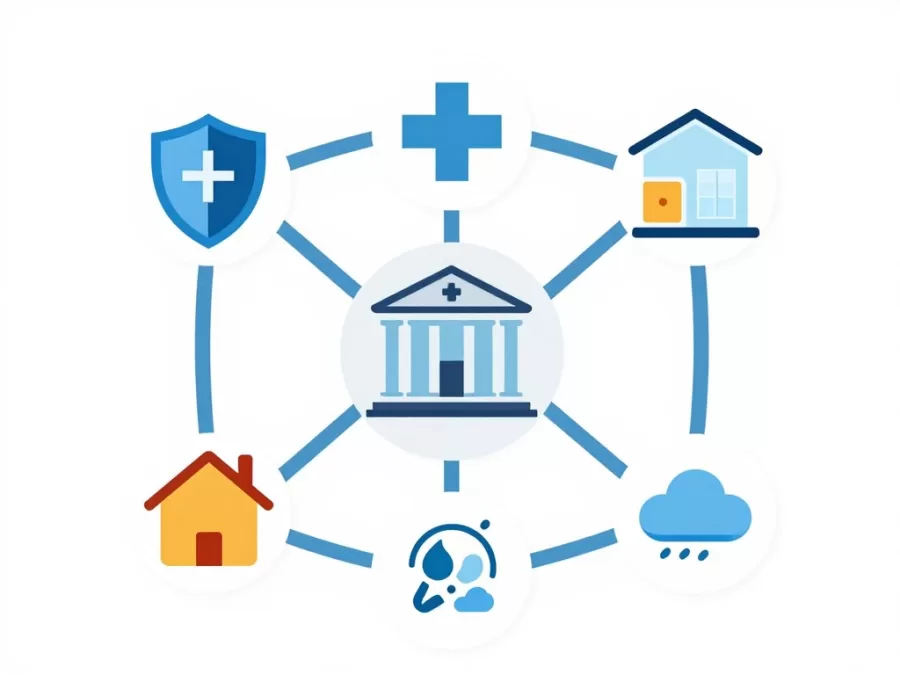
Crime Rate and Personal Security
Low violent crime remains the foundation of any safe country. This includes homicide rates, assault frequency, and theft incidents. Countries that rank as the safest places demonstrate consistently declining crime statistics over several years.
The Global Peace Index measures crime through multiple lenses. These include perception of criminality, number of internal security officers, and access to weapons. Countries with strong rule of law and effective police systems score highest in these categories.
Political Stability and Governance
Political stability directly impacts day-to-day safety. Countries experiencing frequent government changes, civil unrest, or corruption create uncertain environments. The safest countries maintain stable democracies with transparent governance systems.
Effective institutions protect citizens through reliable legal systems. Courts that operate independently ensure justice for all people. Strong democratic traditions prevent authoritarian overreach that threatens personal freedoms.
Healthcare System Quality
Access to quality healthcare represents a critical safety component. Medical emergencies require immediate, competent care. The safest country world rankings prioritize nations with universal or near-universal healthcare coverage.
Public healthcare systems in top-ranking countries provide comprehensive services. These include emergency care, preventative medicine, mental health services, and specialized treatments. Low infant mortality and high life expectancy indicate excellent healthcare quality.
Important Note: The World Health Organization ranks healthcare systems based on responsiveness, fairness of financial contribution, and health outcomes. Top-ranking countries consistently appear in both WHO healthcare rankings and Global Peace Index results.
Natural Disaster Risk Assessment
Geographic location influences safety through natural disaster exposure. Countries prone to earthquakes, hurricanes, floods, or wildfires face additional risk factors. The safest places to live minimize these environmental threats.
However, strong disaster preparedness can mitigate natural risks. Japan experiences frequent earthquakes but maintains excellent emergency response systems. Building codes, early warning systems, and public education reduce disaster impact significantly.
Economic Stability and Opportunity
Economic security contributes to overall safety. High unemployment creates social instability and increases crime. The safest countries offer strong economies with diverse employment opportunities and social safety nets.
Income equality matters for community safety. Countries with extreme wealth gaps experience higher crime rates. Nations prioritizing fair wages, accessible education, and economic mobility create more secure environments for all residents.
Personal Safety Indicators
Individual security metrics that directly affect daily life and wellbeing in any location.
- Homicide rate per 100,000 people
- Violent assault frequency
- Theft and property crime statistics
- Police effectiveness and response times
- Judicial system reliability
Societal Safety Factors
Broader community elements that create secure, stable environments for long-term residence.
- Political stability index scores
- Government corruption levels
- Social cohesion and community trust
- Emergency service quality
- Public infrastructure maintenance
Health and Wellbeing
Medical and environmental factors ensuring physical safety and quality healthcare access.
- Universal healthcare availability
- Hospital and clinic accessibility
- Life expectancy statistics
- Air and water quality standards
- Disease prevention programs
Environmental Security
Natural and man-made environmental factors affecting safety and disaster resilience.
- Natural disaster frequency
- Climate change vulnerability
- Emergency preparedness systems
- Building code enforcement
- Environmental protection policies
How We Ranked the Safest Places to Live in the World 2026
Our rankings combine data from multiple authoritative sources. The Global Peace Index serves as the primary foundation. This report ranks 163 countries using 23 qualitative and quantitative indicators from respected sources.

Data Sources and Verification
We consulted safety data from United Nations agencies, World Bank statistics, and national crime databases. Healthcare rankings come from World Health Organization assessments. Economic stability metrics derive from International Monetary Fund reports.
Each safest country received evaluation across five primary categories. Crime and security data carries 30 percent weight. Political stability accounts for 25 percent. Healthcare quality represents 20 percent. Natural disaster risk comprises 15 percent. Quality of life indicators make up the remaining 10 percent.
Verification Process
All statistics underwent verification against multiple sources. We prioritized recent data from 2024 and 2025. Countries experiencing recent instability received updated risk assessments. This ensures our rankings reflect current conditions rather than outdated information.
Transparency Note: Rankings reflect conditions as of early 2026. Global situations can change rapidly. We recommend verifying current conditions before making relocation decisions. Official government travel advisories provide up-to-date risk assessments.
Weighting Methodology
Different safety factors receive appropriate weight based on impact. A single violent crime incident affects individuals directly. Political instability creates widespread uncertainty affecting entire populations. Our weighting system balances immediate personal safety with broader societal stability.
Healthcare quality receives significant weight because medical emergencies affect everyone eventually. Countries with poor healthcare systems cannot rank among the safest places regardless of low crime rates. Comprehensive safety requires excellence across all measured categories.
1. Iceland: The World’s Safest Country for Fifteen Consecutive Years
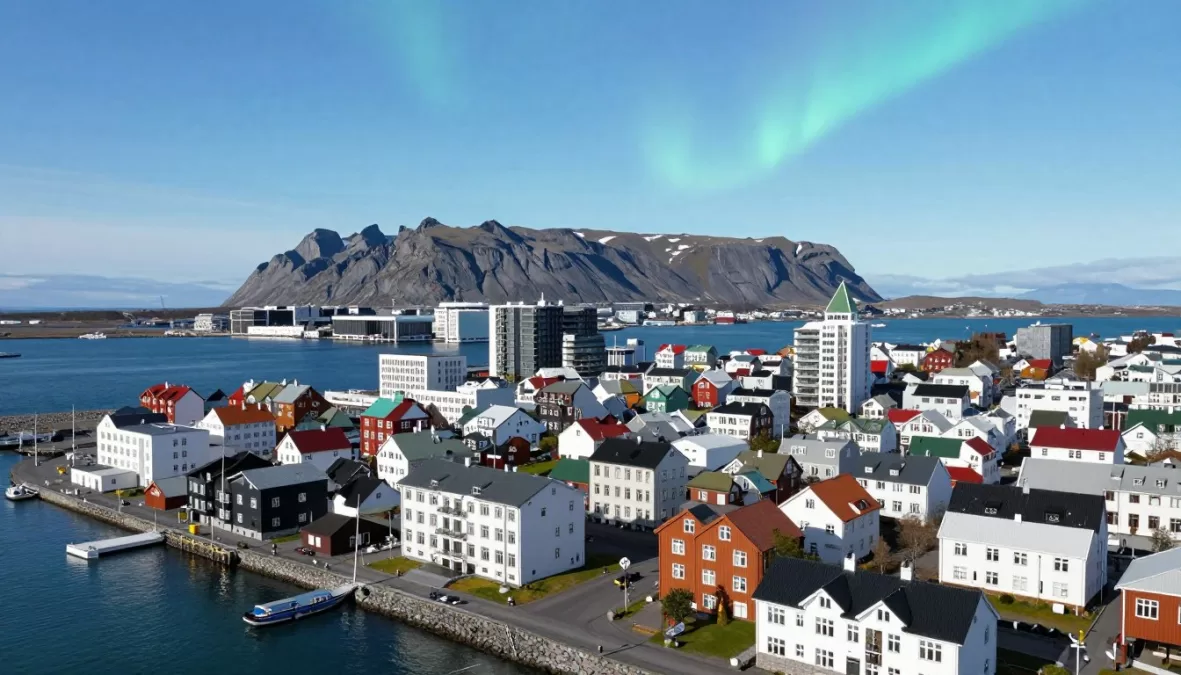
Iceland maintains its position as the safest country world for the fifteenth consecutive year according to the Global Peace Index. This small island nation of 380,000 people demonstrates how strong social cohesion creates exceptional safety.
The homicide rate in Iceland averages just 0.3 per 100,000 people. This represents one of the lowest rates globally. Violent crime remains extremely rare. Most police officers do not carry firearms because dangerous situations occur so infrequently.
Crime and Personal Security
Iceland’s crime statistics reveal remarkable safety levels. Theft occurs occasionally in tourist areas, but violent assault is exceptionally rare. The country reported only one to two murders annually in recent years. Property crime rates have declined consistently over the past decade.
The small population contributes to safety through community accountability. People in Iceland often know their neighbors. This social cohesion discourages criminal behavior. Strong social welfare programs reduce economic desperation that drives crime elsewhere.
Political Stability and Governance
Iceland ranks among the world’s strongest democracies. The country maintains transparent government operations with minimal corruption. Citizens trust their institutions and participate actively in democratic processes.
Political stability extends beyond government to include strong labor unions and social cooperation. The country recovered from the 2008 financial crisis through collective effort. This resilience demonstrates the strength of Icelandic democratic institutions.
Healthcare Excellence
The Icelandic public healthcare system provides universal coverage to all residents. Life expectancy reaches 83 years, among the highest globally. Infant mortality remains extremely low at 1.6 per 1,000 births.
Healthcare services are accessible throughout the country. Even remote areas maintain well-equipped health centers. Emergency medical services respond quickly. The country invests heavily in preventative care and public health initiatives.
Natural Environment Considerations
Iceland’s volcanic nature creates some natural disaster risk. Volcanic eruptions occur periodically, though rarely threaten populated areas. The country maintains excellent monitoring systems and emergency preparedness protocols.
Severe weather presents more common challenges. Winter storms can disrupt travel. However, infrastructure is designed for harsh conditions. Roads receive regular maintenance and emergency services operate reliably year-round.
Quality of Life Factors
Iceland offers exceptional quality of life despite high living costs. Education is free through university level. The country ranks first globally for gender equality. Work-life balance is prioritized culturally.
The natural environment provides unique beauty. Residents enjoy easy access to wilderness areas. Clean air and water quality exceed international standards. The midnight sun in summer and Northern Lights in winter create spectacular natural phenomena.
Advantages of Living in Iceland
- Extremely low crime rates with virtually no violent crime
- Universal healthcare with excellent quality and accessibility
- Strong social safety net and welfare programs
- Exceptional natural beauty and outdoor recreation
- High gender equality and progressive social policies
- Clean environment with renewable energy focus
- Strong community bonds and social trust
Challenges of Living in Iceland
- Very high cost of living, especially housing and food
- Long, dark winters with limited daylight
- Geographic isolation from other countries
- Limited job market in specialized fields
- Icelandic language requirement for many positions
- Volcanic and seismic activity risks
- Harsh weather conditions year-round
Practical Relocation Information
Moving to Iceland requires understanding visa requirements. EU/EEA citizens can move freely. Others need work permits or residence visas. The application process is straightforward but competitive for popular positions.
Housing costs in Reykjavik are substantial. A two-bedroom apartment averages $2,500-3,500 monthly. Smaller towns offer more affordable options. The rental market is tight, so securing housing before arrival is advisable.
Learning Icelandic improves integration, though English proficiency is widespread. Many services and workplaces operate in English. However, official documents and government services primarily use Icelandic.
2. New Zealand: Pacific Safety Leader with Outstanding Quality of Life
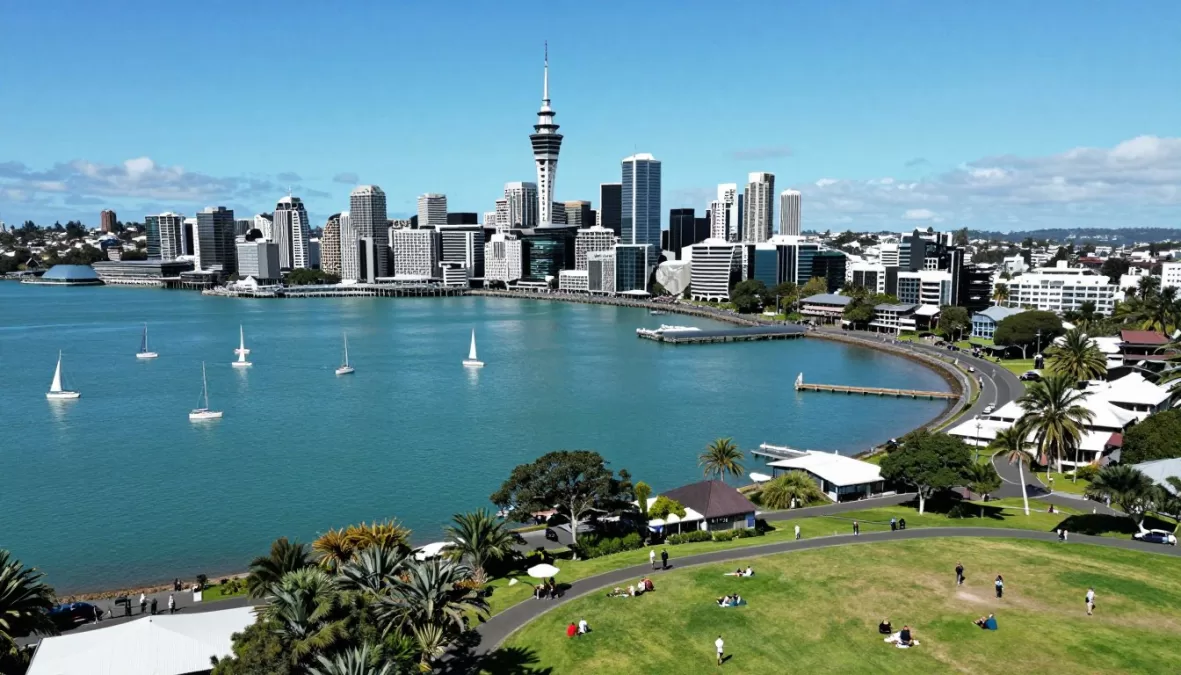
New Zealand consistently ranks among the safest countries in the world. This island nation combines low crime rates with political stability and exceptional natural beauty. The country’s 5.1 million people enjoy one of the highest quality of life standards globally.
The homicide rate stands at approximately 0.7 per 100,000 people. This places New Zealand among the safest places for personal security. Both urban and rural areas maintain low crime levels. Community policing approaches foster trust between law enforcement and residents.
Security and Crime Statistics
New Zealand experiences minimal violent crime. Property crime occurs more frequently than violent offenses, though rates remain lower than most developed countries. Burglary rates have declined significantly over the past decade thanks to community watch programs.
Cities like Wellington and Christchurch maintain safe downtown areas. Public transportation operates securely even during evening hours. Women report feeling safe walking alone at night in most areas. This safety for women contributes to New Zealand’s high ranking.
Political and Social Stability
New Zealand’s parliamentary democracy functions with high transparency and minimal corruption. The country regularly ranks among the world’s least corrupt nations. Political transitions occur peacefully through democratic elections.
Social cohesion remains strong despite increasing diversity. The country has made significant progress in addressing historical injustices toward Māori people. Bicultural policies and programs promote inclusion and understanding between communities.
Healthcare System Quality
The public healthcare system in New Zealand provides comprehensive coverage to residents. While not entirely free, costs remain manageable compared to many countries. Emergency care is provided regardless of ability to pay.
Healthcare quality meets high standards. Life expectancy reaches 82 years. The country has successfully managed public health challenges including the COVID-19 pandemic. Rural areas face some healthcare access challenges, but mobile services help bridge gaps.
Natural Disaster Preparedness
New Zealand’s location on tectonic plate boundaries creates earthquake risk. The country experienced devastating quakes in Christchurch in 2010-2011. However, stringent building codes and preparedness programs mitigate risks significantly.
The country maintains excellent emergency response systems. Regular earthquake drills prepare residents. Early warning systems for tsunamis protect coastal areas. While natural disasters cannot be prevented, New Zealand’s preparedness reduces their impact substantially.
Living Conditions and Lifestyle
New Zealand offers diverse landscapes from beaches to mountains. Outdoor recreation forms a central part of the culture. The country prioritizes environmental protection through national parks and conservation areas.
Work-life balance is culturally valued. Education standards are high with both public and private options. Cities offer modern amenities while maintaining manageable sizes. The country has become increasingly multicultural, particularly in urban centers.
Immigration Insight: New Zealand operates a points-based immigration system. Skills in demand include healthcare, engineering, IT, and trades. The country actively recruits skilled workers to address labor shortages in key industries.
Relocation Considerations
Moving to New Zealand requires obtaining appropriate visas. Skilled worker visas are most common for qualified professionals. The process involves points-based assessment of age, qualifications, work experience, and job offers.
Housing costs vary significantly by location. Auckland prices rival major international cities. Smaller cities and towns offer more affordable options. The rental market can be competitive in popular areas.
The cost of living is moderate to high. Groceries and consumer goods cost more due to geographic isolation. However, healthcare and education costs remain reasonable. Salaries generally match living expenses for professional positions.
3. Ireland: Europe’s Safety Standout with Growing International Appeal
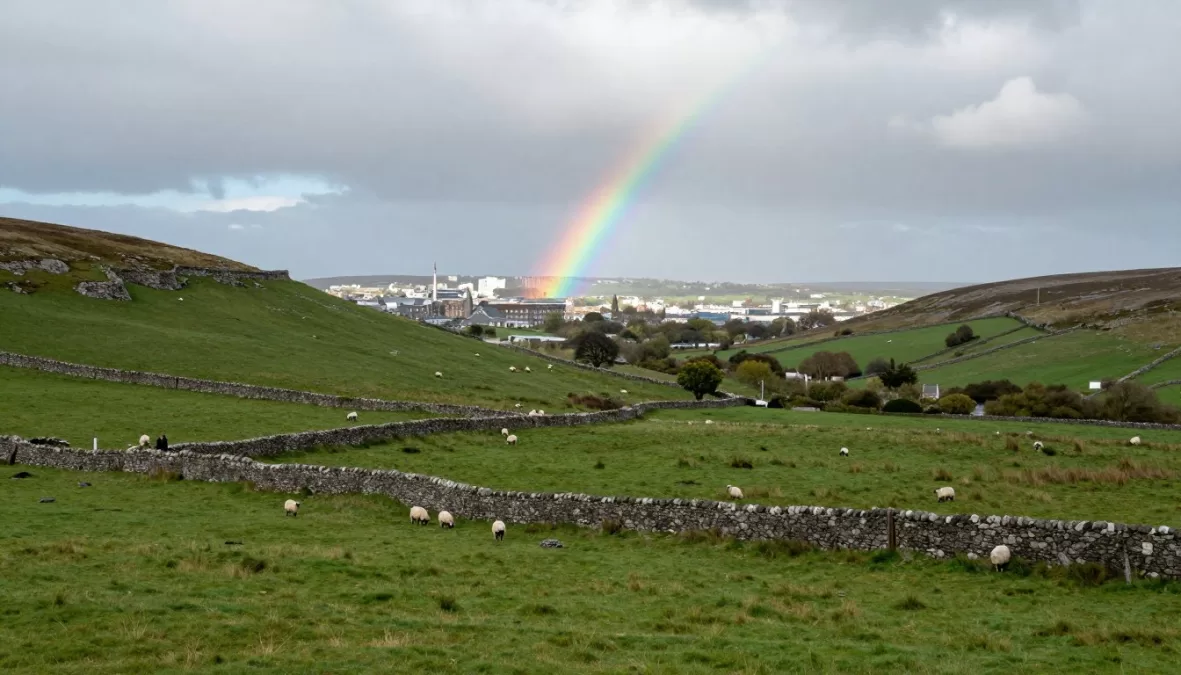
Ireland ranks third among the safest countries world in 2026. This EU member nation combines low crime rates with strong economic growth and cultural richness. The country of 5.1 million people has become increasingly attractive to international residents.
The homicide rate remains low at approximately 0.9 per 100,000 people. Ireland’s crime statistics show consistent improvement over recent decades. The country’s economic transformation from agricultural to technology hub has not compromised safety.
Crime Prevention and Security
Ireland maintains low violent crime rates across the country. Dublin, the capital, experiences higher property crime than rural areas but remains safe by international standards. Community policing approaches have proven effective in maintaining public safety.
The Garda Síochána, Ireland’s national police service, maintains strong community relationships. Officers often know local residents personally in smaller towns. This connection helps prevent crime and quickly resolves issues when they arise.
Political Environment
Ireland’s stable democracy has functioned reliably since independence. The country maintains neutrality in military conflicts while actively participating in EU affairs. Government transitions occur peacefully through elections.
The peace process in Northern Ireland has held successfully for over two decades. Cross-border cooperation has strengthened. Political violence, once a concern, has virtually disappeared from Irish life today.
Healthcare Services
Ireland provides public healthcare through the Health Service Executive. While the system faces some challenges with wait times, care quality remains high. Private health insurance supplements public coverage for many residents.
Life expectancy reaches 82 years. The country has invested significantly in healthcare infrastructure in recent years. Modern hospitals serve major cities. Rural areas maintain adequate health centers though specialists may require travel.
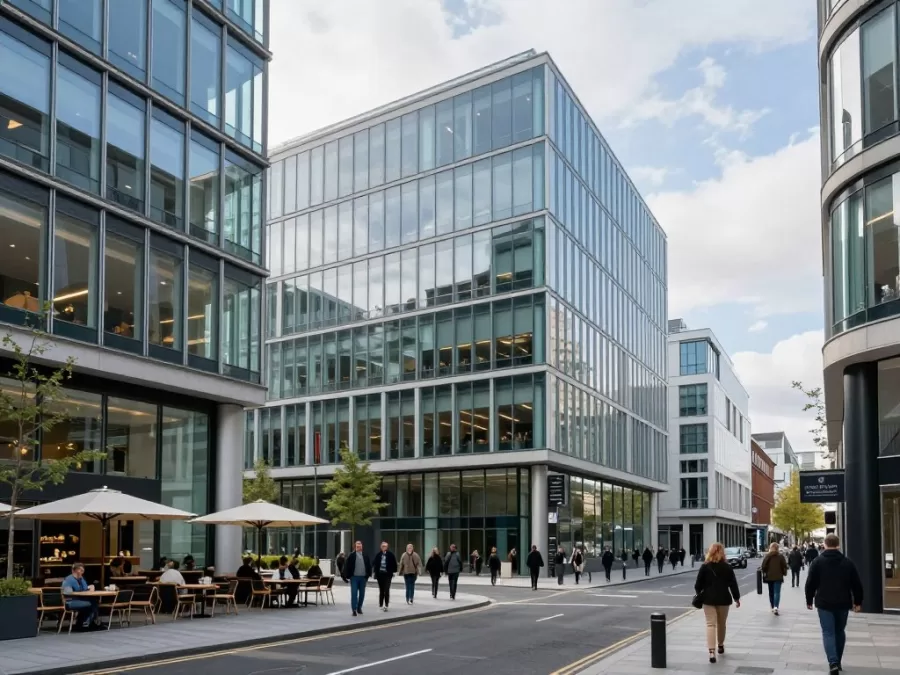
Ireland’s Economic Advantages
Ireland’s economy has transformed dramatically over past decades. The country now hosts European headquarters for major technology companies. This economic strength contributes to overall stability and safety through job creation and social investment.
Low corporate tax rates attract international businesses. This creates employment opportunities for skilled workers. Wages for professionals are competitive with other Western European countries.
Environmental Safety
Ireland faces minimal natural disaster risk. The temperate maritime climate brings rain but rarely extreme weather. Earthquakes, tsunamis, and volcanic activity are non-existent. Flooding occurs occasionally in specific areas but rarely causes serious damage.
The country’s environmental safety makes it attractive for families. Concerns about climate change impacts are minimal compared to many other destinations. Air and water quality remain excellent throughout most of the country.
Cultural and Social Life
Irish culture values community and hospitality. The country has become increasingly multicultural while maintaining strong traditions. English is the primary language, easing integration for English-speaking immigrants.
Education standards are high. The country has numerous well-regarded universities. Free primary and secondary education is available to all residents. This commitment to education supports social mobility and economic opportunity.
Practical Living Information
EU citizens can move to Ireland freely. Non-EU citizens require work permits or residence visas. The critical skills visa targets in-demand professions including healthcare, technology, and engineering.
Housing costs have risen significantly, especially in Dublin. A two-bedroom apartment in the capital costs $2,000-3,000 monthly. Smaller cities and rural areas offer more affordable options. The rental market is competitive in urban areas.
The cost of living is moderate to high. Groceries and dining out cost more than many European countries. However, salaries in professional fields generally match expenses. Public transportation in Dublin is adequate, though many residents prefer cars.
Download Complete Safety Assessment Checklist
Get our comprehensive 25-point checklist covering crime rates, healthcare access, cost of living, visa requirements, and family safety factors for all top destinations.
4. Denmark: Scandinavian Safety Combined with Exceptional Happiness
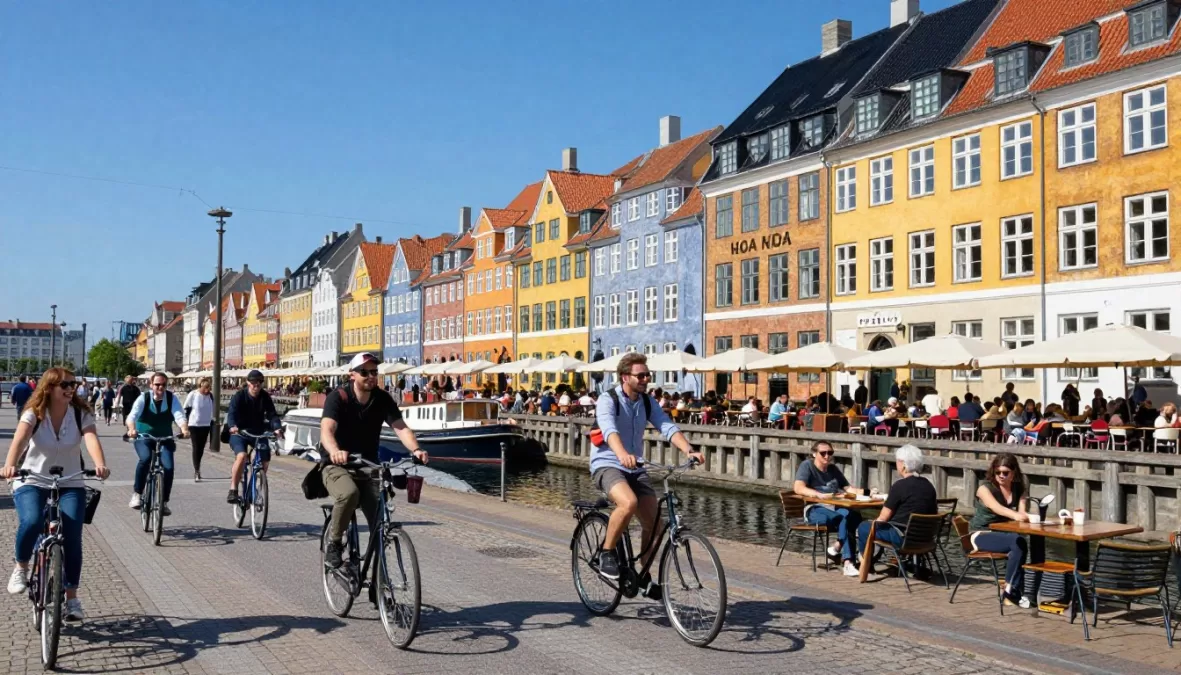
Denmark consistently ranks among both the safest countries and happiest nations globally. This Scandinavian country of 5.9 million demonstrates how comprehensive social welfare creates security and wellbeing. The homicide rate of 1.0 per 100,000 reflects exceptional safety.
The Danish concept of “hygge” – creating cozy, comfortable social environments – extends to community safety. Low inequality and strong social trust form the foundation of Denmark’s security. People genuinely look out for one another in Danish society.
Low Crime Environment
Denmark maintains remarkably low crime rates. Violent crime is rare throughout the country. Copenhagen, the capital city, experiences some pickpocketing in tourist areas but serious crime remains uncommon.
The police force operates with high efficiency and public trust. Officers rarely carry weapons because dangerous situations are exceptional. Community policing prevents problems before they escalate. This proactive approach keeps neighborhoods safe.
Political Stability
Denmark’s constitutional monarchy and parliamentary democracy provide stable governance. The country ranks among the world’s least corrupt nations. Transparent government operations build citizen trust in institutions.
Strong labor unions and employer associations cooperate through collective bargaining. This cooperation creates economic stability. Social dialogue resolves conflicts peacefully. Political extremism remains marginal in Danish society.
Healthcare Excellence
Denmark’s universal healthcare system ranks among the world’s best. All residents receive comprehensive coverage through taxation. Healthcare is free at point of service except for some prescription medications and dental care.
Life expectancy reaches 81 years. The country invests heavily in preventative care and public health. Mental health services receive particular attention. Healthcare facilities maintain modern equipment and highly trained staff.
Environmental Conditions
Denmark faces minimal natural disaster risk. The flat landscape and temperate climate create stable environmental conditions. Flooding occasionally affects coastal areas but modern infrastructure manages water effectively.
The country leads in environmental protection. Renewable energy powers much of Denmark’s electrical grid. Air and water quality exceed EU standards. Copenhagen aims for carbon neutrality by 2025.
Social Welfare and Quality of Life
Denmark’s comprehensive social welfare system supports citizens from birth through retirement. Free education extends through university level. Unemployment benefits provide substantial support during job transitions. Parental leave policies are among the world’s most generous.
Work-life balance is culturally prioritized. Standard work weeks are 37 hours. Danes enjoy six weeks of annual vacation. This lifestyle contributes to high life satisfaction despite high taxes.
Cost Consideration: Denmark has one of the world’s highest tax rates, with income taxes reaching 55 percent. However, these taxes fund extensive public services including healthcare, education, and social support. Most residents consider this trade-off worthwhile for the security and services provided.
Immigration and Integration
EU citizens can move to Denmark freely under EU laws. Non-EU citizens need residence permits, typically through employment or study. The country has tightened immigration policies in recent years but still welcomes skilled workers.
Integration programs help newcomers learn Danish and understand local culture. Language learning is essential as Danish remains the primary language in most workplaces. However, most Danes speak excellent English, easing initial transition.
Living Costs and Housing
Denmark has high living costs. Copenhagen ranks among Europe’s most expensive cities. A two-bedroom apartment costs $2,000-3,500 monthly in the capital. Smaller cities offer more affordable options while maintaining high quality of life.
Groceries, dining, and consumer goods cost significantly more than many countries. However, salaries generally match these expenses. Public services funded by taxes reduce some living expenses like healthcare and education.
5. Austria: Central European Safety with Cultural Richness
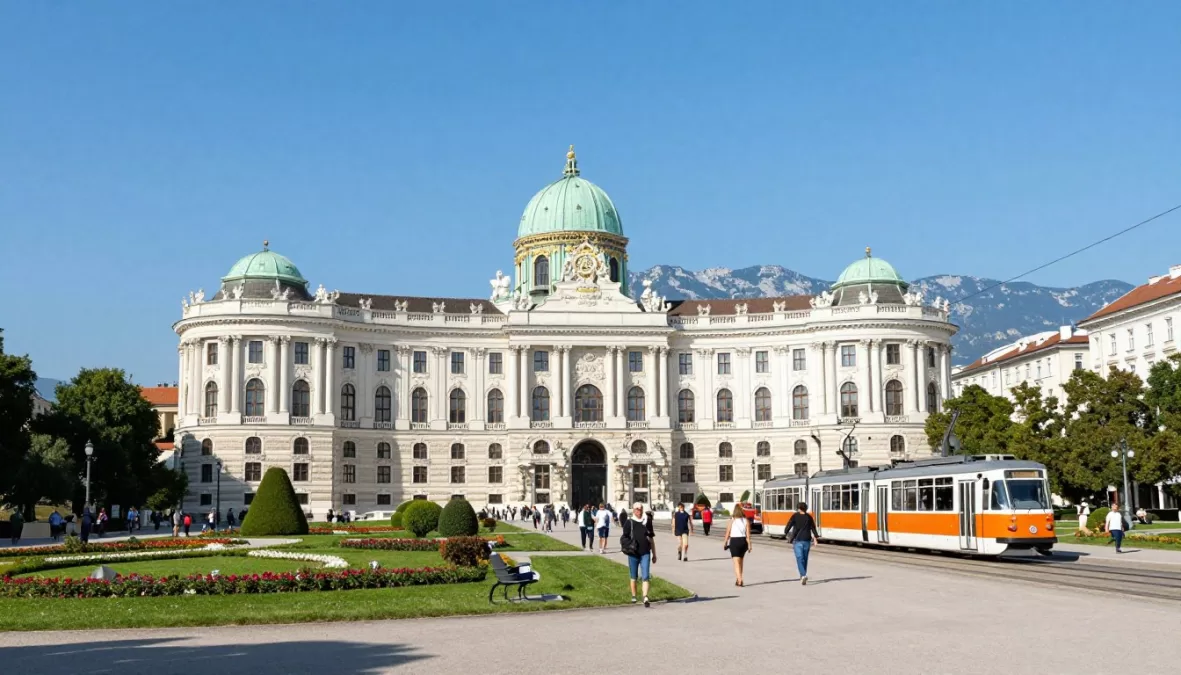
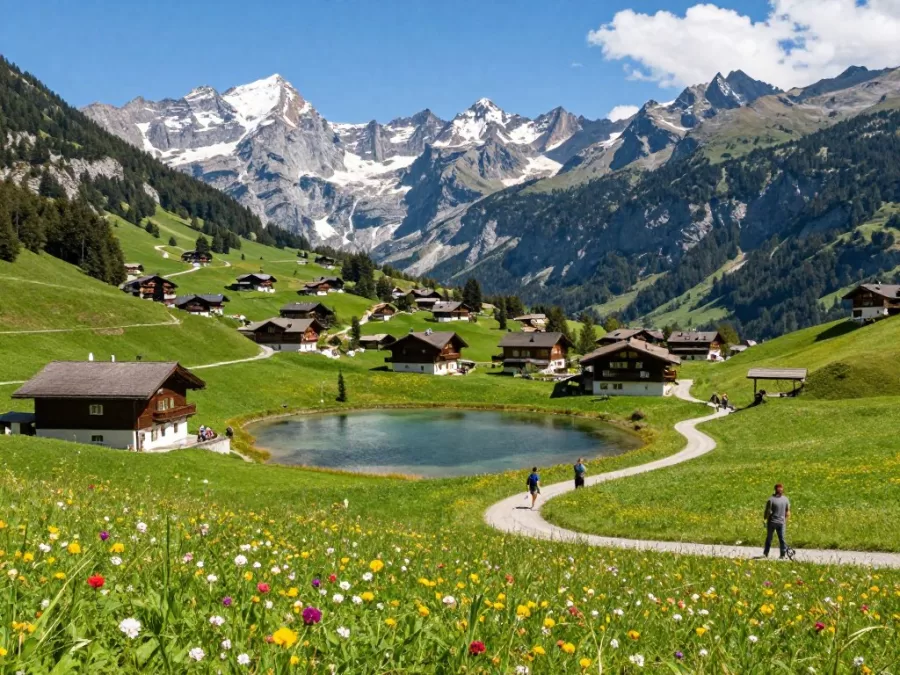
Austria ranks fifth among the safest countries world in 2026. This Alpine nation combines low crime rates with exceptional healthcare and high living standards. The country’s 9 million residents enjoy stability in the heart of Europe.
Austria’s homicide rate stands at approximately 0.7 per 100,000 people. The country maintains this safety while serving as a hub for international organizations. Vienna regularly ranks as one of the world’s most livable cities.
Public Safety Standards
Austria demonstrates consistently low crime rates. Violent crime is rare throughout the country. Property crime occurs mainly in tourist areas of major cities. Police maintain high visibility and respond quickly to incidents.
Vienna, Salzburg, and Innsbruck all maintain safe urban environments. Public transportation operates securely at all hours. Women report feeling safe throughout Austrian cities even at night. This safety contributes to the high quality of life.
Political and Economic Stability
Austria’s parliamentary democracy functions with stability and transparency. The country maintains permanent neutrality while participating actively in EU affairs. This position contributes to internal and regional stability.
The economy combines strong manufacturing with tourism and services. Unemployment remains low by European standards. Social partnership between labor and employers prevents industrial disputes. This cooperation creates economic security for residents.
Healthcare System
Austria’s social insurance healthcare system provides near-universal coverage. The system combines public and private elements effectively. Healthcare quality ranks among Europe’s best with modern facilities throughout the country.
Life expectancy reaches 82 years. The country invests substantially in medical research and healthcare infrastructure. Wait times for procedures are generally shorter than many European countries. Rural areas maintain good healthcare access through regional hospitals.
Geographic and Environmental Safety
Austria’s Alpine location creates some avalanche risk in mountain areas. However, comprehensive safety systems protect residents and visitors. Building regulations in mountain regions are stringent. Warning systems alert to potential dangers.
The country faces minimal risk from other natural disasters. Earthquakes are rare and typically minor. Flooding can affect some river valleys but modern infrastructure manages water flow effectively. Overall environmental risk remains low.
Cultural Life and Education
Austria offers rich cultural heritage with world-class museums, theaters, and music venues. Vienna’s opera and concert halls attract international audiences. The country values arts and culture highly, funding them generously.
The education system provides free schooling through university level. Austrian universities maintain high academic standards. Vocational training programs are excellent, creating skilled workforces. This education focus supports social mobility and economic opportunity.
Practical Relocation Details
EU citizens can relocate to Austria freely. Non-EU citizens need residence permits, usually tied to employment or study. Skilled workers in shortage occupations face easier pathways. The Red-White-Red Card facilitates skilled immigration.
German language skills are essential for integration. While many Austrians speak English, daily life requires German competency. Language courses are widely available. Many international schools serve expatriate families in major cities.
Housing costs vary significantly by location. Vienna prices are substantial but more affordable than many Western European capitals. A two-bedroom apartment costs $1,500-2,500 monthly in Vienna. Rural areas and smaller cities offer significantly lower costs.
Overall living costs are moderate. Groceries and consumer goods are reasonably priced. Public transportation is efficient and affordable. Healthcare costs are manageable through social insurance. Quality of life is high relative to expenses.
6. Portugal: Southern Europe’s Safety Success Story
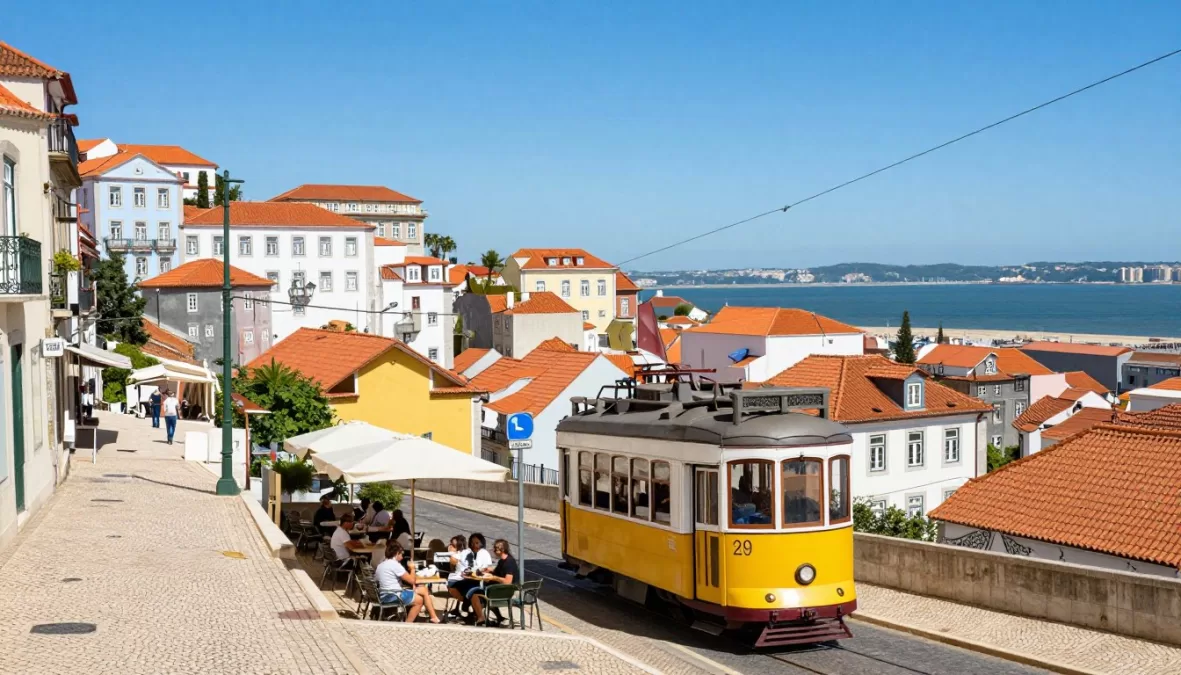
Portugal has emerged as one of Europe’s safest countries in recent years. This Atlantic nation of 10.3 million people combines low crime rates with affordable living and excellent climate. The country ranks sixth globally according to the Global Peace Index.
Portugal’s homicide rate stands at 0.7 per 100,000 people. The country has invested significantly in tourism safety, creating secure environments in popular destinations. This focus on safety attracts growing numbers of international residents and retirees.
Crime and Personal Security
Portugal maintains low crime rates compared to most European countries. Violent crime is rare throughout Portugal. Petty theft occurs in tourist areas of Lisbon and Porto but serious crime remains uncommon.
Portuguese police maintain good community relationships. The country has successfully reduced crime through social programs addressing underlying causes. Drug policy focuses on treatment rather than punishment, reducing drug-related crime significantly.
Political Environment
Portugal’s democracy has strengthened considerably since transitioning from dictatorship in 1974. The country maintains stable government despite occasional political changes. Corruption exists at lower levels than many European nations.
The peaceful revolution that ended authoritarian rule established Portugal’s commitment to democratic values. Citizens actively participate in political processes. Civil society organizations maintain government accountability.
Healthcare Services
Portugal’s National Health Service provides universal healthcare to residents. The system combines public hospitals and health centers with private options. Healthcare quality is good, particularly in major cities.
Life expectancy reaches 82 years, among Europe’s highest. The country has invested in healthcare infrastructure in recent years. Rural areas face some challenges with specialist access, but basic healthcare remains available throughout Portugal.
Climate and Natural Environment
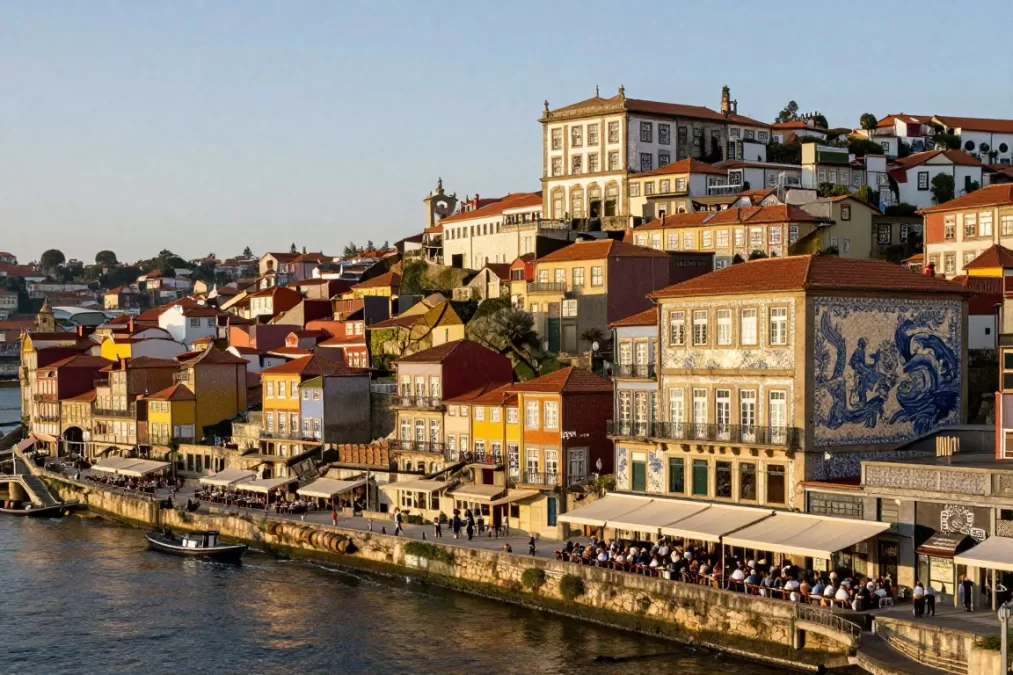
Portugal enjoys a Mediterranean climate with mild winters and warm summers. The country faces minimal natural disaster risk. Earthquakes can occur but building codes account for seismic activity.
Wildfires affect some rural areas during summer months. The government has improved forest management and firefighting capabilities. Coastal areas face no tsunami or hurricane risks.
The climate attracts many seeking year-round pleasant weather. Over 300 days of sunshine annually make Portugal ideal for outdoor lifestyles. Air quality remains excellent throughout most of the country.
Cost of Living Advantages
Portugal offers significantly lower living costs than most Western European countries. This affordability combined with safety makes Portugal attractive for retirees and remote workers. Housing costs have risen in Lisbon and Porto but remain reasonable compared to other European capitals.
A two-bedroom apartment in Lisbon costs $1,200-2,000 monthly. Smaller cities and rural areas offer much lower prices. The cost of groceries, dining, and consumer goods is moderate. Overall, Portugal provides excellent value for quality of life.
Immigration and Residence
EU citizens can move to Portugal freely under EU law. Non-EU citizens have multiple visa options including the D7 visa for retirees and passive income earners. The Golden Visa program offers residence through investment, though requirements have tightened.
Portugal actively welcomes immigrants and has growing international communities. English is increasingly spoken in tourist areas and among younger generations. Learning Portuguese aids integration but is not essential in major cities.
The country offers tax incentives for new residents including the Non-Habitual Resident tax regime. This program provides favorable tax treatment for ten years, attracting professionals and retirees alike.
7. Slovenia: Hidden Gem of Central European Safety
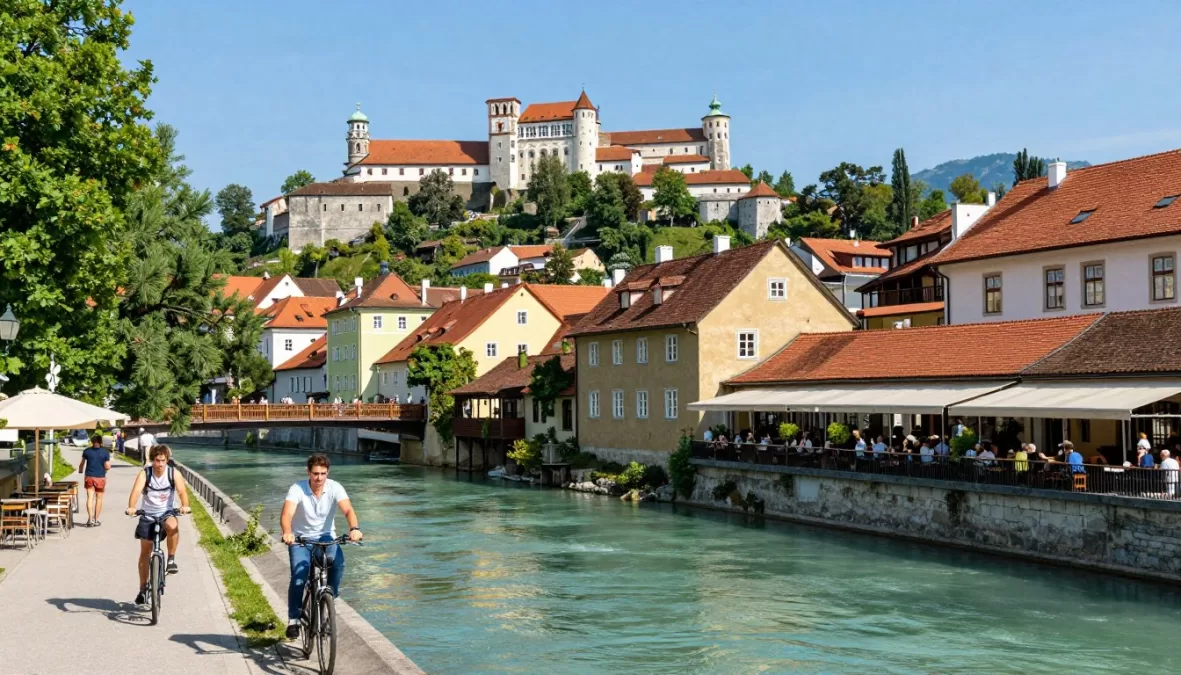
Slovenia ranks as one of Europe’s safest countries despite remaining lesser-known internationally. This small nation of 2.1 million people combines Alpine beauty with Mediterranean coastline. The country’s homicide rate of 0.7 per 100,000 reflects excellent safety.
Slovenia successfully transitioned from Yugoslavia to independent democracy. The country joined the EU in 2004 and adopted the euro in 2007. These transitions demonstrate Slovenia’s stability and European integration.
Security and Crime Prevention
Slovenia maintains remarkably low crime rates. Violent crime is extremely rare throughout the country. Ljubljana, the capital, ranks among Europe’s safest cities. Residents routinely leave bicycles unlocked and feel secure walking at night.
The police force operates efficiently with strong community connections. Crime prevention focuses on social programs and community involvement. This approach keeps crime low while building trust between law enforcement and residents.
Political and Economic Stability
Slovenia’s parliamentary democracy functions with stability. The country maintains low corruption levels by regional standards. Government transitions occur peacefully through democratic elections.
The economy combines industry, services, and tourism. Slovenia has successfully weathered European economic challenges. Unemployment remains manageable. The country provides strong social safety nets supporting residents during difficulties.
Healthcare Quality
Slovenia’s universal healthcare system provides comprehensive coverage to residents. The system combines public insurance with supplementary private options. Healthcare quality meets high European standards.
Life expectancy reaches 81 years. The country maintains modern medical facilities. Healthcare is accessible throughout Slovenia including rural areas. Wait times for non-emergency procedures can be lengthy in the public system but private care provides alternatives.
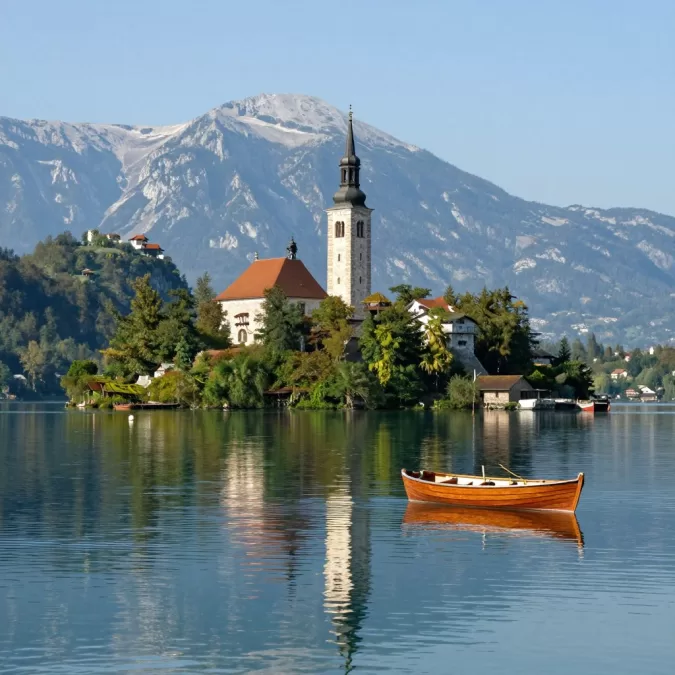
Natural Environment
Slovenia offers diverse geography from Alpine peaks to Adriatic coast. The country prioritizes environmental protection with over half the land forested. National parks provide extensive outdoor recreation opportunities.
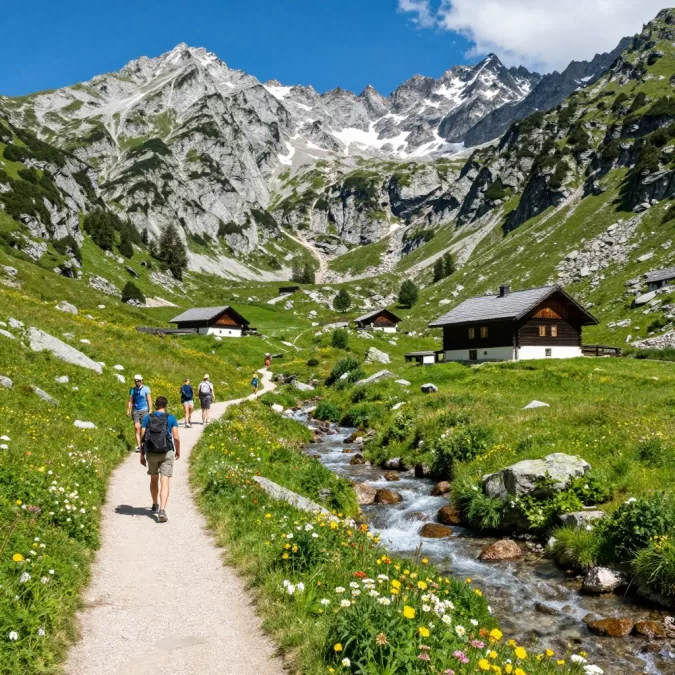
Outdoor Activities
Slovenia excels in outdoor recreation. Hiking, skiing, cycling, and water sports are accessible year-round. The country maintains excellent trail systems and safety standards for outdoor activities.
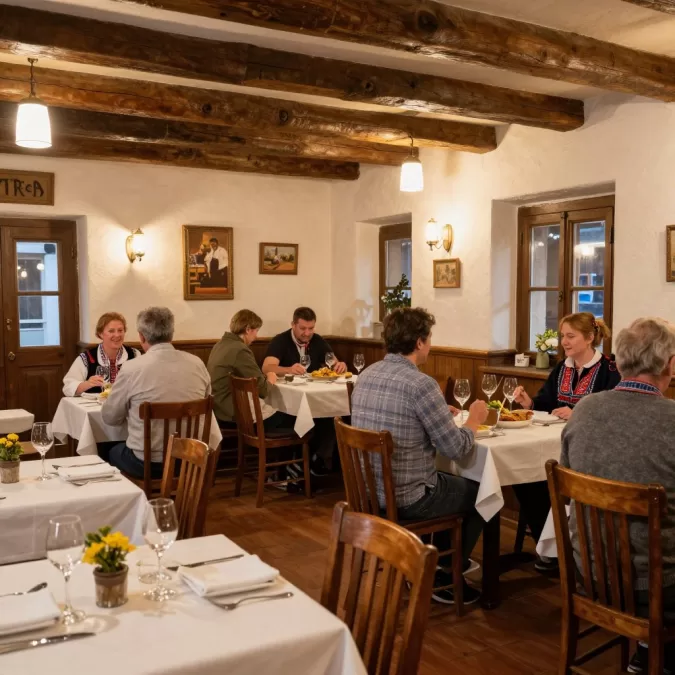
Cultural Richness
Slovenian culture blends Alpine, Mediterranean, and Central European influences. The country values arts, music, and culinary traditions. High education levels and cultural engagement characterize Slovenian society.
Natural Disaster Risk
Slovenia faces minimal natural disaster risk. Minor earthquakes occur occasionally but rarely cause damage. Flooding can affect some river valleys during extreme rainfall but modern infrastructure manages water effectively.
The Alpine regions face avalanche risks in winter. However, safety systems and warning networks protect residents and visitors. Overall environmental risk remains low compared to many countries.
Cost of Living
Slovenia offers moderate living costs lower than Western Europe. Ljubljana housing costs have risen but remain affordable by European standards. A two-bedroom apartment costs $800-1,400 monthly in the capital.
Groceries, dining, and consumer goods cost less than most EU countries. Public transportation is efficient and affordable. Healthcare costs remain reasonable through public insurance. Overall, Slovenia provides excellent value for the quality of life offered.
Immigration Considerations
EU citizens can relocate to Slovenia freely. Non-EU citizens need residence permits, typically through employment or study. Slovenia welcomes skilled workers in technology, engineering, and healthcare sectors.
Learning Slovenian aids integration though younger generations speak English. The international community in Ljubljana is growing. Slovenia offers a peaceful lifestyle with easy access to the rest of Europe.
Still Researching Your Options?
Access exclusive resources to help you make the right decision for your family’s safety and future.
Get Safety Updates
Download Comparison Tool
Compare all top destinations side-by-side with our comprehensive country comparison guide.
8. Czech Republic: Central European Stability with Affordable Living
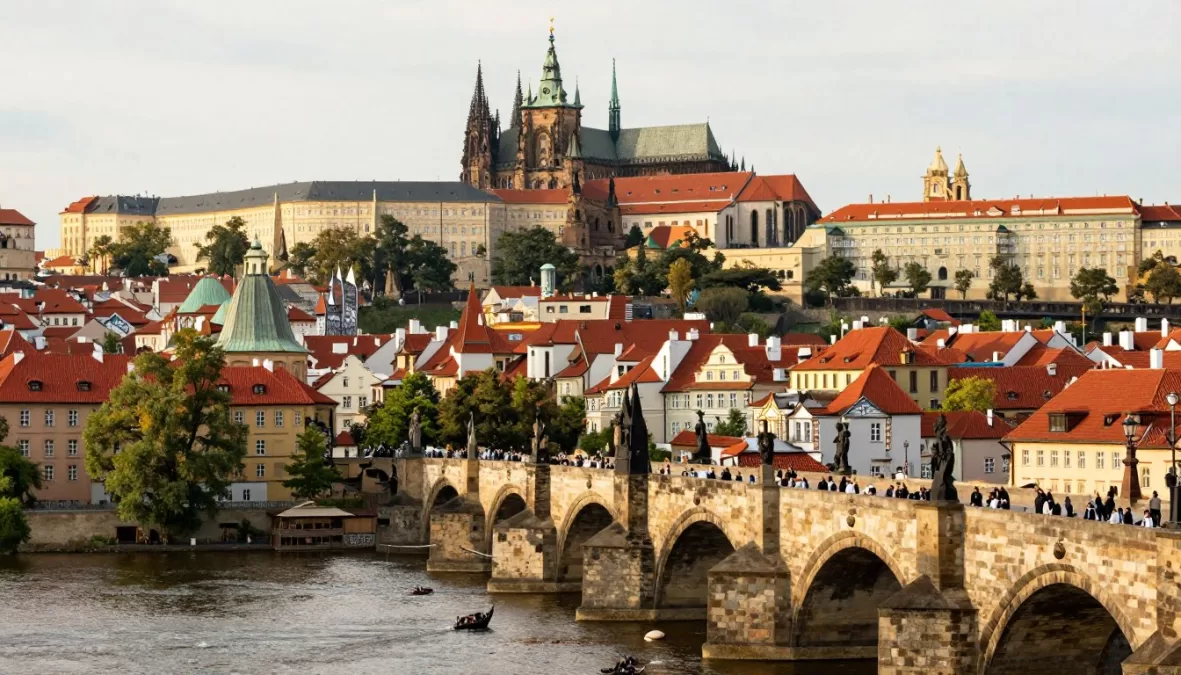
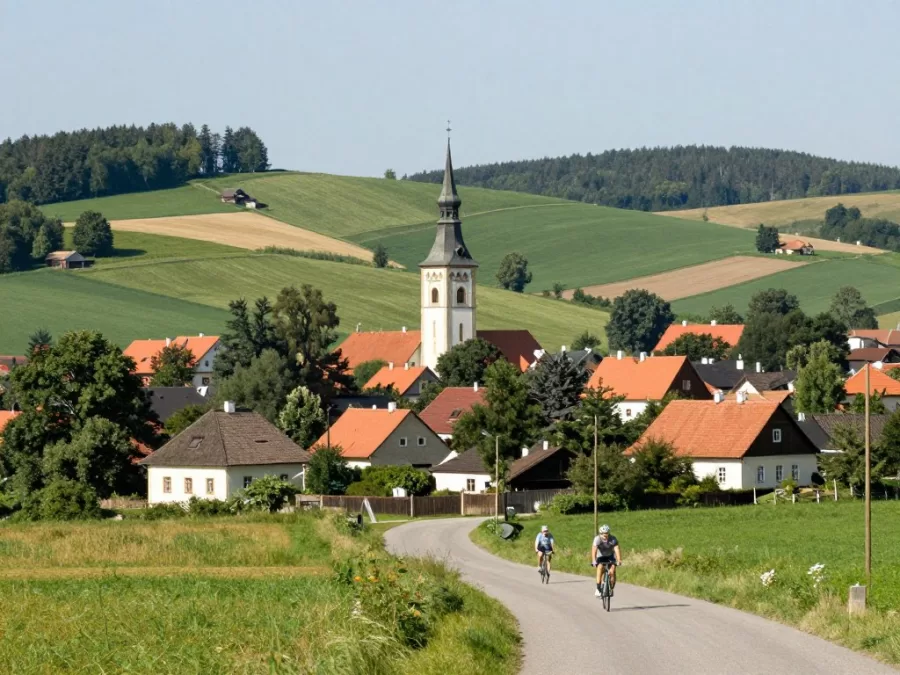
The Czech Republic ranks eighth among the safest countries world in 2026. This Central European nation of 10.5 million combines rich history with modern development. The country’s homicide rate of 0.6 per 100,000 demonstrates excellent safety standards.
Since the peaceful Velvet Revolution in 1989, the Czech Republic has built stable democratic institutions. The country joined NATO and the EU, integrating successfully into Western structures. This transformation created one of the region’s most stable and prosperous nations.
Public Safety Overview
The Czech Republic maintains low crime rates throughout the country. Violent crime is uncommon. Prague, the capital, experiences some pickpocketing in tourist areas but serious crime remains rare.
Czech police maintain visible presence in public areas. The force has modernized significantly since communist times. Community policing approaches build trust between officers and residents. Emergency services respond quickly and effectively throughout the country.
Political Landscape
Czech democracy functions with stability despite occasional political tensions. The country maintains low corruption levels by regional standards. Democratic institutions operate independently and effectively.
The economy has developed strongly since transition to market systems. Manufacturing, technology, and tourism drive economic growth. Unemployment remains low. Strong labor protections and social services support residents during economic challenges.
Healthcare System
The Czech Republic provides universal healthcare through mandatory insurance. The system offers comprehensive coverage with generally short wait times. Healthcare quality is good with modern facilities in major cities.
Life expectancy reaches 79 years. The country maintains adequate healthcare infrastructure throughout including rural areas. Medical professionals are well-trained. Costs remain low by Western European standards even for private care.
Environmental Conditions
The Czech Republic faces minimal natural disaster risk. The landlocked country experiences no tsunamis or hurricanes. Earthquakes are extremely rare and minor. Flooding can affect some river areas during spring but modern flood controls minimize damage.
Air quality in Prague and industrial areas has improved significantly from communist-era pollution. The country invests in environmental protection. Rural areas maintain excellent air and water quality.
Cultural Life and Education
Czech culture values education, arts, and intellectual pursuits. The country produced numerous notable scientists, writers, and artists throughout history. Prague’s cultural scene rivals major European cities with theaters, museums, and concert halls.
Public education is free through university level. Czech universities maintain good academic standards. The country has high literacy rates and educational attainment. This education focus creates skilled workforces and social mobility opportunities.
Living Costs and Affordability
The Czech Republic offers affordable living costs compared to Western Europe. Housing prices in Prague have risen but remain reasonable. A two-bedroom apartment costs $1,000-1,600 monthly in Prague. Smaller cities cost significantly less.
Groceries, dining, and consumer goods cost moderately. Public transportation is efficient and inexpensive. Healthcare costs remain low through public insurance. Overall, the Czech Republic provides excellent quality of life for reasonable expenses.
Immigration and Integration
EU citizens can move to the Czech Republic freely. Non-EU citizens need residence permits, typically through employment or study. The country increasingly welcomes skilled workers to address labor shortages.
Czech language knowledge is beneficial though English speakers can manage in Prague. The international community in Prague is well-established. The country offers central European location with easy access to neighboring countries.
9. Singapore: Asia’s Safety Leader with Modern Infrastructure
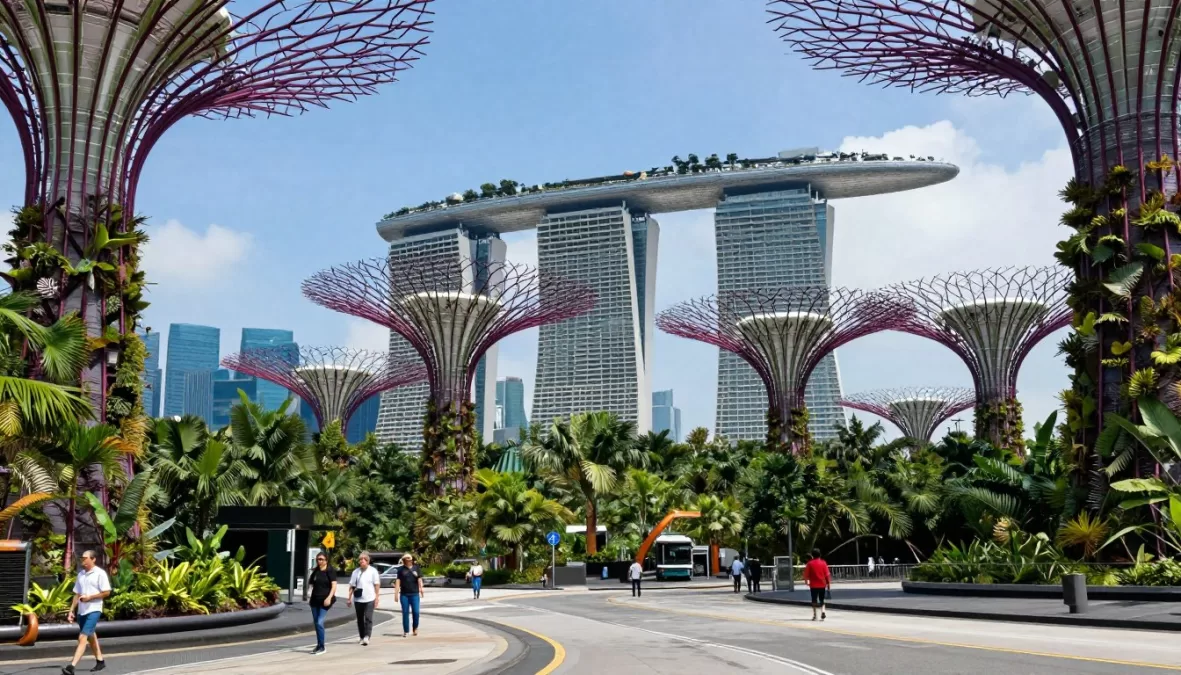
Singapore ranks as Asia’s safest country and ninth globally. This city-state of 5.9 million demonstrates how strong governance creates exceptional safety. Singapore’s homicide rate of 0.2 per 100,000 is among the world’s lowest.
The country transformed from developing nation to advanced economy in one generation. This rapid development was achieved while maintaining social stability and low crime. Singapore’s success offers a unique model of safety and prosperity.
Exceptional Personal Security
Singapore maintains extraordinarily low crime rates. Violent crime is extremely rare. Property crime occurs infrequently. The country’s strict laws and efficient enforcement create secure environments throughout Singapore.
Police maintain high visibility and use advanced technology for crime prevention. CCTV cameras monitor public spaces extensively. This surveillance, combined with strict penalties, deters criminal activity effectively. Residents and visitors feel safe at all hours.
Political Environment
Singapore’s parliamentary democracy is dominated by the People’s Action Party. While political competition is limited, governance is efficient and largely corruption-free. The country ranks among the world’s least corrupt nations.
Political stability has enabled long-term planning and consistent policy implementation. This stability attracts international business and investment. However, civil liberties are more restricted than Western democracies, with limits on freedom of speech and assembly.
World-Class Healthcare
Singapore’s healthcare system ranks among the world’s best. The country uses a unique approach combining public healthcare with mandatory savings accounts. Quality is exceptional with modern hospitals and well-trained medical professionals.
Life expectancy reaches 84 years, among the world’s highest. Healthcare costs are controlled through government regulation while maintaining high quality. Medical tourism brings patients from across Asia seeking Singapore’s excellent care.
Important Consideration: Singapore has very strict laws with severe penalties. Drug trafficking carries mandatory death penalty. Littering, chewing gum sales, and jaywalking result in substantial fines. These strict laws contribute to safety but require careful compliance from residents.
Environmental Factors
Singapore’s tropical location brings year-round heat and humidity. The country faces no earthquake or tsunami risk. However, the region experiences occasional haze from Indonesian forest fires affecting air quality.
Climate change poses long-term flooding risks to the low-lying island. The government invests heavily in coastal protection and water management. Singapore leads in environmental technology despite limited natural resources.
Economic Opportunity
Singapore offers a robust economy with low unemployment. The country serves as a regional hub for finance, technology, and logistics. High salaries attract skilled professionals from around the world.
The business environment is ranked among the world’s best. English is an official language alongside Mandarin, Malay, and Tamil. This multilingual environment facilitates international business and makes Singapore accessible for English speakers.
Living Costs and Housing
Singapore ranks among the world’s most expensive cities. Housing costs are substantial, particularly for private property. Many residents live in government-built HDB flats which offer more affordable options but have citizenship or permanent residency requirements.
A private two-bedroom apartment costs $3,000-5,000 monthly. Groceries and dining are expensive. However, excellent public transportation reduces vehicle costs. Tax rates are relatively low, helping offset high living expenses.
Immigration Pathways
Singapore offers various work visas for skilled professionals. The Employment Pass serves qualified workers in professional roles. Entrepreneurs can apply for EntrePass visas. Permanent residency remains competitive but achievable for long-term residents.
The country actively seeks talent in technology, finance, healthcare, and engineering. Education credentials and work experience determine eligibility. Singapore’s multicultural environment welcomes international residents who contribute to the economy.
10. Japan: Traditional Values Meet Modern Safety Standards
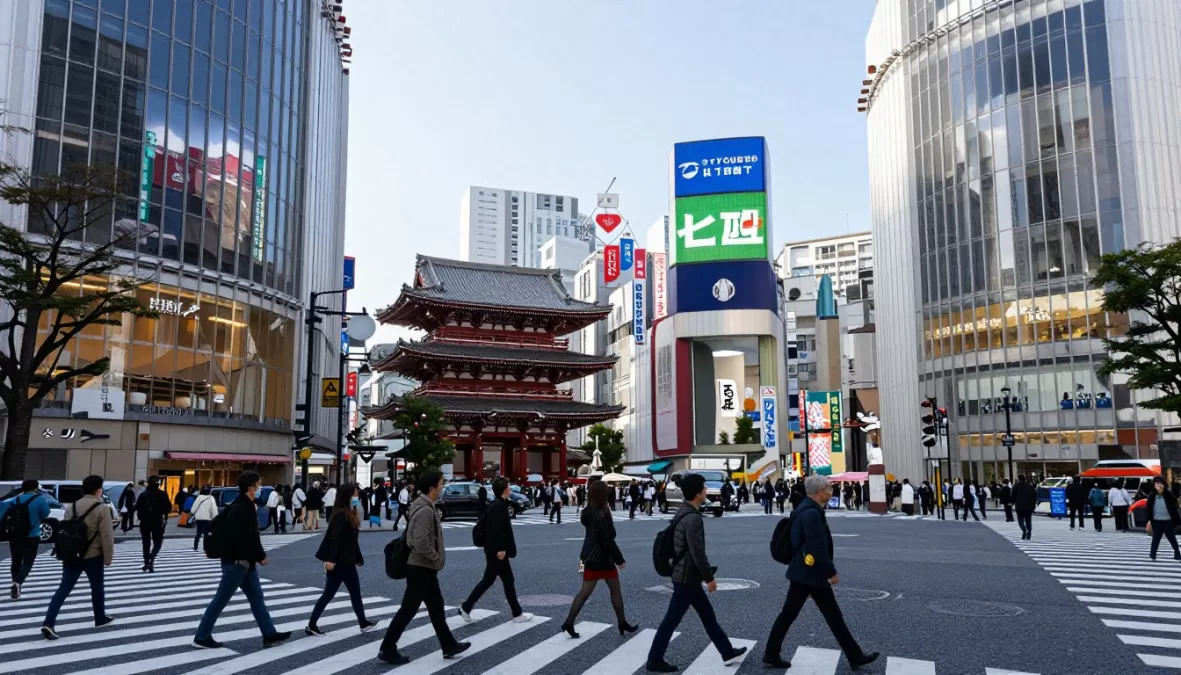
Japan rounds out the top 10 safest places to live in the world 2026. This island nation of 125 million demonstrates how cultural values create safety in dense urban environments. Japan’s homicide rate of 0.2 per 100,000 ranks among the world’s lowest.
Japanese society emphasizes collective responsibility, respect for rules, and social harmony. These cultural values contribute significantly to low crime rates. Lost items are routinely returned to owners. Children travel independently on public transportation safely.
Crime and Public Safety
Japan maintains exceptionally low crime rates. Violent crime is rare throughout the country. Tokyo, the world’s largest metropolitan area, remains remarkably safe even late at night. Theft and property crime occur far less frequently than most countries.
The Japanese police force, called koban, operates through neighborhood police boxes. Officers know their communities personally. This local presence prevents crime and builds trust. Japan’s low crime results from both effective policing and strong social norms against criminal behavior.
Political Stability
Japan’s parliamentary democracy has functioned continuously since 1947. The Liberal Democratic Party has dominated politics for most of this period, providing policy continuity. Government transitions occur peacefully through democratic elections.
Japan maintains the world’s third-largest economy despite demographic challenges. The country faces aging population issues but maintains economic stability. Political stability and rule of law make Japan attractive for long-term residence.
Healthcare Excellence
Japan’s universal healthcare system provides excellent coverage to all residents. The country’s life expectancy of 85 years is the world’s highest. Healthcare combines traditional and modern medicine effectively.
Medical facilities throughout Japan maintain high standards. The country leads in medical technology and research. Healthcare costs are controlled through government regulation while maintaining quality. Elderly care receives particular attention given population demographics.
Natural Disaster Considerations
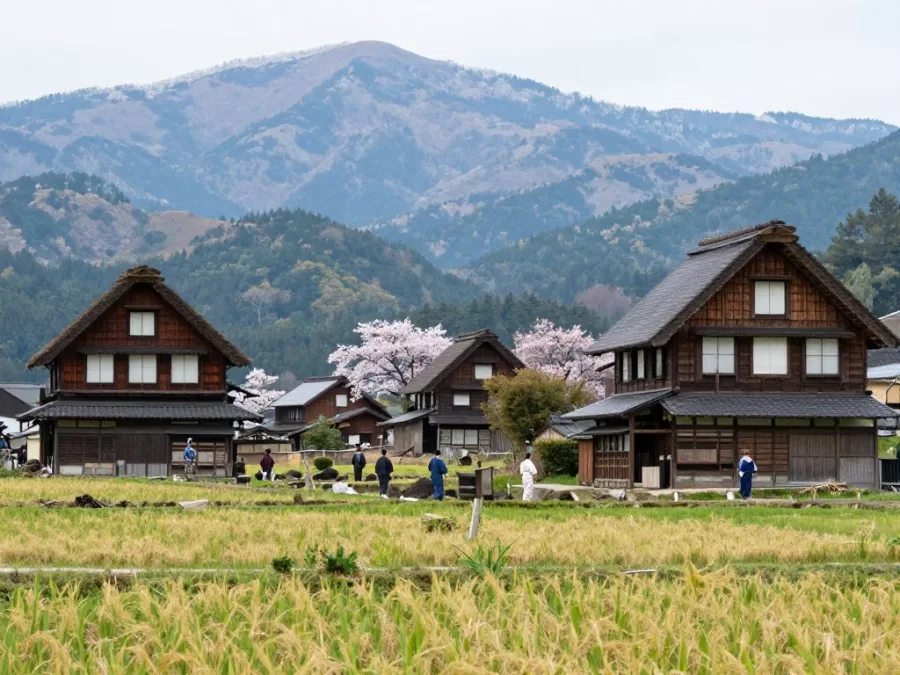
Japan faces significant natural disaster risks including earthquakes, tsunamis, and typhoons. The country experiences frequent seismic activity due to its location on the Pacific Ring of Fire. The 2011 earthquake and tsunami demonstrated these risks dramatically.
However, Japan leads globally in disaster preparedness and mitigation. Building codes are extremely stringent. Early warning systems for earthquakes and tsunamis save lives. Regular emergency drills prepare residents. Infrastructure is designed to withstand natural disasters.
While natural disaster risk cannot be eliminated, Japan’s preparedness systems significantly reduce impacts. The country has learned from past disasters and continuously improves safety measures.
Quality of Life
Japan offers high quality of life despite some challenges. Public transportation is world-class with trains running precisely on schedule. Cities are clean and well-maintained. Infrastructure is excellent throughout the country.
The culture values order, cleanliness, and respect. This creates pleasant living environments. However, work culture can be demanding with long hours common. Housing in major cities is expensive and often small by Western standards.
Cultural Integration Challenges
Japan remains culturally homogeneous with limited immigration historically. The language barrier presents significant challenges for non-Japanese speakers. Learning Japanese is essential for full integration and many employment opportunities.
Japanese society can be difficult for foreigners to fully integrate into. Social norms and business practices differ significantly from Western countries. However, foreign residents generally report feeling safe and welcome despite cultural differences.
Living Costs
Japan’s cost of living varies by location. Tokyo and other major cities are expensive. A two-bedroom apartment in Tokyo costs $2,000-3,500 monthly. Rural areas and smaller cities offer more affordable options.
Groceries and dining costs are moderate. Public transportation is efficient but can be expensive for daily commuting. Healthcare costs remain reasonable through national insurance. Overall expenses are manageable in proportion to salaries in professional fields.
Visa and Immigration
Japan has historically had restrictive immigration policies but is gradually opening to foreign workers. Work visas are available for qualified professionals in various fields. The country particularly seeks workers in technology, engineering, and English teaching.
Long-term residence and permanent residency are possible but require years of continuous residence. Citizenship remains difficult to obtain. However, Japan offers increasing opportunities for skilled foreign workers as the country addresses labor shortages.
Ready to Explore Your Relocation Options?
Speak with a relocation specialist who can help you evaluate destinations based on your specific safety priorities, family needs, and lifestyle preferences. Free 15-minute consultation available.
Honorable Mentions: Other Safe Countries to Consider
Several other countries deserve recognition for strong safety records. These destinations didn’t make the top 10 but offer excellent security for residents.
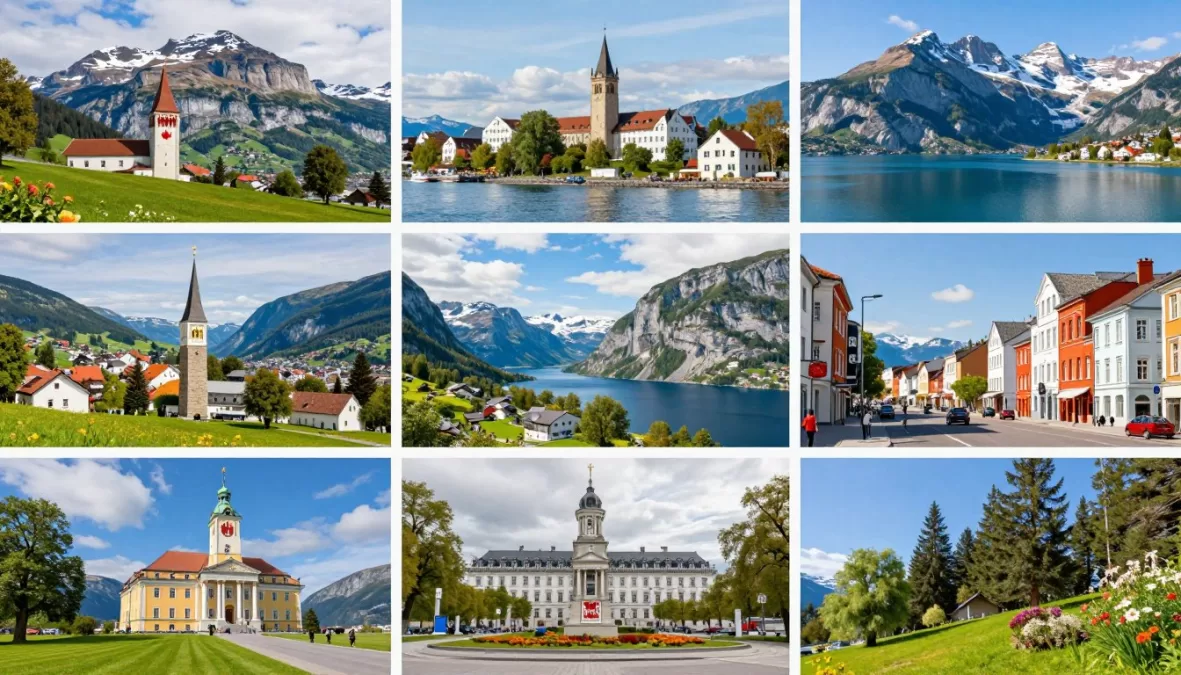
Switzerland
Switzerland consistently ranks among the world’s safest countries. The nation’s political neutrality, strong economy, and excellent healthcare create secure environments. Crime rates are extremely low throughout Switzerland.
The country offers exceptional quality of life despite very high living costs. Switzerland’s mountains provide stunning natural beauty. However, restrictive immigration policies and expensive housing limit accessibility for many potential residents.
Canada
Canada ranks as North America’s safest country. This vast nation combines low crime rates with political stability and universal healthcare. Canadian cities consistently rank among the world’s most livable.
The country welcomes immigrants through various programs. Canada offers diverse geography from mountains to coastlines. However, harsh winters in many regions and housing affordability issues in major cities present challenges.
Norway
Norway maintains excellent safety standards similar to other Scandinavian countries. The nation combines low crime with comprehensive social welfare. Oil wealth funds generous public services.
The country offers spectacular natural beauty and outdoor recreation. However, extremely high living costs and long, dark winters make Norway challenging for some residents. Immigration requires securing employment in most cases.
Finland
Finland rounds out the Scandinavian safety leaders. The country maintains low crime rates and excellent social services. Education quality in Finland ranks among the world’s best.
Finnish society values equality and environmental protection. The country offers unique culture and beautiful nature. However, the Finnish language presents significant learning challenges. Cold climate and limited daylight in winter affect some residents.
| Country | Crime Rate | Healthcare | Cost of Living | Immigration Ease |
| Switzerland | Very Low | Excellent | Very High | Difficult |
| Canada | Low | Excellent | High | Moderate |
| Norway | Very Low | Excellent | Very High | Moderate |
| Finland | Very Low | Excellent | High | Moderate |
Comparing Safety Factors Across Top Destinations
Understanding how different countries prioritize various safety aspects helps identify the best match for your needs. Each destination offers unique advantages and trade-offs.
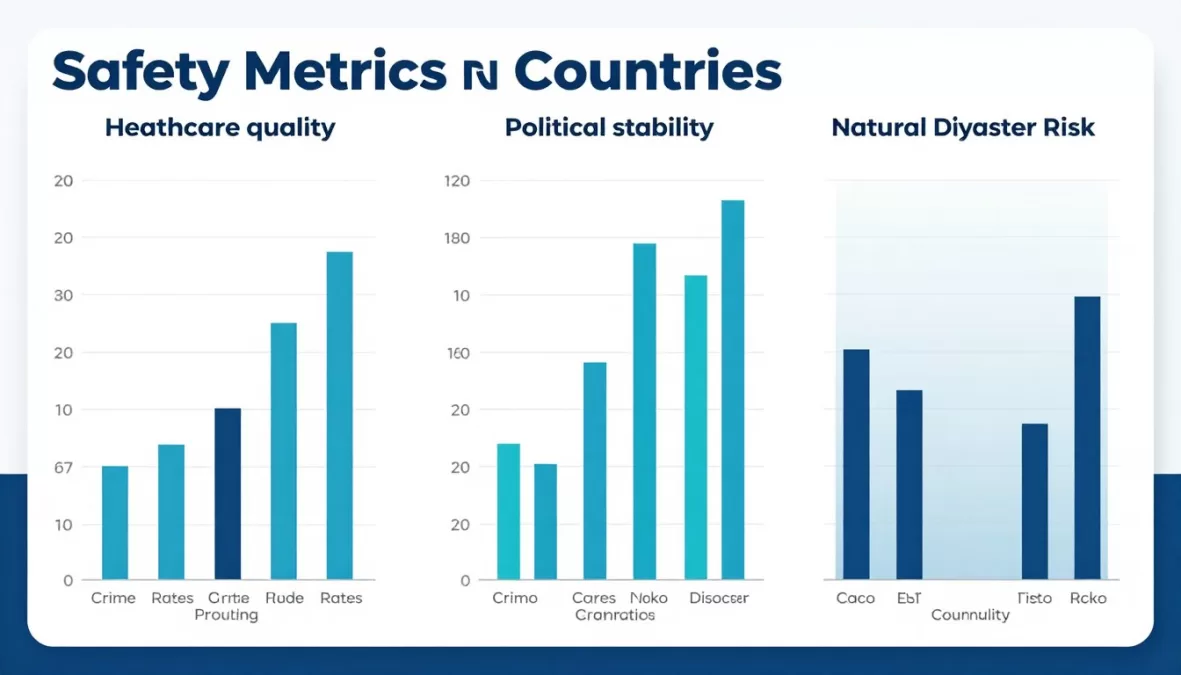
Crime Rate Comparison
Iceland, Singapore, and Japan demonstrate the lowest violent crime rates globally. These countries maintain homicide rates below 0.3 per 100,000 people. Cultural factors and effective law enforcement contribute to these exceptional statistics.
European countries like Denmark, Austria, and Portugal maintain slightly higher but still very low crime rates. These nations balance personal freedom with effective crime prevention. North American and Asian options show more variation in crime statistics.
Healthcare Quality Analysis
Denmark, Austria, and Singapore offer world-leading healthcare systems. These countries combine universal access with high-quality care and modern facilities. Life expectancy in these nations exceeds 82 years.
New Zealand, Ireland, and Portugal provide good healthcare at more affordable costs. These systems face some capacity challenges but maintain adequate quality for residents. Japan’s healthcare excellence supports its world-leading longevity.
Political Stability Evaluation
Scandinavian countries demonstrate the strongest democratic institutions and lowest corruption. Iceland, Denmark, and Norway have functioned as stable democracies for generations. These nations prioritize transparency and citizen participation.
Singapore offers political stability through different means, with limited political competition but efficient governance. Japan maintains stability through democratic consensus-building. All top-ranking countries avoid the political instability affecting many regions.
Natural Disaster Risk Assessment
Ireland, Denmark, and Portugal face minimal natural disaster threats. These countries avoid earthquake zones, major storm paths, and volcanic activity. Geographic location provides inherent environmental safety advantages.
Japan and New Zealand face significant natural disaster risks but compensate through exceptional preparedness. Iceland’s volcanic activity creates some risk, mitigated by excellent monitoring systems. Singapore faces long-term climate change flooding risks.
- Iceland – 0.3 per 100,000
- Singapore – 0.2 per 100,000
- Japan – 0.2 per 100,000
- Norway – 0.5 per 100,000
- Switzerland – 0.5 per 100,000
Lowest Crime Rates
- Denmark – 9.7/10 quality score
- Austria – 9.6/10 quality score
- Singapore – 9.5/10 quality score
- Iceland – 9.7/10 quality score
- Japan – 9.4/10 quality score
Best Healthcare Systems
- Portugal – Moderate costs
- Czech Republic – Lower costs
- Slovenia – Moderate costs
- Ireland – Moderate-high costs
- Austria – Moderate-high costs
Most Affordable Living
Cost of Living Balance
Portugal, Czech Republic, and Slovenia offer the most affordable living among top-ranked safe countries. These destinations provide excellent value for quality of life received. Housing, food, and services cost significantly less than Western European or Asian alternatives.
Iceland, Singapore, and Switzerland represent the most expensive options. These countries require substantial income to maintain comfortable lifestyles. However, high salaries in these nations often offset living expenses for professional workers.
Immigration Accessibility
EU countries offer the easiest immigration for EU citizens through freedom of movement. Ireland, Portugal, and Austria welcome EU residents without visa requirements. These destinations also maintain pathways for skilled non-EU workers.
New Zealand and Canada operate points-based immigration systems actively seeking skilled workers. Singapore offers work visas for qualified professionals. Switzerland and Japan maintain more restrictive immigration policies despite growing labor needs.
Best Safe Places for Families with Children
Families prioritize specific safety factors when choosing relocation destinations. Education quality, healthcare for children, outdoor recreation, and community support matter significantly for family decisions.
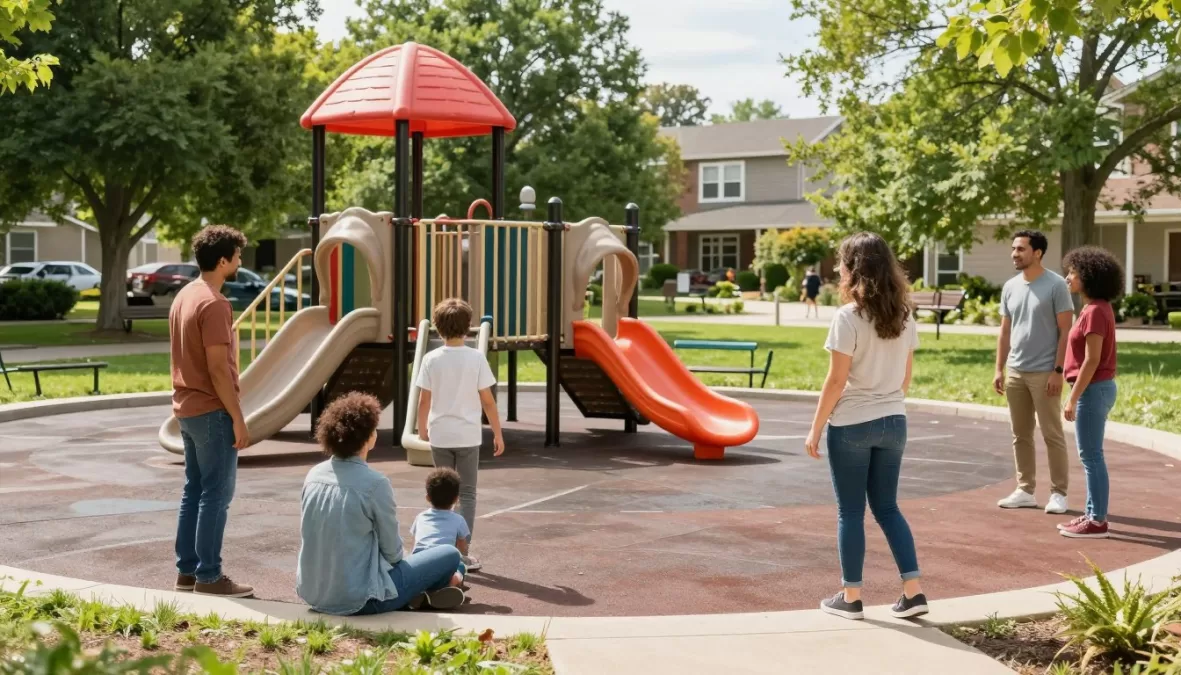
Iceland for Family Safety
Iceland offers exceptional safety for families. Children routinely play outdoors unsupervised. The education system provides excellent free schooling. Parental leave policies support work-family balance generously.
The small population creates tight-knit communities where families support each other. Healthcare for children is comprehensive and accessible. However, limited peer diversity and isolation may affect some families.
Denmark’s Family-Friendly Environment
Denmark prioritizes families through social policies and cultural values. Free education and healthcare reduce family expenses. Work-life balance allows parents significant time with children. Public spaces are designed for families.
Danish cities provide safe cycling infrastructure families use daily. Outdoor recreation opportunities abound. The concept of “hygge” creates cozy family environments. Child development is supported through excellent early education programs.
New Zealand for Active Families
New Zealand offers outstanding outdoor recreation for active families. Safe beaches, mountains, and parks provide endless exploration opportunities. The culture values work-life balance, allowing family time.
Education quality is high with both public and private options. Communities are welcoming to families. Sports and outdoor activities form central parts of childhood. However, distance from extended family in other countries presents challenges.
Austria’s Educational Excellence
Austria provides free education through university level with high academic standards. Vienna and other cities offer safe environments for children. Cultural opportunities including music education are widely accessible.
Public transportation safety allows children increasing independence as they mature. Healthcare for children is comprehensive. Family support services are well-developed. The Alpine environment provides year-round outdoor recreation.
Safety Considerations
- Low crime rates in residential areas
- Safe public transportation for school-age children
- Pedestrian-friendly neighborhoods
- Emergency services reliability
- Community support systems
Education Quality
- Free or affordable schooling options
- Strong academic standards
- International school availability
- Language instruction programs
- After-school activities and sports
Healthcare Access
- Pediatric care quality and availability
- Vaccination programs
- Emergency care for children
- Mental health services
- Dental care for children
Quality of Life
- Outdoor recreation opportunities
- Clean environment and air quality
- Family-friendly public spaces
- Work-life balance for parents
- Community integration support
Social Support
- Parental leave policies
- Childcare availability and quality
- Family benefits and subsidies
- Community programs for families
- Parent networks and groups
Practical Factors
- Housing suitable for families
- Cost of living for families
- International community presence
- Language accessibility
- Cultural integration for children
Singapore for International Families
Singapore attracts international families through safety, excellent schools, and multicultural environment. The education system ranks highly globally. International schools serve expatriate families well.
Public safety allows children significant freedom of movement. Healthcare is world-class with pediatric specialists readily available. However, high costs and limited space present challenges. Academic pressure can be intense.
Practical Family Relocation Tips
Research education options thoroughly before relocating with children. Visit schools if possible. Understand language requirements and available support for non-native speakers. Consider children’s ages and how transitions will affect them.
Connect with other expatriate families in potential destinations. These networks provide valuable insights and support during transitions. Consider temporary housing initially to explore neighborhoods before committing long-term.
Safety Considerations for Women Living Abroad
Women face specific safety considerations when evaluating relocation destinations. Gender equality, legal protections, and cultural attitudes significantly impact daily safety and quality of life for women.
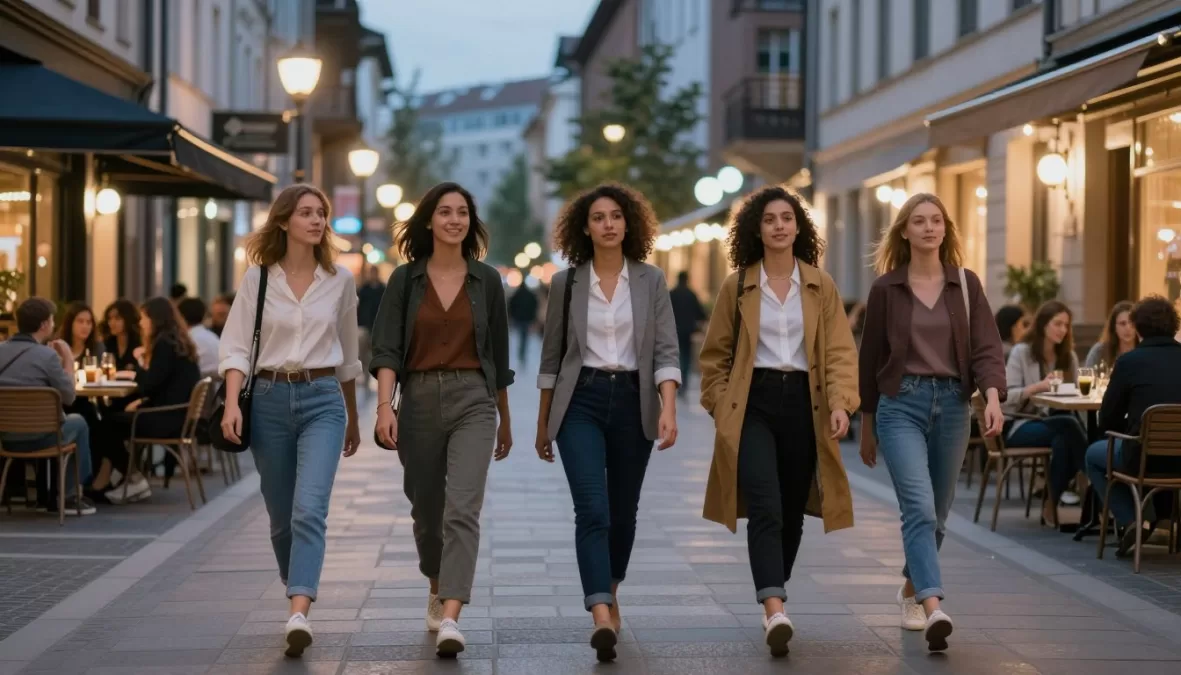
Iceland’s Gender Equality Leadership
Iceland ranks first globally for gender equality for twelve consecutive years. Women hold prominent positions in government and business. The gender pay gap is the world’s smallest, though not eliminated entirely.
Violence against women is addressed seriously through strong legal frameworks. Women report feeling safe walking alone at night throughout Iceland. Cultural attitudes strongly support women’s rights and equality. This environment makes Iceland exceptionally safe for women.
Scandinavian Safety for Women
Denmark, Norway, and Finland all prioritize gender equality through policy and culture. These countries provide generous parental leave shared between parents. Childcare is accessible and affordable, supporting women’s career participation.
Violence against women receives serious legal and social responses. Public spaces are safe for women at all hours. Cultural attitudes value gender equality genuinely. Healthcare includes comprehensive women’s health services.
New Zealand and Ireland
Both countries demonstrate strong commitments to women’s safety and equality. New Zealand’s former Prime Minister Jacinda Ardern symbolized this commitment. Women report high levels of personal safety in public spaces.
Legal protections against discrimination are robust. Both countries address domestic violence through support services and legal frameworks. Women participate fully in economic and political life. However, gender pay gaps persist in both nations.
Singapore’s Safety with Caveats
Singapore offers excellent physical safety for women. Violent crime against women is extremely rare. Public transportation and streets are safe at all hours. This creates peace of mind for women residents.
However, gender equality lags behind physical safety. Women face glass ceiling effects in business. Traditional gender roles persist in some communities. Legal frameworks around women’s rights are adequate but less progressive than Western countries.
“Safety for women extends beyond crime statistics to include economic opportunity, legal protection, healthcare access, and cultural attitudes. The safest countries for women excel across all these dimensions.”
Evaluating Women’s Safety
Consider multiple factors when assessing safety for women. Physical safety from crime is fundamental but insufficient alone. Legal protections against discrimination and harassment matter significantly. Access to reproductive healthcare including family planning is essential.
Cultural attitudes toward women vary even in safe countries. Research local attitudes through expatriate women’s experiences. Online forums and social media groups provide valuable insights. Consider whether local culture aligns with your values and expectations.
Economic opportunity affects safety by providing financial independence. Countries with strong equal pay enforcement and anti-discrimination laws create more secure environments for women. Childcare availability and parental leave policies support women’s career participation.
Safest Countries for Retirement in 2026
Retirees prioritize safety alongside healthcare access, affordability, and quality of life. The safest countries for retirement combine low crime with excellent healthcare and retiree-friendly policies.
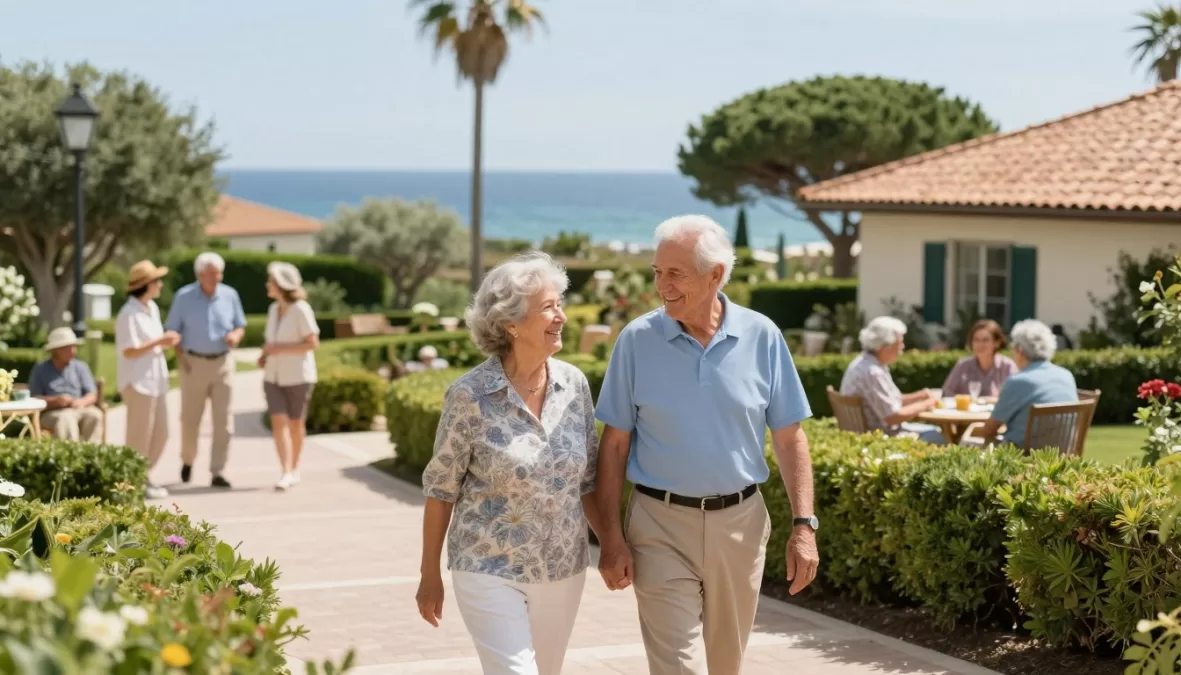
Portugal for Affordable Retirement
Portugal has become a top retirement destination for Europeans and Americans. The country offers excellent safety at affordable costs. Climate is ideal with mild winters and warm summers. Healthcare quality is good with English-speaking doctors available.
The Non-Habitual Resident tax program provides tax benefits for ten years. This makes Portugal financially attractive for retirees with pensions or investment income. Lisbon and Porto offer urban amenities while coastal towns provide relaxed lifestyles.
Costa Rica’s Natural Beauty
Costa Rica combines safety with natural beauty and lower costs than many retirement destinations. The country maintains stable democracy and abolished its military in 1949. Healthcare quality is good with costs far below US levels.
The Pensionado visa program offers benefits to retirees including healthcare discounts. English is widely spoken in expatriate communities. Beach and mountain communities cater specifically to retirees. However, infrastructure can be challenging in rural areas.
Slovenia’s European Charm
Slovenia offers affordable European retirement with excellent safety. The country provides EU residence for those meeting financial requirements. Healthcare is good and inexpensive. The capital Ljubljana is charming and manageable in size.
Slovenia’s location allows easy travel throughout Europe. The country offers both Alpine and Mediterranean environments. English is increasingly spoken, especially among younger generations. Cost of living is significantly lower than Western Europe.
Uruguay’s South American Safety
Uruguay stands out in South America for political stability and safety. The country welcomes retirees through straightforward visa processes. Montevideo and coastal towns offer appealing lifestyles. Healthcare is good with both public and private options.
The country has progressive social policies and welcoming attitudes toward foreigners. Spanish language skills improve the experience but expatriate communities provide support. Costs are moderate, lower than US but higher than some Latin American countries.
What healthcare considerations matter most for retirees abroad?
Retirees should verify health insurance coverage in destination countries. Many countries offer national health systems covering residents. Quality of geriatric care and specialist availability matter significantly. Consider proximity to major medical centers. Prescription medication availability and costs require research. Some countries offer better value for ongoing medical care than others.
How does retirement visa eligibility work in safe countries?
Most countries offer retirement or retirement-income visas requiring proof of sufficient income or savings. Amounts vary by country, typically $1,000-$2,500 monthly income. Some countries require health insurance coverage. Background checks verify clean criminal records. Many countries allow renewal annually or bi-annually before qualifying for permanent residence.
What are tax implications of retiring abroad?
US citizens remain liable for US taxes on worldwide income regardless of residence. Tax treaties prevent double taxation in many cases. Some countries offer favorable tax treatment for foreign pensions. Professional tax advice is essential when planning international retirement. Consider both US obligations and destination country tax requirements when evaluating retirement locations.
Practical Steps for Relocating to Safe Countries
Successful relocation requires careful planning and preparation. These practical steps guide your move to one of the safest places to live in the world 2026.

Research and Destination Selection
Begin research at least one year before intended move dates. Visit potential destinations if possible to experience daily life firsthand. Short-term rentals allow testing locations before committing. Connect with expatriate communities online to learn from others’ experiences.
Consider factors beyond safety including career opportunities, language requirements, climate preferences, and cultural fit. Narrow options to two or three finalists. Research visa requirements thoroughly as they vary significantly between countries. Some destinations are easier to access than others.
Financial Planning
Calculate comprehensive budgets including housing, healthcare, education, transportation, and daily expenses. Factor in visa fees, moving costs, and initial settlement expenses. Establish financial cushions for unexpected costs during transition periods.
Research banking options in destination countries. Understand currency exchange and international money transfer options. Consider tax implications including both home country and destination obligations. Professional financial advice helps navigate complex international situations.
Visa and Legal Requirements
Begin visa applications well in advance as processing takes months in some cases. Gather required documents including birth certificates, marriage certificates, diplomas, and professional credentials. Many countries require authenticated translations of documents.
Understand different visa pathways including work permits, student visas, retirement visas, or investor visas. Each has specific requirements and limitations. Some visas allow family members while others require separate applications. Research paths to permanent residence and citizenship if desired long-term.
Housing Arrangements
Secure temporary housing for initial arrival period. Short-term rentals allow time to explore neighborhoods before committing to long-term housing. Research rental markets thoroughly as processes vary by country. Understand tenant rights and typical lease terms.
Many countries require significant deposits and advance rent. Some locations have competitive rental markets requiring quick decisions. Consider using relocation services that assist with housing searches. Visit multiple properties before deciding when possible.
Healthcare Registration
Register for healthcare coverage immediately upon arrival. Many countries require registration with national health systems. Understand what services are covered and any out-of-pocket costs. Arrange private insurance if gaps exist in public coverage.
Transfer medical records to new healthcare providers. Ensure adequate supplies of prescription medications during transition. Research local doctors and establish care relationships early. Understand emergency services and how to access them.
Language Preparation
Begin language learning before relocation if moving to non-English speaking countries. Even basic language skills ease daily life significantly. Many destination countries offer free language courses for immigrants. Take advantage of these programs.
English speakers can manage initially in most developed countries but local language competency improves integration. Consider intensive language study during the first months. Children typically acquire languages faster than adults, easing their transitions.
Cultural Integration
Learn about local customs, social norms, and cultural expectations. Join community groups and activities to meet locals and other immigrants. Expatriate organizations provide support networks during transitions.
Be patient with cultural adjustment which typically takes six to twelve months. Culture shock is normal and passes with time. Maintain connections to home country while actively building new relationships. Balance preserving your identity with embracing new culture.
Future Safety Trends: Looking Beyond 2026
Global safety dynamics continue evolving. Understanding emerging trends helps evaluate long-term security in potential destinations.
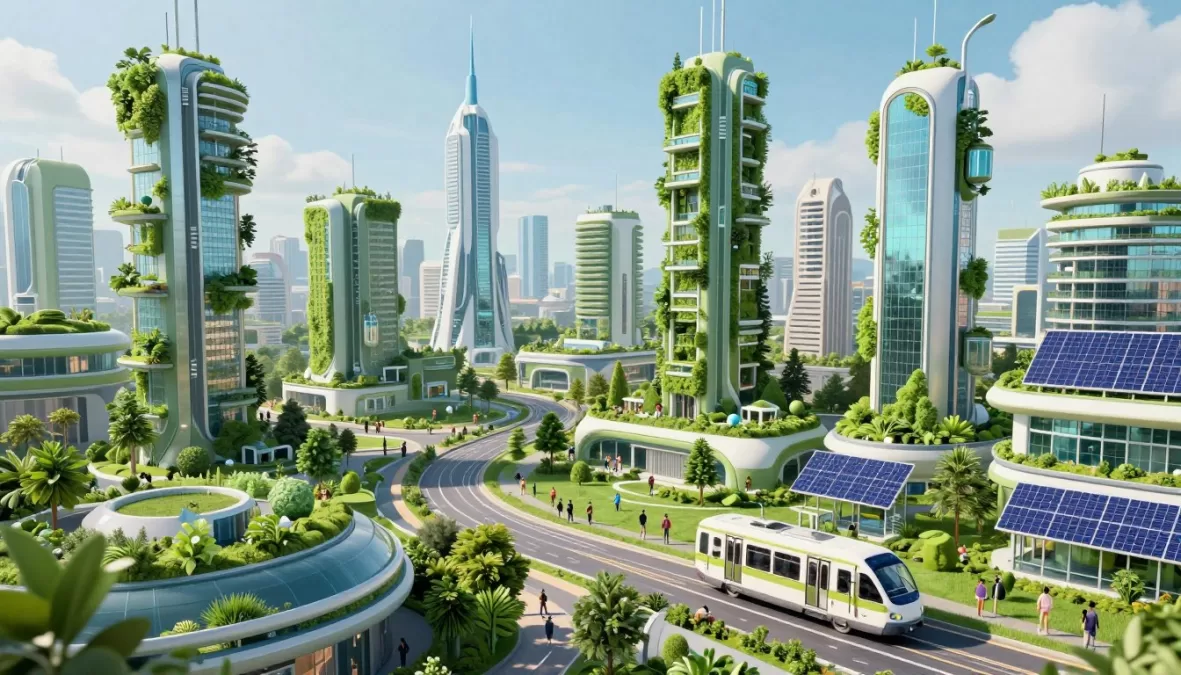
Climate Change Impact
Climate change increasingly affects destination safety. Rising sea levels threaten coastal cities including Singapore and parts of Netherlands. Extreme weather events impact agriculture and water security in many regions.
Countries investing in climate adaptation maintain safer long-term prospects. Netherlands’ advanced water management provides models for coastal protection. Nordic countries lead in renewable energy transition. Consider climate resilience when evaluating long-term safety.
Demographic Shifts
Aging populations in Japan, Europe, and other developed regions create both challenges and opportunities. These demographic changes affect economic vitality and social services. Countries successfully integrating younger immigrants maintain better long-term stability.
Some countries welcome immigration to address aging populations. Others resist demographic change through restrictive policies. Immigration-friendly nations with aging populations may offer increasing opportunities for younger workers and families.
Technology and Security
Advanced technology increasingly supports public safety. Surveillance systems, artificial intelligence, and data analytics help prevent crime. However, these technologies raise privacy concerns requiring careful balancing.
Cybersecurity becomes increasingly important as critical infrastructure relies on digital systems. Countries investing in cyber defense maintain safer environments. Digital safety matters alongside physical security in modern life.
Geopolitical Considerations
Global geopolitical tensions affect safety in various regions. European countries face impacts from Eastern European conflicts. Asian countries navigate tensions involving major powers. Understanding broader regional dynamics helps assess long-term safety.
Countries maintaining neutrality or strong diplomatic relationships often provide more stable environments. Participation in international organizations and alliances can enhance or complicate safety depending on circumstances.
Long-Term Perspective: When choosing relocation destinations for long-term residence or retirement, consider trends beyond current statistics. Climate resilience, demographic sustainability, economic adaptability, and political stability all indicate long-term safety prospects.
Making Your Decision: Choosing the Safest Place for You
The safest places to live in the world 2026 offer different advantages depending on individual priorities. No single destination is perfect for everyone. Your ideal choice depends on personal circumstances, preferences, and life stage.
Iceland and Scandinavian countries excel in overall safety with strong social welfare and low crime. However, high costs and harsh climates present challenges. These destinations suit those prioritizing comprehensive security and willing to accept trade-offs.
Portugal and Slovenia provide affordable European options with good safety. These countries offer excellent value for those seeking lower costs without compromising security. They suit retirees, remote workers, and families seeking balanced lifestyles.
Singapore and Japan offer Asian alternatives with exceptional safety. These destinations provide modern infrastructure and economic opportunities. They suit professionals and families comfortable with more structured societies and expensive living costs.
New Zealand and Ireland combine English-speaking environments with strong safety. These countries ease transitions for English speakers. They suit families seeking outdoor lifestyles and cultural similarities to English-speaking home countries.
Final Recommendations
Visit potential destinations before committing to relocation when possible. Short visits provide valuable insights that research alone cannot offer. Connect with expatriate communities to learn from their experiences. These connections provide realistic perspectives on daily life.
Consider starting with temporary residence to test compatibility before permanent moves. Many countries offer extended visitor visas or temporary work permits. This approach reduces risk while allowing genuine destination assessment.
Prioritize factors most important to your situation. Families with children emphasize education and community. Retirees focus on healthcare and affordability. Working professionals consider career opportunities and economic conditions. Your personal priorities should guide final decisions.
Remember that safety is just one factor in quality of life. Cultural fit, social connections, career satisfaction, and personal fulfillment matter significantly. The safest place statistically may not be the best place for you personally. Balance objective safety data with subjective lifestyle preferences.
The world offers numerous safe, welcoming destinations for those seeking better security. These countries demonstrate that comprehensive safety comes from multiple factors working together. Low crime, strong healthcare, political stability, and social support create genuinely secure environments.
Take time to research thoroughly, plan carefully, and make informed decisions. International relocation is significant and irreversible. However, for those seeking safer lives for themselves and their families, these destinations offer genuine opportunities to improve security and quality of life.
Start Your Safe Relocation Journey Today
Access our complete suite of safety resources, country guides, and expert consultations. Everything you need to make an informed decision about your family’s future.

Priyanka Pandey
Senior Research Editor · Top10Sense
Priyanka specializes in tech, consumer products, and digital trends. She combines hands-on testing, vendor interviews, and database research to create trustworthy “Top 10” rankings. Her work has been referenced by industry blogs and brand report pages.