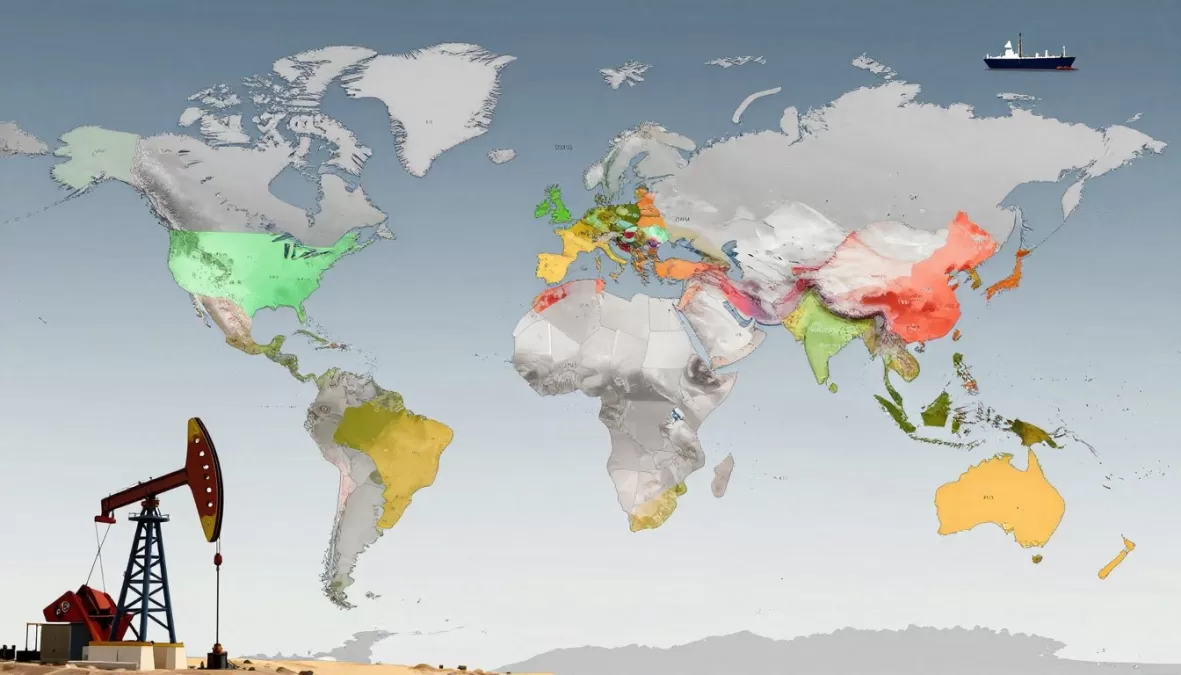
The global oil market continues to shape economic and political landscapes worldwide. Understanding which countries dominate crude oil exports provides crucial insights into energy security and trade dynamics.
As we examine 2026 data, significant shifts in production capacity and export volumes reveal changing patterns. These transformations affect petroleum prices, international relations, and economic stability across nations.
This comprehensive analysis ranks the world’s largest oil exporters based on current export volumes measured in barrels per day. We explore production capabilities, oil reserves, and factors influencing each country’s position in global energy trade.
Understanding Global Oil Trade Dynamics in 2026
The international petroleum market operates as a complex network connecting producers with consumers. Total global crude oil trade exceeds 45 million barrels per day, representing a significant portion of world energy consumption.
Several factors determine export capacity for major oil producing nations. These include proven oil reserves, extraction technology, refining infrastructure, and geopolitical stability.
Key Market Drivers
Production costs vary significantly across regions. Middle Eastern countries benefit from lower extraction expenses compared to offshore drilling operations.
- OPEC production quotas influencing supply levels
- Technological advances in extraction methods
- Infrastructure investments in pipelines and terminals
- Environmental regulations affecting output
Export Considerations
Countries with substantial domestic consumption may produce large volumes but export less. The United States exemplifies this pattern with high production but lower net exports.
- Domestic energy demand reducing export availability
- Strategic petroleum reserves maintained for security
- Trade agreements shaping distribution patterns
- Transportation logistics and shipping routes
Methodology Behind Oil Export Rankings
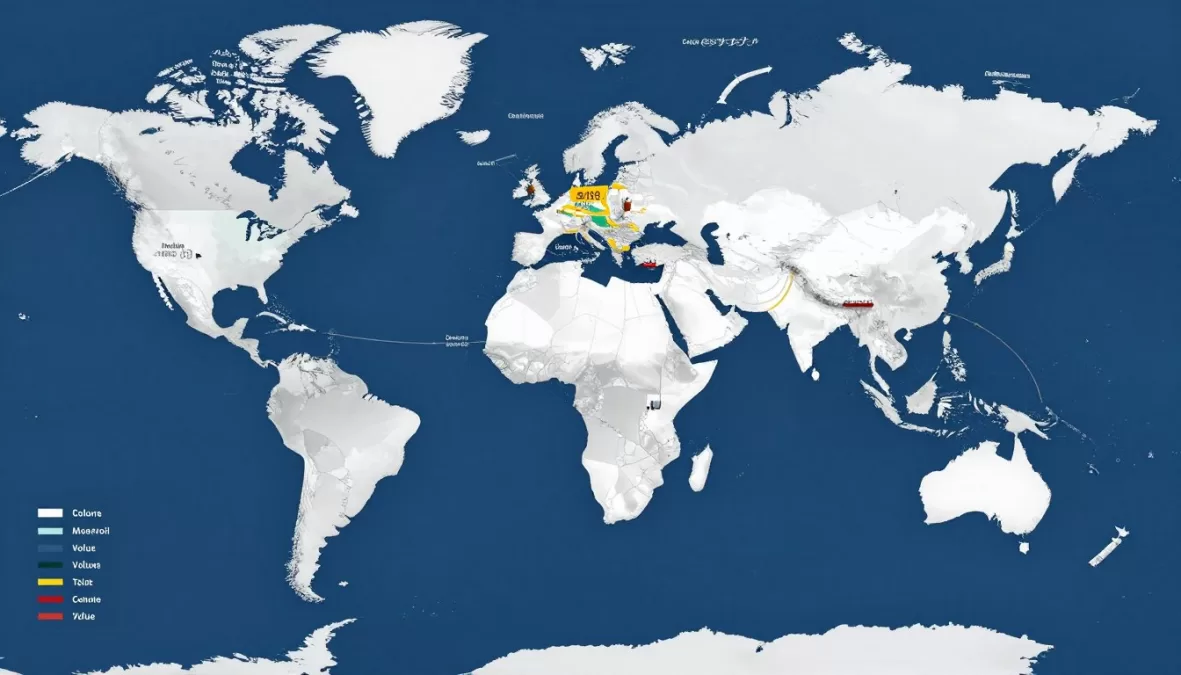
This list ranks exporting countries based on verified export volume data measured in million barrels per day. We consulted multiple authoritative sources including energy agencies and trade organizations.
The rankings reflect net exports rather than total production. Some nations produce substantial crude oil volumes but consume most domestically, reducing their export position.
Data Sources: Rankings incorporate information from the International Energy Agency, U.S. Energy Information Administration, OPEC reports, and national petroleum ministries. All figures represent 2026 export volumes unless otherwise noted.
1. Saudi Arabia: The World’s Largest Oil Exporter
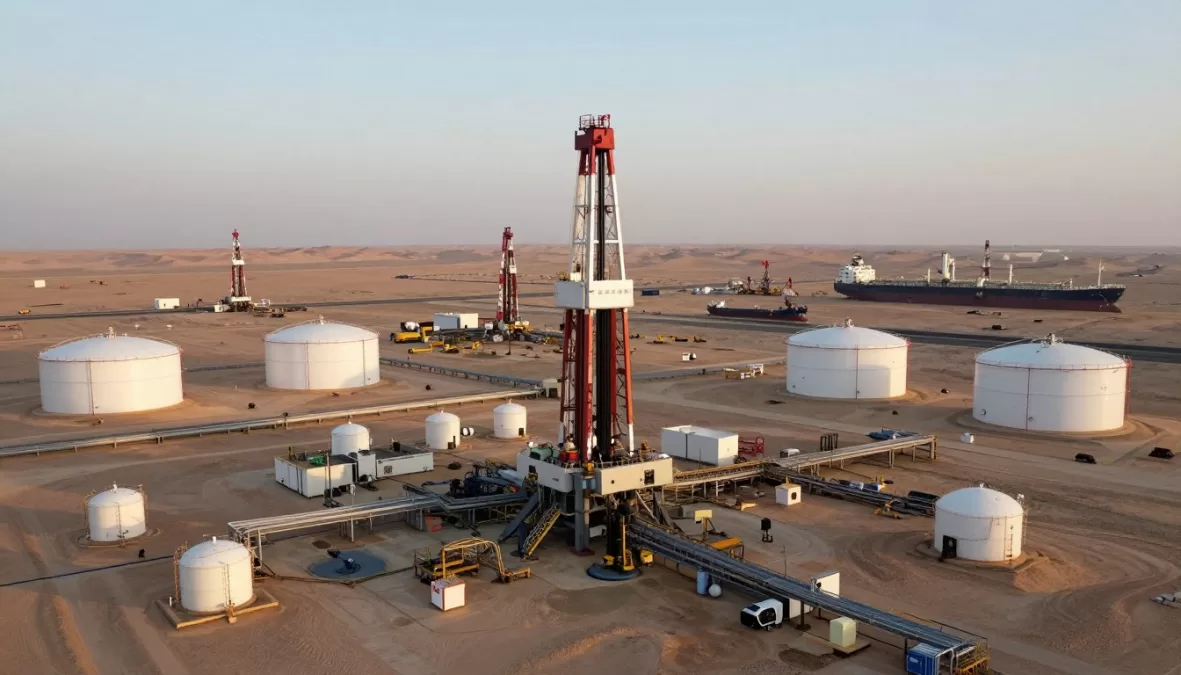
Saudi Arabia maintains its position as the top oil exporting country with approximately 7.5 million barrels per day flowing to international markets. The kingdom holds the second-largest proven oil reserves globally at over 267 billion barrels.
The country’s petroleum industry benefits from low production costs averaging under $10 per barrel. This competitive advantage allows Saudi Arabia to remain profitable even during price fluctuations.
State-owned Saudi Aramco operates the world’s largest oil production and export infrastructure. The company manages extensive pipeline networks connecting oil fields to export terminals on both the Persian Gulf and Red Sea coasts.
Export Capacity and Infrastructure
Saudi Arabia’s Ghawar field remains the largest conventional oil field worldwide. Combined with other major fields, the nation maintains production capacity exceeding 12 million barrels oil per day.
The kingdom invests heavily in downstream capabilities including refineries and petrochemical facilities. These investments diversify revenue streams beyond crude oil exports alone.
Key Market Position
As OPEC’s largest member, Saudi Arabia plays a crucial role in global petroleum market stability. The kingdom frequently adjusts production levels to influence prices and maintain market balance.
| Metric | Value | Global Rank |
| Daily Export Volume | 7.5 million barrels | #1 |
| Proven Reserves | 267 billion barrels | #2 |
| Production Capacity | 12.3 million barrels per day | #2 |
| Production Cost per Barrel | $9 | Top 3 lowest |
2. Russia: Major Energy Exporter Despite Challenges
Russia exports approximately 5.2 million barrels of crude oil per day, securing its position as the second-largest exporter globally. The country possesses enormous oil reserves estimated at 107 billion barrels.
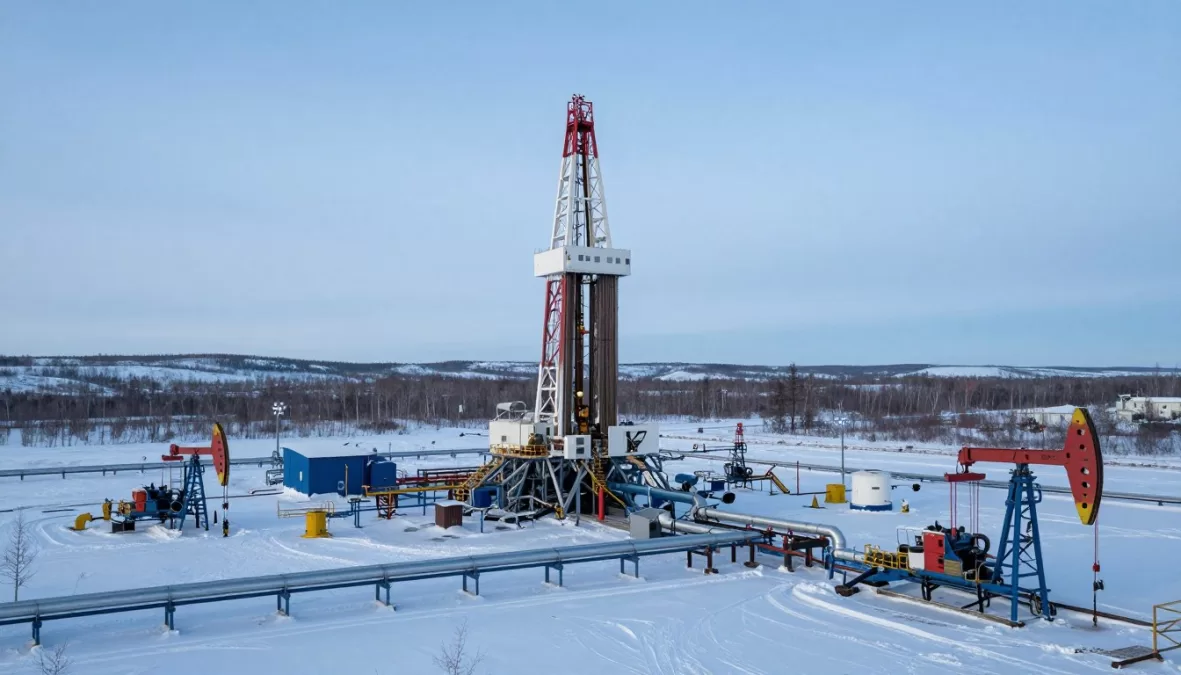
Russian petroleum industry relies on vast Siberian oil fields. These fields require sophisticated technology to extract resources in harsh climatic conditions.
Export Routes and Markets
Russia utilizes multiple export channels including the Druzhba pipeline system serving European markets and Eastern Siberia-Pacific Ocean pipeline reaching Asian customers. The country also maintains significant maritime export capacity through Baltic and Black Sea ports.
Asian markets, particularly China and India, have become increasingly important destinations for Russian crude oil exports. These trade relationships help Russia diversify its customer base beyond traditional European markets.
Western Siberia Fields
This region contains the majority of Russian oil production capacity. Major fields include Samotlor and Priobskoye, which have produced petroleum for decades.
- Mature fields with established infrastructure
- Ongoing investment in enhanced recovery techniques
- Connected to European pipeline networks
- Lower production costs than newer fields
Eastern Development
Russia continues developing oil resources in Eastern Siberia and the Far East. These newer fields target Asian export markets specifically.
- Significant untapped reserves in remote regions
- High development costs due to infrastructure needs
- Strategic importance for Asian energy security
- Environmental challenges in sensitive ecosystems
3. Iraq: Rising Middle Eastern Exporter
Iraq exports approximately 4.1 million barrels per day, ranking third among oil exporting countries. The nation holds the world’s fifth-largest proven oil reserves at roughly 145 billion barrels.
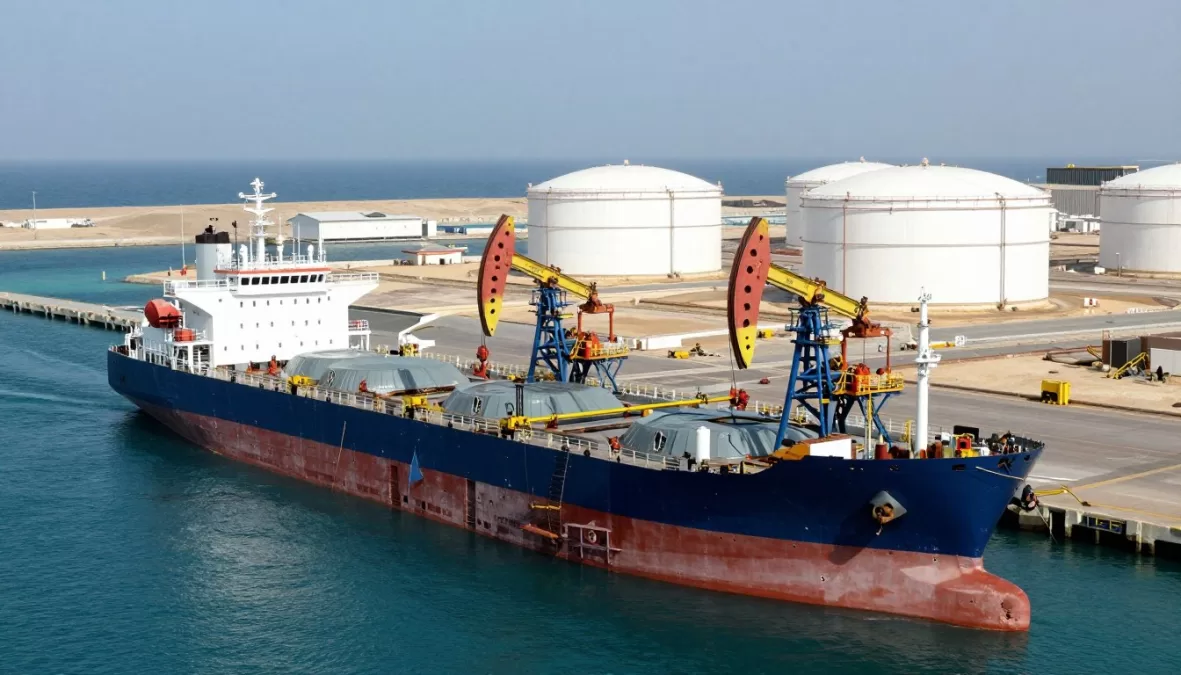
Iraqi petroleum production has recovered significantly following years of conflict and infrastructure damage. International oil companies partner with the Iraqi government to develop major southern oil fields.
Production Growth Trajectory
Iraq plans to expand production capacity beyond current levels. The southern oil fields near Basra contain most of the country’s easily accessible reserves and infrastructure.
The country faces challenges including aging infrastructure requiring modernization and political factors affecting long-term investment decisions. Despite these obstacles, Iraq maintains strong export performance through the Persian Gulf.
4. Canada: North American Oil Powerhouse
Canada exports approximately 3.8 million barrels per day, primarily to the United States market. The country possesses the third-largest proven oil reserves globally at 168 billion barrels, mainly in oil sands deposits.
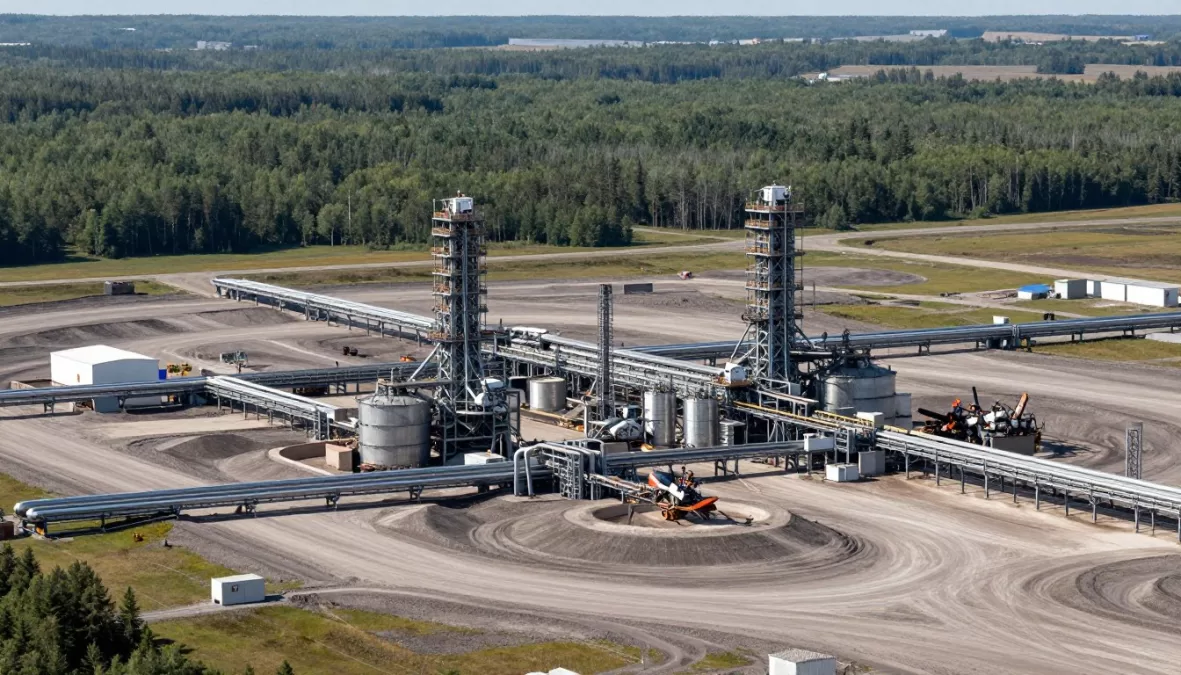
Alberta’s oil sands represent a unique petroleum resource requiring specialized extraction techniques. While production costs exceed conventional crude oil, technological improvements continue reducing expenses.
Export Infrastructure
Multiple pipeline systems transport Canadian crude oil to United States refineries. The country seeks to diversify export markets through proposed pipeline expansions to both Pacific and Atlantic coasts.
Canadian heavy crude oil serves specific refinery configurations designed to process this product type. This specialization creates strong trade relationships with particular United States markets.
Important Note: Canadian oil production faces environmental scrutiny due to higher carbon emissions associated with oil sands extraction compared to conventional drilling. The industry invests in emission reduction technologies to address these concerns.
5. United Arab Emirates: Strategic Gulf Exporter
The United Arab Emirates exports approximately 3.2 million barrels oil per day from its proven reserves of 98 billion barrels. The nation ranks as a key Middle Eastern petroleum producer with sophisticated export infrastructure.
Abu Dhabi holds most UAE oil reserves and production capacity. The emirate operates the Abu Dhabi National Oil Company, which manages exploration, production, and export operations.
Advanced Petroleum Industry
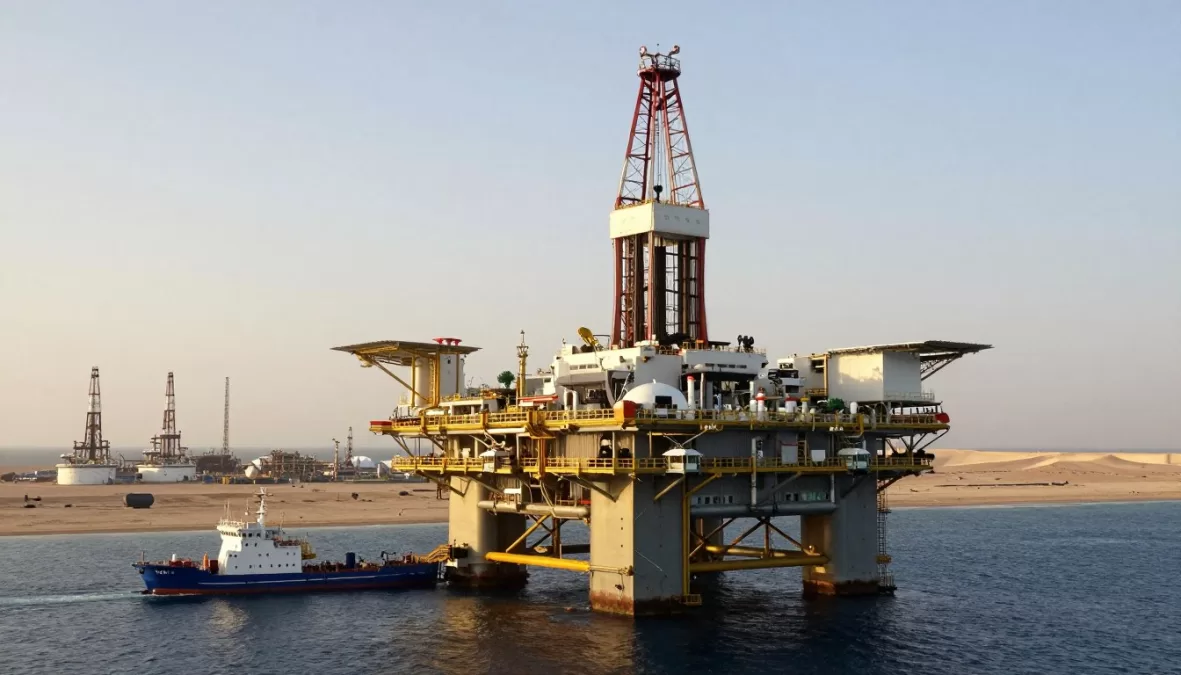
The United Arab Emirates maintains advanced petroleum technology and substantial refining capacity. The country processes both domestic crude oil and imported petroleum for re-export as refined products.
Strategic location near the Strait of Hormuz provides the UAE with crucial positioning in global energy trade routes. The nation developed alternative export routes including pipelines bypassing the strait to enhance energy security.
Advantages
- Strategic geographic location for Asian markets
- Modern infrastructure with spare capacity
- Political stability supporting investment
- Diversified economy reducing oil dependence
- Advanced technology in extraction operations
Challenges
- Mature oil fields requiring enhanced recovery
- Regional geopolitical tensions affecting security
- Competition from other Middle Eastern exporters
- Limited remaining exploration potential
- Water injection costs for maintaining pressure
Download Comprehensive 2026 Energy Outlook Report
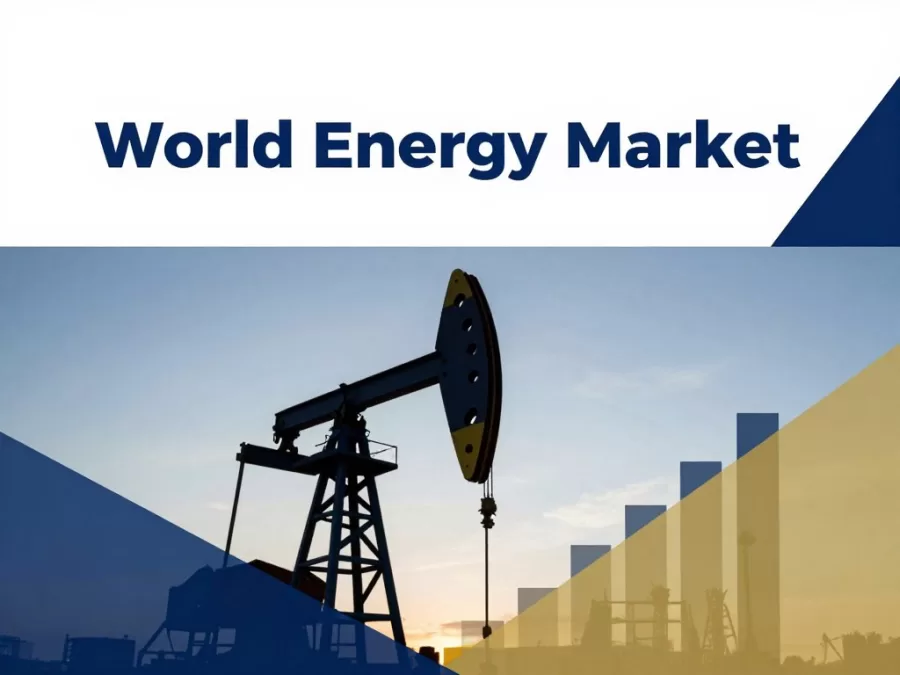
Access our detailed 50-page report analyzing global oil trade dynamics, export forecasts, and market trends. Includes country profiles, production data, and expert insights on factors shaping the energy landscape through 2026.
- Detailed analysis of all major exporting countries
- 5-year production and export forecasts
- Geopolitical factors affecting trade patterns
- Technology trends in petroleum extraction
- Market price scenarios and implications
6. Kuwait: Consistent Middle Eastern Producer
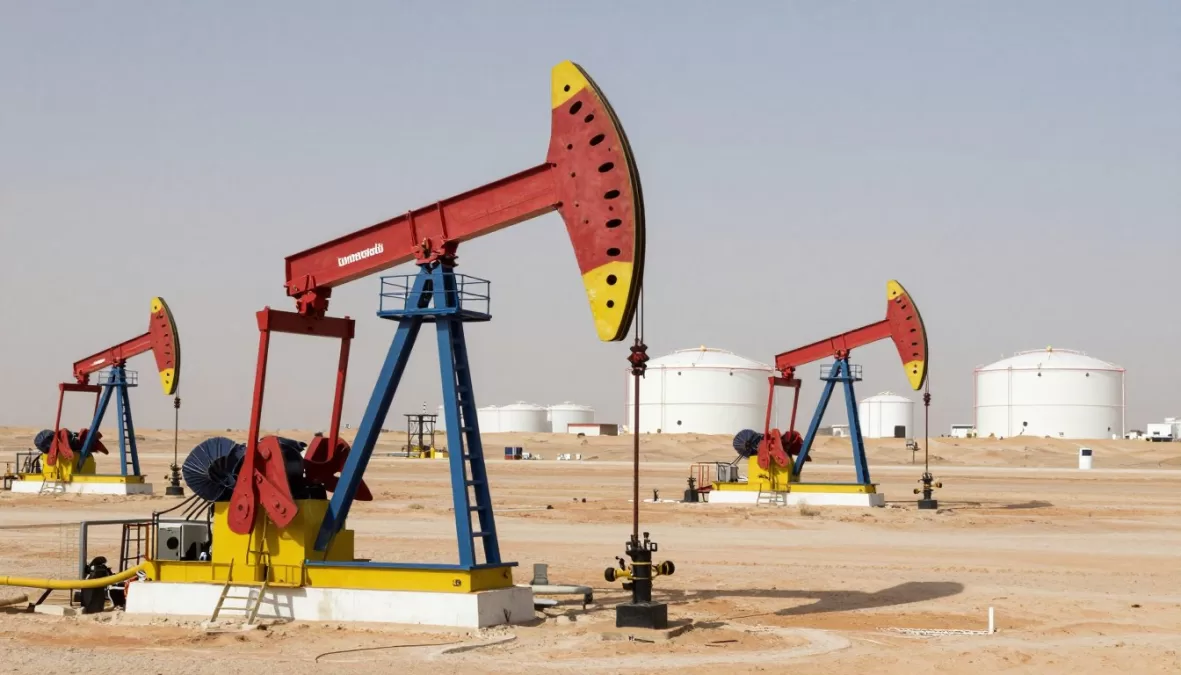
Kuwait exports approximately 2.7 million barrels per day from proven reserves totaling 102 billion barrels. The small nation maintains significant per-capita oil wealth and production capacity.
The Burgan field in Kuwait ranks among the world’s largest oil fields. This single field produces a substantial portion of the country’s total output.
Production Characteristics
Kuwaiti crude oil features favorable characteristics including low sulfur content and high API gravity. These qualities make it desirable for refineries and support premium pricing.
Kuwait invests in maintaining production capacity and exploring additional reserves. The nation also developed the Al-Zour refinery complex to increase domestic refining capabilities and petroleum product exports.
7. Nigeria: Africa’s Leading Oil Exporter
Nigeria exports approximately 2.3 million barrels oil per day, maintaining its position as Africa’s largest petroleum exporter. The country holds proven oil reserves of 37 billion barrels.
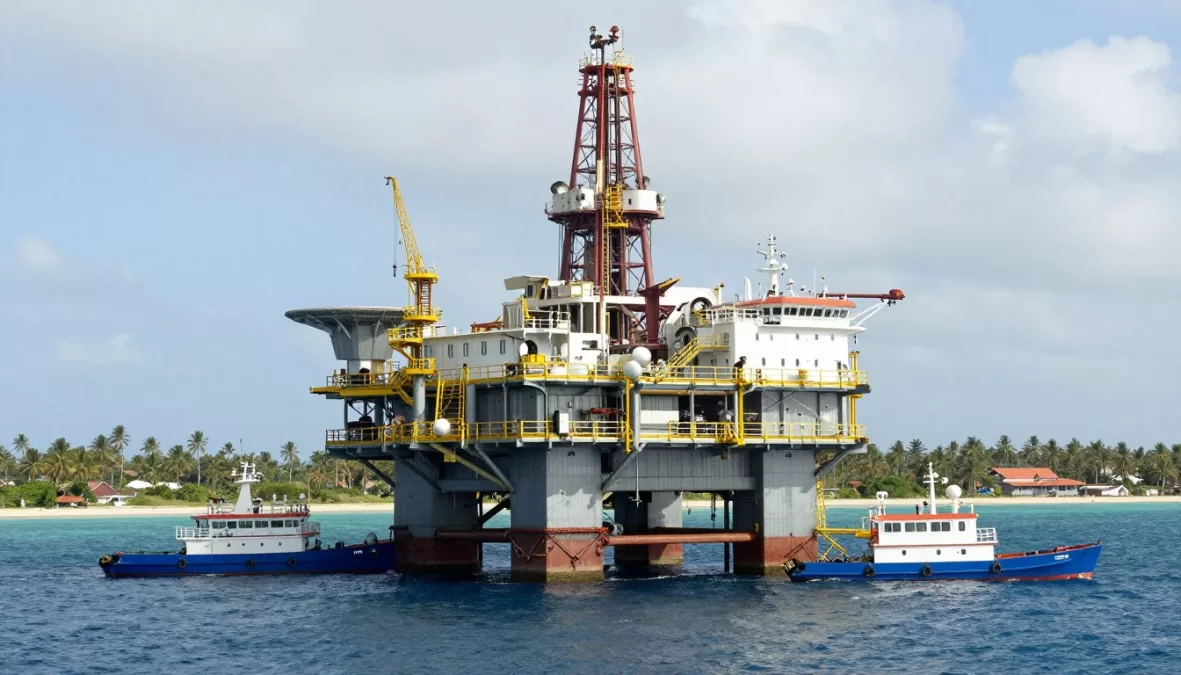
Nigerian petroleum production occurs both onshore in the Niger Delta and offshore in deep water fields. The country produces light, sweet crude oil highly valued in international markets.
Industry Challenges and Opportunities
Nigeria faces ongoing challenges including security concerns affecting onshore production and aging infrastructure requiring investment. Despite these factors, the nation remains a crucial supplier to European and Asian markets.
Recent discoveries of additional offshore reserves provide growth opportunities. International oil companies continue investing in Nigerian deep water projects despite operational complexities.
| Production Area | Daily Output | Primary Markets |
| Niger Delta Onshore | 0.8 million barrels | Europe, Asia |
| Shallow Water Offshore | 0.9 million barrels | United States, Europe |
| Deep Water Offshore | 0.6 million barrels | Asia, United States |
8. Angola: Southern African Energy Leader
Angola exports approximately 1.8 million barrels per day, positioning it as sub-Saharan Africa’s second-largest exporter after Nigeria. The nation’s proven reserves total about 8 billion barrels, primarily in offshore fields.
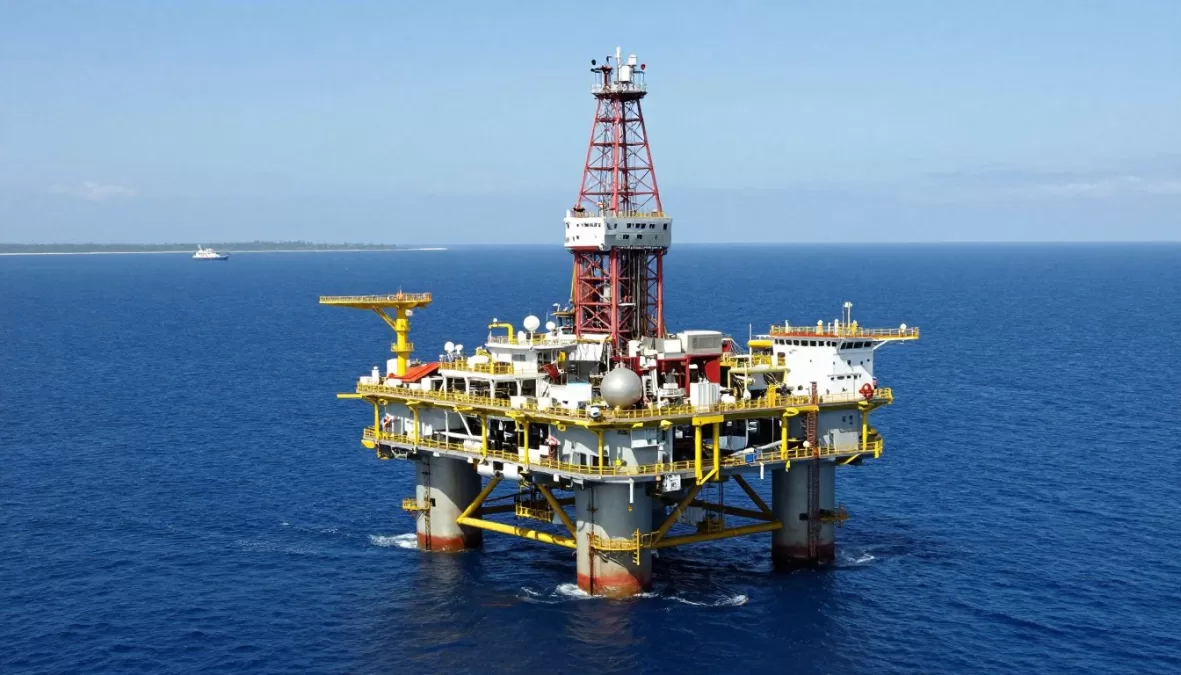
Angolan petroleum industry focuses almost entirely on offshore production. Major international oil companies operate in partnership with national oil company Sonangol.
Deep Water Production Excellence
Angola developed significant expertise in deep water oil exploration and production. The country’s offshore blocks contain substantial reserves in challenging environments requiring advanced technology.
Angolan crude oil typically features light, sweet characteristics commanding premium prices. The majority of exports flow to Asian markets, particularly China, which has become a major trading partner.
9. Norway: European Energy Security Provider
Norway exports approximately 1.6 million barrels per day from its North Sea and Norwegian Sea oil fields. The country holds proven reserves of about 8 billion barrels in offshore locations.
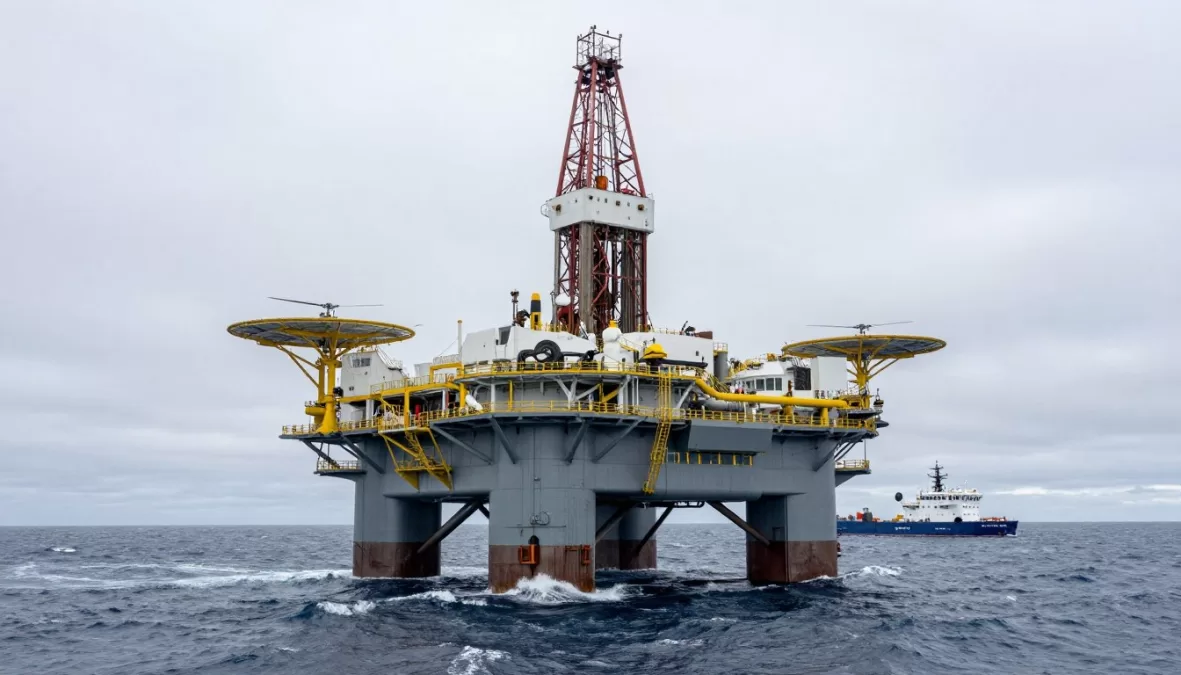
Norwegian petroleum industry maintains exceptional safety and environmental standards. The state-owned Equinor operates as a major producer alongside international partners.
Mature Basin Management
Norway’s North Sea fields represent mature assets requiring advanced technology for enhanced recovery. The nation invests heavily in maximizing extraction from existing fields while exploring new frontier areas.
Norwegian crude oil serves primarily European markets through pipeline connections and maritime shipments. The country also produces substantial natural gas, making it a crucial energy security provider for Europe.
Production Outlook: Norwegian oil production faces long-term decline as mature fields deplete. New discoveries remain smaller than historic giant fields, though enhanced recovery extends productive life of existing assets.
10. Kazakhstan: Central Asian Energy Hub
Kazakhstan exports approximately 1.5 million barrels oil per day, securing the final position in the top 10 oil exporting countries for 2026. The nation possesses proven reserves estimated at 30 billion barrels.
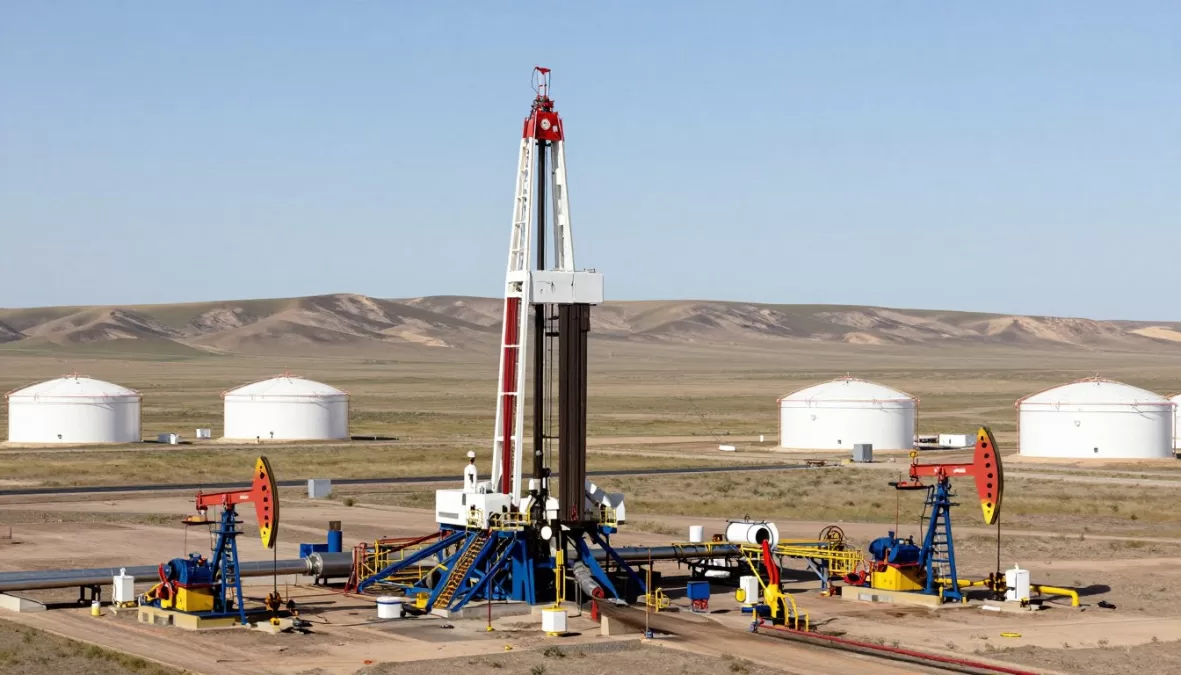
The Tengiz and Kashagan oil fields represent Kazakhstan’s most significant petroleum assets. These giant fields contain enormous reserves but present technical challenges requiring substantial investment.
Export Route Development
Kazakhstan relies on multiple export routes to reach international markets. The Caspian Pipeline Consortium system transports oil to Black Sea terminals, while other pipelines serve Chinese markets.
The landlocked nation continues developing transportation infrastructure to diversify export options. Recent expansions of existing pipelines increase the country’s ability to deliver petroleum to global markets.
Major Oil Fields
Tengiz field began production in 1993 and continues expanding. The massive Kashagan field in the Caspian Sea started commercial production more recently after overcoming technical difficulties.
- Tengiz: 600,000 barrels per day capacity
- Kashagan: 400,000 barrels per day current production
- Karachaganak: Natural gas condensate and oil
- Smaller onshore fields throughout the country
Market Access
Geographic location between Russia and China provides Kazakhstan with strategic positioning. The country balances relationships with both neighbors while developing independent export capabilities.
- Caspian Pipeline Consortium to Black Sea
- Kazakhstan-China pipeline direct to Asian markets
- Potential Trans-Caspian routes under consideration
- Railway transport for supplementary volumes
Other Significant Oil Exporting Countries
Several other nations export substantial crude oil volumes while not reaching the top 10 ranking. These countries play important roles in regional energy markets.
Brazil
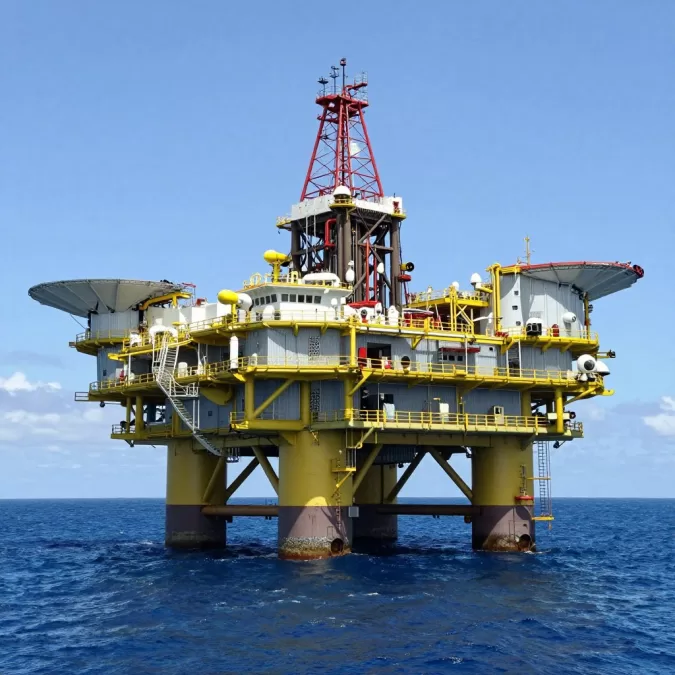
Brazil exports over 1.2 million barrels per day from its pre-salt offshore reserves. The country continues developing these massive deep water resources.
State company Petrobras leads development of challenging offshore projects. Brazilian production growth contributes to South American energy independence.
Mexico
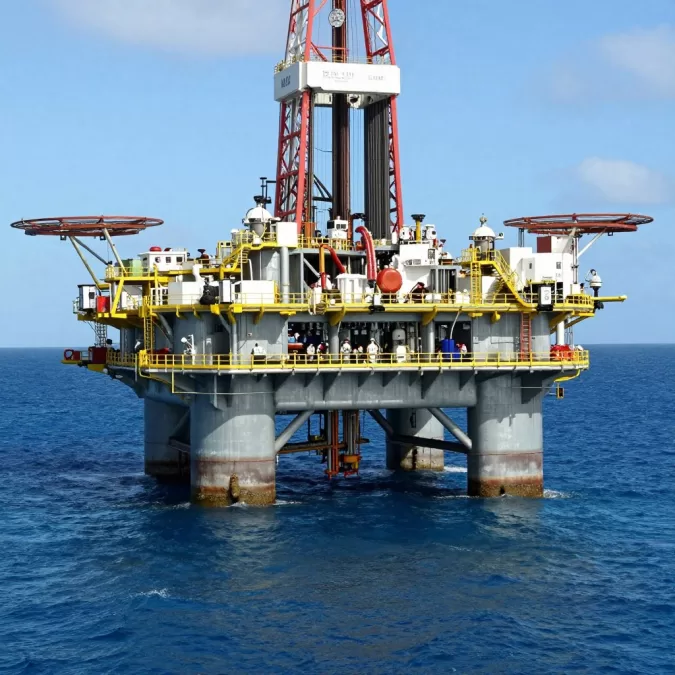
Mexico exports approximately 1.1 million barrels per day primarily to United States markets. The nation opened its petroleum sector to private investment to reverse production declines.
Pemex, the national oil company, partners with international firms. New exploration seeks to discover additional reserves and maintain export capacity.
Venezuela
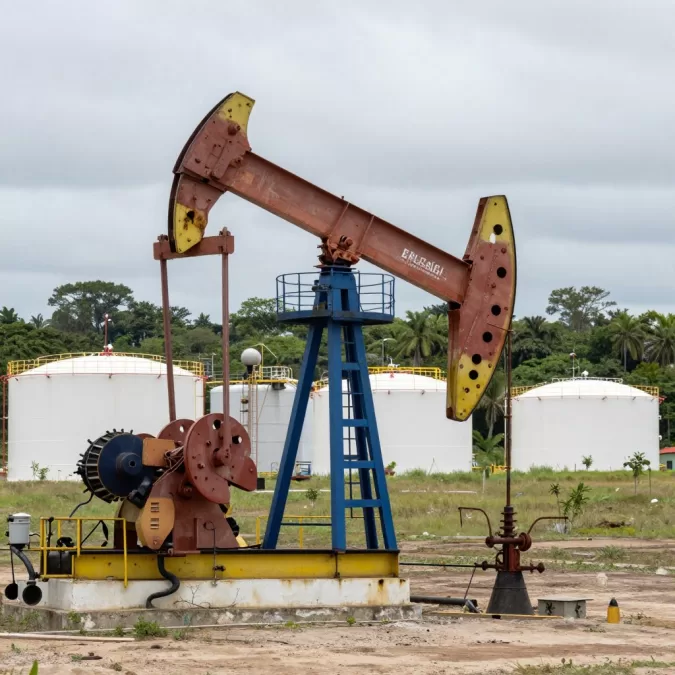
Venezuela holds the world’s largest proven oil reserves at over 300 billion barrels. However, production has declined significantly due to underinvestment and economic challenges.
Current export levels remain well below historical peaks. The country’s heavy crude oil requires specialized refining, limiting market options.
Key Trends Shaping Oil Export Markets in 2026
Several significant trends influence the global petroleum trade landscape. Understanding these factors helps anticipate future market developments.
Energy Transition Impacts
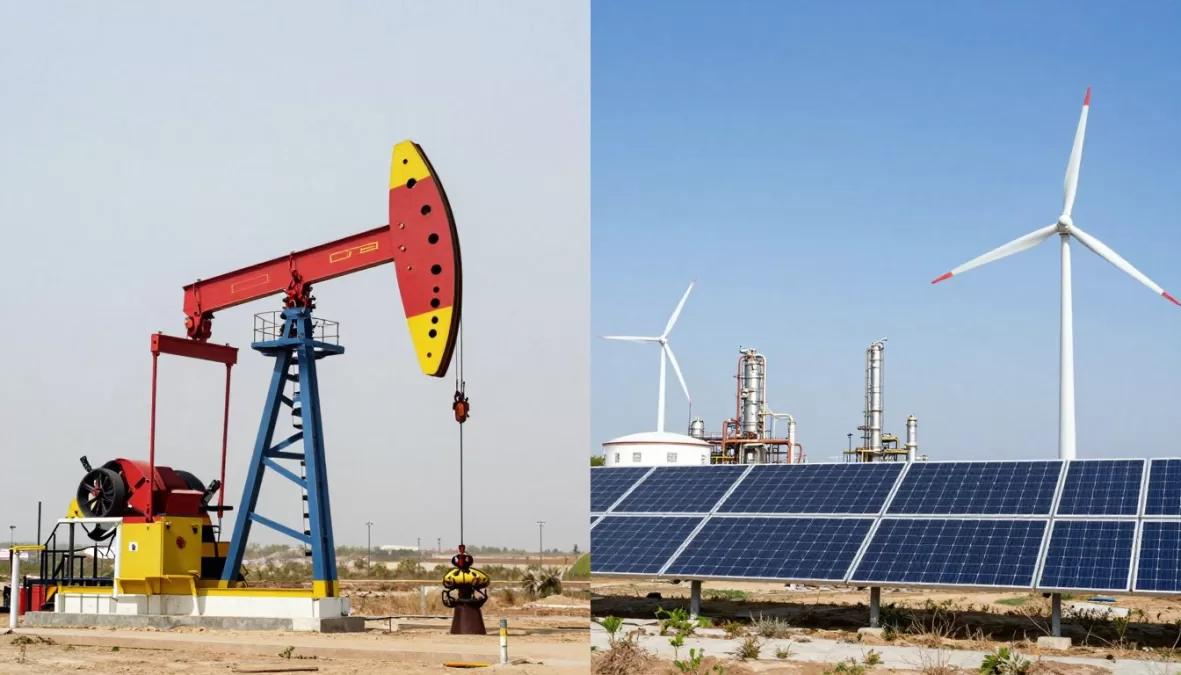
Global efforts to reduce carbon emissions affect long-term petroleum demand projections. Exporting countries adapt strategies to maintain relevance in evolving energy markets.
Some nations invest heavily in renewable energy development while continuing oil exports. This dual approach seeks to balance current revenues with future energy system changes.
Geopolitical Considerations
Political factors significantly impact oil trade patterns. Sanctions, trade agreements, and diplomatic relations all influence which countries supply specific markets.
Energy security concerns motivate consuming nations to diversify supply sources. This preference for multiple suppliers affects trade flows and long-term contracts.
- Asian demand continuing to expand
- New field developments increasing capacity
- Infrastructure investments improving access
- Technology reducing production costs
- Strategic partnerships opening markets
Growth Drivers
- Climate policies affecting demand outlook
- Electric vehicle adoption reducing consumption
- Price volatility impacting investment
- Competition among exporting nations
- Renewable energy cost reductions
Market Pressures
- Petrochemical sector expansion
- Lower carbon intensity operations
- Economic diversification programs
- Enhanced oil recovery deployment
- Value-added product development
Adaptation Strategies
The United States: From Importer to Major Producer
The United States deserves special mention despite not ranking in the top 10 oil exporting countries. The nation produces over 13 million barrels per day, making it the world’s largest petroleum producer.
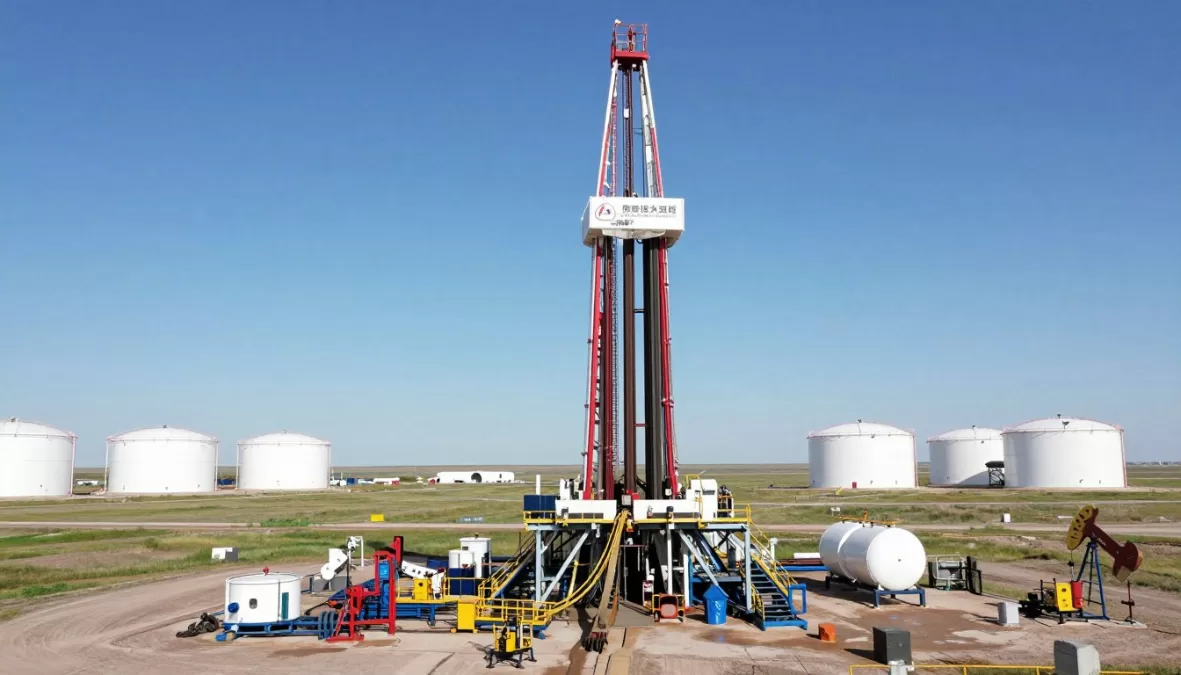
However, high domestic consumption means the United States exports only a portion of production. The shale oil revolution transformed the country from a major importer to a significant exporter within two decades.
Shale Production Revolution
Horizontal drilling and hydraulic fracturing technologies unlocked vast shale oil resources. These innovations fundamentally altered global supply dynamics and reduced American import dependence.
United States crude oil exports reached approximately 3 million barrels per day in 2026. This volume, while substantial, represents a smaller proportion of production compared to traditional exporting countries.
“The American energy renaissance reshaped global markets, introducing a new major supplier while simultaneously reducing the world’s largest consuming nation’s import requirements. This dual impact continues influencing international petroleum trade patterns.”
OPEC’s Role in Managing Global Oil Markets
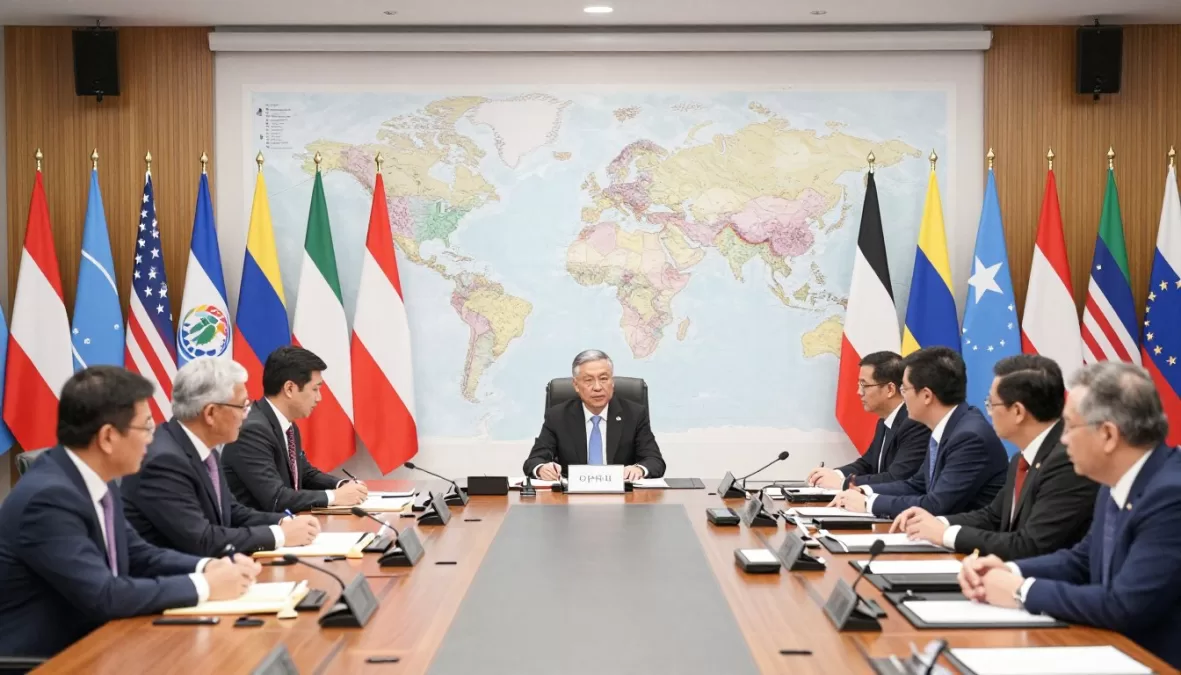
The Organization of the Petroleum Exporting Countries significantly influences global crude oil trade. Eight of the top 10 exporting countries hold OPEC membership.
OPEC coordinates production policies among member nations to stabilize markets and support prices. The organization’s decisions affect supply levels and consequently impact international petroleum prices.
Production Quotas and Market Balance
OPEC implements production quotas to manage supply levels relative to demand. Member countries negotiate these allocations based on reserve sizes, production capacity, and economic needs.
The expanded OPEC+ alliance includes additional producing nations beyond traditional members. This broader cooperation enhances the group’s ability to influence markets through coordinated production adjustments.
How does OPEC determine production levels?
OPEC analyzes global supply and demand forecasts to determine appropriate production levels. The organization conducts regular meetings where member countries negotiate production quotas. These decisions consider economic conditions, inventory levels, and price objectives to maintain market stability.
What impact do OPEC decisions have on oil prices?
OPEC production decisions significantly influence crude oil prices. Production cuts typically support higher prices by reducing supply, while production increases can lower prices. Markets anticipate OPEC announcements, with prices often moving based on expectations before actual policy changes occur.
Why are Middle Eastern countries dominant in oil exports?
Middle Eastern nations hold approximately 48% of global proven oil reserves. These countries benefit from low production costs, large field sizes, and favorable geology. Decades of infrastructure investment and expertise in petroleum operations further strengthen their competitive advantages in export markets.
Technology Advances Transforming Oil Production
Technological innovation continues reshaping petroleum extraction and export capabilities. These advances affect both production costs and reserve accessibility.
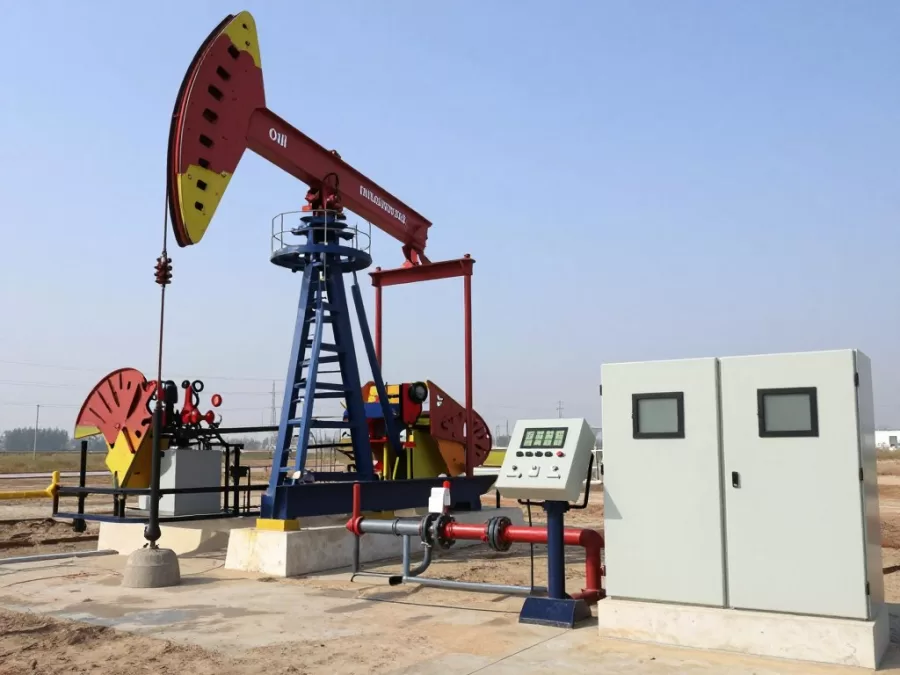
Enhanced Recovery Methods
Enhanced oil recovery techniques extract additional petroleum from mature fields. These methods include water flooding, gas injection, and chemical treatments.
Implementing enhanced recovery can increase extraction rates from 30% to over 60% of original oil in place. This technology extends field life and boosts export capacity without discovering new reserves.

Digital Transformation
Digital technologies optimize production operations and reduce costs. Sensors, artificial intelligence, and data analytics improve decision-making and operational efficiency.
Predictive maintenance powered by machine learning minimizes downtime. Remote monitoring allows managing multiple facilities with fewer personnel, particularly valuable in offshore and remote locations.
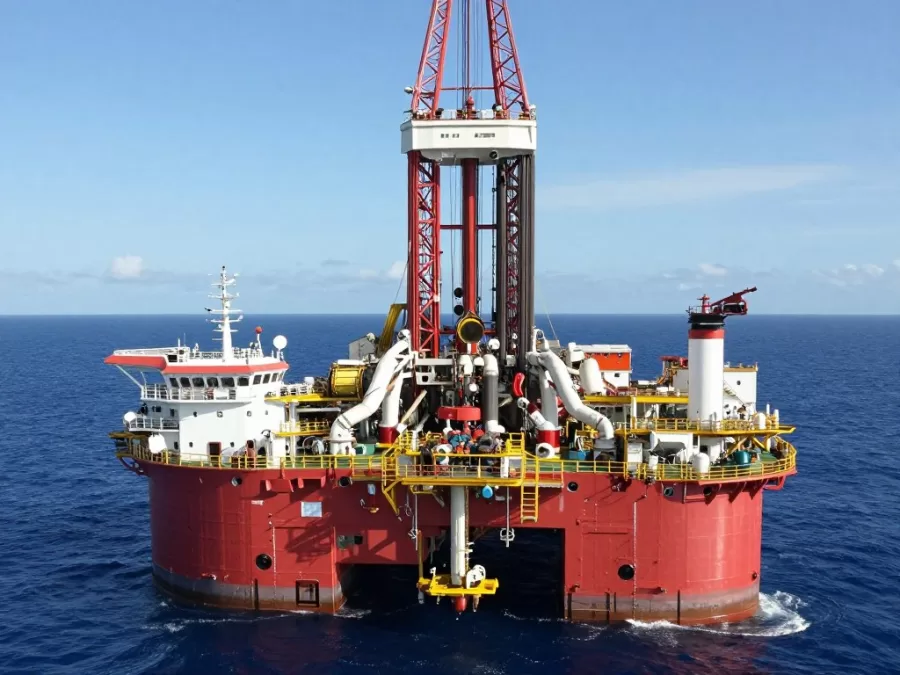
Deep Water Capabilities
Advances in deep water drilling technology access previously unreachable reserves. Floating production systems operate in water depths exceeding 10,000 feet.
While expensive, deep water projects provide substantial production volumes. Countries with offshore territories invest in this technology to develop their continental shelf resources.
Environmental and Sustainability Factors
Environmental concerns increasingly influence petroleum industry operations and planning. Exporting countries address these issues through various approaches.
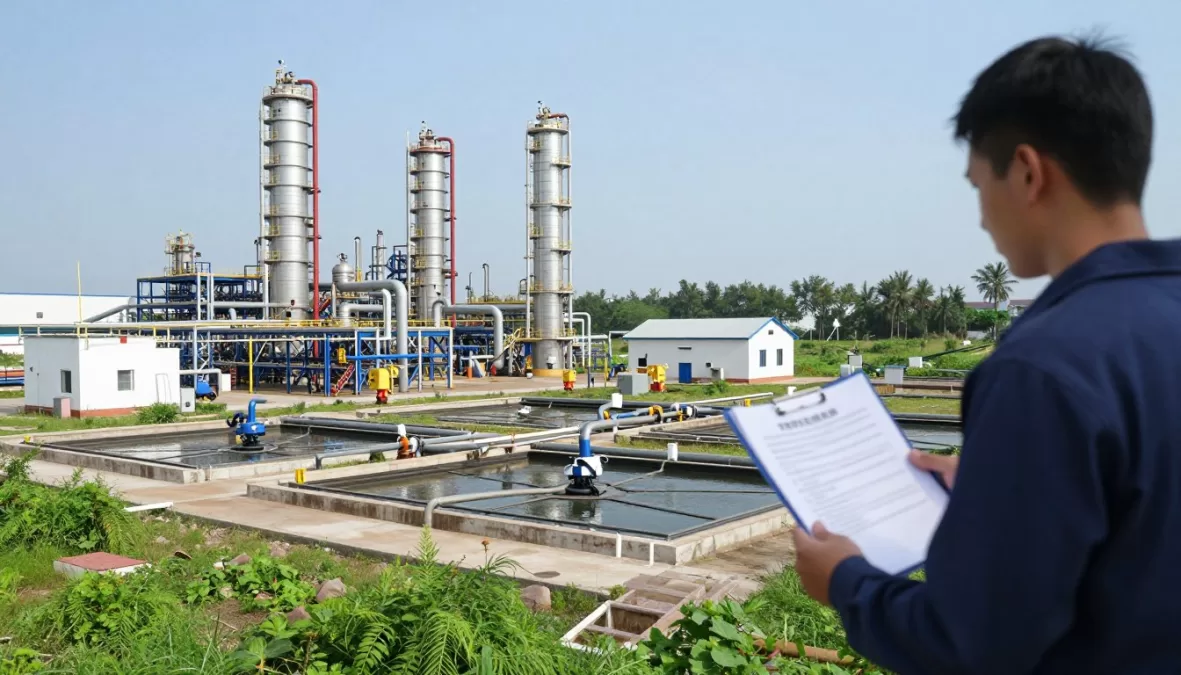
Reducing methane emissions from oil operations becomes a priority. This potent greenhouse gas previously escaped during production and transport. New technologies and procedures capture or eliminate these emissions.
Carbon Intensity Reduction
Producing nations work to lower the carbon footprint of extraction operations. Techniques include using renewable energy to power facilities, eliminating routine flaring, and improving energy efficiency.
Lower carbon intensity crude oil may command premium pricing as refiners and consumers prioritize sustainable sources. This market development incentivizes producers to invest in cleaner operations.
Sustainability Initiatives: Major exporting countries implement programs to reduce environmental impacts while maintaining production. These efforts include reforestation projects, water conservation measures, and biodiversity protection in areas surrounding petroleum operations.
Need Customized Energy Market Analysis?
Our energy analysts provide tailored intelligence for businesses, investors, and policy makers. Get expert insights on oil trade dynamics, country-specific risks, supply chain optimization, and market forecasts customized to your specific needs.
Economic Impact of Oil Exports on Producer Nations
Petroleum exports generate substantial revenue for producing countries. This income funds government operations, infrastructure development, and social programs.
However, heavy dependence on oil exports creates economic vulnerability. Price fluctuations directly impact government budgets and economic stability in petroleum-dependent nations.
Resource Blessing or Curse
Economists debate whether abundant natural resources benefit nations long-term. Some countries successfully leveraged oil wealth for broad economic development, while others struggled with governance challenges.
Successful petroleum exporters typically invest oil revenues into diversified economies. Norway’s sovereign wealth fund exemplifies this approach, saving petroleum income for future generations.
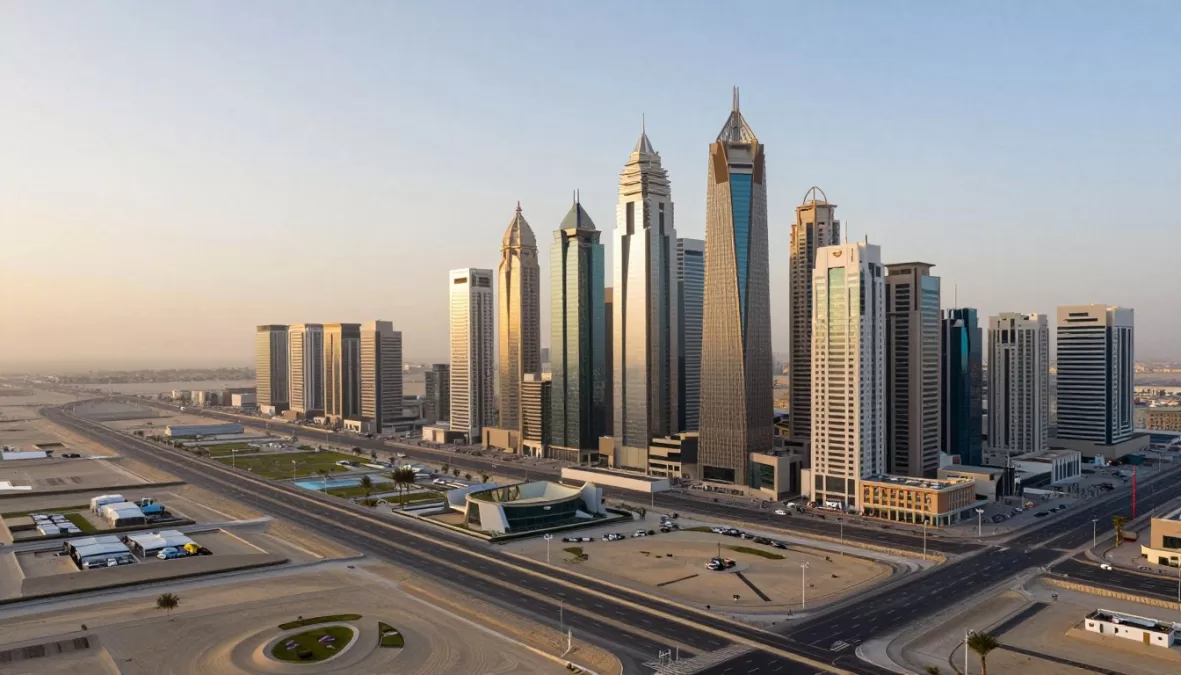
Diversification Efforts
Forward-thinking exporting countries pursue economic diversification to reduce oil dependence. These initiatives develop alternative industries including tourism, technology, manufacturing, and financial services.
The United Arab Emirates demonstrates successful diversification with Dubai becoming a global business hub. Saudi Arabia pursues similar goals through its Vision 2030 program aiming to reduce petroleum reliance.
Oil Revenue Management Strategies
Ratings reflect average performance across major oil exporting countries in managing petroleum revenues for long-term economic sustainability.
Future Outlook for Global Oil Exports
The petroleum export landscape will continue evolving in response to multiple factors. Demand projections, technology advances, and policy decisions all shape future market conditions.
Demand Scenarios
Various organizations project different petroleum demand trajectories. Some models show continued growth through 2040, while others predict peak demand within the decade followed by gradual decline.
Asian countries, particularly China and India, drive much of the projected demand growth. Meanwhile, developed economies show declining or flat petroleum consumption as efficiency improves and alternatives gain market share.
Supply Dynamics
Adequate petroleum resources exist to meet projected demand scenarios. The question centers on which countries expand production and capture market share.
Low-cost producers maintain advantages in competitive markets. Middle Eastern exporting countries with vast reserves and minimal production costs remain well-positioned regardless of demand scenarios.
- Steady demand supporting current export levels
- OPEC management stabilizing prices
- Infrastructure expansions increasing capacity
- Asian markets driving trade growth
- Technology reducing production costs
- Geopolitical factors creating uncertainty
Short Term (2026-2030)
- Demand plateau as efficiency gains offset growth
- Low-cost producers gaining market share
- Enhanced recovery extending field life
- Petrochemical demand supporting oil use
- Transportation electrification accelerating
- Carbon pricing affecting competitiveness
Medium Term (2030-2040)
- Declining demand in most scenarios
- Remaining demand concentrated in lowest-cost supplies
- Significant stranded asset risks
- Alternative fuels displacing petroleum
- Specialized applications maintaining niche demand
- Economic diversification becoming critical
Long Term (Post-2040)
Conclusion: The Continuing Importance of Oil Trade
The top 10 oil exporting countries 2026 list reflects both historical patterns and emerging changes. Middle Eastern nations continue dominating exports due to enormous reserves and low production costs.
However, the petroleum landscape evolves constantly. New technologies unlock previously inaccessible resources. Policy decisions affect both supply and demand. Geopolitical developments reshape trade relationships.
For the foreseeable future, crude oil will remain crucial to global energy supply. The countries listed here play essential roles providing the petroleum that powers transportation, manufacturing, and countless products.
Understanding export dynamics helps businesses plan supply chains, investors assess opportunities, and policy makers craft energy strategies. The data presented provides a foundation for analyzing these critical markets.
As the world gradually transitions toward lower-carbon energy systems, petroleum exporters face both challenges and opportunities. Those successfully adapting to changing conditions will maintain relevance in the evolving energy landscape.
Key Takeaway: The top 10 oil exporting countries collectively ship over 30 million barrels per day to global markets. These nations hold approximately 70% of proven world oil reserves, ensuring their continued importance in international energy trade for decades to come.

Priyanka Pandey
Senior Research Editor · Top10Sense
Priyanka specializes in tech, consumer products, and digital trends. She combines hands-on testing, vendor interviews, and database research to create trustworthy “Top 10” rankings. Her work has been referenced by industry blogs and brand report pages.