
The global toy industry has shown remarkable resilience and growth, driven by increasing disposable incomes and a growing preference for educational toys.
In 2021, the industry was valued at approximately $140.8 billion, and it is expected to reach $230.4 billion by 2028, highlighting a significant opportunity for leading toy companies to innovate and expand.
This article will explore the top toy companies that are worth billions in 2026, highlighting their revenue, market trends, and future prospects.
Key Takeaways
- The global toy industry is expected to grow significantly by 2028.
- Leading toy companies are driven by innovation and educational products.
- The top toy companies worth billions in 2026 will be highlighted.
- Market trends and future prospects will be analyzed.
- The industry’s growth is driven by increasing disposable incomes.
Toy Companies Worth Billions 2026: Industry Overview
As we approach 2026, the billion-dollar toy industry is poised for continued expansion, fueled by innovation and strategic marketing. The global toy market is projected to grow from USD 340.21 Billion in 2024 to USD 553.11 Billion by 2035, at a CAGR of 4.52%.
Global Toy Market Valuation and Growth Projections
The toy industry has experienced significant growth due to the rise of e-commerce and digital marketing. Leading toy manufacturers are adapting to changing consumer preferences by integrating technology into their products.
Post-Pandemic Market Recovery and Expansion
The industry’s growth is also driven by the increasing demand for STEM-focused and educational toys. As consumers become more discerning, toy companies are focusing on creating products that offer both entertainment and educational value.
Digital Integration Driving Valuation Growth
The integration of digital technologies is transforming the toy industry, enabling companies to create immersive and interactive experiences. This shift is driving valuation growth and changing the way toy companies approach product development and marketing.
The future of the toy industry looks bright, with leading toy manufacturers at the forefront of innovation and growth. As the industry continues to evolve, we can expect to see even more exciting developments in the world of toys.
1. LEGO Group: Building a $15+ Billion Empire
With a legacy of innovation, the LEGO Group is on track to become a $15 billion+ empire. The company’s commitment to creativity and sustainability has been a driving force behind its success.
Revenue Streams and Market Dominance
The LEGO Group’s revenue streams are diversified across various product lines, including its iconic brick sets, themed playsets, and digital experiences. This diversification has enabled LEGO to maintain its market dominance in the toy industry.
Digital Transformation Initiatives
LEGO has been at the forefront of digital transformation, incorporating technologies like Augmented Reality (AR) and Artificial Intelligence (AI) into its products. This shift has not only enhanced the play experience but also opened new revenue streams.
LEGO Dimensions and AR Experiences
LEGO Dimensions, a toys-to-life video game series, has been a significant success, combining physical toys with digital gameplay. The integration of AR experiences has further enriched the play experience, making it more immersive and interactive.
Digital-First Product Development
LEGO’s digital-first approach to product development involves creating digital content that complements its physical products. This strategy has helped LEGO stay relevant in a rapidly changing market.
| Revenue Stream | 2022 Revenue | Growth Rate |
|---|---|---|
| LEGO Brick Sets | $2.5 billion | 5% |
| Themed Playsets | $1.8 billion | 7% |
| Digital Experiences | $1.2 billion | 10% |
2. Mattel: Reinventing Classic Brands for a $12 Billion Valuation
Mattel, a global leader in the toy industry, has successfully reinvented its classic brands to achieve a $12 billion valuation. The company’s ability to adapt to changing consumer preferences has been key to its success.
Barbie and Hot Wheels: Evergreen Revenue Generators
Mattel’s iconic brands, such as Barbie and Hot Wheels, continue to be significant revenue generators. These brands have been updated to appeal to modern children while maintaining their nostalgic value for parents.
Entertainment Division and Media Partnerships
Mattel has expanded its entertainment division through strategic media partnerships and film productions. This diversification has contributed to the company’s growth and increased its global toy market value.
Film Studio Productions and Streaming Content
Mattel’s film studio has produced content that has been well-received by audiences worldwide. The company has also ventured into streaming content, further expanding its reach.
Cross-Platform Licensing Strategy
A key aspect of Mattel’s success lies in its cross-platform licensing strategy, allowing its brands to be featured across various media platforms, thus enhancing brand visibility and appeal.
3. Hasbro: Strategic Acquisitions Driving $10 Billion Valuation
Hasbro’s journey to a $10 billion valuation has been significantly bolstered by strategic acquisitions. The company’s proactive approach to expanding its portfolio has enabled it to stay competitive in the toy industry.
Entertainment One Acquisition Long-Term Impact
The acquisition of Entertainment One has been a pivotal move for Hasbro, enhancing its presence in the global market. This move has not only expanded Hasbro’s brand portfolio but also provided a significant boost to its revenue streams.
According to industry experts, “The integration of Entertainment One into Hasbro’s operations has been a game-changer, offering a robust platform for future growth.”
— Industry Analyst
Gaming Portfolio Performance
Hasbro’s gaming portfolio, which includes popular brands like Wizards of the Coast, has shown remarkable performance. The success of these brands has contributed significantly to Hasbro’s revenue growth.
Wizards of the Coast Digital Expansion
Wizards of the Coast has been at the forefront of digital expansion, leveraging its popular franchises to drive growth in the digital gaming space.
Board Game Renaissance and Modern Classics
The resurgence of board games has also benefited Hasbro, with brands like Monopoly and other modern classics experiencing a renaissance. This trend has contributed to the company’s overall revenue.
| Brand | Revenue Contribution | Growth Rate |
|---|---|---|
| Wizards of the Coast | 30% | 15% |
| Entertainment One | 25% | 10% |
| Monopoly | 20% | 8% |
Hasbro’s strategic acquisitions and strong gaming portfolio have positioned it well for continued growth in the toy industry, aligning with the toy industry growth forecast.
4. Bandai Namco: Merging Physical and Digital Play for $9 Billion Success
The Japanese entertainment giant, Bandai Namco, has achieved remarkable success by merging traditional toys with digital experiences, creating a unique and engaging play experience for consumers worldwide.
Anime and Gaming Synergies
Bandai Namco’s strength lies in its ability to leverage synergies between its anime, gaming, and toy businesses. This integration enables the company to create lucrative toy businesses that appeal to a broad audience. For instance, popular anime franchises are used to develop toys and digital games, enhancing brand visibility and driving sales.
Global Expansion Strategy
Bandai Namco’s global expansion strategy is multifaceted, focusing on penetrating Western markets while customizing products for regional preferences. This approach has enabled the company to achieve significant growth in diverse markets.
Western Market Penetration Tactics
To penetrate Western markets, Bandai Namco employs several tactics, including:
- Partnering with local entertainment companies to enhance brand recognition.
- Adapting marketing strategies to resonate with Western consumers.
- Introducing products that align with Western pop culture trends.
Regional Product Customization Approach
Bandai Namco customizes its products for different regions by:
- Conducting market research to understand local preferences.
- Developing region-specific products that cater to local tastes.
- Ensuring that products comply with regional regulations and standards.
5. MGA Entertainment: Disruptive Innovation Leading to $8 Billion Valuation
MGA Entertainment has established itself as a leading profitable toy company, with its valuation soaring to $8 billion. The company’s success can be attributed to its innovative products and effective business strategies.
L.O.L. Surprise! Phenomenon and Brand Extensions
The L.O.L. Surprise! dolls have been a game-changer for MGA Entertainment, captivating children worldwide with their unique concept and diverse range of characters. This phenomenon has led to numerous brand extensions, including accessories, clothing, and digital content, further enhancing the brand’s appeal and revenue streams.

Direct-to-Consumer Business Model
MGA Entertainment has adopted a direct-to-consumer business model, allowing it to connect directly with customers and enhance its brand experience. This approach has been facilitated through two key strategies:
E-commerce Platform Development
The company has invested heavily in developing a robust e-commerce platform, enabling customers to purchase products directly from the official website. This has not only increased sales but also provided valuable customer data for targeted marketing.
Subscription Box Services
MGA Entertainment has also introduced subscription box services, offering customers a regular delivery of new and exciting products. This model has fostered customer loyalty and created a steady revenue stream.
| Business Strategy | Impact on Revenue | Customer Engagement |
|---|---|---|
| E-commerce Platform | Significant increase in direct sales | Enhanced customer experience through personalized marketing |
| Subscription Box Services | Steady and predictable revenue stream | Fostered customer loyalty through regular deliveries |
By leveraging these strategies, MGA Entertainment has not only achieved an $8 billion valuation but has also positioned itself as a leader among profitable toy companies. Its commitment to innovation and customer engagement continues to drive its success in the global toy market.
6. Spin Master: Agile Growth to $7 Billion Market Cap
Spin Master’s agile growth strategy has enabled it to reach a $7 billion market cap, driven by its digital games division and innovative products. As a leading toy company, Spin Master has consistently demonstrated its ability to adapt to changing market trends and consumer preferences.
Digital Games Division Performance
The digital games division has been a significant contributor to Spin Master’s growth, with a portfolio of engaging games that appeal to a wide range of audiences. This division has not only driven revenue but also enhanced the company’s brand visibility in the digital landscape.
Innovative Product Development Pipeline
Spin Master’s commitment to innovation is evident in its robust product development pipeline. The company focuses on creating tech-integrated toys and patented play mechanisms that captivate children’s imagination and provide a unique play experience.
Tech-Integrated Toy Lines
Spin Master has successfully integrated technology into its toy lines, creating interactive and immersive play experiences. Examples include toys with augmented reality features that blend physical and digital play.
Patented Play Mechanisms
The company’s innovative products often feature patented play mechanisms that offer unique entertainment value. These mechanisms are designed to stimulate creativity and engagement in children.
| Product Line | Key Features | Market Impact |
|---|---|---|
| Tech-Integrated Toys | Augmented Reality, Interactive Elements | Enhanced Engagement |
| Patented Play Mechanisms | Innovative Designs, Unique Play Experiences | Increased Brand Loyalty |
7. Nintendo: Blurring Lines Between Gaming and Toys for $6.5 Billion Toy Revenue
With its innovative approach, Nintendo has successfully blurred the lines between gaming and toys, creating a unique entertainment experience. The company’s ability to merge physical and digital play has been a key factor in its success.
Amiibo and Physical-Digital Integration
Nintendo’s amiibo figures have been a significant contributor to its toy revenue. These figures, which represent characters from Nintendo’s popular franchises, can be used to enhance gameplay and unlock special features. The integration of physical toys with digital gaming has created a new dimension in play.
Theme Park Ventures and Brand Experience
Nintendo has also expanded into theme park ventures, creating immersive experiences for fans. The Super Nintendo World theme park is a prime example, offering visitors an interactive environment that brings Nintendo’s beloved characters to life.
Super Nintendo World Expansion Plans
The expansion of Super Nintendo World is a testament to Nintendo’s commitment to creating engaging brand experiences. As the theme park grows, it is expected to attract even more visitors, further enhancing Nintendo’s brand presence.
Experiential Retail Concepts
Nintendo’s retail concepts are designed to provide an immersive brand experience. By creating interactive environments, Nintendo is able to engage with fans and showcase its products in a unique and compelling way.
Nintendo’s success in blurring the lines between gaming and toys has positioned it as a leader in the billion-dollar toy industry. As the company continues to innovate and expand its offerings, it is likely to remain a major player in the market.
8. VTech Holdings: Educational Technology Leadership Worth $5 Billion
As a pioneer in educational technology, VTech Holdings is shaping the future of learning. With a strong portfolio of innovative products, the company has established itself as a leader in the global toy market.
STEM-Focused Product Innovation
VTech Holdings is renowned for its STEM-focused products that integrate technology with educational content. This approach not only makes learning fun but also prepares children for the challenges of the digital age.
Early Childhood Education Market Penetration
The company has successfully penetrated the early childhood education market with its range of products designed for young learners. These products are not only educational but also engaging, making them a favorite among parents and educators alike.
Classroom Technology Solutions
VTech Holdings offers a variety of classroom technology solutions that cater to the needs of modern educational environments. These solutions are designed to enhance the learning experience and make it more interactive.
Parental Engagement Platforms
In addition to classroom solutions, VTech Holdings also provides parental engagement platforms that help parents track their child’s progress and stay involved in their education.
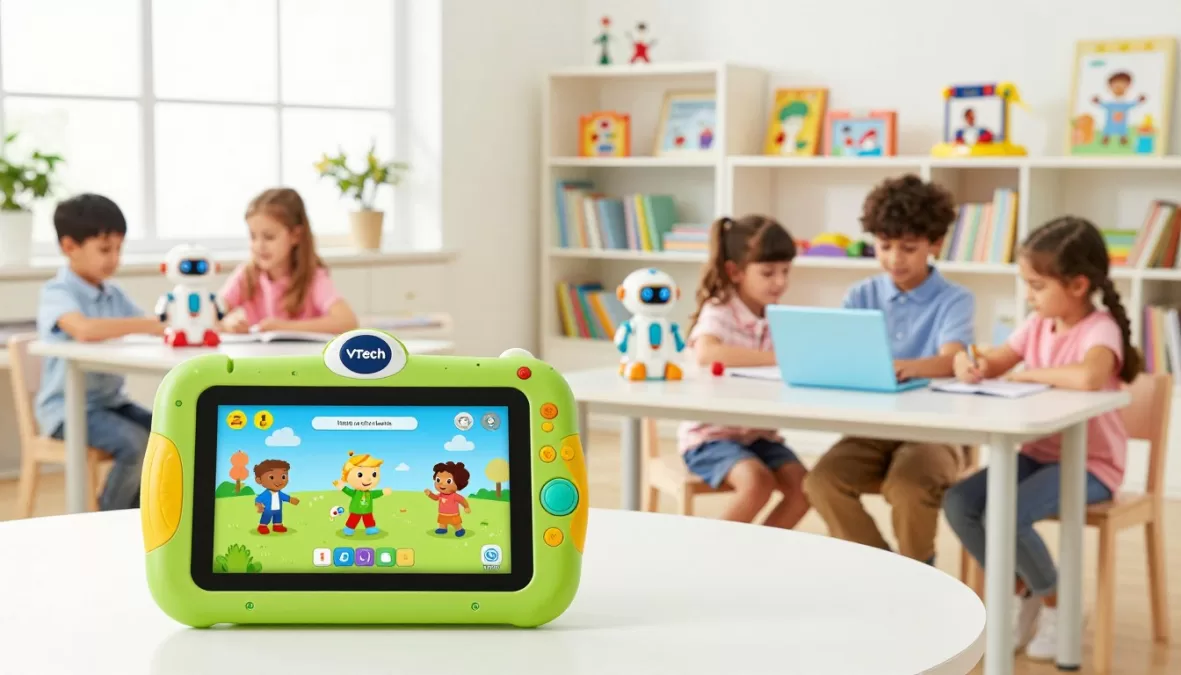
By focusing on innovation and educational value, VTech Holdings continues to grow its presence in the global toy market, contributing to the future of toy companies and the global toy market value.
9. Funko: Collectibles Powerhouse Growing to $4 Billion
Funko has emerged as a powerhouse in the collectibles market, driven by its innovative approach to pop culture licensing. The company’s success is largely attributed to its ability to create engaging collectibles that resonate with fans across various franchises.
NFT Integration and Digital Collectibles
Funko has been at the forefront of integrating NFTs into its business model, creating digital collectibles that appeal to both old and new collectors. This move has not only expanded Funko’s market reach but also positioned it as a leader in the digital collectibles space.
Pop Culture Licensing Strategy
Funko’s licensing strategy is a key factor in its success. By partnering with major pop culture franchises, Funko creates products that are highly sought after by collectors. This strategy has enabled the company to maintain a strong presence in the market.
Limited Edition Release Strategy
One of the tactics Funko employs under its licensing strategy is the release of limited edition collectibles. This approach creates a sense of urgency among collectors, driving sales and increasing brand engagement.
Nostalgia Marketing Approach
Funko also leverages nostalgia in its marketing efforts, creating products that appeal to adults who are looking to relive their childhood memories. This approach has proven effective in attracting a broader customer base.
10. Tencent Games: From Digital to Physical Play at $3.5 Billion Toy Revenue
With a significant toy revenue of $3.5 billion, Tencent Games stands out among profitable toy companies. The company’s success in transitioning from digital gaming to physical play is noteworthy.
IP-Based Toy Manufacturing
Tencent Games has leveraged its vast gaming IPs to create engaging physical toys. This strategic move has enabled the company to tap into the lucrative toy market, capitalizing on its existing intellectual properties.
Augmented Reality Toy Experiences
The integration of augmented reality (AR) technology into its toys has been a game-changer for Tencent Games. This innovation has enhanced the play experience, making it more interactive and immersive.
Mixed Reality Gaming Platforms
Tencent Games is also exploring mixed reality (MR) gaming platforms, further blurring the lines between digital and physical play. This technology promises to revolutionize the toy industry.
AI-Enhanced Interactive Figures
The use of AI-enhanced interactive figures is another area where Tencent Games is making significant strides. These figures offer a more personalized and engaging play experience.
| Feature | Description | Impact |
|---|---|---|
| IP-Based Toy Manufacturing | Utilizes existing gaming IPs for toy creation | Enhanced brand recognition |
| Augmented Reality Toy Experiences | Integrates AR technology for interactive play | Increased user engagement |
| Mixed Reality Gaming Platforms | Combines digital and physical elements | Innovative gaming experiences |
Conclusion: The Future Trajectory of Billion-Dollar Toy Companies
The toy industry is on a growth trajectory, driven by innovation and evolving consumer preferences. The top 10 leading toy manufacturers have demonstrated remarkable resilience and adaptability, positioning them for continued success in the billion-dollar toy industry.
Companies like LEGO Group, Mattel, and Hasbro are at the forefront of this growth, leveraging their brand strength, digital transformation, and strategic acquisitions to maintain market dominance. As the industry continues to evolve, these leading toy manufacturers are poised to drive innovation and shape the future of play.
The billion-dollar toy industry is expected to continue growing, driven by emerging trends such as digital-physical play integration, sustainability, and educational technology. As consumers increasingly demand immersive and interactive experiences, toy companies are responding with innovative products and experiences that blur the lines between physical and digital play.
As the industry continues to grow and evolve, the top toy companies will remain at the forefront, driving growth and innovation in the billion-dollar toy industry.
FAQ
What is driving the growth of the toy industry?
How are top toy companies adapting to changing consumer preferences?
What is the LEGO Group’s strategy for maintaining market dominance?
How has Mattel reinvented its classic brands?
What is driving Hasbro’s revenue growth?
What is the future of the global toy market?
What is the significance of e-commerce in the toy industry?
How are toy companies incorporating technology into their products?
What is the role of STEM-focused products in the toy industry?
How are top toy companies leveraging their brand IPs?

Priyanka Pandey
Senior Research Editor · Top10Sense
Priyanka specializes in tech, consumer products, and digital trends. She combines hands-on testing, vendor interviews, and database research to create trustworthy “Top 10” rankings. Her work has been referenced by industry blogs and brand report pages.