Australia captivates travelers with its stunning natural wonders, iconic landmarks, and unique wildlife experiences. From the architectural marvel of the Sydney Opera House to the ancient majesty of Uluru and the underwater paradise of the Great Barrier Reef, the Land Down Under offers unforgettable adventures for every type of explorer. Join us as we unveil the top 10 Australia tourist attractions that should be on every traveler’s bucket list, complete with insider tips on when to visit and how to make the most of your Australian journey.
1. Great Barrier Reef, Queensland
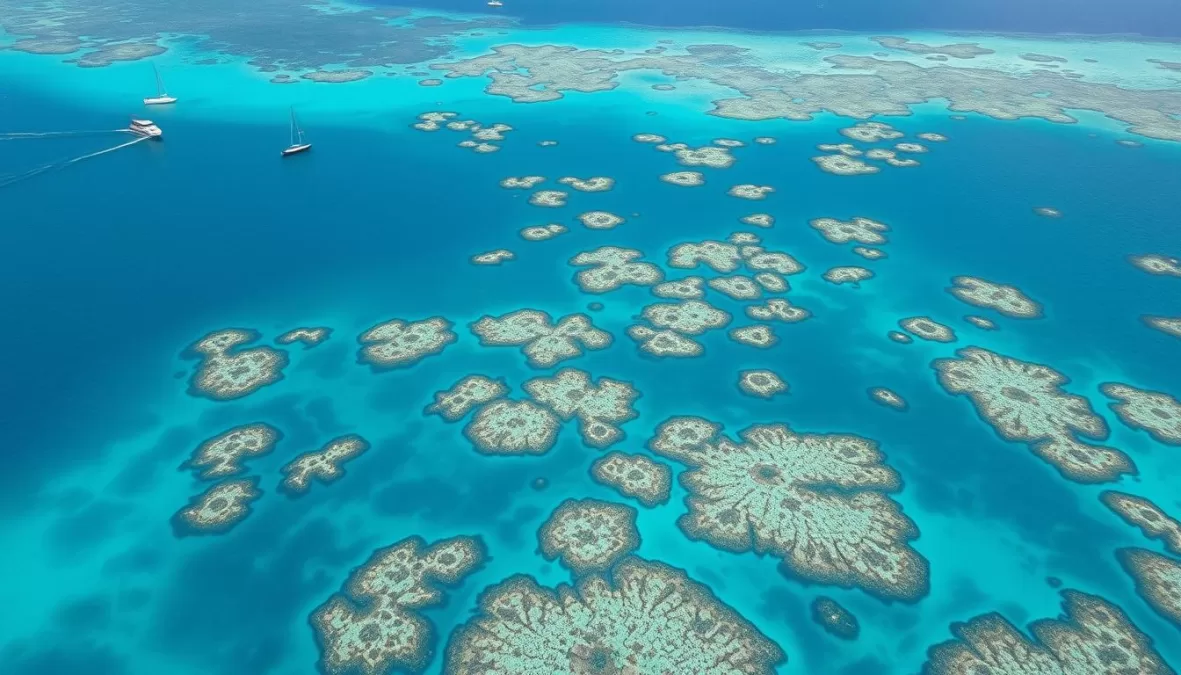
The Great Barrier Reef: World’s largest coral reef system and UNESCO World Heritage site
The Great Barrier Reef stands as one of the world’s most spectacular natural wonders and tops our list of Australia tourist attractions. This UNESCO World Heritage site stretches over 2,300 kilometers along Queensland’s coast and comprises nearly 3,000 individual reefs and 900 islands. As the largest living structure on Earth, it’s visible from space and home to an incredible diversity of marine life including 1,500 fish species, 4,000 mollusk species, and 240 bird species.
Visitors can explore this underwater paradise through snorkeling, scuba diving, glass-bottom boat tours, or scenic flights. The kaleidoscope of colors beneath the surface—from vibrant coral formations to the rainbow hues of tropical fish—creates an otherworldly experience that remains etched in memory long after your visit.
Great Barrier Reef Essential Information
Location: Off the coast of Queensland, accessible from Cairns, Port Douglas, or the Whitsunday Islands
Best Time to Visit: May to October (dry season) for optimal visibility and pleasant temperatures
Unique Experience: Join a guided night dive to witness the reef’s nocturnal marine life in action
Ready to Explore the Great Barrier Reef?
Discover the best snorkeling spots, diving tours, and accommodation options for your Great Barrier Reef adventure.
2. Uluru (Ayers Rock), Northern Territory
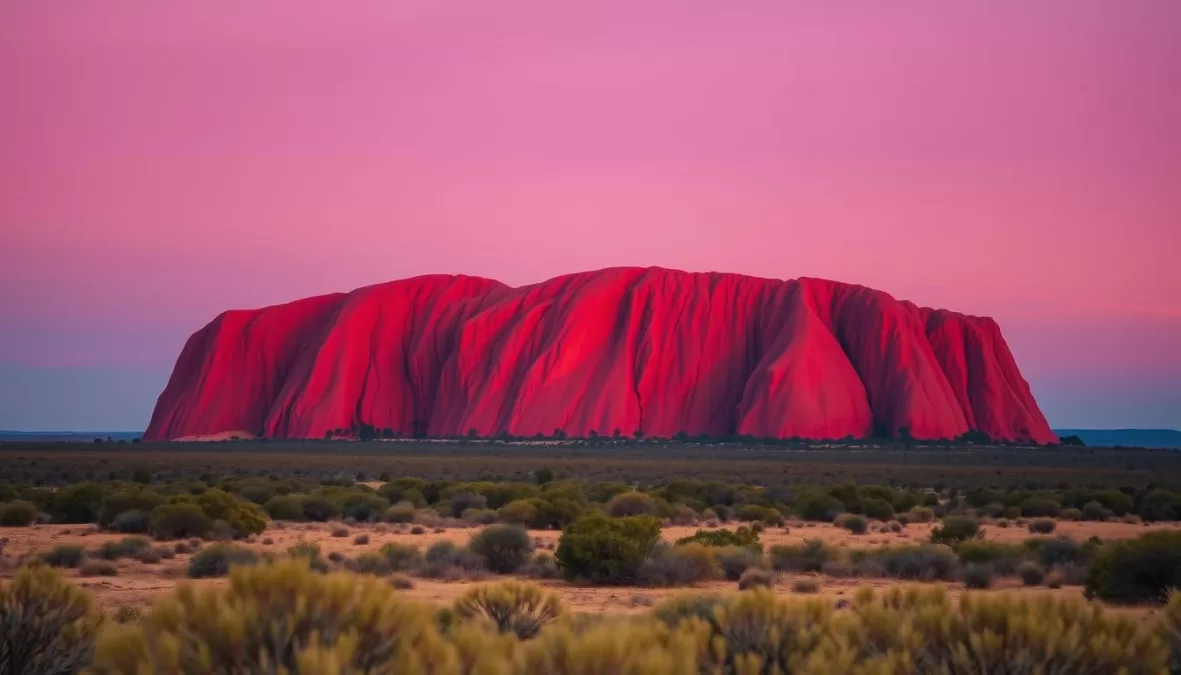
Uluru at sunset, showcasing its famous color-changing properties
Rising dramatically from the Central Australian desert, Uluru (formerly known as Ayers Rock) is a massive sandstone monolith with profound cultural significance to Indigenous Australians. Standing 348 meters high with a circumference of 9.4 kilometers, this ancient formation is estimated to be around 550 million years old and extends several kilometers below the ground.
What makes Uluru truly magical is its ability to change colors throughout the day—shifting from ochre brown to burning orange and blazing red at sunset. The area surrounding the rock is home to springs, waterholes, rock caves, and ancient paintings, offering visitors a glimpse into the rich cultural heritage of the Anangu people, the traditional owners of the land.
Uluru Essential Information
Location: Uluru-Kata Tjuta National Park, 450km southwest of Alice Springs
Best Time to Visit: May to September (cooler months) when daytime temperatures are more comfortable
Unique Experience: The Field of Light installation by artist Bruce Munro—30,000 stemmed spheres that illuminate the desert
Experience the Magic of Uluru
Book guided tours with Indigenous rangers to learn about Uluru’s cultural significance and ancient stories.
3. Sydney Opera House, New South Wales
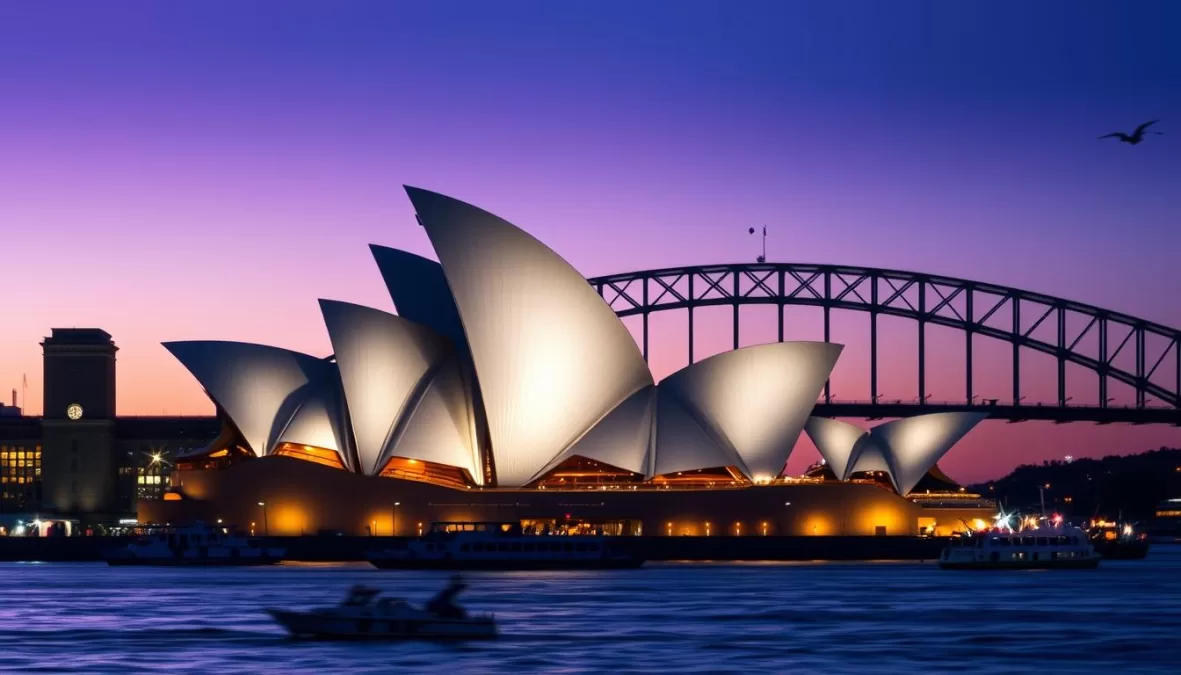
The Sydney Opera House: Australia’s most recognizable architectural masterpiece
The Sydney Opera House is arguably Australia’s most recognizable icon and a masterpiece of 20th-century architecture. Designed by Danish architect Jørn Utzon, this UNESCO World Heritage site features distinctive sail-shaped shells that have made it one of the world’s most photographed buildings. Since its opening in 1973, it has become synonymous with Australian cultural identity.
Beyond its striking exterior, the Opera House hosts over 1,500 performances annually across its multiple venues, ranging from opera and ballet to contemporary concerts. The building’s location on Bennelong Point provides spectacular views of Sydney Harbour and the Sydney Harbour Bridge, creating a perfect backdrop for unforgettable photos.
Sydney Opera House Essential Information
Location: Bennelong Point, Sydney
Best Time to Visit: Year-round, though spring (September-November) offers pleasant weather for outdoor exploration
Unique Experience: Take a backstage tour to discover the inner workings of this performing arts center
Visit the Sydney Opera House
Check upcoming performances, book guided tours, and find the best photo spots around this iconic landmark.
4. Great Ocean Road, Victoria
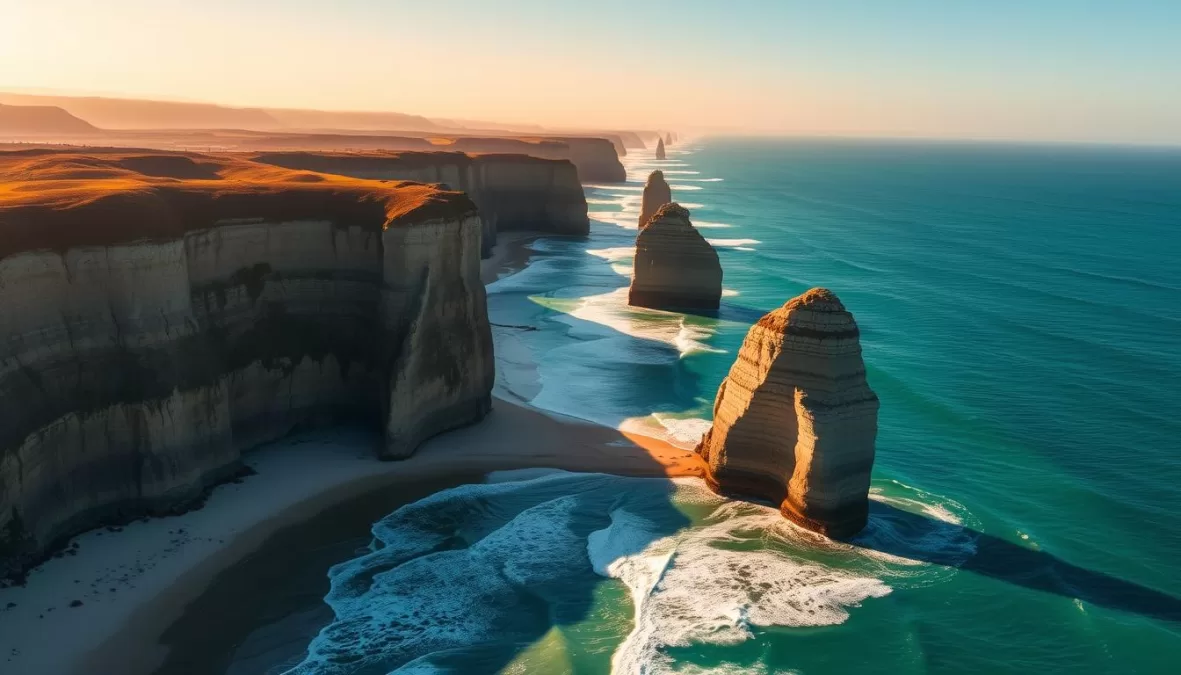
The Twelve Apostles: Magnificent limestone stacks along the Great Ocean Road
The Great Ocean Road is one of the world’s most scenic coastal drives, stretching 243 kilometers along Victoria’s rugged southern coast. Built by returned soldiers between 1919 and 1932, this Australian National Heritage-listed road serves as the world’s largest war memorial, dedicated to casualties of World War I.
The journey takes you through varying landscapes—from dramatic coastlines and lush rainforests to charming seaside towns. The road’s most famous attraction is the Twelve Apostles, a collection of limestone stacks majestically rising from the Southern Ocean. Other highlights include Loch Ard Gorge, London Arch, and the Bay of Islands, each offering breathtaking views that showcase nature’s artistic prowess.
Great Ocean Road Essential Information
Location: Starts at Torquay and ends near Allansford in Victoria
Best Time to Visit: December to February for warmer weather, or March to May for fewer crowds
Unique Experience: Helicopter tours over the Twelve Apostles for a bird’s-eye perspective
Drive the Great Ocean Road
Find the perfect road trip itinerary, accommodation options, and must-see stops along this iconic route.
5. Kakadu National Park, Northern Territory
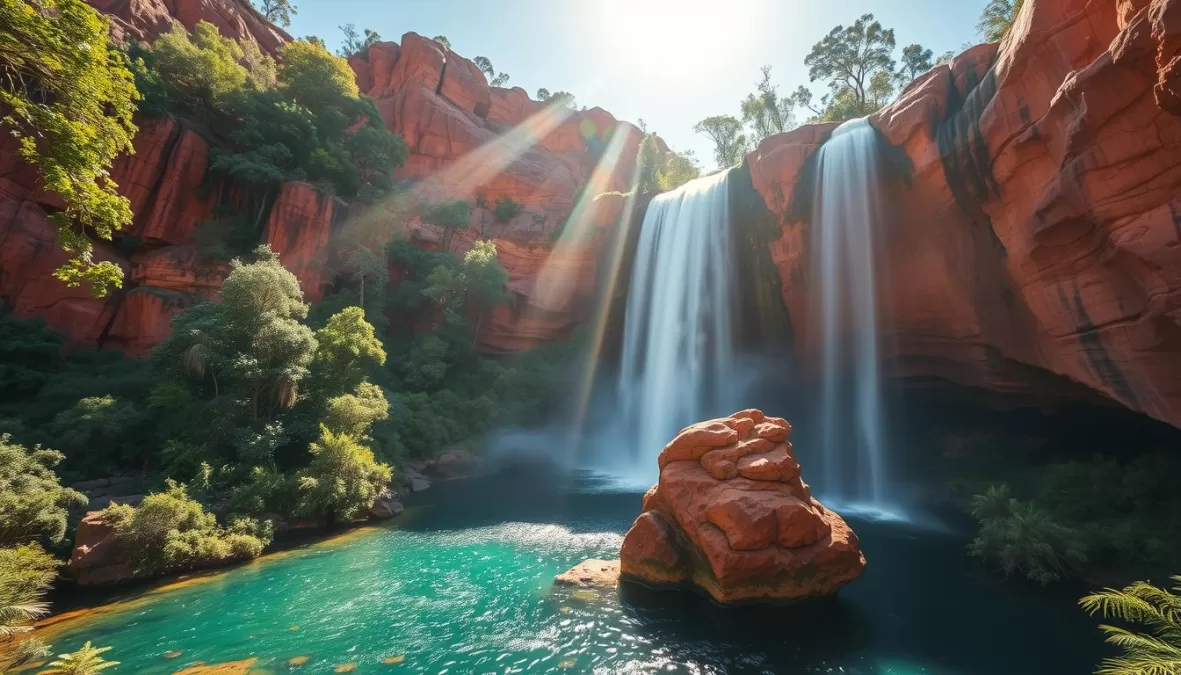
Jim Jim Falls: One of Kakadu National Park’s spectacular natural wonders
Kakadu National Park is Australia’s largest terrestrial national park, covering almost 20,000 square kilometers of extraordinary natural and cultural landscapes. This dual UNESCO World Heritage site is renowned for its biodiversity, housing more than 2,000 plant species, one-third of Australia’s bird species, and abundant wildlife including saltwater crocodiles, flatback turtles, and flying foxes.
Beyond its ecological significance, Kakadu contains one of the world’s greatest concentrations of Aboriginal rock art, with some paintings dating back more than 20,000 years. These ancient galleries provide fascinating insights into Indigenous culture and the changing landscape over tens of thousands of years. The park’s diverse ecosystems—from wetlands and rivers to stone country and savanna woodlands—create a tapestry of experiences for visitors.
Kakadu National Park Essential Information
Location: 171km southeast of Darwin
Best Time to Visit: May to October (dry season) when most areas are accessible
Unique Experience: Yellow Water Billabong cruise to spot crocodiles and diverse birdlife
Explore Kakadu National Park
Discover guided tours, ranger programs, and accommodation options within and around this ancient landscape.
6. Bondi Beach, New South Wales
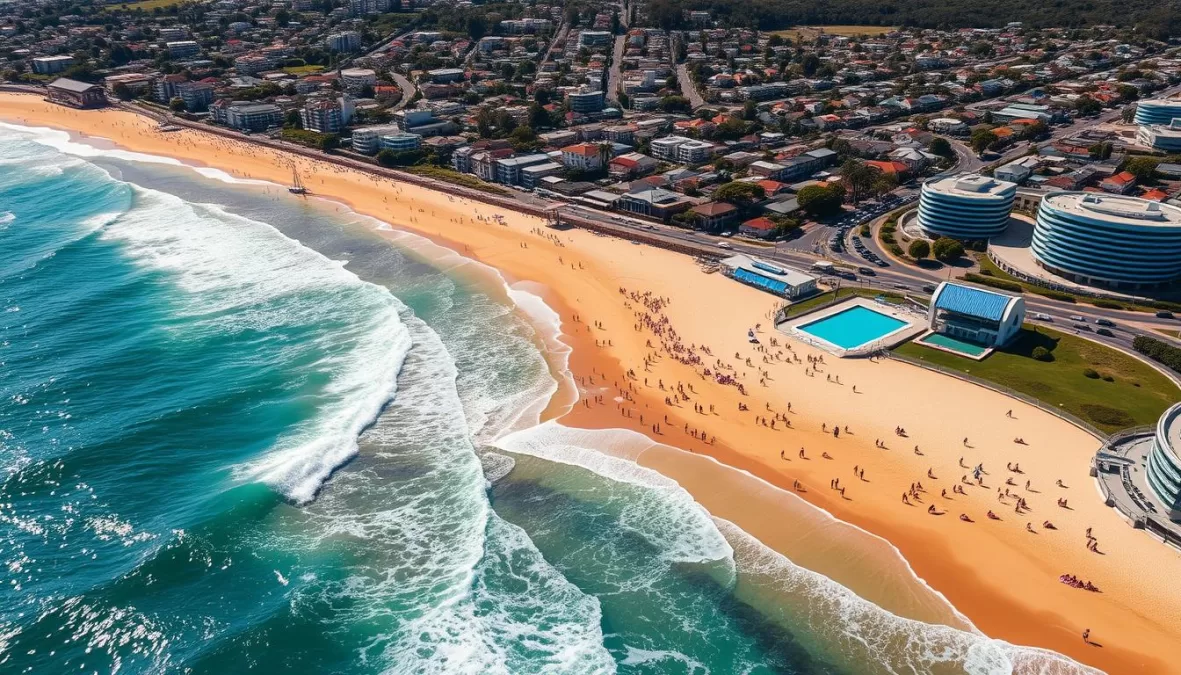
Bondi Beach: Australia’s most famous stretch of golden sand
Bondi Beach is arguably Australia’s most famous beach and a quintessential Sydney experience. This kilometer-long stretch of golden sand has become an iconic representation of Australia’s beach culture and outdoor lifestyle. Located just 7 kilometers from Sydney’s city center, Bondi attracts both locals and tourists year-round with its reliable waves, pristine sands, and vibrant atmosphere.
The beach is patrolled by lifeguards (the stars of the reality TV show “Bondi Rescue”), making it a safe swimming spot despite occasionally challenging conditions. Beyond swimming and surfing, visitors can enjoy the scenic Bondi to Coogee coastal walk, explore the eclectic local dining scene, browse weekend markets, or simply people-watch from one of the many beachfront cafés.
Bondi Beach Essential Information
Location: 7km east of Sydney CBD
Best Time to Visit: December to February for beach weather, though it’s beautiful year-round
Unique Experience: Swimming in the famous Bondi Icebergs Pool, an ocean-fed pool with spectacular views
Experience Bondi Beach
Find surf lessons, beachside accommodation, and the best local eateries around this iconic beach.
7. Daintree Rainforest, Queensland
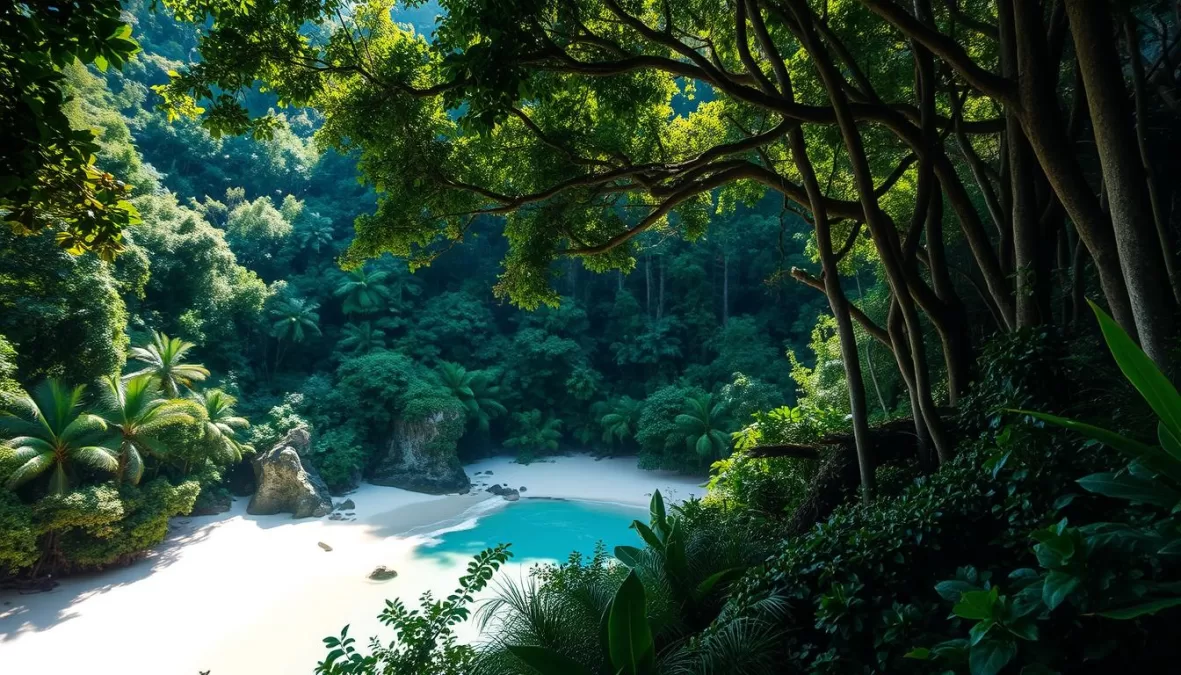
Cape Tribulation: Where the Daintree Rainforest meets the Great Barrier Reef
The Daintree Rainforest is the world’s oldest tropical rainforest, estimated to be over 180 million years old—significantly older than the Amazon. This UNESCO World Heritage-listed site covers approximately 1,200 square kilometers and is part of the Wet Tropics of Queensland. As one of the most complex ecosystems on Earth, it houses 30% of Australia’s frog, marsupial, and reptile species, 65% of its bat and butterfly species, and 20% of its bird species.
What makes the Daintree truly special is that it’s one of the few places on Earth where two World Heritage sites meet—the rainforest grows right down to the shores of the Great Barrier Reef. Visitors can experience this unique junction at Cape Tribulation, where ancient forest meets coral reef. The region offers countless adventures, from crocodile-spotting river cruises and canopy walks to guided night walks revealing nocturnal creatures.
Daintree Rainforest Essential Information
Location: North of Port Douglas in Far North Queensland
Best Time to Visit: May to September (dry season) for more comfortable exploration
Unique Experience: Ngadiku Dreamtime Walks led by Indigenous guides sharing traditional knowledge
Discover the Ancient Daintree
Book eco-friendly accommodation, guided rainforest tours, and river cruises in this prehistoric landscape.
8. Kangaroo Island, South Australia
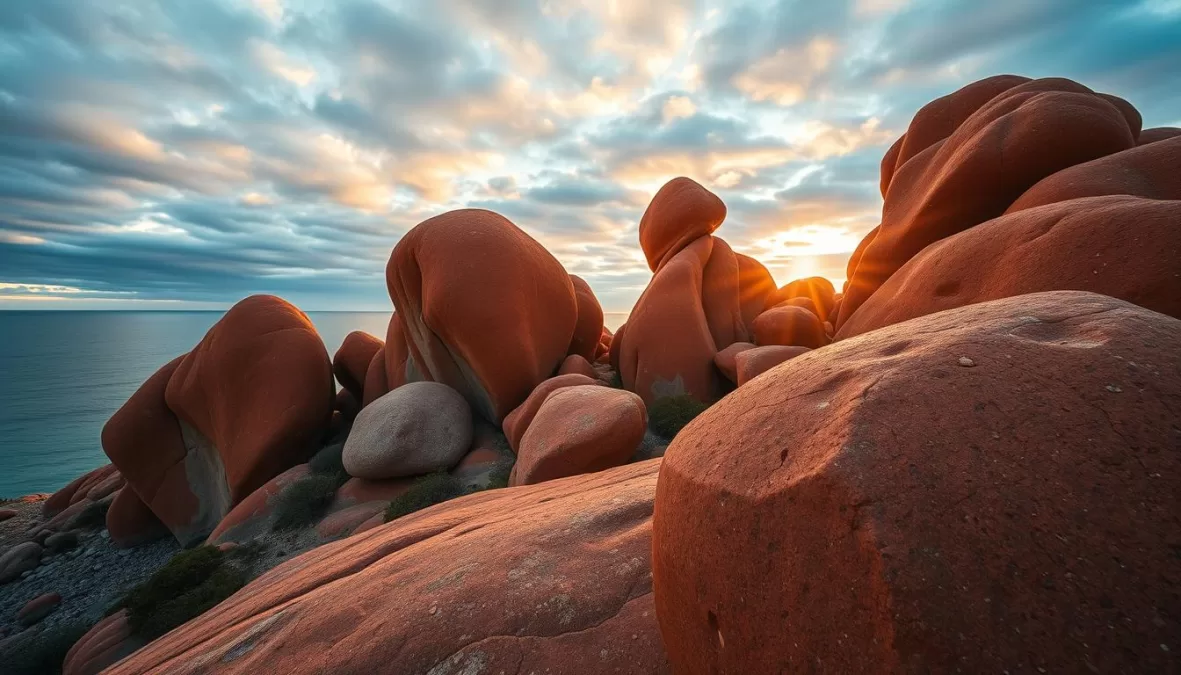
Remarkable Rocks: Nature’s sculpture garden on Kangaroo Island
Kangaroo Island, Australia’s third-largest island, is often described as a natural zoo without fences. Located just 13 kilometers off the coast of South Australia, this wildlife sanctuary covers 4,400 square kilometers of diverse landscapes—from dramatic coastal cliffs and pristine beaches to dense bushland and rolling farmland.
True to its name, the island is home to abundant kangaroos, along with koalas, echidnas, sea lions, New Zealand fur seals, and diverse bird species. Natural attractions include the Remarkable Rocks (wind-sculpted granite boulders), Admirals Arch (a natural rock arch with a colony of fur seals), and Seal Bay Conservation Park (where visitors can walk among endangered Australian sea lions). Beyond wildlife, the island boasts a thriving food and wine scene, with local honey, sheep’s milk cheese, and cool-climate wines.
Kangaroo Island Essential Information
Location: 13km off the coast of South Australia, accessible by ferry from Cape Jervis or flights from Adelaide
Best Time to Visit: December to February for warmer weather and active wildlife
Unique Experience: Sandboarding at Little Sahara’s inland dune system
Experience Kangaroo Island
Find wildlife tours, local food experiences, and accommodation options from luxury lodges to beachfront camping.
9. Blue Mountains, New South Wales
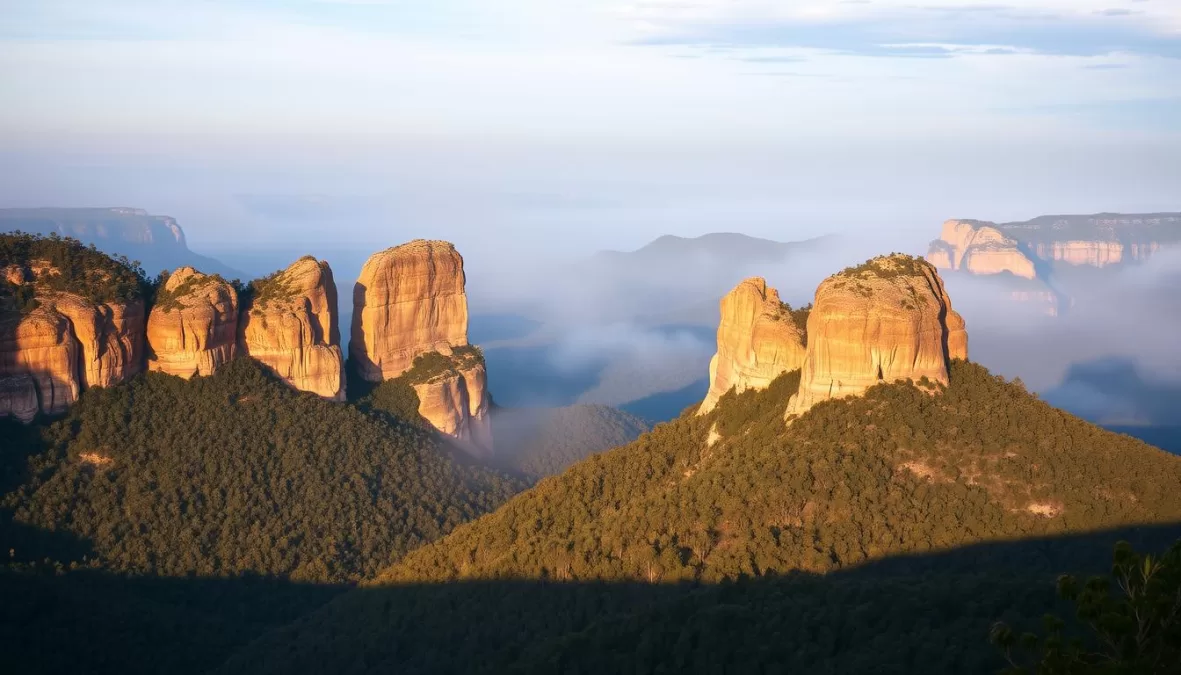
The Three Sisters: Iconic rock formation in the Blue Mountains National Park
Just 90 minutes west of Sydney lies the Blue Mountains, a breathtaking plateau of sandstone cliffs, deep ravines, and endless eucalyptus forests. This UNESCO World Heritage area gets its name from the distinctive blue haze that hangs over the landscape—a phenomenon caused by oil droplets released from the millions of eucalyptus trees mixing with water vapor and light.
The region’s most famous landmark is the Three Sisters, a striking rock formation representing three sisters who, according to Aboriginal legend, were turned to stone. Beyond this iconic site, the Blue Mountains offer over 140 kilometers of walking tracks, ancient caves, stunning waterfalls, and charming mountain villages like Leura and Katoomba. Adventure seekers can try rock climbing, abseiling, mountain biking, or the world’s steepest passenger railway at Scenic World.
Blue Mountains Essential Information
Location: 90 minutes west of Sydney
Best Time to Visit: March to May (autumn) for pleasant temperatures and colorful foliage
Unique Experience: Exploring the illuminated Jenolan Caves, among the world’s oldest cave systems
Explore the Blue Mountains
Discover hiking trails, lookout points, and cozy mountain accommodations for your Blue Mountains getaway.
10. Whitsunday Islands, Queensland
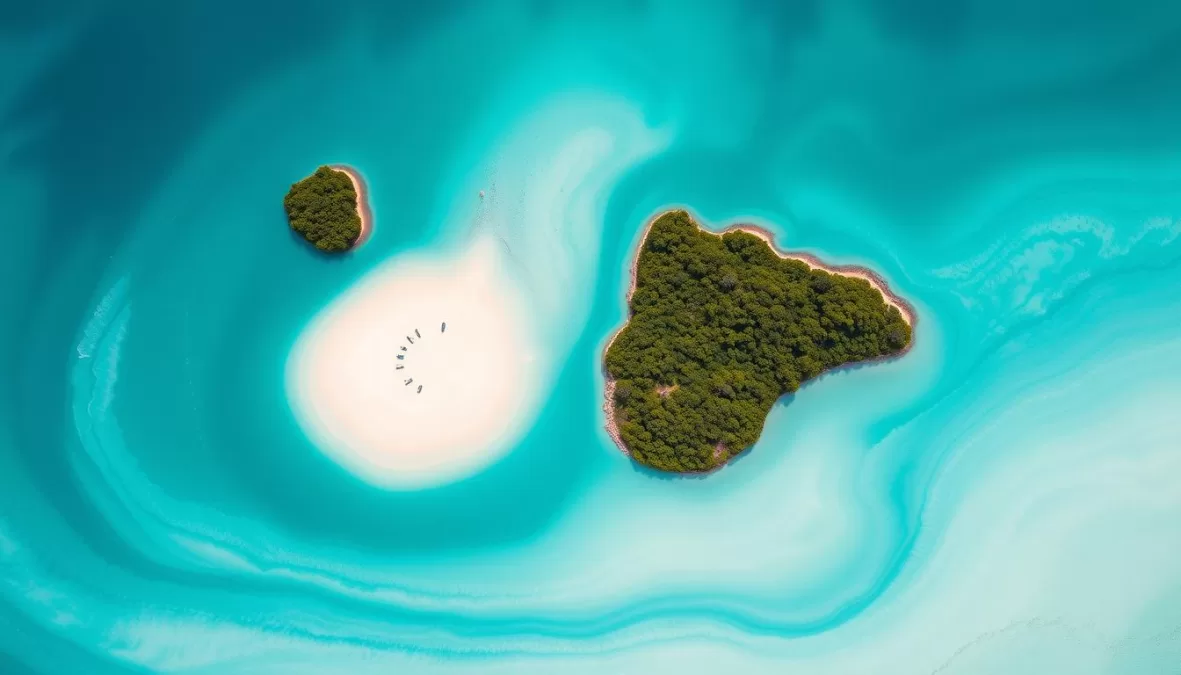
Whitehaven Beach: Seven kilometers of pristine silica sand in the Whitsundays
The Whitsunday Islands comprise 74 tropical islands nestled between the Queensland coast and the Great Barrier Reef. These continental islands are actually the peaks of submerged mountains, creating a paradise of secluded beaches, hidden coves, and fringing coral reefs. Only eight islands have resorts, while the majority remain uninhabited national parks.
The crown jewel of the Whitsundays is Whitehaven Beach on Whitsunday Island—a seven-kilometer stretch of pristine silica sand that’s 98% pure, making it among the whitest and softest in the world. At the northern end of the beach, Hill Inlet provides a stunning lookout where shifting tides create a swirling pattern of white sand and turquoise water. The islands offer countless activities, from sailing and snorkeling to scenic flights and luxury resort experiences.
Whitsunday Islands Essential Information
Location: Off the central coast of Queensland, accessible from Airlie Beach or Hamilton Island
Best Time to Visit: May to October for less rainfall and stinger-free waters
Unique Experience: Overnight sailing trips to explore multiple islands and snorkeling spots
Sail the Whitsundays
Find sailing tours, island resorts, and the best snorkeling spots in this tropical paradise.
Practical Travel Tips for Visiting Australia
Best Time to Visit
Australia’s seasons are opposite to those in the Northern Hemisphere. December to February is summer, while June to August is winter. The best time to visit depends on your destination:
- Northern Australia (Great Barrier Reef, Daintree): May to October (dry season)
- Southern Australia (Sydney, Melbourne): September to November (spring) or March to May (autumn)
- Central Australia (Uluru): April to October (cooler months)
- Tasmania: December to February (summer)
Getting Around
Australia is vast—comparable in size to the continental United States. Consider these transportation options:
- Domestic flights for long distances between major cities
- Rental cars for exploring regions (remember Australians drive on the left)
- Campervan rentals for road trip adventures
- Trains for scenic journeys like The Ghan (Adelaide to Darwin)
- Public transport within major cities
Visa Requirements
Most visitors to Australia need a visa. Options include:
- Electronic Travel Authority (ETA) for many countries
- eVisitor visa for European Union citizens
- Tourist visa for longer stays
Apply online through the Australian Department of Home Affairs website well before your trip.
Wildlife Safety
While Australia is famous for its dangerous creatures, attacks are rare if you follow these guidelines:
- Swim only at patrolled beaches between the flags
- Observe crocodile warnings in northern Australia
- Wear protective footwear in bushland
- Check for blue-ringed octopus and box jellyfish warnings
- Respect wildlife and maintain a safe distance
Australia Travel Essentials
- Sun protection (Australia has high UV levels year-round)
- Reef-safe sunscreen for Great Barrier Reef visits
- Insect repellent, especially in tropical regions
- Comfortable walking shoes for outdoor adventures
- Power adapter (Australia uses Type I plugs)
- Travel insurance with medical coverage
Start Planning Your Australian Adventure
Australia’s top 10 tourist attractions offer just a glimpse of what this extraordinary continent has to offer. From ancient landscapes and unique wildlife to world-class cities and pristine beaches, Australia promises unforgettable experiences for every type of traveler. Whether you’re seeking adventure, cultural immersion, or simply relaxation in stunning natural settings, the Land Down Under delivers with its characteristic warmth and laid-back charm.
Remember that distances between attractions can be vast, so it’s wise to focus on specific regions rather than trying to see everything in one trip. Take your time to truly experience each destination, connect with locals, and embrace the Australian way of life. Your Australian adventure awaits—from the coral gardens of the Great Barrier Reef to the sacred red heart of Uluru and beyond.
Ready to Experience Australia’s Top Attractions?
Start planning your dream Australian vacation with expert advice, customized itineraries, and exclusive deals.
Frequently Asked Questions About Visiting Australia
How long should I spend in Australia?
For a first visit covering major highlights, allow at least two weeks. Three to four weeks is ideal if you want to explore multiple regions without rushing. Remember that Australia is roughly the same size as the continental United States, so distances between attractions can be significant.
What’s the best way to see multiple top attractions in one trip?
Focus on regions rather than trying to see everything. For example, combine Sydney, Blue Mountains, and perhaps Melbourne and the Great Ocean Road in one trip. Or explore Queensland’s attractions like the Great Barrier Reef, Daintree Rainforest, and Whitsundays. Domestic flights can help you cover more ground efficiently.
Is Australia expensive to visit?
Australia can be relatively expensive compared to some destinations, but there are options for every budget. Accommodation ranges from backpacker hostels to luxury resorts. Save money by cooking some meals, using public transportation, and taking advantage of free attractions like beaches, markets, and many national parks.
When is whale watching season in Australia?
Whale watching season varies by location but generally runs from May to November as humpback and southern right whales migrate along Australia’s coastlines. Prime spots include Hervey Bay in Queensland, Eden in New South Wales, and the Great Australian Bight in South Australia.

Priyanka Pandey
Senior Research Editor · Top10Sense
Priyanka specializes in tech, consumer products, and digital trends. She combines hands-on testing, vendor interviews, and database research to create trustworthy “Top 10” rankings. Her work has been referenced by industry blogs and brand report pages.