
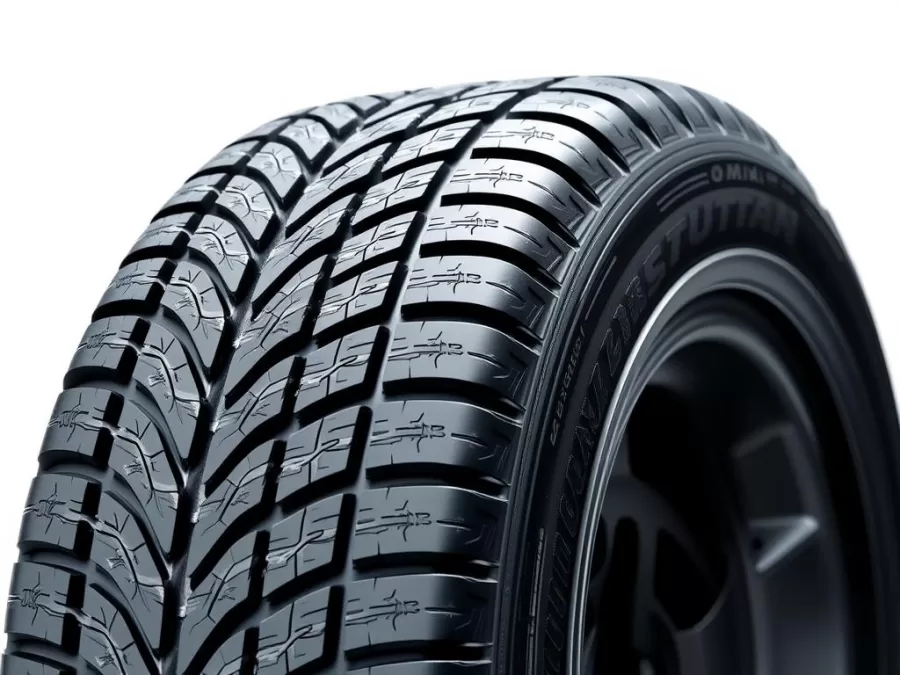
When temperatures drop below 7°C in Canada, your vehicle’s grip on the road becomes compromised with all-season tires. Winter tires are not just an option but a necessity for safe driving on Canadian roads. With specialized rubber compounds that remain flexible in freezing temperatures and tread patterns designed to channel away snow and slush, the right winter tires can significantly reduce stopping distances and improve handling in harsh winter conditions.
This comprehensive guide examines the top 10 winter tires in Canada for 2025, considering factors like ice and snow performance, tread life, comfort, and value. Whether you drive a sedan, SUV, or pickup truck, we’ll help you find the perfect winter tires to navigate everything from icy city streets to snow-covered rural highways.
Top 10 Winter Tires in Canada for 2025: Comparison Table
Before diving into detailed reviews, here’s a quick comparison of our top picks for the 2025 winter season in Canada. We’ve evaluated each tire based on performance in various winter conditions, durability, comfort, and value.
| Tire Model | Best For | Type | Price Range | Snow Performance | Ice Performance | Comfort |
| Nokian Hakkapeliitta R5 | Overall Performance | Studless | $$$ | ★★★★★ | ★★★★★ | ★★★★☆ |
| Michelin X-Ice Snow | Longevity & Balance | Studless | $$$ | ★★★★☆ | ★★★★☆ | ★★★★★ |
| Bridgestone Blizzak WS90 | Ice Braking | Studless | $$ | ★★★★☆ | ★★★★★ | ★★★☆☆ |
| Continental VikingContact 7 | Wet Performance | Studless | $$ | ★★★★☆ | ★★★☆☆ | ★★★★☆ |
| Nokian Hakkapeliitta 10 (Studded) | Extreme Ice | Studded | $$$$ | ★★★★★ | ★★★★★ | ★★★☆☆ |
| Pirelli P Zero Winter | Performance Vehicles | Studless | $$$$ | ★★★★☆ | ★★★☆☆ | ★★★★☆ |
| Bridgestone Blizzak DM-V2 | SUVs | Studless | $$ | ★★★★☆ | ★★★★☆ | ★★★☆☆ |
| Michelin X-Ice Snow SUV | SUV Comfort | Studless | $$$ | ★★★★☆ | ★★★★☆ | ★★★★★ |
| Goodyear Ultra Grip Arctic 2 | Deep Snow | Studless | $$ | ★★★★★ | ★★★★☆ | ★★★☆☆ |
| Nordman North 9 | Budget Option | Studless | $ | ★★★★☆ | ★★★☆☆ | ★★★☆☆ |
Price Range Key: $ (Under $150), $$ ($150-200), $$$ ($200-250), $$$$ (Over $250) per tire
1. Nokian Hakkapeliitta R5 – Best Overall Winter Tire
The Nokian Hakkapeliitta R5 continues to dominate Canadian winter roads in 2025 with its exceptional performance in harsh conditions. Finnish tire manufacturer Nokian has leveraged decades of winter expertise to create a tire that excels in the most demanding Canadian winter environments.
Performance
The Hakkapeliitta R5 features Arctic Grip Crystals embedded in the rubber compound that act like built-in studs, providing remarkable traction on ice without the noise and road restrictions of traditional studded tires. The aggressive tread pattern with snow grip boosters in the center delivers confident handling in deep snow, while the optimized siping pattern maintains flexibility and grip at extremely low temperatures.
Durability & Efficiency
Despite its aggressive winter performance, the R5 offers surprisingly good tread life, typically lasting 3-4 winter seasons with proper care. The tire also features improved rolling resistance compared to previous generations, helping to minimize the fuel economy impact that winter tires typically cause.
Comfort & Handling
While prioritizing winter grip, the Hakkapeliitta R5 manages to deliver acceptable road noise levels and a comfortable ride. The tire provides responsive steering and predictable handling, even in rapidly changing winter conditions. The R5 is available in sizes for passenger cars, SUVs, and EVs, with specialized variants for each vehicle type.
Pros
- Exceptional ice and snow traction
- Arctic Grip Crystals provide stud-like performance
- Excellent stability in deep snow
- Good tread life for a winter tire
- Available in specialized EV versions
Cons
- Premium price point
- Slightly noisier than touring-focused winter tires
- Some sizes may have limited availability
Ready for Ultimate Winter Performance?
The Nokian Hakkapeliitta R5 offers the best overall winter performance for Canadian roads. Secure yours before winter arrives.
2. Michelin X-Ice Snow – Best for Longevity & Balanced Performance
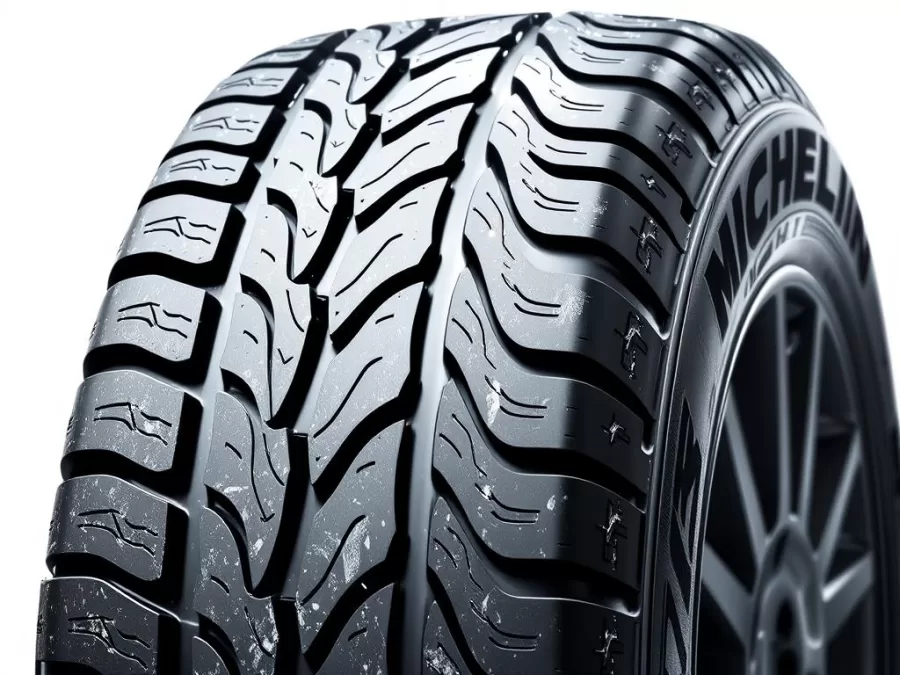
The Michelin X-Ice Snow represents the perfect balance between winter performance and everyday usability. As the successor to the popular X-Ice Xi3, this tire has been refined to deliver confident winter traction while maintaining the comfort and longevity Michelin is known for.
Performance
The X-Ice Snow features an advanced silica-infused rubber compound that stays flexible in freezing temperatures while providing excellent grip on ice and snow. Its unique tread design incorporates multi-directional 3D sipes and variable thickness sipes that create biting edges for snow traction while maintaining block rigidity for better handling on cleared roads.
Durability & Efficiency
Where the X-Ice Snow truly stands out is longevity. Michelin claims this tire will last one additional winter compared to competitors, and real-world testing supports this claim. The tire also features EverGrip Technology that maintains performance as the tire wears, ensuring consistent winter safety throughout its lifespan. Lower rolling resistance compared to many winter tires helps preserve fuel economy and EV range.
Comfort & Handling
The X-Ice Snow delivers exceptional comfort with minimal road noise for a winter tire. Its balanced design provides predictable handling in all winter conditions while maintaining a smooth, quiet ride that makes it ideal for daily commuting. The tire is available in both passenger car and SUV versions, with the SUV variant featuring reinforced construction for heavier vehicles.
Pros
- Excellent tread life and durability
- Superior comfort and low noise levels
- Balanced performance across all winter conditions
- Good dry road handling for a winter tire
- Lower rolling resistance improves fuel economy
Cons
- Premium price point
- Not as aggressive in deep snow as specialized tires
- Some sizes may be limited in availability
Looking for Long-Lasting Winter Performance?
The Michelin X-Ice Snow offers the perfect balance of winter safety, comfort, and longevity for Canadian drivers.
3. Bridgestone Blizzak WS90 – Best for Ice Braking
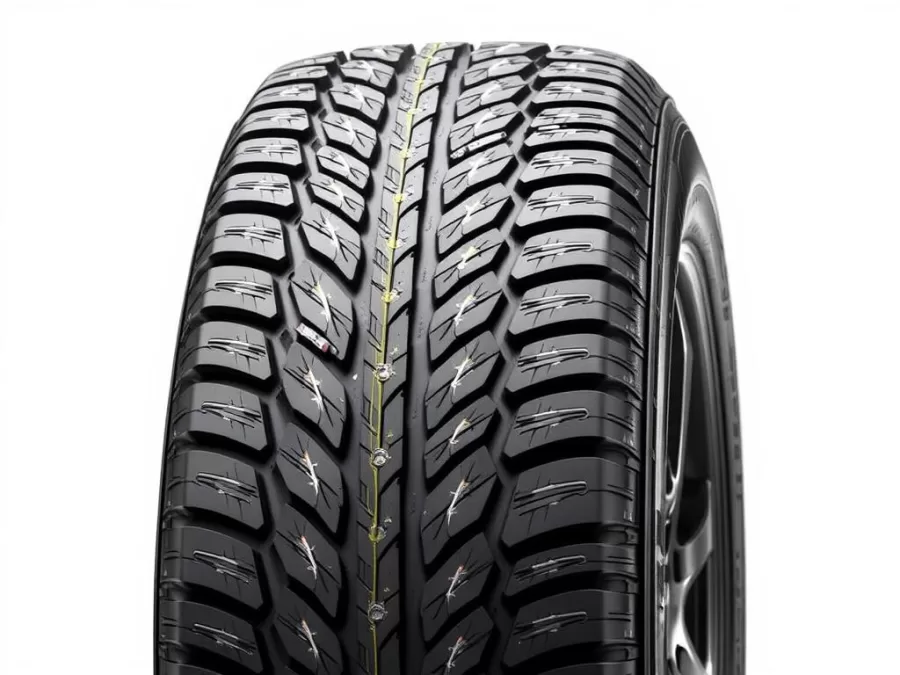
The Bridgestone Blizzak WS90 has earned its reputation as one of the best ice-braking winter tires on the market. Building on the success of the previous WS80 model, the WS90 offers improved tread life and enhanced performance in all winter conditions, with particular excellence on icy surfaces.
Performance
The Blizzak WS90’s standout feature is its proprietary MultiCell compound with hydrophilic properties that draw water away from the ice surface, dramatically improving grip on icy roads. The tire’s aggressive directional tread pattern with 3D zigzag sipes creates thousands of biting edges that maintain contact with snow and ice, resulting in exceptional traction and braking performance in the most challenging winter conditions.
Durability & Efficiency
Bridgestone has improved the WS90’s tread life compared to previous generations, though it still doesn’t match the longevity of the Michelin X-Ice Snow. The tire features a wear indicator that shows when the specialized winter compound has worn down. Rolling resistance is moderate, resulting in average fuel economy impact for a winter tire.
Comfort & Handling
The Blizzak WS90 prioritizes winter performance over comfort, resulting in slightly higher road noise than some competitors. However, the ride quality remains acceptable for daily driving. Handling is predictable and responsive in winter conditions, with excellent stability during emergency maneuvers on snow and ice. The tire is available in a wide range of sizes for passenger cars, with the DM-V2 variant designed specifically for SUVs and light trucks.
Pros
- Outstanding ice braking performance
- Excellent control on slush and wet roads
- Reliable snow traction
- Wide size availability
- Improved tread life over previous models
Cons
- Higher noise levels than premium competitors
- Moderate tread life compared to category leaders
- Slightly compromised dry road performance
Need Superior Ice Braking Performance?
The Bridgestone Blizzak WS90 offers industry-leading ice braking and control for safer winter driving in Canada.
4. Continental VikingContact 7 – Best for Wet Performance
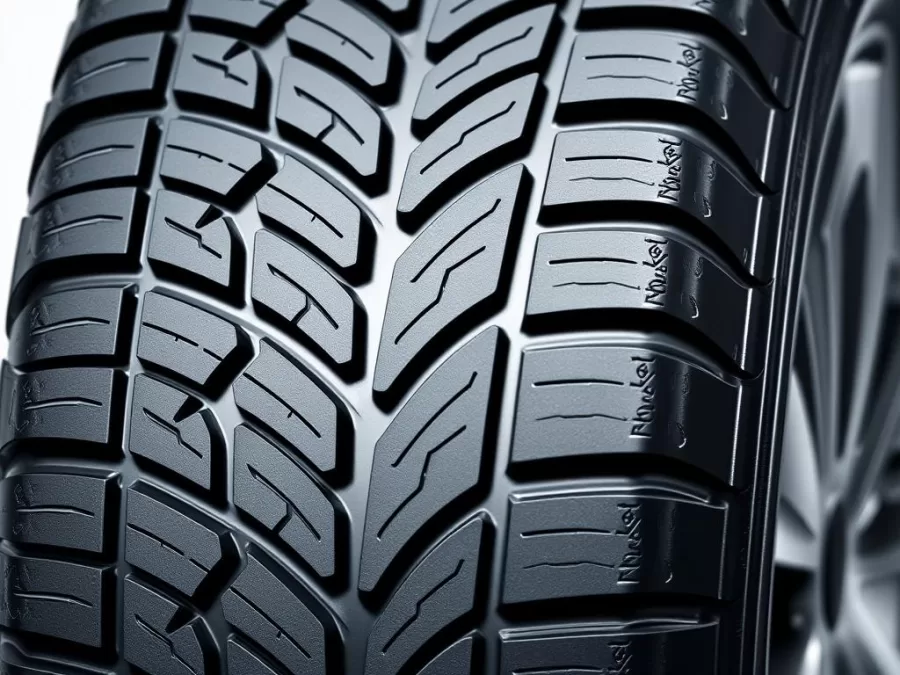
The Continental VikingContact 7 stands out as an excellent all-around winter tire with particular strength in wet and slushy conditions. For many Canadian regions that experience frequent freeze-thaw cycles and wet winter roads, this tire offers an ideal balance of performance and value.
Performance
The VikingContact 7 features an innovative rubber compound containing canola oil that helps maintain flexibility at low temperatures while being more environmentally friendly. Its tread design incorporates numerous biting edges and sipes arranged in a pattern that excels at evacuating slush and water, resulting in exceptional hydroplaning resistance and wet road grip. Snow and ice performance is very good, though not quite at the level of specialized ice performers.
Durability & Efficiency
The VikingContact 7 offers good tread life for its price point, typically lasting 3-4 winter seasons with proper care. Its lower rolling resistance compared to more aggressive winter tires helps maintain fuel efficiency, making it a practical choice for daily drivers who prioritize economy alongside winter safety.
Comfort & Handling
One of the VikingContact 7’s strengths is its refined road manners. The tire provides a comfortable ride with relatively low noise levels for a winter tire. Handling is predictable and responsive in all conditions, with particularly impressive performance during slush and wet snow conditions that challenge many winter tires. The tire is available in sizes to fit most passenger cars, crossovers, and SUVs.
Pros
- Exceptional wet and slush performance
- Good comfort and low noise levels
- Environmentally friendly canola oil compound
- Lower rolling resistance improves fuel economy
- Excellent value for the performance
Cons
- Ice performance lags behind category leaders
- Not as aggressive in deep snow
- Some sizes may have limited availability
Perfect for Wet Winter Conditions
The Continental VikingContact 7 delivers exceptional performance in wet and slushy winter conditions common across Canada.
5. Nokian Hakkapeliitta 10 (Studded) – Best for Extreme Ice Conditions
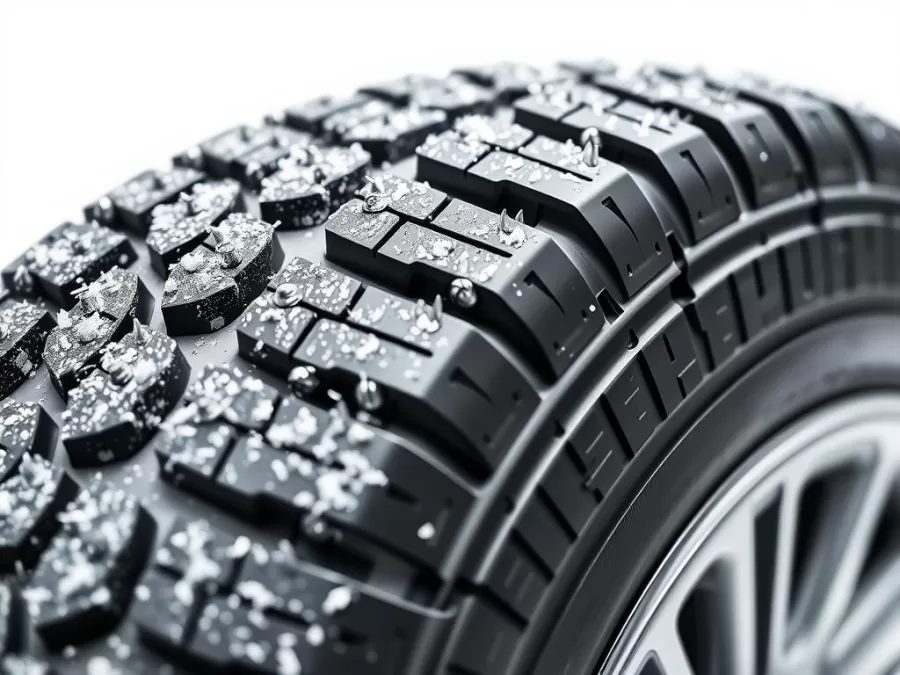
For drivers facing the most extreme winter conditions in Canada, the Nokian Hakkapeliitta 10 studded tire represents the ultimate in winter traction technology. This tire is designed for regions with persistent ice, hard-packed snow, and rural roads where maximum grip is essential for safety.
Important: Studded tire regulations vary by province in Canada. Check your local regulations for permitted usage periods and restrictions before purchasing studded tires.
Performance
The Hakkapeliitta 10 features Nokian’s innovative dual stud technology with center studs for straight-line grip during acceleration and braking, and shoulder studs for cornering stability. Each stud is precisely positioned at an optimal angle for maximum ice contact. The aggressive winter rubber compound and tread pattern work in harmony with the studs to deliver unmatched traction on ice and snow, significantly outperforming even the best studless winter tires in extreme conditions.
Durability & Efficiency
Despite the aggressive stud design, the Hakkapeliitta 10 offers good stud retention and overall durability. The tire is designed to minimize stud wear on cleared roads, helping to maintain performance throughout its lifespan. As expected with studded tires, rolling resistance is higher than studless alternatives, resulting in a moderate impact on fuel economy.
Comfort & Handling
The primary trade-off with the Hakkapeliitta 10 is comfort. While Nokian has made improvements to reduce noise compared to previous generations, studded tires are inherently louder than studless alternatives. The ride quality is also firmer, especially on cleared roads. However, the handling precision and confidence in extreme winter conditions more than compensate for these compromises for drivers who need maximum winter safety.
Pros
- Unmatched ice traction and braking
- Superior performance in extreme winter conditions
- Excellent stability on hard-packed snow
- Innovative dual stud technology
- Available in specialized EV versions
Cons
- Higher noise levels than studless tires
- Premium price point
- Subject to provincial restrictions
- Reduced comfort on cleared roads
Need Maximum Ice Traction?
The Nokian Hakkapeliitta 10 studded tire delivers uncompromising grip in the most extreme Canadian winter conditions.
6-10: Completing Our Top 10 Winter Tires for 2025
6. Pirelli P Zero Winter
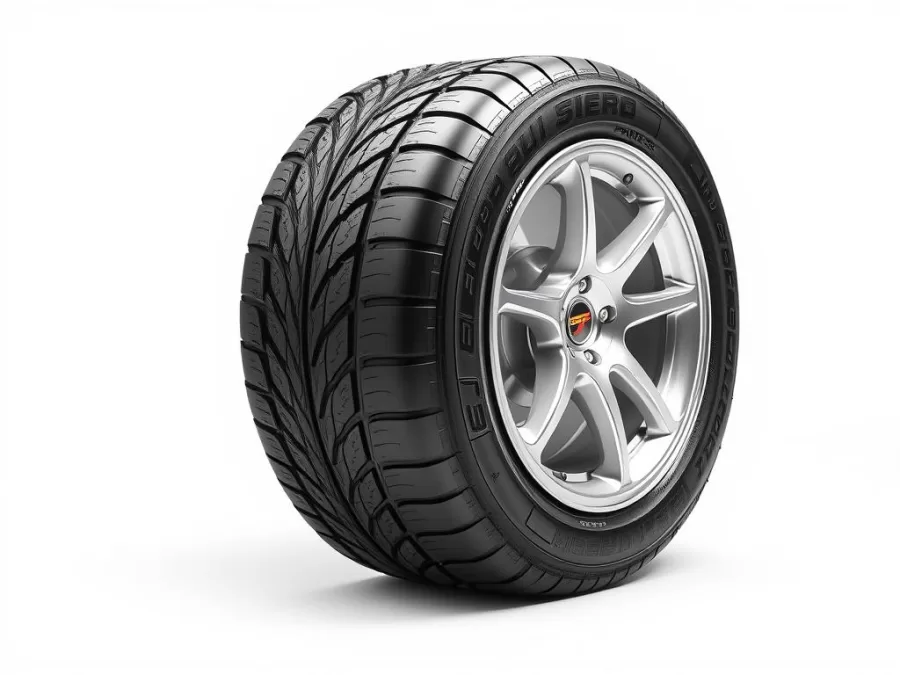
Best for Performance Vehicles
The Pirelli P Zero Winter combines winter capability with performance handling, making it ideal for sports cars and luxury vehicles. It delivers excellent dry road response while maintaining good snow and ice traction.
7. Bridgestone Blizzak DM-V2

Best for SUVs
Specifically designed for SUVs and crossovers, the Blizzak DM-V2 offers the same MultiCell compound technology as the WS90 but with reinforced construction for heavier vehicles. Excellent for family SUVs in winter conditions.
8. Michelin X-Ice Snow SUV
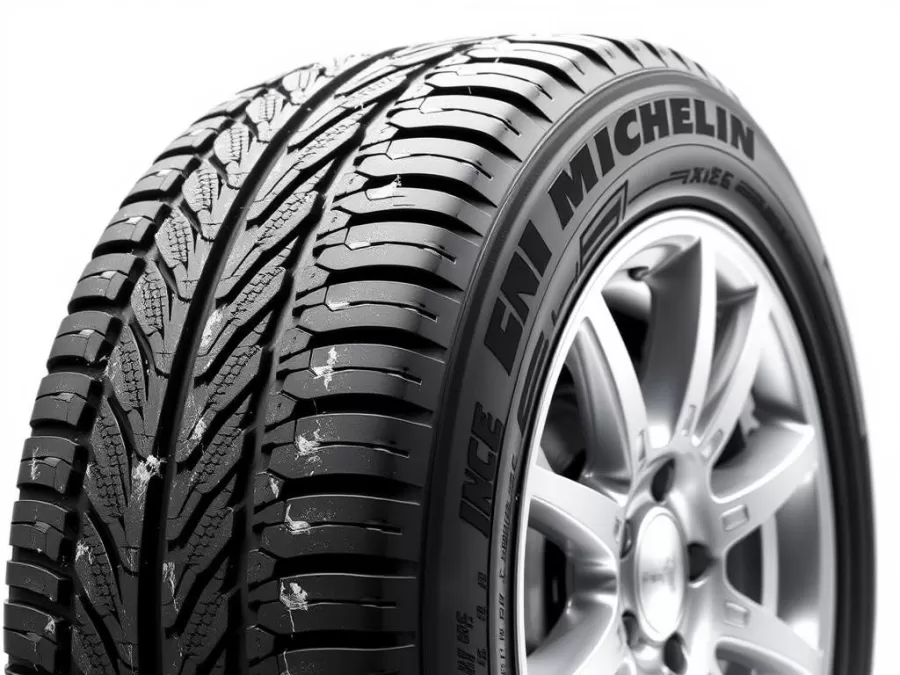
Best for SUV Comfort
The SUV version of Michelin’s excellent X-Ice Snow features reinforced construction while maintaining the comfort and longevity benefits. Ideal for luxury SUVs and crossovers where ride quality matters.
9. Goodyear Ultra Grip Arctic 2
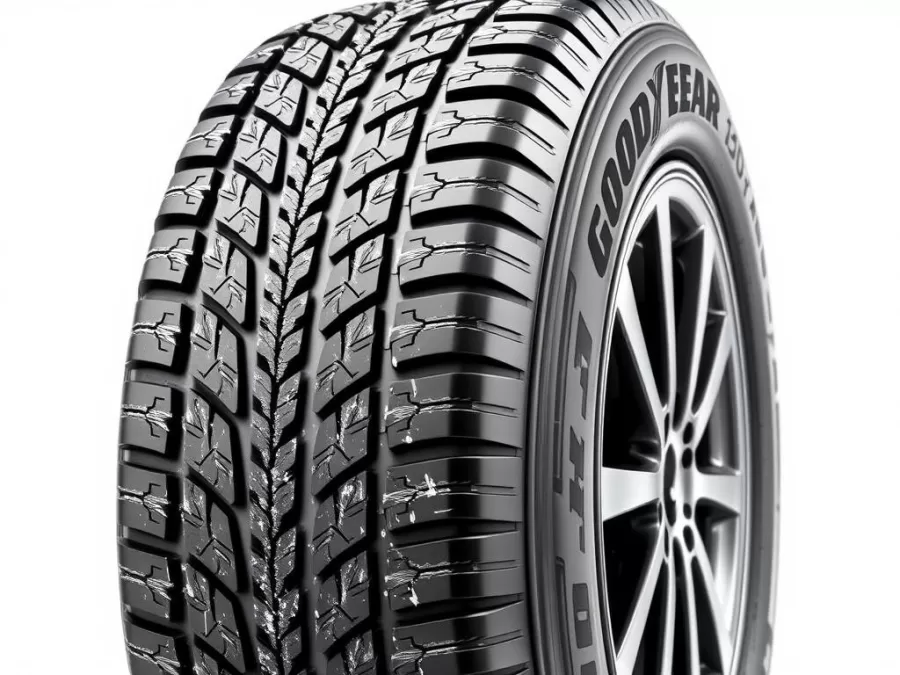
Best for Deep Snow
The Ultra Grip Arctic 2 excels in deep snow conditions with its aggressive tread pattern and multiple biting edges. Available in both studded and studless versions, it’s a great choice for areas with heavy snowfall.
10. Nordman North 9
Best Budget Option
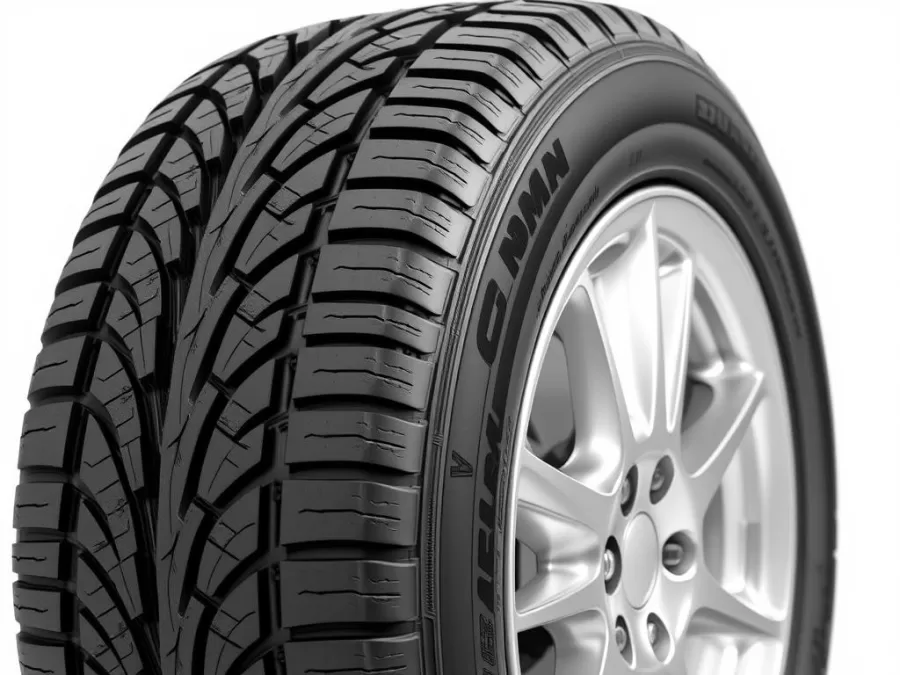
Manufactured by Nokian, the Nordman North 9 offers much of the winter performance of premium tires at a more accessible price point. It delivers reliable snow and ice traction with reasonable comfort and durability.
Winter Tire Buying Guide
Not sure which winter tire is right for your vehicle and driving conditions? Our comprehensive buying guide will help you make the perfect choice.
Winter Tire Buyer’s Guide: Making the Right Choice for Canadian Roads
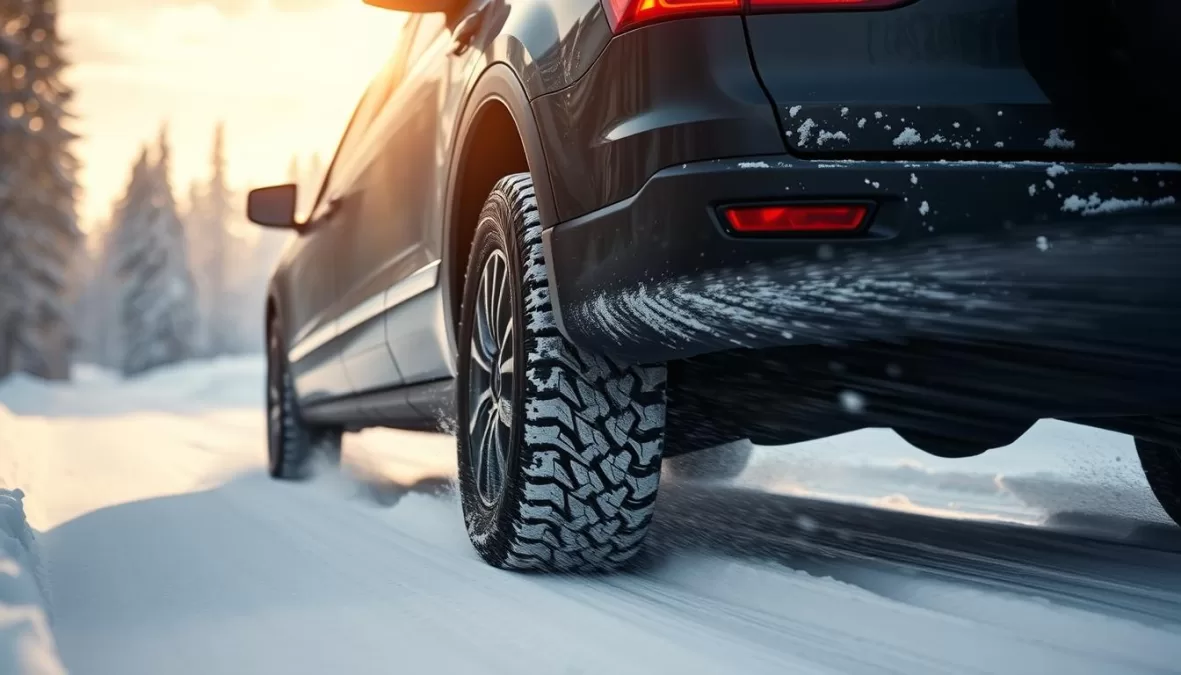
Choosing the right winter tires for your vehicle requires understanding several key factors that affect performance, safety, and value. This guide will help you navigate the technical aspects of winter tires and make an informed decision for your specific needs.
Understanding Winter Tire Specifications
The Three-Peak Mountain Snowflake Symbol
Look for the three-peak mountain snowflake (3PMSF) symbol on the sidewall, which indicates the tire has been tested and certified for severe snow conditions. This is different from the M+S (Mud and Snow) marking, which doesn’t guarantee true winter performance.
Tire Size and Load Rating
Winter tires must match your vehicle’s recommended size specifications, which can be found on the driver’s door jamb or in your owner’s manual. The load index must meet or exceed your vehicle’s requirements, especially for SUVs and trucks.
Speed Rating
Winter tires typically have lower speed ratings than summer or all-season tires. This is normal and acceptable for winter driving, as the softer compounds necessary for cold weather performance can’t maintain stability at very high speeds.
Studded vs. Studless Winter Tires
| Feature | Studded Tires | Studless Tires |
| Ice Performance | Superior | Very Good |
| Snow Performance | Excellent | Excellent |
| Noise Level | Higher | Lower |
| Road Restrictions | Yes (varies by province) | None |
| Dry Road Performance | Compromised | Better |
| Best For | Rural areas, extreme ice | Urban/suburban, varied conditions |
Studded tires provide the ultimate grip on ice but come with restrictions in some provinces and create more road noise. Modern studless winter tires have significantly closed the performance gap and offer better comfort for everyday driving.
Installation and Maintenance
When to Install Winter Tires
Install winter tires when temperatures consistently fall below 7°C, typically in October or early November in most Canadian regions. Don’t wait for the first snowfall, as cold temperatures alone reduce the effectiveness of all-season tires.
When to Remove Winter Tires
Remove winter tires when spring temperatures consistently stay above 7°C, usually in April or May depending on your region. Using winter tires in warm weather accelerates wear and reduces handling performance.
Proper Storage
Store winter tires in a cool, dry place away from direct sunlight and ozone sources (like electric motors). Use tire bags and store either stacked (if mounted on rims) or standing (if unmounted) to prevent deformation.
Rotation and Maintenance
Rotate winter tires every 8,000-10,000 km to ensure even wear. Maintain proper inflation according to your vehicle’s specifications, checking pressure monthly as cold temperatures cause pressure drops.
Ready to Upgrade Your Winter Safety?
Find the perfect winter tires for your vehicle and driving conditions from our top 10 recommendations.
Winter Tire Regulations Across Canada
Winter tire regulations vary across Canadian provinces and territories. Here’s what you need to know about requirements in different regions:
| Province/Territory | Winter Tire Requirement | Mandatory Period | Special Notes |
| Quebec | Mandatory | December 1 – March 15 | All passenger vehicles must have winter tires with the 3PMSF symbol |
| British Columbia | Mandatory on designated highways | October 1 – April 30 | M+S or 3PMSF tires required with minimum 3.5mm tread |
| Ontario | Not mandatory (except rental cars) | N/A | Insurance discounts available for winter tire use |
| Alberta | Not mandatory | N/A | Recommended for mountain passes and highways |
| Manitoba | Not mandatory | N/A | Low-interest financing available for winter tire purchase |
| New Brunswick | Not mandatory | N/A | Highly recommended due to heavy snowfall |
| Newfoundland & Labrador | Not mandatory | N/A | Strongly recommended due to severe winter conditions |
| Nova Scotia | Not mandatory | N/A | Recommended for coastal and inland areas |
Note: Even in provinces where winter tires aren’t legally required, many insurance companies offer discounts for vehicles equipped with winter tires. Check with your insurer about potential savings.
Maximizing Your Winter Tire Investment
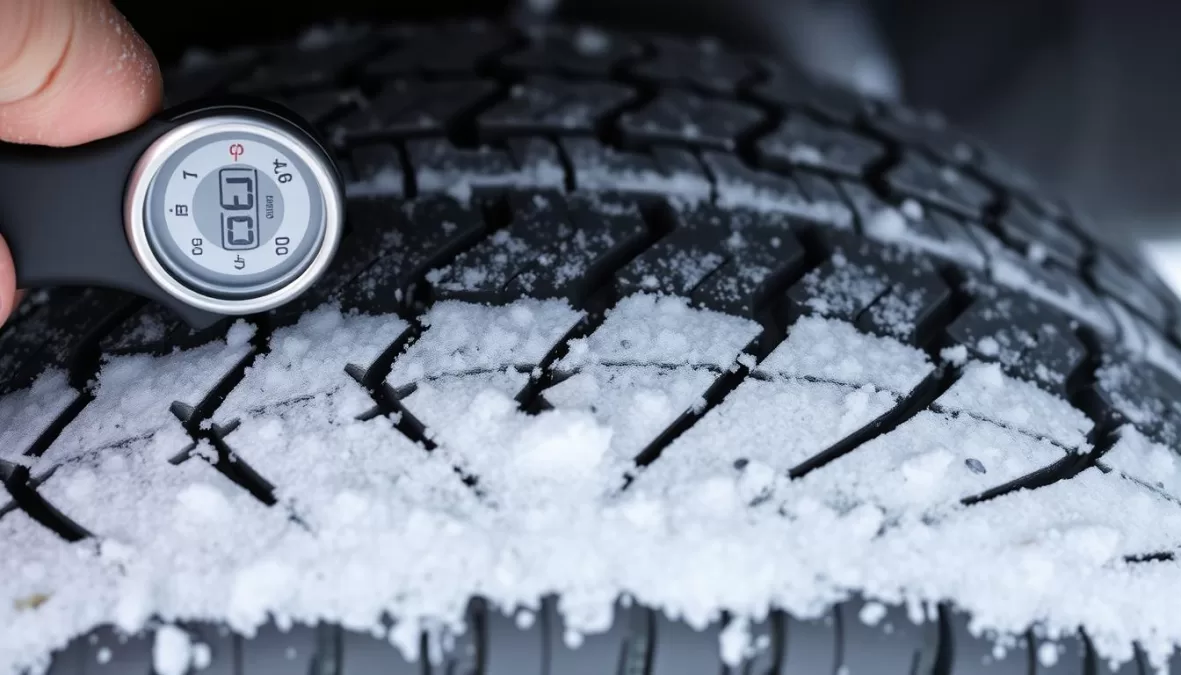
Winter tires represent a significant investment in your safety. Follow these tips to maximize their performance and lifespan:
Proper Installation
- Always install winter tires in complete sets of four to maintain balanced handling
- Consider dedicated winter wheels (steel or alloy) to protect your regular wheels and simplify seasonal changes
- Have tires professionally mounted and balanced for optimal performance
- Reset your Tire Pressure Monitoring System (TPMS) if your vehicle is equipped
Regular Maintenance
- Check tire pressure monthly, as cold temperatures cause pressure drops
- Inspect tread depth regularly using the “toonie test” (insert a toonie in the tread; if you can see the polar bear’s paws, it’s time for replacement)
- Rotate tires every 8,000-10,000 km to ensure even wear
- Check wheel alignment if you notice uneven wear patterns
Off-Season Storage
- Clean tires thoroughly before storage to remove road salt and grime
- Store in a cool, dry place away from direct sunlight and ozone sources
- Use tire bags to protect rubber from environmental contaminants
- Store mounted tires stacked horizontally or unmounted tires standing vertically
- Consider professional tire storage services if space is limited
Driving Habits
- Avoid aggressive acceleration, braking, and cornering that accelerate tire wear
- Reduce speed in extreme conditions, as even the best winter tires have limits
- Increase following distance to allow for longer stopping distances in winter conditions
- Remove winter tires promptly when spring arrives to prevent premature wear
“Even the best winter tires can’t overcome the laws of physics. Adjust your driving to match conditions and use your winter tires as part of a comprehensive winter driving strategy that includes reduced speeds and increased following distances.”
Conclusion: Finding Your Perfect Winter Tire Match
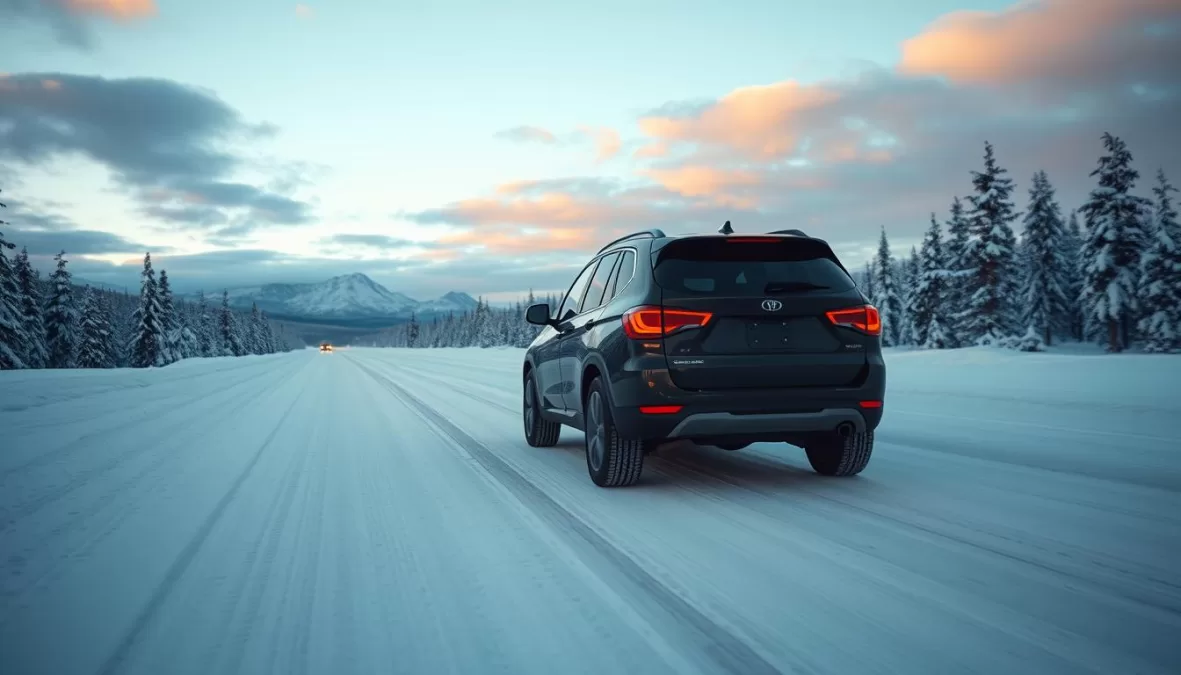
Selecting the right winter tires for your vehicle and driving conditions is one of the most important safety decisions you’ll make as a Canadian driver. Our top 10 winter tires for 2025 represent the best options across different categories and price points, ensuring there’s a perfect match for every driver’s needs.
Our Top Recommendations by Driving Environment
Urban/Suburban Drivers
- Michelin X-Ice Snow – Best overall balance
- Continental VikingContact 7 – Excellent in slush
- Bridgestone Blizzak WS90 – Superior ice braking
Rural/Highway Drivers
- Nokian Hakkapeliitta R5 – Best non-studded option
- Nokian Hakkapeliitta 10 (Studded) – For extreme conditions
- Goodyear Ultra Grip Arctic 2 – Deep snow performance
Performance/Luxury Vehicles
- Pirelli P Zero Winter – Best handling balance
- Michelin X-Ice Snow – Refined comfort
- Bridgestone Blizzak WS90 – Safety priority
Remember that the best winter tire for you depends on your specific vehicle, driving conditions, and personal priorities. Consider factors like your typical driving environment, vehicle type, budget, and whether you prioritize absolute winter performance or a balance of performance and comfort.
Regardless of which tire you choose from our top 10 list, installing quality winter tires will significantly improve your safety and confidence during Canadian winters. The investment in proper winter tires pays dividends in safety, performance, and peace of mind when road conditions are at their worst.
Drive Safely This Winter
Equip your vehicle with the right winter tires before the snow flies. Browse our top recommendations and find the perfect match for your driving needs.
Frequently Asked Questions About Winter Tires
When should I install winter tires in Canada?
Install winter tires when temperatures consistently fall below 7°C, typically in October or early November in most Canadian regions. Don’t wait for the first snowfall, as cold temperatures alone reduce the effectiveness of all-season tires.
Are winter tires worth the investment?
Absolutely. Studies show that winter tires can reduce stopping distances by up to 40% in winter conditions compared to all-season tires. This significant safety improvement can be the difference between stopping safely and being involved in a collision. Many insurance companies also offer discounts for winter tire use, offsetting some of the cost.
Can I use winter tires year-round?
It’s not recommended. Winter tires use softer rubber compounds that wear quickly in warm temperatures, significantly reducing their lifespan. They also provide less responsive handling and longer braking distances on dry, warm roads compared to all-season or summer tires.
Do I need winter tires if I have all-wheel drive?
Yes. All-wheel drive helps with acceleration but doesn’t improve braking or cornering grip in winter conditions. Even the most sophisticated AWD system relies on tire traction to stop and turn. Winter tires improve these critical safety aspects regardless of your drive system.
How long do winter tires typically last?
With proper care and seasonal use only, quality winter tires typically last 3-4 seasons (approximately 30,000-40,000 km of winter driving). Factors affecting lifespan include driving habits, road conditions, proper storage, and regular rotation.
Are studded tires legal in all Canadian provinces?
No. Regulations vary by province. Quebec, Ontario, and Atlantic provinces allow studded tires during winter months with specific date restrictions. British Columbia allows them in most regions from October to April. Alberta has no restrictions. Always check your provincial regulations before purchasing studded tires.

Priyanka Pandey
Senior Research Editor · Top10Sense
Priyanka specializes in tech, consumer products, and digital trends. She combines hands-on testing, vendor interviews, and database research to create trustworthy “Top 10” rankings. Her work has been referenced by industry blogs and brand report pages.