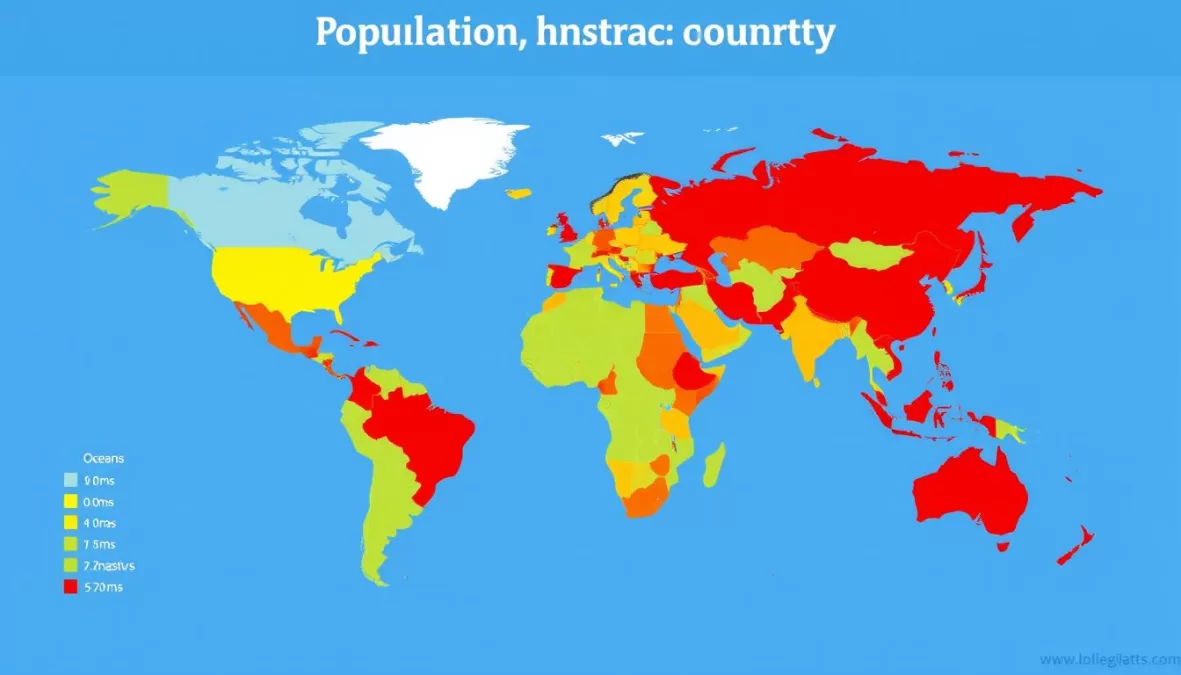
The global population landscape continues to evolve, with significant shifts in demographic patterns shaping our world. Understanding which nations have the largest populations helps us comprehend economic power dynamics, resource allocation challenges, and cultural influences on the global stage. This article examines the top 10 most populated countries in the world 2025, analyzing current trends and future projections based on authoritative demographic data.
As we approach 2025, the world’s population stands at approximately 8.2 billion people, growing at about 0.85% annually—a decrease from previous decades. Population distribution remains highly concentrated, with the top 10 countries accounting for over 55% of the global population. Let’s explore these demographic giants and understand the factors driving their population trends.
Global Population Overview 2025
The world’s population continues to grow but at a decreasing rate. In 2025, the annual growth rate stands at approximately 0.85%, down from 0.97% in 2020 and 1.25% in 2015. This slowing growth reflects complex demographic transitions occurring worldwide, with many developed nations experiencing population decline while developing countries continue to grow.
Several key factors influence these population trends:
- Declining fertility rates across most regions
- Increasing life expectancy in many countries
- Urbanization and its impact on family planning
- Economic development affecting birth rates
- Migration patterns reshaping national demographics
The current global population of 8.2 billion is expected to reach 9 billion by 2037, with growth increasingly concentrated in specific regions, particularly Africa and parts of Asia. Meanwhile, Europe and East Asia face aging populations and potential demographic decline.
Top 10 Most Populated Countries (2025)
| Rank | Country | Population (2025) | Annual Growth | World Share | Median Age |
| 1 | India | 1,463,865,525 | 0.89% | 17.78% | 28.8 |
| 2 | China | 1,416,096,094 | -0.23% | 17.20% | 40.1 |
| 3 | United States | 347,275,807 | 0.54% | 4.22% | 38.5 |
| 4 | Indonesia | 285,721,236 | 0.79% | 3.47% | 30.4 |
| 5 | Pakistan | 255,219,554 | 1.57% | 3.10% | 20.6 |
| 6 | Nigeria | 237,527,782 | 2.08% | 2.89% | 18.1 |
| 7 | Brazil | 212,812,405 | 0.38% | 2.59% | 34.8 |
| 8 | Bangladesh | 175,686,899 | 1.22% | 2.13% | 26.0 |
| 9 | Russia | 143,997,393 | -0.57% | 1.75% | 40.3 |
| 10 | Ethiopia | 135,472,051 | 2.58% | 1.65% | 19.1 |
Source: Data compiled from United Nations Population Division, World Population Prospects 2024, and national statistical agencies.
Want the complete dataset?
Download our comprehensive infographic with detailed population statistics for all countries.
1. India (1.46 Billion)
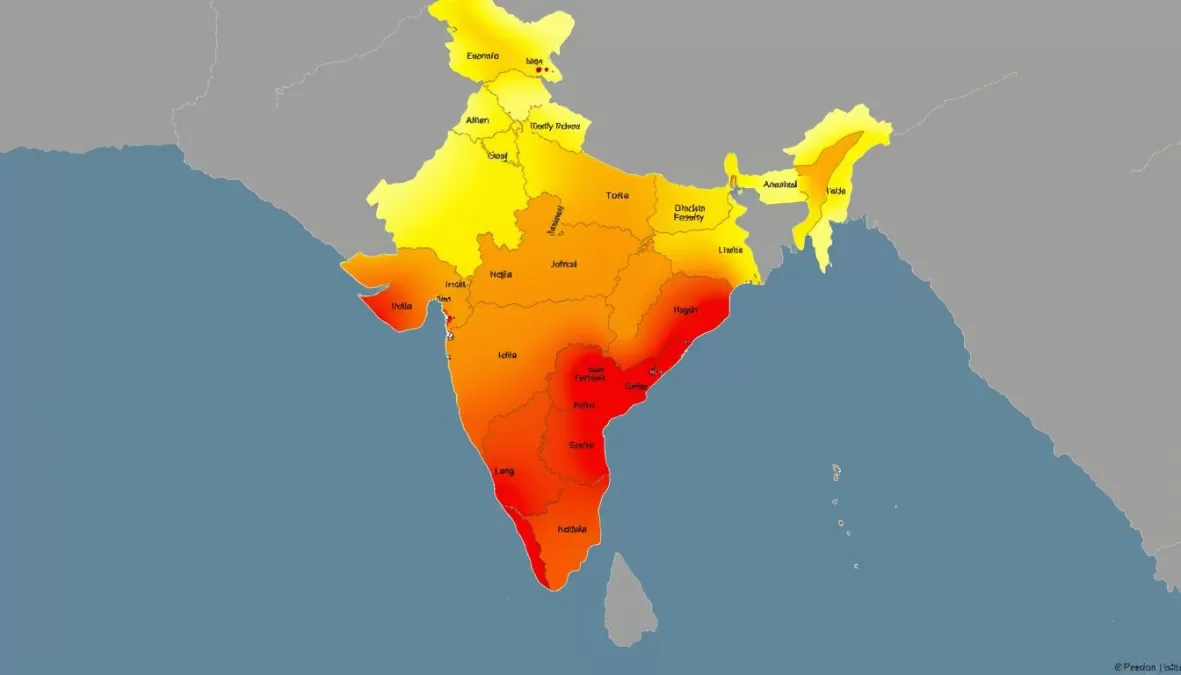
India has surpassed China to become the world’s most populous nation with approximately 1.46 billion people in 2025. The country continues to grow at a moderate rate of 0.89% annually, adding nearly 13 million people each year. This growth, however, represents a significant slowdown from previous decades, reflecting changing social norms and improved access to education and healthcare.
Key Demographic Factors
- Median age of 28.8 years, indicating a young population
- Fertility rate of 1.94 children per woman, approaching replacement level
- Urbanization at 37.1%, with rapid urban growth
- Significant regional variations in population density
Economic Implications
- Large youth population creating a “demographic dividend”
- Growing middle class driving consumption
- Challenges in infrastructure and urban planning
- Increasing demand for education and healthcare services
India’s population is projected to continue growing until approximately 2060, when it may peak at around 1.65 billion before beginning a gradual decline. The country’s demographic transition presents both opportunities and challenges, with its large workforce potentially driving economic growth if properly harnessed.
2. China (1.42 Billion)
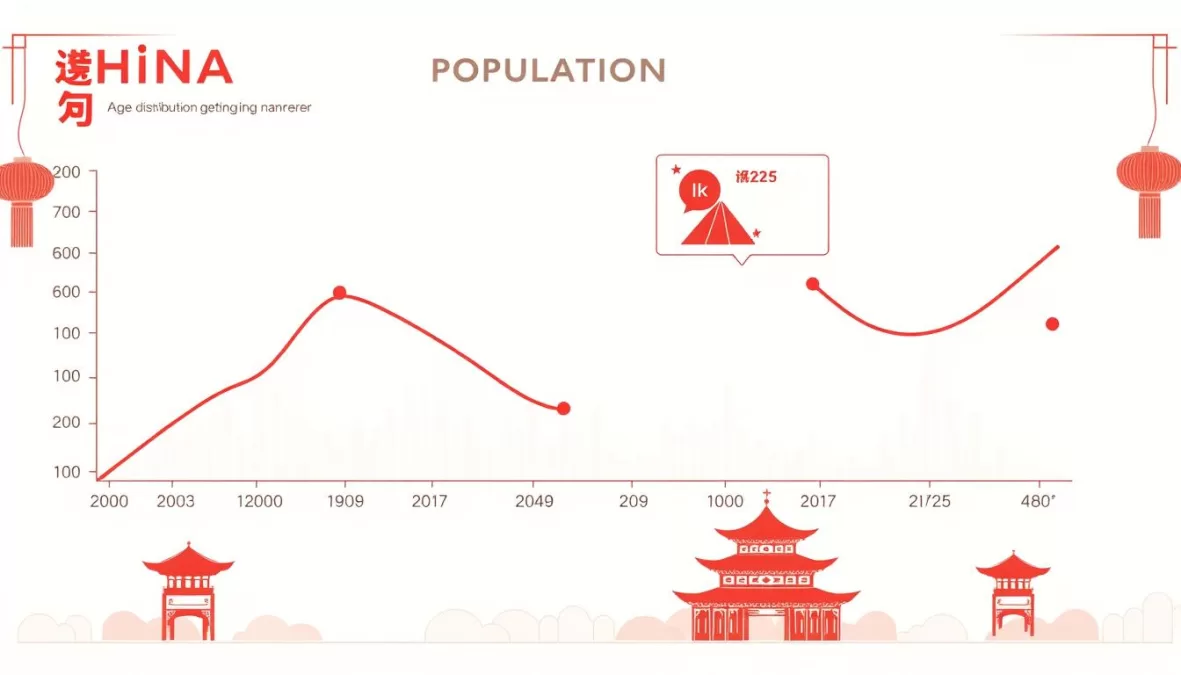
China, now the second most populous country, has entered a period of population decline with a negative growth rate of -0.23% in 2025. This represents a loss of approximately 3.2 million people annually—a dramatic shift for a nation that implemented the controversial one-child policy from 1980 to 2015 to control population growth. The current demographic situation reflects the long-term consequences of these policies.
Demographic Strengths
- High urbanization rate (67.5%)
- Strong infrastructure development
- Highly educated workforce
- Technological advancement
Demographic Challenges
- Rapidly aging population (median age 40.1)
- Low fertility rate (1.02)
- Shrinking workforce
- Gender imbalance
China’s demographic transition has profound implications for its economy and society. The aging population increases healthcare costs and pension burdens, while the shrinking workforce may impact economic growth and innovation. Despite these challenges, China’s large population continues to provide significant economic advantages through domestic consumption and production capacity.
3. United States (347.3 Million)
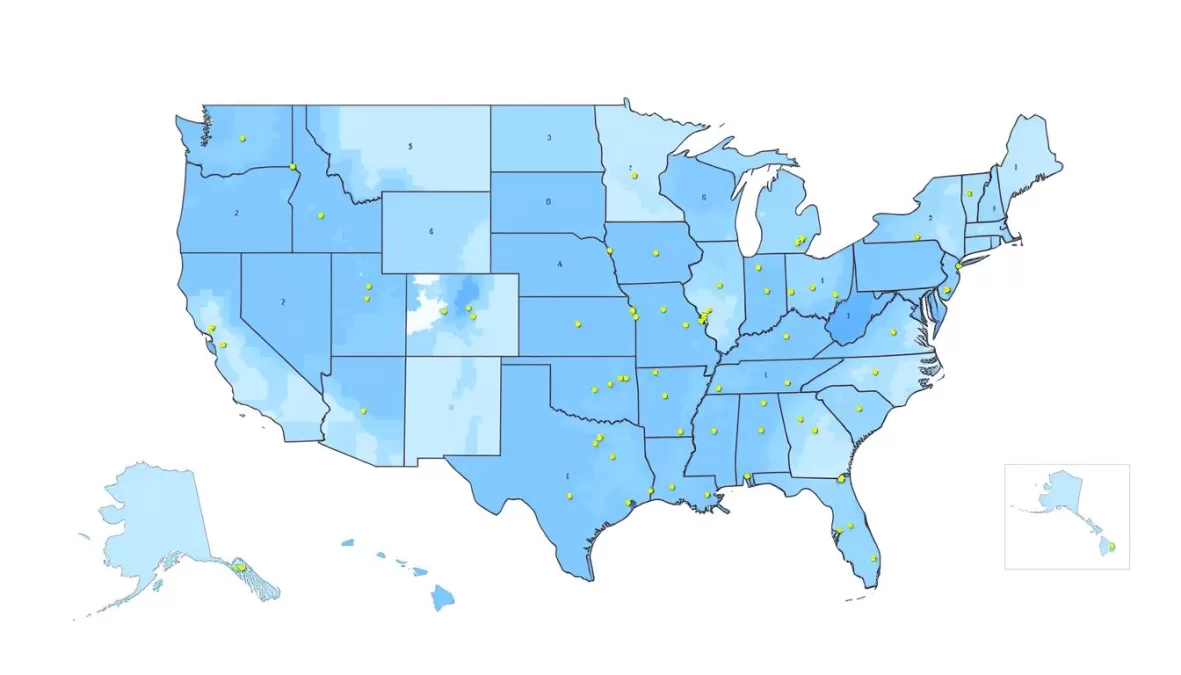
The United States maintains its position as the third most populous country with approximately 347.3 million residents in 2025. Unlike many developed nations, the U.S. continues to experience population growth at a moderate rate of 0.54% annually, adding about 1.8 million people each year. This growth is driven by both natural increase (births exceeding deaths) and significant immigration.
The United States benefits from several demographic advantages compared to other developed nations:
- A relatively balanced age structure with a median age of 38.5 years
- High urbanization rate (82.8%) supporting economic efficiency
- Positive net migration of over 1.2 million people annually
- Fertility rate of 1.62, higher than most developed countries
- Diverse population providing cultural and economic dynamism
These demographic factors contribute to the United States’ continued economic strength and global influence. However, the country also faces challenges related to regional population disparities, aging infrastructure in some areas, and integration of immigrant populations.
4. Indonesia (285.7 Million)
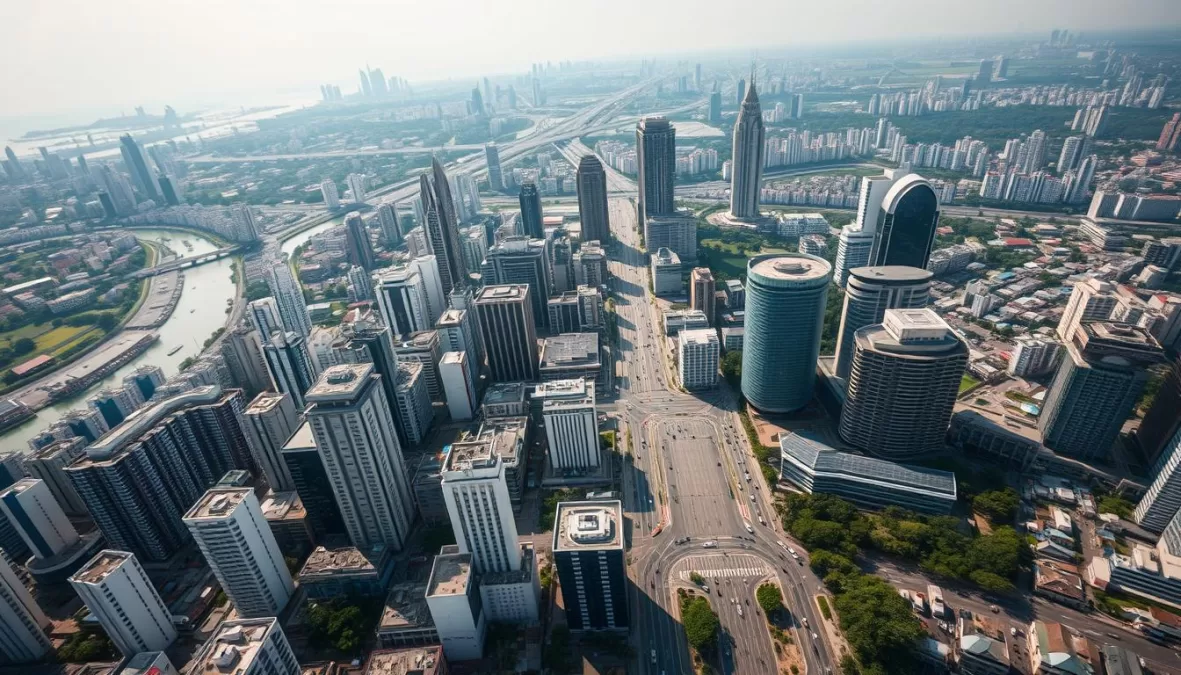
Indonesia ranks fourth with a population of approximately 285.7 million in 2025. As the world’s largest archipelagic nation, spanning over 17,000 islands, Indonesia continues to experience steady population growth at 0.79% annually. The country’s demographic profile reflects its status as an emerging economy with a gradually maturing population structure.
Indonesia’s geographic distribution across thousands of islands creates unique challenges for population management and development, requiring specialized approaches to infrastructure, service delivery, and economic integration.
Key demographic characteristics of Indonesia include:
Population Structure
- Median age of 30.4 years, gradually increasing
- Fertility rate of 2.1 children per woman
- Urbanization at 59.6% and rising rapidly
- Population density of 158 people per km²
Regional Distribution
- Java island hosts 56% of the population on 7% of land area
- Jakarta metropolitan area exceeds 33 million residents
- Outer islands remain relatively sparsely populated
- Government efforts to redistribute population ongoing
Indonesia’s demographic transition presents opportunities for economic growth through its substantial working-age population. However, the country faces challenges in creating sufficient employment opportunities, addressing regional development disparities, and preparing for an eventual aging of its population in coming decades.
5. Pakistan (255.2 Million)
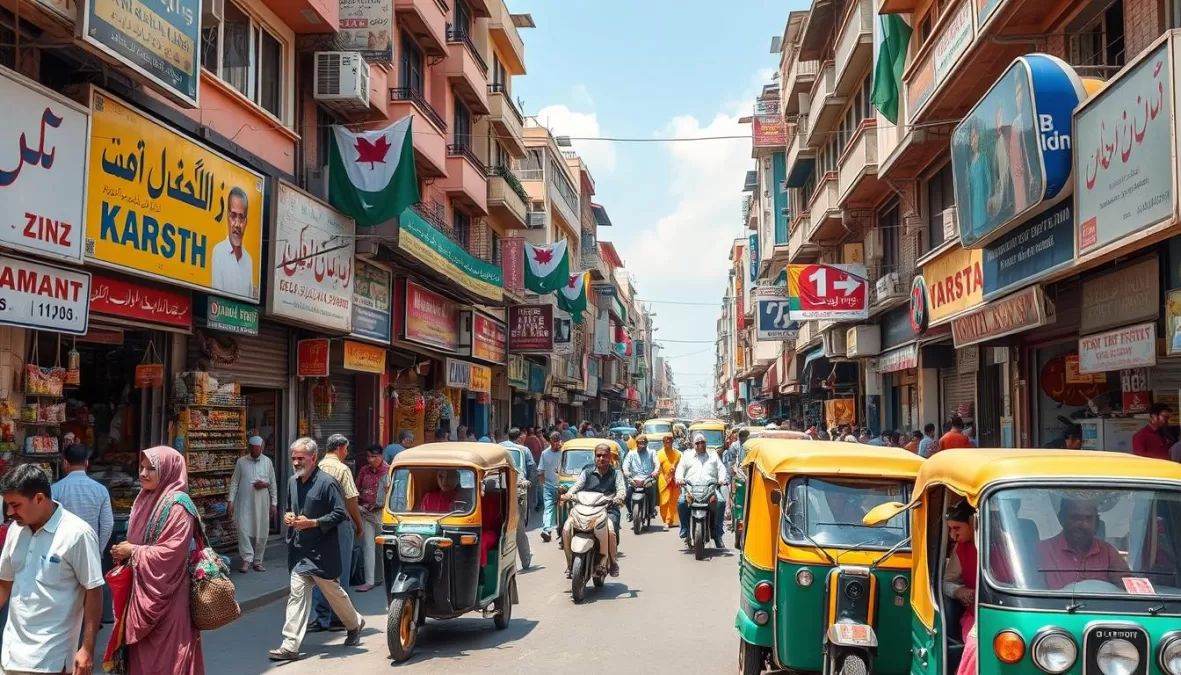
Pakistan ranks fifth with approximately 255.2 million people in 2025. The country maintains a high growth rate of 1.57% annually, adding nearly 4 million people each year. This rapid growth is driven by a high fertility rate and a very young population structure, with a median age of just 20.6 years—among the lowest in the world for a major nation.
Population Pressure Point: Pakistan’s population density of 331 people per km² creates significant pressure on resources, infrastructure, and services, particularly in urban centers like Karachi, Lahore, and Islamabad.
Pakistan’s demographic profile presents both opportunities and challenges:
Growth Drivers
- High fertility rate of 3.5 children per woman
- Young population with 64% under age 30
- Cultural preferences for larger families
- Uneven access to family planning services
Development Challenges
- Education system struggling to accommodate youth
- High youth unemployment rates
- Water scarcity in many regions
- Urbanization outpacing infrastructure development
Pakistan’s demographic momentum ensures continued population growth for decades to come, even if fertility rates begin to decline. The country’s ability to harness its youth bulge for economic development while addressing resource constraints will be crucial for its future prosperity and stability.
6. Nigeria (237.5 Million)
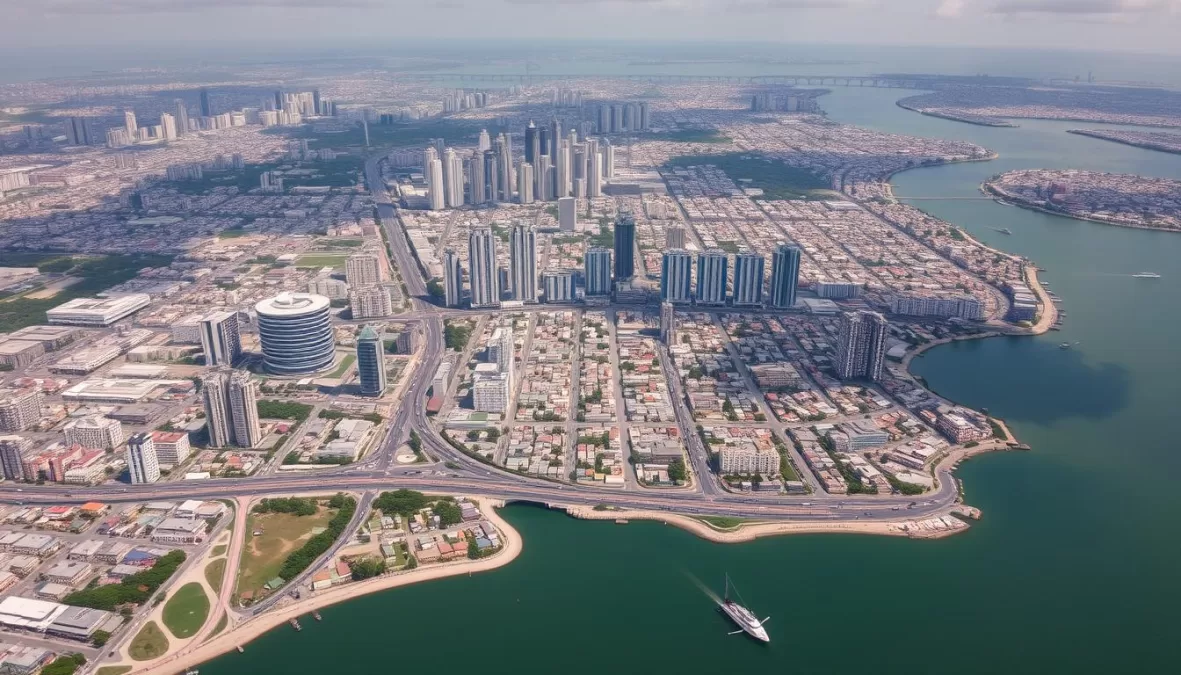
Nigeria ranks sixth globally with approximately 237.5 million inhabitants in 2025. As Africa’s most populous nation, Nigeria continues to experience rapid growth at 2.08% annually, adding about 4.8 million people each year. This growth rate places Nigeria among the fastest-growing large countries in the world, with projections suggesting it could become the third most populous nation globally by 2050.
Demographic Momentum: Even if Nigeria’s fertility rate were to drop immediately to replacement level (2.1 children per woman), the population would continue growing for decades due to the large number of young people entering reproductive age.
Nigeria’s demographic profile is characterized by:
- Extremely young population with a median age of just 18.1 years
- High fertility rate of 4.3 children per woman
- Increasing urbanization (54.9%) with Lagos among the world’s fastest-growing megacities
- Significant regional variations in population density and growth rates
- Religious and ethnic diversity influencing demographic patterns
Nigeria’s rapid population growth presents both opportunities and challenges. The country’s large youth population could drive economic growth if properly educated and employed—creating a demographic dividend. However, Nigeria faces substantial challenges in providing adequate infrastructure, education, healthcare, and employment opportunities for its rapidly expanding population.
7. Brazil (212.8 Million)
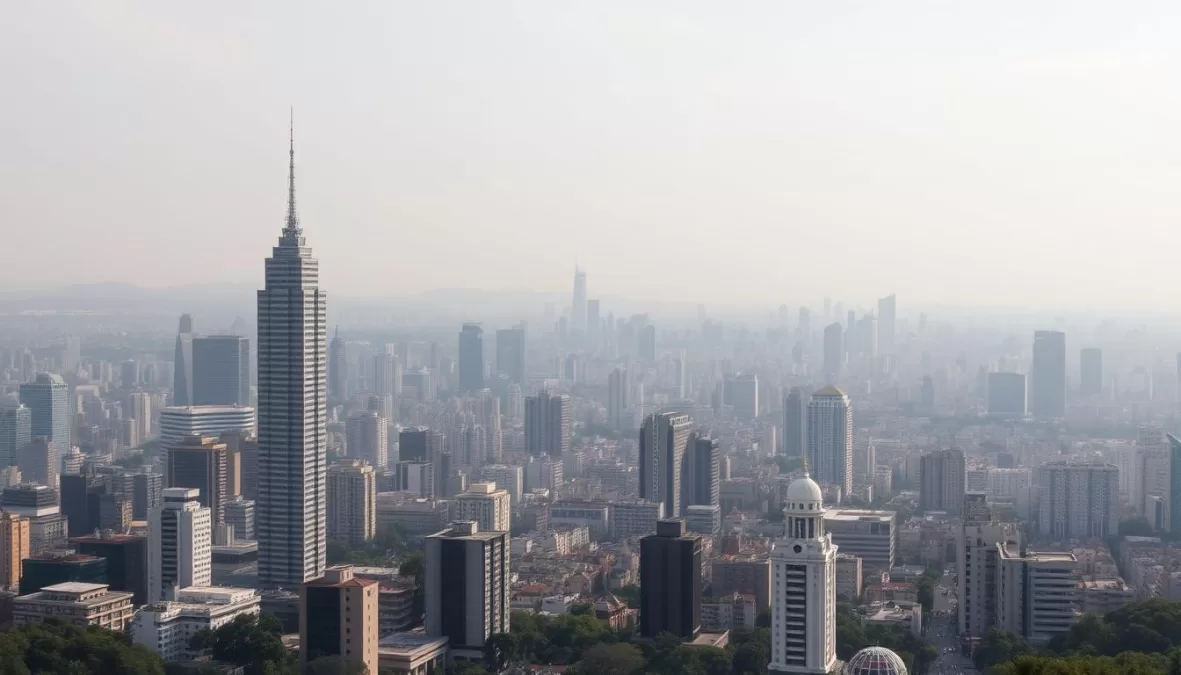
Brazil ranks seventh with approximately 212.8 million residents in 2025. Unlike many developing nations, Brazil’s population growth has slowed considerably to just 0.38% annually, reflecting its advanced demographic transition. This places Brazil in an intermediate position between high-growth developing nations and the stagnant or declining populations of many developed countries.
Demographic Transition
Brazil has undergone a rapid demographic transition over the past few decades. In the 1960s, Brazilian women had an average of 6 children; by 2025, the fertility rate has dropped to just 1.6 children per woman—below replacement level. This transition has occurred without coercive population policies, driven instead by urbanization, women’s education, and improved access to healthcare.
Urbanization Impact
Brazil is highly urbanized, with 91.4% of its population living in cities—one of the highest urbanization rates among large countries. Major urban centers like São Paulo and Rio de Janeiro have developed into global megacities, while smaller cities continue to grow throughout the country. This urban concentration creates both efficiencies and challenges in service delivery and infrastructure development.
Key characteristics of Brazil’s population include:
- Median age of 34.8 years, gradually increasing
- Significant regional variations in development and population density
- Diverse ethnic composition reflecting historical immigration patterns
- Aging population requiring expanded healthcare and pension systems
- Negative net migration (-217,283 annually) as more Brazilians leave than immigrants arrive
Brazil’s demographic profile is increasingly resembling that of developed nations, with slowing growth and an aging population. This transition presents opportunities for increased per capita wealth but requires policy adjustments to address the needs of an older society.
8. Bangladesh (175.7 Million)
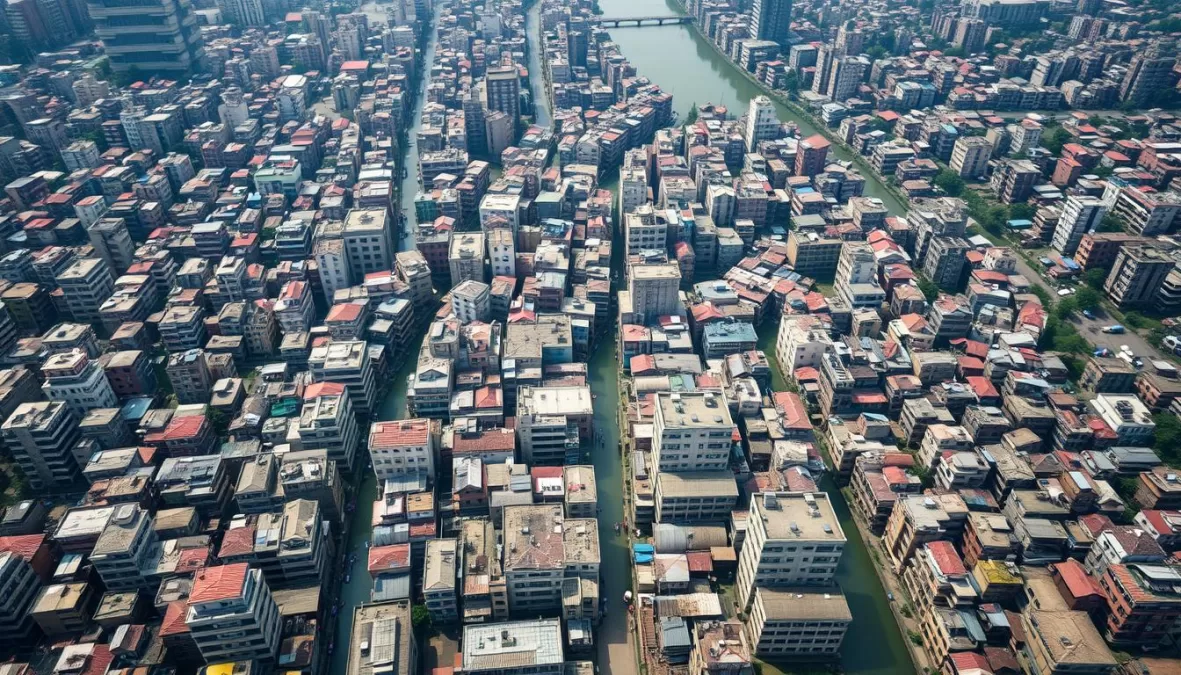
Bangladesh ranks eighth with approximately 175.7 million people in 2025. Despite its relatively small land area of 130,170 km², Bangladesh supports an enormous population, resulting in one of the world’s highest population densities at 1,350 people per square kilometer. The country continues to grow at a moderate rate of 1.22% annually, adding about 2.1 million people each year.
Climate Vulnerability: Bangladesh’s high population density combined with low-lying geography makes it exceptionally vulnerable to climate change impacts, particularly sea-level rise and increased flooding, which could create millions of climate refugees in coming decades.
Bangladesh’s demographic profile reflects its status as a developing nation in transition:
Population Characteristics
- Median age of 26 years, gradually increasing
- Fertility rate of 2.11, approaching replacement level
- Urbanization at 42.6% and accelerating
- Negative net migration as many seek opportunities abroad
Development Progress
- Significant improvements in literacy and education
- Declining poverty rates despite population pressures
- Growing manufacturing sector, particularly textiles
- Improving health indicators and life expectancy
Bangladesh has made remarkable progress in recent decades, reducing poverty and improving human development indicators despite its population challenges. The country’s demographic transition is well underway, with fertility rates declining and a growing working-age population creating potential for a demographic dividend if properly leveraged.
9. Russia (144.0 Million)
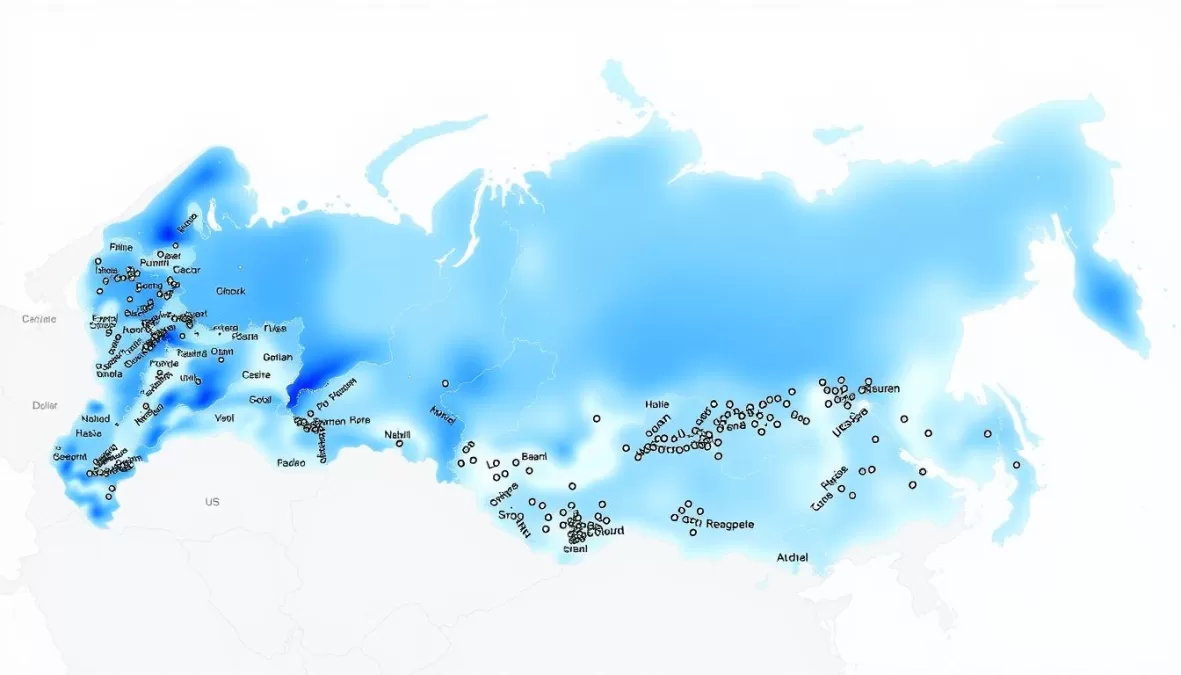
Russia ranks ninth with approximately 144.0 million inhabitants in 2025. Unlike most countries in the top 10, Russia is experiencing population decline, with a negative growth rate of -0.57% resulting in a loss of about 823,000 people annually. This decline reflects a combination of low fertility rates, high mortality rates (particularly among working-age males), and limited immigration.
Geographic Context
Russia spans 11 time zones and covers over 17 million square kilometers—the largest territorial country in the world. This vast landmass results in an extremely low population density of just 9 people per square kilometer. However, the population is highly concentrated, with approximately 75% living in the European portion of Russia, which constitutes only about 25% of the country’s territory.
Demographic Challenges
Russia faces severe demographic challenges, including an aging population (median age 40.3), low birth rates (fertility rate 1.47), high mortality rates, and significant gender imbalance in older age groups due to much lower male life expectancy. These factors combine to create one of the most challenging demographic situations among major nations.
Key aspects of Russia’s demographic profile include:
- High urbanization rate (75%) with population concentrated in major cities
- Significant regional variations in population trends
- Ethnic diversity with over 190 recognized ethnic groups
- Government policies attempting to increase birth rates
- Strategic concerns about depopulation in border regions
Russia’s demographic decline has significant implications for its economy, military capabilities, and geopolitical influence. The shrinking workforce places pressure on pension systems and may constrain economic growth, while depopulation of remote regions creates challenges for territorial management and resource development.
10. Ethiopia (135.5 Million)
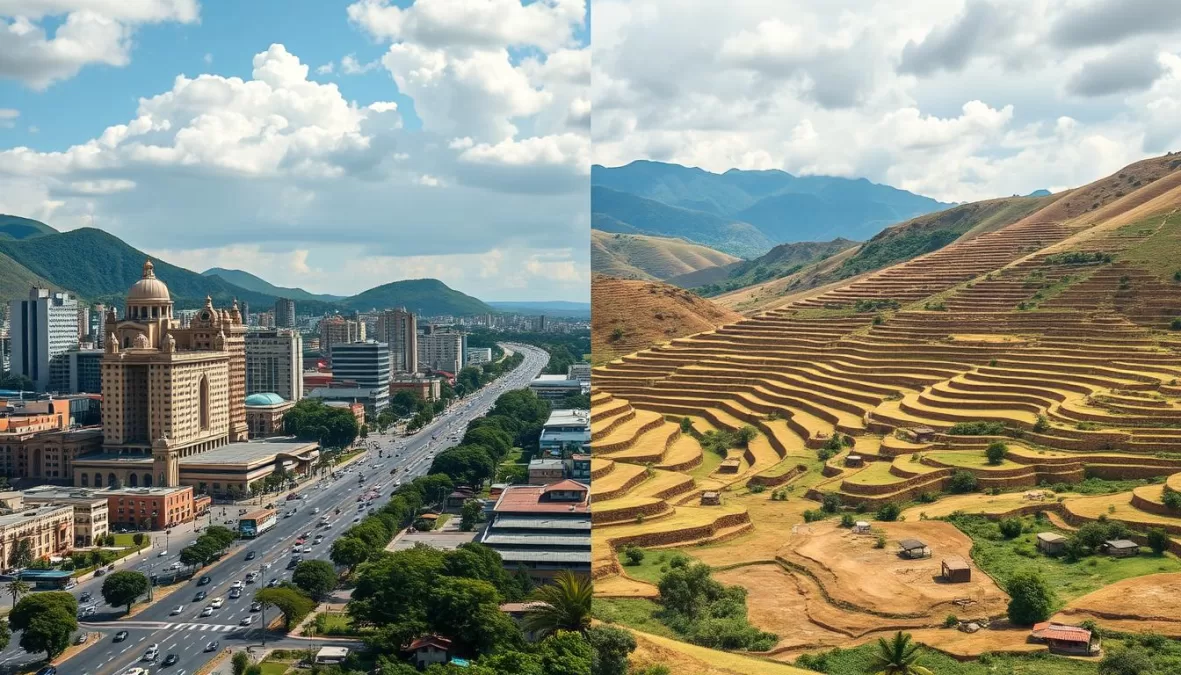
Ethiopia completes the top 10 with approximately 135.5 million residents in 2025. The country is experiencing rapid population growth at 2.58% annually, adding about 3.4 million people each year. This growth rate is among the highest for large countries and reflects Ethiopia’s position in an early stage of demographic transition, with high fertility rates only beginning to decline.
Why is Ethiopia’s population growing so rapidly?
Ethiopia’s high growth rate is driven by several factors: a high fertility rate (3.81 children per woman), a very young population structure (median age 19.1), limited access to family planning in rural areas, and cultural preferences for larger families. Additionally, improvements in healthcare have reduced infant and child mortality, allowing more children to survive to adulthood.
How is Ethiopia’s population distributed?
Ethiopia remains predominantly rural, with only 22.5% of the population living in urban areas—among the lowest urbanization rates in the top 10 countries. The population is concentrated in the highland regions, particularly in the states of Oromia and Amhara. The capital, Addis Ababa, is the only true metropolis, though secondary cities are growing rapidly.
Ethiopia’s demographic profile presents both opportunities and challenges:
Development Potential
- Large youth population providing potential workforce
- Rapid economic growth in recent years
- Increasing educational enrollment
- Growing manufacturing and service sectors
Persistent Challenges
- Food security concerns in some regions
- Infrastructure development lagging population growth
- Environmental degradation and deforestation
- Political and ethnic tensions
Ethiopia’s demographic momentum ensures continued rapid growth for decades to come. The country’s ability to manage this growth while developing its economy and maintaining political stability will be crucial for its future prosperity and regional influence.
Future Population Projections: Looking Toward 2050
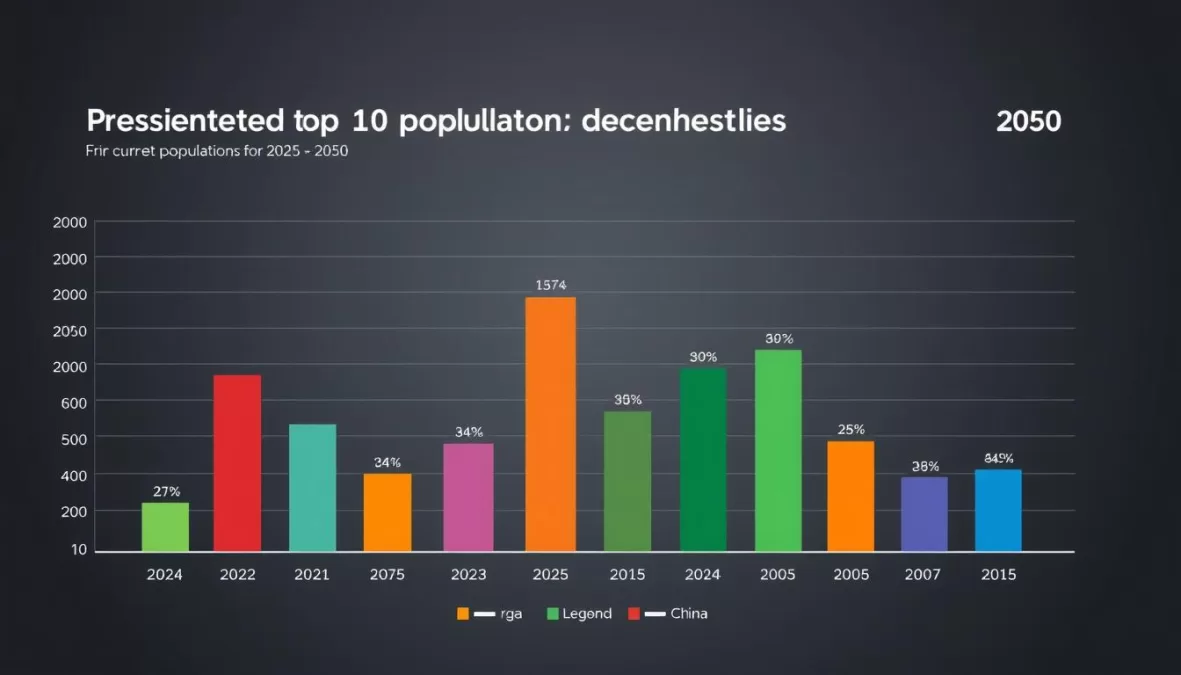
Looking beyond 2025, global population trends are expected to undergo significant shifts by 2050. According to United Nations projections and demographic models, several key developments are anticipated:
- India will solidify its position as the world’s most populous nation, potentially reaching 1.68 billion by 2050
- China’s population will decline significantly, potentially dropping to around 1.26 billion
- Nigeria could surpass the United States to become the third most populous country
- Pakistan is projected to rise from fifth to fourth place
- Several African nations will enter the top 20 most populous countries
- Russia may drop out of the top 10 due to continued population decline
These projections reflect broader demographic transitions occurring globally, with population growth increasingly concentrated in Africa and parts of Asia, while Europe and East Asia experience aging and potential decline. By 2050, the global population is expected to reach approximately 9.7 billion, with growth continuing to slow as more countries complete their demographic transitions.
| Rank (2050) | Country | Projected Population (2050) | Change from 2025 | 2025 Rank |
| 1 | India | 1,679,589,259 | +14.7% | 1 |
| 2 | China | 1,260,289,093 | -11.0% | 2 |
| 3 | Nigeria | 359,185,556 | +51.2% | 6 |
| 4 | United States | 380,846,910 | +9.7% | 3 |
| 5 | Pakistan | 371,863,793 | +45.7% | 5 |
These projections, while based on sophisticated demographic models, remain subject to uncertainty. Factors such as economic development, education access, healthcare improvements, migration patterns, and policy changes can significantly influence actual outcomes.
Global Implications of Population Trends
The population distribution and demographic trends observed in the top 10 most populated countries have profound implications for global economics, politics, resource allocation, and environmental sustainability. Understanding these implications is crucial for policymakers, businesses, and international organizations.
Economic Power Shifts
Population size significantly influences economic potential through domestic markets, labor force size, and consumption patterns. India’s growing population and youthful demographic profile position it for continued economic expansion, potentially becoming the world’s second-largest economy by 2050. Conversely, China’s aging population and workforce contraction may slow its economic growth, though productivity improvements could offset some demographic challenges.
Resource Demands
Population growth, particularly in developing nations, increases demand for food, water, energy, and raw materials. Countries like India, Pakistan, Nigeria, and Ethiopia will face significant challenges in meeting the resource needs of their growing populations while maintaining environmental sustainability. Water scarcity, in particular, may become a critical issue in many densely populated regions, potentially leading to conflicts over shared resources.
Climate Vulnerability
Many of the most populous countries are also highly vulnerable to climate change impacts. Bangladesh faces existential threats from sea-level rise, while India, Pakistan, and Ethiopia are vulnerable to changing precipitation patterns affecting agricultural productivity. Population density in coastal areas increases exposure to extreme weather events, potentially creating large numbers of climate refugees in coming decades.
Additional global implications include:
- Urbanization acceleration as population growth concentrates in cities
- Migration pressures from high-growth, resource-constrained regions
- Healthcare challenges from both aging populations and youth bulges
- Education system strains in rapidly growing countries
- Political representation shifts in international organizations
- Cultural influence redistribution based on population size
The demographic transitions occurring in the top 10 most populated countries will shape global development for decades to come. Countries that successfully harness their demographic profiles—whether managing youth bulges or adapting to aging populations—will be better positioned to thrive in an increasingly complex and interconnected world.
Conclusion
The top 10 most populated countries in the world in 2025 represent a diverse array of demographic profiles, economic development stages, and cultural contexts. From India’s youthful population and continued growth to China’s aging society and population decline, from Nigeria’s rapid expansion to Russia’s demographic contraction, these population giants illustrate the complex demographic transitions occurring globally.
Several key themes emerge from our analysis:
- Global population growth is slowing but remains concentrated in specific regions
- Demographic transitions are occurring at different rates across countries
- Population size alone does not determine economic or political influence
- Both population growth and decline present distinct challenges
- Urbanization continues as a dominant global trend
- Africa’s demographic importance is increasing rapidly
As we look toward the future, the demographic composition of the world’s most populous nations will continue to evolve, reshaping global dynamics in profound ways. Understanding these population trends provides valuable insights for anticipating future challenges and opportunities in our increasingly interconnected world.
Stay Informed About Global Demographic Trends
Subscribe to our newsletter for regular updates on population statistics, demographic analysis, and their implications for global development.

Priyanka Pandey
Senior Research Editor · Top10Sense
Priyanka specializes in tech, consumer products, and digital trends. She combines hands-on testing, vendor interviews, and database research to create trustworthy “Top 10” rankings. Her work has been referenced by industry blogs and brand report pages.