
In an increasingly interconnected world, understanding global safety concerns has become essential for travelers, business professionals, and those with an interest in international affairs. While many cities offer vibrant cultures and unique experiences, some urban areas present significant security challenges due to high crime rates, political instability, and socioeconomic factors.
This comprehensive guide examines the most dangerous cities in the world based on recent crime statistics, homicide rates, and security assessments. We’ll explore what makes these urban areas particularly hazardous, the underlying causes of violence, and provide practical safety advice for anyone who might need to visit these locations.
What Makes a City “Dangerous”?
Before diving into our list, it’s important to understand how cities are classified as “dangerous.” Multiple factors contribute to a city’s security profile, including:
- Homicide rates per 100,000 inhabitants
- Prevalence of violent crimes (assault, robbery, kidnapping)
- Organized crime and gang activity
- Drug trafficking and related violence
- Political instability and civil unrest
- Effectiveness of local law enforcement
- Socioeconomic factors like poverty and inequality
Our rankings primarily consider homicide rates as they provide the most reliable cross-border comparison metric, supplemented by data from crime indices, security consulting firms, and government travel advisories. It’s worth noting that danger levels can vary significantly within cities, with certain neighborhoods being considerably more hazardous than others.
1. Tijuana, Mexico
Why It’s Dangerous
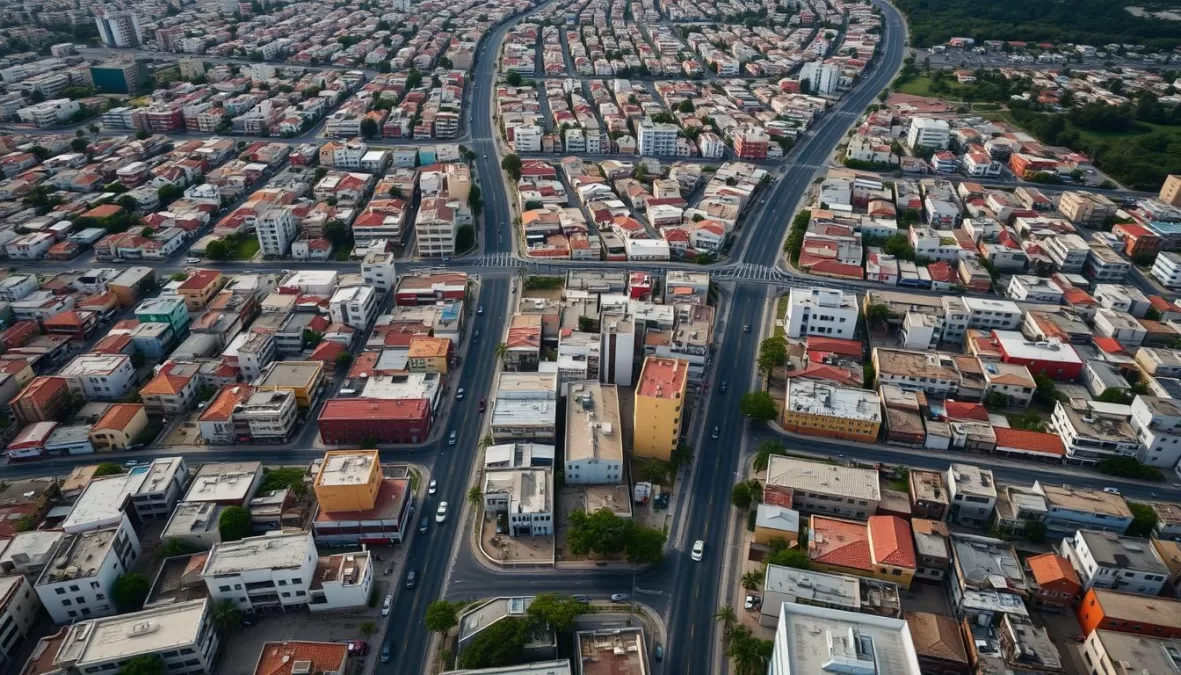
With a staggering homicide rate of 138 per 100,000 inhabitants, Tijuana currently holds the unenviable position as the most dangerous city in the world. This border city of over 2 million people experiences nearly seven murders daily, primarily driven by brutal turf wars between rival drug cartels.
The ongoing conflict between the Sinaloa and Tijuana cartels has transformed parts of the city into virtual war zones. Beyond homicides, residents and visitors face significant risks of kidnapping, extortion, armed robbery, and carjacking.
Safety Concerns
While the violence primarily targets those involved in the drug trade, innocent bystanders can be caught in crossfire. Tourist areas near the border crossing see frequent petty theft and scams targeting visitors. Law enforcement is overwhelmed and, in some cases, compromised by corruption.
Recent Trends
Violence has escalated in recent years as cartels fragment and fight for control of lucrative smuggling routes into the United States. Despite government efforts to deploy military forces, the situation shows little sign of improvement in the short term.
2. Acapulco, Mexico

Why It’s Dangerous
Once a glamorous playground for Hollywood celebrities, Acapulco has transformed into one of the most violent cities in the world with a homicide rate of 111 per 100,000 residents. The city’s hillside neighborhoods have become strongholds for criminal gangs like “221” and “Los Locos,” who engage in kidnapping, assassination, extortion, and theft.
The violence stems from fragmented cartels fighting for control of the local drug trade and extortion rackets that target businesses throughout the city. Even the tourism industry, once Acapulco’s economic backbone, has been devastated by the security situation.
Safety Concerns
Violence affects both residents and tourists, with shootings occurring even in areas once considered safe. Many local business owners pay protection money to avoid becoming targets. Beach areas, while still patrolled by police, have seen violent incidents in recent years.
Recent Trends
Despite government efforts to restore security by deploying military forces, Acapulco continues to struggle with extreme violence. The pandemic temporarily reduced tourist numbers, further weakening the local economy and potentially contributing to crime rates.
3. Caracas, Venezuela
Why It’s Dangerous
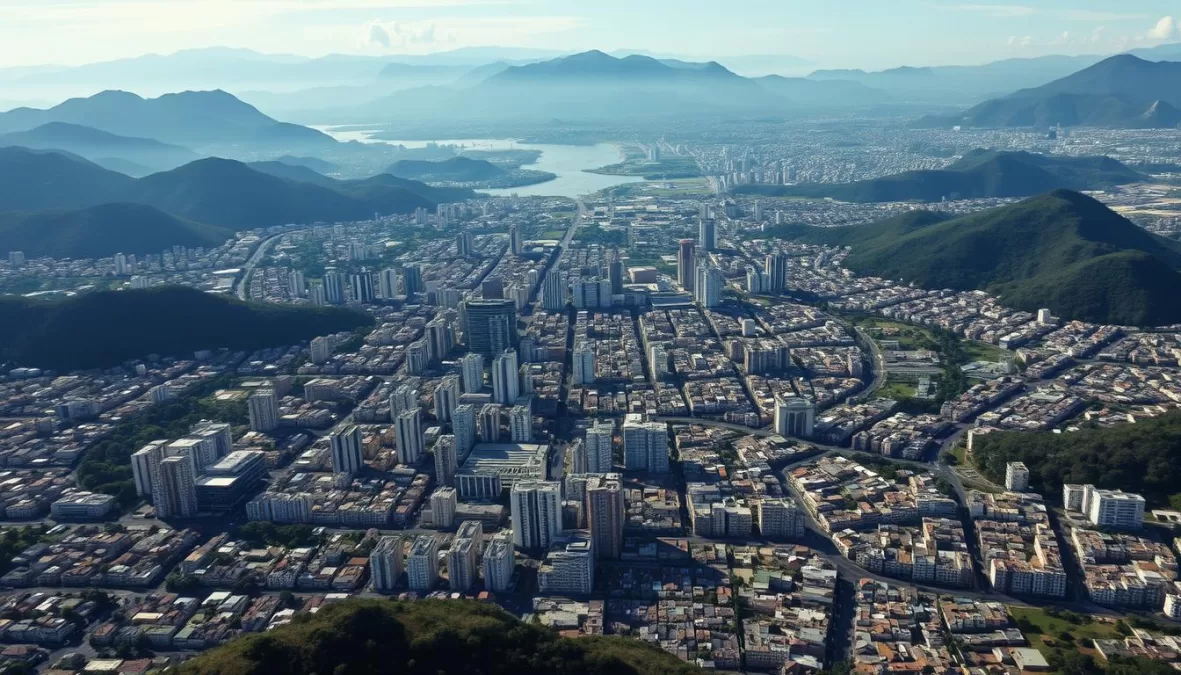
Caracas, the capital of Venezuela, has earned the distinction of being the most dangerous capital city in the world, with a homicide rate of approximately 100 per 100,000 inhabitants. The city’s extreme violence is fueled by a perfect storm of economic collapse, political instability, and institutional breakdown.
Armed gangs control many of the city’s barrios (slums), where police rarely enter. Kidnappings, express kidnappings (brief abductions for quick ransom), armed robberies, and carjackings occur with alarming frequency throughout the metropolitan area.
Safety Concerns
The security situation affects all areas of the city, though wealthy districts like Chacao and Altamira maintain private security forces. Public transportation is particularly dangerous, and criminals often target anyone displaying signs of wealth, including smartphones or jewelry.
Recent Trends
While official statistics suggest a slight decrease in homicides in recent years, independent observers attribute this more to underreporting than actual improvement. The ongoing economic and humanitarian crisis continues to drive crime as basic necessities become scarce.
4. Ciudad Victoria, Mexico
Why It’s Dangerous
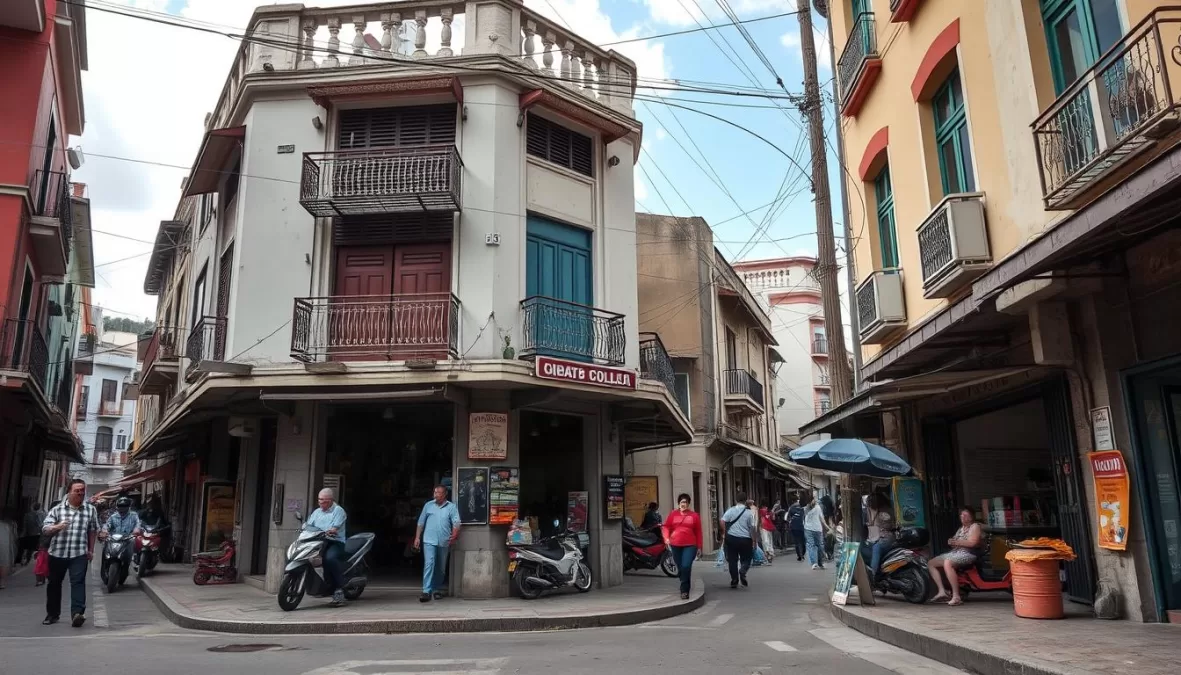
Ciudad Victoria, the capital of Tamaulipas state, has emerged as one of Mexico’s most dangerous cities with a homicide rate of 86 per 100,000 residents. The violence stems primarily from brutal confrontations between rival criminal organizations fighting for control of drug trafficking routes and other illicit activities.
The city has become a battleground for factions of the Gulf Cartel and Los Zetas, with frequent shootouts between criminal groups and security forces. Prison violence has also spilled onto the streets, further destabilizing security in the region.
Safety Concerns
Residents face daily threats of extortion, kidnapping, and being caught in crossfire. Highway travel around the city is particularly dangerous, with carjackings and illegal roadblocks common. Law enforcement capacity is severely compromised by corruption and intimidation.
Recent Trends
Despite federal security operations, violence has remained stubbornly high in recent years. The fragmentation of major cartels into smaller, more volatile groups has made the security situation increasingly unpredictable.
5. Ciudad Juárez, Mexico
Why It’s Dangerous
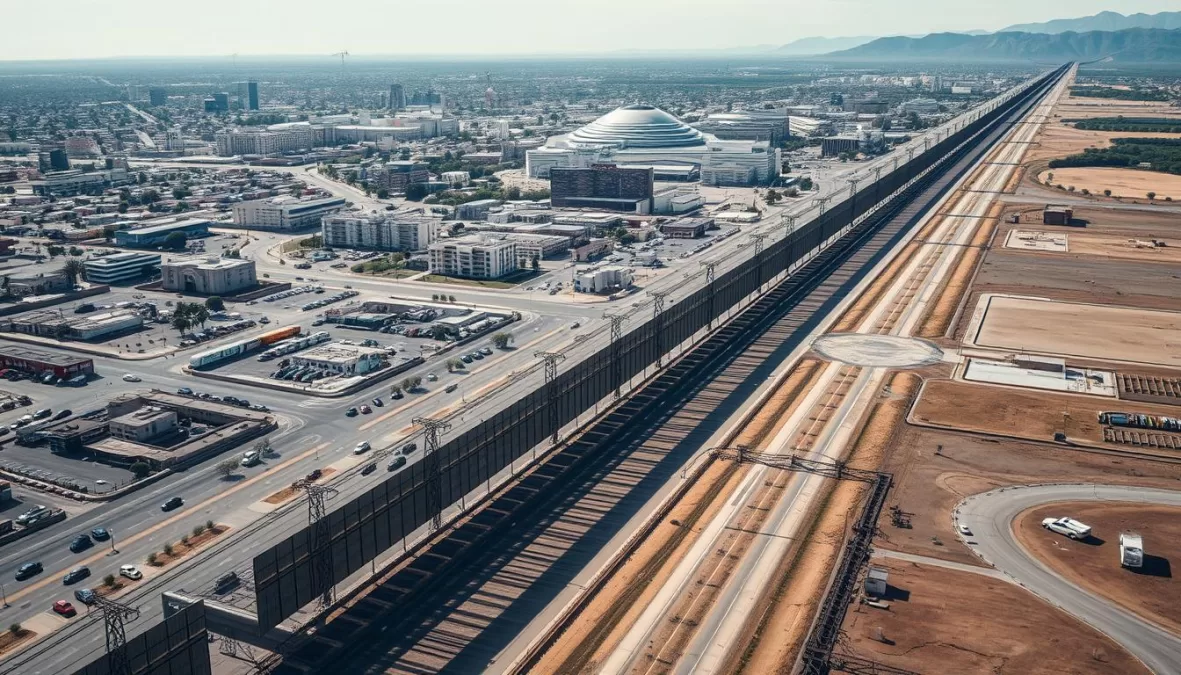
Ciudad Juárez, situated directly across the border from El Paso, Texas, has a homicide rate of 86 per 100,000 inhabitants. Once the epicenter of Mexico’s cartel violence in 2010, the city experienced a period of relative calm before violence surged again in recent years.
The renewed violence stems from battles between the Juárez Cartel and the Sinaloa Cartel for control of lucrative cross-border drug trafficking routes. The city is also notorious for violence against women, with femicide rates among the highest in Mexico.
Safety Concerns
Beyond cartel violence, residents and visitors face risks of carjacking, robbery, extortion, and kidnapping. While violence doesn’t specifically target U.S. citizens or tourists, the general level of insecurity affects everyone in the city.
Recent Trends
After the extreme violence of 2008-2012, Ciudad Juárez saw improvements in security. However, since 2016, homicide rates have climbed again as cartel alliances shift and new criminal groups emerge, threatening the fragile stability.
6. Irapuato, Mexico
Why It’s Dangerous
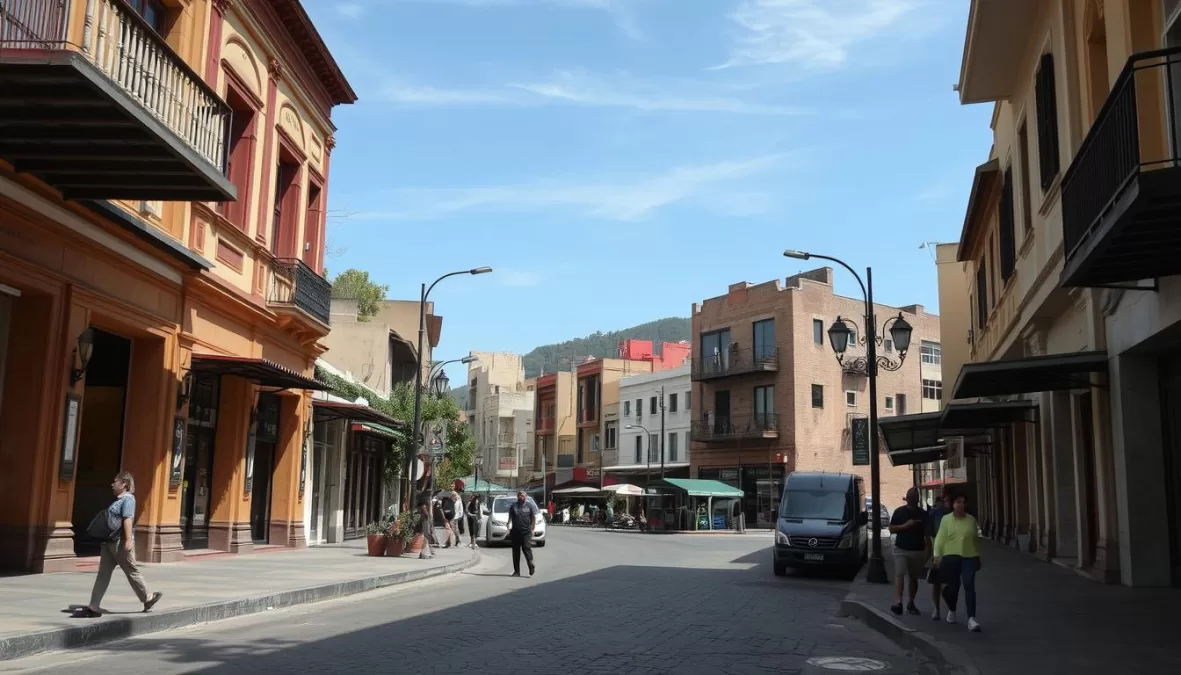
Irapuato, a mid-sized city in Guanajuato state, has experienced an alarming surge in violence with a homicide rate of 81 per 100,000 residents. The city has become a battleground in the turf war between the Santa Rosa de Lima Cartel and the Jalisco New Generation Cartel (CJNG), two of Mexico’s most violent criminal organizations.
This conflict has led to mass shootings in public places, including bars and rehabilitation centers. The violence is primarily driven by competition for control of fuel theft operations and local drug distribution networks.
Safety Concerns
Public shootouts pose significant risks to bystanders, with armed men carrying assault rifles appearing in broad daylight. Local police have largely ceded security operations to federal forces, who struggle to contain the violence.
Recent Trends
Violence has escalated dramatically since 2018, transforming what was once a relatively peaceful agricultural and industrial center into one of Mexico’s most dangerous cities. Despite government operations against both cartels, the situation continues to deteriorate.
7. Ciudad Guayana, Venezuela
Why It’s Dangerous
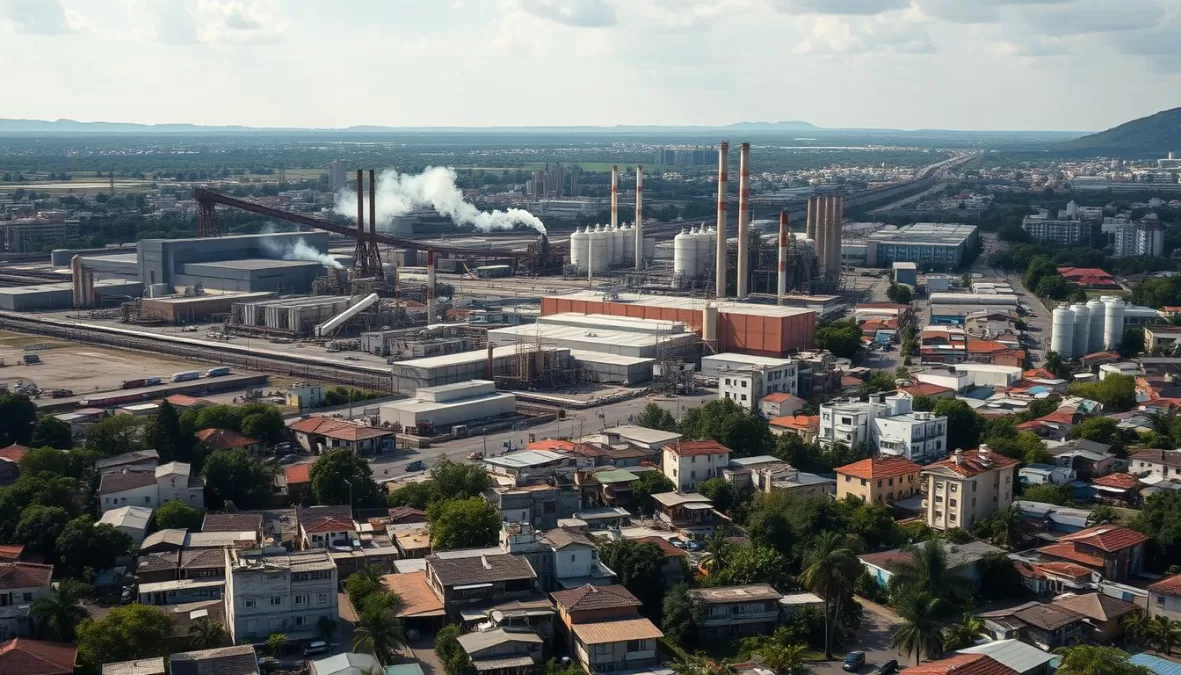
Ciudad Guayana, an industrial city in eastern Venezuela, has a homicide rate of 78 per 100,000 inhabitants, making it the second most dangerous city in Venezuela after Caracas. Once a center of Venezuela’s steel and aluminum industries, economic collapse has transformed the city into a hotspot for violent crime.
Criminal gangs, some with connections to corrupt officials, control many neighborhoods. The proximity to mining regions has also fueled violence related to illegal gold mining and trafficking operations.
Safety Concerns
Visitors and residents face high risks of armed robbery, carjacking, kidnapping, and sexual assault. The city’s sprawling layout and poor public transportation make travel between areas particularly dangerous, especially after dark.
Recent Trends
While Venezuela’s overall economic crisis has somewhat stabilized, Ciudad Guayana continues to suffer from industrial decline, electricity shortages, and weak governance, all factors that contribute to persistent high crime rates.
8. Natal, Brazil
Why It’s Dangerous
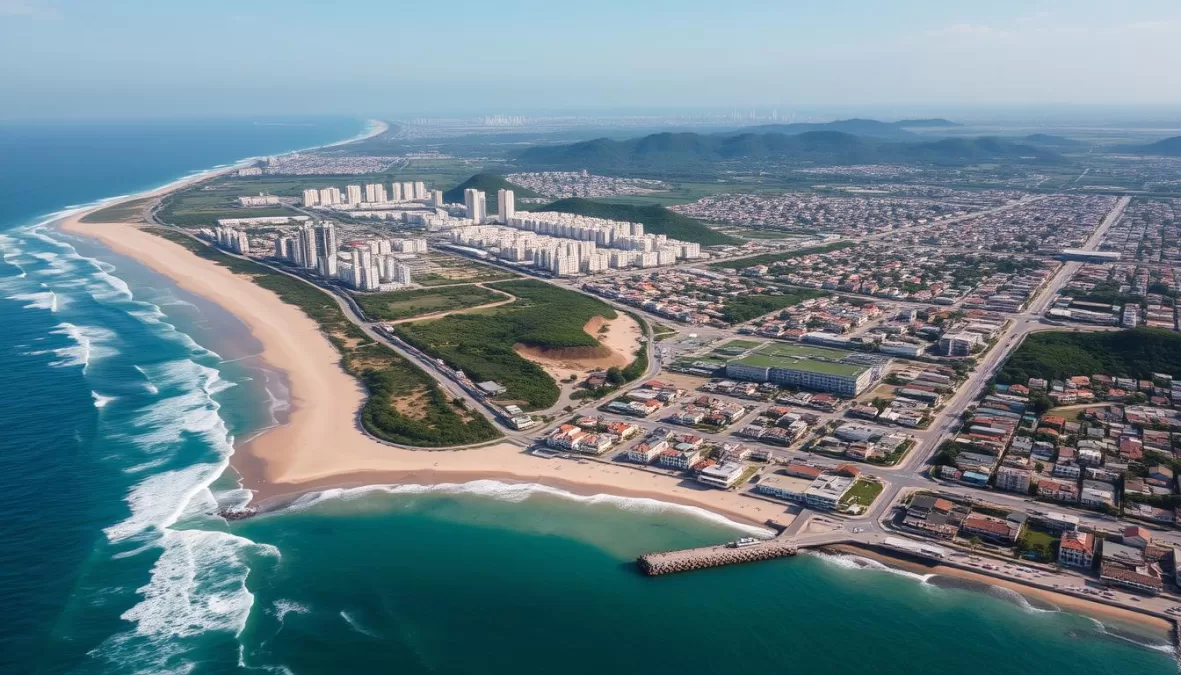
Natal, a coastal city in northeastern Brazil, has a homicide rate of 75 per 100,000 inhabitants. Despite being a popular tourist destination known for its beaches and sand dunes, the city struggles with extreme violence fueled by gang warfare and drug trafficking.
Prison-based gangs like Primeiro Comando da Capital (PCC) and Sindicato do Crime have expanded their influence throughout the city, fighting for control of drug distribution networks. Poverty in the city’s favelas (slums) contributes to recruitment into criminal organizations.
Safety Concerns
While tourist areas along the coast maintain higher security presence, visitors still face risks of robbery and theft. Venturing into unfamiliar neighborhoods, especially after dark, significantly increases danger. Carjackings and express kidnappings occur with concerning frequency.
Recent Trends
Violence peaked during a prison gang war in 2017 and has fluctuated since then. Recent government security initiatives have had limited success in reducing crime rates, with gang influence remaining deeply entrenched in many communities.
9. Fortaleza, Brazil
Why It’s Dangerous
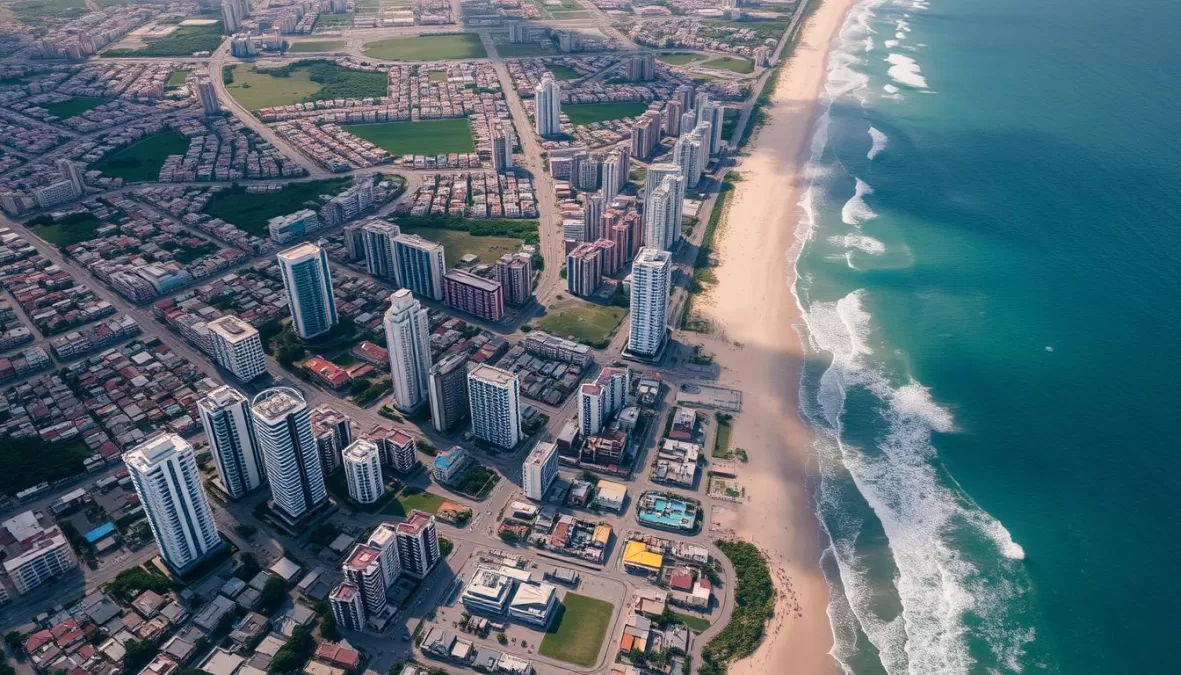
Fortaleza, the capital of Ceará state in northeastern Brazil, has a homicide rate of 69 per 100,000 residents. Like Natal, it combines beautiful beaches that attract tourists with severe security challenges in much of the city.
The violence is largely driven by territorial disputes between criminal factions, including the PCC, Comando Vermelho, and local gangs. The city’s strategic location on Brazil’s northeastern coast has made it a key transit point for cocaine being shipped to Europe and Africa.
Safety Concerns
Robbery and theft are common even in tourist areas, with criminals often targeting visitors on beaches and in nightlife districts. Armed robberies of businesses and residences occur frequently, and express kidnappings target both locals and tourists.
Recent Trends
After reaching crisis levels in 2018, homicide rates have shown modest improvement following increased security operations. However, the underlying factors driving violence—including gang presence, drug trafficking, and socioeconomic inequality—remain largely unaddressed.
10. Ciudad Bolívar, Venezuela
Why It’s Dangerous
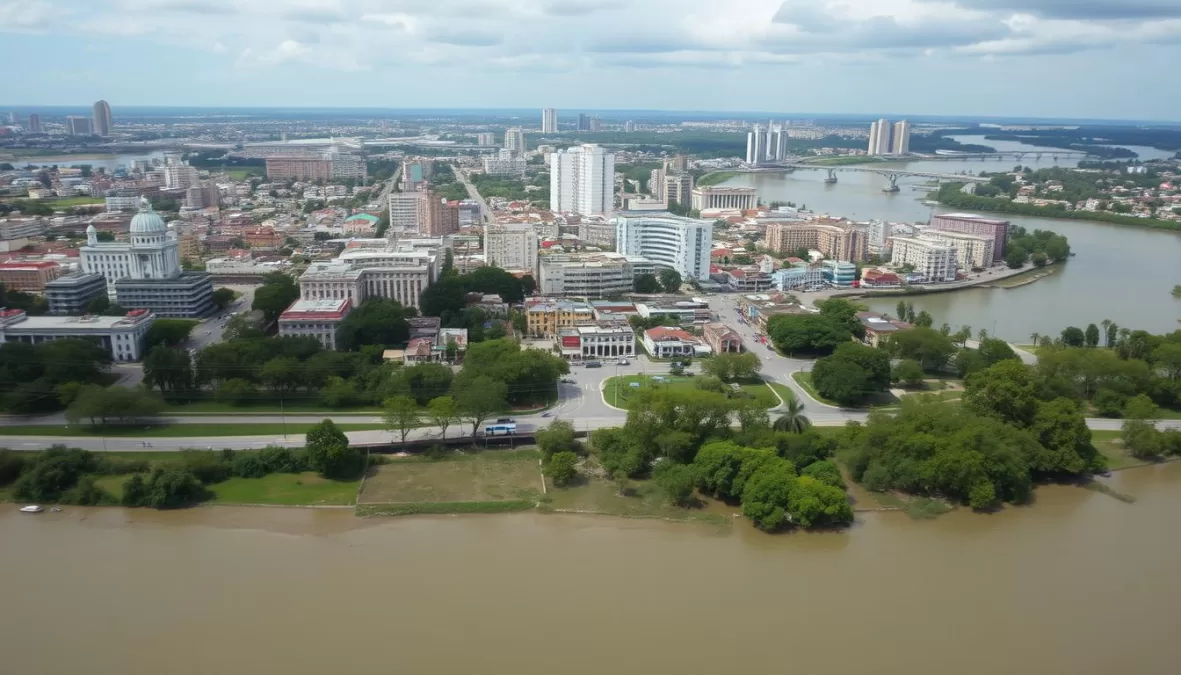
Ciudad Bolívar, located on the Orinoco River in southeastern Venezuela, has a homicide rate of 69 per 100,000 inhabitants. The city has been described as one of the world’s largest “mega-slums,” where violence, drugs, and gang activity run rampant.
The city’s proximity to illegal gold mining operations in Venezuela’s southern regions has fueled criminal activity, with armed groups fighting for control of mining revenues. Economic collapse has further exacerbated security challenges.
Safety Concerns
Violent crime, including armed robbery, carjacking, and kidnapping, poses serious risks to both residents and visitors. Law enforcement is undermined by corruption and resource limitations, resulting in minimal police presence in many areas.
Recent Trends
While official statistics suggest some improvement in recent years, independent observers attribute this more to underreporting than actual security gains. The ongoing economic crisis continues to drive criminal activity as legitimate economic opportunities remain scarce.
Essential Safety Advice for High-Risk Urban Areas

If you must travel to any of the cities on this list, following these safety precautions can significantly reduce your risk:
Before You Travel
- Register with your country’s embassy or consulate
- Research specific neighborhood safety levels
- Arrange secure airport transfers in advance
- Book accommodations with robust security measures
- Purchase comprehensive travel insurance that covers high-risk areas
- Share your itinerary with trusted contacts
During Your Stay
- Avoid displaying signs of wealth (jewelry, expensive watches, electronics)
- Use only official taxis or pre-arranged transportation
- Stay in well-established tourist or business areas
- Avoid travel after dark whenever possible
- Carry minimal cash and use ATMs inside secure locations
- Remain vigilant and aware of your surroundings at all times
Stay Informed About Global Safety
For the most current travel advisories and security information about these and other high-risk locations, consult your government’s travel advisory service before planning any trip.
Understanding the Underlying Factors
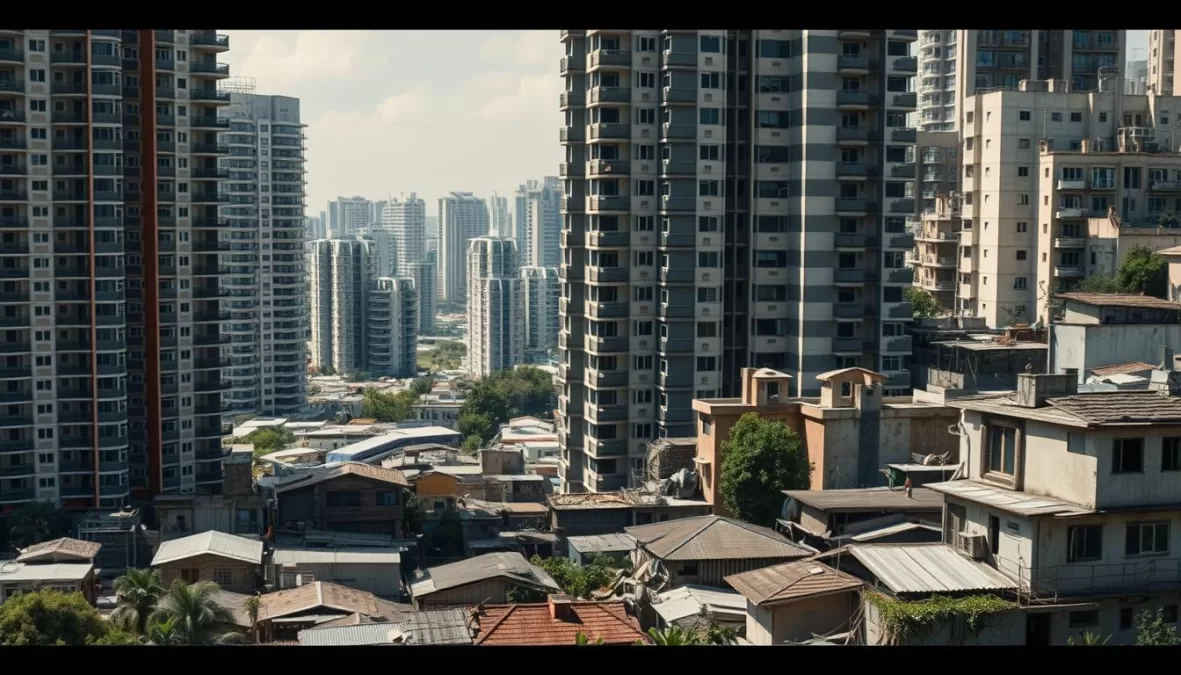
The cities on this list share several common factors that contribute to their high levels of violence:
Drug Trafficking and Organized Crime
Many of the world’s most dangerous cities are situated along major drug trafficking routes or serve as operational bases for criminal organizations. The enormous profits from the illegal drug trade fuel violent competition for territory and resources, with civilian populations caught in the crossfire.
Socioeconomic Inequality
Extreme disparities in wealth and opportunity create conditions where crime flourishes. Limited access to education, healthcare, and legitimate employment drives recruitment into criminal organizations, particularly among young men in marginalized communities.
Weak Governance and Corruption
Ineffective or corrupt institutions undermine security efforts. When police and judicial systems are compromised, criminals operate with impunity, and citizens lose faith in the rule of law, creating cycles of violence that are difficult to break.
Geographic Concentration of Violence
It’s worth noting that violence is not evenly distributed across regions. Latin America, despite representing just 8% of the world’s population, accounts for roughly one-third of global homicides. The concentration of extremely violent cities in Mexico, Venezuela, and Brazil reflects regional challenges with organized crime, institutional weakness, and socioeconomic factors.
Conclusion
The most dangerous cities in the world face complex, multifaceted security challenges that defy simple solutions. While homicide rates and crime statistics provide a quantitative measure of danger, they cannot fully capture the daily reality for residents who navigate these high-risk environments.
It’s important to recognize that even within the most dangerous cities, risk levels vary significantly by neighborhood, time of day, and individual circumstances. Many residents of these cities live productive lives by developing strategies to mitigate risks and build resilience in challenging conditions.
For travelers and those with business interests in these regions, understanding the specific nature of security threats is essential for making informed decisions. With proper preparation, awareness, and caution, it is possible to reduce—though never eliminate—the risks associated with visiting high-crime urban areas.
Explore More Global Safety Resources
For comprehensive security information, risk assessments, and practical safety advice for travelers and businesses operating in high-risk environments worldwide, consult professional security resources.
Frequently Asked Questions
Are these cities dangerous for tourists specifically?
While most violence in these cities is between criminal groups or targets local residents, tourists can face significant risks, particularly from crimes of opportunity like robbery and theft. Tourist areas typically have enhanced security, but venturing outside these zones substantially increases danger. Foreign visitors may be targeted specifically in some areas due to perceived wealth.
Why do Mexican cities feature so prominently on this list?
Mexico’s geographic position between cocaine-producing countries in South America and consumers in the United States makes it a critical transit zone for drug trafficking. Fragmentation of major cartels has led to intense competition between smaller, highly violent criminal groups fighting for control of trafficking routes and local markets. Institutional corruption and limited state capacity in certain regions have allowed criminal organizations to operate with relative impunity.
How accurate are these crime statistics?
Crime statistics, particularly from regions with weak institutions, should be viewed with caution. Underreporting is common due to low trust in police, fear of reprisals, or limited institutional capacity. Some governments may also manipulate statistics for political reasons. Where possible, we’ve relied on data from independent organizations and security analysts to provide the most accurate picture available.
Are there any signs of improvement in these cities?
Some cities have seen modest improvements through targeted security initiatives, community policing programs, and social interventions. However, sustainable reductions in violence require addressing root causes like inequality, corruption, and limited economic opportunities—challenges that take decades to overcome. Without comprehensive approaches that combine security measures with social and economic development, improvements tend to be temporary.

Priyanka Pandey
Senior Research Editor · Top10Sense
Priyanka specializes in tech, consumer products, and digital trends. She combines hands-on testing, vendor interviews, and database research to create trustworthy “Top 10” rankings. Her work has been referenced by industry blogs and brand report pages.