
In today’s digital age, we’re bombarded with health and nutrition advice from social media, blogs, and even well-meaning friends. Unfortunately, much of this information is based on outdated research, misinterpreted studies, or pure fiction. The spread of nutrition myths can lead to confusion, wasted money on unnecessary supplements, and even potential health risks.
Science offers clarity amid this confusion. Researchers continuously study how food affects our bodies, providing evidence that either supports or debunks popular health claims. Understanding which nutrition advice is backed by science and which belongs in the myth category is crucial for making informed decisions about your health.
In this article, we’ll examine 10 persistent health and nutrition myths that continue to circulate despite scientific evidence to the contrary. From the demonization of certain food groups to misguided eating patterns, we’ll separate fact from fiction using peer-reviewed research and expert insights.
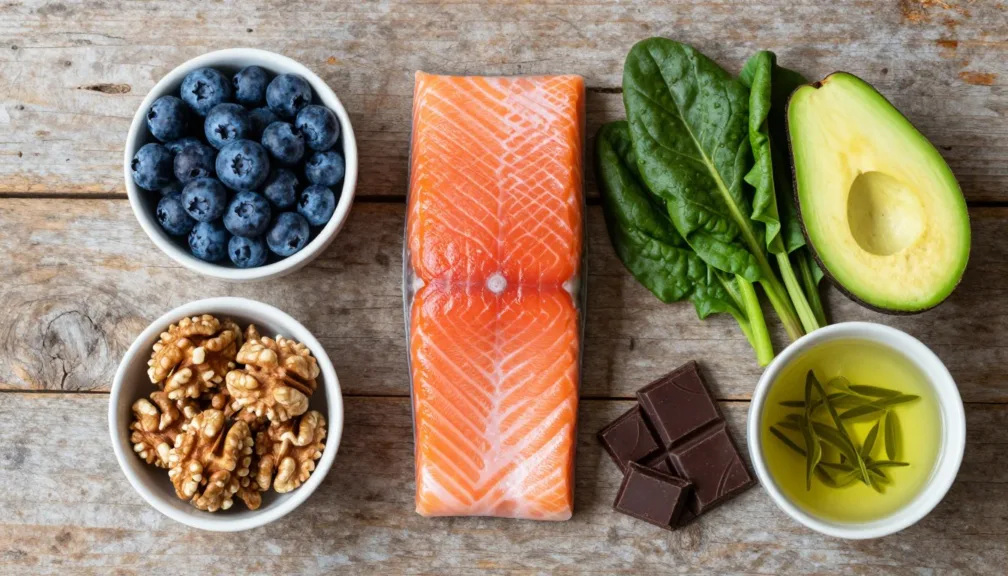
Scientific research continues to challenge many commonly held beliefs about nutrition and health.
Myth 1: Eating Fat Makes You Fat
For decades, dietary fat was demonized as the primary culprit behind weight gain and heart disease. This belief gained momentum in the 1980s when low-fat diets became popular, leading to an explosion of fat-free and reduced-fat products on supermarket shelves. The assumption was simple: eating fat increases body fat.
However, research has thoroughly debunked this oversimplification. A landmark study published in the New England Journal of Medicine (2018) compared low-fat and low-carb diets, finding no significant difference in weight loss outcomes when calories were controlled. Furthermore, the type of fat matters significantly. Monounsaturated and polyunsaturated fats found in foods like avocados, nuts, and olive oil are associated with improved heart health and can actually help with weight management.
The Journal of the American Medical Association (2016) published research showing that healthy fat consumption increases satiety, potentially reducing overall calorie intake. The real culprits behind weight gain are excessive calories from any source and highly processed foods that combine unhealthy fats with refined carbohydrates.
The Takeaway: Healthy fats are an essential part of a balanced diet and don’t inherently cause weight gain. Focus on consuming moderate amounts of nutritious fat sources while maintaining an appropriate caloric intake for your needs.
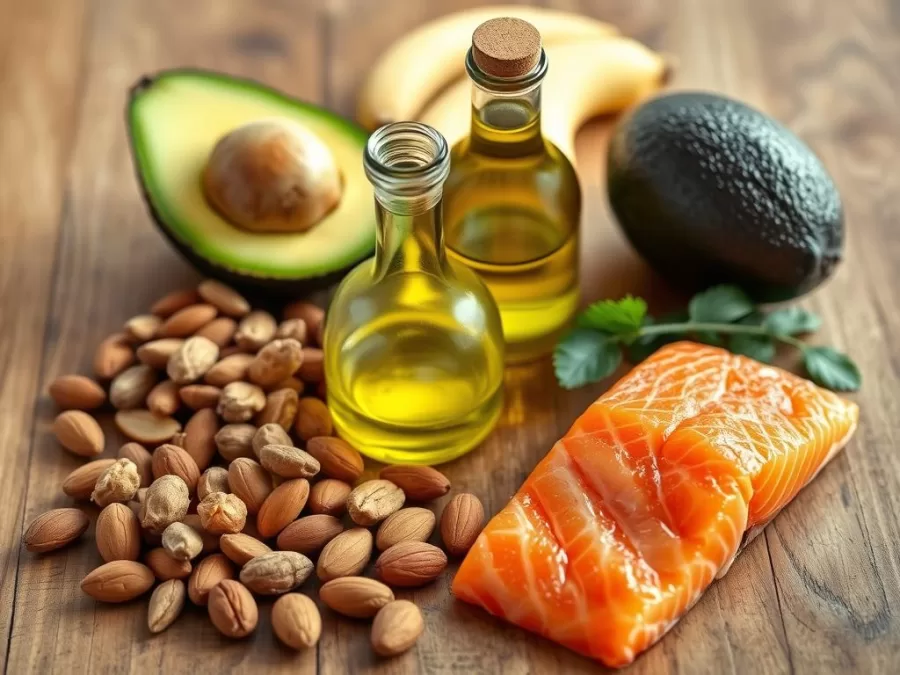
Healthy fat sources like avocados, nuts, olive oil, and fatty fish provide essential nutrients and don’t contribute to weight gain when consumed in appropriate portions.
Myth 2: Carbohydrates Are Bad for You
In recent years, carbohydrates have replaced fat as nutrition’s primary villain. Low-carb and ketogenic diets have surged in popularity, with many people believing that carbs inherently cause weight gain, blood sugar problems, and various health issues. This has led to the demonization of even whole food sources of carbohydrates.
Scientific research tells a more nuanced story. A comprehensive meta-analysis published in The Lancet (2018) examined data from 432,179 people in 20 countries and found that both extremely high and extremely low carbohydrate diets were associated with increased mortality. The lowest risk was observed in people who consumed 50-55% of their calories from carbohydrates.
The quality of carbohydrates matters tremendously. Research in the American Journal of Clinical Nutrition (2019) demonstrated that whole, unprocessed carbohydrate sources like fruits, vegetables, legumes, and whole grains are associated with reduced risk of chronic diseases and improved weight management. These foods provide essential fiber, vitamins, minerals, and phytonutrients.
The Takeaway: Carbohydrates aren’t inherently unhealthy. Focus on consuming minimally processed carb sources while limiting refined grains, added sugars, and ultra-processed foods for optimal health.

Whole food carbohydrate sources provide essential nutrients, fiber, and sustained energy when included as part of a balanced diet.
Myth 3: Breakfast Is the Most Important Meal of the Day
The notion that breakfast is essential for health, weight management, and energy has been repeated so often that many consider it an indisputable fact. This belief was reinforced by observational studies showing that breakfast eaters tended to have lower BMIs and better health markers than breakfast skippers.
However, more rigorous research has challenged this conventional wisdom. A systematic review published in the British Medical Journal (2019) analyzed 13 randomized controlled trials and found that breakfast eaters actually consumed more daily calories and weighed slightly more than those who skipped breakfast. Another study in the American Journal of Clinical Nutrition (2014) found no difference in weight loss between breakfast eaters and non-breakfast eaters.
The timing of meals appears to be highly individual. Research in Cell Metabolism (2019) on time-restricted eating suggests that the total eating window may be more important than specifically eating in the morning. Some people function well with morning food, while others naturally prefer eating later in the day.
The Takeaway: Whether to eat breakfast should be based on personal preference and hunger signals rather than rigid rules. Listen to your body and choose an eating pattern that supports your energy levels and health goals.

Research suggests that breakfast habits should be personalized based on individual preferences and hunger patterns rather than following a one-size-fits-all approach.
Myth 4: Eating Small, Frequent Meals Boosts Metabolism
The recommendation to eat 5-6 small meals throughout the day to “stoke the metabolic fire” has been popular advice for decades. Proponents claim this eating pattern prevents hunger, stabilizes blood sugar, and increases the calories burned through digestion (the thermic effect of food).
Scientific evidence doesn’t support these claims. A systematic review in Advances in Nutrition (2019) found no metabolic advantage to eating more frequently when total calorie intake remains the same. The International Journal of Obesity (2016) published research showing that increasing meal frequency from three to six meals per day had no significant effect on fat oxidation or 24-hour energy expenditure.
Regarding hunger and blood sugar, individual responses vary significantly. Some people feel better with more frequent, smaller meals, while others experience greater satisfaction and stable energy with fewer, larger meals. A study in Obesity (2013) found that less frequent, higher-protein meals actually reduced hunger and increased fullness compared to more frequent eating.
The Takeaway: Meal frequency should be based on personal preference and lifestyle rather than a supposed metabolic advantage. Total daily food intake and diet quality matter more than how often you eat.
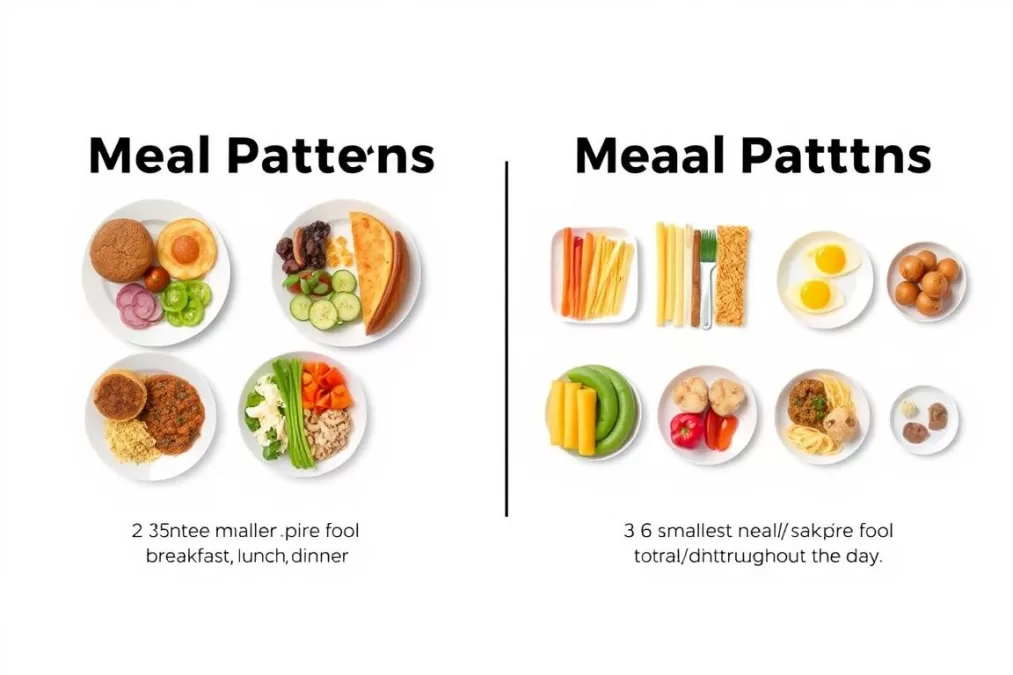
Research shows that total caloric intake matters more than meal frequency for metabolism and weight management.
Stay Updated with Evidence-Based Nutrition Information
Join our newsletter to receive the latest research-backed nutrition insights, debunked myths, and practical health tips delivered straight to your inbox.
Myth 5: Detox Diets Cleanse Your Body of Toxins
Detox diets, cleanses, and juice fasts have become incredibly popular, promising to rid the body of accumulated toxins, boost energy, improve skin, and promote weight loss. These programs typically involve severe caloric restriction and limited food choices for periods ranging from days to weeks.
The scientific community has found little evidence supporting these claims. A review in the Journal of Human Nutrition and Dietetics (2015) concluded that there are no controlled trials substantiating that detox diets remove toxins or improve health. Our bodies have sophisticated detoxification systems—primarily the liver, kidneys, and digestive tract—that continuously process and eliminate waste products.
The temporary weight loss often experienced during detox diets is primarily due to water loss and reduced caloric intake, not toxin elimination. Research in Gastroenterology Research and Practice (2017) found that many commercial detox products lack scientific evidence for their efficacy and may potentially cause harm through nutrient deficiencies or electrolyte imbalances.
The Takeaway: Instead of temporary detox regimens, focus on supporting your body’s natural detoxification processes through adequate hydration, a diet rich in fruits and vegetables, regular physical activity, and sufficient sleep.

The body’s natural detoxification systems function best when supported by whole foods rather than restrictive detox regimens.
Myth 6: All Calories Are Created Equal
The old weight management adage “calories in, calories out” suggests that all calories have the same effect on the body regardless of their source. This simplified approach treats 100 calories of vegetables the same as 100 calories of candy when it comes to weight and health outcomes.
Modern nutritional science has revealed this to be an oversimplification. A study published in JAMA (2018) found that people following a low-carbohydrate diet burned more calories at rest compared to those on a high-carbohydrate diet with the same caloric intake. Research in Cell Metabolism (2019) demonstrated that ultra-processed foods led to greater calorie consumption and weight gain compared to unprocessed foods, even when meals were matched for calories, macronutrients, sugar, fat, and fiber.
Different foods trigger different hormonal responses, have varying effects on hunger and satiety, require different amounts of energy to digest, and influence gut bacteria in unique ways. Protein, for example, has a higher thermic effect (requiring more energy to digest) than carbohydrates or fats and is more satiating, as shown in research published in the American Journal of Clinical Nutrition (2015).
The Takeaway: While caloric intake remains important for weight management, food quality significantly impacts metabolism, hunger, and overall health. Focus on nutrient-dense whole foods rather than simply counting calories.

The same number of calories from different food sources can vary dramatically in volume, nutrient content, and effects on the body.
Myth 7: Eggs Raise Cholesterol and Cause Heart Disease
For decades, eggs were vilified due to their high cholesterol content (about 185-200mg in a single egg yolk). Since dietary cholesterol was thought to directly increase blood cholesterol levels, health authorities recommended limiting egg consumption to prevent heart disease.
Current research has largely exonerated eggs. A comprehensive analysis in the British Medical Journal (2020) examining data from 177,000 people across 50 countries found no association between egg consumption and blood cholesterol levels or increased risk of cardiovascular disease. The 2015-2020 Dietary Guidelines for Americans removed the previous cholesterol restriction, acknowledging that dietary cholesterol has minimal impact on blood cholesterol for most people.
The Journal of the American College of Nutrition (2016) published research showing that egg consumption actually improved cholesterol profiles by increasing HDL (good) cholesterol and changing LDL particles to a less harmful pattern. Eggs are also highly nutritious, providing high-quality protein, vitamins (including D, B12, and choline), minerals, and antioxidants like lutein and zeaxanthin that benefit eye health.
The Takeaway: For most healthy individuals, eggs can be included as part of a nutritious diet without concern for cardiovascular risk. They provide valuable nutrients and can contribute to satiety and weight management.

Eggs are nutrient-dense foods that provide high-quality protein, vitamins, and minerals without the negative effects on cholesterol once attributed to them.
Myth 8: Natural Sugars Are Healthier Than Added Sugars
Many people believe that “natural” sugars found in honey, maple syrup, agave nectar, and fruit juices are significantly healthier alternatives to table sugar or high-fructose corn syrup. Marketing often promotes these sweeteners as more nutritious options that the body processes differently.
From a biochemical perspective, the body metabolizes natural and added sugars in very similar ways. Research published in the Journal of Nutrition (2018) found that honey, maple syrup, and table sugar produced nearly identical effects on blood glucose levels. While some natural sweeteners contain small amounts of nutrients or antioxidants, these benefits are minimal given the typically small serving sizes.
The American Heart Association’s scientific statement (2018) concluded that all added sugars, regardless of source, should be limited in the diet. They recommend no more than 6 teaspoons (25g) daily for women and 9 teaspoons (36g) for men. The fructose content in all sweeteners, when consumed in excess, can contribute to non-alcoholic fatty liver disease and metabolic dysfunction, according to research in the Journal of Hepatology (2018).
The Takeaway: All concentrated sweeteners should be consumed in moderation, regardless of whether they’re labeled “natural” or not. Whole fruits, which contain fiber and water along with natural sugars, remain the healthiest way to satisfy sweet cravings.

Despite marketing claims, most sweeteners—whether labeled “natural” or not—have similar effects on blood sugar and metabolism when consumed in equal amounts.
Myth 9: Supplements Are Necessary for Optimal Health
The supplement industry, valued at over $140 billion globally, promotes the idea that even healthy diets can’t provide adequate nutrition and that supplements are necessary for optimal health, energy, and disease prevention. Many people take multiple supplements daily as a form of “nutritional insurance.”
Large-scale scientific reviews tell a different story. A systematic review in the Annals of Internal Medicine (2019) analyzing 277 randomized controlled trials with 992,129 participants found that most vitamin and mineral supplements had no consistent benefit for preventing chronic disease or premature death. In some cases, certain supplements (such as beta-carotene and vitamin E) were associated with increased mortality.
The Journal of the American Medical Association (2020) published research showing that the majority of healthy adults can obtain sufficient nutrients from a balanced diet without supplementation. There are exceptions, however. Specific populations may benefit from targeted supplements: vitamin B12 for vegans and older adults, vitamin D for those with limited sun exposure, folate for pregnant women, and iron for those with diagnosed deficiencies.
The Takeaway: For most healthy individuals, a varied diet rich in whole foods provides sufficient nutrition without the need for supplements. Targeted supplementation should be based on individual needs, preferably under healthcare guidance.
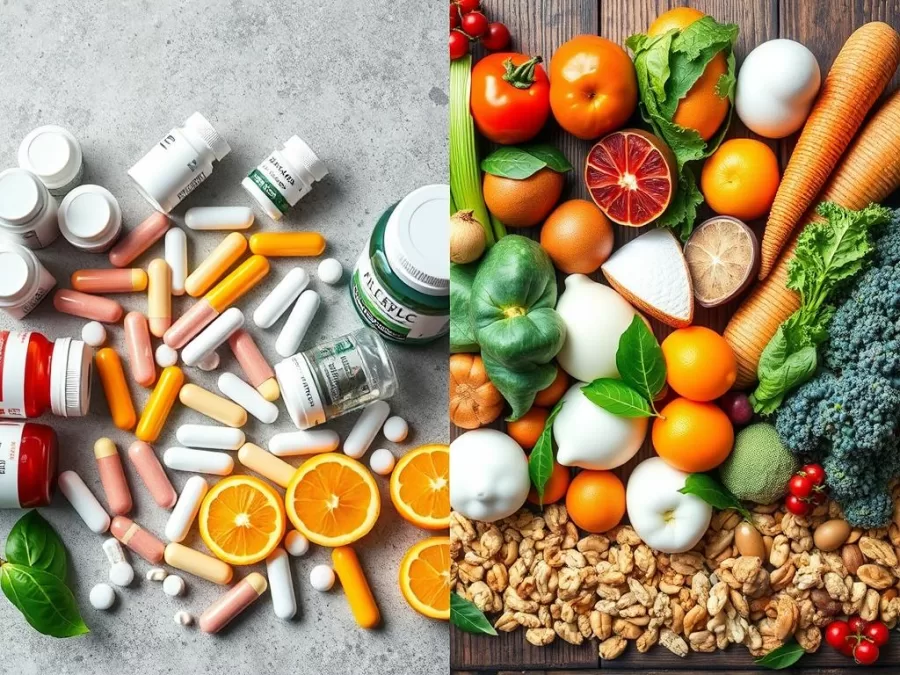
Whole foods provide nutrients in natural proportions along with fiber, phytochemicals, and other beneficial compounds that supplements cannot replicate.
Myth 10: Organic Foods Are Always Healthier
The organic food industry has grown tremendously, with many consumers believing that organic foods are inherently more nutritious, safer, and better for health than their conventional counterparts. This perception has led many to pay premium prices for organic certification.
Scientific research presents a more nuanced picture. A comprehensive meta-analysis in the British Journal of Nutrition (2014) found that organic produce contained slightly higher antioxidant compounds but similar vitamin and mineral content compared to conventional produce. The clinical significance of these differences remains unclear. A Stanford University study published in Annals of Internal Medicine (2012) concluded that there was no strong evidence that organic foods are significantly more nutritious than conventional foods.
Regarding pesticide residues, organic produce does typically contain lower levels. However, the Environmental Protection Agency sets strict safety standards for all agricultural products, and most conventional produce contains residues well below these limits. The American Academy of Pediatrics (2020) stated that the nutritional benefits of eating a diet rich in fruits and vegetables outweigh potential risks from pesticide exposure.
The Takeaway: While organic agriculture offers environmental benefits and reduces pesticide exposure, the nutritional differences between organic and conventional foods are relatively small. Consuming plenty of fruits and vegetables, regardless of production method, remains most important for health.

Scientific analysis shows that nutritional differences between organic and conventional produce are relatively minor compared to the overall benefits of consuming fruits and vegetables.
Conclusion: Evidence-Based Nutrition in a World of Misinformation
The persistence of nutrition myths highlights how challenging it can be to separate fact from fiction in our information-saturated world. Many of these myths contain kernels of truth that have been oversimplified, exaggerated, or taken out of context. Others persist because they align with our hopes for simple solutions to complex health challenges.
Nutrition science continues to evolve, and our understanding of how food affects health is becoming increasingly personalized. What works optimally for one person may not work the same way for another due to genetic differences, gut microbiome composition, lifestyle factors, and individual health conditions.
Rather than following rigid rules or the latest trends, focus on evidence-based principles: eat a variety of minimally processed whole foods, stay adequately hydrated, adjust portion sizes to maintain appropriate energy balance, and develop a sustainable approach that supports both physical health and quality of life.
By understanding and sharing accurate nutrition information, we can all contribute to a healthier information environment. The next time you encounter nutrition advice, consider the source, look for scientific consensus rather than single studies, and remember that extraordinary claims require extraordinary evidence.
Help Combat Nutrition Misinformation
Did you find this article helpful? Share it with friends and family to help spread evidence-based nutrition information and combat common myths.

Developing critical thinking skills and consulting evidence-based sources are essential for navigating the complex world of nutrition information.
References and Further Reading
- American Heart Association. (2018). Added Sugars. Circulation, 138(12), e126-e140.
- British Journal of Nutrition. (2014). Higher antioxidant and lower cadmium concentrations and lower incidence of pesticide residues in organically grown crops: a systematic literature review and meta-analyses. 112(5), 794-811.
- British Medical Journal. (2019). Effect of breakfast on weight and energy intake: systematic review and meta-analysis of randomised controlled trials. 364, l42.
- Cell Metabolism. (2019). Ultra-Processed Diets Cause Excess Calorie Intake and Weight Gain. 30(1), 67-77.
- Journal of the American Medical Association. (2018). Effect of Low-Fat vs Low-Carbohydrate Diet on 12-Month Weight Loss in Overweight Adults. 319(7), 667-679.
- Journal of Human Nutrition and Dietetics. (2015). Detox diets for toxin elimination and weight management: a critical review of the evidence. 28(6), 675-686.
- The Lancet. (2018). Dietary carbohydrate intake and mortality: a prospective cohort study and meta-analysis. 392(10155), 1119-1130.
- Annals of Internal Medicine. (2019). Effects of Nutritional Supplements and Dietary Interventions on Cardiovascular Outcomes. 171(3), 190-198.
- Journal of Nutrition. (2018). A Comparison of the Metabolic Response to Sugar-Sweetened Beverages in Young Adults. 148(4), 644-652.
- American Journal of Clinical Nutrition. (2015). The role of protein in weight loss and maintenance. 101(6), 1320S-1329S.

Priyanka Pandey
Senior Research Editor · Top10Sense
Priyanka specializes in tech, consumer products, and digital trends. She combines hands-on testing, vendor interviews, and database research to create trustworthy “Top 10” rankings. Her work has been referenced by industry blogs and brand report pages.