

In a world increasingly focused on wellbeing, understanding which nations lead in healthy living offers valuable insights for individuals and policymakers alike. The concept of a “healthy lifestyle” encompasses far more than just healthcare systems—it integrates diet, physical activity, mental wellbeing, environmental factors, and government policies that collectively contribute to longevity and quality of life. Our comprehensive analysis of the Top 10 Countries with the Healthiest Lifestyles 2025 reveals which nations are setting global standards for wellbeing and what we can learn from their success.
What Defines a Healthy Lifestyle Country in 2025?
Before diving into our rankings, it’s essential to understand the multifaceted criteria that determine which countries foster the healthiest lifestyles. These factors have evolved significantly in recent years, with mental health and environmental considerations gaining prominence alongside traditional metrics.
Key Factors in Our Analysis
Healthcare Systems
Access to quality healthcare remains fundamental. We’ve evaluated healthcare infrastructure, affordability, preventative care programs, and universal coverage policies. Countries with equitable healthcare access typically demonstrate better overall population health.
Dietary Patterns
National dietary habits significantly impact health outcomes. Mediterranean and traditional Asian diets, rich in fresh produce, lean proteins, and healthy fats, correlate strongly with lower rates of chronic disease. We’ve analyzed average consumption patterns, food quality, and nutritional education.
Physical Activity
Regular movement is essential for health. Nations with infrastructure supporting active transportation (cycling, walking), outdoor recreation, and cultural norms encouraging physical activity score higher in our analysis.
Mental Wellbeing
Mental health awareness and support have become increasingly important metrics. We’ve assessed access to mental health services, work-life balance policies, social connection opportunities, and stress levels across populations.
Environmental Factors
Clean air, water quality, green spaces, and pollution levels directly impact health. Countries with strong environmental protections and sustainable urban planning create healthier living conditions for their citizens.
Government Policies
Public health initiatives, preventative care programs, and regulations on harmful substances significantly influence population health. We’ve evaluated how effectively governments promote healthy lifestyles through policy.
Our Methodology: How We Ranked the Healthiest Countries
To compile our 2025 rankings of the Top 10 Countries with the Healthiest Lifestyles, we’ve combined data from multiple authoritative sources with our own comprehensive analysis. This multifaceted approach ensures a holistic evaluation of what truly constitutes a healthy nation.

Data Sources
- World Health Organization Global Health Observatory
- Bloomberg Global Health Index 2024-2025
- Global Burden of Disease Study
- World Happiness Report 2025
- OECD Better Life Index
- Environmental Performance Index (Yale)
- Global Nutrition Report
- Mental Health Atlas
We’ve weighted these factors to reflect their relative importance to overall health outcomes, with special consideration given to recent innovations and policy changes between 2023-2025 that have demonstrably improved public health.
Want to Experience These Healthy Lifestyles Firsthand?
Discover how you can visit, relocate to, or adopt practices from the world’s healthiest countries. Our comprehensive guide provides practical insights for incorporating global wellness traditions into your daily life.
The Top 10 Countries with the Healthiest Lifestyles 2025
Our analysis reveals a diverse set of nations leading the way in promoting healthy lifestyles. While some countries maintain their positions from previous years, we’ve seen significant shifts due to innovative public health initiatives and changing environmental conditions.

1. Norway
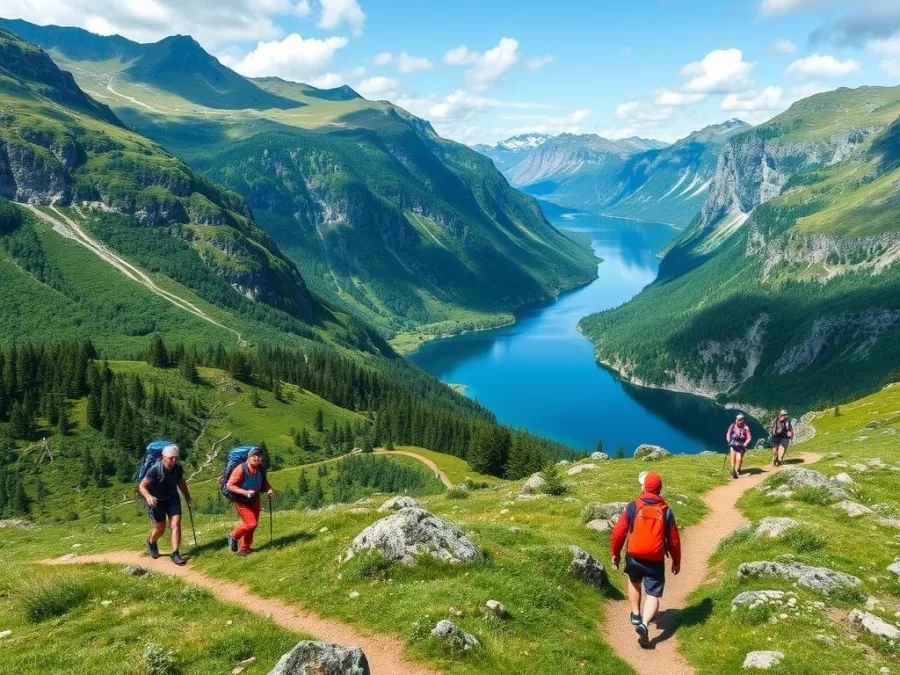
Norway tops our 2025 rankings with an impressive life expectancy of 83.5 years. The country’s success stems from its comprehensive approach to public health, combining universal healthcare access with environmental stewardship and active lifestyle promotion.
Key Health Indicators:
- Life Expectancy: 83.5 years
- Healthcare Spending: 10.5% of GDP
- Obesity Rate: 12.7% (one of the lowest among developed nations)
- Air Quality Index: 4.9 PM2.5 (excellent)
What Makes Norway Stand Out:
Norway’s approach to healthy living is deeply integrated into its culture and infrastructure. The Norwegian concept of “friluftsliv” (open-air living) encourages regular outdoor activity regardless of weather conditions. Cities are designed with extensive cycling infrastructure, and public transportation is efficient and widely used.
The country’s diet, rich in seafood, berries, and whole grains, provides excellent nutrition. Recent innovations include the 2023-2024 “Active Schools” initiative, which has increased physical activity among children by 40% through curriculum integration.
2. Japan
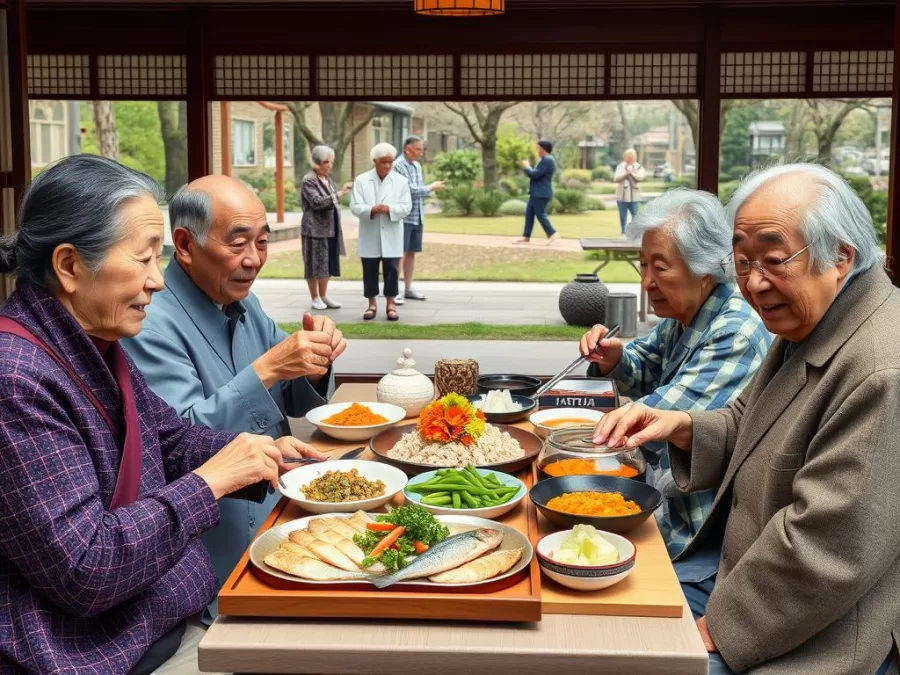
Japan maintains its position as a global leader in longevity with an extraordinary life expectancy of 84.9 years. The Japanese approach to health integrates traditional wisdom with modern healthcare excellence.
Key Health Indicators:
- Life Expectancy: 84.9 years
- Healthcare Spending: 10.7% of GDP
- Obesity Rate: 4.3% (lowest among developed nations)
- Air Quality Index: 11.7 PM2.5 (good)
What Makes Japan Stand Out:
Japan’s remarkable health outcomes stem from its traditional diet rich in fish, seaweed, fermented foods, and vegetables, with minimal processed foods and sugar. The cultural practice of “hara hachi bu” (eating until 80% full) helps maintain healthy weight.
Active transportation is the norm, with walking and cycling integrated into daily routines. The 2024 “Silver Century” initiative has further improved elderly care, focusing on maintaining independence and activity among seniors, resulting in healthier aging.
3. Switzerland

Switzerland excels with its world-class healthcare system and alpine lifestyle that promotes physical activity and clean living. With a life expectancy of 84.1 years, the Swiss enjoy one of the highest quality of life standards globally.
Key Health Indicators:
- Life Expectancy: 84.1 years
- Healthcare Spending: 11.3% of GDP
- Obesity Rate: 11.3%
- Air Quality Index: 10.2 PM2.5 (good)
What Makes Switzerland Stand Out:
Switzerland combines excellent healthcare access with a culture that values outdoor activity. The Swiss healthcare system provides universal coverage through mandatory insurance, ensuring everyone has access to high-quality care.
The Alpine environment encourages year-round outdoor activities, from skiing in winter to hiking in summer. The 2023 “Active Mobility” program has expanded cycling infrastructure nationwide, increasing regular cycling by 35% in major cities.
4. Spain

Spain continues to demonstrate the health benefits of the Mediterranean lifestyle, with a life expectancy of 83.8 years. The Spanish approach combines nutritional excellence with strong social connections and universal healthcare.
Key Health Indicators:
- Life Expectancy: 83.8 years
- Healthcare Spending: 9.1% of GDP
- Obesity Rate: 16.5%
- Air Quality Index: 12.8 PM2.5 (moderate)
What Makes Spain Stand Out:
Spain’s Mediterranean diet, rich in olive oil, fresh vegetables, legumes, and fish, is widely recognized for its heart-health benefits. The Spanish approach to eating emphasizes fresh, seasonal ingredients and social dining experiences.
The 2024 “Urban Greening” initiative has increased green spaces in major cities by 25%, improving air quality and providing more opportunities for outdoor recreation. Spain’s universal healthcare system ensures equitable access to medical services.
5. Iceland
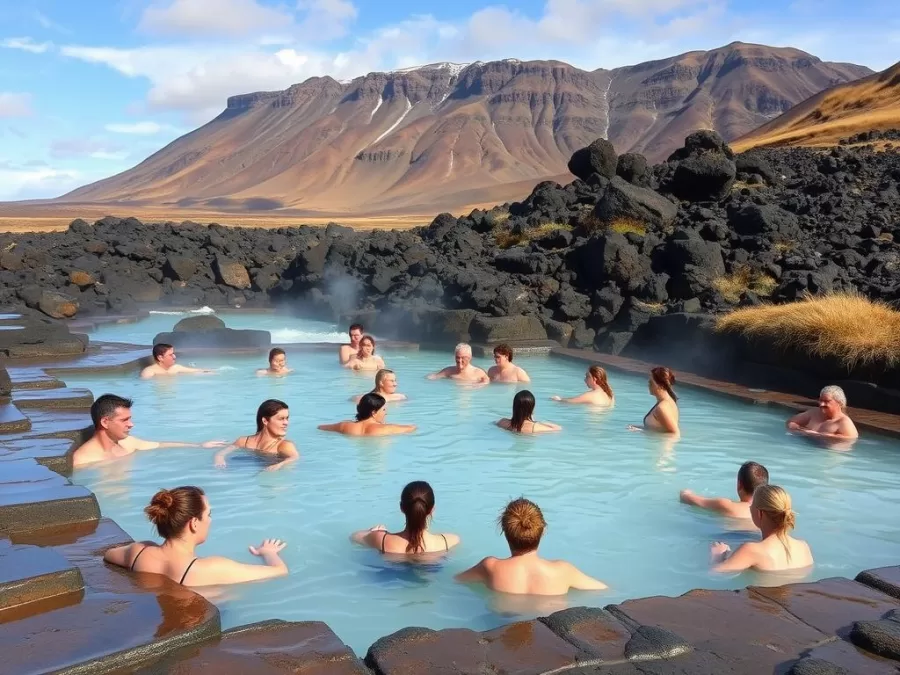
Iceland boasts exceptional environmental quality and a strong community-oriented approach to health. With a life expectancy of 83.0 years, Icelanders benefit from pristine natural surroundings and excellent healthcare.
Key Health Indicators:
- Life Expectancy: 83.0 years
- Healthcare Spending: 8.6% of GDP
- Obesity Rate: 21.9%
- Air Quality Index: 2.9 PM2.5 (excellent)
What Makes Iceland Stand Out:
Iceland’s exceptional air and water quality create an optimal environment for health. The country’s geothermal resources provide clean energy and popular hot springs that promote relaxation and social connection.
The Icelandic diet is rich in high-quality fish, dairy, and lean proteins. The 2023 “Mental Health First” program has made Iceland a leader in destigmatizing and treating mental health conditions, with accessible services throughout the country.
Completing the Top 10 Healthiest Countries
While the top five countries demonstrate exceptional health outcomes, the following five nations also offer valuable insights into creating environments that foster healthy lifestyles.
6. Finland

Finland ranks sixth with a life expectancy of 82.1 years. The Finnish approach to health emphasizes connection with nature, mental wellbeing, and universal healthcare access. The country’s “Forest Mind” program, launched in 2024, has formalized the health benefits of forest bathing, with doctors now prescribing nature time for stress reduction.
Key Health Factors:
- Universal healthcare with strong preventative focus
- Extensive green spaces and outdoor recreation
- Traditional sauna culture promoting circulation and stress reduction
- Strong work-life balance policies
- Diet rich in berries, whole grains, and lean proteins
7. Italy

Italy maintains its position among the healthiest countries with a life expectancy of 83.6 years. The Italian approach centers on the Mediterranean diet, strong family connections, and a healthcare system that emphasizes prevention. Recent innovations include the 2023 “Longevity Villages” initiative, which studies and preserves traditional lifestyle practices in regions with high concentrations of centenarians.
Key Health Factors:
- Mediterranean diet rich in olive oil, vegetables, and whole grains
- Strong social connections and family support systems
- Walking-friendly historic city centers
- Universal healthcare system with local community focus
- Emphasis on quality ingredients and traditional food preparation
8. Australia

Australia ranks eighth with a life expectancy of 84.1 years. The Australian lifestyle combines excellent healthcare with an outdoor culture that promotes physical activity. The 2024 “SunSmart Active” campaign has successfully balanced sun protection with adequate vitamin D exposure, addressing a key health challenge in the sunny climate.
Key Health Factors:
- High-quality universal healthcare system
- Strong outdoor and sports culture
- Abundant fresh produce and seafood
- Effective public health campaigns
- Clean air and water in most regions
9. Sweden

Sweden maintains its strong position with a life expectancy of 83.4 years. The Swedish approach balances technological innovation with traditional values of equality and sustainability. The 2023-2025 “Digital Health Access” program has revolutionized preventative care through personalized health monitoring and telemedicine.
Key Health Factors:
- Universal healthcare with strong digital integration
- Excellent work-life balance and parental leave policies
- Extensive cycling infrastructure and public transportation
- Diet rich in whole grains, berries, and fatty fish
- Strong environmental protections and clean air
10. Singapore

Singapore rounds out our top 10 with a life expectancy of 84.1 years. The city-state’s approach combines efficient healthcare delivery with innovative urban planning. The 2024 “Healthy Hawker” initiative has successfully improved the nutritional quality of traditional street food while preserving cultural culinary traditions.
Key Health Factors:
- Efficient healthcare system with both public and private options
- Extensive health education and prevention programs
- Integration of green spaces throughout urban environment
- Clean public spaces and excellent sanitation
- Strong food safety regulations and nutrition education
Common Patterns Among the Top 10 Countries with the Healthiest Lifestyles
Our analysis of the Top 10 Countries with the Healthiest Lifestyles 2025 reveals several consistent patterns that contribute to exceptional health outcomes. These shared characteristics offer valuable insights for nations looking to improve their population health.

Healthcare Systems
All top-ranking countries provide universal or near-universal healthcare access. Most employ a mix of public funding and private options, ensuring that financial barriers don’t prevent access to essential services. Preventative care is emphasized, with regular screenings and early intervention programs widely available.
Dietary Patterns
Despite regional variations, the healthiest nations share dietary commonalities: abundant fresh produce, moderate protein consumption, limited processed foods, and cultural traditions that value food quality over quantity. Both Mediterranean and traditional Asian diets feature prominently in our top 10.
Active Transportation
The healthiest countries have invested significantly in infrastructure supporting walking, cycling, and public transportation. Urban planning prioritizes human-powered movement, with extensive networks of bike lanes, pedestrian-friendly streets, and efficient public transit reducing car dependency.
Environmental Quality
Clean air, water, and abundant green spaces characterize the top-ranking nations. Strong environmental regulations protect natural resources, while urban planning incorporates nature into daily living environments. Access to outdoor recreation areas is prioritized as essential infrastructure.
Work-Life Balance
Perhaps most notably, the healthiest countries have established cultural and policy frameworks supporting balanced lifestyles. Reasonable working hours, generous vacation time, family leave policies, and cultural emphasis on leisure and social connection create environments where health can flourish.
“The consistent pattern across the healthiest nations isn’t wealth or resources—it’s prioritization. These countries have made conscious choices to value health in policy, infrastructure, and cultural norms.”
Ready to Experience World-Class Healthcare?
Whether you’re planning to relocate, travel extensively, or simply want to understand your international healthcare options, our experts can help you navigate global health systems with confidence.
Lessons from the World’s Healthiest Countries
The Top 10 Countries with the Healthiest Lifestyles 2025 offer valuable lessons that individuals and policymakers worldwide can apply. While complete healthcare system overhauls may not be feasible in the short term, many practices can be adapted and implemented at various scales.

For Individuals
Actionable Health Practices
- Prioritize fresh, minimally processed foods in your diet
- Incorporate movement into daily routines (walking, cycling)
- Cultivate strong social connections and community ties
- Practice stress-reduction techniques (forest bathing, sauna)
- Maintain work-life boundaries and prioritize adequate rest
Common Barriers
- Food deserts and limited access to fresh produce
- Car-dependent infrastructure in many regions
- Long working hours and limited vacation policies
- Digital distraction reducing face-to-face social connection
- Environmental challenges in densely populated areas
For Policymakers
The success of the healthiest nations demonstrates that policy choices significantly impact population health. Key policy areas that show consistent benefits include:
- Universal Healthcare Access: Ensuring all citizens can access preventative and essential medical services without financial hardship
- Active Transportation Infrastructure: Investing in pedestrian and cycling networks that make human-powered movement safe and convenient
- Food Policy: Supporting sustainable agriculture, nutrition education, and access to healthy foods
- Work-Life Legislation: Establishing reasonable working hours, paid leave, and family support policies
- Environmental Protection: Maintaining strict air and water quality standards and preserving natural spaces
Key Insight: The most successful health initiatives don’t rely solely on individual responsibility. They create environments where healthy choices become the easiest choices through thoughtful policy, infrastructure, and cultural support.
Future Trends: The Evolution of Healthy Lifestyles
As we analyze the Top 10 Countries with the Healthiest Lifestyles 2025, several emerging trends point to how global health approaches may evolve in coming years.

Emerging Health Priorities
Mental Health Integration
The top-ranked countries are increasingly recognizing mental health as inseparable from physical wellbeing. We expect to see continued expansion of mental health services, workplace stress reduction programs, and community support systems in coming years.
Technology-Enhanced Prevention
Digital health tools are transforming preventative care, with the healthiest nations leading in adoption of personalized health monitoring, AI-assisted diagnostics, and telemedicine. These technologies are making proactive health management more accessible and effective.
Climate-Resilient Health Systems
As environmental challenges intensify, the leading countries are developing health systems that can withstand and adapt to climate impacts. This includes heat-resistant infrastructure, emergency response capabilities, and addressing climate-related health risks.
Predictions for Future Rankings
Based on current trajectories, we anticipate several shifts in future healthy lifestyle rankings:
- Rising Contenders: Countries making significant investments in public health infrastructure and policy, such as Portugal, Costa Rica, and South Korea, may enter the top rankings in coming years
- Potential Challenges: Even top-ranked countries face challenges from aging populations, climate impacts, and mental health concerns that could affect future standings
- Innovation Leaders: Nations that successfully integrate technological innovations with traditional health wisdom will likely maintain or improve their positions
Looking Ahead: The most successful countries will be those that adapt to emerging health challenges while maintaining the foundational elements that have proven effective: universal healthcare access, supportive environments for physical activity, nutritious food systems, strong social connections, and clean environments.
Conclusion: Learning from the Top 10 Countries with the Healthiest Lifestyles
Our analysis of the Top 10 Countries with the Healthiest Lifestyles 2025 reveals that the healthiest nations share common approaches despite their geographic and cultural differences. Universal healthcare access, environments supporting physical activity, nutritious dietary patterns, strong social connections, and clean environments form the foundation of healthy societies.

While individual choices matter, the most successful countries demonstrate that creating supportive environments through thoughtful policy and infrastructure makes healthy living accessible to all citizens. As global health challenges evolve, the nations that continue to prioritize holistic wellbeing while adapting to emerging needs will maintain their leadership in fostering healthy, fulfilling lives.
Whether you’re an individual seeking to adopt healthier practices, a community leader working to improve local conditions, or a policymaker addressing population health, the examples set by these leading nations offer valuable blueprints for creating environments where health and wellbeing can flourish.
Frequently Asked Questions About the Healthiest Countries
What makes a country “healthy” in the 2025 rankings?
Our 2025 rankings evaluate countries based on multiple factors: healthcare quality and accessibility, dietary patterns, physical activity levels, mental wellbeing metrics, environmental quality, and government policies supporting health. We analyze both health outcomes (like life expectancy and disease rates) and the systems and environments that promote healthy living.
Are the healthiest countries also the wealthiest?
While there is some correlation between national wealth and health outcomes, our analysis shows that policy choices and cultural factors often matter more than raw economic power. Several countries achieve exceptional health outcomes despite more modest GDP per capita by prioritizing preventative care, healthy environments, and equitable access to resources.
How can I adopt healthy practices from these countries?
Many practices from the healthiest countries can be adapted to different contexts. Consider incorporating more fresh, minimally processed foods into your diet; finding ways to integrate movement into daily routines; prioritizing social connections; establishing healthy work-life boundaries; and spending time in natural environments. Even small changes based on these principles can yield significant health benefits over time.
Have the rankings changed significantly from previous years?
While many countries maintain consistent positions, we’ve seen some notable shifts in the 2025 rankings. Environmental factors have become increasingly influential, with countries experiencing declining air quality seeing corresponding drops in their rankings. Additionally, nations that have successfully implemented innovative mental health initiatives have generally improved their positions, reflecting the growing recognition of mental wellbeing as essential to overall health.
What about healthcare for visitors or expatriates in these countries?
Most of the top-ranked countries offer excellent healthcare to visitors and residents alike, though access systems vary. Some provide emergency care to all regardless of residency status, while others require travel insurance or temporary resident coverage. Expatriates typically need to participate in the local healthcare system or maintain international health insurance. If you’re planning extended travel or relocation to any of these countries, researching their specific healthcare access requirements is essential.

Priyanka Pandey
Senior Research Editor · Top10Sense
Priyanka specializes in tech, consumer products, and digital trends. She combines hands-on testing, vendor interviews, and database research to create trustworthy “Top 10” rankings. Her work has been referenced by industry blogs and brand report pages.