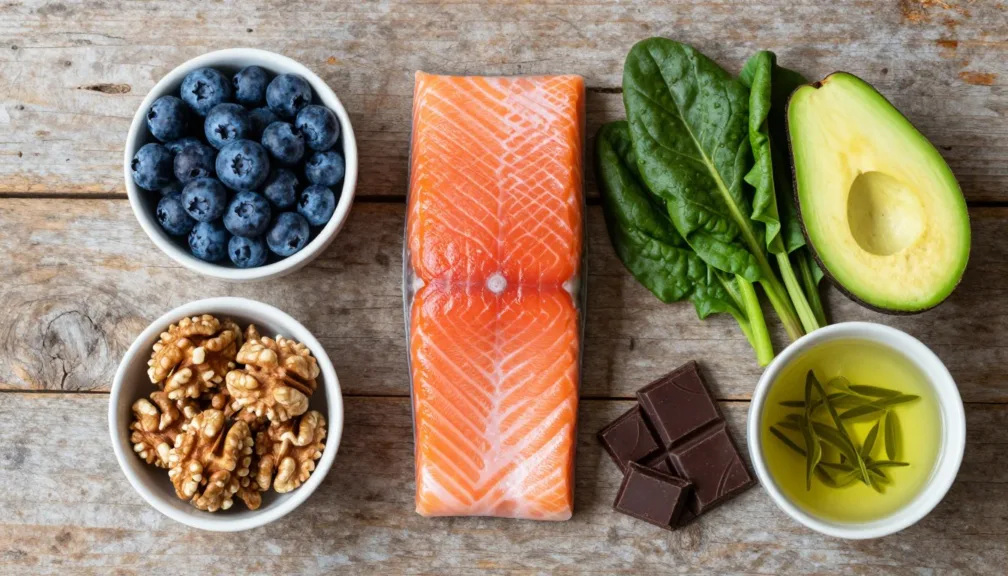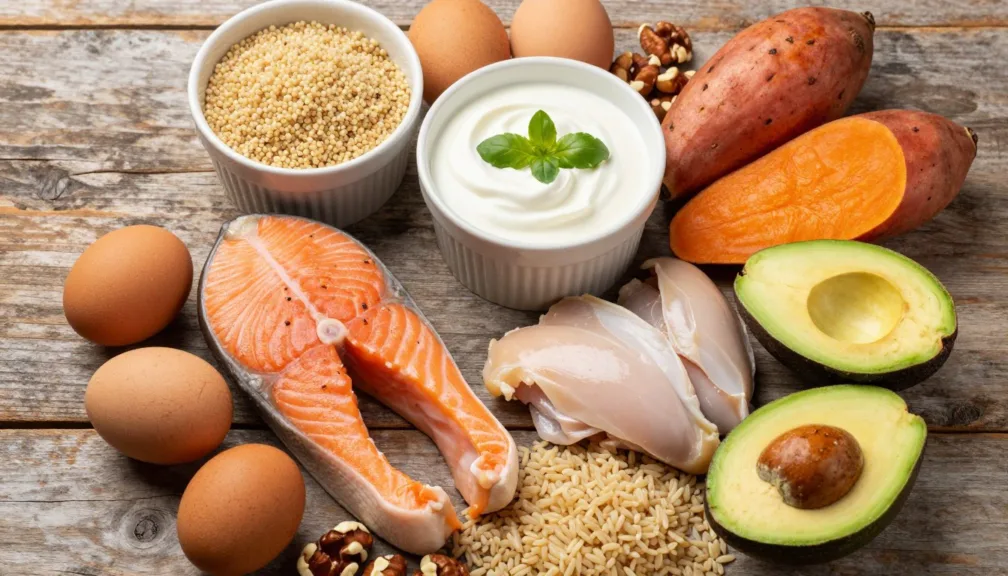
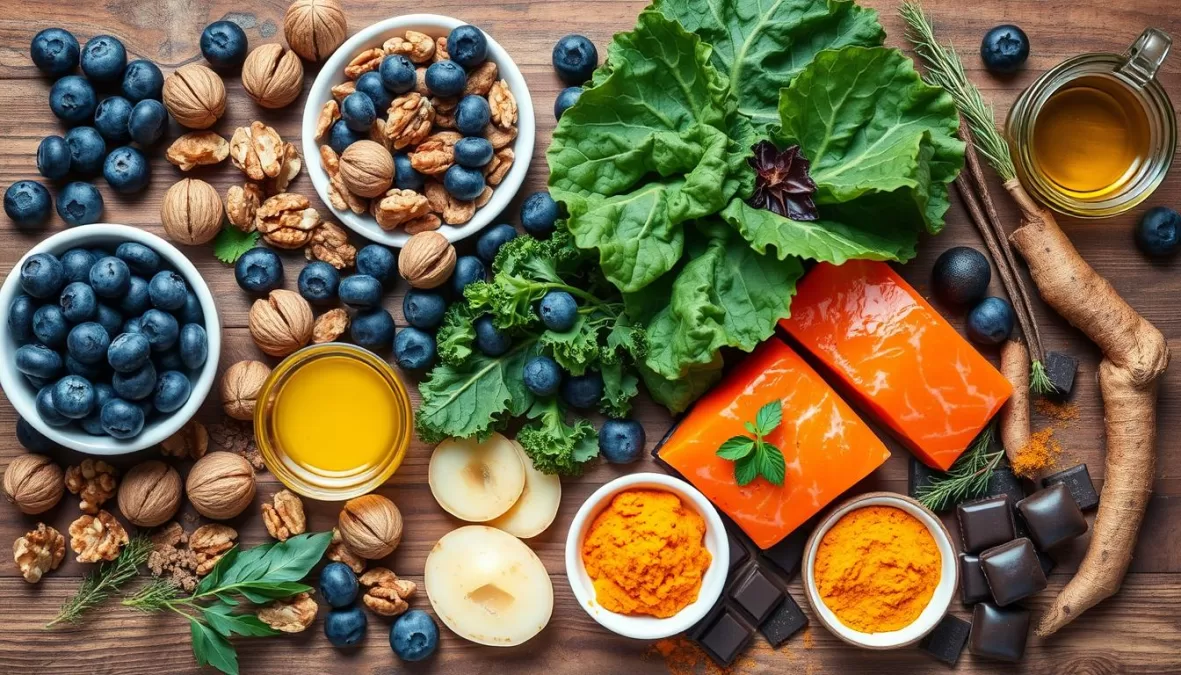
The term “superfood” has become increasingly popular in health and nutrition circles. While no single food can provide all the nutrition we need, certain foods stand out for their exceptional nutrient density and proven health benefits. These superfoods backed by science offer an impressive array of vitamins, minerals, antioxidants, and other compounds that support overall health and may help prevent chronic diseases.
What makes these foods truly “super” isn’t marketing hype, but rather solid scientific research demonstrating their positive effects on health. From reducing inflammation to supporting heart health and boosting brain function, these nutritional powerhouses deserve a place in your regular diet. Let’s explore the top 10 superfoods with substantial scientific evidence behind their health claims.
The Top 10 Science-Backed Superfoods
These foods have been extensively studied and shown to provide significant health benefits when incorporated into a balanced diet. Each offers a unique nutritional profile and evidence-based advantages for your health.
A variety of nutrient-dense superfoods that have been scientifically proven to benefit health
1. Berries
Berries are nutritional powerhouses packed with vitamins, minerals, fiber, and especially antioxidants. Blueberries, strawberries, raspberries, and blackberries contain anthocyanins, powerful compounds that give them their vibrant colors and provide numerous health benefits.
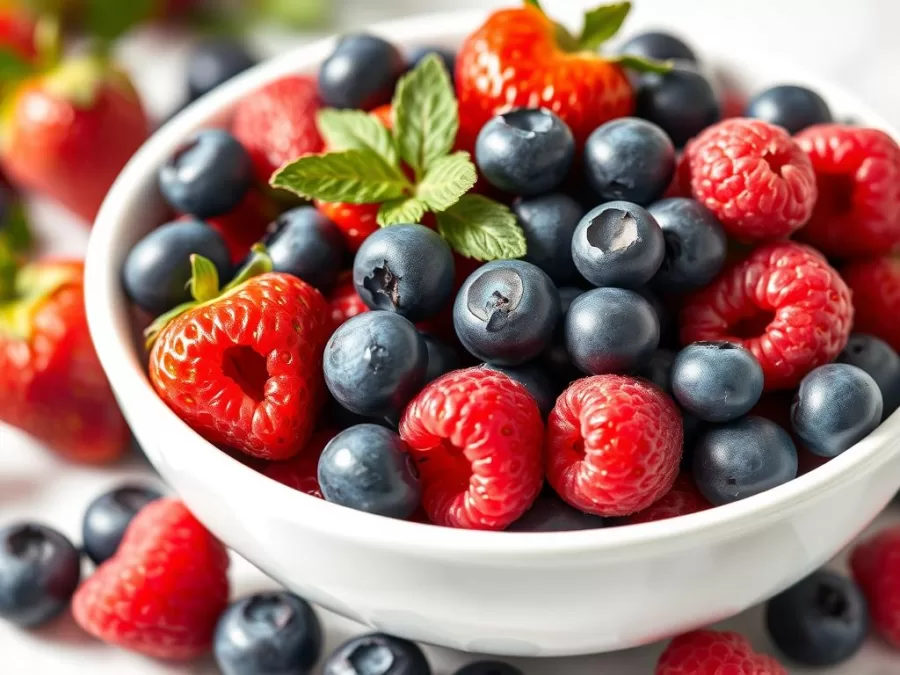
A 2019 study published in The American Journal of Clinical Nutrition found that consuming just one cup of berries daily improved cardiovascular markers and reduced the risk of heart disease. Another study in the Journal of Agricultural and Food Chemistry demonstrated that berries can help reduce inflammation and oxidative stress, which are linked to various chronic diseases.
How to enjoy: Add a handful to your morning oatmeal or yogurt, blend into smoothies, or simply enjoy as a snack. Frozen berries retain most of their nutritional value and are convenient year-round.
2. Leafy Greens
Dark leafy greens like kale, spinach, Swiss chard, and collard greens are among the most nutrient-dense foods on the planet. They’re excellent sources of vitamins A, C, and K, folate, potassium, magnesium, calcium, iron, and fiber.
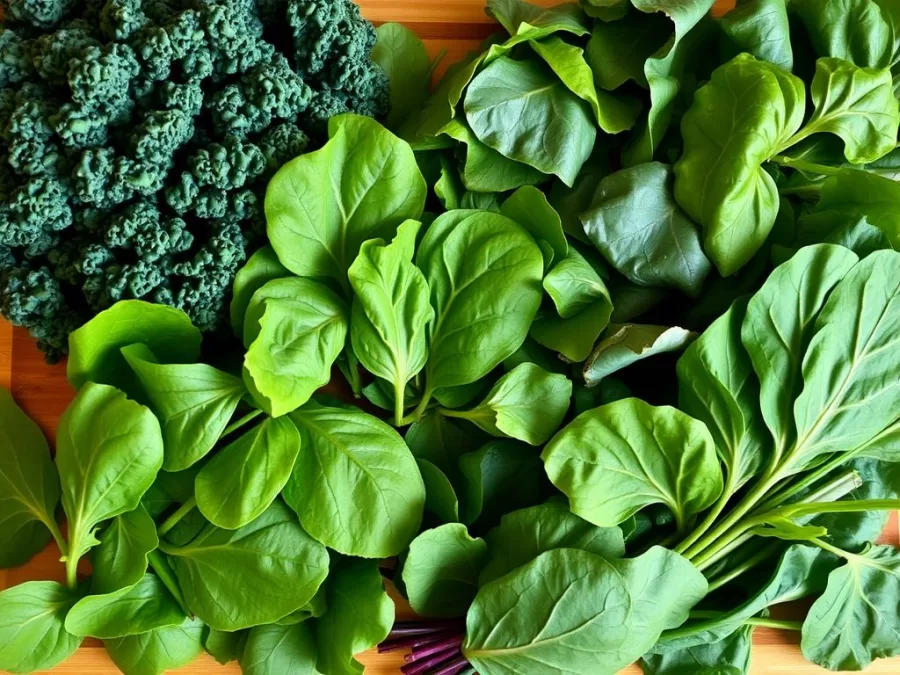
Research published in Neurology found that people who ate at least one serving of leafy greens daily experienced slower cognitive decline compared to those who rarely consumed them. The study suggested that the equivalent of about one cup of raw greens per day could help maintain brain health as we age.
How to enjoy: Add to salads, sauté with garlic and olive oil as a side dish, blend into smoothies, or add to soups and stews. For maximum nutrient absorption, pair with a small amount of healthy fat like olive oil or avocado.
3. Fatty Fish
Fatty fish such as salmon, mackerel, sardines, and trout are exceptional sources of omega-3 fatty acids, high-quality protein, vitamin D, and selenium. The omega-3s EPA and DHA are particularly important for brain and heart health.

A comprehensive review in the Journal of the American Medical Association found that regular consumption of fatty fish was associated with a 36% reduced risk of dying from heart disease. The American Heart Association recommends eating fish (particularly fatty fish) at least twice per week.
How to enjoy: Aim for 2-3 servings (4-6 ounces each) of fatty fish per week. Grill, bake, or broil with herbs and lemon for a simple, delicious meal. Canned salmon and sardines are convenient, affordable options.
4. Nuts and Seeds
Nuts and seeds are nutrient-dense foods rich in healthy fats, protein, fiber, vitamins, minerals, and antioxidants. Walnuts, almonds, flaxseeds, and chia seeds are particularly notable for their health benefits.
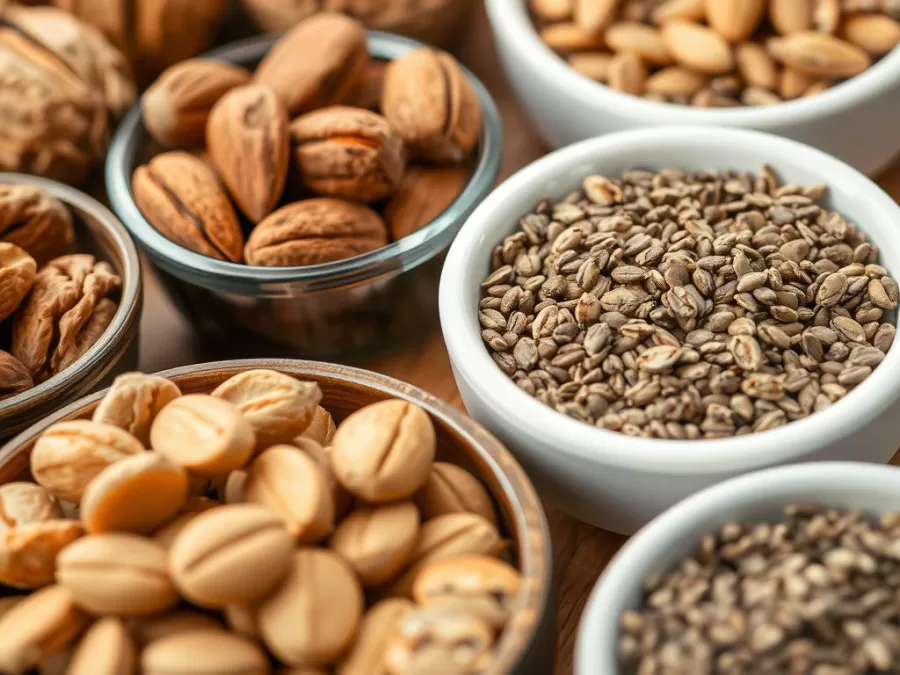
A large study published in BMC Medicine that followed over 800,000 participants found that higher nut consumption was associated with reduced risk of cardiovascular disease, cancer, and all-cause mortality. Just a small handful (about 1 ounce) daily can provide significant health benefits.
How to enjoy: Add a tablespoon of ground flaxseed or chia seeds to smoothies or oatmeal. Snack on a small handful of mixed nuts, or add chopped walnuts or almonds to salads and yogurt. Remember that nuts are calorie-dense, so portion control is important.
5. Olive Oil
Extra virgin olive oil is a cornerstone of the Mediterranean diet and contains monounsaturated fats, vitamin E, and numerous bioactive compounds with anti-inflammatory and antioxidant properties.

The landmark PREDIMED study published in the New England Journal of Medicine found that a Mediterranean diet supplemented with extra virgin olive oil reduced the risk of major cardiovascular events by 30%. The polyphenols in olive oil have been shown to reduce inflammation and oxidative stress.
How to enjoy: Use as a salad dressing with lemon and herbs, drizzle over cooked vegetables, or use for low to medium-heat cooking. Aim for 1-2 tablespoons daily, and choose extra virgin olive oil for maximum health benefits.
6. Cruciferous Vegetables
Cruciferous vegetables like broccoli, Brussels sprouts, cauliflower, and cabbage contain unique compounds called glucosinolates that are converted to isothiocyanates when chopped or chewed. These compounds have been studied for their potential cancer-fighting properties.
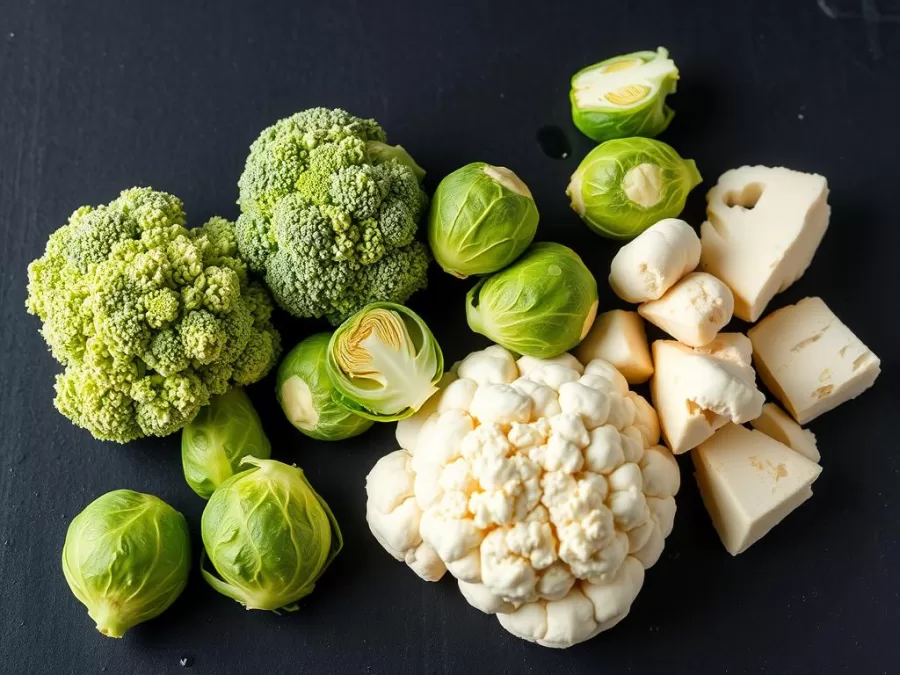
Research published in the Annals of Oncology found that high intake of cruciferous vegetables was associated with reduced risk of several types of cancer. These vegetables are also rich in fiber, vitamins C and K, and various minerals.
How to enjoy: Lightly steam or roast with olive oil and garlic to preserve nutrients while enhancing flavor. Add to stir-fries, soups, or enjoy raw with hummus. Aim for at least 2-3 servings per week.
7. Legumes
Legumes such as beans, lentils, chickpeas, and peas are excellent sources of plant protein, fiber, B vitamins, iron, zinc, magnesium, and potassium. They’re also low in fat and contain no cholesterol.
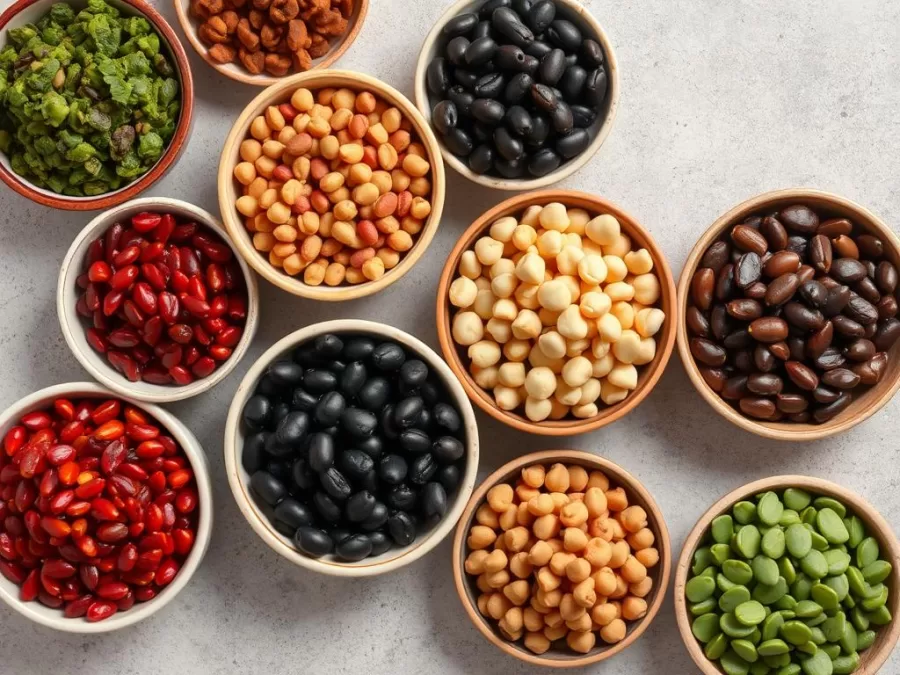
A meta-analysis published in the American Journal of Clinical Nutrition found that daily consumption of legumes was associated with reduced LDL cholesterol and improved heart health markers. Another study in JAMA Internal Medicine linked legume consumption with increased longevity.
How to enjoy: Add beans to soups, salads, and grain bowls. Make hummus from chickpeas for a nutritious dip. Try lentil soup or dal. Aim for at least 3 servings per week. If you’re not used to eating legumes, introduce them gradually to allow your digestive system to adjust.
8. Green Tea
Green tea contains powerful antioxidants called catechins, particularly epigallocatechin gallate (EGCG), which has been extensively studied for its health benefits. It also provides a moderate amount of caffeine and the amino acid L-theanine, which can improve brain function.

A large study published in the Journal of the American Medical Association found that people who drank at least 5 cups of green tea daily had a significantly lower risk of death from all causes, particularly cardiovascular disease. The antioxidants in green tea have also been linked to improved brain function and fat loss.
How to enjoy: Brew green tea with water that’s hot but not boiling (around 175°F) for 2-3 minutes. Drink 2-3 cups daily. Add a squeeze of lemon to enhance the absorption of catechins. Avoid adding green tea to very hot water as it can destroy some of the beneficial compounds.
9. Turmeric
Turmeric contains curcumin, a powerful anti-inflammatory compound with numerous health benefits. However, curcumin is poorly absorbed into the bloodstream without help.

A review published in Foods journal highlighted curcumin’s potential in preventing and treating various chronic diseases including arthritis, metabolic syndrome, and anxiety. Clinical trials have shown that curcumin can be as effective as some anti-inflammatory drugs, but without the side effects.
How to enjoy: Add to curries, soups, smoothies, or make golden milk by combining with warm plant milk and a pinch of black pepper (which enhances absorption by 2,000%). Supplements are also available, but choose ones that include piperine (black pepper extract) for better absorption.
10. Fermented Foods
Fermented foods like yogurt, kefir, sauerkraut, kimchi, and kombucha contain probiotics, beneficial bacteria that support gut health. A healthy gut microbiome is increasingly linked to improved immunity, better mental health, and reduced inflammation.

Research published in the Journal of Physiological Anthropology found that fermented foods can help reduce anxiety and improve mood through the gut-brain connection. A study in Cell showed that a diet rich in fermented foods increased microbiome diversity and reduced markers of inflammation.
How to enjoy: Include a variety of fermented foods in your diet. Add a spoonful of sauerkraut or kimchi to meals, enjoy plain yogurt with fruit and nuts, or drink small amounts of kefir or kombucha. If you’re new to fermented foods, start with small portions and gradually increase to allow your system to adjust.
How to Incorporate Superfoods Into Your Daily Diet
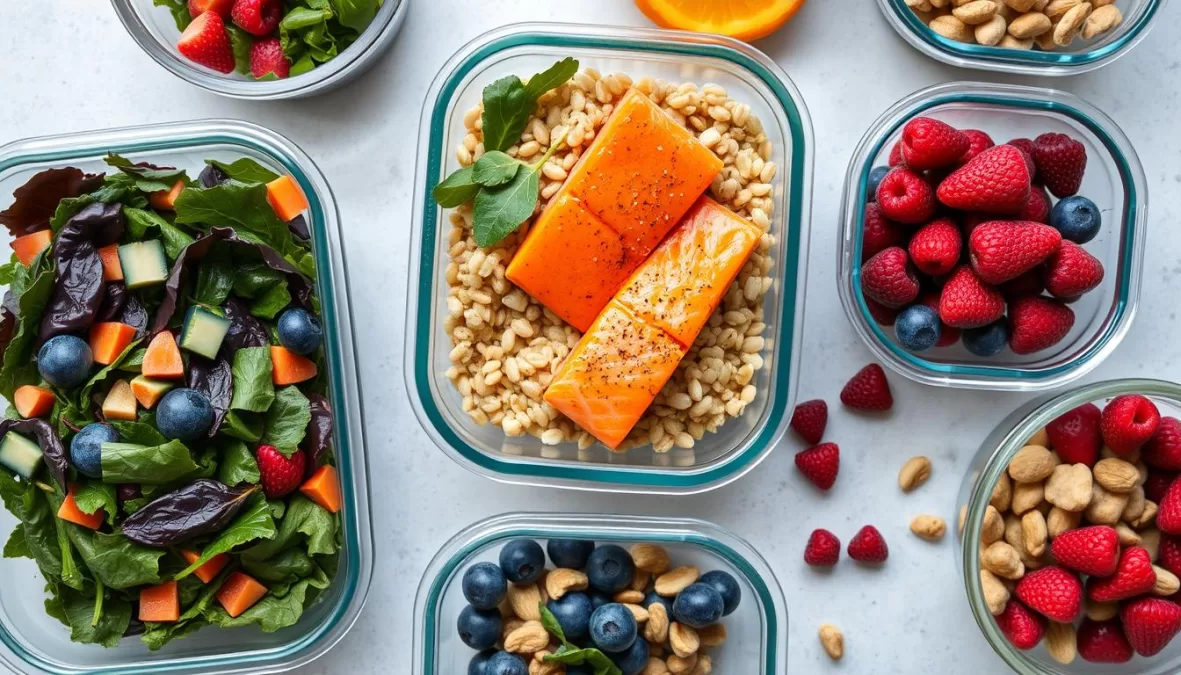
Adding superfoods to your diet doesn’t have to be complicated or expensive. Here are some practical tips for incorporating these nutritional powerhouses into your daily meals:
Breakfast Ideas
- Add berries and ground flaxseeds to oatmeal or yogurt
- Make a green smoothie with spinach, berries, and a teaspoon of turmeric
- Enjoy whole grain toast with avocado and a boiled egg
- Try overnight oats with chia seeds, nuts, and cinnamon
Lunch and Dinner Ideas
- Create grain bowls with legumes, roasted vegetables, and olive oil
- Add leafy greens to soups, stews, and pasta dishes
- Include fatty fish like salmon twice a week
- Use herbs and spices like turmeric and ginger in cooking
“Let food be thy medicine and medicine be thy food.” This ancient wisdom from Hippocrates aligns perfectly with the modern science behind superfoods. The key is consistency and variety rather than focusing on any single food.
The Science Behind Superfoods

What makes superfoods truly “super” is their exceptional nutrient density and bioactive compounds that provide health benefits beyond basic nutrition. Here’s what science tells us about how these foods work in our bodies:
Antioxidant Power
Many superfoods are rich in antioxidants, compounds that help neutralize harmful free radicals in the body. Free radicals are unstable molecules that can damage cells and contribute to aging and diseases like cancer. The ORAC (Oxygen Radical Absorbance Capacity) scale measures the antioxidant capacity of foods, with berries, dark chocolate, and certain spices ranking particularly high.
Anti-inflammatory Effects
Chronic inflammation is linked to numerous diseases including heart disease, diabetes, and arthritis. Many superfoods contain compounds that help reduce inflammation. For example, the omega-3 fatty acids in fish, the curcumin in turmeric, and the polyphenols in olive oil and berries all demonstrate anti-inflammatory properties in research studies.
Gut Microbiome Support
Emerging research highlights the importance of gut health for overall wellbeing. Fermented foods provide beneficial probiotics, while fiber-rich foods like legumes, nuts, and vegetables act as prebiotics, feeding the good bacteria in our gut. A 2021 study in Cell found that a diet rich in fermented foods increased microbiome diversity and reduced markers of inflammation.
Conclusion: Balance is Key
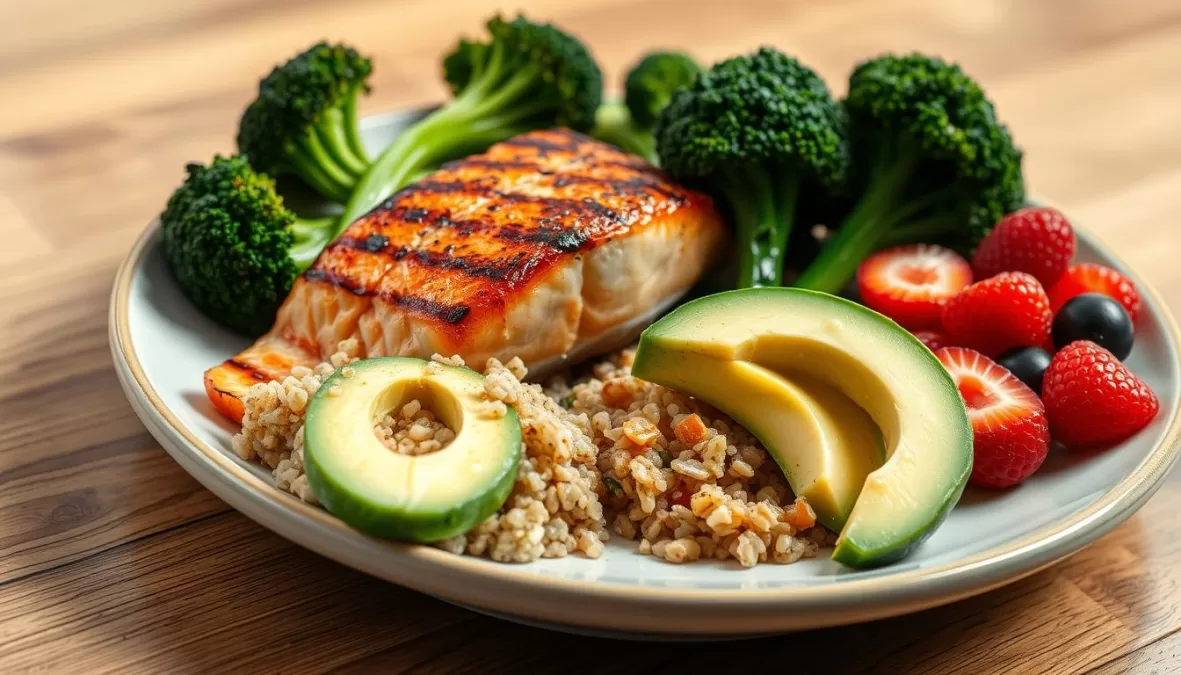
While these superfoods backed by science offer impressive health benefits, it’s important to remember that no single food can provide all the nutrition we need. The true power of superfoods comes from incorporating a variety of them into an overall balanced diet rich in whole, minimally processed foods.
Rather than focusing exclusively on “superfoods,” aim for a diverse diet that includes plenty of fruits, vegetables, whole grains, lean proteins, and healthy fats. This approach ensures you get a wide range of nutrients and beneficial compounds that work synergistically to support optimal health.
Personalize Your Nutrition Plan
Everyone’s nutritional needs are different based on age, health status, activity level, and personal goals. For personalized guidance on incorporating these superfoods into your diet in a way that works for your unique needs, consider consulting with a registered dietitian or nutritionist.
By making these science-backed superfoods regular features in your meals, you’ll be taking a significant step toward better health and potentially reducing your risk of chronic diseases. Remember that small, consistent changes to your diet can lead to meaningful health improvements over time.

Priyanka Pandey
Senior Research Editor · Top10Sense
Priyanka specializes in tech, consumer products, and digital trends. She combines hands-on testing, vendor interviews, and database research to create trustworthy “Top 10” rankings. Her work has been referenced by industry blogs and brand report pages.