As we navigate through 2025, technological innovation continues to accelerate at an unprecedented pace, fundamentally reshaping industries, economies, and our daily lives. From AI-powered systems that operate without human intervention to revolutionary advances in clean energy, this year’s breakthrough technologies are solving complex global challenges while opening new frontiers of possibility. In this comprehensive analysis, we examine the ten most significant technological breakthroughs of 2025, their real-world applications, and their potential to transform our future.
Key Takeaways
- Agentic AI systems are operating autonomously across industries, reducing human intervention
- Quantum computing has reached commercial viability, solving previously impossible problems
- Neuromorphic computing is revolutionizing how machines process information
- Green energy technologies are making significant strides toward carbon neutrality
- Generative watermarking is addressing digital trust challenges in the age of AI
1. Agentic AI
Agentic AI represents a fundamental shift from traditional AI systems, moving beyond query-response models to autonomous agents capable of performing complex tasks without human intervention. These systems can independently plan, reason, and execute multi-step processes across various domains.
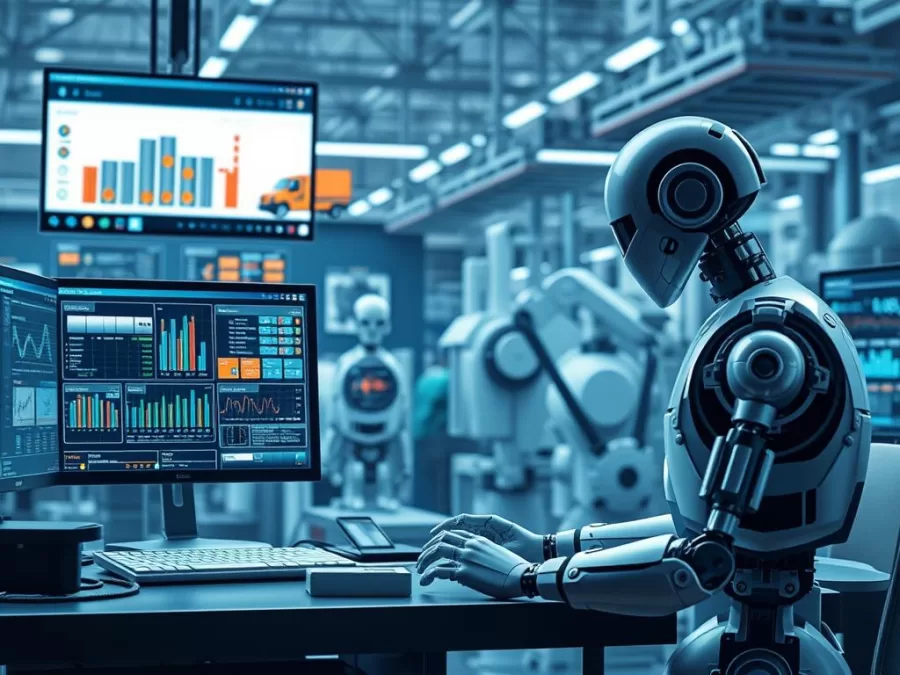
According to Gartner’s research, agentic AI tops the list of strategic technology trends for 2025. Unlike conventional AI models that require continuous human guidance, these autonomous systems can navigate complex environments, make decisions based on multiple data sources, and adapt to changing conditions in real-time.
“Agentic AI represents the next evolution in artificial intelligence, where systems don’t just respond to queries but proactively solve problems and execute tasks with minimal human oversight,” explains Dr. Melissa Chen, AI Research Director at Stanford’s Institute for Human-Centered Artificial Intelligence.
Real-World Applications
- Self-driving vehicle fleets that coordinate with each other and adapt to traffic patterns
- Supply chain optimization systems that autonomously adjust to disruptions
- Healthcare assistants that monitor patient data and coordinate care across providers
- Financial systems that detect fraud patterns and implement protective measures
- Manufacturing processes with autonomous quality control and optimization
- Customer service networks that resolve complex issues without human escalation
2. Quantum Computing
2025 marks a pivotal year for quantum computing as it transitions from theoretical promise to practical application. These systems leverage quantum mechanics principles to process information exponentially faster than classical computers for specific tasks, solving previously intractable problems.
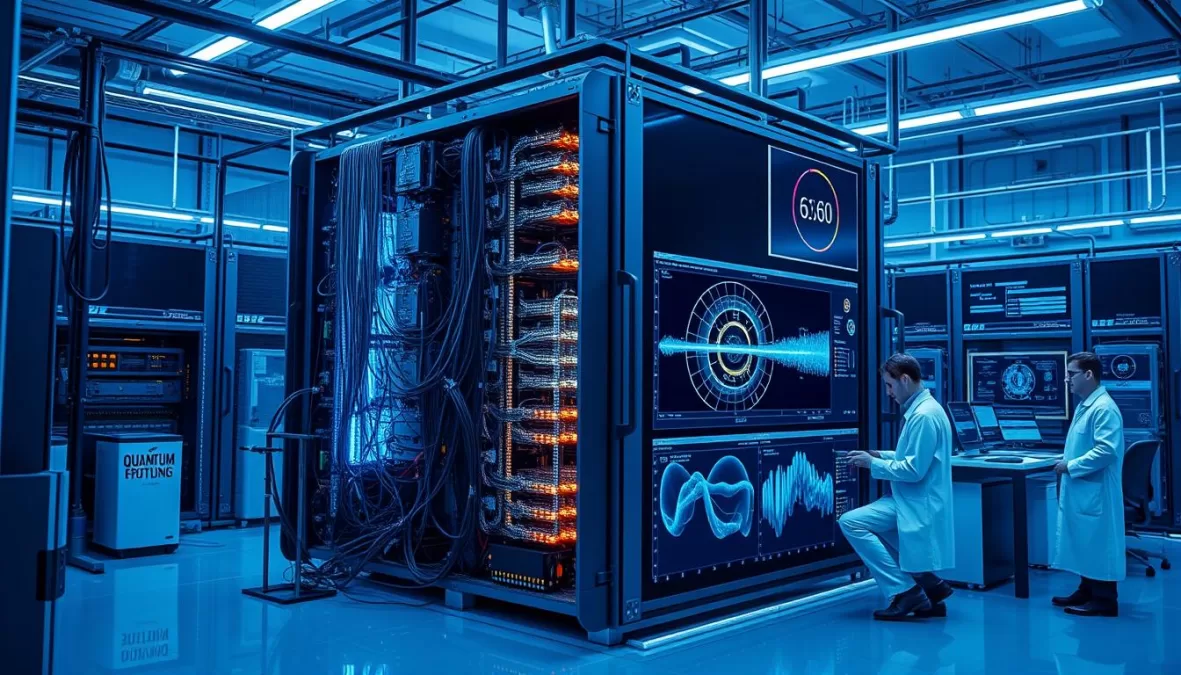
Alphabet’s 105-qubit Willow processor represents a significant milestone, capable of solving certain problems in minutes that would take traditional supercomputers millions of years. This quantum advantage is now being applied to real-world challenges across multiple industries.
Industries Transformed by Quantum Computing
Pharmaceuticals
Accelerating drug discovery by simulating molecular interactions with unprecedented accuracy, reducing development timelines from years to months.
Cybersecurity
Developing quantum-resistant encryption while simultaneously creating new security protocols for the post-quantum era.
Logistics
Optimizing complex supply chains and transportation networks through calculations impossible for classical computers.
“We’ve crossed the threshold where quantum computers can solve meaningful problems faster than any classical alternative. This isn’t just an incremental improvement—it’s a fundamentally different approach to computation,” states Dr. Robert Sutor, quantum computing pioneer.
Stay Ahead of Technology Trends
Subscribe to our monthly Tech Horizon newsletter for exclusive insights on emerging technologies and their business applications.
3. Neuromorphic Computing
Neuromorphic computing represents a revolutionary approach to information processing by mimicking the neural structure and function of the human brain. Unlike traditional von Neumann architecture, neuromorphic systems process information in parallel through artificial neurons and synapses, dramatically improving efficiency for certain tasks.
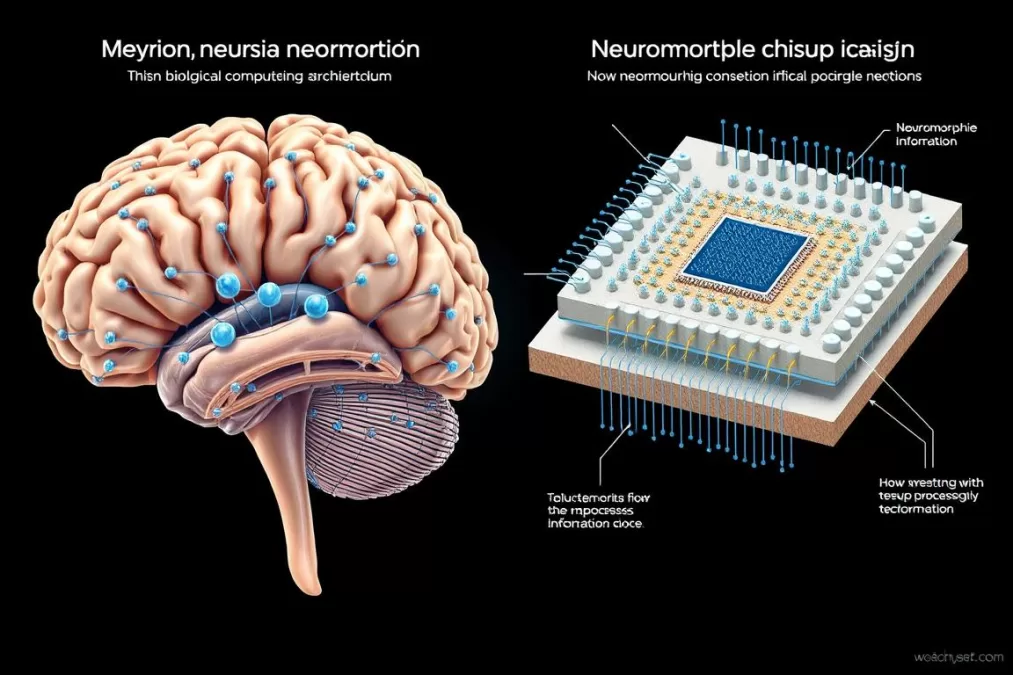
In 2025, neuromorphic chips have achieved remarkable energy efficiency—consuming just 1/1000th of the power of traditional processors for pattern recognition and sensory processing tasks. This breakthrough enables edge computing applications previously impossible due to power constraints.
Key Advantages
Energy Efficiency
Neuromorphic systems require significantly less power than conventional computing architectures, making them ideal for battery-powered devices and remote applications.
Real-Time Learning
These systems can adapt and learn from new data without requiring complete retraining, similar to how the human brain continuously adjusts to new information.
According to research published in Nature Electronics, neuromorphic computing is particularly transformative for applications requiring real-time sensory processing, such as autonomous vehicles, smart city infrastructure, and advanced robotics.
4. Next-Generation Nuclear Energy
As AI and other computing-intensive technologies drive unprecedented energy demands, next-generation nuclear energy has emerged as a critical solution for clean, reliable power. Small modular reactors (SMRs) and advanced fission designs are revolutionizing how we think about nuclear power.
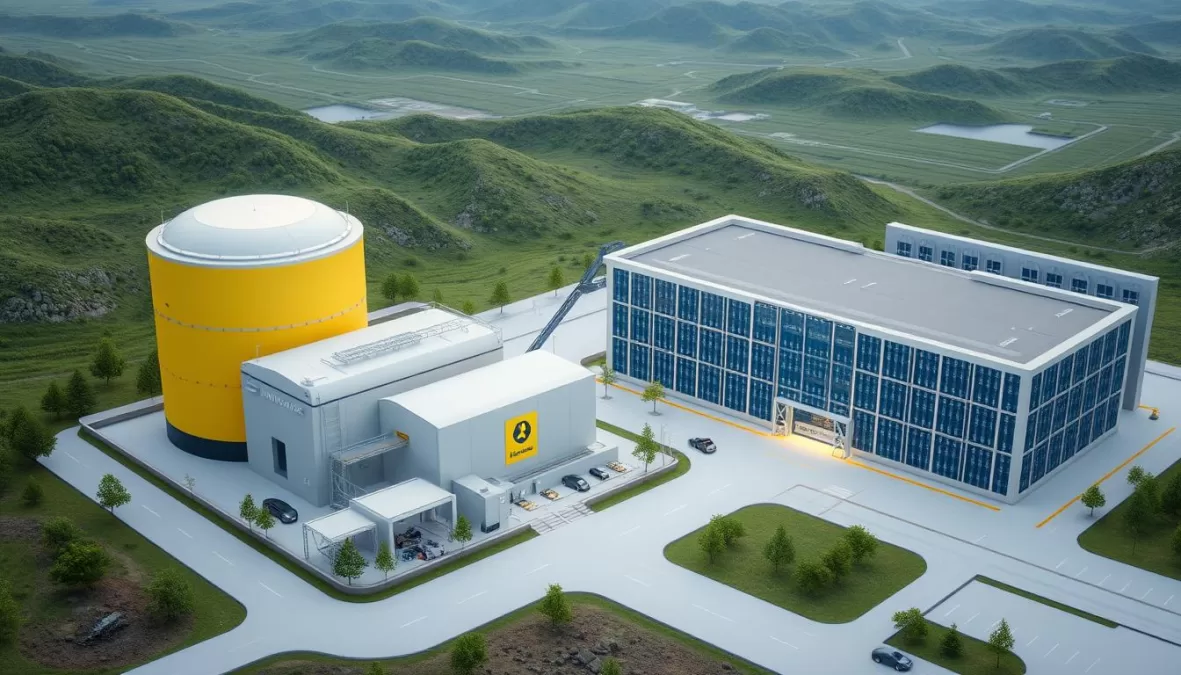
These new nuclear technologies address historical concerns through inherent safety features, reduced waste production, and modular designs that can be manufactured in factories rather than custom-built on site. The result is nuclear power that can be deployed faster, at lower cost, and with enhanced safety profiles.
“The energy demands of AI infrastructure are growing exponentially, and next-gen nuclear represents one of the few scalable zero-carbon options capable of meeting this demand,” notes Dr. Arun Majumdar, energy systems expert at Stanford University.
Key Developments
- Tech giants have begun direct investment in SMR technology to power their expanding AI data centers
- Regulatory frameworks have evolved to accelerate approval of inherently safer designs
- Advanced fuel cycles reduce waste concerns and improve resource utilization
- Integration with renewable energy systems creates resilient hybrid power solutions
5. Generative Watermarking
As AI-generated content becomes increasingly indistinguishable from human-created work, generative watermarking has emerged as a critical technology for maintaining digital trust. These sophisticated techniques embed invisible signatures into AI-generated text, images, audio, and video, allowing content to be traced to its source.
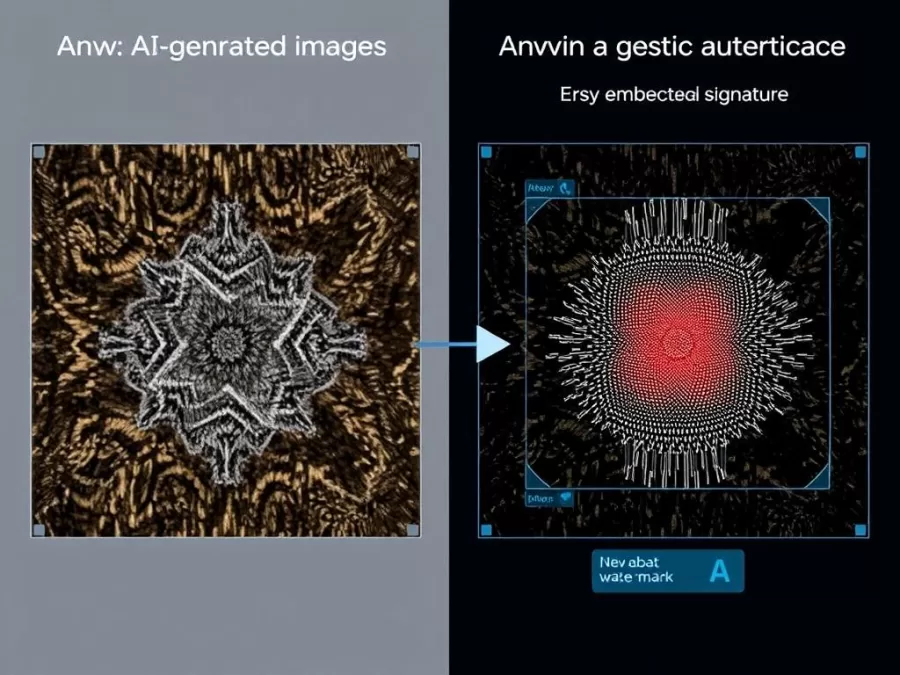
Unlike traditional visible watermarks, these embedded signatures are designed to survive common modifications like cropping, compression, and format conversion while remaining imperceptible to human viewers. The technology provides a crucial foundation for accountability in an era of synthetic media.
Applications and Impact
Combating Misinformation
Media organizations and fact-checkers can quickly verify the origin of content, helping to identify potentially misleading synthetic media.
Intellectual Property Protection
Creators can prove ownership of AI-generated assets, enabling proper attribution and licensing in creative industries.
According to the World Economic Forum’s 2025 report, generative watermarking represents one of the most important technological safeguards against the potential misuse of AI content generation tools.
6. Engineered Living Therapeutics
Engineered living therapeutics represent a paradigm shift in medicine, using modified living cells as programmable therapeutic agents. These biological systems can be designed to perform specific functions within the body, from targeted drug delivery to continuous monitoring of health conditions.

In 2025, clinical applications have expanded beyond early cancer immunotherapies to include treatments for metabolic disorders, autoimmune conditions, and even neurodegenerative diseases. These living medicines can adapt to changing conditions within the body, providing personalized treatment that evolves with the patient’s needs.
“Engineered living therapeutics represent the next frontier in precision medicine—treatments that don’t just deliver a static drug but can sense, compute, and respond to the unique conditions within each patient,” explains Dr. Jennifer Collins, biotechnology researcher at MIT.
Breakthrough Applications
- Programmable bacteria that produce therapeutic compounds directly at disease sites
- Modified immune cells that can recognize and eliminate specific disease markers
- Living biosensors that monitor health conditions and release treatments when needed
- Tissue-integrated living systems that support organ function and promote healing
7. GLP-1s for Neurodegenerative Diseases
In a remarkable example of therapeutic repurposing, GLP-1 receptor agonists—originally developed for diabetes and later weight management—have emerged as promising treatments for neurodegenerative conditions like Alzheimer’s and Parkinson’s disease.
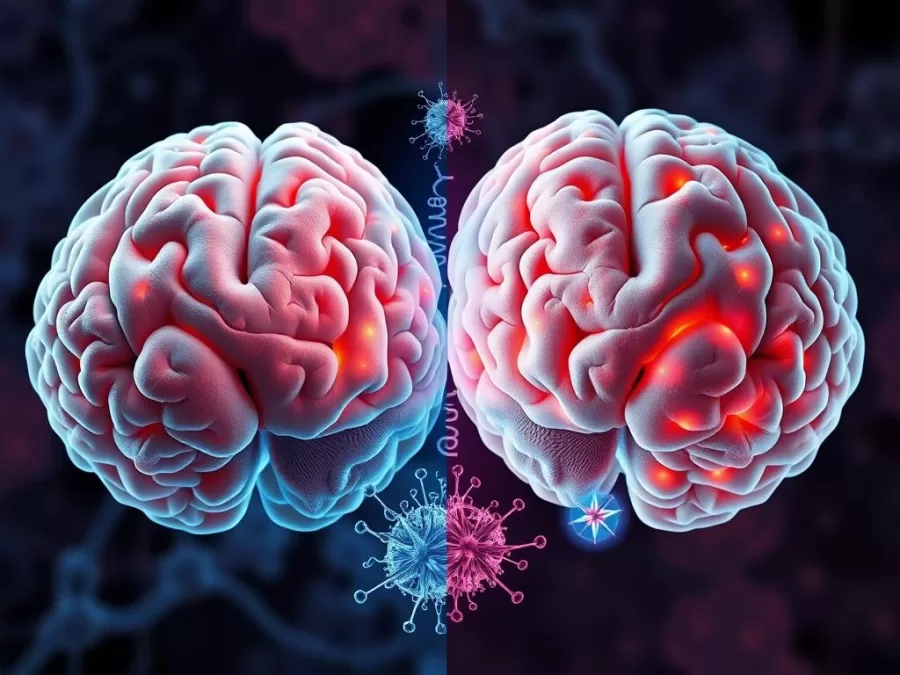
These medications appear to address multiple pathological mechanisms in neurodegenerative diseases, including inflammation, insulin resistance in brain tissue, and abnormal protein accumulation. Clinical trials in 2025 have shown significant slowing of cognitive decline in early-stage Alzheimer’s patients.
Mechanism and Evidence
GLP-1 receptor agonists work through several neuroprotective pathways:
- Reducing neuroinflammation that contributes to brain cell damage
- Improving metabolic function in brain cells
- Enhancing clearance of toxic protein aggregates
- Promoting formation of new neural connections
According to research published in Nature Medicine, patients receiving these medications showed 28% slower progression of cognitive symptoms compared to placebo groups, representing one of the most significant therapeutic advances in decades.
8. Green Nitrogen Fixation
Nitrogen fertilizer production, responsible for approximately 1.4% of global carbon emissions, is undergoing a revolutionary transformation through green nitrogen fixation technologies. These approaches replace the energy-intensive Haber-Bosch process with sustainable alternatives powered by renewable electricity, sunlight, or biological systems.
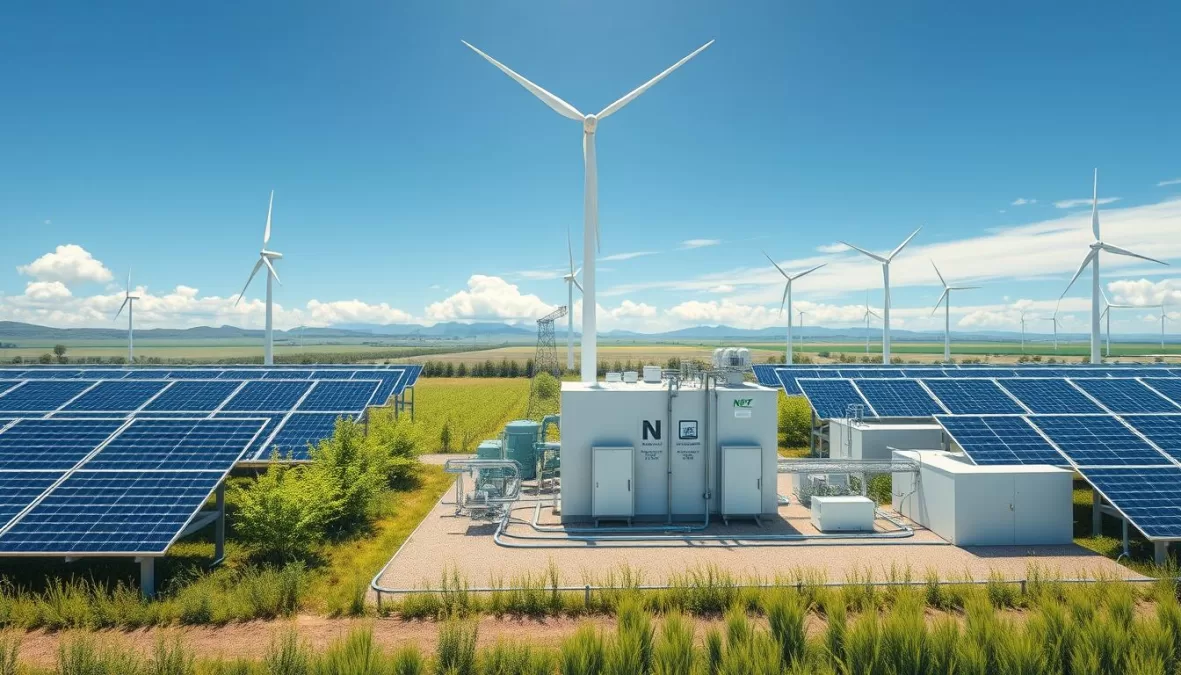
In 2025, several approaches have reached commercial scale, including electrochemical systems that use renewable electricity to convert atmospheric nitrogen into ammonia, photocatalytic methods that harness sunlight directly, and engineered microorganisms that fix nitrogen at ambient conditions.
“Green nitrogen fixation represents one of our most important climate technologies, addressing a major source of emissions while ensuring food security for a growing global population,” states Dr. Emily Rodriguez, agricultural sustainability researcher.
Impact on Agriculture and Climate
- Reduction of up to 1% of global greenhouse gas emissions when fully deployed
- Decentralized production enabling local fertilizer manufacturing close to farms
- Integration with renewable energy systems, providing flexible load for grid balancing
- Reduced dependency on natural gas as a feedstock for fertilizer production
9. Structural Battery Composites
Structural battery composites represent a fundamental rethinking of energy storage by integrating battery functionality directly into load-bearing materials. Unlike conventional batteries that add weight and take up space, these multifunctional materials simultaneously store energy and provide structural support.
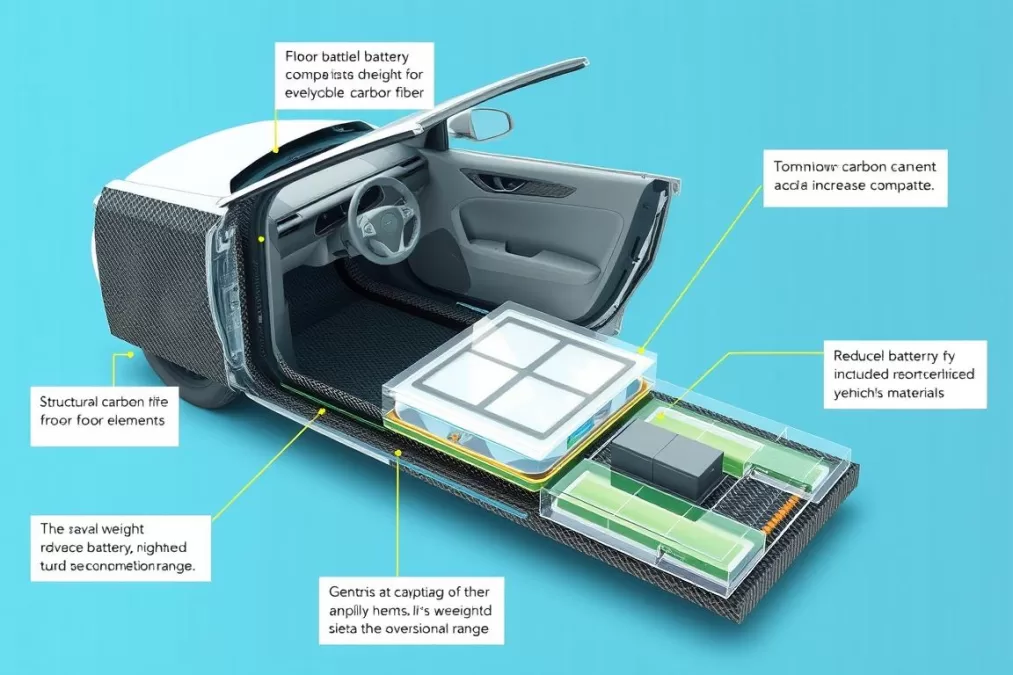
In 2025, these materials have achieved energy densities of 75 Wh/kg while maintaining mechanical properties comparable to aluminum or fiber-reinforced composites. This breakthrough enables new design approaches across transportation, consumer electronics, and renewable energy storage.
Transformative Applications
Electric Vehicles
Vehicle bodies that double as energy storage, increasing range while reducing weight and manufacturing complexity.
Aerospace
Aircraft components that store energy for electric propulsion systems without adding additional weight.
Wearable Technology
Flexible, durable devices where the casing itself powers the electronics, eliminating separate battery components.
According to research from the Royal Institute of Technology in Sweden, structural battery composites could enable weight reductions of up to 50% in electric vehicles while maintaining or improving range—a transformative advantage for sustainable transportation.
10. Osmotic Power Systems
Osmotic power harnesses the energy potential created when freshwater meets saltwater—a previously untapped renewable energy source available wherever rivers flow into oceans. Advanced membrane technologies have finally made this theoretical energy source commercially viable in 2025.
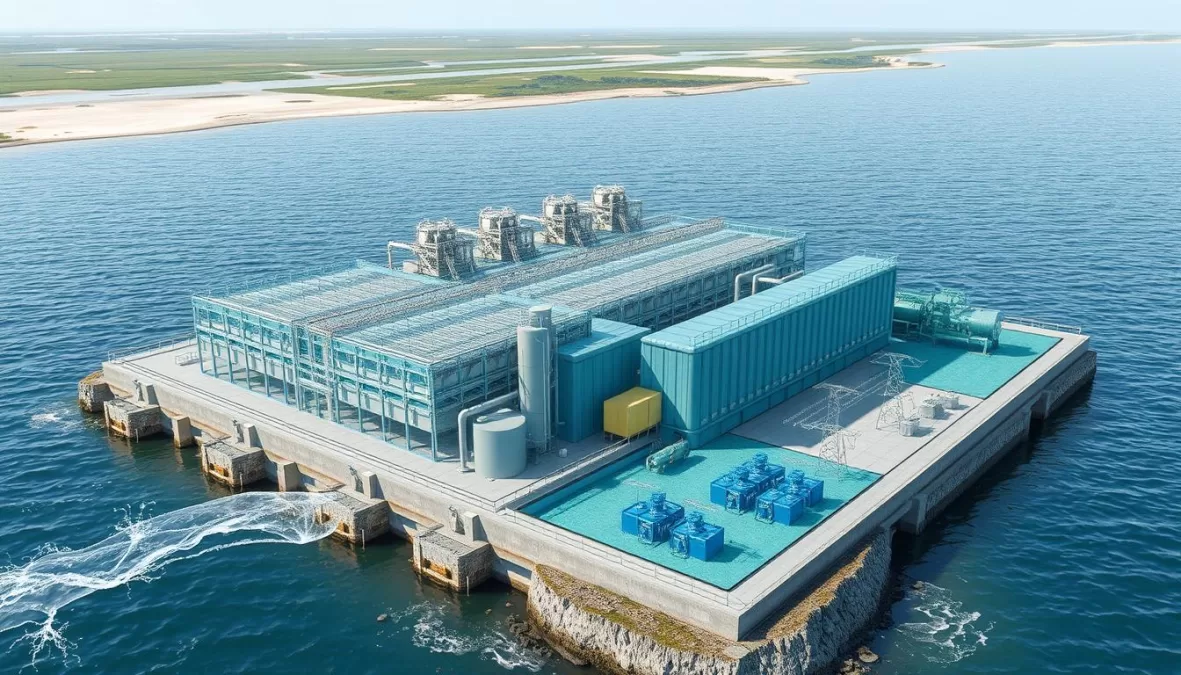
These systems use semipermeable membranes to capture the energy released when salt and freshwater mix, generating electricity without combustion, moving parts, or intermittency issues that affect solar and wind power. The technology provides consistent baseload power with minimal environmental impact.
“Osmotic power represents an elegant solution for renewable energy—it’s available 24/7, requires no fuel, and can be deployed at thousands of river mouths worldwide,” explains Dr. Michael Tao, renewable energy systems engineer.
Key Advantages
- Continuous power generation independent of weather conditions
- Zero emissions and minimal environmental footprint
- Predictable output ideal for baseload power needs
- Potential global capacity estimated at over 1,600 TWh annually
Download the Complete 2025 Technology Impact Report
Get our comprehensive analysis of how these breakthrough technologies are reshaping industries and creating new opportunities. Includes expert interviews, market forecasts, and implementation roadmaps.
The Future Shaped by Breakthrough Technologies
The breakthrough technologies of 2025 represent more than isolated innovations—they form an interconnected ecosystem that is fundamentally reshaping our world. From AI systems that operate autonomously to revolutionary approaches in energy, materials, and medicine, these advances are addressing our most pressing challenges while opening new frontiers of possibility.
As these technologies mature and converge, they will create opportunities for businesses, solutions for global challenges, and profound changes in how we live and work. Organizations and individuals who understand and adapt to these technological shifts will be best positioned to thrive in the rapidly evolving landscape of the coming decade.
The pace of innovation continues to accelerate, and these ten breakthrough technologies of 2025 represent just the beginning of a profound technological transformation that will continue to unfold in the years ahead. By understanding these developments today, we can better prepare for—and help shape—the world of tomorrow.
References and Further Reading
- World Economic Forum. (2025). Top 10 Emerging Technologies of 2025. In collaboration with Frontiers.
- Gartner Research. (2025). Strategic Technology Trends for 2025. Gartner, Inc.
- Massachusetts Institute of Technology. (2025). MIT Technology Review: 10 Breakthrough Technologies 2025.
- Stanford Institute for Human-Centered Artificial Intelligence. (2025). AI Index Report 2025.
- Nature Electronics. (2025). Special Issue: Neuromorphic Computing Systems. Volume 8, Issue 3.
- Nature Medicine. (2025). GLP-1 Receptor Agonists in Neurodegenerative Disease. Volume 31, Issue 2.

Priyanka Pandey
Senior Research Editor · Top10Sense
Priyanka specializes in tech, consumer products, and digital trends. She combines hands-on testing, vendor interviews, and database research to create trustworthy “Top 10” rankings. Her work has been referenced by industry blogs and brand report pages.