

As we step into 2025, smart home technology continues to revolutionize the way we live, making our homes more comfortable, secure, and efficient. The concept of a smart home has evolved significantly, with a wide range of connected devices now available for every area of your home.
These innovative products typically connect to the internet, allowing control through companion apps and voice commands. From security cameras and video doorbells to smart speakers and appliances, the options are vast and varied.
Our comprehensive guide highlights the top devices of 2025, selected based on their functionality, user reviews, value, and integration capabilities. Whether you’re building or upgrading your smart home setup, this guide will help you make informed decisions.
Key Takeaways
- Discover the most innovative smart home devices of 2025.
- Learn how to enhance your living space with convenience, security, and energy efficiency.
- Understand the criteria used to select the top smart home devices.
- Get insights into the latest smart home ecosystems and technologies.
- Make informed decisions when building or upgrading your smart home setup.
Transforming Your Home with Smart Technology
With the rise of smart technology, homeowners can now enjoy a more convenient, secure, and energy-efficient living experience. Smart home technology allows for remote control of devices via companion apps, voice commands, and automation. This technology can transform various areas of your home, from the front yard with security cameras and video doorbells to the living room with smart speakers and displays, and even the kitchen with connected appliances.
The way we interact with our living spaces is fundamentally changing with smart technology. We’re moving from manual controls to voice commands, app controls, and automated routines. This shift not only enhances the living experience but also makes home management more efficient.
Different smart home devices can work together to create personalized experiences tailored to individual preferences and daily routines. For instance, smart lights can be programmed to adjust based on the time of day or the activity being performed, offering both convenience and an additional feature to your home.
The evolution of smart home technology has made it more accessible and user-friendly, allowing non-technical homeowners to adopt these solutions easily. The practical benefits of transforming traditional homes into smart homes include convenience, energy savings, and enhanced security, making it an attractive option for many.
By embracing smart technology, homeowners can enjoy a more streamlined and automated way to manage their home, providing a better living experience and a new way to interact with their living space.
Benefits of Investing in Smart Home Devices in 2025
Smart home devices are set to transform the way we live in 2025, offering numerous benefits. One of the primary advantages is the unprecedented convenience they bring through voice and remote control capabilities, allowing users to manage their home environment effortlessly.
The energy efficiency provided by smart home devices is another significant benefit. By automating scheduling, monitoring usage, and making intelligent adjustments based on occupancy, these devices help reduce energy consumption. For instance, smart thermostats can learn your schedule and preferences to optimize heating and cooling, leading to substantial energy savings.
Enhanced home security is also a critical feature of smart home devices. With connected cameras, doorbells, locks, and sensors, homeowners can enjoy real-time monitoring and alerts, providing peace of mind whether they are at home or away. This level of security was previously unimaginable and represents a significant advancement in home protection.
- Improved accessibility for elderly or disabled individuals through voice control and remote assistance.
- Financial benefits, including potential insurance discounts, energy savings, and increased property value.
- Better privacy protections and security measures compared to earlier generations of connected devices.
The integration of smart home ecosystems has become more seamless, allowing devices from different manufacturers to interact smoothly. This interoperability enhances the overall smart home experience, making it more cohesive and user-friendly.
| Benefit | Description |
|---|---|
| Convenience | Voice and remote control capabilities for effortless home management. |
| Energy Efficiency | Automated scheduling and adjustments to reduce energy consumption. |
| Security | Real-time monitoring and alerts through connected devices. |
In conclusion, investing in smart home devices in 2025 offers a wide range of benefits that can enhance the living experience. From convenience and energy efficiency to enhanced security and financial benefits, these devices are poised to revolutionize modern living.
Top 10 Smart Home Devices 2025 for the Modern Home
As we step into 2025, the world of smart home devices is more exciting than ever, offering a plethora of innovative solutions to make our lives easier and more convenient. The modern home is becoming increasingly integrated with technology, and these devices are at the forefront of this revolution.
Amazon Echo Show 8 (3rd Generation) – Smart Display
The Amazon Echo Show 8 (3rd Generation) is a significant upgrade over its predecessors, boasting a more powerful processor and improved camera with a wider field of view. This smart display is perfect for controlling your smart home devices, watching videos, or even making video calls.
Key Features: Enhanced camera, faster processor, and seamless integration with other smart devices.
Philips Hue Smart Light Starter Kit
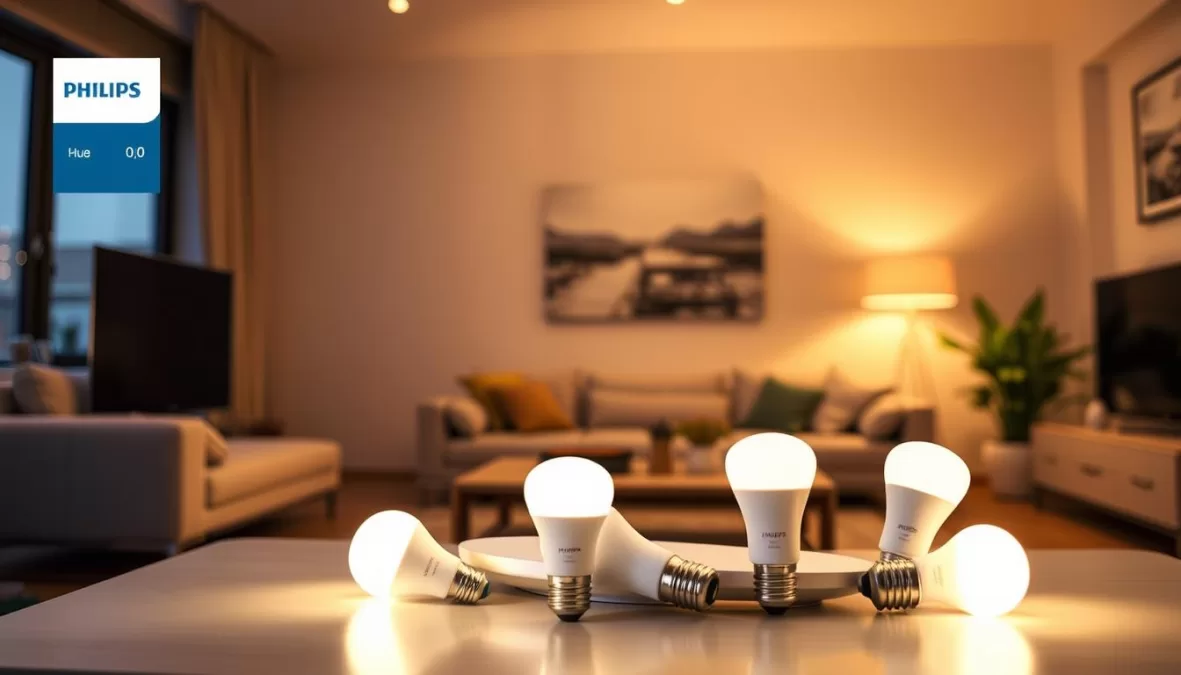
The Philips Hue Smart Light Starter Kit is an excellent introduction to the world of smart lighting. It allows you to control the lighting in your home remotely and adjust the ambiance to suit your mood or activity.
Benefits: Energy efficiency, customizable lighting scenes, and easy integration with other smart home devices.
TP-Link Tapo C120 Security Camera
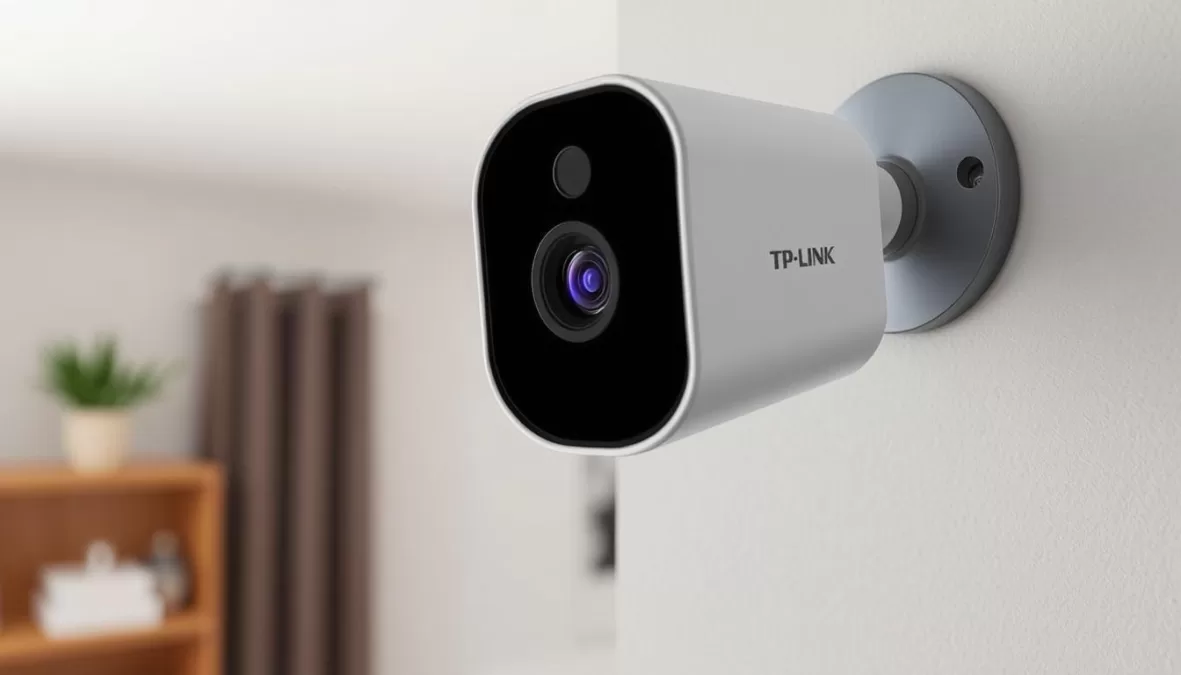
The TP-Link Tapo C120 Security Camera offers advanced security features, including motion detection and night vision, making it an ideal choice for home security. It can be easily integrated into your smart home system.
Key Features: 1080p resolution, motion detection alerts, and compatibility with Amazon Alexa and Google Assistant.
Arlo Video Doorbell (2nd Generation)
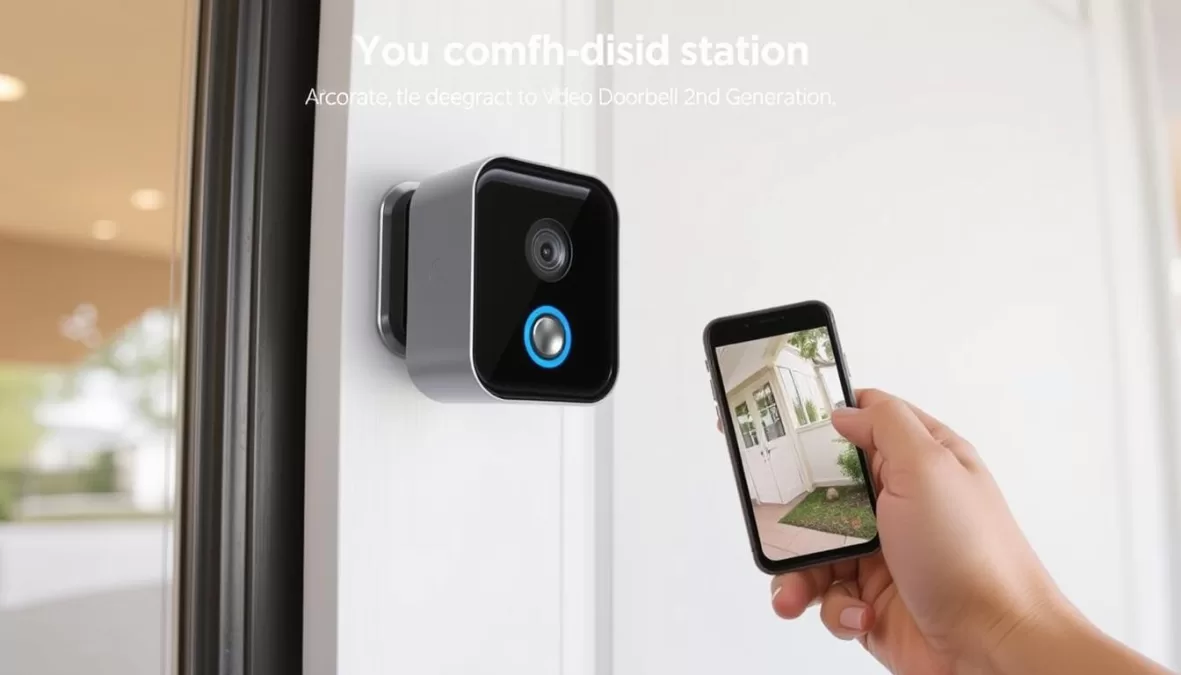
The Arlo Video Doorbell (2nd Generation) enhances home security with its HD camera, motion detection, and real-time alerts. It’s a smart and convenient way to keep an eye on your front door.
Benefits: Enhanced security, easy installation, and integration with other Arlo devices.
Ecobee Smart Thermostat Premium
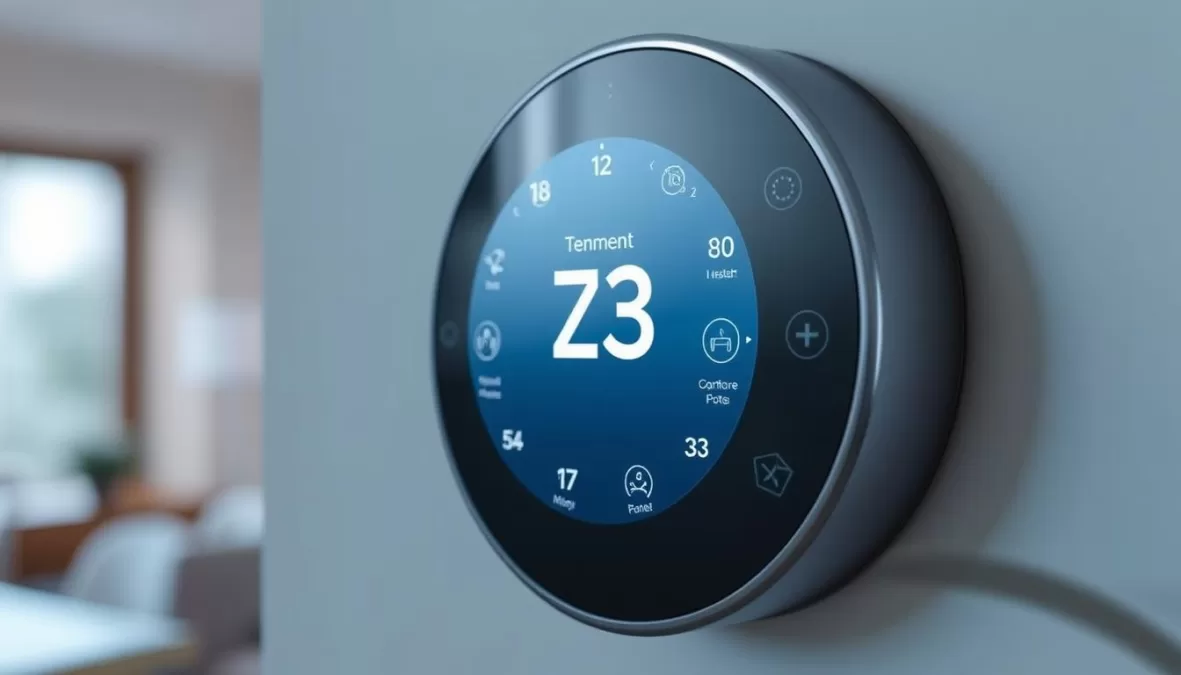
The Ecobee Smart Thermostat Premium is designed to optimize your home’s heating and cooling, providing energy efficiency and comfort. It comes with advanced sensors that detect temperature and occupancy.
Key Features: Smart sensors, geofencing, and compatibility with various smart home platforms.
iRobot Roomba Combo j9+ Robot Vacuum and Mop
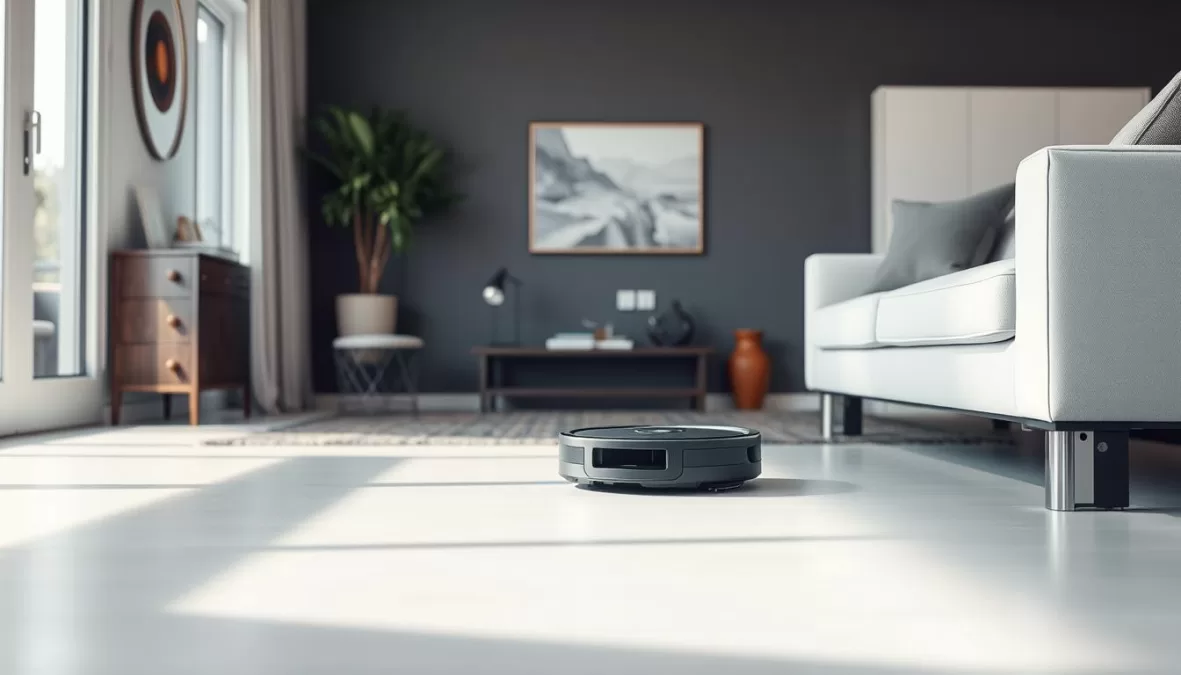
The iRobot Roomba Combo j9+ is a versatile cleaning device that vacuums and mops your floors, adapting to different floor types and dirt levels. It’s a significant upgrade in home cleaning technology.
Benefits: Efficient cleaning, self-emptying dustbin, and advanced navigation system.
Ultraloq U-Bolt Pro Wi-Fi Smart Lock
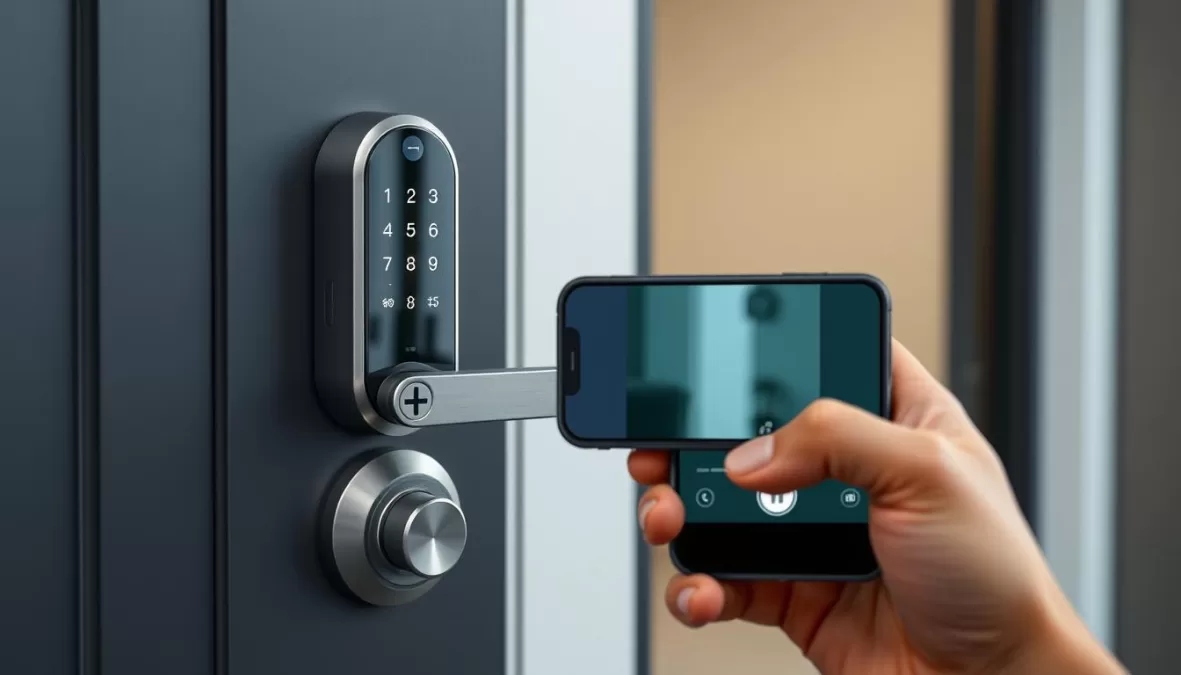
The Ultraloq U-Bolt Pro Wi-Fi Smart Lock offers enhanced home security with its Wi-Fi connectivity, allowing remote access and monitoring. It supports multiple authentication methods, including biometric and keypad entry.
Key Features: Wi-Fi connectivity, multiple authentication methods, and a robust locking mechanism.
TP-Link Kasa Smart Wi-Fi Plug Slim With Energy Monitoring
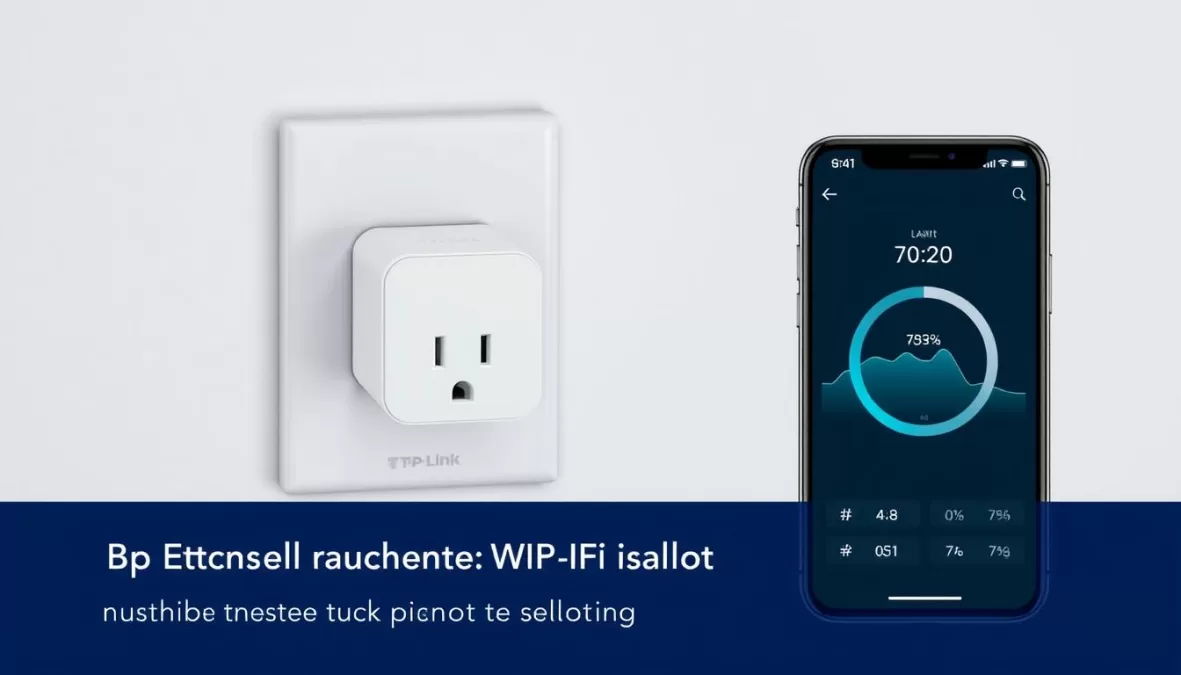
The TP-Link Kasa Smart Wi-Fi Plug Slim With Energy Monitoring is a compact and efficient smart plug that allows you to control your devices remotely and monitor their energy consumption.
Benefits: Energy monitoring, remote control, and compatibility with Amazon Alexa and Google Assistant.
Furbo 360 Pet Camera
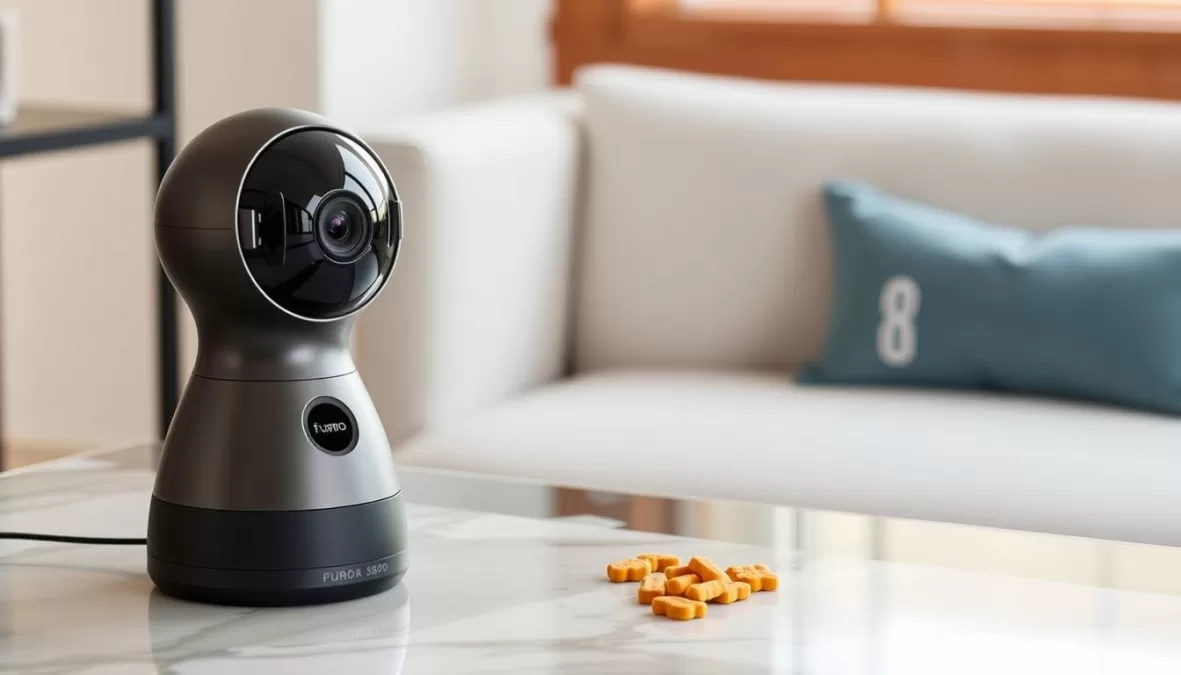
The Furbo 360 Pet Camera is designed for pet owners, offering 360-degree coverage, night vision, and a treat dispensing feature to keep your pets engaged and happy while you’re away.
Key Features: 360-degree rotation, night vision, and treat dispensing.
Google Nest Hub Max Smart Display
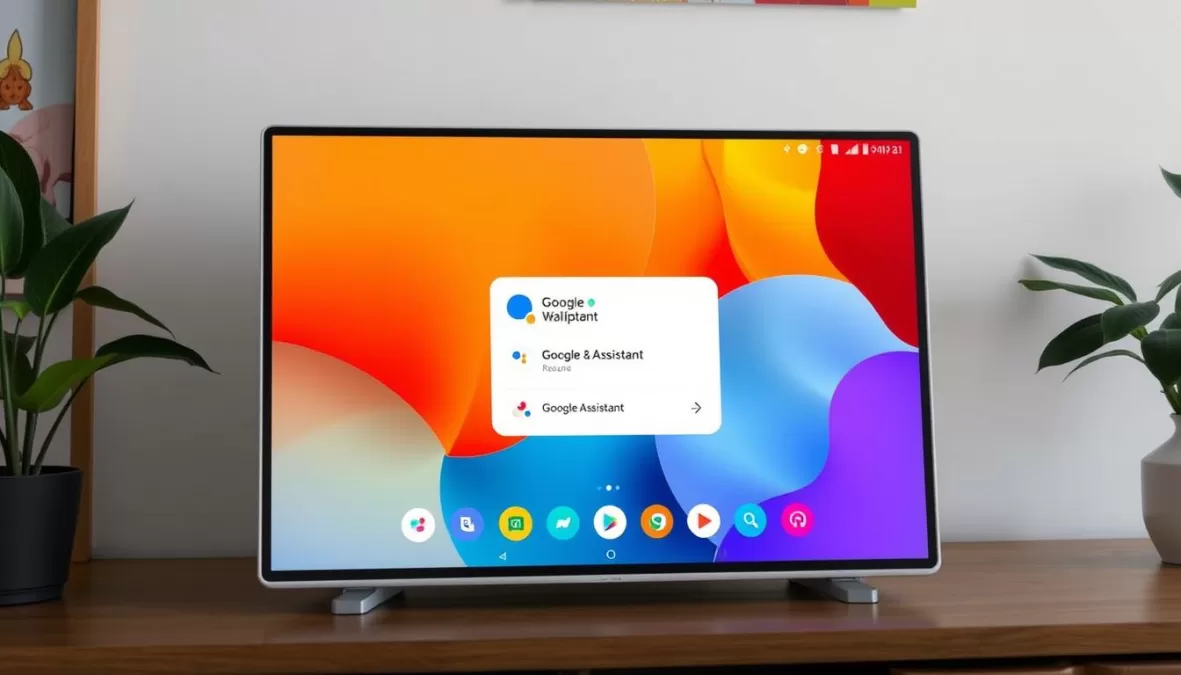
The Google Nest Hub Max Smart Display is a powerful device that serves as both a smart speaker and a display. It features a 10-inch HD touchscreen, Google Assistant, and seamless integration with other Nest devices.
Benefits: Large HD display, Google Assistant integration, and compatibility with various smart home devices.
Smart Home Integration: Creating a Seamless Ecosystem
Smart home integration is revolutionizing the way we live by enabling devices from various manufacturers to work together in harmony. This integration creates a cohesive ecosystem where devices communicate with each other, rather than functioning as isolated gadgets.
The major smart home protocols and standards, including Matter, Thread, Zigbee, Z-Wave, and Wi-Fi, play a crucial role in this integration. Each protocol has its strengths and limitations, making some more suitable for specific applications than others. For instance, Thread is known for its low-power, mesh networking capabilities, while Z-Wave offers reliable, low-latency communication.
Central Control Points
Smart home hubs, speakers, and displays serve as central control points, unifying diverse devices under a single interface for simplified management. Voice control has emerged as a universal interface, allowing natural language commands to control multiple devices simultaneously.
Smartphone apps from major ecosystems like Google Home, Apple Home, and Amazon Alexa provide remote access and management of your entire smart home from anywhere. Choosing compatible devices is crucial to ensure seamless integration and avoid frustrating limitations.
| Protocol/Standard | Strengths | Limitations |
|---|---|---|
| Matter | Improved compatibility, secure | Still evolving |
| Thread | Low power, mesh networking | Limited range without mesh |
| Zigbee | Low power, secure | Complexity in setup |
| Z-Wave | Reliable, low latency | Limited device support |
| Wi-Fi | Wide compatibility, high bandwidth | High power consumption |
By understanding and leveraging these technologies, homeowners can create a smart home ecosystem that is not only efficient but also enhances their daily living experience.
Choosing the Right Smart Home Assistant for Your Needs
Understanding the strengths and limitations of each smart home assistant is key to making an informed decision. The three major players in the smart home assistant market are Amazon’s Alexa, Google Assistant, and Apple’s Siri. Each has its unique features and compatibility with various smart devices.
Amazon Alexa is renowned for its extensive third-party device compatibility and vast skill library, making it an ideal choice for those seeking a wide range of compatible smart home products. On the other hand, Google Assistant excels in natural language processing and search capabilities, making it perfect for users who frequently ask questions or need information. Apple’s Siri, integrated with the HomeKit ecosystem, offers stronger privacy protections and seamless integration with Apple devices, ideal for those already invested in the Apple ecosystem.
- Amazon Alexa: Extensive device compatibility and skill library.
- Google Assistant: Superior natural language processing and search capabilities.
- Apple’s Siri: Strong privacy protections and seamless Apple device integration.
When choosing a smart home assistant, consider your existing technology preferences and devices to ensure a seamless experience. The choice of assistant influences the compatibility of smart speakers, displays, and other devices. For instance, Amazon offers a range of Echo devices with Alexa, while Google provides various smart speakers and displays with Google Assistant.
| Assistant | Device Compatibility | Privacy Protections | Smart Speakers/Displays |
|---|---|---|---|
| Amazon Alexa | Extensive third-party compatibility | Good | Echo, Echo Show |
| Google Assistant | Good, with strong Google service integration | Good | Google Home, Google Nest Hub |
| Apple’s Siri | Limited to Apple and HomeKit devices | Strong | HomePod, Apple TV |
Ultimately, the choice depends on your specific needs and ecosystem. Future-proofing your smart home assistant choice involves considering the development trajectory of each company’s platform.
Smart Home Security and Privacy Considerations
Smart home devices are transforming our living spaces, but they also introduce new security and privacy challenges. As we integrate more devices into our homes, we must consider the potential risks and take steps to mitigate them.
One of the primary concerns with smart home devices is the data they collect. From video footage captured by security cameras to usage patterns recorded by smart home assistants, the amount of personal data gathered is substantial. To protect user privacy, many devices now include features like physical camera shutters and microphone mute buttons. Additionally, data encryption plays a crucial role in safeguarding the information transmitted by these devices.
To ensure the security of smart home systems, several best practices can be employed. Using strong passwords and enabling two-factor authentication can significantly reduce the risk of unauthorized access. Regularly updating device firmware is also essential, as it patches vulnerabilities that could be exploited by malicious actors.
Network security is another critical aspect. Creating a separate Wi-Fi network for IoT devices can help isolate them from the rest of your network, reducing the attack surface. Furthermore, understanding the privacy policies of smart home manufacturers is vital, as these policies dictate how your data is stored, processed, and potentially shared with third parties.
Balancing convenience with privacy is key. While smart home devices offer numerous benefits, users must be aware of the potential trade-offs. Emerging privacy standards and regulations are likely to shape the future of smart home technology, influencing how devices are developed and how data is handled.
Future Trends in Smart Home Technology Beyond 2025
As we look beyond 2025, the future of smart home technology is poised to revolutionize our living spaces with unprecedented advancements. The integration of devices and improved AI capabilities will continue to shape the smart home landscape, making homes more efficient, secure, and comfortable.
Emerging trends include the development of ambient computing, where technology seamlessly blends into the home environment, creating a more intuitive and responsive living space. Artificial intelligence and machine learning will evolve to create predictive smart homes that anticipate needs rather than simply responding to commands.
- Greater integration between smart homes and renewable energy systems, including solar power management and battery storage optimization.
- Expanded health monitoring features, such as sleep tracking, air quality management, and early detection of health issues.
- The adoption of spatial computing and augmented reality interfaces as primary interaction methods.
- The use of smart materials and surfaces that adapt to environmental conditions and user preferences.
These advancements will not only enhance the living experience but also contribute to a more sustainable future. As smart home technology continues to evolve, we can expect to see more energy-efficient designs, recyclable components, and longer product lifecycles. The potential for community-level smart home integration also opens up new possibilities for neighborhood systems to work together, promoting greater efficiency and resilience.
Conclusion: Building Your Ideal Smart Home in 2025
Building your ideal smart home in 2025 is now more achievable than ever, thanks to the latest advancements in smart technology. As you’ve seen from our top 10 list, there’s a wide range of innovative devices designed to make your life easier and your home more comfortable.
To start your smart home journey, consider beginning with core devices like a smart speaker or hub. This strategic approach allows you to expand to other areas of your home gradually. When choosing devices, prioritize those that will provide the most immediate benefit for your lifestyle and living situation.
Creating a cohesive plan is crucial rather than accumulating random smart devices. Ensure compatibility and thoughtful integration from the beginning. It’s also essential to consider future expandability when making initial smart home choices, selecting platforms and ecosystems that will grow with your needs over time.
As smart home technology continues to evolve from novelty to necessity, it’s transforming our relationship with our living spaces in meaningful ways. We invite you to start small, experiment, and discover how the right smart home devices can enhance your daily life in ways you might not have imagined.
FAQ
What are the most popular smart home devices for 2025?
How do I integrate multiple smart home devices into one system?
What are the benefits of using a smart lock like Ultraloq U-Bolt Pro?
Can I control my smart home devices when I’m not at home?
How do smart home devices impact my energy consumption?
Are smart home devices secure and private?
Can I use smart home devices with my existing electrical infrastructure?
How do I choose the right smart home assistant for my needs?

Priyanka Pandey
Senior Research Editor · Top10Sense
Priyanka specializes in tech, consumer products, and digital trends. She combines hands-on testing, vendor interviews, and database research to create trustworthy “Top 10” rankings. Her work has been referenced by industry blogs and brand report pages.