The sneaker market has exploded into a multi-billion dollar industry. What started as athletic footwear has transformed into wearable art and investment vehicles. Some pairs have sold for more than luxury cars or even houses.
Collectors around the world chase these rare kicks with passion. The most expensive sneakers ever sold represent cultural moments frozen in time. Each pair tells a story of sports history, celebrity influence, or groundbreaking design.
This list reveals the top 10 most valuable sneakers that have changed hands by 2026. From game-worn Air Jordans to futuristic Nike designs, these shoes have shattered auction records. The prices might shock you, but the stories behind them are even more incredible.
Stay Ahead of Sneaker Market Trends
Get exclusive insights on rare sneaker drops, auction results, and investment opportunities. Join 50,000+ collectors receiving our weekly market report.
Understanding What Makes Sneakers Valuable
The value of expensive sneakers goes far beyond their retail price tags. Several factors combine to create astronomical market values that collectors willingly pay.
Rarity and Limited Production
Scarcity drives demand in the sneaker market like nothing else. When Nike or Jordan Brand releases only a handful of pairs, the competition intensifies immediately. Some of the most expensive sneakers ever made exist in quantities fewer than 10 pairs worldwide.
Limited production creates instant collectibility. Brands sometimes produce exclusive colorways for specific athletes or celebrities. These ultra-rare releases never hit retail shelves, making them nearly impossible to acquire through normal channels.
Production Factors
Manufacturing decisions directly impact long-term sneaker value and collector interest.
- Sample sizes made for athletes only
- Friends and family exclusive releases
- Prototype pairs never mass-produced
- Regional limited editions
Authentication Importance
Verifying authenticity becomes critical as prices climb into six and seven figures.
- Provenance documentation required
- Professional authentication services
- Original receipts and packaging
- Photo evidence of original ownership
Celebrity Provenance
Ownership history dramatically influences the final auction price of rare sneakers.
- Game-worn by legendary athletes
- Signed by cultural icons
- Documented media appearances
- Championship game connections
Historical Significance
Sneakers tied to pivotal moments in sports or culture command premium prices.
- Record-breaking performances
- Debut games of signature lines
- Cultural movement associations
- Technological breakthrough designs
The Sneaker Investment Market
Sneakers have emerged as legitimate alternative investments. Wealthy collectors diversify portfolios with rare pairs just like fine art or vintage wines. The market shows consistent growth with some sneakers appreciating hundreds of percentage points.
Major auction houses now dedicate entire departments to sneaker sales. Sotheby’s, Christie’s, and specialized platforms facilitate transactions reaching millions of dollars annually. This institutional recognition has elevated sneaker culture into mainstream investment conversations.
1. Solid Gold OVO Air Jordan 10 – $2.5 Million
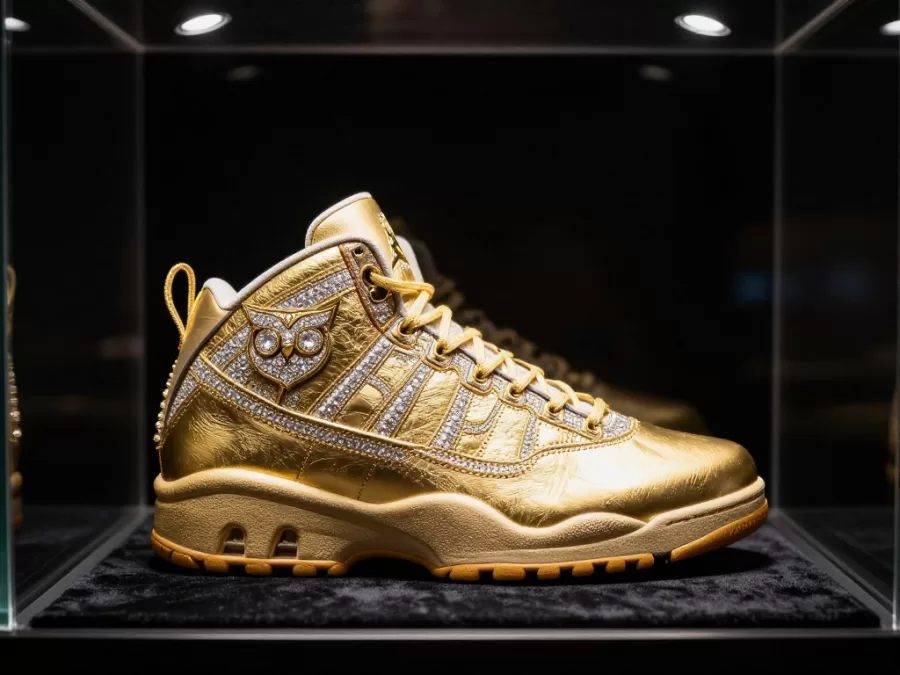
The Solid Gold OVO Air Jordan 10 holds the record as the most expensive sneaker ever created. Drake’s October’s Very Own brand collaborated with Nike to produce this one-of-a-kind masterpiece. The entire shoe consists of solid 24-karat gold weighing over 50 pounds.
Skilled artisans spent six months crafting this functional sculpture. The iconic OVO owl logo features white diamonds totaling 10 carats. This isn’t just a sneaker but a statement piece blending hip-hop culture with luxury craftsmanship.
Creation and Design
Master jewelers worked with sneaker designers to maintain the Air Jordan 10 silhouette. Every detail from the original design translates into precious metal. The laces are actually gold chains with custom clasps.
The project required collaboration between Nike designers and luxury jewelry manufacturers. They maintained the shoe’s proportions while accounting for gold’s weight and density. The result is wearable art that honors both sneaker culture and fine jewelry traditions.
Quick Facts
- Weight: 52 pounds
- Gold content: 24k
- Diamond carats: 10
- Production time: 6 months
- Quantity made: 1 pair
The Sale and Current Status
Drake commissioned this piece for a private collector who wished to remain anonymous. The sale occurred through a private transaction facilitated by Sotheby’s in 2025. The buyer reportedly keeps the sneakers in a climate-controlled vault alongside other luxury collectibles.
This sale redefined what’s possible in sneaker culture. It proved that kicks could compete with fine art in terms of price and cultural significance. The transaction made headlines worldwide, bringing sneaker collecting into conversations about serious wealth and investment.
2. Nike Moon Shoe (1972) – $437,500
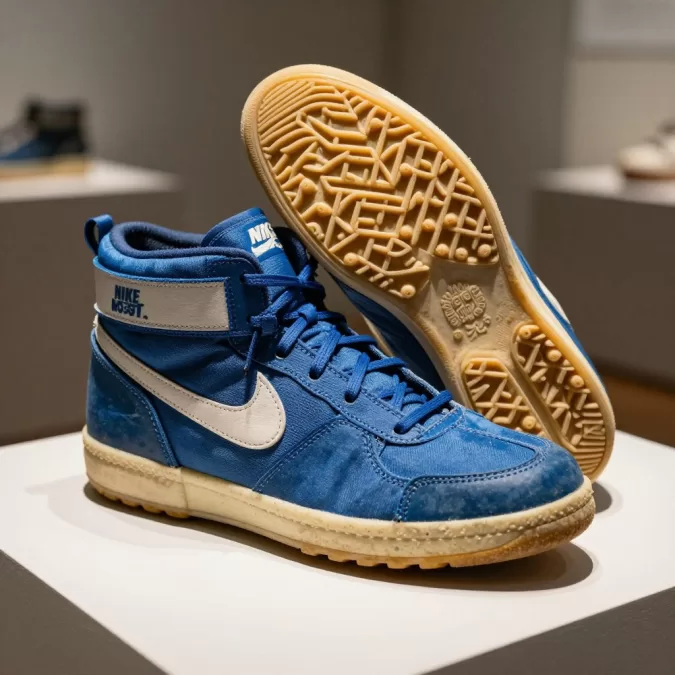
The Nike Moon Shoe represents the birth of Nike as we know it today. Bill Bowerman handmade only 12 pairs using his wife’s waffle iron to create the revolutionary sole pattern. This innovation changed running shoe design forever.
One of these original pairs sold at Sotheby’s auction in 2019 for $437,500. A Canadian collector named Miles Nadal purchased them as part of a larger sneaker acquisition. The price shattered previous records and established Nike’s historical significance in the luxury market.
Historical Importance
These shoes date back to Nike’s earliest days when the company was still finding its identity. Bowerman’s waffle sole innovation provided better traction than anything available at the time. Athletes immediately noticed the difference in performance.
The Moon Shoe name came from the waffle pattern resembling lunar surface footprints. This clever marketing tied into the space race excitement of the early 1970s. The design became Nike’s signature technology for decades.
Investment Perspective: The Moon Shoe’s value increased over 40,000% from its original retail price. Experts predict continued appreciation as Nike’s historical artifacts become increasingly scarce in collectible condition.
Condition and Authenticity
The auction pair remained in remarkable condition considering their age. Original owners rarely wore these early Nike models extensively. The shoes retained structural integrity and most original materials despite being nearly 50 years old.
Sotheby’s authentication process verified every aspect before the sale. Experts examined manufacturing techniques, materials, and construction methods. The provenance traced directly back to Nike’s archives, ensuring absolute authenticity.
3. Michael Jordan Game-Worn Air Jordan 1 Chicago (1985) – $615,000
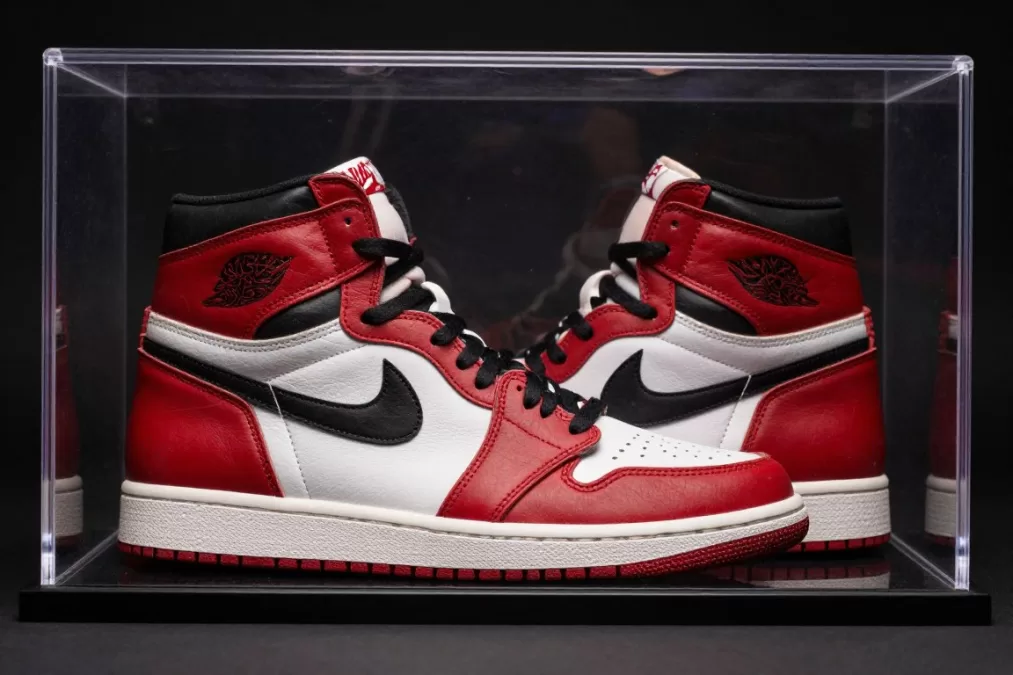
Michael Jordan wore these Air Jordan 1s during his legendary rookie season with the Chicago Bulls. The shoes show significant game wear from actual NBA competition. Christie’s auction house sold this pair in 2020, setting a new benchmark for game-worn sneakers.
What makes this pair special isn’t just the Jordan connection. These kicks represent the beginning of sneaker culture as we know it. The Air Jordan line revolutionized how athletes partnered with brands and how fans connected with sports through footwear.
The Rookie Season Connection
Jordan’s 1984-85 rookie campaign changed basketball forever. He averaged 28.2 points per game and won Rookie of the Year. These shoes witnessed those early performances that launched his path to becoming the greatest player ever.
The NBA actually banned these shoes initially because they violated uniform regulations. Nike paid Jordan’s fines and turned the controversy into brilliant marketing. This “banned” narrative added mystique that still resonates with collectors today.
Authentication Details
- Photo-matched to specific games
- Jordan’s signature inside tongue
- Bulls equipment manager documentation
- Size 13 confirmed Jordan size
- Exact colorway worn in rookie season
Condition Notes
- Heavy court wear visible
- Original leather creasing patterns
- Sole shows authentic game usage
- Toe box scuffs from gameplay
- Interior footbed compression marks
Market Impact
- Set game-worn sneaker record
- Validated Jordan memorabilia market
- Increased Air Jordan 1 values overall
- Attracted mainstream media attention
- Inspired institutional collecting interest
Cultural Significance
The Air Jordan 1 Chicago colorway remains the most iconic sneaker design in history. Every retro release sells out instantly despite numerous reproductions over the years. Original pairs from 1985 command premium prices even without game-worn provenance.
This specific pair represents a tangible connection to Jordan’s origin story. Collectors value items that witnessed history being made. The game-worn aspect transforms these from shoes into historical artifacts worthy of museum preservation.
Authenticate Your Valuable Sneakers
Protect your investment with professional authentication from industry-leading experts. Our service verifies rare sneakers, provides detailed condition reports, and offers market valuations. Trusted by collectors and auction houses worldwide.
4. Nike Air Yeezy 1 Grammy Sample – $1.8 Million
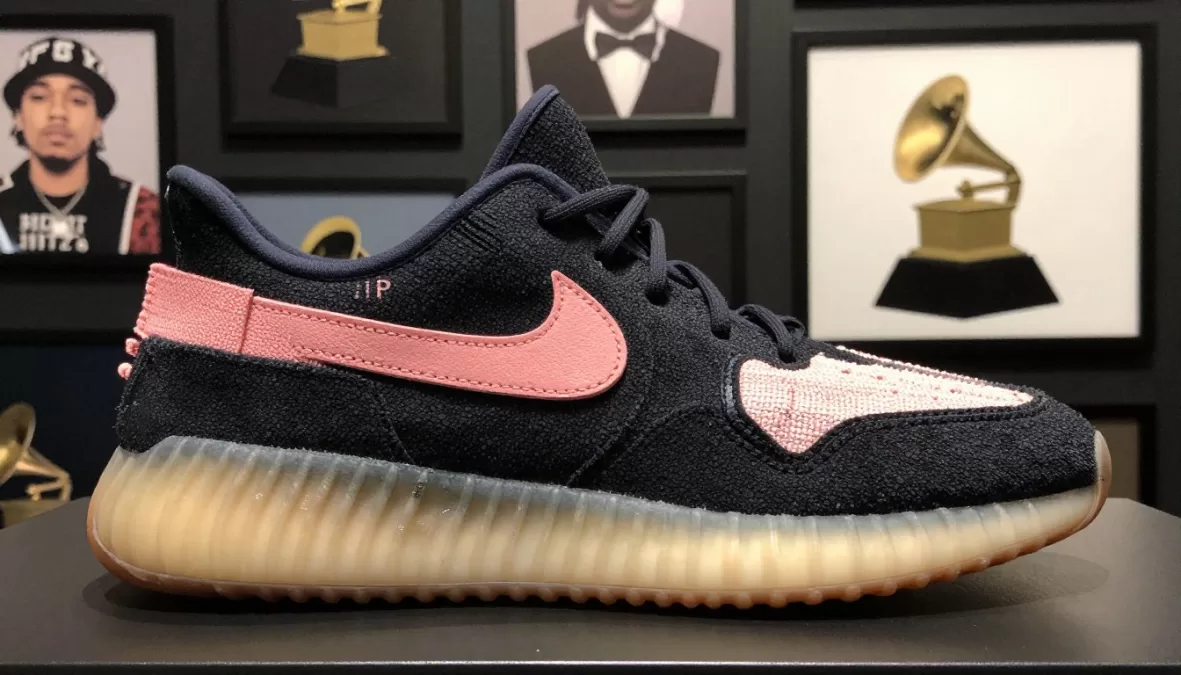
Kanye West wore these Nike Air Yeezy 1 prototypes during his iconic 2008 Grammy Awards performance. The sample pair represents a pivotal moment in sneaker history when high fashion and hip-hop fully merged. Sotheby’s sold these kicks in 2021 for $1.8 million through their private sale division.
The buyer was investing platform Rares, which allows fractional ownership of collectible sneakers. This sale marked the first time a sneaker broke the million-dollar barrier at public auction. The price reflected both Kanye’s cultural impact and the Yeezy brand’s revolutionary influence.
The 2008 Grammy Performance
Kanye performed “Hey Mama” and “Stronger” at the 50th Grammy Awards wearing these samples. The performance came shortly after his mother’s death, adding emotional weight to the moment. Cameras captured multiple close-ups of the unreleased sneakers, creating instant hype.
Nike hadn’t officially announced the Air Yeezy collaboration yet. This Grammy appearance served as the unofficial reveal that would change sneaker culture forever. Fans immediately recognized something special was happening.
Design Innovation
Designer Mark Smith worked with Kanye to create something unprecedented. The shoes featured premium materials rarely seen in Nike basketball designs. The pink accents against black leather created a bold aesthetic that defied traditional sneaker color schemes.
The strap system and molded heel were entirely new constructions. Nike incorporated luxury fashion elements while maintaining performance basketball shoe functionality. This balance between style and substance became the Yeezy template.
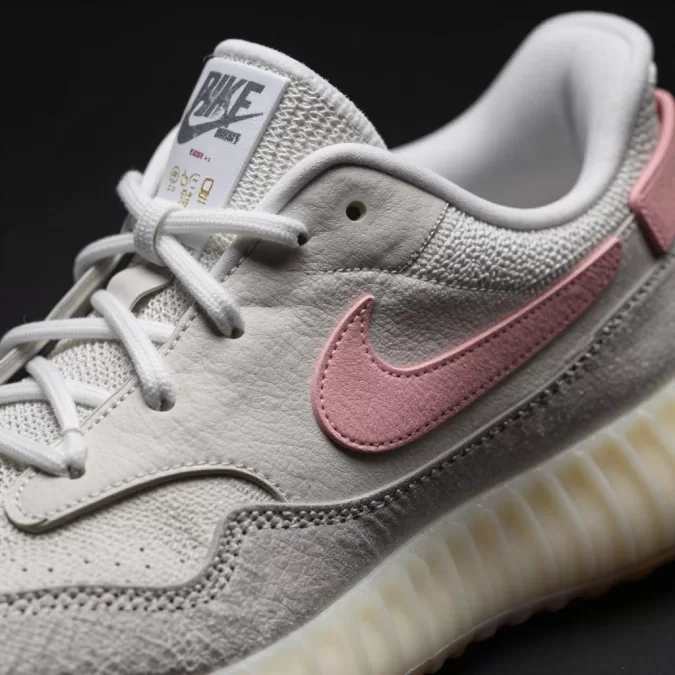
Breaking the Million-Dollar Barrier
The $1.8 million price shocked even seasoned sneaker collectors. Previous records hovered around $500,000 for the most expensive sneakers. This sale validated sneakers as serious investment vehicles comparable to fine art.
Rares’ business model allows multiple investors to own shares of valuable sneakers. This democratization of luxury sneaker collecting opened new markets. The company’s willingness to pay this amount signaled confidence in continued market growth.
5. Air Jordan 12 “Flu Game” – $104,765
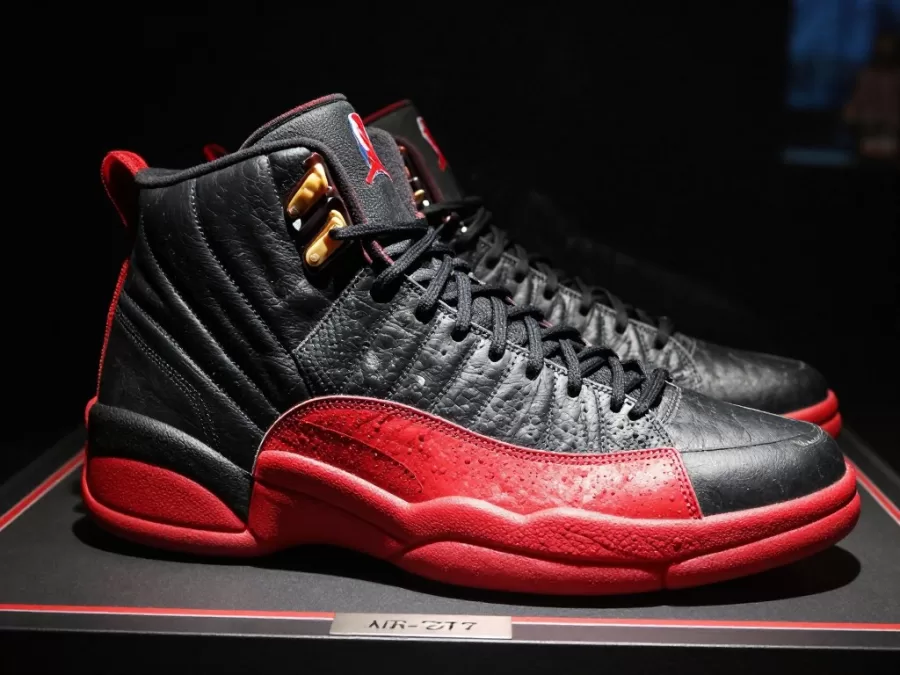
Michael Jordan wore these Air Jordan 12s during Game 5 of the 1997 NBA Finals. Despite suffering from severe flu symptoms, Jordan scored 38 points to lead the Bulls to victory. This performance became one of the most legendary moments in NBA history.
Grey Flannel Auctions sold the shoes in 2013 for $104,765. The Utah Jazz ball boy originally kept them after Jordan gave them away post-game. The story behind these kicks makes them priceless to basketball fans worldwide.
The Legendary Performance
Jordan looked visibly ill throughout the game. He could barely stand during timeouts and needed help walking to the locker room. Yet he refused to sit out during this crucial finals contest.
Television cameras captured Jordan’s exhaustion and determination. Scottie Pippen had to help him off the court after the final buzzer. The image of Jordan collapsing into Pippen’s arms became iconic instantly.
“I almost played myself into passing out just to win a basketball game.”
Authentication and Provenance
The Utah Jazz ball boy received the shoes directly from Jordan after the game. He kept them unwashed in his personal collection for years. This direct chain of custody made authentication straightforward.
Photo evidence from the game matches the exact wear patterns on the shoes. Jordan’s size 13 fits the pair perfectly. Expert authenticators verified every detail before the auction proceeded.
Game 5 Statistics
- 38 points scored by Jordan
- 7 rebounds grabbed
- 5 assists distributed
- 3 steals recorded
- 44 minutes played
Historical Context
- Bulls led series 3-1
- Game played in Utah
- National TV broadcast
- Bulls won 90-88
- Fifth championship pursuit
Market Impact
This sale established the market for game-worn Jordan sneakers. Previous sales rarely exceeded five figures for any athlete’s shoes. The Flu Game story provided narrative value that justified the premium price.
Collectors realized that significant moments create significant value. Game-worn sneakers from memorable performances command multiples of regular retail or even deadstock prices. The story matters as much as the shoes themselves.
6. Nike Mag “Back to the Future” (2016 Auto-Lacing) – $200,000
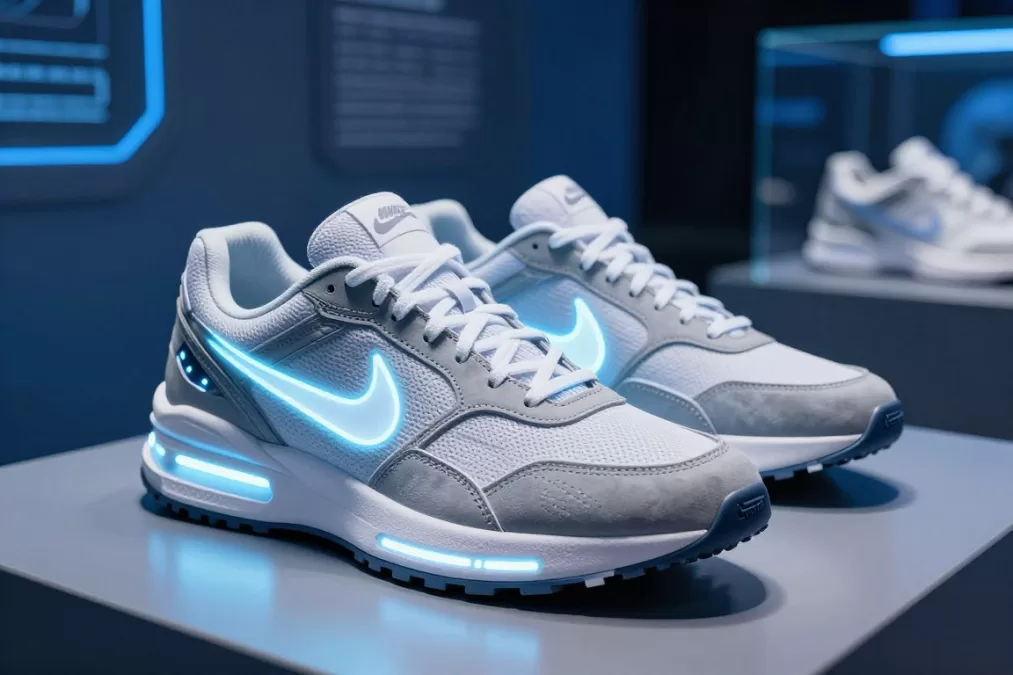
Nike brought science fiction to reality with the 2016 Nike Mag release. These shoes feature actual power lacing technology inspired by the Back to the Future films. Only 89 pairs existed, all sold through charity auction to benefit the Michael J. Fox Foundation.
The highest auction bid reached $200,000 for a single pair. This price reflected both the extreme rarity and functional innovation. Unlike the 2011 version, these Mags actually lace themselves just like in the movie.
Technology and Design
Nike engineers spent years developing working power lacing systems. The shoes contain sensors that detect when your foot enters. Motors then automatically tighten the laces to a comfortable fit.
LED lights illuminate the midsole with the iconic blue glow from the film. A rechargeable battery powers both the lights and lacing mechanism. The design maintains total accuracy to the movie prop while adding genuine functionality.
Nike Mag Specifications
Battery life: 2 weeks normal use | Charging time: 3 hours | Weight: 2.1 pounds | LED colors: Customizable blue spectrum | Lacing force: Adjustable via companion app | Production quantity: 89 pairs worldwide
Charity Auction Structure
Nike donated 100% of proceeds to Parkinson’s disease research. Michael J. Fox, who starred in Back to the Future and lives with Parkinson’s, championed this cause. The auction format ensured maximum fundraising while distributing pairs to serious collectors.
Bidding occurred over 10 days through an online platform. Celebrity endorsements and media coverage drove intense competition. The combination of charity, nostalgia, and innovation created perfect conditions for record prices.
Cultural Legacy
Back to the Future Part II showed Marty McFly wearing Nike Mags in the year 2015. When that year actually arrived, fans demanded Nike create real versions. The brand delivered twice, first in 2011 without power lacing, then in 2016 with full functionality.
These sneakers represent one of the few times fictional future technology became reality. Nike proved that innovation could match imagination. The shoes transcend sneaker culture and exist as legitimate technological achievements.
Buy Rare Sneakers
Access authenticated inventory of investment-grade sneakers from trusted marketplaces. Browse current auction opportunities and verified private sales.
- Sotheby’s sneaker auctions
- StockX premium marketplace
- GOAT rare finds section
- Stadium Goods collectibles
Sell Your Collection
Maximize returns on your rare sneakers through expert consignment services. Professional photography, authentication, and marketing included.
- Free collection appraisals
- Competitive consignment rates
- Global buyer network access
- White-glove pickup service
Investment Insights
Download our comprehensive guide to sneaker investing. Learn valuation methods, market trends, and portfolio strategies from industry experts.
- Market analysis reports
- Price history databases
- Emerging brand coverage
- ROI calculation tools
7. Air Jordan 13 “Breadcrumb” Sample – $50,000
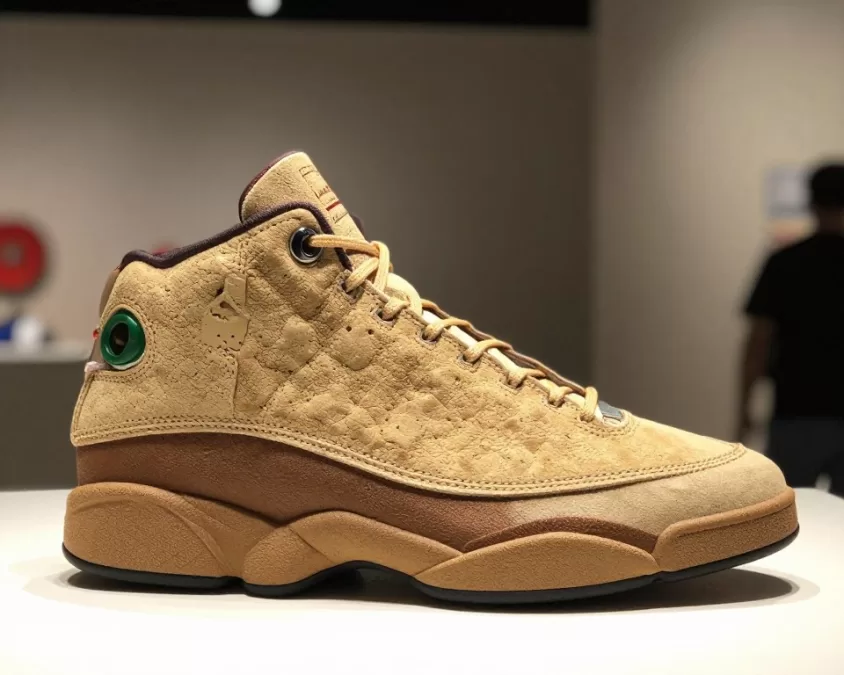
The Air Jordan 13 “Breadcrumb” sample represents one of the rarest colorways never released to the public. This pair surfaced at Sotheby’s 2019 sneaker auction as part of a historic 100-shoe collection. The unique wheat and tan colorway earned its nickname from the bread-like color scheme.
Sample sneakers hold special value because they show design directions that brands ultimately rejected. Only a handful of employees and athletes ever see these pairs. When they reach the market through unofficial channels, collectors compete fiercely.
Sample Sneaker Significance
Jordan Brand produces samples during the design process to test materials, colors, and construction. Most samples get destroyed after evaluation. A few escape through various means and become highly sought collectibles.
The “Breadcrumb” colorway never reached production despite its appeal. Internal decisions about market positioning or athlete preferences often kill promising designs. These rejected concepts become more desirable precisely because they’re unobtainable through normal means.
Design Details
The Air Jordan 13 silhouette takes inspiration from a black panther’s paw. Designer Tinker Hatfield incorporated holographic elements and a unique pod-based traction system. This “Breadcrumb” version features premium nubuck materials in earth tones.
The color palette differs dramatically from typical Air Jordan releases. Most Jordan colorways use Bulls colors or bold contrasts. This subtle, monochromatic approach shows creative exploration that Jordan Brand rarely pursues publicly.
8. Nike Dunk Low SB “Pigeon” Jeff Staple Sample – $35,000
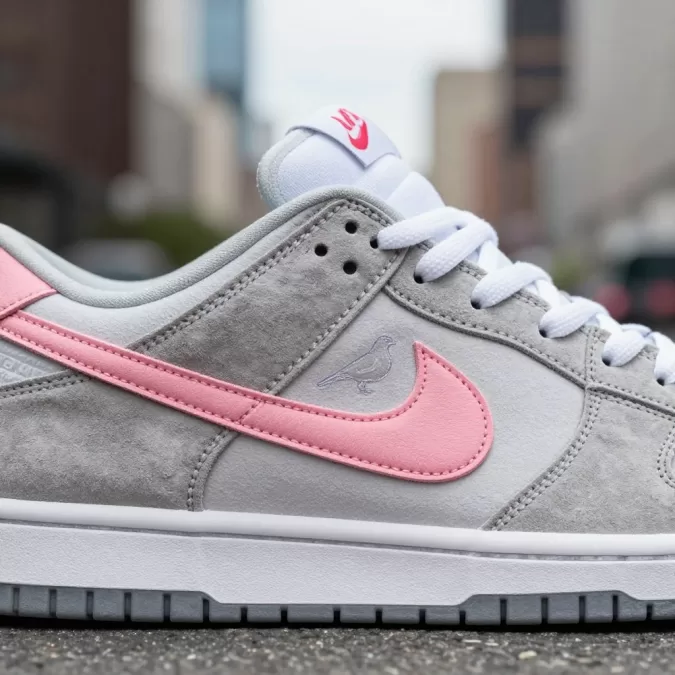
Jeff Staple’s Nike Dunk Low SB “Pigeon” caused riots when it released in 2005. Only 150 pairs dropped at Reed Space in New York City. Police had to shut down the block due to the massive crowd that formed overnight.
An original sample pair from Staple’s personal collection sold privately for approximately $35,000. This sample predated the retail release and showed minor design differences. The Pigeon Dunk represents a defining moment when sneaker culture proved its power to disrupt cities.
The Reed Space Riot
Hundreds of sneakerheads camped outside the tiny Lower Manhattan boutique. The line grew unmanageable as word spread about the limited quantity. Fights broke out and police eventually dispersed the crowd for safety.
This chaos became legendary in sneaker history. The incident proved that limited kicks could create iPhone-launch-level hype. Brands learned valuable lessons about managing scarcity and collector passion.
Design Inspiration
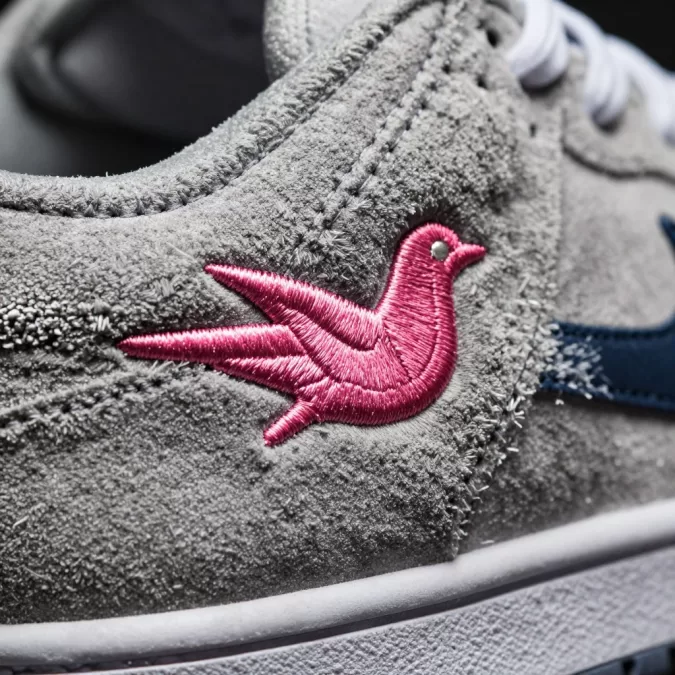
Jeff Staple chose the pigeon as a symbol of New York City resilience. These birds thrive everywhere despite being overlooked and underestimated. The pink accents reference the pigeon’s distinctive foot color.
Grey suede covers the upper, representing the bird’s feathers. The colorway seems simple but carries deep meaning for anyone familiar with NYC street culture. This storytelling through design elevated the Dunk beyond standard skateboarding shoes.
Collaboration Impact
The Pigeon Dunk established the template for successful boutique collaborations. Nike SB began partnering with influential shops and designers to create regional exclusives. This strategy built communities around local sneaker culture.
Staple became one of the most respected names in sneaker design after this release. He’s collaborated with numerous brands since, but the Pigeon Dunk remains his signature achievement. The design’s simplicity and cultural relevance created timeless appeal.
9. Nike Air Yeezy 2 “Red October” Kanye Sample – $32,000
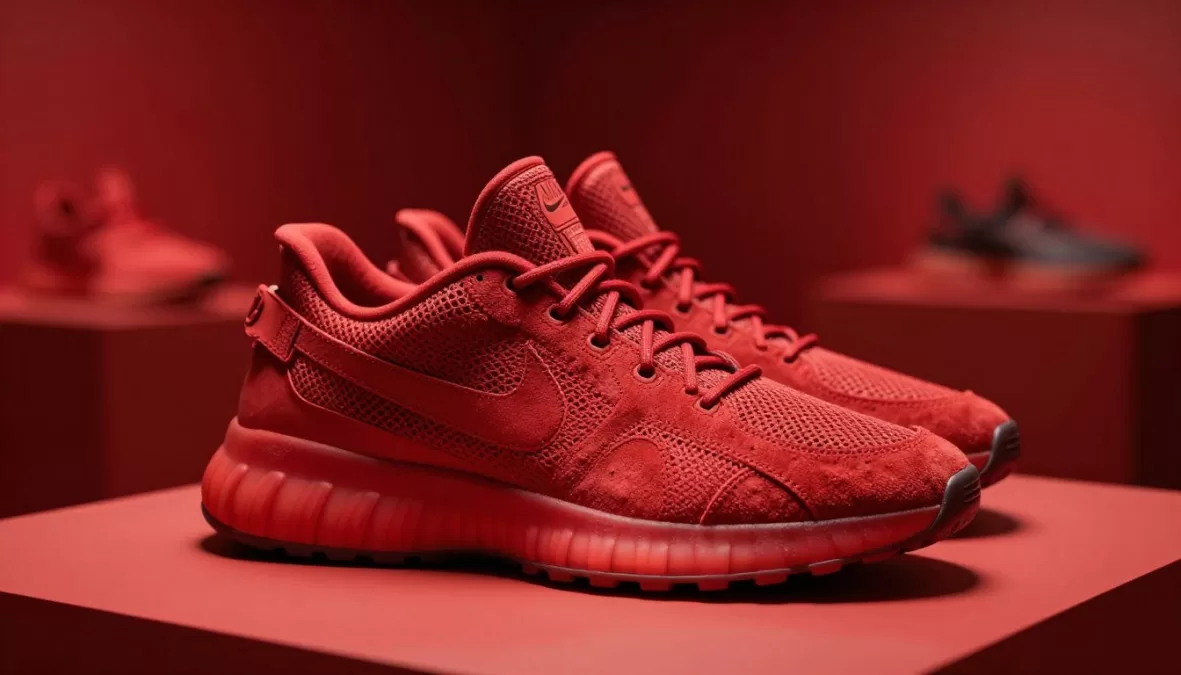
The Nike Air Yeezy 2 “Red October” dropped without warning in February 2014. This all-red colorway became the final Nike Yeezy release before Kanye’s move to Adidas. The surprise online drop sold out in minutes, creating one of sneaker history’s most frenzied purchasing moments.
A sample pair attributed to Kanye’s personal collection reached $32,000 at auction. The monochromatic red design represented a bold artistic statement. This colorway’s sudden release and instant sellout cemented its legendary status.
The Surprise Release
Nike tweeted a single link without advance notice. Thousands tried purchasing simultaneously, crashing the website repeatedly. Most buyers never progressed past the payment screen before inventory vanished.
This release strategy changed how brands approach limited editions. The element of surprise prevented resellers from organizing sophisticated purchasing operations. Regular fans had a better chance, though the odds remained slim.
Design Evolution
Designer Mark Smith refined the Air Yeezy 2 silhouette from the first version. The shoe features Egyptian and ancient civilization influences in its detailing. Hieroglyphic-inspired patterns appear on the strap and heel.
The all-red colorway created striking visual impact. Most sneakers use multiple colors for contrast and visual interest. This monochromatic approach demonstrated confidence in the underlying design’s strength.
Nike-Adidas Transition: The Red October release occurred as Kanye negotiated his exit from Nike. The timing added drama and finality to the Nike Yeezy story. Kanye wanted royalties and creative control that Nike wouldn’t provide, leading him to Adidas’s more collaborative approach.
Resale Market Impact
Red October resale prices immediately hit $5,000 to $10,000 on secondary markets. Values remained stable for years as the most expensive Yeezys available. The shoe became a status symbol within hip-hop and fashion communities.
Later Adidas Yeezy releases never matched the Red October’s resale performance. The Nike versions retain premium status even as Kanye’s Adidas line produces far more shoes. Scarcity and the Nike brand name preserve value.
10. Macklemore Air Jordan 6 Player Exclusive – $30,000
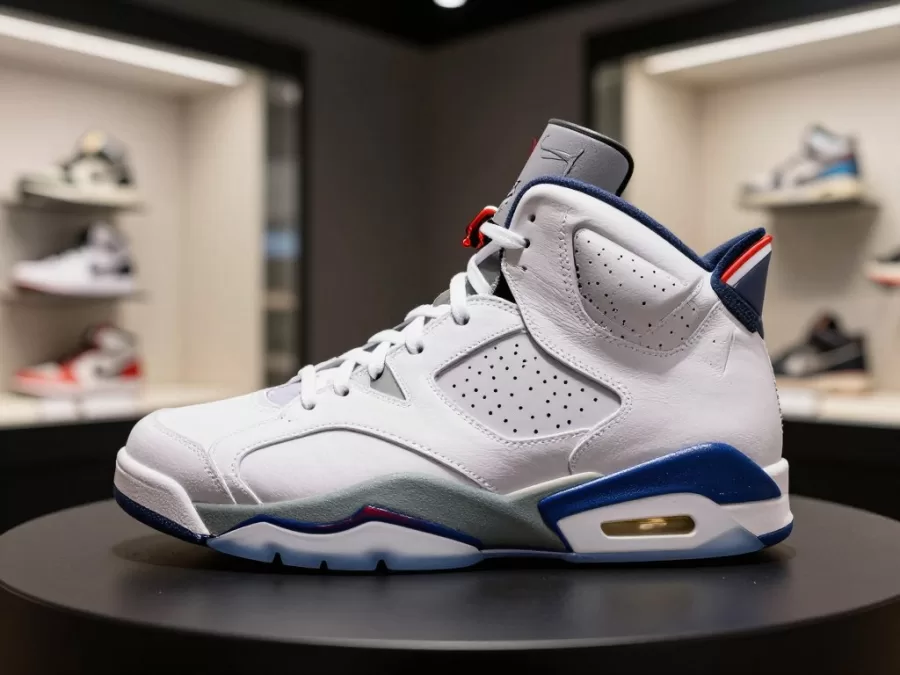
Jordan Brand created a special Air Jordan 6 for rapper Macklemore to commemorate his Seattle roots. Only a handful of pairs exist from this player exclusive production. One pair sold through private auction for approximately $30,000.
The shoes feature Seattle Seahawks-inspired colors with unique material choices. Player exclusives traditionally go only to Jordan Brand athletes and special collaborators. Macklemore earned this honor after his song “Wings” discussed Air Jordan obsession and sneaker culture’s impact.
The “Wings” Connection
Macklemore’s 2011 song “Wings” critically examined consumer culture through his childhood Air Jordan obsession. The track resonated with sneakerheads who recognized their own experiences. Nike and Jordan Brand initially weren’t sure how to respond to this critique.
Eventually, Jordan Brand embraced Macklemore’s genuine love for the shoes despite the song’s conflicted message. Creating a player exclusive showed respect for his authenticity and cultural impact. This gesture transformed potential criticism into celebration.
Seattle Heritage Design
The colorway incorporates navy, green, and grey representing the Pacific Northwest. Premium suede and nubuck materials elevate the execution beyond standard Air Jordan 6 releases. Special insole graphics reference Seattle landmarks and Macklemore’s career.
Jordan Brand’s design team worked directly with Macklemore on these details. The collaborative process ensured the shoes authentically represented his story and hometown pride. This personal touch makes player exclusives more meaningful than general releases.
Player Exclusive Culture
Player Exclusives (PEs) represent the pinnacle of sneaker exclusivity. Brands produce them in tiny quantities for athletes, celebrities, and special occasions. Most PEs never reach the public, existing only in the recipient’s personal collection.
When PEs surface for sale, collectors recognize their extreme rarity. Authentication becomes crucial since fake PEs flood secondary markets. Legitimate pairs usually include documentation proving their connection to the named recipient.
The PE market operates differently from regular sneaker resale. Prices depend heavily on the recipient’s fame and the design’s uniqueness. Macklemore’s cultural relevance and the shoe’s quality explain this pair’s premium value.
Notable Expensive Sneakers Worth Mentioning
Several other sneakers deserve recognition even though they didn’t crack the top 10. These pairs sold for significant amounts and represent important moments in sneaker culture. Each tells a unique story about design, celebrity, or historical significance.
Converse Fastbreak Michael Jordan UNC Sample – $27,000
Before his Nike deal, Jordan wore Converse during college at North Carolina. This game-worn pair from his college days sold at auction in 2020. The shoes predate the Air Jordan phenomenon and show Jordan’s journey to greatness.
Nike Air Force 1 Supreme Louis Vuitton Sample – $25,000
The collaboration between Supreme, Nike, and Louis Vuitton created unprecedented hype. Only sample pairs in certain colorways ever existed. This brown leather version showcased luxury fashion’s full embrace of sneaker culture.
Buscemi 100 MM Diamond – $132,000
Luxury brand Buscemi created this high-top sneaker featuring 11.5 carats of diamonds. The shoe blurs lines between footwear and jewelry. Only a few pairs exist, primarily as demonstration pieces of extreme luxury.
Nike SB Dunk Low Paris – $23,000
This collaboration with French artist Bernard Buffet featured unique artwork. Only 202 pairs released globally through a scavenger hunt in Paris. The creative distribution method and limited quantity created instant collectibility.
Air Jordan 11 Jeter “Respect” PE – $20,000
Derek Jeter received special Air Jordan 11s celebrating his Yankees career. The “Respect” player exclusive featured pinstripe patterns and Yankees colors. Jordan Brand produced very few pairs for Jeter and close associates.
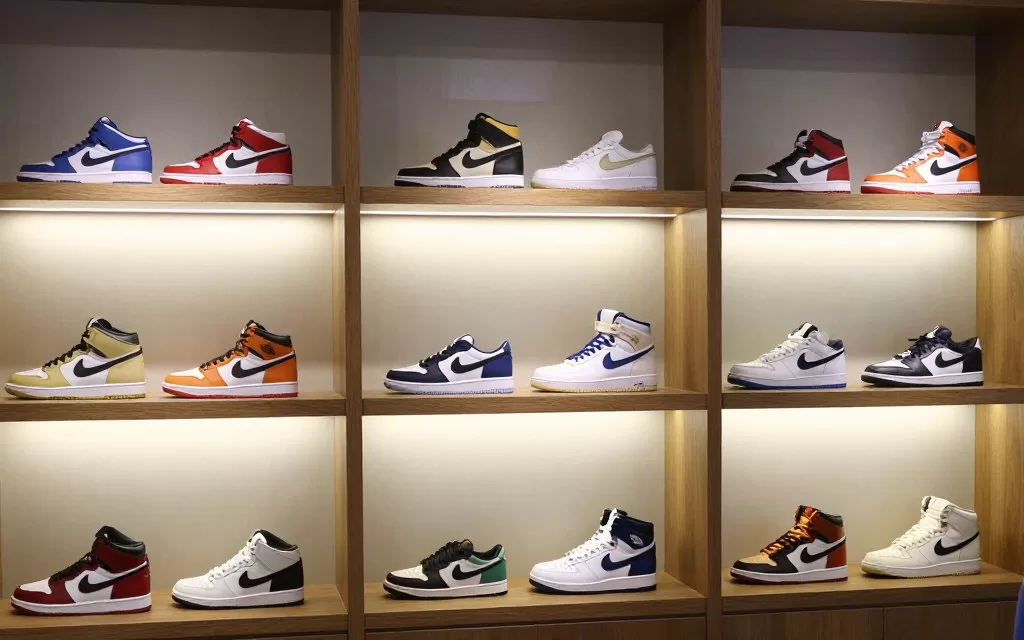
What Drives These Record-Breaking Prices
Understanding why expensive sneakers reach such astronomical values requires examining multiple market forces. The sneaker investment landscape has matured significantly over the past decade. What once seemed irrational now follows predictable economic patterns.
Scarcity Economics
Basic supply and demand explains much of the pricing. When only 10 pairs of a sneaker exist worldwide, and thousands want them, prices climb dramatically. Scarcity alone doesn’t guarantee value, but combined with other factors, it creates perfect conditions for high prices.
Limited production protects against market saturation. Even general release Air Jordans can lose value when Nike produces millions of pairs. The most expensive sneakers maintain value because supply can never increase meaningfully.
Celebrity Provenance Premium
Shoes worn by Michael Jordan command multiples of identical unworn pairs. The personal connection to greatness adds immeasurable value. Celebrity ownership transforms sneakers from products into relics.
Documented game-worn status provides the strongest provenance. Collectors want shoes that witnessed historic moments. This emotional connection justifies premium prices that pure scarcity alone wouldn’t support.
- Celebrity ownership documentation
- Championship game usage
- Unworn deadstock condition
- Original packaging included
- Production numbers under 50
- Major brand collaboration
- Historical design innovation
- Media coverage moments
Value Increasing Factors
- Questionable authentication
- Missing original accessories
- Significant condition issues
- Unclear ownership history
- Mass production quantities
- Trend-dependent designs
- Limited cultural impact
- Poor brand reputation
Value Decreasing Factors
Investment Market Maturation
Institutional investors now view sneakers as legitimate alternative assets. Funds dedicated to sneaker investments have launched in recent years. This professional capital inflow validates the market and supports higher prices.
Auction houses provide price transparency and authenticity guarantees. Sotheby’s and Christie’s involvement brings credibility that sneaker-specific marketplaces previously lacked. Their participation attracts serious collectors willing to pay premium prices.
Cultural Significance
Sneakers that defined moments in hip-hop, sports, or fashion command premiums. The Nike Mag connects to beloved film nostalgia. Air Jordans represent basketball dominance and urban culture evolution. This cultural weight adds value beyond physical attributes.
Museums now collect significant sneakers as cultural artifacts. The recognition from traditional art institutions elevates sneaker culture’s legitimacy. What was once dismissed as materialism now receives scholarly attention and preservation.
Collecting and Investing in Expensive Sneakers
Entering the high-end sneaker market requires knowledge, patience, and significant capital. The landscape differs dramatically from buying retail releases or flipping limited editions. Serious collectors treat expensive sneakers like fine art or rare coins.
Building Investment-Grade Collections
Focus on quality over quantity when building a valuable collection. One pair of Air Jordan 1 Chicago originals from 1985 holds more value than 100 recent releases. Investment-grade sneakers feature provenance, rarity, and cultural significance.
Research market history before making purchases. Understanding price trends helps identify undervalued opportunities. Some expensive sneakers appreciate steadily while others plateau after initial hype.
Authentication Essentials
Never purchase expensive sneakers without professional authentication. Services like Legit Check and authentication companies verify legitimacy. The cost of authentication is trivial compared to buying a fake at premium prices.
Learn to spot common fake indicators yourself. Study genuine pairs closely and understand construction details. Counterfeiters improve constantly, but certain details remain difficult to replicate accurately.
Proper Storage and Care
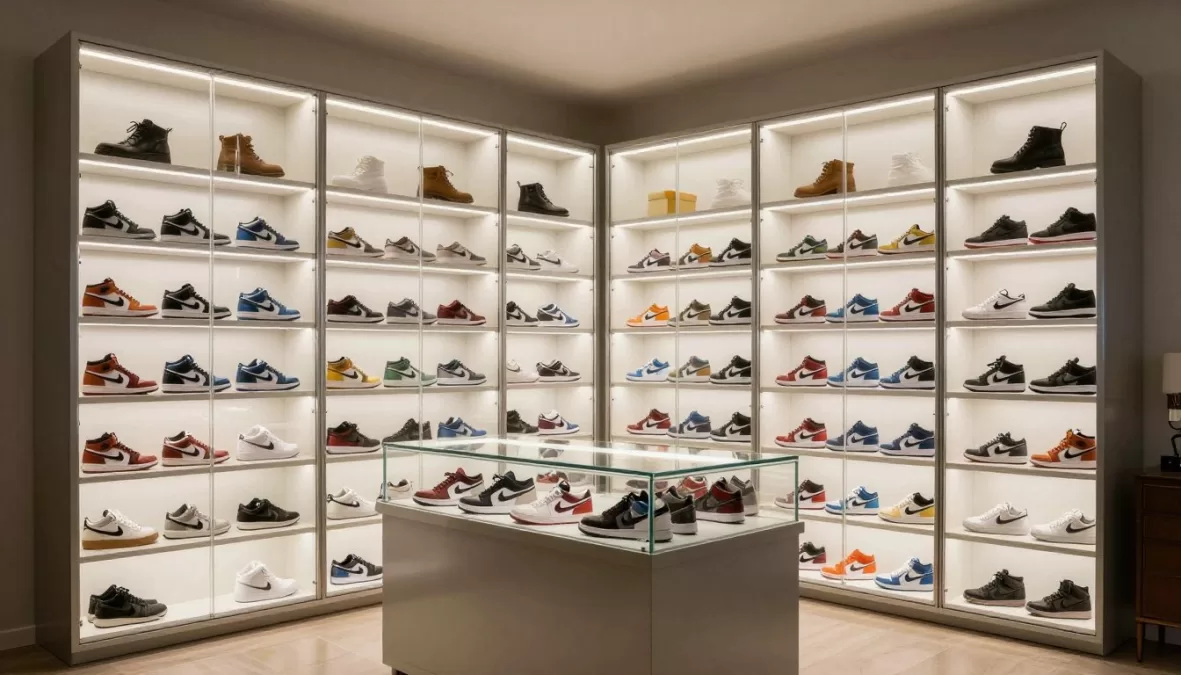
Climate control protects sneaker investments from degradation. Temperature and humidity fluctuations damage materials over time. Proper storage preserves condition and maintains value.
Consider insurance for valuable collections. Standard homeowner’s policies typically don’t cover collectibles adequately. Specialized insurance provides proper coverage against theft, damage, or loss.
Investment Benefits
- Portfolio diversification opportunity
- Tangible assets you can display
- Strong historical appreciation rates
- Passion-driven investment enjoyment
- Growing mainstream acceptance
- International market liquidity
Investment Risks
- Market volatility and trend dependency
- Authentication challenges and fakes
- Material degradation over time
- Storage and insurance costs
- Limited liquidity for quick sales
- Subjective valuation factors
Exit Strategies
Understand selling options before buying. Auction houses charge significant commissions but provide authentication and buyer access. Consignment shops offer faster sales with lower fees but less prestigious marketing.
Private sales can maximize returns but require networking and negotiation skills. Building relationships with serious collectors creates selling opportunities when ready to exit positions. The sneaker community values reputation and trust above all.
Market Trends and Future Outlook
The sneaker investment market continues evolving rapidly. New technologies, changing consumer behaviors, and economic factors all influence where expensive sneakers head next. Understanding these trends helps collectors make informed decisions.
Digital Authentication and NFTs
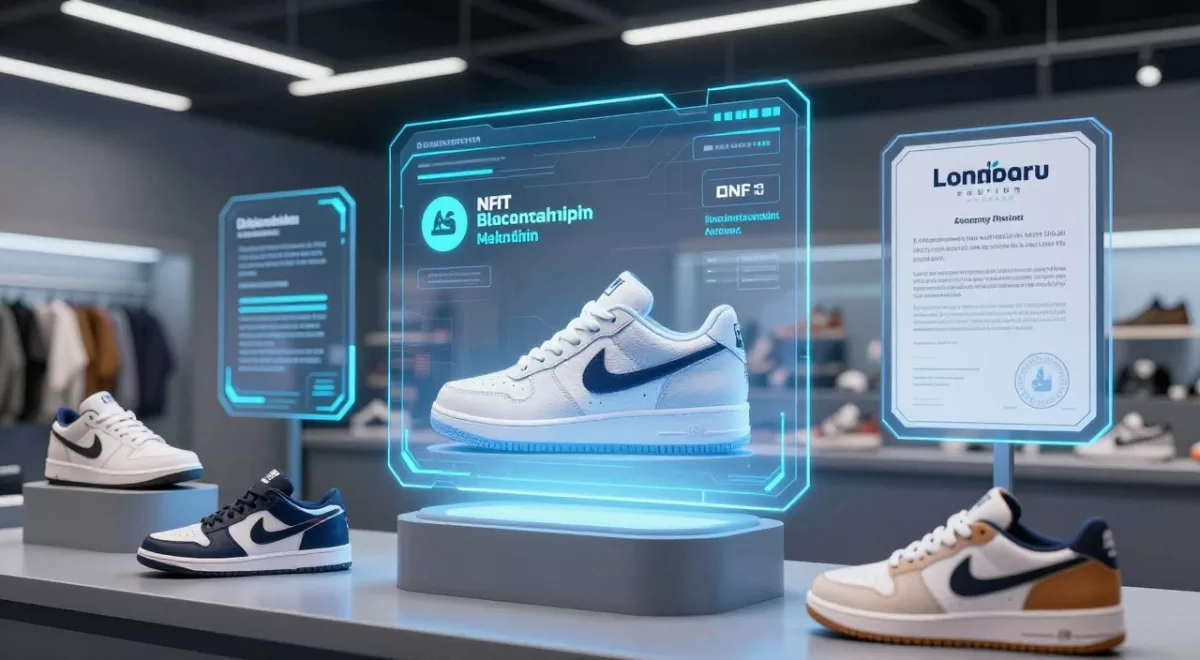
Blockchain technology is transforming sneaker authentication. Brands now attach digital certificates to limited releases. These unforgeable records provide permanent ownership history and verification.
NFT integration with physical sneakers creates new collecting models. Buyers receive digital assets alongside physical shoes. This hybrid approach appeals to younger collectors comfortable with digital ownership.
Fractional Ownership Growth
Companies like Rares and Rally allow multiple investors to own shares of expensive sneakers. This democratization expands the collector base beyond ultra-wealthy individuals. Fractional ownership provides liquidity and accessibility.
The model works best for extremely valuable pairs like the $1.8 million Yeezys. Multiple investors share ownership and benefit from appreciation without needing full purchase capital. Secondary markets allow share trading separate from the physical shoes.
Generation Z Impact
Younger collectors prioritize different factors than previous generations. Environmental sustainability and brand ethics matter alongside design and rarity. This shift influences which sneakers maintain long-term value.
Gen Z embraces digital communities and online transactions more readily. Virtual sneakers in gaming and metaverse environments create new collecting categories. Physical and digital collecting may converge as technology advances.
Economic Factors
Alternative investments typically perform well during economic uncertainty. Wealthy individuals diversify into tangible assets like sneakers, art, and watches. This capital inflow supports high-end sneaker prices.
Inflation concerns make physical collectibles attractive. Unlike currency, rare sneakers can’t be printed or duplicated. Fixed supply combined with growing demand creates favorable investment conditions.
Bullish Indicators
- Institutional investor entry continues
- Museum acquisitions legitimize culture
- Gen Z spending power increasing
- Global market expansion ongoing
- Authentication technology improving
- Celebrity influence growing
Bearish Concerns
- Market correction risks after growth
- Oversaturation of limited releases
- Counterfeit quality improving
- Economic recession possibilities
- Trend fatigue potential
- Material degradation inevitable
Predictions for 2026 and Beyond
Expect continued record-breaking sales as the market matures. The $5 million sneaker seems inevitable as celebrity-owned game-worn pairs reach auction. Institutional capital and fractional ownership platforms will support higher prices.
New collaboration models between luxury brands and sneaker companies will create premium segments. Fashion houses like Louis Vuitton, Dior, and Gucci view sneakers as serious product lines. Their involvement elevates the entire category.
Technology integration becomes standard rather than novelty. Self-lacing, app connectivity, and digital authentication won’t add premiums but will be expected features. Innovation must exceed current norms to create value.
Start Your Sneaker Investment Journey
Whether you’re buying your first investment-grade pair or expanding an existing collection, our experts provide personalized guidance. Get free collection appraisals, market analysis, and access to exclusive buying opportunities.
The Evolution of Sneaker Culture and Value
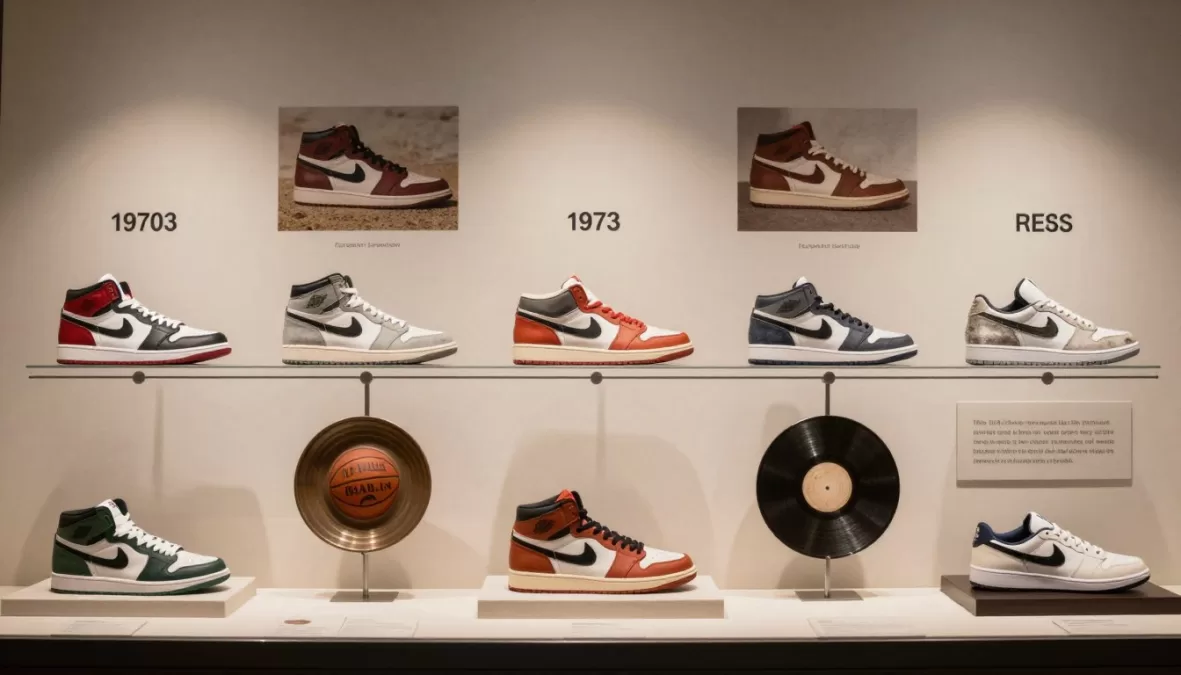
The most expensive sneakers ever sold represent more than footwear. They embody cultural moments, artistic expression, and technological achievement. What started as athletic equipment evolved into investment vehicles competing with traditional assets.
These ten pairs show the breadth of sneaker value drivers. Celebrity provenance pushes Air Jordans to record prices. Innovation creates value in Nike Mags. Artistic collaboration elevates Nike SB Dunks. Each expensive sneaker tells a unique story that resonates with collectors.
The market continues maturing with institutional involvement and technological advancement. Authentication improves while fractional ownership democratizes access. These developments suggest the expensive sneaker market is sustainable long-term rather than a temporary bubble.
For collectors and investors, the opportunity remains strong. Education, patience, and proper due diligence separate successful sneaker investments from costly mistakes. Understanding what drives value helps identify tomorrow’s record-breakers among today’s releases.
The sneaker market shows no signs of slowing. As culture evolves and new generations enter collecting, demand for rare and significant pairs intensifies. The next pair to break records might already exist in someone’s closet, waiting for its story to be recognized.
Whether you’re a serious investor or passionate enthusiast, expensive sneakers offer unique opportunities. They combine tangible ownership, cultural participation, and potential financial returns. Few investment categories provide such engaging ways to build wealth while pursuing genuine interests.

Priyanka Pandey
Senior Research Editor · Top10Sense
Priyanka specializes in tech, consumer products, and digital trends. She combines hands-on testing, vendor interviews, and database research to create trustworthy “Top 10” rankings. Her work has been referenced by industry blogs and brand report pages.