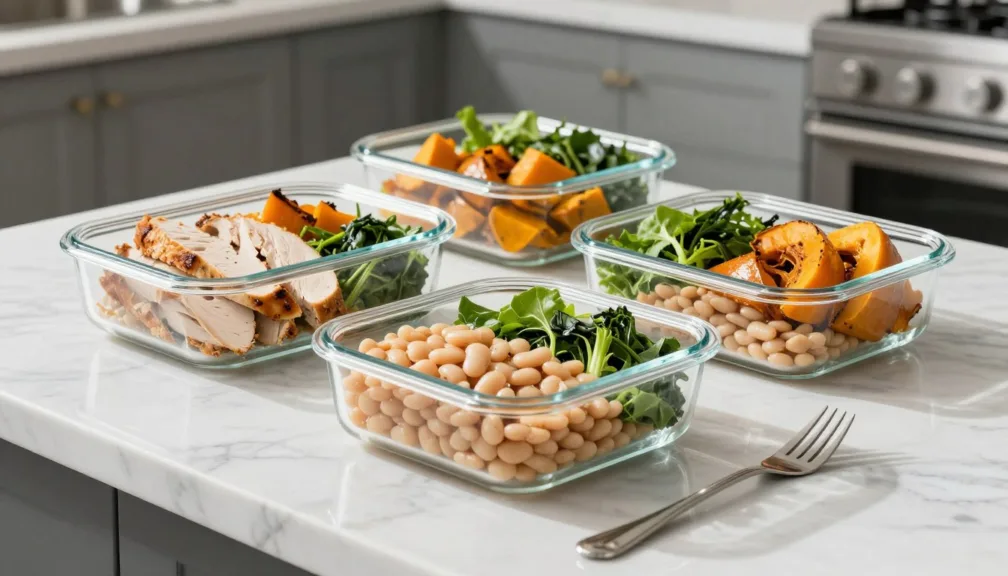
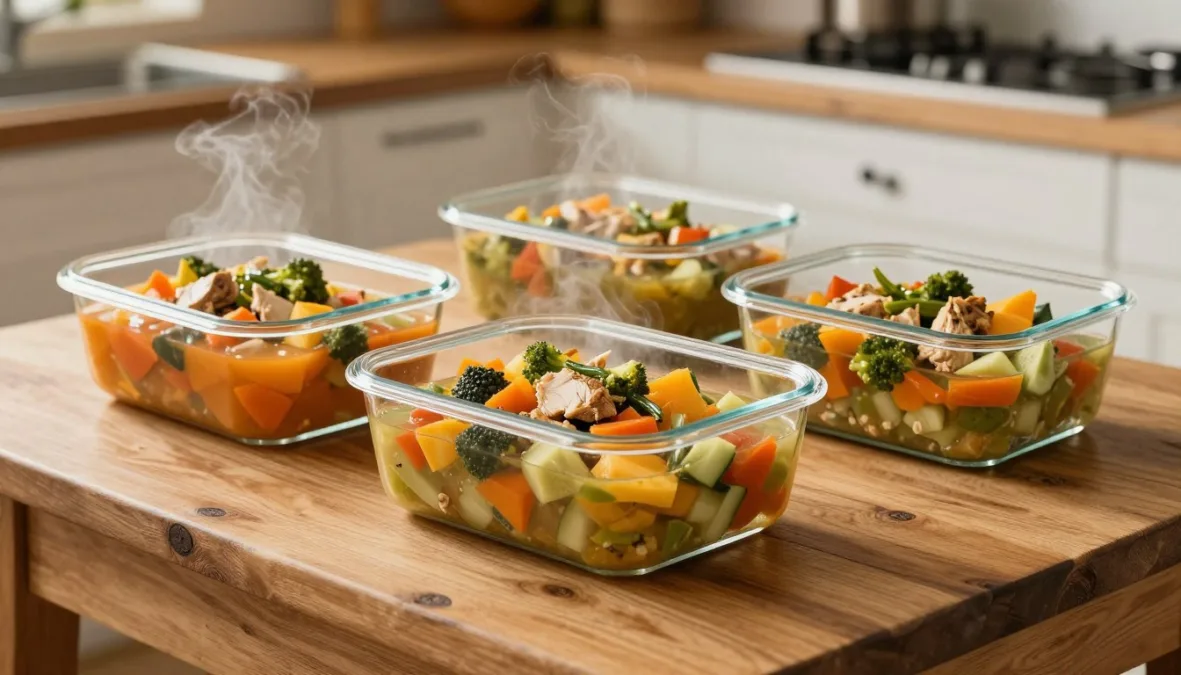
Preparing high-protein winter soups for meal prep streamlines weekday nutrition while delivering warming comfort during chilly weather. The most reliable recipes rely on dense protein bases such as poultry, lean meats, lentils, and hearty legumes that maintain their structural integrity during extended simmering and repeated reheating. Pairing these robust foundations with nutrient-packed root vegetables and aromatic broths produces balanced, satisfying meals ready to enjoy on busy days.
Selecting the ideal recipes depends on household dietary preferences, freezer capacity, and preferred protein sources. Strategic batch cooking allows home cooks to prepare substantial quantities ahead of time, reducing daily kitchen labor while supporting consistent dietary goals throughout the winter season.
Hearty Poultry Soups for Winter Batch Cooking
Poultry delivers a clean, high-density protein foundation that absorbs bold winter spices and aromatic herbs without becoming heavy. Shredded chicken breast, tender thighs, and lean ground turkey retain moisture exceptionally well when submerged in rich, savory broths over several days of cold storage.
Using rich chicken bone broth instead of plain water significantly amplifies the natural savory depth and adds valuable collagen protein to every bowl.
1. Shredded Green Chile Chicken Soup
This Southwestern-style chicken soup combines tender shredded chicken breast, fire-roasted green chiles, sweet corn, diced zucchini, and tender white beans simmered in spiced chicken broth. Cumin, Mexican oregano, and fresh cilantro round out the robust flavor profile.
Each generous serving yields approximately thirty-two grams protein per bowl, making it an exceptional high-protein soup choice for mid-day fuel. The standard recipe batch size delivers six full meal portions.
Serve warm with a squeeze of fresh lime juice and diced avocado. For meal prep storage, cool the soup completely before dividing it into airtight glass containers. Store in the refrigerator for up to several days or freeze individual portions; reheat directly on the stovetop over medium heat until gently simmering.
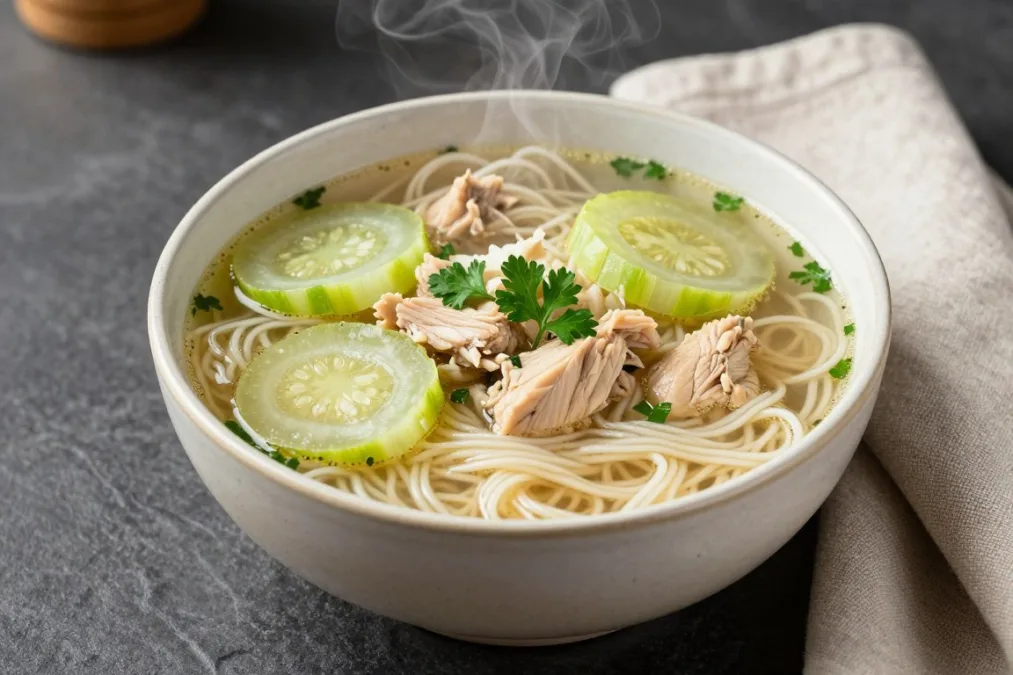
2. Classic Chicken Vegetable Noodle Soup
A beloved weeknight staple, this elevated noodle soup features tender diced chicken meat, thick-sliced carrots, celery, yellow onion, minced garlic, and spiral egg noodles bathed in golden chicken broth infused with thyme and bay leaves. The aromatic vegetables soften gently while maintaining distinctive texture.
A typical serving provides around twenty-seven grams protein per portion, supported by chicken breast and bone broth. The complete batch yield produces eight hearty servings suitable for a full week of lunches.
To optimize this soup for meal prep, cook the egg noodles separately and store them in an individual container to prevent noodle mushiness. Ladle the chilled chicken and vegetable broth over a portion of noodles just before warming. Reheat in a small saucepan over medium flame or in the microwave until steaming hot throughout.
3. Italian Wedding Soup with Turkey Meatballs
This Italian wedding soup showcases seasoned bite-sized meatballs made from lean ground turkey, grated parmesan cheese, and Italian breadcrumbs, simmered alongside chopped curly endive, fresh spinach, and small pasta pearls in a savory broth. Garlic, onion, and dried oregano form the fragrant soup base.
Each bowl provides roughly twenty-six grams protein per serving thanks to the nutrient-dense turkey meatballs. A standard home batch delivers six satisfying dinner portions.
Ladle into shallow bowls topped with a light dusting of aged parmesan. When preparing ahead, keep the meatballs and broth refrigerated in sealed containers. To reheat, warm the portion slowly in a covered pot on the stove until the meatballs are thoroughly hot to the center.
Rich Beef and Sausage Winter Stew Soups
Red meats and savory sausages create deeply satisfying winter soups that provide sustained fullness through cold evenings. Lean ground beef and seasoned pork sausage lend assertive richness to broths loaded with root vegetables and pulses.
| Soup Selection | Batch Yield | Protein Level | Meal Prep Advantage |
| Beef Lentil | Six portions | High density | Lentils absorb savory meat pan juices during prolonged refrigeration. |
| Rustic Sausage | Eight portions | High density | White beans retain firm texture without disintegrating during multiple reheats. |
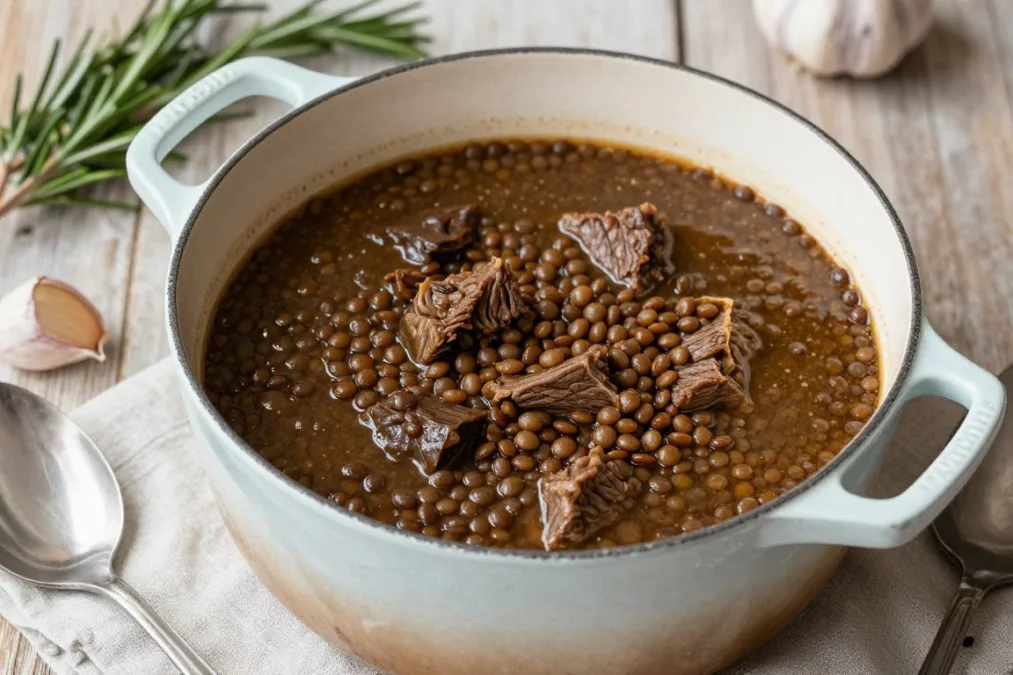
4. Rustic Beef and Green Lentil Soup
Combining lean browned ground beef, green lentils, diced red potatoes, crushed peeled tomatoes, celery, and onion, this thick soup made with beef broth delivers rustic warmth. Smoked paprika and rosemary enhance the hearty profile.
The dual combination of beef and lentils yields approximately thirty grams protein per serving. One complete cooking session yields six filling portions.
Pair with crusty sourdough bread for a complete winter dinner. This soup thickens naturally during refrigeration as the lentils absorb liquid, making it ideal for the freezer. Reheat on the stovetop with an added splash of water or broth to loosen the consistency until steaming.
5. Savory Sausage and White Bean Soup
Crumbled Italian pork sausage combines with creamy cannellini white beans, shredded lacinato kale, sliced fennel, and fire-roasted diced tomatoes in a garlic-infused broth. Fennel seed, crushed red pepper flakes, and thyme provide complex Italian flavor.
Each portion contains roughly twenty-four grams protein per bowl from the meat and creamy beans. The batch yield fills eight standard meal storage containers.
Ladle hot into wide bowls with a side of warm polenta or roasted root vegetables. Store in the refrigerator in glass bowls with locking lids. For reheating, warm in a covered saucepan over medium heat until the greens wilt further and the broth reaches a lively simmer.
Plant-Based Bean and Lentil Winter Soups
Legumes, pulses, and whole grains form the backbone of economical, fiber-dense vegetarian meals that keep appetite satisfied for hours. Dried and canned pulses soften without falling apart, making them superior candidates for forward-looking meal prep schedules.
- Lentils and beans thicken broth naturally without requiring heavy dairy or refined flour thickeners.
- Plant proteins resist flavor degradation during cold storage and taste deeper after resting overnight.
- Combining legumes with ancient grains establishes complete amino acid profiles in plant-forward recipes.
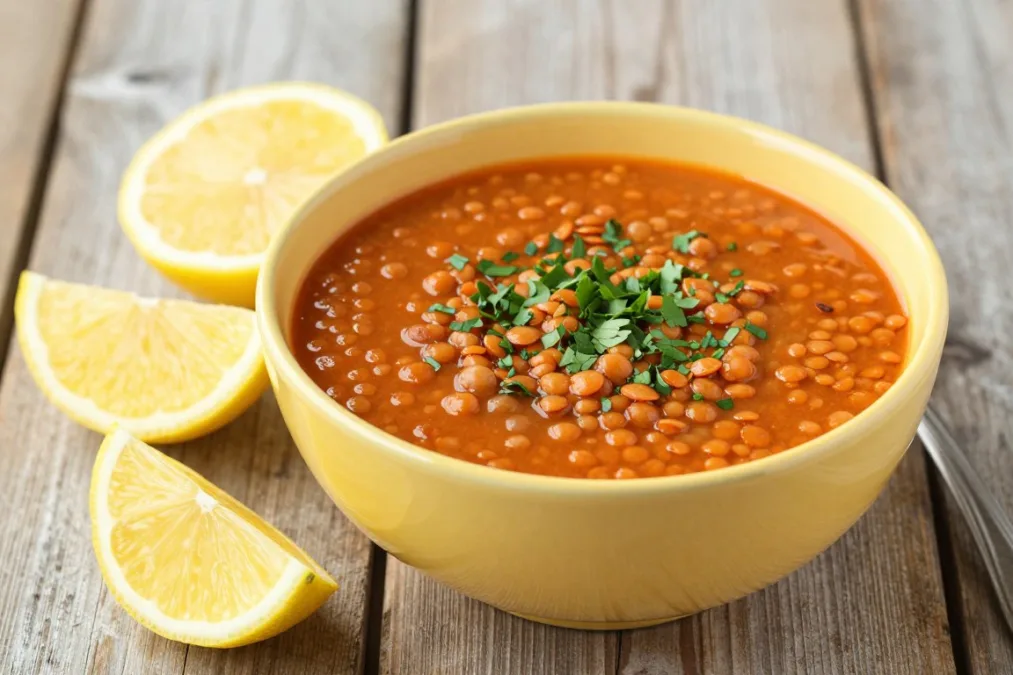
6. Mediterranean Lemon Red Lentil Soup
Split red lentils, golden diced carrots, sweet onions, minced ginger, and ground turmeric simmer in vegetable stock before receiving a burst of fresh lemon juice and folded baby spinach. Cumin and coriander impart a warming Mediterranean glow.
This bright vegetarian soup provides around nineteen grams protein per serving through the high-density lentils. A standard stockpot prep yields eight satisfying lunch portions.
Serve topped with toasted pumpkin seeds and a swirl of olive oil. Red lentils break down into a smooth, comforting puree that stores exceptionally well in the refrigerator or freezer. Reheat slowly in a pan, whisking gently to restore a silky texture as heat rises.
7. Tuscan White Bean and Kale Soup
Plump great northern white beans simmer alongside chopped Tuscan kale, diced roma tomatoes, yellow carrots, and sweet onions in an herb-infused vegetable broth. Rosemary and minced garlic give the aromatic broth authentic Italian depth.
The bean-dense formulation yields approximately eighteen grams protein per serving. One batch comfortably provides six meal portions.
Present in deep bowls alongside whole grain flatbread. To store, divide into portioned containers once steam subsides. Reheat in a small pot over medium-low heat, stirring occasionally until hot throughout.
8. Smoky Black Bean and Quinoa Chili Soup
Tender black beans, protein-rich quinoa, sweet bell peppers, corn kernels, and crushed tomatoes simmer in a cumin and smoked paprika broth. Fresh lime juice balances the smoky chili undertones.
Each bowl provides roughly twenty-two grams protein per serving derived from the synergistic quinoa and black bean pairing. The standard recipe batch yields eight hearty servings.
Garnish with fresh cilantro sprigs and crunchy tortilla strips. Because quinoa continues to absorb broth over time, this recipe benefits from extra broth when packing containers. Reheat in the microwave on high in short intervals or on the stovetop with a splash of broth until bubbling.
High-Protein Tofu and Dairy Winter Soups
Incorporating extra-firm pressed tofu and reduced-fat cheeses into soup recipes produces velvety textures without compromising protein numbers. These vegetarian creations cater to comfort food cravings while maintaining strong nutritional profiles.
Add dairy components and delicate soy proteins near the end of cooking to preserve their smooth consistency and prevent separation during subsequent reheating.
9. Curried Extra-Firm Tofu and Vegetable Chowder
Crisp-browned cubes of extra-firm tofu join tender green peas, diced sweet potatoes, cauliflower florets, and red bell peppers in a rich yellow curry broth. Coconut milk provides subtle silkiness while fresh ginger and turmeric add vibrant spice.
This creative soup yields approximately twenty-three grams protein per portion via the nutrient-dense tofu and green peas. One preparation cycle yields six complete servings.
Serve hot over a small scoop of steamed brown rice or alongside warm naan bread. Store in glass storage containers to avoid turmeric staining. Warm on the stovetop over medium-low heat to ensure the tofu heats through without breaking apart.
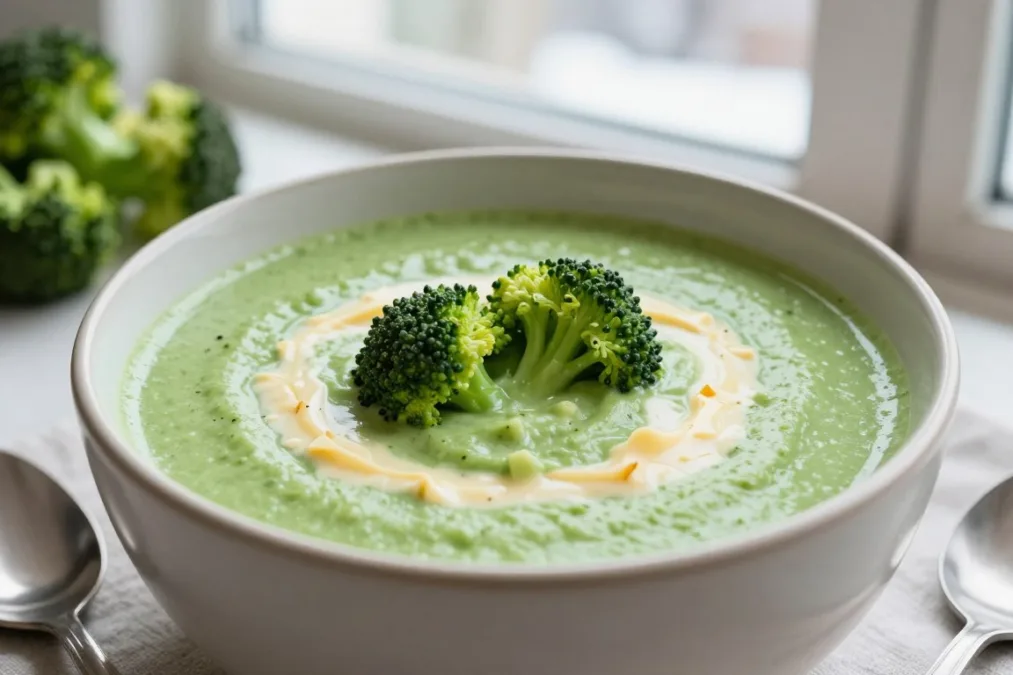
10. Cheddar Broccoli and White Bean Chowder
Fresh broccoli florets and pureed white beans form a creamy, rich soup base blended with sharp cheddar cheese, minced celery, yellow onion, and vegetable stock. Pureeing half the white beans replicates heavy cream while preserving high nutritional value.
Each bowl offers about twenty-one grams protein per serving from the combination of legumes and mature cheddar cheese. A single batch yields six generous servings.
Garnish with reserved steamed broccoli florets and freshly cracked black pepper. Store in sealed containers in the refrigerator, avoiding the freezer due to the cheese content. Reheat gently over low heat while stirring constantly to prevent the dairy elements from curdling.
Batch Storage for High-Protein Winter Soups for Meal Prep
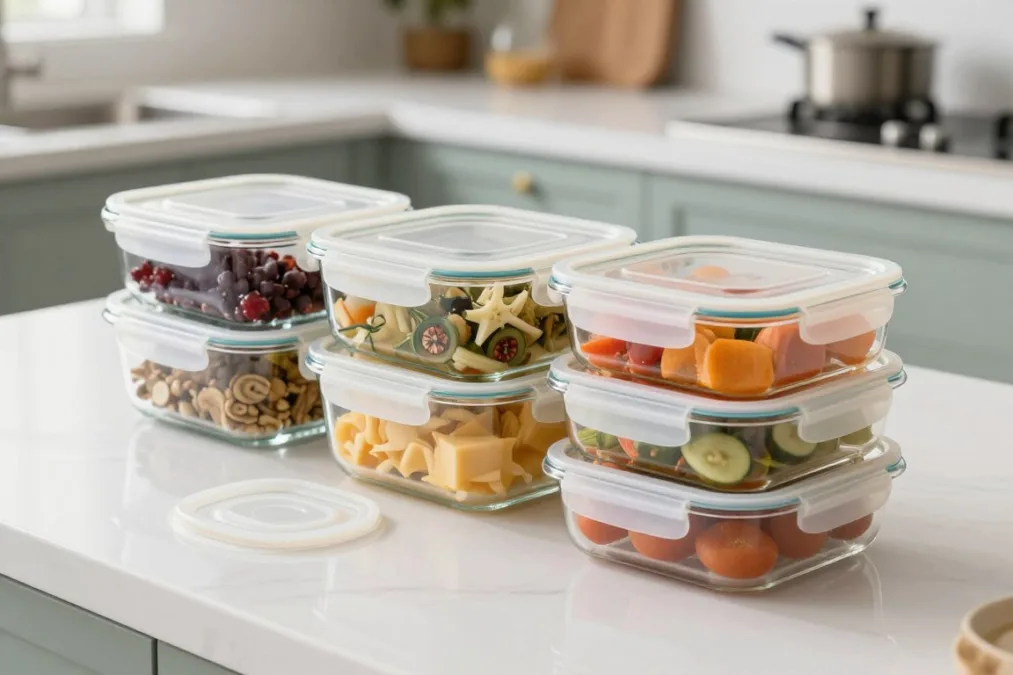
Successful weekly meal preparation requires disciplined chilling, portioning, and thawing routines that safeguard flavor and food safety. Following uniform packaging protocols allows home cooks to preserve texture and nutritional density across diverse soup varieties.
- Allow freshly simmered soup to cool slightly at room temperature before placing the pot in a shallow cold-water bath to drop internal temperature quickly.
- Distribute cooled soup into pre-measured single-portion glass or BPA-free freezer containers, leaving appropriate headspace at the top for liquid expansion during freezing.
- Transfer meal containers destined for immediate consumption to the coldest refrigerator shelf, reserving secondary batches for rapid freezing.
- Defrost frozen soup portions overnight in the refrigerator prior to heating, or thaw directly using gentle stovetop heat on low flame.
- Reheat all stored soups until liquid reaches a continuous, bubbling boil to ensure thorough internal temperature throughout the mixture.
Frequently Asked Questions
Can high-protein soups with dairy be frozen for meal prep?
Soups containing significant amounts of cheese or milk tend to separate and develop a grainy texture when frozen and thawed. It is preferable to freeze the vegetable and bean base alone, then stir in dairy ingredients during the final reheating stage.
How can protein content be increased in vegetarian soups without meat?
Incorporating pureed cannellini beans, cooked red lentils, nutritional yeast, hemp hearts, or firm diced tofu significantly elevates protein totals. Replacing standard vegetable broth with high-protein vegetable stock made from simmered pulses also adds nutritional density.
How are noodles kept from becoming soggy in prepared chicken soup?
Boil the pasta separately and store cooked portions in an independent container with a light coating of oil. Add the cold noodles directly to individual bowls immediately before pouring hot broth over them during mealtime.
Why are glass containers preferred over plastic for storing winter soups?
Glass containers do not absorb stains from tomato or turmeric broths and withstand temperature transitions without releasing odors or chemicals. They also allow direct microwave or oven reheating without transferring food between vessels.
Reliable Winter Meal Prep with Protein-Rich Soups
Batch cooking nutrient-dense winter soups establishes a dependable routine of wholesome, warming lunches and dinners throughout the coldest months. Choosing resilient ingredients like poultry, lean meats, beans, and lentils preserves meal quality across multiple days of storage and reheating. With disciplined portioning and proper chilling habits, high-protein soups remain a practical cornerstone of seasonal nutrition.

Priyanka Pandey
Senior Research Editor · Top10Sense
Priyanka specializes in tech, consumer products, and digital trends. She combines hands-on testing, vendor interviews, and database research to create trustworthy “Top 10” rankings. Her work has been referenced by industry blogs and brand report pages.