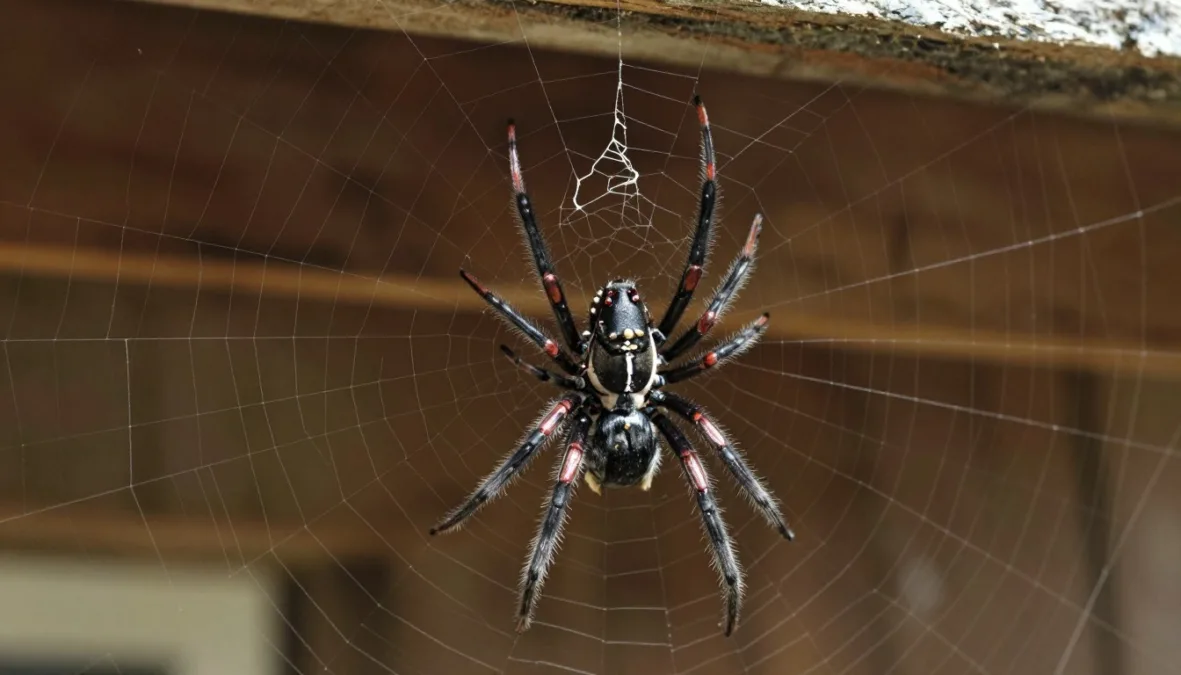
Nearly all spiders possess venom to subdue prey, yet only a minuscule fraction of species across the country have fangs strong enough to pierce human skin or venom capable of producing medically significant reactions. A realistic evaluation of the top 10 venomous spiders in the US separates verified clinical hazards from harmless household arachnids that merely look intimidating.
Geographic range, natural defensiveness, venom toxicity, and documented clinical bite histories determine whether an encounter represents a medical emergency or a temporary skin irritation. Understanding these differences reduces unnecessary alarm while providing practical awareness for the few species that warrant medical attention.
Understanding Spider Venom and Medical Significance
Spider venom serves primarily to immobilize insect prey and initiate external digestion. Spiders have no predatory interest in humans and bite solely in self-defense when pressed against skin, trapped inside footwear, or defending an egg sac.
Entomologists and toxicologists distinguish between venomous spiders and medically significant spiders. While hundreds of native species deliver venom that causes minor localized swelling akin to a bee sting, only species possessing neurotoxic or cytotoxic venom with documented systemic human reactions qualify as medically important.
Medical significance requires both the mechanical capacity to inject venom into human tissue and chemical components that cause systemic illness or localized tissue death. The vast majority of reported spider bites represent misdiagnosed skin infections, contact dermatitis, or bites from other arthropods.

Accurate classification of spider species requires examination of eye patterns and physical anatomy rather than color alone.
The Recluse Group: Brown Recluse and Desert Recluse
Spiders within the genus Loxosceles carry cytotoxic venom containing the enzyme sphingomyelinase D, which can cause localized cellular necrosis in susceptible tissue. Although dozens of species exist worldwide, the brown recluse and desert recluse represent the primary species of concern in North America.
Documented recluse bites typically follow unintentional contact, such as pulling on stored clothing, reaching into dark storage containers, or rolling over in bed. In most instances, the bite remains painless initially, with localized redness and tenderness developing gradually as the venom disrupts capillary circulation.
| Species | Scientific Name | Primary Range | Clinical Severity | Distinguishing Characteristics |
| Brown Recluse | Loxosceles reclusa | Midwest and South | Medically significant | Uniform violin pattern and six eyes arranged in distinct pairs. |
| Desert Recluse | Loxosceles deserta | Southwest deserts | Moderate to significant | Pale yellowish body with fainter violin marking on carapace. |
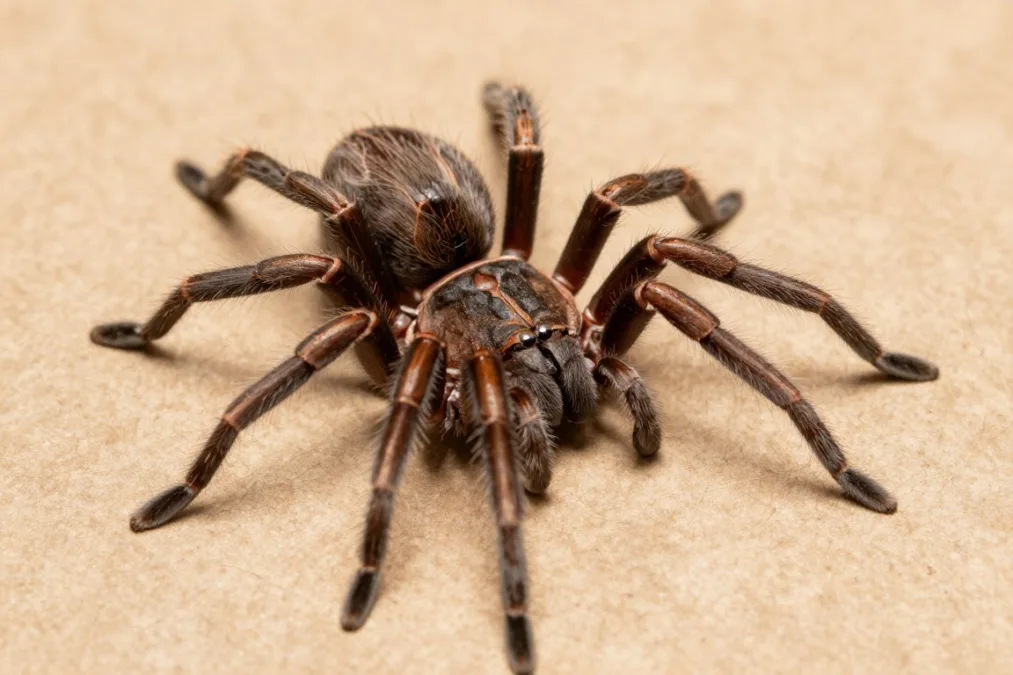
The brown recluse exhibits a uniform tan coloration without stripes or bands on its legs.
While severe necrotic lesions capture public attention, public health data confirms that many recluse bites heal without extensive scarring. Systemic loxoscelism, involving fever, chills, and red blood cell breakdown, remains rare and predominantly affects vulnerable individuals.
The True Black Widows: Southern, Western, and Northern Species
The genus Latrodectus contains the true widow spiders, known for alpha-latrotoxin, a potent neurotoxin that stimulates massive neurotransmitter release. In the United States, three distinct black widow species represent the primary source of severe neurotoxic envenomation.
Female black widows construct messy, tangled webs in undisturbed, protected locations such as woodpiles, crawl spaces, water meter boxes, and outdoor sheds. Bites occur almost exclusively when a person reaches into an unseen web or traps a spider against an object.
- Southern Black Widow (Latrodectus mactans): Found throughout southeastern states, featuring a jet-black spherical abdomen with a complete, bright red hourglass marking on the underside.
- Western Black Widow (Latrodectus hesperus): Prevalent from the Great Plains westward to the Pacific Coast, possessing similar jet-black coloration with an hourglass that may appear split or bordered in yellow.
- Northern Black Widow (Latrodectus variolus): Distributed through the northeastern states and southern Canada, marked by a split red hourglass and a series of white or red spots along the dorsal midline.
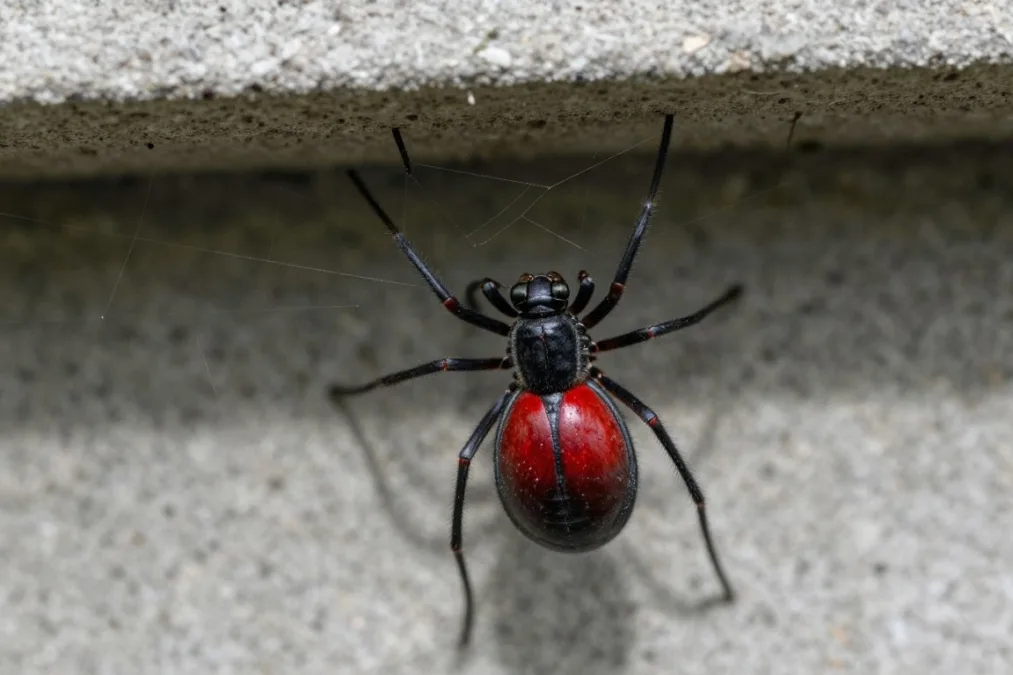
The red hourglass marking sits on the underside of the abdomen, not on top.
The clinical syndrome following an envenomation is termed latrodectism. Symptoms often begin with sharp local discomfort, followed by progressive muscular cramping, abdominal rigidity, profuse sweating, and elevated blood pressure that warrant prompt clinical evaluation.
Emerging and Regional Widows: Brown Widow and Red Widow
Beyond the classic black widows, two additional Latrodectus species inhabit distinct geographic pockets of the United States. While related to their darker counterparts, their clinical impact varies based on venom yield and specialized habitat preferences.
The brown widow (Latrodectus geometricus) has established widespread populations across southern and southwestern states, frequently occupying urban structures and patio furniture. The red widow (Latrodectus bishopi) remains confined to central and southern Florida pine scrub ecosystems.
Brown widows produce spiked, tufted egg sacs that look distinct from the smooth, round paper-like sacs of black widows. Their venom possesses notable toxicity, but clinical cases show that brown widows typically inject smaller volumes during defensive bites, resulting in milder symptoms.
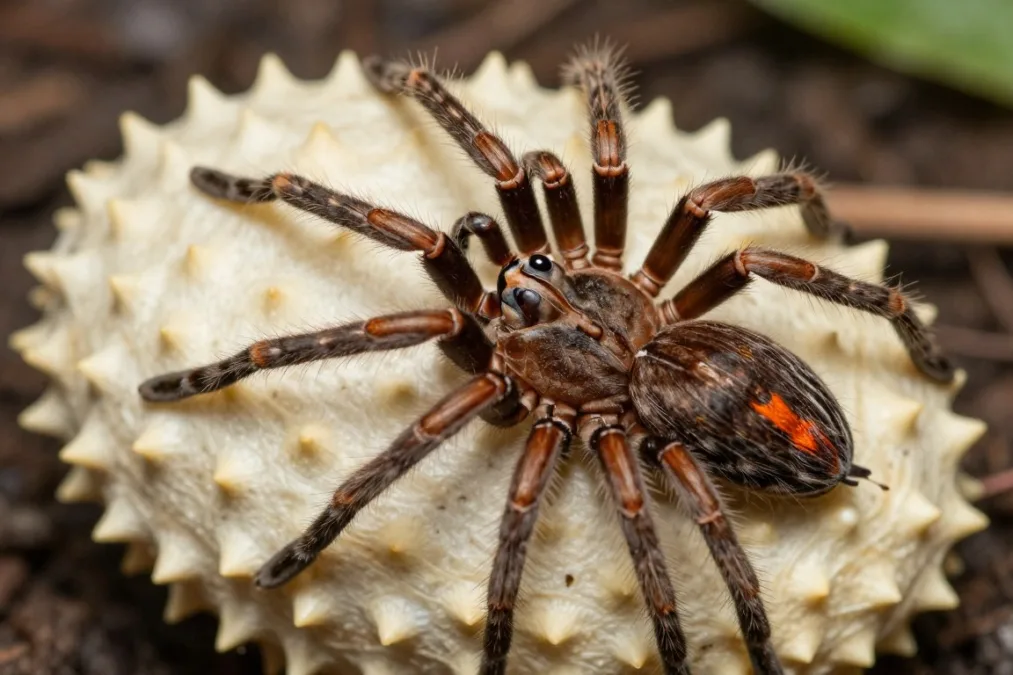
Brown widows display banded legs and an orange hourglass marking on the ventral abdomen.
Red widows rarely come into direct contact with humans due to their strict reliance on sand pine scrub vegetation and palmetto fronds. In instances where bites occur, symptoms mirror black widow envenomation, though documented clinical encounters remain exceedingly uncommon in medical literature.
Yellow Sac Spiders and Hobo Spiders: Demystifying the Myths
Yellow sac spiders (genus Cheiracanthium) and hobo spiders (Eratigena agrestis) have historically received substantial media blame for necrotic lesions. Rigorous contemporary arachnological and toxicological investigations have corrected many of these early mischaracterizations.
Yellow sac spiders wander actively inside structures and commonly account for minor indoor bites. Hobo spiders, native to Europe and established in the Pacific Northwest, were once suspected of causing necrosis, but verified human bite studies have consistently failed to demonstrate cytotoxic effects.
- Pale yellowish to light green coloration with dark fangs
- Construct small silk resting sacs in ceiling corners and foliage
- Bite produces burning pain, localized swelling, and mild itch
- Rarely produces small, self-limiting blisters that heal completely
Yellow Sac Spiders
- Brown body with indistinct herringbone patterns on the abdomen
- Build funnel-shaped horizontal webs near ground level
- Bite causes localized redness, mild aching, and minor swelling
- No verified clinical evidence of necrotic venom in human tissue
Hobo Spiders
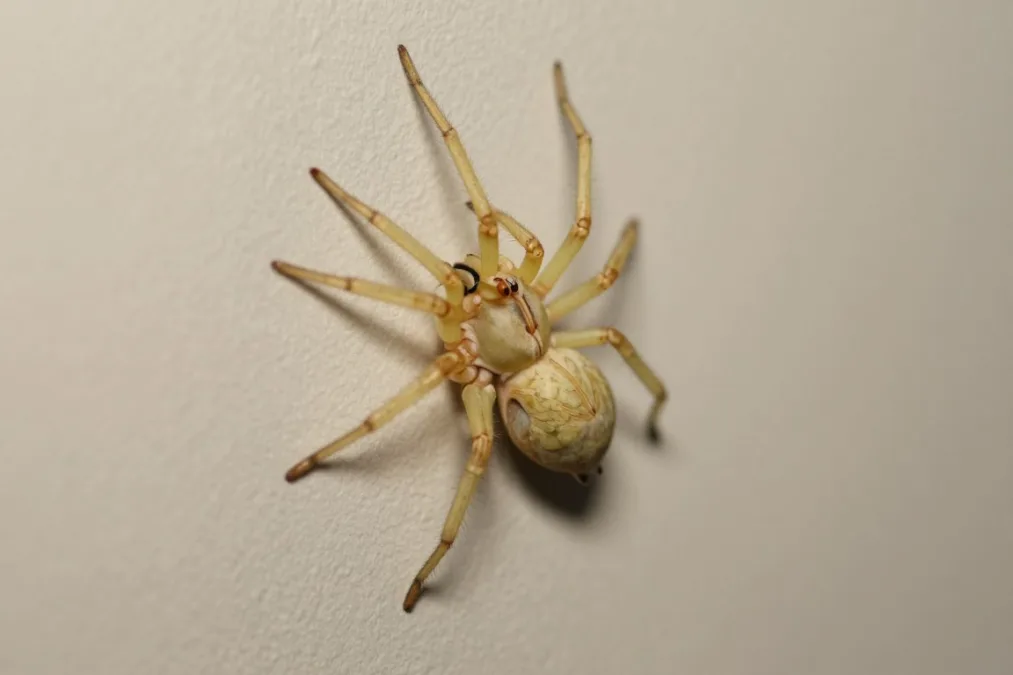
Yellow sac spiders construct silk retreats along indoor baseboards and wall corners.
Neither species causes systemic toxicity or progressive tissue loss. Symptoms typically subside without medical intervention beyond basic wound hygiene and cold compress application.
Wolf Spiders: Widespread Hunters with Mild Venom
Representing the family Lycosidae, wolf spiders rank among the most frequently observed outdoor and indoor arachnids across all fifty states. Their large size, rapid movement, and robust hairy bodies frequently prompt fear, leading observers to assume they are dangerous.
Wolf spiders do not build webs to capture prey; instead, they roam actively across garden mulch, grassy lawns, and basements. Because their fangs are large enough to pierce human skin, a defensive bite can cause immediate mechanical discomfort.
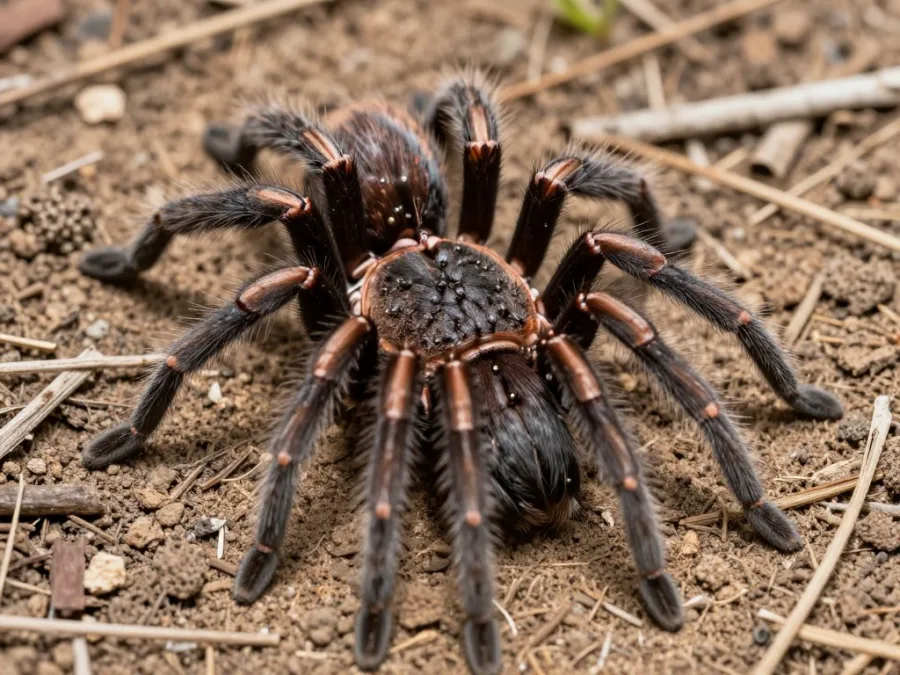
Maternal Behavior
Female wolf spiders carry their egg sacs attached to their spinnerets and later transport newly hatched spiderlings on their abdomen. This protective habit often brings them into visible contact with gardeners.
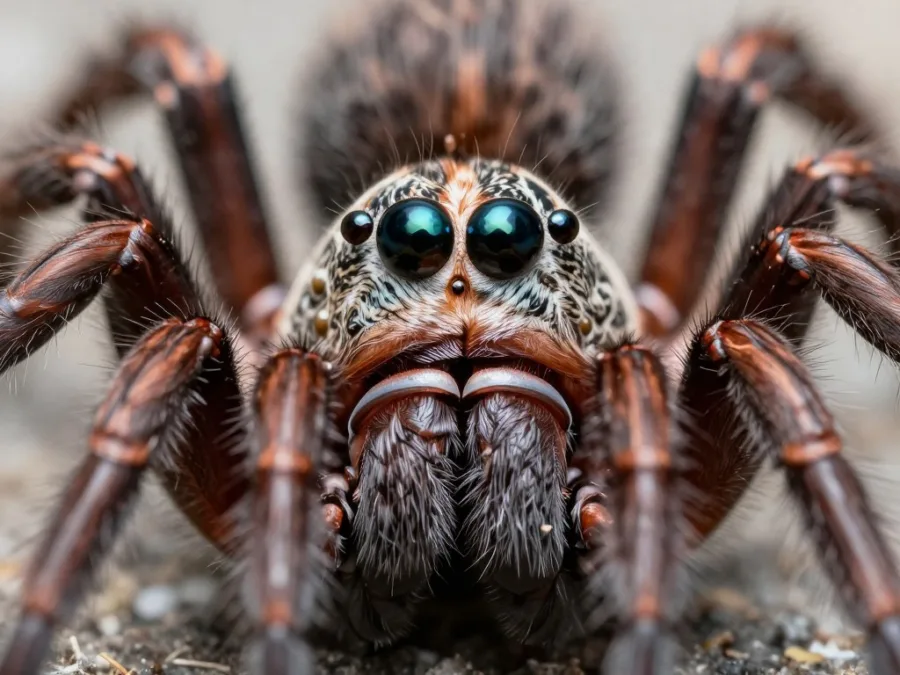
Distinctive Eye Pattern
Wolf spiders feature eight eyes arranged in three horizontal tiers, with two prominent center eyes that provide keen eyesight for stalking insects in leaf litter and low brush.
Venom from wolf spiders contains compounds harmless to human metabolic processes. A bite typically produces mild localized swelling, fleeting pain comparable to a minor bee sting, and transient redness that resolves independently.
Identification Pitfalls: Why Appearance Alone Is Unreliable
Visual identification of spiders based on general coloration or fleeting impressions routinely results in errors. Many innocuous household spiders share mottled tan or dark brown colors with dangerous species, causing widespread misidentification.
For example, cellar spiders, barn funnel weavers, and fishing spiders are regularly mistaken for brown recluses. Similarly, false black widows (genus Steatoda) feature bulbous dark abdomens that deceive homeowners, despite lacking the distinctive red ventral hourglass marking.
Never rely on a single physical trait such as a faint violin-like smudge on the body. Conclusive identification requires examining the arrangement and number of eyes under magnification alongside verified regional range maps provided by state university entomology departments.
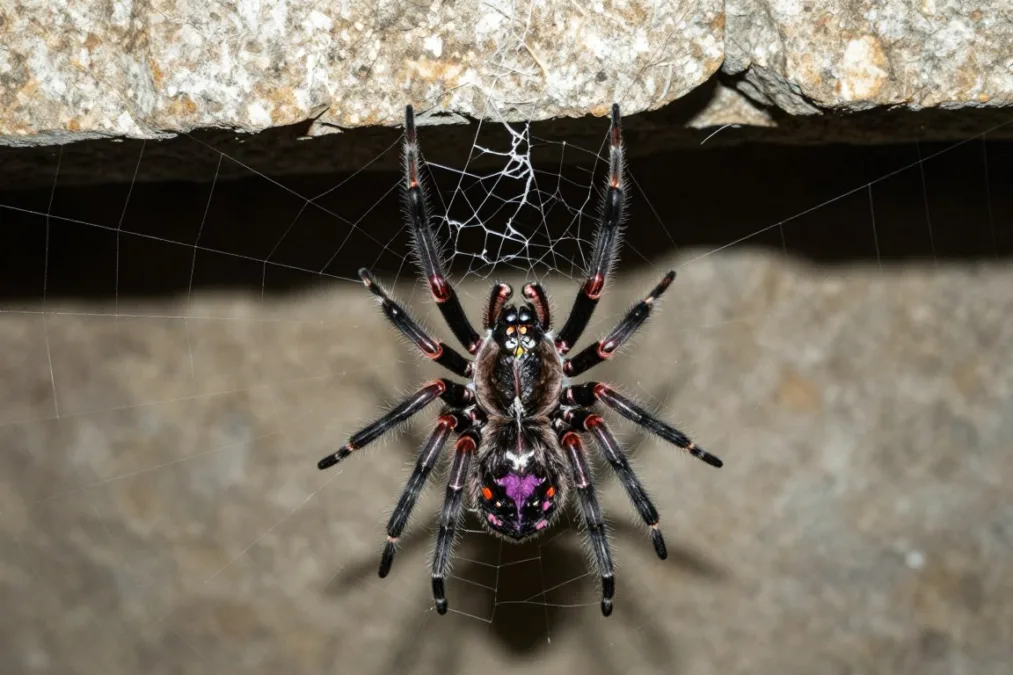
False black widows possess round, dark bodies but lack the bright red abdominal markings of true widows.
Confirming that a specimen was collected within the documented geographical range of the species remains the fastest method to rule out brown recluse encounters. Finding a true recluse outside its established geographic territory occurs very rarely.
Practical Prevention and Indoor Habitat Management
Reducing spider encounters involves straightforward environmental adjustments around residences and outbuildings. Discouraging spider harborages eliminates the conditions that attract both spiders and their insect prey.
Focus preventative maintenance on storage areas, structural perimeters, and personal storage habits where spiders find dark, quiet retreats.
- Store seasonal clothing, blankets, and footwear inside sealable plastic storage containers rather than open cardboard boxes.
- Shake out boots, gardening gloves, jackets, and work apparel before putting them on after storage in basements or garages.
- Move firewood stacks, timber piles, and rock borders away from foundation walls to eliminate outdoor harborage zones.
- Seal cracks around basement windows, utility pipes, and sliding door frames with silicone caulk or weatherstripping.
- Install yellow or warm sodium lighting at exterior doors to reduce night-flying insects that attract predatory spiders.
First Aid and Warning Signs Requiring Urgent Medical Attention
When a bite occurs, prompt first-aid steps reduce the spread of venom and lower the risk of secondary bacterial infection. Capturing the spider carefully in a small sealed container or photographing it clearly assists healthcare providers with proper identification.
Wash the bite area thoroughly with mild soap and clean running water, apply a cold cloth or ice pack wrapped in cloth, and keep the affected limb elevated when possible to limit swelling.
Immediate First Aid
Cleanse the puncture site gently. Apply a cold compress intermittently and avoid applying tourniquets, cutting the wound, or attempting mechanical suction.
Systemic Warning Signs
Seek medical care if severe muscle spasms, abdominal cramping, difficulty breathing, dizziness, or uncontrollable sweating develop after a suspected bite.
Necrotic Warning Signs
Consult a healthcare professional if an expanding purple discoloration, central blistering, or an open ulceration forms around the bite location over subsequent days.
For immediate expert guidance regarding any suspected spider bite, contacting a regional poison control center or consulting a physician provides accurate triage. Medical evaluation confirms whether antivenom, muscle relaxants, or specific wound management protocols are warranted.
Frequently Asked Questions About US Venomous Spiders
Are daddy longlegs the most venomous spiders in the world?
No, this widespread myth is biologically incorrect. Opiliones (harvestmen) possess no venom glands or fangs at all, while cellar spiders (Pholcidae) have weak venom that poses no danger to human health.
Can a black widow spider bite cause death?
Fatalities from black widow bites remain exceptionally rare in the United States due to supportive hospital care and available antivenom. Healthy adults generally experience intense systemic symptoms that resolve over time under appropriate clinical observation.
How do healthcare providers verify a spider bite?
A definitive diagnosis requires catching the spider in the act of biting and having an entomologist or toxicologist confirm the specimen. The vast majority of suspected spider bites are diagnosed presumptively based on localized cutaneous reactions.
Do brown recluse spiders live across all fifty states?
No, brown recluse populations concentrate firmly in the central Midwestern and South-Central states. Isolated specimens occasionally hitchhike in moving boxes, but self-sustaining outdoor and indoor populations do not exist outside their established range.
Should someone suck venom out of a spider bite?
Mechanical suction or cutting the skin around a bite is strongly discouraged by medical guidelines. These actions introduce oral bacteria, damage delicate subcutaneous tissue, and do not remove meaningful amounts of injected venom.
Summary of Verified Health Risks
While an extensive variety of arachnids call North America home, only widow spiders and recluse species present verified, medically significant threats to human health. Maintaining sensible storage habits, clearing clutter around building perimeters, and recognizing genuine warning signs minimizes bite risks. Relying on verified biological traits rather than exaggerated rumors enables confident and safe coexistence with native wildlife.

Priyanka Pandey
Senior Research Editor · Top10Sense
Priyanka specializes in tech, consumer products, and digital trends. She combines hands-on testing, vendor interviews, and database research to create trustworthy “Top 10” rankings. Her work has been referenced by industry blogs and brand report pages.