Halloween jokes for kids bring lighthearted laughter to autumn celebrations through friendly monster tropes, silly wordplay, and easy question-and-answer setups. The best jokes rely on familiar seasonal characters such as ghosts, skeletons, witches, and vampires while keeping punchlines simple and cheerful. Children enjoy sharing humor that feels festive without crossing into genuinely frightening territory.
Success with festive humor depends on matching punchlines to the age of the audience and choosing themes that spark quick recognition. Clear imagery and relatable puns allow young storytellers to recite every line smoothly during festive gatherings. Simple setups also help children practice expressive vocal rhythm and social confidence among family and peers.
The Top 10 Halloween Jokes for Kids
Classic question-and-answer setups make jokes easy to remember and fun to deliver on any spooky occasion. These ten selections highlight beloved autumn figures, silly sound effects, and simple puns that delight listeners of all ages.
- Why did the skeleton go to the party alone? Because he had no body to go with him.
- What kind of candy do ghosts love best? Boo-berries and sweet ghost drops.
- Why do vampires make bad artists? Because they only draw blood.
- What do you call two witches living together? Broom-mates.
- How do monsters like their eggs cooked? Terror-fried on a haunted skillet.
- Why did the scarecrow win a prize? Because he was outstanding in his cornfield.
- What do skeletons say before they start eating? Bone appetite.
- Why was the baby ghost sad? He wanted his mummy to tuck him into bed.
- What is a witch favorite subject in school? Spelling class with magic pencils.
- What happens when you drop a pumpkin? It becomes squash on the sidewalk.
Young speakers can easily recite these punchlines from memory because each line connects directly to the core nature of the character. Skeletons naturally bring bone puns, while ghosts rely on playful vocal sounds like howling or shouting boo. Practicing these setups before heading out into the neighborhood gives youngsters an exciting repertoire of festive cheer.
Parents and teachers often discover that repeating these short gags during seasonal crafts keeps energy levels high and cheerful. The brevity of each riddle prevents listeners from losing track of the story before the punchline lands. When children understand the double meanings behind words like broom-mates or squash, their appreciation for wordplay grows alongside their festive enthusiasm.
Ghost Chuckles and Haunted House Humor
Ghost humor works exceptionally well for young children because it combines phonetic wordplay with familiar spooky sounds. Replacing everyday words with the word boo creates immediate recognition that sparks instant chuckles in any setting.
Riddles featuring spirits often focus on everyday habits reimagined inside a friendly haunted house. Imagining a transparent phantom eating breakfast or cleaning a spooky room turns potentially scary ideas into silly, comforting images. Children quickly pick up on the rhythm of substituting normal syllables with spectral moans or cheerful shrieks.
Ghost jokes succeed best when speakers stretch out vowel sounds playfully. Encouraging children to exaggerate the spooky wail in words like boo-berries adds theatrical charm that delights listeners instantly.
Phantoms also provide an excellent foundation for jokes about school subjects, sports, and favorite foods. Inquiring about what ghosts like to drink often leads to punchlines about evaporated milk or ghoul-aid. These friendly, non-threatening associations teach children that Halloween characters can be charming companions rather than frightful creatures.
Telling spirit-themed riddles in a group setting encourages lively call-and-response participation among classmates. When one child asks why the phantom crossed the road, everyone leans in eager to guess the spectral punchline. Keeping the mood bouncy helps shy children step forward and share their favorite phantom riddles without hesitation.
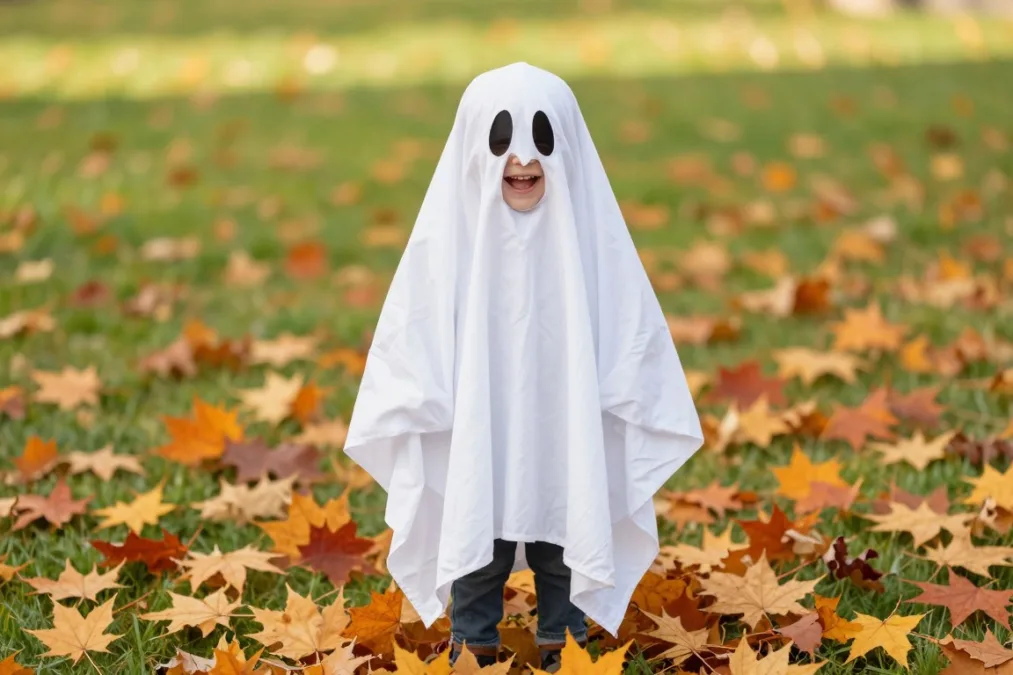
Skeleton Riddles and Funny Bone Wordplay
Skeletons offer endless comedic possibilities through anatomical wordplay, funny bones, and missing organs. Because skeletons are purely visual symbols during autumn festivals, they easily become the subjects of slapstick scenarios and harmless physical comedy.
Children naturally understand the physical traits of a skeleton, making jokes about ribs, joints, and spines immediately accessible. Punchlines that mention having no stomach for scary movies or lacking guts to ride roller coasters rely on common idioms. Translating these idioms into visual gags helps early readers grasp humorous figurative language.
| Character | Humor Focus | Key Punchline Element |
| Skeleton | Anatomy | Missing body parts or bones |
| Ghost | Sound effects | Spooky syllables with boo sounds |
| Witch | Flight and potions | Broomsticks and magical spells |
| Vampire | Fangs and bats | Neck bites and nighttime habits |
Musical instruments also fit neatly into skeletal comedy routines, especially when percussion and woodwinds enter the conversation. Asking what instrument a skeleton plays best invariably leads to the xylophone or the trom-bone. These rhythmic connections reinforce phonics skills while keeping the laughs moving along briskly.
Sharing bone-related riddles around a family dinner table transforms an ordinary evening into an interactive comedy stage. Parents can prompt kids with playful setups about why the skeleton refused to fight, revealing that he had no backbone. Such exchanges show children that language contains surprising layers of meaning waiting to be unlocked.
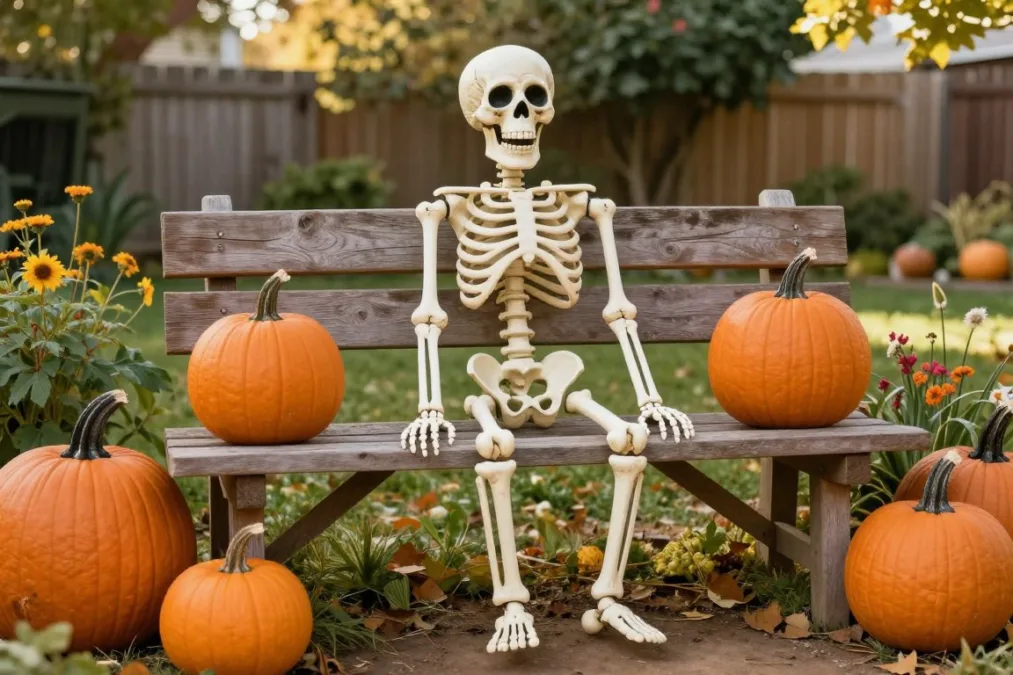
Witch Giggles and Spellbinding Puns
Witch-themed humor combines magical antics, flying broomsticks, bubbling cauldrons, and black cat companions into charming story prompts. These jokes lean heavily on whimsical school subjects, potion mix-ups, and aerial navigation blunders.
Classroom settings provide wonderful backdrops for magical jokes, allowing young students to relate potion brewing to science class. Asking why a witch flies on a broomstick produces the practical answer that a vacuum cleaner cord is too short. Contrasting magical fairy-tale tools with modern household gadgets creates instant, delightful absurdity that kids adore.
Witch puns work particularly well when tied to spelling words and reading practice. Linking magic spells to language lessons helps young learners celebrate vocabulary growth through playful rhymes and festive storytelling.
Catering to food preferences also brings plenty of chuckles when discussing what witches brew inside their iron kettles. Inquiring about a witch favorite meal often results in answers like toad-in-the-hole or candied spider webs. Because these concepts sound silly rather than gross, they prompt giggles rather than discomfort.
Witch jokes also offer great opportunities for costume roleplay during harvest parties. A child holding a toy broomstick can deliver a line about broom-mates before sweeping across the room in character. Connecting physical props to spoken jokes enhances memory retention and encourages expressive delivery.
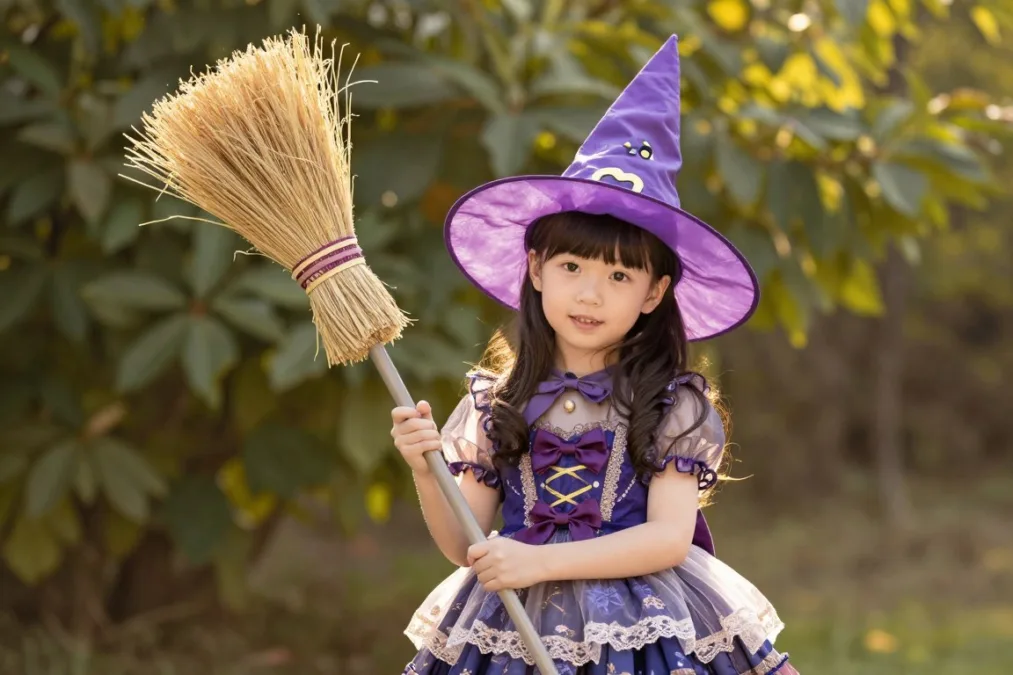
Vampire Chuckles and Batty Punchlines
Vampires in children’s humor are lovable night owls obsessed with fangs, flying mammals, and counting games. Removing frightening elements and focusing on comical teeth or bedtime routines keeps vampire jokes entirely wholesome and entertaining.
Dentistry is a recurring theme in vampire comedy, providing plenty of puns about tooth decay, checkups, and pointy canines. Asking what a vampire needs after eating sweets naturally leads to floss, toothbrushes, and dentist appointments. These familiar routines ground legendary creatures in everyday hygiene habits that children know well.
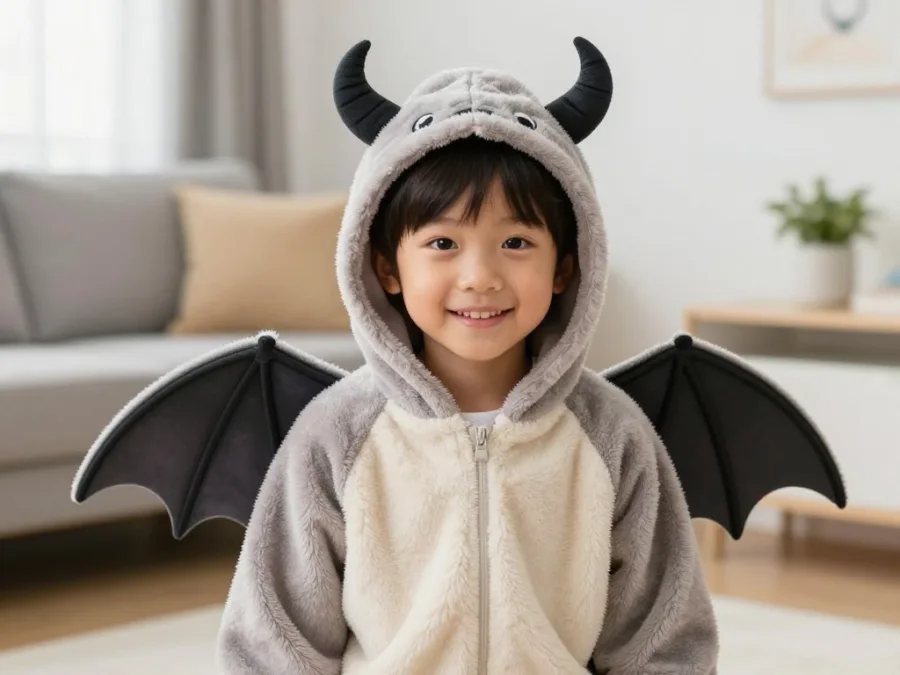
Batty Riddles
Winged puns explore nighttime flights, upside-down naps, and radar navigation through silly rhyming pairs.
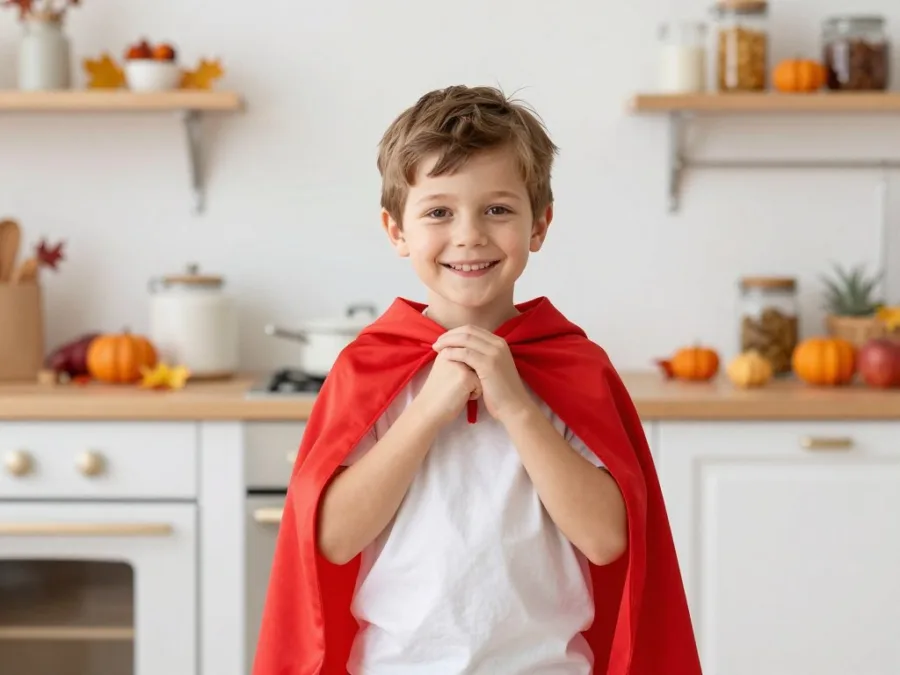
Toothful Laughs
Dental checkups and neck jokes turn famous nocturnal characters into harmless buddies who love sweet punchlines.
Vampire flight paths and bat transformations also supply great setups for physical comedy and silly sound effects. Children enjoy mimicking a bat flapping its wings while asking why vampires drink warm liquids on cool autumn nights. Framing these characters as funny neighbors rather than spooky monsters keeps gatherings welcoming for tiny listeners.
Puns involving neckties, sore throats, and flying lessons encourage young storytellers to use animated gestures. When asking why the vampire became a referee, the punchline about loving fair play and clean bites brings wide grins. Such clean wordplay ensures that children feel comfortable sharing their repertoire anywhere they go.
Monster and Mummy Chuckles for Young Listeners
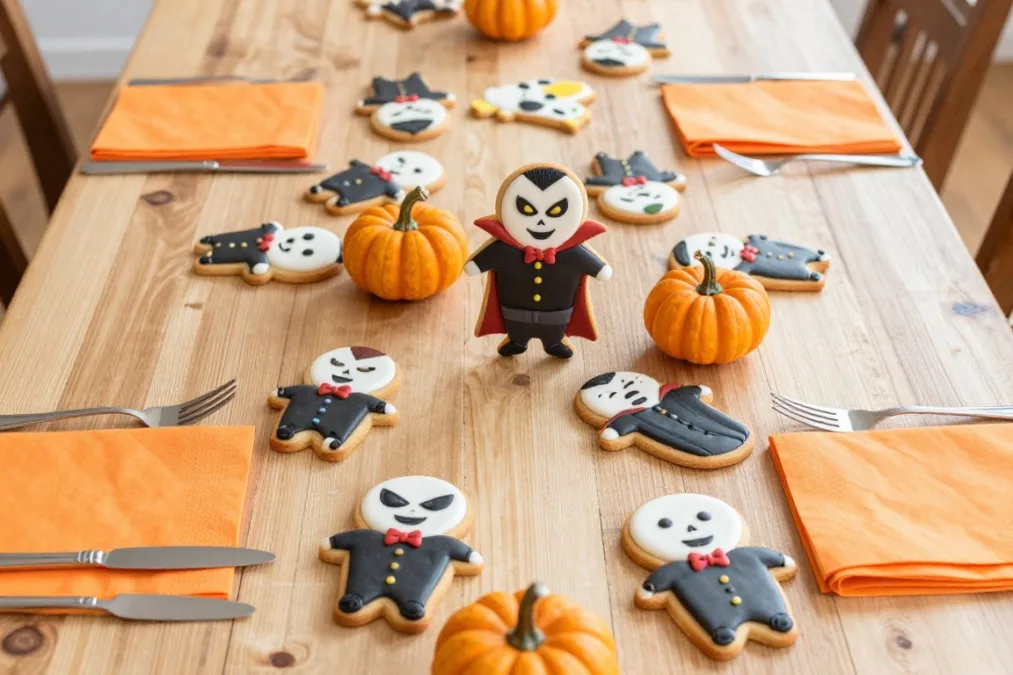
Monsters, mummies, and swamp creatures introduce classic physical comedy involving bandages, heavy footsteps, and tangled wraps. The humor in mummy jokes centers on unraveling tape, ancient nap times, and affectionate family relationships.
The play on words between an Egyptian mummy and a child’s mother is one of the most enduring tropes in festive comedy. Asking who tucks a baby pharaoh into bed instantly invites the answer of his mummy. This heartwarming connection turns an ancient museum artifact into a relatable, comforting figure that toddlers understand.
Keep monster descriptions light and goofy rather than graphic or intimidating. Focusing on tangled bandages, clumsy footsteps, and funny food preferences helps sensitive children enjoy the festive humor without anxiety.
Giant monsters like Frankenstein also provide great punchlines centered around electricity, bolted necks, and heavy boots. Inquiring about what kind of music Frankenstein enjoys leads straight to energetic rock and roll. These rhythmic associations invite children to stomp their feet and perform the punchline with comical enthusiasm.
Swamp monsters and big creatures also shine in jokes about polite manners and school playground games. When kids ask how a monster greets a friend, the goofy roar followed by a polite handshake generates genuine giggles. Mixing monstrous sound effects with gentle etiquette highlights the playful spirit of the season.
Delivering Jokes with Great Timing and Expression
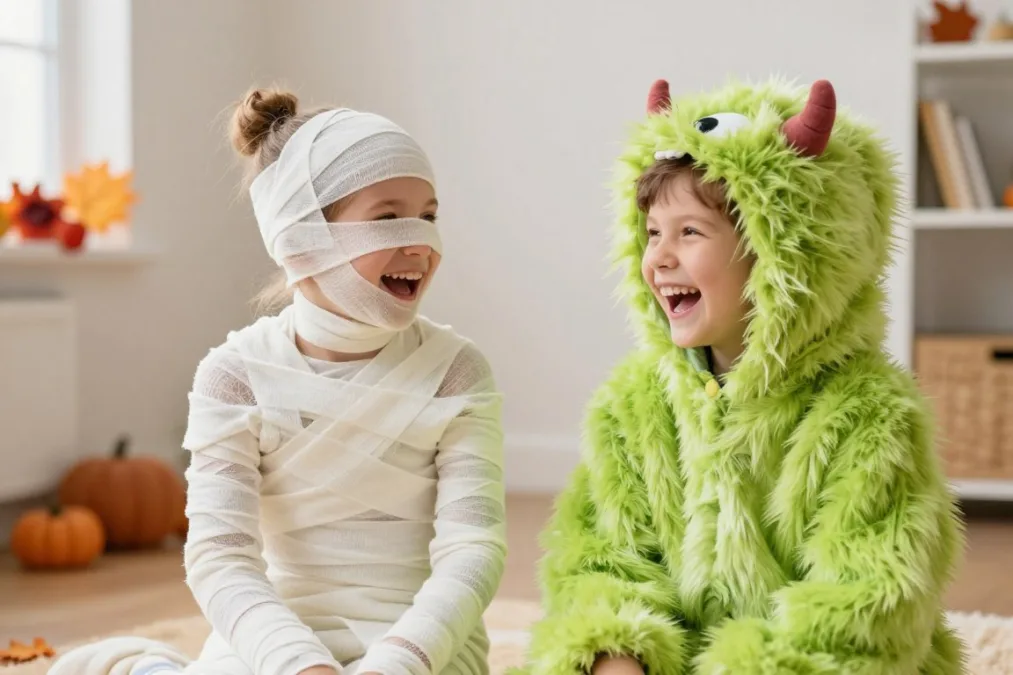
Learning how to tell a joke requires practice in pacing, facial expression, and audience awareness. Children develop valuable communication skills when they master the brief pause between a setup and its punchline.
Patience plays an essential role in comedy delivery, as eager speakers often rush to reveal the answer before listeners can think. Encouraging children to take a steady breath after the question gives the audience time to ponder the riddle. This tiny delay builds delightful suspense and makes the final punchline significantly more satisfying.
- Make steady eye contact with the listener before asking the opening question.
- Pause briefly after the question to let friends attempt a guess.
- Deliver the punchline with a wide smile and expressive vocal inflection.
- Use hands or body language to act out silly movements when appropriate.
Facial expressions also elevate simple wordplay into a full theatrical performance during seasonal gatherings. A raised eyebrow during the setup signals that a tricky riddle is coming, while an exaggerated grin underscores the punchline. When children see their friends react with laughter, their self-esteem and enthusiasm for public speaking grow rapidly.
Practicing jokes in front of a mirror or with family members before a classroom party helps smooth out stumbling blocks. Rehearsing aloud allows kids to find natural pauses and feel comfortable with tricky words like broom-mates or terror-fried. Once the rhythm feels second nature, sharing jokes during trick-or-treating becomes effortless fun.

Party Games Featuring Spooky Riddles
Integrating jokes into group games turns static storytelling into dynamic activities for classrooms and neighborhood parties. Movement and teamwork allow children of varying confidence levels to participate in comedic fun together.
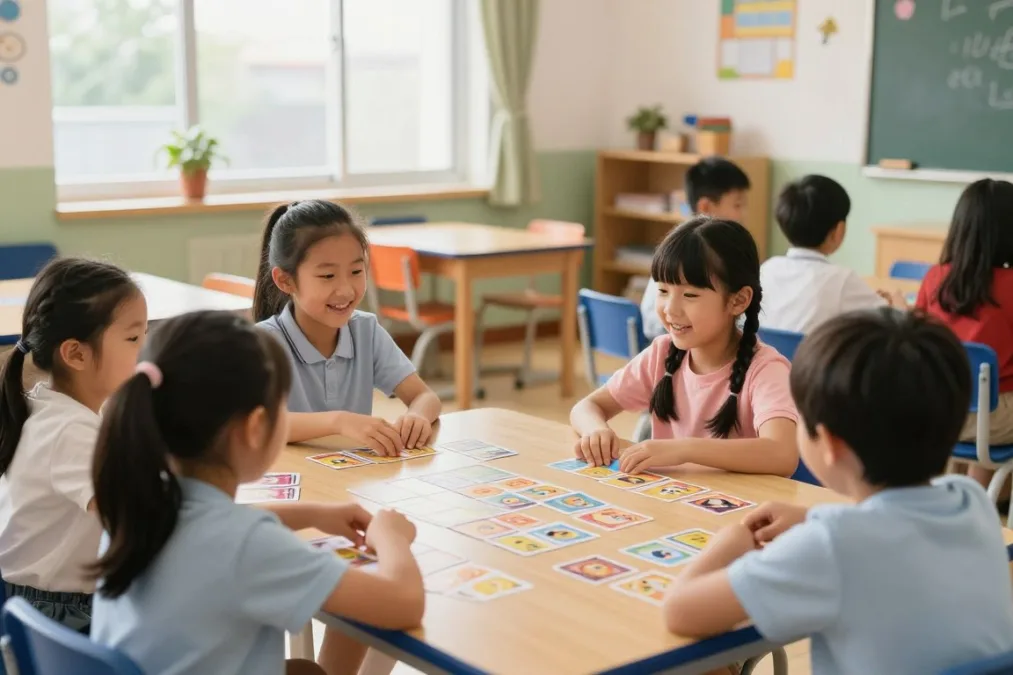
One engaging option involves splitting jokes into separate cards featuring setups on one side and punchlines on the other. Children must walk around the room, reading their cards aloud until they locate their matching comedic partner. This matching game fosters new friendships, improves reading comprehension, and fills the room with collective giggles.
Joke Scavenger Hunt
Hide riddle cards inside plastic pumpkins across the yard, prompting children to solve each puzzle before collecting treats.
Giggle Circle Challenge
Seat children in a circle where each participant must tell a punchline while trying to make others smile without laughing themselves.
Another popular party activity is the comedic relay, where players race to a cauldron to draw a riddle and read it to their team. Teams earn points not just for speed, but for expressive delivery and creative character voices. Incorporating acting elements helps energetic kids channel their seasonal excitement into positive group entertainment.
Classroom teachers can also use short seasonal riddles as transition activities between difficult academic tasks. Sharing a quick joke before lining up for recess clears mental fatigue and builds a warm classroom community. Humor creates shared memories that make autumn celebrations memorable long after the decorations come down.
Selecting Gentle Humor for Little Monsters
Tailoring joke selections to the emotional sensitivity of the audience helps prevent misunderstandings or sudden tears during celebrations. Younger children thrive on gentle absurdity and visual gags rather than intense suspense or dark themes.
Toddlers and preschoolers often respond best to animal-based humor, food jokes, and silly physical sounds. Simple concepts like a cat riding a broomstick or a pumpkin making funny faces connect directly with their everyday observations. Keeping jokes anchored in familiar, cheerful territory helps very young listeners feel included in the festive traditions.
Preschool Years
Emphasize sound effects, animal puns, and friendly pumpkin faces that feel cozy and approachable.
Early Elementary
Focus on simple spelling puns, school subjects, and familiar fairy-tale monsters with silly habits.
Upper Elementary
Introduce clever double meanings, figurative language, and classic riddles that challenge lateral thinking.
Older elementary children enjoy dissecting puns and understanding why a particular combination of words produces humor. They take pride in understanding clever punchlines about anatomy or homophones that fly over the heads of younger siblings. Catering to these developmental stages ensures that everyone at the gathering finds something genuinely entertaining.
Parents can guide children by testing out a few jokes before big community events begin. Observing which punchlines produce broad smiles helps children select their three or four favorite riddles to carry out into the neighborhood. Having a curated set of clean jokes gives kids an engaging trick-or-treat icebreaker that neighbors adore.
Frequently Asked Questions
What makes a Halloween joke suitable for young children?
A suitable joke uses clean language, familiar seasonal themes, and silly puns rather than scary or gory ideas. Keeping punchlines focused on friendly characters like goofy skeletons or cute ghosts helps young listeners feel comfortable.
How can kids remember jokes to tell their friends?
Practicing jokes aloud in front of a mirror or with family members helps build strong verbal memory. Children can also remember punchlines by picturing the funny visual scene, like a ghost drinking milk or a skeleton playing an instrument.
Can these Halloween jokes be shared in school classrooms?
Yes, all selections feature clean, family-friendly wordplay appropriate for classroom activities, morning meetings, and autumn parties. Teachers frequently use these short riddles to teach homophones and creative vocabulary during language lessons.
What is a good way to use jokes while trick-or-treating?
Children can offer a quick joke as a polite trick before receiving their treat at a neighbor’s doorstep. This friendly exchange brings smiles to neighbors and gives children an active, joyful role during trick-or-treating rounds.
Spreading Festive Laughs
Sharing clean holiday humor helps children build verbal poise, spark laughter, and form joyful connections throughout autumn gatherings. Pick two or three favorite punchlines, rehearse the comedic timing, and share the cheerful giggles with classmates, family, and neighbors this season.

Priyanka Pandey
Senior Research Editor · Top10Sense
Priyanka specializes in tech, consumer products, and digital trends. She combines hands-on testing, vendor interviews, and database research to create trustworthy “Top 10” rankings. Her work has been referenced by industry blogs and brand report pages.