
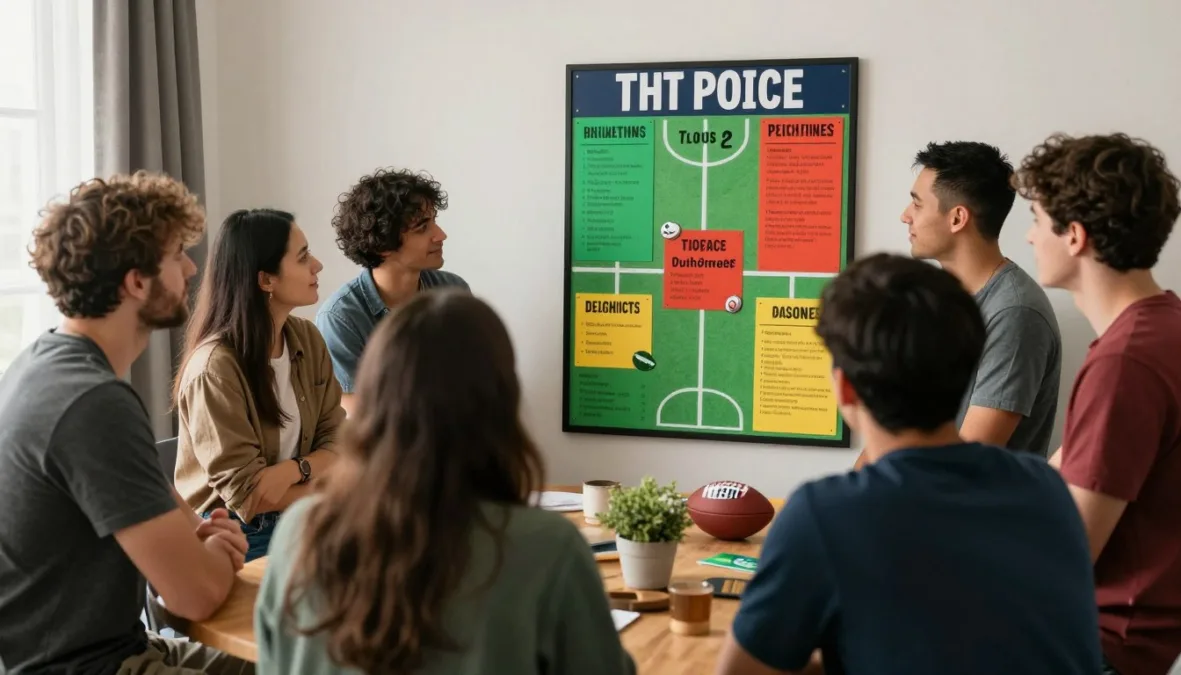
Last place should sting, but it should not ruin a friendship. The best fantasy football punishment creates a story, gives the league a laugh, and ends when the agreed task is complete.
This guide ranks the top 10 fantasy football punishments in the NFL right now 2026 for adult leagues. These are traditions used by fantasy football leagues. They are not official NFL penalties, NFL rules, or league-approved sanctions.
1. The Waffle House Challenge
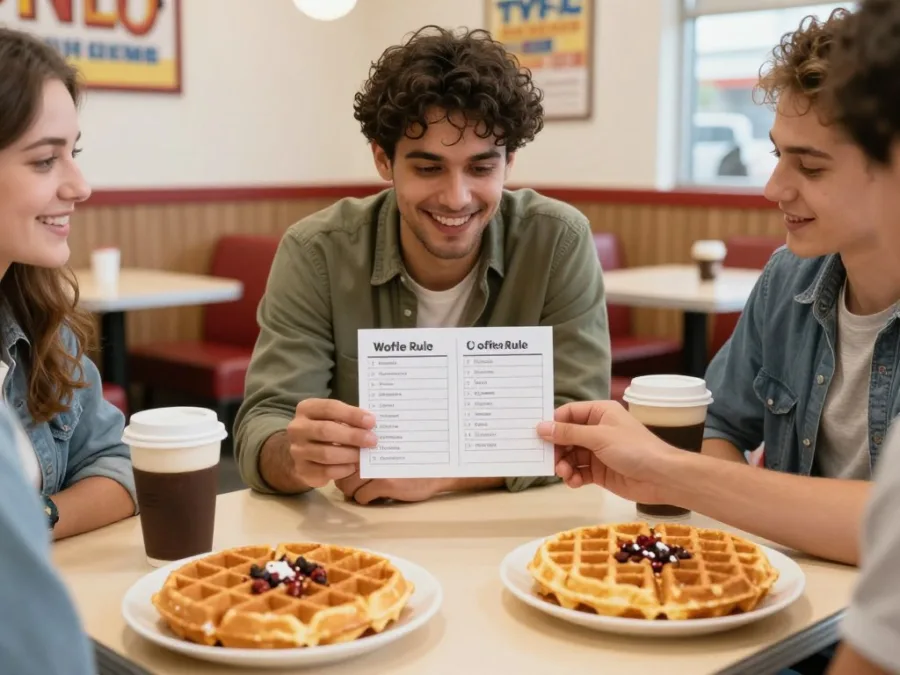
The Waffle House challenge is a popular last-place format because the rule is easy to understand. The last-place manager visits a Waffle House or another agreed diner and stays for a set period. The league can assign one waffle, meal, or menu item for each hour, but the limit must be agreed in advance.
Do not treat the restaurant as a stage for public embarrassment. The last-place manager should choose a safe menu, control allergens, and leave when the agreed time ends. A four-hour cap is more reasonable than an open-ended challenge. A league may also set a spending limit, such as $40 or $60.
How to run it
- Set the maximum time, budget, and food limit before the draft.
- Allow allergy, dietary, medical, and religious accommodations.
- Choose transportation that does not involve impaired driving.
- Let the manager stop if they feel unwell.
This punishment works best in a local league with a small group. A remote league can replace the restaurant visit with a video call breakfast and a delivery budget. A dynasty league can use the same rule every year, but the prize should be separate so the punishment does not affect competitive play.
Why it ranks high
- Easy to explain
- Affordable when capped
- Creates a memorable story
What to watch
- Food and health limits
- Restaurant permission
- Public behavior
2. The Suck Fantasy Football Test
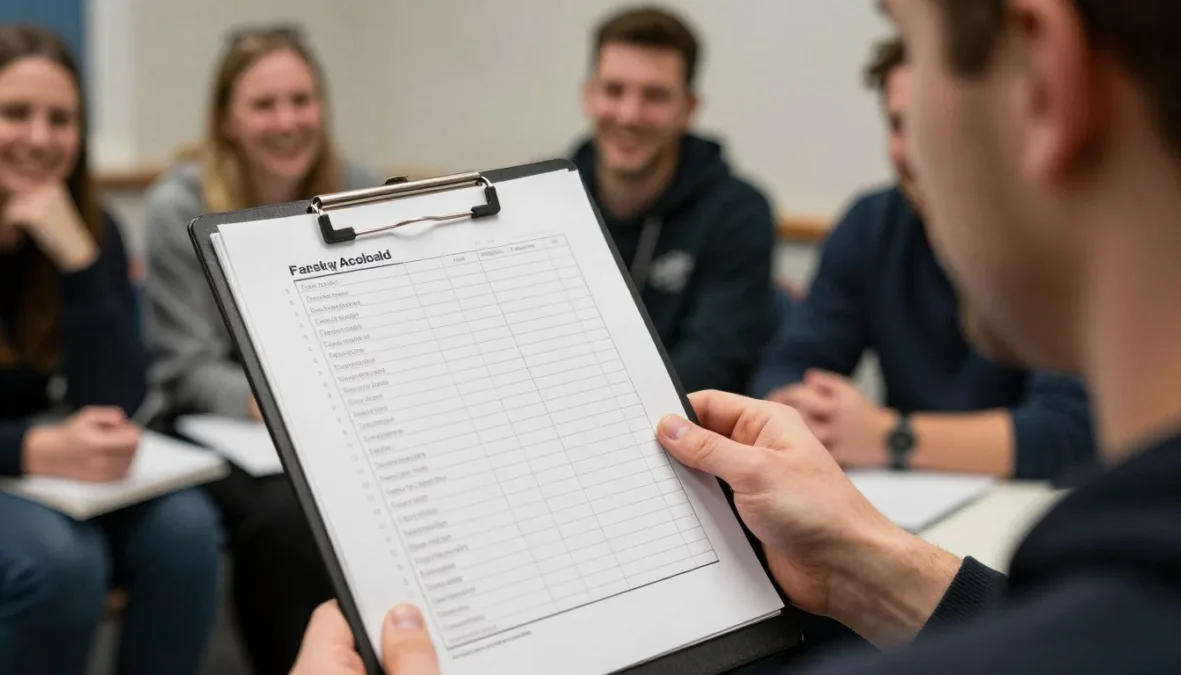
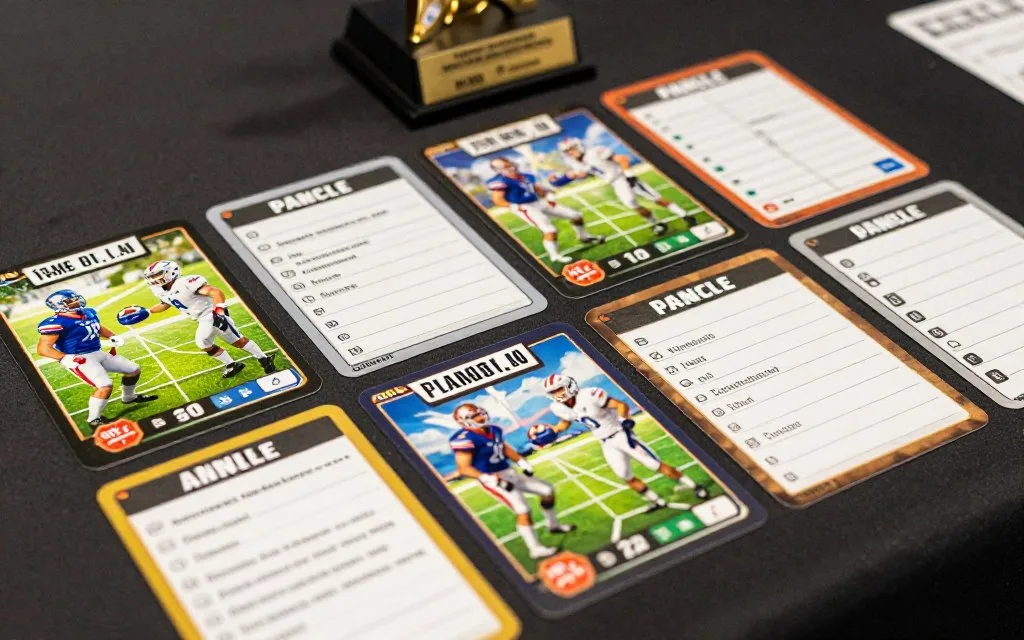
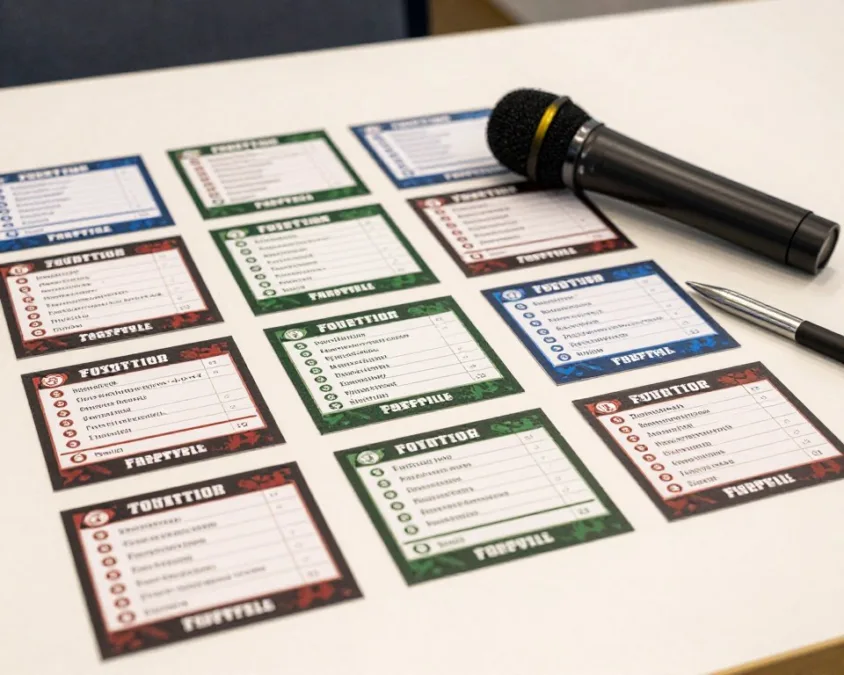
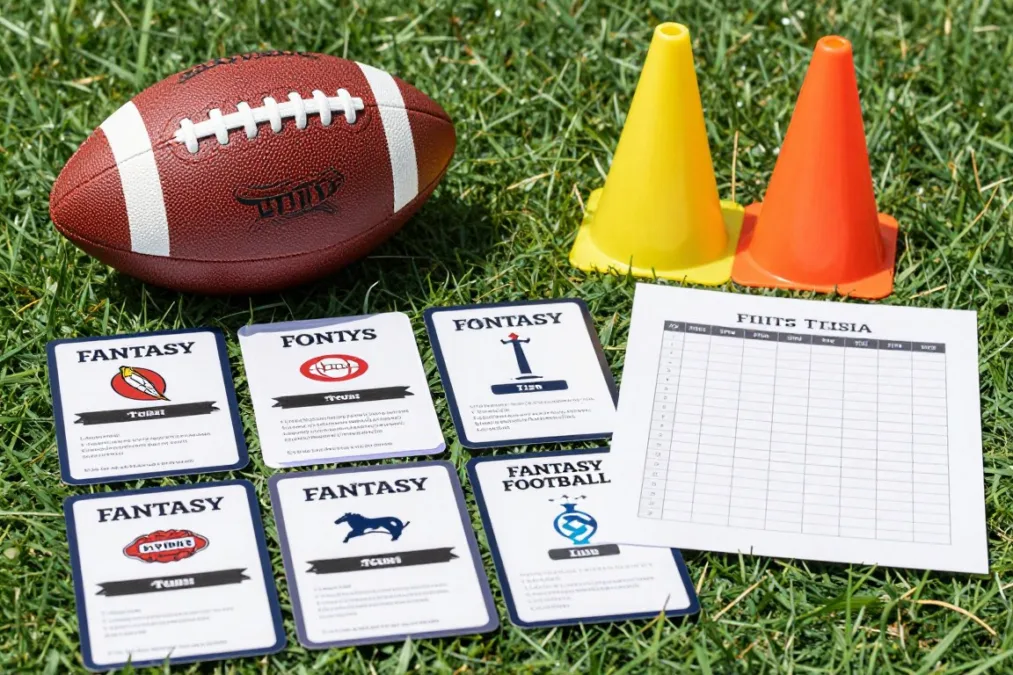
The “suck fantasy football” test turns a last-place season into a light comedy routine. The last-place manager prepares a short quiz, presentation, or oral test about the league’s season. Questions can cover draft mistakes, bad waiver wire choices, missed injury news, and unlucky lineup calls.
The humor should target decisions, not personal traits. A good test lasts 10 to 20 minutes. It can include multiple-choice questions, a mock scouting report, or a short explanation of one poor start-or-sit choice. The league should provide the facts and avoid trick questions that depend on private information.
Ways to make the test fair
- Use events that were visible to the whole league.
- Give the last-place manager at least one week to prepare.
- Keep the test short and avoid personal or sensitive questions.
- Give a small prize for the funniest answer.
This option is one of the most flexible fantasy football punishments. A remote league can record the presentation or use a video call. A best-ball league can focus on draft strategy. A keeper league can add questions about trades and waiver wire decisions.
3. The Charity Donation With a Drafted Cause
A charity donation makes last place meaningful without requiring humiliation. Before the draft, each manager suggests a legitimate charity or local nonprofit. The league votes on the list, and the last-place manager gives a fixed amount to the winning cause.
The donation should be a clear part of the league budget. A $25 to $100 range may fit many adult groups, but every league should choose its own amount. Do not let the league pressure someone into giving more than they can afford. A sliding scale or volunteer option keeps the rule fair.
Make the charity rule transparent
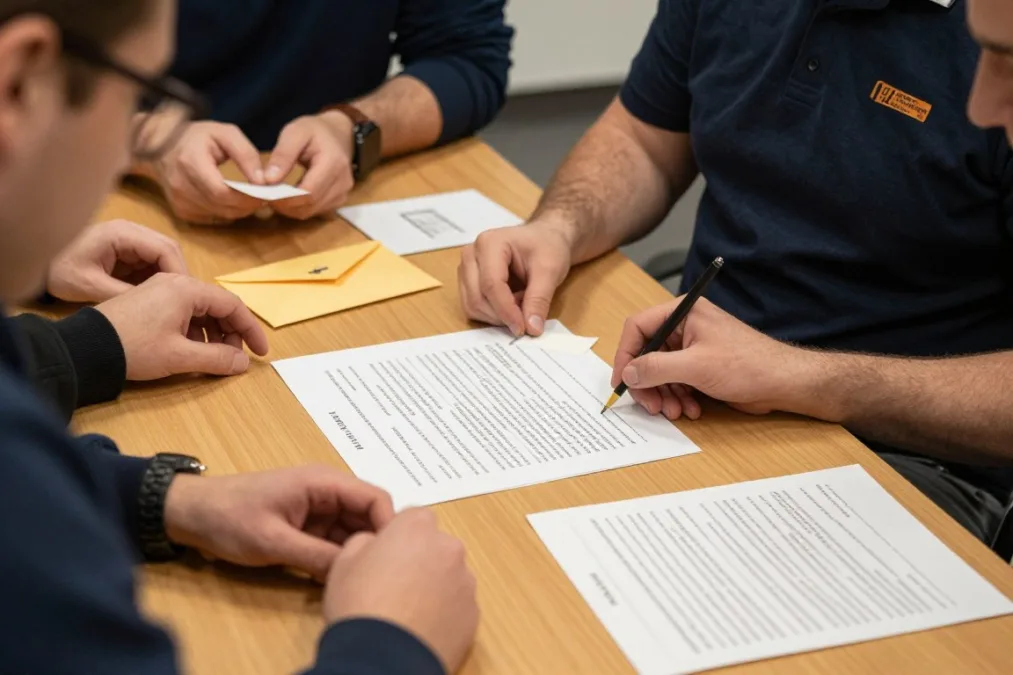
Record the vote and keep the receipt private unless the donor wants to share it. Avoid charities tied to political pressure, sensitive personal matters, or causes that could divide the group. The punishment is meant to create a consequence, not a debate.
This is a strong option for leagues that want a clean social-media story. A manager can post the receipt or a thank-you message only with permission. For a league with children or mixed ages, charity can replace public or food-based ideas.
Let the league vote before the season
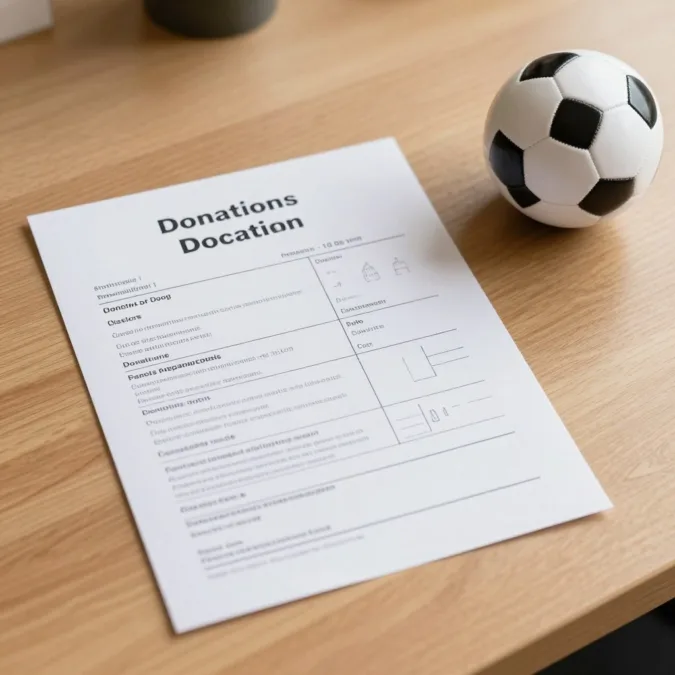
Use a short form to collect causes, set a donation cap, and record consent before the draft.
4. The Full-Day Team Mascot Outfit
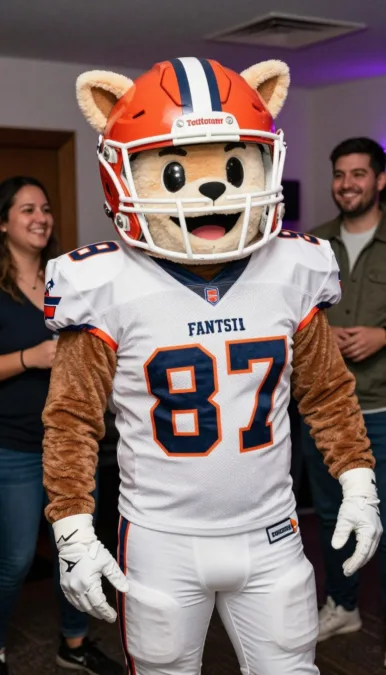
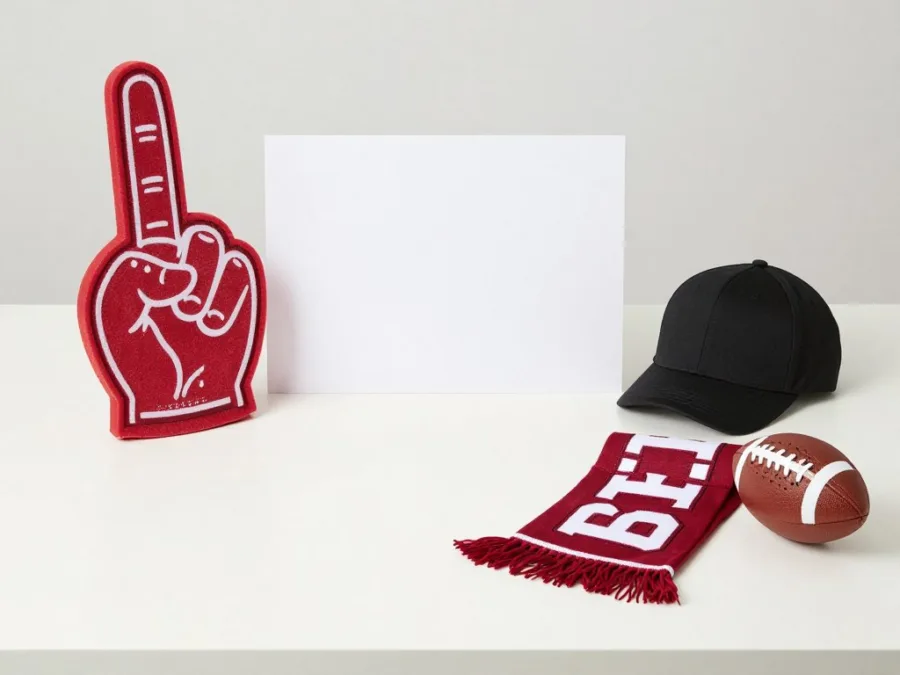
The team mascot outfit is a visual punishment with a clear finish line. The last-place manager wears an agreed football-themed outfit for one day, at a private league event, or during a draft party. The outfit can include a jersey, foam finger, face paint, or a homemade sign.
Keep the clothing legal, weather-safe, and suitable for the location. The league should never require a manager to wear a costume at work, school, court, medical appointments, or another place where it could create professional problems. A private event is the safest setting.
Keep the costume funny, not degrading
- Ban hateful, sexual, threatening, or discriminatory designs.
- Set a spending cap and allow homemade options.
- Choose a private event or approved public location.
- Ask before taking or posting photographs.
For a remote fantasy football league, the manager can wear the outfit during a one-hour video call. The group can create a digital background or let the manager select a mascot from a list. That keeps the idea affordable and avoids unwanted public attention.
5. The Last-Place Manager’s Press Conference
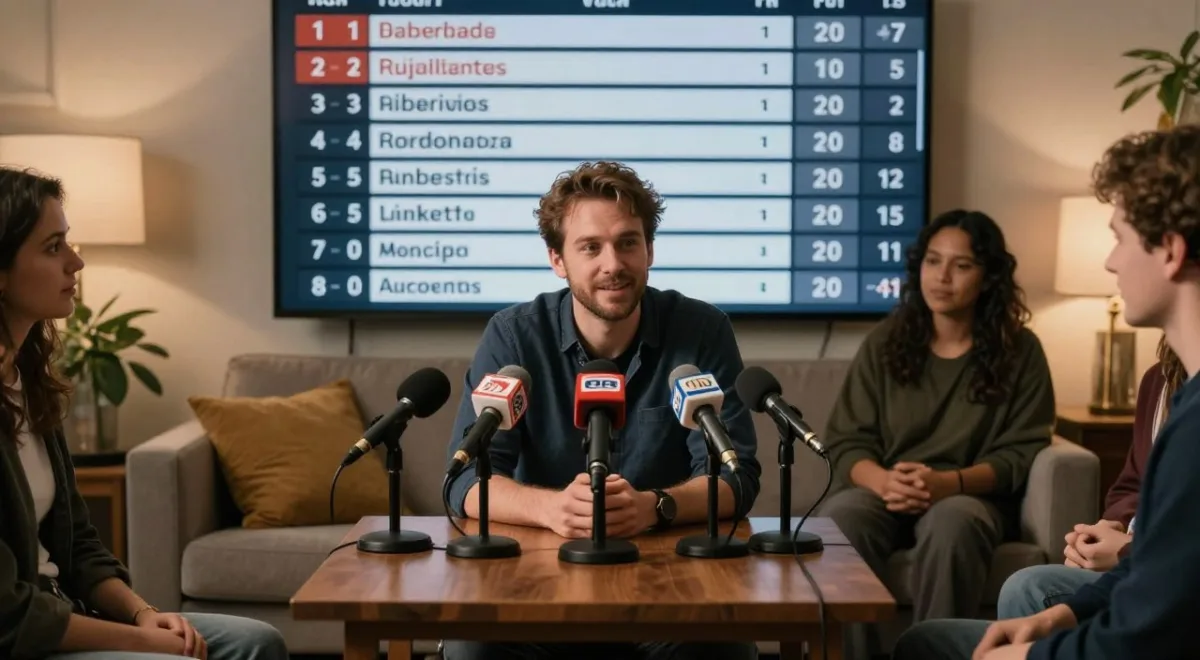
A mock press conference lets the last-place manager explain the season as if reporters are waiting outside the locker room. Friends ask prepared questions about the draft, trades, injuries, waiver wire moves, and the final standings.
The best version is short and planned. Give the manager five to ten minutes to prepare. Questions should stay within fantasy football. Do not ask about income, dating, health, family, religion, or other private subjects.
Make it work for any league
A redraft league can focus on the draft and weekly lineup choices. A dynasty league can include trades and long-term roster decisions. A best-ball league can ask why the manager ignored a certain draft approach. A remote group can record the event, but every person shown should agree before publication.
This punishment has a low cost and high comedy value. It also gives the league a useful record of the season. If the group wants a prize, award points for the best answer rather than making the last-place manager compete against the league.
6. The Waffle or Food Review Video
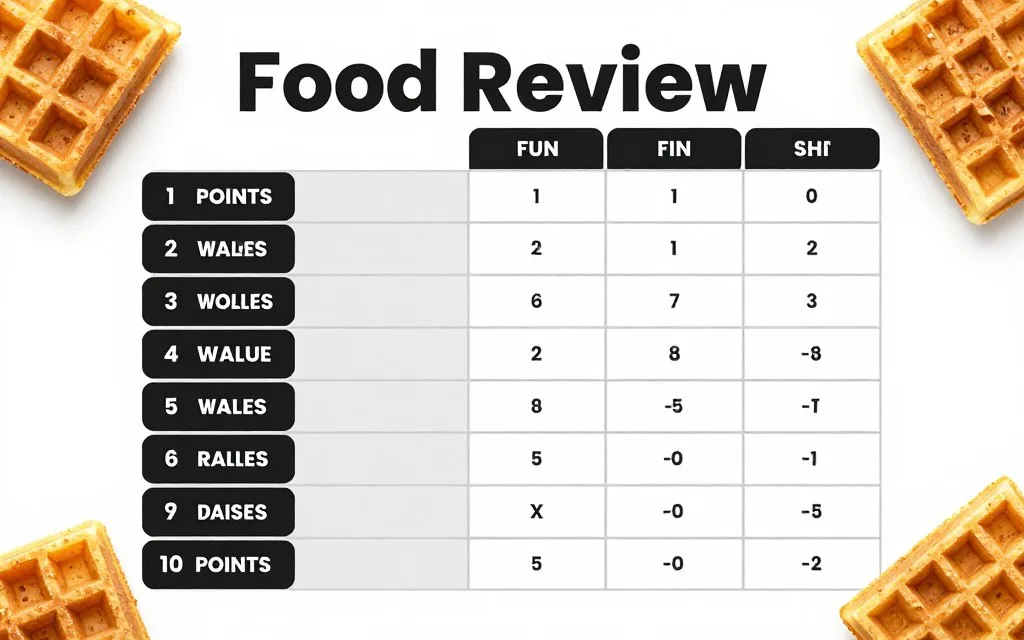
A food review video gives the last-place manager a creative assignment without requiring a public stunt. The manager chooses an ordinary meal, snack, or waffle combination and reviews it in a short video using a funny fantasy football scoring system.
For example, the review could award points for texture, value, presentation, and “waiver wire upside.” The manager can film at home. A restaurant visit is optional, and the person should never record staff or other customers without permission.

Set clear video boundaries
- Keep the video under five minutes.
- Do not show private addresses, license plates, or strangers.
- Do not require the manager to post publicly.
- Delete the video if the manager later withdraws permission.
The league can keep the video inside a private group chat. If the manager agrees to public posting, remove location details and avoid tagging people without consent. This is a useful choice for leagues spread across different states.
7. The League Draft Day Host Role
The last-place manager can host the next draft. This punishment works because it shifts effort toward the person who had the weakest season. The host provides a location or video link, prepares the draft order, checks the timer, and organizes basic food.
Set a spending cap so hosting does not become a hidden financial burden. The league can split food costs or use a rotating contribution. A remote league can ask the host to prepare the draft room, music, schedule, and backup plan.
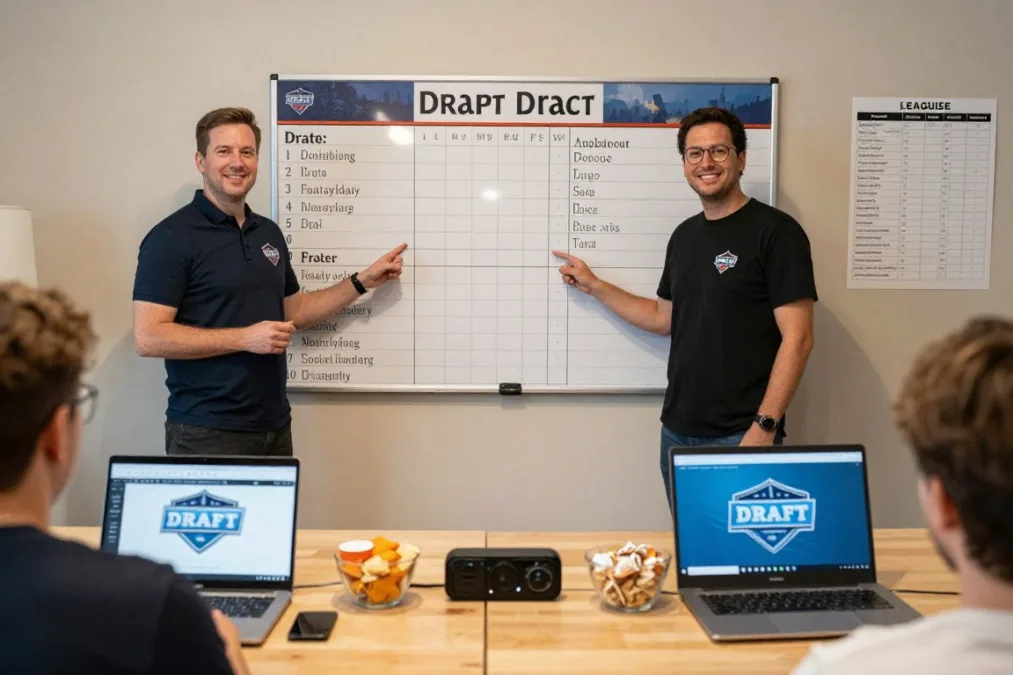
Build the event around the league
Some leagues want a serious draft. Others want games, a food table, or a themed room. The host should not be responsible for every cost. Make a checklist that covers the draft platform, waiver settings, scoring rules, time zone, food allergies, and a backup internet plan.
This punishment is especially good for long-running leagues. It creates a useful service and avoids a public spectacle. If the last-place manager cannot host because of travel or housing limits, the league can assign a digital hosting role instead.
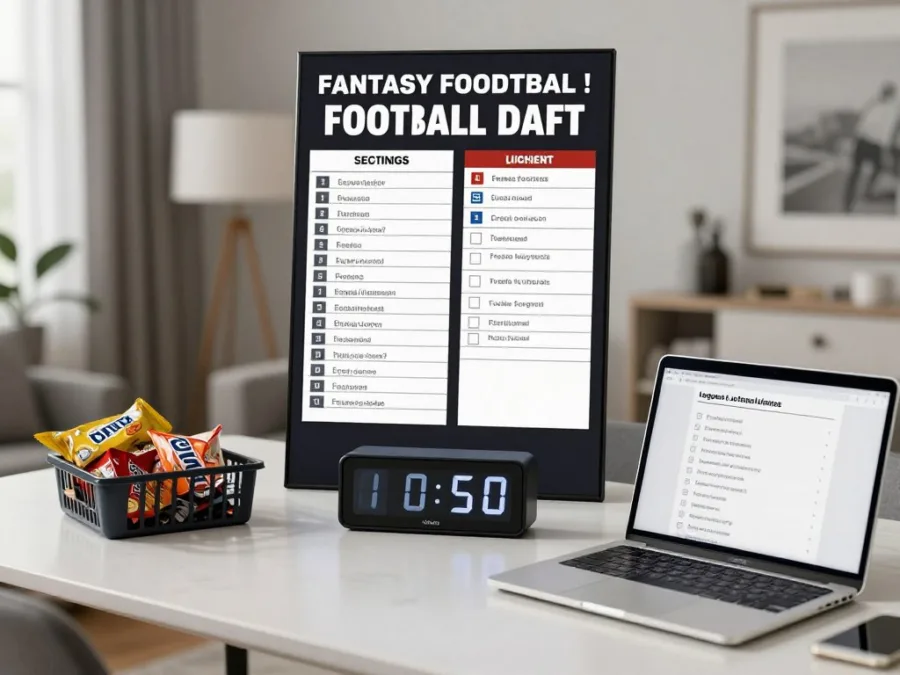
8. The Retro Draft Rebuild Challenge
The retro draft rebuild challenge asks the last-place manager to create a roster using an old draft strategy, a limited player pool, or a fictional era. The league then plays a short exhibition game or scores the roster against a fixed week.
This is a fantasy exercise rather than a real league penalty. It must never change official standings, waiver priority, draft position, or prize money. The point is to expose questionable strategy in a harmless way.
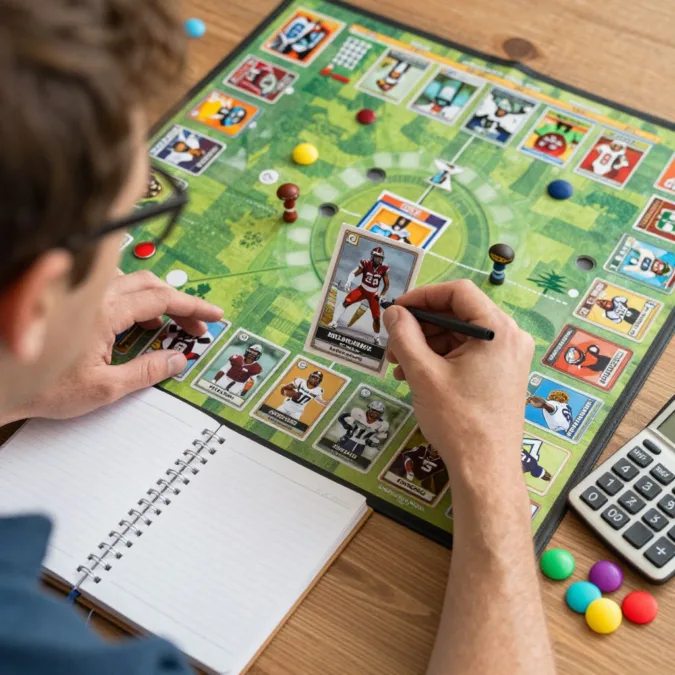
Possible challenge rules
- Use only players selected after a chosen draft round.
- Build a roster without adding a waiver wire pickup.
- Use a fixed budget and explain every choice.
- Score the result for fun outside the real league.
Because the challenge uses skill and imagination, it fits leagues that dislike public embarrassment. It also suits people who enjoy fantasy analysis. The manager can present the roster in a short report, then answer questions from the group.
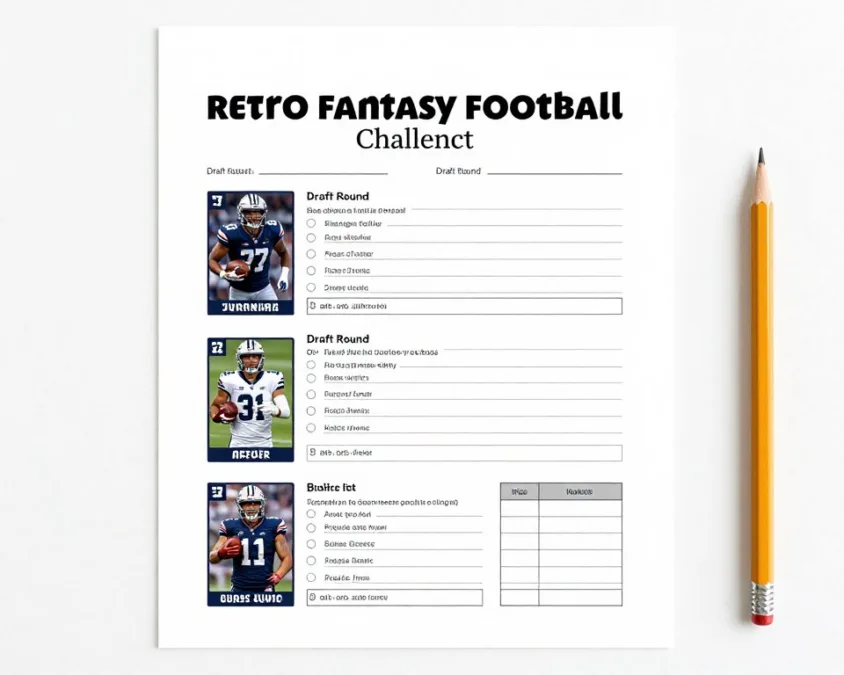
9. The Football Skills or Trivia Course
A football trivia course turns the punishment into a team activity. The last-place manager completes a short series of questions, throws, catches, or fantasy scenarios. The event should be designed for fun, not athletic judgment.
Trivia is the safer choice for most groups. If the league adds physical activities, use a private space, safe equipment, a warm-up, and a no-pressure alternative. No one should be required to run, lift, throw hard, or participate while injured.
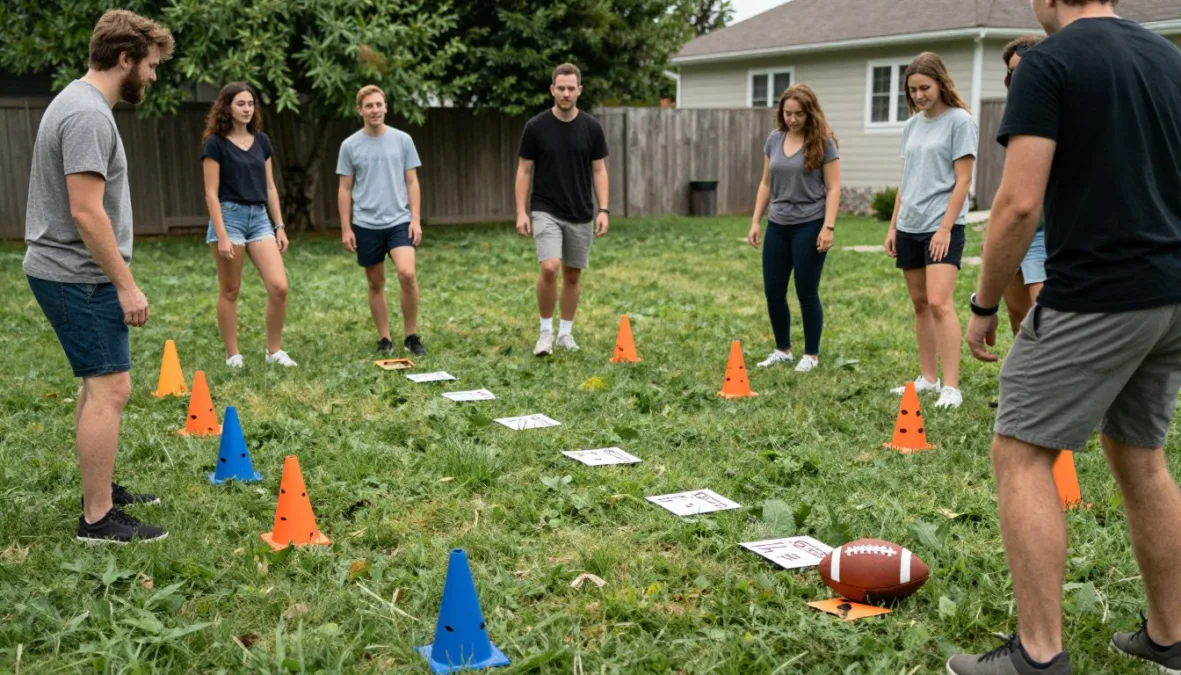
Use points for comedy, not pain
Give points for answering questions, naming a player’s team, explaining a draft choice, or completing a harmless target toss. The manager can earn back points through funny but respectful answers. Keep the event under one hour.
A remote league can use online trivia, a shared quiz, or a timed roster-building task. The group should not record the event unless the manager agrees. The punishment ends when the course ends; it should not follow the person into work or public life.
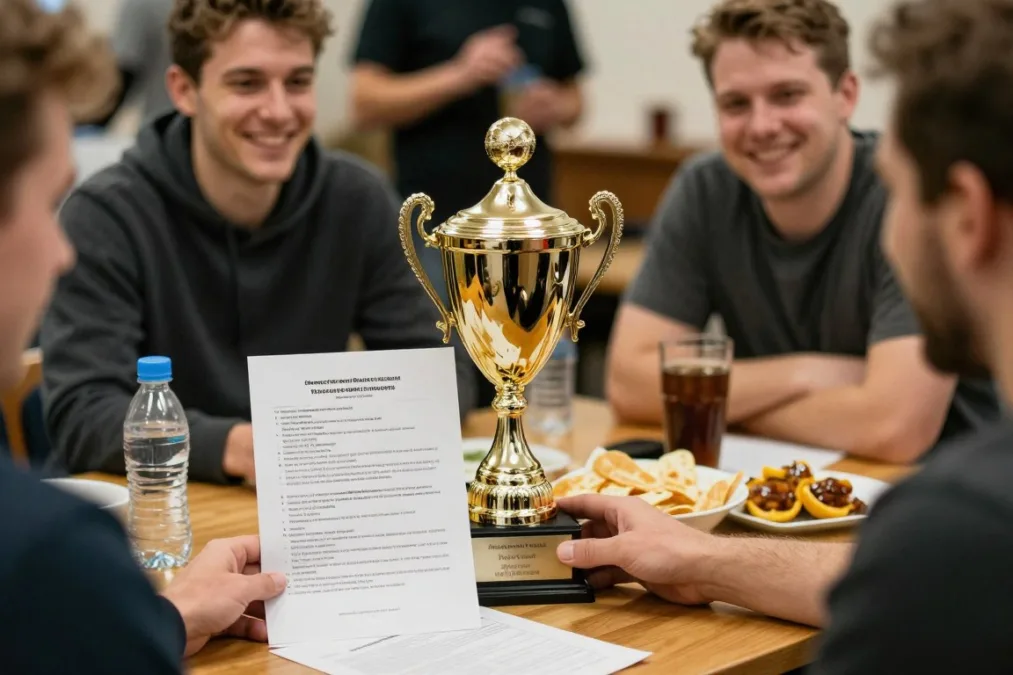
10. The Custom Last-Place Trophy Ceremony
A custom last-place trophy is a simple way to close the season. The league creates a playful award with a name linked to the manager’s season. The ceremony can include a short speech, a photo, and a handoff of the trophy.
Keep the wording funny rather than cruel. Avoid references to body size, disability, race, gender, sexuality, religion, money, health, or family. The manager should be able to keep the trophy without facing a permanent insult.
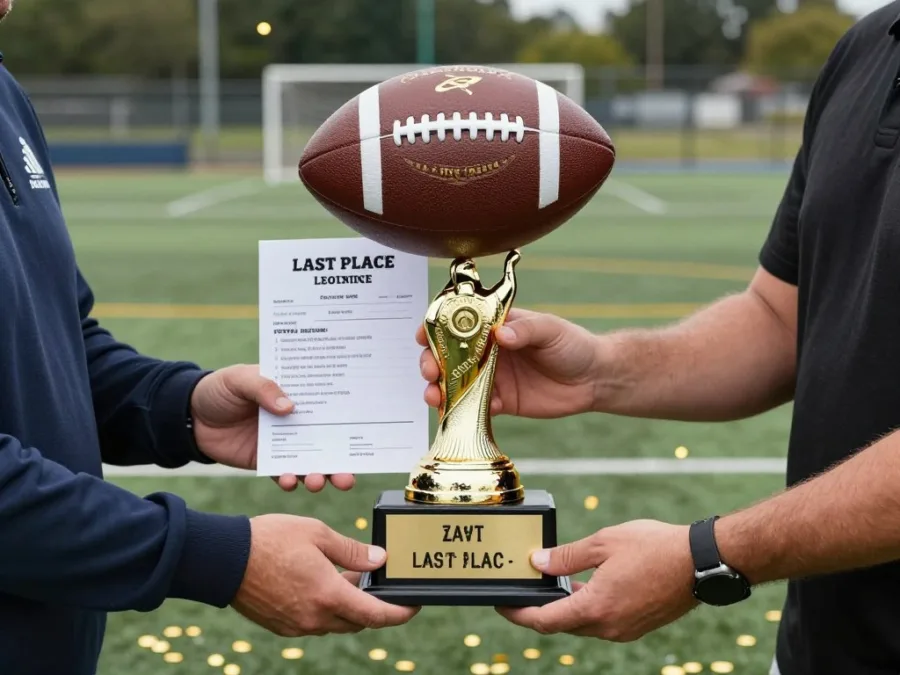
Design a trophy people will display
A good trophy uses an inside joke that remains harmless. It may mention a missed waiver wire move, a famous draft reach, or a weekly point total. Give the league a budget and decide whether the trophy travels to each last-place manager or stays with the winner.
This is the strongest product-related CTA opportunity in the article. A reader who already chose a trophy punishment may want help with engraving, delivery, or a matching plaque. The offer should appear after the explanation, not before it.
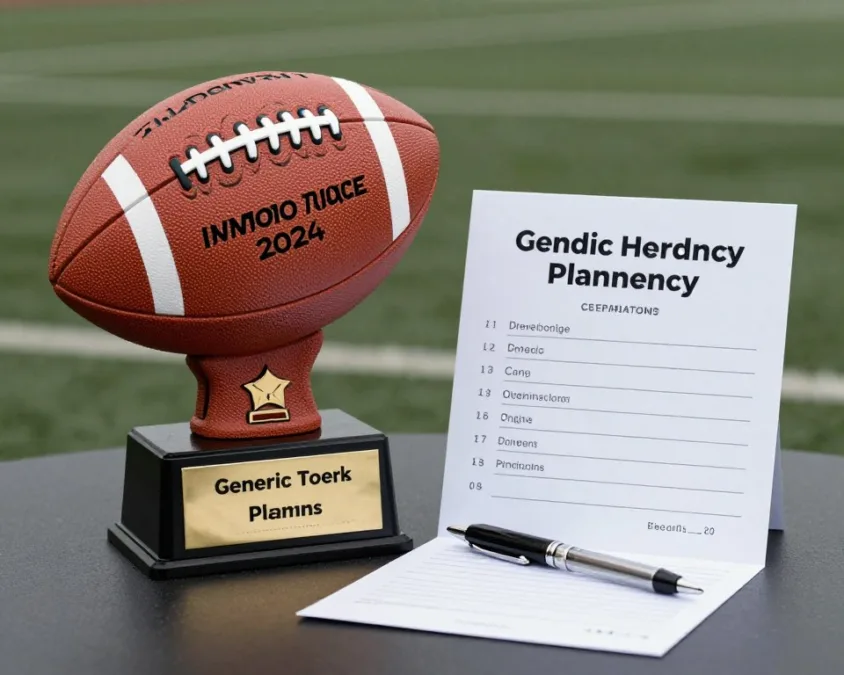
Turn the joke into a keepsake
Choose a respectful title, set the budget, and confirm the spelling before ordering any award.
How to Choose and Enforce the Right Punishment
The best fantasy football punishment is agreed before the draft. Once the season begins, changing the rule because a manager is likely to finish last can create conflict. Put the decision in writing and let every manager confirm it.

Use a simple consent checklist
- Is the punishment legal in the location where it happens?
- Can every manager afford the maximum cost?
- Does it avoid food, health, mobility, and allergy risks?
- Can the last-place manager decline public filming?
- Is there a private alternative?
- Does the punishment have a clear end time?
Keep fantasy competition separate
A punishment should not alter waiver wire priority, playoff eligibility, draft order, or prize money unless the league agrees before the year starts. Never add a rule after the final standings are known. The result should be a funny consequence, not a disputed technicality.
Social media needs its own rule. A person may agree to a private video but reject public posting. Ask before tagging, filming, livestreaming, or sharing a location. Consent can change later, so give the manager a simple way to request removal.
- Fixed cost
- Clear deadline
- Private alternative
- Written consent
Good punishment rules
- Unlimited food or time
- Forced public exposure
- Dangerous stunts
- Discriminatory jokes
Rules to avoid
Save the league planning checklist
Use the form to record the punishment, budget, deadline, privacy choice, and backup option before your draft.
Best overall option
The custom last-place trophy ceremony is the best overall punishment for most leagues. It is affordable, easy to repeat, simple to adapt, and less risky than food challenges or public costumes. A trophy can celebrate a harmless season-long joke without changing the game itself.
The Waffle House challenge is the best high-energy option when the group agrees to strict limits. The charity donation is the best values-based option. The press conference and fantasy test are the best low-cost choices for remote leagues.
Whatever option you select, agree on it before the draft. Set a cap, protect personal boundaries, and let the last-place manager participate in the joke without losing dignity. That is what turns a punishment into a tradition the league will want to repeat next year.
Set your 2026 fantasy football punishment rule
Choose one idea, write the limits, confirm consent, and share the final rule with every manager before the season starts.

Priyanka Pandey
Senior Research Editor · Top10Sense
Priyanka specializes in tech, consumer products, and digital trends. She combines hands-on testing, vendor interviews, and database research to create trustworthy “Top 10” rankings. Her work has been referenced by industry blogs and brand report pages.