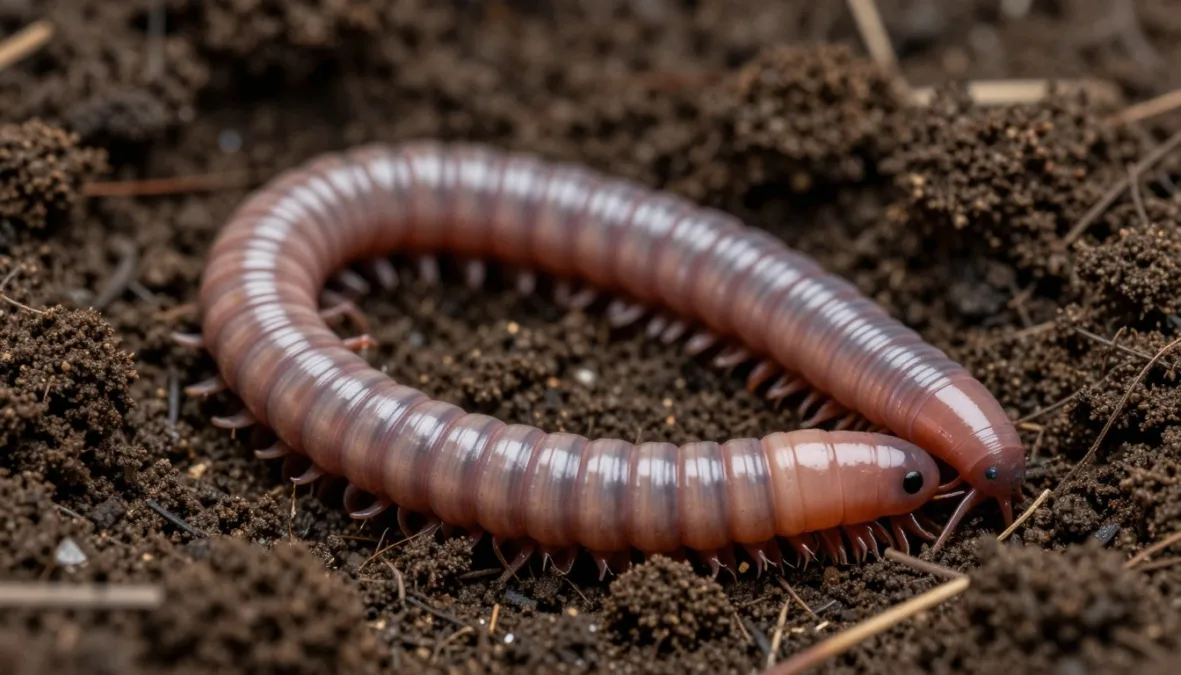
The biggest worms in the world stretch far beyond what most people imagine when they think of earthworms. These incredible creatures can reach lengths that rival small snakes. They burrow deep beneath the surface and play vital roles in their ecosystems.
Giant earthworm species inhabit regions across multiple continents. Some specimens grow over ten feet long. These remarkable invertebrates transform soil structure and process organic matter at impressive scales.
This comprehensive guide explores ten of the largest earthworm species on our planet. You’ll discover their actual sizes, preferred habitats, and unique characteristics. Each entry reveals what makes these underground giants so extraordinary.
1. Giant Gippsland Earthworm (Megascolides australis) – The Undisputed Champion
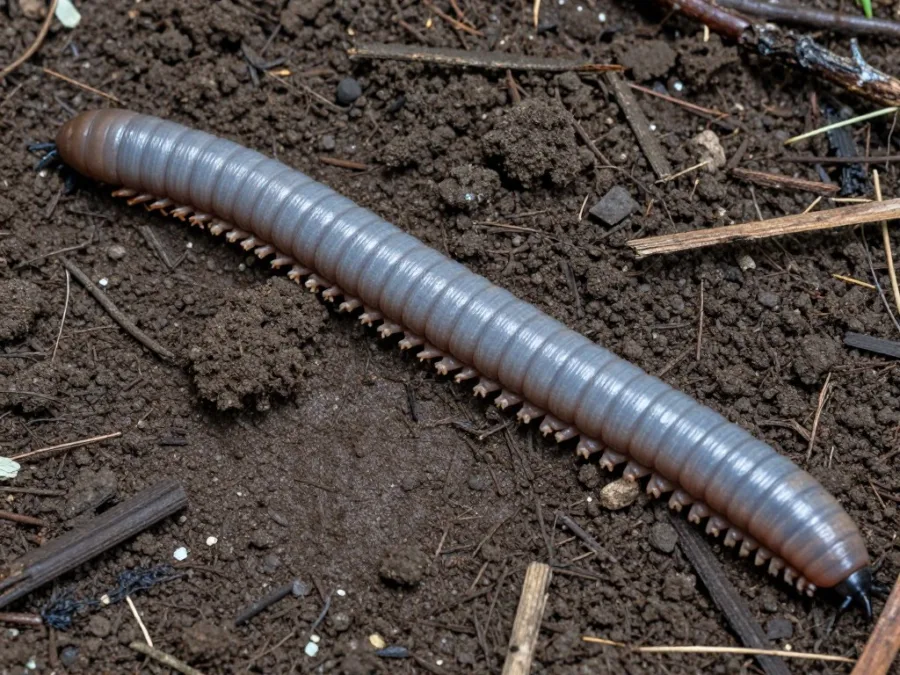
The giant Gippsland earthworm holds the title as the largest earthworm species ever documented. This Australian native reaches lengths up to 9.8 feet (3 meters). Some historical specimens reportedly exceeded these measurements.
Megascolides australis inhabits a tiny area in South Gippsland, Victoria. This species lives exclusively in deep clay soils near riverbanks. The worms create permanent burrow systems that can extend six feet below the surface.
These earthworms produce a distinctive gurgling sound when moving through their burrows. Local residents can actually hear them underground. The giant Gippsland earthworm has a blue-grey appearance and reaches a diameter of 0.8 inches.
Conservation efforts protect this species in Bass Valley. The worms face threats from agriculture and habitat fragmentation. They reproduce slowly, with each specimen taking five years to reach maturity.
Fascinating Fact: The Giant Gippsland earthworm can live up to 20 years, making it one of the longest-lived earthworm species on Earth.
2. Oregon Giant Earthworm (Driloleirus macelfreshi) – North American Mystery
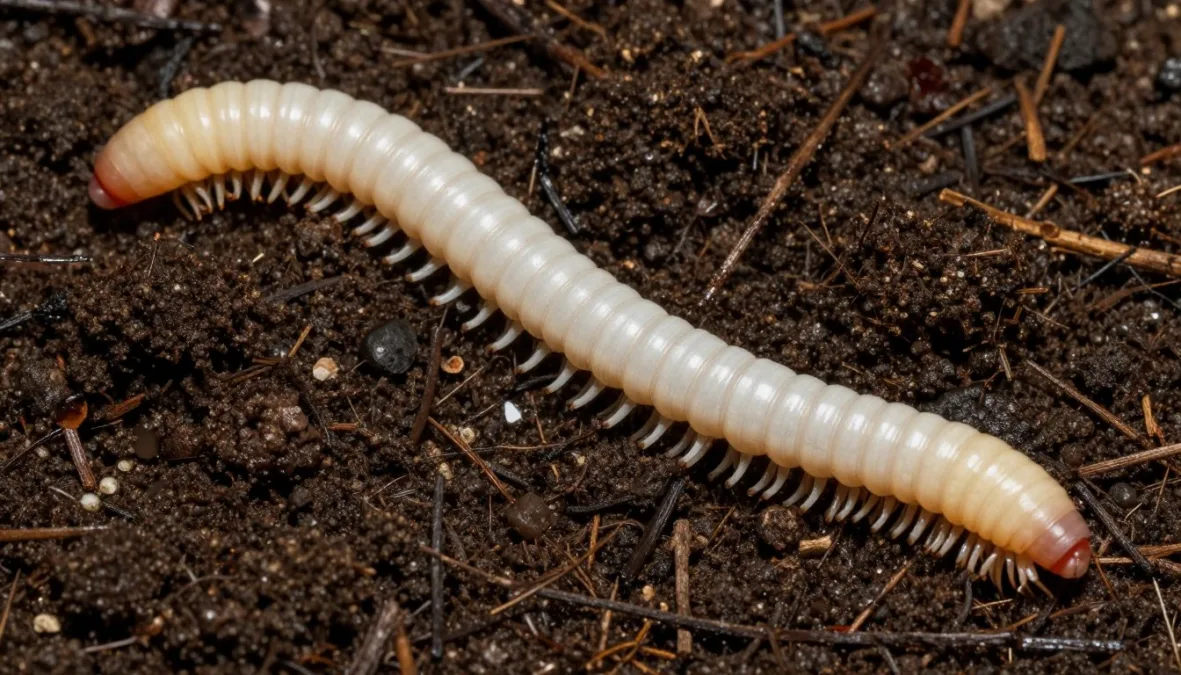
The Oregon giant earthworm ranks among the most elusive earthworm species in the United States. This specimen grows up to three feet in length. Scientists have documented fewer than a dozen sightings in the past century.
Driloleirus macelfreshi inhabits the Willamette Valley and surrounding forests. The species prefers moist soils beneath old-growth forest canopies. These worms emit a lily-like fragrance when handled.
This earthworm displays a distinctive pale white to cream coloration. Its body segments number over 150 in mature specimens. The species burrows extremely deep, sometimes reaching 15 feet below the surface.
Conservation status remains uncertain due to limited specimen collection. Researchers believe habitat loss threatens population numbers. The Oregon giant earthworm may represent one of North American’s most endangered invertebrates.
3. Giant African Earthworm (Microchaetus rappi) – African Titan
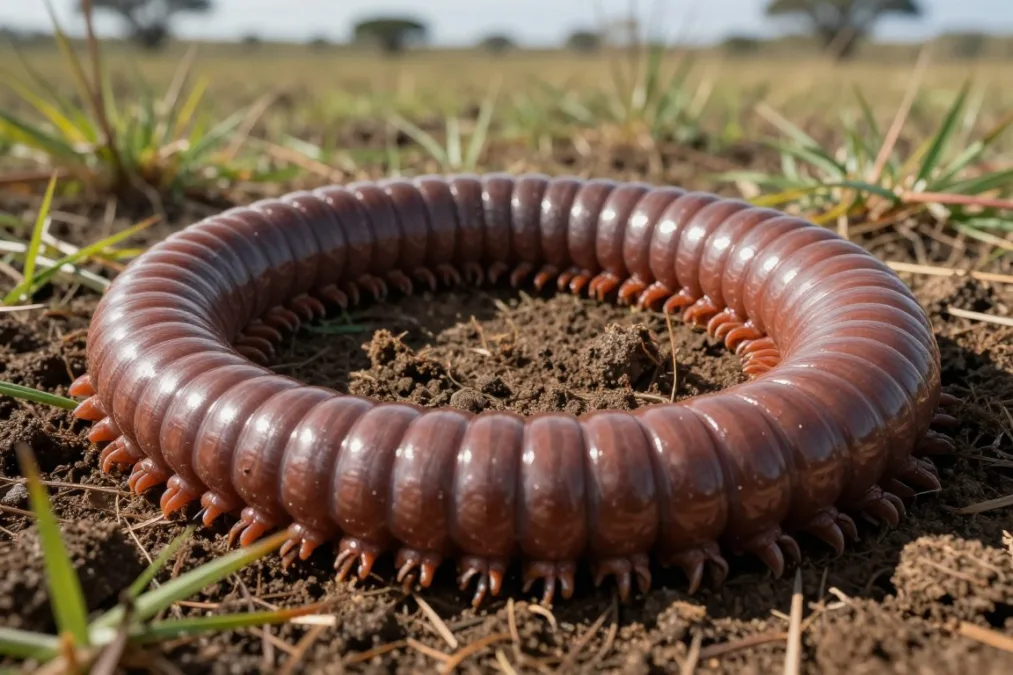
Microchaetus rappi holds records as potentially the longest earthworm ever measured. Historical accounts describe specimens exceeding 22 feet in length. Modern sightings confirm individuals regularly reach 6 feet or more.
This species inhabits grasslands throughout South Africa. The giant African earthworm thrives in areas with heavy clay content. It creates extensive burrow networks that improve water infiltration across landscapes.
The worm displays a reddish-brown coloration with a diameter approaching one inch. Its body contains over 600 segments in the largest specimens. These earthworms emerge after heavy rains to find new territory.
Distribution extends from the Eastern Cape to KwaZulu-Natal provinces. Local agricultural communities recognize the species as beneficial for soil health. The worms process massive amounts of organic matter throughout their life span.
4. Giant Palouse Earthworm (Driloleirus americanus) – Prairie Ghost
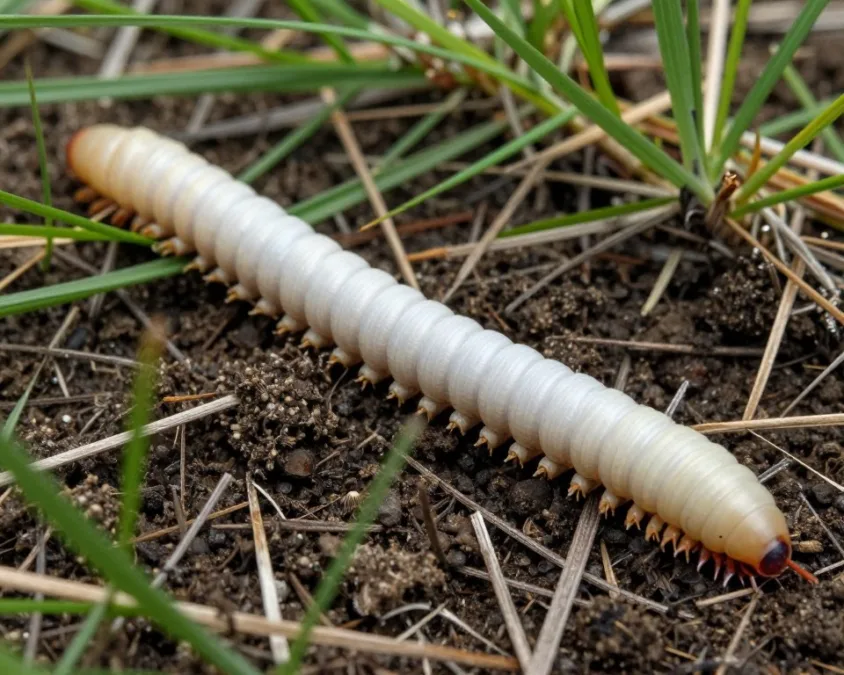
The giant Palouse earthworm represents a critically rare species from North America. This earthworm grows up to three feet in length. Scientists considered it extinct until rediscovery in 2005.
Native habitat includes the Palouse Prairie region spanning Washington and Idaho. The species requires deep, undisturbed prairie soils. Modern agriculture has eliminated over 90 percent of its original range.
Help Protect Giant Earthworm Habitats
These magnificent species face serious threats from habitat loss and climate change. Learn how you can support conservation efforts to preserve giant earthworm populations and their vital ecosystems.
This earthworm produces a distinctive floral scent similar to lilies. Its white to pale pink coloration distinguishes it from other species. The giant Palouse earthworm burrows to depths of 15 feet during dry periods.
Current conservation status remains precarious despite protection efforts. Only a handful of specimens have been collected for study. Researchers continue monitoring remaining habitat areas for population assessments.
5. Washington Giant Earthworm (Driloleirus washingtonianus) – Pacific Northwest Resident
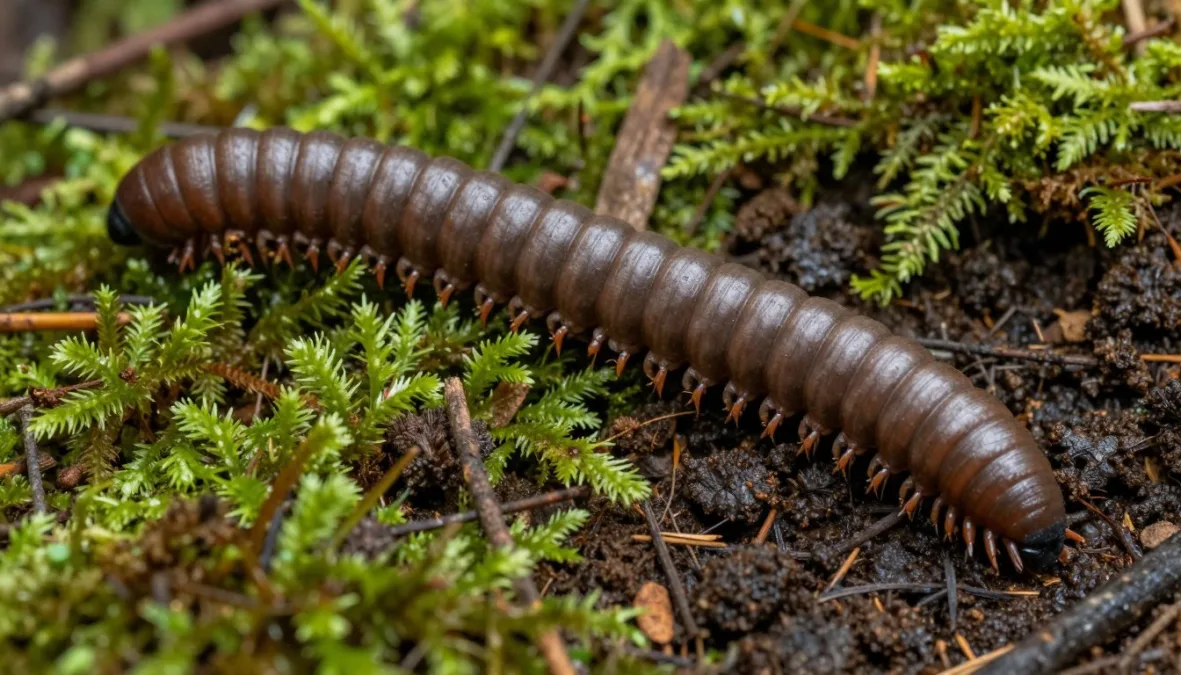
Driloleirus washingtonianus inhabits forests across Washington State. This species reaches lengths approaching three feet. It shares many characteristics with its Oregon cousin but occupies distinct territory.
Preferred habitat includes old-growth coniferous forests with deep organic layers. The worm requires consistently moist conditions throughout the year. It processes decomposing needles and leaf matter in forest soils.
Body coloration ranges from light purple to reddish-brown. The species produces mucus with a distinctive fragrance. Washington giant earthworms create extensive burrow systems that aerate forest soils.
Limited research exists on population numbers and distribution. Specimens appear most commonly in the Cascade Mountain range. Forest management practices may impact habitat quality over time.
6. Brazilian Giant Earthworm (Rhinodrilus alatus) – Tropical Powerhouse
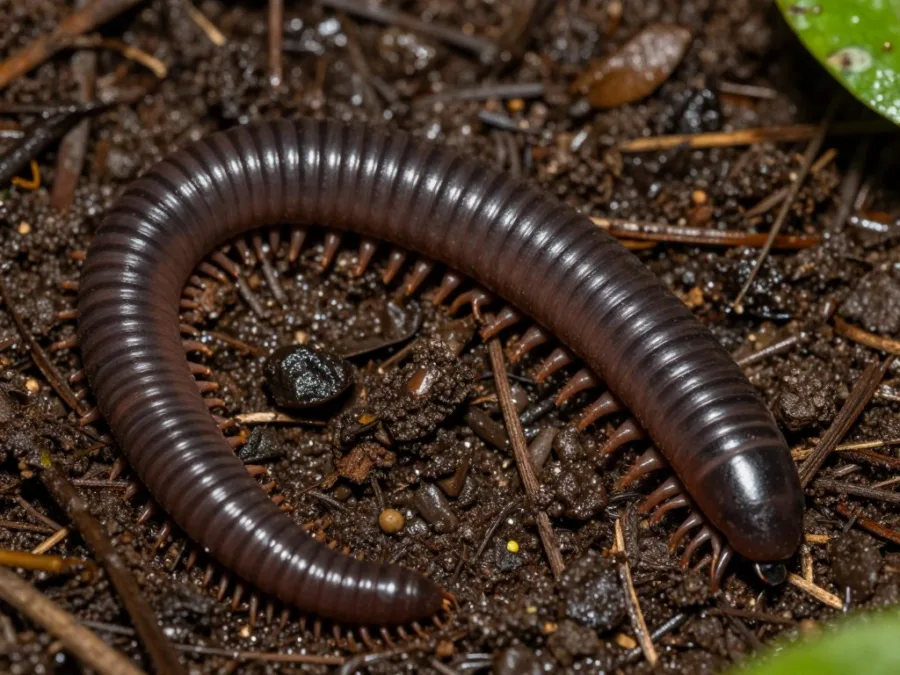
Rhinodrilus alatus thrives in Brazilian rainforests and agricultural areas. This impressive earthworm regularly exceeds six feet in length. It represents one of South America’s most significant soil engineers.
The species inhabits regions with rich organic matter and high humidity. These worms prefer areas near water sources like streams and rivers. They create burrows that can reach depths of eight feet.
Brazilian giant earthworms display dark brown to black coloration. Their diameter reaches nearly one inch in mature specimens. The species processes enormous quantities of organic material daily.
Local farmers value these earthworms for improving soil structure. The worms convert plant debris into nutrient-rich castings. Distribution extends throughout much of eastern Brazil into agricultural zones.
7. Australian Giant Earthworm (Digaster longmani) – Queensland Burrower
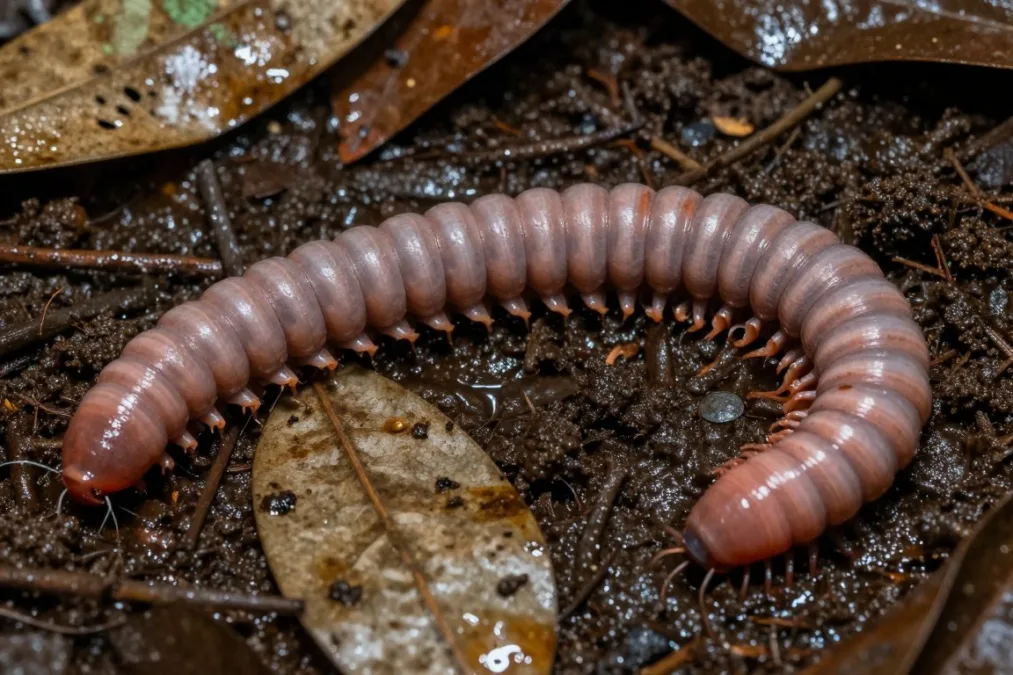
Digaster longmani inhabits subtropical forests in Queensland, Australia. This species grows to lengths exceeding five feet. It represents another example of Australia’s exceptional earthworm diversity.
Preferred soils include volcanic-derived clays in forested areas. The earthworm requires consistent moisture and moderate temperatures. It creates permanent burrow systems similar to the giant Gippsland earthworm.
Body coloration appears pinkish-brown with a glossy surface. The species moves through soil by consuming material ahead and depositing castings behind. These worms play crucial roles in forest nutrient cycling.
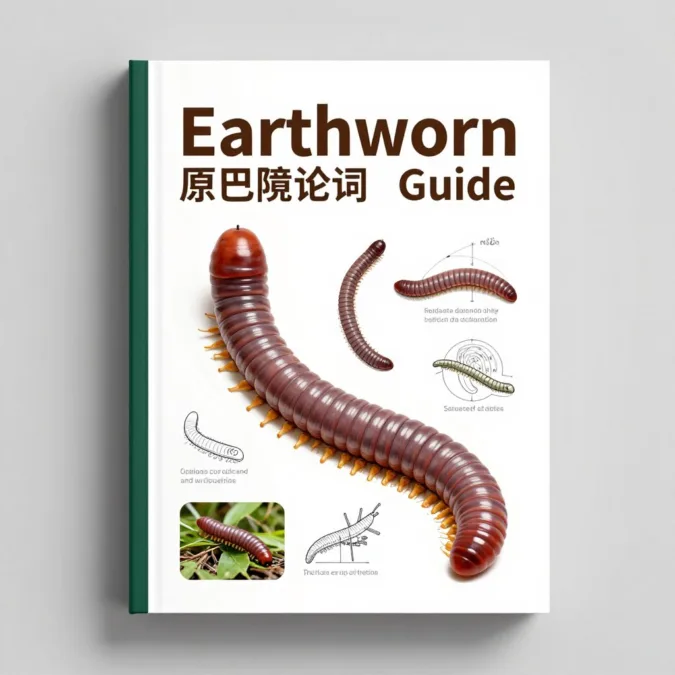
Giant Earthworm Field Guide
Comprehensive identification guide covering all major giant earthworm species worldwide. Includes habitat maps, size comparisons, and conservation status information.

Premium Composting System
Professional-grade composting bin designed to support healthy earthworm populations. Creates ideal conditions for worm activity and produces nutrient-rich soil amendments.

Soil Health Testing Kit
Complete testing kit for analyzing soil conditions that support earthworm populations. Measures pH, nutrients, moisture, and organic matter content with precision instruments.
Research on population dynamics remains limited. The species faces habitat pressure from land development. Protected areas in Queensland provide sanctuary for remaining populations.
8. New Zealand Giant Earthworm (Spenceriella gigantea) – Island Endemic
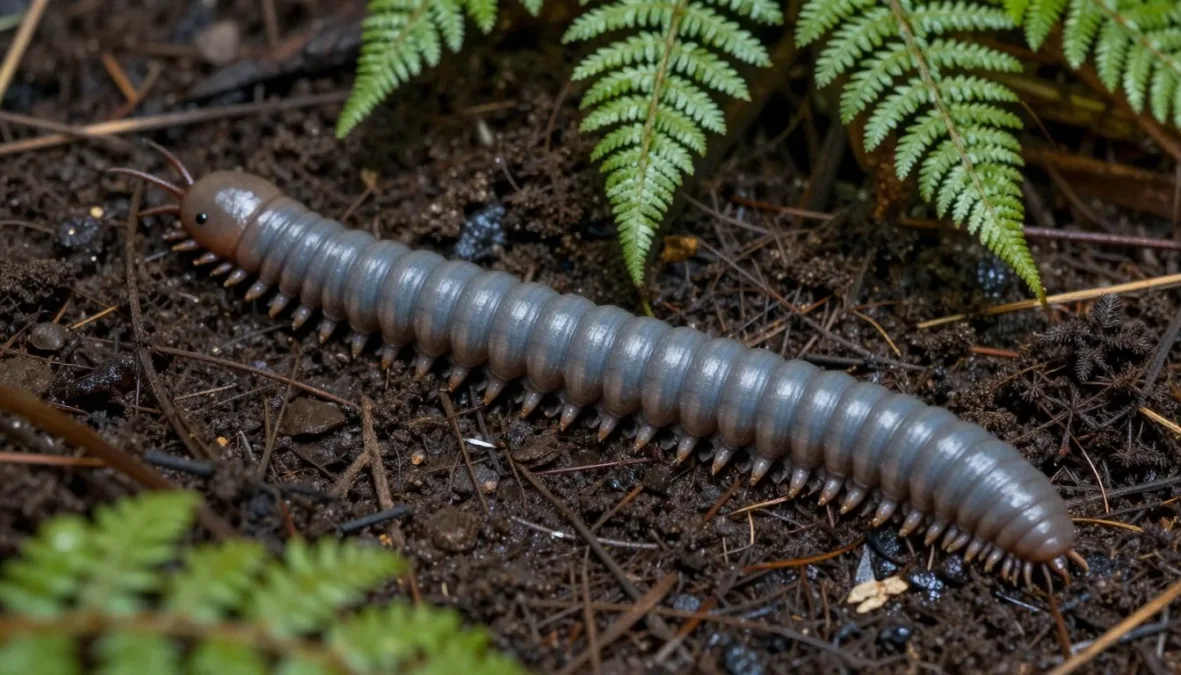
Spenceriella gigantea exists only in New Zealand’s native forests. This earthworm species reaches lengths up to four feet. It displays beautiful iridescent coloration when viewed in sunlight.
The species inhabits undisturbed forest soils throughout both islands. It requires deep leaf litter and consistently moist conditions. These worms move through soil layers processing organic debris from native plants.
Body color ranges from blue-grey to purplish hues. The earthworm produces a squeaking sound when disturbed. Spenceriella gigantea creates extensive burrow networks beneath forest floors.
Conservation concerns arise from introduced predators and habitat modification. The species may be vulnerable to climate fluctuations. Protected forest reserves provide critical habitat for long-term survival.
9. Vietnamese Giant Earthworm (Pheretima elongata) – Asian Giant
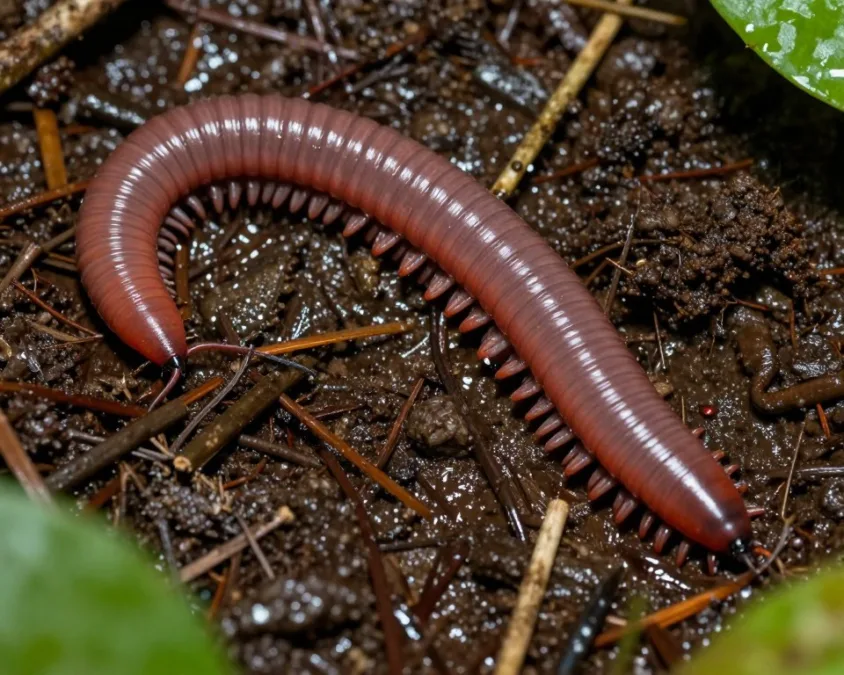
Pheretima elongata represents Southeast Asia’s contribution to giant earthworm diversity. This species grows beyond four feet in length. It thrives in tropical forests with abundant rainfall and organic material.
Distribution includes Vietnam, Laos, and adjacent regions. The earthworm prefers mountainous areas with deep forest soils. It processes leaf litter from tropical hardwood species.
These worms display reddish-brown coloration with prominent body segments. They emerge during monsoon seasons to redistribute across territory. The species contributes significantly to soil formation in tropical ecosystems.
Scientific knowledge remains limited compared to other giant species. Local communities recognize the worms as indicators of healthy forest conditions. Further research would enhance understanding of population status.
10. Colombian Giant Earthworm (Martiodrilus crassus) – Andean Specialist
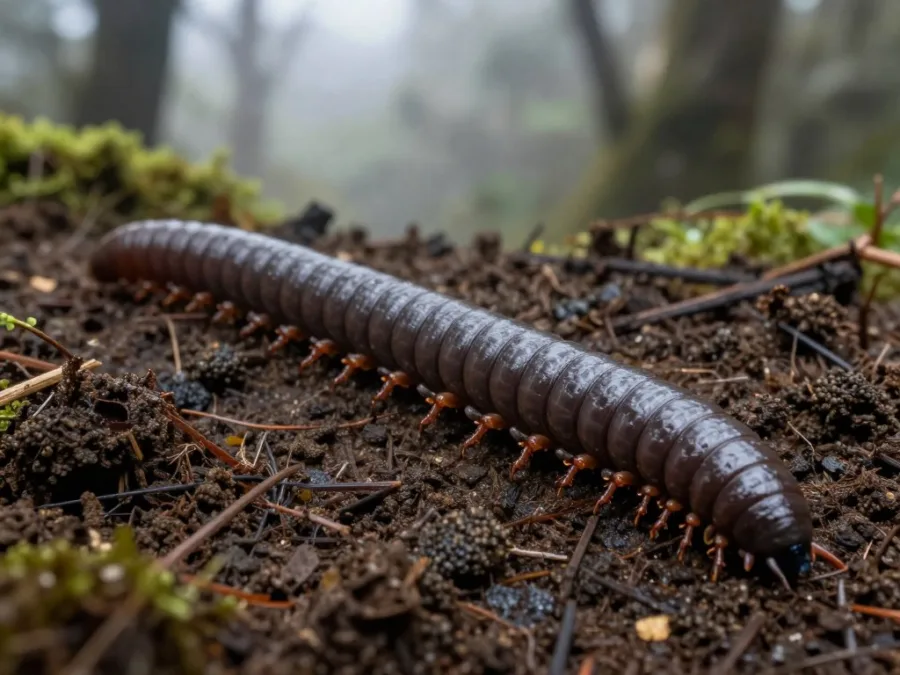
Martiodrilus crassus inhabits cloud forests in Colombia’s Andes mountains. This robust earthworm reaches lengths approaching four feet. It demonstrates remarkable adaptation to high-altitude conditions.
The species requires cool, moist soils found between 6,000 and 10,000 feet elevation. These worms process organic matter from unique alpine plant communities. They create burrows that help prevent soil erosion on mountain slopes.
Body structure appears particularly thick compared to other giant species. The diameter can exceed one inch in mature specimens. Colombian giant earthworms display dark brown to black coloration.
Limited distribution makes the species vulnerable to habitat changes. Cloud forest destruction threatens population stability. Conservation of high-altitude forests directly benefits this remarkable earthworm.
Understanding Giant Earthworm Ecology and Importance
Habitat Requirements
Giant earthworm species share common habitat needs despite geographic separation. Most require deep, undisturbed soils with high organic matter content. Clay soils provide structural stability for permanent burrows.
Moisture levels must remain consistent throughout the year. These species cannot survive extended drought periods. Temperature ranges vary by species but generally stay moderate.
Forest canopies provide necessary shade and organic material input. Agricultural conversion destroys critical habitat for many species. Protected natural areas offer the best hope for long-term survival.
Ecological Functions
Giant earthworms perform crucial ecosystem services. They process enormous quantities of organic matter into nutrient-rich castings. This activity improves soil structure and water infiltration rates.
Burrow systems created by these worms increase soil aeration. Plant roots follow earthworm tunnels to access deeper soil layers. The worms essentially engineer healthier soil ecosystems.
Many giant earthworm species serve as indicator organisms. Their presence signals healthy, undisturbed habitat conditions. Conservation efforts targeting these worms benefit entire ecosystems.
Did You Know? A single giant earthworm can process its own body weight in soil every day, creating nutrient-rich castings that improve soil fertility and structure for surrounding plant life.
Conservation Status and Future Outlook
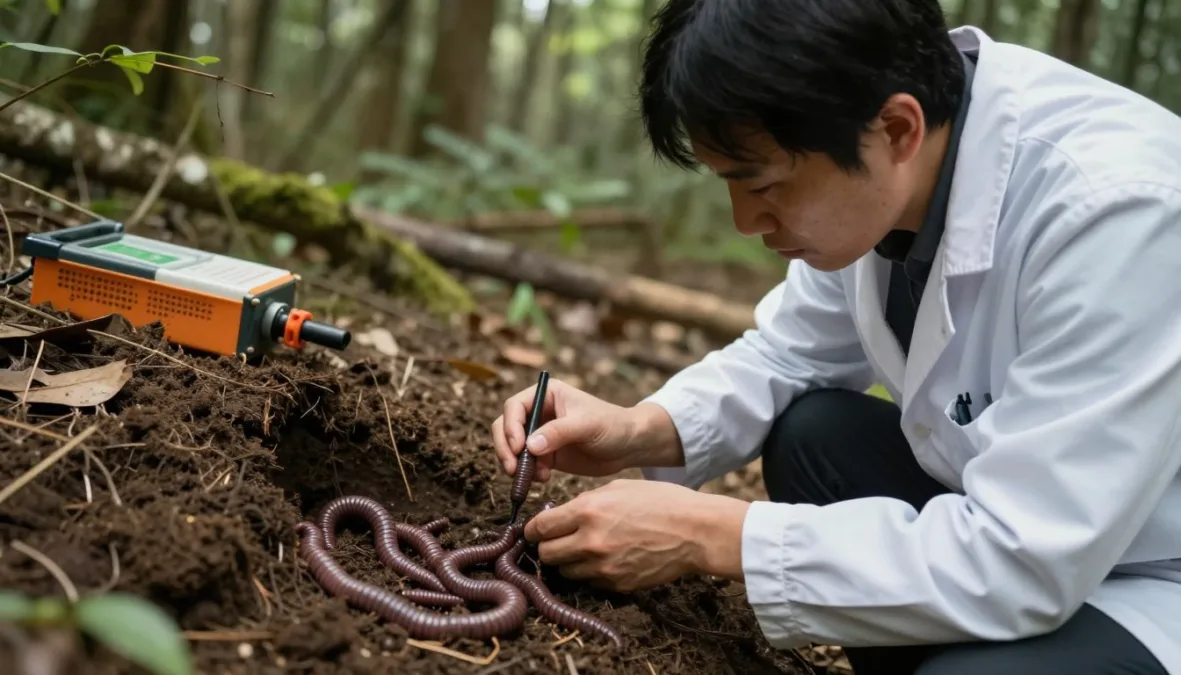
Many giant earthworm species face significant conservation challenges. Habitat loss represents the primary threat across all regions. Agricultural expansion eliminates the deep, undisturbed soils these worms require.
Climate change adds additional pressure through altered rainfall patterns. Extended droughts prove fatal to species adapted to consistent moisture. Invasive species disrupt established ecosystems and compete for resources.
Several giant earthworm species qualify as endangered or critically endangered. The Oregon giant earthworm and giant Palouse earthworm face particularly uncertain futures. Limited distribution makes these populations extremely vulnerable.
Protection Efforts
Conservation organizations work to protect critical earthworm habitat. Land acquisition preserves remaining undisturbed areas. Educational programs raise awareness about earthworm ecological importance.
Research initiatives gather essential data on population dynamics and habitat requirements. This information guides effective management strategies. Captive breeding programs may become necessary for some species.
International cooperation enhances conservation outcomes for widespread species. Protected area networks provide connected habitat across landscapes. Public support remains crucial for long-term success.
Conservation Successes
- Protected habitat areas established for several species
- Growing scientific understanding of earthworm ecology
- Increased public awareness and education programs
- International collaboration on research efforts
Ongoing Threats
- Continued habitat loss from agriculture and development
- Climate change impacts on soil moisture patterns
- Limited funding for invertebrate conservation
- Invasive species competition and predation
Conclusion: Protecting Earth’s Underground Giants
The biggest worms in the world represent remarkable evolutionary achievements. These giant earthworm species demonstrate nature’s capacity for surprising diversity. From Australia’s giant Gippsland earthworm to Colombia’s mountain specialists, each species fills unique ecological niches.
Understanding these creatures helps us appreciate soil ecosystem complexity. Giant earthworms engineer healthier environments for countless other organisms. Their activities improve water quality, prevent erosion, and enhance plant growth.
Conservation of these species requires immediate action and sustained commitment. Protecting undisturbed habitats benefits not just earthworms but entire ecosystems. Everyone can contribute through supporting conservation organizations and choosing sustainable land management practices.
The future of giant earthworm populations depends on choices made today. These underground architects deserve recognition and protection. Their continued survival enriches our planet’s biological heritage for generations to come.

Priyanka Pandey
Senior Research Editor · Top10Sense
Priyanka specializes in tech, consumer products, and digital trends. She combines hands-on testing, vendor interviews, and database research to create trustworthy “Top 10” rankings. Her work has been referenced by industry blogs and brand report pages.