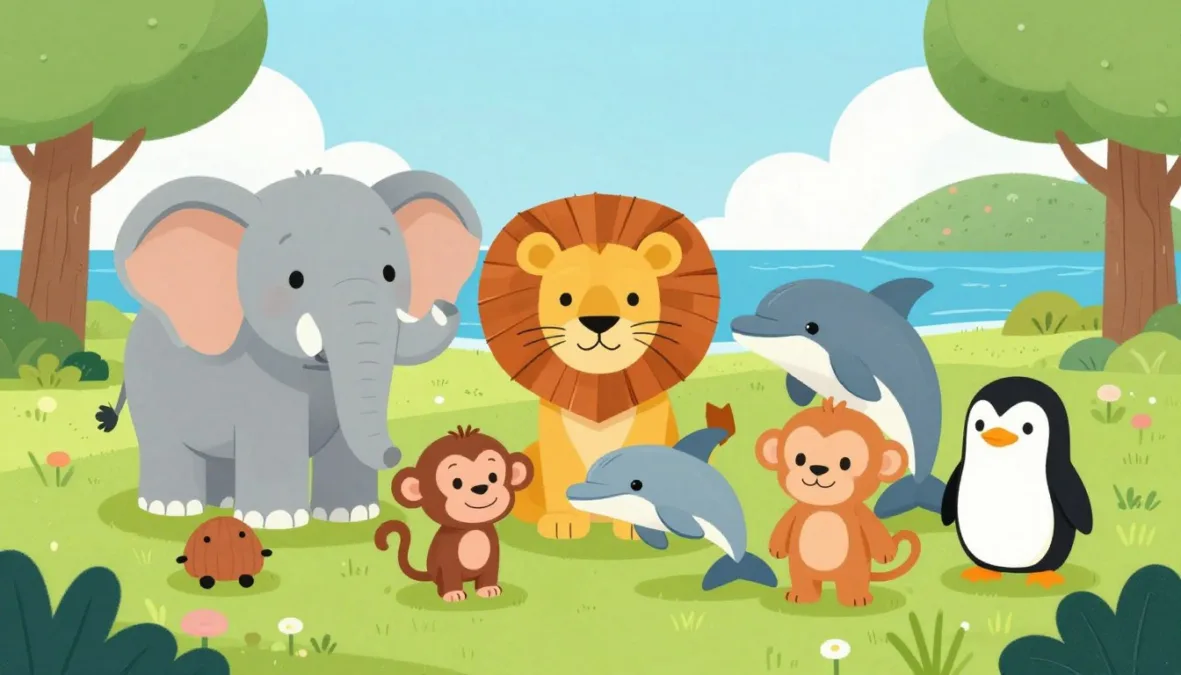
Have you ever wondered which animals are the most amazing on our planet? The world is full of incredible creatures that live in different environments. Some animals are huge and powerful. Others are small but super smart.
From the deepest parts of the ocean to the highest trees in the jungle, animals have found interesting ways to survive. Each animal on our list has something special that makes it stand out. Get ready to learn fun facts about these awesome creatures!
Whether you love animals that live on land or in water, this guide will teach you something new. Parents and kids can explore together and discover why these animals are so fascinating. Let’s dive into the animal world and meet some truly remarkable living things!
Fun fact: Want to learn even more cool animal facts every week? Sign up for our free Fun Kids Animal Newsletter and get amazing wildlife stories delivered right to your inbox!
1. African Elephant – The Gentle Giant
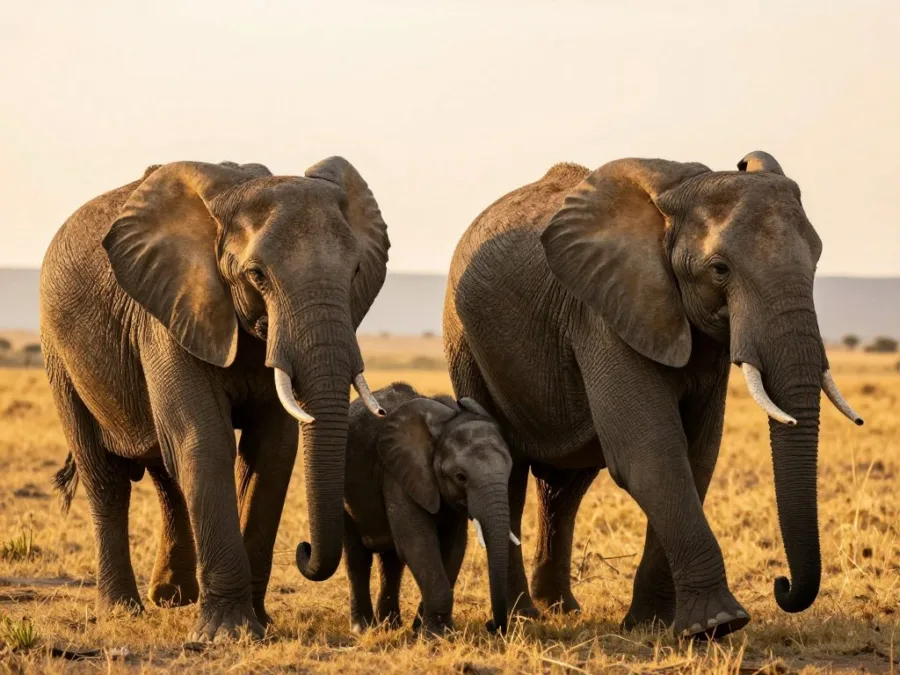
The African elephant is the largest land animal on Earth. These magnificent creatures can weigh up to six tons. That’s heavier than most cars you see on the road!
Elephants use their trunks in amazing ways. Their trunks help them drink water and grab food from trees. Baby elephants learn how to use their trunks by watching their mothers. It takes lots of practice to master this important body part.
Why Elephants Are Special
These gentle giants have excellent memories. Elephants can remember other elephants they met many years ago. They also remember places where they found water and food during different times of the year.
- African elephants can drink up to 50 gallons of water in one day
- Their ears help them stay cool in hot African environments
- Elephants live in family groups led by the oldest female
- They communicate with low rumbling sounds that travel long distances
- Baby elephants weigh around 200 pounds when they are born
Elephants play an important role in their environment. They help spread seeds from the food they eat. This helps new trees and plants grow across the land. Many other animals depend on elephants to create paths through thick forests.
2. Blue Whale – Ocean’s Biggest Animal
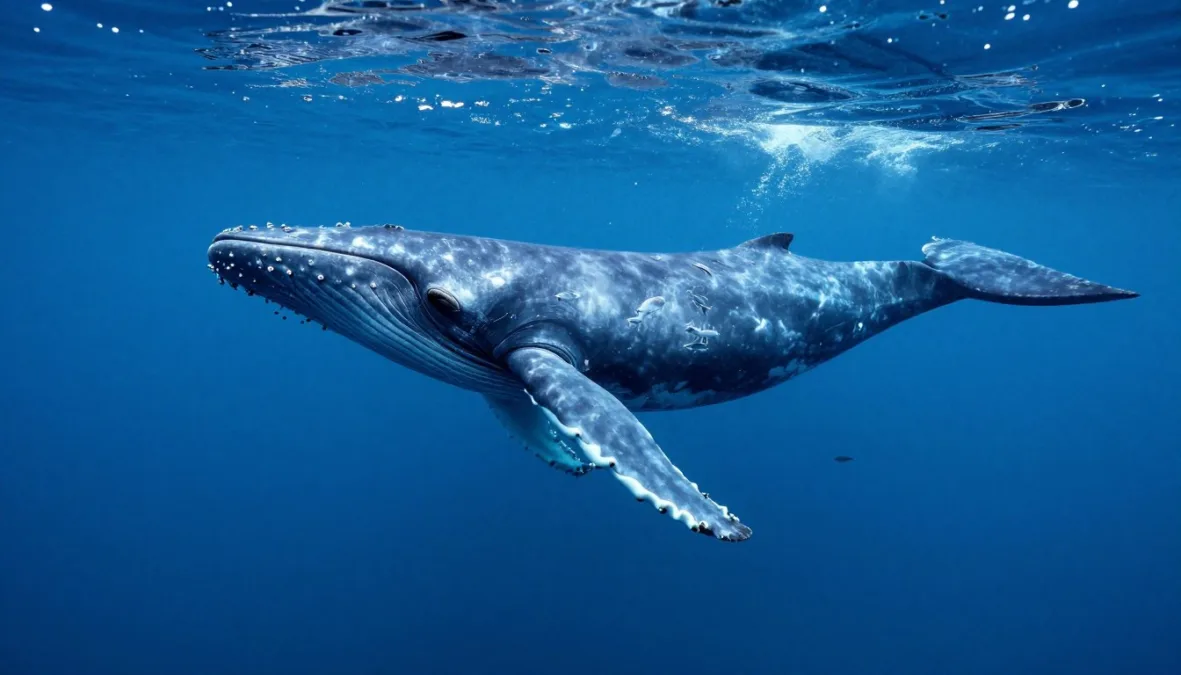
The blue whale is not just the biggest animal in the ocean. It’s the largest animal that has ever lived on our planet! Blue whales can grow up to 100 feet long. That’s longer than three school buses lined up end to end.
These amazing ocean animals eat tiny creatures called krill. A blue whale can eat four tons of krill every single day. Even though blue whales are huge, they only eat these small shrimp-like animals.
Life in the Ocean
Blue whales travel enormous distances across the world’s oceans. They migrate thousands of miles between feeding areas and breeding grounds. During their long journeys, they dive deep underwater to find food.
Blue Whale Body Facts
- Their hearts are as big as small cars
- Blue whale calves drink 50 gallons of milk per day
- They can hold their breath for up to 90 minutes
- Their tongues weigh as much as an elephant
Communication and Sounds
- Blue whales make the loudest sounds of any animal
- Their calls can travel hundreds of miles underwater
- They use sound to find other whales in the ocean
- Scientists study their songs to learn about whale behavior
These gentle ocean giants need our help to survive. People around the world work hard to protect blue whales and their ocean homes. Learning about these animals helps us understand why we must take care of the ocean environment.
3. Lion – King of the Jungle
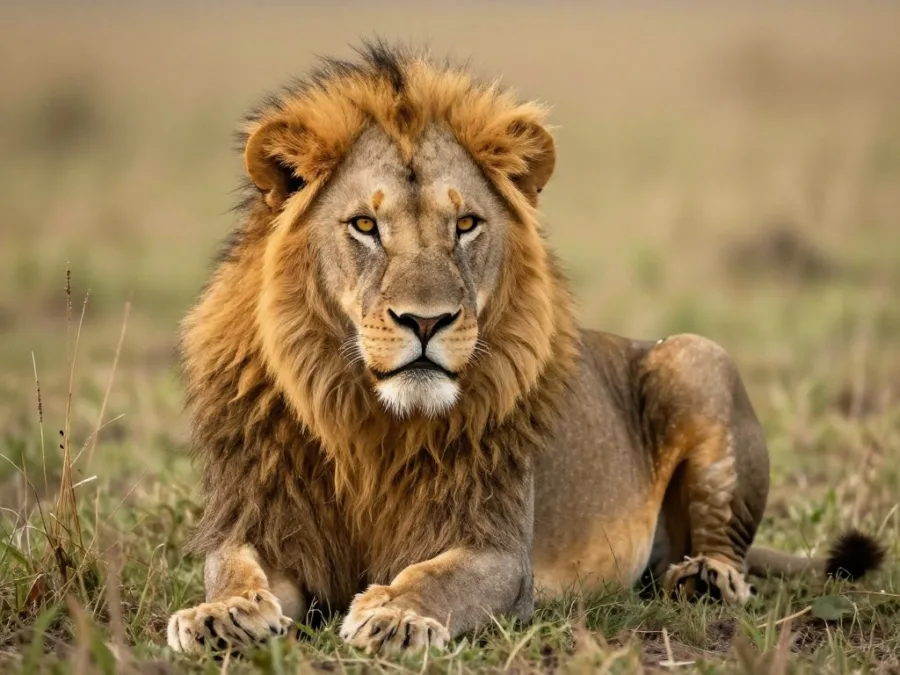
Lions are often called the kings of the animal world. Male lions have beautiful manes that make them look powerful and strong. These big cats live in groups called prides. A pride usually has several female lions, their babies, and one or two male lions.
Female lions do most of the hunting for the pride. They work together as a team to catch prey. This teamwork makes them very successful hunters. Male lions protect the pride’s territory from other lions and dangerous animals.
Lion Strength and Power
A lion can run very fast for short distances. They can reach speeds of up to 50 miles per hour when chasing prey. Their powerful legs and strong bodies help them take down animals much larger than themselves.
- Lions can sleep up to 20 hours a day to save energy
- Their roar can be heard from five miles away
- Baby lions are called cubs and are born with spots
- Lions are the only cats that live in large family groups
- A lion’s bite is incredibly strong and can crush bones
Lions live mainly in Africa on grasslands and savannas. These environments provide plenty of space for hunting and raising their young. Protecting lion habitats is important because these magnificent animals need large territories to survive and thrive in the wild.
4. Dolphin – Smartest Ocean Animal
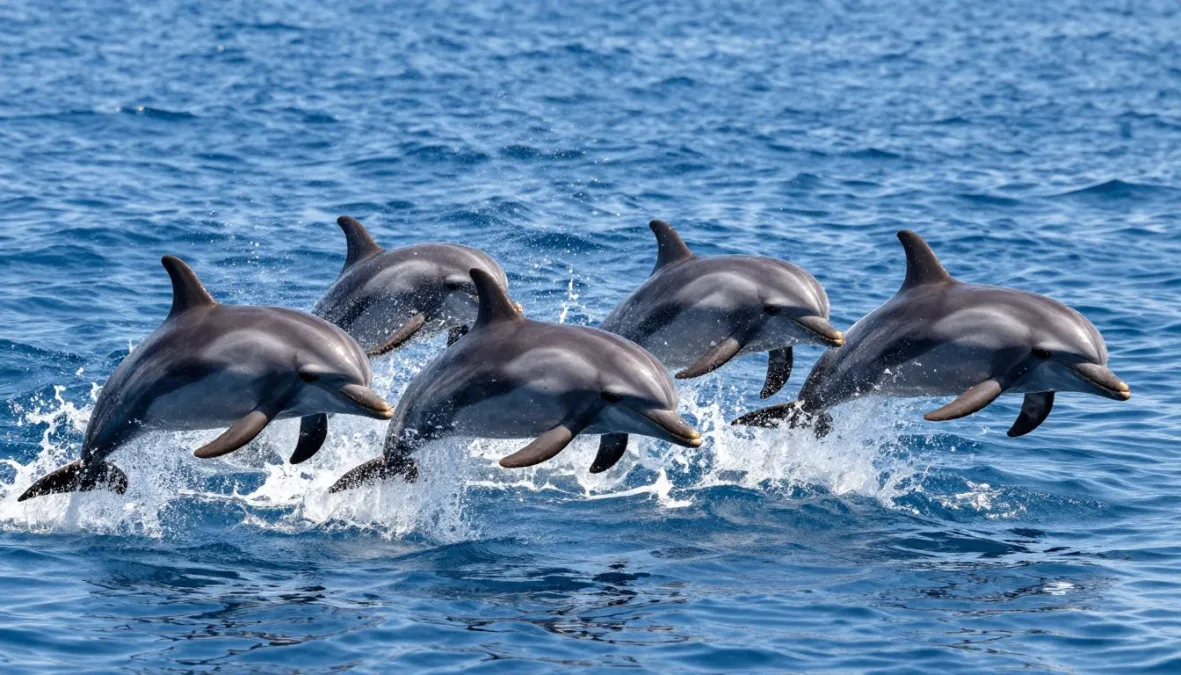
Dolphins are among the smartest animals in the world. These friendly ocean creatures have large brains and can learn new things quickly. Dolphins communicate with each other using clicks, whistles, and special sounds. Each dolphin has its own unique whistle, almost like a name!
These playful animals love to swim fast and jump out of the water. Dolphins can swim at speeds up to 20 miles per hour. They use their powerful tails to push themselves through the ocean. Watching dolphins play is one of nature’s most joyful sights.
How Dolphins Live and Hunt
Dolphins live in groups called pods. A pod can have just a few dolphins or over a hundred members. They help each other find food and protect baby dolphins from sharks and other dangers. Working together makes dolphins stronger and safer.
Did you know? Dolphins sleep with only half their brain at a time! This allows them to keep swimming and breathing while they rest. They need to come to the surface regularly to breathe air, just like humans do.
- Dolphins can recognize themselves in mirrors, showing self-awareness
- They hunt fish using a special technique called echolocation
- Baby dolphins stay with their mothers for several years
- Dolphins have been known to help humans in danger
- They can dive to depths of over 1,000 feet searching for food
Dolphins need clean ocean water to stay healthy. Pollution and trash in the ocean can make dolphins sick. By keeping our oceans clean, we help protect these amazing animals and all the other living things that call the ocean home.
Free Animal Learning Resources!
Download our colorful animal fact cards and posters to continue your wildlife adventure! Perfect for bedrooms, classrooms, and young explorers who love learning about animals from around the world.
5. Polar Bear – Arctic Survivor
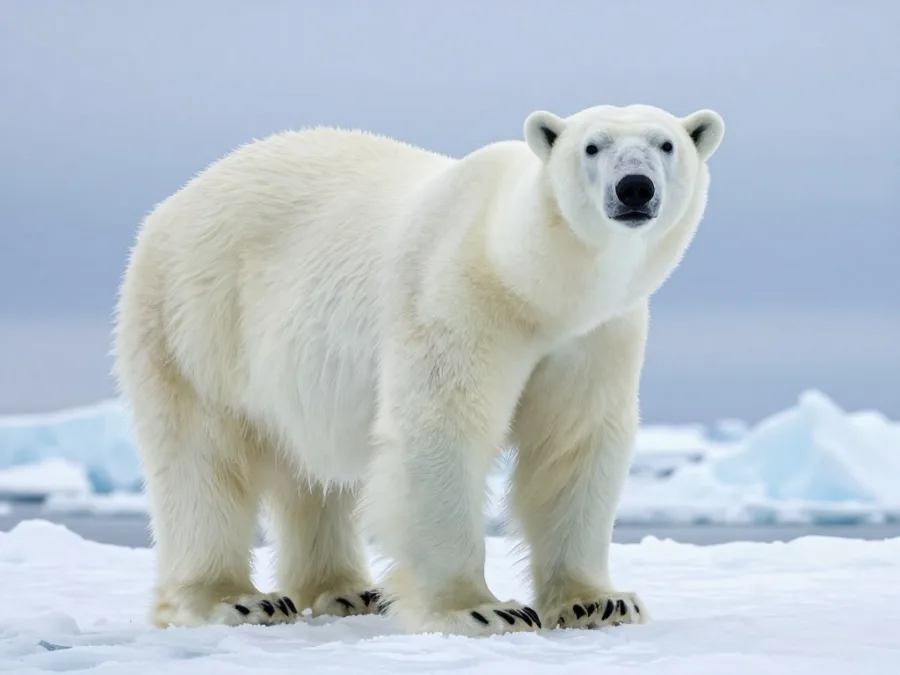
Polar bears are the largest land predators on Earth. These powerful bears live in the frozen Arctic where temperatures drop extremely low. Their thick white fur keeps them warm even in the coldest weather. Underneath their fur, polar bears have black skin that helps absorb heat from the sun.
These amazing bears are excellent swimmers. Polar bears can swim for many hours without stopping. They use their large paws like paddles to move through icy water. Swimming helps them travel between ice chunks and hunt for seals, their favorite food.
Surviving in the Arctic
Polar bears have special features that help them live in harsh Arctic conditions. Their wide paws work like snowshoes, spreading their weight so they don’t sink into deep snow. Small bumps on their paw pads give them extra grip on slippery ice.
- Polar bears can smell seals from almost a mile away
- They spend most of their time on sea ice hunting prey
- Mother polar bears dig snow dens to have their babies
- Cubs stay with their mothers for about two years learning to hunt
- Adult males can weigh up to 1,500 pounds
Climate change affects polar bears more than many other animals. As Arctic ice melts, polar bears have less space to hunt and live. Scientists around the world study these magnificent creatures to find ways to protect them and their icy environment for future generations.
6. Giraffe – Tallest Animal on Land
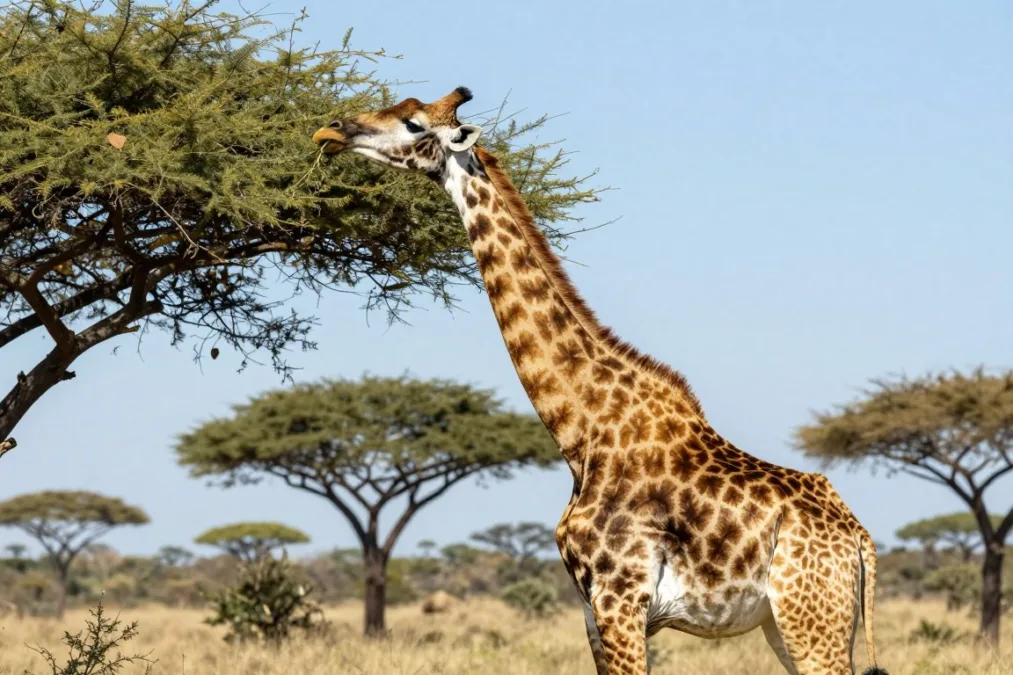
Giraffes are the tallest animals in the world. Adult giraffes can grow up to 18 feet tall. Their incredibly long necks help them reach leaves on tall trees that other animals can’t get to. Despite having such long necks, giraffes have the same number of neck bones as humans – just seven!
Each giraffe has a unique pattern of spots, just like human fingerprints. No two giraffes look exactly the same. These beautiful patterns help giraffes blend into their environment and recognize each other from far away.
Special Giraffe Features
A giraffe’s tongue is an amazing tool. It can be up to 20 inches long and is dark purple or black in color. This special tongue helps giraffes grab leaves and branches. The dark color may protect their tongues from getting sunburned!
How Giraffes Eat
- They eat up to 75 pounds of leaves each day
- Acacia trees are their favorite food source
- Giraffes can eat thorny branches without getting hurt
- They spend most of their day eating and chewing
Giraffe Movement
- Giraffes can run up to 35 miles per hour
- They walk by moving both legs on one side together
- Baby giraffes can stand within an hour of being born
- Their long legs help them take giant steps
Giraffes have powerful hearts that pump blood all the way up their long necks to their brains. Their hearts weigh about 25 pounds and are two feet long. This incredible organ creates enough pressure to push blood upward against gravity, showing how perfectly adapted these animals are to their unique bodies.
7. Chimpanzee – Our Closest Animal Relative
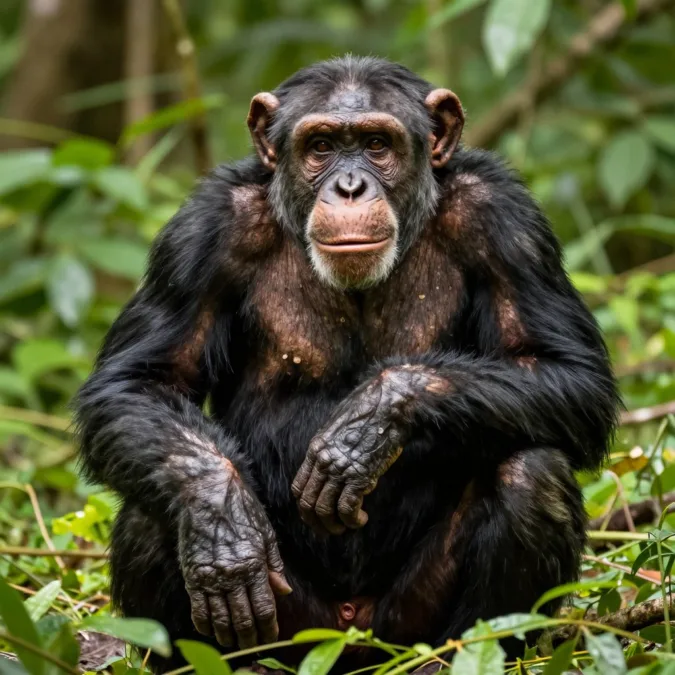
Chimpanzees are incredibly smart animals that share many similarities with humans. Scientists have discovered that we share about 98 percent of our DNA with these amazing primates. Chimpanzees can solve problems, use tools, and even learn simple sign language to communicate.
These clever animals live in African forests in large groups. Chimpanzee communities can have up to 150 members. They form strong friendships and take care of each other. Young chimpanzees play together and learn important skills from older chimps in their group.
Chimpanzee Intelligence
Chimpanzees make and use different tools for different jobs. They use sticks to fish for termites from their nests. They crack open nuts with rocks. Some chimps even use leaves as sponges to soak up drinking water. This tool use shows just how smart these primates really are.
- Chimps can recognize themselves in mirrors like humans and dolphins
- They remember the faces of chimps they haven’t seen in years
- Young chimps learn by watching and copying adult behaviors
- Chimpanzees show emotions like joy, sadness, and anger
- They comfort each other with hugs and gentle touches
Chimpanzees communicate in fascinating ways. They make over 30 different calls and sounds. Each sound has a specific meaning, from warning about danger to celebrating when they find food. Chimps also use facial expressions and hand gestures to share information with their group, much like humans do when we talk.
8. Penguin – Remarkable Swimmers
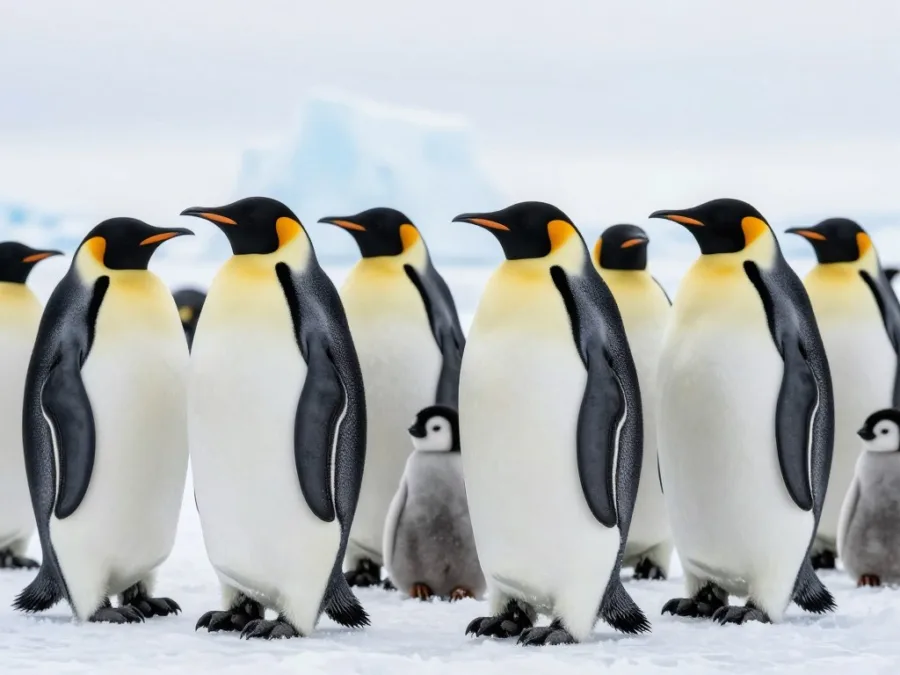
Penguins are birds that cannot fly, but they are fantastic swimmers. These charming animals live in some of the coldest places on Earth. Emperor penguins survive in Antarctica where temperatures can drop to minus 40 degrees. Their bodies are perfectly designed for life in icy water and on frozen land.
When penguins swim, they move like underwater rockets. They can reach speeds of 15 miles per hour in the water. Penguins use their wings like flippers to push themselves through the ocean. Their sleek bodies and waterproof feathers help them glide smoothly as they hunt for fish.
Penguin Family Life
Emperor penguins have one of the most amazing parenting stories in the animal kingdom. After the mother lays an egg, the father penguin keeps it warm on his feet for two whole months. He doesn’t eat anything during this entire time! The mother returns from hunting just as the baby hatches.
- Penguins can hold their breath underwater for over 20 minutes
- They huddle together in groups to stay warm in extreme cold
- Baby penguins have fluffy gray feathers before getting adult colors
- Penguins can drink salt water because they have special glands
- Some penguin species can dive deeper than 1,500 feet
Different penguin species live in various parts of the world. While many people think all penguins live in snow and ice, some species actually live in warmer places. African penguins live on beaches in South Africa. These adaptable birds show how animals can thrive in many different environments across our planet.
9. Tiger – Powerful Jungle Hunter
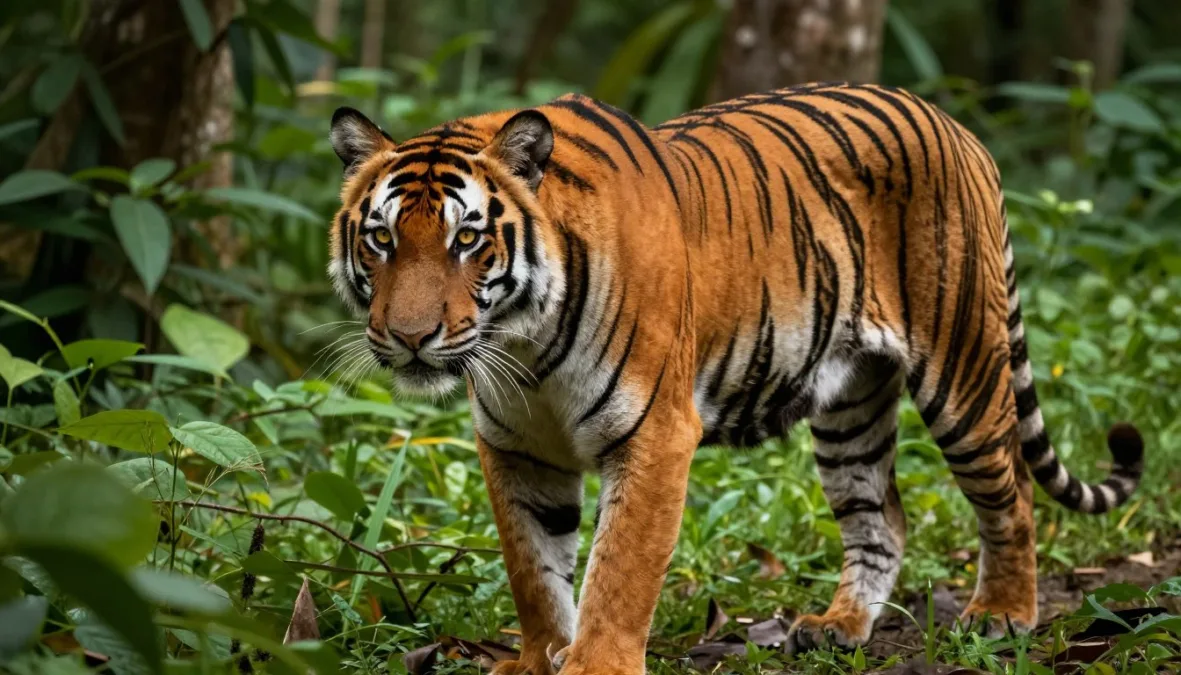
Tigers are the biggest cats in the world. These powerful hunters have beautiful orange fur with black stripes. Like giraffe spots, each tiger’s stripe pattern is unique. Tigers use their stripes as camouflage, helping them hide in tall grass and shadows when hunting prey.
A tiger’s strength is truly impressive. They can take down animals much larger than themselves. Tigers hunt alone, using patience and stealth. They can leap distances of over 30 feet in a single jump. Their powerful legs and sharp claws make them fearsome predators.
Tiger Abilities and Behaviors
Unlike most cats, tigers actually enjoy being in water. They are excellent swimmers and often cool off in rivers and lakes. During hot days, tigers spend time swimming and playing in water. This love of water sets them apart from lions and other big cats.
Conservation Alert: Tigers need our help! There are fewer than 4,000 wild tigers left on Earth today. People are working hard to protect tiger habitats and stop illegal hunting. Every tiger is precious and important to our world’s biodiversity.
- Tigers have the longest canine teeth of any cat species
- They can eat up to 88 pounds of meat in one meal
- Tiger cubs stay with their mothers for about two years
- Their night vision is six times better than human vision
- Tigers can run at speeds up to 40 miles per hour
Tigers live in various Asian habitats from snowy Siberian forests to tropical jungles. Each subspecies has adapted to its specific environment. Protecting these different habitats is crucial for tiger survival. When we protect tigers, we also help many other animals and plants that share their homes.
10. Monkey – Playful Tree Dwellers
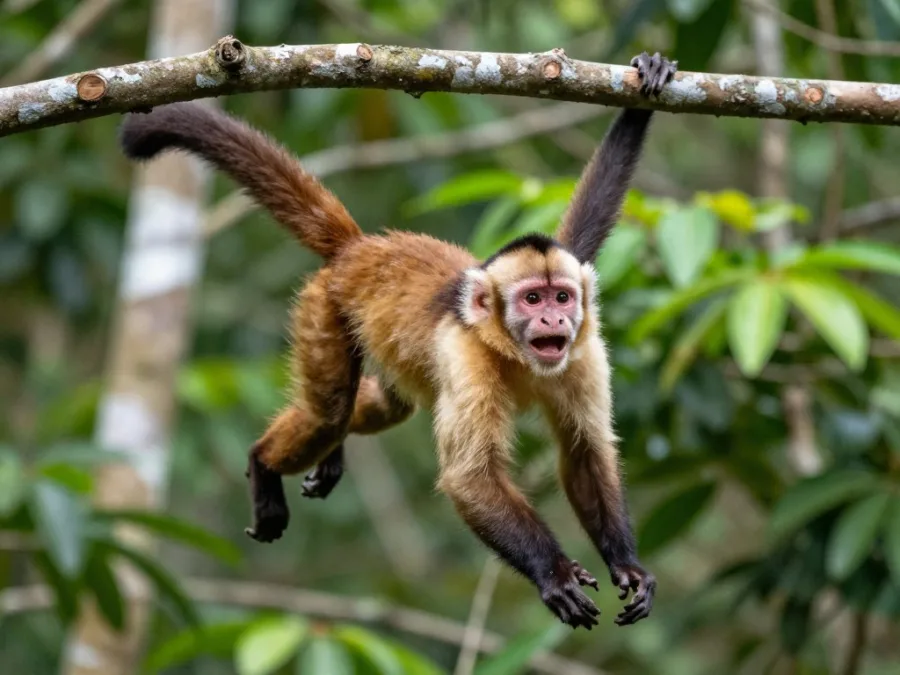
Monkeys are some of the most entertaining animals to watch. These clever creatures spend much of their time in trees, swinging from branch to branch. Different monkey species live all around the world in warm climates. From tiny pygmy marmosets to large baboons, monkeys come in many shapes and sizes.
Most monkeys have long tails that help them balance. Some species can even use their tails like an extra hand to grab branches. Monkeys are very social animals that live in groups called troops. They communicate with each other through sounds, facial expressions, and body movements.
Monkey Intelligence and Diet
Monkeys are smart problem-solvers. They remember where to find food in different seasons. Many monkey species use their hands skillfully to peel fruit, crack nuts, and groom each other. This grooming helps keep their fur clean and strengthens friendships within the troop.
- Spider monkeys use their tails to hang from branches while eating
- Howler monkeys have the loudest calls of any land animal
- Some monkeys teach their babies which foods are safe to eat
- Monkeys can recognize themselves in mirrors showing self-awareness
- Different monkey species eat fruits, leaves, insects, and small animals
Monkeys play an important role in forest environments. When they eat fruit, they spread seeds throughout the forest in their droppings. This helps new trees grow. Monkeys also provide food for larger predators. The complex relationships between monkeys and their environment show how all living things are connected in nature.
Exploring Our Amazing Animal World
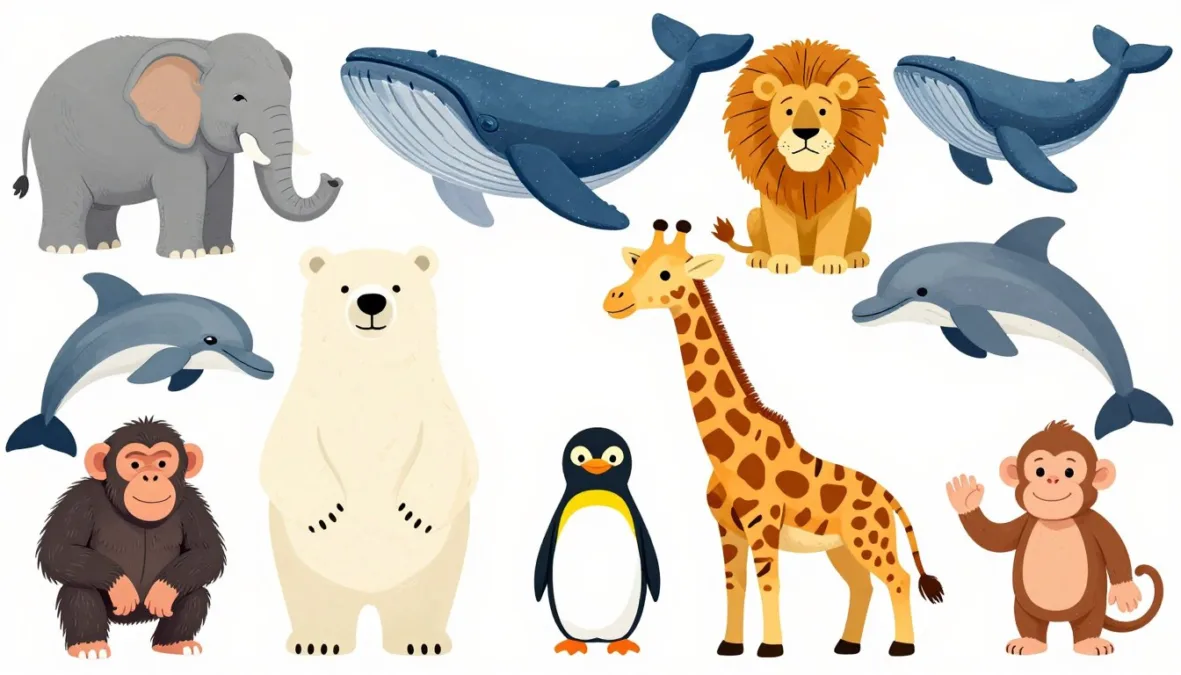
Our planet is home to millions of incredible animals. Each creature we explored today has special features that help it survive. From the massive blue whale in the ocean to tiny monkeys in the trees, animals come in endless varieties. Learning about these animals helps us appreciate the wonderful diversity of life on Earth.
Every animal plays an important part in keeping nature balanced. Elephants help forests grow. Whales keep ocean ecosystems healthy. Tigers control prey populations. When we protect one animal, we help protect many others too. Understanding these connections shows why conservation matters so much.
The animal world still holds countless mysteries waiting to be discovered. Scientists continue learning new facts about animal intelligence, communication, and behaviors. Young people like you might make the next big animal discovery! Staying curious about wildlife opens doors to amazing adventures and important scientific work.
You can help protect these wonderful animals in simple ways. Learn more about endangered species. Support organizations that protect animal habitats. Make choices that help the environment. Even small actions make a difference when lots of people work together toward the same goal.
Keep exploring and asking questions about the animals that share our world. Visit zoos, watch nature documentaries, and read books about wildlife. The more you learn, the more you’ll want to help protect these amazing creatures for future generations to enjoy and study.
Continue Your Animal Adventure!
Join thousands of young explorers and their families who receive weekly animal facts, fun activities, and learning resources. Get access to our complete library of printable animal cards, coloring pages, and educational guides – all completely free!
Already a member? Access your free resources here
Animal Fact Library
Access hundreds of fascinating animal facts organized by habitat, size, and type. Perfect for school projects and curious minds!
Printable Activities
Download coloring pages, quizzes, matching games, and learning worksheets for all the animals you’ve learned about today.
Parent Resources
Find teaching guides, discussion questions, and activity ideas to make learning about animals fun for the whole family.

Priyanka Pandey
Senior Research Editor · Top10Sense
Priyanka specializes in tech, consumer products, and digital trends. She combines hands-on testing, vendor interviews, and database research to create trustworthy “Top 10” rankings. Her work has been referenced by industry blogs and brand report pages.