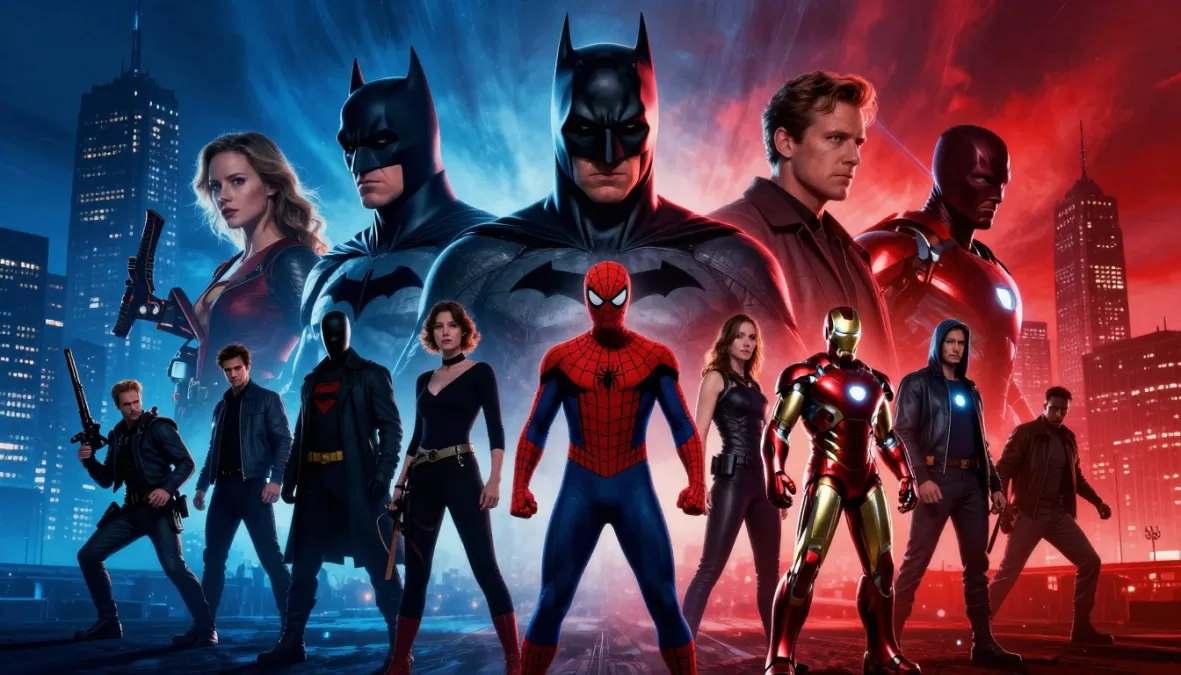
Superhero movies have transformed from niche comic book adaptations into the dominant force of modern cinema. What began as simple serialized adventures in the early days of film has evolved into a sophisticated genre that commands box office records, critical acclaim, and cultural conversations worldwide. The evolution mirrors society’s changing relationship with heroism itself.
The journey from Christopher Reeve soaring across screens in 1978 to the interconnected Marvel Cinematic Universe represents more than technological advancement. It reflects storytelling maturity, deeper character exploration, and filmmakers learning to balance spectacle with substance. Today’s superhero films tackle complex themes while delivering the escapism audiences crave.
This definitive ranking celebrates the films that elevated the genre beyond expectations. These ten movies didn’t just entertain massive audiences. They redefined what superhero cinema could achieve, influenced countless filmmakers, and left permanent marks on popular culture. From groundbreaking visual effects to emotionally resonant narratives, these films represent the absolute pinnacle of the superhero movie phenomenon.
Quick Reference: Where to Watch These Superhero Movies
Finding these legendary films has never been easier with multiple streaming platforms offering instant access. This comprehensive table shows current availability across major services, helping you start your superhero marathon immediately. Availability changes periodically, so checking platform apps directly ensures the most current information.
| Movie Title | Release Year | Netflix | Disney+ | HBO Max | Prime Video | Rotten Tomatoes Score |
| The Dark Knight | 2008 | No | No | Yes | Rent/Buy | 94% |
| Spider-Man: Into the Spider-Verse | 2018 | Yes | No | No | Rent/Buy | 97% |
| Avengers: Infinity War | 2018 | No | Yes | No | Rent/Buy | 85% |
| Black Panther | 2018 | No | Yes | No | Rent/Buy | 96% |
| Iron Man | 2008 | No | Yes | No | Rent/Buy | 94% |
| Logan | 2017 | No | Yes | No | Rent/Buy | 93% |
| Captain America: The Winter Soldier | 2014 | No | Yes | No | Rent/Buy | 90% |
| Guardians of the Galaxy | 2014 | No | Yes | No | Rent/Buy | 92% |
| Spider-Man 2 | 2004 | No | No | No | Rent/Buy | 93% |
| The Incredibles | 2004 | No | Yes | No | Rent/Buy | 97% |
1. The Dark Knight (2008)
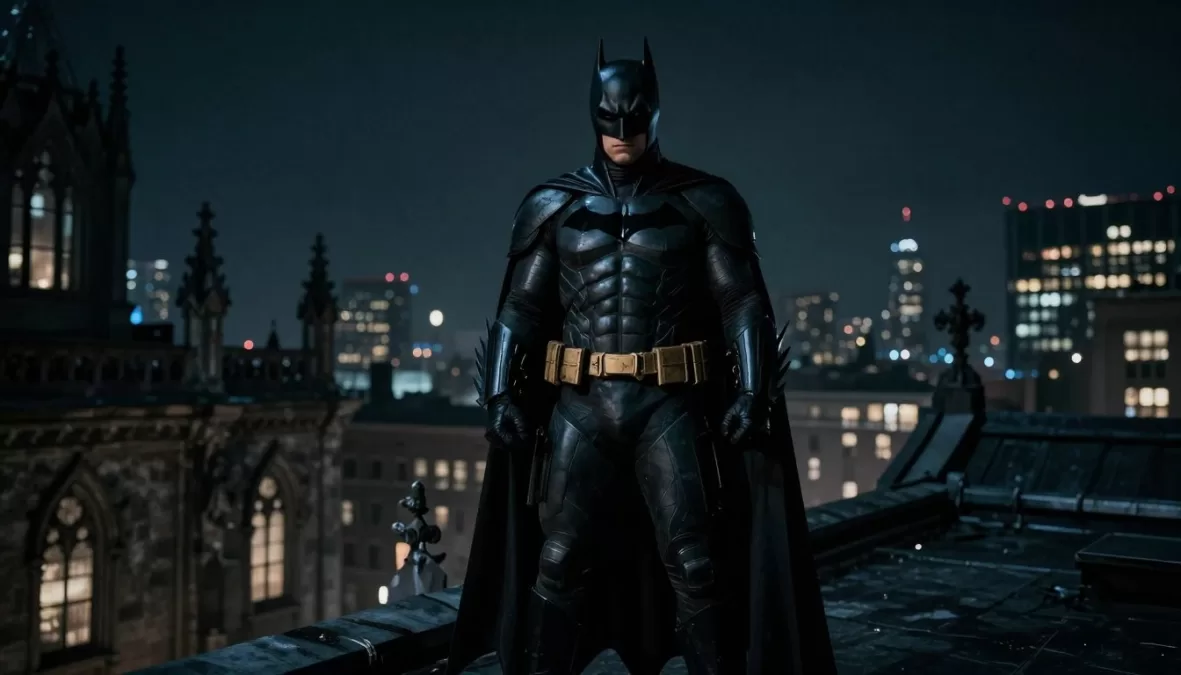
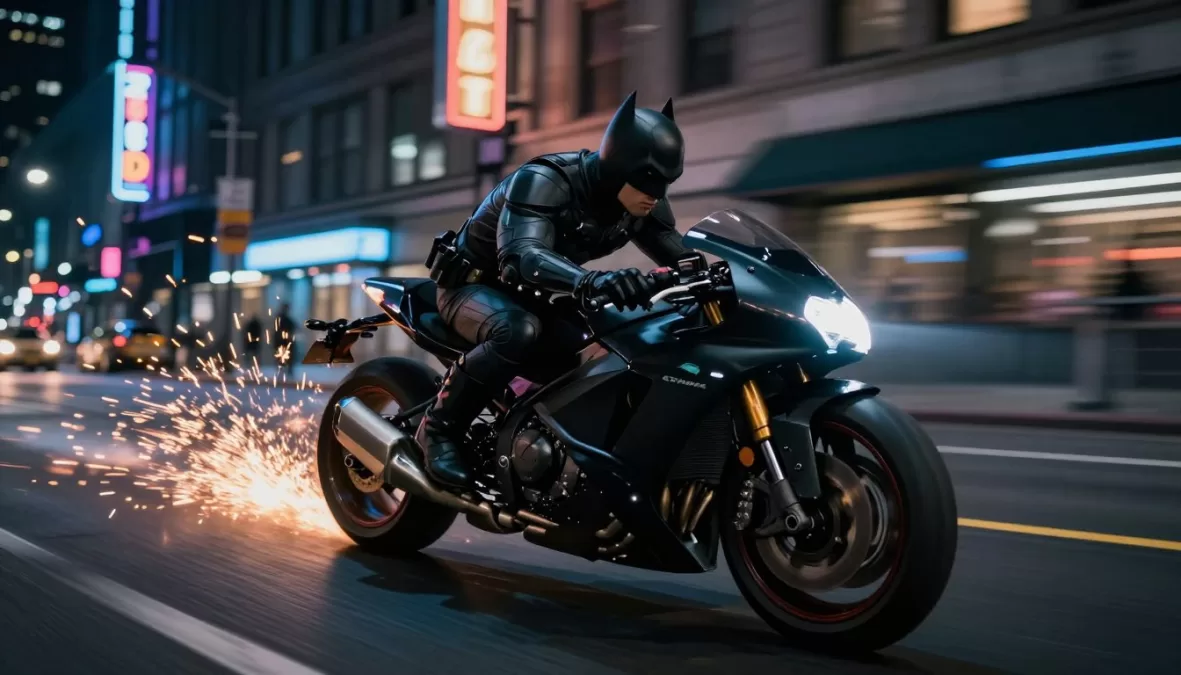
Christopher Nolan’s masterpiece transcended the superhero genre to become a genuine cultural phenomenon that redefined what comic book movies could accomplish. Released in 2008, this film proved superhero stories could tackle weighty themes while delivering spectacular entertainment. The movie grossed over one billion dollars worldwide and earned widespread critical acclaim rarely seen for the genre.
The story follows Batman as he faces his greatest challenge yet in the form of the Joker, a criminal mastermind who wants to prove that anyone can be corrupted. Christian Bale returns as Bruce Wayne, bringing intensity and vulnerability to the billionaire vigilante. The supporting cast includes Michael Caine as the loyal Alfred, Gary Oldman as the principled Commissioner Gordon, and Aaron Eckhart as Harvey Dent, whose transformation into Two-Face represents the film’s exploration of moral corruption.
Heath Ledger’s Legendary Performance
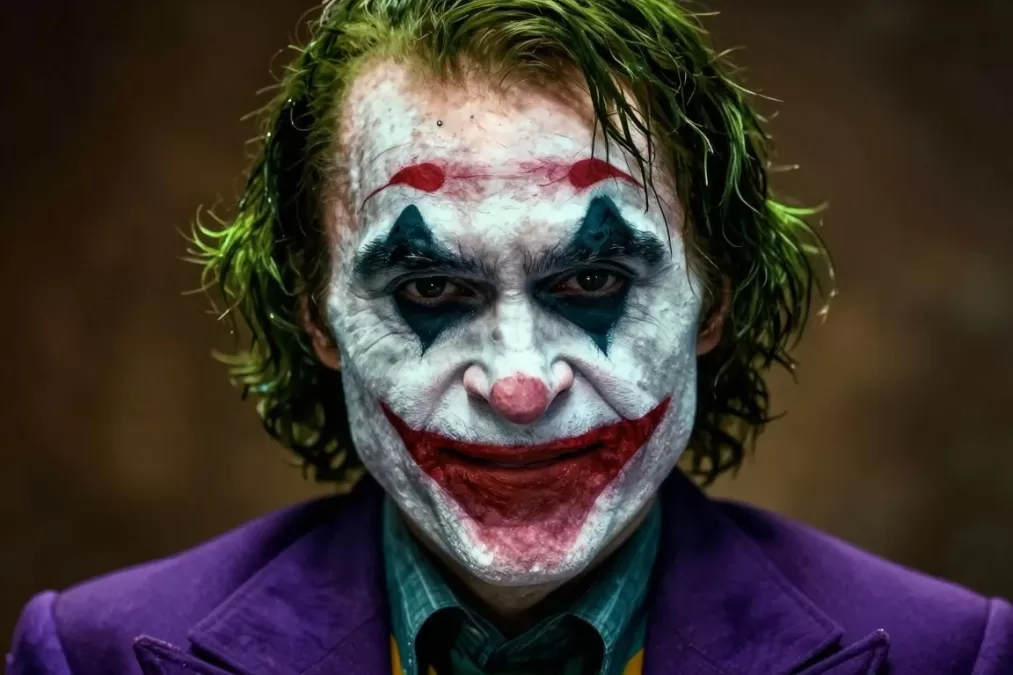
Heath Ledger’s portrayal of the Joker stands as one of cinema’s greatest villain performances, earning him a posthumous Academy Award for Best Supporting Actor. His interpretation brought terrifying unpredictability to the character, creating a villain motivated purely by chaos rather than conventional goals. Every scene crackles with dangerous energy as Ledger completely disappears into the role.
The performance influenced countless villain portrayals across all genres in subsequent years. Ledger developed the character’s distinctive voice, physical mannerisms, and psychological complexity through months of preparation. His dedication created a Joker that feels genuinely threatening rather than cartoonish, grounding the fantastic elements in psychological realism.
Technical Brilliance and Lasting Impact
Nolan shot key sequences using IMAX cameras, creating unprecedented visual scope for a superhero film. The practical effects, including actually flipping a semi-truck on Chicago streets, gave the action visceral authenticity. Hans Zimmer’s pulsing score amplified tension throughout, particularly the Joker’s unsettling musical theme that builds dread in every scene.
The Dark Knight influenced superhero cinema profoundly, encouraging studios to pursue more ambitious storytelling. It demonstrated that audiences would embrace complex narratives exploring moral ambiguity, surveillance ethics, and the price of heroism. The film’s success opened doors for darker, more sophisticated approaches across the entire genre.
Where to Watch The Dark Knight
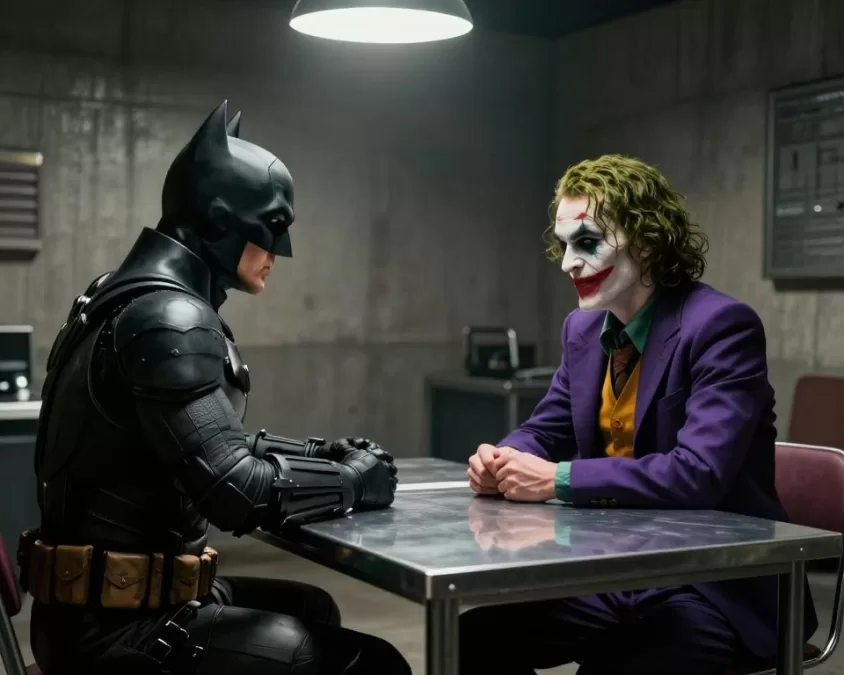
Experience Christopher Nolan’s masterpiece on these streaming platforms. The film looks spectacular on modern displays, especially the IMAX sequences that showcase Gotham’s architecture and the film’s stunning action set pieces.
2. Spider-Man: Into the Spider-Verse (2018)
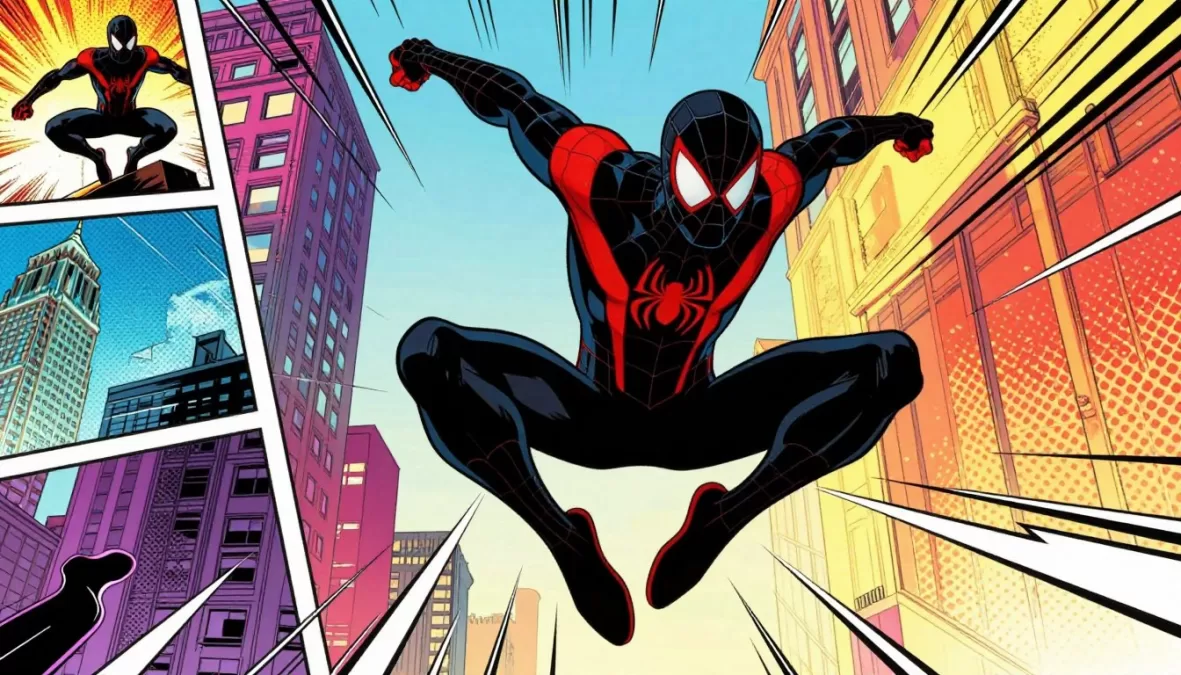
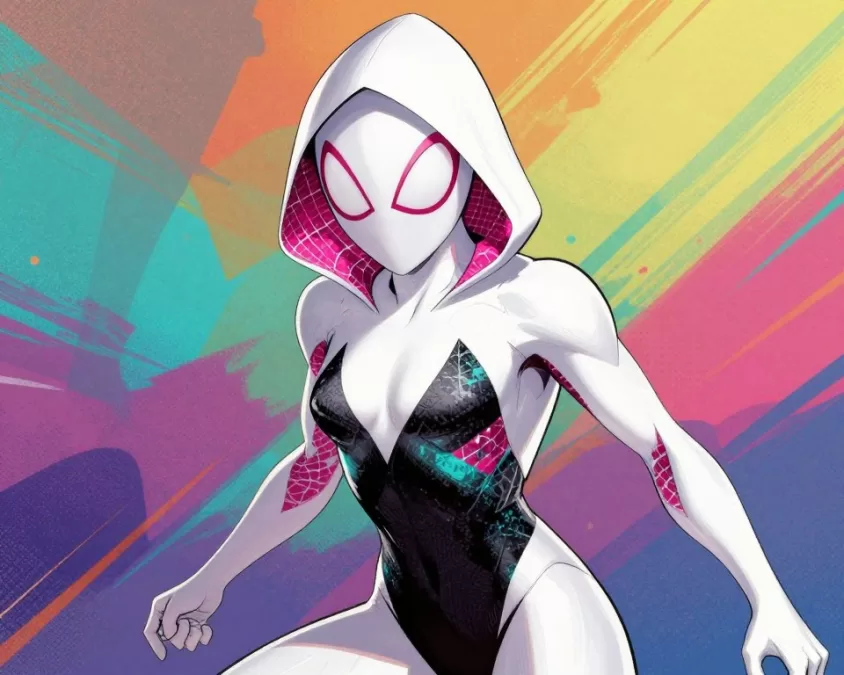
Sony’s groundbreaking animated film revolutionized superhero movies by proving animation could deliver emotionally powerful stories while pushing visual boundaries. Released in 2018, this movie introduced mainstream audiences to Miles Morales, the beloved Spider-Man from Marvel’s Ultimate universe. The film won the Academy Award for Best Animated Feature and changed industry perceptions about what animated superhero films could accomplish.
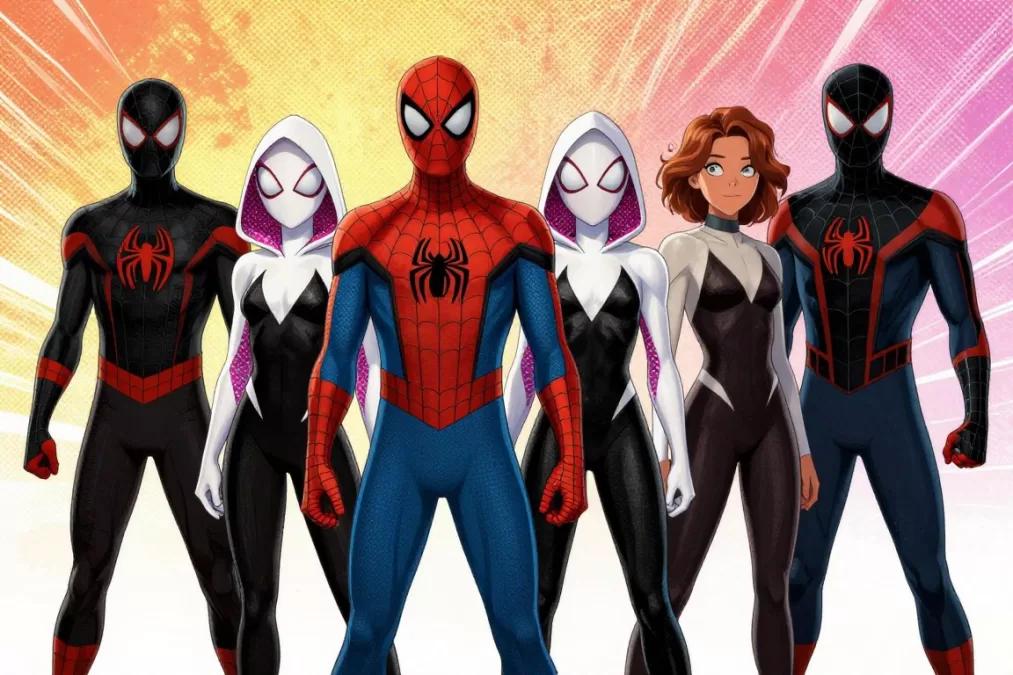
The story follows teenager Miles Morales as he discovers his newfound spider powers and meets multiple Spider-People from alternate dimensions. Shameik Moore voices Miles with authentic teenage uncertainty and growing confidence. The supporting cast includes Jake Johnson as a worn-down Peter Parker mentor figure, Hailee Steinfeld as the dimension-hopping Gwen Stacy, and Brian Tyree Henry and Luna Lauren Velez as Miles’s parents, who ground the fantastic story in genuine family dynamics.
Revolutionary Animation Techniques
The animation team created a visual style that literally looks like comic book panels come to life. They achieved this through innovative techniques including printing halftone dots on characters, varying frame rates for different characters, and intentional chromatic aberration. The result feels hand-drawn despite being computer-generated, creating a unique aesthetic that honors comic book heritage.
Each Spider-Person brings their own visual style to reflect their universe of origin. Spider-Ham operates on cartoon physics with exaggerated squash-and-stretch animation. Spider-Man Noir exists in shadows and hard contrasts reminiscent of 1930s film. Peni Parker brings anime influences. This visual diversity creates a rich tapestry that never feels cluttered or confusing.
Themes of Identity and Responsibility
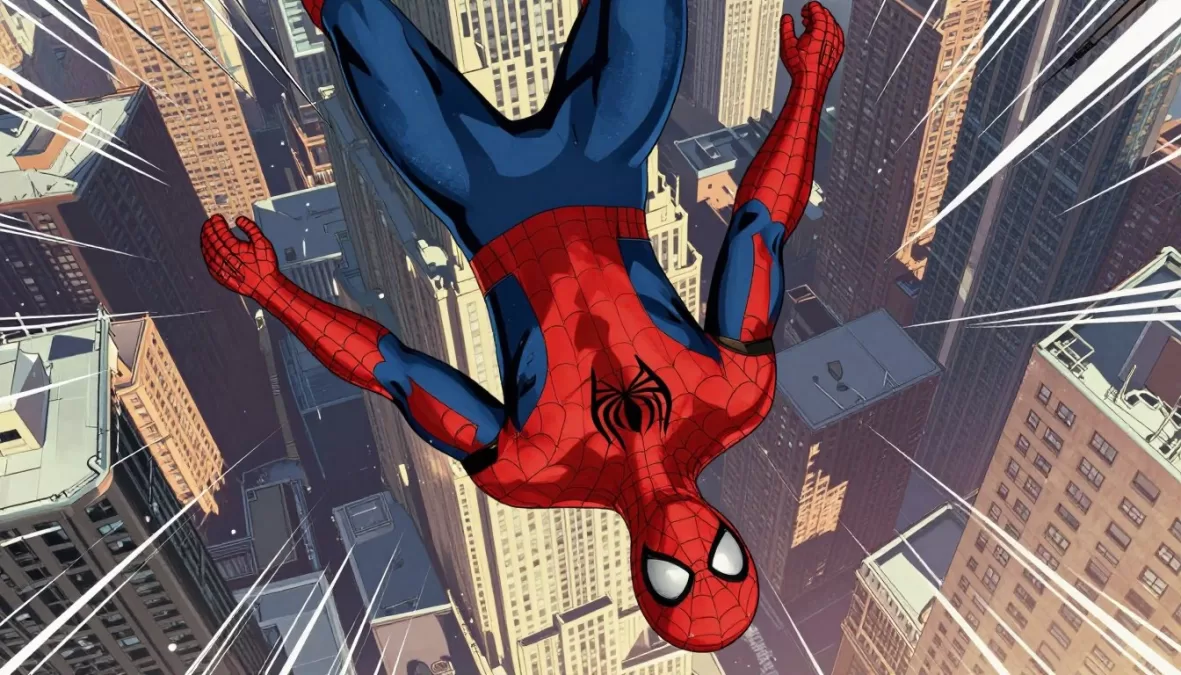
The film explores what makes someone a hero beyond superpowers. Miles struggles with expectations from his police officer father and his own sense of not measuring up. The movie’s emotional core comes from learning that anyone can wear the mask, that heroism stems from choosing to help others despite fear and self-doubt.
The relationship between Miles and the jaded Peter B. Parker provides both humor and heart. Peter rediscovers his own heroism while mentoring Miles, creating a touching arc where both characters grow. The film balances spectacular action with quiet character moments that resonate emotionally.
Cultural Impact and Legacy
Into the Spider-Verse proved that Spider-Man stories could thrive outside the Marvel Cinematic Universe while offering fresh perspectives. The film’s success demonstrated that audiences craved diverse superhero representation, paving the way for Miles Morales to appear across multiple media. Its influence extends beyond superhero films, affecting animation industry standards for visual creativity.
The movie’s hip-hop influenced soundtrack, featuring artists like Post Malone, Swae Lee, and Nicki Minaj, connected with younger audiences authentically. The song “Sunflower” became a cultural phenomenon, introducing the film to listeners who might not typically watch superhero movies. This multimedia success expanded the film’s reach significantly.
Where to Watch Spider-Man: Into the Spider-Verse
Stream this Oscar-winning animated masterpiece that redefined what superhero animation could achieve. The film’s unique visual style benefits tremendously from high-definition viewing to appreciate every artistic detail.
3. Avengers: Infinity War (2018)
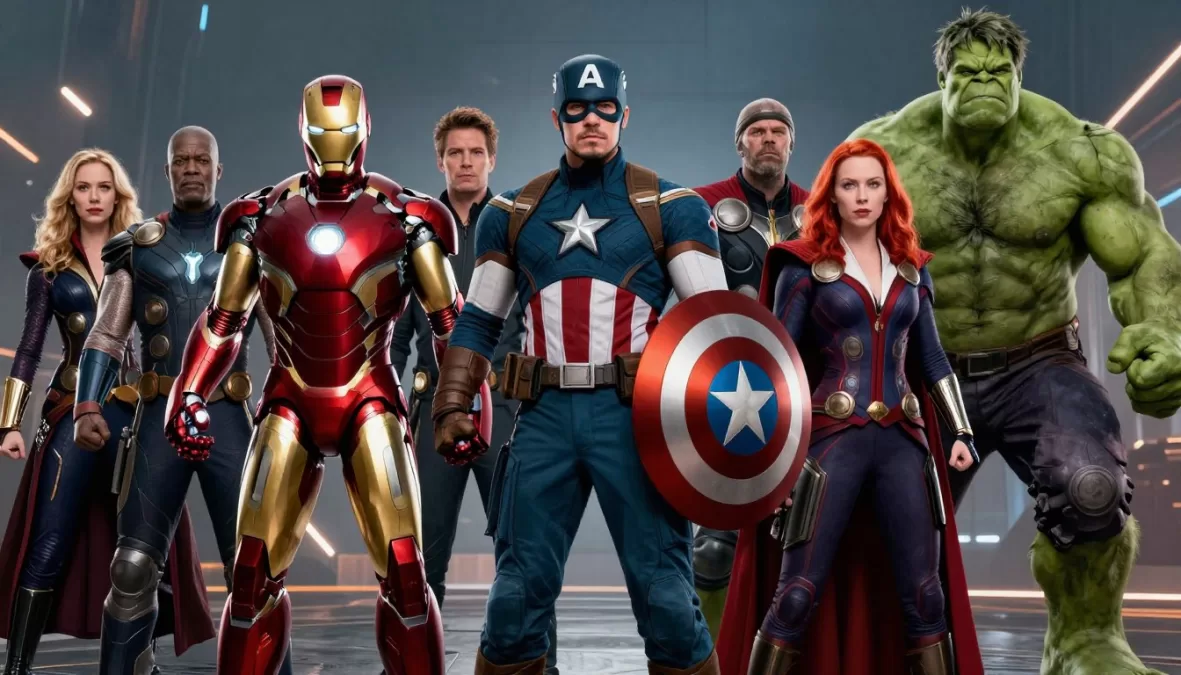
The culmination of ten years of Marvel Cinematic Universe storytelling, Infinity War represents unprecedented cinematic ambition. Directors Anthony and Joe Russo orchestrated a narrative juggling dozens of beloved characters across multiple storylines that converge into a devastating climax. The film earned over two billion dollars globally while shocking audiences with its bold narrative choices.
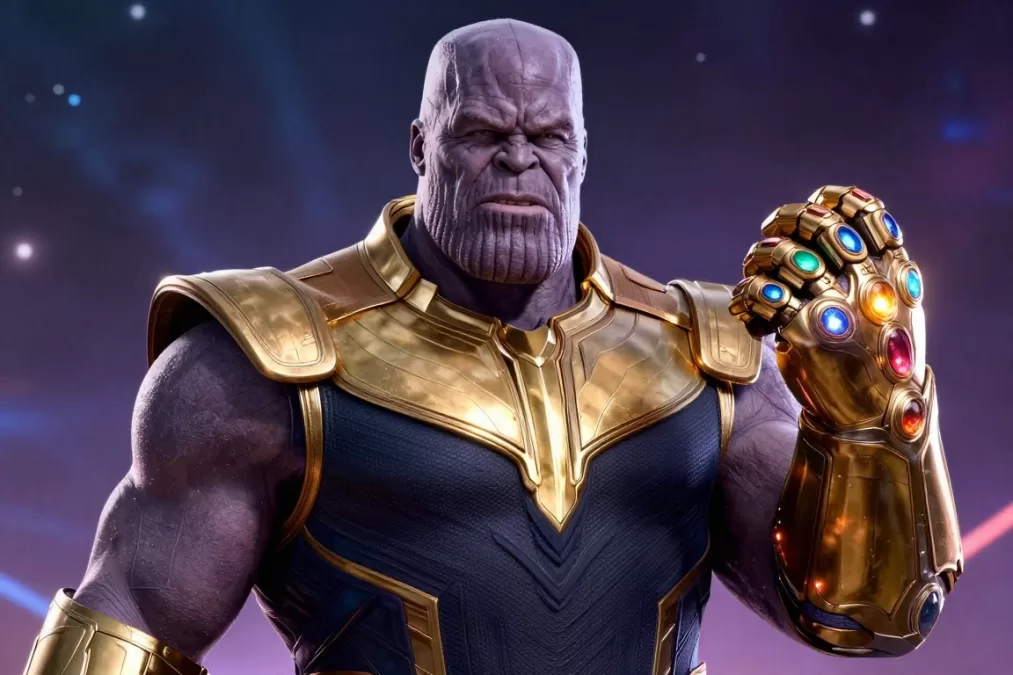
The story follows the Mad Titan Thanos as he seeks the six Infinity Stones to reshape reality according to his twisted philosophy. The massive ensemble cast includes Robert Downey Jr. as the increasingly burdened Tony Stark, Chris Evans as the principled Steve Rogers, Chris Hemsworth as the traumatized Thor, and Scarlett Johansson as the conflicted Natasha Romanoff. Josh Brolin delivers a nuanced motion-capture performance as Thanos, creating surprising depth for what could have been a one-dimensional villain.
Thanos as a Complex Antagonist
The film’s greatest achievement lies in making Thanos a protagonist of his own story rather than a generic villain. His twisted belief in universal balance through mass murder gains disturbing logic through Josh Brolin’s performance and strong writing. The movie explores his relationships, particularly with his adopted daughter Gamora, adding emotional complexity rarely seen in blockbuster villains.
Thanos’s journey across the film carries genuine dramatic weight. His sacrifice of Gamora to obtain the Soul Stone creates one of the Marvel Cinematic Universe’s most emotionally devastating moments. The character’s conviction makes him terrifying because he genuinely believes he’s saving the universe, not destroying it.
Balancing Multiple Storylines
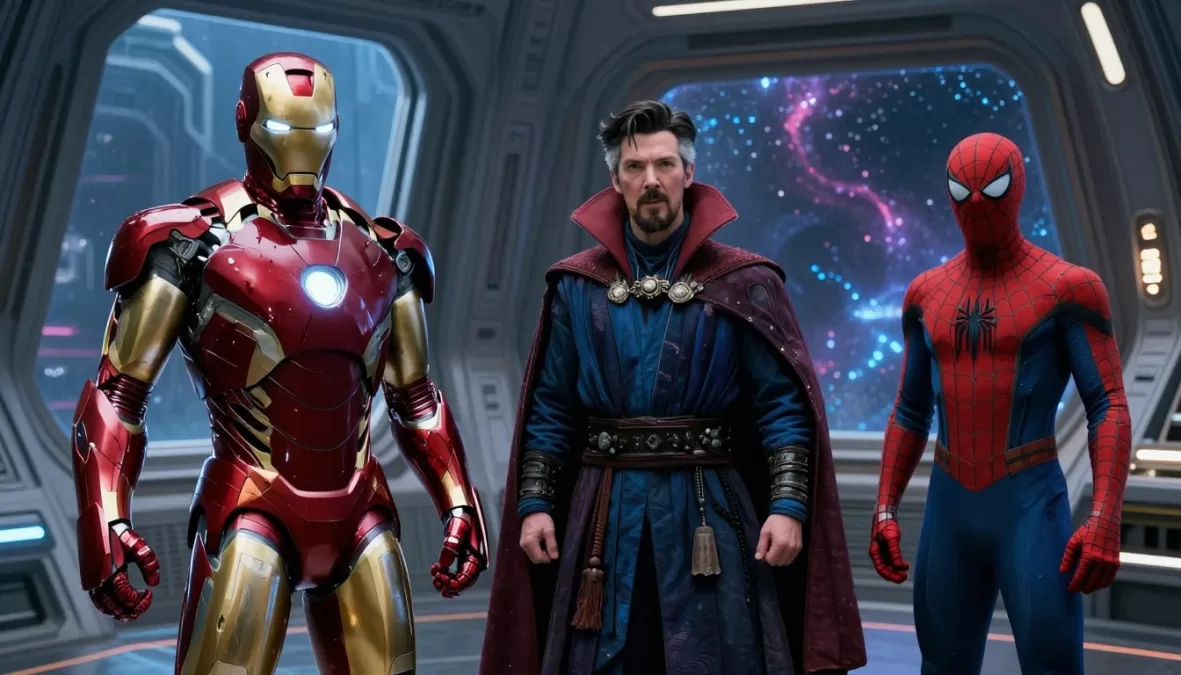
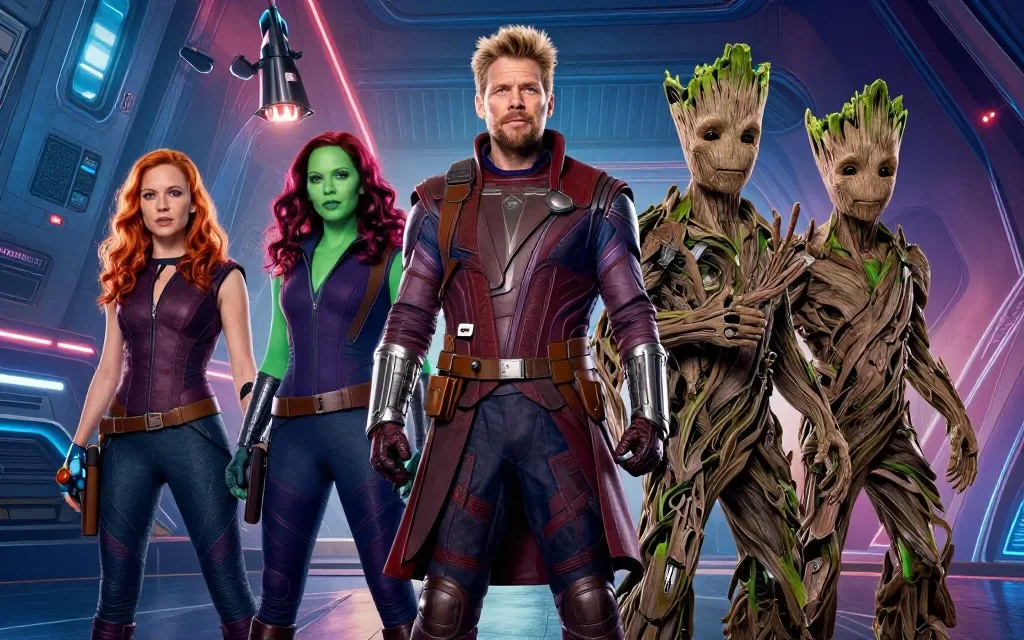
The Russo Brothers expertly weave together separate narrative threads occurring across the galaxy. The Guardians of the Galaxy interact with Thor in space-based comedy that balances the film’s darker moments. Doctor Strange and Iron Man forge an unlikely partnership. Captain America leads Earth’s remaining heroes against Thanos’s army in Wakanda. Each storyline receives meaningful development despite limited individual screen time.
The film’s structure allows different character pairings that create fresh dynamics. Tony Stark and Doctor Strange clash over strategy and ego, creating entertaining friction. Thor’s scenes with Rocket Raccoon provide both humor and emotional catharsis as Thor processes immense loss. These unexpected combinations keep the massive runtime engaging throughout.
The Devastating Conclusion
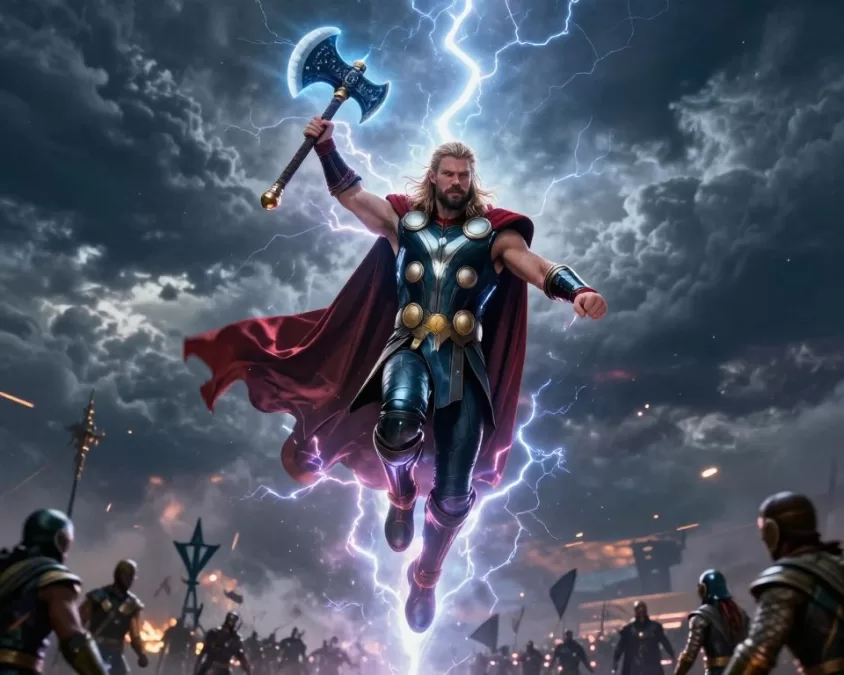
Infinity War shocked audiences by ending with the villain’s victory. Thanos completes his goal, snapping away half of all life in the universe, including beloved heroes who disintegrate before our eyes. This unprecedented ending for a blockbuster superhero film left theaters in stunned silence, subverting expectations that heroes always triumph.
The final moments pack extraordinary emotional punch as characters like Spider-Man, Black Panther, and Doctor Strange fade into dust. Tom Holland’s improvised “I don’t feel so good” became instantly iconic, capturing the horror of the moment. The film’s willingness to embrace tragedy elevated it beyond typical superhero spectacle.
Where to Watch Avengers: Infinity War
Experience the epic culmination of the Marvel Cinematic Universe’s first decade. This massive crossover event showcases why the MCU became a cultural phenomenon, delivering spectacle and genuine emotional stakes.
4. Black Panther (2018)
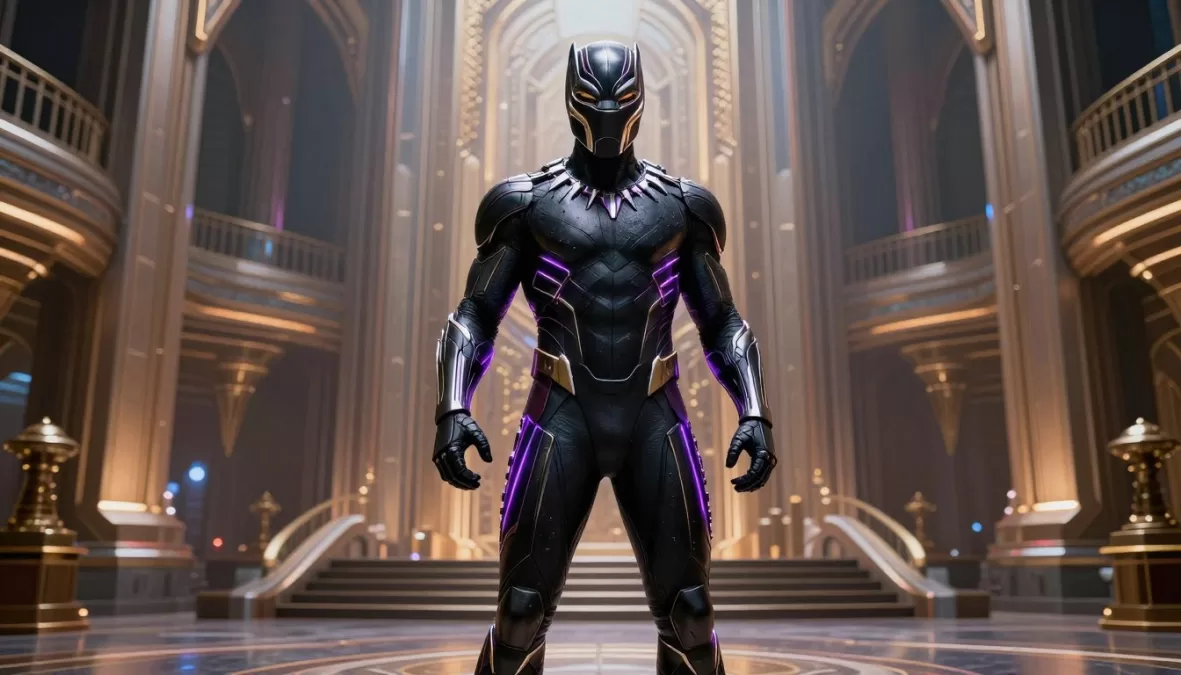
Ryan Coogler’s cultural milestone transcended superhero conventions to become a global phenomenon celebrating African culture and diaspora excellence. Released in 2018, the film earned over 1.3 billion dollars worldwide and became the first superhero movie nominated for Best Picture at the Academy Awards. Its impact extended far beyond box office numbers into social conversations about representation and cultural pride.
The story follows T’Challa as he returns to the technologically advanced nation of Wakanda to assume the throne after his father’s death. Chadwick Boseman brings regal dignity and internal conflict to the role, creating a hero who must balance tradition with progress. The supporting cast includes Michael B. Jordan as the revolutionary antagonist Erik Killmonger, Lupita Nyong’o as the warrior spy Nakia, Danai Gurira as the general Okoye, and Letitia Wright as T’Challa’s brilliant sister Shuri.
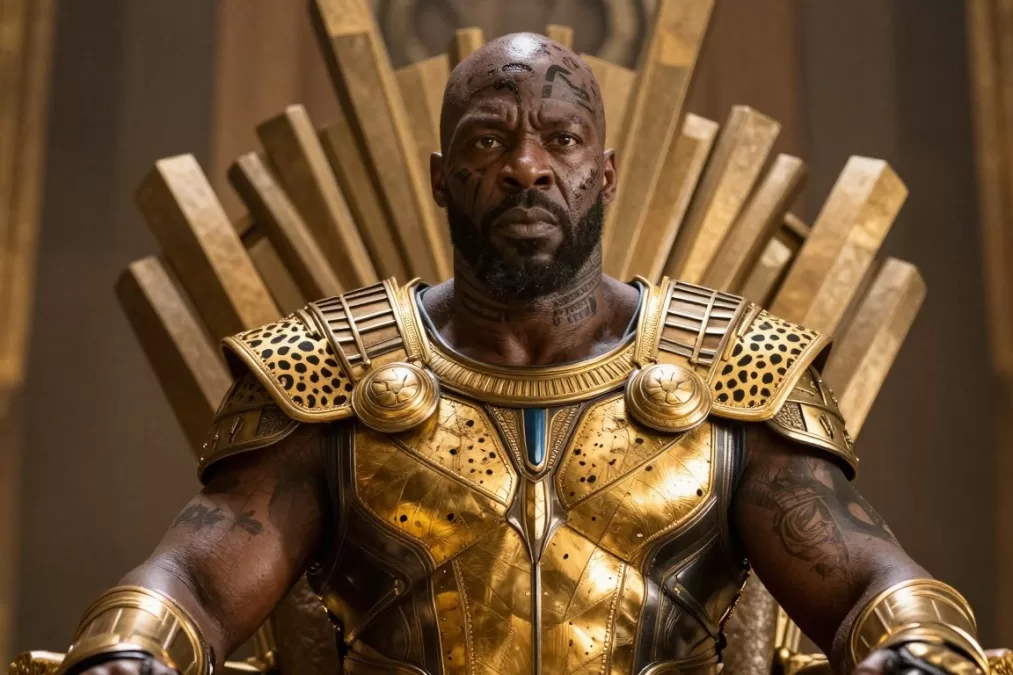
Erik Killmonger: A Villain with a Point
Michael B. Jordan’s Killmonger stands among the Marvel Cinematic Universe’s most compelling antagonists because his motivations stem from legitimate grievances. Abandoned by Wakanda after his father’s death, he witnessed global oppression of people who looked like him while Wakanda hoarded resources that could help them. His revolutionary anger resonates even as his methods horrify.
The ideological conflict between T’Challa’s measured approach and Killmonger’s radical vision provides the film’s thematic core. Killmonger forces T’Challa to confront uncomfortable truths about Wakanda’s isolationist policies and complicity in global suffering. This complexity elevates the film beyond simple good versus evil narratives into nuanced political commentary.
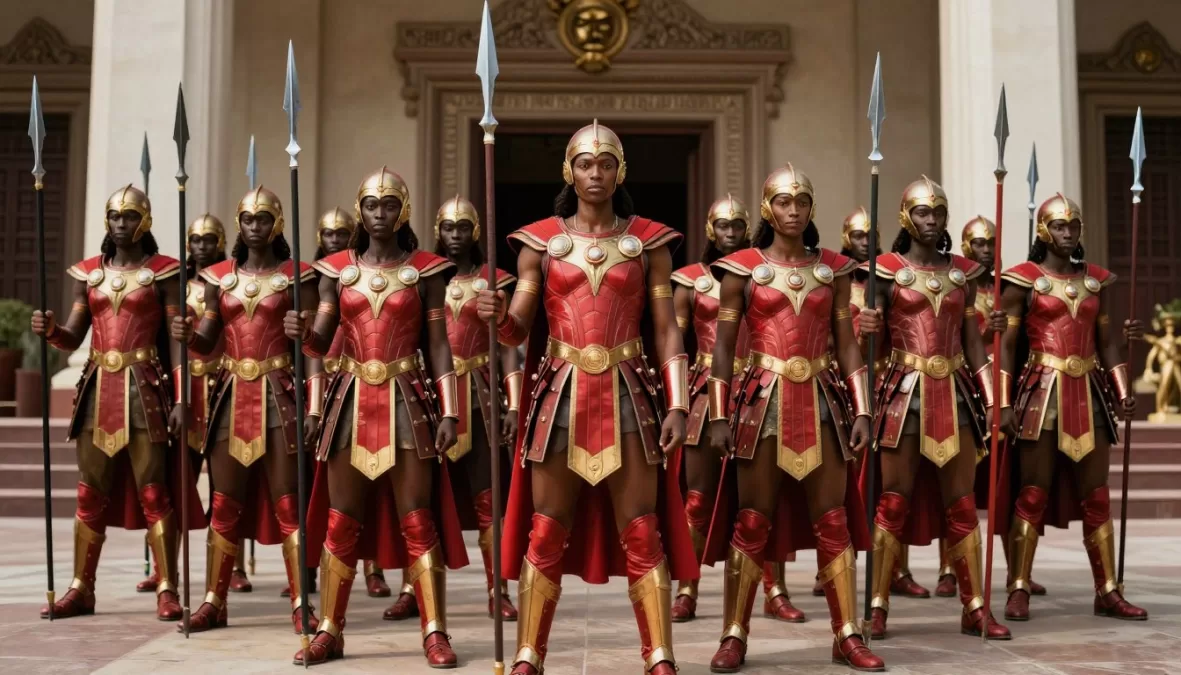
Celebrating African Culture and Afrofuturism
The film’s production design, led by Hannah Beachler, creates a rich Afrofuturist world that honors African cultures while imagining technological advancement free from colonialism. Wakanda draws inspiration from various African nations, tribes, and traditions, presenting a vision of African excellence rarely seen in mainstream cinema. The attention to cultural detail earned the film Academy Awards for both production design and costume design.
Ruth E. Carter’s costumes blend traditional African designs with futuristic elements, creating distinct visual identities for different Wakandan tribes. The Dora Milaje’s red armor evokes Maasai warriors, while the Border Tribe’s blue blankets reference Basotho heritage. This cultural richness makes Wakanda feel lived-in and authentic rather than generic.
Representation and Global Impact
Black Panther’s predominantly Black cast and creative team represented a watershed moment for representation in blockbuster filmmaking. The film proved that diverse stories could achieve massive commercial success while maintaining cultural specificity. Children worldwide finally saw themselves reflected as superheroes and kings, not sidekicks or stereotypes.
The film sparked global conversations about African representation, colonialism’s legacy, and Pan-African solidarity. Its “Wakanda Forever” salute became a cultural symbol extending far beyond the movie itself. The film’s success demolished industry myths about the marketability of Black-led films, opening doors for more diverse storytelling.

Where to Watch Black Panther
Experience this groundbreaking film that changed the superhero genre forever while celebrating African culture and heritage. The stunning visuals and production design deserve to be seen in the highest quality available.
5. Iron Man (2008)
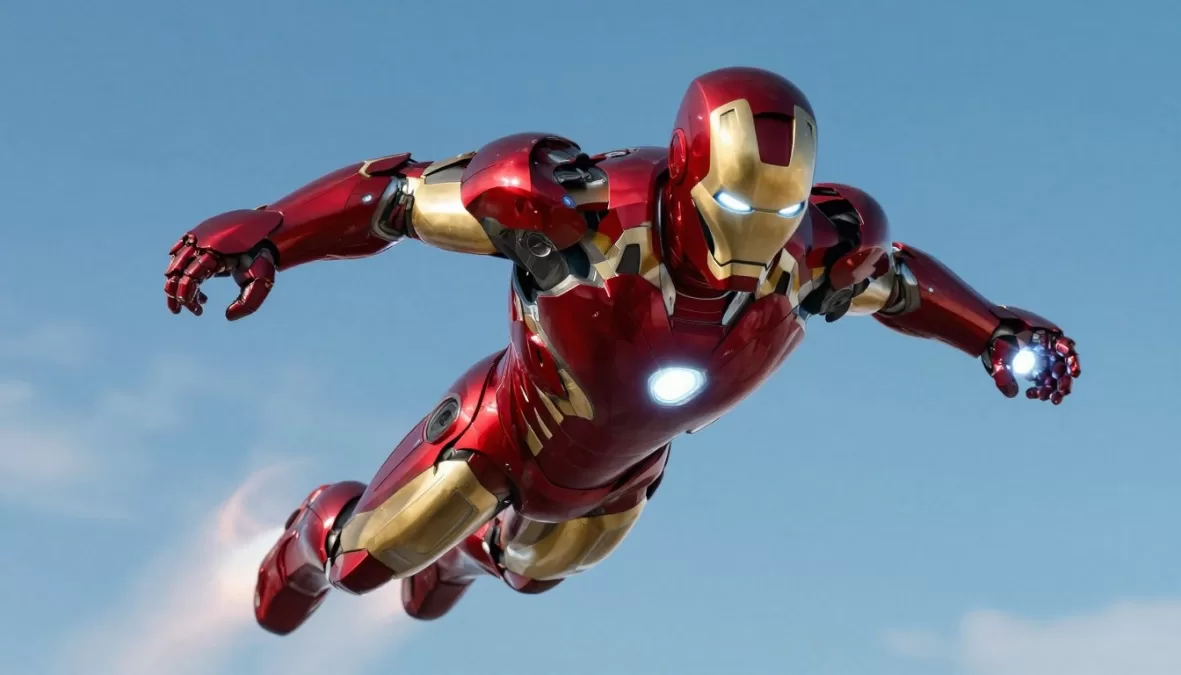
Jon Favreau’s Iron Man launched the Marvel Cinematic Universe and proved that B-list comic book characters could anchor massive franchises with the right creative approach. Released in 2008, the film took risks by casting Robert Downey Jr., then considered a liability due to past struggles, and allowing significant improvisation. These gambles paid off spectacularly, creating a template that would guide superhero filmmaking for the next decade.
The story follows billionaire weapons manufacturer Tony Stark’s transformation from selfish playboy to armored hero after terrorists kidnap him in Afghanistan. Robert Downey Jr. doesn’t just play Tony Stark; he inhabits the character so completely that the line between actor and role blurs. The supporting cast includes Gwyneth Paltrow as the capable Pepper Potts, Jeff Bridges as the menacing Obadiah Stane, and Terrence Howard as military liaison James Rhodes.
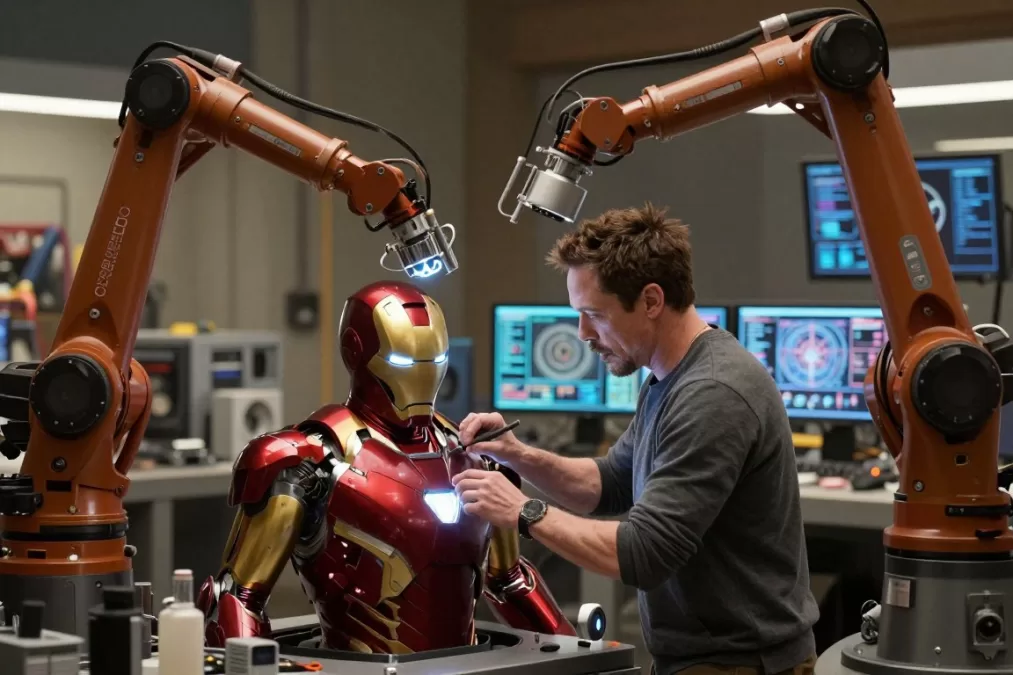
Robert Downey Jr.’s Star-Making Performance
Robert Downey Jr. transformed Iron Man from a relatively obscure comic character into one of pop culture’s most recognizable heroes through sheer charisma and improvisational genius. His natural wit and self-deprecating charm made Tony Stark feel authentic rather than cartoonish. The actor’s own journey through personal struggle added depth to Stark’s redemption arc in ways a different performer couldn’t replicate.
Downey Jr. worked closely with director Jon Favreau to shape the character’s voice, often improvising dialogue that made it into the final film. The famous “I am Iron Man” conclusion was an improvised moment that abandoned comic book conventions about secret identities. This bold choice set the Marvel Cinematic Universe apart from its competitors immediately.
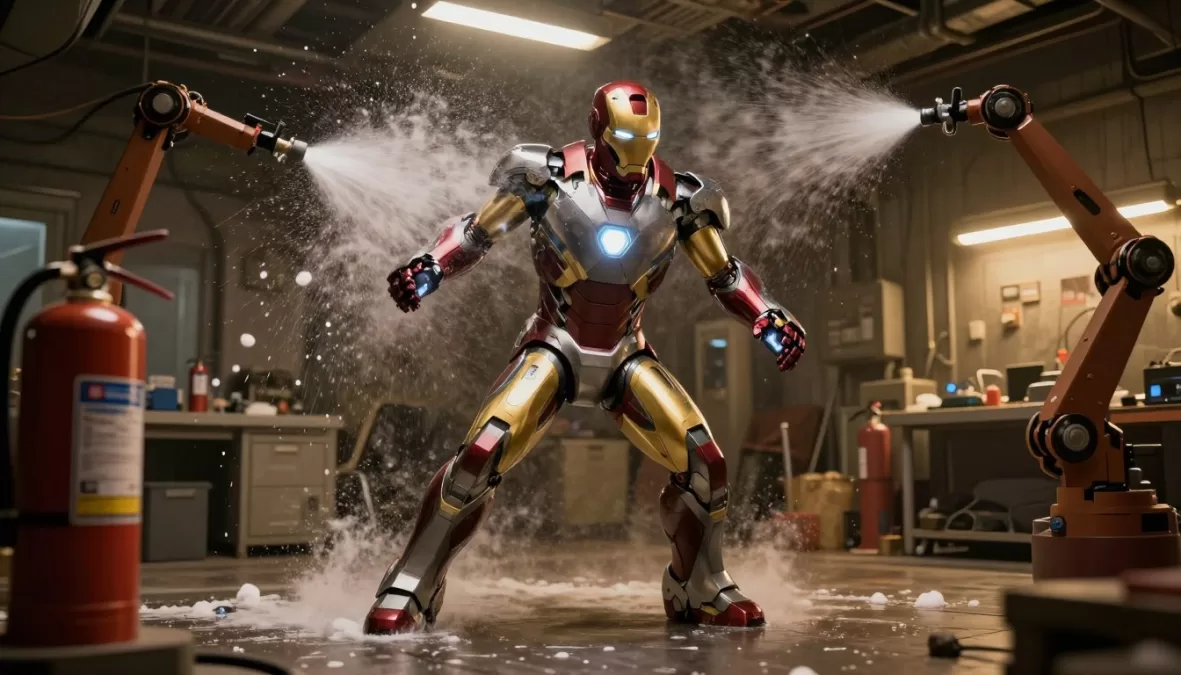
Balancing Humor and Serious Themes
Iron Man expertly balances entertaining superhero action with commentary on weapons manufacturing, military intervention, and corporate responsibility. Tony’s capture by terrorists using his own weapons forces him to confront the real-world consequences of his business. This moral reckoning grounds the fantastic elements in relatable ethical questions.
The film’s humor never undercuts its serious moments. Tony’s witty banter provides levity without diminishing his character growth or the stakes. The relationship between Tony and his AI assistant JARVIS adds comedic elements while showcasing the character’s genius and isolation. This tonal balance became a Marvel Cinematic Universe hallmark.
Launching a Cinematic Universe
Iron Man’s post-credits scene featuring Samuel L. Jackson as Nick Fury introducing the Avengers Initiative seemed like an interesting Easter egg in 2008. In retrospect, it represented the beginning of cinema’s most ambitious interconnected storytelling experiment. The scene’s casual mention of a larger universe set the template for how Marvel would build anticipation across multiple films.
The film’s success proved that Marvel Studios could produce hit movies independently rather than licensing characters to other studios. This financial and creative independence allowed Kevin Feige and his team to maintain consistent vision across the Marvel Cinematic Universe. Iron Man didn’t just start a franchise; it revolutionized how studios approached serialized blockbuster storytelling.
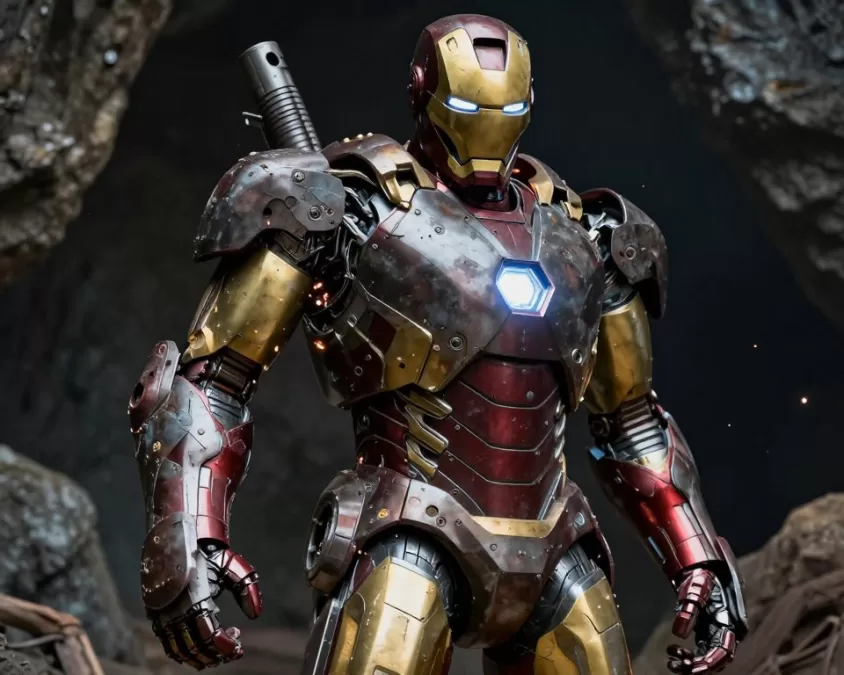
Where to Watch Iron Man
Revisit the film that started the Marvel Cinematic Universe phenomenon. Robert Downey Jr.’s iconic performance and the origin of Tony Stark’s journey remain as entertaining and impactful today as they were groundbreaking in 2008.
6. Logan (2017)
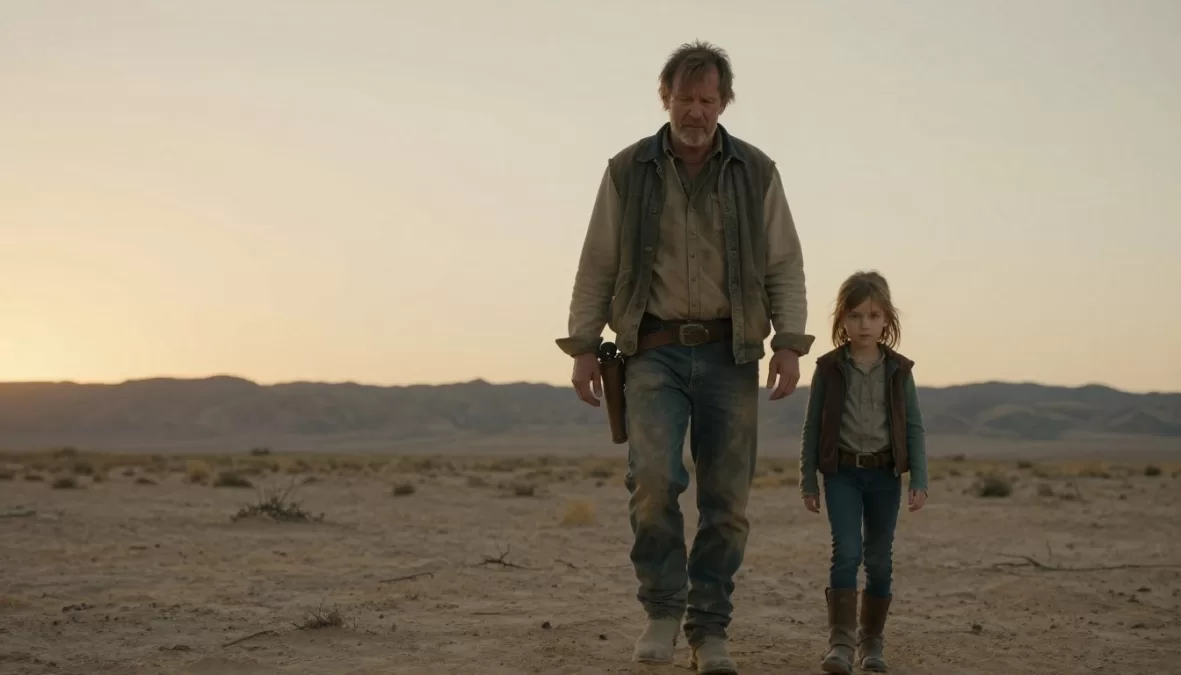
James Mangold’s elegiac Western reinvented what superhero films could be by stripping away comic book conventions in favor of raw human drama. Released in 2017, this R-rated finale to Hugh Jackman’s seventeen-year tenure as Wolverine earned critical acclaim for its mature storytelling and emotional depth. The film proved superhero movies could work as intimate character studies rather than just spectacular blockbusters.
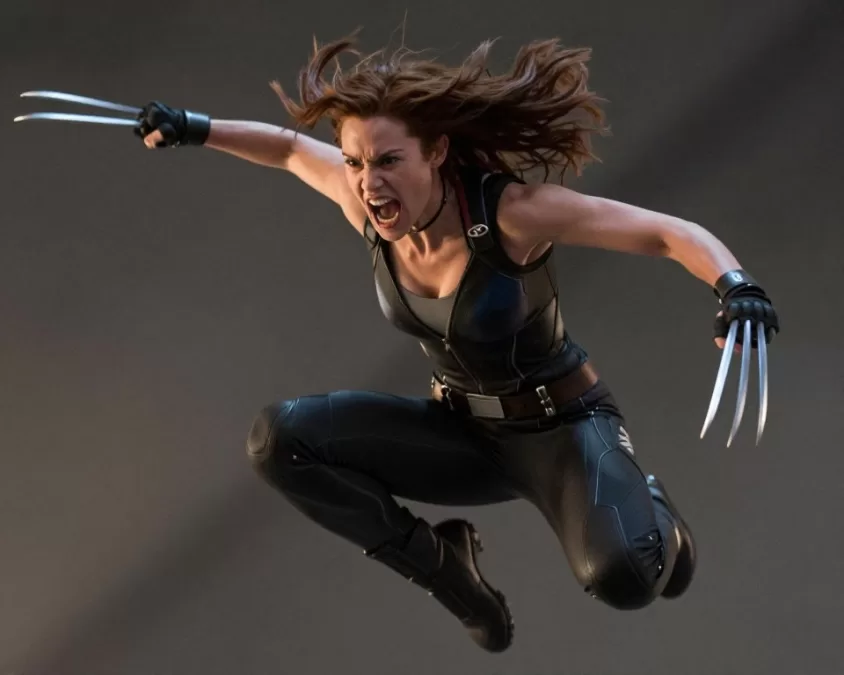
Set in a near-future where mutants have nearly disappeared, the story follows an aging Logan caring for the dying Charles Xavier while trying to escape his violent past. Hugh Jackman delivers his most nuanced performance as the character, showing physical and emotional deterioration. Patrick Stewart brings heartbreaking vulnerability to Charles Xavier’s dementia-afflicted final days. Newcomer Dafne Keen creates an instant icon in Laura, the young clone carrying Logan’s legacy forward.

A Superhero Western
Logan draws heavily from classic Westerns, particularly Shane, creating a superhero film that feels more like an elegy for a dying era than a typical action movie. The sparse desert landscapes, themes of obsolescence, and lonely wanderer archetype connect directly to Western traditions. This genre blending allows the film to explore age, legacy, and mortality in ways traditional superhero films avoid.
The film’s violence carries real weight rather than cartoonish consequence. When Logan unleashes his claws, people die brutally, and he suffers genuine pain from each fight. This physical toll makes action sequences devastating rather than exhilarating, forcing viewers to confront the actual cost of violence that most superhero movies sanitize.

Themes of Mortality and Legacy
Logan confronts superhero mortality head-on in ways the genre typically avoids. The film shows heroes growing old, sick, and weak, their powers failing as their bodies deteriorate. Charles’s dementia makes him dangerous despite his good intentions, while Logan’s healing factor can no longer keep pace with accumulated damage. This unflinching portrayal of decline adds profound poignancy.
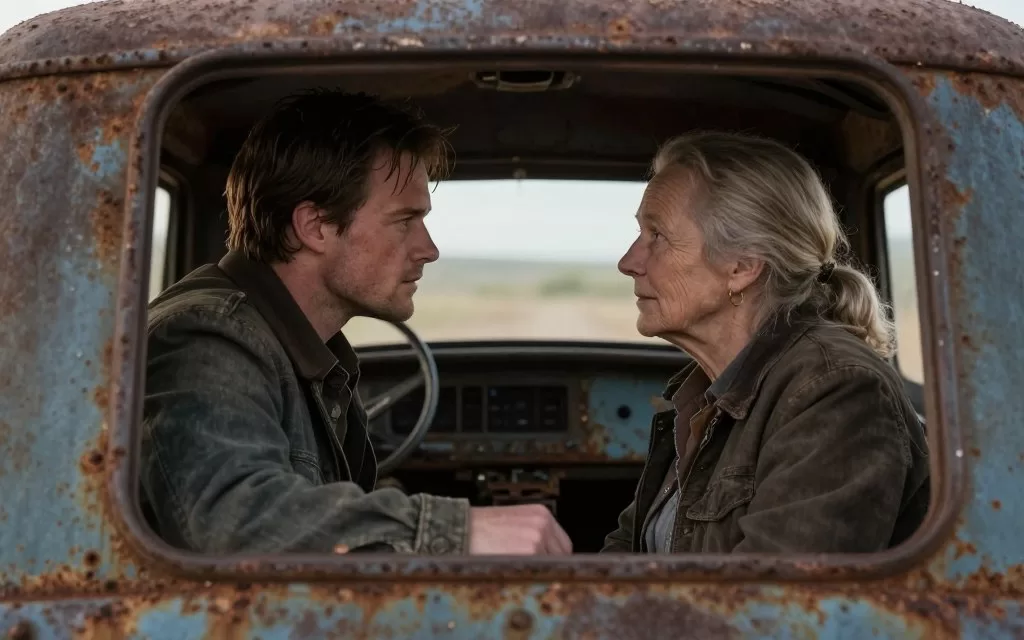
The relationship between Logan and Laura provides the film’s emotional core. Logan initially rejects responsibility for her, unwilling to care about anyone after losing so many people he loved. Laura represents both his literal genetic legacy and a chance at redemption through protecting someone instead of destroying. Their bond develops with earned emotional beats rather than sentimental manipulation.
Hugh Jackman’s Definitive Performance
After playing Wolverine across nearly two decades, Hugh Jackman finally received material worthy of his talent and commitment to the character. His performance captures physical exhaustion, emotional devastation, and reluctant heroism with nuanced subtlety. The role earned him widespread critical praise and demonstrated that superhero performances could achieve dramatic excellence.
The film’s conclusion provides a fitting end to both Logan and Charles’s stories, allowing them deaths with meaning rather than resurrections or retcons. Logan’s sacrifice to protect Laura and the other young mutants completes his character arc from loner to protector. The simple grave marker reading “X” acknowledges his heroism without grandiosity, perfectly capturing the film’s understated approach.
Where to Watch Logan
Experience Hugh Jackman’s powerful final performance as Wolverine in this mature, emotionally devastating superhero film that transcends the genre. The R-rated content and serious themes make this essential viewing for adult superhero fans.
7. Captain America: The Winter Soldier (2014)
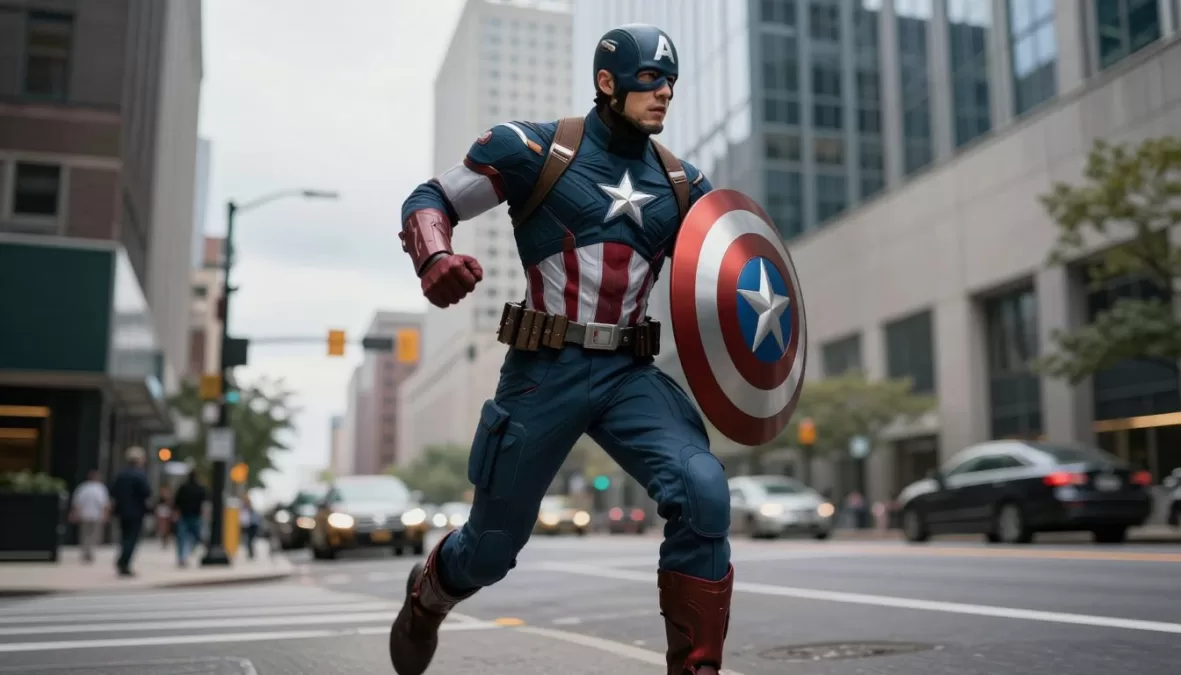
The Russo Brothers transformed Captain America from a potentially outdated character into the Marvel Cinematic Universe’s moral center through this politically charged thriller. Released in 2014, the film abandoned typical superhero structure in favor of 1970s conspiracy thriller aesthetics, drawing inspiration from films like Three Days of the Condor. This bold genre switch revitalized the character and franchise.
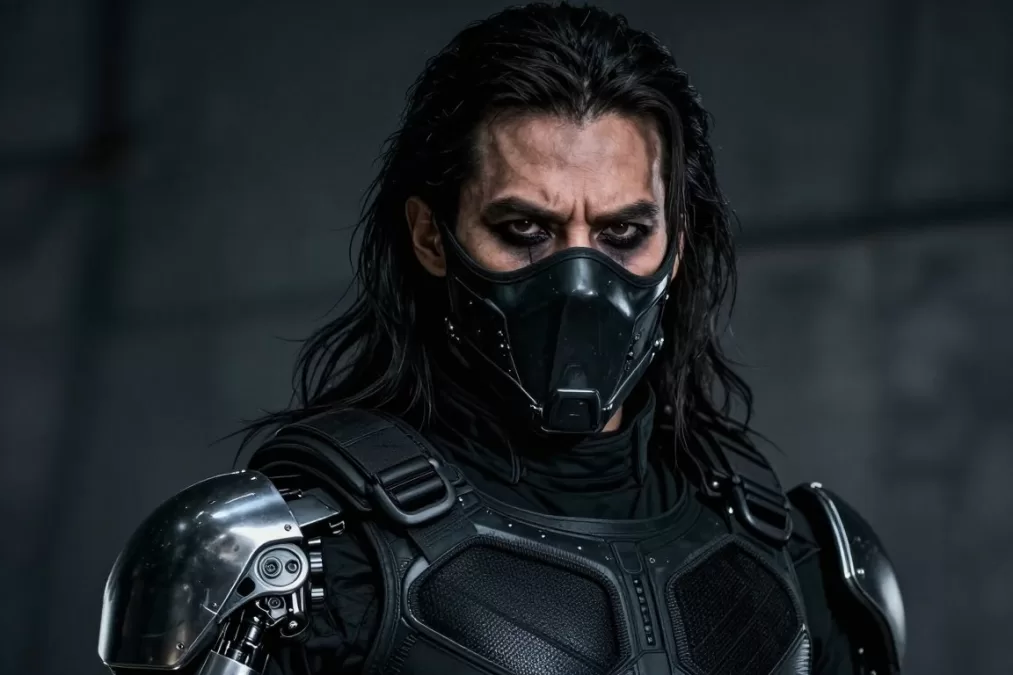
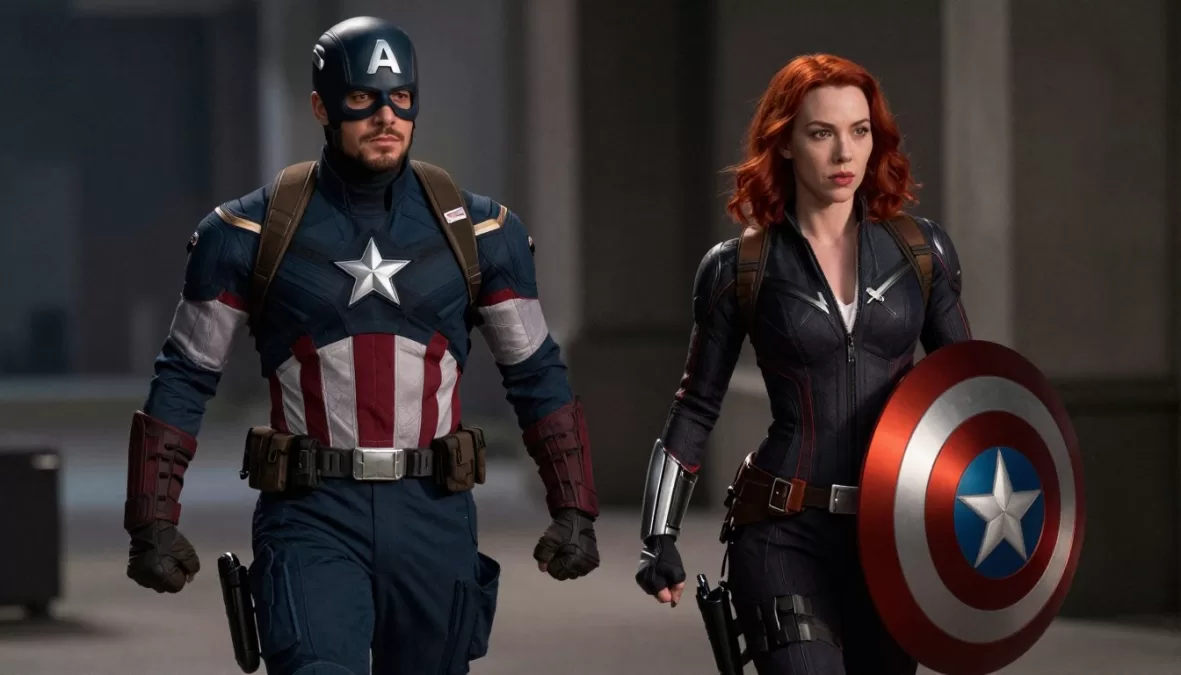
The story follows Steve Rogers as he uncovers a massive conspiracy within S.H.I.E.L.D. itself while confronting a mysterious assassin from his past. Chris Evans brings quiet dignity and unwavering principles to Steve Rogers, creating a hero defined by moral clarity rather than superpowers. Scarlett Johansson’s Black Widow receives substantial development, revealing her complexity beyond the femme fatale archetype. Anthony Mackie debuts as Sam Wilson, the future Falcon, bringing grounded heroism and genuine friendship.
Political Thriller Meets Superhero Action
Winter Soldier succeeds by embracing political thriller conventions rather than fighting them. The conspiracy plot involving HYDRA’s infiltration of S.H.I.E.L.D. mirrors real-world concerns about surveillance states, preemptive strikes, and security versus freedom. These themes give the spectacular action sequences genuine ideological weight beyond simple good versus evil conflicts.
The film questions institutional authority in ways few blockbusters attempt. Nick Fury’s Project Insight represents well-intentioned overreach becoming authoritarian control. Steve’s rejection of compromised institutions in favor of personal principles makes him genuinely heroic rather than blindly patriotic. This moral complexity elevates the entire narrative.
Character-Driven Action
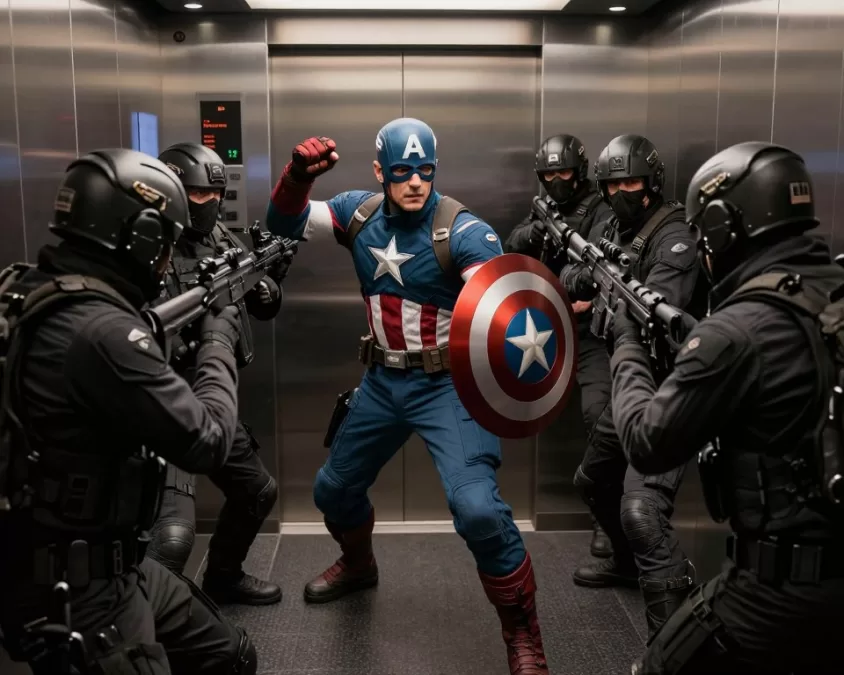
The Winter Soldier reveal that Bucky Barnes survived as a brainwashed HYDRA assassin provides devastating emotional stakes. Steve’s refusal to fight his best friend even as Bucky tries to kill him demonstrates the character’s core values. The elevator fight sequence and highway chase become more than spectacular action; they represent ideological and personal conflicts made physical.
The film develops Steve’s struggle with modern America’s moral ambiguity. As a man from the 1940s, he embodied clear-cut wartime morality. The contemporary world’s shades of gray challenge his black-and-white worldview without breaking it. This tension creates rich character development rarely seen in superhero sequels.
Practical Action Excellence
The Russo Brothers prioritized practical stunts and real locations over CGI spectacle whenever possible. The famous elevator fight features actual stunt performers in a real elevator, creating claustrophobic intensity. This commitment to practical effects grounds even the most fantastic elements, making the action feel visceral and immediate.
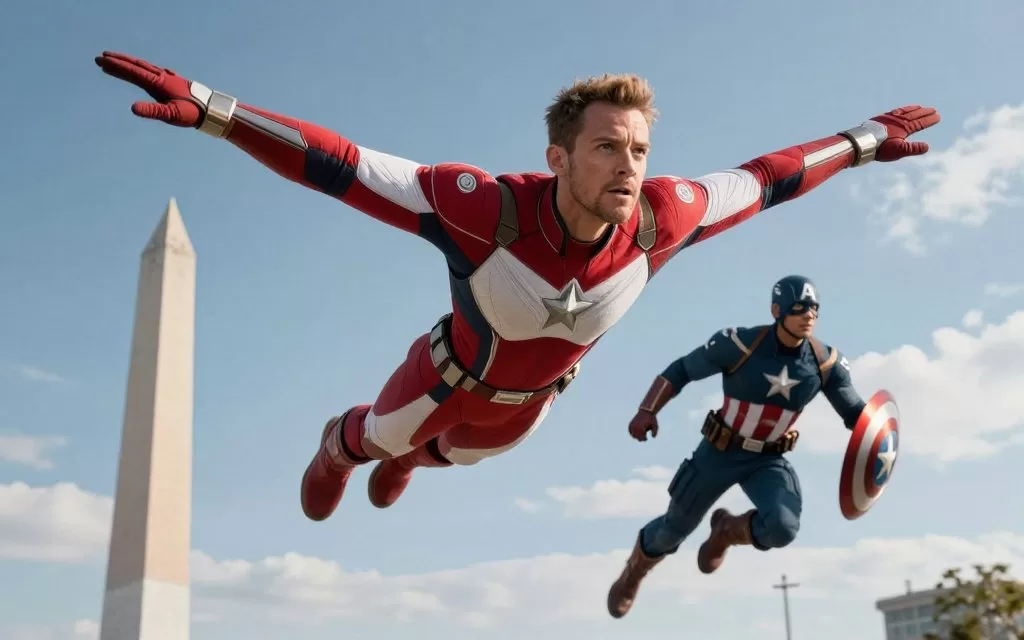
Winter Soldier’s success convinced Marvel Studios to trust the Russo Brothers with Avengers: Infinity War and Endgame. The film demonstrated that Marvel Cinematic Universe movies could genre-shift while maintaining franchise cohesion. Its influence extends beyond sequels to how Marvel approaches political themes and character-driven storytelling in subsequent films.
Where to Watch Captain America: The Winter Soldier
Discover the film that redefined Captain America and proved superhero movies could work as political thrillers. The Russo Brothers’ direction and spectacular practical action make this essential viewing for Marvel Cinematic Universe fans.
8. Guardians of the Galaxy (2014)
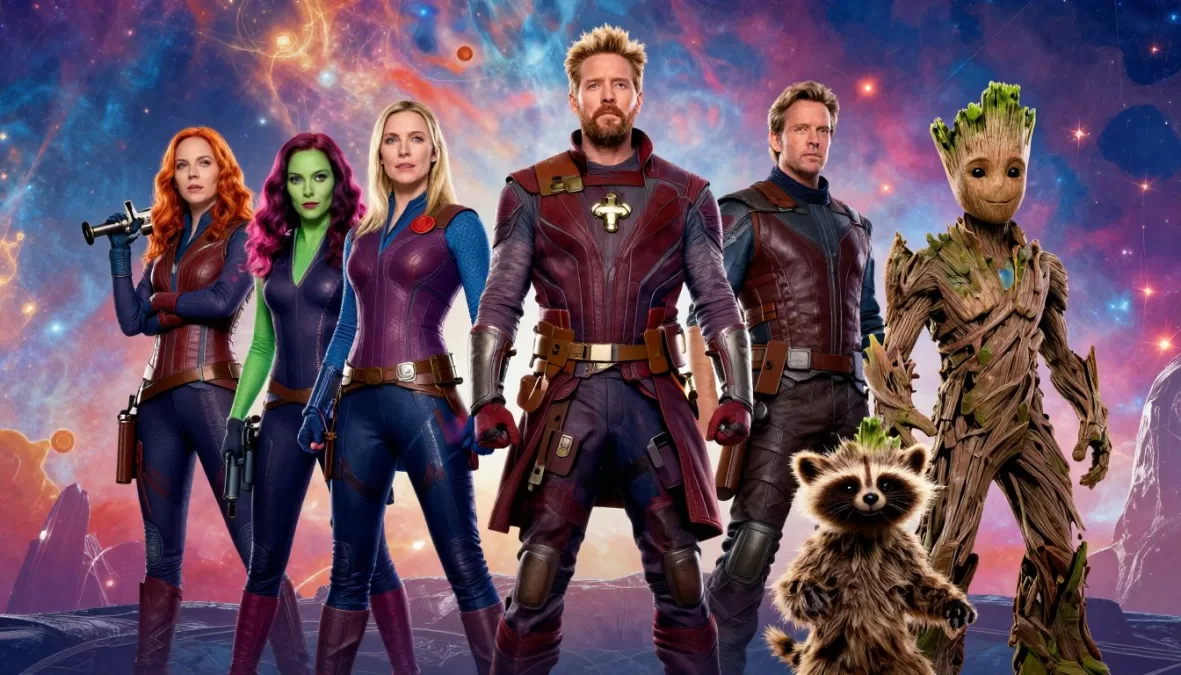
James Gunn’s cosmic adventure proved the Marvel Cinematic Universe could succeed with obscure characters and irreverent humor while maintaining emotional depth. Released in 2014, this massive gamble featuring a talking raccoon and sentient tree became a surprise phenomenon, grossing over 770 million dollars globally. The film expanded the MCU into cosmic territories while maintaining the franchise’s core appeal.
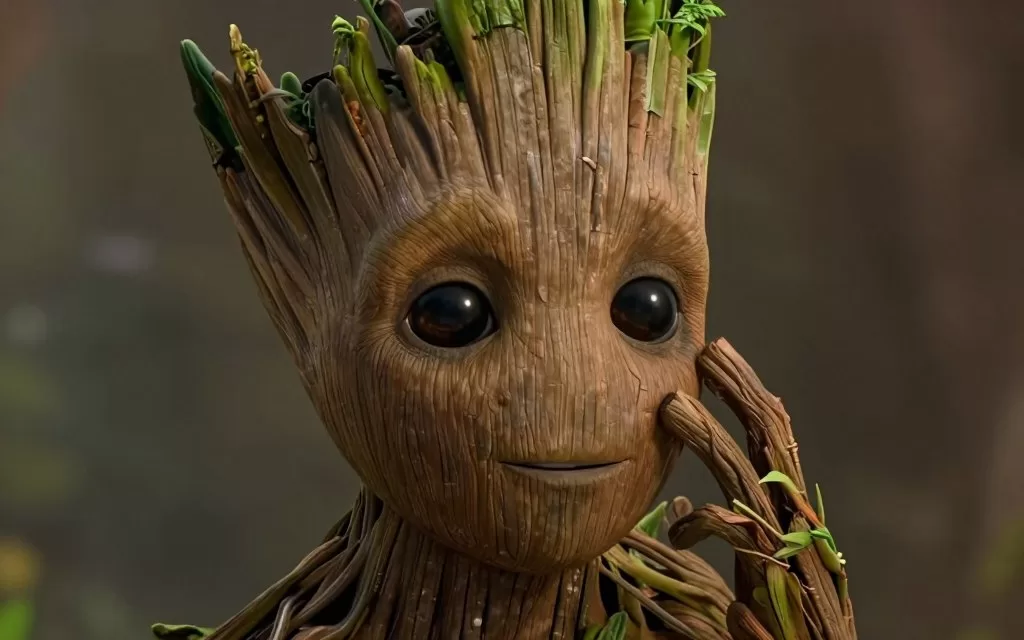
The story follows Peter Quill, a human abducted from Earth as a child, who steals a mysterious orb containing an Infinity Stone. Chris Pratt brings charm and vulnerability to the roguish Star-Lord, transforming from sitcom actor to action star. Zoe Saldana creates depth in Gamora beyond the typical warrior woman archetype. Dave Bautista surprises with emotional range as the literal-minded Drax. Bradley Cooper voices the sarcastic Rocket Raccoon, while Vin Diesel brings surprising pathos to the limited vocabulary of Groot.
Humor with Heart
Guardians balances constant humor with genuine emotional stakes in ways that shouldn’t work but do perfectly. The jokes never undercut serious moments; instead, humor serves as the characters’ defense mechanism against trauma and loss. Peter uses pop culture references and jokes to avoid processing his mother’s death and abduction trauma. This psychological depth makes the comedy meaningful rather than empty.
The film’s opening sequence demonstrates this balance perfectly. Young Peter runs from the hospital where his mother just died, gets abducted by aliens, and the credits roll to “Come and Get Your Love” with adult Peter dancing through an alien planet. This tonal whiplash establishes the film’s unique voice immediately, promising both emotional weight and pure entertainment.
Creating a Cosmic Found Family
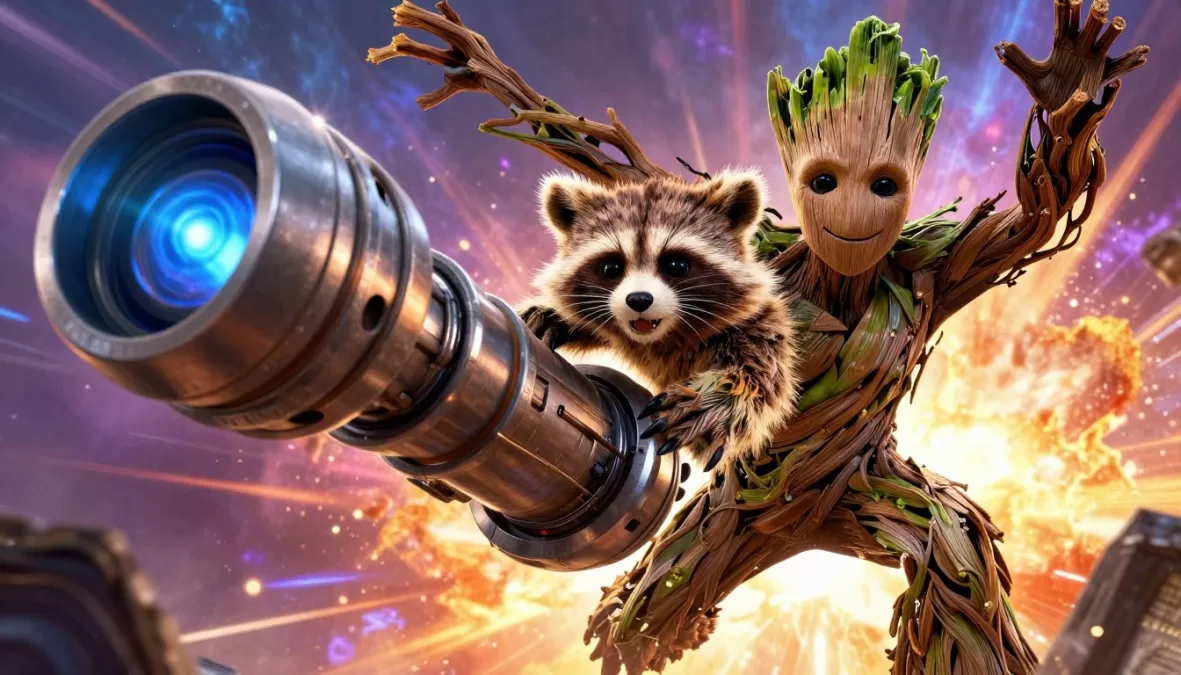
The Guardians function as a found family of misfits and outcasts who discover belonging with each other. Each character carries deep trauma: Peter lost his mother, Gamora suffered abuse from Thanos, Drax lost his family, Rocket faces discrimination, and Groot exists as the last of his species. Their coming together provides healing they couldn’t find alone.
The film’s climax features the team literally joining hands to share the burden of the Power Stone’s destructive energy. This visual metaphor for mutual support creates emotional resonance that elevates the spectacle. Their choice to risk death for each other completes their transformation from selfish loners to heroic team without feeling forced or unearned.
The Awesome Mix Tape
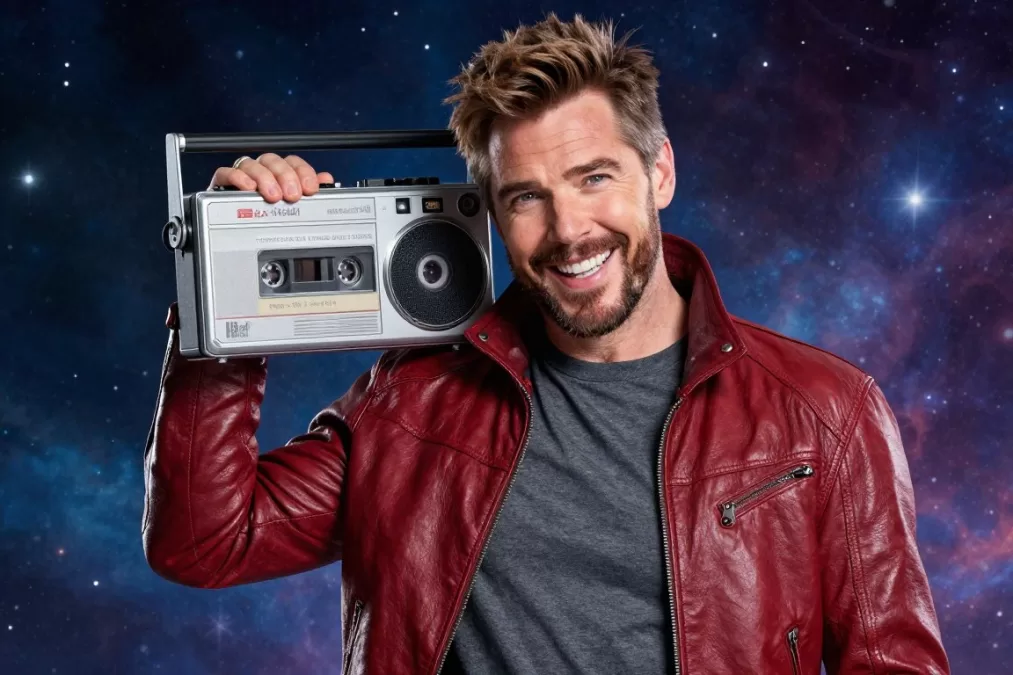
The film’s soundtrack of 1970s and 80s pop hits became a cultural phenomenon, introducing classic songs to new generations while providing emotional anchors for the story. Peter’s Walkman and Awesome Mix cassette tape connect him to his mother and his lost Earth childhood. Each song selection enhances specific scenes while building the film’s retro-futuristic aesthetic.
James Gunn’s bold choice to score action sequences with pop songs rather than traditional orchestral music distinguishes Guardians from other superhero films. The “Come and Get Your Love” opening, “Hooked on a Feeling” prison escape, and “Ain’t No Mountain High Enough” finale create signature moments that define the franchise’s personality.
Where to Watch Guardians of the Galaxy
Join the misfit heroes who became one of the Marvel Cinematic Universe’s most beloved teams. James Gunn’s perfect blend of humor, heart, and spectacular action makes this a rewatchable joy that never gets old.
9. Spider-Man 2 (2004)
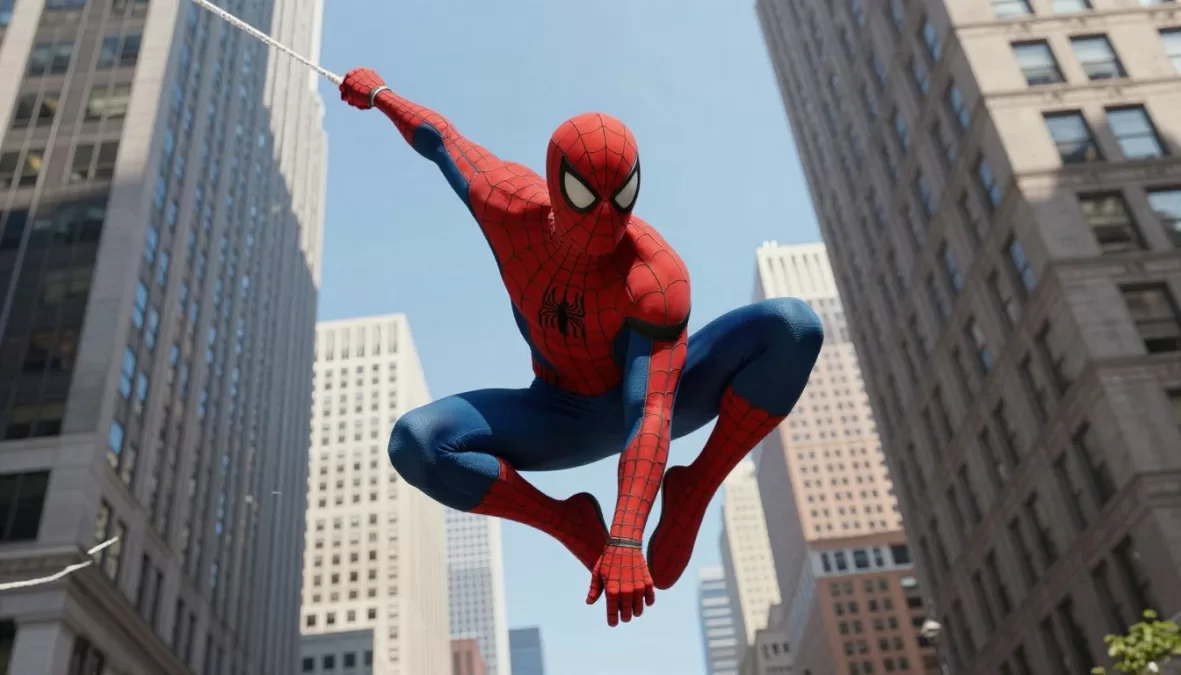
Sam Raimi’s sequel to his successful Spider-Man elevated superhero filmmaking by prioritizing character drama over spectacle. Released in 2004, the film balanced Peter Parker’s personal struggles with spectacular action sequences in ways that influenced the genre for years. Many critics and fans consider it not just the best Spider-Man film but one of the finest superhero movies ever made.
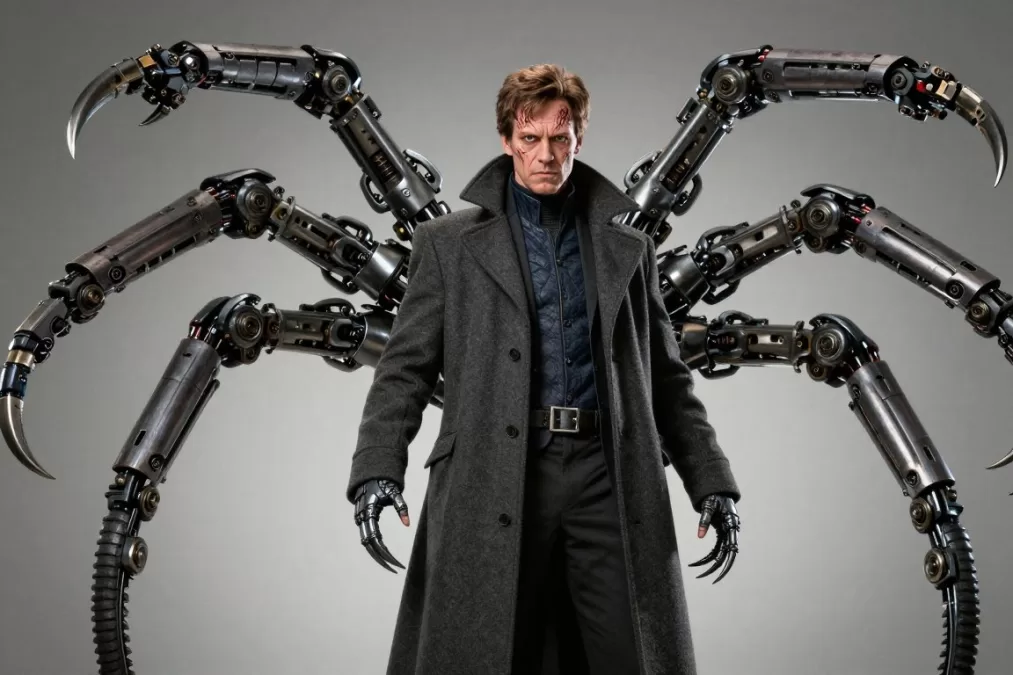
The story follows Peter Parker struggling to balance his responsibilities as Spider-Man with his personal life, which falls apart under the strain. Tobey Maguire brings genuine vulnerability and relatability to Peter’s crisis of confidence. Kirsten Dunst’s Mary Jane Watson faces her own struggles with career disappointment and romantic frustration. Alfred Molina creates one of superhero cinema’s most sympathetic villains in Doctor Otto Octavius, whose transformation into Doc Ock stems from tragedy rather than evil.
The Burden of Heroism
Spider-Man 2 explores the personal cost of heroism more deeply than previous superhero films dared. Peter’s life crumbles as he sacrifices everything for his responsibilities as Spider-Man. He loses his job, fails his classes, disappoints his aunt, and watches Mary Jane move on with someone else. The film asks whether heroism requires martyrdom or if heroes deserve happiness too.
Peter’s temporary loss of his powers during his identity crisis provides clever metaphor for burnout and depression. When he stops believing he can help people, his abilities fail him. This psychological approach to superpowers grounds the fantastic premise in relatable human experience. His recovery comes through rediscovering his motivation rather than simply regaining abilities.
Doc Ock as Tragic Villain
Alfred Molina’s Doctor Octopus represents superhero villainy done right through tragedy and corruption rather than inherent evil. Otto Octavius begins as Peter’s mentor figure, a brilliant scientist pursuing noble goals. The accident that fuses mechanical arms to his body and damages his brain transforms him against his will, creating a villain we pity even as we fear him.
The mechanical tentacles themselves become characters through Molina’s performance and the visual effects team’s work. Each arm has distinct personality, and their independence creates unsettling imagery. The hospital scene where Doc Ock awakens remains one of superhero cinema’s most effective horror sequences, demonstrating Sam Raimi’s genre versatility.
The Train Sequence and Heroic Sacrifice
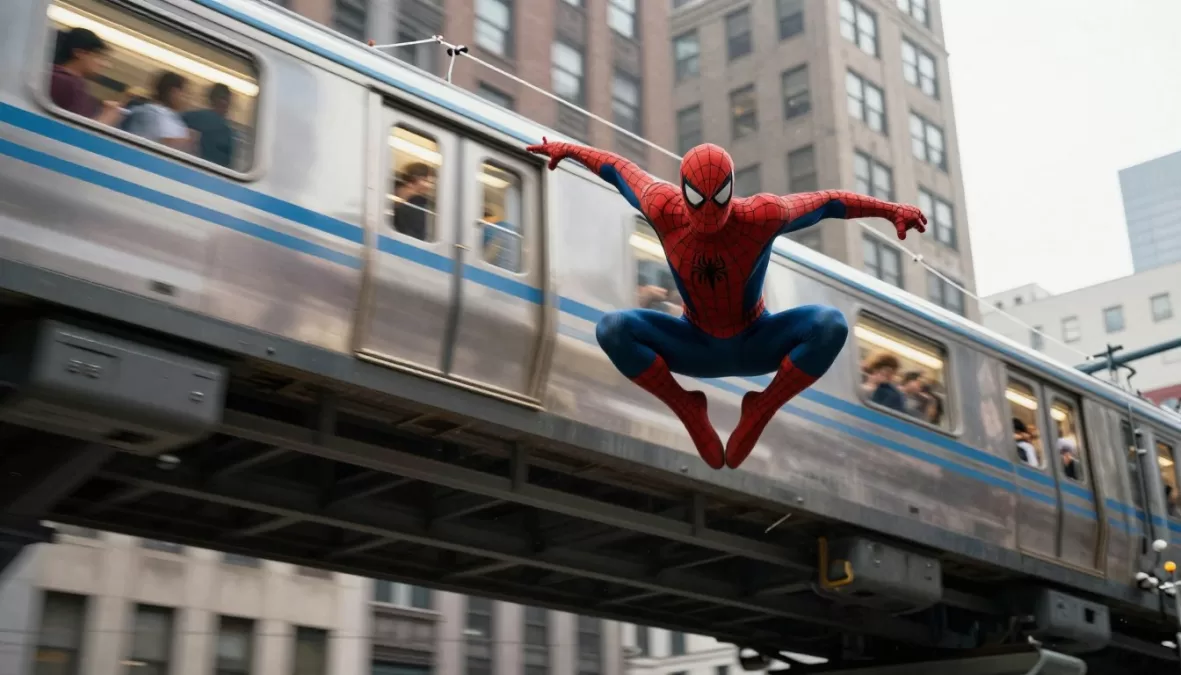
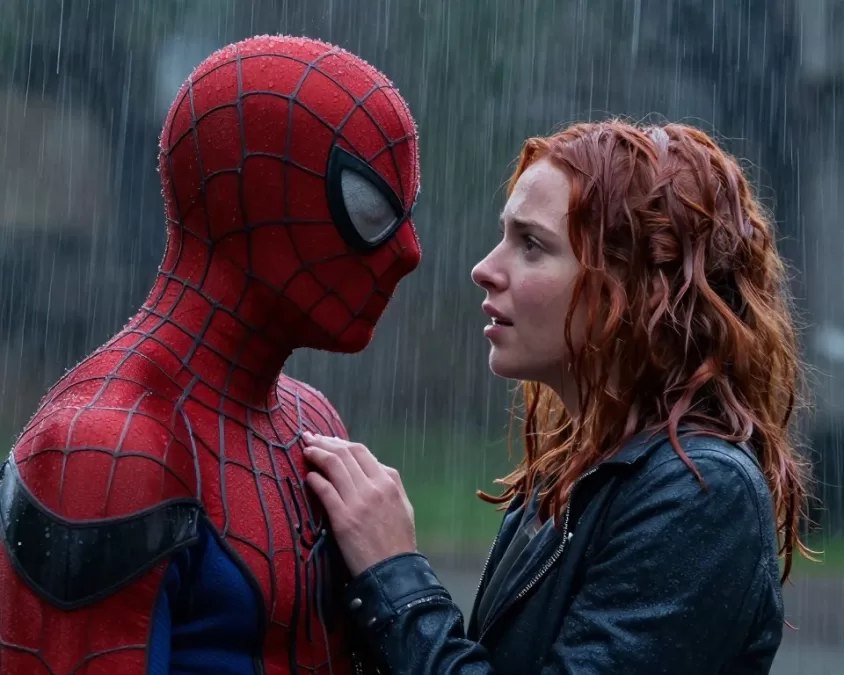
The elevated train battle between Spider-Man and Doc Ock represents superhero action at its finest, balancing spectacle with character. Peter’s desperate attempt to stop the runaway train from plunging off the tracks pushes him to his absolute limit. The imagery of his mask tearing away as he strains to save hundreds of lives captures the essence of heroic sacrifice.
The sequence’s aftermath provides the film’s emotional peak. The grateful passengers carry the unconscious Peter into the train car, promising to keep his secret after seeing his face. This moment of community support validates Peter’s sacrifices and demonstrates why he continues despite the cost. It’s superhero cinema’s most moving affirmation of heroism’s value.

Where to Watch Spider-Man 2
Experience Sam Raimi’s masterful sequel that many consider the definitive Spider-Man film. Tobey Maguire’s performance and the perfect balance of action and drama make this essential viewing for any superhero movie fan.
10. The Incredibles (2004)
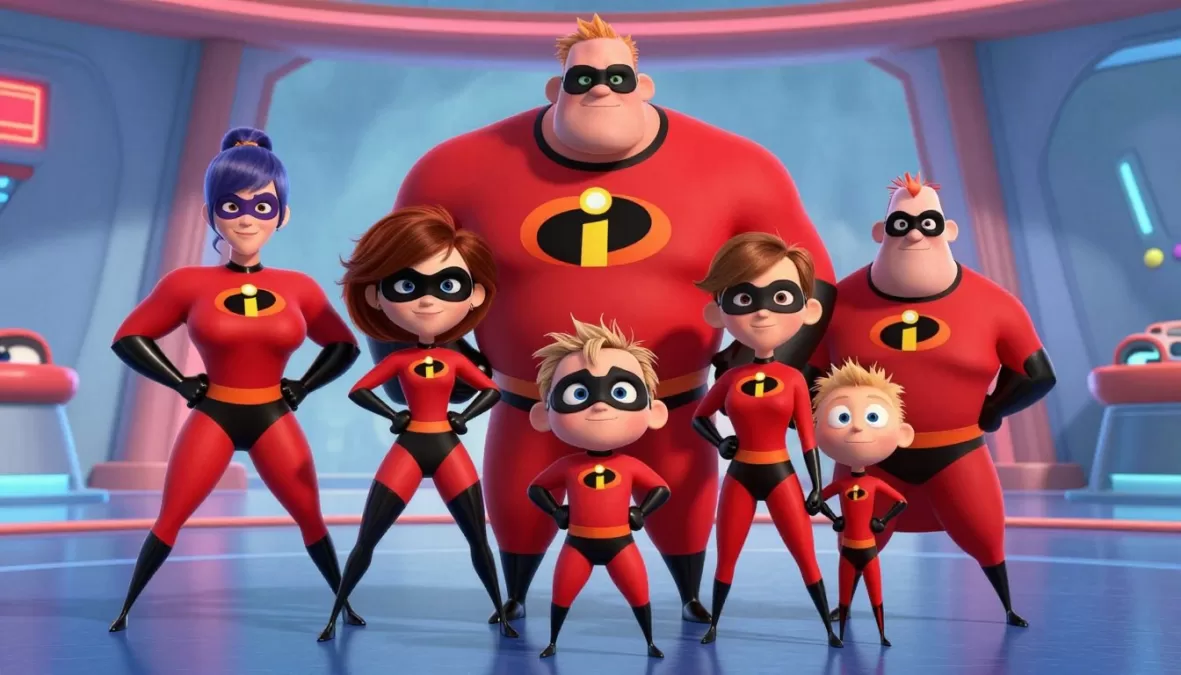
Brad Bird’s animated masterpiece proved that superhero stories could work brilliantly in animation while tackling adult themes of midlife crisis, family dynamics, and societal expectations. Released in 2004 by Pixar, the film earned widespread critical acclaim and an Academy Award for Best Animated Feature. Its sophisticated storytelling and gorgeous retro-futuristic aesthetic influenced both animated and live-action superhero films.
The story follows Bob Parr, formerly the superhero Mr. Incredible, struggling with suburban mundanity after society forced superheroes into retirement. Craig T. Nelson voices Bob’s frustration and yearning for his glory days. Holly Hunter brings fierce intelligence and capability to Helen Parr, Elastigirl, who’s adapted better to civilian life while managing their family. The Parr children each struggle with their own identity issues around suppressing their powers to appear normal.
Deconstructing Superhero Tropes
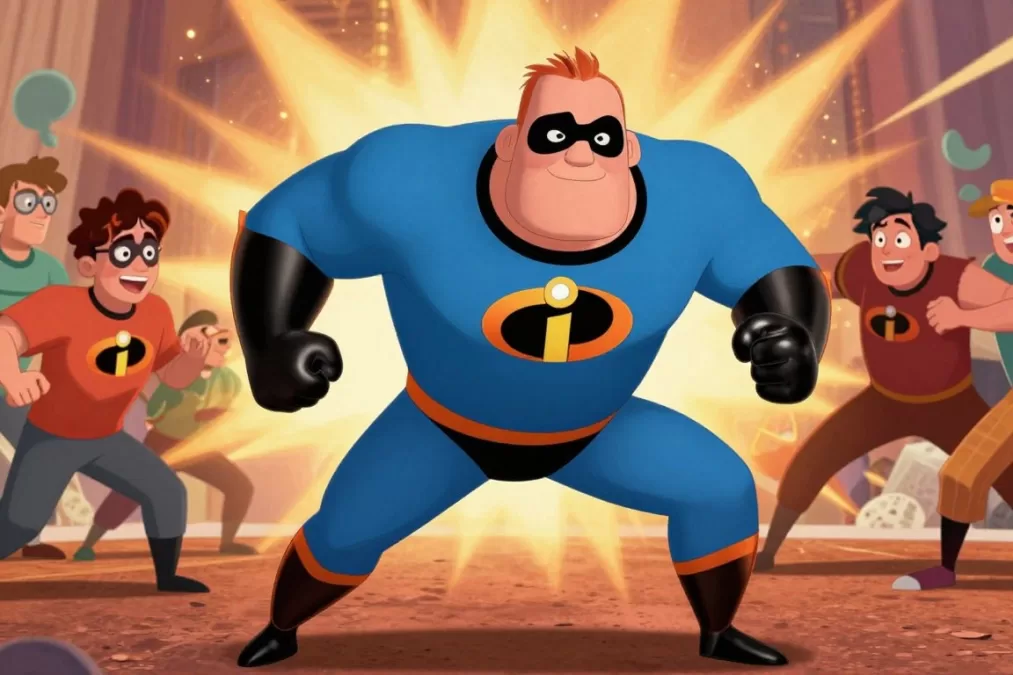
The Incredibles cleverly deconstructs superhero conventions while celebrating them. The film opens with documentary-style interviews of heroes in their prime before society turned against them, immediately establishing complex worldbuilding. The forced retirement plot questions what happens when society rejects its heroes and whether normal life can satisfy extraordinary people.
Bob’s midlife crisis manifests through his superhero nostalgia, creating surprisingly mature storytelling for a family film. His secret return to heroism parallels having an affair in how it damages his marriage through deception. The film treats these adult themes with sophistication while remaining accessible to younger viewers through humor and action.
Family Dynamics and Individual Growth
The film’s core strength lies in its authentic family relationships. Bob and Helen’s marriage faces real strain from his dishonesty and her frustration with suburban limitations. Their children deal with typical sibling dynamics while also managing superpowers they must hide. The family’s journey toward working together as a superhero team mirrors their growth in communication and mutual support.
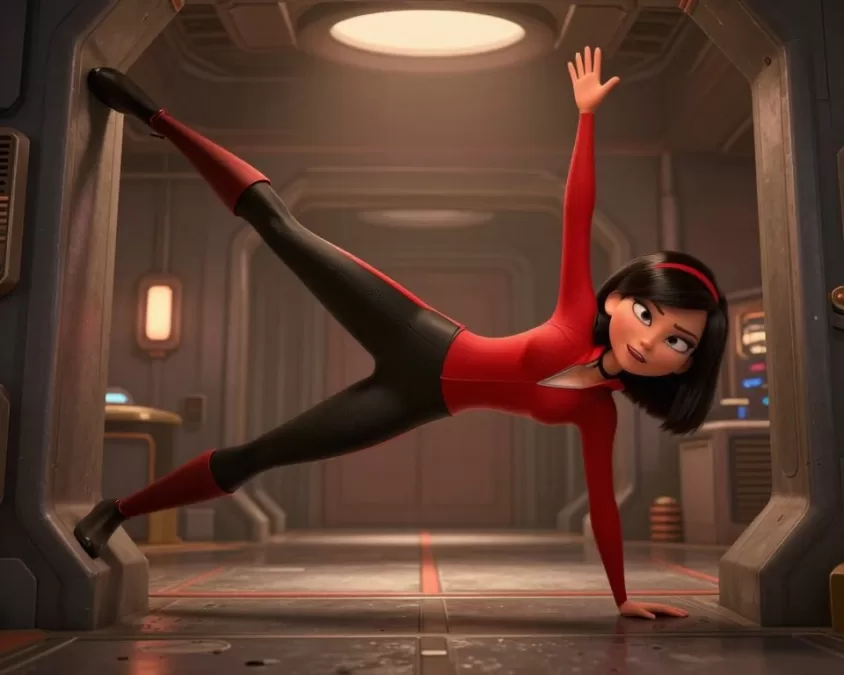
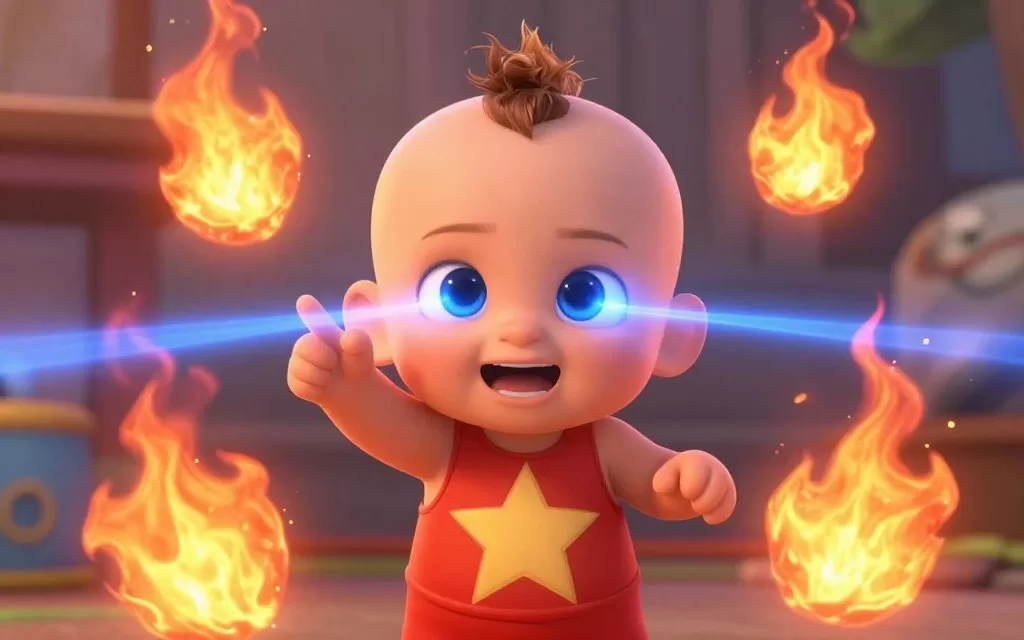
Each family member’s powers reflect their personality and character arc. Bob’s super strength connects to his need to be the powerful protector. Helen’s elasticity represents her flexibility and adaptation. Violet’s invisibility and force fields manifest her teenage desire to disappear and protect herself emotionally. Dash’s super speed embodies his hyperactive energy and frustrated potential. These thematic connections add depth to the fantastic elements.
Syndrome and the Democratization of Heroism
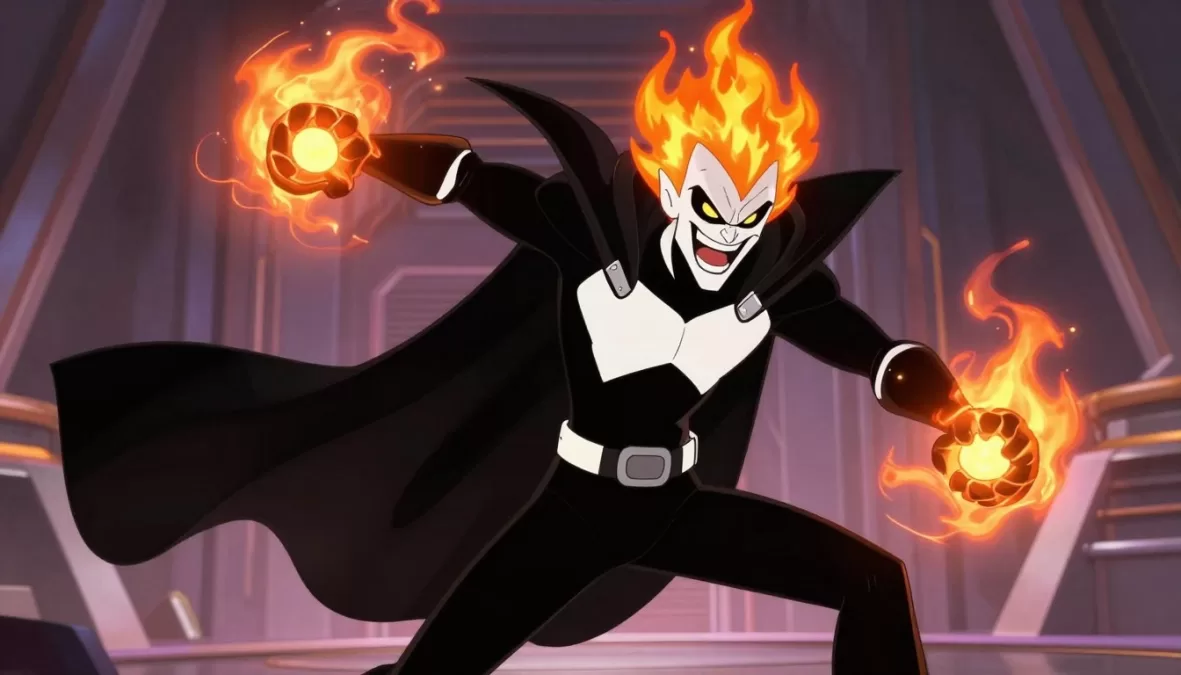
Jason Lee’s Syndrome provides fascinating villain complexity as former fanboy Buddy Pine, rejected by his idol Mr. Incredible. His plan to give everyone superpowers through technology stems from egalitarian philosophy twisted by rejection and bitterness. The famous line “when everyone’s super, no one will be” raises genuine questions about exceptionalism and equality.
Syndrome represents the dark side of the “anyone can be special” message prevalent in children’s media. His character argues that not everyone can be exceptional, and pretending otherwise diminishes genuine excellence. This controversial theme sparked debate about the film’s philosophy while adding ideological depth rare in family entertainment.
Retro-Futuristic Design and Michael Giacchino’s Score
The film’s 1960s-inspired retro-futuristic aesthetic creates a timeless quality that prevents it from dating. The design draws from mid-century modern architecture, vintage cars, and classic spy films to build a world that feels both nostalgic and forward-looking. This artistic choice allows the film to explore timeless themes through a distinctive visual lens.
Michael Giacchino’s jazz-influenced score evokes classic spy thrillers while propelling the action sequences. The music became so iconic that Giacchino’s superhero scoring approach influenced subsequent Marvel films. The combination of visual style and musical identity makes The Incredibles instantly recognizable and endlessly rewatchable.
Where to Watch The Incredibles
Enjoy Pixar’s sophisticated superhero family adventure that works perfectly for all ages. Brad Bird’s masterful direction and the film’s timeless themes make this as entertaining and relevant today as when it debuted nearly two decades ago.
Honorable Mentions and the Evolution of Superhero Cinema
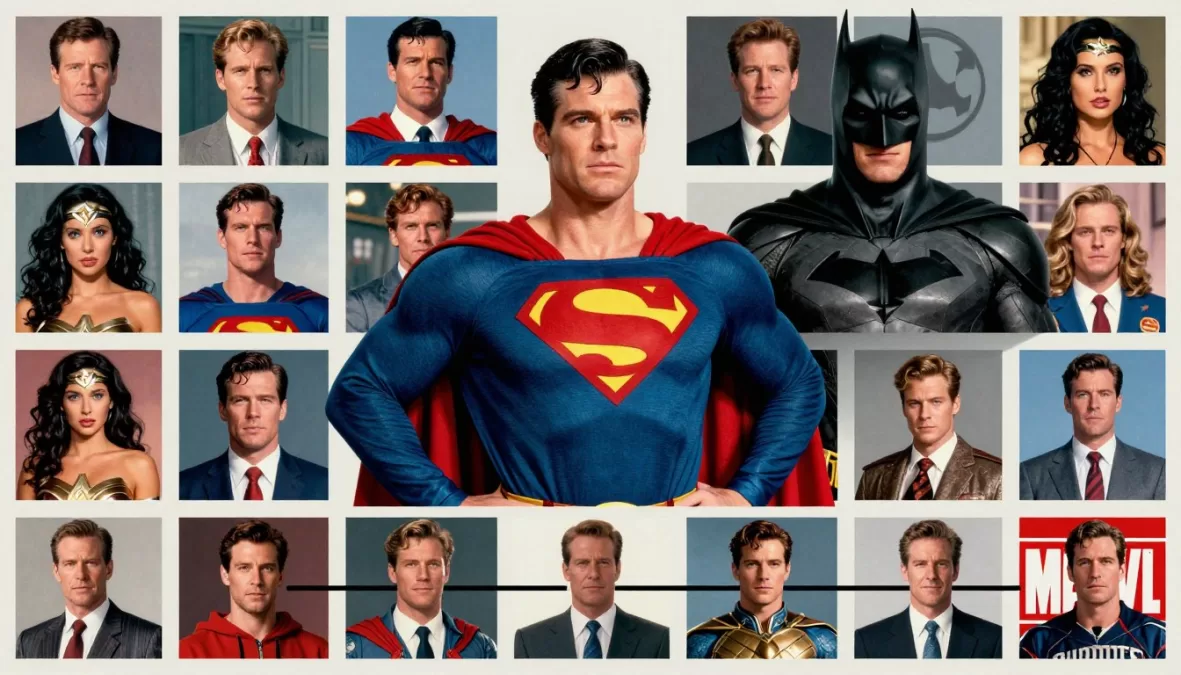
While these ten films represent the genre’s absolute pinnacle, numerous other superhero movies deserve recognition for their contributions to cinema. The genre’s evolution from simple adventure serials to sophisticated storytelling reflects changing audience expectations and filmmaking capabilities. Understanding this progression provides context for appreciating these masterworks.
The Foundation: Early Superhero Cinema
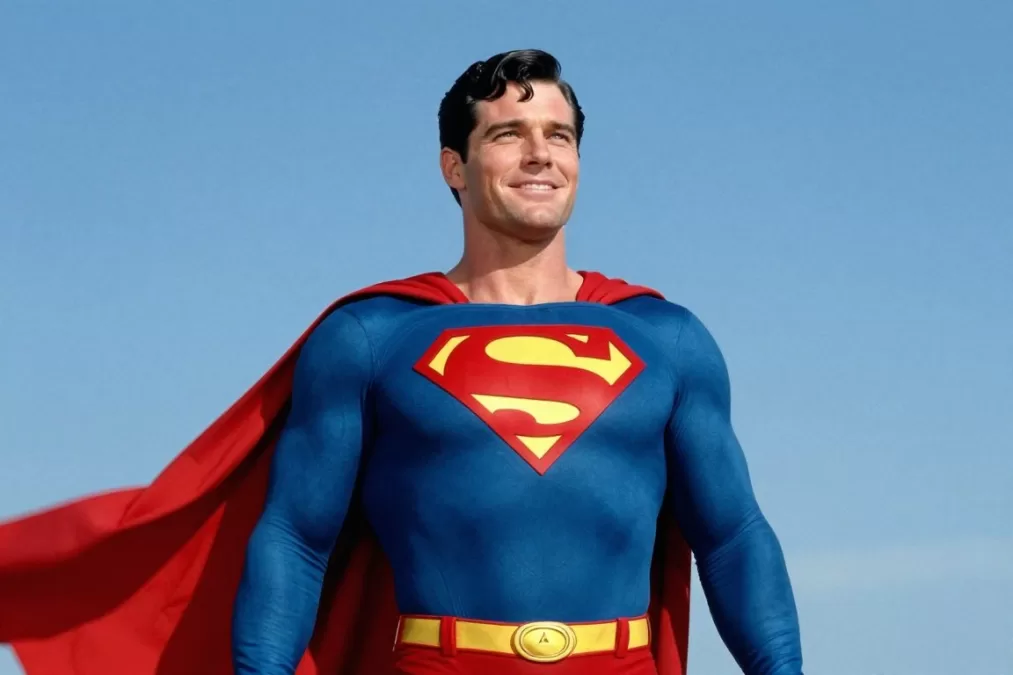
Richard Donner’s 1978 Superman starring Christopher Reeve established the template for modern superhero films. His famous tagline “You’ll believe a man can fly” promised spectacle that delivered genuine wonder. Reeve’s performance balanced godlike power with humble humanity, creating the archetypal superhero portrayal. The film proved comic book characters could work in serious cinema rather than just children’s entertainment.
Tim Burton’s 1989 Batman demonstrated superhero films could embrace darker tones while achieving blockbuster success. Michael Keaton’s casting initially sparked outrage but ultimately redefined Bruce Wayne as psychologically complex rather than square-jawed. Burton’s Gothic aesthetic and Danny Elfman’s iconic score influenced superhero cinema for decades. The film’s success launched the modern era of comic book adaptations.
Notable Modern Achievements
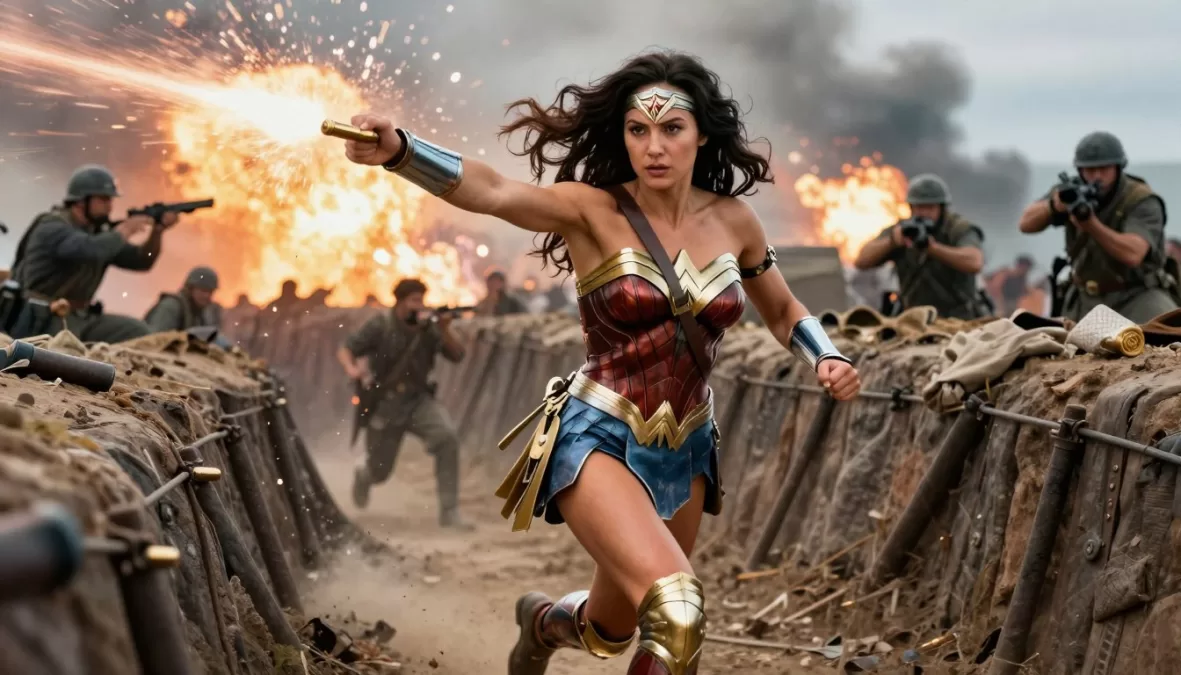
Several recent films nearly made this top ten list. Wonder Woman directed by Patty Jenkins gave audiences the first female-led superhero film to achieve both critical and commercial success. Gal Gadot’s performance combined warrior strength with compassionate heroism, while the World War I setting provided fresh period aesthetics. The No Man’s Land sequence became instantly iconic.
Captain Marvel introduced the Marvel Cinematic Universe’s most powerful hero while exploring 1990s nostalgia and themes of identity and gaslighting. Brie Larson brought confidence and humor to Carol Danvers, creating a hero comfortable with her strength. The film’s success demonstrated continued audience appetite for diverse superhero perspectives.
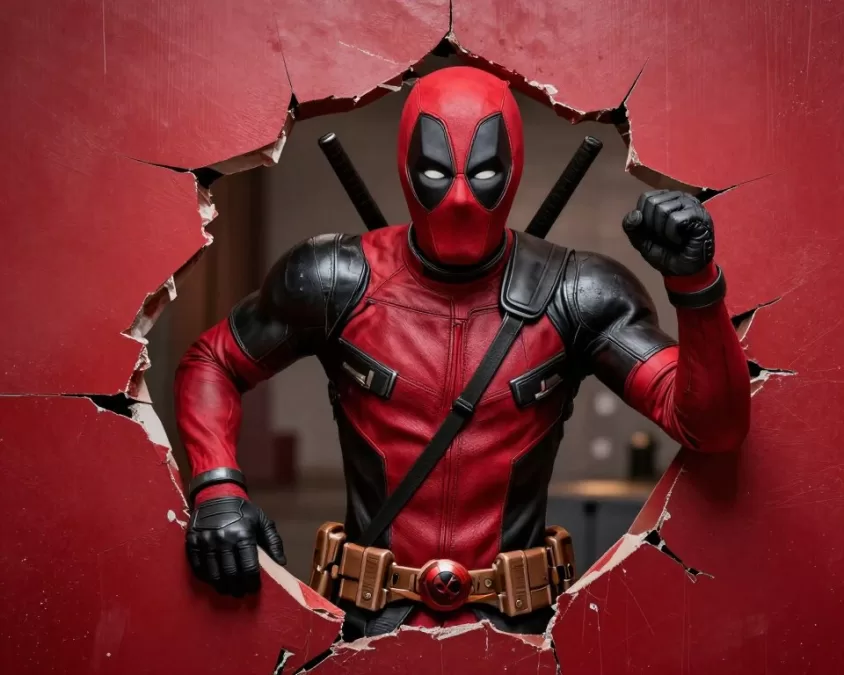
Ryan Reynolds finally delivered the Deadpool movie fans craved with the R-rated 2016 film that broke box office records. The film’s meta-humor, fourth-wall breaking, and willingness to mock superhero conventions while embracing them created a unique voice. Deadpool proved superhero films could target adult audiences specifically and thrive commercially.
Influential Films That Shaped the Genre
X-Men in 2000 helped launch the modern superhero boom by treating comic book characters with respect and addressing relevant social issues through the mutant metaphor. The film balanced ensemble dynamics while exploring prejudice, fear, and identity. Hugh Jackman’s breakout performance as Wolverine demonstrated star-making potential of superhero roles.
Sam Raimi’s original Spider-Man in 2002 proved superhero origin stories could achieve both spectacle and heart. Tobey Maguire’s earnest portrayal and the film’s emotional authenticity connected with audiences worldwide. The movie’s massive success convinced studios that superhero films represented reliable investments rather than risky experiments.
The Darker Explorations
Christopher Nolan’s Dark Knight trilogy deserves collective recognition beyond just The Dark Knight. Batman Begins revitalized the character through grounded realism and psychological depth. The Dark Knight Rises provided epic conclusion despite its flaws, with Tom Hardy’s Bane creating a physically imposing threat. Together, the trilogy demonstrated superhero narratives could sustain serious artistic ambition across multiple films.
Joker directed by Todd Phillips took a completely different approach by creating a character study loosely connected to Batman mythology. Joaquin Phoenix’s transformative performance earned an Academy Award while the film sparked intense debate about its themes and responsibilities. Whether viewed as a superhero film or using superhero elements for other purposes, it pushed genre boundaries significantly.
Animation’s Growing Impact
Beyond The Incredibles and Spider-Verse, animated superhero films have delivered remarkable achievements. Batman: Mask of the Phantasm elevated superhero animation for adult audiences with film noir aesthetics and mature storytelling. The film’s exploration of Bruce Wayne’s psychology and romantic tragedy rivals live-action achievements.
Big Hero 6 blended superhero conventions with emotional family drama, creating an original story that balanced Marvel connections with distinctive identity. The relationship between Hiro and the inflatable healthcare robot Baymax provided genuine emotional depth. The film demonstrated Disney’s ability to craft superhero stories outside traditional Marvel frameworks.
International Perspectives
While Hollywood dominates superhero cinema, international productions offer fresh perspectives. Indian films like Ra.One and Krrish brought Bollywood sensibilities to superhero storytelling with musical numbers and family-oriented narratives. These culturally specific approaches demonstrate the genre’s global adaptability and diverse storytelling potential.
Japanese anime has explored superhero concepts for decades through properties like My Hero Academia and One Punch Man. These series deconstruct superhero tropes while celebrating them, offering philosophical depth and unique visual approaches. The cross-pollination between anime and Western superhero media enriches both traditions.
What Makes a Great Superhero Movie
Analyzing these ten exceptional films reveals common elements that elevate superhero cinema beyond mere spectacle. While each movie brings unique strengths, certain qualities consistently appear in the genre’s greatest achievements. Understanding these elements helps appreciate what separates good superhero movies from truly great ones.
Character Depth Beyond Costumes
The best superhero films recognize that costumes and powers matter less than the humans beneath them. Tony Stark’s journey from weapons manufacturer to self-sacrificing hero works because Robert Downey Jr. makes us believe in his transformation. Logan succeeds because it explores aging and mortality rather than just showing Wolverine fight. Black Panther resonates because T’Challa faces genuine ideological challenges to his worldview.
Great superhero films give heroes internal conflicts as compelling as external threats. Peter Parker in Spider-Man 2 struggles with whether heroism requires complete self-sacrifice. Steve Rogers in Winter Soldier must choose between institutional loyalty and personal principles. These internal journeys provide emotional stakes that pure action cannot achieve alone.
Villains with Compelling Motivations
Generic villains seeking power or destruction create forgettable conflicts. The greatest superhero movies feature antagonists with understandable motivations even when their methods horrify. Killmonger’s revolutionary anger stems from legitimate grievances about Wakanda’s isolationism. Thanos genuinely believes he’s saving the universe. Doc Ock becomes a villain through tragedy rather than choice.
The Joker in The Dark Knight wants to prove philosophical points about human nature rather than rob banks. Syndrome in The Incredibles represents rejected fandom twisted into destructive egalitarianism. These complex villains force heroes to confront difficult questions rather than simply punch their way to victory. The ideological conflicts add depth that makes resolution more satisfying.
Thematic Resonance and Social Commentary
Superhero films work best when their fantastic premises explore real-world issues. The X-Men’s mutant metaphor addresses prejudice and fear of difference. Black Panther examines colonialism’s legacy and responsibilities of privilege. Winter Soldier questions surveillance states and institutional corruption. These themes give audiences substance to engage with beyond pure entertainment.
The most effective social commentary integrates naturally rather than preaching. Spider-Verse explores identity and self-worth through Miles discovering his own heroism. The Incredibles addresses exceptionalism and mediocrity through superhero metaphor. Logan examines aging and legacy through Western genre conventions. The fantastic elements illuminate human truths rather than obscuring them.
Visual Storytelling and Technical Excellence
Great superhero films use their visual medium effectively rather than relying solely on dialogue. Into the Spider-Verse’s animation style literally looks like comic panels come to life. The Dark Knight’s IMAX sequences create unprecedented scope. The Incredibles’ retro-futuristic design establishes character and world instantly. These visual choices enhance storytelling rather than just providing eye candy.
Technical innovation serves narrative purposes in the best superhero films. Iron Man’s practical armor effects make Tony’s inventions feel tangible. Guardians of the Galaxy’s cosmic visuals expand the Marvel Cinematic Universe’s scope while maintaining character focus. Logan’s unflinching violence serves its Western genre homage and themes of mortality. Form follows function in these carefully crafted films.
Balancing Tone Appropriately
Successful superhero films find the right tonal balance for their specific story. Guardians of the Galaxy’s irreverent humor works because it masks genuine emotional trauma. The Dark Knight’s grim seriousness serves its crime thriller aspirations. Spider-Verse’s energetic joy matches its coming-of-age optimism. Each film’s tone supports rather than contradicts its narrative goals.
The best superhero movies know when to be funny and when to be serious. Winter Soldier includes humor without undercutting its political thriller tension. Infinity War delivers jokes that reveal character while maintaining dramatic stakes. The Incredibles balances family comedy with genuine danger. Tonal consistency and appropriate variation create engaging viewing experiences.
Respecting Source Material While Making Bold Choices
Great superhero adaptations honor comic book heritage while making necessary changes for cinema. Iron Man’s “I am Iron Man” conclusion abandoned secret identity conventions but felt right for the character. Into the Spider-Verse introduced Miles Morales to mainstream audiences while celebrating Spider-Man’s legacy. Black Panther built Wakanda with cultural specificity beyond comic book depictions.
The most successful films understand what makes characters resonate with fans and preserve that essence even when changing details. Logan reimagines Wolverine’s ending while staying true to his core character. The Dark Knight’s Joker differs from comic versions but captures the character’s chaotic philosophy. Adaptations require both reverence and innovation.
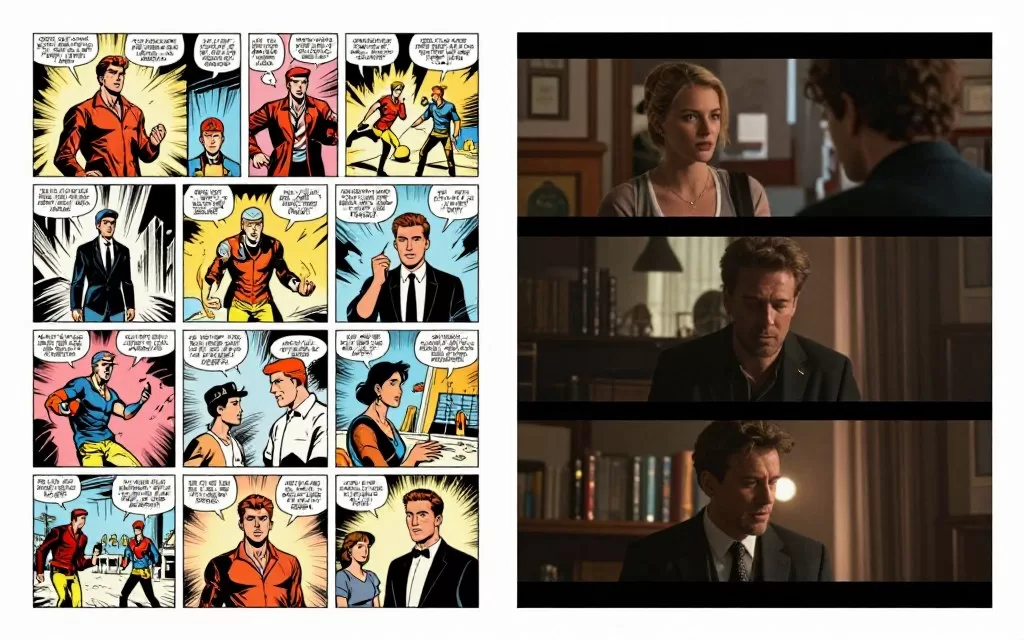
The Future of Superhero Cinema
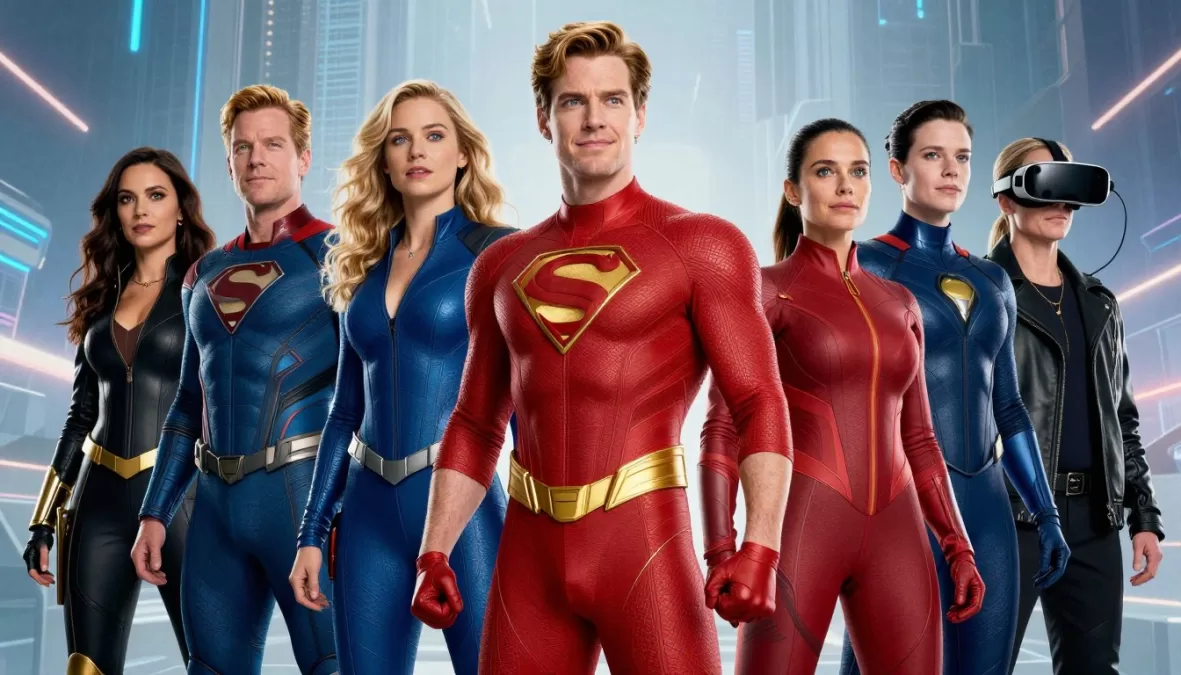
As superhero movies continue dominating global box office, questions arise about the genre’s sustainability and evolution. These ten masterpieces demonstrate that superhero cinema can achieve artistic excellence rather than just commercial success. The genre’s future depends on whether filmmakers continue pushing boundaries or retreat into safe formulas.
Expanding Representation and Perspectives
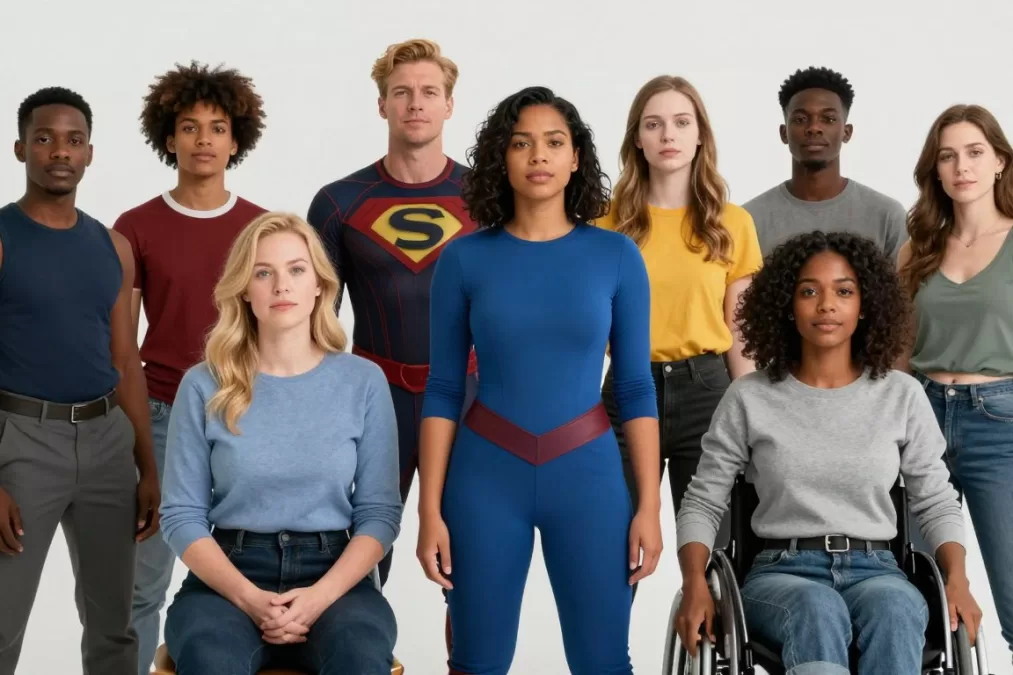
Black Panther and Captain Marvel proved that diverse representation drives both cultural impact and commercial success. Future superhero cinema must continue expanding whose stories get told and who tells them. Ms. Marvel’s Disney+ series introduced Muslim American teenage perspectives. Blue Beetle centers Latino family dynamics. These varied viewpoints enrich the genre rather than diluting it.
True representation extends beyond casting to include diverse creative teams behind the camera. Ryan Coogler’s vision shaped Black Panther’s cultural authenticity. Chloe Zhao brought unique sensibilities to Eternals. Supporting diverse filmmakers ensures fresh perspectives rather than homogenized approaches to superhero storytelling.
Genre Blending and Innovation
Winter Soldier’s political thriller approach and Logan’s Western influences demonstrate how superhero films can adopt other genre conventions. Future innovation might explore superhero horror, romance, or even experimental narratives. The fantastic premise provides framework for infinite storytelling possibilities limited only by filmmaker imagination.
Animation offers particularly exciting frontier for superhero innovation. Spider-Verse proved animated superhero films can achieve critical and commercial success rivaling live-action. Different animation styles enable visual creativity impossible in live-action while reducing production costs. Expect more studios investing in animated superhero projects with unique artistic visions.
Technology’s Impact on Storytelling
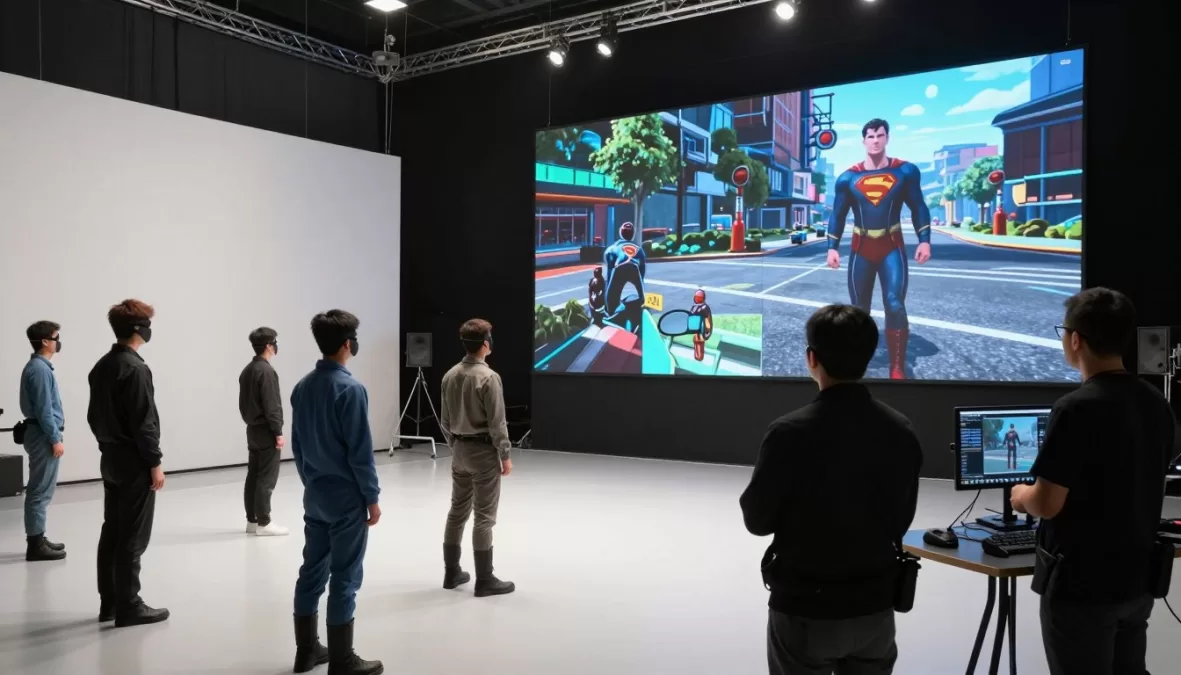
Advancing visual effects technology enables increasingly ambitious spectacle, but the best superhero films use technology to serve story rather than overwhelm it. Future films might explore virtual production techniques pioneered by The Mandalorian. Artificial intelligence could assist in creating more realistic CGI characters. However, technology should enhance human storytelling rather than replace it.
The rise of streaming platforms changes how audiences consume superhero content. Disney+ series like WandaVision and Loki experiment with longer-form storytelling that theatrical releases cannot accommodate. This expansion allows deeper character exploration and complex narratives. The distinction between film and television increasingly blurs in meaningful ways.
Avoiding Superhero Fatigue
Industry observers periodically predict superhero fatigue, yet audiences continue supporting well-crafted entries. The key lies in avoiding formulaic repetition. Films must justify their existence beyond franchise obligations. Each new entry should bring fresh perspectives, innovative approaches, or meaningful character development rather than simply existing to set up sequels.
Quality control becomes crucial as studios produce more superhero content across platforms. Marvel Cinematic Universe’s initial success came from careful planning and consistent quality. As output increases, maintaining standards becomes challenging. Studios must prioritize storytelling excellence over content volume to sustain audience goodwill.
Learning from These Masterpieces
These ten films succeed because they prioritize character, theme, and craft over mere spectacle. Future superhero movies should study what makes these films endure beyond their release years. The Dark Knight’s complex morality, Black Panther’s cultural celebration, Spider-Verse’s visual innovation, and Logan’s emotional depth provide templates for excellence.
The genre’s greatest achievements balance entertainment with substance, spectacle with character, humor with heart. As long as filmmakers remember that superhero stories ultimately explore what it means to be human, the genre will continue producing meaningful cinema. These ten masterpieces set the standard; future films must meet or exceed it.
Conclusion: Why These Films Endure
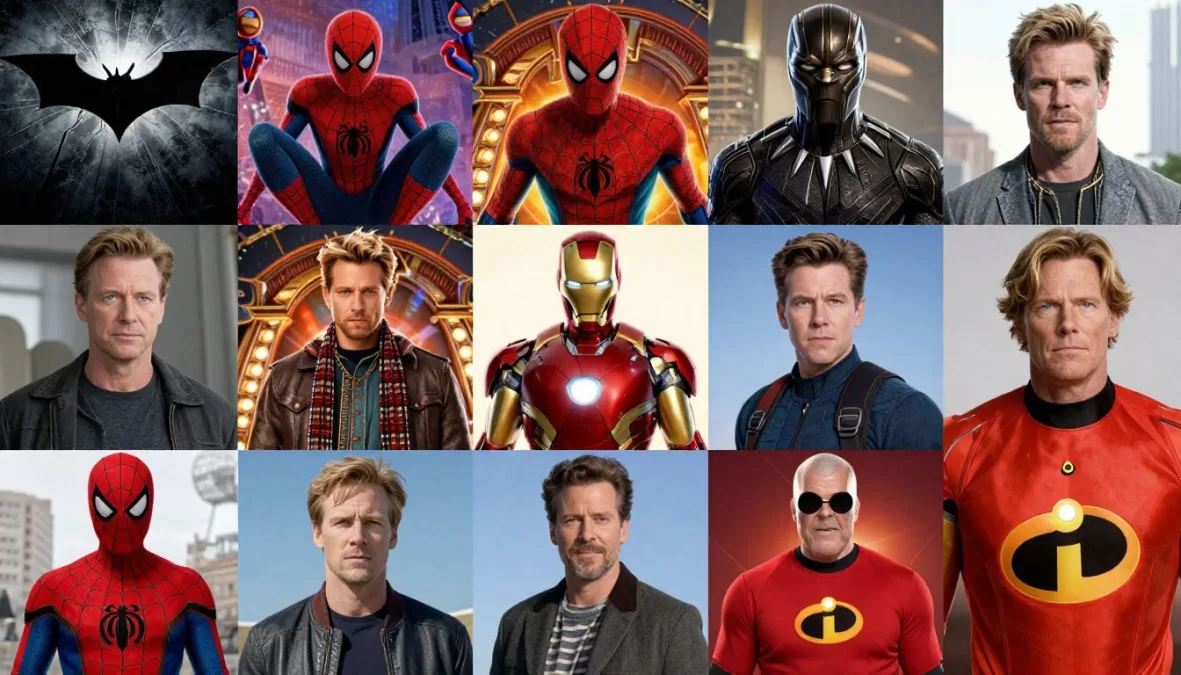
These ten superhero movies represent the genre at its absolute finest, demonstrating that comic book adaptations can achieve genuine artistic excellence alongside commercial success. From The Dark Knight’s complex morality to Spider-Verse’s visual revolution, from Black Panther’s cultural celebration to Logan’s elegiac meditation on mortality, these films transcend their superhero origins to become essential cinema.
What unites these diverse films is their commitment to character depth, thematic resonance, and technical excellence. They recognize that costumes and powers provide frameworks for exploring universal human experiences. The best superhero films use their fantastic premises to illuminate truth about heroism, sacrifice, identity, family, and what it means to use power responsibly.
These movies endure because they offer more than temporary escape. They provide emotional catharsis, intellectual engagement, and visual splendor that rewards repeated viewing. Each film on this list can be watched multiple times, revealing new layers and deeper appreciation with each experience. This rewatchability separates genuine classics from forgettable blockbusters.

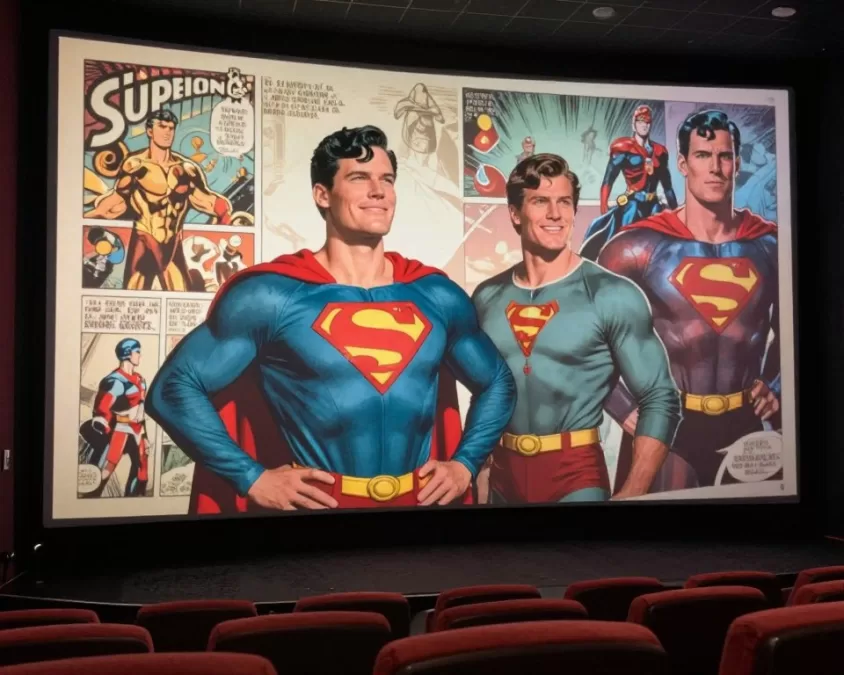
The superhero genre’s evolution from Christopher Reeve’s Superman to the Marvel Cinematic Universe’s interconnected saga represents one of cinema’s most remarkable transformations. These ten films mark crucial milestones in that journey, each pushing boundaries and raising standards for what followed. They prove that superhero movies can compete with any genre for artistic merit.
As superhero cinema continues evolving, these masterpieces provide templates for future excellence. They demonstrate that diverse representation drives cultural impact, that complex villains create better stories, that innovation and risk-taking pay off, and that respecting audiences’ intelligence creates lasting connections. Future filmmakers should study these films not just for entertainment but for lessons in masterful storytelling.
Whether you prefer Marvel’s cosmic adventures or DC’s gritty realism, animated innovation or live-action spectacle, these ten films offer something exceptional. They represent hundreds of talented artists, writers, directors, and actors working at peak creativity to craft experiences that entertain, inspire, and endure. They remind us why we love superhero stories in the first place.
The next time someone dismisses superhero movies as mere popcorn entertainment, point them toward these ten masterpieces. Each demonstrates that the genre can achieve everything great cinema should: technical excellence, emotional depth, thematic sophistication, and cultural significance. They prove that stories about people in capes saving the world can tell us profound truths about ourselves.
These films will continue introducing new generations to the power of superhero storytelling. Children discovering Iron Man’s humor, teenagers connecting with Miles Morales’s journey, adults appreciating Logan’s complexity—each film finds its audience and creates lasting impact. This timeless quality ensures these ten movies will remain essential viewing for decades to come.
The greatest superhero movies remind us why heroes matter. In uncertain times, we need stories about ordinary people choosing to do extraordinary good. We need reminders that power should serve justice, that sacrifice for others defines heroism, and that anyone can make a difference. These ten films deliver those messages through unforgettable cinema that honors the superhero tradition while pushing it forward.
Join the Ultimate Superhero Movie Community
Get exclusive access to in-depth reviews, behind-the-scenes insights, and early recommendations for upcoming superhero releases. Our community of passionate fans discusses everything from Marvel Cinematic Universe theories to indie comic book adaptations you might have missed.
Share Your Favorites
Which superhero movie do you consider the greatest of all time? Join the conversation on social media and share your personal top ten list with fellow fans.
Explore More Reviews
Dive deeper into superhero cinema with our comprehensive reviews of Marvel Cinematic Universe phases, DC Extended Universe films, and underrated gems that deserve your attention.

Priyanka Pandey
Senior Research Editor · Top10Sense
Priyanka specializes in tech, consumer products, and digital trends. She combines hands-on testing, vendor interviews, and database research to create trustworthy “Top 10” rankings. Her work has been referenced by industry blogs and brand report pages.