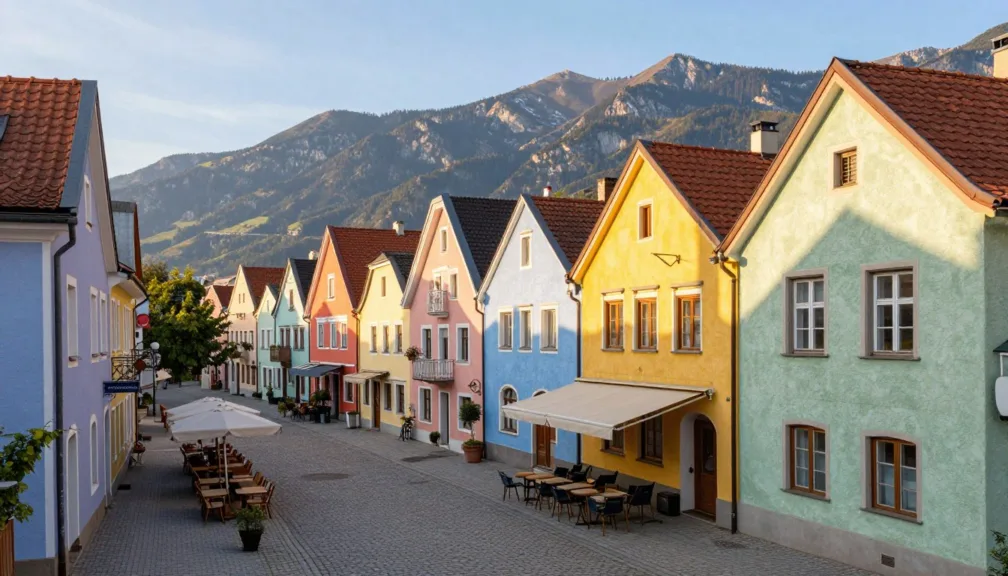

Urban cleanliness has become a defining factor in quality of life. Clean cities offer more than aesthetic appeal. They provide healthier air for residents to breathe and safer water for daily consumption. These urban areas demonstrate commitment to environmental stewardship and public health.
The world’s cleanest cities set benchmarks for others to follow. They implement innovative waste management systems and maintain pristine public spaces. Their success stems from coordinated efforts between government, businesses, and community members.
In 2026, certain countries have emerged as global leaders in urban cleanliness. Their cities showcase advanced pollution control and sustainable practices. This list examines the top 10 countries where clean cities thrive and residents enjoy exceptional environmental quality.
Why Urban Cleanliness Matters for Quality of Life
Clean cities directly impact the health and wellbeing of their residents. Air quality determines respiratory health outcomes across all age groups. Poor air pollution levels contribute to cardiovascular disease and premature mortality. Cities with clean air see reduced healthcare costs and improved life expectancy.
Water quality affects millions who depend on municipal drinking water systems. Contaminated water sources pose serious health risks to entire communities. Clean cities invest in water treatment infrastructure and source protection. These efforts ensure safe drinking water reaches every household.
Waste management excellence prevents environmental degradation and disease transmission. Proper waste disposal systems protect soil quality and groundwater resources. Cities with effective recycling programs reduce landfill dependency. They also create circular economy opportunities that benefit local businesses.
Environmental Benefits
- Reduced greenhouse gas emissions from efficient systems
- Protected ecosystems and biodiversity in urban areas
- Lower pollution levels in air, water, and soil
- Improved climate resilience through green infrastructure
- Enhanced natural resource conservation efforts
Social and Economic Benefits
- Better public health outcomes and lower medical expenses
- Increased property values in clean neighborhoods
- Attractive environment for businesses and talent
- Stronger community pride and civic engagement
- Tourism growth in pristine urban destinations
Green spaces within cities serve multiple functions for residents. Parks and urban forests improve air quality by filtering pollutants. They provide recreational areas that encourage physical activity. These spaces also reduce urban heat island effects during summer months.
Clean streets and well-maintained public areas reflect municipal commitment to residents. They create safer environments and reduce crime rates. Pedestrians feel more comfortable walking through well-kept neighborhoods. This encourages active transportation and reduces vehicle emissions.
Stay Informed About Global Environmental Trends
Receive monthly updates on clean cities, air quality data, and sustainable urban planning initiatives from around the world.
How We Ranked the Cleanest Countries in 2026
Our ranking methodology combines multiple data sources and environmental metrics. We analyzed air quality measurements from monitoring stations across major cities. Water quality assessments included drinking water safety and wastewater treatment effectiveness. Waste management performance considered collection rates, recycling programs, and disposal practices.
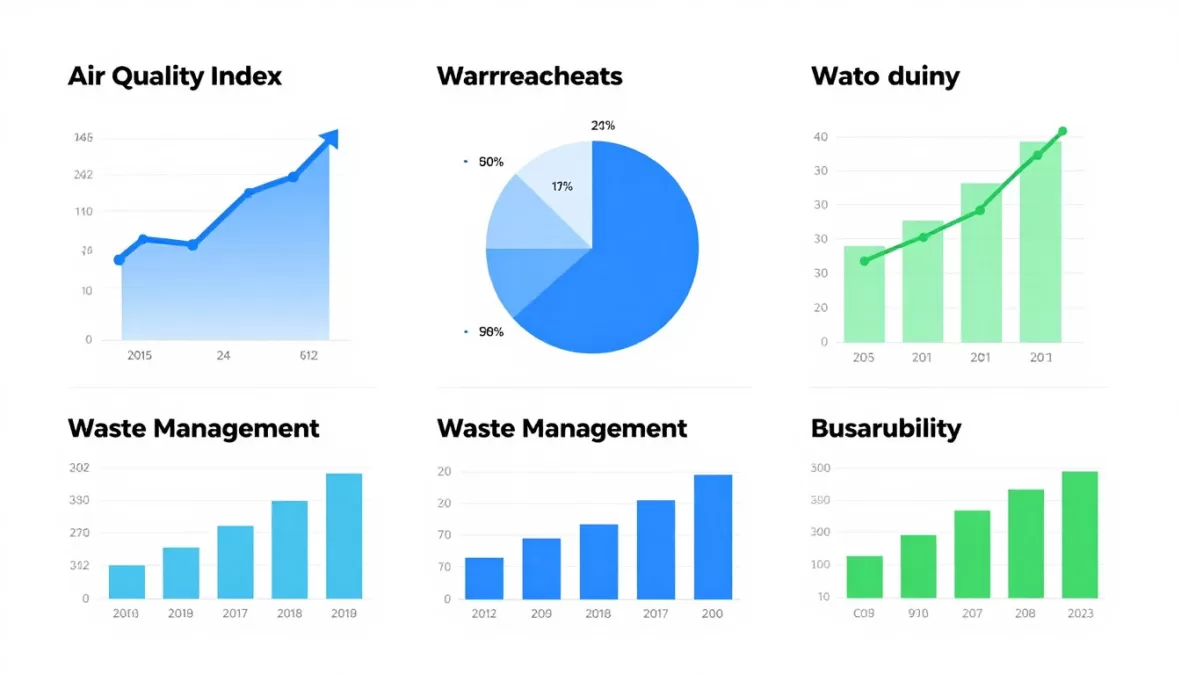
Government environmental policies received careful evaluation in our assessment. We examined regulatory frameworks for emissions control and pollution prevention. Investment in green infrastructure and clean technology innovation factored into scores. Long-term sustainability planning demonstrated country-level commitment to environmental goals.
Citizen feedback and quality of life surveys provided ground-level perspectives. Residents report real experiences with air quality and cleanliness in their neighborhoods. Community satisfaction with waste disposal services reflects system effectiveness. Public health data corroborated environmental quality claims with measurable outcomes.
Air Quality Metrics
We measured particulate matter concentrations and harmful pollutants. Annual averages and peak exposure events both received consideration. Cities showing year-over-year improvement ranked higher in our assessment.
Water Quality Standards
Drinking water purity and source protection programs influenced rankings. Wastewater treatment capacity and efficiency demonstrated infrastructure quality. Coastal cities faced additional evaluation for marine pollution control.
Waste Management Systems
Collection coverage, recycling rates, and composting programs received analysis. Landfill reduction initiatives and circular economy practices earned bonus consideration. Hazardous waste handling procedures ensured comprehensive evaluation.
The 2026 data incorporates the most recent measurements and policy implementations. Some countries showed remarkable improvement from previous years. Others maintained consistently high standards across all measured categories. This dynamic ranking reflects ongoing efforts and recent initiatives.
1. Switzerland: Alpine Excellence in Urban Environmental Quality
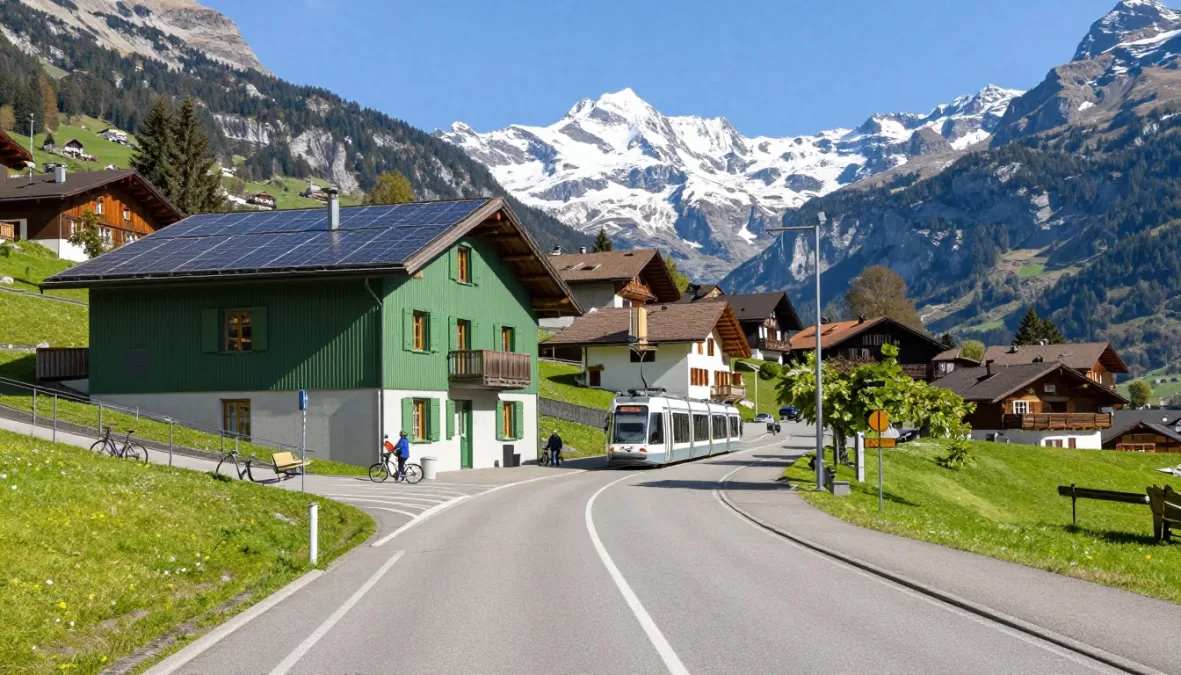
Switzerland claims the top position among countries with the cleanest cities. Zurich, Geneva, and Basel exemplify exceptional air quality and environmental management. The country’s commitment to cleanliness permeates every level of society and governance.
Swiss air quality consistently ranks among the world’s best. Strict emissions regulations limit pollution from vehicles and industrial sources. The country invested heavily in public transportation infrastructure over decades. This reduces dependency on private vehicles in urban areas.
Water quality in Swiss cities meets the highest international standards. Alpine sources provide naturally pure drinking water to most municipalities. Advanced treatment facilities ensure even valley cities maintain pristine water supplies. The country protects watersheds through rigorous environmental legislation.
Waste management in Switzerland operates with precision and efficiency. The country recycles over 50% of municipal waste through comprehensive programs. Residents separate materials into multiple categories for proper recycling. Businesses participate in extended producer responsibility initiatives that minimize waste generation.
Swiss cities feature abundant green spaces integrated into urban planning. Parks and forests occupy significant portions of city areas. These natural areas provide recreation while improving air quality. Urban planners prioritize green infrastructure in all new development projects.
Key Success Factor: Switzerland’s federal system allows cities to implement tailored environmental policies while maintaining national standards. This flexibility enables innovation while ensuring consistency across regions.
2. Finland: Nordic Innovation in Clean Urban Living
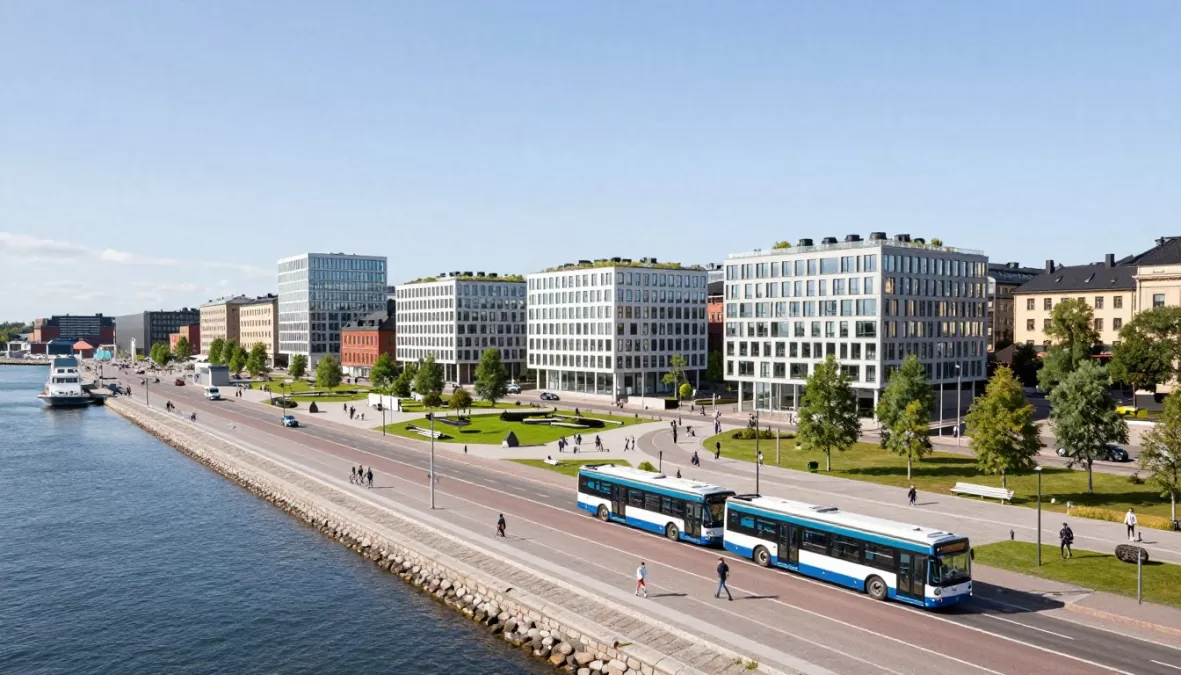
Finland secures second place with its exceptionally clean cities. Helsinki leads Scandinavian cities in environmental quality metrics. The country combines technological innovation with respect for natural environments.
Air pollution levels in Finnish cities remain remarkably low year-round. Cold climate and geographic location provide natural advantages. However, deliberate policy choices amplify these benefits significantly. Finland invested in renewable energy sources for urban heating systems.
Finnish water quality stands among the purest globally. Thousands of lakes provide natural filtration and abundant resources. Municipal water treatment employs cutting-edge technology for additional purification. Residents enjoy drinking water that exceeds international quality standards.
The country pioneered circular economy practices in waste management. Finland aims to eliminate landfills entirely within the next decade. Waste-to-energy facilities convert non-recyclable materials into district heating. These systems serve entire city neighborhoods efficiently.
- Helsinki maintains air quality index readings consistently in the “good” category
- Over 80% of urban waste receives recycling or energy recovery treatment
- Green building standards apply to all new construction projects
- Public transportation runs primarily on renewable electricity
- Urban planning reserves 30% of city areas for green spaces
Finnish cities integrate nature seamlessly into urban environments. Forests exist within city boundaries, accessible to all residents. Coastal cities protect marine environments through strict pollution controls. These efforts maintain biodiversity while supporting urban populations.
Community engagement drives environmental initiatives across Finnish cities. Residents participate actively in recycling programs and environmental planning. Local governments maintain transparent communication about air quality and water safety. This partnership between citizens and authorities ensures sustained environmental excellence.
3. Singapore: Tropical Clean City Innovation

Singapore demonstrates that tropical climates can maintain world-class urban cleanliness. This city-state transformed from developing nation to environmental leader within decades. Strict enforcement and innovative technology create an exceptionally clean city environment.
Air quality management in Singapore addresses unique tropical challenges. High humidity and regional pollution require sophisticated monitoring systems. The country implemented vehicle quota systems to limit emissions. Regular air quality assessments inform public health advisories during poor conditions.
Water management represents Singapore’s most impressive achievement. The country treats all wastewater to ultra-pure standards for drinking. Multiple reservoir systems collect rainwater throughout the urban area. These innovations ensure water security despite limited natural freshwater resources.
Singapore’s waste management efficiency sets global benchmarks. The country incinerates most non-recyclable waste in state-of-the-art facilities. This process generates electricity for the national grid. Ash residue goes to an offshore landfill, minimizing environmental impact.
Singapore’s Strengths
- Comprehensive legal framework with strict enforcement
- Advanced water recycling technology (NEWater system)
- Efficient waste-to-energy infrastructure
- Extensive green building requirements
- Integrated urban planning approach
Challenges
- Regional air pollution from neighboring countries
- Limited space for waste disposal facilities
- High implementation costs for technology
- Dependence on imported resources
- Balancing development with conservation
Green spaces occupy significant portions of Singapore despite dense development. The city-state plants thousands of trees annually along streets and in parks. Vertical gardens on buildings add greenery throughout urban areas. These spaces improve air quality and provide recreation for residents.
Community participation programs educate residents about environmental responsibility. Schools teach waste reduction and recycling from early years. Public campaigns encourage water conservation and energy efficiency. This cultural emphasis on cleanliness reinforces government initiatives.
4. Sweden: Sustainable Urban Development Leader
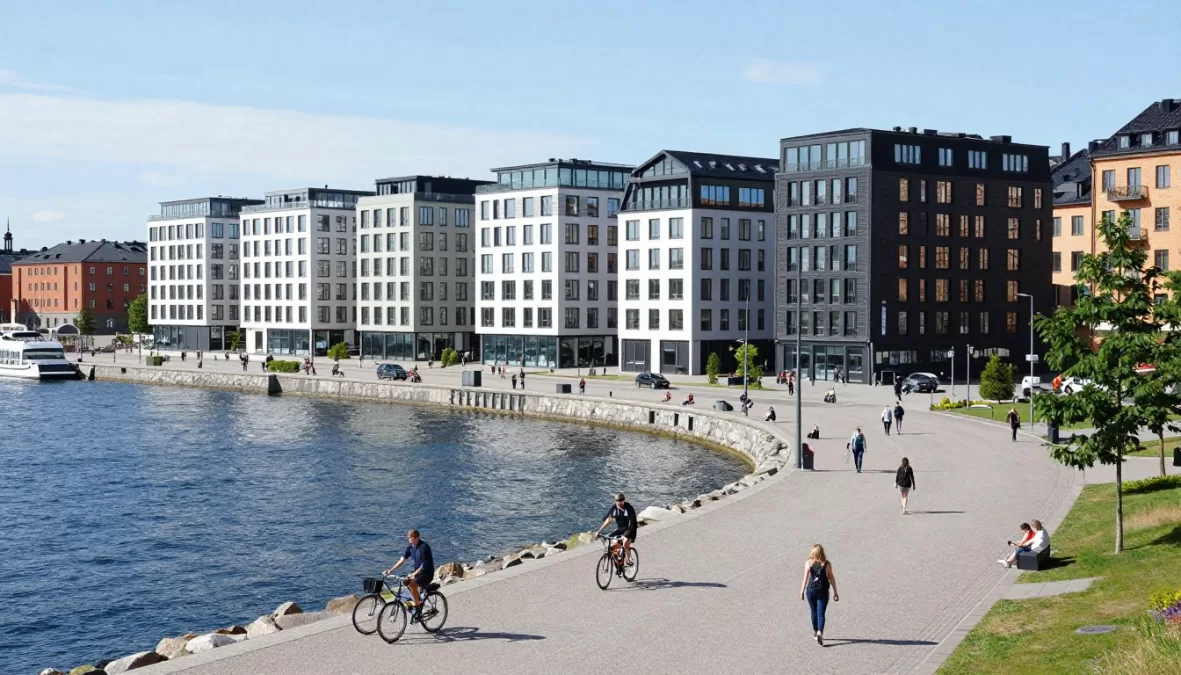
Sweden ranks fourth with consistently clean cities across the country. Stockholm, Gothenburg, and Malmö showcase Swedish environmental commitment. The country balances economic development with stringent environmental protection.
Swedish cities maintain excellent air quality through multiple initiatives. The country leads Europe in renewable energy adoption. District heating systems serve urban areas with minimal emissions. Sweden plans to achieve fossil fuel independence in the coming years.
Water quality in Swedish cities benefits from abundant natural resources. Lakes and Baltic Sea access provide ample freshwater supplies. Advanced treatment ensures drinking water purity throughout distribution systems. The country protects water sources through comprehensive watershed management.
Waste management in Sweden achieves remarkable recycling rates. Less than 1% of household waste reaches landfills nationally. Citizens separate waste into multiple categories at collection points. Waste-to-energy plants convert remaining materials into district heating and electricity.
Swedish urban planning prioritizes pedestrian and bicycle infrastructure. Cities dedicate substantial street space to non-motorized transportation. Public transportation receives heavy investment and ridership incentives. These policies reduce vehicle emissions and improve urban air quality.
- Sweden recycles 99% of household waste through various programs
- Stockholm designated European Green Capital for environmental achievements
- Over 40% of city areas reserved for parks and green spaces
- Public buildings meet strict energy efficiency standards
- Comprehensive monitoring systems track air and water quality continuously
5. Norway: Clean Cities Powered by Nature
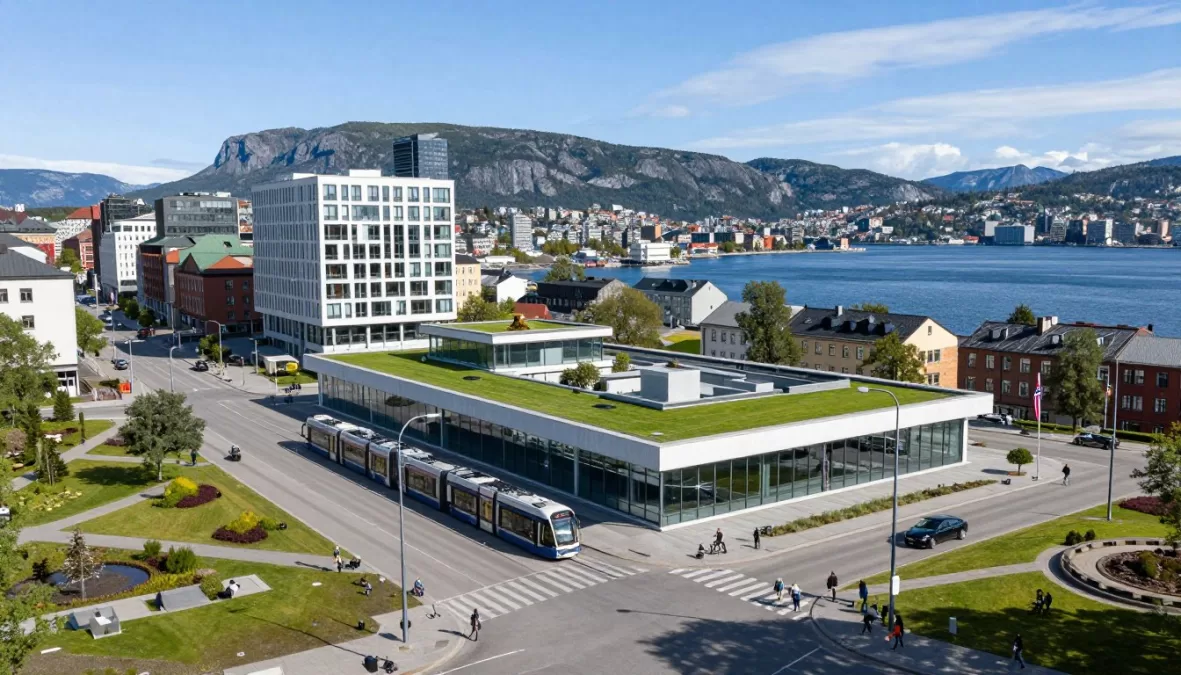
Norway’s cities benefit from abundant natural resources and environmental commitment. Oslo, Bergen, and Trondheim exemplify Nordic urban cleanliness. The country leverages hydroelectric power for nearly emission-free energy production.
Air quality in Norwegian cities ranks among Europe’s finest. Electric vehicle adoption exceeds 80% of new car sales. Public transportation runs almost entirely on renewable electricity. These factors create exceptionally low urban air pollution levels.
Norwegian drinking water comes primarily from pristine mountain sources. Municipalities require minimal treatment due to source water purity. Distribution systems maintain quality through regular monitoring and infrastructure maintenance. Residents enjoy some of the world’s cleanest tap water.
Waste management systems in Norway emphasize reduction and recycling. The country exports waste to Sweden when recycling capacity exceeds supply. Citizens participate actively in deposit-return schemes for bottles and cans. These programs achieve over 90% collection rates for recyclable containers.
Norwegian cities integrate seamlessly with surrounding natural landscapes. Urban planners preserve fjord access and mountain views in development. Green corridors connect city centers with wilderness areas. This approach maintains biodiversity while supporting urban populations.
Download Complete 2026 Clean Cities Report
Access our comprehensive 50-page analysis featuring detailed rankings, environmental data, and best practices from the world’s cleanest cities.
Includes air quality trends, waste management case studies, and implementation guides.
6. Denmark: Cycling Culture and Clean Urban Spaces
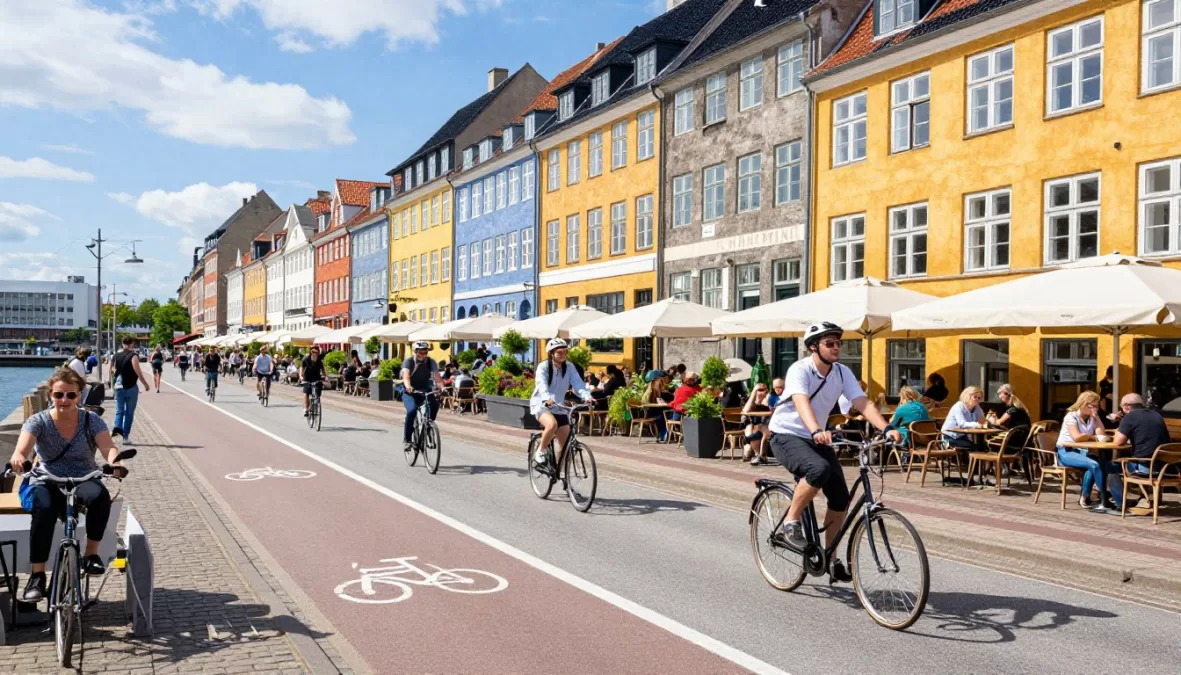
Denmark ranks sixth with cities that prioritize cleanliness and livability. Copenhagen leads global cities in bicycle infrastructure and sustainable transportation. Danish urban planning creates environments that naturally encourage clean practices.
Air quality benefits from Denmark’s extensive cycling culture. Over 60% of Copenhagen residents commute by bicycle daily. This reduces vehicle emissions dramatically in urban areas. The country continues expanding bicycle infrastructure to further encourage this trend.
Danish water quality meets stringent European Union standards consistently. The country protects groundwater sources through agricultural pollution controls. Urban water treatment facilities employ advanced filtration technology. Regular testing ensures drinking water safety throughout distribution networks.
Waste management in Denmark achieves high recycling and recovery rates. Households separate organic waste for composting programs. Municipal collection systems handle multiple waste streams efficiently. Residual waste converts to energy in modern incineration facilities.
Transportation Innovation
Copenhagen invested billions in cycling infrastructure over recent years. Protected bike lanes separate cyclists from vehicle traffic. Bike bridges connect neighborhoods across waterways. These investments created safer, more attractive cycling conditions.
Public transportation complements cycling with efficient metro and bus systems. Integrated ticketing makes multi-modal journeys convenient. Electric buses gradually replace diesel models across the fleet. This transition further reduces urban air pollution.
Green Urban Planning
Danish cities incorporate green spaces throughout urban areas. Pocket parks provide nature access in dense neighborhoods. Larger parks offer recreation and biodiversity preservation. Green roofs on buildings add vegetation while managing stormwater.
Climate adaptation planning addresses future environmental challenges. Copenhagen developed comprehensive flood management systems. These protect the city from rising sea levels and extreme weather. Such forward planning ensures long-term environmental quality.
Community engagement drives environmental improvements in Danish cities. Residents participate in local planning processes actively. Neighborhood associations organize cleanup events and green initiatives. This civic participation strengthens commitment to urban cleanliness.
7. Iceland: Geothermal Energy and Pristine Urban Environments
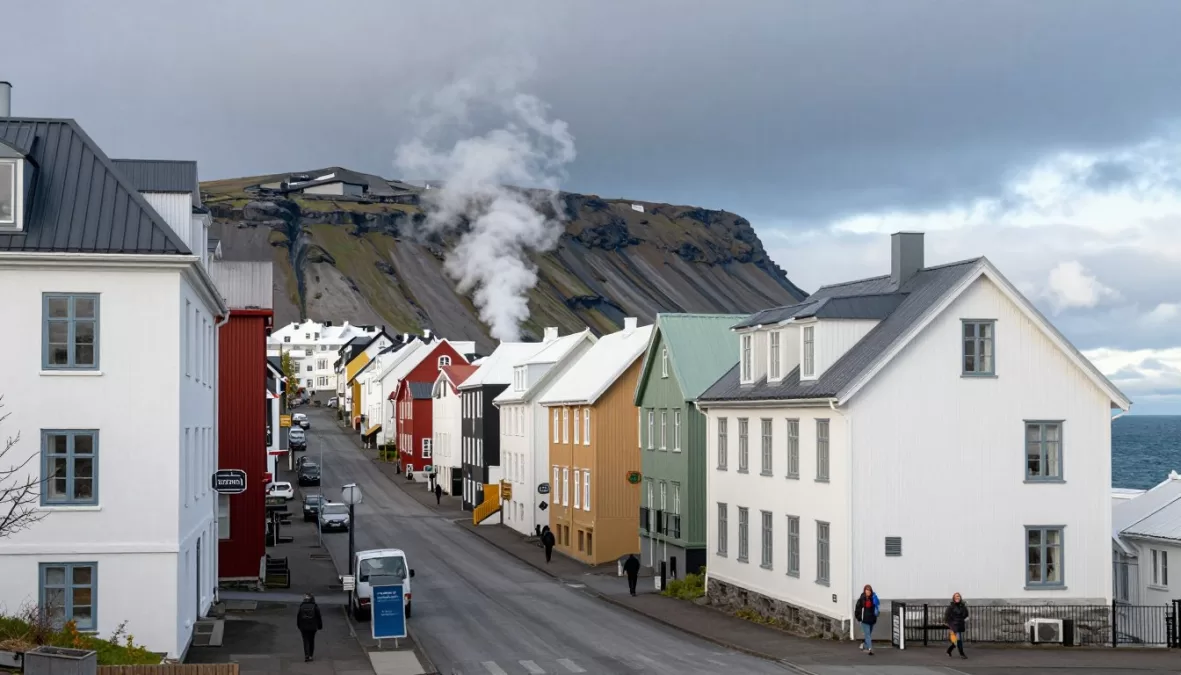
Iceland’s unique geography enables exceptionally clean urban areas. Reykjavik and other cities run entirely on renewable geothermal and hydroelectric energy. This eliminates fossil fuel emissions from heating and electricity generation.
Air quality in Icelandic cities remains pristine due to multiple factors. Remote location limits pollution from external sources. Renewable energy eliminates domestic emissions from power generation. Light vehicle traffic in smaller cities reduces transportation pollution.
Icelandic water quality needs minimal treatment before consumption. Glacial melt and geothermal sources provide naturally pure water. Municipalities monitor quality but rarely require extensive purification. Residents enjoy pure water directly from municipal taps.
Waste management faces unique challenges in Iceland’s small market. The country focuses on waste reduction and selective recycling. Limited population makes some recycling economically challenging. However, waste-to-energy projects convert non-recyclables into useful heat.
- 100% renewable energy for electricity and heating in Reykjavik
- Air pollution levels among lowest measured globally
- Natural geothermal water requires minimal treatment
- Strong environmental education in schools and communities
- Strict regulations protect pristine natural environments
Iceland’s small population enables innovative environmental programs. The country tests new clean technologies in real-world urban settings. Electric vehicle charging infrastructure reaches even remote areas. These initiatives position Iceland as a clean technology laboratory.
8. Austria: Alpine Cities with European Excellence
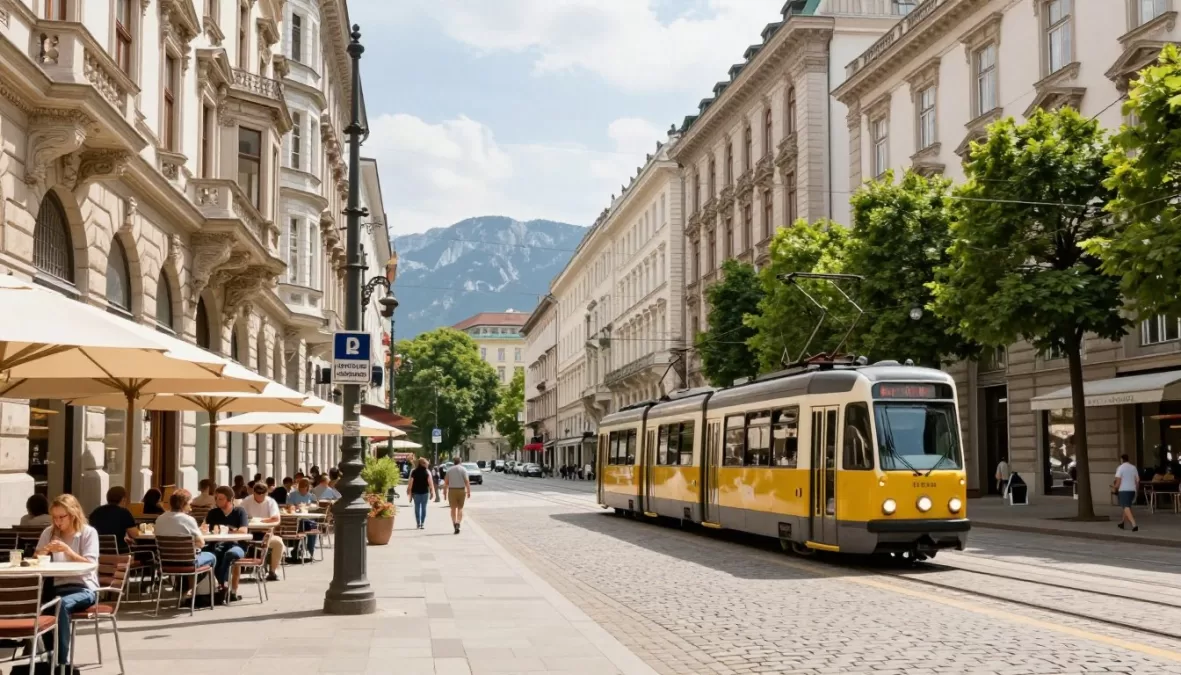
Austria combines historic architecture with modern environmental standards. Vienna consistently ranks among the world’s most livable cities. Salzburg and Innsbruck demonstrate that smaller Austrian cities also achieve exceptional cleanliness.
Austrian air quality benefits from strict emissions regulations. The country limits diesel vehicles in urban centers. Extensive public transportation reduces private vehicle dependency. Alpine location provides clean air that cities work to preserve.
Water quality in Austrian cities draws from Alpine sources. Mountain streams and aquifers provide naturally pure water. Vienna’s water requires no chemical treatment before distribution. Other cities employ minimal purification while maintaining high standards.
Waste management in Austria achieves some of Europe’s highest recycling rates. Households sort waste into multiple categories for collection. Organic waste composting programs operate throughout urban areas. These efforts divert over 60% of waste from landfills.
Austrian cities preserve extensive green spaces despite dense development. Vienna dedicates over half its area to parks and forests. These spaces provide recreation and improve urban microclimates. Green corridors connect neighborhoods with surrounding natural areas.
| City | Population | Air Quality Index | Recycling Rate | Green Space % |
| Vienna | 1.9 million | 28 (Good) | 63% | 53% |
| Salzburg | 156,000 | 24 (Good) | 59% | 47% |
| Innsbruck | 132,000 | 26 (Good) | 61% | 51% |
Public transportation excellence reduces emissions across Austrian cities. Efficient tram and metro systems serve major urban areas. Regional train networks connect cities with surrounding communities. These systems encourage residents to leave cars at home.
9. Germany: Industrial Power with Environmental Responsibility
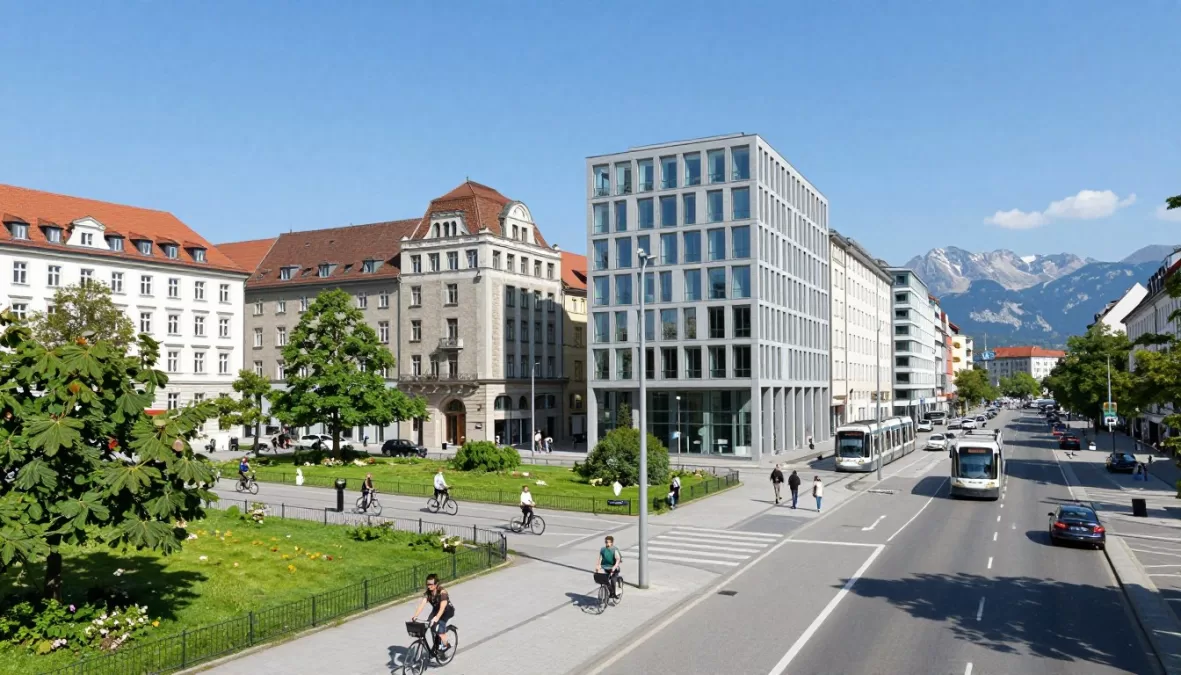
Germany demonstrates that industrial nations can maintain clean cities. Munich, Hamburg, and Berlin combine economic productivity with environmental quality. The country’s engineering expertise applies to environmental protection systems.
German air quality improved dramatically over recent decades. Strict emissions standards for vehicles and industry reduced pollution. Low emission zones in city centers limit older vehicle access. These policies continue improving urban air quality year over year.
Water quality in German cities meets rigorous European standards. Comprehensive wastewater treatment protects rivers and groundwater. Drinking water receives multi-stage purification before distribution. Regular testing ensures consistent quality throughout urban areas.
German waste management leads Europe in recycling achievement. The country pioneered comprehensive sorting systems for households. Deposit schemes for bottles achieve near-perfect return rates. Waste reduction targets drive continuous system improvement.
Cities across Germany invest heavily in green infrastructure. Urban forests and parks provide recreation and environmental services. Green roofs and walls become common on new buildings. These features manage stormwater while improving air quality.
- 66% household waste recycling rate nationally
- Renewable energy provides 50% of electricity
- Comprehensive air quality monitoring networks
- Extensive public transportation infrastructure
- Strong environmental education programs
- Green building standards for new construction
Environmental Achievements
- Expanding electric vehicle charging infrastructure
- Converting coal power plants to renewables
- Implementing circular economy policies
- Protecting urban biodiversity corridors
- Upgrading wastewater treatment facilities
- Developing climate adaptation strategies
Ongoing Initiatives
- Balancing industrial activity with air quality
- Managing population growth in cities
- Financing infrastructure improvements
- Addressing legacy pollution from past decades
- Coordinating policies across federal states
- Meeting ambitious climate neutrality goals
Future Challenges
German cities benefit from strong regulatory frameworks and enforcement. Environmental protection laws apply uniformly across the country. Municipal governments receive resources for implementation programs. This systematic approach ensures consistent environmental quality.
10. New Zealand: Island Nation Environmental Excellence
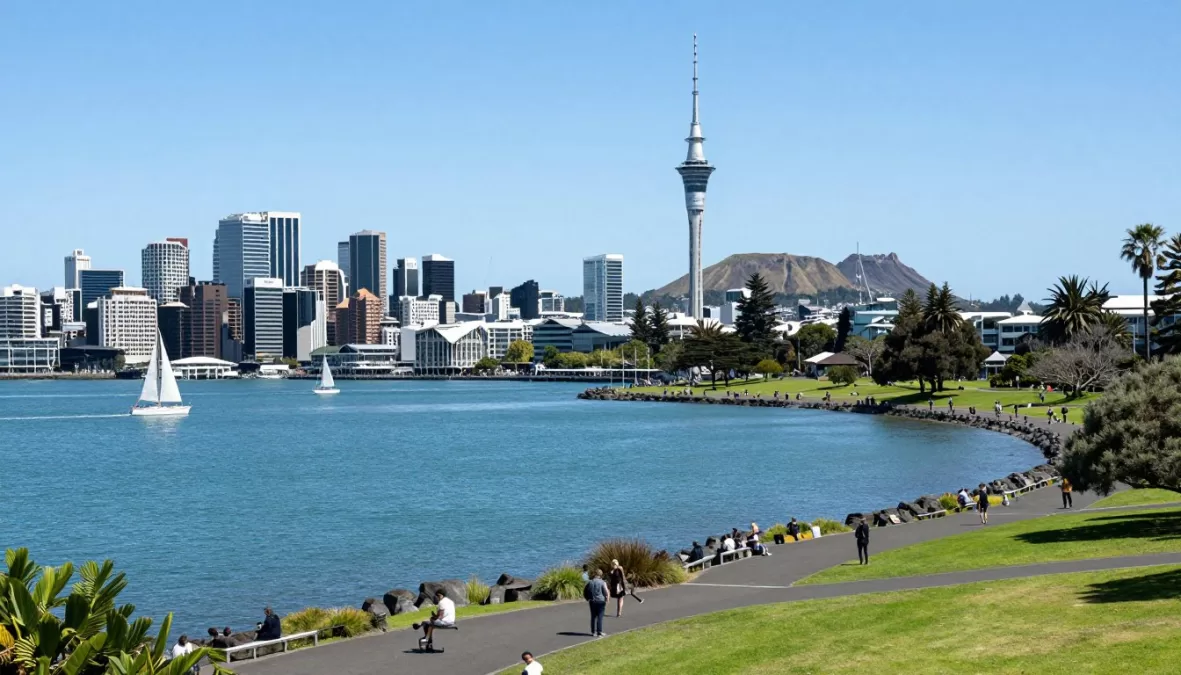
New Zealand completes the top 10 with pristine urban environments. Auckland, Wellington, and Christchurch showcase island nation environmental quality. Geographic isolation and small population support natural cleanliness advantages.
Air quality in New Zealand cities benefits from oceanic location. Sea breezes disperse pollutants effectively in coastal cities. The country maintains strict emissions standards for vehicles. Wood burning restrictions in winter protect air quality during colder months.
New Zealand water quality ranks among the world’s finest. Mountain sources and careful watershed management ensure purity. Drinking water standards exceed international requirements in most areas. The country protects water resources through comprehensive environmental legislation.
Waste management in New Zealand focuses on reduction and diversion. Many cities banned single-use plastic bags and other items. Recycling programs continue expanding to include more materials. Organic waste collection serves growing portions of urban populations.
Green spaces occupy substantial portions of New Zealand cities. Regional parks bring wilderness close to urban areas. Coastal reserves protect beaches and marine environments. These natural areas contribute to high quality of life for residents.
- Auckland maintains air quality in excellent range year-round
- Wellington drinking water comes from protected forest catchments
- Christchurch rebuilt with sustainability after earthquake damage
- National parks accessible within short drives from cities
- Strong Māori cultural connection to environmental stewardship
New Zealand cities incorporate indigenous environmental values into planning. Māori concepts of guardianship influence resource management. This cultural perspective reinforces environmental protection efforts. It creates unique approaches that combine traditional and modern practices.
Common Factors Behind Clean City Success
The top-ranked countries share several characteristics that enable clean cities. Strong governance and regulatory frameworks provide foundation for environmental quality. These nations enforce environmental laws consistently across jurisdictions. Penalties for violations deter pollution while rewarding compliance.
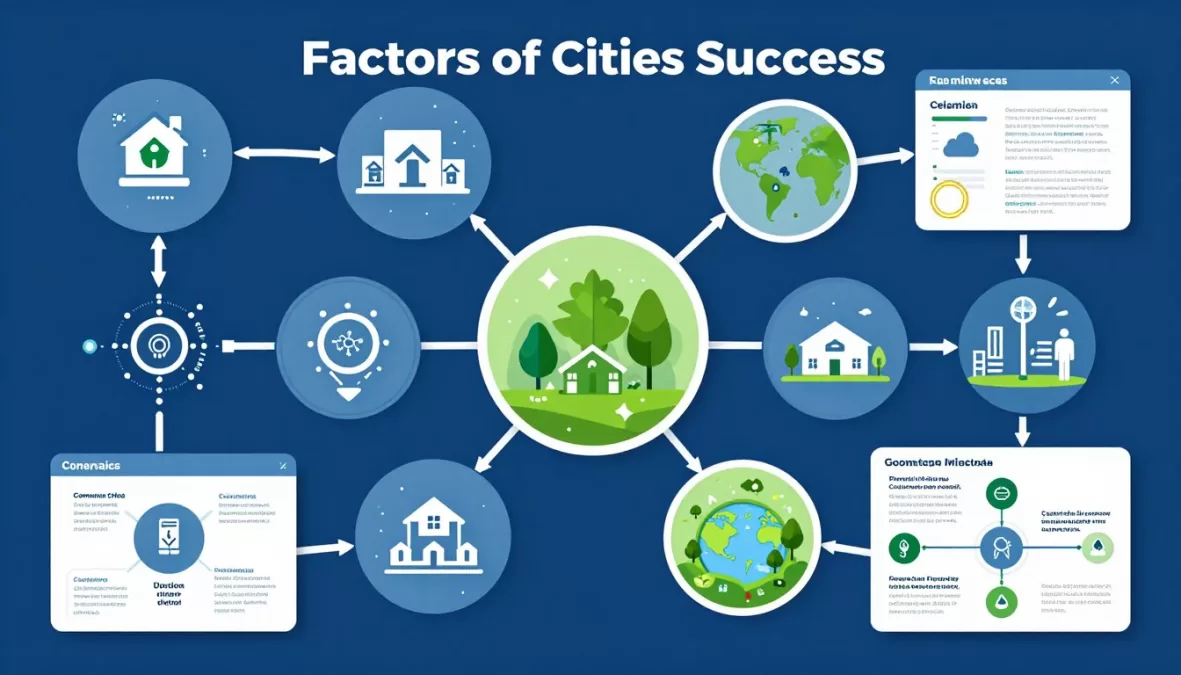
Investment in infrastructure separates leaders from followers in urban cleanliness. Clean cities dedicate resources to waste management systems and water treatment. Public transportation receives substantial funding for expansion and improvement. These investments pay long-term dividends in environmental quality and public health.
Technological innovation enables more efficient environmental management. Smart city systems monitor air quality in real time. Advanced water treatment achieves higher purity levels cost-effectively. Waste sorting technology improves recycling rates while reducing labor costs.
Policy and Governance
Effective environmental policies require political will and public support. Clean cities maintain regulations across political transitions. Long-term planning extends beyond electoral cycles. Transparent governance builds trust and encourages compliance.
Economic Resources
Environmental quality requires sustained financial commitment. Wealthy nations afford more comprehensive systems. However, efficient design maximizes results from available resources. Strategic prioritization achieves cleanliness even with budget constraints.
Cultural Values
Societal attitudes toward cleanliness influence outcomes significantly. Cultures valuing public spaces maintain them better. Environmental education shapes future generations’ behaviors. Community pride motivates individuals to preserve clean environments.
Public participation proves essential for sustained environmental quality. Residents must embrace recycling and waste reduction practices. Community monitoring supplements official enforcement efforts. Civic engagement creates social pressure that reinforces regulations.
Geographic advantages benefit some countries naturally. Coastal locations provide sea breezes that disperse air pollution. Mountain water sources require less treatment than lowland alternatives. However, policy choices determine whether countries maximize these advantages.
Climate considerations affect environmental management strategies differently. Cold climates face heating emission challenges that warm regions avoid. Tropical areas deal with rapid organic waste decomposition. Successful cities adapt approaches to local conditions while maintaining high standards.
What Other Countries Can Learn from Clean City Leaders
Countries seeking cleaner cities can adopt proven strategies from leaders. Comprehensive planning provides roadmap for environmental improvement. Setting measurable goals with timelines enables progress tracking. Regular assessment identifies areas needing additional attention or resources.
Starting with quick wins builds momentum for larger initiatives. Simple measures like increased street cleaning show immediate results. These visible improvements demonstrate commitment while preparing for complex projects. Public support grows when residents see tangible environmental improvements.
Practical Implementation Steps
- Conduct comprehensive environmental quality assessment across all cities
- Establish clear air quality and water safety standards
- Develop waste management infrastructure with recycling emphasis
- Invest in public transportation to reduce vehicle emissions
- Create green spaces through urban planning requirements
- Implement environmental education in schools and communities
- Monitor progress with transparent public reporting systems
Common Implementation Challenges
- Securing sustained funding across political cycles
- Changing established cultural habits and behaviors
- Coordinating across different government levels
- Balancing environmental goals with economic development
- Addressing existing pollution and infrastructure deficits
- Maintaining public support during transition periods
- Adapting international best practices to local contexts
International cooperation accelerates environmental improvement efforts. Cities share best practices through global networks and organizations. Technology transfer helps developing nations access proven solutions. Financial assistance programs support environmental infrastructure in poorer countries.
Regulatory harmonization enables regional environmental quality improvements. Cross-border pollution requires coordinated responses from multiple countries. Shared water resources need cooperative management frameworks. Regional agreements create level playing fields for environmental standards.
Private sector engagement multiplies public environmental efforts. Businesses innovate solutions for waste reduction and emissions control. Corporate sustainability programs complement government regulations. Public-private partnerships finance major infrastructure projects effectively.
Important Consideration: Environmental improvement is a gradual process requiring sustained commitment. Cities should set realistic timelines and celebrate incremental progress while working toward ambitious long-term goals.
Future Trends in Urban Environmental Quality

Emerging technologies promise further improvements in urban cleanliness. Artificial intelligence optimizes waste collection routes and schedules. Sensor networks provide real-time data on air quality and pollution sources. These innovations enable faster responses to environmental challenges.
Climate change adaptation becomes increasingly important for cities. Rising temperatures affect air quality and waste management systems. Extreme weather events test infrastructure resilience and recovery capabilities. Forward-looking cities integrate climate projections into environmental planning.
Circular economy principles gain adoption in urban waste management. Cities design systems that eliminate waste through reuse and recycling. Product stewardship programs shift responsibility to manufacturers. These approaches fundamentally change how cities handle materials and resources.
Green building standards continue evolving toward net-zero emissions. New construction incorporates renewable energy and water recycling. Existing buildings undergo retrofits to improve environmental performance. These changes reduce urban environmental footprints substantially over time.
Smart City Integration
Digital technology enables comprehensive environmental monitoring and management. Real-time data informs immediate responses to pollution events. Predictive analytics optimize resource allocation for maximum impact.
Renewable Energy Expansion
Cities transition away from fossil fuels for all energy needs. Solar and wind installations increase throughout urban areas. Energy storage technology enables reliable renewable power supply.
Nature-Based Solutions
Green infrastructure manages stormwater and improves air quality. Urban forests and wetlands provide ecosystem services. These natural systems complement traditional infrastructure cost-effectively.
Electric vehicle adoption transforms urban transportation emissions. Charging infrastructure expands to support growing electric fleets. Public transportation electrification eliminates major pollution sources. These changes create quieter, cleaner city environments.
Citizen science programs engage residents in environmental monitoring. Smartphone apps enable widespread air and water quality reporting. Community data supplements official monitoring networks. This participation builds environmental awareness while improving data coverage.
Health Benefits of Living in Cleanest Cities
Residents of clean cities enjoy measurable health advantages. Reduced air pollution decreases respiratory disease incidence significantly. Lower exposure to particulate matter reduces cardiovascular problems. These health improvements translate to longer life expectancy and better quality of life.
Clean drinking water prevents waterborne disease outbreaks. Proper waste disposal eliminates disease vector breeding grounds. These basic sanitation services protect public health fundamentally. Clean cities report lower rates of preventable illnesses.
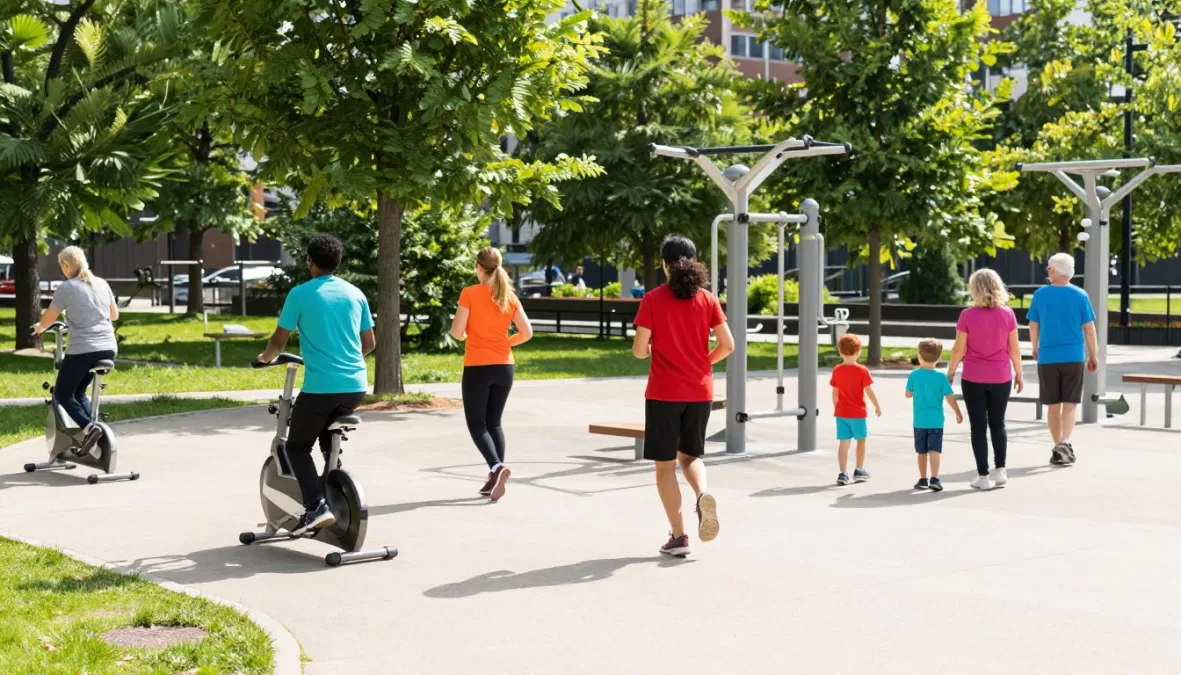
Mental health benefits from clean urban environments deserve recognition. Green spaces provide stress reduction and mental restoration. Clean, well-maintained neighborhoods reduce anxiety and depression. These psychological benefits complement physical health improvements.
Children in clean cities develop healthier respiratory systems. Reduced pollution exposure during critical growth periods prevents chronic conditions. Clean play spaces encourage outdoor activity and physical development. These early-life advantages provide lifelong benefits.
- 30% lower rates of respiratory illness in clean versus polluted cities
- Reduced hospital admissions for pollution-related conditions
- Improved cognitive development in children breathing clean air
- Lower healthcare costs for residents and governments
- Increased life expectancy correlating with environmental quality
- Better birth outcomes in areas with clean air and water
Outdoor recreation opportunities increase when cities maintain clean environments. Residents feel comfortable using parks and public spaces. Physical activity levels rise when outdoor air quality permits exercise. These behavioral changes contribute to overall community health.
Economic Impacts of Urban Cleanliness
Clean cities attract business investment and talented workers. Companies consider environmental quality when choosing locations. Knowledge workers prioritize quality of life in career decisions. Clean cities gain competitive advantages in attracting economic activity.
Property values increase in neighborhoods with superior environmental quality. Homes near parks and in clean air zones command premium prices. Real estate markets reflect resident willingness to pay for cleanliness. These value increases benefit homeowners and municipal tax revenues.
Tourism grows in cities known for environmental quality and cleanliness. Visitors appreciate clean streets, fresh air, and accessible green spaces. Cultural attractions gain appeal when surrounded by pleasant environments. Tourism revenue supports local businesses and employment.
Healthcare cost savings from improved environmental quality benefit everyone. Fewer pollution-related illnesses reduce medical system burdens. Prevention proves less expensive than treating environmental diseases. These savings free resources for other community needs and services.
Economic Fact: Studies show every dollar invested in air quality improvement returns $30 in health cost savings and productivity gains over a decade.
Clean cities develop environmental technology sectors that drive innovation. Local companies create solutions for waste management and pollution control. These businesses export expertise to other regions globally. Environmental leadership creates economic opportunities beyond direct benefits.
Labor productivity increases when workers breathe clean air. Reduced sick days mean more consistent workforce availability. Mental clarity improves in low-pollution environments. These factors contribute to economic competitiveness and business success.
Challenges Cities Face in Achieving Cleanliness
Financial constraints limit environmental improvement efforts in many cities. Infrastructure upgrades require substantial capital investment. Operating budgets must cover ongoing maintenance and programs. Poorer cities struggle to afford systems that wealthy cities implement easily.
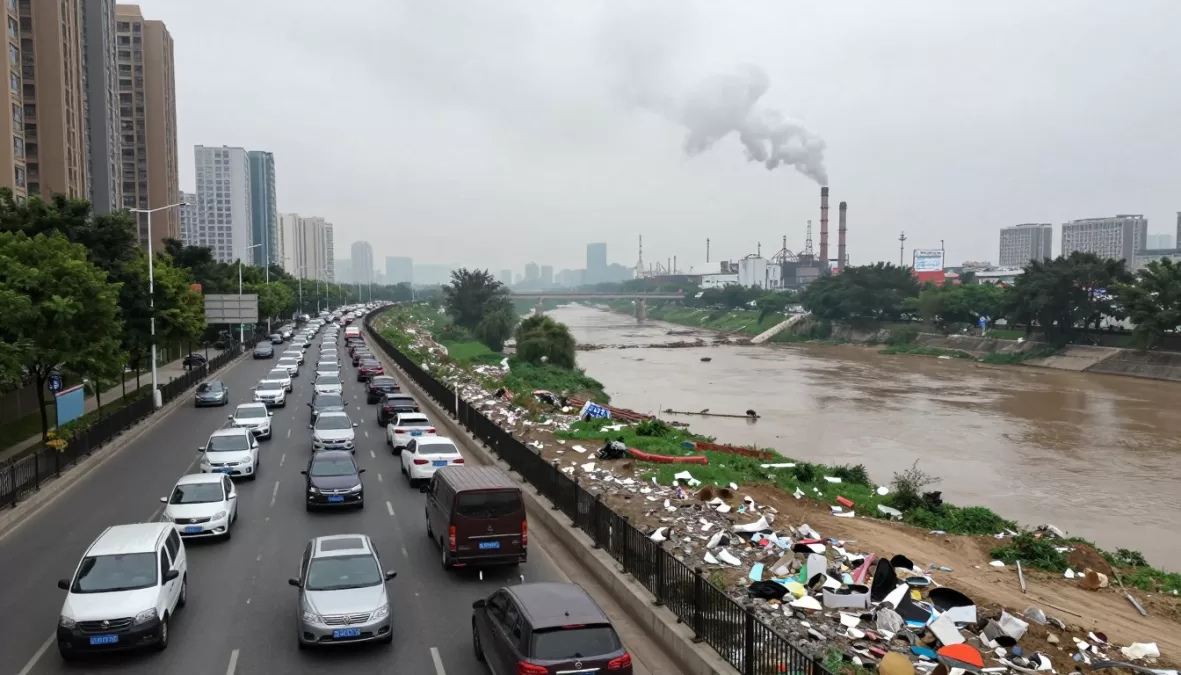
Political challenges complicate long-term environmental planning. Electoral cycles create pressure for short-term results over sustained efforts. Leadership changes disrupt program continuity and priorities. Building consensus across political divisions requires skill and persistence.
Behavioral change proves difficult despite clear benefits. Established habits resist modification even with incentives. Cultural attitudes toward waste and cleanliness vary significantly. Education programs require years to shift community norms effectively.
Critical Challenge: Rapid urbanization in developing countries creates environmental pressures faster than cities can build management capacity. This requires innovative approaches beyond simply copying solutions from developed nations.
Geographic and climatic factors create unique challenges for different cities. Desert locations face water scarcity affecting cleaning capabilities. High humidity accelerates waste decomposition and odor problems. Mountain valleys trap air pollution that coastal cities disperse naturally.
Legacy pollution from past industrial activity requires expensive remediation. Contaminated sites pose health risks until properly cleaned. Old infrastructure needs replacement but continues operating while funding accumulates. These historical burdens slow progress toward cleanliness goals.
- Coordinating multiple government agencies with overlapping jurisdictions
- Balancing environmental regulations with economic development needs
- Maintaining public support during difficult transition periods
- Addressing informal settlements lacking basic services
- Managing population growth that strains existing infrastructure
- Adapting to climate change impacts on environmental systems
Technology Innovations Supporting Clean Cities
Advanced sensors enable continuous air quality monitoring throughout cities. Networks of monitoring stations provide detailed pollution mapping. Real-time data helps authorities respond quickly to pollution events. Public access to this information empowers residents to protect their health.
Waste sorting robots improve recycling facility efficiency and accuracy. Artificial intelligence identifies materials faster than human workers. Automation reduces labor costs while increasing recovery rates. These technologies make recycling economically viable for more materials.
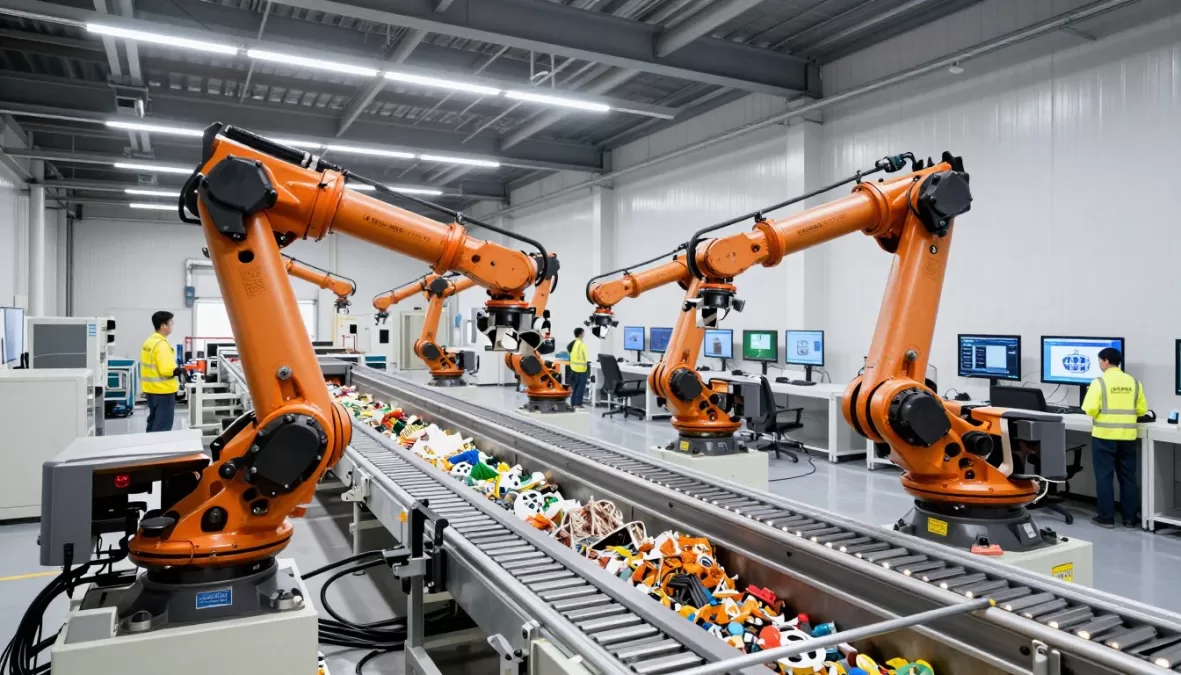
Electric buses and trucks eliminate tailpipe emissions from public fleets. Battery technology improvements extend vehicle range and reduce costs. Charging infrastructure expands to support growing electric vehicle adoption. These changes transform urban air quality in high-traffic areas.
Smart water systems detect leaks and optimize distribution efficiency. Sensors monitor water quality throughout distribution networks continuously. Automated controls adjust treatment processes based on source water conditions. These systems reduce waste while ensuring consistent safety.
Air Quality Management
- Low-cost sensor networks for comprehensive monitoring
- AI-powered pollution source identification
- Predictive modeling for air quality forecasts
- Mobile monitoring units for temporary events
Waste Management
- Smart bins that signal when full
- Route optimization software for collection trucks
- Automated underground collection systems
- Chemical recycling for complex plastics
Water Systems
- Advanced membrane filtration technology
- UV disinfection replacing chlorination
- Smart meters reducing consumption
- Real-time contamination detection
Building management systems optimize energy use and reduce emissions. Automated controls adjust heating, cooling, and lighting based on occupancy. Integration with smart grids enables demand response during peak periods. These systems reduce building environmental footprints significantly.
Drone technology supports environmental monitoring in hard-to-reach areas. Aerial surveys identify illegal dumping and pollution sources. Thermal imaging detects methane leaks from waste facilities. These tools extend monitoring capabilities cost-effectively.
Role of Community Engagement in Clean Cities
Successful environmental programs require active community participation. Residents must understand why initiatives matter and how to participate. Clear communication builds support for policies that may cause short-term inconvenience. Transparency about goals and progress maintains public trust and engagement.
Neighborhood organizations mobilize local action for cleanliness improvements. Community cleanup events remove litter and illegal dumping. Local monitoring programs identify problem areas needing attention. These grassroots efforts complement official programs effectively.

Schools play critical roles in environmental education for future generations. Children learn recycling, conservation, and pollution prevention from early ages. Student projects raise awareness about local environmental issues. These programs create cultural change over time as students influence families.
Citizen science programs engage residents in data collection and monitoring. Volunteers measure air quality, water conditions, or biodiversity. This participation builds environmental awareness while expanding data coverage. Community-generated data often identifies problems overlooked by official monitoring.
- Establish clear channels for community input on environmental planning
- Provide accessible information about air and water quality conditions
- Support neighborhood environmental improvement initiatives financially
- Recognize and celebrate community environmental achievements publicly
- Include diverse community voices in decision-making processes
- Offer training programs for community environmental monitors
- Create feedback mechanisms so residents see how input affects policies
Social media platforms enable rapid communication about environmental issues. Residents report problems like illegal dumping or air quality concerns. Authorities respond publicly, demonstrating accountability and responsiveness. These platforms create two-way communication that strengthens programs.
Environmental justice considerations ensure all neighborhoods benefit from improvements. Historically disadvantaged areas often face worse pollution exposure. Targeted investments address these disparities in environmental quality. Community engagement ensures solutions meet actual neighborhood needs and priorities.
Take Action for Cleaner Cities
Join thousands of environmental advocates, urban planners, and concerned citizens working toward cleaner, healthier cities worldwide. Access exclusive resources, connect with experts, and stay informed about the latest developments in urban environmental quality.
Monthly Newsletter
Receive detailed analysis of global clean city trends, new research findings, policy developments, and success stories from urban environmental programs.
Resource Library
Download comprehensive guides, case studies, implementation toolkits, and research reports on air quality, waste management, and urban sustainability best practices.
Community Network
Connect with environmental professionals, city officials, and advocates from clean cities worldwide. Share experiences, ask questions, and collaborate on solutions.
Over 50,000 professionals trust our research and insights. Free access, no credit card required.
Conclusion: The Future of Clean Cities
The top 10 countries with the cleanest cities demonstrate that urban environmental excellence is achievable. Switzerland, Finland, Singapore, Sweden, and Norway lead through sustained commitment and smart policies. Denmark, Iceland, Austria, Germany, and New Zealand complete the list with impressive environmental achievements.
These countries share common characteristics that enable their success. Strong governance provides consistent environmental protection across political changes. Substantial infrastructure investment creates systems that manage waste, water, and air quality effectively. Technological innovation improves efficiency while reducing costs over time.
Community engagement proves essential for sustained environmental quality. Residents must participate in recycling programs and conservation efforts. Cultural values supporting cleanliness reinforce regulatory requirements. This combination of top-down and bottom-up approaches achieves best results.
Other countries can learn valuable lessons from these clean city leaders. Starting with comprehensive assessment identifies priority areas for improvement. Setting clear goals with measurable targets enables progress tracking. Celebrating incremental achievements maintains momentum toward ambitious objectives.
The benefits of clean cities extend beyond environmental metrics. Better health outcomes reduce healthcare costs and improve quality of life. Economic advantages include attracting investment and talented workers. These multiple benefits justify the investments required for environmental excellence.
Future trends promise continued improvement in urban environmental quality. Smart city technologies enable better monitoring and management. Circular economy principles fundamentally change waste handling approaches. Climate adaptation planning prepares cities for environmental challenges ahead.
Urban cleanliness represents both challenge and opportunity for cities worldwide. The examples set by leading countries prove that clean cities are possible. With commitment, investment, and community participation, more cities can join the ranks of the world’s cleanest urban areas. The health and prosperity of billions of urban residents depend on making this vision reality.

Priyanka Pandey
Senior Research Editor · Top10Sense
Priyanka specializes in tech, consumer products, and digital trends. She combines hands-on testing, vendor interviews, and database research to create trustworthy “Top 10” rankings. Her work has been referenced by industry blogs and brand report pages.