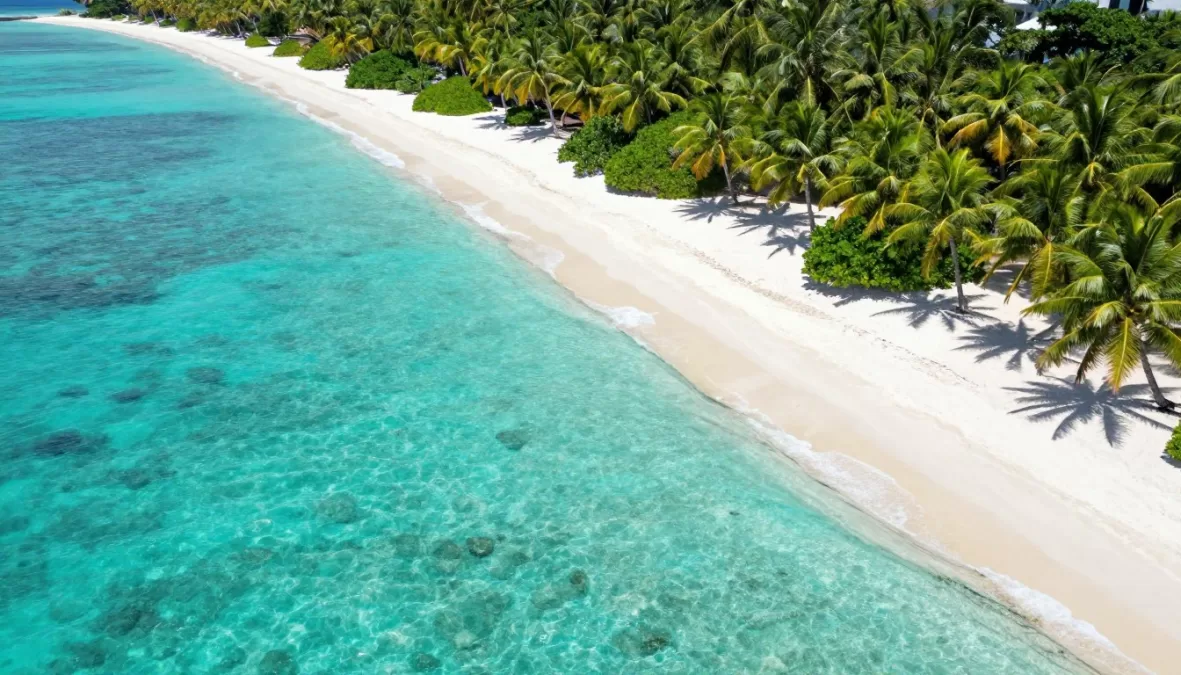
Picture yourself stepping onto powdery white sand as turquoise waters lap at your feet. The warm sun kisses your skin while palm trees sway gently in the tropical breeze. This dream becomes reality on the world’s most beautiful islands.
These paradises offer more than just stunning beaches. Each island delivers unique experiences that create memories lasting a lifetime. From vibrant coral reefs to lush rainforests, these destinations showcase nature at its finest.
This comprehensive guide explores ten extraordinary islands that define tropical perfection. You will discover what makes each place special and why travelers from around the world add these spots to their bucket list. Whether you seek adventure or relaxation, these island destinations deliver unforgettable experiences.
Bora Bora: The Pearl of the South Pacific
Location and Overview
Bora Bora sits in the heart of French Polynesia, approximately 160 miles northwest of Tahiti. This small island measures just six miles long and spans 2.5 miles at its widest point. Mount Otemanu, an extinct volcano, rises 2,385 feet above the turquoise lagoon.
The island belongs to the Society Islands archipelago. A protective coral reef encircles the main island, creating one of the most beautiful lagoons on Earth. Crystal-clear waters showcase every shade of blue imaginable.
Natural Beauty and Key Attractions
The lagoon remains Bora Bora’s crown jewel. Waters here display remarkable clarity, allowing visibility down to 100 feet in some spots. The barrier reef teems with colorful tropical fish, manta rays, and gentle reef sharks.
Overwater bungalows define the luxury accommodation experience. These iconic structures perch above the lagoon on stilts, offering direct access to the warm waters below. Many feature glass floor panels for observing marine life without getting wet.
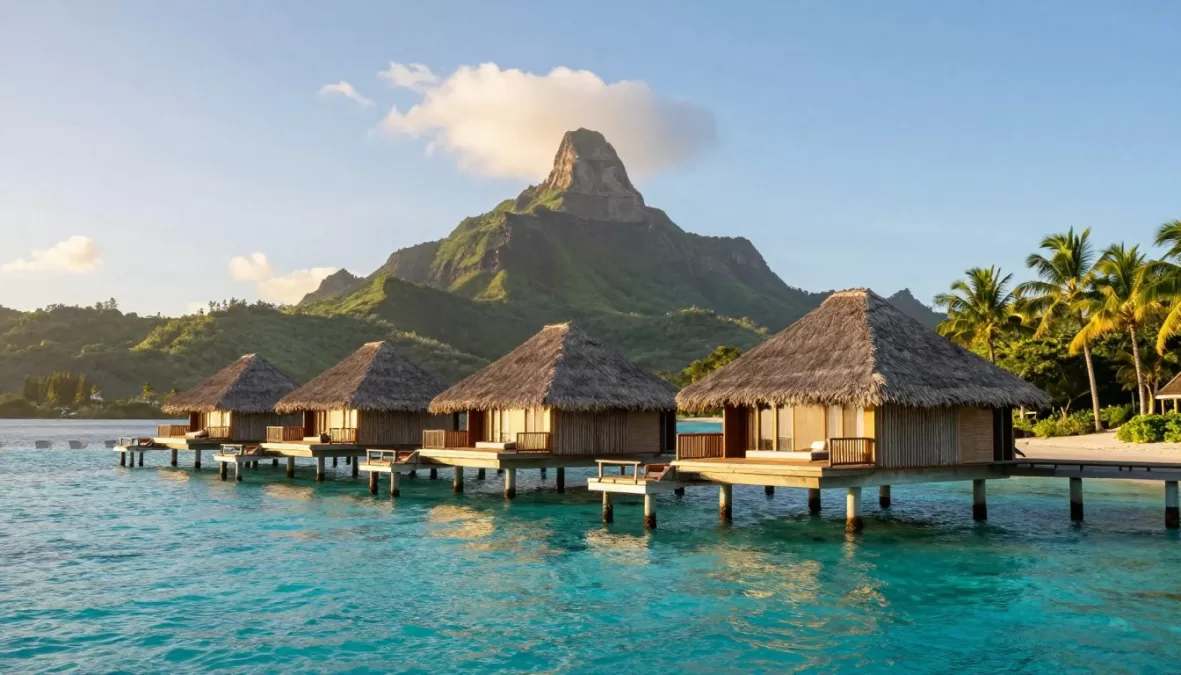
Matira Beach stretches along the southern tip of the main island. This public beach boasts incredibly soft white sand and shallow, calm waters perfect for swimming. The beach offers stunning sunset views year-round.
Coral gardens surrounding the island provide exceptional snorkeling opportunities. Visitors encounter sea turtles, reef sharks, and countless species of tropical fish. The Coral Garden spot near the main island ranks among the best in the South Pacific.
Activities and Experiences
Water activities dominate the Bora Bora experience. Lagoon tours take visitors to multiple snorkeling spots throughout the day. These tours often include feeding stingrays and swimming alongside blacktip reef sharks in shallow water.
Diving enthusiasts find world-class sites around the island. The Tapu dive spot features a stunning coral wall dropping into deep blue water. Divers regularly encounter eagle rays, barracudas, and napoleon wrasse at this location.
Hiking trails lead to panoramic viewpoints. The climb to Mount Pahia summit takes about two hours but rewards hikers with breathtaking 360-degree views. The trail passes through tropical vegetation and offers glimpses of the island’s interior beauty.
Best Time to Visit
The dry season runs from May through October. These months offer the most sunshine and lowest rainfall. Temperatures remain consistently warm, ranging from 75 to 85 degrees Fahrenheit.
The wet season spans November through April. While rainfall increases during these months, showers typically arrive as brief tropical downpours. This period sees fewer tourists and lower prices at resorts.
Peak travel season occurs during July and August. Prices reach their highest levels, and popular spots see more visitors. Booking accommodations several months in advance becomes essential during this time.
Ready to Experience Bora Bora?
Compare prices on overwater bungalows and find the perfect resort for your island escape. Book with confidence and free cancellation options.
Maldives: Scattered Gems in the Indian Ocean
Geographic Wonder
The Maldives consists of 1,192 coral islands grouped into 26 natural atolls. These islands stretch across 35,000 square miles in the Indian Ocean, southwest of Sri Lanka. The entire country sits at an average elevation of just 4.9 feet above sea level.
Each atoll forms a ring-shaped coral reef surrounding a lagoon. These natural formations create protected waters with exceptional clarity. The Maldives represents one of the most geographically dispersed countries on Earth.
Island Paradise Features
White sand beaches circle nearly every inhabited island. The sand maintains its cool temperature even under the intense tropical sun due to its coral composition. These beaches slope gently into warm, calm lagoon waters.
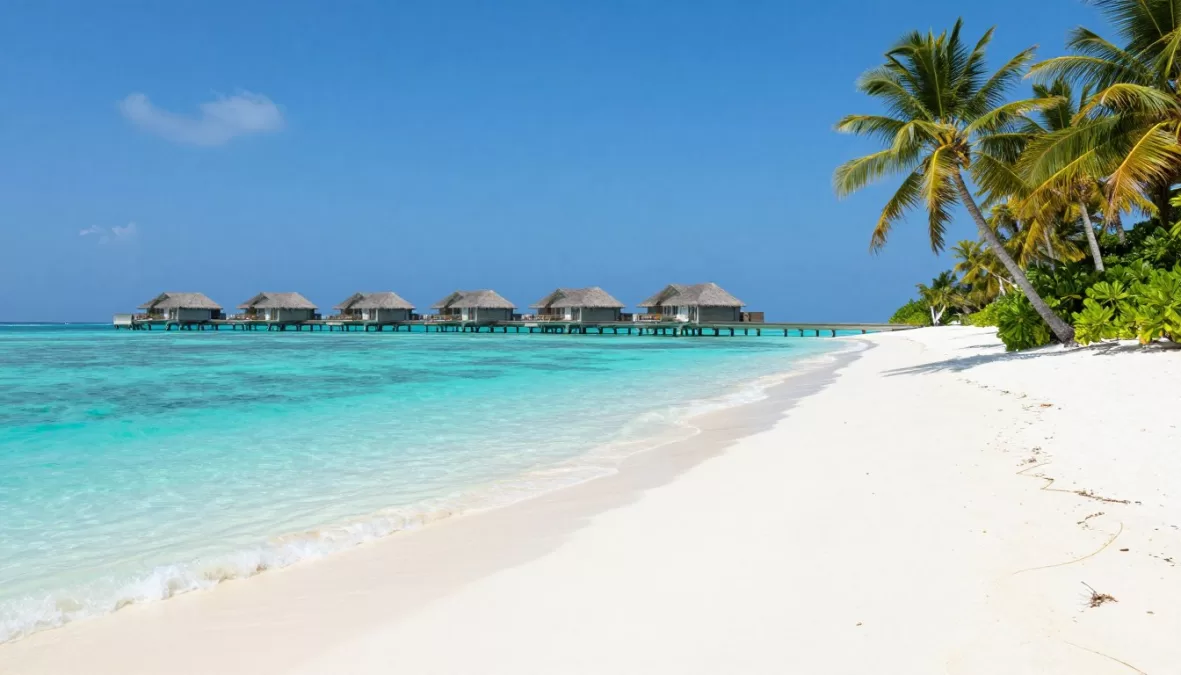
The underwater world surrounding these islands rivals any place on Earth. House reefs lie just steps from many resort beaches. Snorkelers encounter sea turtles, dolphins, and an incredible variety of reef fish within minutes of entering the water.
Bioluminescent plankton creates magical nighttime displays in some locations. These tiny organisms glow blue when disturbed, turning the water into a starry wonderland. Vaadhoo Island becomes particularly famous for this natural phenomenon.
Marine Life and Diving
The Maldives ranks among the world’s premier diving destinations. Over 2,000 species of fish inhabit the surrounding waters. Divers regularly encounter manta rays at cleaning stations throughout the archipelago.
Whale shark sightings occur frequently between May and November. These gentle giants congregate in Maldivian waters to feed on plankton. Swimming alongside the largest fish in the ocean creates an unforgettable experience.
Thilas, underwater mountains rising from the ocean floor, provide thrilling drift dives. Strong currents carry divers past coral pinnacles teeming with marine life. These sites attract large schools of fish and pelagic species.
Island Resorts and Accommodation
Most resort islands in the Maldives operate as single-resort destinations. Visitors reach these islands by speedboat or seaplane from the capital, Male. This isolation ensures ultimate privacy and exclusivity.
Overwater villas have become synonymous with Maldivian luxury. These accommodations feature private decks, direct lagoon access, and glass floors for marine life viewing. Many include private pools and outdoor showers under the stars.
All-inclusive packages dominate the Maldivian resort landscape. These packages cover meals, activities, and often spa treatments. The format works well given the remote location of most islands.
Cultural Experiences
Local island visits provide insight into Maldivian culture. Small fishing villages maintain traditional ways of life despite tourism development nearby. Visitors learn about coconut rope making, traditional boat building, and local cuisine.
Islamic heritage influences daily life throughout the Maldives. Mosques feature prominently on inhabited islands. Visitors should respect local customs and dress modestly when visiting non-resort islands.
Find Your Perfect Maldives Resort
Explore luxury overwater villas and beachfront accommodations. Compare all-inclusive packages and secure the best rates for your tropical getaway.
Santorini: The Volcanic Beauty of the Aegean
Dramatic Landscape Origins
Santorini emerged from one of history’s largest volcanic eruptions around 3,600 years ago. This cataclysmic event created the island’s distinctive crescent shape and dramatic caldera cliffs. The volcano remains active, with its last eruption occurring in 1950.
The island sits in the southern Aegean Sea, part of the Cyclades island group. Santorini lies approximately 120 miles southeast of mainland Greece. Five islands form the Santorini complex, with Thira being the largest and most populated.
Iconic Architecture and Villages
Whitewashed buildings with blue-domed churches define Santorini’s legendary aesthetic. These structures cling to cliffsides 1,000 feet above the sea. The architecture reflects traditional Cycladic design adapted to the dramatic terrain.
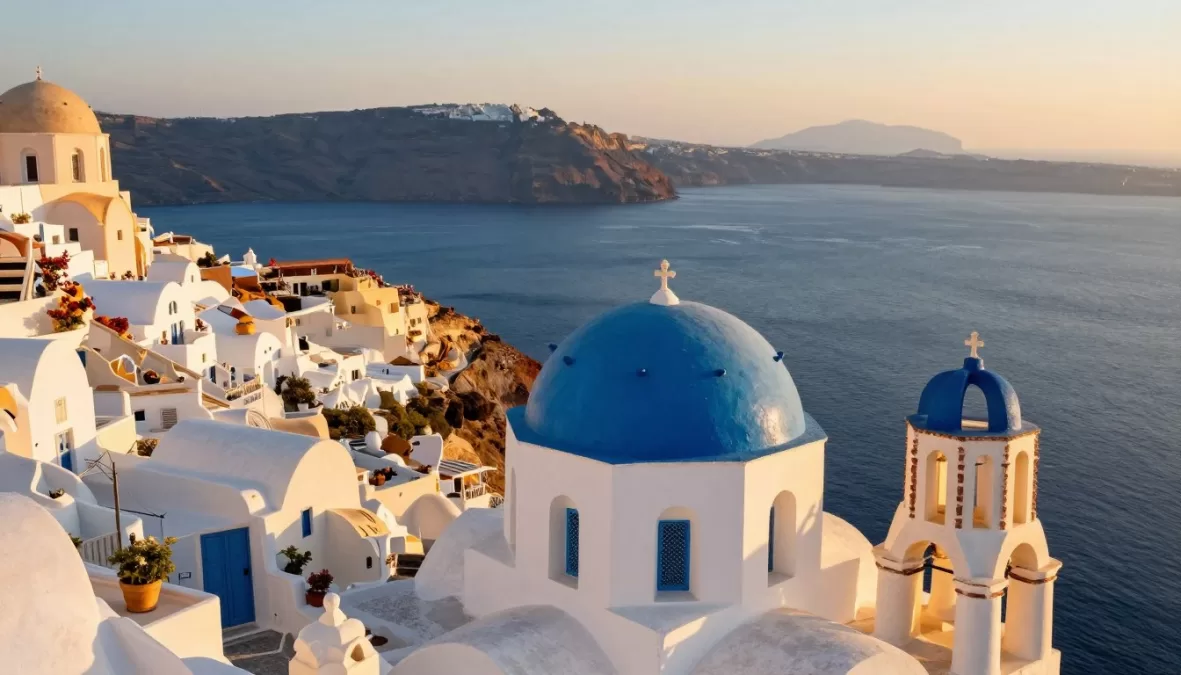
Oia village claims fame as the most photographed spot in Greece. Narrow marble pathways wind between cave houses carved into volcanic rock. The village offers unobstructed sunset views that attract thousands of visitors each evening.
Fira, the capital, bustles with shops, restaurants, and galleries. A cable car connects the old port below with the town above. Visitors can also climb the 580 steps or ride a donkey up the steep pathway.
Imerovigli sits at the highest point on the caldera rim. This quieter village provides equally stunning views with fewer crowds. The Skaros Rock formation offers a short hike to a historic Venetian fortress site.
Beaches and Coastline
Volcanic origins create unique beach experiences on Santorini. Red Beach near Akrotiri features crimson and black cliffs surrounding a small cove. The dramatic coloring comes from iron-rich volcanic rock.
Perissa and Kamari beaches showcase black volcanic sand. These beaches stretch for miles along the eastern coast. The dark sand absorbs heat, making beach shoes advisable during summer months.
White Beach, accessible only by boat, offers a different volcanic landscape. Steep white cliffs surround this secluded spot. The beach remains less crowded due to its limited accessibility.
Wine and Gastronomy
Volcanic soil produces distinctive wines found nowhere else. Assyrtiko, a crisp white wine, thrives in Santorini’s unique terroir. The mineral-rich soil and volcanic ash create complex flavor profiles.
Traditional wineries offer tours and tastings throughout the island. Many vineyards cultivate grapes in basket-shaped formations low to the ground. This method protects vines from strong winds and preserves moisture.
Local cuisine showcases Mediterranean flavors with Greek island influences. Fresh seafood, fava bean puree, and cherry tomatoes feature prominently in traditional dishes. Many restaurants occupy cliffside locations with spectacular caldera views.
Archaeological Significance
The ancient city of Akrotiri preserves a Minoan Bronze Age settlement. Volcanic ash buried the city around 1600 BCE, creating a Pompeii-like preservation. Excavations reveal sophisticated urban planning and beautiful frescoes.
Ancient Thera sits atop Mesa Vouno mountain between Perissa and Kamari beaches. This archaeological site dates from the ninth century BCE. Ruins include temples, houses, and a theater with commanding sea views.
Book Your Santorini Experience
Secure your cave hotel with caldera views. Find the perfect accommodation in Oia, Fira, or Imerovigli with flexible booking options.
Maui: Hawaii’s Valley Isle Paradise
Island Geography and Climate
Maui ranks as the second-largest island in the Hawaiian archipelago. The island spans 727 square miles with two distinct volcanic masses connected by an isthmus. Haleakala, the massive shield volcano, dominates the eastern portion.
Trade winds create microclimates across the island. The windward coast receives abundant rainfall, creating lush tropical vegetation. The leeward side enjoys sunnier, drier conditions perfect for beach activities.
Diverse Beach Experiences
Wailea Beach provides classic Hawaiian beauty with golden sand and clear waters. This crescent-shaped beach stretches for three-quarters of a mile along the southwest coast. Calm conditions make it ideal for swimming and snorkeling.
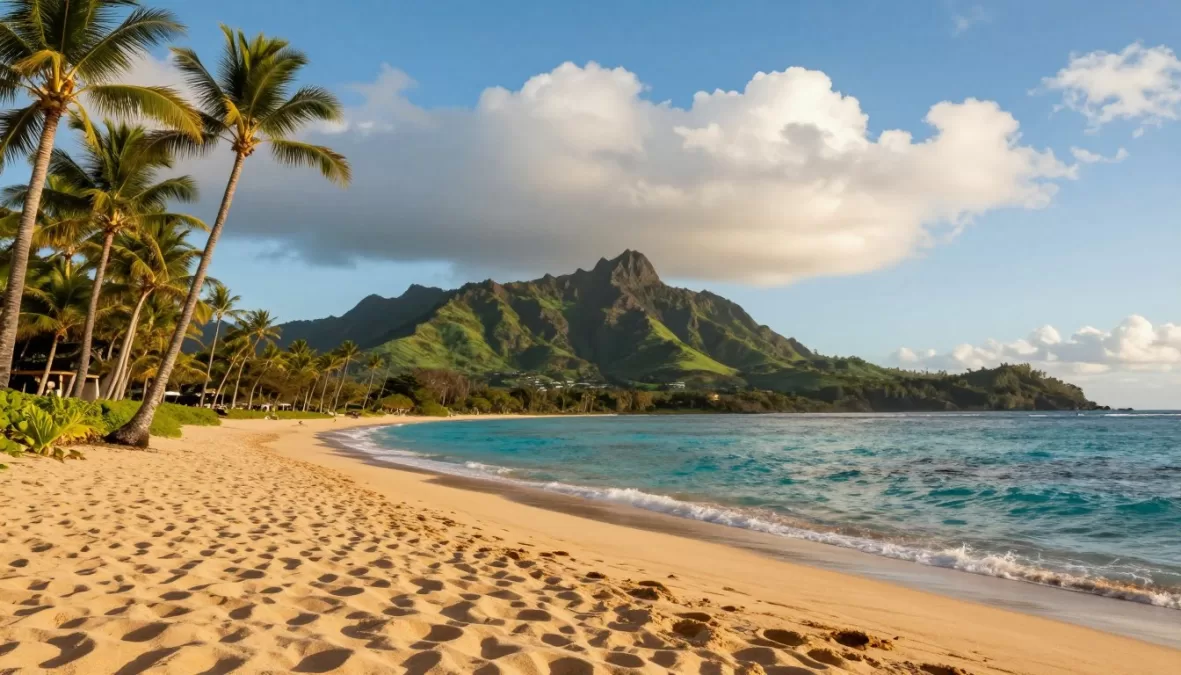
Kaanapali Beach extends for three miles along Maui’s western shore. Black Rock, a lava promontory at the beach’s northern end, offers excellent snorkeling. Cliff divers perform daily sunset ceremonies from this sacred Hawaiian spot.
Makena Beach, also known as Big Beach, stretches for 1.5 miles. This undeveloped beach maintains a wild, natural character. Strong shore break and occasional high surf create powerful waves requiring caution.
The Road to Hana journey reveals numerous hidden beaches. Black sand beaches like Waianapanapa State Park showcase volcanic origins. These secluded spots offer unique swimming experiences in dramatic settings.
Natural Wonders
Haleakala National Park protects the massive dormant volcano and surrounding wilderness. The summit rises 10,023 feet above sea level. Sunrise viewing from the summit ranks among Hawaii’s most popular experiences.
The crater spans seven miles across and plunges 2,600 feet deep. This otherworldly landscape features cinder cones, volcanic rock formations, and rare silversword plants. Hiking trails descend into the crater floor.
The Seven Sacred Pools at Oheo Gulch create a series of waterfalls and swimming holes. These pools cascade down from the rainforest to the ocean. The area receives heavy rainfall, keeping pools filled year-round.
Iao Valley State Park showcases lush tropical vegetation and the iconic Iao Needle. This 1,200-foot green-mantled rock formation rises from the valley floor. The valley holds deep significance in Hawaiian history and culture.
Marine Life Encounters
Molokini Crater, a partially submerged volcanic crater, sits three miles offshore. This crescent-shaped islet provides protected waters with visibility exceeding 150 feet. The crater hosts over 250 species of fish.
Humpback whales migrate to Maui waters between December and May. These magnificent creatures come to breed and give birth in warm Hawaiian waters. Whale watching tours depart daily during this season.
Sea turtle encounters happen regularly along Maui beaches. Green sea turtles feed on algae in shallow waters and bask on sandy shores. Five species of sea turtles inhabit Hawaiian waters.
Cultural Heritage
Lahaina town served as the capital of the Hawaiian Kingdom from 1820 to 1845. Historic Front Street features preserved buildings from the whaling era. The famous Banyan Tree, planted in 1873, covers an entire city block.
Traditional Hawaiian culture remains strong throughout Maui. Luaus showcase ancient Polynesian traditions through dance, music, and food. These celebrations offer insight into Hawaiian history and customs.
Plan Your Maui Adventure
Discover beachfront resorts and vacation rentals across the island. Compare prices and find accommodations near top attractions and beaches.
Seychelles: The Garden of Eden in the Indian Ocean
Archipelago Overview
The Seychelles comprises 115 islands scattered across 460,000 square miles of the Indian Ocean. The archipelago sits northeast of Madagascar and 1,000 miles from the African mainland. Only 33 islands maintain permanent populations.
Two distinct island types characterize Seychelles. The Inner Islands feature granite formations, the only mid-ocean granite islands on Earth. The Outer Islands consist of low-lying coral atolls and reef islands.
Praslin Island Treasures
Praslin, the second-largest island, hosts the legendary Vallee de Mai Nature Reserve. This UNESCO World Heritage Site protects ancient palm forest dating back to prehistoric times. The rare coco de mer palm grows naturally only in this valley.
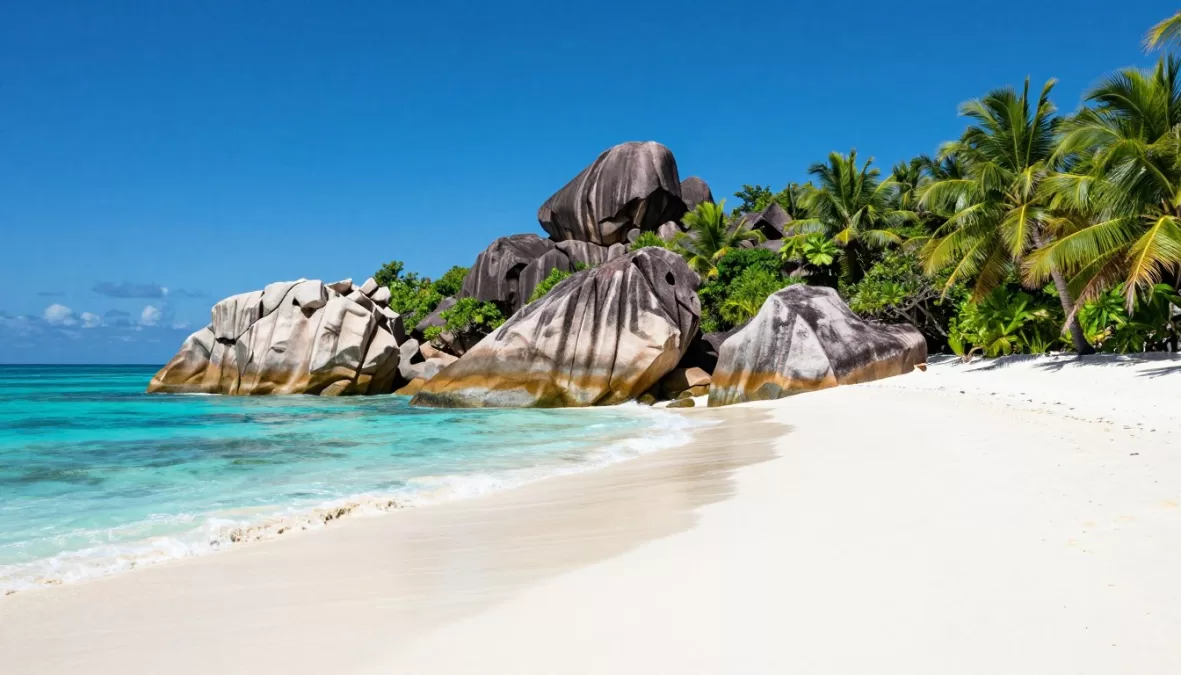
Anse Lazio beach on Praslin consistently ranks among the world’s best beaches. Massive granite boulders frame powdery white sand. Crystal-clear waters maintain perfect swimming temperatures year-round.
The coco de mer palm produces the largest seed in the plant kingdom. These distinctive double nuts can weigh up to 66 pounds. The palm takes six to seven years to produce its first fruit and can live for centuries.
La Digue Island Charm
La Digue island maintains a slower pace of life with minimal motor vehicle traffic. Bicycles serve as the primary transportation method. The island measures just three miles long and two miles wide.
Anse Source d’Argent creates one of the most photographed beaches worldwide. Enormous pink-hued granite boulders scatter across brilliant white sand. Shallow lagoon waters glow in shades of turquoise and emerald.
Traditional Creole culture thrives on La Digue. Oxcarts still transport goods around the island. Historic plantation houses showcase colonial architecture and island history.
Mahe Island Diversity
Mahe, the largest and most developed island, hosts the capital city of Victoria. The island features dramatic mountain peaks rising over 3,000 feet. Dense tropical forests cover the mountainous interior.
Beau Vallon Beach extends for nearly two miles along Mahe’s northwest coast. This popular beach offers numerous water sports and beachside restaurants. Calm conditions prevail during most of the year.
Morne Seychellois National Park protects 20 percent of Mahe’s land area. Hiking trails wind through mountain forests and lead to panoramic viewpoints. The park harbors endemic species found nowhere else on Earth.
Marine Biodiversity
Seychelles waters support exceptional marine biodiversity. Over 1,000 fish species inhabit the surrounding reefs and open ocean. Whale sharks appear regularly between August and November.
Four marine national parks protect critical ecosystems. Sainte Anne Marine National Park, established in 1973, became one of the Indian Ocean’s first protected areas. Glass-bottom boat tours showcase the underwater world without getting wet.
Giant Aldabra tortoises, unique to Seychelles, number over 100,000 individuals. These ancient reptiles can live for more than 150 years. Several islands host colonies where visitors observe these gentle giants.
Conservation Success
Seychelles leads the world in marine conservation efforts. The country protects 30 percent of its ocean territory. This commitment preserves critical habitats for future generations.
Endemic bird species thrive throughout the islands. The Seychelles paradise flycatcher, magpie robin, and warbler exist nowhere else. Bird Island hosts millions of sooty terns during breeding season.
Discover Seychelles Resorts
Find luxury beachfront accommodations on Mahe, Praslin, and La Digue. Book your island-hopping adventure with flexible cancellation policies.
Palawan: The Philippines’ Last Frontier
Geographic Setting
Palawan stretches 270 miles across the western Philippines. This long, narrow island separates the South China Sea from the Sulu Sea. The province includes 1,780 smaller islands and islets.
Limestone karst formations characterize much of Palawan’s landscape. These ancient rock structures create dramatic cliffs rising directly from turquoise waters. Underground rivers and cave systems honeycomb the limestone.
El Nido Wonders
El Nido municipality encompasses 45 islands and islets in Bacuit Bay. Towering limestone cliffs plunge into crystal-clear lagoons. This area inspired the setting for the novel and film “The Beach.”
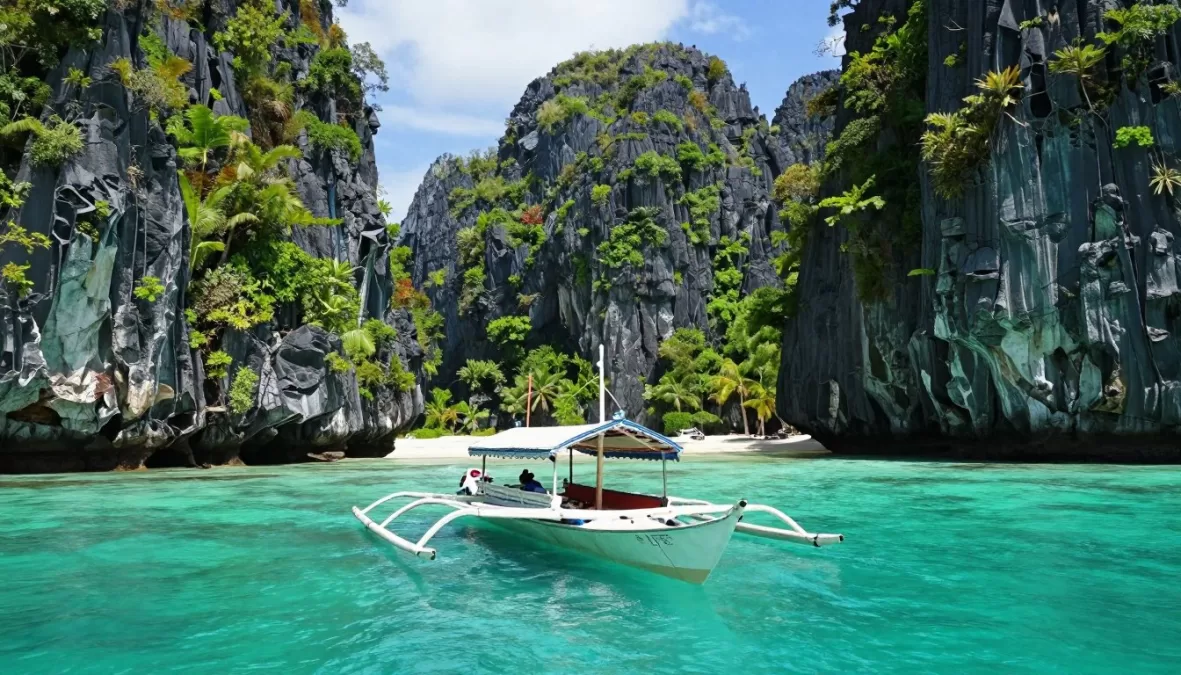
Island hopping tours connect visitors to hidden lagoons and secret beaches. Big Lagoon features towering rock walls encircling emerald waters. Small Lagoon requires swimming or kayaking through a narrow entrance.
Nacpan Beach offers four miles of pristine coastline backed by coconut palms. This long stretch of golden sand sees fewer visitors than other El Nido spots. Gentle waves create ideal swimming conditions.
Coron Island Adventures
Coron Island serves as a world-class diving destination. Japanese warships sunk during World War II create artificial reefs. These shipwrecks now host abundant marine life and coral growth.
Kayangan Lake ranks among the cleanest lakes in Asia. Limestone cliffs surround this freshwater lake accessible via a steep stairway. Crystal-clear water reveals every detail of the rocky bottom.
Twin Lagoon features both saltwater and freshwater sections separated by rocks. Swimmers pass between sections through a small opening. Temperature changes dramatically between the two lagoons.
Puerto Princesa Underground River
The Puerto Princesa Subterranean River National Park protects a navigable underground river. This UNESCO World Heritage Site flows five miles through a cave system before emptying into the sea. The river represents one of the New Seven Wonders of Nature.
Boat tours navigate the river’s entrance chamber, stretching 300 feet wide and 200 feet high. Spectacular rock formations create natural sculptures throughout the cave. Thousands of swiftlets and bats inhabit the cave system.
Marine Biodiversity
Palawan waters host over 600 species of fish and 350 species of coral. Tubbataha Reefs Natural Park, accessible by liveaboard dive boat, protects pristine coral reefs. This UNESCO site sits 100 miles southeast of Puerto Princesa.
Dugongs, gentle marine mammals related to manatees, graze on seagrass beds around Palawan. These endangered creatures grow up to nine feet long. Conservation efforts aim to protect their critical habitat.
Local Culture and Conservation
Indigenous Tagbanua people have inhabited Palawan for thousands of years. Their traditional knowledge guides sustainable resource management. Many communities welcome visitors to learn about their culture and customs.
Palawan receives recognition as one of the world’s best managed regions. Strict environmental laws protect the island’s ecosystems. Local communities actively participate in conservation efforts.
Book Your Palawan Escape
Choose from beachfront resorts in El Nido, Coron, or Puerto Princesa. Secure the best rates on island accommodations with instant confirmation.
Fiji: The Friendly Islands of the South Pacific
Island Nation Overview
Fiji consists of 333 islands scattered across 1.3 million square miles of the South Pacific Ocean. Only 110 islands maintain permanent populations. The nation sits approximately 1,300 miles northeast of New Zealand.
Two main islands, Viti Levu and Vanua Levu, account for 87 percent of Fiji’s land area. Smaller islands range from luxury resort destinations to traditional villages maintaining ancient customs. Volcanic peaks, coral reefs, and pristine beaches define the landscape.
Mamanuca Islands Paradise
The Mamanuca Islands form a volcanic archipelago west of Viti Levu. These 20 islands lie just offshore from Nadi International Airport. Most islands feature resort developments surrounded by coral reefs.
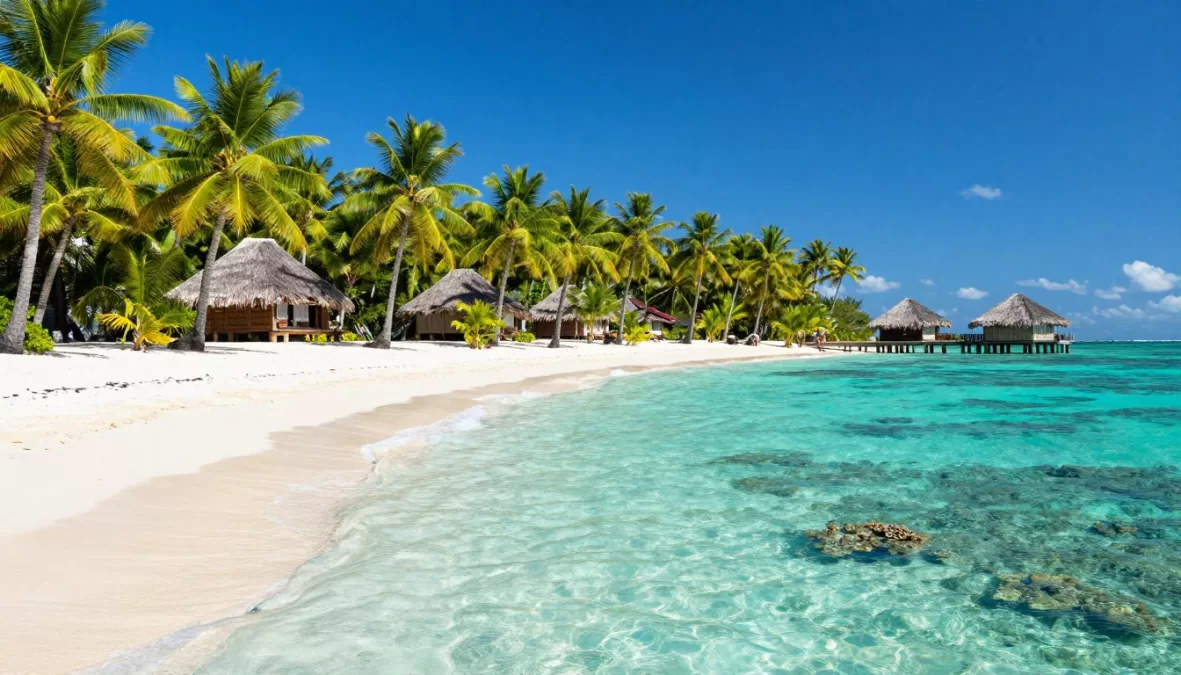
Cloud 9, a floating platform anchored on a reef, serves as a unique beach club. Visitors access this two-story structure by boat for swimming, dining, and relaxation. The surrounding reef provides excellent snorkeling opportunities.
Monuriki Island gained fame as the filming location for the movie “Cast Away.” This uninhabited island features pristine beaches and dramatic volcanic rock formations. Day tours allow visitors to explore this photogenic spot.
Yasawa Islands Remote Beauty
The Yasawa Islands stretch 50 miles northwest of Viti Levu. These volcanic islands offer rugged beauty and traditional Fijian village life. Budget-friendly accommodations coexist with luxury resorts throughout the chain.
Blue Lagoon Beach, made famous by the film of the same name, showcases powder-soft white sand. Crystal-clear waters reveal vibrant coral gardens just offshore. The beach remains one of Fiji’s most photographed locations.
Sawa-i-Lau Caves hold cultural significance in Fijian mythology. Visitors swim into limestone caves featuring chambers illuminated by natural light. The upper cave requires diving underwater to access its hidden chamber.
Coral Coast Attractions
The Coral Coast extends along 50 miles of Viti Levu’s southern shore. This region balances resort development with traditional village life. Numerous beaches offer swimming, snorkeling, and surfing opportunities.
Sigatoka Sand Dunes National Park protects ancient archaeological sites and unique ecosystems. These massive sand dunes stretch for three miles along the coast. Hiking trails lead to panoramic ocean views.
The Coral Coast hosts several traditional Fijian villages welcoming visitors. Village tours include kava ceremonies, traditional performances, and local craft demonstrations. These experiences provide authentic cultural immersion.
Marine Environment
Fiji earned the title “Soft Coral Capital of the World” for good reason. Rainbow-colored soft corals thrive in nutrient-rich currents. Over 1,500 species of fish inhabit Fijian waters.
The Great Astrolabe Reef encircles Kadavu Island as the fourth-largest barrier reef globally. This reef stretches 62 miles and plunges to depths exceeding 3,000 feet. World-class dive sites attract enthusiasts year-round.
Manta rays congregate at cleaning stations throughout Fiji. These graceful creatures can reach wingspans of 20 feet. Snorkelers and divers regularly encounter these gentle giants.
Cultural Warmth
Fijians embrace visitors with genuine warmth and hospitality. The greeting “Bula!” resonates throughout the islands. This cultural friendliness creates memorable travel experiences.
Traditional ceremonies remain integral to Fijian culture. The kava ceremony welcomes guests through sharing of the mildly narcotic drink. Participation shows respect for local customs and traditions.
Experience Fiji’s Island Magic
Browse resorts across Mamanuca, Yasawa, and Coral Coast regions. Find your perfect Fijian island retreat with flexible booking terms.
Protect Your Island Adventure
International travel requires proper coverage. Get comprehensive travel insurance that protects against trip cancellations, medical emergencies, and lost luggage. Compare quotes from top providers in minutes.
Trusted by millions of travelers worldwide. Instant coverage available.
Mauritius: The Pearl of the Indian Ocean
Island Location and Formation
Mauritius lies 1,200 miles off the southeast coast of Africa in the Indian Ocean. This volcanic island measures 40 miles long and 29 miles wide. The island emerged from underwater volcanic eruptions approximately eight million years ago.
A coral reef encircles nearly the entire island. This protective barrier creates calm lagoons perfect for swimming and water sports. The reef stretches up to 150 miles around Mauritius.
Coastal Beauty
Le Morne Beach sits beneath the dramatic Le Morne Brabant mountain. This UNESCO World Heritage Site combines natural beauty with historical significance. The turquoise lagoon and white sand create postcard-perfect scenery.
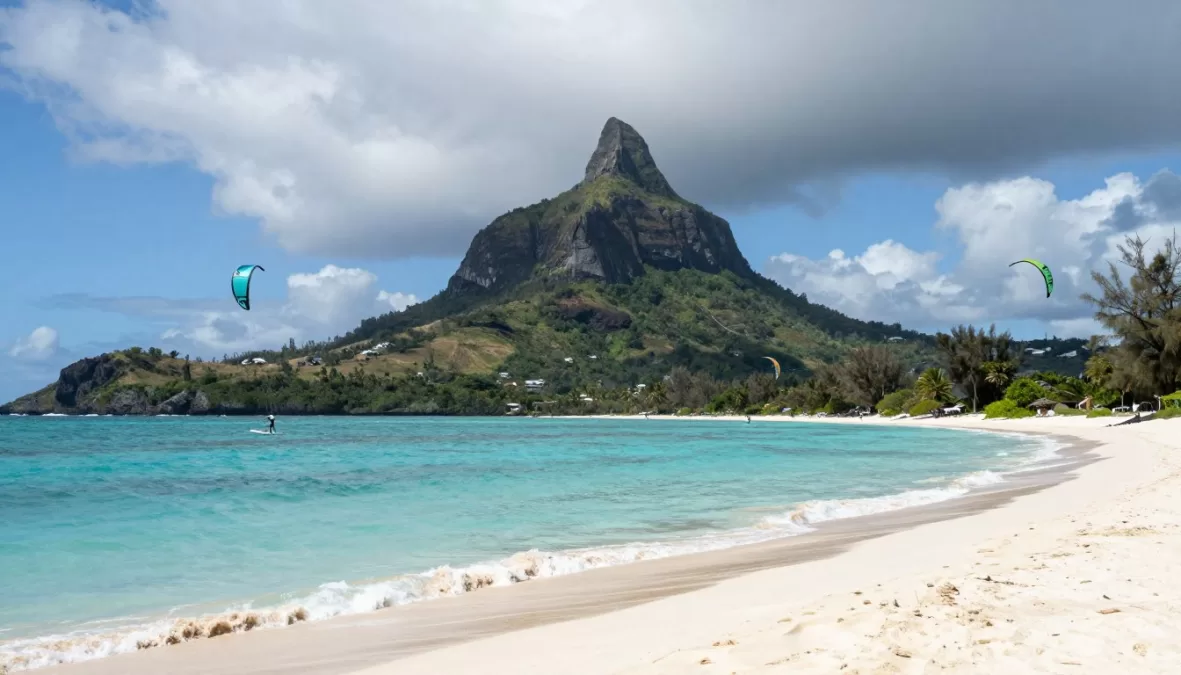
Belle Mare Beach extends for six miles along the east coast. This pristine stretch features powdery white sand and shallow, protected waters. Luxury resorts line portions of this beautiful coastline.
The Seven Colored Earth geological formation near Chamarel displays sand dunes in seven distinct colors. This unique phenomenon results from volcanic rock weathering. The colors remain permanently separated despite rainfall.
Natural Attractions
Black River Gorges National Park protects 26 square miles of native forest. Hiking trails wind through mountains covered in endemic vegetation. The park harbors rare bird species including the Mauritius kestrel and pink pigeon.
Chamarel Waterfall plunges 300 feet into a verdant gorge. Viewing platforms offer spectacular perspectives of this cascade. The surrounding forest creates a lush tropical setting.
Ile aux Cerfs, a small island off the east coast, serves as a popular day trip destination. White sand beaches circle the island. Water sports, restaurants, and pristine swimming spots attract visitors.
Marine Activities
The western coast offers exceptional conditions for swimming with dolphins. Wild spinner and bottlenose dolphins inhabit these waters year-round. Morning boat trips provide the best encounter opportunities.
Blue Bay Marine Park protects vibrant coral gardens near the southern tip. Glass-bottom boat tours showcase the underwater world. Snorkelers explore healthy reefs teeming with tropical fish.
Kite surfing and windsurfing thrive along the southeastern coast. Consistent trade winds create ideal conditions from May through November. Le Morne lagoon ranks as one of the world’s premier kite surfing destinations.
Cultural Diversity
Mauritius celebrates incredible cultural diversity. Indian, African, Chinese, and European influences blend seamlessly. This multicultural heritage appears in cuisine, festivals, and daily life.
Port Louis, the capital, blends modern development with colonial architecture. The Central Market buzzes with local life and authentic food stalls. Historic buildings reflect French colonial and British influences.
Hindu temples, Catholic churches, Buddhist pagodas, and mosques coexist peacefully throughout the island. This religious harmony creates a unique atmosphere rarely found elsewhere.
Unique Experiences
The underwater waterfall illusion off the coast creates an optical phenomenon. Silt and sand deposits create the appearance of a waterfall beneath the ocean surface. Helicopter tours provide the best viewing angle.
Giant tortoises inhabit several nature parks and reserves. These gentle creatures can weigh over 500 pounds and live beyond 100 years. Visitors interact with these ancient reptiles up close.
Book Mauritius Luxury Resorts
Discover beachfront luxury properties and boutique hotels. Compare rates across all regions and secure your tropical island getaway.
Bali: Indonesia’s Island of the Gods
Island Geography
Bali sits in the westernmost end of the Lesser Sunda Islands between Java and Lombok. The island spans 2,230 square miles with a population exceeding four million people. Mountains dominate the northern part while beaches line the southern coast.
Mount Agung, an active volcano, rises 9,944 feet above sea level. This sacred mountain holds deep spiritual significance for the Balinese people. Several other volcanic peaks dot the island’s dramatic landscape.
Beach Destinations
Seminyak Beach caters to upscale travelers with luxury resorts and beach clubs. Golden sand stretches for miles along the west coast. Spectacular sunsets draw crowds to beachfront bars each evening.
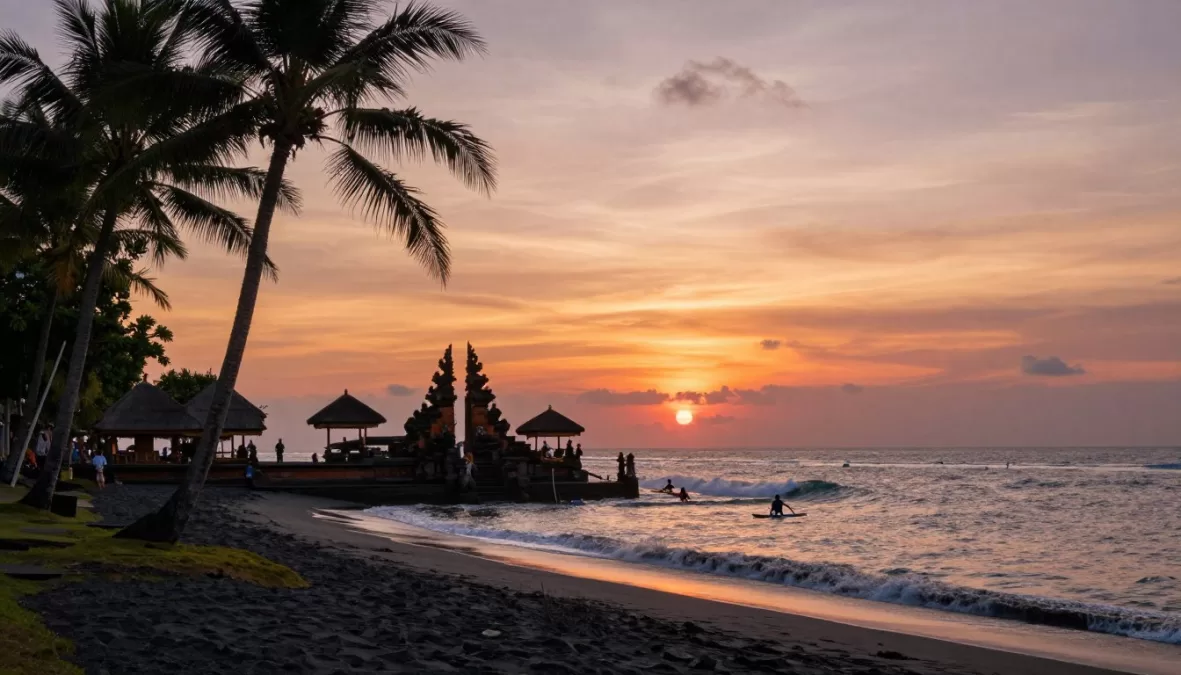
Nusa Dua features calm, protected beaches ideal for families. This planned resort area maintains manicured grounds and pristine conditions. The reef offshore creates gentle waves perfect for swimming.
Uluwatu perches on cliffs 250 feet above the Indian Ocean. World-class surf breaks attract experienced surfers from around the globe. The ancient cliff-top temple provides stunning sunset views.
Sanur Beach offers a more relaxed atmosphere than other tourist areas. A paved beachfront path extends for three miles. Calm morning waters suit stand-up paddleboarding and swimming.
Cultural Heritage
Thousands of Hindu temples dot the Balinese landscape. Tanah Lot temple sits on a rock formation surrounded by ocean. Waves crash against the base during high tide, creating dramatic scenery.
Ubud serves as Bali’s cultural heart. Rice terraces cascade down hillsides surrounding the town. Art galleries, traditional dance performances, and craft workshops thrive in this creative hub.
The Tegallalang Rice Terraces showcase traditional Balinese irrigation methods dating back centuries. These sculpted landscapes create stunning green vistas. Walking paths wind through the terraces for exploration.
Natural Wonders
Waterfalls hidden in jungle settings provide refreshing swimming spots. Tegenungan Waterfall near Ubud plunges 50 feet into a pool. Sekumpul Waterfall in northern Bali requires hiking but rewards with spectacular beauty.
The Sacred Monkey Forest Sanctuary in Ubud protects over 700 long-tailed macaques. Ancient temple ruins sit within this lush forest. Visitors walk among free-roaming monkeys in their natural habitat.
Mount Batur sunrise treks offer unforgettable experiences. Hikers ascend the active volcano before dawn to watch sunrise from the summit. The two-hour climb reveals panoramic views across Bali.
Marine Life
Menjangan Island off Bali’s northwest coast provides pristine diving and snorkeling. Crystal-clear waters reveal healthy coral reefs. The island sits within West Bali National Park boundaries.
Nusa Penida, a large island southeast of Bali, hosts manta ray cleaning stations. Snorkelers and divers swim alongside these graceful giants. The island also features dramatic coastal cliffs and hidden beaches.
Spiritual Atmosphere
Balinese Hinduism permeates daily life throughout the island. Daily offerings appear everywhere, from doorsteps to beaches. This spiritual devotion creates a unique atmosphere rarely experienced elsewhere.
Traditional ceremonies occur frequently across Bali. Colorful processions, gamelan music, and elaborate costumes showcase living culture. Visitors respectfully observe these authentic cultural expressions.
Find Your Bali Accommodation
Explore beachfront resorts, boutique hotels, and traditional villas. Secure the best rates across Seminyak, Ubud, and Nusa Dua with flexible cancellation.
Cook Islands: Polynesia’s Hidden Gem
Remote Location
The Cook Islands consist of 15 islands scattered across 850,000 square miles in the South Pacific. This self-governing territory maintains free association with New Zealand. The islands lie halfway between Hawaii and New Zealand.
Two distinct groups form the archipelago. The Southern Group includes the main island of Rarotonga plus Aitutaki. The Northern Group contains smaller, more remote coral atolls.
Aitutaki Lagoon
Aitutaki Lagoon ranks among the world’s most beautiful bodies of water. This triangular lagoon spans 21 miles of turquoise perfection. Fifteen small islands dot the lagoon, each featuring pristine white sand beaches.
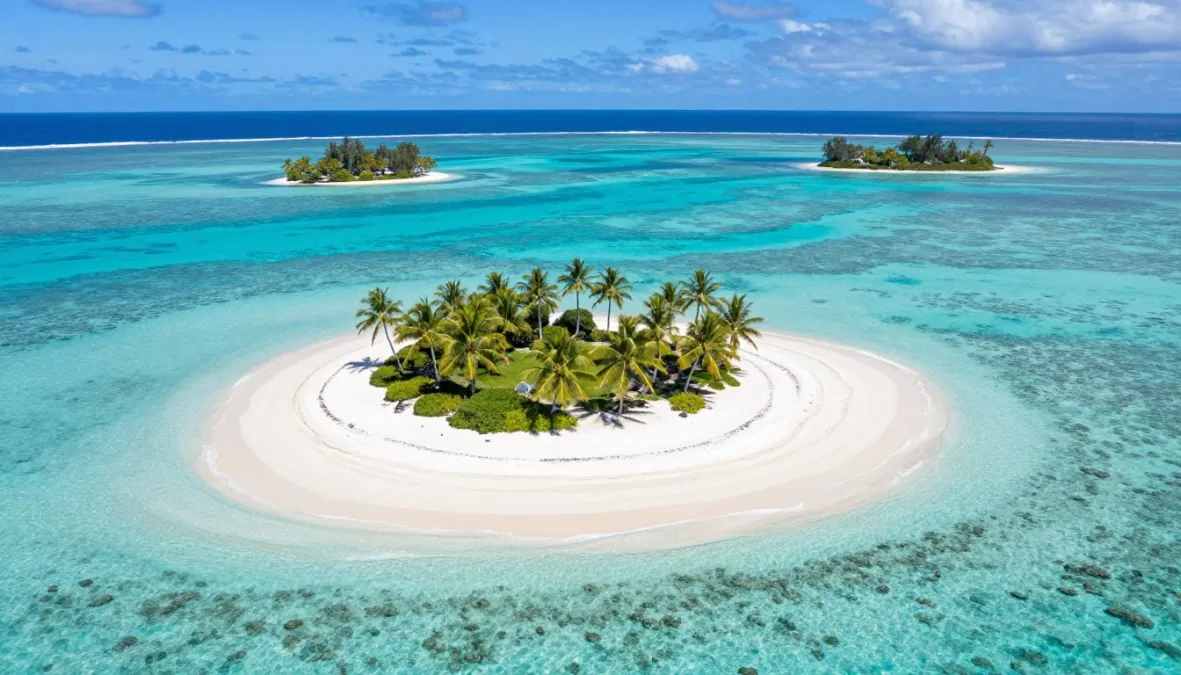
One Foot Island, officially named Tapuaetai, provides the quintessential desert island experience. This tiny motu features a single palm tree and brilliant white sand. The surrounding waters glow in impossible shades of blue and green.
Lagoon cruises explore multiple motus throughout the day. Visitors snorkel in coral gardens, feast on fresh seafood, and relax on deserted beaches. The shallow lagoon maintains perfect swimming temperatures year-round.
Rarotonga Experiences
Rarotonga, the largest island, measures just 20 miles in circumference. Volcanic peaks rise to 2,140 feet at Te Manga mountain. Dense jungle covers the mountainous interior.
Muri Beach on Rarotonga’s southeast coast features four small islands offshore. Shallow lagoon waters create ideal conditions for kayaking and stand-up paddleboarding. Beach bars and restaurants line the shore.
The Cross Island Track traverses Rarotonga’s rugged interior. This challenging hike takes three to four hours one way. The trail passes through rainforest, crosses streams, and climbs to mountain viewpoints.
Authentic Polynesian Culture
Cook Islands maintains strong Polynesian traditions. The local language, Cook Islands Maori, is spoken alongside English. Traditional dance, music, and crafts remain integral to island life.
Saturday morning markets in Avarua showcase local produce and crafts. Vendors sell tropical fruits, fresh fish, and handmade goods. This weekly event provides authentic cultural immersion.
Traditional umu feasts cook food in underground ovens. The island night shows combine umu dinners with spectacular dance performances. These celebrations showcase Cook Islands’ living culture.
Marine Environment
The Cook Islands created one of the world’s largest marine parks in 2012. This sanctuary protects 772,000 square miles of ocean. Commercial fishing is prohibited throughout this vast area.
Whale watching season runs from July through October. Humpback whales migrate to Cook Islands waters to breed and give birth. Tours encounter these magnificent creatures up close.
Coral reefs surrounding the islands support abundant marine life. Sea turtles, tropical fish, and rays frequent the lagoons. The warm, clear waters provide excellent visibility for snorkeling.
Sustainable Tourism
The Cook Islands limits development to preserve natural beauty. No building can exceed the height of the tallest coconut palm. This regulation maintains the islands’ unspoiled character.
Small-scale tourism keeps the islands uncrowded. Even during peak season, beaches remain relatively empty. This approach prioritizes quality over quantity in visitor experiences.
Book Cook Islands Paradise
Discover intimate resorts and beachfront bungalows on Rarotonga and Aitutaki. Find your South Pacific escape with flexible booking options.
Choosing Your Perfect Island Destination
Budget Considerations
Island destinations vary dramatically in cost. The Maldives and Bora Bora represent ultra-luxury options with premium pricing. Accommodation, food, and activities command top-dollar rates at these exclusive destinations.
Mid-range options include Mauritius, Fiji, and parts of the Seychelles. These islands offer excellent value with diverse accommodation choices. Visitors find both budget-friendly and luxury options available.
Budget-conscious travelers should consider Bali, Palawan, and Thailand’s islands. These destinations provide incredible beauty without breaking the bank. Street food, local transportation, and affordable lodging keep costs down.
Activity Preferences
Diving enthusiasts should prioritize the Maldives, Palawan, or Fiji. These destinations offer world-class underwater experiences. Pristine reefs, abundant marine life, and excellent visibility characterize these spots.
Cultural immersion seekers will love Bali, Mauritius, or the Cook Islands. These islands maintain strong traditions alongside modern amenities. Authentic experiences blend naturally with tourist infrastructure.
Adventure travelers should explore Maui, Palawan, or Seychelles. Hiking, water sports, and exploration opportunities abound. These islands combine beach relaxation with active pursuits.
Climate and Seasons
Tropical islands experience distinct wet and dry seasons. Research timing carefully to maximize good weather chances. Shoulder seasons often provide the best balance of weather and value.
Hurricane and cyclone seasons affect different regions at various times. Caribbean islands face hurricane risk from June through November. The South Pacific cyclone season runs from November through April.
Year-round destinations include the Maldives and Seychelles. These equatorial locations maintain consistent weather patterns. Temperatures and conditions remain relatively stable throughout the year.
Accessibility
Flight connections influence destination choice significantly. Direct flights serve popular islands like Bali and Maui. Remote destinations require multiple connections and longer travel times.
Island hopping opportunities vary by destination. The Philippines, Seychelles, and Greece facilitate easy multi-island trips. Ferry services and short flights connect nearby islands.
Some pristine islands remain intentionally difficult to reach. This remoteness preserves their untouched character. Evaluate whether travel time and logistics match your vacation style.
Accommodation Styles
Overwater bungalows create iconic island experiences in the Maldives and Bora Bora. These unique accommodations come with premium pricing. Waking above crystal waters creates unforgettable moments.
Beach resorts dominate most island destinations. All-inclusive options simplify budgeting and planning. Traditional hotels and boutique properties offer more flexibility.
Villa rentals and vacation homes suit families and longer stays. These options provide more space and cooking facilities. Privacy and independence appeal to many travelers.
Best for Luxury
Ultra-premium resorts and exclusive experiences define these destinations.
- Maldives overwater villas
- Bora Bora luxury resorts
- Seychelles private islands
- French Polynesia exclusivity
Best for Adventure
Active travelers find endless opportunities for exploration and excitement.
- Palawan island hopping
- Maui hiking and surfing
- Fiji diving expeditions
- Bali volcano trekking
Best for Families
Safe beaches, kid-friendly activities, and family accommodations make these ideal.
- Mauritius protected lagoons
- Maui varied activities
- Fiji welcoming culture
- Cook Islands calm waters
Best for Value
Budget-friendly options without sacrificing beauty or experiences.
- Bali affordable luxury
- Palawan budget paradise
- Fiji mid-range resorts
- Cook Islands authentic value
Essential Travel Planning Tips
Booking Strategies
Book flights and accommodations well in advance for popular destinations. Peak season dates fill up months ahead of time. Early booking often secures better rates and preferred locations.
Consider package deals combining flights and hotels. These bundles sometimes offer significant savings. Compare package prices against booking components separately.
Travel insurance becomes crucial for expensive island trips. Coverage protects against cancellations, medical emergencies, and lost luggage. Read policy details carefully to understand what is covered.
Packing Essentials
Reef-safe sunscreen protects both your skin and marine ecosystems. Many islands ban traditional sunscreens harmful to coral reefs. Pack mineral-based alternatives meeting environmental standards.
Lightweight, quick-dry clothing suits tropical climates. Pack swimwear, beach cover-ups, and casual resort wear. Include one nicer outfit for upscale dining experiences.
Underwater cameras or waterproof phone cases capture memories. Snorkeling gear can be rented, but many travelers prefer bringing their own mask. Quality gear ensures comfortable underwater exploration.
Health and Safety
Research required vaccinations for your destination. Some tropical islands recommend specific immunizations. Consult a travel health clinic several weeks before departure.
Stay hydrated in tropical heat and sun exposure. Drink plenty of water throughout the day. Avoid excessive alcohol consumption in intense heat.
Respect ocean conditions and warning flags. Rip currents and strong surf create hazards at some beaches. Never swim alone in unfamiliar waters.
Environmental Responsibility
Practice reef-safe behaviors while snorkeling and diving. Never touch or stand on coral formations. Even slight contact damages these fragile ecosystems.
Minimize single-use plastic consumption. Bring reusable water bottles, bags, and straws. Many islands struggle with plastic waste management.
Support local businesses and communities. Choose locally-owned restaurants, guides, and shops. This approach benefits island economies directly.
Money Matters
Research currency and exchange rates before traveling. Some islands accept U.S. dollars while others require local currency. ATM availability varies significantly between destinations.
Credit cards work at most resorts and tourist areas. Smaller establishments and local businesses may only accept cash. Carry enough local currency for daily expenses.
Budget for additional costs beyond accommodation and flights. Activities, meals, transportation, and tips add up quickly. Build in extra funds for spontaneous experiences.
Pro Traveler Tips
- Download offline maps before arrival for areas with limited connectivity
- Learn basic local phrases to enhance cultural interactions
- Photograph important documents and store copies separately
- Book popular activities and restaurants in advance during peak season
- Respect local customs, dress codes, and cultural sensitivities
- Allow flexibility in your itinerary for weather and spontaneous adventures
Your Island Paradise Awaits
The world’s most beautiful islands offer escapes from ordinary life. Each destination brings unique character, natural wonders, and unforgettable experiences. From the overwater bungalows of Bora Bora to the hidden lagoons of Palawan, these islands deliver on their paradise promises.
Your perfect island matches your travel style, budget, and dreams. Adventure seekers find endless opportunities for exploration. Luxury travelers discover world-class resorts and services. Budget-conscious visitors enjoy incredible beauty without financial stress.
These ten islands represent just a fraction of Earth’s island treasures. Each offers white sand beaches, turquoise waters, and memories lasting a lifetime. The hardest part becomes choosing which paradise to visit first.
Start planning your island adventure today. Research flight options, compare accommodations, and imagine yourself on that perfect beach. Your bucket list destination awaits discovery. The most beautiful islands in the world stand ready to welcome you home.
Start Planning Your Island Adventure Today
Transform your island dreams into reality. Compare flights, explore resort options, and secure the best rates on accommodations across all ten destinations. Your tropical paradise escape is just a few clicks away.
Free cancellation available on most bookings. Secure your dates with confidence.

Priyanka Pandey
Senior Research Editor · Top10Sense
Priyanka specializes in tech, consumer products, and digital trends. She combines hands-on testing, vendor interviews, and database research to create trustworthy “Top 10” rankings. Her work has been referenced by industry blogs and brand report pages.