
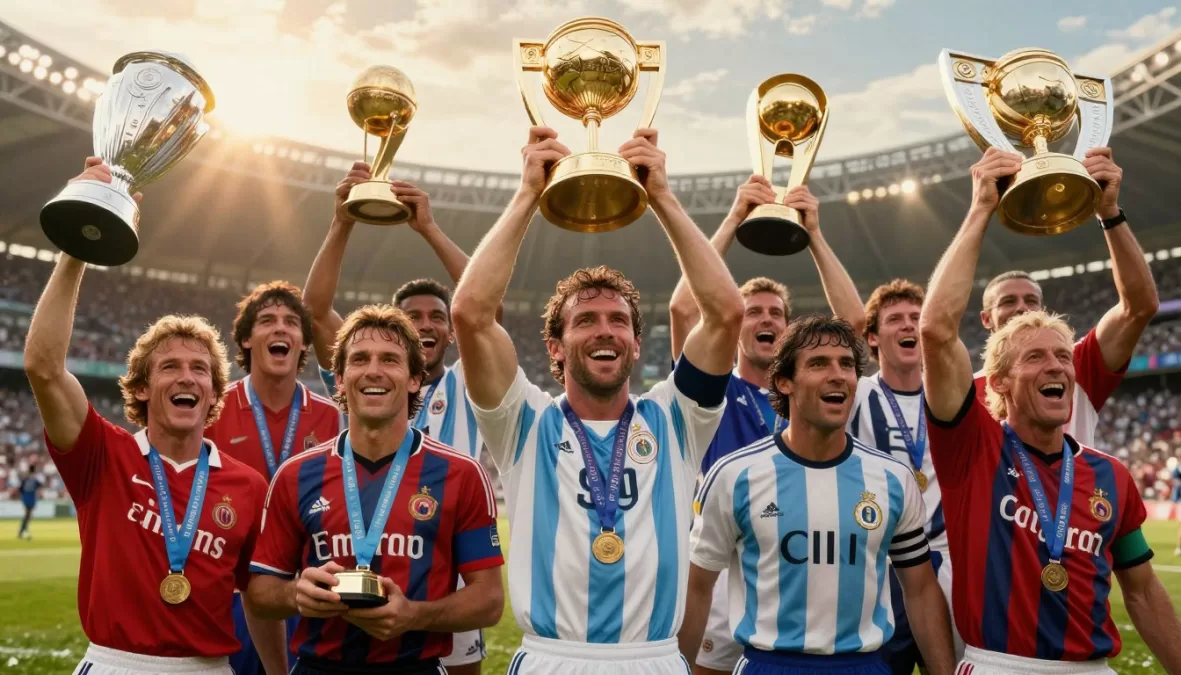
Football history spans over a century of breathtaking moments. The beautiful game has produced extraordinary talent across generations. Determining the top 10 football players of all time requires careful analysis of achievements, consistency, and cultural impact.
This ranking examines the greatest footballers who ever lived. We evaluate World Cup triumphs, club success, individual awards, and lasting influence. Each player transformed how the game is played and understood.
The criteria combine objective statistics with subjective impact. Trophy cabinets tell part of the story. Playing style, innovation, and inspiration complete the picture. These legends elevated football to an art form.
How We Rank the Greatest Football Players of All Time
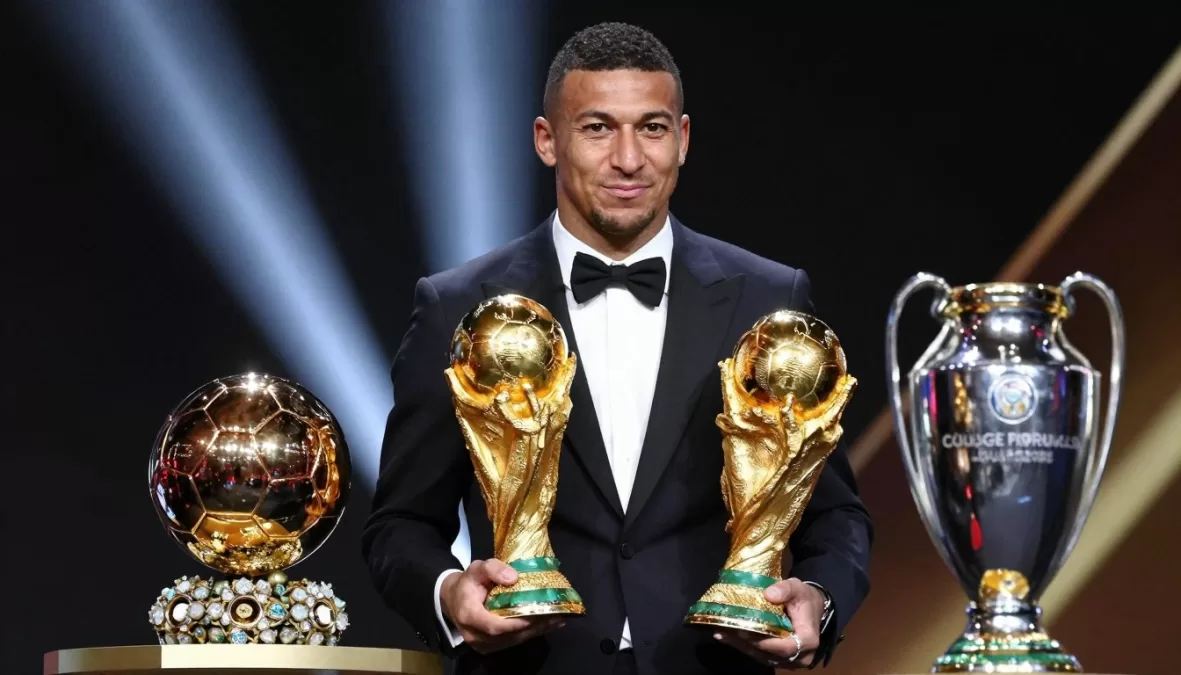
Ranking football players across different eras presents unique challenges. The game evolved dramatically from the 1950s to today. Playing conditions, training methods, and tactical approaches changed substantially.
Our methodology balances multiple factors to ensure fairness. We examine individual brilliance alongside team achievements. A player’s ability to perform at the highest level consistently matters tremendously.
Primary Evaluation Criteria
Major Trophy Success
World Cup victories carry immense weight in our rankings. The tournament represents football’s ultimate prize. European Cup and Champions League titles demonstrate club dominance.
- World Cup championships and performances
- European Cup and Champions League victories
- Domestic league titles across top competitions
- International tournament success with national teams
Individual Recognition
Personal accolades reflect peer and expert acknowledgment. Ballon d’Or awards identify the year’s best player. Golden Boot honors celebrate prolific goal scorers.
- Ballon d’Or and FIFA Player of the Year awards
- Golden Boot and top scorer achievements
- All-time appearance and goal records
- Consistency across multiple seasons and years
Secondary Assessment Factors
Playing Style Innovation: We evaluate how players changed tactical approaches and influenced future generations. Revolutionary techniques and unprecedented skill combinations earn higher rankings.
Longevity and consistency separate good players from all-time greats. Maintaining peak performance across a decade or more demonstrates exceptional dedication. The ability to adapt playing style with age shows football intelligence.
Cultural impact extends beyond statistics and trophies. Some players transcended sport to become global icons. Their influence inspired millions to play football worldwide.
Era Adjustments: We account for different playing conditions when comparing generations. Older players faced heavier balls and rougher pitches. Modern players benefit from advanced sports science and training.
Competition quality matters when evaluating achievements. Dominating weaker leagues counts less than excelling in top competitions. Success against elite defenders and teams carries more weight.
Versatility enhances a player’s legacy significantly. The ability to excel in multiple positions demonstrates superior football understanding. Adapting to different tactical systems shows remarkable intelligence.
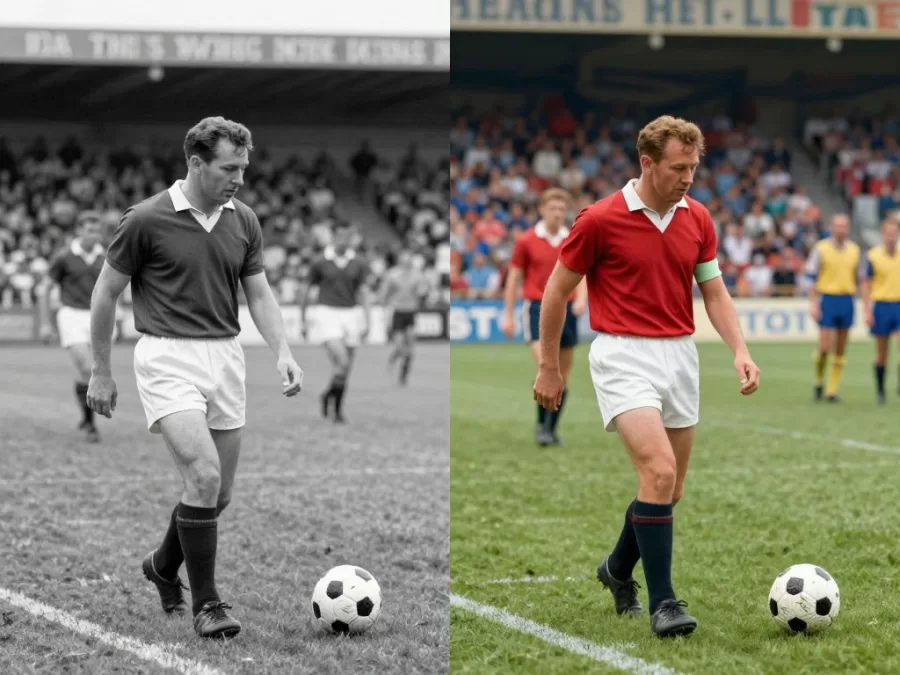
10. Franz Beckenbauer: The Kaiser Who Redefined Defending
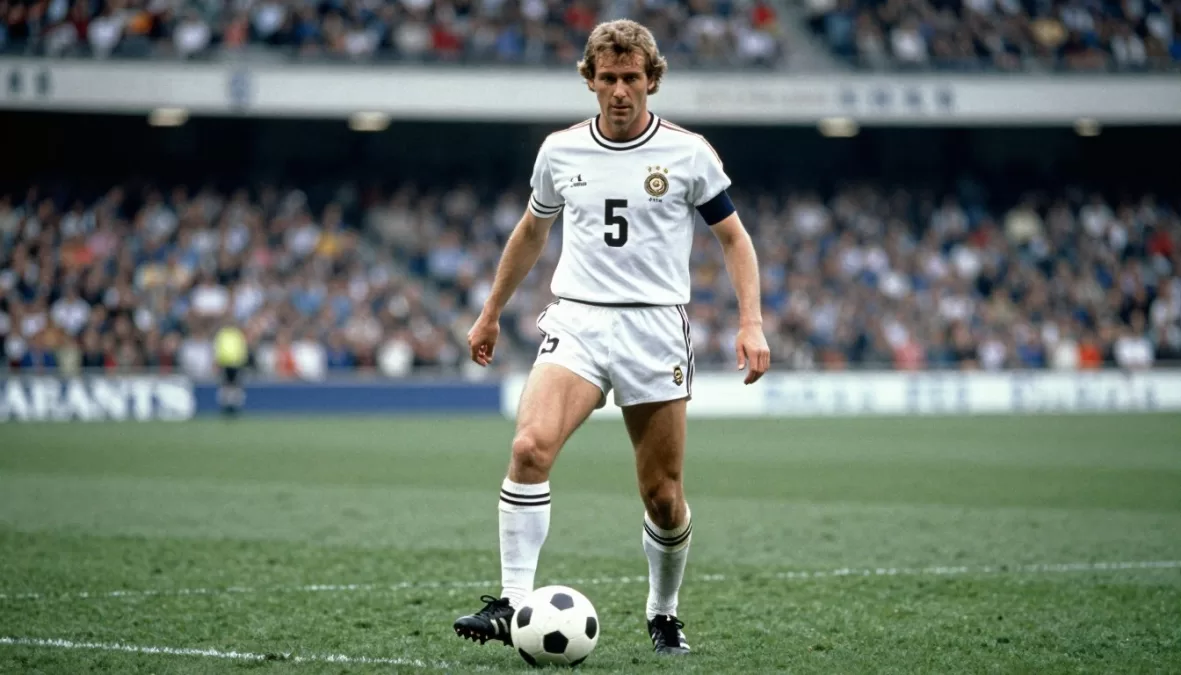
Franz Beckenbauer revolutionized the sweeper position in football history. The German legend combined defensive excellence with attacking vision. His elegant style earned him the nickname “Der Kaiser” throughout his career.
Beckenbauer won the World Cup as both player and manager. In 1974, he captained West Germany to victory on home soil. This achievement places him among football’s most accomplished figures.
Career Achievements and Records
The Kaiser won the Ballon d’Or twice during his playing years. He claimed the award in 1972 and 1976. These honors recognized his dominance in European football.
Beckenbauer’s club career flourished at Bayern Munich primarily. He won five Bundesliga titles with the Bavarian giants. The European Cup came to Bayern three consecutive times between 1974 and 1976.
Revolutionary Playing Style
The libero position became synonymous with Beckenbauer’s name. He operated as a sweeper with exceptional freedom. His ability to launch attacks from deep positions changed defensive tactics.
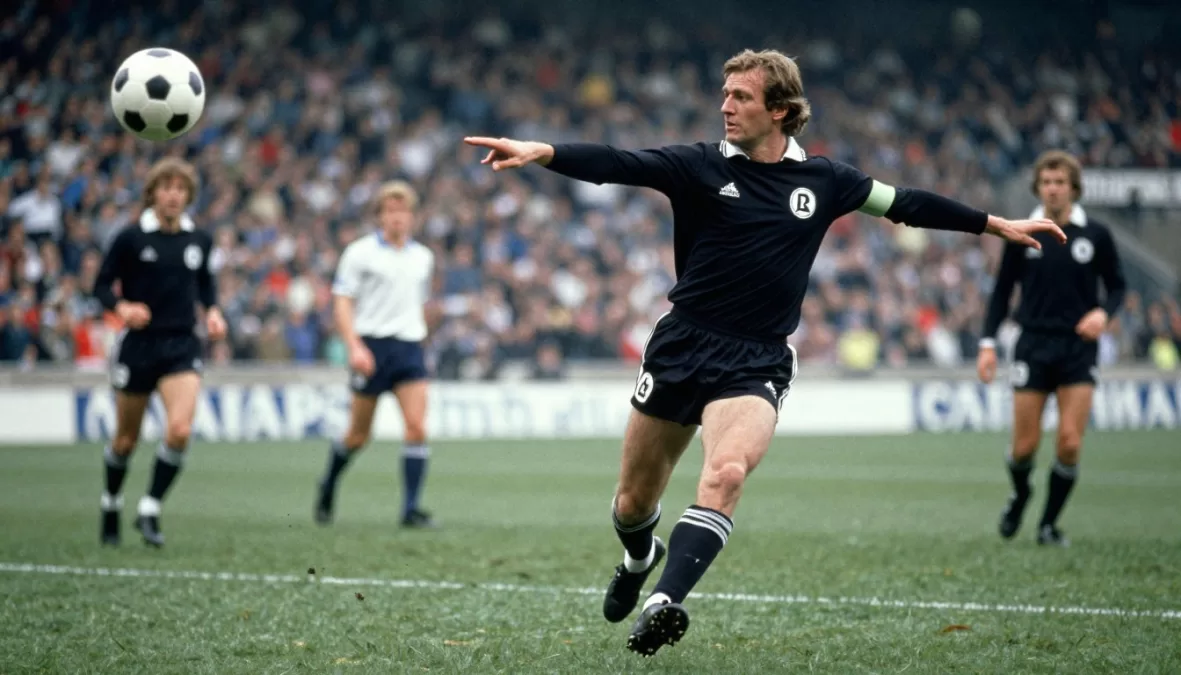
Beckenbauer possessed remarkable composure under pressure consistently. His vision allowed him to see passes others missed. The ball seemed to obey his every command effortlessly.
Key Strengths
- Exceptional reading of the game and positioning
- Precise long-range passing ability
- Calm composure in high-pressure situations
- Leadership qualities on and off the pitch
- Tactical intelligence and innovation
His tackling technique emphasized interception over physical challenges. Beckenbauer preferred intelligence to brute force. This approach kept him injury-free throughout most seasons.
The German defender could control match tempo from his position. He dictated when to defend and when to attack. Few defenders in history matched this comprehensive influence.
Legacy and Influence
Modern sweeper-keepers owe debt to Beckenbauer’s pioneering approach. His style influenced generations of defenders worldwide. Players like Paolo Maldini and Matthias Sammer studied his methods.
Beckenbauer succeeded as manager after retirement from playing. He guided Germany to World Cup victory in 1990. This accomplishment cemented his status as football royalty.
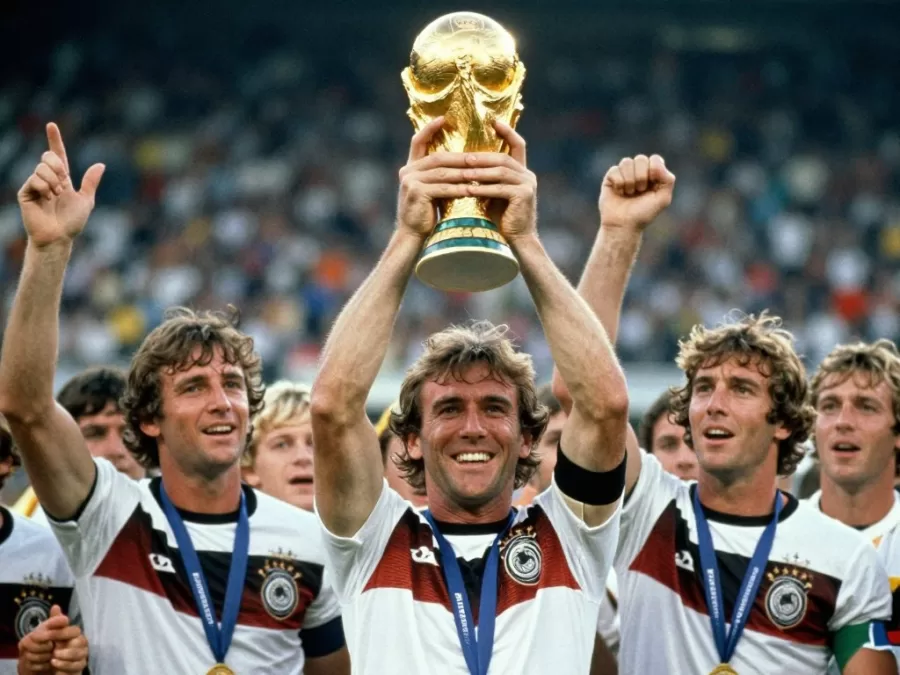
His impact extends beyond statistics and trophies earned. Beckenbauer changed how people viewed defensive players. The position gained respect as equally important as forwards.
“Franz Beckenbauer was the complete footballer who could play anywhere on the pitch with equal brilliance.”
9. Alfredo Di Stéfano: Real Madrid’s Original Galáctico
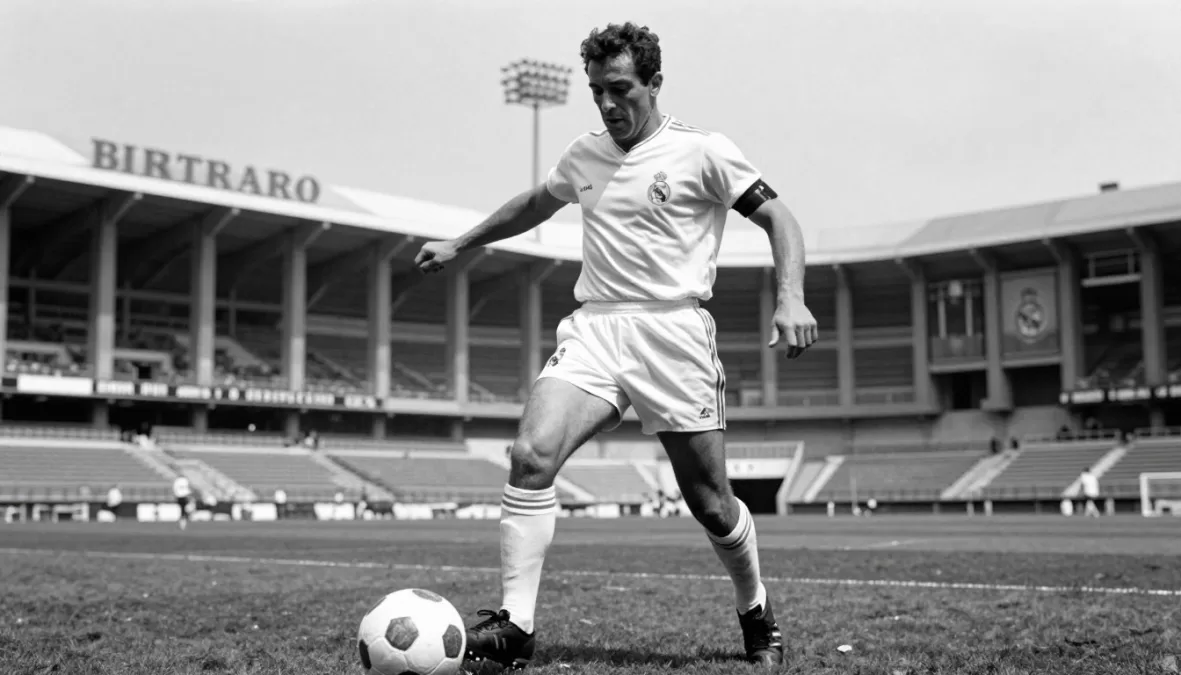
Alfredo Di Stéfano dominated European football during the 1950s and 1960s. The Argentine-Spanish forward defined Real Madrid’s early glory years. His versatility allowed him to influence matches from any position.
Di Stéfano scored in five consecutive European Cup finals. This remarkable record remains unmatched in football history. He led Real Madrid to the first five European Cup titles.
Unprecedented European Dominance
Real Madrid won the European Cup every year from 1956 to 1960. Di Stéfano served as the team’s undisputed leader and talisman. His performances in finals became legendary across the continent.
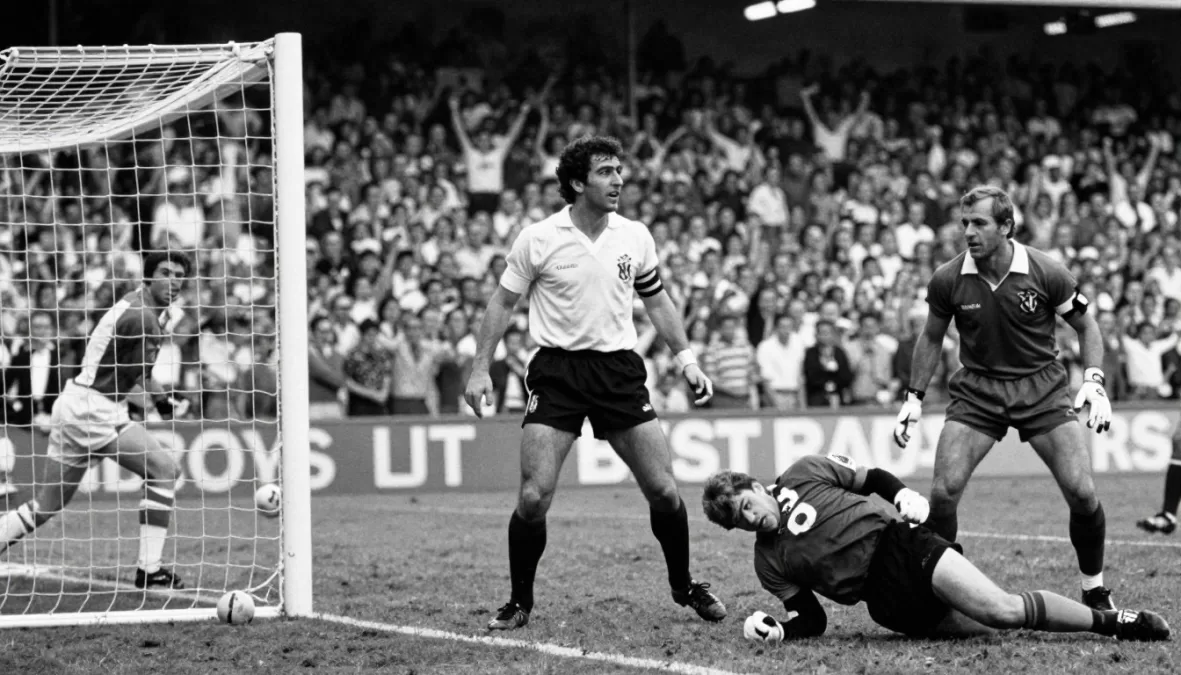
The forward scored 49 goals in 58 European Cup matches. His goals-per-game ratio exceeded most modern strikers. Di Stéfano delivered when stakes were highest consistently.
Complete Player Profile
Di Stéfano’s versatility separated him from contemporary players significantly. He could score goals, create chances, and defend when needed. This completeness made him virtually unstoppable.
Attacking Prowess
Di Stéfano scored 308 goals in 396 Real Madrid appearances. His positioning and finishing proved world-class throughout his career.
- Clinical finishing ability
- Intelligent movement off the ball
- Powerful shooting with both feet
Creative Vision
He provided countless assists through exceptional passing range. Di Stéfano saw opportunities before they materialized on the pitch.
- Precise through balls
- Creative dribbling skills
- Tactical awareness
Work Ethic
His defensive contributions shocked opponents regularly. Di Stéfano covered every blade of grass during matches.
- Tireless running
- Defensive tracking
- Leadership presence
Individual Honors and Recognition
Di Stéfano won the Ballon d’Or twice during his career. He claimed the prestigious award in 1957 and 1959. The Super Ballon d’Or came to him in 1989.
| Season | Competition | Goals | Appearances | Trophy |
| 1955-56 | European Cup | 5 | 6 | Winner |
| 1956-57 | European Cup | 9 | 9 | Winner |
| 1957-58 | European Cup | 10 | 10 | Winner |
| 1958-59 | European Cup | 6 | 8 | Winner |
| 1959-60 | European Cup | 12 | 7 | Winner |
His club trophy cabinet includes eight Spanish league titles. Di Stéfano won the Copa del Rey once with Real Madrid. These domestic achievements complemented his European success.
International Career Complexity
Di Stéfano represented three different national teams during his career. He played for Argentina, Colombia, and Spain internationally. Political complications prevented World Cup participation unfortunately.
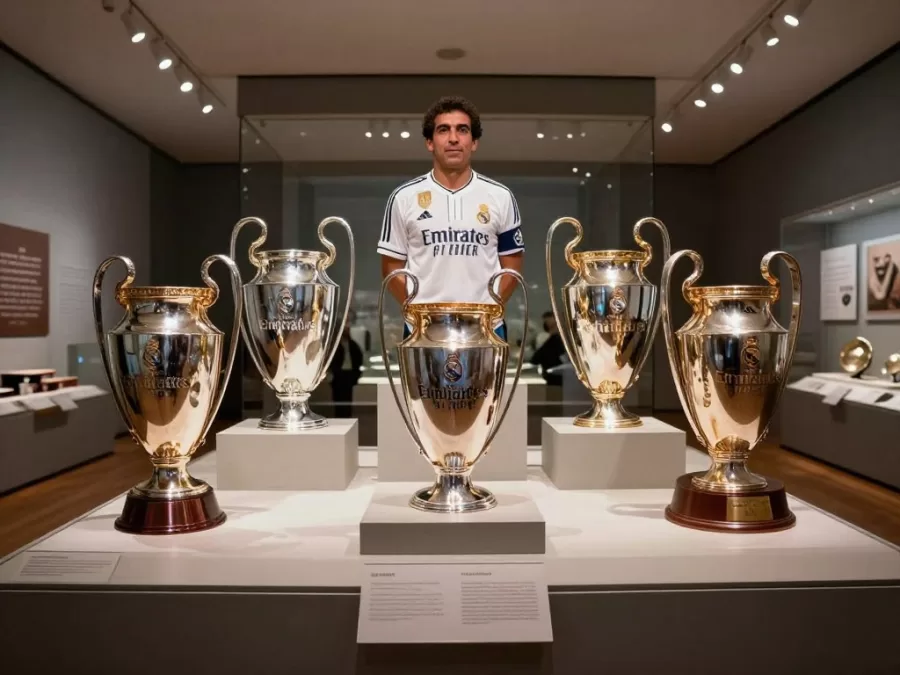
The absence of World Cup success slightly diminishes his resume. However, European Cup dominance proved his greatness beyond doubt. Di Stéfano conquered the continent’s best clubs repeatedly.
Lasting Impact
Modern box-to-box midfielders follow the template Di Stéfano created. His style influenced tactical evolution significantly. The concept of total football owed much to his approach.
Real Madrid’s identity as a European powerhouse began with Di Stéfano. He established standards of excellence that continue today. The club’s trophy collection started with his brilliance.
“Alfredo Di Stéfano was the greatest footballer of all time. I refuse to classify him as anything other than that.”
8. Johan Cruyff: The Architect of Total Football
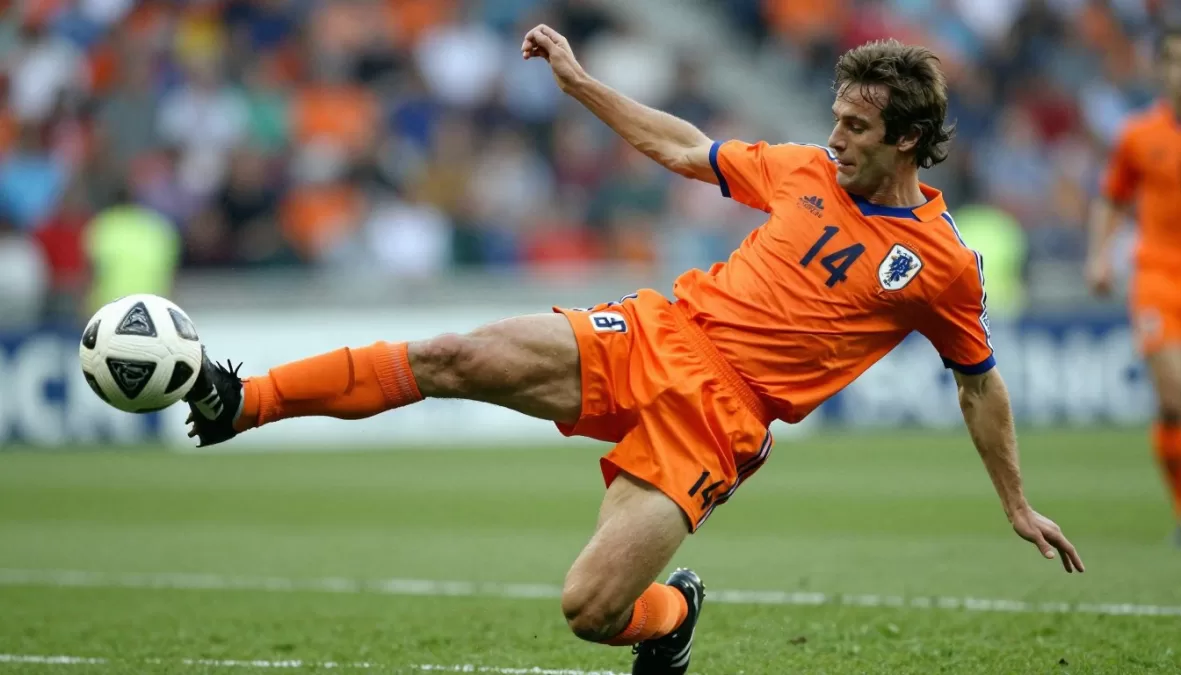
Johan Cruyff transformed football into a tactical chess match. The Dutch master pioneered total football at Ajax and Barcelona. His vision changed how teams approached the beautiful game.
Cruyff won three consecutive Ballon d’Or awards from 1971 to 1973. This achievement demonstrated sustained excellence at the highest level. Few players dominated European football so completely during their era.
Ajax Dynasty and European Glory
Ajax Amsterdam won three straight European Cups between 1971 and 1973. Cruyff served as the team’s creative genius and leader. His performances captivated audiences across Europe.
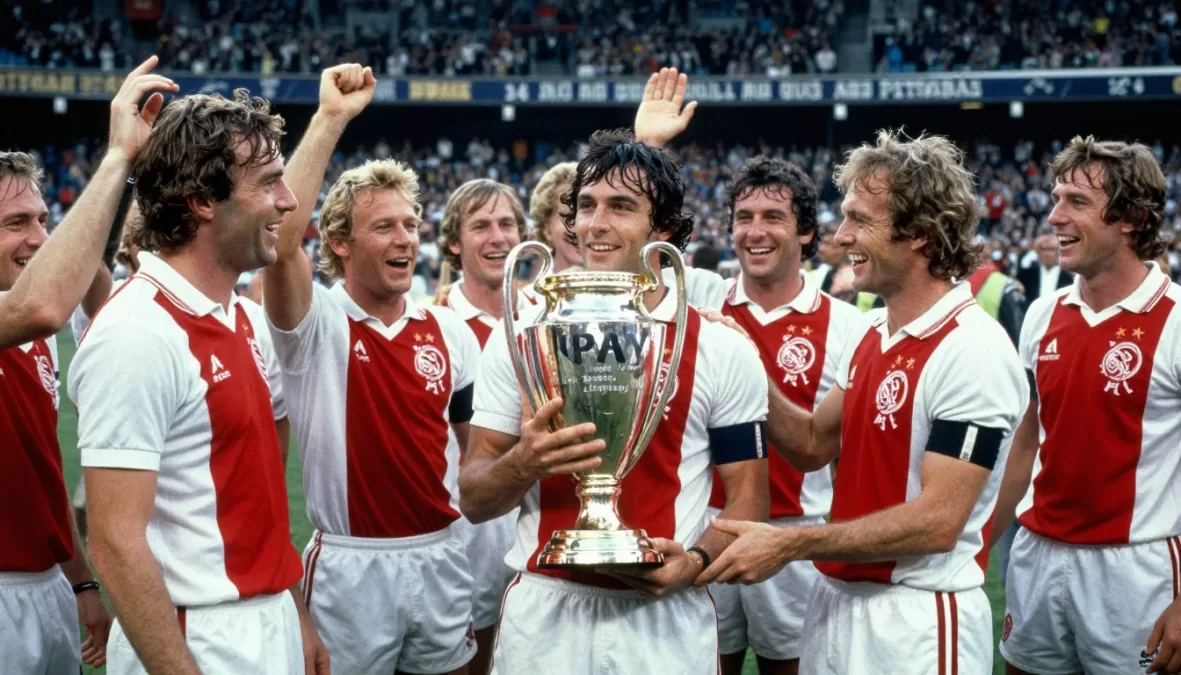
The Dutch club revolutionized football tactics under Rinus Michels. Cruyff embodied the philosophy of total football perfectly. Players interchanged positions fluidly during matches.
The Cruyff Turn and Individual Brilliance
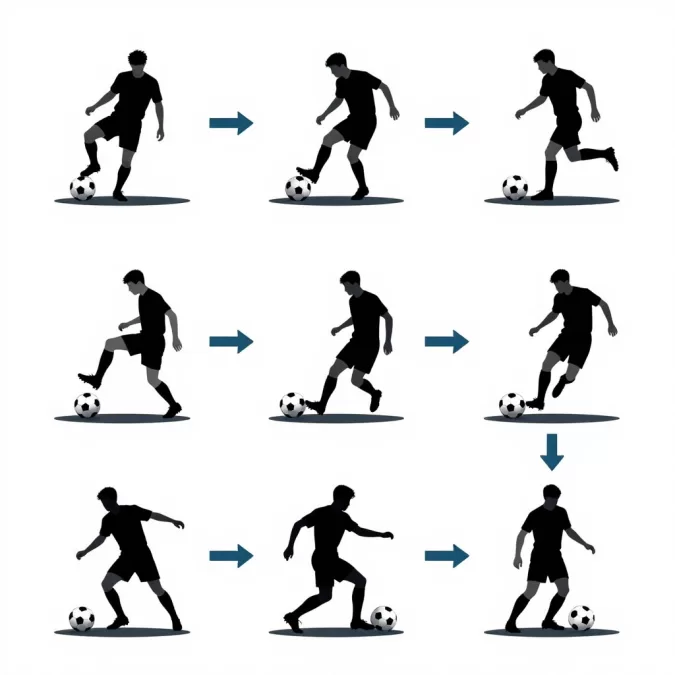
The move bearing his name became football’s most iconic skill. The Cruyff turn deceived defenders with its simplicity and effectiveness. This technique spread to playgrounds worldwide instantly.
Technical Mastery
- Exceptional close ball control and dribbling
- Innovative feints and deceptive movements
- Precise passing accuracy over all distances
- Intelligent spatial awareness and positioning
- Ability to play multiple positions effectively
Barcelona Legacy
Cruyff joined Barcelona in 1973 for a world record transfer fee. He immediately transformed the Catalan club’s fortunes dramatically. La Liga title came to Barcelona in his first season.
His influence at Barcelona extended far beyond playing years. Cruyff returned as manager and won four consecutive league titles. The Dream Team he built dominated Spanish football completely.
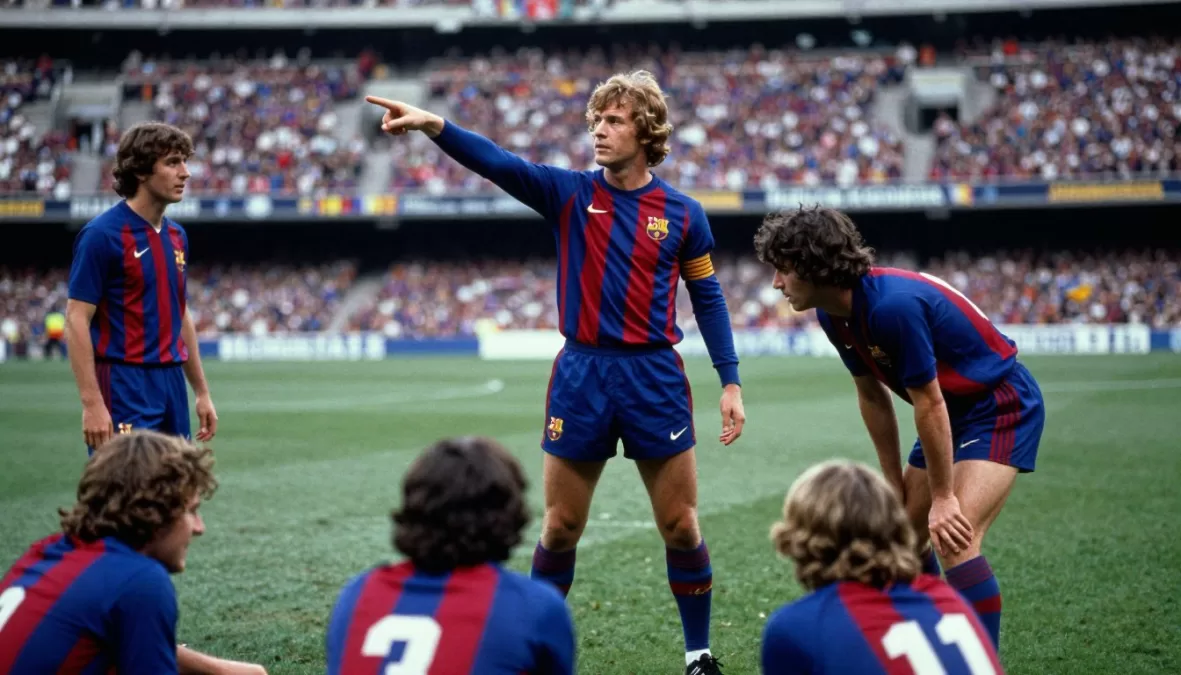
Barcelona’s modern playing philosophy stems directly from Cruyff’s vision. Tiki-taka football evolved from his tactical principles. The club’s academy still teaches his methods today.
World Cup Near-Miss
The 1974 World Cup final represented Cruyff’s greatest disappointment. Netherlands lost to West Germany despite superior play. His performance throughout the tournament remained exceptional regardless.
Tournament Impact: Cruyff scored three goals and provided three assists during the 1974 World Cup. His displays against Brazil and Argentina showcased total football’s potential brilliance.
The Netherlands played mesmerizing football throughout the tournament consistently. Cruyff orchestrated attacks with unprecedented creativity and flair. The final result couldn’t diminish his individual excellence.
Revolutionary Thinking
Cruyff’s tactical intelligence matched his technical ability perfectly. He understood space and movement better than contemporaries. This football IQ elevated his game beyond physical skills.
His coaching philosophy influenced countless managers worldwide subsequently. Pep Guardiola credits Cruyff as his greatest inspiration. Modern possession-based football owes its existence to Cruyff’s ideas.
“Playing football is very simple, but playing simple football is the hardest thing there is.”
Who’s Your Greatest of All Time?
Join thousands of football fans debating the ultimate GOAT. Cast your vote in our interactive poll and see how your opinion compares with the global community. Results update in real-time as more fans participate!
7. Zinedine Zidane: The Elegant Maestro
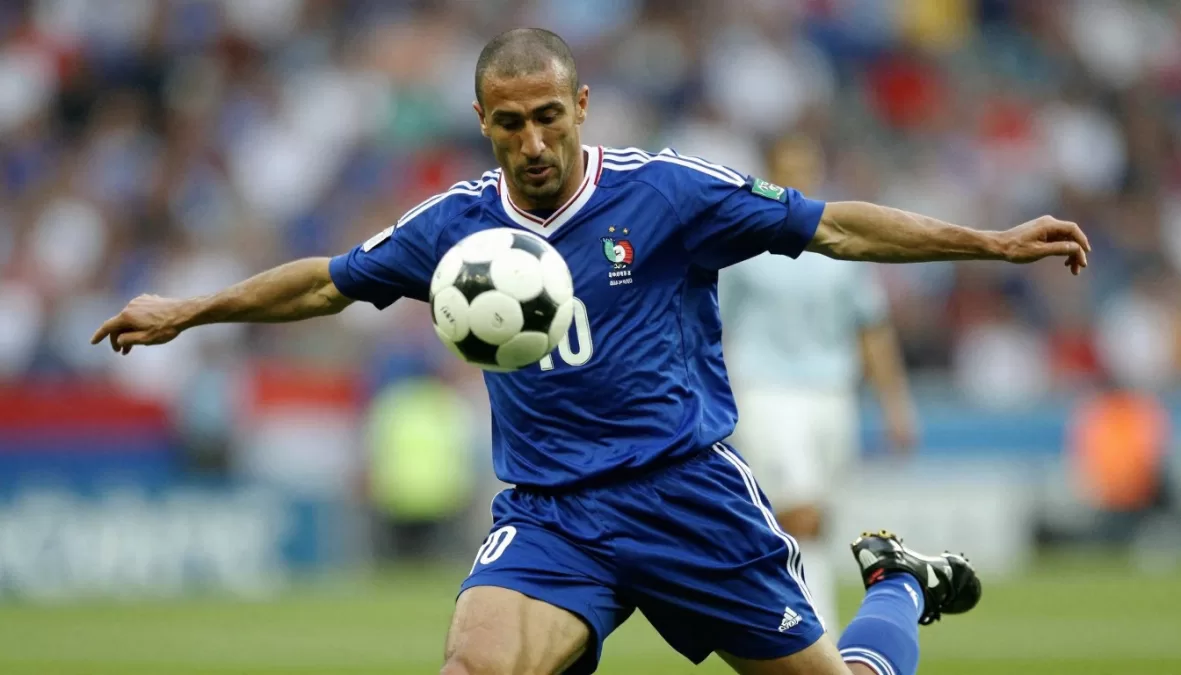
Zinedine Zidane combined grace and power like few players before him. The French midfielder orchestrated play with mesmerizing skill and vision. His performances in crucial matches defined an entire generation.
Zidane won the World Cup with France in 1998 as a player. He scored twice in the final against Brazil magnificently. This achievement cemented his legendary status in football history.
World Cup Heroics
The 1998 World Cup final showcased Zidane at his absolute peak. His two headers broke Brazilian resistance decisively. France celebrated their first World Cup triumph at home.
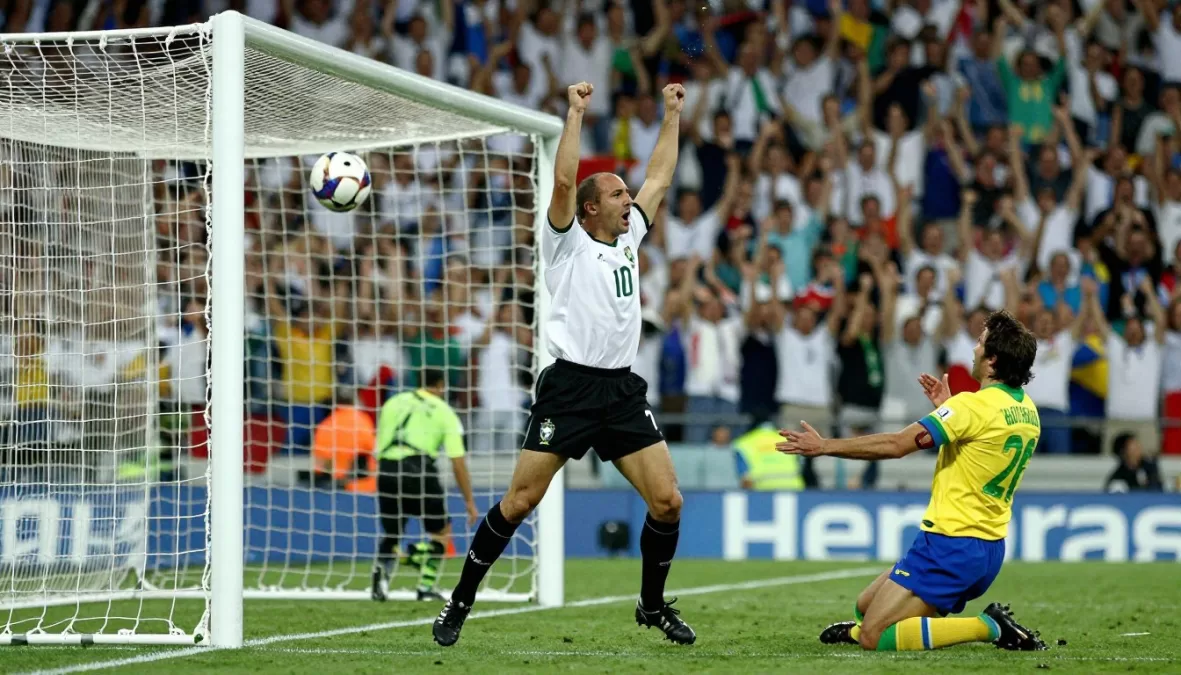
European Championship glory came to France in 2000 with Zidane leading. He scored the golden goal in the semifinal against Portugal. The final against Italy confirmed French dominance in international football.
Club Career Excellence
Zidane’s transfer to Real Madrid broke world records in 2001. The Spanish giants paid over 75 million euros for his services. His Champions League winning goal in 2002 justified the investment.
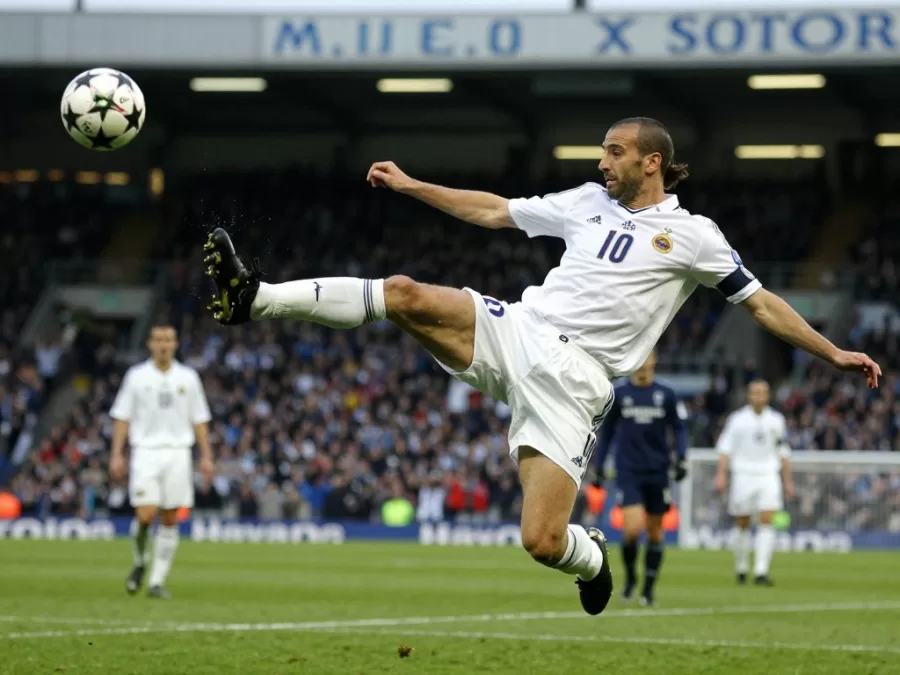
The volley against Bayer Leverkusen became one of football’s greatest goals. Zidane struck the ball perfectly with his weaker left foot. The technique and timing demonstrated supreme confidence under pressure.
He won La Liga title with Real Madrid in 2003. The club added another Champions League trophy in the same year. Zidane’s presence elevated every team he joined considerably.
Playing Style and Technique
Zidane’s first touch separated him from other midfielders consistently. The ball seemed magnetically attached to his foot. This control allowed him time to survey options calmly.
Ball Mastery
- Exceptional first touch control
- Effortless dribbling in tight spaces
- Signature roulette turn
- Perfect weight on passes
Vision
- Threading passes through defenses
- Creating space with movement
- Reading defensive formations
- Timing of attacking runs
Composure
- Calmness under pressure
- Big-game performance mentality
- Leadership in crucial moments
- Clutch goal-scoring ability
Individual Accolades
The Ballon d’Or came to Zidane in 1998 following World Cup success. FIFA World Player of the Year awards arrived in 1998, 2000, and 2003. These honors recognized his sustained excellence over many years.
| Year | Award | Achievement | Competition |
| 1998 | Ballon d’Or | Winner | World Cup Champion |
| 1998 | FIFA World Player | Winner | World Cup Champion |
| 2000 | FIFA World Player | Winner | Euro 2000 Champion |
| 2002 | UEFA Best Player | Winner | Champions League Winner |
| 2003 | FIFA World Player | Winner | Champions League Winner |
The 2006 World Cup Swan Song
Zidane returned from retirement for the 2006 World Cup campaign. He led France to another final appearance against Italy. His performances reminded the world of his genius once more.
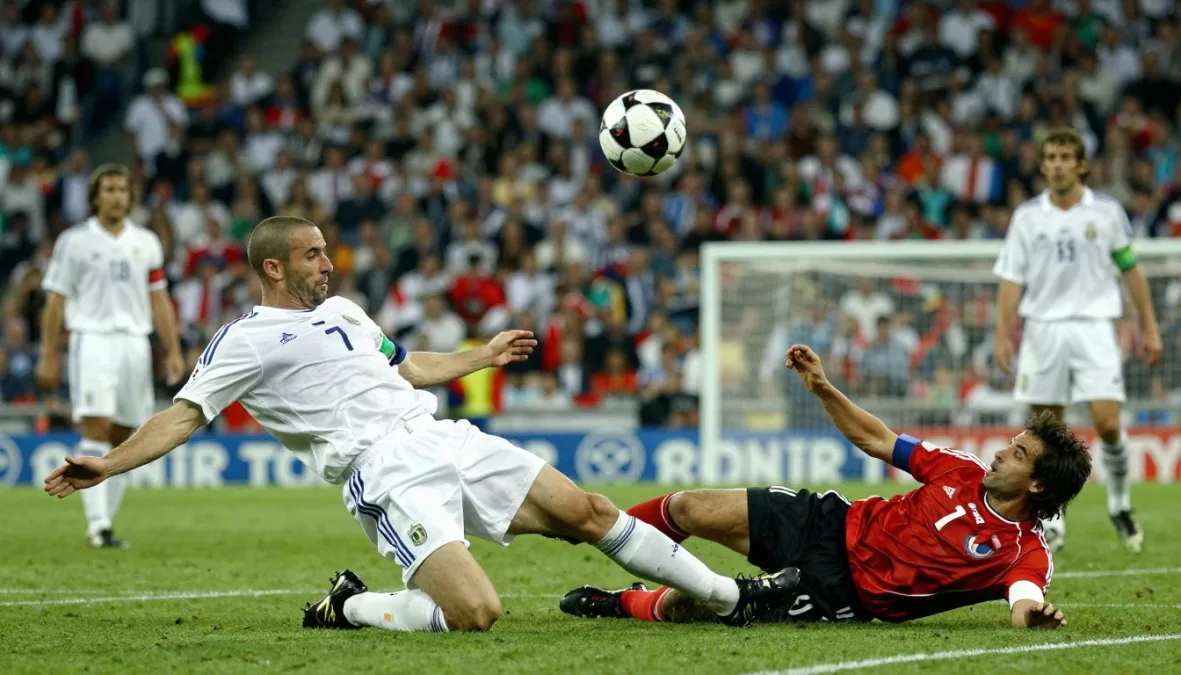
The final ended controversially with Zidane’s red card for headbutting. Despite the disappointing conclusion, his earlier performances shone brightly. He won the Golden Ball as tournament’s best player.
Zidane’s penalty technique in the final demonstrated supreme confidence. The audacious chip over Buffon showed nerves of steel. This moment encapsulated his fearless approach to football.
Managerial Success
Zidane’s coaching career at Real Madrid brought unprecedented success quickly. He won three consecutive Champions League titles between 2016 and 2018. This achievement matched his playing brilliance remarkably.
His legacy extends across playing and coaching achievements impressively. Zidane mastered football from multiple perspectives completely. Few individuals achieved such comprehensive success in the sport.
“Zidane is the master. Over the past 10 years, there’s been no one like him.”
6. Ronaldo Nazário: The Original Phenomenon
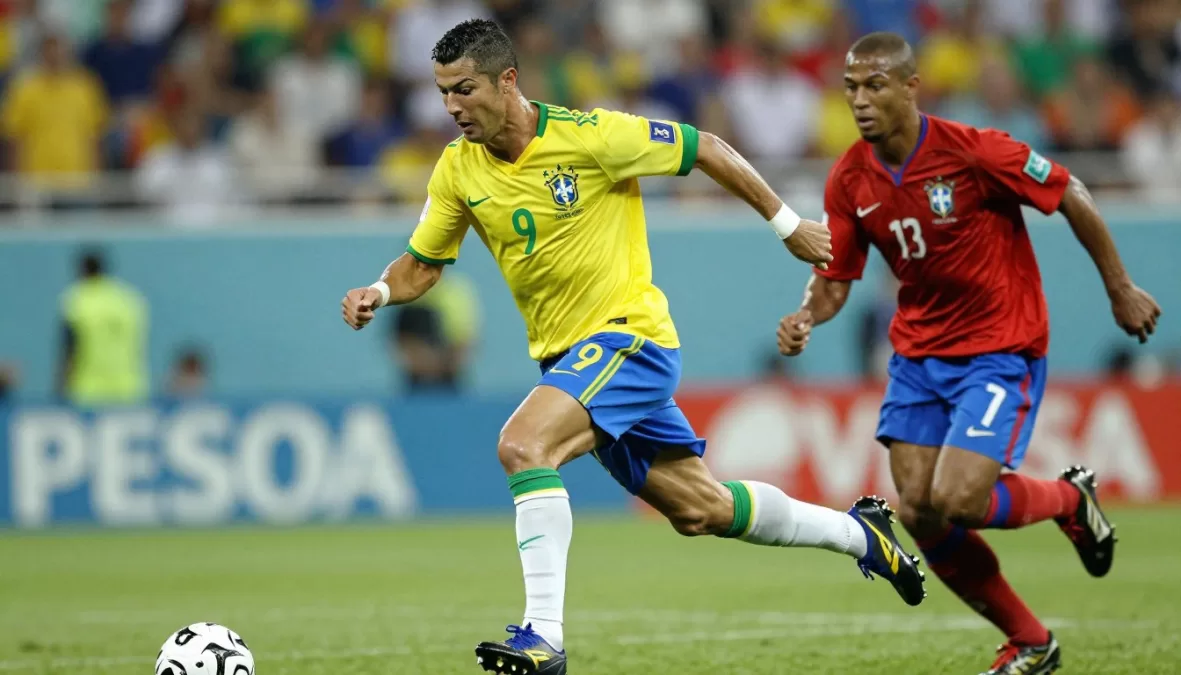
Ronaldo Nazário redefined what a striker could achieve physically and technically. The Brazilian phenomenon combined blistering pace with clinical finishing ability. His goal-scoring prowess terrorized defenses across multiple continents.
Ronaldo won two World Cup titles with Brazil in his career. The 2002 tournament showcased him at his devastating best. Eight goals in the competition earned him the Golden Boot.
Early Career Dominance
Barcelona signed the teenage Ronaldo in 1996 for significant money. He scored 47 goals in just 49 appearances for the club. This incredible ratio announced his arrival among football’s elite.
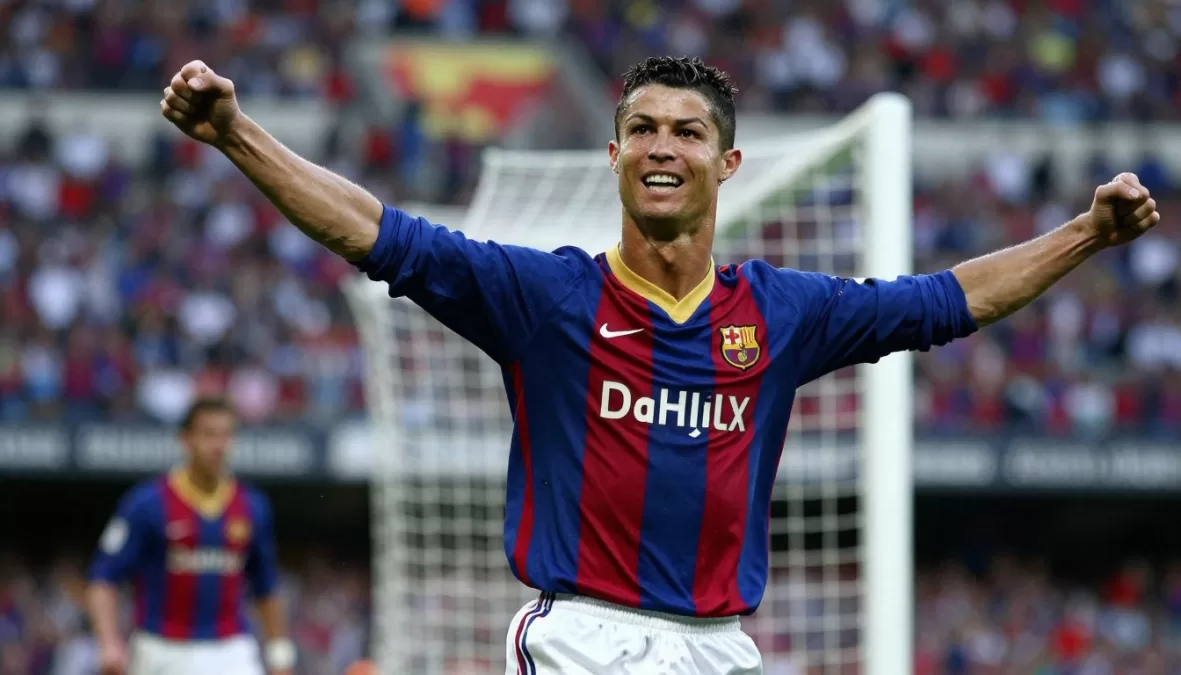
Inter Milan became his next destination in 1997 for another record fee. Ronaldo won the Ballon d’Or twice during his time in Italy. His performances in Serie A against tough defenders proved remarkable.
Physical Attributes and Playing Style
Ronaldo’s acceleration over the first five yards remained unmatched in football. Defenders couldn’t react quickly enough to his explosive bursts. This physical gift created countless goal-scoring opportunities consistently.
Explosive Qualities
- Devastating acceleration and top speed
- Powerful upper body strength
- Exceptional balance while dribbling
- Quick directional changes
- Endurance for repeated sprints
Technical Skills
- Clinical finishing with either foot
- Close control at high speeds
- Dribbling through multiple defenders
- Composure in one-on-one situations
- Intelligent movement off the ball
Overcoming Adversity
Severe knee injuries threatened to end Ronaldo’s career prematurely. He suffered devastating ligament damage twice within eighteen months. The rehabilitation process tested his mental strength severely.
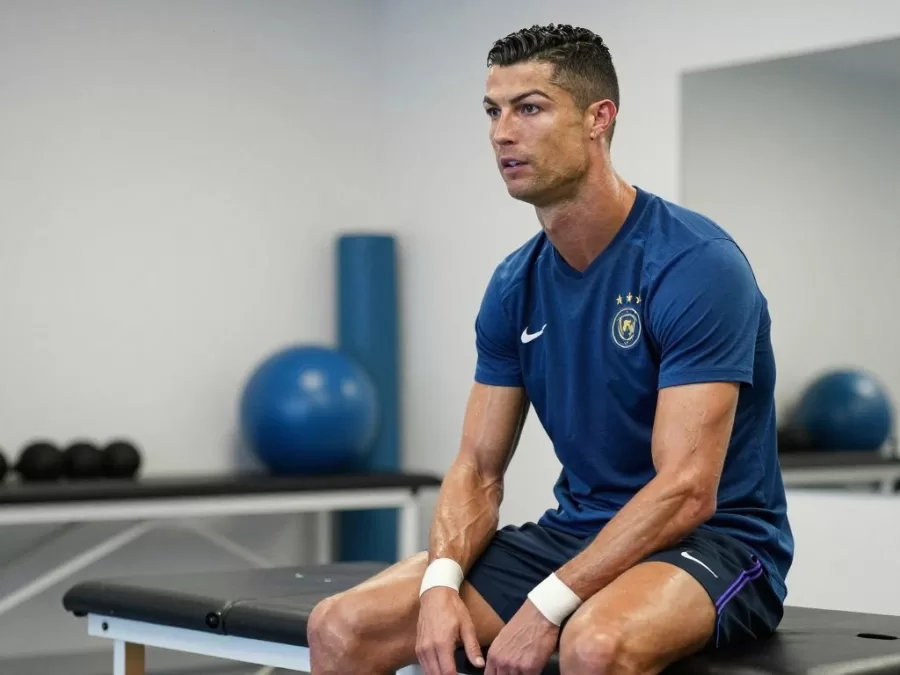
Ronaldo’s comeback from injuries demonstrated extraordinary determination and character. Many experts doubted his ability to return to elite level. The 2002 World Cup silenced all critics definitively.
World Cup Glory
The 2002 World Cup final against Germany showcased Ronaldo perfectly. He scored both goals in Brazil’s victory decisively. This performance completed his redemption story magnificently.
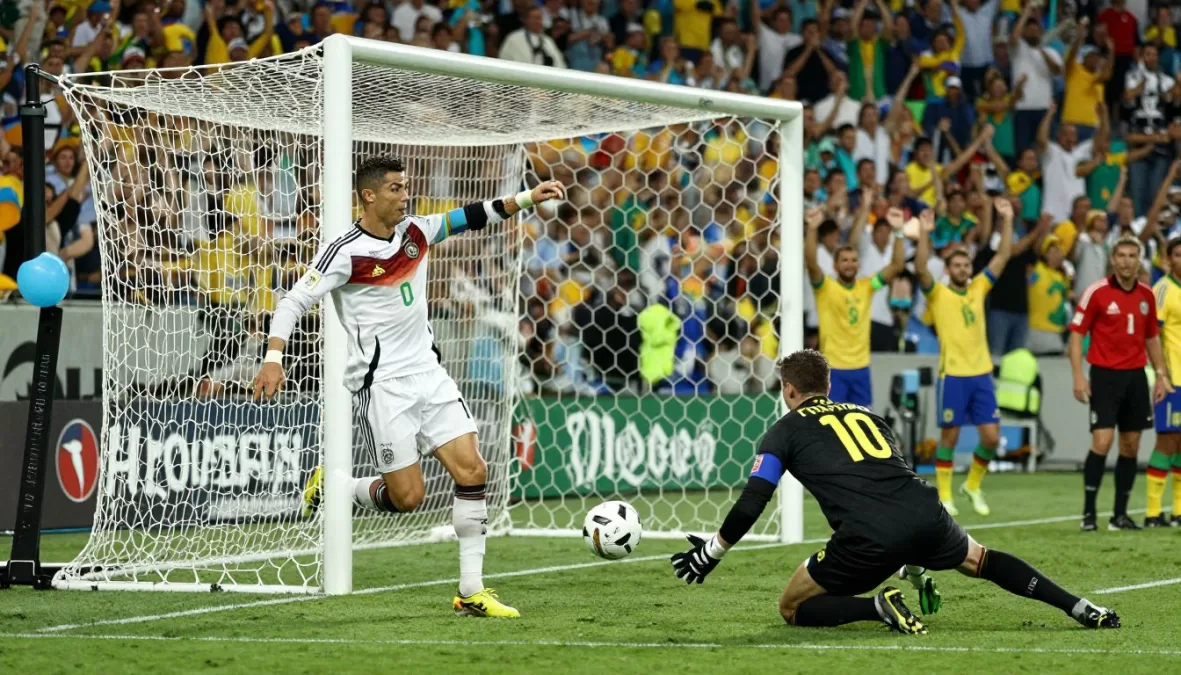
His eight goals throughout the tournament broke multiple records impressively. Ronaldo became the tournament’s top scorer convincingly. The Golden Boot confirmed his status as the world’s best striker.
World Cup Record: Ronaldo scored 15 goals across four World Cup tournaments, making him the all-time leading scorer until recent years. His strike rate in the competition remained exceptional throughout his international career.
Club Career Achievements
Ronaldo’s club career included successful spells at multiple European giants. Real Madrid won La Liga with him in 2003. His time at AC Milan brought another league title in 2007.
| Club | Years | Appearances | Goals | Major Trophies |
| Barcelona | 1996-97 | 49 | 47 | Copa del Rey, Cup Winners’ Cup |
| Inter Milan | 1997-02 | 99 | 59 | UEFA Cup |
| Real Madrid | 2002-07 | 177 | 104 | La Liga |
| AC Milan | 2007-08 | 20 | 9 | Serie A |
Legacy as a Complete Striker
Ronaldo influenced modern striker play significantly through his unique style. He combined power, pace, and technical brilliance like no predecessor. Current forwards still study his movement and finishing techniques.
The nickname “Il Fenomeno” perfectly captured his extraordinary abilities. Ronaldo transcended normal football boundaries through pure talent. His legacy endures as the prototype modern striker.
“Ronaldo was a phenomenon before his injuries. After his injuries, he was still better than everyone else.”
5. Cristiano Ronaldo: The Goal-Scoring Machine
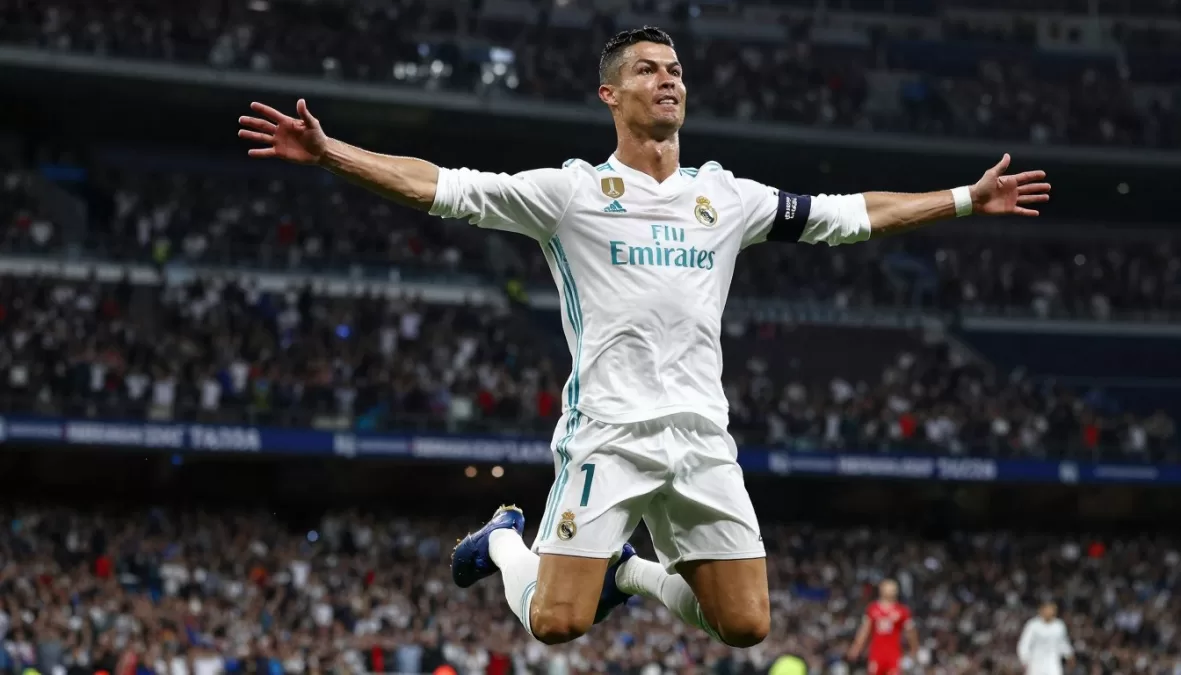
Cristiano Ronaldo redefined dedication and professionalism in modern football completely. The Portuguese forward maintained peak physical condition across two decades. His goal-scoring records shattered previous benchmarks repeatedly throughout his career.
Ronaldo won five Ballon d’Or awards during his illustrious career. He claimed the prestigious honor in 2008, 2013, 2014, 2016, and 2017. These awards recognized sustained excellence at the absolute highest level.
Record-Breaking Goal Statistics
Cristiano Ronaldo became football’s all-time leading international goal scorer with determination. He surpassed previous records through relentless consistency and longevity. Over 800 career goals across all competitions demonstrate unprecedented productivity.
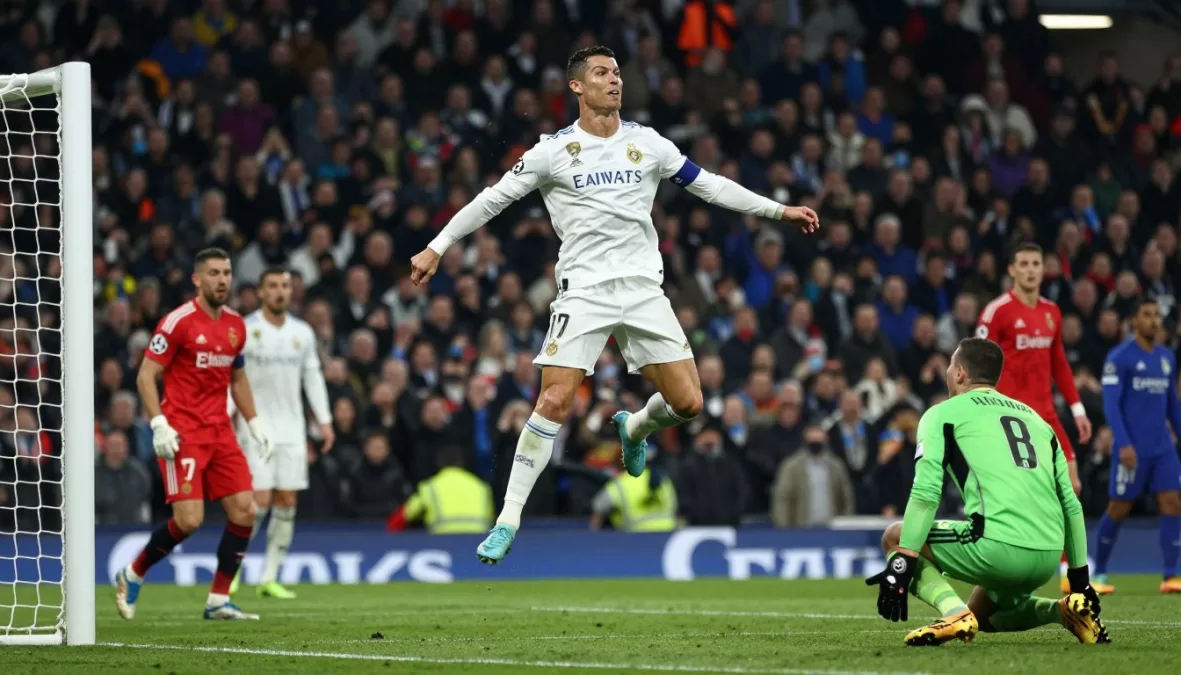
His Champions League record stands at over 140 goals across the competition. Ronaldo scored in multiple finals for Real Madrid successfully. The European competition became his personal stage for greatness.
Manchester United Breakthrough
Ronaldo arrived at Manchester United as a skinny teenager in 2003. Sir Alex Ferguson transformed him into a complete footballer gradually. The 2007-08 season showcased his evolution into a superstar.
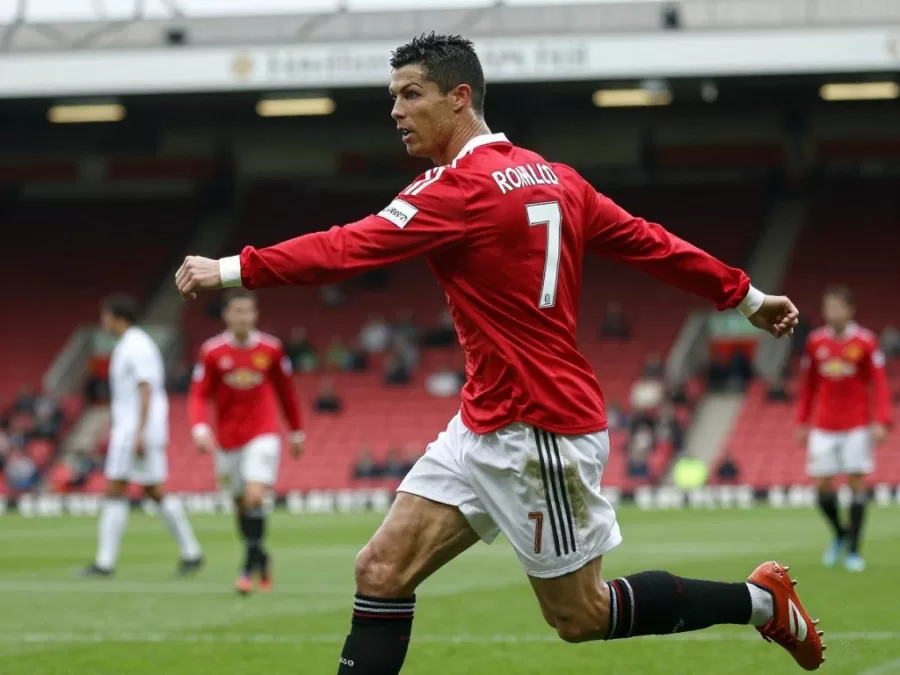
Manchester United won the Premier League and Champions League in 2008. Ronaldo scored 42 goals across all competitions that season. His first Ballon d’Or followed these remarkable achievements deservedly.
The Champions League final against Chelsea proved his mental strength. Ronaldo’s penalty in the shootout helped secure victory. This triumph announced him among football’s very best players.
Real Madrid Galáctico Era
Real Madrid paid a world record fee for Ronaldo in 2009. The Spanish giants invested over 94 million euros in his services. He justified this massive outlay immediately with prolific scoring.
| Season | Competition | Appearances | Goals | Trophies |
| 2013-14 | All Competitions | 47 | 51 | Champions League, Copa del Rey |
| 2014-15 | All Competitions | 54 | 61 | – |
| 2015-16 | All Competitions | 48 | 51 | Champions League |
| 2016-17 | All Competitions | 46 | 42 | Champions League, La Liga |
| 2017-18 | All Competitions | 44 | 44 | Champions League |
Ronaldo won four Champions League titles with Real Madrid dominantly. He became the competition’s all-time leading scorer by substantial margin. His performances in knockout stages proved decisive repeatedly.
Physical Transformation and Dedication
Ronaldo’s commitment to physical conditioning became legendary throughout football circles. He maintained body fat percentage below ten percent consistently. Training regimens and dietary discipline set unprecedented standards for professionalism.
Athletic Prowess
- Exceptional vertical jump ability
- Explosive sprinting speed
- Remarkable core strength
- Sustained fitness into late thirties
Technical Skills
- Powerful shooting with both feet
- Knuckleball free-kick technique
- Exceptional heading accuracy
- Clinical penalty conversion rate
Mental Strength
- Unwavering self-belief
- Clutch performance mentality
- Relentless competitive drive
- Leadership presence on pitch
International Success with Portugal
Ronaldo led Portugal to European Championship glory in 2016 triumphantly. The team defeated France in the final despite his injury. His leadership throughout the tournament proved invaluable to success.
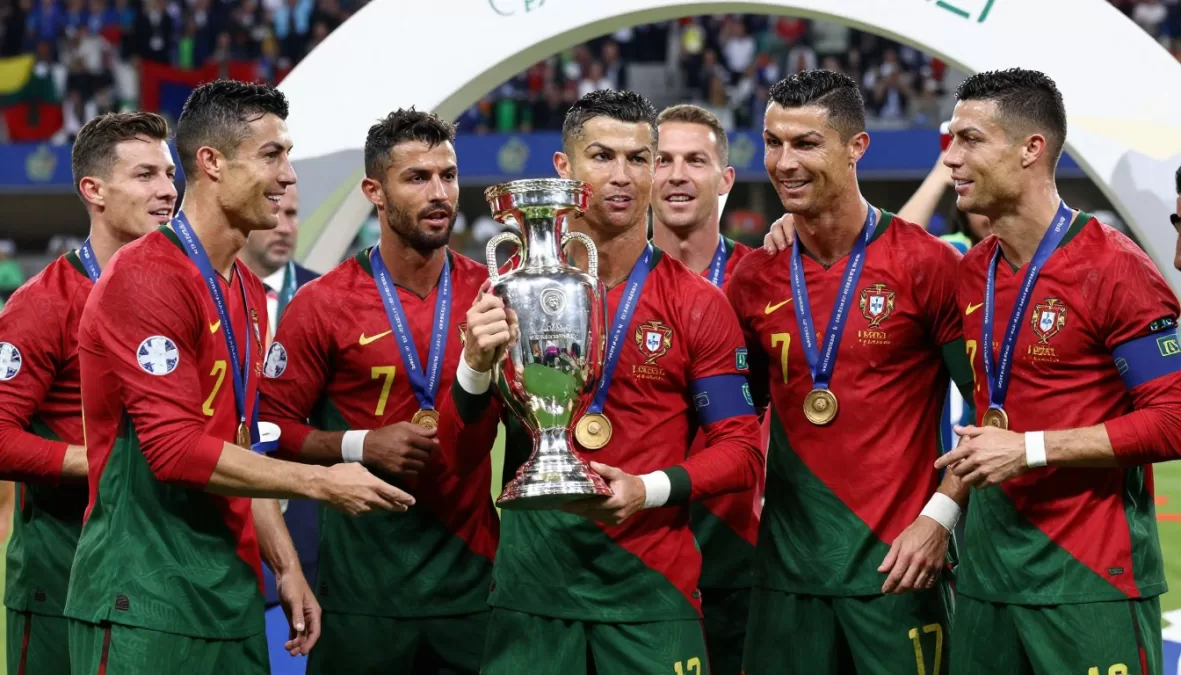
The Nations League trophy came to Portugal in 2019 additionally. Ronaldo scored crucial goals throughout the competition consistently. His international trophy cabinet finally matched his club achievements.
Continued Excellence Across Multiple Leagues
Juventus signed Ronaldo in 2018 to conquer Italian football. He won Serie A titles in his first two seasons. The move demonstrated his adaptability to different tactical systems.
Ronaldo’s return to Manchester United in 2021 created global excitement. His impact transcends pure statistics and trophies substantially. The Portuguese icon inspired countless young players worldwide to pursue excellence.
“Cristiano Ronaldo’s dedication to being the best is second to none. He set new standards for what’s possible through hard work.”
4. Lionel Messi: The Magician from Rosario
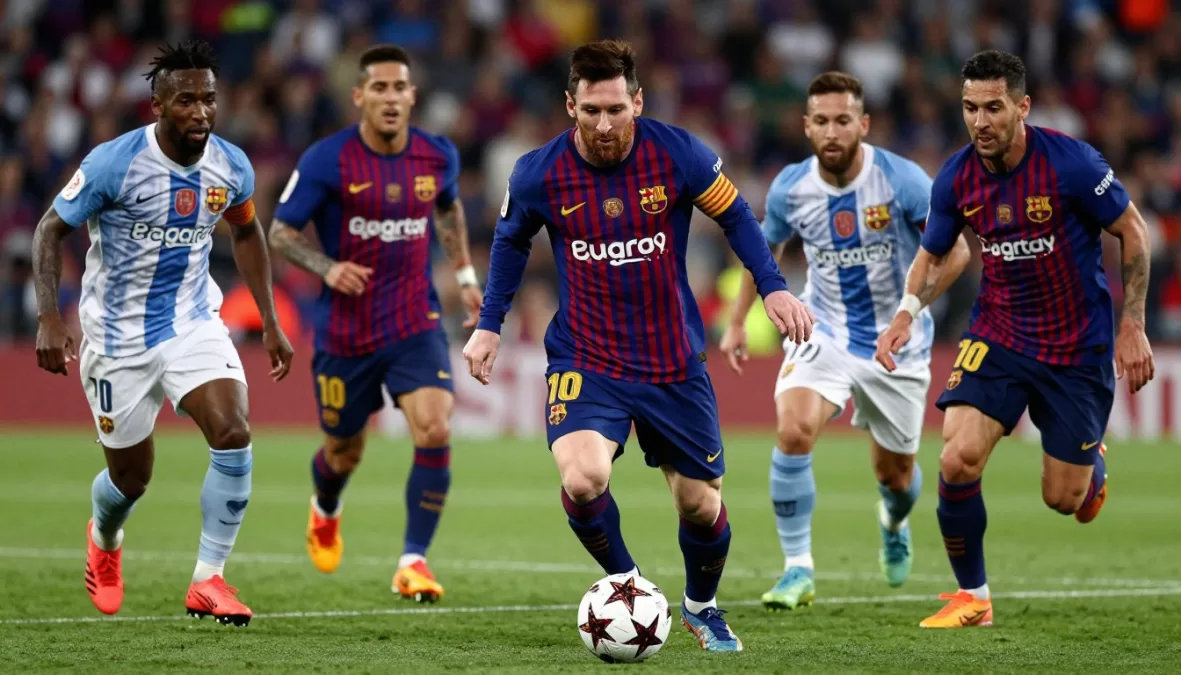
Lionel Messi redefined what individual brilliance means in football history entirely. The Argentine maestro combined vision, dribbling, and finishing like no player before. His consistency across nearly two decades remains absolutely unprecedented in the sport.
Messi won a record seven Ballon d’Or awards throughout his career. The honors came in 2009, 2010, 2011, 2012, 2015, 2019, and 2021. This achievement stands alone in football history books permanently.
Barcelona Youth Academy to Legend
Messi joined Barcelona’s La Masia academy as a thirteen-year-old boy. The club agreed to pay for growth hormone treatment expenses. This decision changed football history dramatically and irreversibly.
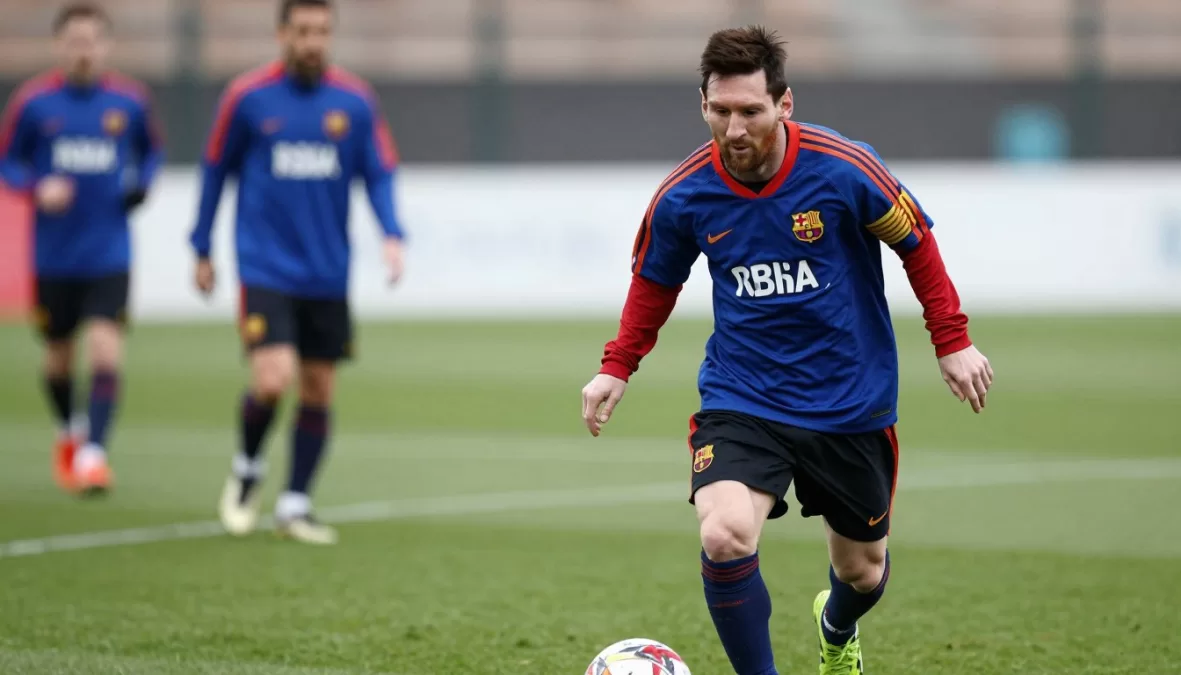
His first-team debut came in 2004 at seventeen years old. Messi’s talent became immediately apparent to everyone watching closely. The progression from prospect to superstar happened remarkably quickly.
Unprecedented Goal-Scoring Records
Messi scored 91 goals in calendar year 2012 astonishingly. This record shattered previous benchmarks set decades earlier impressively. The achievement demonstrated sustained brilliance across an entire year.
| Season | Competition | Appearances | Goals | Assists |
| 2011-12 | All Competitions | 60 | 73 | 29 |
| 2012-13 | All Competitions | 50 | 60 | 17 |
| 2014-15 | All Competitions | 57 | 58 | 27 |
| 2018-19 | All Competitions | 50 | 51 | 22 |
Barcelona’s all-time leading scorer title belongs to Messi permanently now. He netted 672 goals in 778 appearances for the club. These statistics transcend normal football achievement levels completely.
Playing Style and Unique Abilities
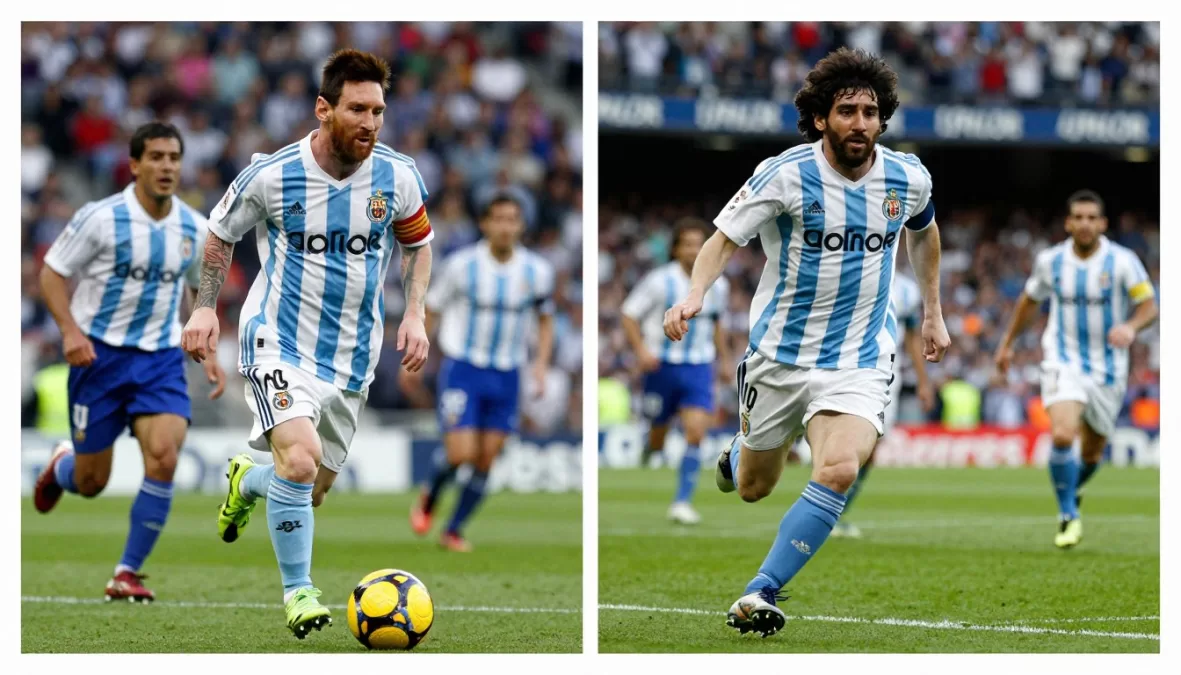
Messi’s left foot produced moments of magic game after game. His dribbling ability allowed him to navigate impossible defensive situations. The ball seemed connected to his boot by invisible string.
Technical Genius
- Unparalleled close control dribbling ability
- Precise left-foot finishing from any angle
- Vision to execute impossible passes consistently
- Free-kick mastery with curved technique
- Exceptional first touch in tight spaces
- Balance maintaining possession under pressure
Football Intelligence
- Reading defensive formations instantly
- Creating space through intelligent movement
- Timing runs to perfection repeatedly
- Adapting position based on game situations
- Orchestrating team attacks from deep positions
- Decision-making under intense pressure
Champions League Dominance
Messi won four Champions League titles with Barcelona triumphantly. The 2011 final against Manchester United showcased peak Barcelona dominance. His performances throughout that campaign proved simply magnificent.
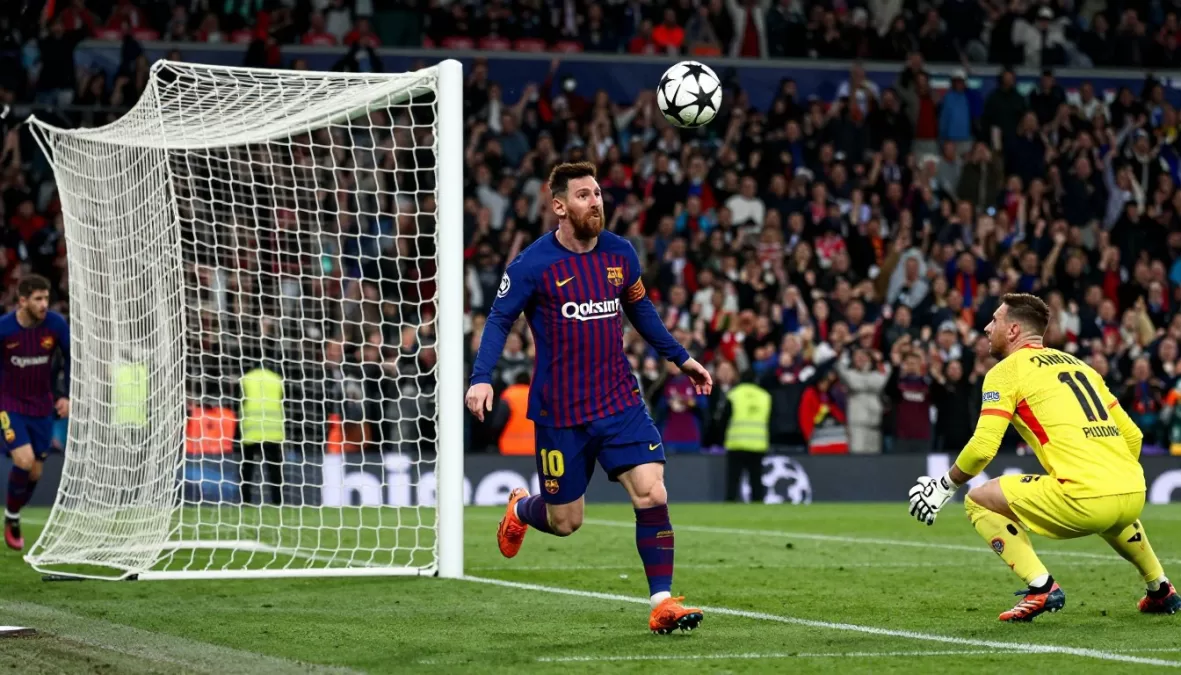
He became the competition’s second all-time leading scorer with consistency. Messi’s ability to perform in crucial knockout matches separated him. The biggest stages brought out his absolute best regularly.
International Heartbreak and Triumph
Argentina reached four major finals with Messi between 2014 and 2016. Each ended in devastating defeat for the national team unfortunately. Critics questioned his international credentials unfairly during this period.
Copa América Breakthrough: Messi finally won Copa América with Argentina in 2021, defeating Brazil in the final. This victory silenced doubters and completed his trophy collection at last.
The 2022 World Cup represented Messi’s crowning achievement deservedly. Argentina defeated France in a thrilling final on penalties. Messi scored twice and converted his penalty successfully.
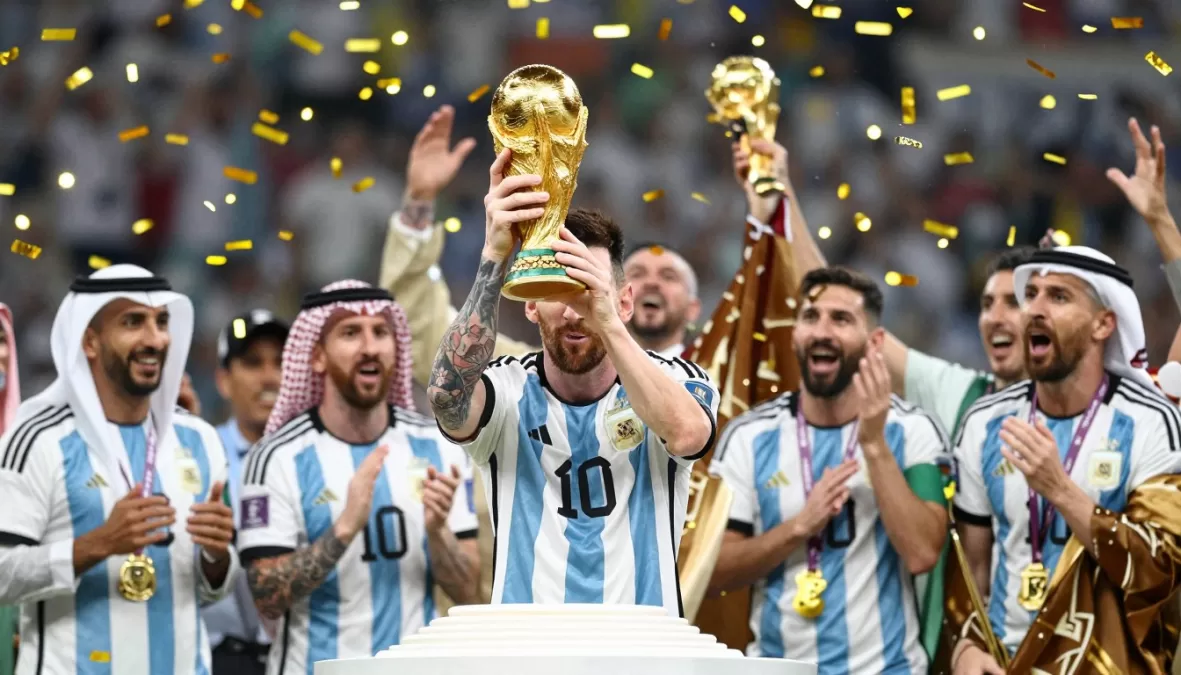
His World Cup performances throughout the tournament proved exceptional consistently. Seven goals and three assists demonstrated complete dominance. The Golden Ball award recognized him as the best player deservedly.
Statistical Supremacy
Messi’s career statistics defy comprehension across multiple categories simultaneously. Over 800 career goals places him among history’s most prolific. His assist numbers rival dedicated playmakers throughout football history.
The Argentine genius won La Liga ten times with Barcelona dominantly. Domestic cup competitions added seven more trophies to his collection. His success spanned multiple eras and tactical systems completely.
“Messi is an alien who was sent to Earth to play football and show us mere mortals how the game should be played.”
3. Diego Maradona: The Hand of God and Feet of Genius
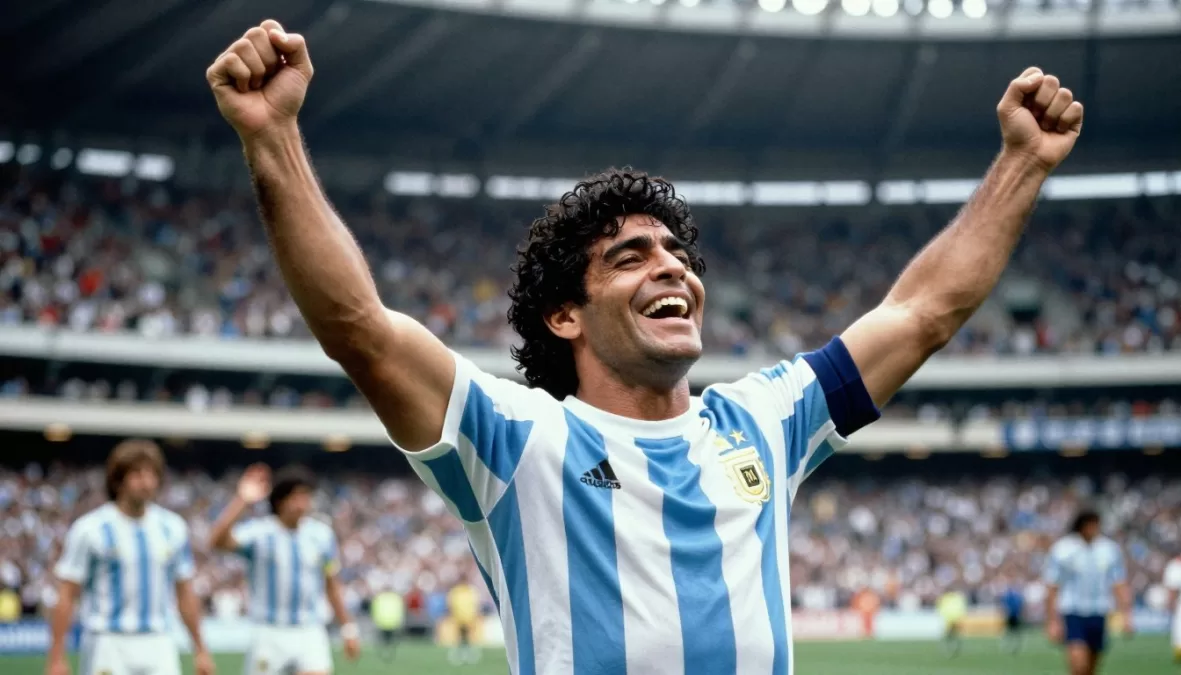
Diego Maradona transcended football to become a cultural phenomenon globally. The Argentine legend possessed skill that seemed impossible by natural laws. His impact extended far beyond statistics into the realm of mythology.
Maradona led Argentina to World Cup glory in 1986 single-handedly. His performances throughout that tournament reached supernatural levels consistently. The competition showcased both his genius and controversial nature simultaneously.
The 1986 World Cup Masterclass
The quarter-final match against England defined Maradona’s legacy permanently forever. He scored two goals that represented football’s complete spectrum. The first came through deception, the second through pure brilliance.
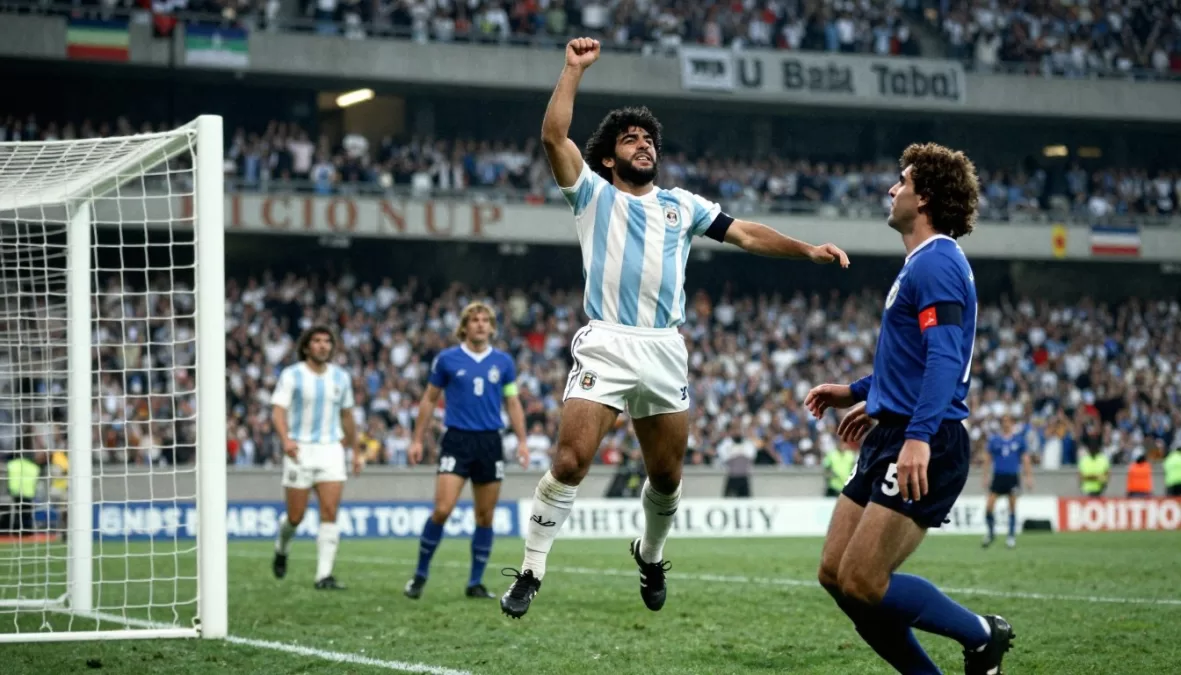
The “Hand of God” goal sparked eternal debate and controversy. Maradona punched the ball past goalkeeper Peter Shilton illegally. His celebration and post-match comments created lasting infamy immediately.
Four minutes later, Maradona scored the “Goal of the Century” magnificently. He dribbled past five English players from midfield effortlessly. The goal demonstrated technical ability beyond normal human capability.
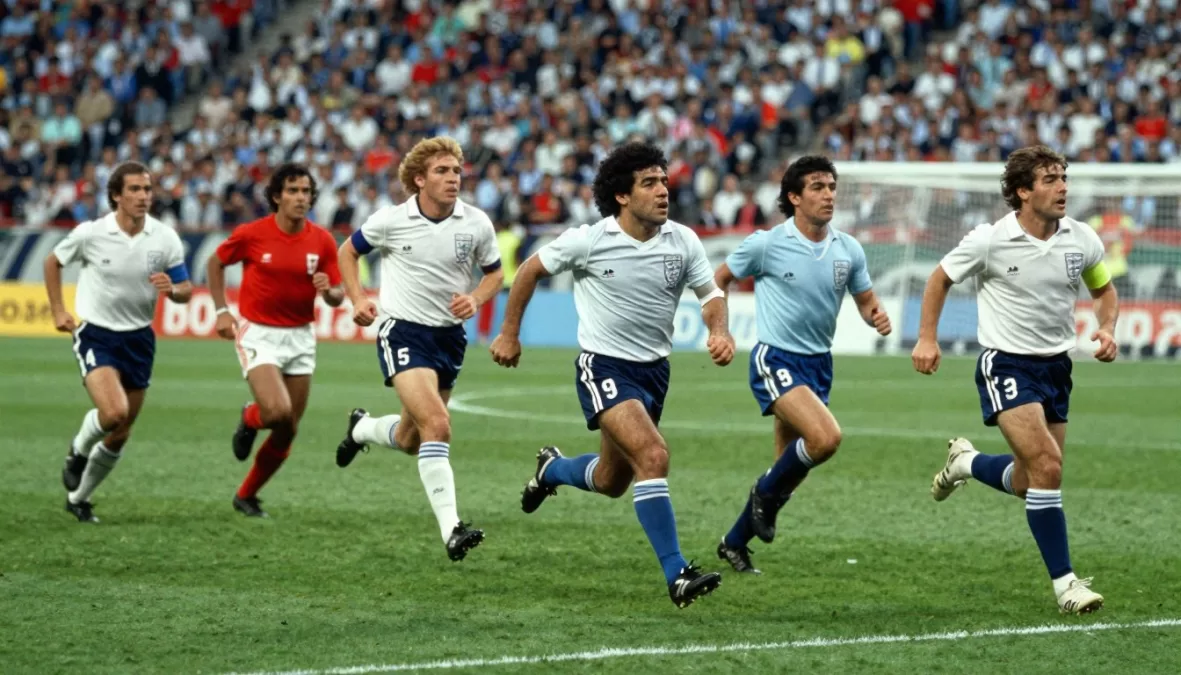
His semifinal performance against Belgium proved equally devastating to opponents. Maradona scored twice and controlled the match completely. Argentina advanced to the final with dominant authority clearly.
The World Cup final against West Germany tested Maradona severely. He assisted the winning goal despite heavy defensive attention. Argentina won their second World Cup through his leadership primarily.
Napoli Transformation
Maradona joined Napoli in 1984 for a world record transfer. The southern Italian club had never won Serie A previously. His arrival changed the city’s football fortunes dramatically forever.
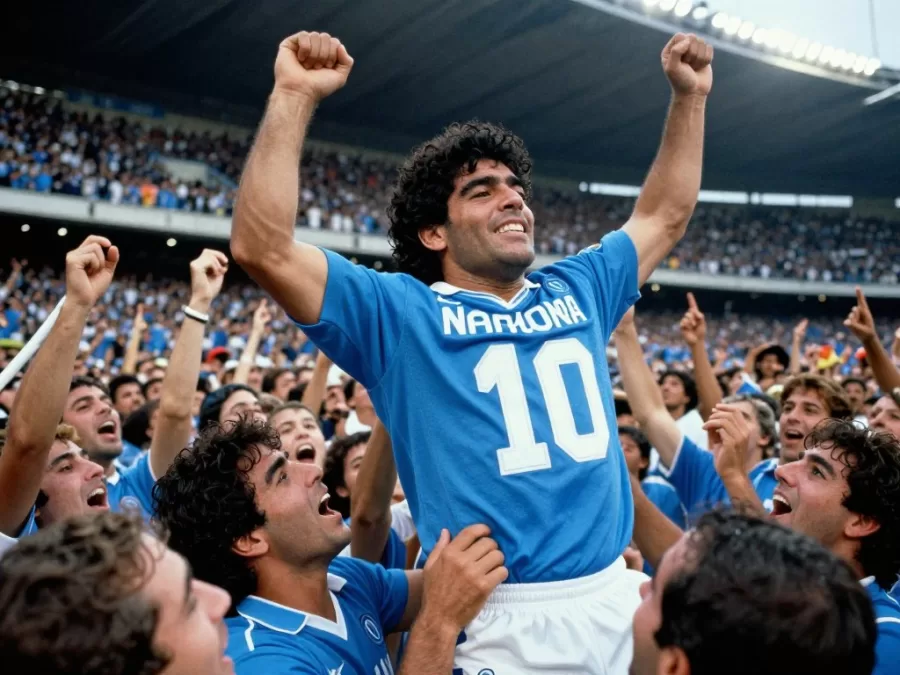
Napoli won Serie A in 1987 with Maradona as undisputed leader. The championship brought unprecedented joy to Southern Italy. A second league title followed in 1990 triumphantly.
The UEFA Cup came to Napoli in 1989 additionally. Maradona dominated Italian football despite facing brutal defensive tactics. His resilience under physical pressure proved remarkable consistently.
Playing Style and Technique
Maradona’s left foot produced moments of magic that defied logic. His dribbling combined balance, vision, and creativity uniquely. Defenders resorted to fouling because legal methods proved futile.
Dribbling Mastery
- Low center of gravity providing balance
- Quick directional changes at speed
- Ball control in impossible situations
- Shielding possession against multiple defenders
Vision & Creativity
- Seeing passes others couldn’t imagine
- Creating chances from nothing repeatedly
- Improvisation under extreme pressure
- Unpredictable decision-making patterns
Mental Strength
- Performing under immense pressure consistently
- Leadership inspiring entire nations
- Resilience against brutal fouling
- Carrying teams single-handedly often
Cultural Icon Status
Maradona represented hope for the working class globally everywhere. His story resonated with people facing adversity worldwide. The connection transcended football into cultural significance.
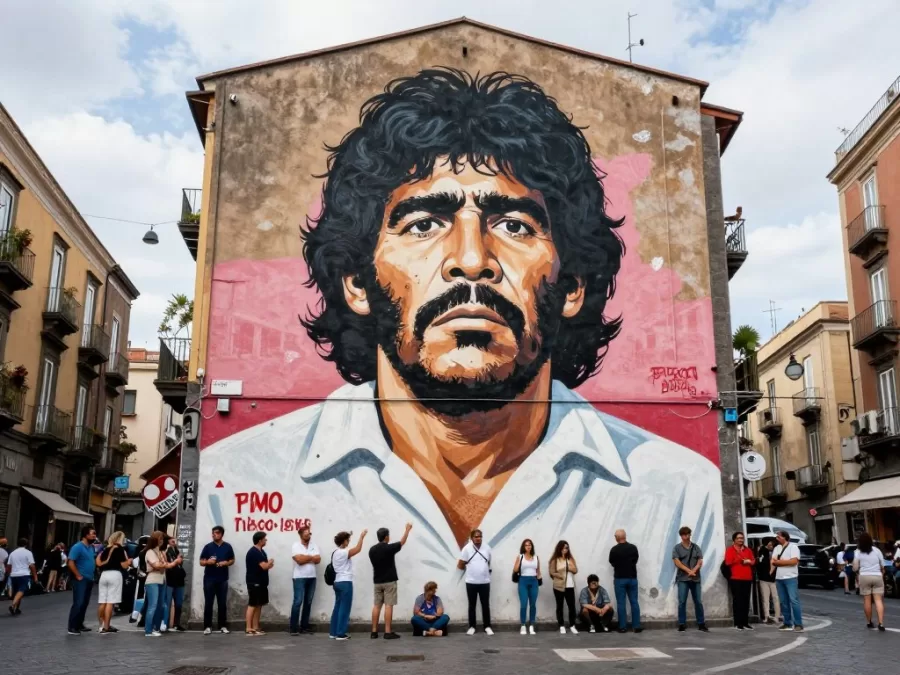
Naples worshipped Maradona like a deity during his time. The city renamed their stadium after him posthumously respectfully. His impact on Southern Italian culture remains immeasurable today.
Argentina considers Maradona arguably their greatest national hero ever. His status rivals military and political figures historically. The connection between player and country achieved mythical proportions.
Controversies and Demons
Maradona’s personal struggles with addiction became public knowledge unfortunately. His battles damaged his health and reputation significantly. These issues humanized the football god paradoxically somehow.
Complex Legacy: Maradona’s off-field controversies included drug suspensions, health crises, and legal troubles. These struggles coexisted with his on-field brilliance, creating a complicated but ultimately beloved legacy.
Pure Football Genius
Maradona’s peak years showcased football played at unprecedented levels consistently. His ability to dominate matches alone seemed superhuman regularly. The combination of skill and determination proved absolutely unstoppable.
Experts debate whether Maradona reached higher peaks than any player. His 1986 World Cup performance stands alone historically arguably. The pure genius displayed remains unmatched by objective measures.
“I have seen the player who will inherit my place in Argentine football and his name is Maradona.”
Get Exclusive Football Legends Content
Join over 50,000 passionate football fans receiving weekly insights, rare statistics, and in-depth analysis of the greatest players in history.
2. Pelé: The King of Football
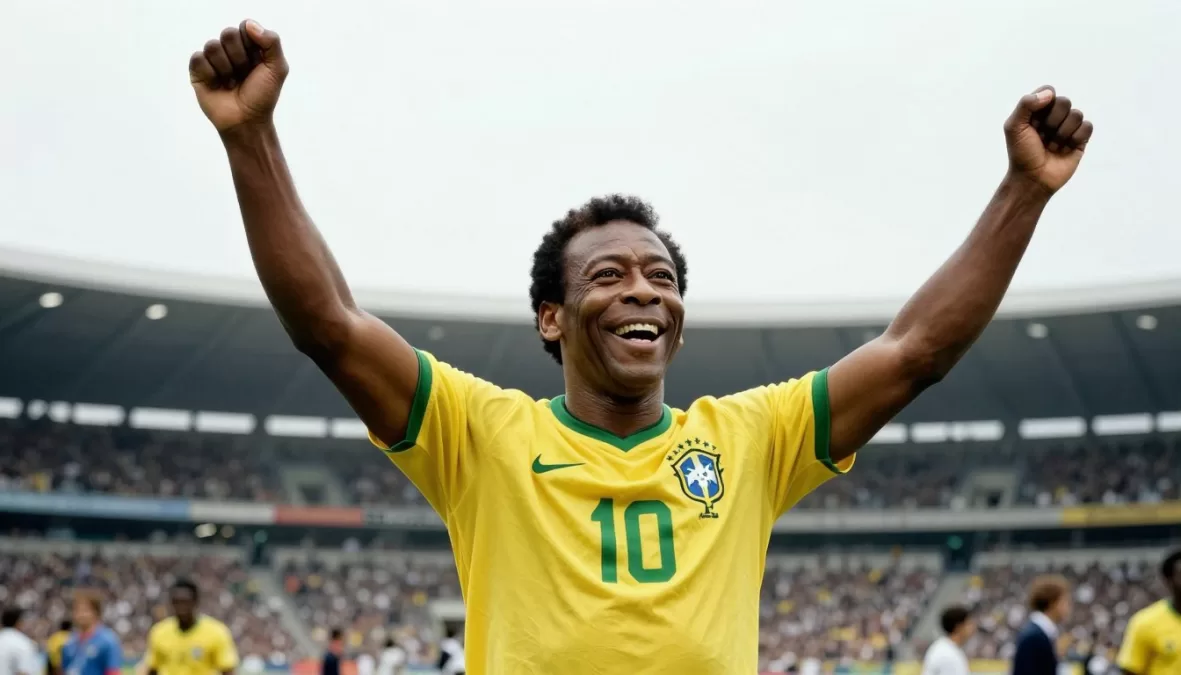
Pelé dominated football across three decades with unparalleled consistency remarkably. The Brazilian legend won three World Cup titles during his career. This achievement remains unique in football history books permanently today.
Edson Arantes do Nascimento became known simply as Pelé worldwide. His name transcended football to achieve universal recognition globally. The Brazilian represented excellence in sport and human achievement.
World Cup Triumphs
Pelé won his first World Cup at seventeen years old. The 1958 tournament in Sweden announced his arrival dramatically. His performance in the final against Sweden proved sensational completely.
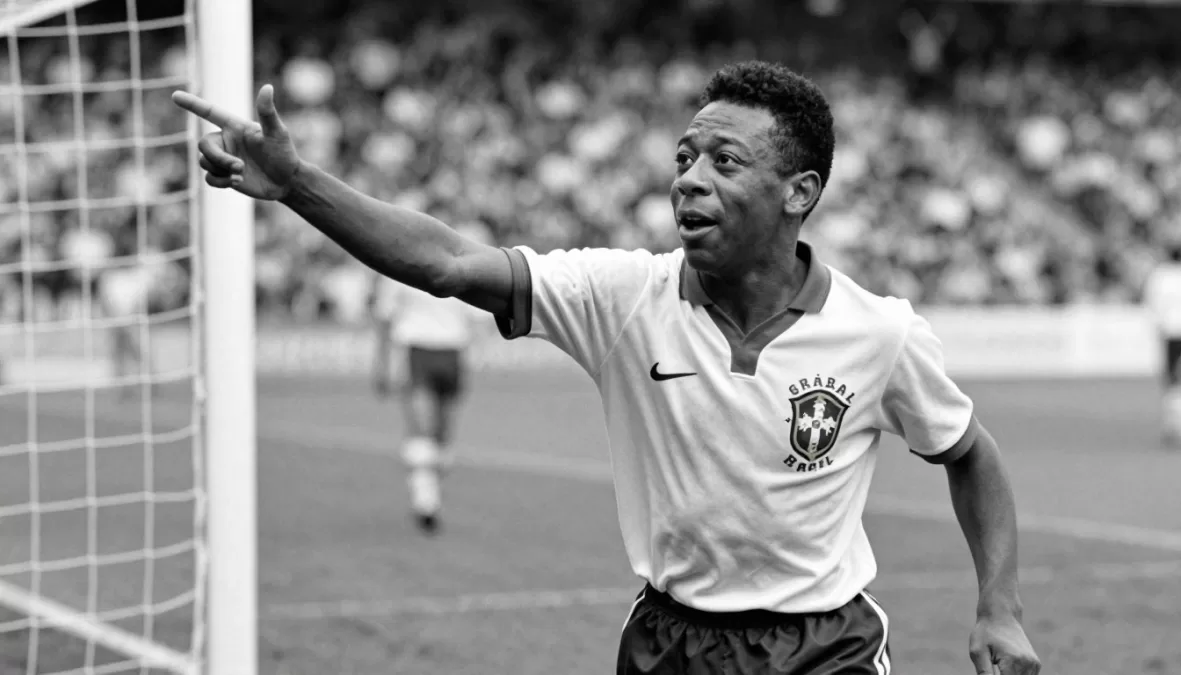
Two goals in the final showcased his incredible skill level. Pelé became the youngest player to score in a World Cup final. This record still stands over six decades later impressively.
Chile hosted the 1962 World Cup where Brazil defended their title. Pelé suffered injury early in the tournament unfortunately. The team won without him, demonstrating Brazil’s exceptional depth.
The 1970 World Cup represented Pelé’s greatest triumph arguably overall. His performances throughout the Mexico tournament achieved perfection consistently. Brazil’s attacking football captivated the entire world magnificently.
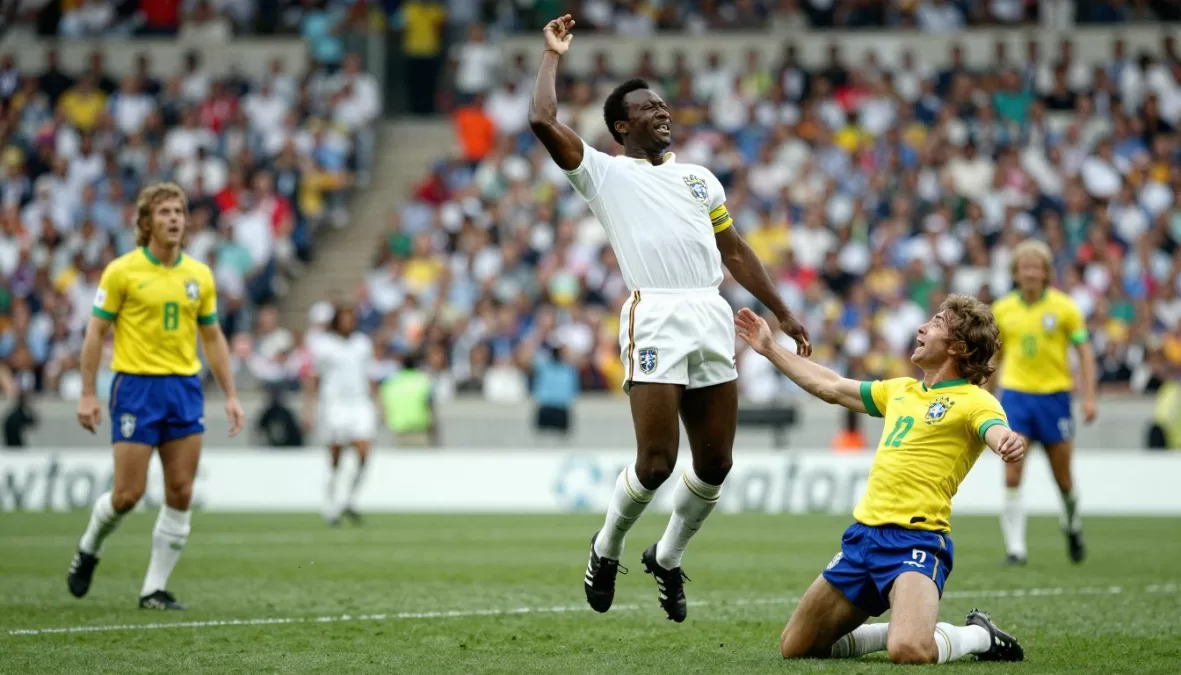
The final against Italy ended 4-1 in Brazil’s favor. Pelé scored the opening goal with a header beautifully. His assist for Carlos Alberto’s goal created football’s most celebrated team goal.
Record-Breaking Goal Tally
Pelé scored over 1,000 career goals throughout his playing days. The exact number depends on which matches count officially. His productivity across all competitions proved absolutely staggering regardless.
| Competition Type | Matches | Goals | Goals Per Game | Years Active |
| Santos FC | 636 | 643 | 1.01 | 1956-1974 |
| Brazil National Team | 92 | 77 | 0.84 | 1957-1971 |
| New York Cosmos | 64 | 37 | 0.58 | 1975-1977 |
| World Cup Finals | 14 | 12 | 0.86 | 1958-1970 |
Santos FC became synonymous with Pelé during his tenure there. The Brazilian club won numerous titles domestically and internationally. His loyalty to Santos lasted nearly two decades remarkably.
Complete Footballer
Pelé combined physical attributes with technical brilliance seamlessly always. His athletic ability matched his football intelligence perfectly. The combination created an unstoppable force on any pitch.
Physical Gifts
- Exceptional speed and acceleration ability
- Remarkable jumping power for headers
- Strong upper body shielding possession
- Stamina maintaining intensity for ninety minutes
- Balance keeping control under pressure
- Ambidextrous finishing capability completely
Technical Excellence
- Clinical finishing from any position
- Creative passing vision and execution
- Dribbling ability through tight defenses
- Bicycle kick mastery and innovation
- Free-kick accuracy and power
- Tactical awareness and positioning sense
Global Ambassador
Pelé brought football to global audiences like never before. His tours with Santos attracted unprecedented worldwide attention. The beautiful game spread internationally partly through his influence.
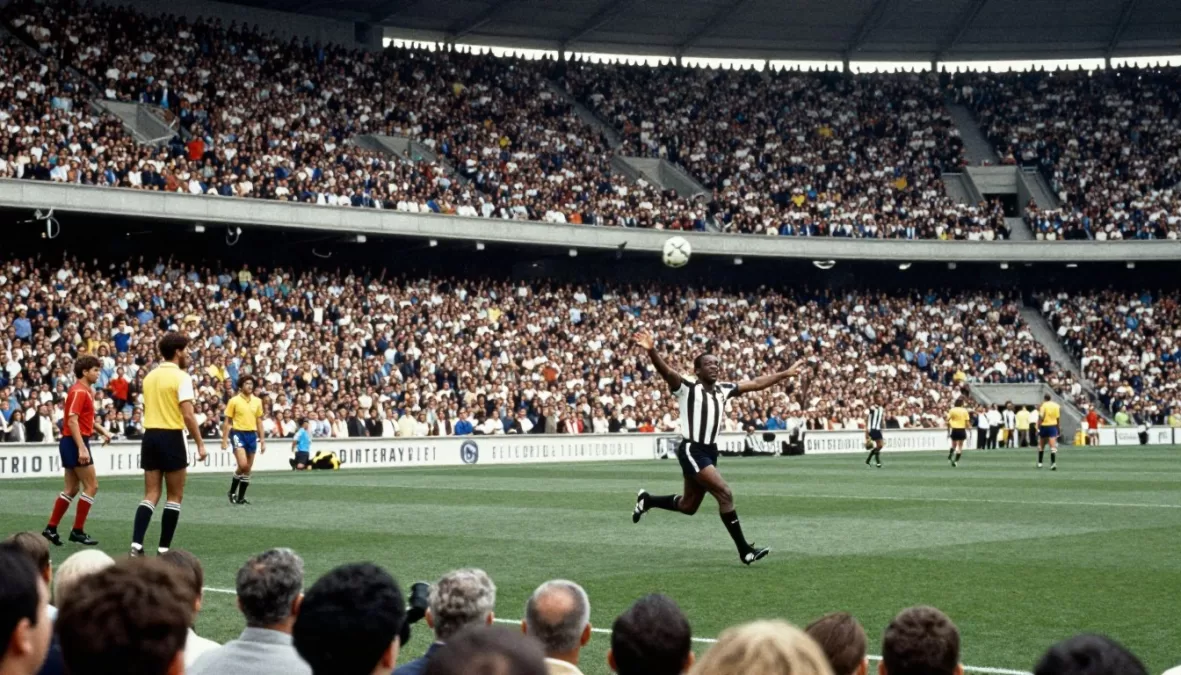
His move to New York Cosmos popularized soccer in America. The North American Soccer League gained credibility through his presence. Pelé’s impact extended beyond performance into cultural significance.
The Brazilian became football’s first true global superstar undeniably clearly. His recognition transcended sport into mainstream popular culture. Pelé represented Brazil and football to the entire world.
Revolutionary Playing Style
Pelé pioneered techniques that became standard practice later subsequently. The bicycle kick became associated with his name specifically. His creativity inspired generations of Brazilian players following.
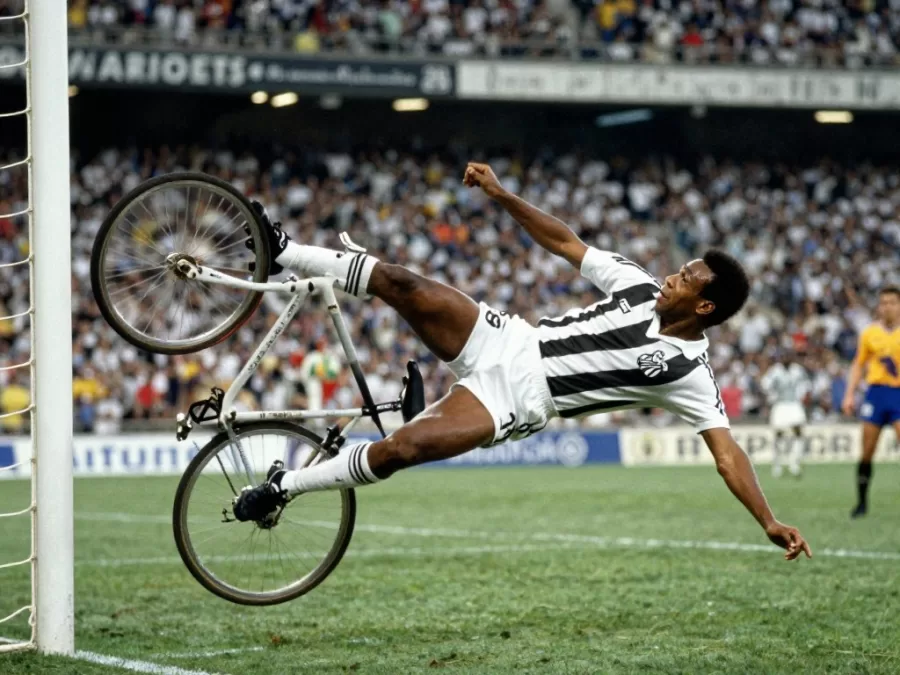
His ability to score from any position made defending impossible. Pelé operated as striker, playmaker, and winger interchangeably effectively. This versatility confused defenders and created countless opportunities consistently.
Awards and Recognition
FIFA named Pelé joint Player of the Century alongside Maradona. The International Olympic Committee called him Athlete of the Century. These honors recognized his transcendent impact on sport globally.
Time magazine included Pelé among the 100 most important people of the 20th century. His influence extended far beyond football fields into society. The King’s legacy remains permanent in sports history forever.
“Pelé was the only footballer who surpassed the boundaries of logic and made the impossible possible on the pitch.”
1. The Greatest Debate: Why This Ranking Matters
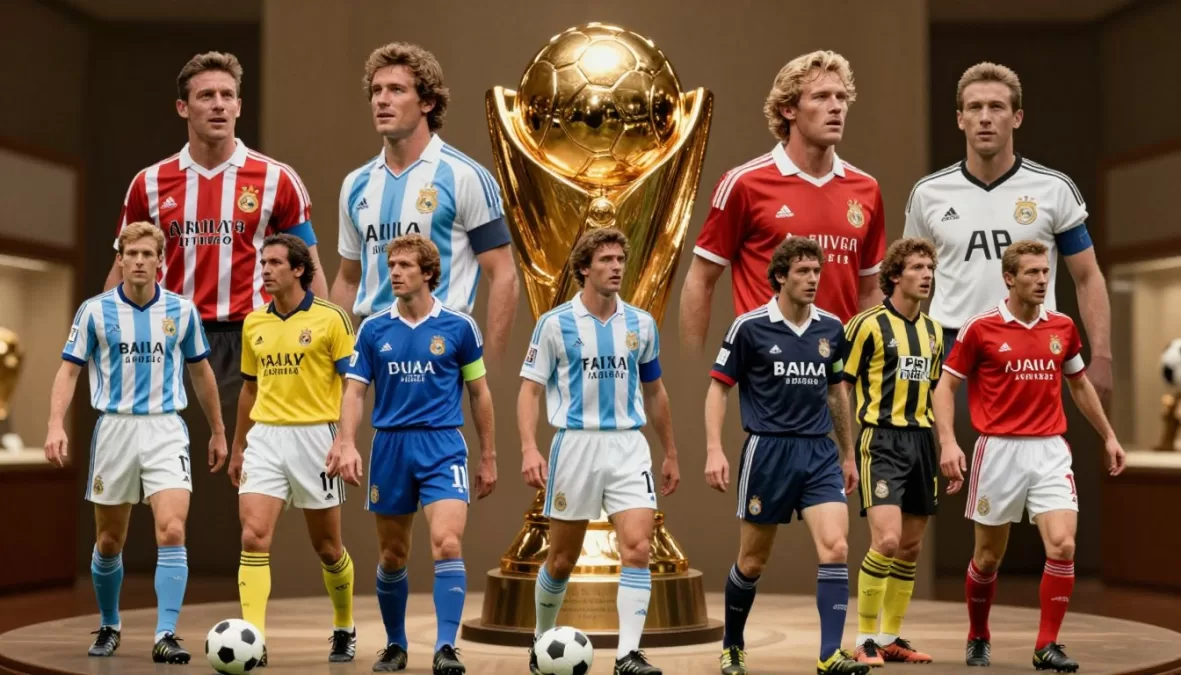
Determining the single greatest footballer of all time proves nearly impossible. Each generation produced exceptional talent with unique qualities. The debate continues among fans, experts, and players themselves.
Our top position recognizes achievement across all criteria comprehensively evaluated. World Cup success, individual brilliance, longevity, and cultural impact matter equally. The number one spot requires excellence in every category.
The Case for Multiple GOATs
Football evolved dramatically across different eras and playing conditions significantly. Comparing players from the 1950s to modern stars requires context. Each generation faced unique challenges and opportunities distinctly.
Historical Era Factors
- Equipment quality and ball weight differences
- Pitch conditions and maintenance standards
- Training methods and sports science advancement
- Tactical evolution and defensive organization
- Competition level and global talent pool
- Physical demands and game intensity
Modern Era Advantages
- Superior medical care and injury prevention
- Advanced nutritional science and recovery methods
- Better protective equipment and referee protection
- Video analysis and tactical preparation tools
- Higher financial rewards enabling full-time focus
- Global exposure and marketing opportunities
Why Pelé Edges the Competition
Three World Cup victories provide unmatched achievement historically permanently. No player dominated the sport’s ultimate prize so completely. Pelé performed brilliantly across three separate tournaments successfully.
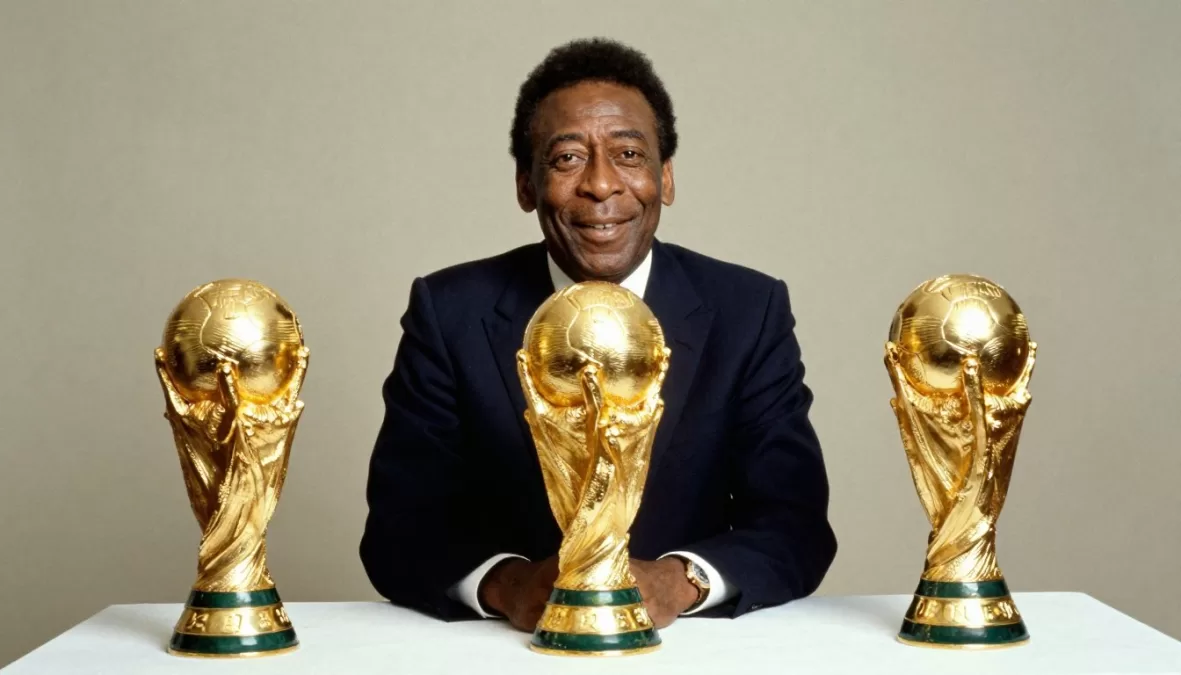
His goal-scoring record demonstrates sustained excellence across two decades. Over 1,000 goals represents productivity unmatched by contemporary standards. The consistency proved remarkable throughout his entire career.
Pelé’s completeness as a footballer separates him from specialists. He scored, created, and inspired teams to unprecedented success. The combination of attributes created football’s most complete player.
Honorable Recognition for Others
Maradona’s 1986 World Cup performance potentially reached higher peaks individually. His ability to carry Argentina alone proved absolutely extraordinary. The tournament remains football’s greatest individual achievement arguably.
Messi and Cristiano Ronaldo maintained excellence longer than previous generations. Their statistical dominance across fifteen years seems impossible. Both players redefined what consistency means in modern football.
Pelé’s Advantages
- Three World Cup championships
- Over 1,000 career goals
- Excellence across three decades
- Complete attacking skillset
- Global cultural impact
Maradona’s Case
- 1986 World Cup dominance
- Single-handed team elevation
- Napoli transformation
- Peak performance levels
- Cultural revolution impact
Modern Era Giants
- Unprecedented consistency
- Statistical supremacy
- Multiple Ballon d’Or awards
- Champions League dominance
- Longevity and professionalism
The Subjectivity Factor
Personal preference influences rankings significantly and unavoidably always. Nostalgia colors judgment for older generations naturally. Recency bias favors current players we witness directly.
Important Consideration: The greatest player for you depends on what you value most. Some prioritize World Cup success, others prefer statistical dominance. Personal connection to a player’s era or style influences perception unavoidably.
National pride affects how fans view their country’s legends. Argentinians naturally favor Maradona and Messi passionately strongly. Brazilians champion Pelé and Ronaldo with equal fervor.
Final Verdict
Pelé’s combination of World Cup success, longevity, and completeness earns him the top position. His impact on football’s global growth remains unmatched historically. The King of Football deserves his throne based on comprehensive evaluation.
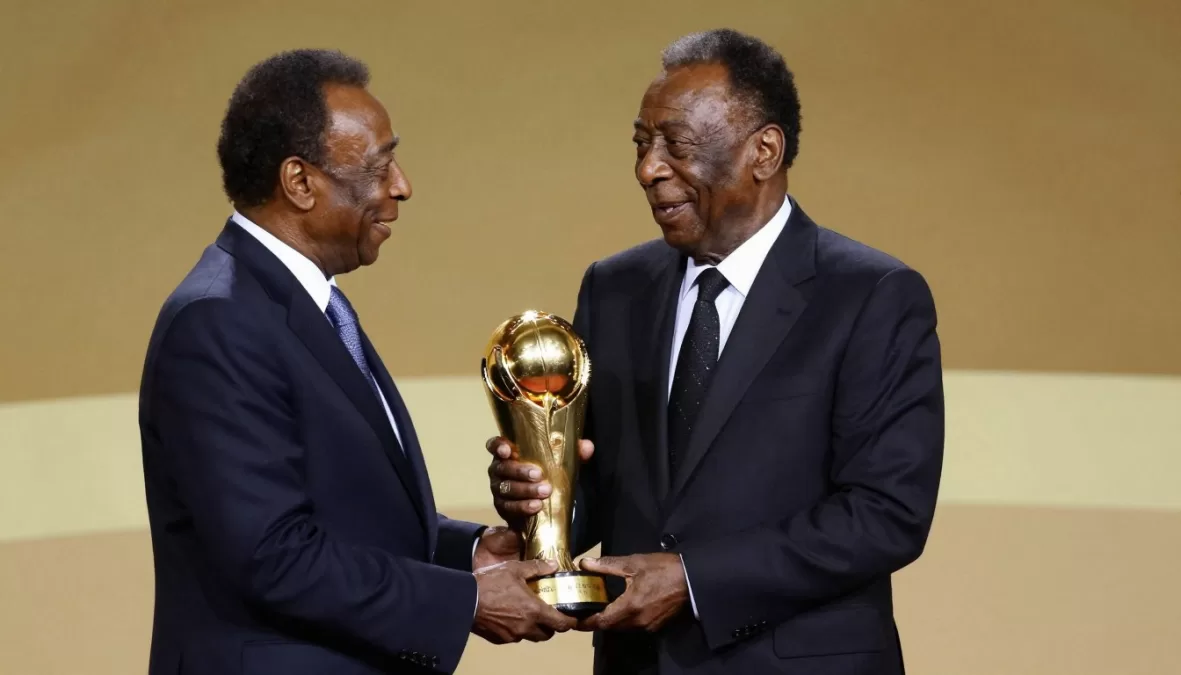
However, the debate continues and enriches football culture meaningfully. Discussing greatness keeps legends alive across generations permanently. Each fan’s personal GOAT reflects their football values genuinely.
“In my entire life I have never seen a player as complete as Pelé. He could run, dribble, pass, head, and shoot with both feet. The greatest player ever.”
Comparing Football Across Different Eras

Understanding how football changed over time helps contextualize player achievements. The sport evolved dramatically from the 1950s to today. Equipment, tactics, and professionalism advanced significantly across decades.
Playing Conditions Through the Decades
Early football featured heavy leather balls that absorbed water readily. Muddy pitches became common during rainy weather frequently. These conditions challenged technical players substantially more than today.
Historical Challenges
- Heavy leather balls weighing significantly more when wet
- Poorly maintained pitches with uneven surfaces
- Minimal referee protection from brutal tackles
- Limited substitution rules preventing injury management
- Longer domestic seasons with more matches
- International travel causing severe fatigue
Modern synthetic balls maintain consistent weight and shape. Perfectly manicured pitches allow technical football to flourish. Advanced sports science optimizes player performance and recovery.
Today’s footballers benefit from superior medical care substantially. Nutrition science extends careers by several years typically. Training methods maximize physical potential scientifically now.
Tactical Evolution
Defensive organization improved dramatically since the 1960s and 1970s. Teams employ sophisticated pressing systems and zonal marking now. Individual brilliance faces collective tactical resistance constantly today.
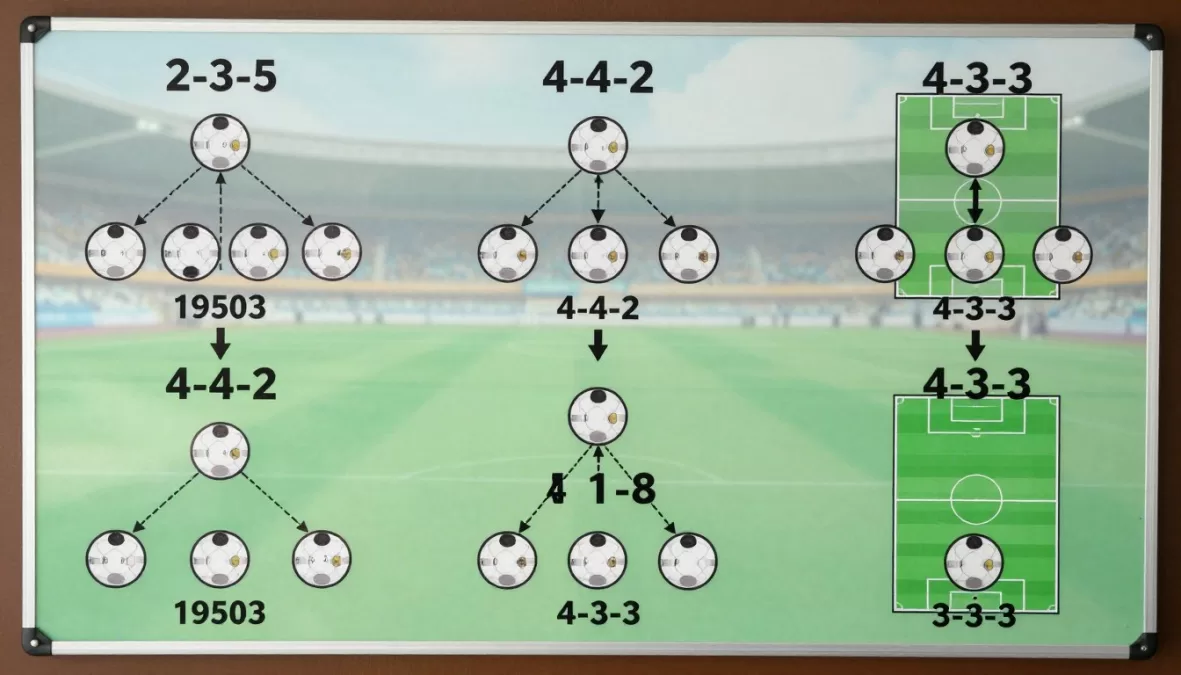
Earlier eras allowed more individual expression and creativity freely. Defensive tactics focused on man-marking primarily then. Attackers enjoyed more space and time on the ball.
Modern football emphasizes collective pressing and positional play extensively. Individual players operate within rigid tactical frameworks increasingly. The system often outweighs individual brilliance in importance now.
Physical Demands
Contemporary players cover significantly more distance per match than predecessors. GPS tracking reveals intense running demands throughout ninety minutes. The game’s tempo accelerated dramatically over recent decades.
| Era | Average Distance | High-Intensity Runs | Rest Periods | Match Tempo |
| 1960s-70s | 8-9 km | Low | Frequent | Moderate |
| 1980s-90s | 9-10 km | Moderate | Occasional | Increasing |
| 2000s-10s | 10-11 km | High | Minimal | Fast |
| 2020s | 11-13 km | Very High | Almost None | Intense |
However, modern players enjoy superior recovery methods and rotation. Squad depth allows rest between important matches strategically. Sports science minimizes injury risk through careful monitoring constantly.
Competition Level
Global talent pools expanded massively since the mid-20th century. More countries produce world-class players now than ever. The average professional standard increased substantially across all leagues.
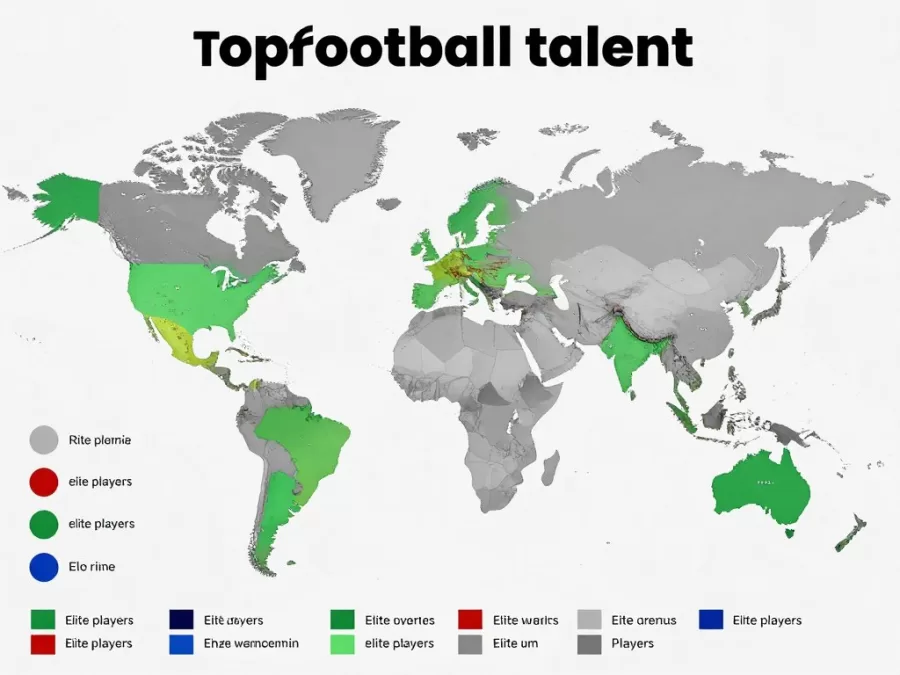
Historic legends faced fewer elite opponents during careers arguably. The concentration of talent in fewer leagues made dominance easier. Today’s top players compete against exceptional talent weekly consistently.
European competitions expanded to include more nations and clubs. The Champions League features higher quality than the old European Cup. Competition intensity increased at both club and international levels.
Honorable Mentions: Legends Just Outside the Top 10
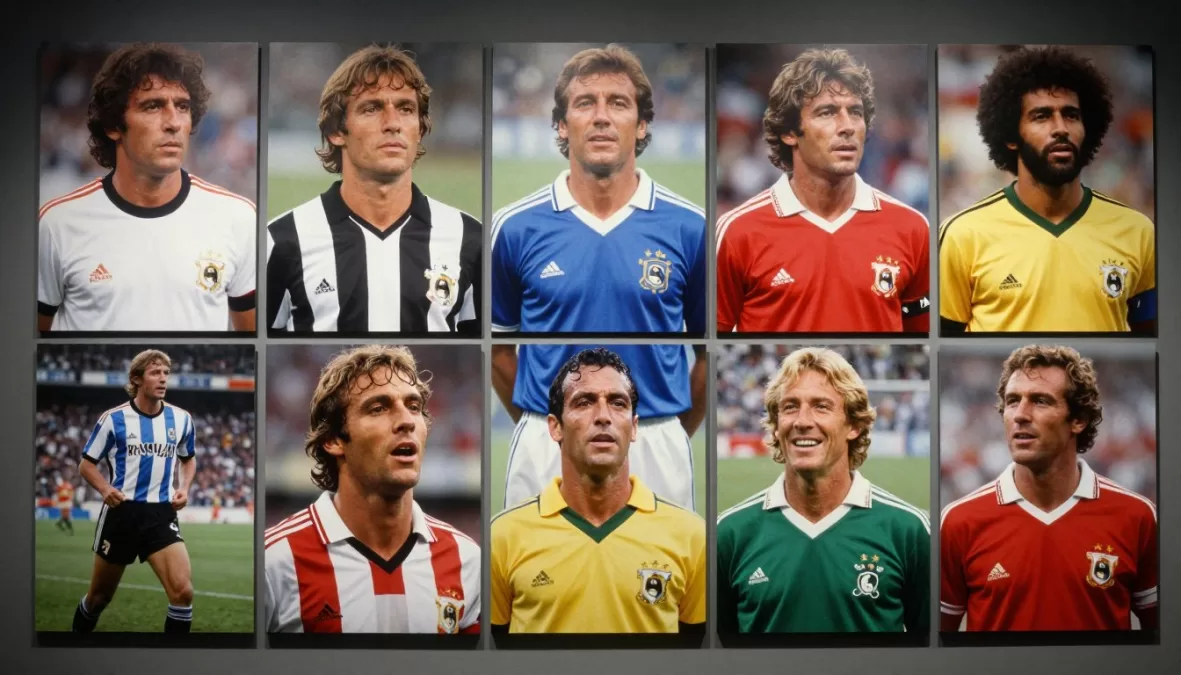
Many exceptional players narrowly missed our top ten ranking. Their contributions to football history remain immense regardless. These legends deserve recognition for extraordinary careers and achievements.
Other Brazilian Masters
Garrincha rivaled Pelé during Brazil’s early World Cup triumphs remarkably. His dribbling ability on the right wing proved virtually unstoppable. The 1962 World Cup belonged to Garrincha completely deservedly.
Garrincha
The “Little Bird” won two World Cups with Brazil successfully. His twisted legs somehow enhanced his dribbling ability mysteriously. Garrincha’s joy playing football infected teammates and fans alike.
- 1958 and 1962 World Cup winner
- Exceptional dribbling despite physical deformity
- Key player in Brazil’s golden generation
Romário
The striker possessed lethal finishing ability inside the penalty area. His low center of gravity made him difficult to dispossess. Romário won the 1994 World Cup as Brazil’s main striker.
- 1994 World Cup champion and top scorer
- Over 750 career goals claimed
- Clinical penalty box predator
European Greats
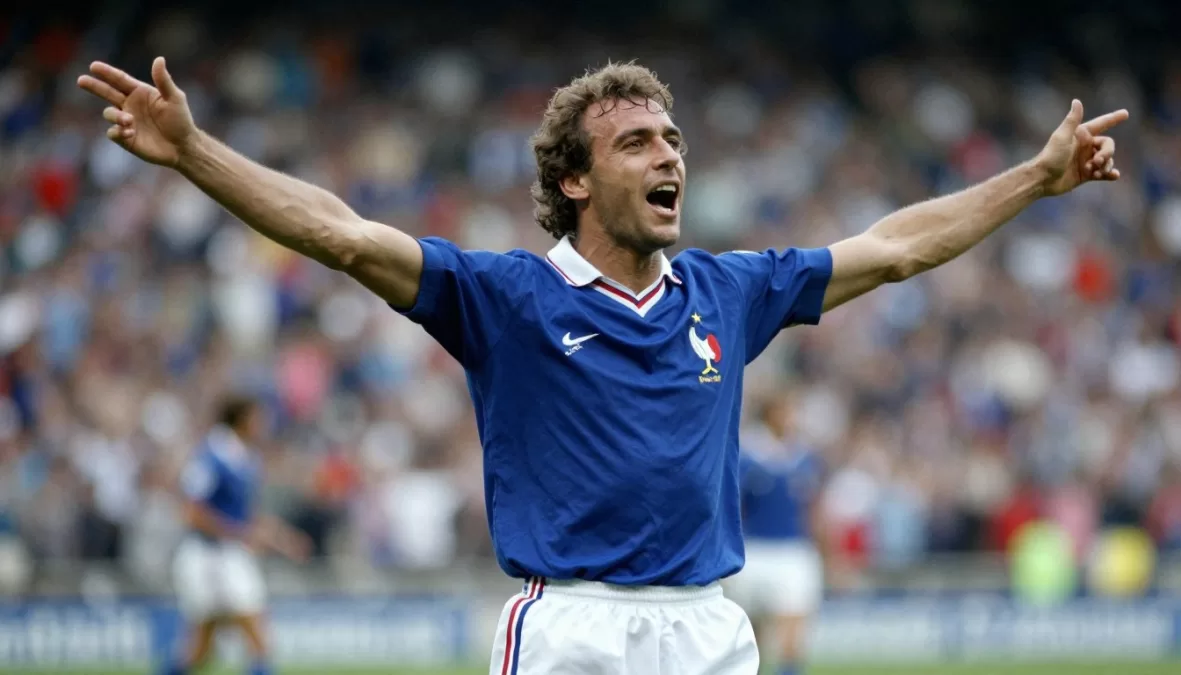
Michel Platini dominated European football during the 1980s impressively. The French midfielder won three consecutive Ballon d’Or awards deservedly. His vision and goal-scoring from midfield proved exceptional.
Eusébio represented Portugal with distinction throughout the 1960s era. The “Black Panther” scored prolifically for Benfica and country. His 1966 World Cup performances showcased world-class ability clearly.
George Best
- 1968 Ballon d’Or winner
- Manchester United European Cup champion
- Exceptional dribbling and flair
- Cultural icon of 1960s football
Marco van Basten
- Three Ballon d’Or awards
- AC Milan and Netherlands legend
- Spectacular volley technique
- Career cut short by injury
Lev Yashin
- Only goalkeeper to win Ballon d’Or
- Revolutionary goalkeeping techniques
- Soviet Union football icon
- Over 150 penalty saves
Modern Era Excellence
Ronaldinho brought joy back to football during the 2000s memorably. His smile and skill captivated audiences worldwide universally. The Brazilian won every major trophy available to him.
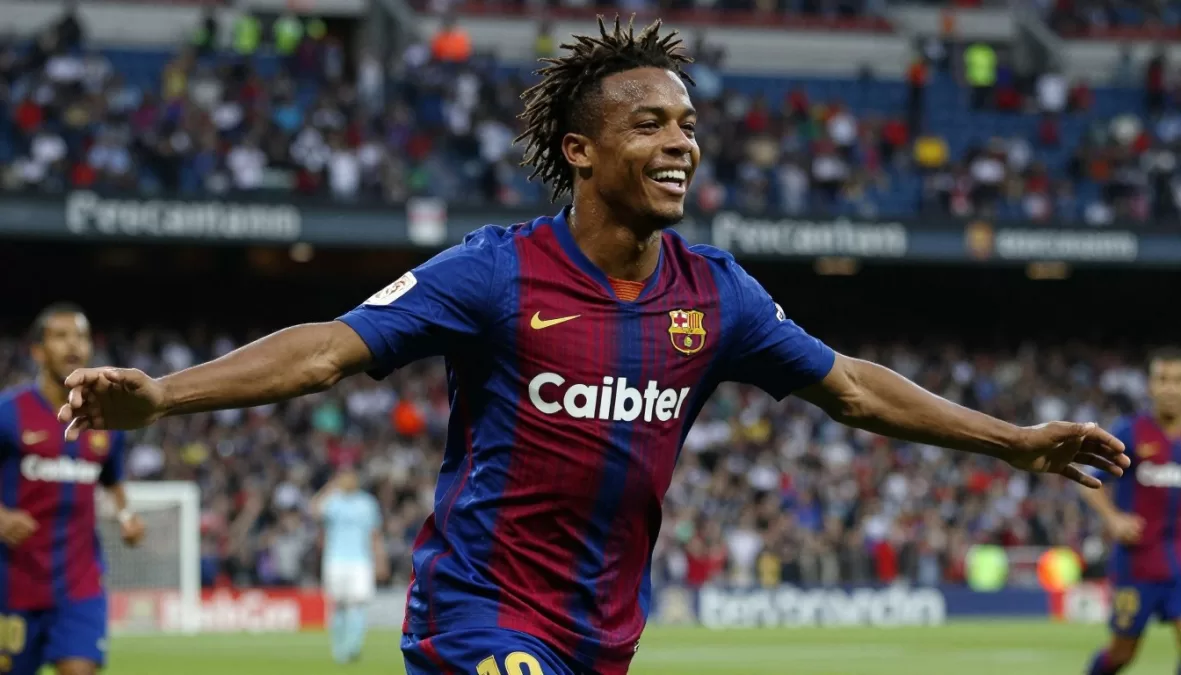
Thierry Henry redefined striker play in the Premier League era. His combination of speed and technical ability proved devastating. Arsenal’s invincible season featured Henry at his absolute peak.
Andrés Iniesta orchestrated Barcelona and Spain’s greatest achievements brilliantly. His technical perfection and football intelligence stood out remarkably. The 2010 World Cup final goal cemented legendary status.
- Gerd Müller – Prolific German goal scorer
- Ferenc Puskás – Hungarian and Real Madrid icon
- Ronaldinho – Brazilian magician and entertainer
- Thierry Henry – Premier League’s finest striker
- Zlatan Ibrahimović – Acrobatic Swedish phenomenon
Attacking Legends
- Zinedine Zidane – Already discussed in top 10
- Andrea Pirlo – Italian deep-lying playmaker
- Xavi Hernández – Barcelona and Spain controller
- Andrés Iniesta – Technical perfection personified
- Lothar Matthäus – German box-to-box legend
Midfield Masters
- Paolo Maldini – AC Milan defensive legend
- Franco Baresi – Elegant Italian sweeper
- Bobby Moore – England World Cup captain
- Lev Yashin – Legendary Soviet goalkeeper
- Dino Zoff – Italian goalkeeping great
Defensive Giants
Impact Beyond the Pitch

The greatest footballers influenced society beyond their playing achievements significantly. Their platforms allowed advocacy for important causes globally. These legends used fame for positive social change.
Social and Cultural Influence
Pelé became Brazil’s unofficial ambassador to the world effectively. His success during a turbulent political period unified the nation. Football provided hope and pride during difficult times historically.
Maradona represented the voice of the working class powerfully. His defiance against authority resonated with millions worldwide. The Argentine transcended sport to become a political symbol.
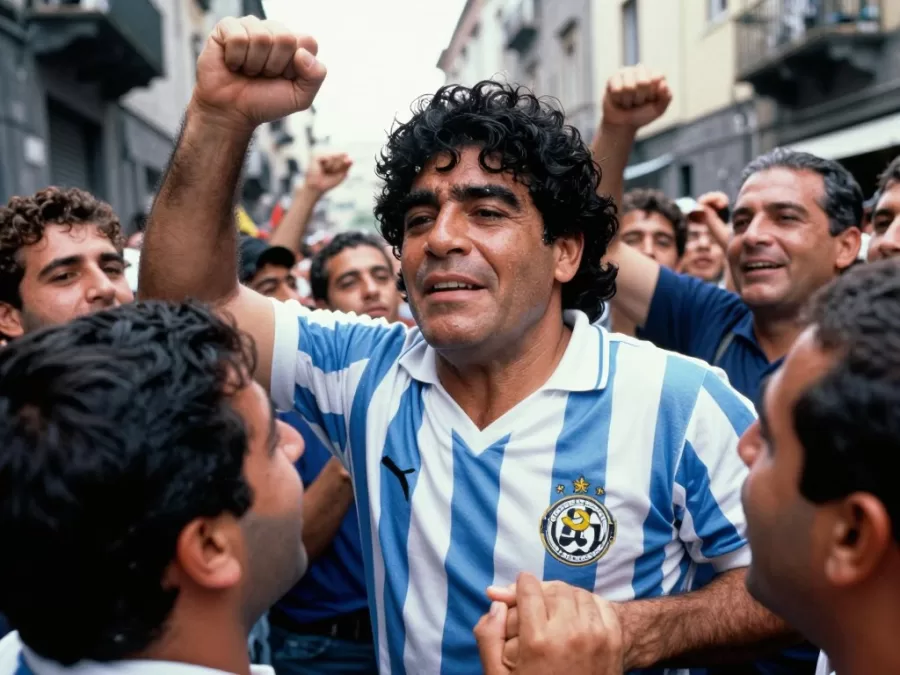
George Best influenced 1960s fashion and popular culture dramatically. His lifestyle made him the first football superstar celebrity. The Northern Irish winger transcended sport into mainstream culture.
Cristiano Ronaldo’s social media presence reaches hundreds of millions globally. His influence extends into fashion, business, and philanthropy extensively. Modern players leverage platforms for unprecedented cultural impact.
Charitable Contributions
Many football legends established foundations supporting various causes worldwide. Their wealth and influence facilitate substantial charitable work consistently. These contributions improve countless lives across generations.
Messi Foundation
Supports children’s health and education globally through various programs and initiatives.
- Healthcare access for children
- Educational opportunities
- Sports facility development
CR7 Charitable Work
Ronaldo supports children’s hospitals, disaster relief, and medical research extensively.
- Regular hospital donations
- Blood donation advocacy
- Disaster relief contributions
Pelé Foundation
Focuses on improving lives of impoverished children in Brazil and worldwide.
- Youth development programs
- Education initiatives
- Healthcare support
Inspiring Future Generations
These legends inspired millions of children to pursue football dreams. Their success stories demonstrate what dedication and talent can achieve. The impact continues through subsequent generations of players.
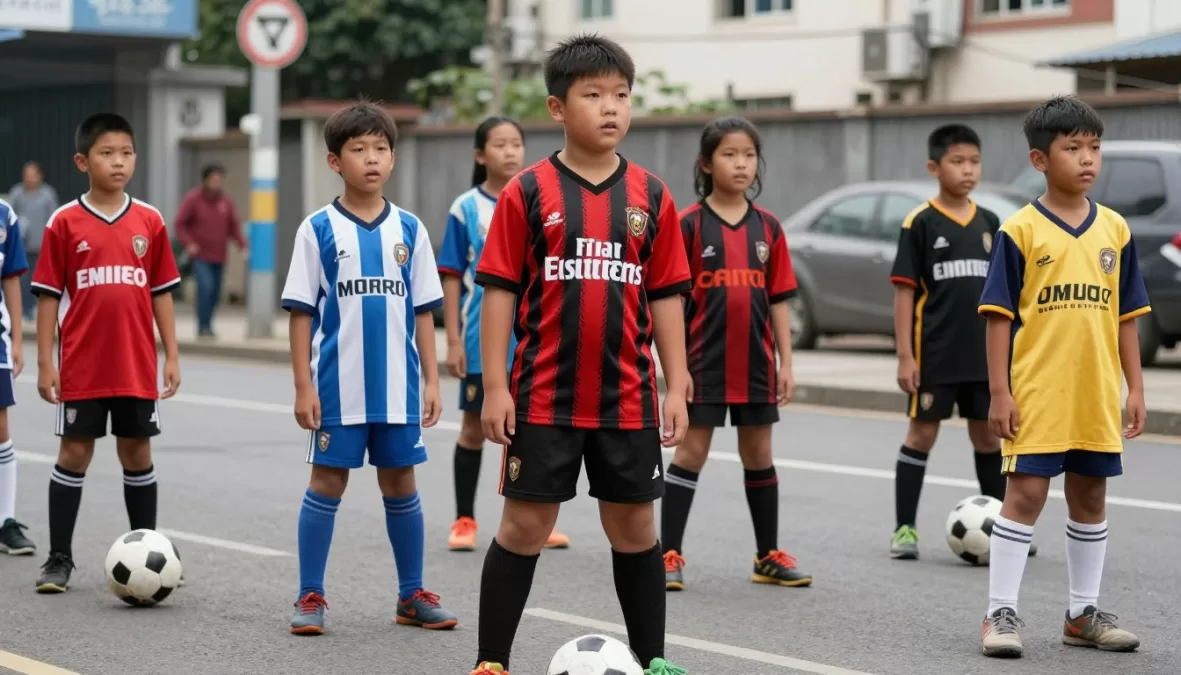
Football academies worldwide teach techniques pioneered by these greats consistently. Coaching methods incorporate their innovations and philosophies extensively. The technical evolution of football owes much to their contributions.
Their rivalry and excellence pushed each other to greater heights. Messi and Ronaldo’s competition elevated both players remarkably. This dynamic created the greatest individual rivalry in sports history.
Statistical Comparison of the Top 10
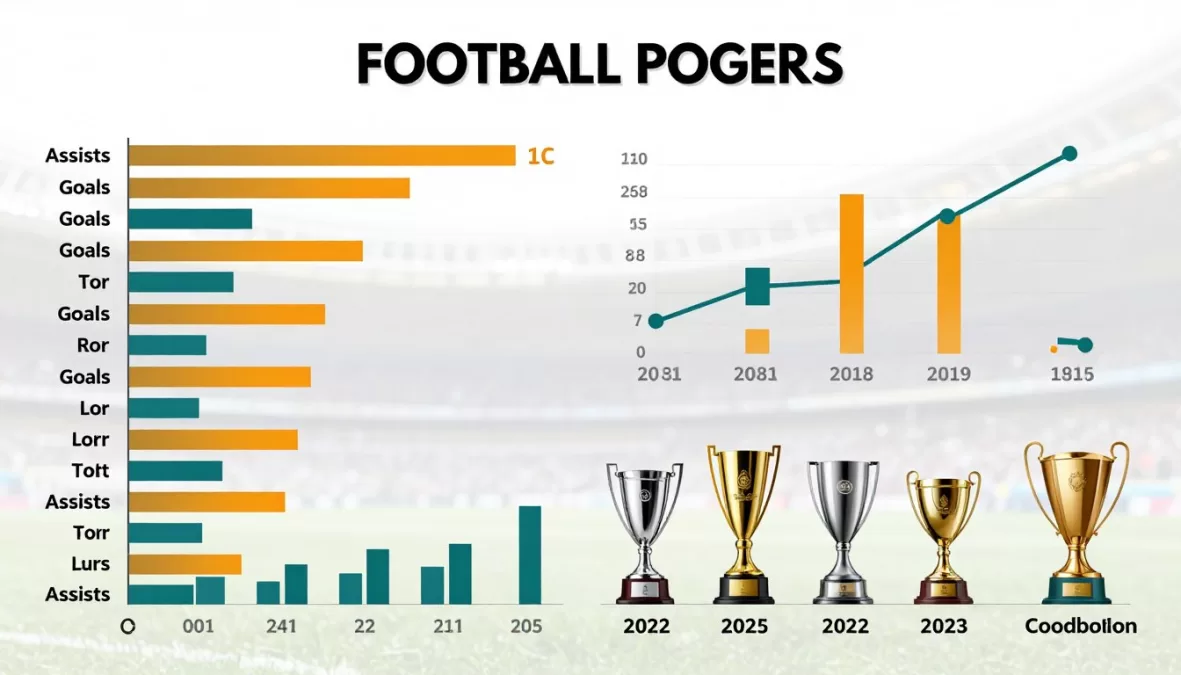
Numbers provide objective comparison across different eras partially at least. Statistics help contextualize achievements and consistency levels clearly. However, raw numbers cannot capture complete player value entirely.
Career Goals and Productivity
Goal-scoring records vary based on competition quality and era. Modern players benefit from longer careers and more matches. Historical legends faced shorter seasons and fewer competitions overall.
| Player | Career Goals | Matches Played | Goals Per Game | Peak Years |
| Pelé | 1000+ | ~1300 | 0.77 | 1958-1970 |
| Cristiano Ronaldo | 850+ | 1150+ | 0.74 | 2007-2018 |
| Lionel Messi | 800+ | 1000+ | 0.80 | 2009-2019 |
| Ronaldo Nazário | 414 | 616 | 0.67 | 1996-2002 |
| Diego Maradona | 345 | 680 | 0.51 | 1984-1990 |
| Zinedine Zidane | 125 | 680 | 0.18 | 1998-2006 |
Major Trophy Comparison
Team success requires exceptional talent around individual brilliance obviously clearly. Some legends played for dominant teams, others elevated weaker squads. Context matters when evaluating trophy collections substantially significantly.
World Cup Titles
The ultimate measure of international success and national glory achieved.
- Pelé: 3 World Cup championships
- Maradona: 1 World Cup championship
- Messi: 1 World Cup championship
- Beckenbauer: 1 World Cup championship
Ballon d’Or Awards
Individual recognition as the world’s best player by peers and journalists.
- Messi: 7 Ballon d’Or awards
- Cristiano Ronaldo: 5 Ballon d’Or awards
- Cruyff: 3 Ballon d’Or awards
- Platini: 3 Ballon d’Or awards
Champions League Titles
European club competition supremacy demonstrating sustained excellence at the highest level.
- Cristiano Ronaldo: 5 Champions League titles
- Messi: 4 Champions League titles
- Di Stéfano: 5 European Cup titles
- Beckenbauer: 3 European Cup titles
League Championships
Domestic dominance across different countries and competitive environments consistently.
- Messi: 10 La Liga titles
- Cristiano Ronaldo: 7 league titles across 3 countries
- Beckenbauer: 5 Bundesliga titles
- Di Stéfano: 8 La Liga titles
Longevity and Consistency
Maintaining elite performance across a decade demonstrates exceptional dedication completely. Modern sports science helps extend careers beyond previous generations. However, competition intensity increased simultaneously over time.
Cristiano Ronaldo and Messi maintained peak levels for over fifteen years. Their consistency surpasses previous generations substantially in duration. Physical conditioning and professionalism enabled unprecedented longevity clearly.
Pelé dominated across three separate World Cup tournaments impressively. His career spanned from teenager to veteran successfully. The Brazilian maintained excellence across massive social and tactical changes.
Greatest Debates in Football History
Football debates generate passionate discussion among fans globally endlessly always. The subjectivity allows infinite perspectives and interpretations continuously. These arguments keep football culture vibrant and engaging perpetually.
Messi vs. Ronaldo: The Defining Rivalry
The rivalry between Messi and Cristiano Ronaldo dominated football for fifteen years. Their contrasting styles created compelling comparisons constantly throughout careers. Each player’s supporters defend their choice with statistical evidence.
Messi’s Advantages
- More natural talent and technical ability
- Better dribbling and close control
- Superior playmaking and vision
- Higher assist numbers throughout career
- Record seven Ballon d’Or awards
- Better goals-per-game ratio overall
- World Cup championship achieved
Ronaldo’s Advantages
- Superior athleticism and physicality
- More complete all-around player
- Better heading ability significantly
- Success in multiple leagues proven
- More Champions League titles won
- Better big-game mentality arguably
- Exceptional longevity and fitness
Pelé vs. Maradona: The Classic Debate
The argument between Pelé and Maradona supporters continues across generations. Brazilian fans defend Pelé’s superior statistics and trophies passionately. Argentinians champion Maradona’s individual brilliance and personality fiercely.
Team Success vs Individual Brilliance
Pelé played alongside exceptional Brazilian talent consistently throughout his career. His three World Cups came with strong supporting casts. Maradona elevated weaker teams through individual genius alone.
The 1986 World Cup represents the highest individual peak arguably. Maradona carried Argentina through sheer will and skill. Pelé’s achievements required better teammates around him necessarily.
Competition Level Comparison
Pelé faced less organized defenses during his playing era. Tactical sophistication evolved significantly by Maradona’s time. Modern defenders made individual brilliance harder to achieve consistently.
However, Pelé dominated across three decades successfully completely. His longevity and consistency surpassed Maradona’s peak period. The Brazilian maintained excellence longer overall definitively.
Position-Based Comparisons
Comparing players from different positions creates additional complexity unnecessarily. Defenders and goalkeepers face different evaluation criteria than forwards. Position-specific greatness deserves separate recognition fairly.
Beckenbauer revolutionized defensive play as much as Pelé influenced attacking. Comparing their impacts requires different metrics entirely necessarily. Both achieved greatness within their respective positions completely.
Lev Yashin remains the only goalkeeper to win the Ballon d’Or. His revolutionary techniques changed goalkeeping forever significantly. Positional greatness deserves recognition alongside attacking legends deservedly.
Share Your Top 10 with the Football Community
Your opinion matters in the greatest debate in football history. Join thousands of fans sharing their personal rankings on social media. Tag us with #MyTop10GOAT and join the global conversation about football’s finest players.
Future Contenders for Greatest Ever Status
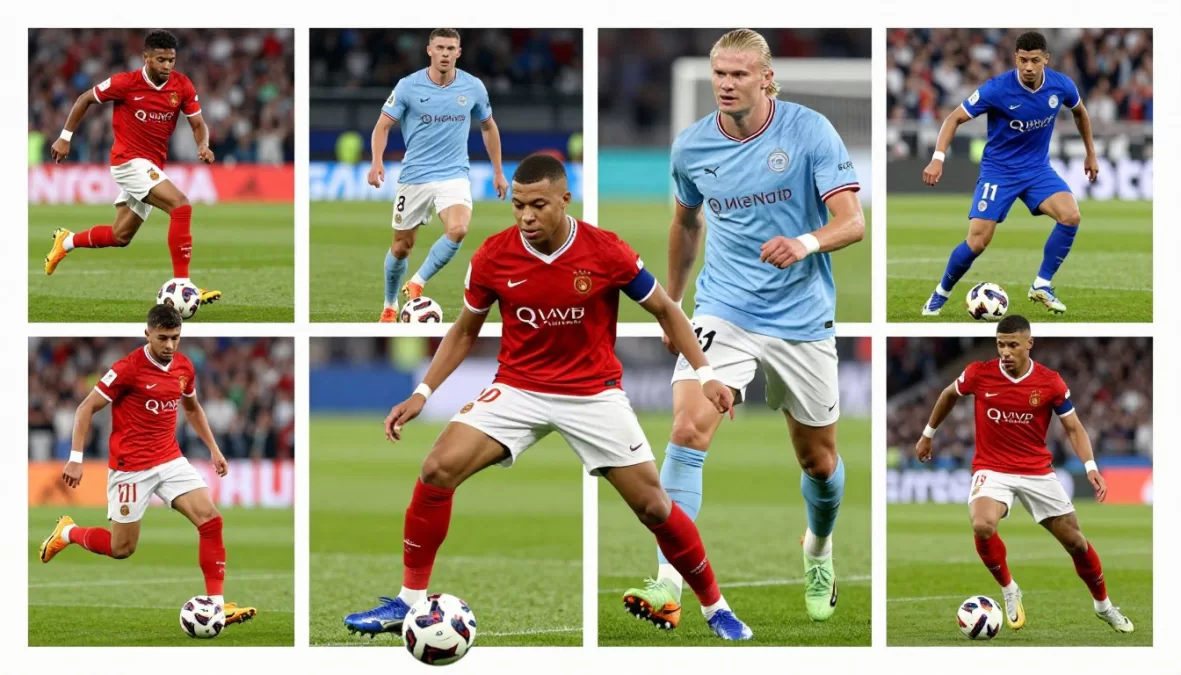
The next generation of footballers aims to surpass current legends. Several young players demonstrate potential for all-time greatness clearly. Their careers will determine future ranking discussions inevitably certainly.
Kylian Mbappé: Speed and Finishing
The French forward won the World Cup at nineteen years old. His combination of pace and clinical finishing proves devastating consistently. Mbappé’s career trajectory suggests potential legendary status ahead.
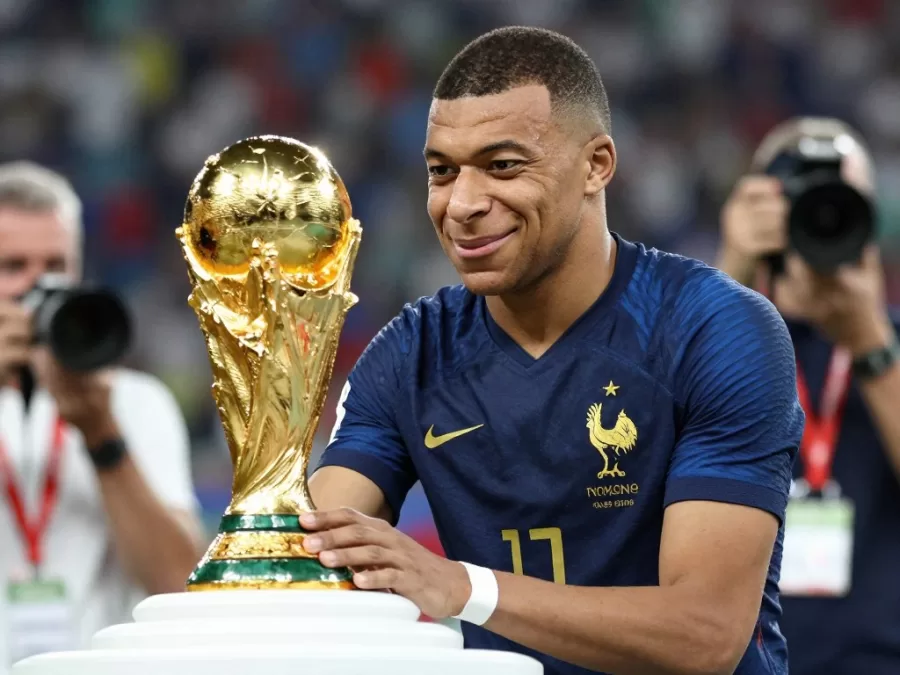
His pace terrorizes defenses across Europe regularly and consistently. Mbappé scored in the 2018 World Cup final memorably. The 2022 final featured his hat-trick despite defeat.
Real Madrid signed Mbappé to continue his development significantly. The Spanish giants provide the platform for legendary achievement. His next decade will determine all-time ranking ultimately.
Erling Haaland: Goal-Scoring Phenomenon
The Norwegian striker breaks goal-scoring records with remarkable consistency. His physical attributes combined with positioning create unstoppable force. Haaland’s numbers suggest potential all-time great status ahead.
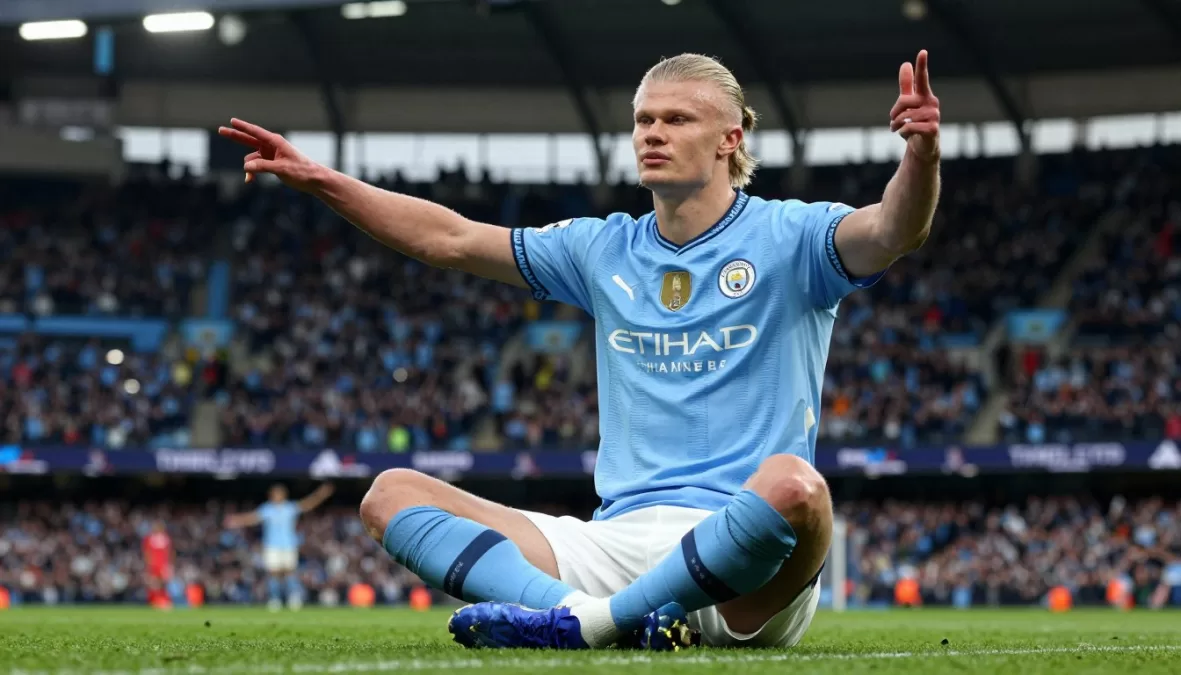
Manchester City provides the perfect environment for sustained success. Haaland’s productivity exceeds even Cristiano Ronaldo’s early career numbers. The question remains whether he can maintain this level.
What They Need to Join the Elite
Young stars must win major international tournaments for consideration. World Cup or European Championship success remains essential ultimately. Individual brilliance alone cannot secure all-time great status completely.
Required Achievements
- World Cup or major tournament victory
- Multiple Champions League titles
- Ballon d’Or awards recognition
- Sustained excellence across decade minimum
Statistical Benchmarks
- 500+ career goals minimum target
- Consistent goal-scoring across years
- Performance in crucial matches
- International tournament productivity
Intangible Factors
- Leadership and team elevation
- Cultural impact beyond statistics
- Innovation and style influence
- Clutch performance mentality
Longevity separates good players from all-time greats ultimately clearly. Maintaining peak performance across ten years proves extremely difficult. Modern players must navigate intense schedules and physical demands.
The bar set by Messi and Ronaldo seems impossibly high. Their consistency across fifteen years changed expectations dramatically forever. Future legends face unprecedented comparison standards now always.
Greatest Women Football Players
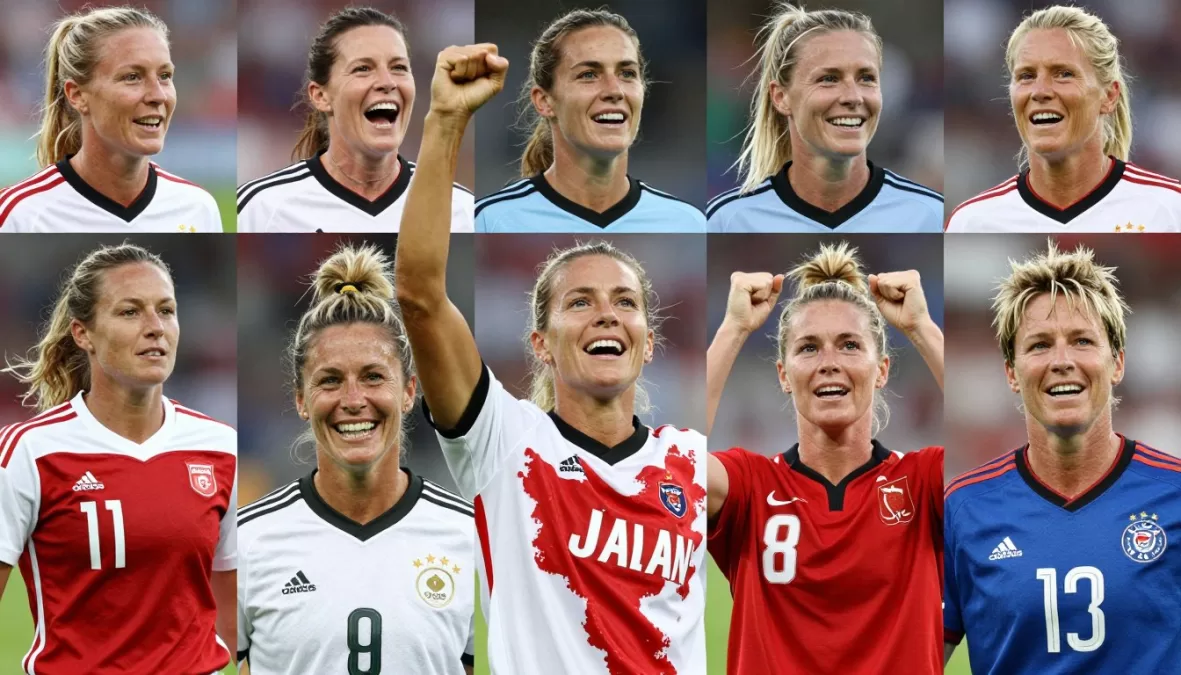
Women’s football produced exceptional talent deserving equal recognition absolutely definitely. The sport grew exponentially over recent decades significantly impressively. These pioneers paved the way for future generations completely.
Marta: Brazil’s Queen of Football
Marta Vieira da Silva won FIFA World Player of the Year six times. The Brazilian forward’s skill rivals any male player historically arguably. Her dribbling ability and finishing proved exceptional throughout career.
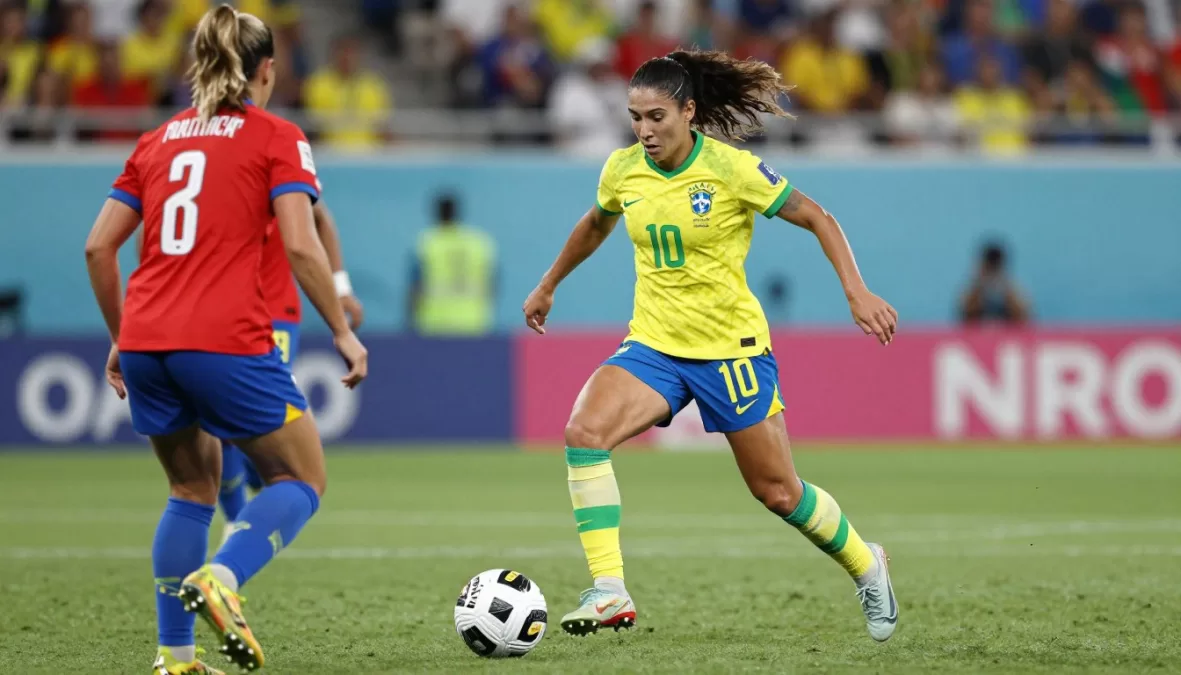
She became the all-time leading World Cup goal scorer across genders. Marta’s seventeen World Cup goals surpass male records impressively. Her longevity and consistency mirror the greatest male players.
American Dominance
Mia Hamm revolutionized women’s football in America during the 1990s. Her two World Cup victories inspired an entire generation. Hamm’s 158 international goals stood as record for years.
Mia Hamm Legacy
- Two World Cup championships won
- Two Olympic gold medals earned
- 158 international goals scored
- Cultural icon beyond sport
- Foundation supporting young athletes
Megan Rapinoe Impact
- Two World Cup titles achieved
- Olympic gold medal winner
- Ballon d’Or Féminin recipient
- Advocacy for equality and justice
- LGBTQ+ community icon
European Excellence
Alexia Putellas won consecutive Ballon d’Or Féminin awards in 2021 and 2022. The Spanish midfielder leads Barcelona to unprecedented success consistently. Her technical ability and vision match male counterparts completely.
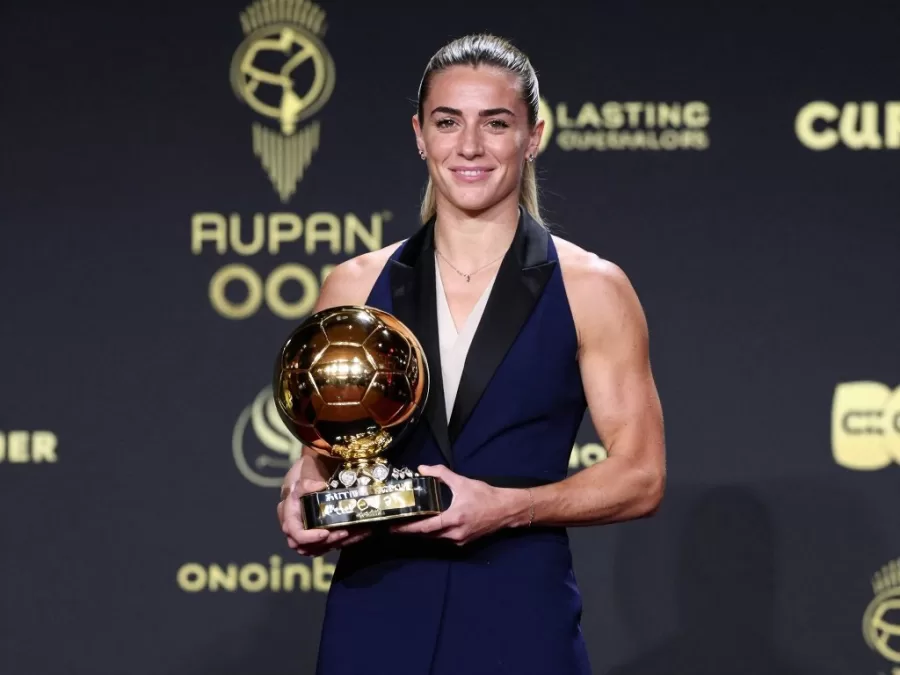
Ada Hegerberg became the first Ballon d’Or Féminin winner in 2018. The Norwegian striker’s goal-scoring prowess for Lyon proved exceptional. Her return to international football strengthened Norway significantly.
Sam Kerr represents Australian football on the global stage brilliantly. Her athleticism and finishing ability shine in England’s WSL. Kerr’s bicycle kicks and acrobatic goals showcase world-class technique.
Conclusion: Celebrating Football’s Greatest Legacy
The top 10 football players of all time represent excellence across generations. Each player contributed uniquely to football’s rich history permanently. Their legacies inspire millions to pursue football dreams worldwide.
Pelé’s three World Cup victories provide unmatched achievement historically clearly. Maradona’s 1986 World Cup reached the highest individual peak arguably. Messi and Ronaldo redefined consistency and longevity completely significantly.
The Beauty of Subjectivity
Personal preferences make definitive rankings impossible ultimately truly always. Your favorite player often depends on when you started watching. National pride and club loyalties influence opinions unavoidably naturally.
Final Reflection: The greatest player is the one who made you fall in love with football. Statistics and trophies matter, but personal connection and inspiration often outweigh objective measures. Your GOAT is valid regardless of expert opinions.
These debates keep football culture vibrant and engaging perpetually endlessly. Arguing about greatness connects fans across continents and generations. The passion demonstrates football’s unique cultural significance globally.
Lessons from Legends
The greatest players shared common characteristics beyond natural talent clearly. Dedication, sacrifice, and mental strength separated them from peers. Their work ethic inspired teammates and opponents alike universally.
Universal Qualities
- Unwavering dedication to improvement constantly
- Mental toughness in pressure situations
- Leadership inspiring those around them
- Humility despite extraordinary success
- Passion for the beautiful game
- Respect for opponents and history
Their stories demonstrate that greatness requires more than talent. Hard work, sacrifice, and determination proved equally important. These lessons extend beyond football into life generally.
Future generations will produce new legends inevitably certainly. The evolution continues as football grows globally exponentially. Today’s children will debate tomorrow’s greatest players passionately.
The Endless Debate Continues
Football’s beauty lies partly in its subjectivity and passion. The greatest player debate will never reach consensus completely. This eternal argument keeps the sport’s history alive perpetually.
Each generation produces exceptional talent pushing boundaries further constantly. The standards rise with each passing era inevitably. Tomorrow’s players will surpass today’s records while honoring yesterday’s pioneers.
The top 10 football players of all time created moments that transcend sport. Their brilliance united people across political and cultural divides. Football’s greatest gift remains its ability to inspire and connect humanity.
“Football is the beautiful game because it brings people together, creates dreams, and proves that greatness knows no boundaries.”
Thank you for joining this journey through football history and legend. May these stories inspire your own love for the beautiful game. The debate continues, and that’s exactly how it should be forever.
Frequently Asked Questions
Who is considered the greatest football player of all time?
Pelé is widely considered the greatest football player of all time based on his three World Cup victories, over 1,000 career goals, and sustained excellence across three decades. However, Maradona, Messi, and Cristiano Ronaldo have strong cases. The answer depends on which criteria you value most: team success, individual brilliance, statistics, or peak performance level.
How many World Cups did Pelé win?
Pelé won three FIFA World Cup championships with Brazil in 1958, 1962, and 1970. This achievement remains unique in football history, as no other player has won three World Cup titles. He scored in the 1958 and 1970 finals and played a crucial role in all three tournaments despite injury limiting his participation in 1962.
Who scored more goals, Messi or Cristiano Ronaldo?
Cristiano Ronaldo has scored more career goals overall with over 850 goals across all competitions. However, Lionel Messi maintains a better goals-per-game ratio at approximately 0.80 compared to Ronaldo’s 0.74. Messi also has more assists throughout his career. Both players continue adding to their totals, making the final numbers still uncertain.
Why is Diego Maradona considered one of the greatest despite fewer trophies?
Diego Maradona is considered one of the greatest because of his ability to single-handedly elevate teams, particularly during the 1986 World Cup where he led Argentina to victory with arguably the greatest individual tournament performance ever. His transformation of Napoli from mid-table to Serie A champions and his pure technical brilliance demonstrated greatness beyond trophy counts. Peak performance and individual impact matter as much as collective success.
How do you compare players from different eras fairly?
Comparing players from different eras requires considering context including equipment quality, pitch conditions, tactical evolution, training methods, and competition level. We evaluate dominance relative to contemporaries, longevity, versatility, and influence on the game’s evolution. While perfect comparison is impossible, analyzing how players performed against the best of their generation and their lasting impact provides fair assessment across eras.
Did Messi finally win a World Cup?
Yes, Lionel Messi won the FIFA World Cup with Argentina in 2022 in Qatar. He scored seven goals throughout the tournament, including two in the final against France, and won the Golden Ball as the best player. This victory completed his trophy collection and silenced critics who questioned his international credentials, cementing his status among football’s all-time greats.
Who has won the most Ballon d’Or awards?
Lionel Messi holds the record with seven Ballon d’Or awards, won in 2009, 2010, 2011, 2012, 2015, 2019, and 2021. Cristiano Ronaldo has won five Ballon d’Or awards. Johan Cruyff and Michel Platini each won three. The Ballon d’Or recognizes the world’s best player annually, making multiple wins an indicator of sustained excellence at the highest level.
What made Johan Cruyff so influential in football?
Johan Cruyff revolutionized football through his role in developing “Total Football” at Ajax and Barcelona, where players could interchange positions fluidly. His innovative thinking extended beyond playing into coaching, where he built Barcelona’s Dream Team and established the club’s philosophical identity. The Cruyff Turn remains iconic, and his tactical ideas influenced modern possession-based football significantly, with disciples like Pep Guardiola spreading his philosophy worldwide.
Why isn’t Neymar considered among the top 10 all-time greats?
While Neymar is an exceptional player with tremendous skill, he hasn’t achieved the same level of sustained success or individual awards as the top 10. He has won one Champions League title and lacks a World Cup victory despite reaching the quarter-finals and semifinals with Brazil. His career has been affected by injuries, and playing in France’s less competitive league during his prime years impacted perception. He needs more major trophies and international success to enter all-time great discussions.
How important is the World Cup for determining the greatest player?
The World Cup carries significant weight in greatness debates because it represents the highest level of international competition and occurs only every four years, making success rare and valuable. However, it shouldn’t be the only criterion since club football demonstrates consistency over longer periods. Some all-time greats like George Best never qualified for a World Cup, while others like Alfredo Di Stéfano couldn’t participate due to political circumstances. A balanced evaluation considers both international and club achievements along with individual brilliance.

Priyanka Pandey
Senior Research Editor · Top10Sense
Priyanka specializes in tech, consumer products, and digital trends. She combines hands-on testing, vendor interviews, and database research to create trustworthy “Top 10” rankings. Her work has been referenced by industry blogs and brand report pages.