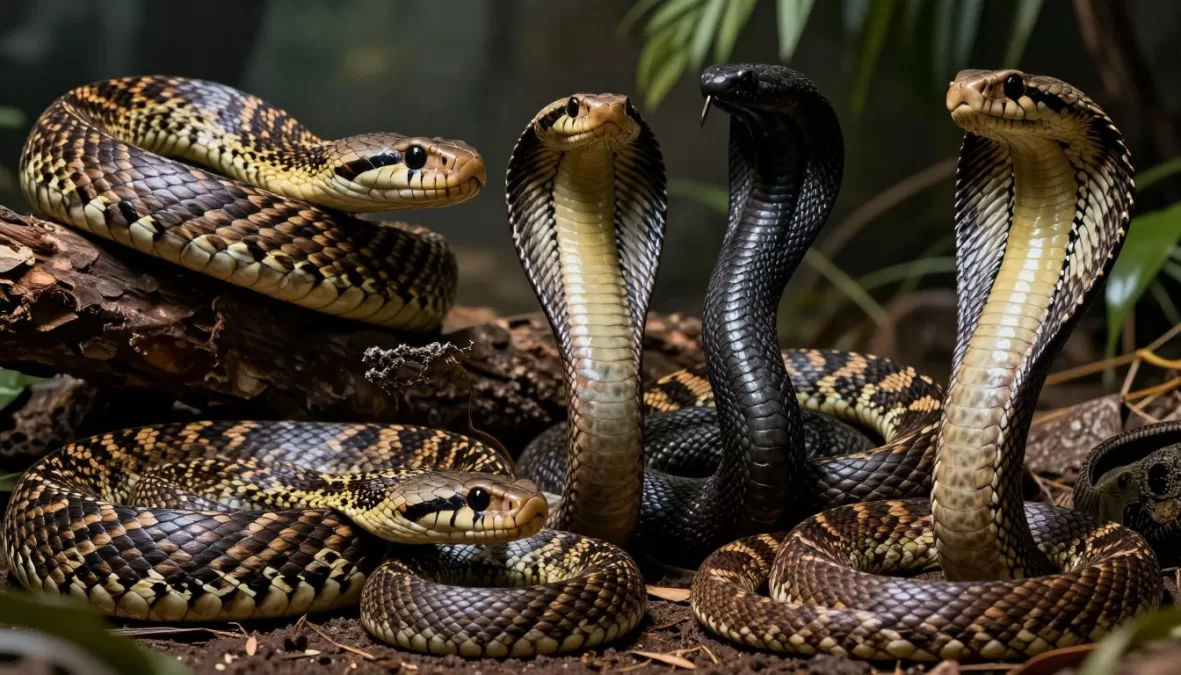
The snake world harbors some of nature’s most potent venom delivery systems. These remarkable creatures have evolved over millions of years to perfect their deadly capabilities. Understanding which species pose the greatest danger to humans can be lifesaving information for travelers, outdoor enthusiasts, and anyone living in snake-prone areas.
Venomous snakes kill thousands of people each year across the globe. The World Health Organization estimates that snake bites cause up to 138,000 deaths annually. However, not all venomous species are equally dangerous.
This comprehensive guide examines the ten deadliest snakes based on venom potency, human fatality rates, and geographic distribution. We’ll explore what makes these serpents so dangerous and how to minimize your risk when encountering them.
Wildlife Safety Newsletter: Stay informed about venomous species and outdoor safety. Get expert insights delivered to your inbox monthly with identification tips and regional awareness updates.
Understanding Snake Venom and Its Effects
Snake venom is a complex biological weapon. It contains enzymes, proteins, and toxins that work together to immobilize prey and begin digestion. The potency of venom varies dramatically between species and even among individuals of the same species.
Scientists measure venom toxicity using the LD50 test. This measurement indicates the dose required to kill 50% of test subjects. Lower LD50 values indicate more potent venom.
Types of Venom
Venomous snakes produce different types of toxic cocktails. Each type affects the human body in distinct ways:
- Neurotoxic venom attacks the nervous system
- Hemotoxic venom destroys blood cells and tissue
- Cytotoxic venom causes severe local tissue damage
- Myotoxic venom breaks down muscle tissue
Many of the world’s deadliest snakes use neurotoxins. These toxins cause paralysis by blocking nerve signals. Victims may experience respiratory failure within minutes without treatment. Other species combine multiple venom types for maximum effectiveness.
Medical Emergency: Any venomous snake bite requires immediate medical attention. Even with antivenom, victims may experience long-term complications. Never attempt to capture or kill the snake after being bitten.
1. Inland Taipan (Oxyuranus microlepidotus)
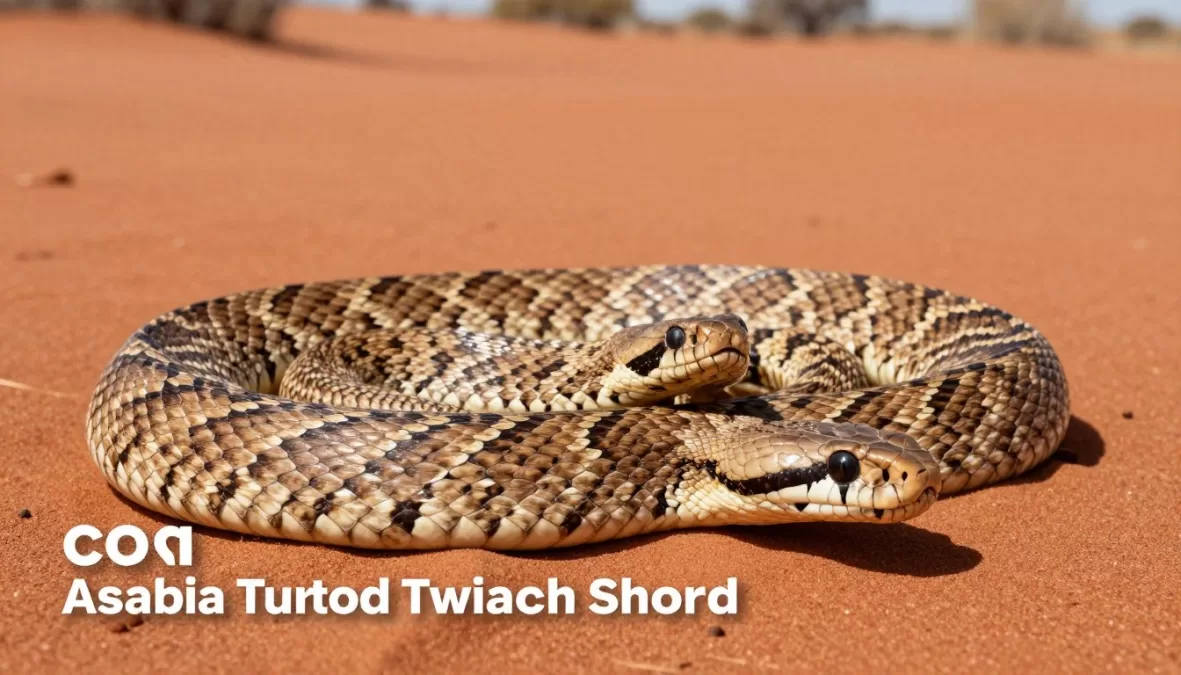
The inland taipan holds the title of world’s most venomous snake. This Australian species produces venom so potent that a single bite contains enough toxin to kill 100 adult humans. Scientists have measured its venom as 50 times more toxic than an Indian cobra.
Fortunately, the inland taipan inhabits remote desert regions of central Australia. This shy species actively avoids human contact. Only a handful of recorded bites have occurred, and all victims survived with prompt antivenom treatment.
Key Characteristics
- Length: 6 to 8 feet on average
- Venom yield: 44 to 110 mg per bite
- Color changes seasonally from tan to dark brown
- Found only in Australia’s arid interior
- Feeds primarily on small mammals
Venom Effects
- Neurotoxins cause rapid paralysis
- Blood clotting factors lead to hemorrhaging
- Muscle damage occurs within minutes
- Death can occur within 45 minutes untreated
- Antivenom is highly effective when administered quickly
The inland taipan’s venom contains a complex mixture of neurotoxins and hemotoxins. This deadly combination attacks multiple body systems simultaneously. The neurotoxins block nerve signals, causing paralysis. Meanwhile, the hemotoxins destroy red blood cells and prevent blood clotting.
Despite its fearsome reputation, this taipan displays remarkable restraint. It typically delivers warning displays before striking. The species has evolved to subdue prey quickly in harsh desert environments where injured animals could escape into burrows.
2. Eastern Brown Snake (Pseudonaja textilis)
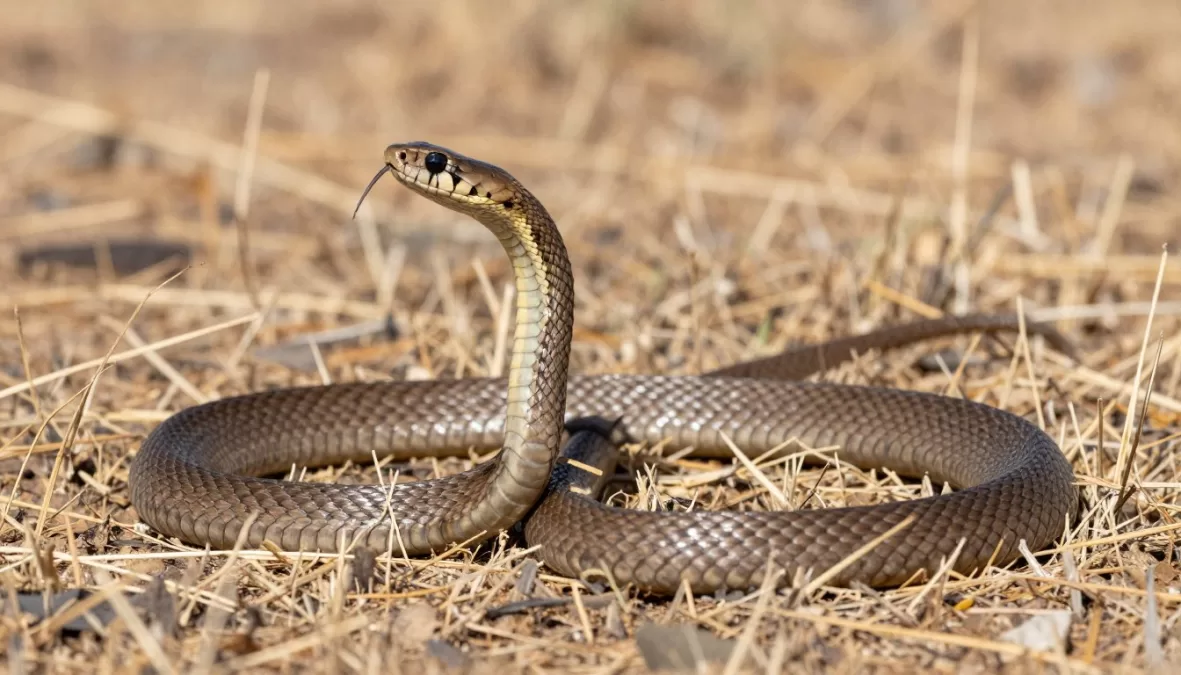
The eastern brown snake ranks as Australia’s most dangerous serpent. While the inland taipan has more potent venom, the eastern brown lives near populated areas and causes more deaths. This species accounts for approximately 60% of snake bite fatalities in Australia each year.
Eastern brown snakes possess extremely fast striking speed. They can attack multiple times in rapid succession when threatened. The species displays aggressive behavior when cornered, making it particularly dangerous to humans.
Geographic Distribution
This venomous snake inhabits eastern and central Australia. It thrives in various environments including grasslands, woodlands, and agricultural areas. Human development has actually expanded its range by creating favorable habitats with abundant prey.
The brown snake’s venom contains powerful neurotoxins and blood coagulants. Victims experience progressive paralysis starting with difficulty speaking and swallowing. Blood pressure drops dramatically while internal bleeding begins. Without antivenom, death typically occurs within hours.
Eastern brown snakes actively hunt during daylight hours. They feed on small mammals, birds, and reptiles. Their presence in agricultural areas brings them into frequent contact with humans working outdoors.
3. Coastal Taipan (Oxyuranus scutellatus)
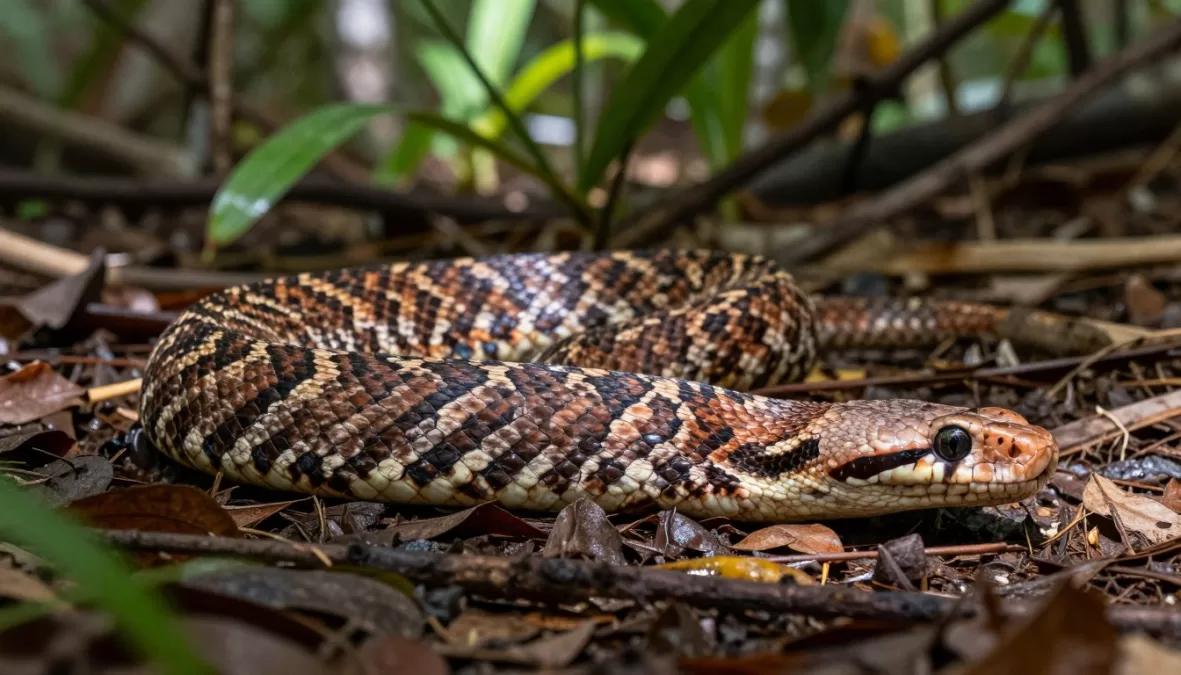
The coastal taipan represents one of the longest venomous snakes in Australia. Adults regularly exceed 6 feet in length, with some individuals reaching 10 feet. Before antivenom development in 1956, coastal taipan bites had a nearly 100% fatality rate.
This species inhabits coastal regions of northern and eastern Australia and southern New Guinea. It prefers sugarcane fields and open woodlands where rodent prey is abundant. The snake’s presence in agricultural areas increases human encounters.
Coastal taipans are extremely alert and nervous. They detect approaching humans from considerable distances and usually retreat. However, cornered individuals defend themselves vigorously. The species can deliver multiple rapid strikes when threatened.
The venom attacks the nervous system with devastating efficiency. Neurotoxins cause respiratory paralysis while other components destroy muscle tissue. Blood cells break down rapidly, leading to kidney failure. Victims require large doses of specific antivenom for survival.
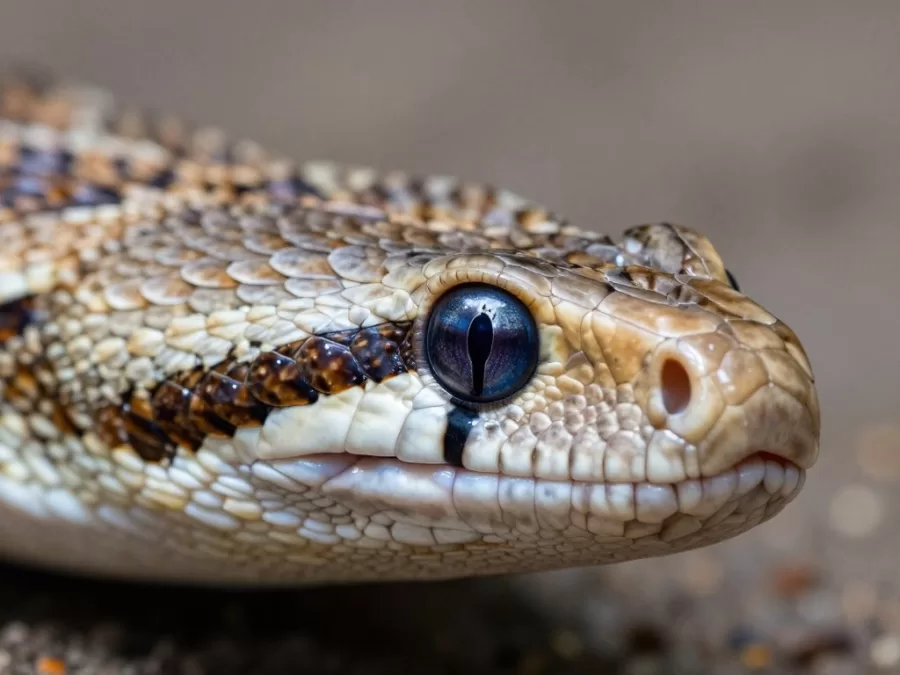
Before modern medicine, coastal taipan bites killed victims within hours. Even today, survivors often require weeks of hospitalization. The venom causes severe muscle pain and potential long-term nerve damage. Early administration of antivenom significantly improves outcomes.
4. Black Mamba (Dendroaspis polylepis)
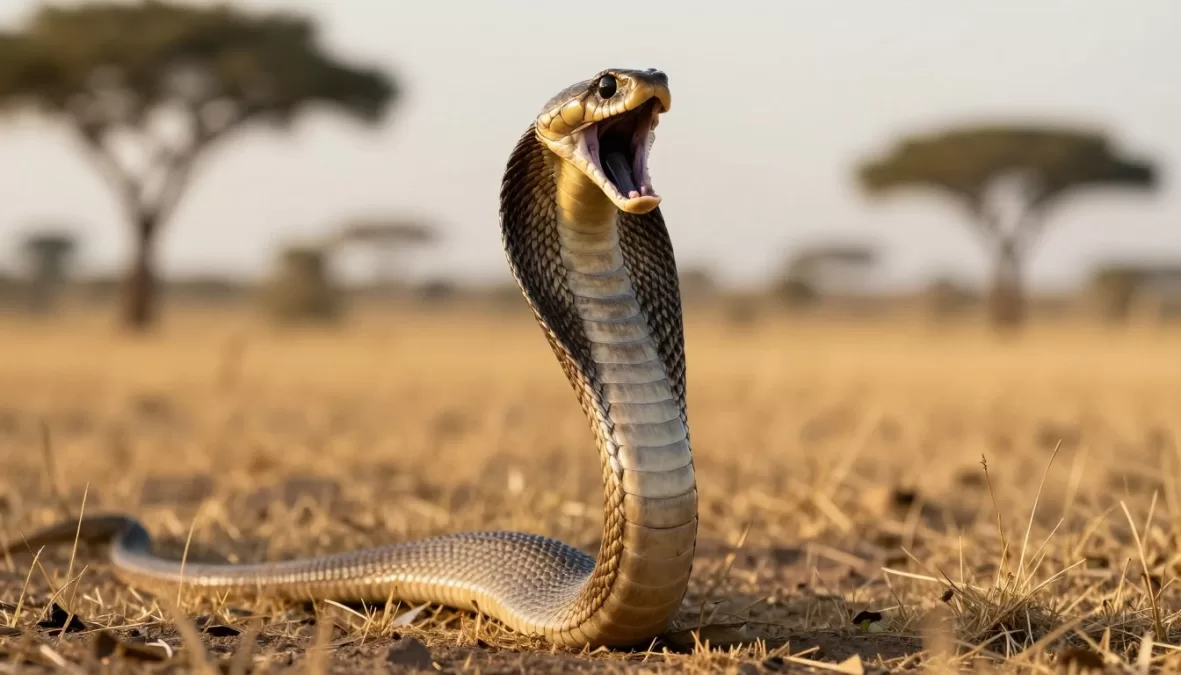
The black mamba inspires fear throughout Africa with good reason. This legendary serpent combines deadly venom with remarkable speed and aggression. The species can move at speeds up to 12 miles per hour, making it the fastest snake on Earth.
Black mambas inhabit savannas and rocky hills across sub-Saharan Africa. Despite their name, these snakes are typically gray or brown. The “black” refers to the distinctive dark coloration inside their mouths, displayed during threat behavior.
A single black mamba bite delivers up to 400 mg of venom. Victims require approximately 10 to 15 vials of antivenom for treatment. The venom contains fast-acting neurotoxins that cause complete paralysis. Without treatment, death occurs within 7 to 15 hours.
Survival Factors
- Antivenom widely available in endemic regions
- Snake usually attempts to flee before attacking
- Clear warning displays before striking
- Bites can be “dry” without venom injection
- Modern medical facilities improve survival rates
Risk Factors
- Extremely aggressive when cornered or threatened
- Multiple bites delivered in rapid succession
- Remote locations far from medical care
- Symptoms progress rapidly requiring urgent treatment
- High venom volume per bite increases danger
Black mamba venom is predominantly neurotoxic. It blocks receptors at nerve junctions, causing progressive paralysis. Early symptoms include drooping eyelids, difficulty swallowing, and blurred vision. Paralysis spreads to respiratory muscles within hours.
The mamba’s reputation for aggression is somewhat exaggerated. These intelligent snakes prefer escape over confrontation. However, when retreat is impossible, they defend themselves with lightning-fast strikes. Their impressive length allows them to strike from considerable distance.
Stories about black mambas chasing humans are largely myths. The snake world rarely features truly aggressive behavior toward large animals. However, mambas will pursue apparent threats if they perceive continued danger. This defensive behavior has contributed to their fearsome reputation in African folklore.
5. Tiger Snake (Notechis scutatus)
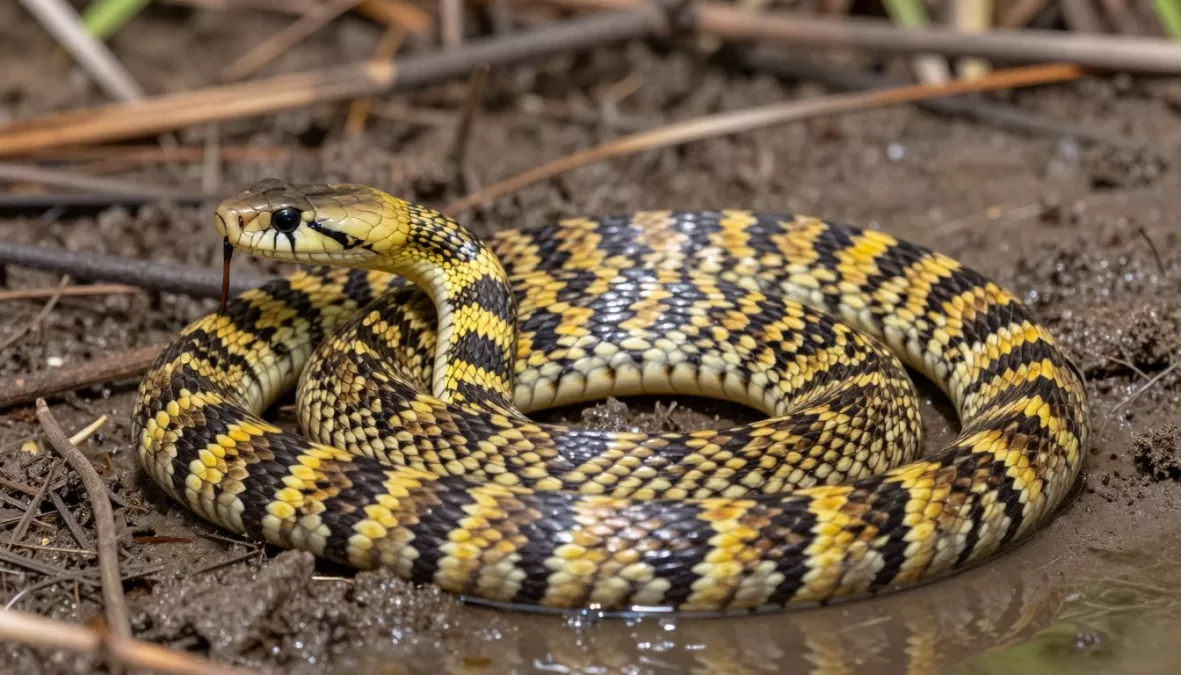
Tiger snakes rank among Australia’s most dangerous venomous species. These adaptable reptiles inhabit coastal areas, wetlands, and creek banks throughout southern Australia and Tasmania. Their distinctive banded pattern resembles a tiger’s stripes, giving them their common name.
The species displays remarkable variation in coloration and pattern. Some populations feature bold bands while others appear almost uniform in color. This diversity initially led scientists to classify them as separate species before genetic studies revealed their close relationship.
Behavioral Characteristics
Tiger snakes exhibit defensive behavior when threatened. They flatten their necks and bodies to appear larger. The species typically delivers several warning strikes before actually biting. These intelligent reptiles assess threats and adjust their defensive responses accordingly.
Venom Composition
Tiger snake venom contains neurotoxins, myotoxins, and procoagulants. This combination attacks multiple body systems simultaneously. Neurotoxins cause paralysis while myotoxins destroy muscle tissue. The procoagulants disrupt normal blood clotting.
Before antivenom availability, tiger snake bites resulted in death rates exceeding 40%. Modern medical treatment has dramatically improved survival rates. However, bites still cause severe symptoms requiring hospitalization. Victims experience pain, paralysis, and potential kidney damage.
Tiger snakes actively hunt during warm weather. They prey on frogs, fish, small mammals, and birds. Their association with water sources brings them into contact with humans enjoying recreational activities. Most bites occur when people accidentally step on snakes or attempt to handle them.
Want to Learn More About Reptile Safety?
Join our community of wildlife enthusiasts and receive expert insights on venomous species, regional safety tips, and fascinating reptile facts. Get our comprehensive Snake Safety Guide free when you subscribe.
6. Saw-Scaled Viper (Echis carinatus)
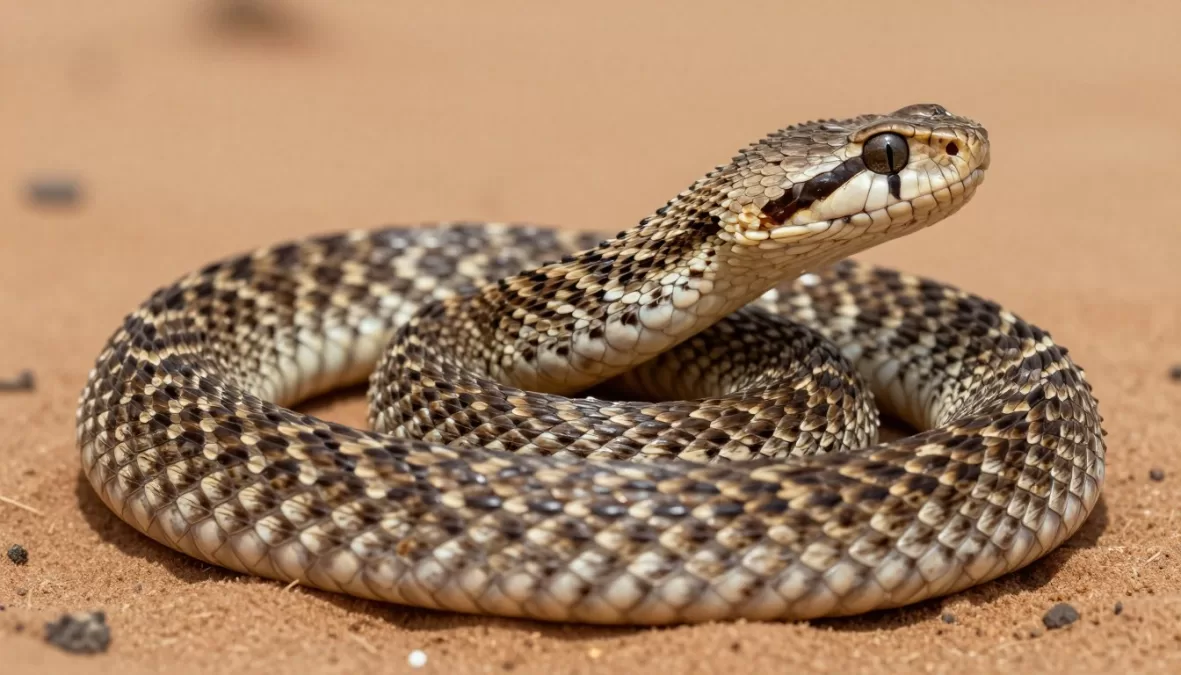
The saw-scaled viper causes more human deaths than any other snake species worldwide. These small vipers inhabit dry regions across the Middle East, Central Asia, and India. Their aggressive nature and proximity to human populations make them extremely dangerous.
Saw-scaled vipers get their name from their distinctive warning behavior. They rub their rough, keeled scales together to produce a loud rasping sound. This warning signal often goes unheeded, resulting in numerous bites each year.
These adaptable snakes thrive in areas where humans live and work. They hide in rock piles, abandoned buildings, and agricultural fields. Nocturnal hunting patterns increase nighttime encounters. Many victims suffer bites while sleeping outdoors or walking after dark.
| Species Name | Length | Venom Type | Annual Deaths | Geographic Range |
| Saw-Scaled Viper | 1-3 feet | Hemotoxic | 5,000+ | Middle East to India |
| Russell’s Viper | 4-5.5 feet | Hemotoxic | 25,000+ | South Asia |
| King Cobra | 10-13 feet | Neurotoxic | Unknown | South/Southeast Asia |
| Philippine Cobra | 3-5 feet | Neurotoxic | Moderate | Philippines |
Saw-scaled viper venom is predominantly hemotoxic. It destroys blood cells and causes uncontrolled bleeding. Victims experience swelling, pain, and hemorrhaging from the bite site. Internal bleeding affects organs throughout the body.
The small size of saw-scaled vipers contributes to their danger. People often fail to notice them until stepping nearby. The viper strikes with remarkable speed from its defensive coil. Most bites occur on feet and lower legs.
Medical facilities in rural areas often lack adequate antivenom supplies. Many bite victims cannot reach treatment in time. Even with antivenom, recovery requires days or weeks. Survivors may experience permanent tissue damage and kidney problems.
7. King Cobra (Ophiophagus hannah)
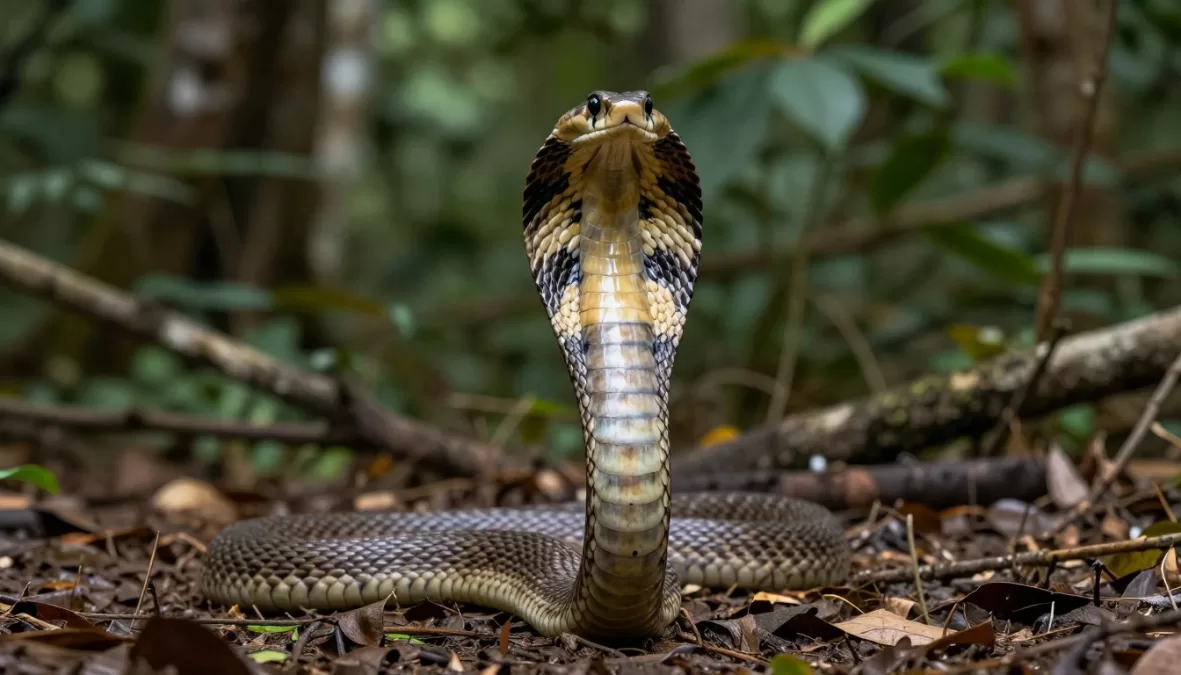
The king cobra holds the title of world’s longest venomous snake. These impressive reptiles regularly exceed 12 feet in length, with exceptional individuals reaching 18 feet. Their size, venom volume, and intelligence make them formidable predators in Asian forests.
King cobras primarily hunt other snakes. The species name Ophiophagus literally means “snake-eater.” They consume both venomous and non-venomous species, showing remarkable resistance to other snakes’ toxins. This specialized diet reduces competition with other predators.
Despite their fearsome reputation, king cobras are generally shy. They avoid human contact when possible and rarely bite without provocation. However, females guarding eggs display intense defensive behavior. Mother king cobras build nests and remain nearby for weeks, attacking any perceived threats.
A single king cobra bite can deliver up to 7 milliliters of venom. This massive dose contains powerful neurotoxins that cause respiratory failure. The venom also includes cytotoxins that destroy tissue around the bite site. Victims experience rapid symptom progression requiring immediate treatment.
King cobra venom is less toxic than many other species. However, the enormous volume injected per bite compensates for lower potency. The species can deliver enough venom to kill an elephant or 20 adult humans in a single bite.
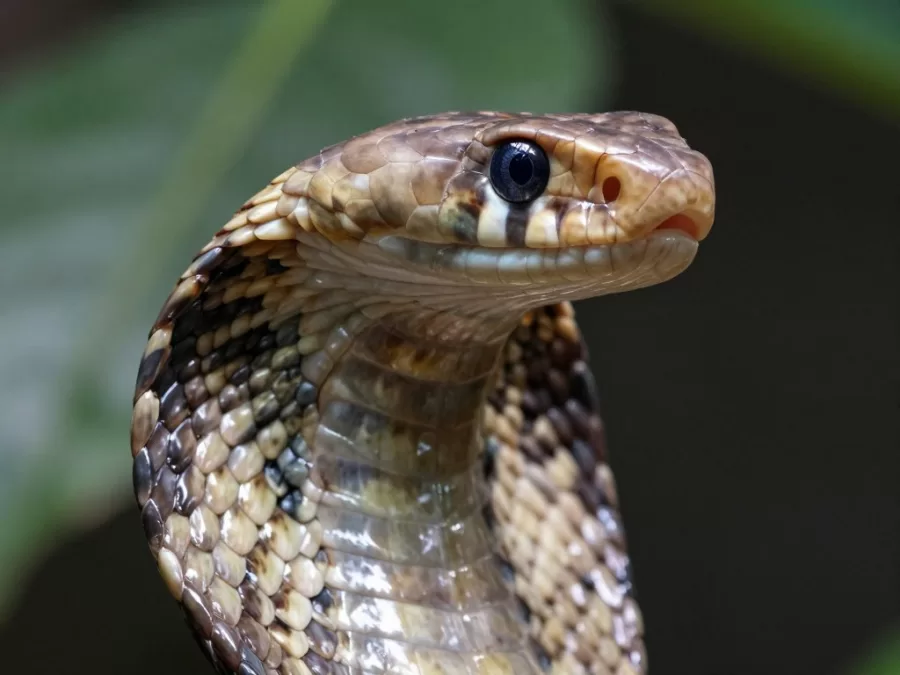
The snake world contains no species more intelligent than the king cobra. These snakes recognize individual humans and adjust their behavior accordingly. They display complex parenting behavior rarely seen in reptiles. Some populations have learned to recognize and avoid snake traps.
King cobras inhabit forests, bamboo thickets, and agricultural areas across South and Southeast Asia. Habitat destruction increasingly brings them into contact with humans. Most bites occur when people accidentally disturb snakes or encounter nesting females.
8. Death Adder (Acanthophis species)
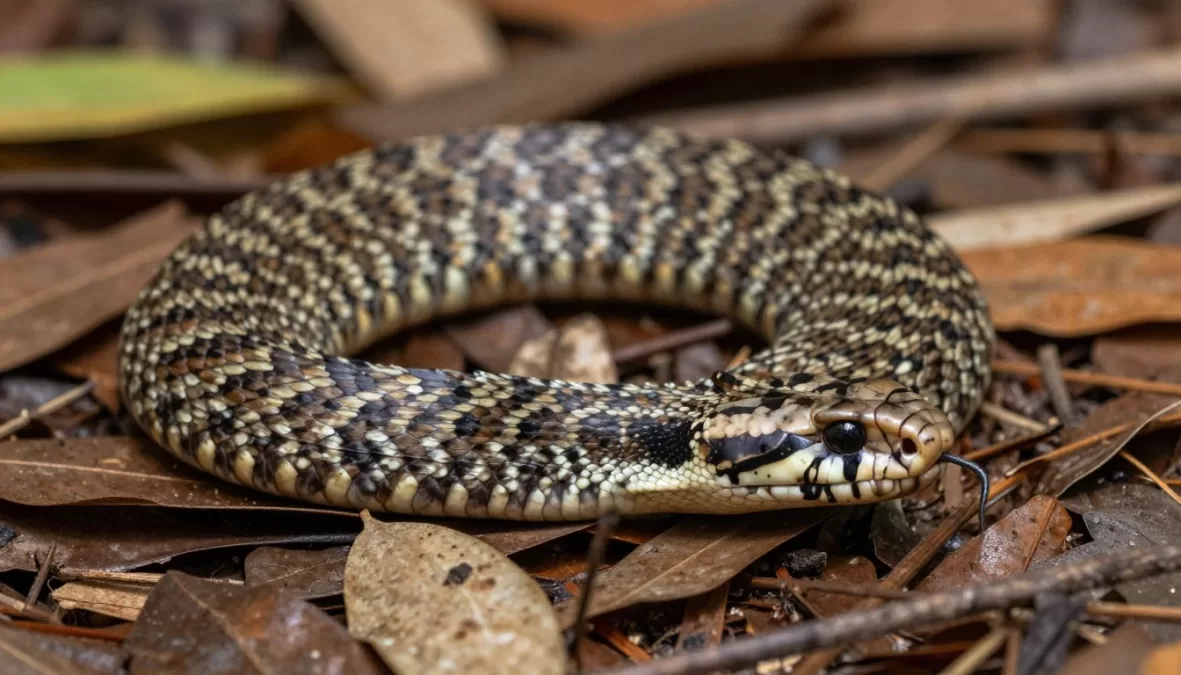
Death adders employ an ambush hunting strategy unlike most other venomous snakes. These thick-bodied vipers lie motionless for days, perfectly camouflaged in leaf litter. They wiggle their worm-like tail tips to lure prey within striking range.
The species inhabits Australia, New Guinea, and nearby islands. Several death adder species exist, all sharing similar appearance and hunting methods. Their viper-like bodies and behavior led early settlers to call them “deaf adders,” later corrupted to “death adders.”
Death adders have the fastest strike of any Australian snake. They attack and inject venom in less than 0.15 seconds. The lightning-fast strike catches prey and threats completely by surprise. Most bite victims never saw the snake before being struck.
- Stop moving immediately and assess the situation
- Back away slowly without sudden movements
- Give the snake space to retreat safely
- Keep children and pets at safe distance
- Contact local wildlife authorities if needed
- Never attempt to capture or kill the snake
If You See a Snake
- Approach or corner a venomous snake
- Attempt to handle or touch the snake
- Throw objects at the snake to scare it
- Try to identify species by getting closer
- Apply tourniquets or cut bite wounds
- Use ice or attempt to suck out venom
Never Do This
- Call emergency services immediately
- Keep the affected limb immobilized
- Remove jewelry before swelling begins
- Apply pressure bandage if trained to do so
- Note snake appearance if safe to observe
- Stay calm and avoid unnecessary movement
If Bitten
Death adder venom contains potent neurotoxins. Symptoms begin within hours and include ptosis, difficulty speaking, and progressive paralysis. The venom blocks nerve signals at neuromuscular junctions. Without antivenom, respiratory failure occurs within 6 hours.
Before antivenom development, death adder bites had a 50% fatality rate. Modern treatment has dramatically improved survival. However, bites still require hospitalization and antivenom administration. Some victims experience prolonged recovery periods.
Death adders rely on camouflage rather than flight. They often remain motionless when humans approach. This behavior leads to many accidental encounters. Most bites occur when people step on or near hidden snakes in bushland areas.
9. Philippine Cobra (Naja philippinensis)
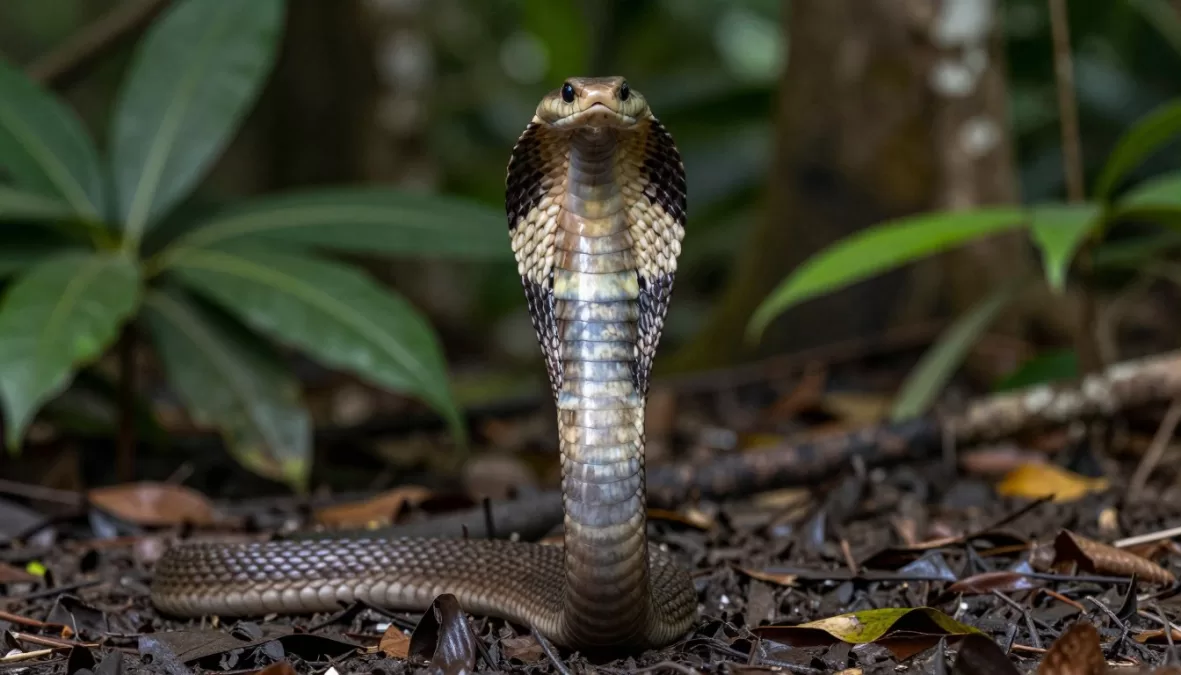
The Philippine cobra possesses the most toxic venom of any cobra species. This relatively small snake inhabits the northern Philippines, where it causes numerous fatalities each year. The species can spit venom accurately up to 10 feet, making it dangerous even from a distance.
Philippine cobras prefer lowland areas, rice paddies, and villages. Their adaptation to agricultural environments increases human encounters. Farmers and rural workers face the highest risk of bites. The species hunts at night, searching for rodents around human habitations.
The venom is primarily neurotoxic with remarkably fast action. Symptoms appear within 30 minutes of envenomation. Victims experience respiratory difficulty, paralysis, and potential cardiac arrest. Death can occur within one hour without immediate treatment.
Important Medical Information: Philippine cobra antivenom is specific and not interchangeable with other cobra antivenoms. Travelers to the Philippines should verify local medical facilities have appropriate antivenom supplies before venturing into rural areas. Always seek immediate medical care for any suspected cobra bite.
The cobra can deliver venom through biting or spitting. When threatened, it raises its hood and may spray venom toward the attacker’s eyes. The venom causes immediate pain and potential blindness if it contacts eyes. Victims require thorough eye irrigation and medical evaluation.
Young Philippine cobras are born with fully functional venom glands. Even juvenile snakes pose serious danger to humans. The species reproduces rapidly, with females laying up to 18 eggs per clutch. This reproductive success maintains stable populations despite habitat changes.
10. Russell’s Viper (Daboia russelii)
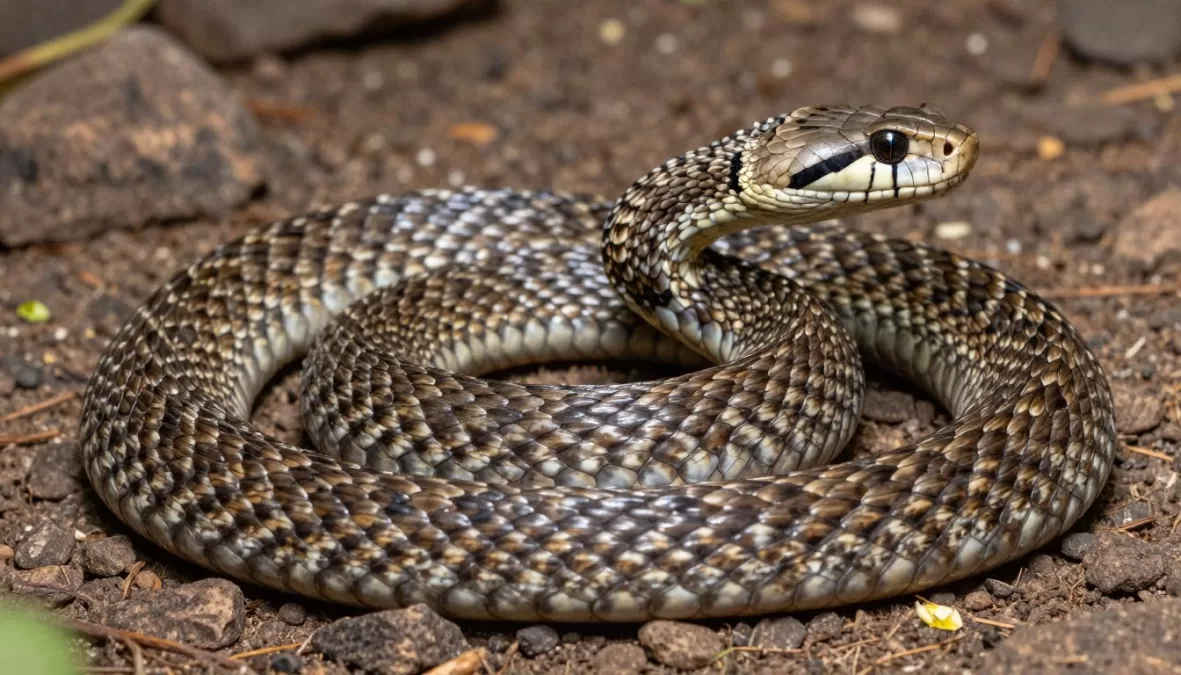
Russell’s viper causes more snakebite deaths in Asia than any other species. This large, aggressive viper inhabits South Asia from Pakistan to Taiwan. Estimates suggest Russell’s vipers kill over 25,000 people annually, though exact numbers remain uncertain due to limited rural healthcare reporting.
These snakes thrive in agricultural regions where they hunt rodents. Rice paddies, sugarcane fields, and farms provide ideal habitat. Farmers working barefoot in fields frequently encounter hidden vipers. The snake’s tendency to coil tightly rather than retreat leads to many accidental bites.
Russell’s vipers display warning behavior before striking. They inflate their bodies, hiss loudly, and form tight S-shaped coils. However, the warning often comes too late for people who have already stepped too close. The species strikes with exceptional speed and accuracy.
Venom Effects Timeline
- First 30 minutes: Immediate pain, swelling, and bleeding at bite site
- 1-4 hours: Progressive swelling, blood pressure drop, nausea
- 4-12 hours: Kidney damage begins, continued bleeding, shock symptoms
- 12-24 hours: Potential kidney failure, severe bleeding disorders
- 24+ hours: Multiple organ failure without proper treatment
Geographic Distribution
- India and Pakistan (highest density)
- Sri Lanka and Bangladesh
- Myanmar and Thailand
- Southern China and Taiwan
- Absent from extreme northern regions
Russell’s viper venom is strongly hemotoxic. It activates clotting factors, leading to disseminated intravascular coagulation. This condition causes both inappropriate clotting and severe bleeding. Blood vessels throughout the body leak while clots form in small vessels.
The venom also damages kidneys through multiple mechanisms. Direct toxic effects combine with reduced blood flow from shock and bleeding. Many bite victims develop acute kidney failure requiring dialysis. Survivors may need long-term kidney treatment or transplantation.
Antivenom availability varies across Russell’s viper range. Rural areas often lack adequate supplies or medical facilities. Delays in treatment dramatically increase fatality rates. Even with prompt care, recovery typically requires weeks of hospitalization.
The species grows to impressive sizes, with females reaching 5.5 feet in length. Larger individuals deliver correspondingly larger venom doses. Adult Russell’s vipers command respect throughout their range, with many local names reflecting their dangerous reputation in different regions.
Snake Bite Prevention and Safety Measures
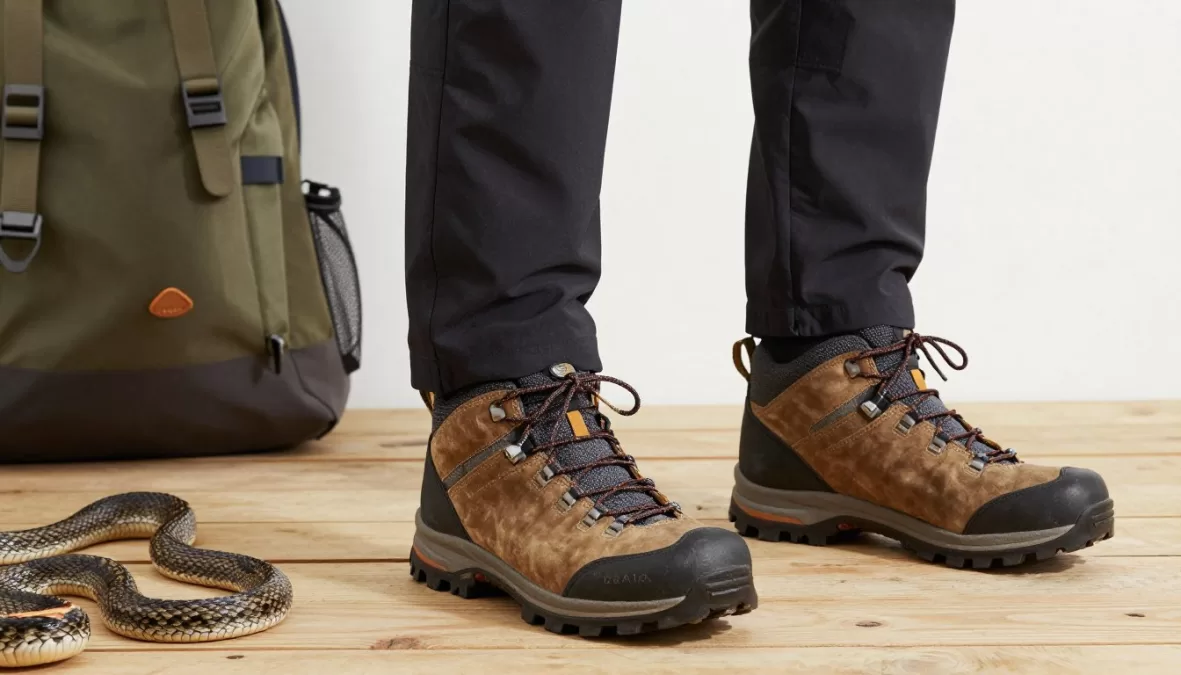
Preventing snake bites requires awareness and appropriate precautions. Most bites occur when people accidentally disturb snakes or attempt to handle them. Understanding snake behavior and habitat preferences reduces encounter risks significantly.
Proper footwear provides essential protection in snake habitats. High leather boots or snake gaiters protect lower legs where most bites occur. Long pants and thick socks add additional layers of defense. These simple precautions prevent many potential envenomations.
Essential Safety Practices
- Watch where you step and place your hands outdoors
- Use flashlights when walking at night in snake areas
- Avoid reaching into holes, hollow logs, or rock crevices
- Keep yards clear of debris where snakes might hide
- Store firewood away from houses and off the ground
- Teach children to recognize and avoid snakes
- Never attempt to capture or kill venomous snakes
- Keep a safe distance when photographing wildlife
Education represents the most effective prevention tool. Learning to identify dangerous species in your region helps you recognize potential threats. Understanding snake behavior allows you to predict and avoid dangerous situations. Many organizations offer snake awareness courses for people living in or traveling to snake-prone areas.
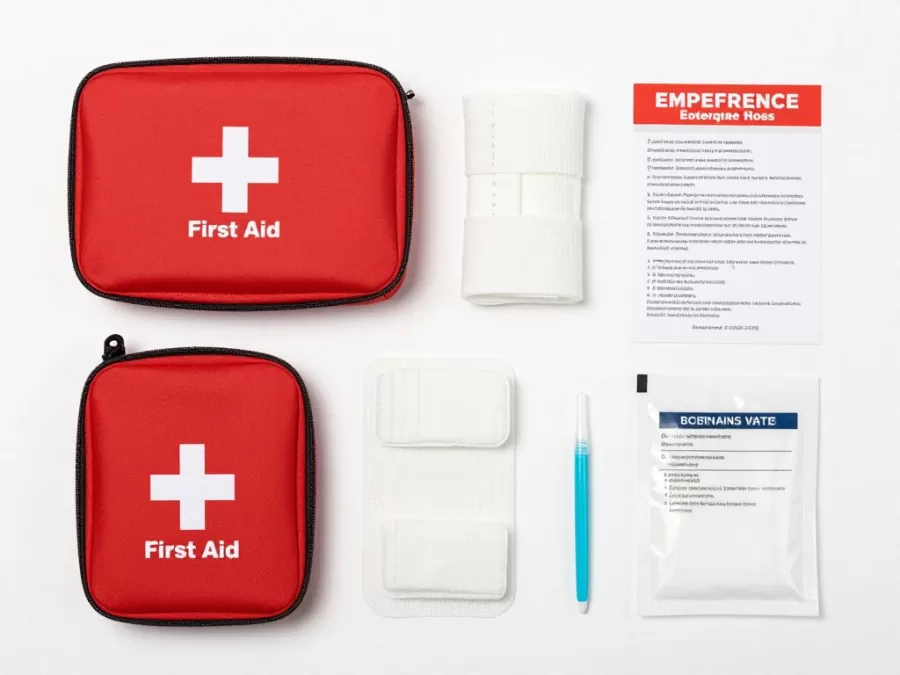
Emergency Preparation: Anyone living in or traveling to areas with venomous snakes should know the location of nearest medical facilities with antivenom supplies. Keep emergency contact numbers readily available. Consider taking wilderness first aid courses that include snake bite management protocols.
First Aid and Medical Treatment for Snake Bites
Proper first aid dramatically improves snake bite outcomes. However, many traditional remedies actually harm victims. Understanding correct procedures saves lives while avoiding dangerous interventions prevents additional complications.
The pressure immobilization technique represents the gold standard for first aid in many regions. This method slows venom absorption without cutting off blood flow. Apply a firm bandage over the bite site, then wrap the entire limb. The bandage should be tight enough to restrict lymph flow but not arterial blood flow.
Should I try to kill or catch the snake for identification?
No. Attempting to catch or kill the snake risks additional bites and wastes valuable time. Modern medical facilities can treat snake bites effectively without precise species identification. If possible, photograph the snake from a safe distance or note its appearance. However, victim transport to medical care should never be delayed for snake identification.
How quickly do I need to reach medical care after a venomous snake bite?
Seek medical attention immediately for any suspected venomous snake bite. Time to treatment directly affects outcomes. Some species like the black mamba can cause death within hours. Others like Russell’s viper may allow longer windows. Never delay seeking care to “see if symptoms develop.” Antivenom works best when administered early.
What should I never do after a snake bite?
Never apply ice, cut the bite wound, attempt to suck out venom, or apply tourniquets. These outdated methods cause tissue damage without removing significant venom. Don’t give victims alcohol or medications that thin blood. Avoid unnecessary movement of the affected limb. Don’t waste time with electric shock or other folk remedies.
Are all snake bites from venomous species dangerous?
Not all bites inject venom. “Dry bites” occur when venomous snakes bite defensively without releasing venom. Studies suggest 20-50% of bites from some species are dry. However, all bites from venomous species should receive immediate medical evaluation. Only medical professionals can determine if envenomation occurred.
How effective is antivenom treatment?
Modern antivenom is highly effective when administered promptly. Survival rates for most venomous snake bites exceed 95% with proper treatment. However, antivenom works best when given early. Delayed treatment allows more tissue damage and systemic effects. Some patients may require large doses or multiple types of antivenom depending on the species and bite severity.
Transport victims to medical facilities immediately. Keep them calm and limit movement. Remove jewelry and tight clothing before swelling begins. Position the bitten limb below heart level if possible. Monitor for symptoms but don’t delay transport waiting for signs to appear.
Hospital treatment typically includes antivenom administration, pain management, and supportive care. Medical staff monitor vital signs and watch for complications. Blood tests track venom effects on clotting and organ function. Severe cases may require intensive care, dialysis, or blood transfusions.
Recovery time varies depending on species, venom dose, and treatment timing. Some victims recover within days while others require weeks of hospitalization. Long-term effects may include scarring, reduced limb function, or psychological trauma. Follow-up care addresses these ongoing concerns.
Understanding and Respecting Nature’s Deadliest Predators
The world’s deadliest snakes command our respect and caution. These remarkable animals have evolved sophisticated venom systems over millions of years. While dangerous to humans, they play vital ecological roles controlling rodent populations and maintaining ecosystem balance.
Most venomous snakes avoid human contact when possible. They bite primarily in self-defense when surprised or threatened. Understanding their behavior and habitats allows peaceful coexistence. Simple precautions prevent the vast majority of dangerous encounters.
Modern medicine has dramatically reduced snake bite fatalities. Antivenom, when available and administered promptly, saves countless lives. However, many deaths still occur in rural areas with limited healthcare access. Education and improved medical infrastructure continue reducing this preventable mortality.
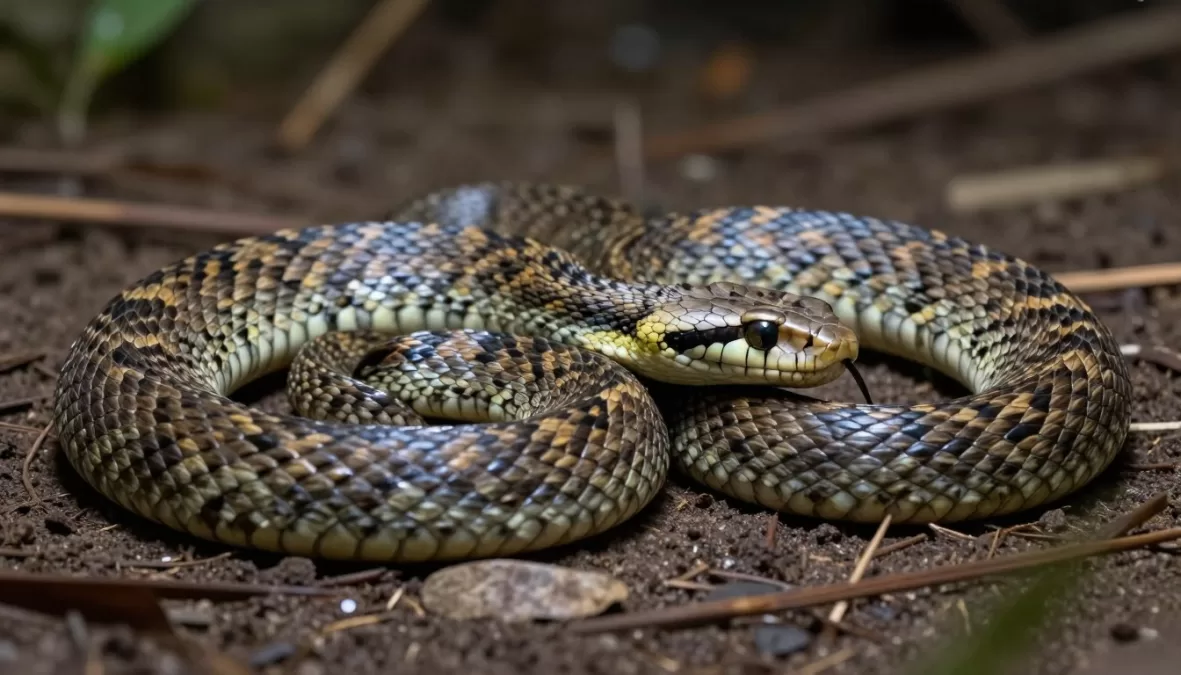
Snake conservation faces numerous challenges. Habitat destruction, climate change, and human persecution threaten many species. Even dangerous snakes deserve protection as integral ecosystem components. Their presence indicates healthy environments with balanced predator-prey relationships.
Research into snake venom continues yielding medical breakthroughs. Components from various species contribute to treatments for heart disease, pain management, and blood disorders. These potentially deadly toxins may hold keys to future pharmaceutical developments.
Join Our Wildlife Community
Get expert insights on venomous species, safety protocols, and conservation efforts delivered monthly. Plus, download our comprehensive Snake Safety Guide covering identification, first aid, and prevention strategies for over 50 dangerous species worldwide.
Join 50,000+ outdoor enthusiasts staying informed about wildlife safety. Unsubscribe anytime.
Respecting these powerful predators while maintaining appropriate caution allows humans and snakes to share landscapes. Education replaces fear with understanding. Proper precautions minimize risks without requiring snake elimination. This balanced approach benefits both human safety and biodiversity conservation.
The snake world continues revealing its secrets through ongoing research. Each species represents millions of years of evolutionary refinement. By studying these deadly creatures, we gain insights into biology, ecology, and medicine that extend far beyond herpetology.

Priyanka Pandey
Senior Research Editor · Top10Sense
Priyanka specializes in tech, consumer products, and digital trends. She combines hands-on testing, vendor interviews, and database research to create trustworthy “Top 10” rankings. Her work has been referenced by industry blogs and brand report pages.