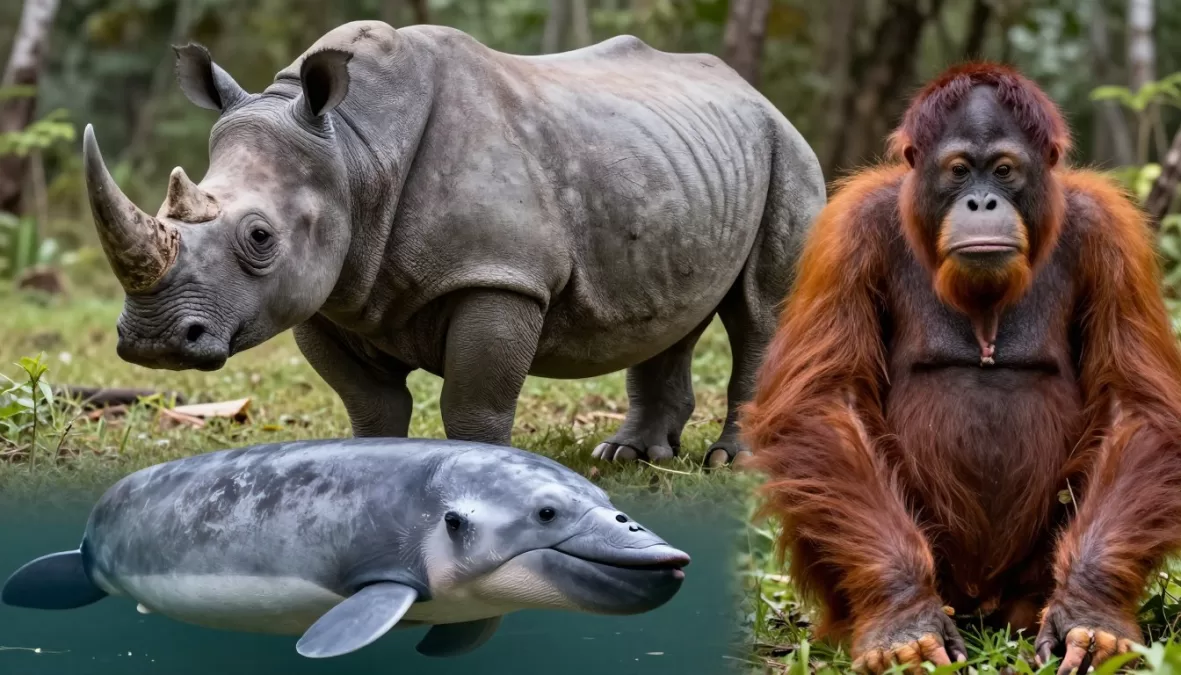
Our planet harbors incredible biodiversity. Yet some species teeter on the brink of extinction. The rarest animals world populations have dwindled to alarmingly low numbers.
Climate change and habitat loss threaten these creatures daily. Poaching and illegal trade push them closer to disappearing forever. Conservation efforts fight to save what remains.
This guide explores ten critically endangered species facing extinction in 2026. You’ll discover their current populations and unique habitats. We’ll examine why these animals became so rare and what’s being done to protect them.
Conservation Context: The International Union for Conservation of Nature (IUCN) Red List tracks species survival. As of 2026, over 42,000 species face extinction threats. The animals featured here represent the most critically endangered mammals, with populations often below 100 individuals in the wild.
1. Vaquita Porpoise: The World’s Rarest Marine Mammal
Population Status and Habitat
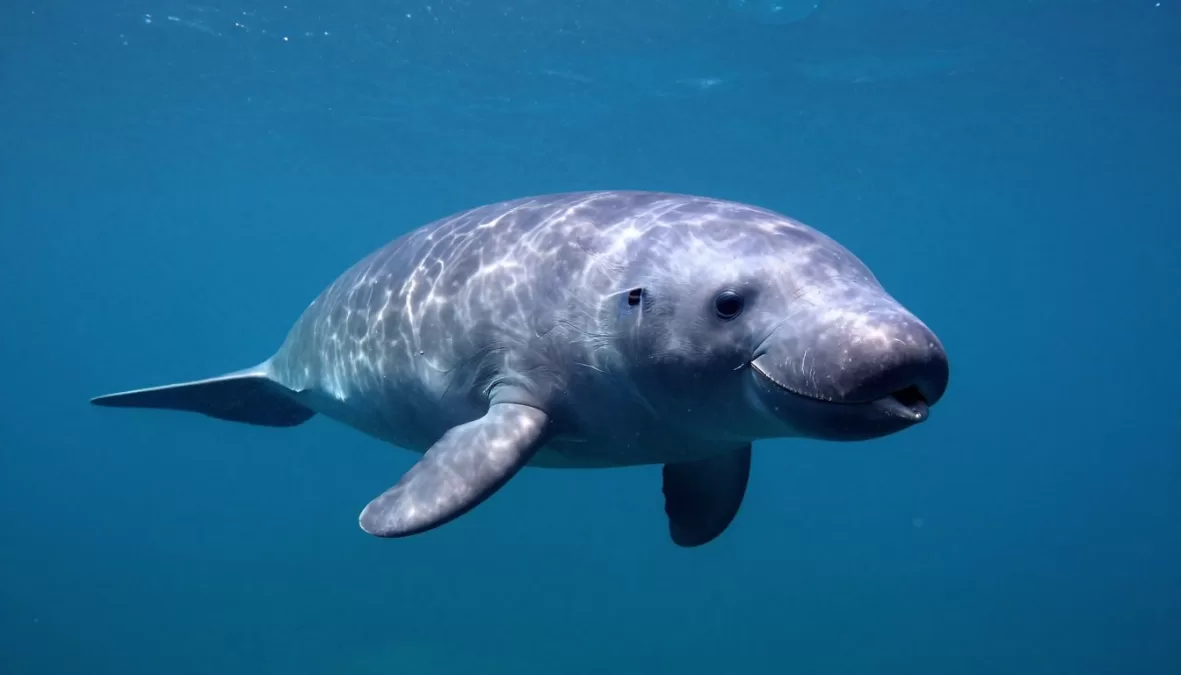
The vaquita holds the unfortunate title of rarest marine mammal. Fewer than 10 individuals remain in the wild as of 2026. This tiny porpoise lives exclusively in Mexico’s Gulf of California.
These shy creatures prefer shallow, murky waters. They inhabit areas less than 150 feet deep. The northern Gulf provides their entire world habitat.
Why Vaquitas Are Critically Endangered
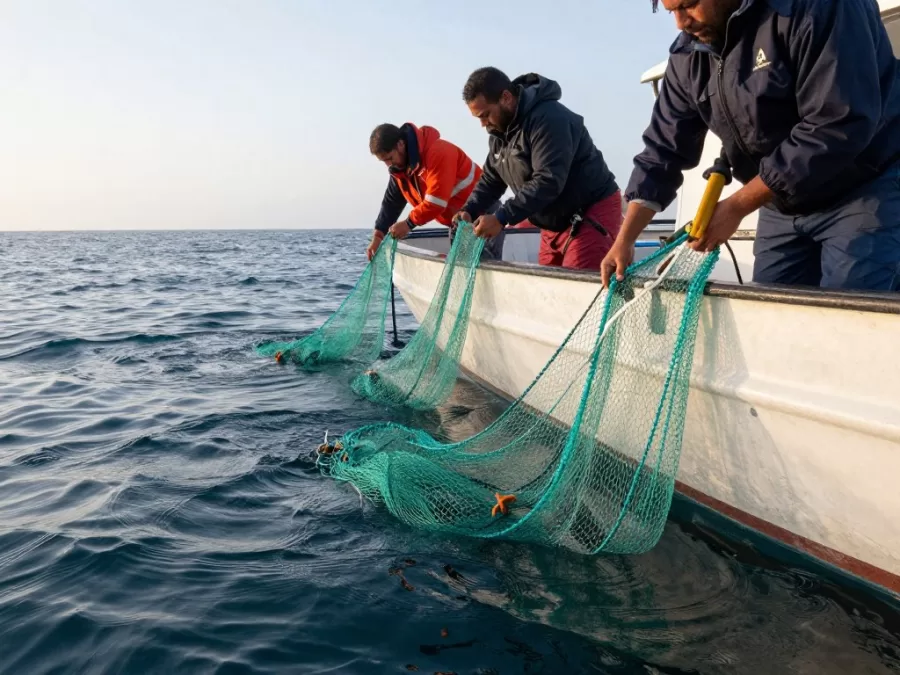
Illegal fishing practices drove vaquitas toward extinction. Gillnets set for totoaba fish accidentally trap these porpoises. The animals drown when caught in nets meant for other species.
Climate change affects their limited habitat range. Warming waters alter food availability. These combined threats created a perfect storm for this species.
Conservation Efforts in Action
Mexico banned gillnet fishing in vaquita habitat. Enforcement remains challenging despite legal protection. Conservation groups patrol waters to remove illegal nets.
International organizations fund protective measures. The Mexican government designated refuge areas. Despite these efforts, population recovery faces significant obstacles.
Key Conservation Challenges
- Illegal fishing continues despite bans and protection measures
- Small population size makes natural recovery extremely difficult
- Limited genetic diversity threatens long-term species survival
- Economic pressures drive fishing communities toward illegal practices
- Enforcement resources remain insufficient for vast marine areas
2. Javan Rhino: Rarest Large Mammal on Earth
Current Population and Location
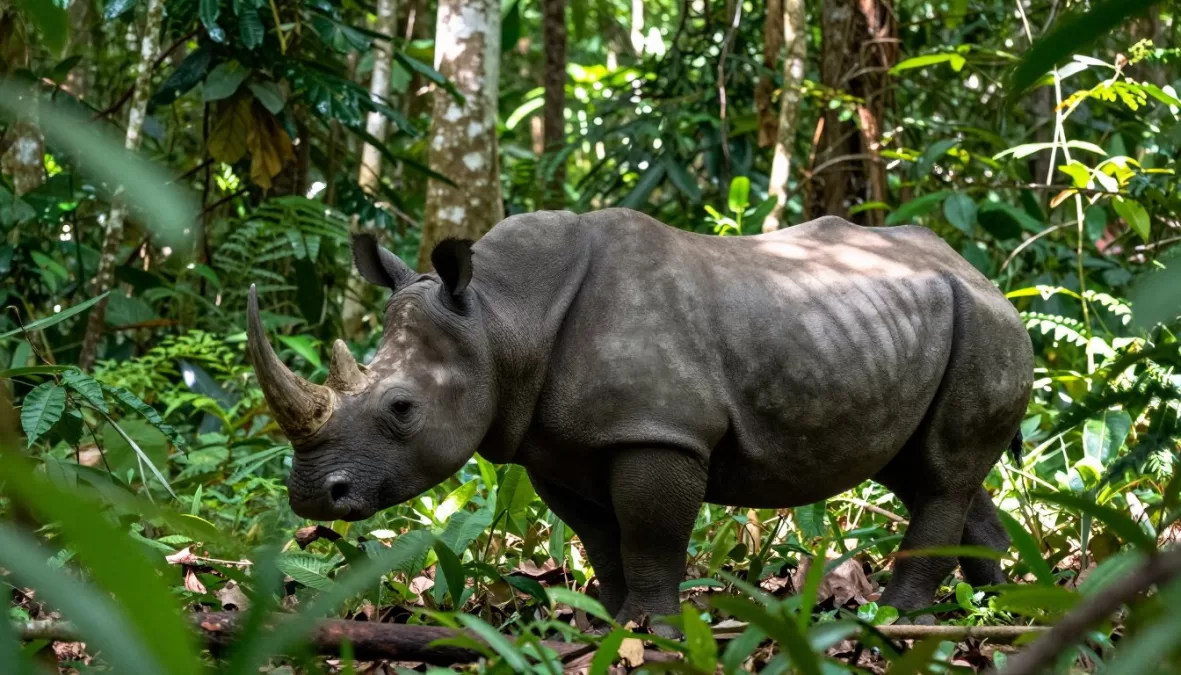
The Javan rhino represents one of the rarest animals in existence. Only 76 individuals survive in a single location. All remaining Javan rhinos live in Ujung Kulon National Park, Indonesia.
This rhino species once roamed across Southeast Asia. Populations thrived in Vietnam, Myanmar, and throughout Indonesian islands. Now their entire population occupies less than 500 square miles.
Threats to Survival
Poaching decimated Javan rhino populations throughout the 20th century. Rhino horn trade drove relentless hunting. Traditional medicine demand fueled illegal killing despite zero scientific evidence of medicinal value.
Habitat loss compounds poaching pressures. Agricultural expansion consumed traditional ranging areas. The species now exists in a single vulnerable population.
Natural disasters pose catastrophic risks. One tsunami or volcanic eruption could eliminate the entire species. This concentration in one national park creates extreme vulnerability.
Protection and Recovery Programs
Indonesia established Ujung Kulon as protected habitat in 1992. Intensive anti-poaching patrols guard the park. No poaching incidents have occurred in recent years thanks to these measures.
Conservationists work to establish a second population. Breeding programs aim to create insurance populations. However, capturing and relocating these solitary animals presents enormous challenges.

Support Wildlife Conservation Efforts
Organizations worldwide work tirelessly to protect critically endangered species like the vaquita and Javan rhino. Your support helps fund anti-poaching patrols, habitat protection, and breeding programs that give these animals a fighting chance at survival.
3. Amur Leopard: Rarest Big Cat Species
Population Recovery and Current Status
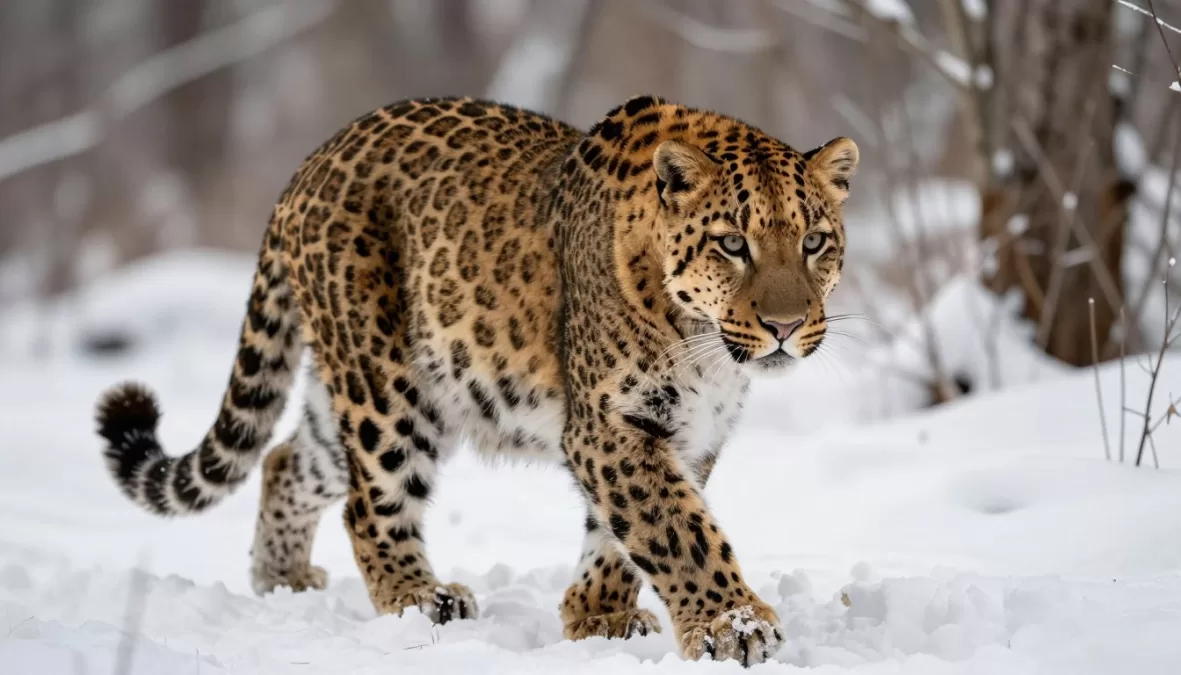
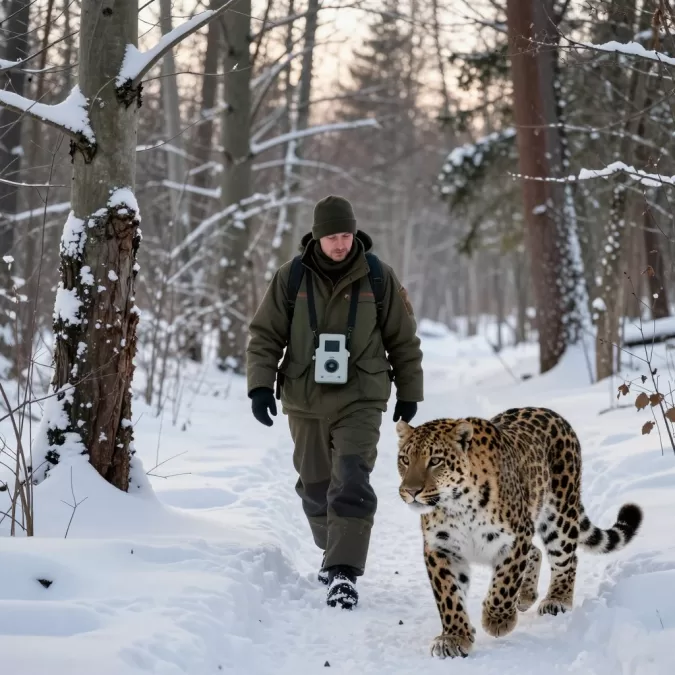
The Amur leopard population shows encouraging recovery signs. Approximately 120 individuals now roam the wild. This represents significant growth from just 35 animals in 2007.
These magnificent cats inhabit the temperate forests of Far East Russia. Small populations also exist in adjacent Chinese territory. The Land of the Leopard National Park protects their primary habitat.
Why This Species Became So Rare
Habitat loss fragmented Amur leopard territories throughout the 20th century. Logging operations destroyed vast forest areas. Agricultural development consumed traditional hunting grounds.
Poaching for fur nearly eliminated the species. Their beautiful spotted coats made them valuable targets. Illegal trade continues despite international protection.
Prey depletion weakened surviving populations. Overhunting of deer and other prey species left leopards without food sources. This created additional survival pressures.
Conservation Success Story
Russia established Land of the Leopard National Park in 2012. This 650,000-acre protected area provides crucial habitat. Anti-poaching efforts significantly reduced illegal hunting.
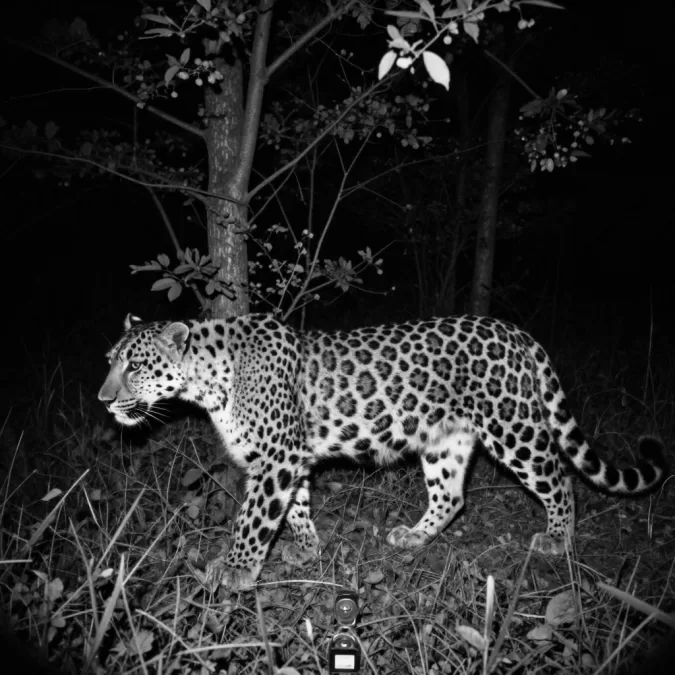
Camera trap monitoring reveals population growth. Scientists track individual animals through unique spot patterns. This data helps conservation planning and protection strategies.
Breeding programs in zoos maintain genetic diversity. Over 200 Amur leopards live in captivity worldwide. These programs provide insurance against extinction while supporting wild populations.
4. Sumatran Orangutan: Critically Endangered Great Ape
Population and Distribution
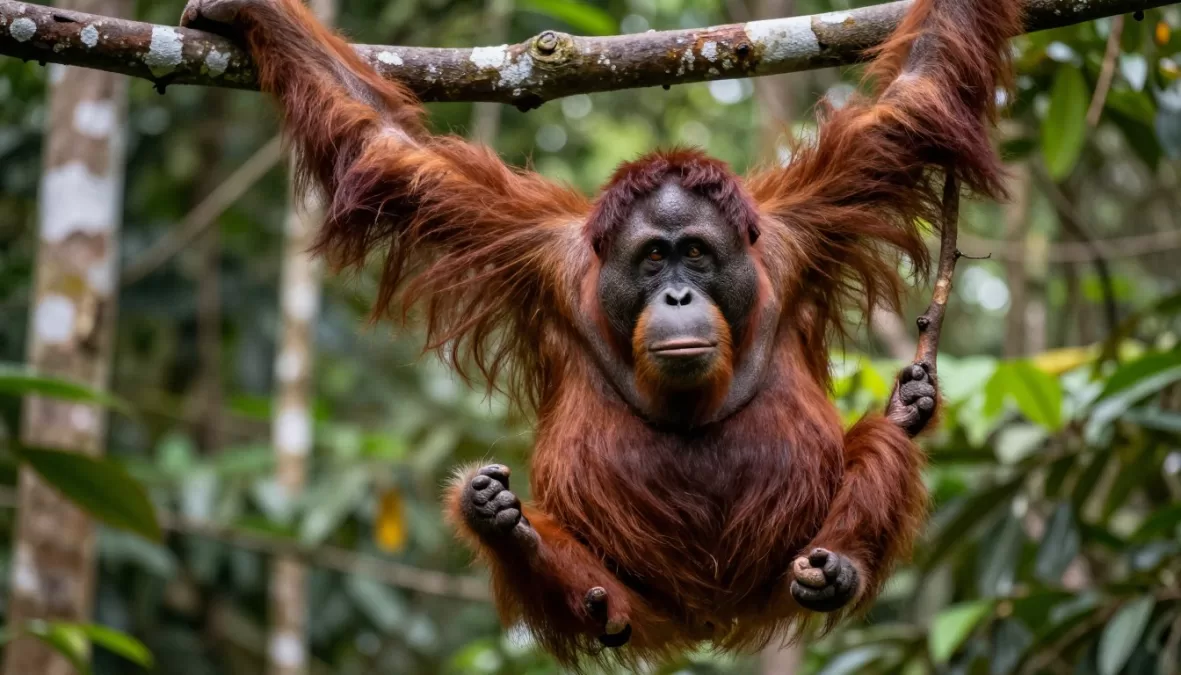
Approximately 14,600 Sumatran orangutan individuals remain in wild populations. They inhabit the northern parts of Sumatra island, Indonesia. Their range has shrunk dramatically over recent decades.
These great apes live exclusively in tropical rainforest canopies. They require large territories with abundant fruit trees. Fragmented forests now isolate many small populations.
Critical Threats Facing Sumatran Orangutan
Palm oil plantation expansion destroys orangutan habitat at alarming rates. Indonesia loses thousands of acres of rainforest annually. This habitat loss represents the primary threat to survival.
Illegal pet trade removes young orangutans from wild populations. Poachers kill mothers to capture infants. Though illegal, this trade continues in remote areas.
Climate change intensifies survival challenges. Altered rainfall patterns affect fruit availability. Forest fires linked to climate change destroy critical habitat.
Conservation and Breeding Programs
Protected areas safeguard important orangutan populations. Gunung Leuser National Park provides crucial habitat. However, enforcement challenges allow illegal encroachment.
Rehabilitation centers rescue and release confiscated orangutans. These programs return animals to protected forests. Success rates vary depending on the individual animal’s history.
Community-based conservation efforts engage local populations. Programs provide economic alternatives to forest destruction. Thanks to these initiatives, some areas show reduced deforestation.

5. Cross River Gorilla: Africa’s Rarest Great Ape
Remaining Population
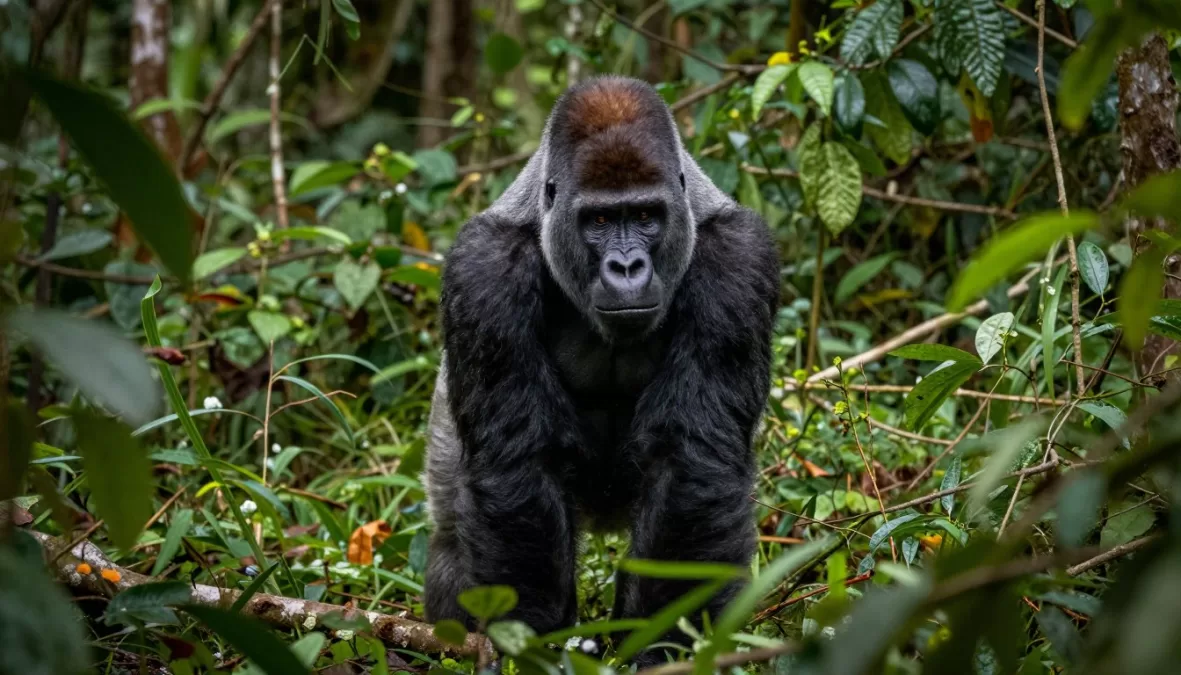
The Cross River gorilla represents one of the rarest animals on our list. Only 300 individuals survive in fragmented forest patches. They occupy the mountainous border region between Nigeria and Cameroon.
These gorillas live in at least 11 separated groups. Forest fragmentation prevents interaction between populations. This isolation creates genetic concerns for long-term survival.
Endangerment Factors
Habitat loss from agricultural expansion threatens remaining populations. Local communities clear forests for farming. Road construction fragments previously connected habitats.
Hunting pressure continues despite legal protection. Bushmeat hunting and traditional medicine use drive illegal killing. Remote locations make enforcement extremely difficult.
Small population size makes recovery challenging. Limited genetic diversity affects reproduction. Disease outbreaks could devastate these tiny populations.
Protection Initiatives
Cross-border conservation programs unite Nigeria and Cameroon efforts. Protected areas span both countries. This cooperation proves essential for species survival.
Community engagement programs reduce hunting pressure. Alternative protein sources help decrease bushmeat demand. Education initiatives build local conservation support.
Research teams monitor population health and movements. Camera traps provide crucial data on gorilla behavior. This information guides conservation strategies and protection measures.
Conservation Milestone: In 2022, researchers documented the first Cross River gorilla birth in a newly protected corridor area, offering hope that habitat connectivity efforts are working.
6. Saola: The Asian Unicorn
Population Estimate and Mystery
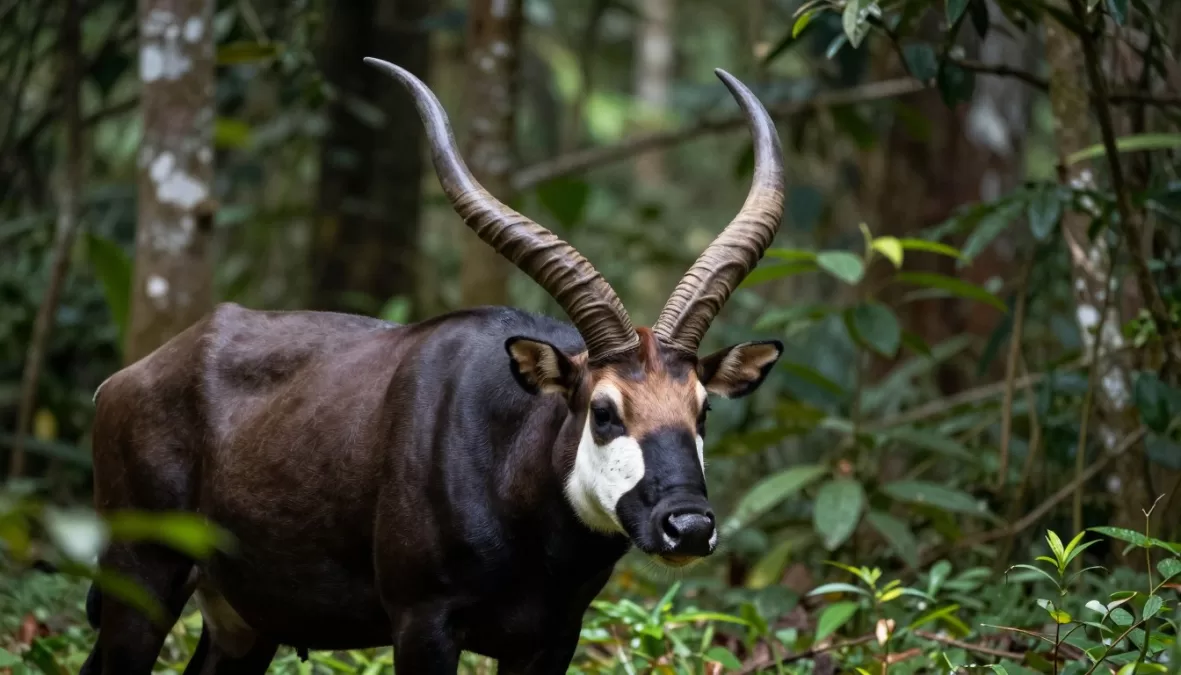
The saola remains one of the world’s most mysterious mammals. Scientists discovered this species only in 1992. Population estimates remain uncertain, possibly fewer than 100 animals world.
These elusive creatures inhabit the Annamite Mountains between Vietnam and Laos. Dense forest vegetation provides perfect camouflage. No saola has ever been photographed in the wild by scientists.
Threats to the Asian Unicorn
Snares set for other animals kill saolas accidentally. Subsistence hunting uses wire snares throughout their habitat. Though not the intended target, saolas die in these indiscriminate traps.
Habitat loss reduces available territory. Logging operations open previously inaccessible forests. Road construction brings human activity into remote areas.
The saola’s extreme rarity makes conservation challenging. Limited knowledge about behavior and ecology hampers protection efforts. Every individual death significantly impacts total population.
Conservation Approaches
The Saola Working Group coordinates international conservation efforts. This organization brings together Vietnamese and Laotian authorities. Their primary focus involves removing snares from critical habitat.
Protected areas in both countries safeguard known saola territory. Enforcement teams patrol regularly. However, rugged terrain makes comprehensive protection difficult.
Community-based conservation engages local hunters. Programs provide economic incentives for protection. Some villages have pledged to remove snares from their territories.
Join the Fight Against Extinction
From the forests of Southeast Asia to the mountains of Africa, critically endangered species need immediate help. Conservation organizations work on the ground to protect habitats, remove threats, and support local communities in coexisting with wildlife.
7. Philippine Eagle: One of the Rarest Birds of Prey
Current Population Status
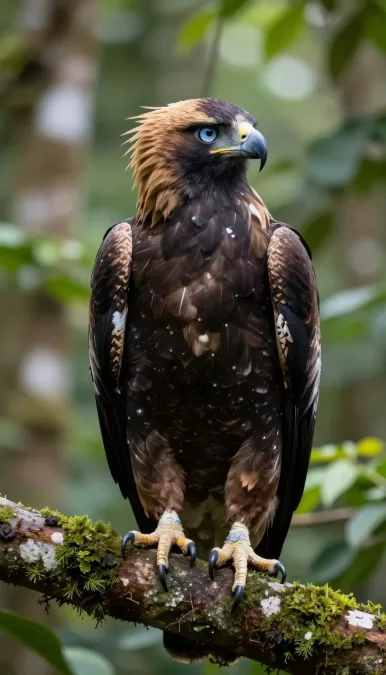
Between 400 and 500 Philippine eagles survive in the wild. This species exists only in the Philippines archipelago. They represent one of the rarest and most powerful eagles on Earth.
These magnificent birds require vast territories. Each breeding pair needs approximately 25-50 square miles of forest. Deforestation severely limits available habitat.
Why Philippine Eagles Are Endangered
Deforestation destroyed 90% of Philippine old-growth forests. Logging operations eliminated primary habitat. The eagles cannot adapt to degraded or secondary forests.
Shooting and trapping killed many eagles historically. Though now illegal, some killing continues. Persecution stems from superstition and livestock protection misconceptions.
Slow reproduction rates hamper recovery. Pairs raise only one chick every two years. This low reproductive rate makes population recovery extremely slow.
Conservation Programs and Success
The Philippine Eagle Foundation operates a captive breeding program. This facility has successfully bred over 30 eagles. Some captive-bred birds have been released to the wild.
Protected forest areas provide crucial habitat. National parks on several islands safeguard breeding territories. Enforcement efforts reduced illegal shooting significantly.
Education programs build national pride in this endemic species. The Philippine eagle serves as a national symbol. Community engagement helps reduce human-caused mortality.

Conservation Achievements
- Over 30 eagles successfully bred in captivity since program inception
- Multiple successful releases of captive-bred birds into protected areas
- Significant reduction in shooting incidents through education programs
- Expansion of protected habitat areas across multiple Philippine islands
- Growing community support and national pride in conservation efforts
8. Hawksbill Sea Turtle: Critically Endangered Marine Reptile
Global Population Decline
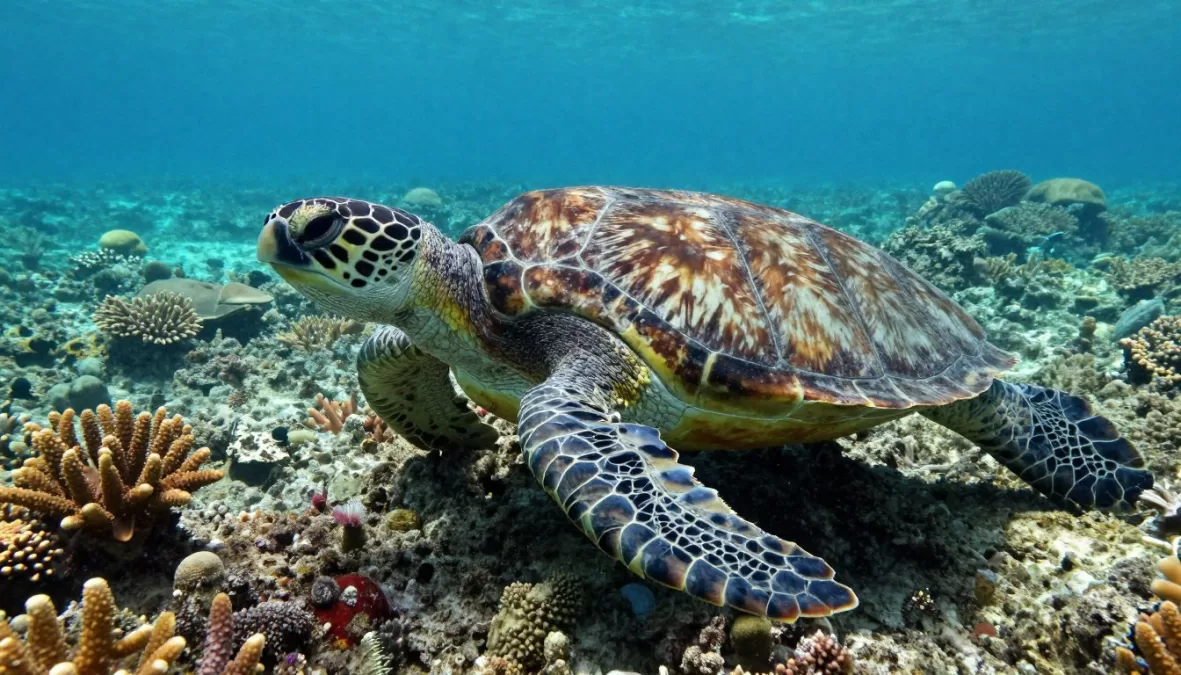
Hawksbill turtle populations have declined by over 80% in the past century. Scientists estimate fewer than 25,000 nesting females remain globally. This species once numbered in the millions.
These turtles inhabit tropical coral reefs worldwide. They play crucial roles in reef ecosystem health. Their diet consists primarily of sponges that would otherwise overwhelm coral.
Primary Threats
Illegal trade in turtle shells drove dramatic population declines. “Tortoiseshell” products made from hawksbill shells commanded high prices. Despite international trade bans, illegal markets persist.
Coastal development destroys nesting beaches. Beachfront construction and tourism eliminate traditional nesting sites. Artificial lighting disorients hatchlings, leading them away from the ocean.
Fishing operations accidentally capture turtles. Shrimp trawls and longlines kill thousands annually. Climate change affects both nesting beaches and food availability.
Recovery Efforts
International treaties prohibit hawksbill trade. CITES listing provides legal protection in most countries. Enforcement varies significantly by region.
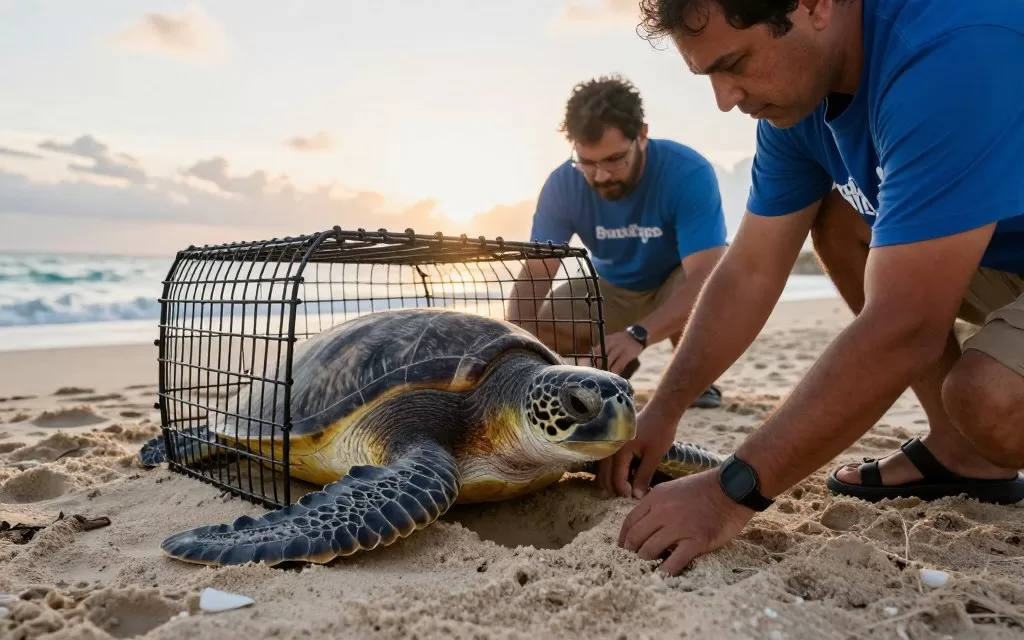
Beach protection programs safeguard nesting sites. Volunteers monitor and protect nests from predators and poachers. Turtle excluder devices on fishing nets reduce accidental capture.
Marine protected areas preserve critical reef habitat. These zones restrict fishing and development. Recovery remains slow due to the species’ long maturation period.
9. Greater Bamboo Lemur: Madagascar’s Rarest Primate
Population and Habitat Range
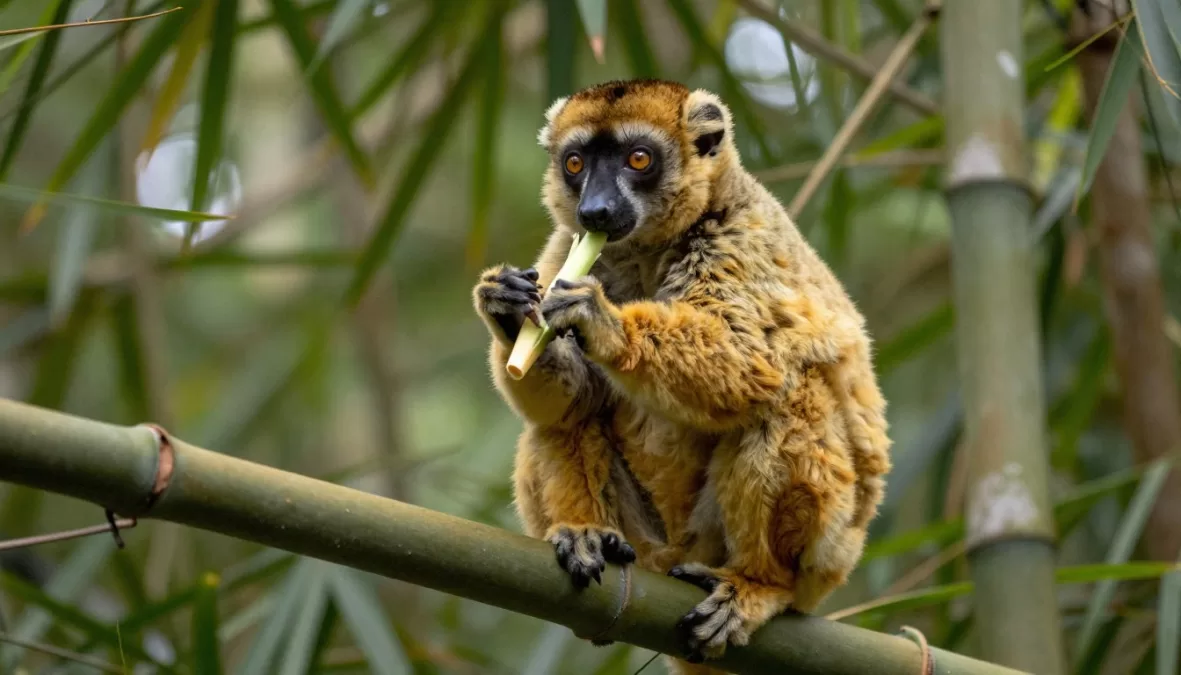
The greater bamboo lemur population numbers approximately 1,000 individuals. This species exists only in small pockets of southeastern Madagascar. They represent one of the rarest animals in the primate world.
These lemurs depend entirely on bamboo forests for survival. They consume bamboo containing cyanide levels that would kill most mammals. Their specialized diet limits them to specific forest types.
Threats to Survival
Habitat loss threatens greater bamboo lemur populations critically. Slash-and-burn agriculture destroys bamboo forests. Local communities clear land for rice cultivation and cattle grazing.
Their specialized diet makes adaptation impossible. Greater bamboo lemurs cannot survive in degraded habitats. Loss of bamboo forests means direct population loss.
Small, fragmented populations face genetic problems. Isolated groups cannot interbreed. This genetic isolation reduces long-term viability.
Conservation Measures
Protected areas preserve critical bamboo lemur habitat. Ranomafana National Park hosts significant populations. Additional reserves protect smaller groups.
Reforestation projects restore degraded bamboo forests. These efforts expand available habitat. Community participation ensures project sustainability.
Research programs monitor population health and distribution. Scientists track groups to understand habitat needs. This data informs conservation planning and protection strategies.
Specialized Adaptations
- Possesses unique enzymes to detoxify cyanide from bamboo consumption
- Feeds exclusively on bamboo, particularly giant bamboo species
- Can consume parts of bamboo containing highest cyanide concentrations
- Requires specific bamboo forest types found only in limited Madagascar regions
- Cannot adapt to alternative food sources if bamboo forests disappear

10. California Condor: North America’s Conservation Success Story
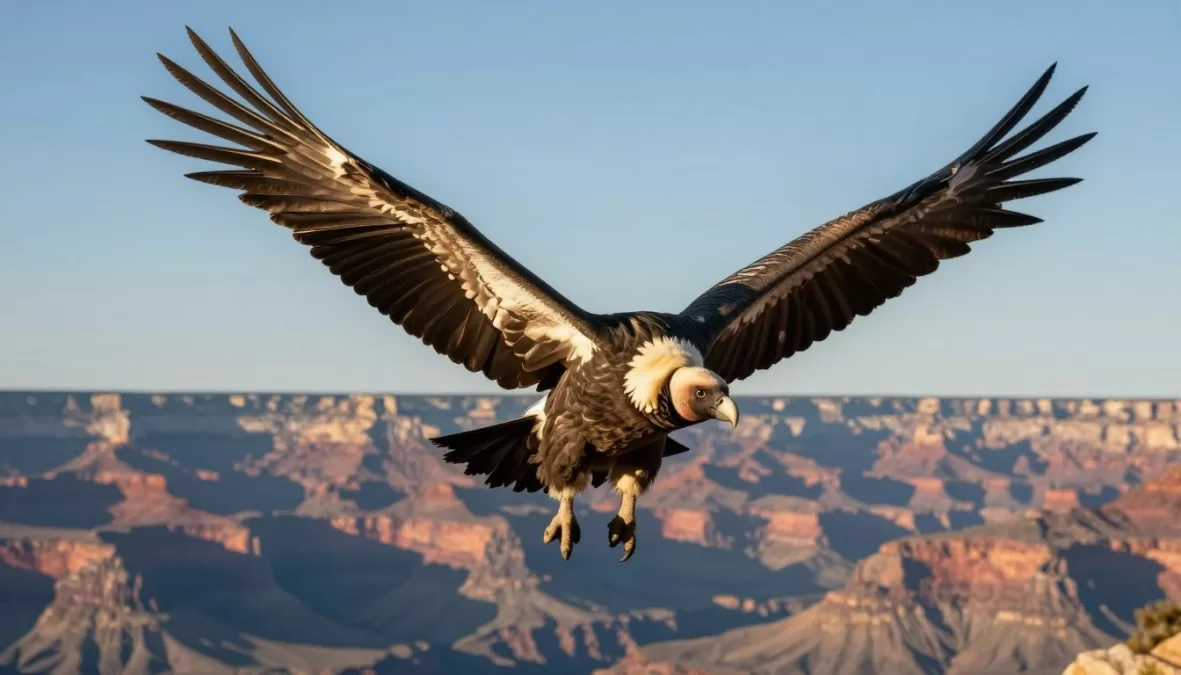
Recovery from Near-Extinction
The California condor population reached a catastrophic low of just 27 individuals in 1987. All remaining wild birds were captured for captive breeding. The species faced imminent extinction.
Today, over 500 California condors exist. More than 300 fly free in the wild. This represents one of conservation’s greatest success stories.
Historical Decline Factors
Lead poisoning from ammunition killed many condors. Birds consumed lead fragments in gut piles and carcasses. This slow poisoning devastated populations.
Habitat loss and human disturbance reduced suitable territory. Power line collisions killed additional birds. DDT contamination caused eggshell thinning and reproductive failure.
Low reproductive rates compounded these threats. Condors don’t breed until age six. They raise only one chick every two years under ideal conditions.
Intensive Conservation Programs
Captive breeding programs saved the species from extinction. Facilities in California and elsewhere successfully breed condors. Careful genetic management maintains population diversity.
Reintroduction programs release birds across their former range. Populations now exist in California, Arizona, Utah, and Baja California. Each release follows careful preparation and monitoring.
Lead ammunition bans in condor range reduce poisoning. Education programs encourage hunters to use non-lead alternatives. These measures significantly decreased mortality rates.
Every condor receives intensive monitoring. Birds carry radio transmitters and wing tags. Veterinary teams respond quickly to health problems. Thanks to these efforts, the population continues growing.
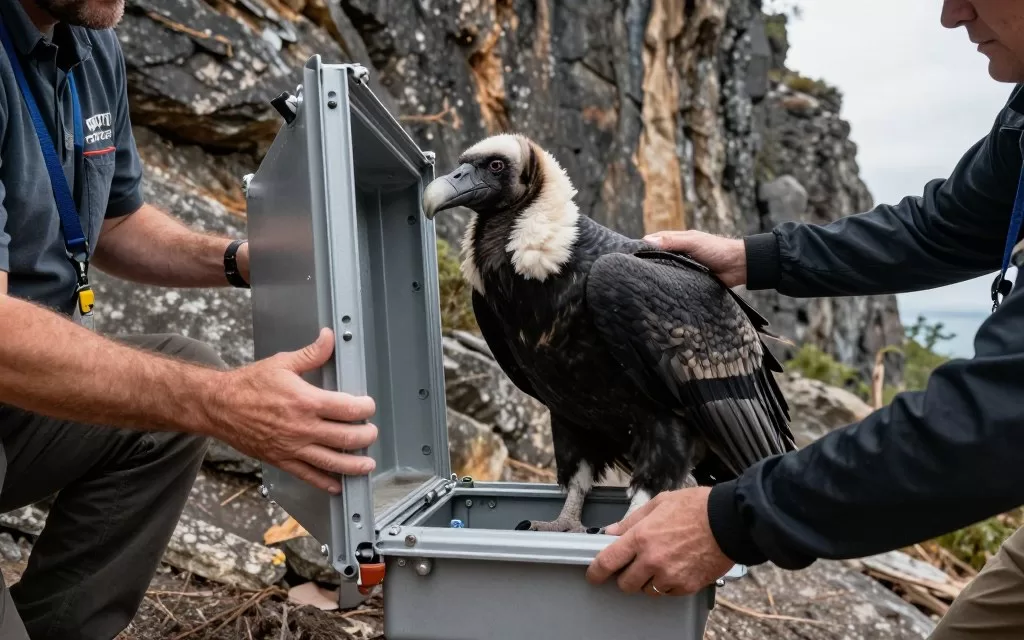
Recovery Milestone: In 2024, wild California condors successfully raised chicks without human intervention for the first time in decades, marking a critical step toward true population independence.
Take Action for Endangered Wildlife
The survival stories of species like the California condor prove that dedicated conservation efforts work. However, hundreds of critically endangered species still need our help. Your involvement can make a real difference in protecting the world’s rarest animals from extinction.
Common Threats Facing the Rarest Animals
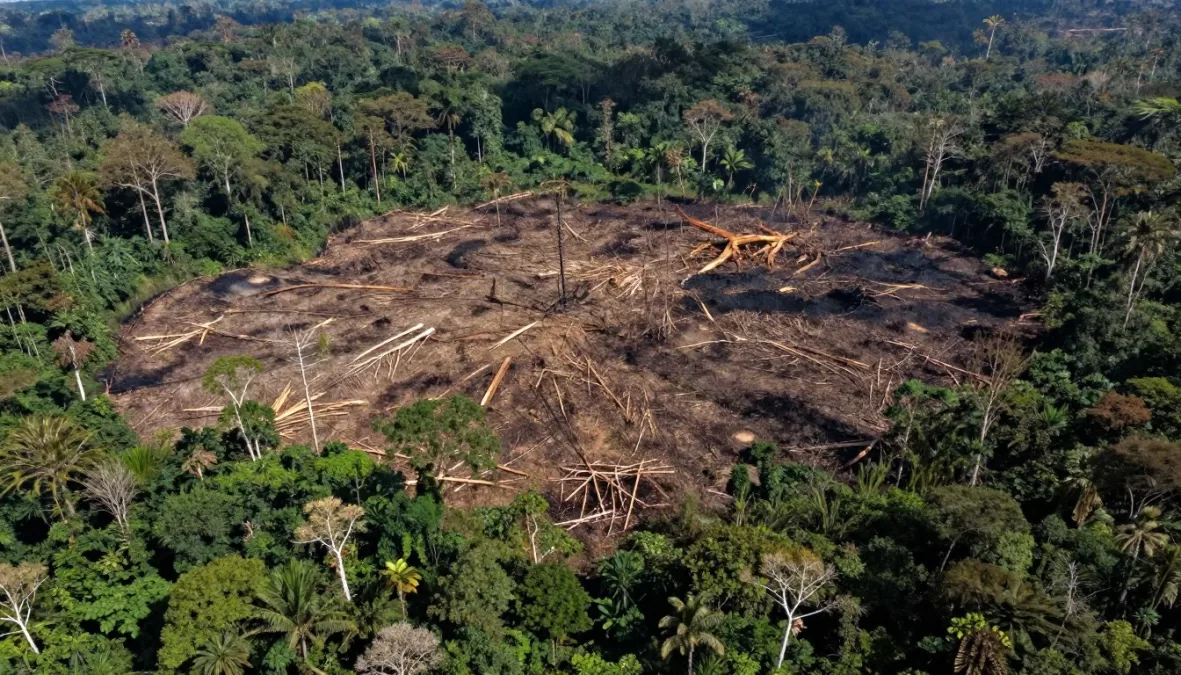
Habitat Loss and Fragmentation
Habitat loss emerges as the single greatest threat to endangered species. Human activities destroy natural environments at unprecedented rates. Agricultural expansion, logging, and development consume wild spaces.
Fragmentation isolates remaining populations. Roads and settlements divide continuous habitats into small patches. Animals cannot migrate between fragments, limiting genetic diversity.
Climate Change Impacts
Climate change amplifies existing threats to rare species. Rising temperatures alter habitat suitability. Changing rainfall patterns affect food availability and breeding cycles.
Extreme weather events increase in frequency. Hurricanes, droughts, and fires devastate vulnerable populations. Species with limited ranges face particular risk.
Poaching and Illegal Trade
Illegal wildlife trade drives many species toward extinction. Demand for exotic pets, traditional medicine, and luxury products fuels poaching. Enforcement challenges allow criminal networks to operate.
Even protected species face poaching pressure. Remote habitats make enforcement difficult. Economic incentives for poaching often exceed legal alternatives.
Human-Wildlife Conflict
Growing human populations encroach on wildlife habitat. Competition for space and resources creates conflict. Animals that damage crops or threaten livestock face retaliatory killing.
This conflict often affects endangered species disproportionately. Large predators and crop-raiding animals suffer most. Finding coexistence solutions remains challenging but essential.
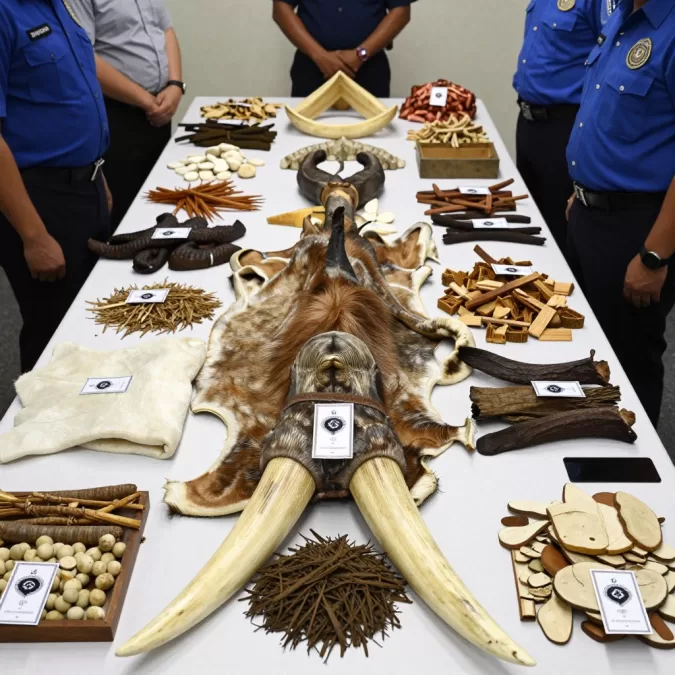
Illegal Trade
Wildlife trafficking generates billions annually. Rare species command premium prices. International cooperation combats these criminal networks.
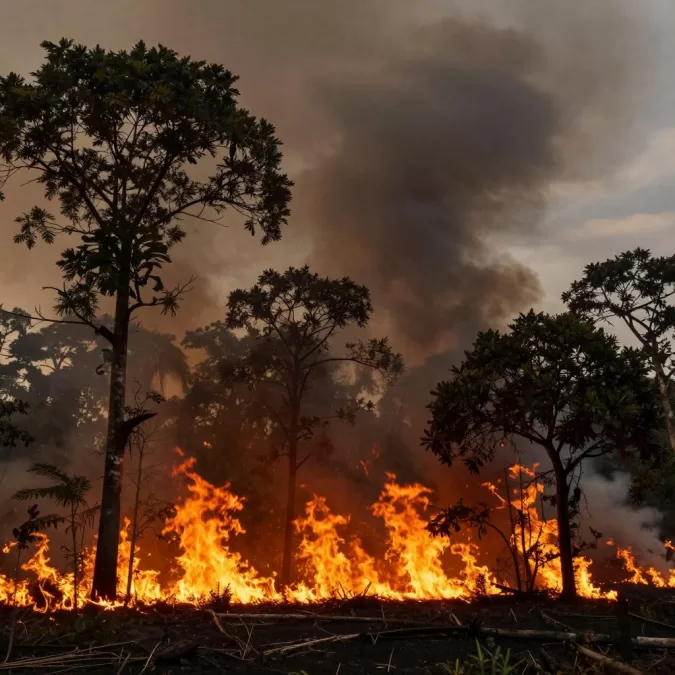
Climate Events
Extreme weather threatens small populations. Fires and storms destroy critical habitat. Climate adaptation becomes survival necessity.
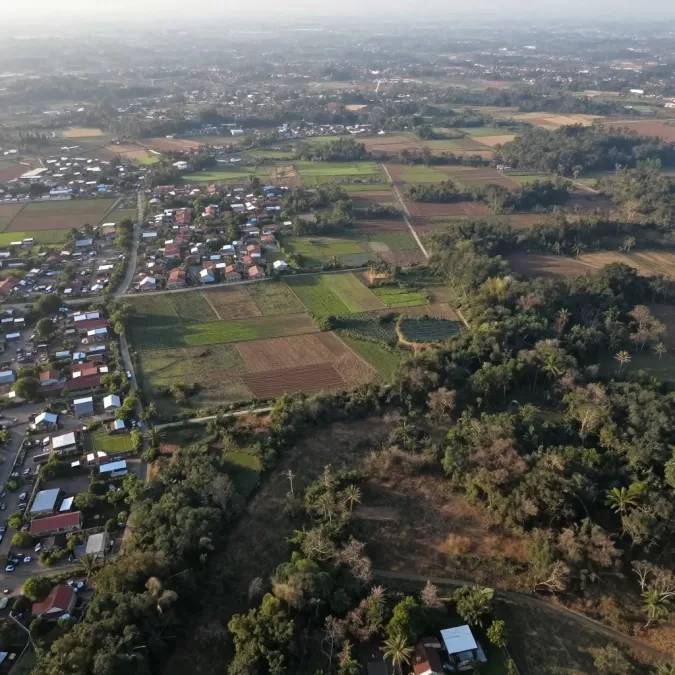
Human Expansion
Urban growth consumes natural areas. Agricultural land expands into forests. Wildlife loses space to human activities.
Global Conservation Strategies and Success Factors
Protected Area Networks
National parks and wildlife reserves provide crucial safe havens. These protected areas safeguard critical habitat from development. Effective management requires adequate funding and enforcement.
Transboundary protected areas enhance conservation effectiveness. Species crossing international borders need coordinated protection. Cooperation between nations proves essential for migratory species.
Captive Breeding and Reintroduction
Breeding programs maintain populations when wild survival becomes impossible. Zoos and specialized facilities preserve genetic diversity. These programs serve as insurance against extinction.
Successful reintroductions require careful planning. Animals need suitable habitat and protection from original threats. Post-release monitoring ensures survival and adaptation.
Community-Based Conservation
Local community involvement determines conservation success. Programs that benefit local people gain support. Economic alternatives to habitat destruction prove most effective.
Education builds conservation awareness and support. Understanding endangered species value changes attitudes. Community rangers often provide most effective protection.
International Cooperation
Endangered species protection requires global coordination. International treaties establish protection frameworks. Organizations like IUCN Red List track species status worldwide.
Funding from developed nations supports conservation in biodiversity hotspots. Technology transfer helps countries develop protection capacity. Scientific collaboration advances understanding of rare species.


How You Can Help Protect Endangered Species

Support Conservation Organizations
Numerous organizations work to protect critically endangered species. Your donations fund field programs, anti-poaching patrols, and habitat protection. Even small contributions make meaningful differences.
Research organizations before donating. Look for groups with proven track records. Many specialize in specific species or regions.
Make Sustainable Consumer Choices
Consumer decisions impact endangered species. Avoid products from threatened habitats. Choose sustainable alternatives to products driving deforestation.
Look for certification labels indicating sustainable sourcing. Palm oil, timber, and seafood choices particularly matter. Informed purchasing reduces habitat destruction.
Reduce Your Carbon Footprint
Climate change threatens already-vulnerable species. Individual actions collectively make differences. Reduce energy consumption and choose renewable options when possible.
Transportation choices affect carbon emissions significantly. Public transit, cycling, and electric vehicles reduce impact. Every reduction helps combat climate change.
Spread Awareness
Education drives conservation support. Share information about endangered species with others. Social media amplifies conservation messages effectively.
Support environmental education programs. Youth engagement builds future conservation advocates. Informed citizens create political will for protection.
- Donate to reputable wildlife conservation organizations
- Volunteer with local conservation projects
- Adopt endangered species through protection programs
- Visit and support responsible eco-tourism operations
- Participate in citizen science monitoring projects
Direct Actions
- Choose sustainable, certified products
- Reduce consumption of habitat-destructive goods
- Lower personal carbon footprint through energy choices
- Support businesses with strong environmental practices
- Avoid purchasing products from illegal wildlife trade
Lifestyle Changes
- Contact legislators about wildlife protection policies
- Share conservation information on social media
- Support environmental education programs
- Participate in conservation awareness campaigns
- Encourage others to make wildlife-friendly choices
Advocacy Actions
Frequently Asked Questions About Rarest Animals
What is the rarest animal in the world in 2026?
The vaquita porpoise holds the title of rarest marine mammal, with fewer than 10 individuals remaining. On land, the Javan rhino ranks among the rarest with only 76 individuals in a single location. Both species face immediate extinction risk without intensive conservation intervention.
Why are so many animals becoming endangered?
Habitat loss represents the primary threat to most endangered species. Human activities including agriculture, logging, and urban development destroy natural environments. Additional threats include poaching, illegal trade, climate change, pollution, and human-wildlife conflict. These factors often work together, creating multiple pressures on vulnerable populations.
Can captive breeding programs save species from extinction?
Captive breeding programs have successfully prevented several species extinctions. The California condor, black-footed ferret, and Arabian oryx survived only through captive breeding. However, these programs work best when combined with habitat protection and threat reduction. Long-term success requires reintroduction to protected wild habitats.
How does climate change affect endangered species?
Climate change impacts endangered species through multiple pathways. Rising temperatures alter suitable habitat ranges. Changed rainfall patterns affect food availability and breeding cycles. Extreme weather events destroy habitats and kill individuals. Sea level rise threatens coastal species. Animals with limited ranges or specialized requirements face greatest risk.
What conservation efforts are most effective?
The most effective conservation strategies combine multiple approaches. Protected areas preserve critical habitat. Anti-poaching efforts reduce illegal killing. Community-based programs engage local people in protection. Captive breeding provides insurance populations. International cooperation coordinates efforts across borders. Success requires adequate funding, political will, and local community support.
How can individuals help protect endangered species?
Individuals can support endangered species through donations to conservation organizations, sustainable consumer choices, reducing carbon footprints, and spreading awareness. Avoid products linked to habitat destruction like unsustainable palm oil. Support eco-tourism that benefits conservation. Contact legislators about wildlife protection policies. Even small actions collectively make significant differences.
The Future of Earth’s Rarest Animals
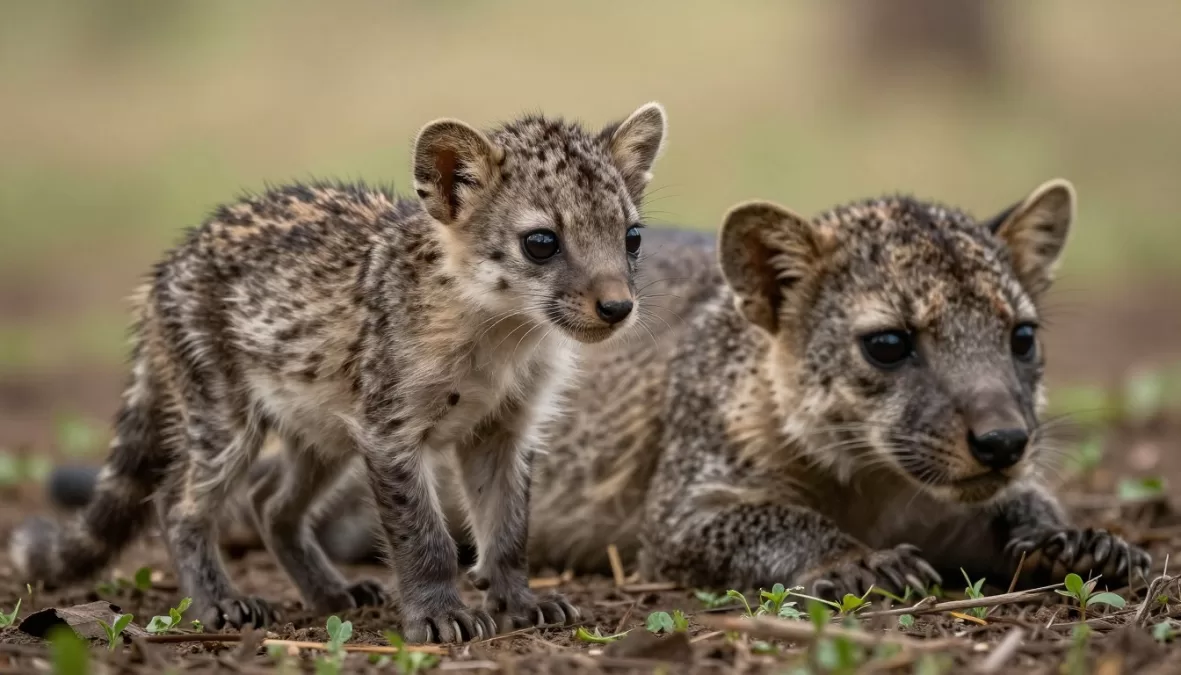
The rarest animals world faces a critical juncture. Many species teeter on the brink of extinction. Yet conservation success stories offer genuine hope.
The California condor recovered from just 27 individuals. Amur leopard populations grow thanks to dedicated protection. These examples prove recovery remains possible with commitment and resources.
However, most critically endangered species still decline. Habitat loss accelerates despite protection efforts. Climate change adds new pressures to already-struggling populations.
The next decade will determine survival for many species. Vaquitas may disappear entirely without immediate action. Javan rhinos remain vulnerable to catastrophic events. Greater bamboo lemurs lose habitat daily.
Conservation efforts require sustained funding and political will. Local communities must benefit from protection programs. International cooperation needs strengthening for transboundary species.
Individual actions matter in this collective challenge. Supporting conservation organizations provides crucial resources. Sustainable consumer choices reduce habitat destruction. Climate action helps all vulnerable species.
These animals represent millions of years of evolution. Their loss would impoverish our planet irreversibly. Yet we possess the knowledge and tools to prevent extinction.
The question remains whether humanity will act decisively. Will we preserve Earth’s incredible biodiversity? Or will future generations know these species only through photographs and memories?
The answer depends on choices made today. Every effort counts. Every voice matters. The survival of the world’s rarest animals hangs in the balance.
Make a Difference Today for Endangered Wildlife
The survival of Earth’s rarest animals depends on collective action. From the vaquita porpoise to the California condor, these species need immediate support. Join the global conservation community working to prevent extinction and protect our planet’s incredible biodiversity for future generations.
Every contribution helps protect critically endangered species from extinction.

Priyanka Pandey
Senior Research Editor · Top10Sense
Priyanka specializes in tech, consumer products, and digital trends. She combines hands-on testing, vendor interviews, and database research to create trustworthy “Top 10” rankings. Her work has been referenced by industry blogs and brand report pages.