The natural world presents countless wonders, yet few creatures captivate human imagination quite like birds. These remarkable beings showcase nature’s artistic prowess through brilliant colors, elegant forms, and graceful movements. From tropical rainforests to arctic tundras, our planet hosts approximately 10,000 bird species, each displaying unique characteristics.
Beauty in the avian world manifests through various features. Vibrant plumage serves multiple purposes beyond aesthetics. Males often develop striking feathers to attract potential mates during breeding season. These colorful displays demonstrate genetic fitness and health. The combination of hues, patterns, and textures creates visual masterpieces that inspire artists and photographers worldwide.
Several factors contribute to a bird’s visual appeal. Iridescent feathers catch light at different angles, producing shimmering effects. Long tail feathers create elegant silhouettes during flight. Distinctive crown formations add royal bearing to certain species. Bright beaks provide colorful accents to facial features. Understanding what makes birds beautiful helps us appreciate these creatures more deeply.
Join Our Bird Watching Community
Subscribe to receive weekly tips, stunning photography, and exclusive insights about the world’s most magnificent birds delivered directly to your inbox.
This comprehensive guide explores ten species that represent the pinnacle of avian beauty. Each entry examines physical characteristics, natural habitats, and unique behaviors. Conservation status receives attention where relevant. These selections span multiple continents and ecosystems, showcasing the remarkable diversity of bird life across our planet.
1. Resplendent Quetzal – The Sacred Bird of Ancient Civilizations
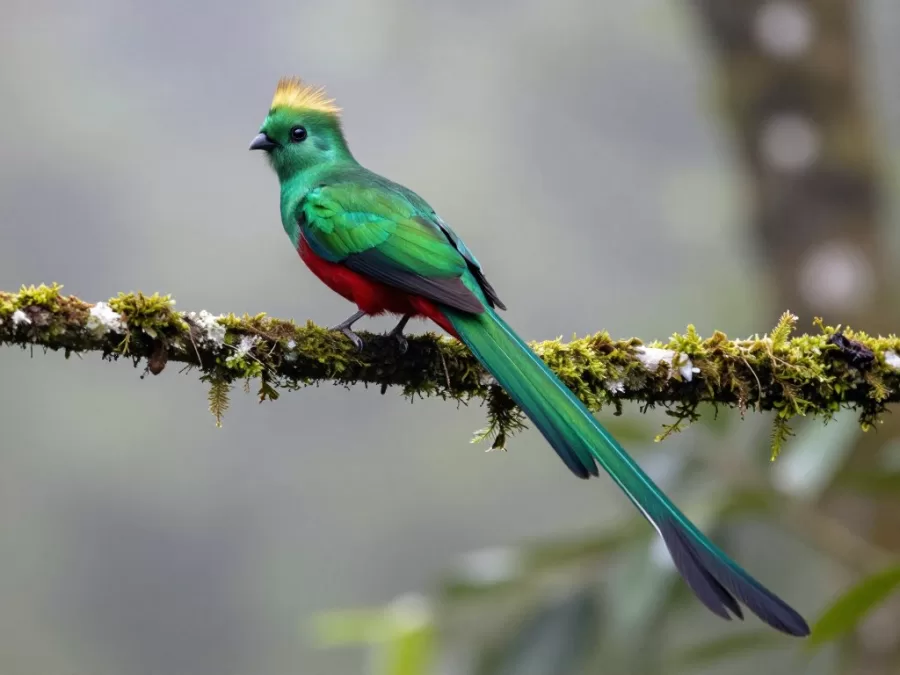
The resplendent quetzal (Pharomachrus mocoris) stands among the most magnificent birds in the world. This species inhabits cloud forests from southern Mexico through Central America. Ancient Maya and Aztec civilizations revered this bird as sacred, associating it with the feathered serpent deity Quetzalcoatl. The name “quetzal” derives from the Nahuatl word meaning “precious” or “sacred.”
Distinctive Physical Features
Male resplendent quetzals display extraordinary plumage. Metallic green feathers cover the head, back, and wings. These feathers shimmer with iridescent qualities, shifting between emerald and blue-green depending on light angles. The breast and belly showcase brilliant crimson coloring. This striking combination creates dramatic contrast.
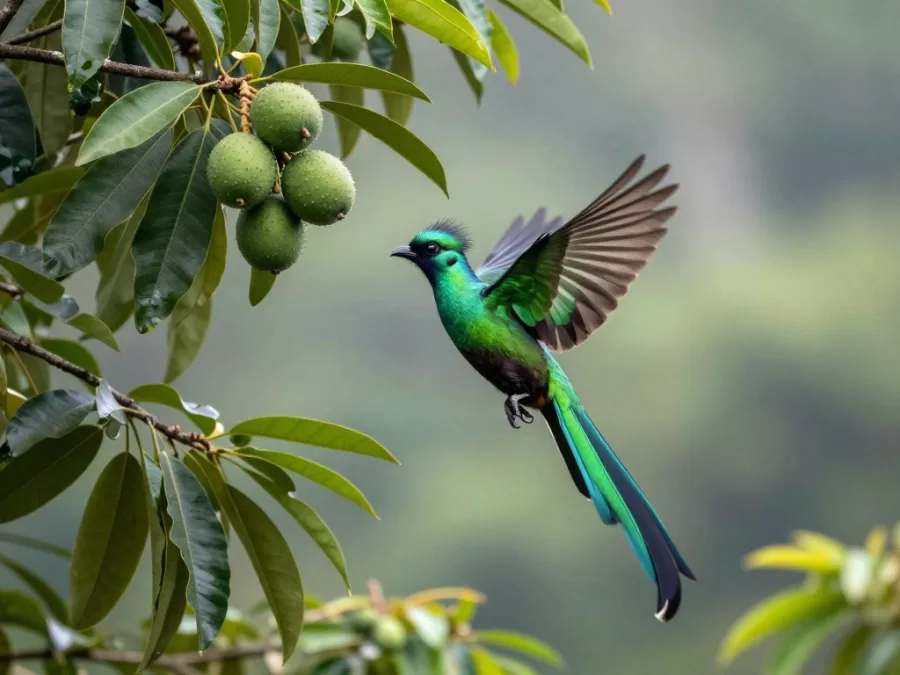
The most remarkable feature involves the tail. Males grow twin tail feathers that extend far beyond the body. These tail feathers can reach lengths exceeding three feet. During breeding season, males perform aerial displays. They fly in circular patterns, allowing their long tail feathers to stream behind them like emerald ribbons.
Females present more subdued coloring. They lack the elongated tail feathers. Their plumage shows duller green tones with gray undersides. This difference in appearance between males and females exemplifies sexual dimorphism. The female’s coloration provides better camouflage while nesting.
Habitat and Behavior
Cloud forests provide ideal habitat for resplendent quetzals. These birds prefer elevations between 4,000 and 10,000 feet. The misty environment offers abundant fruit and insects. Quetzals feed primarily on wild avocados and other small fruits. They pluck fruit while hovering, then return to perches to consume their meal.
During breeding season, pairs excavate nest cavities in rotting trees. Both parents share incubation duties. The male’s long tail feathers often protrude from the nest entrance. This creates a distinctive sight in the forest canopy. Young birds develop rapidly, gaining independence within weeks.
Conservation efforts focus on protecting cloud forest habitat. Deforestation threatens quetzal populations. Many countries recognize the importance of preserving these forests. Ecotourism provides economic incentives for conservation. Visitors travel globally to witness these magnificent birds in their natural environment.
2. Scarlet Macaw – The Rainbow of the Rainforest
The scarlet macaw (Ara macao) represents one of nature’s most colorful creations. This large parrot inhabits tropical forests across Central and South America. From southern Mexico to the Amazon basin, these birds add vibrant splashes of color to the forest canopy. Their presence indicates healthy, intact rainforest ecosystems.
Vibrant Plumage Characteristics
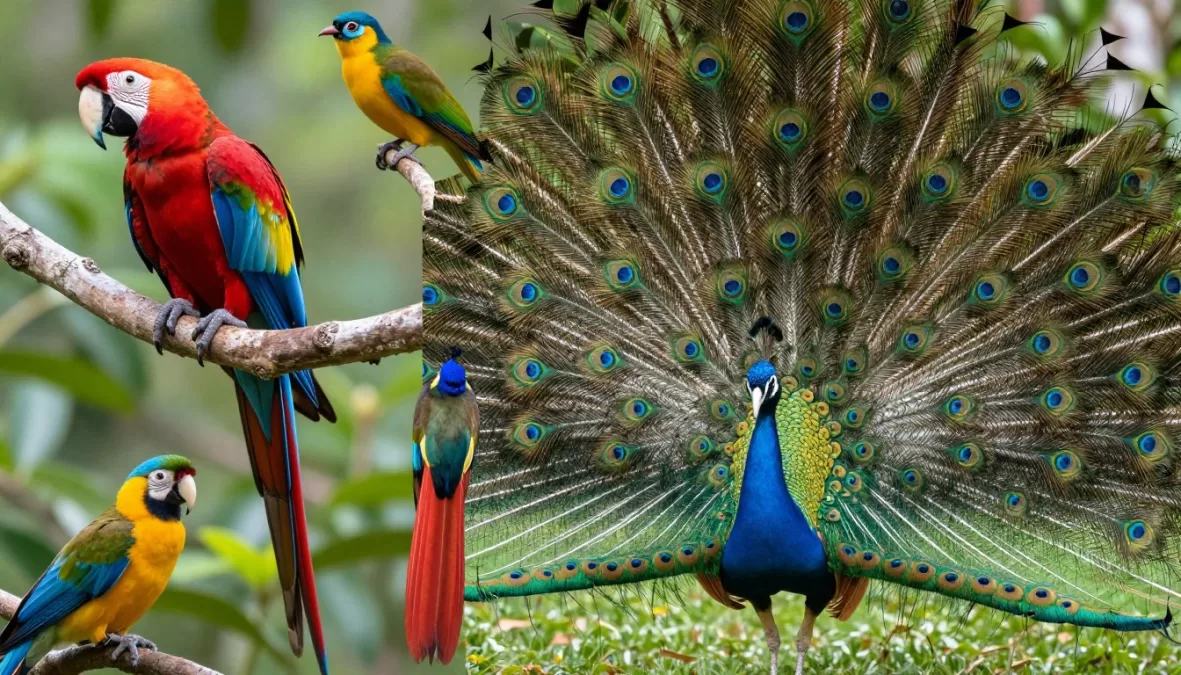
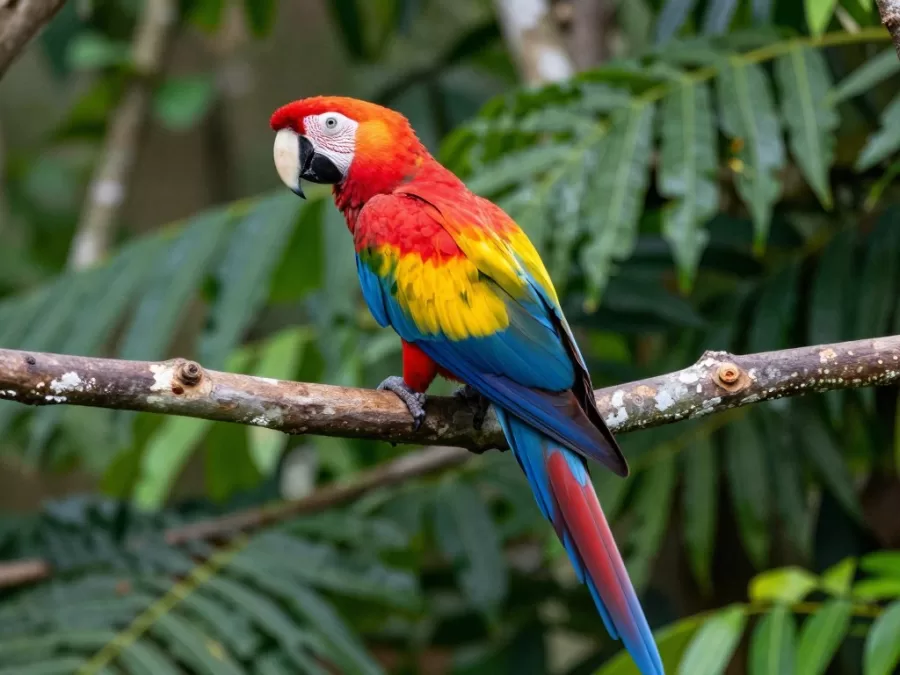
Scarlet macaws display a spectacular array of colors. Bright red feathers dominate the body, head, and tail. This intense scarlet hue provides the species its common name. The wings feature a stunning combination of colors. Bright yellow feathers appear on the upper wing sections. Deep blue feathers cover the flight feathers and wing tips.
The tail showcases the same color pattern. Red feathers dominate the upper tail, while blue feathers appear underneath. This creates beautiful contrast during flight. The bare white facial skin provides another distinctive feature. Black markings accent the lower beak. Strong, curved beaks appear primarily black, perfect for cracking hard nuts and seeds.
These large birds reach lengths up to 35 inches from head to tail. Wingspans extend over three feet. Their size and coloring make them unmistakable in the wild. Young birds display similar coloring to adults, though their colors appear slightly duller initially.
Social Behavior and Diet
Scarlet macaws typically form lifelong pair bonds. These monogamous birds often fly together, their wings nearly touching. Flocks sometimes gather at clay licks. These mineral-rich riverbanks attract dozens of macaws simultaneously. The sight of multiple scarlet macaws feeding together creates an unforgettable spectacle.
Their diet consists primarily of fruits, nuts, and seeds. Powerful beaks crack even the hardest shells. They feed on palm nuts, figs, and various tropical fruits. Surprisingly, these birds can consume toxic fruits that would harm other animals. They visit clay licks to obtain minerals that neutralize plant toxins.
Conservation status varies by region. While some populations thrive, others face pressure from habitat loss and illegal pet trade. Many countries now protect scarlet macaws through legislation. Breeding programs help maintain genetic diversity. Ecotourism provides local communities incentive to preserve these magnificent birds and their rainforest homes.
Enhance Your Bird Watching Experience
Quality optics make the difference between glimpsing distant birds and observing their stunning details. Professional-grade binoculars reveal the intricate plumage patterns and vibrant colors that make these species truly magnificent.
3. Indian Peacock – Nature’s Living Jewel
The Indian peacock (Pavo cristatus) ranks among the most recognizable birds worldwide. Native to the Indian subcontinent, this species has been introduced to many regions globally. Peacocks hold cultural significance across numerous civilizations. They symbolize beauty, pride, and immortality in various mythologies. The male’s elaborate display remains one of nature’s most spectacular sights.
The Magnificent Train Display
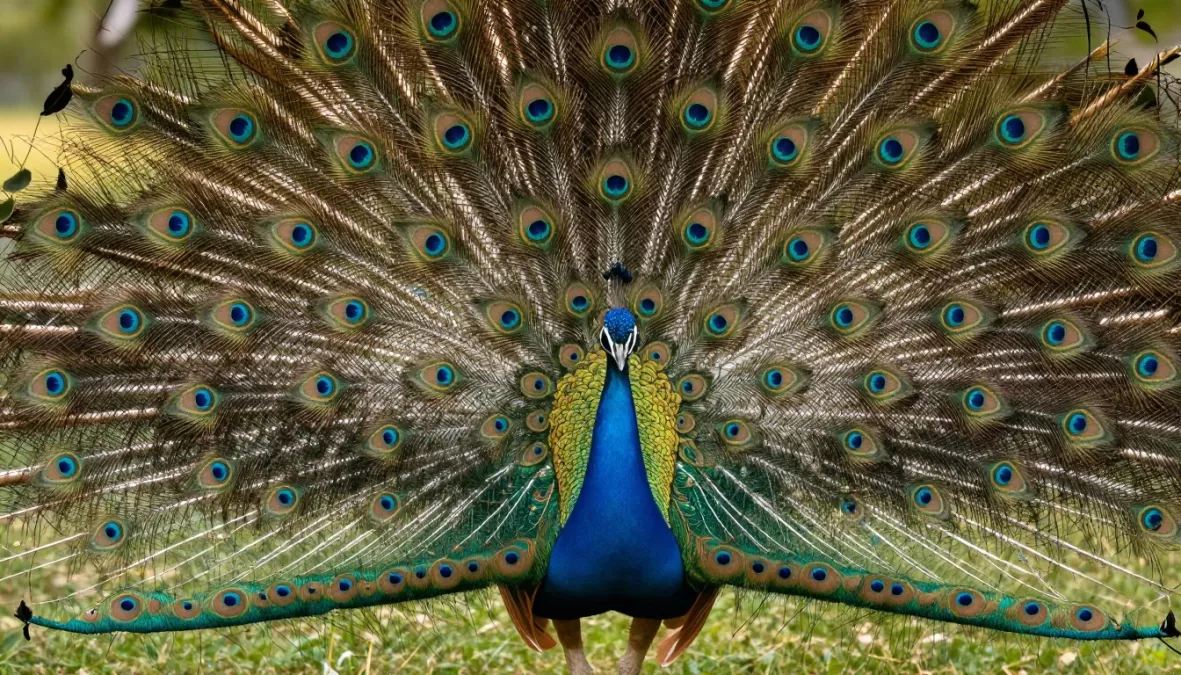
Male peacocks grow an extraordinary train of feathers. These elongated upper tail coverts can exceed seven feet in length. The train contains approximately 200 feathers. Each feather features the iconic “eye” pattern. These ocelli display iridescent colors including blue, green, gold, and bronze. The colors shift based on viewing angles, creating a mesmerizing effect.
The actual tail feathers remain hidden beneath the train. Short brown feathers support the elaborate display. During courtship, males fan their trains into magnificent semicircular displays. They vibrate their feathers, creating a rustling sound. The male slowly rotates, ensuring females view the display from multiple angles.
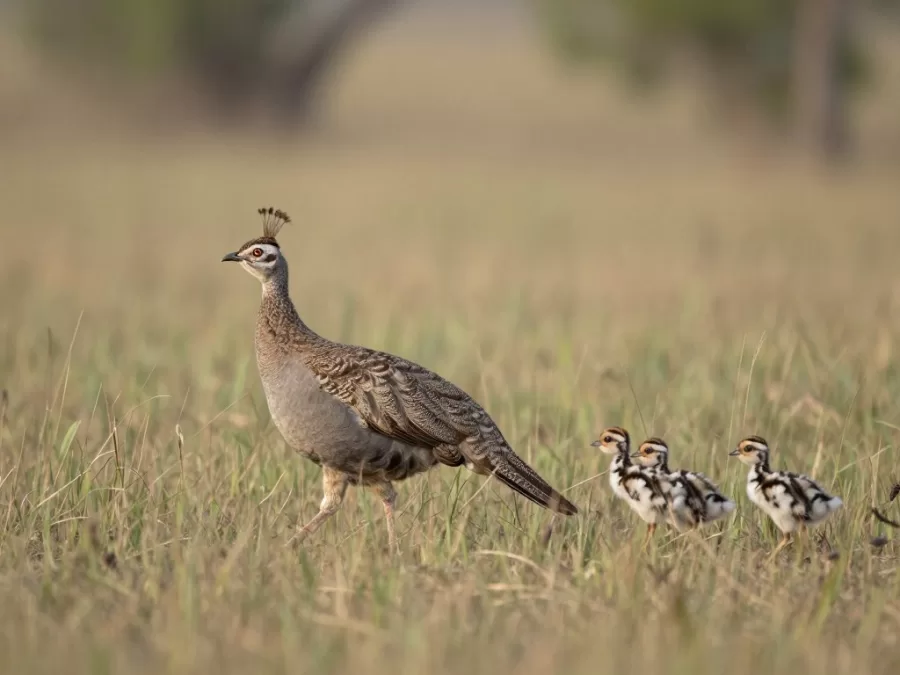
The peacock’s body complements the stunning train. Deep blue neck and breast feathers shimmer with metallic sheens. A distinctive crown of small feathers adorns the head. Each crown feather ends in a small blue tip. Green and gold feathers cover the back and wings. Even the legs display subtle gray-blue coloration.
Habitat and Social Structure
Wild peacocks inhabit forests, farmlands, and scrublands. They prefer areas with water sources nearby. These birds roost in tall trees at night, avoiding ground predators. During the day, they forage on the ground for food. Their diet includes seeds, insects, fruits, and small reptiles.
Males establish territories during breeding season. They perform elaborate displays to attract females, called peahens. Peahens observe multiple males before selecting a mate. Research suggests females prefer males with more eye spots in their trains. A single male may mate with several females.
Peahens show much less ornate plumage. Brown and gray feathers provide excellent camouflage. This coloring protects them while nesting and raising young. Females lay three to six eggs in ground nests. They alone incubate eggs and care for chicks. The conservation status remains stable, with healthy populations across their range.
4. Atlantic Puffin – The Charming Clown of the Sea
The Atlantic puffin (Fratercula arctica) combines cuteness with surprising beauty. These seabirds inhabit cold waters of the North Atlantic Ocean. Puffins nest in large colonies on rocky coastal cliffs. Their distinctive appearance and comical behavior endear them to observers. The combination of black and white plumage with colorful beaks creates an unforgettable impression.
Distinctive Seasonal Features
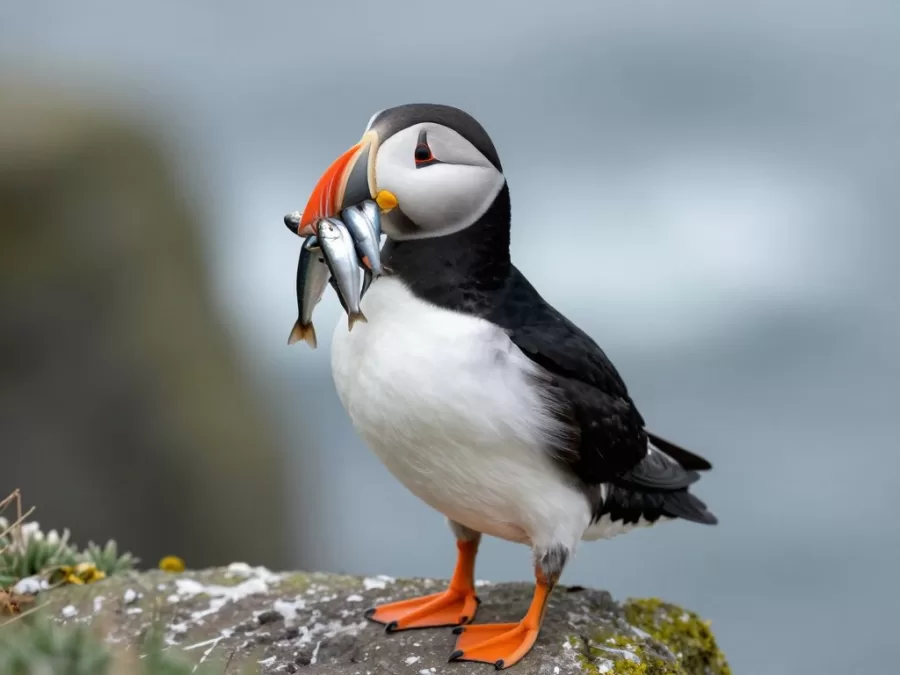
During breeding season, Atlantic puffins display their most striking features. The beak transforms into a spectacular tricolored wonder. Bright orange forms the base color. Yellow and blue-gray stripes add complexity. The beak appears almost clown-like, earning puffins the nickname “sea parrots.” This colorful beak plays a crucial role in mate selection.
The face shows equally distinctive markings. Black plumage covers the crown and back. White feathers create a mask-like pattern around the eyes. Gray facial patches appear at beak corners. Bright orange legs and webbed feet complete the colorful ensemble. The overall effect combines elegance with whimsy.
Winter brings dramatic changes. The colorful outer beak sheath falls away, revealing a smaller, duller beak underneath. Facial ornaments disappear. The birds adopt a more subdued appearance for winter months at sea. This transformation surprises many people who only see summer breeding plumage in photographs.
Life at Sea and on Land
Puffins spend most of their life at sea. They only come ashore to breed. These excellent swimmers pursue small fish underwater. Wings function as flippers beneath the surface. They dive to depths exceeding 200 feet. Their diet consists primarily of sand eels, herring, and capelin.
Breeding colonies form on remote islands and cliffs. Pairs excavate burrows in grassy slopes or use rock crevices. Both parents share all duties equally. They take turns incubating the single egg. Parents make numerous fishing trips daily, returning with beaks full of fish arranged perpendicular to the beak.
Climate change poses significant threats to puffin populations. Warming ocean temperatures affect fish populations. Food shortages impact breeding success. Some colonies have experienced population declines. Conservation efforts focus on protecting breeding sites and monitoring fish stocks. These charismatic birds serve as indicators of ocean health.
5. Blue Jay – North America’s Sapphire Sentinel
The blue jay (Cyanocitta cristata) ranks among North America’s most beautiful and intelligent birds. These corvids inhabit forests, parks, and suburban areas throughout eastern and central United States. Their striking blue plumage combined with bold personality makes them unforgettable. Blue jays play important ecological roles while captivating human observers with their complex behaviors.
Stunning Blue Plumage
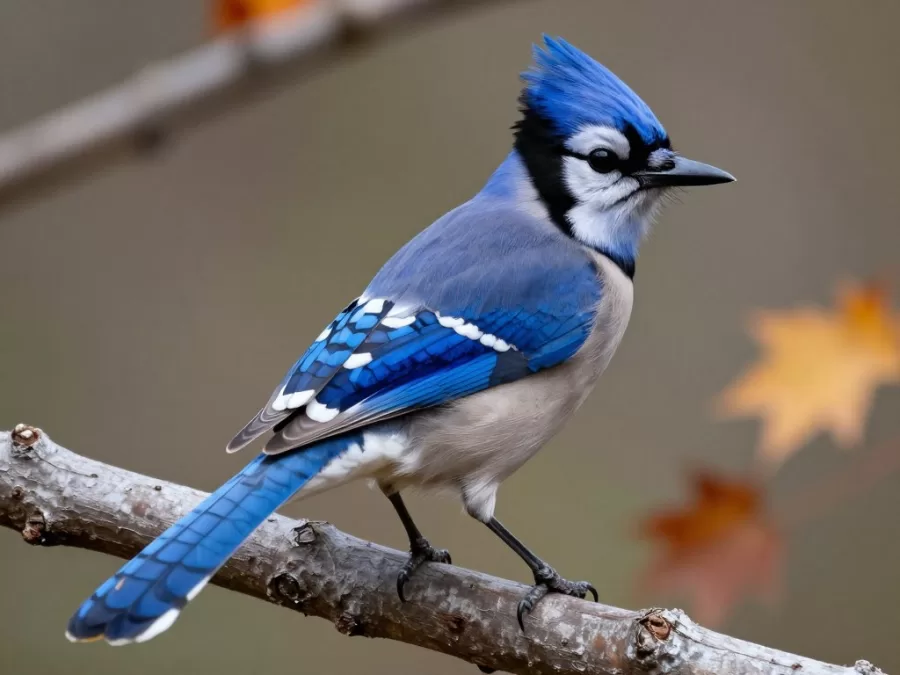
Blue jays display magnificent blue coloration across wings, tail, and crest. The blue appears incredibly vibrant, almost electric in certain lighting. Interestingly, this blue results from light scattering rather than pigmentation. Microscopic structures in the feathers scatter light, producing the blue appearance. If you crush a blue jay feather, it turns brown because the structure breaks down.
White and black markings accent the blue plumage. A distinctive black necklace encircles the throat. White patches appear on the wings and tail tips. Black barring crosses the wings and tail feathers. These patterns create striking contrast against the blue background. The prominent crest can be raised or lowered depending on the bird’s mood.
The face shows softer coloring. Light gray-blue feathers cover the face and breast. A white forehead and throat add brightness. Black outlines emphasize facial features. The sturdy black beak suits their omnivorous diet. Overall size reaches approximately 11 inches in length, making them substantial songbirds.
Intelligence and Behavior
Blue jays demonstrate remarkable intelligence. They can imitate hawk calls to scare other birds away from feeders. This vocal mimicry extends to human sounds as well. Jays learn to recognize individual humans. They remember people who feed them or pose threats. This cognitive ability matches other corvids like crows and ravens.
Their diet reflects opportunistic feeding strategies. Acorns form a staple food source. A single blue jay may cache thousands of acorns annually. Many of these hidden seeds germinate, making jays important forest regenerators. They also consume insects, nuts, seeds, fruits, and occasionally eggs or nestlings from other birds.
Social behavior involves complex communication. Jays maintain family groups outside breeding season. They warn other birds of predators through distinct alarm calls. Different calls indicate different types of threats. This cooperative behavior benefits entire bird communities. Blue jay populations remain stable across most of their range, adapting well to human-modified landscapes.
Master Bird Identification Skills
Comprehensive field guides transform casual observation into expert identification. Learn to distinguish species by subtle features, understand behavior patterns, and discover the best times and locations to observe beautiful birds in your region.
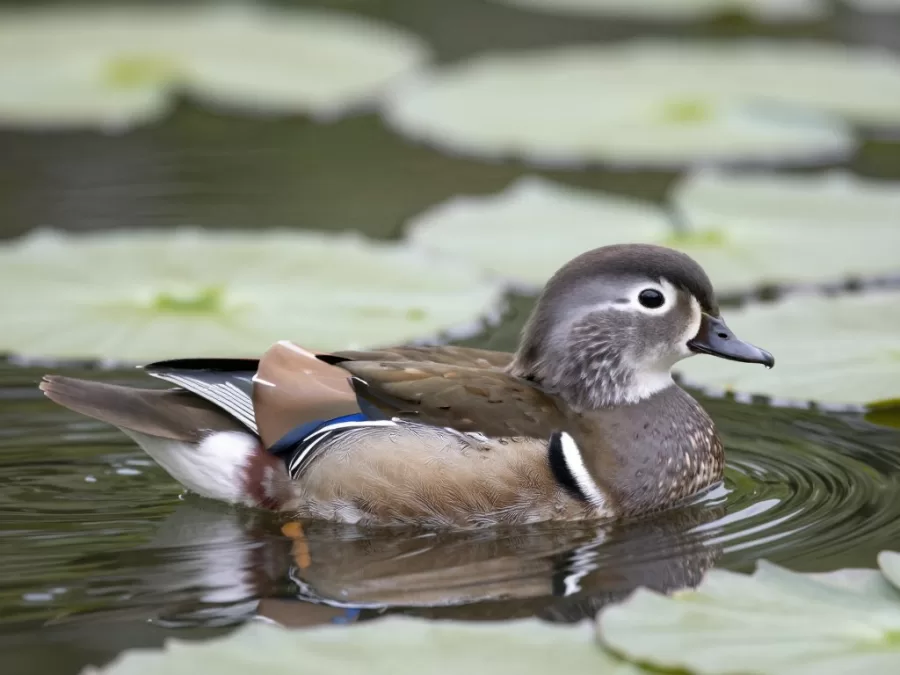
6. Mandarin Duck – Asia’s Floating Masterpiece
The mandarin duck (Aix galericulata) stands as one of the world’s most ornate waterfowl species. Native to East Asia, these ducks inhabit wooded ponds, rivers, and marshes. Traditional Chinese and Japanese art frequently depicts mandarin ducks. They symbolize love and marital fidelity in Asian cultures. The drake’s elaborate plumage represents one of nature’s most complex color combinations.
Elaborate Drake Plumage
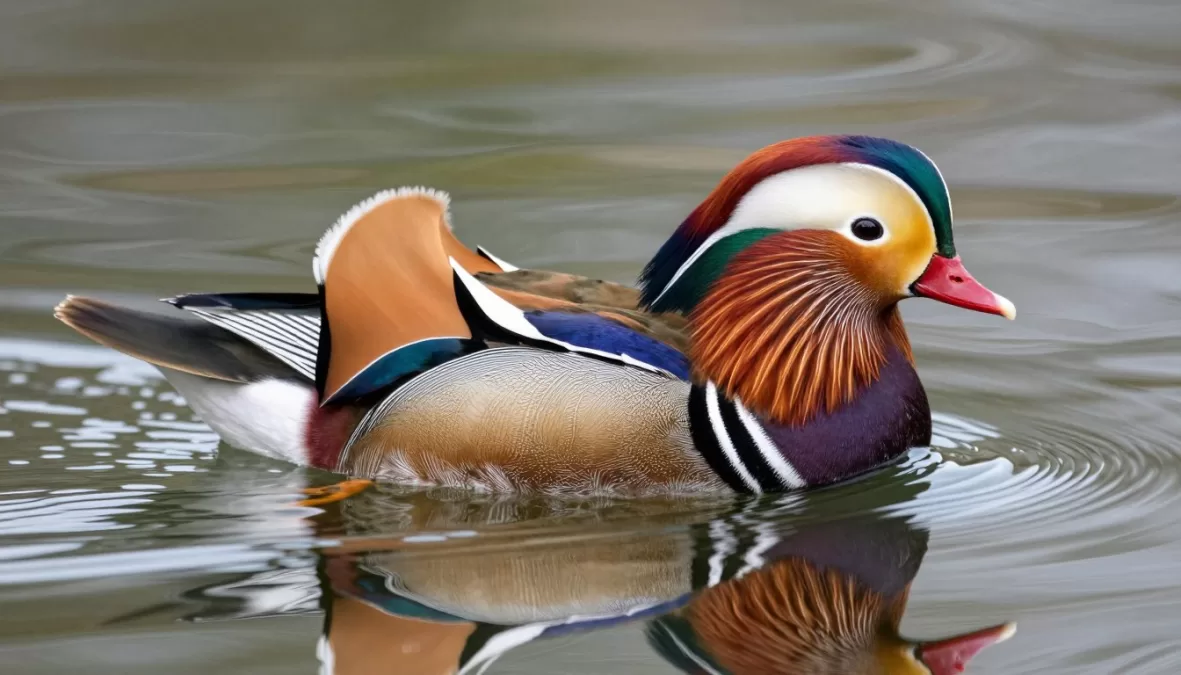
Male mandarin ducks display perhaps the most complex plumage pattern of any duck species. Multiple colors create an almost artistic arrangement. The face features white and orange stripes extending back from the eyes. A metallic green crest sweeps back from the crown. Purple breast feathers show fine barring patterns. The flanks display warm buff coloration.
The most distinctive features are the orange “sail” feathers. These modified tertial feathers stand erect on the back. They create a sail-like appearance when the duck swims. These feathers serve display purposes during courtship. The combination of colors and shapes creates an unmistakable silhouette on the water.
Additional details include a red beak with white tip. Blue-green speculum feathers flash during flight. Orange sides contrast with white breast and belly. Black and white striping appears on multiple body areas. The overall effect overwhelms observers seeing their first mandarin duck. Each viewing angle reveals new color combinations.
Habitat and Conservation
Mandarin ducks prefer forested wetlands. They nest in tree cavities, sometimes high above ground. Females lay eight to twelve eggs. Ducklings leap from nest holes soon after hatching, bouncing safely to the ground below. The forest canopy provides protection from aerial predators. Dense vegetation offers cover for broods.
Their diet includes acorns, seeds, aquatic plants, insects, and small fish. They feed both on water and land. Morning and evening represent peak feeding times. During day, mandarin ducks rest on logs or banks, often in shaded areas. They remain relatively quiet compared to many duck species.
Wild populations have declined in parts of their native range. Habitat loss affects breeding success. However, introduced populations thrive in England and other European locations. These populations originated from escaped ornamental birds. Conservation efforts in Asia focus on protecting wetland forests. Many parks and gardens maintain captive populations, ensuring this spectacular species remains visible to future generations.
7. Wilson’s Bird-of-Paradise – The Technicolor Marvel
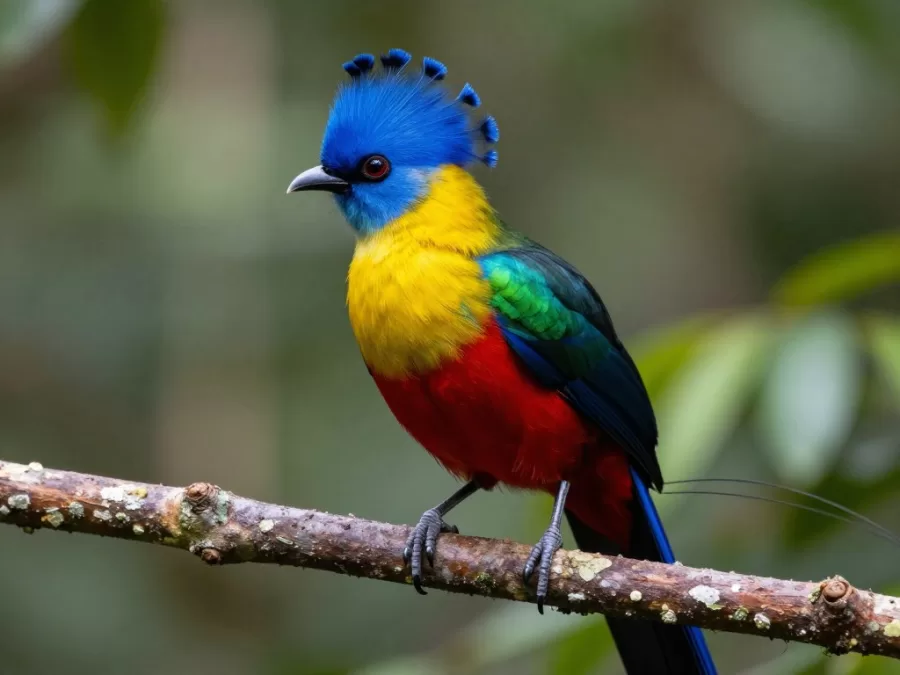
Wilson’s bird-of-paradise (Cicinnurus respublica) inhabits the remote rainforests of Indonesia. This small species packs incredible color into a compact body. The male’s display represents one of nature’s most extraordinary performances. Found only on two small islands, this bird exemplifies the unique biodiversity of isolated ecosystems. Every feature seems designed for maximum visual impact.
Rainbow of Colors
The male Wilson’s bird-of-paradise displays an almost unbelievable color palette. The crown features bare skin in brilliant electric blue. This turquoise cap contrasts sharply with black velvet plumage surrounding it. The back of the head shows bright yellow plumage. A scarlet back adds warmth to the color scheme. The breast displays a metallic green shield of feathers.
Additional features include curled tail wires. Two violet tail feathers curl into distinctive spirals. These decorative elements enhance the display. The feet show bright blue coloring. Even the mouth interior appears bright green. This extensive use of color seems almost excessive, yet creates a harmonious whole.
Females appear much plainer. Brown plumage with barred patterns provides camouflage. This dramatic difference between sexes results from sexual selection pressures. Males compete intensely for female attention. Only the most impressive displays result in mating success. Over generations, this selection produced the spectacular male plumage we see today.
Elaborate Courtship Display
Male Wilson’s birds-of-paradise meticulously prepare display courts. They clear small patches of forest floor, removing all leaves and debris. They may even remove overhanging foliage to create perfect lighting conditions. The male then performs elaborate dances when females approach. He rapidly transforms his appearance through feather positioning.
The display involves multiple postures and movements. The male puffs his breast shield. He raises his back feathers. The curled tail wires bounce and vibrate. He produces mechanical sounds by rapidly snapping his wings. The turquoise crown catches filtered sunlight. The entire performance mesmerizes observers.
Females visit multiple males before choosing. They assess display quality, court appearance, and male health. After mating, females alone build nests and raise young. Males continue displaying for other females. This mating system drives the evolution of ever more elaborate male traits. Conservation efforts focus on protecting the limited island habitats these remarkable birds require.
Where to See Beautiful Birds
Planning a bird watching adventure requires knowledge of habitats and seasons. Many of the world’s most beautiful birds inhabit specific regions and appear only during certain times of year. Research optimal viewing locations and conditions before your journey.
- Cloud forests of Central America for quetzals
- Amazon basin for macaws and tropical species
- Coastal cliffs of Iceland and Norway for puffins
- Indonesian islands for birds-of-paradise
- Parks and gardens worldwide for introduced species
Best Photography Equipment
Capturing the beauty of these magnificent birds requires proper equipment. Professional photographers recommend specific gear combinations for bird photography. Quality matters more than quantity when selecting equipment for field use.
- DSLR or mirrorless camera with fast autofocus
- Telephoto lens (300mm or longer focal length)
- Sturdy tripod or monopod for stability
- Extra batteries and memory cards
- Weather protection for equipment
8. Northern Cardinal – America’s Crimson Jewel
The northern cardinal (Cardinalis cardinalis) brings vivid red beauty to backyards and forests across North America. This species inhabits woodlands, gardens, and shrubby areas from southern Canada to Central America. Cardinals hold special significance in United States culture. Seven states claim the cardinal as their official state bird. Their brilliant plumage and melodious songs make them beloved favorites among bird enthusiasts.
Brilliant Red Plumage
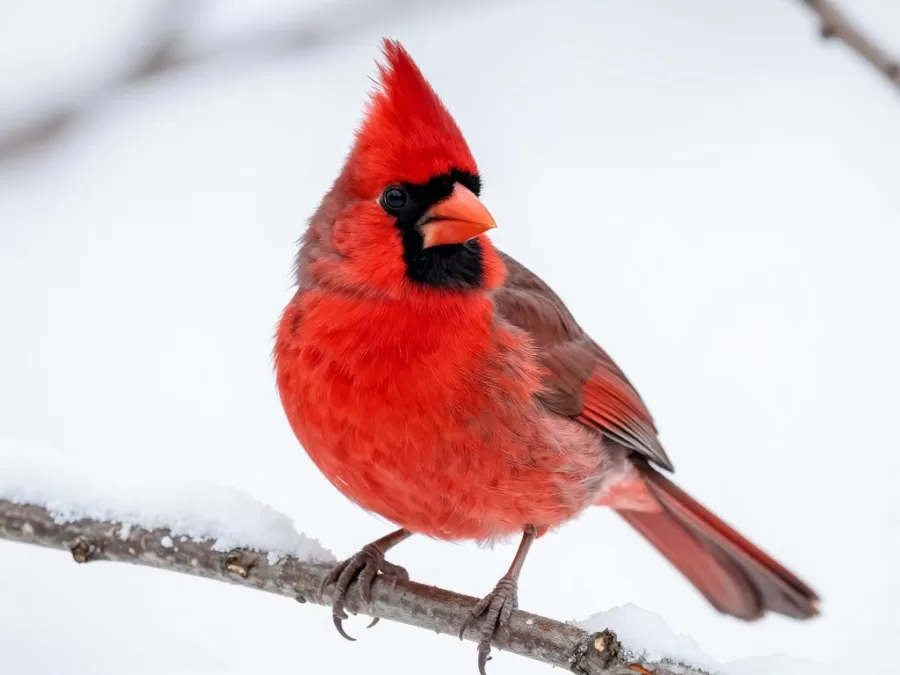
Male northern cardinals display striking all-red plumage. The vibrant crimson covers the entire body, crest, and tail. This intense red results from carotenoid pigments obtained from diet. Birds consuming more carotenoid-rich foods develop brighter coloration. The intensity of red signals male health and quality to potential mates. Brighter males typically secure better territories and attract more females.
The distinctive pointed crest adds to the cardinal’s regal appearance. Males can raise or lower this crest depending on mood and situation. A black face mask surrounds the bright orange-red beak. This facial marking extends from the beak to around the eyes and throat. The mask creates contrast that emphasizes the beak’s color.
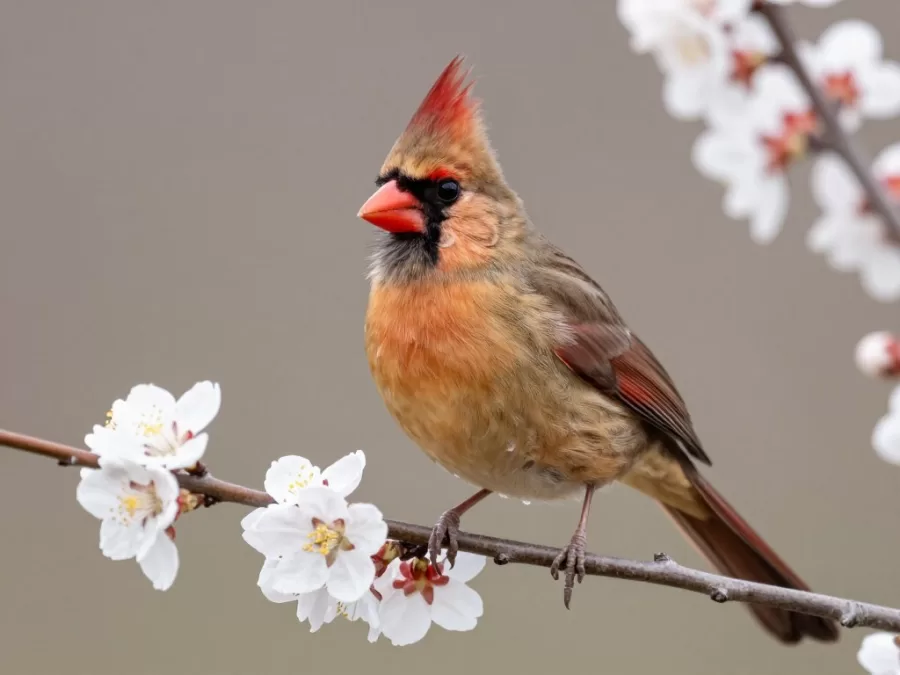
Female cardinals show more subdued coloring. Soft brown plumage covers most of the body. However, they still display reddish tints on wings, tail, and crest. The same orange-red beak and black face mask appear on females. Their coloring provides camouflage while nesting. Even with reduced brightness, female cardinals possess understated beauty.
Year-Round Presence and Behavior
Northern cardinals remain in their territories throughout the year. Unlike many birds, they don’t migrate seasonally. This year-round presence makes them especially beloved. Their bright red plumage against white snow creates stunning winter scenes. Cardinals visit feeders regularly, providing reliable viewing opportunities. They particularly favor sunflower seeds.
Both males and females sing beautiful songs. Their clear whistles carry considerable distances. Common phrases sound like “cheer-cheer-cheer” or “birdy-birdy-birdy.” Males sing to establish territories and attract mates. Interestingly, females also sing, which is unusual among North American songbirds. They may sing from the nest, possibly communicating with their mate.
Pairs form strong bonds during breeding season. Males feed females as part of courtship behavior. Both parents feed nestlings after eggs hatch. Cardinals typically raise two to three broods per year. Young males develop adult plumage gradually over their first year. The species adapts well to human presence, thriving in suburban environments. Populations remain stable and healthy throughout their extensive range.
9. Painted Bunting – The Rainbow Finch
The painted bunting (Passerina ciris) ranks among North America’s most colorful birds. This small songbird inhabits the southern United States and northern Mexico. The male’s plumage combines multiple brilliant colors in unexpected ways. Many birders consider seeing a painted bunting a major highlight. Their beauty rivals tropical species despite living in temperate regions. The combination of colors seems almost artificial in its intensity.
Multicolored Splendor
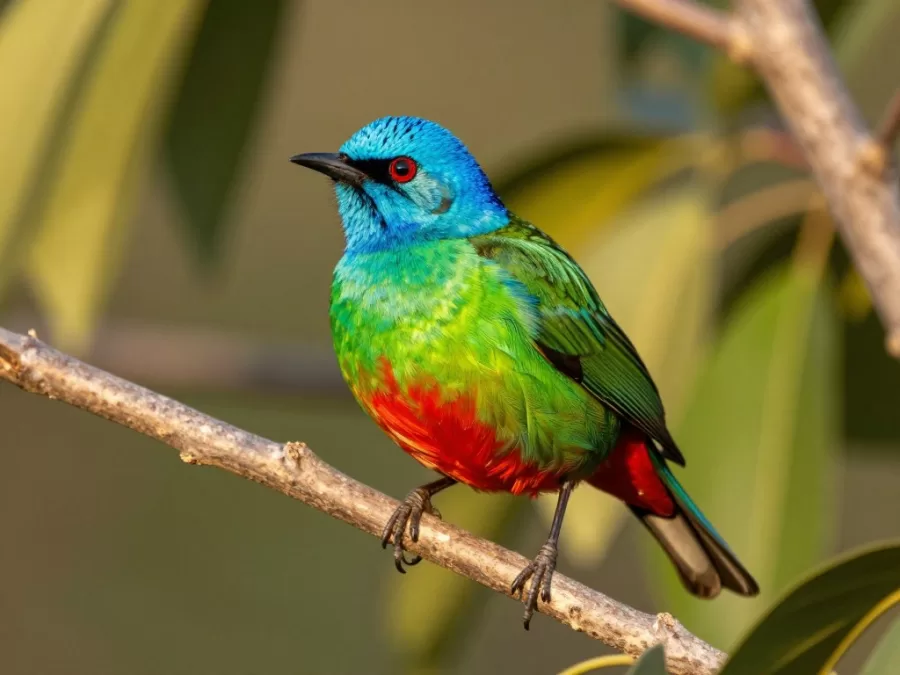
Male painted buntings display an extraordinary color combination. The head appears bright blue with slight violet tones. This deep blue covers the entire head and nape. The back and shoulders show lime green coloring. Bright red covers the underparts, extending from throat to undertail. The rump also displays red plumage. A red eye ring adds another colorful detail.
The wings and tail show darker colors. Blue-green edges accent the wing feathers. The overall effect creates a living rainbow. Each color appears pure and saturated. The combination seems impossible, as if painted by an artist rather than evolved through nature. No other North American bird presents such a diverse color palette.
Female painted buntings wear much different plumage. Lime green covers the entire body with yellow-green underparts. While less dramatic than males, females display beauty in their subtle way. Young males resemble females initially. They gradually acquire adult male plumage over their first year. The transformation from green to multicolored takes several months.
Habitat and Migration
Painted buntings inhabit brushy areas, woodland edges, and gardens. They prefer dense vegetation that provides cover. Eastern and western populations show somewhat different habitat preferences. Eastern birds favor coastal regions with maritime scrub. Western populations inhabit mesquite and riverside thickets. Both populations face habitat loss challenges.
These birds migrate seasonally. They spend winters in southern Florida, Caribbean islands, and Central America. Spring arrival in breeding territories occurs in late April through May. Males arrive first and establish territories. They sing persistently from exposed perches. Their warbled song sounds sweet and melodious. The combination of spectacular appearance and pleasant song delights observers.
Painted buntings face several conservation concerns. Illegal trapping for cage bird trade affects some populations. Habitat loss reduces available breeding territory. Climate change may alter their limited range. However, populations remain relatively stable in protected areas. Backyard feeding stations help supplement natural food sources. Many people feel privileged when painted buntings visit their gardens, recognizing these birds as special gifts from nature.
Capture Beautiful Bird Photography
Transform your bird watching into stunning photography. Professional camera equipment designed specifically for wildlife photography helps you capture the vibrant colors and intricate details that make these species extraordinary.
10. Victoria Crowned Pigeon – The Elegant Giant
The Victoria crowned pigeon (Goura victoria) represents one of the largest and most beautiful pigeon species. This ground-dwelling bird inhabits lowland forests of New Guinea. The species takes its name from Queen Victoria of the United Kingdom. Its size and elegant appearance set it apart from typical pigeons. The elaborate crown creates an almost royal bearing. These birds demonstrate that beauty comes in unexpected packages.
Spectacular Crown and Plumage
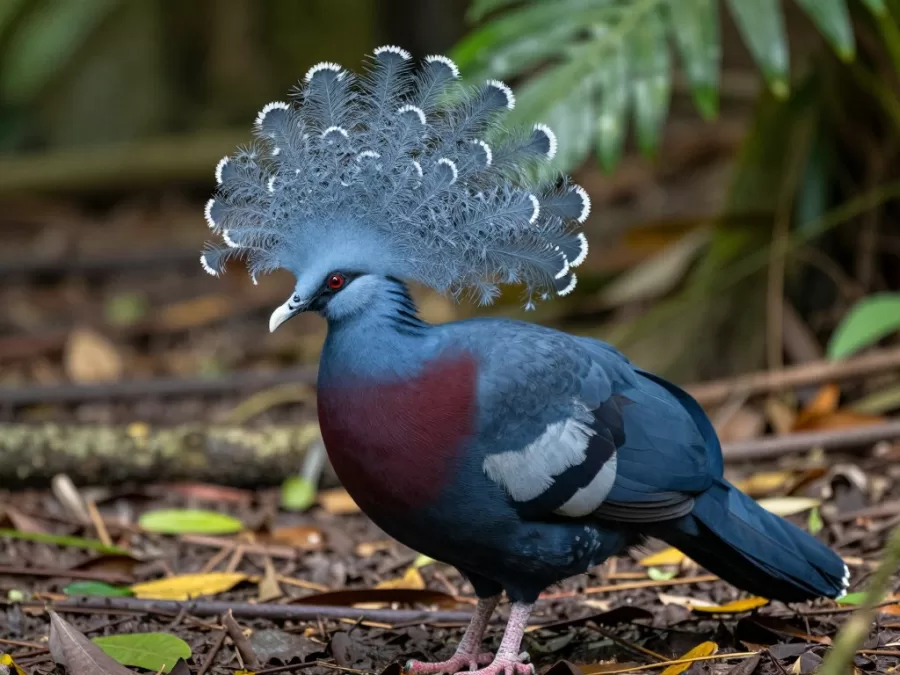
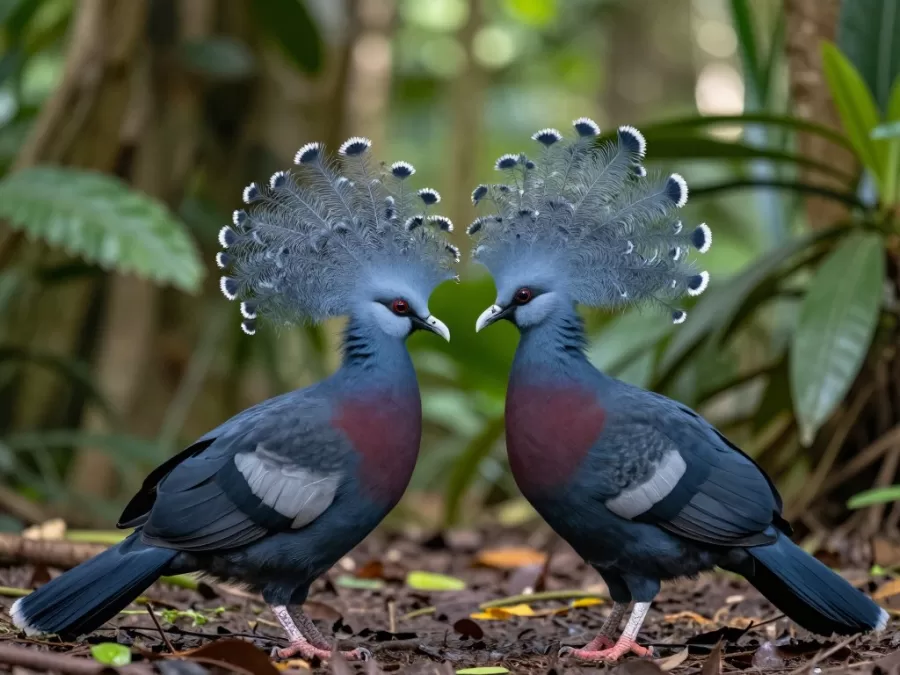
The Victoria crowned pigeon’s most distinctive feature is its elaborate crest. Delicate lacy feathers form a fan-shaped crown. Each feather shows a white tip, creating a distinctive pattern. The crown can be raised or flattened. When fully raised, it resembles an ornate headdress. This crown exceeds anything seen on other pigeon species. The overall effect conveys elegance and dignity.
The body plumage shows beautiful blue-gray coloring. These powder blue feathers cover most of the body. The breast displays deep maroon coloring. White wing bars create contrast during flight. The eyes appear bright red, adding intensity to the bird’s expression. Large size adds to the impressive appearance. Adults reach lengths exceeding 29 inches and weights over four pounds.
The tail feathers show the same blue-gray coloring as the body. They spread during courtship displays. The wings appear strong and rounded. Despite their size, these pigeons fly competently when necessary. However, they prefer walking and foraging on the ground. Their terrestrial lifestyle shapes their behavior and habitat preferences.
Forest Life and Conservation
Victoria crowned pigeons inhabit lowland rainforests and swamp forests. They forage primarily on the forest floor. Their diet consists of fallen fruits, seeds, and occasionally invertebrates. They swallow food items whole, even relatively large fruits. Their crop can hold substantial amounts of food. They typically feed in small groups or pairs.
These birds form monogamous pairs. Both parents participate in raising young. Nests consist of platform constructions in low vegetation. Females typically lay a single egg. Both parents incubate for about 30 days. The chick develops slowly, taking several weeks to fledge. Extended parental care ensures offspring survival.
Conservation status raises concerns. Habitat loss threatens populations throughout their range. Logging operations destroy primary forests. Hunting pressure affects some areas, as the birds provide substantial meat. The species appears in CITES Appendix II, regulating international trade. Some captive breeding programs maintain genetic diversity. Ecotourism provides economic incentives for local communities to protect remaining forest habitat. These magnificent pigeons deserve conservation attention to ensure future generations can appreciate their elegant beauty.
Special Mention: European Bee-eater – The Rainbow Acrobat
The European bee-eater (Merops apiaster) deserves special recognition for its stunning beauty. This species breeds across southern Europe, North Africa, and parts of Asia. During migration, thousands travel between Europe and Africa. Their aerial acrobatics while catching flying insects provide spectacular entertainment. The combination of colors and graceful flight makes them unforgettable.
Rainbow Plumage
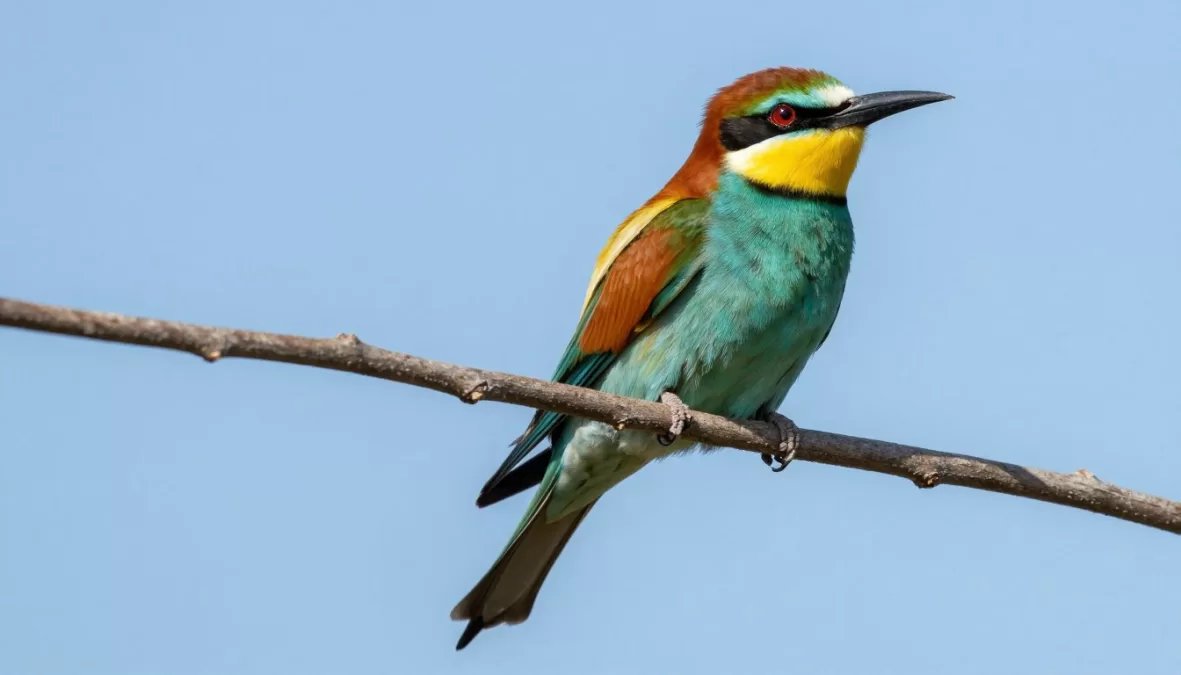
European bee-eaters display perhaps the most complete rainbow of any bird species. The crown and back show golden-brown coloring. The throat appears bright yellow, outlined by a black line. The breast and belly display turquoise blue tones. The wings combine multiple shades of green, blue, and brown. Chestnut patches appear on the shoulders. A distinctive black eye stripe extends from beak through eyes.
The tail features elongated central feathers. These project beyond the rest of the tail, creating a distinctive silhouette. The overall color combination works harmoniously despite the diversity of hues. Every feather seems perfectly placed. The curved black beak suits their insect-catching lifestyle. Red eyes add intensity to their alert expression.
Aerial Lifestyle
These birds catch most food items in flight. They pursue bees, wasps, dragonflies, and other flying insects. The name “bee-eater” reflects their preference for bees and wasps. Remarkably, they can remove stingers before swallowing prey. They repeatedly strike captured bees against perches, rupturing venom glands. This skill prevents internal stinging. Their aerial maneuvers show incredible agility and precision.
European bee-eaters nest in colonies. They excavate long tunnels in sandy banks. Both members of pairs dig burrows that can extend several feet into the bank. Colonies may contain dozens or hundreds of pairs. The social atmosphere creates constant activity and vocalizations. Their calls sound liquid and rolling, adding audio beauty to visual splendor.
Migration involves impressive journeys. European populations travel to sub-Saharan Africa for winter. They cross the Mediterranean Sea and Sahara Desert. Flocks sometimes contain thousands of birds. Their arrival signals seasonal changes in both breeding and wintering grounds. Conservation requires protecting habitats along their entire migratory route. Maintaining suitable nesting banks and feeding areas ensures these spectacular birds continue their ancient migrations.
The Importance of Bird Conservation
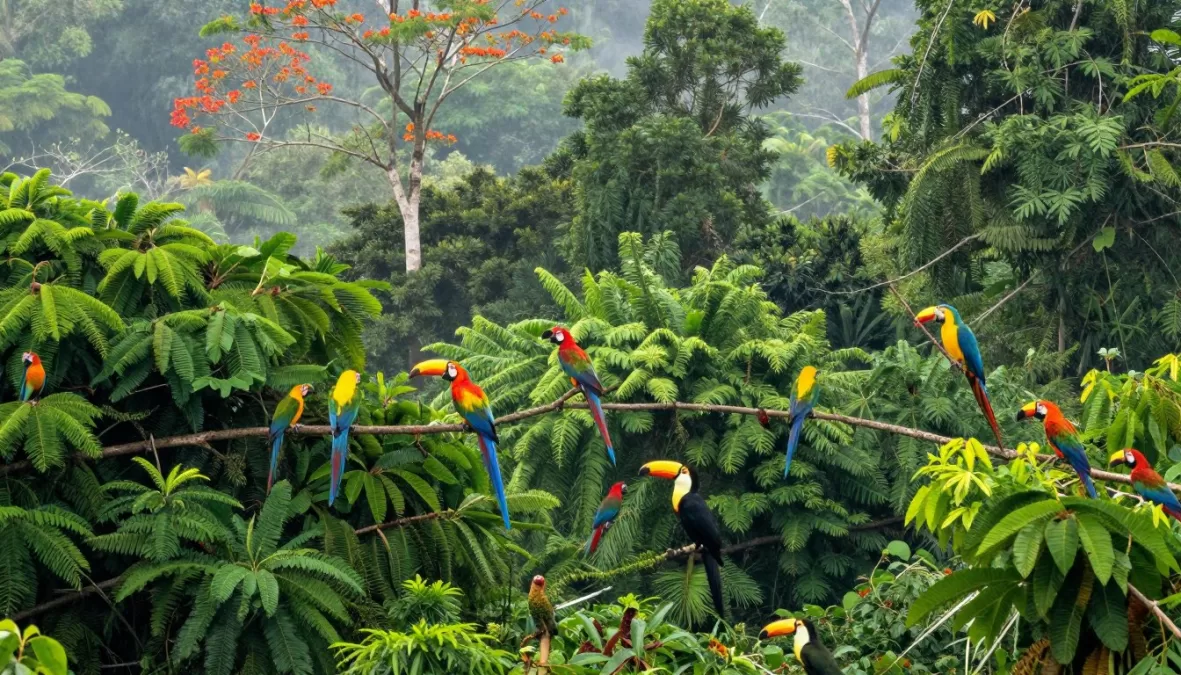
Beautiful birds face numerous threats worldwide. Habitat destruction remains the primary concern. Forests, wetlands, and grasslands disappear at alarming rates. Each lost habitat reduces available space for birds to feed, nest, and raise young. Many species require specific habitat types. Generalist species may adapt, but specialists face extinction risks.
Major Conservation Challenges
Climate change affects bird populations in multiple ways. Shifting temperatures alter migration timing. Food sources may peak before or after birds arrive. Some species cannot adjust quickly enough. Range shifts force birds into new territories. Competition for resources intensifies. Extreme weather events kill birds directly and destroy habitats. The interconnected nature of ecosystems means changes cascade through food webs.
Illegal wildlife trade targets many beautiful bird species. Collectors pay high prices for rare species. Poachers capture birds from wild populations. Many die during capture or transport. Survivors face life in captivity. While some captive breeding programs serve conservation purposes, illegal trade purely exploits birds for profit. International cooperation helps combat this threat, but enforcement remains challenging.
Pollution impacts birds through multiple pathways. Pesticides poison insects that birds eat. Water pollution contaminates aquatic food sources. Plastic waste kills birds through ingestion or entanglement. Light pollution disrupts migration patterns. Noise pollution interferes with communication. The cumulative effects of various pollutants stress bird populations already facing other challenges.
Conservation Success Stories
Protected areas preserve critical habitats. National parks, wildlife refuges, and reserves safeguard breeding and feeding grounds. These protected spaces allow populations to recover. Management removes invasive species and restores native vegetation. Success stories demonstrate that conservation efforts work. Peregrine falcons recovered from near extinction through intensive management. Whooping cranes slowly increase through dedicated conservation programs.
Community-based conservation engages local people. When communities benefit from conservation, they become stakeholders. Ecotourism provides income while protecting birds. Local guides gain employment showing birds to visitors. Communities recognize the value of intact ecosystems. This approach creates sustainable conservation that continues long-term. Education programs build appreciation for birds among younger generations.
Citizen science contributes valuable data. Millions of bird watchers record observations. Platforms like eBird compile this information globally. Scientists use this data to track population trends and distribution changes. Anyone can contribute by reporting bird sightings. This democratization of science engages public participation. The collective effort provides insights impossible through traditional research alone.
How You Can Help
Individual actions contribute to bird conservation. Every person can make a difference through conscious choices and activities.
- Support conservation organizations financially or through volunteering
- Create bird-friendly spaces in your garden with native plants
- Reduce pesticide use to protect insect populations
- Keep cats indoors to prevent bird predation
- Prevent window collisions with visual markers
- Purchase sustainable products that don’t destroy bird habitats
- Participate in citizen science bird counts
- Educate others about bird conservation importance
Supporting Organizations
Numerous organizations work globally to protect birds and their habitats. These groups conduct research, manage protected areas, and advocate for policy changes.
- BirdLife International – global partnership of conservation groups
- National Audubon Society – North American bird conservation
- American Bird Conservancy – science-based conservation programs
- Royal Society for the Protection of Birds – UK conservation leader
- Cornell Lab of Ornithology – research and education
- World Wildlife Fund – habitat protection worldwide
- Local bird clubs and conservation groups in your area
Getting Started with Bird Watching
Observing beautiful birds in nature provides immense satisfaction. Bird watching requires minimal equipment initially. Start with curiosity and patience. Most importantly, respect birds and their habitats. Ethical observation ensures birds continue natural behaviors without disturbance. Following basic guidelines protects birds while enhancing your experience.
Essential Equipment for Beginners
Binoculars form the foundation of bird watching equipment. Quality optics reveal details invisible to naked eyes. Choose binoculars with 8x or 10x magnification. Larger magnification seems appealing but becomes difficult to hold steady. Consider weight and comfort. You’ll carry binoculars for hours during extended outings. Mid-range models provide excellent performance without excessive cost.
Field guides help identify observed species. Regional guides cover birds in your area. They include illustrations or photographs showing key identification features. Digital apps now offer similar information on smartphones. Some apps include bird songs and calls. These tools complement printed guides. Learning to use field marks like size, shape, color patterns, and behavior aids identification.
Appropriate clothing enhances comfort during outdoor observation. Neutral colors help you blend into surroundings. Avoid bright colors that might disturb birds. Layered clothing adapts to changing conditions. Comfortable footwear matters for walking and standing. Hats provide sun protection and reduce glare. Rain gear prepares you for unexpected weather. Comfort allows longer observation sessions.
Best Practices for Observation
Early morning offers prime bird watching opportunities. Birds actively feed after overnight fasting. Their activity peaks during the first hours after sunrise. Songs and calls fill the air as males establish territories. Light angles favor photography during morning hours. Evening presents another active period, though typically less intense than morning.
Move slowly and quietly through habitats. Sudden movements startle birds. Pause frequently to scan surroundings. Listen for calls and songs. Often you’ll hear birds before seeing them. Learn common vocalizations of target species. Some birds remain hidden in dense vegetation but vocalize regularly. Patience rewards observers with better sightings.
Respect birds’ space and needs. Never approach nests closely. Disturbance causes parents to abandon eggs or chicks. Don’t play recorded calls excessively. While calls may attract birds briefly, overuse stresses them. Never touch or handle wild birds unless trained in proper techniques. Observe from appropriate distances. Use telephoto lenses rather than approaching too closely. Ethical observation prioritizes bird welfare over perfect photographs.
Finding Birds in Different Habitats
Different habitats host different bird communities. Forests provide diverse niches from ground to canopy. Woodland edges offer particularly good bird watching. The transition zone between forest and open areas attracts many species. Water bodies concentrate birds, especially during migration. Lakes, rivers, and wetlands host waterfowl, waders, and numerous other species.
Grasslands and meadows attract ground-feeding birds. Open country species differ from forest birds. Agricultural areas sometimes host interesting species, though intensive farming reduces diversity. Urban parks and gardens surprise many beginners. Numerous species adapt to human-modified landscapes. Your backyard might host more species than you realize.
Seasonal timing affects which birds appear. Migration brings temporary visitors. Spring migration runs from March through May in most temperate regions. Fall migration spans August through October. Winter sometimes brings northern species southward. Summer hosts breeding residents. Learning seasonal patterns helps you target specific species during optimal times.
Download Your Free Bird Watching Guide
Start your bird watching journey with our comprehensive 50-page guide. Learn identification techniques, discover the best locations and times for observation, understand bird behavior, and get expert photography tips to capture stunning images.
Photographing Beautiful Birds
Bird photography combines technical skill with artistic vision. Capturing birds’ beauty challenges even experienced photographers. Birds move quickly and unpredictably. They often inhabit difficult lighting conditions. However, modern equipment and proper techniques make bird photography accessible. The results reward the effort with stunning images preserving fleeting moments.

Camera and Lens Selection
DSLR and mirrorless cameras both work well for bird photography. Fast autofocus systems prove essential. Birds won’t wait while cameras struggle to focus. Modern mirrorless cameras offer excellent autofocus with eye detection even for birds. High frame rates help capture action. Shooting multiple frames per second increases chances of perfect timing. Buffer capacity matters when shooting bursts.
Lens choice significantly impacts results. Telephoto lenses bring distant birds closer. Focal lengths of 300mm or longer work best. Many bird photographers use 400mm, 500mm, or 600mm lenses. Prime lenses offer maximum sharpness and speed. Zoom lenses provide flexibility. Teleconverters extend reach but reduce light and potentially sharpness. Image stabilization helps when handholding long lenses.
Support equipment improves sharpness. Tripods provide solid platforms for heavy lenses. Choose sturdy tripods that won’t vibrate in wind. Fluid heads or gimbal mounts allow smooth tracking. Monopods offer mobility with some support. Beanbags work well for photographing from vehicles. Proper support becomes increasingly important with longer lenses and slower shutter speeds.
Technical Settings and Techniques
Shutter speed freezes motion. Birds move rapidly even when appearing still. Use shutter speeds of 1/1000 second or faster for perched birds. Increase to 1/2000 second or higher for birds in flight. Lower speeds work for static poses but risk motion blur. Higher ISO settings enable faster shutter speeds in dim conditions. Modern cameras handle high ISO remarkably well.
Aperture affects depth of field and sharpness. Wide apertures like f/4 or f/5.6 create pleasing background blur. This isolates subjects from distracting backgrounds. However, depth of field becomes very shallow at close distances. The bird’s eye should always appear sharp. Stop down to f/8 or f/11 for more depth when needed. Long lenses create shallow depth even at smaller apertures.
Focus on the eye whenever possible. Sharp eyes make or break bird portraits. Use single-point focus modes for precise control. Continuous autofocus tracks moving subjects. Back-button focus separates focusing from shutter release. This prevents camera from refocusing at the wrong moment. Practice focusing techniques until they become automatic. Split-second timing matters in bird photography.
Composition and Lighting
Good composition elevates bird photographs. Apply rule of thirds for balanced images. Place subjects off-center rather than centered. Leave space in the direction birds face. This implies motion and direction. Include habitat elements that provide context. However, keep backgrounds simple to avoid distraction. Clean backgrounds emphasize subjects.
Lighting dramatically affects results. Side lighting reveals texture and dimension. Front lighting produces even illumination but flat appearance. Backlighting creates dramatic silhouettes or rim lighting. Golden hours shortly after sunrise and before sunset provide warm, flattering light. Overcast days produce soft, even lighting perfect for colorful plumage. Harsh midday sun creates strong shadows and washed-out colors.
Catch lights add life to bird portraits. These reflections in eyes come from light sources. Position yourself so light reflects in the bird’s eye. The catch light creates sparkle and engagement. Without catch lights, eyes appear dull and lifeless. Study professional bird photographs to see how light affects overall impact. Patience waiting for perfect light often pays dividends.
Seasonal Bird Watching Opportunities
Each season offers unique bird watching experiences. Understanding seasonal patterns helps you target specific species. Migration periods bring greatest diversity. Breeding seasons showcase elaborate behaviors. Winter concentrations make some species easier to observe. Planning around seasonal cycles maximizes your chances of seeing beautiful birds.
Spring Migration Spectacles
Spring migration creates some of year’s most exciting bird watching. Millions of birds journey northward to breeding grounds. They follow traditional routes used for generations. Colorful warblers, tanagers, and other songbirds pass through temperate regions. Males arrive in breeding plumage, showing peak coloration. They sing enthusiastically to establish territories and attract mates.
Coastal areas concentrate migrants during spring. Birds pause at peninsulas and shorelines before crossing large water bodies. These stopover sites attract diverse species. Migrant traps occur where geography funnels birds. Classic locations include Point Pelee in Ontario, Cape May in New Jersey, and the Texas coast. Visiting these hotspots during peak migration guarantees memorable experiences.
Timing varies by latitude and species. Early migrants arrive as soon as conditions allow. Later species wait for insect abundance. Peak spring migration occurs from April through May in most North American temperate zones. European migration peaks slightly earlier. Tropical regions experience less dramatic seasonal movements. Local bird clubs and online resources provide updates on migration progress.
Summer Breeding Season
Summer provides opportunities to observe nesting behaviors. Birds focus on reproduction during this period. Males sing persistently to defend territories. Courtship displays showcase species-specific behaviors. Nest building demonstrates remarkable engineering. Parents make countless trips delivering food to hungry nestlings. These behaviors offer fascinating observation opportunities.
Beautiful birds look their best during breeding season. Males maintain peak plumage condition. Species with elaborate feathers display them prominently. Birds-of-paradise perform complex dances. Peacocks fan their trains. Cardinals sing from exposed perches. Summer allows you to see and hear birds at maximum activity levels.
However, exercise special care during nesting season. Disturbance can cause nest abandonment. Observe from respectful distances. Never approach nests directly. Use long lenses rather than getting too close. Limit time at any nest site. Parents need to feed young frequently. Your presence shouldn’t prevent normal parental care. Ethical observation ensures successful breeding.
Fall Migration and Winter Concentrations
Fall migration differs from spring. Birds travel more leisurely without breeding urgency. Many species fatten before migration, appearing plumper than spring. Young birds make their first journeys. Fall plumage often appears duller than spring. Males molt out of breeding plumage. Identifying birds becomes more challenging but also more rewarding.
Raptors concentrate along mountain ridges during fall. Updrafts provide lift for energy-efficient soaring. Hawk watches at traditional sites count thousands of migrating raptors. These majestic birds pass close to observation points. Species like broad-winged hawks migrate in large flocks called kettles. Waterfowl migration creates spectacular sights with thousands of ducks and geese moving together.
Winter bird watching offers unique opportunities. Northern species move southward, visiting areas where they don’t breed. Some beautiful birds become more accessible. Certain species concentrate at reliable food sources. Feeders attract numerous birds during cold weather. Winter plumage shows different patterns than summer. Some species like pine grosbeaks and evening grosbeaks visit irregularly, creating excitement when they appear.
Conclusion: Celebrating Avian Beauty
The world’s most beautiful birds represent nature’s artistic achievements. From the metallic sheen of hummingbirds to the elaborate trains of peacocks, these creatures demonstrate evolution’s creative power. Each species evolved its distinctive appearance through millions of years of natural and sexual selection. Colors serve purposes beyond aesthetics, including mate attraction, species recognition, and camouflage.
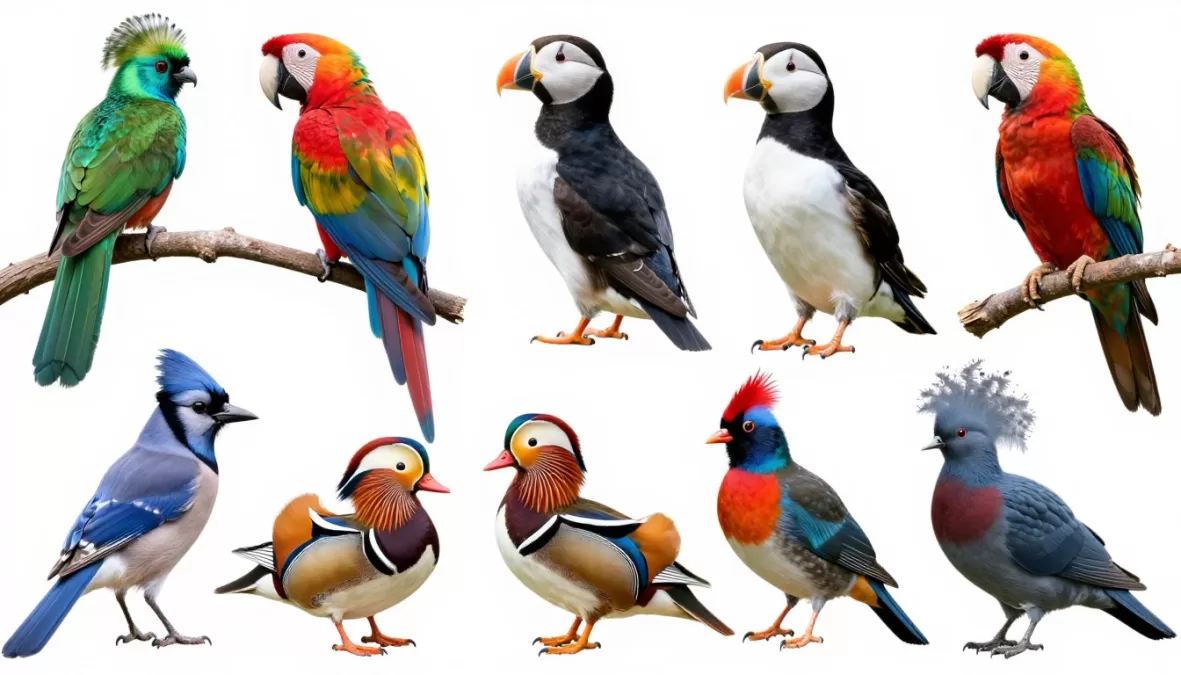
These ten species showcase remarkable diversity. Tropical forests host perhaps the greatest concentration of beautiful birds. However, stunning species inhabit every continent and ecosystem. Beauty manifests in countless forms across the avian world. The birds discussed here represent just a small sample of nature’s magnificent creations. Thousands of additional species deserve appreciation for their unique charms.
Appreciating beautiful birds connects us to nature. These creatures inspire wonder and curiosity. They remind us that we share our planet with countless remarkable life forms. Bird watching provides accessible nature experiences. Anyone can participate regardless of age, location, or fitness level. The hobby offers lifelong learning opportunities. Each outing brings possibilities for new discoveries.
Conservation ensures future generations can enjoy these magnificent species. Many threats challenge bird populations worldwide. Habitat protection remains paramount. Supporting conservation organizations provides crucial funding. Making backyard spaces bird-friendly helps on local scales. Every action matters, from preventing window collisions to reducing pesticide use. Collective efforts create meaningful impact.
The beauty of birds enriches human life immeasurably. They inspire art, poetry, music, and scientific inquiry. Different cultures across history incorporated bird imagery into traditions and beliefs. This universal appreciation transcends geographical and cultural boundaries. Birds connect humanity to the natural world in profound ways. Protecting them protects part of what makes life beautiful.
Whether you admire birds through binoculars, photographs, or simply awareness of their presence, you participate in a timeless human activity. Each observation adds to your understanding and appreciation. Start exploring the avian world today. Begin in your backyard or local park. Join bird watching groups to learn from experienced observers. Travel to see exotic species in distant lands. However you engage, you’ll discover that beautiful birds make the world a more wonderful place.
Begin Your Bird Watching Adventure Today
Join our community of passionate bird enthusiasts. Receive your comprehensive starter guide, weekly tips, and exclusive access to bird watching locations, photography techniques, and conservation updates.

Priyanka Pandey
Senior Research Editor · Top10Sense
Priyanka specializes in tech, consumer products, and digital trends. She combines hands-on testing, vendor interviews, and database research to create trustworthy “Top 10” rankings. Her work has been referenced by industry blogs and brand report pages.