The world feels smaller every year. Instagram floods our feeds with the same iconic places. Crowds pack into tourist hotspots during peak travel season. Finding authentic experiences becomes harder as destinations gain popularity overnight.
Smart travelers know the secret. The best time to visit a place is before everyone else discovers it. These hidden travel destinations offer something rare in our connected world. They provide genuine cultural experiences, pristine nature, and the freedom to explore without fighting crowds.
This list showcases ten remarkable destinations that remain under the radar. Each place shows early signs of growing interest. But right now, they still offer the authentic charm that vanishes when mass tourism arrives. From remote islands to forgotten mountain towns, these locations promise unforgettable experiences.
The window to visit these places won’t stay open forever. Tourism infrastructure is developing. Travel bloggers are starting to take notice. Within a few years, these destinations will likely transform into the next popular travel hotspots.
Faroe Islands, Denmark – Dramatic Nordic Beauty
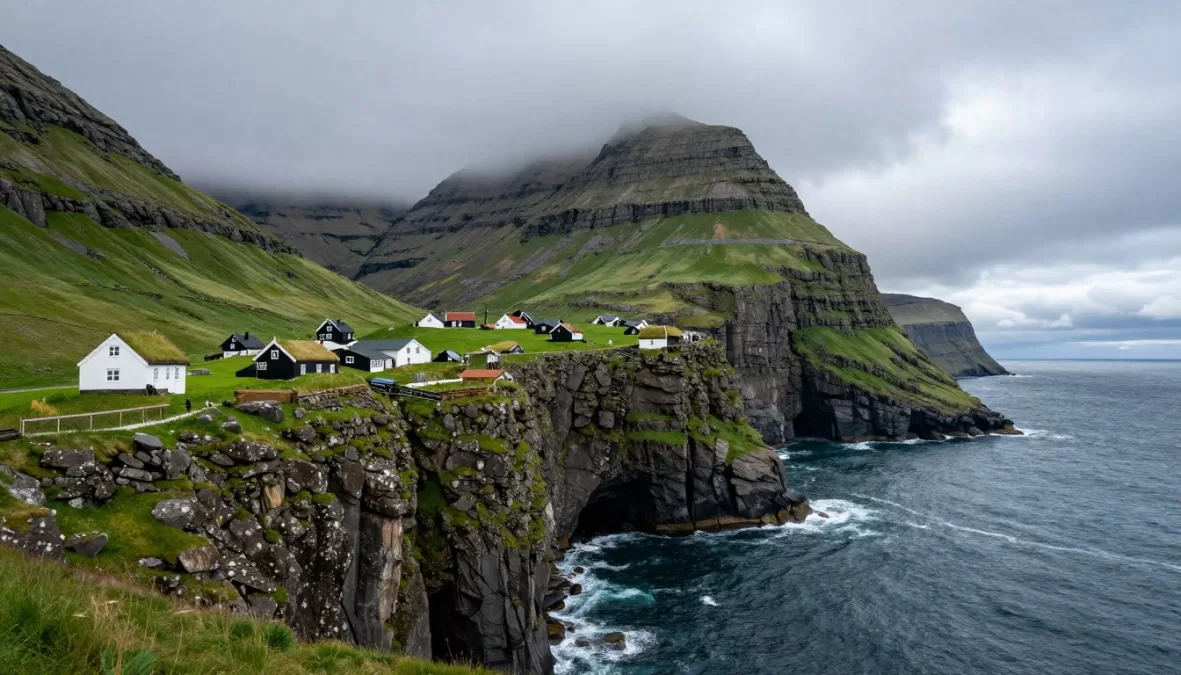
Eighteen volcanic islands rise from the North Atlantic between Iceland and Norway. The Faroe Islands remain one of Europe’s best-kept secrets. Rugged cliffs plunge into churning seas. Grass-roofed villages cling to hillsides. Sheep outnumber the 50,000 human residents.
Why this destination stays hidden becomes clear upon arrival. Reaching the islands requires commitment. Only a handful of European cities offer direct flights. Weather conditions can delay travel plans. The remote location and challenging climate naturally limit visitor numbers.
What Makes Faroe Islands Special
Nature here feels untamed and powerful. Waterfalls cascade directly into the ocean. Hiking trails wind along clifftops with views that stretch forever. Bird cliffs host millions of seabirds during summer months. The dramatic landscape rivals Iceland but without the crowds.
Local culture remains remarkably intact. Traditional wool production continues in small villages. Folk music and chain dancing maintain strong community ties. Faroese language thrives in daily life. Fresh seafood dominates menus, often caught that same day.
Best Time to Visit
June through August offers the most daylight and stable weather. Summer brings long days perfect for hiking and exploring. However, spring and fall provide dramatic conditions for photography. Winter attracts hardy travelers seeking solitude and potential Northern Lights.
Top Experiences
- Hiking to Múlagljúfur Canyon and hidden waterfalls
- Visiting traditional grass-roofed villages like Saksun
- Bird watching at Vestmanna sea cliffs
- Exploring Tórshavn, Europe’s smallest capital city
- Driving through undersea tunnels connecting islands
Why Visit Now
Tourism infrastructure is rapidly developing. New hotels opened across the islands during recent years. Direct flight routes continue to expand. Social media exposure grows steadily. The islands appeared in travel publications more frequently over the past year.
The Faroese government actively promotes sustainable tourism. However, increased accessibility means more visitors each season. Current visitor numbers remain manageable. That situation will likely change within the next three to five years as word spreads about this Nordic paradise.
Travel Tips for Faroe Islands
- Rent a car to explore multiple islands freely
- Pack waterproof clothing regardless of season
- Book accommodations early during summer months
- Try traditional dishes like fermented lamb and dried fish
- Respect private property and follow marked hiking trails
- Purchase fresh seafood directly from local boats
Albanian Riviera – Mediterranean’s Last Affordable Paradise
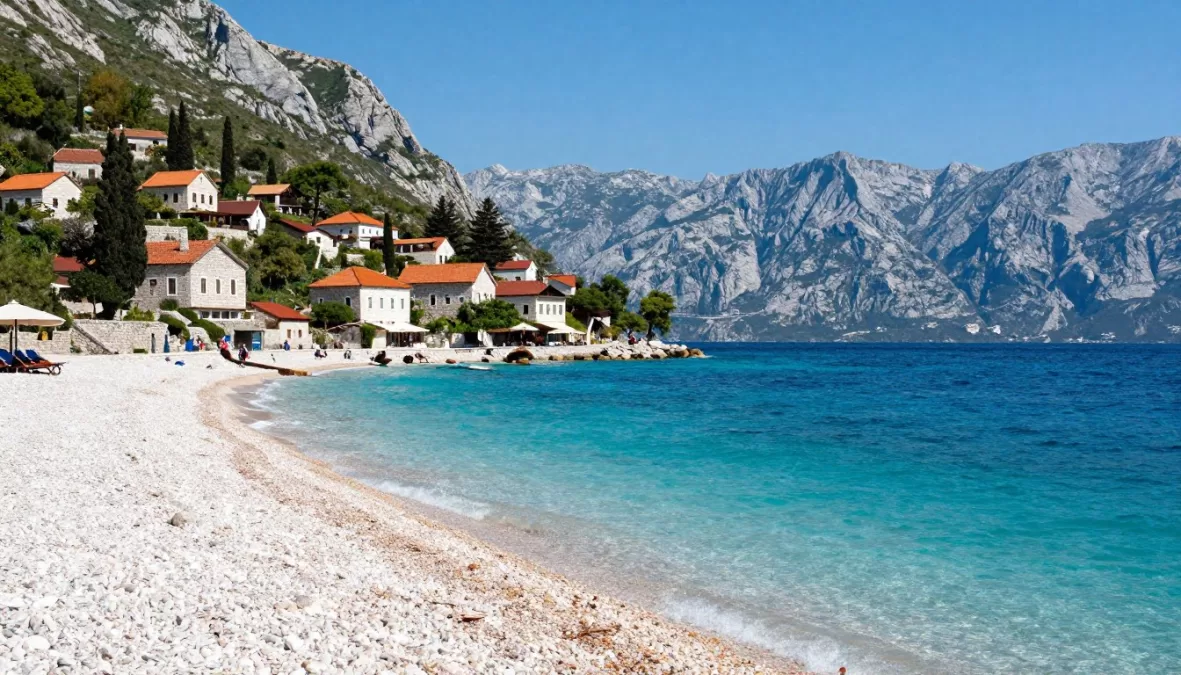
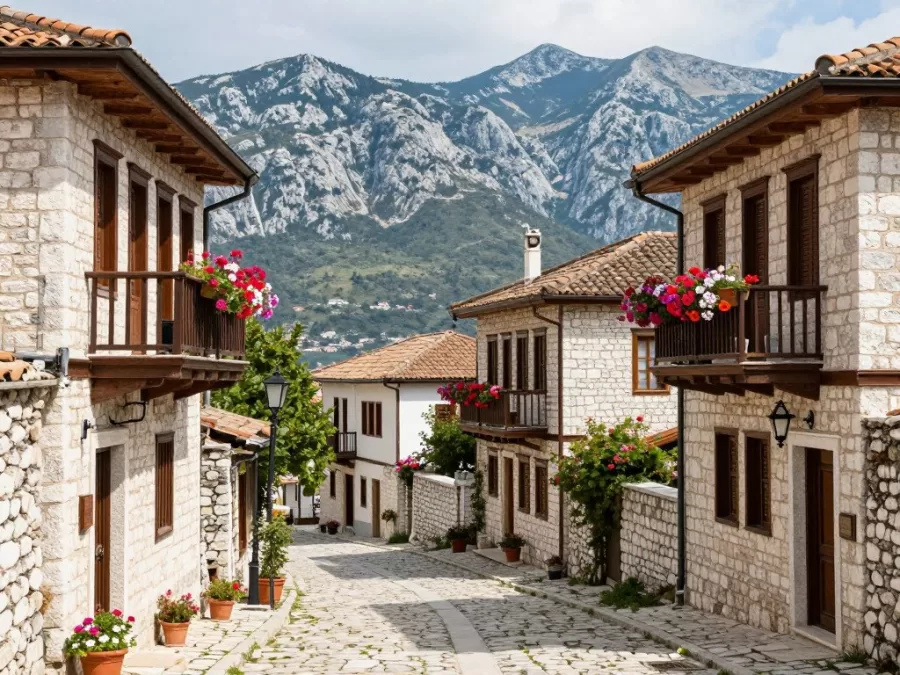
The Albanian Riviera stretches along the country’s southern coast. Turquoise waters rival anything found in Greece or Croatia. White pebble beaches curve between dramatic mountains. Ancient stone villages perch on hillsides. Yet tourists remain remarkably scarce compared to neighboring countries.
Political isolation kept Albania closed to outsiders for decades. The country only opened to tourism in the 1990s. Three decades later, development remains limited. This creates a rare opportunity to experience Mediterranean beauty without mass tourism infrastructure.
Discovering the Riviera’s Hidden Beaches
The coast between Himara and Saranda offers dozens of secluded coves. Many beaches lack any development whatsoever. Crystal-clear water reveals colorful fish and underwater rocks. Mountain backdrops provide stunning photo opportunities throughout the day.
Small villages maintain traditional ways of life. Local families operate simple guesthouses and restaurants. Fresh seafood costs a fraction of prices in Italy or Greece. The region offers exceptional value while delivering world-class natural beauty.
Beyond the Beaches
The region provides more than coastal scenery. Ancient ruins dot the landscape. UNESCO World Heritage sites showcase Greek and Roman history. Mountain villages offer hiking opportunities with panoramic sea views. The nearby town of Gjirokaster features Ottoman-era architecture.
Advantages
- Extremely affordable compared to other Mediterranean destinations
- Pristine beaches without crowds even during summer
- Authentic local culture and genuine hospitality
- Short distance to Greek islands for day trips
- Improving infrastructure and safety for travelers
Considerations
- Limited public transportation along the coast
- Basic amenities in some rural areas
- English proficiency varies outside tourist areas
- Mountain roads require confident driving skills
The Changing Landscape
International developers have taken notice of Albania’s potential. New resorts and hotels appear each year. The coastal road continues to improve. European Union discussions about Albanian membership could accelerate tourism growth.
Prices remain incredibly reasonable for now. Summer accommodation along the Riviera costs less than comparable places in Croatia or Montenegro. This pricing advantage won’t last once more travelers discover the region’s appeal.
“Albania offers everything I loved about Greece 30 years ago – pristine beaches, friendly locals, and prices that don’t break the bank. Visit before the secret gets out.”
– Maria Stefano, Travel Writer
Raja Ampat, Indonesia – Underwater Paradise
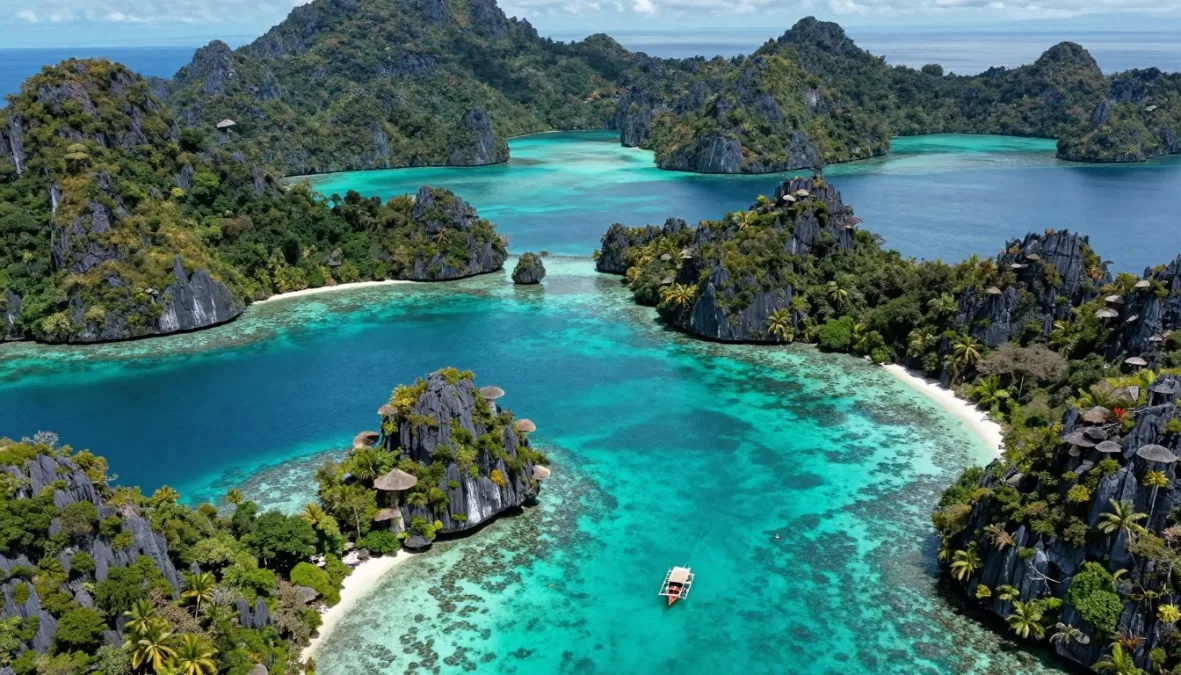
Four major islands and hundreds of smaller ones make up Raja Ampat. This remote Indonesian archipelago sits off the northwest tip of New Guinea. Limestone karsts covered in jungle rise from impossibly blue water. The region contains the richest marine biodiversity on Earth.
Getting to Raja Ampat requires dedication. Multiple flights and a final boat ride separate these islands from major cities. The journey takes at least two full days from most international locations. These logistics keep visitor numbers low despite the area’s natural wonders.
World’s Best Diving and Snorkeling
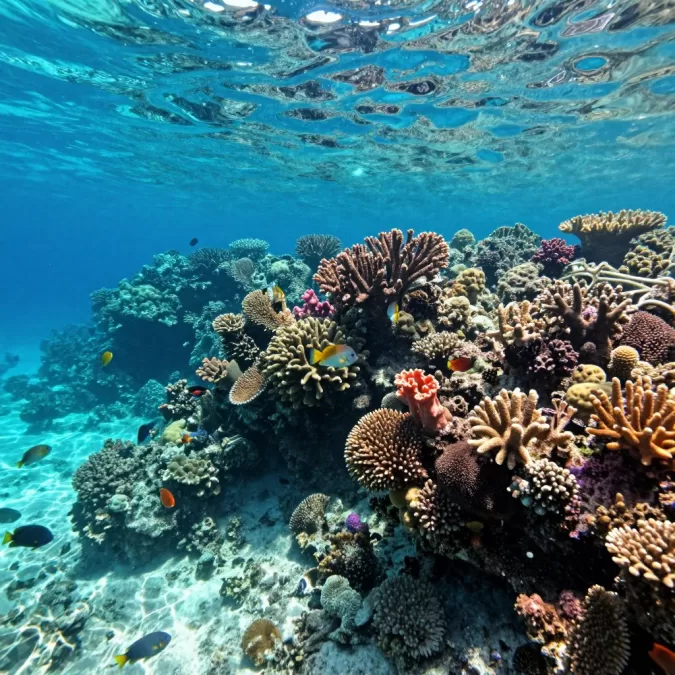
Scientists have documented over 1,500 fish species in these waters. More than 600 coral species thrive in the region. Manta rays glide through cleaning stations. Whale sharks pass through during migration. The underwater visibility often exceeds 30 meters.
Snorkeling here rivals diving in most other destinations. Coral gardens start mere meters from shore. Colorful reef fish surround swimmers. Even non-divers can witness extraordinary marine life. The shallow lagoons offer safe conditions for all skill levels.
Marine Life Highlights
- Manta ray cleaning stations at several sites
- Schools of barracuda and jackfish
- Pygmy seahorses and rare critters for macro photography
- Reef sharks and occasional whale shark sightings
- Pristine coral walls and diverse soft coral gardens
- Rare walking sharks found nowhere else
Island Adventures Above Water
The landscapes match the underwater beauty. Hiking to viewpoints reveals stunning panoramas. Kayaking through limestone channels provides intimate experiences with nature. Remote beaches offer complete solitude. Traditional Papuan villages welcome respectful visitors.
Accommodations range from basic homestays to eco-resorts. Most places operate on solar power. Sustainability remains a core value throughout the region. The local population actively works to preserve their environment.
Why the Clock Is Ticking
Indonesian tourism authorities have designated Raja Ampat as a priority destination. New airports and improved ferry services are under development. Liveaboard dive boats increasingly visit the region. Tourism grew by 40% over the past three years.
The area still feels remote and untouched. However, infrastructure improvements will make access easier. More resorts have announced construction plans. The next five years will likely bring significant changes to this underwater paradise.
Essential Raja Ampat Information
- Best diving season runs from October through April
- Marine park entrance fee supports conservation efforts
- Limited ATMs – bring sufficient cash
- Respect local customs in traditional villages
- Book accommodations several months in advance
- Consider liveaboard boats for maximum dive sites
Free Download: Hidden Destinations Travel Planning Checklist
Get our comprehensive 25-point checklist for planning trips to off-the-beaten-path destinations. Includes packing tips, safety considerations, booking strategies, and local etiquette guides for hidden gems around the world.
Luang Prabang, Laos – Timeless Buddhist Kingdom
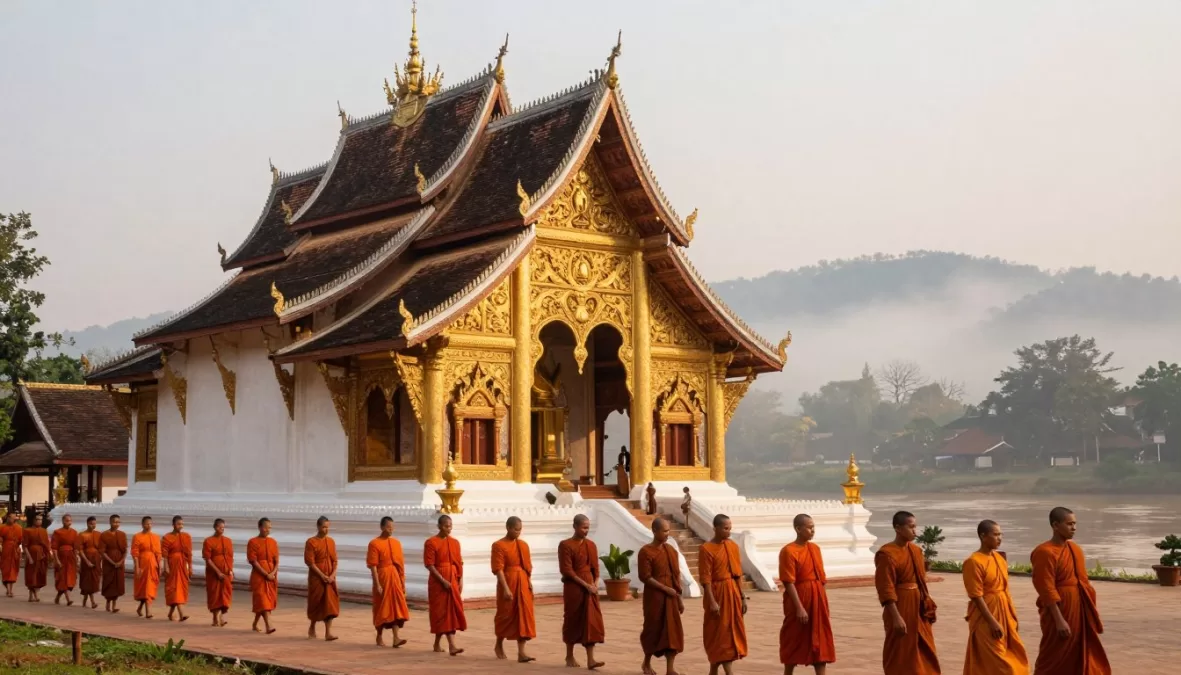
Where the Mekong and Nam Khan rivers meet sits Luang Prabang. This small Lao town preserves centuries of Buddhist heritage. Golden temples dot the historic center. French colonial buildings add architectural charm. Daily life moves at a pace forgotten elsewhere in Southeast Asia.
UNESCO designated the entire town as a World Heritage Site. Strict building codes maintain historical character. Modern development remains limited. The result feels like stepping back in time while still enjoying comfortable amenities.
Morning Alms Ceremony
Each dawn brings a sacred Buddhist tradition. Hundreds of monks walk silently through streets collecting alms. Local people kneel to offer sticky rice and food. The ceremony has occurred daily for centuries without interruption.
Participating requires understanding proper etiquette. Visitors should observe respectfully from a distance. Those wishing to give alms must follow specific protocols. This living tradition offers a window into Lao Buddhist culture.
Natural Wonders Nearby
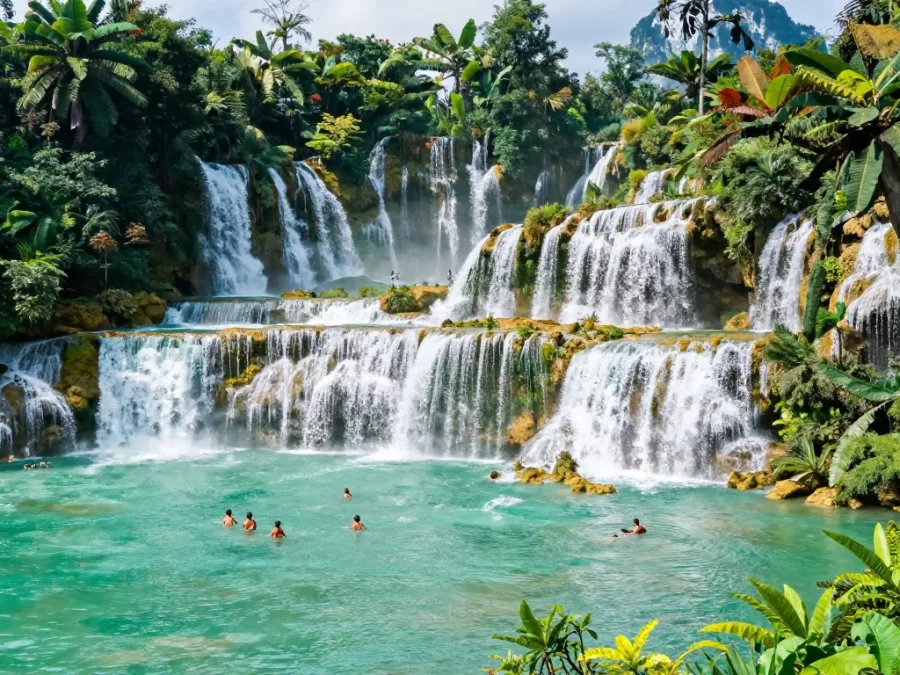
Kuang Si Waterfall lies 30 kilometers outside town. Multiple tiers of turquoise pools invite swimming. The water’s mineral content creates stunning colors. Jungle trails lead to upper levels. Bear rescue centers protect endangered Asian black bears.
The Mekong River provides another dimension to visit. Sunset cruises offer peaceful evening activities. Day trips to riverside villages show traditional weaving. Longer boat journeys reach remote mountain communities.
French Colonial Legacy
France controlled Laos for decades during colonial times. Their architectural influence remains visible throughout Luang Prabang. Charming cafes serve excellent coffee and croissants. Tree-lined streets create a unique Southeast Asian atmosphere.
Night markets fill the main street every evening. Local artisans sell handmade textiles and crafts. Traditional Lao food stalls offer authentic dishes. The market provides cultural immersion without aggressive selling tactics common elsewhere.
Important Note: Luang Prabang actively limits tourism development to preserve character. Hotel permits remain restricted. This policy has kept the town authentic but won’t prevent increased visitor numbers as Laos becomes more accessible.
The Coming Changes
A high-speed rail connection to China opened recently. Travel time from the Chinese border dropped from hours to minutes. This railway will eventually connect to other Southeast Asian countries. Accessibility improvements mean more tourists will discover Luang Prabang’s charms.
The town already sees growing crowds during peak season. However, visitor numbers remain manageable compared to places like Chiang Mai or Siem Reap. The next few years represent an ideal window before major tourism expansion occurs.
Best Time to Visit: November through February offers cool, dry weather perfect for temple exploration. March and April bring hot temperatures but fewer crowds. Avoid rainy season from May through October unless you enjoy tropical storms and muddy trails.
Azores, Portugal – Europe’s Atlantic Islands
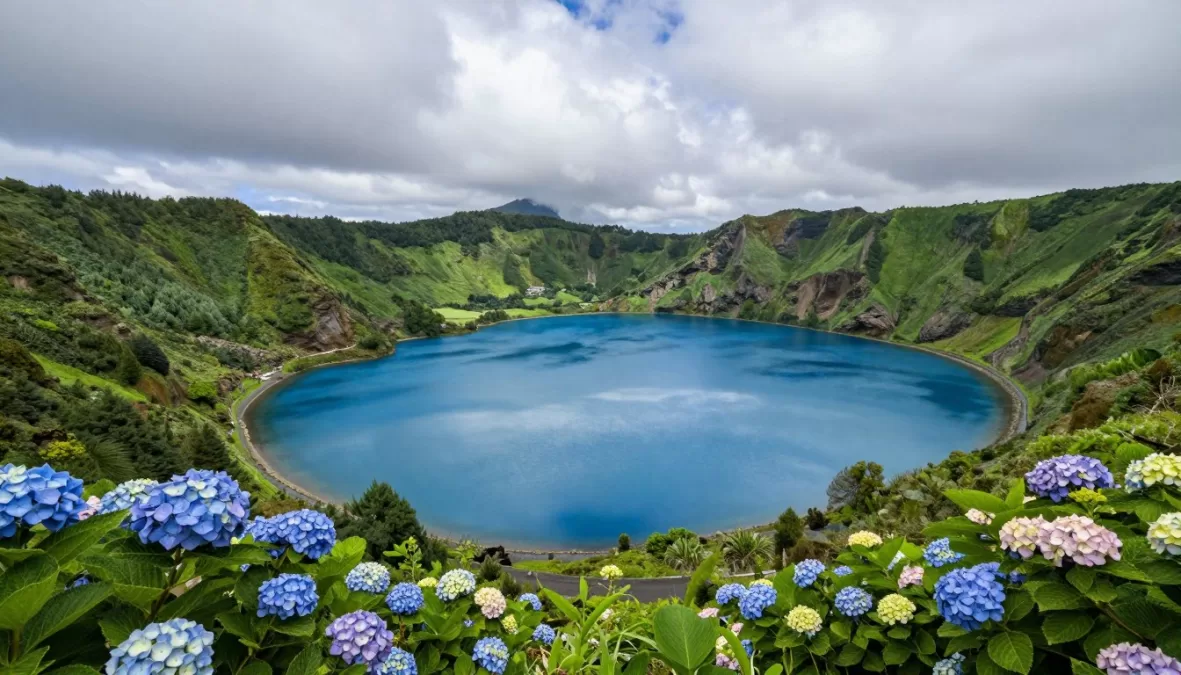
Nine volcanic islands rise from the Atlantic Ocean between Europe and North America. The Azores belong to Portugal but feel worlds apart. Crater lakes fill ancient calderas. Hot springs steam in hidden valleys. Whales and dolphins swim offshore year-round.
Most Europeans barely know these islands exist. Americans rarely consider them despite convenient flights from the East Coast. This obscurity has preserved an authentic Portuguese culture mixed with stunning natural landscapes.
Adventures Across the Islands
Each island offers distinct character and attractions. São Miguel features volcanic landscapes and thermal pools. Pico holds Portugal’s highest mountain and excellent wine country. Flores provides dramatic waterfalls and hiking trails. Island-hopping reveals diverse experiences within a compact region.
Outdoor activities dominate most itineraries. Hiking trails crisscross volcanic terrain. Canyoning adventures descend jungle gorges. Kayaking explores coastal caves and sea cliffs. The islands attract active travelers seeking nature-based experiences.
Marine Life Encounters
The Azores rank among the world’s best whale watching destinations. Twenty-four cetacean species frequent these waters. Blue whales, sperm whales, and dolphins appear regularly. Swimming with wild dolphins offers unforgettable experiences.
Volcanic Thermal Pools
Natural hot springs provide relaxation after hiking. Furnas Valley contains multiple thermal pools with varying temperatures. Traditional cozido stew cooks underground using volcanic heat. The geothermal activity creates unique experiences.
Sustainable Agriculture
Pico Island produces wine from vines growing in volcanic rock. UNESCO recognized these unique vineyards as a World Heritage Site. Tea plantations on São Miguel remain Europe’s only commercial tea producers.
Growing Accessibility
Direct flights from major European cities continue to expand. American carriers recently added routes from East Coast hubs. Flight time from Boston takes just five hours. This improved accessibility makes the Azores increasingly attractive as a long weekend destination.
Tourism infrastructure develops rapidly. New hotels and guesthouses open across the islands. Rental car availability improves each year. Restaurant options expand beyond traditional Portuguese fare. These changes enhance visitor comfort while potentially diminishing authentic character.
Island Activities
- Hiking crater rims and coastal cliffs
- Swimming in natural volcanic pools
- Whale and dolphin watching tours
- Exploring lava tubes and caves
- Mountain biking volcanic landscapes
- Scuba diving around underwater volcanic formations
Cultural Experiences
- Traditional festivals celebrating maritime heritage
- Local cheese and wine tasting
- Historic whaling villages and museums
- Traditional pottery and handicraft workshops
- Religious processions and celebrations
- Farm-to-table dining experiences
Portuguese citizenship programs have attracted international attention. Remote workers discovered the islands during pandemic years. These trends bring gradual changes to island life. The next decade will likely transform the Azores from hidden secret to established destination.
San Agustín, Colombia – Pre-Columbian Archaeological Wonder
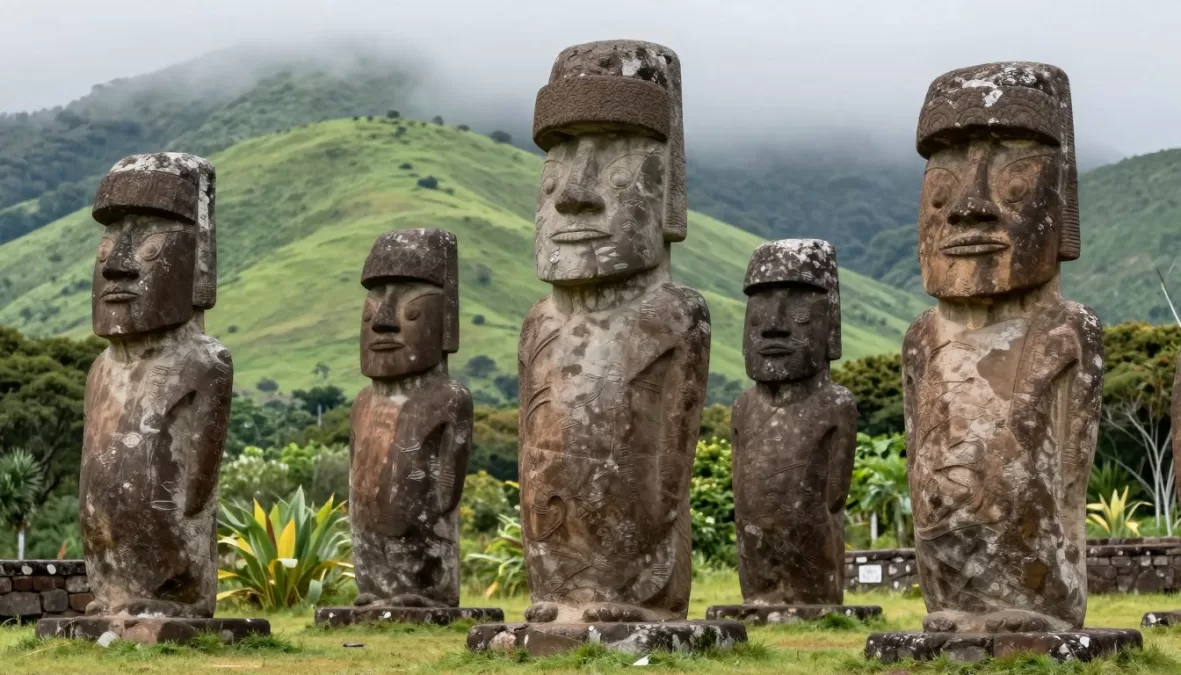
Deep in Colombia’s southern mountains lies an archaeological mystery. San Agustín contains hundreds of ancient stone statues carved by unknown civilizations. Some sculptures stand over six meters tall. Nobody knows who created them or why. The site predates Inca culture by centuries.
Colombia’s reputation kept international tourists away for decades. Security concerns dominated travel news. Recent years brought dramatic improvements in safety. However, the psychological barrier remains. This keeps visitor numbers low despite the region’s extraordinary attractions.
Exploring the Archaeological Parks
UNESCO designated San Agustín as a World Heritage Site. Multiple archaeological parks spread across rolling hills. Stone statues emerge from forested valleys. Ancient burial chambers contain intricate carvings. The sites span several square kilometers of countryside.
Horseback riding provides the traditional way to explore. Local guides lead trips through coffee plantations and rural villages. The journey to outlying sites crosses rivers and mountain trails. This adventure adds dimension beyond just viewing ancient sculptures.
Beyond the Ruins
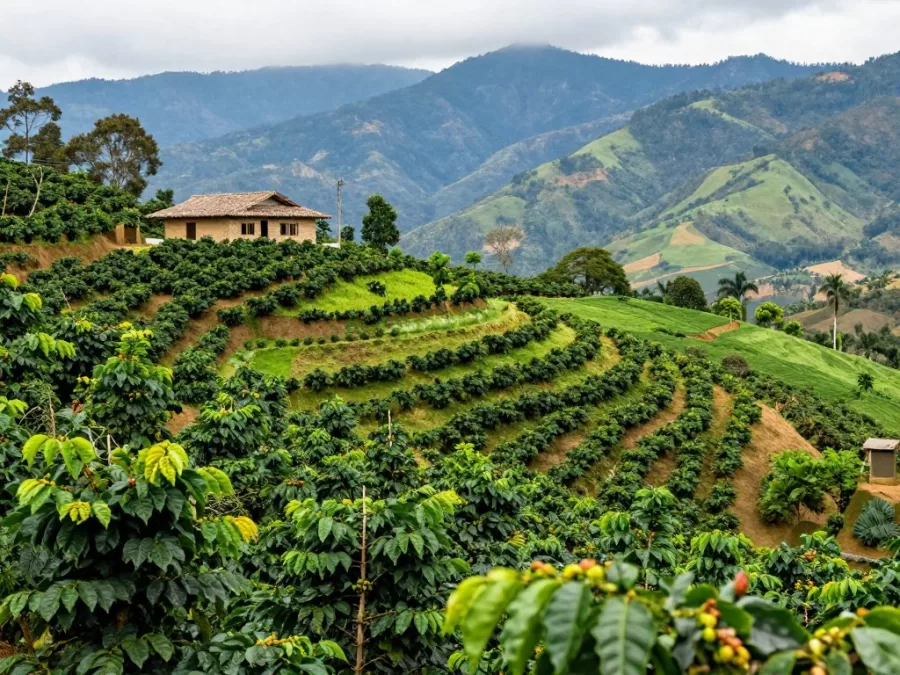
The surrounding region offers remarkable natural beauty. Coffee plantations cover terraced hillsides. The Magdalena River carves dramatic gorges through rock. Estrecho waterfalls cascade through narrow canyons. These natural attractions complement the archaeological sites.
The town itself retains authentic Colombian character. Plaza restaurants serve traditional food at local prices. Colorful colonial buildings line cobblestone streets. Tourism remains secondary to agriculture and daily life. This authenticity becomes increasingly rare in popular travel destinations.
Colombia’s Tourism Renaissance
International perceptions of Colombia have shifted dramatically. Major cities attract digital nomads and entrepreneurs. Coastal regions see growing beach tourism. The government actively promotes cultural and nature tourism throughout the country.
San Agustín benefits from this national transformation. Road improvements reduce travel time from major cities. New accommodations cater to international visitors. English-speaking tour guides increase in number. These developments make the region more accessible while maintaining its undiscovered character.
The archaeological significance alone justifies visiting. The surrounding landscapes and authentic culture provide additional rewards. Current visitor levels allow for peaceful exploration and genuine local interactions. This balance won’t last indefinitely as Colombia rises on global travel radar.
Nosy Be, Madagascar – Island Biodiversity Hotspot
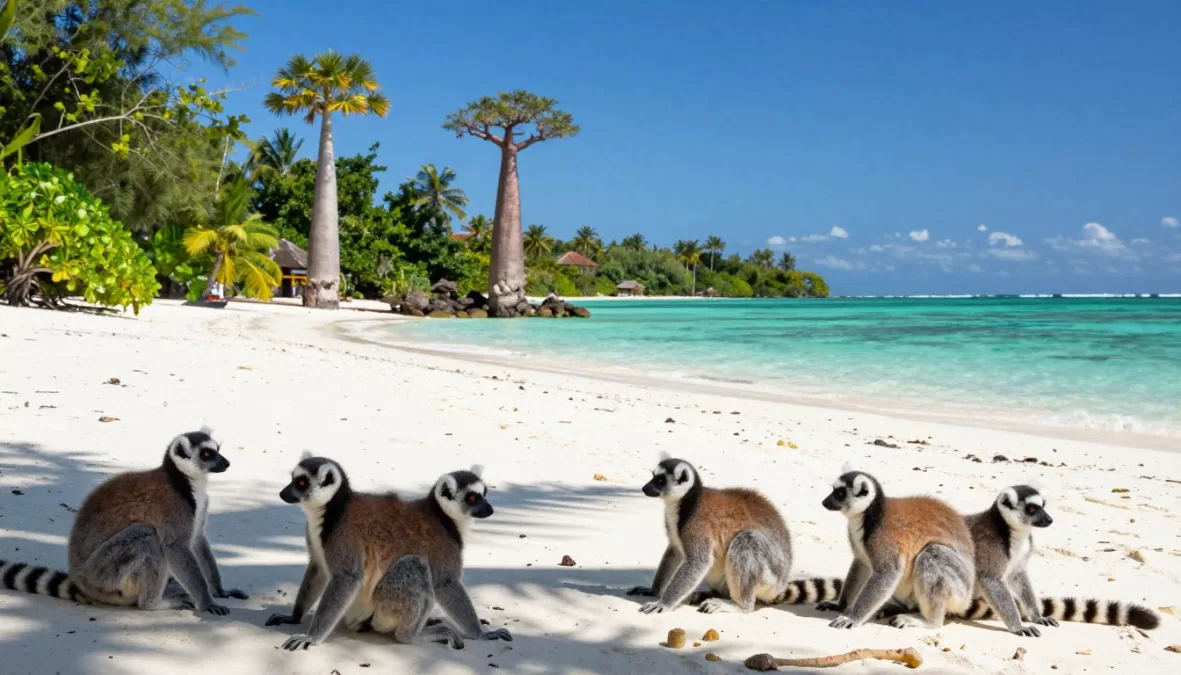
Off Madagascar’s northwest coast lies Nosy Be. This island paradise combines African and Asian influences. Pristine beaches curve along turquoise waters. Dense forests hide unique wildlife found nowhere else on Earth. Vanilla plantations perfume the air with sweet fragrance.
Madagascar’s isolation created evolution unlike anywhere else. Lemurs leap through trees. Chameleons change colors on branches. Orchids bloom in impossible variety. The island nation contains five percent of all plant and animal species despite covering less than one percent of Earth’s land.
Wildlife Encounters
Nosy Be provides access to Madagascar’s famous biodiversity. Lemur species inhabit nearby reserves and forest fragments. Sea turtles nest on remote beaches. Whale sharks gather offshore during specific seasons. The surrounding waters host diverse marine life including humpback whales.
Lokobe Reserve protects remaining primary rainforest on the island. Guided walks reveal nocturnal mouse lemurs and leaf-tailed geckos. Bird watching produces endemic species found only in Madagascar. The forest demonstrates why biologists consider Madagascar a living laboratory of evolution.
Marine Adventures
The Mozambique Channel provides exceptional diving and snorkeling. Coral reefs surround the island in surprisingly healthy condition. Visibility exceeds 30 meters during dry season. Dive sites range from shallow gardens to dramatic walls.
Whale shark encounters happen between September and December. These gentle giants gather to feed on plankton. Swimming alongside them creates unforgettable memories. The experience rivals more famous destinations at a fraction of the cost.

Cultural Fusion
Nosy Be’s population reflects diverse influences. African, Arab, and Asian ancestry blend in local communities. French colonial heritage appears in architecture and language. Traditional beliefs mix with Islam and Christianity in unique ways.
Ylang-ylang plantations produce essential oils for perfume industry. Vanilla cultivation provides livelihoods for many families. Visitors can tour these agricultural operations and learn about production processes. The island’s economy remains rooted in agriculture rather than tourism.
Travel Considerations: Madagascar remains one of the world’s poorest countries. Infrastructure outside tourist areas can be basic. Medical facilities are limited. Travel insurance with evacuation coverage is essential. Despite challenges, the rewards of visiting justify the extra planning required.
The Tourism Tipping Point
Nosy Be has avoided mass tourism that affected other Indian Ocean islands. Limited direct international flights maintain this status. However, new resort developments appear regularly. European tour operators increasingly include Madagascar in packages.
Political stability has improved in recent years. Infrastructure projects gradually enhance accessibility. Direct flights from European capitals may soon increase. These factors will likely boost visitor numbers significantly over the next five to seven years.
The island’s unique position as a biodiversity hotspot attracts nature enthusiasts. Current visitor levels allow for intimate wildlife encounters and beach solitude. This window provides opportunities to experience Madagascar’s magic before broader tourism development transforms the experience.
Musandam Peninsula, Oman – Arabia’s Fjordland
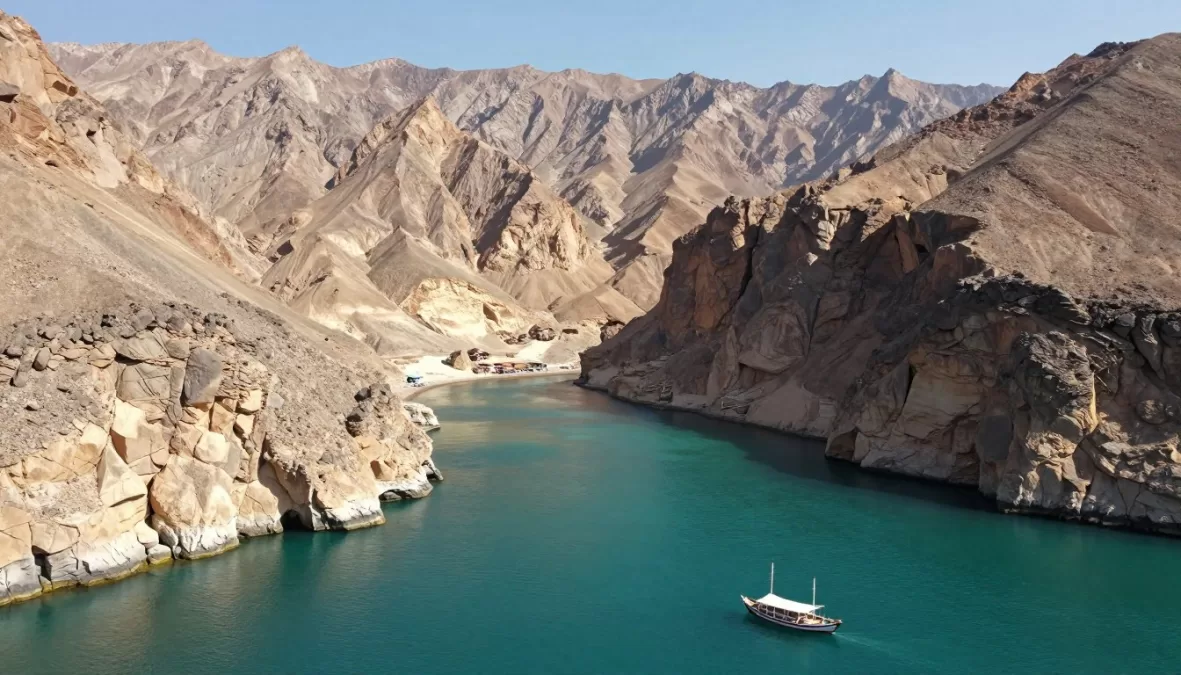
The Musandam Peninsula juts into the Strait of Hormuz. Dramatic cliffs plunge into azure waters. Deep fjords cut between arid mountains. The landscape resembles Norway transported to Arabia. Yet few travelers beyond Gulf residents know this region exists.
Oman’s geographic position separates Musandam from the rest of the country. The United Arab Emirates surrounds this exclave. This creates unique cultural and logistical situations. The region maintains traditional Omani character while developing tourism infrastructure.
Exploring the Fjords
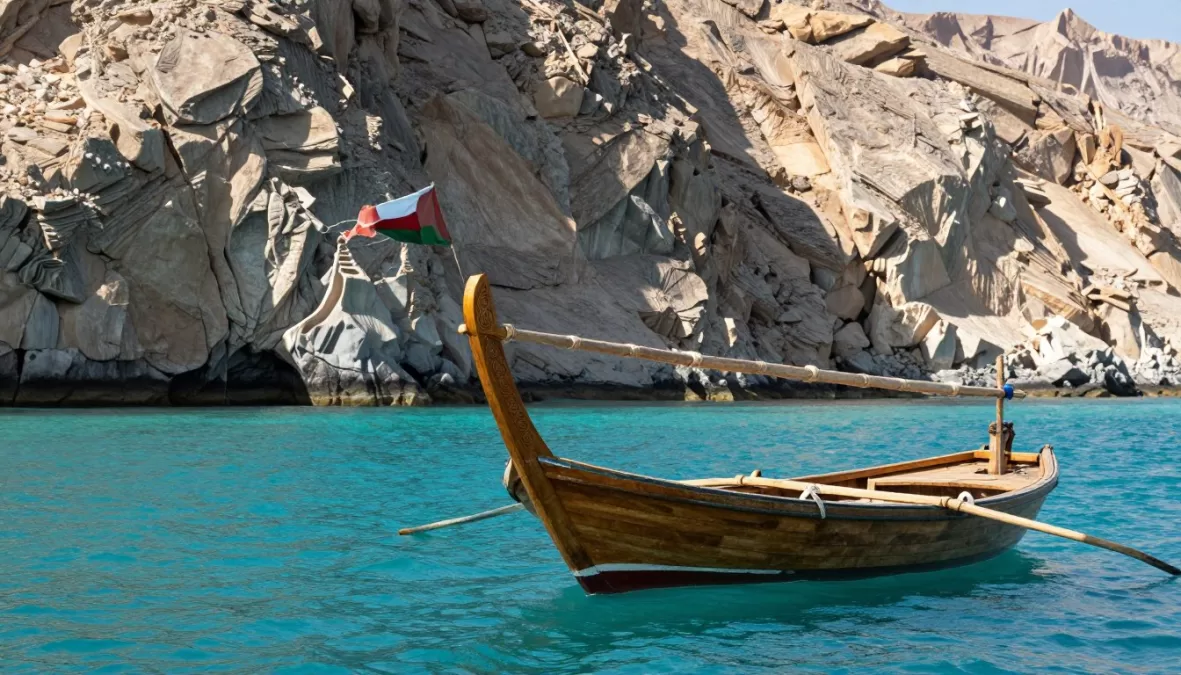
Traditional dhow boats provide the classic way to experience the fjords. Full-day cruises navigate between towering cliffs. Dolphins frequently swim alongside vessels. Snorkeling stops reveal healthy coral reefs. The water clarity allows views of marine life from the boat.
Remote fishing villages cling to fjord shores. Some remain accessible only by boat. Traditional stone houses blend into rocky landscapes. Residents maintain customs unchanged for generations. These communities offer glimpses into Arabian maritime heritage.
Adventure Activities
- Kayaking through narrow fjords and hidden coves
- Mountain hiking with panoramic views
- Scuba diving along dramatic underwater cliffs
- Camping on remote beaches under stars
- Fishing trips with local boat captains
- Off-road driving through mountain passes
Cultural Highlights
- Khasab Fort showcasing regional history
- Traditional markets selling Omani handicrafts
- Ancient rock carvings and petroglyphs
- Traditional dhow building workshops
- Bedouin desert experiences and stargazing
- Local seafood prepared in traditional methods
Telegraph Island and History
Telegraph Island holds historical significance dating to the 1860s. British telegraph cables connecting London to India passed through here. The repeater station ruins remain visible. Snorkeling around the island reveals abundant marine life in protected waters.
The strategic location controlled access to the Persian Gulf for centuries. Portuguese forts dot the coastline. Archaeological sites document ancient trading routes. This historical depth adds layers to the dramatic natural scenery.
Oman’s Tourism Development
The Omani government actively promotes tourism as economic diversification. Musandam receives targeted investment in hotels and infrastructure. New resorts open regularly. Cruise ships include Khasab in Gulf itineraries. These developments increase awareness of the region’s attractions.
The area remains relatively unknown outside the Middle East. European and American travelers rarely consider Oman for vacation. This provides current visitors with authentic experiences and limited crowds. The situation will change as Oman’s tourism marketing reaches broader audiences.
Accessibility continues improving. New roads reduce travel time from Dubai. Ferry services connect to UAE cities. Direct flights to Khasab expand from regional hubs. These infrastructure improvements make Musandam increasingly convenient while maintaining its dramatic isolation.
Svaneti Region, Georgia – Caucasus Mountain Villages
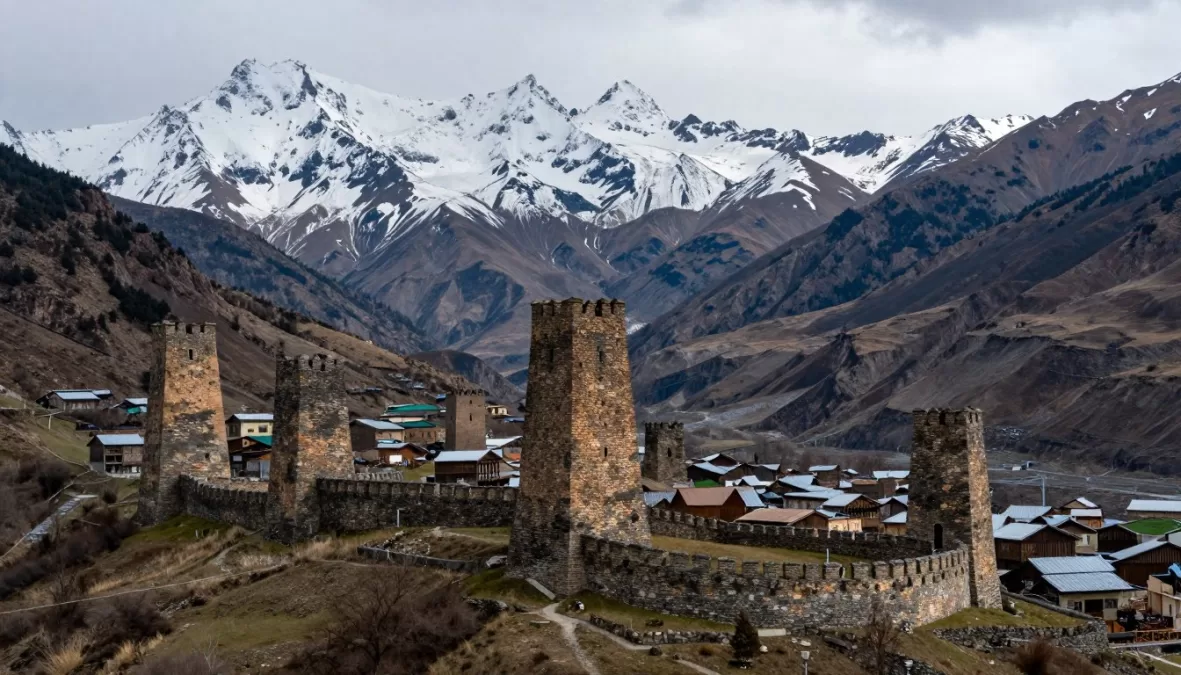
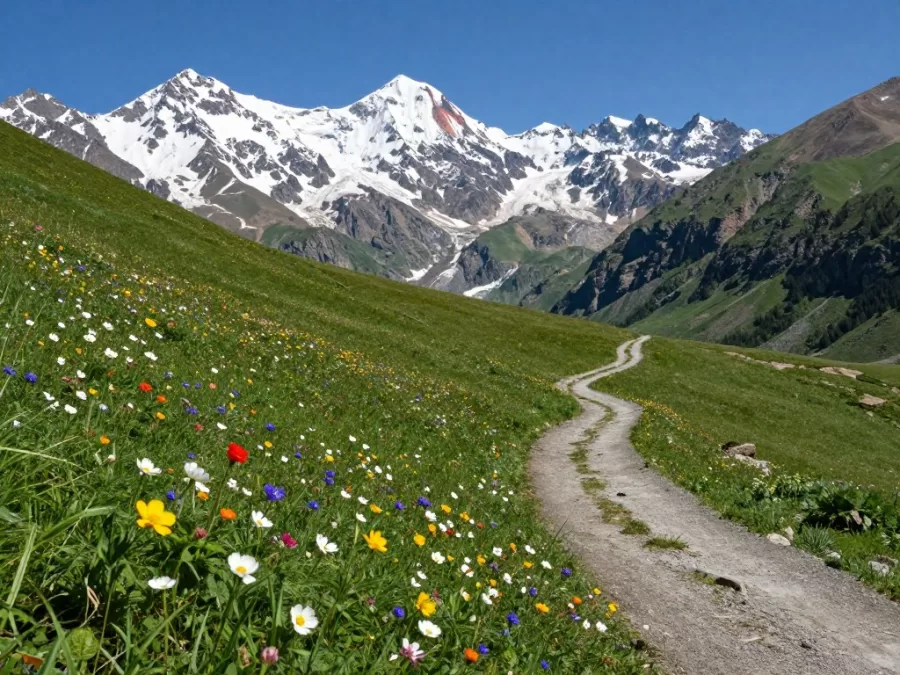
High in the Caucasus Mountains lies Svaneti. Medieval stone towers rise above mountain villages. Snow-capped peaks surround verdant valleys. Ancient traditions survive in this remote region of Georgia. The landscape combines Swiss Alps beauty with unique cultural heritage.
Svaneti remained isolated for centuries due to harsh winters and mountain barriers. This isolation preserved distinctive architecture and customs. The Svan people maintain their own language and traditions. UNESCO recognized the region’s cultural significance through World Heritage designation.
The Iconic Defense Towers
Stone towers dominate the skyline of Svan villages. Families built these structures centuries ago for defense and refuge. Some towers reach heights over 25 meters. The architecture represents unique engineering adapted to mountain conditions.
Mestia serves as the regional center. The town blends traditional towers with modern amenities. Several towers function as small museums. Visitors can climb stairs to experience medieval living conditions. The views from tower tops stretch across mountain panoramas.
Mountain Adventures
Svaneti attracts serious hikers and mountaineers. Trails connect remote villages through alpine meadows. Multi-day treks cross high passes with spectacular views. Mount Ushba’s distinctive twin peaks challenge experienced climbers.
Winter transforms the region into a ski destination. Tetnuldi and Hatsvali offer modern lifts accessing excellent terrain. Snow conditions rival European resorts. Lift tickets cost a fraction of Alpine prices. The ski areas remain largely unknown outside the Caucasus region.
Svan Culture and Traditions
The Svan people maintain fierce pride in their heritage. Traditional polyphonic singing continues at celebrations. Unique cuisine features hearty mountain dishes. Kubdari meat pies and tashmijabi potato dishes provide fuel for cold winters.
Local families operate guesthouses throughout villages. These homestays offer authentic cultural immersion. Hosts serve homemade wine and traditional meals. Conversations around the table provide insights into mountain life. This hospitality creates memorable experiences beyond just sightseeing.
When is the best time to visit Svaneti?
Summer (June through September) offers the best hiking conditions with accessible trails and comfortable temperatures. Winter (December through March) attracts skiers to the growing ski resorts. Spring and fall provide fewer crowds but unpredictable weather and possible road closures.
How do you reach Svaneti from Tbilisi?
Regular flights connect Tbilisi to Mestia in about one hour. Alternatively, marshrutka minibuses make the eight-hour drive through mountain roads. The road journey offers spectacular scenery but requires a strong stomach for winding mountain passes. Private drivers provide more comfortable options.
Is Svaneti safe for travelers?
Svaneti ranks among Georgia’s safest regions. The Svan people are known for their hospitality. Mountain conditions present the main risks – weather can change rapidly, and trails require proper equipment. Avalanche awareness is essential during winter months. Standard mountain safety precautions apply.
Georgia’s Growing Popularity
Georgia has emerged as a favorite destination among budget travelers and digital nomads. Tbilisi receives growing international attention. Wine regions attract culinary tourists. This national popularity gradually extends to mountain regions.
Svaneti infrastructure improves steadily. New hotels and guesthouses open each year. Ski resort expansion continues. Road improvements reduce travel time from Tbilisi. These developments make the region more accessible while changing its character.
Current visitor numbers remain manageable even during peak summer months. The region maintains authentic mountain character. However, the trajectory points toward significant tourism growth. The next five years will likely bring substantial changes as Georgia’s tourism industry matures.
Skeleton Coast, Namibia – Desert Meets Ocean
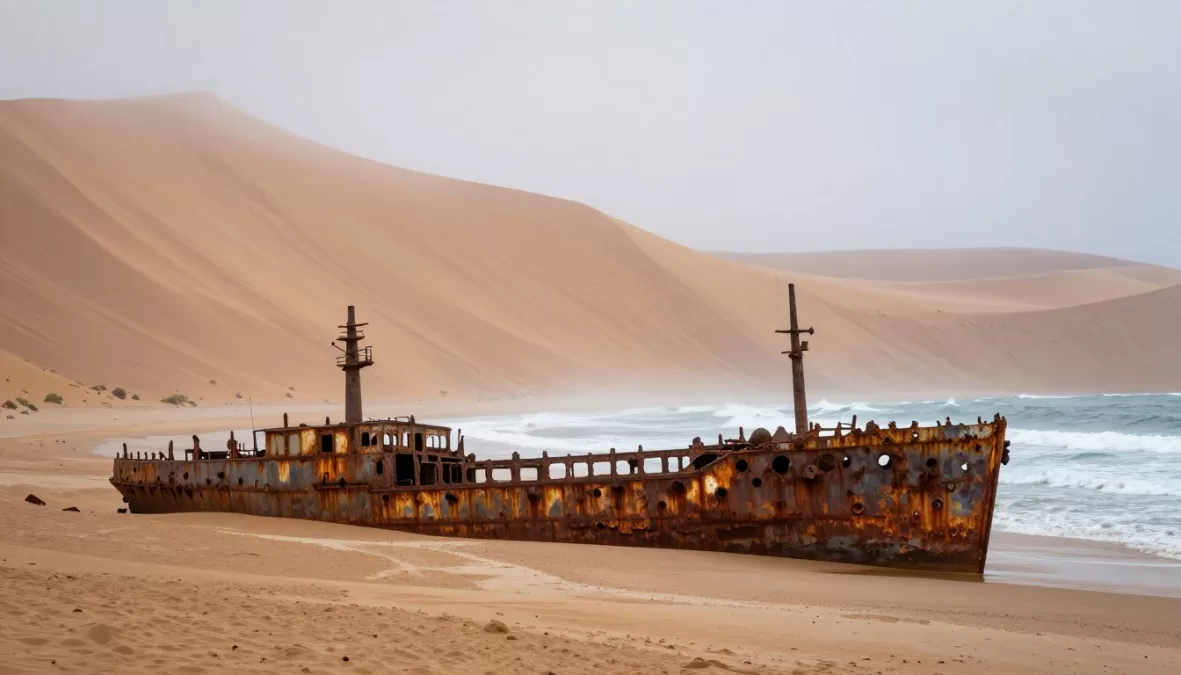
Where the Namib Desert crashes into the Atlantic Ocean lies one of Earth’s most dramatic landscapes. The Skeleton Coast earned its name from countless shipwrecks. Massive sand dunes meet crashing waves. Fog blankets the shore creating an otherworldly atmosphere. This remote region challenges and rewards adventurous travelers.
The coast stretches over 500 kilometers along Namibia’s northwestern shore. Most areas remain inaccessible by standard vehicles. This remoteness has preserved one of Africa’s last truly wild places. Few tourists venture beyond the southern sections near Swakopmund.
Harsh Beauty and Shipwrecks
Portuguese sailors called this coast “The Gates of Hell.” Treacherous currents and thick fog caused numerous maritime disasters. Rusted shipwrecks dot the beaches as monuments to the coast’s dangers. These skeletal remains create haunting photographic subjects.
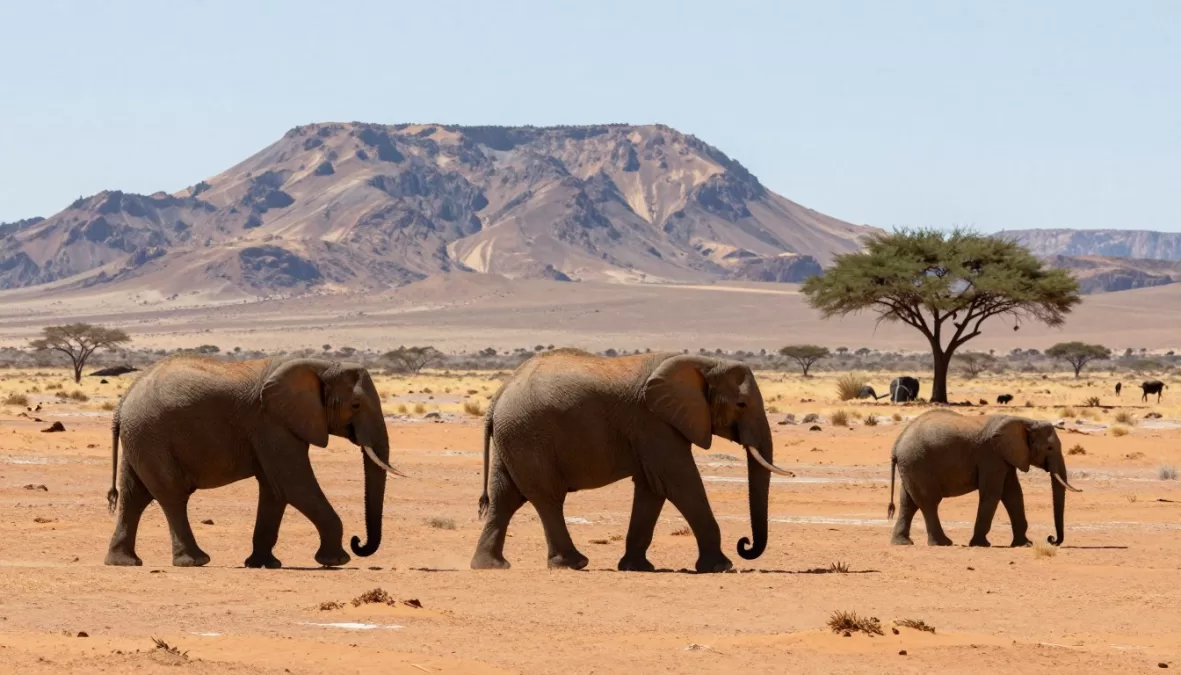
The landscape appears utterly inhospitable. Yet life adapts to extreme conditions. Desert elephants roam dry riverbeds. Seals colony by the thousands on rocky shores. Brown hyenas scavenge along beaches. Oryx antelope survive on minimal water. This biodiversity thrives despite the harsh environment.
Exploring the Forbidden Zone
The northern Skeleton Coast National Park requires special permits. Organized fly-in safaris provide the primary access method. Small camps accommodate guests in remote locations. These expeditions focus on landscapes and unique desert-adapted wildlife.
The southern sections near Swakopmund offer easier access. Cape Cross Seal Reserve hosts one of the world’s largest seal colonies. The constant noise and smell create intense sensory experiences. Thousands of seals cover every available space during breeding season.
Unique Experiences
- Photographing shipwrecks against desert backdrops
- Tracking desert elephants along seasonal rivers
- Observing massive seal colonies at Cape Cross
- Exploring clay castles formations in riverbeds
- Fly-in safaris over inaccessible coastline
- Camping in complete wilderness isolation
Photography Opportunities
- Fog rolling over sand dunes at sunrise
- Rusted shipwreck silhouettes at golden hour
- Desert wildlife in stark landscapes
- Dramatic Atlantic waves meeting sand
- Star photography in pristine dark skies
- Abstract patterns in sand and rock
Namibia’s Tourism Growth
Namibia has quietly built a reputation among safari enthusiasts. Etosha National Park attracts wildlife viewers. Sossusvlei’s dunes appear in countless photographs. However, the Skeleton Coast remains relatively unknown compared to these highlights.
Infrastructure improvements gradually open previously inaccessible areas. New lodges establish in remote locations. Tour operators expand offerings along the coast. These developments make the region more accessible to mainstream travelers.
The Namibian government balances tourism development with conservation. Strict permit systems limit visitor numbers in sensitive areas. This approach protects the environment while allowing sustainable tourism growth. Current access restrictions maintain the region’s wild character.
Planning Consideration: The Skeleton Coast requires serious planning and adequate budgets. Fly-in safaris cost significantly more than standard African safaris. However, the unique landscapes and isolation justify the investment for adventurous travelers seeking truly remote experiences.
The next decade will likely bring increased awareness of the Skeleton Coast’s dramatic beauty. Social media exposure grows steadily. Adventure tour companies expand operations. The region remains genuinely remote for now. But improved access and growing interest suggest changes ahead.
Sustainable Travel to Hidden Destinations
Hidden travel destinations face unique vulnerability to tourism impacts. Limited infrastructure means environmental systems can be easily overwhelmed. Small communities may lack resources to manage sudden tourism growth. Responsible travelers consider these factors when planning trips.
Environmental Impact
Pristine environments attract visitors but suffer from increased human presence. Coral reefs degrade from careless snorkeling. Wildlife behavior changes with human interaction. Trails erode from heavy foot traffic. Individual actions accumulate into significant environmental changes.
Minimize your footprint through conscious choices. Use reef-safe sunscreen in marine environments. Stay on marked trails during hikes. Avoid touching or feeding wildlife. Carry out all trash including organic waste. These simple practices protect fragile ecosystems.
Positive Tourism Impacts
- Economic opportunities for local communities
- Incentives for environmental conservation
- Cultural exchange and understanding
- Preservation of traditional crafts and skills
- Infrastructure improvements benefiting residents
- Global awareness of unique places
Potential Negative Impacts
- Environmental degradation and pollution
- Rising prices affecting local affordability
- Cultural commodification and changes
- Strain on limited resources and infrastructure
- Displacement of local residents
- Loss of authenticity and character
Supporting Local Communities
Tourism dollars should benefit destination communities. Choose locally-owned accommodations and restaurants. Hire local guides who understand their environment. Purchase authentic handicrafts directly from makers. These decisions keep money circulating within local economies.
Respect local customs and social norms. Dress modestly in conservative areas. Follow photography etiquette. Learn about local issues and concerns. Understanding community perspectives creates more meaningful travel experiences.
- Support locally-owned businesses
- Respect wildlife viewing guidelines
- Use eco-friendly products
- Learn basic local language phrases
- Follow Leave No Trace principles
- Choose sustainable tour operators
- Offset carbon emissions from flights
Responsible Travel Practices
- Littering or leaving waste behind
- Touching coral or disturbing wildlife
- Bargaining unfairly with vendors
- Taking artifacts or natural souvenirs
- Disrespecting local customs or dress codes
- Creating noise pollution in nature
- Promoting locations irresponsibly online
Practices to Avoid
Thoughtful Sharing on Social Media
Social media exposure can rapidly transform hidden destinations. A viral post brings thousands of visitors overnight. This sudden attention overwhelms small communities and fragile environments. Consider the consequences before sharing precise locations publicly.
Share your experiences without revealing exact coordinates. Focus on cultural insights rather than just scenery. Discuss the importance of responsible tourism. Your influence can help protect the places you love while inspiring others to travel thoughtfully.
Start Your Hidden Destination Adventure
These ten hidden travel destinations offer something increasingly rare in our connected world. They provide authentic experiences, stunning natural beauty, and opportunities to engage with cultures on their own terms. Each place shows signs of impending change as tourism infrastructure develops and awareness grows.
The window to visit these destinations in their current state won’t stay open indefinitely. Infrastructure improvements make places more accessible. Social media exposure brings growing crowds. Within five to ten years, today’s hidden gems may become tomorrow’s tourist hotspots.
Timing matters when seeking authentic travel experiences. These destinations currently balance accessibility with authenticity. They offer comfortable amenities while maintaining local character. They welcome visitors without being overwhelmed by tourism.
Planning a trip to lesser-known places requires extra effort. Limited information, language barriers, and logistical challenges create obstacles. However, these difficulties filter out casual tourists. The rewards justify the additional preparation for travelers seeking genuine connections and unique experiences.
Responsible tourism becomes especially important in hidden destinations. Environmental and cultural impacts magnify in places with limited infrastructure. Conscious choices about where to stay, what to buy, and how to behave protect these special places for future generations.
Start researching your next adventure to a hidden travel destination. Choose a place that matches your interests and travel style. Book that trip before the crowds discover what you already know. These destinations offer life-changing experiences for travelers willing to venture off the beaten path.
Ready to Explore Hidden Destinations?
Join our community of adventure travelers discovering the world’s secret places. Get exclusive destination guides, insider tips from local experts, and special deals on tours and accommodations. Your next unforgettable journey starts here.
Questions? Call our travel specialists Monday-Friday, 9 AM – 6 PM EST

Priyanka Pandey
Senior Research Editor · Top10Sense
Priyanka specializes in tech, consumer products, and digital trends. She combines hands-on testing, vendor interviews, and database research to create trustworthy “Top 10” rankings. Her work has been referenced by industry blogs and brand report pages.